B21, China Town Mall, Midrand

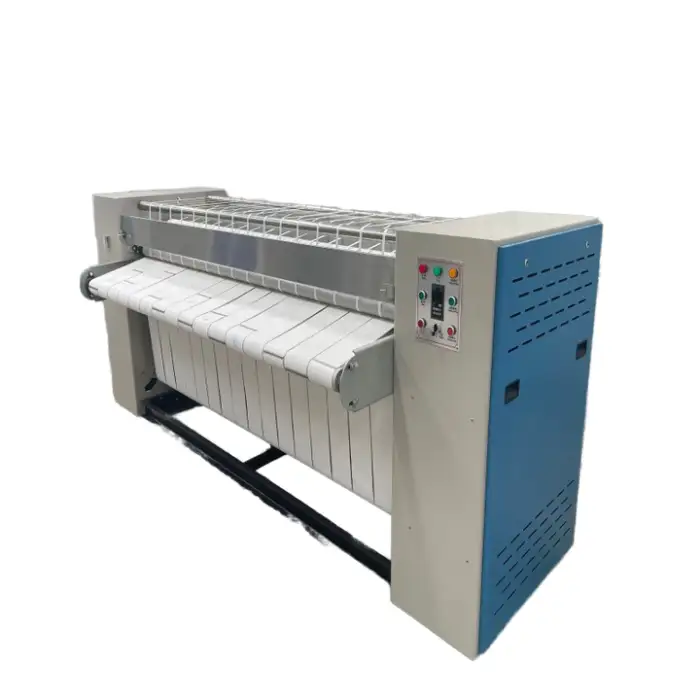
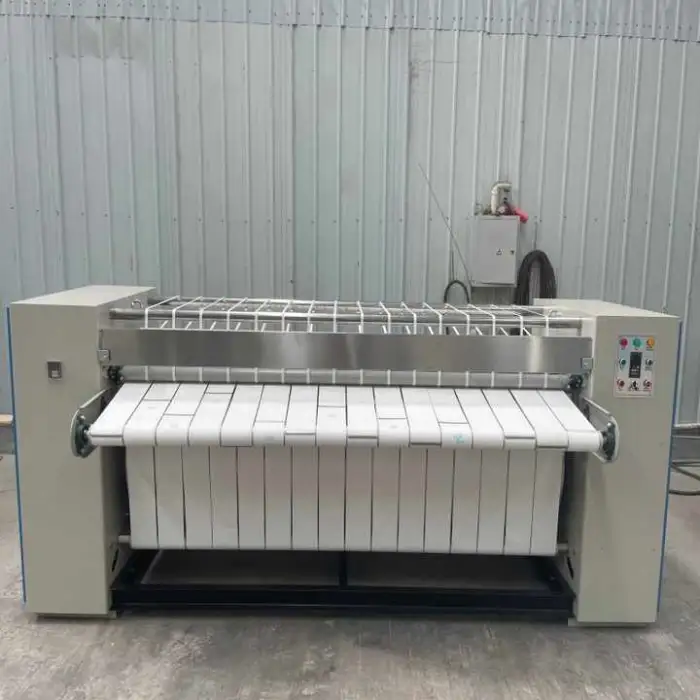
Industrial 2M Hotel Bed Sheets Quilt Cover Automatic Folding Machine Commercial Laundry Sheet Ironing Equipment
Asset finance available
Do you want funding for this equipment?
Afrimart can connect you with trusted funding partners who specialise in asset finance for businesses like yours. Compare options and apply in minutes — final approval is subject to provider review.
Check funding options
Secure & no obligation

- Section : Machinery
- Category : Cleaning Equipment
- SKU : 1601425563995

Industrial 2M Hotel Bed Sheets Quilt Cover Automatic Folding Machine Commercial Laundry Sheet Ironing Equipment
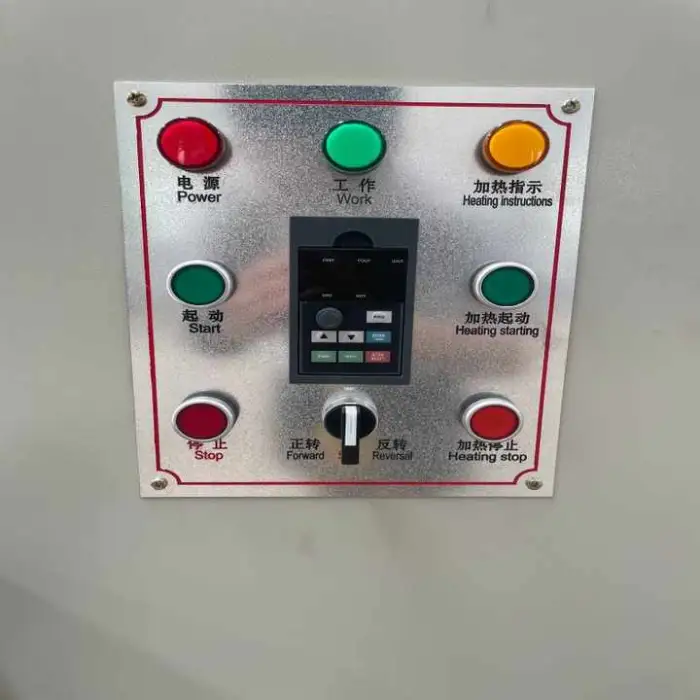
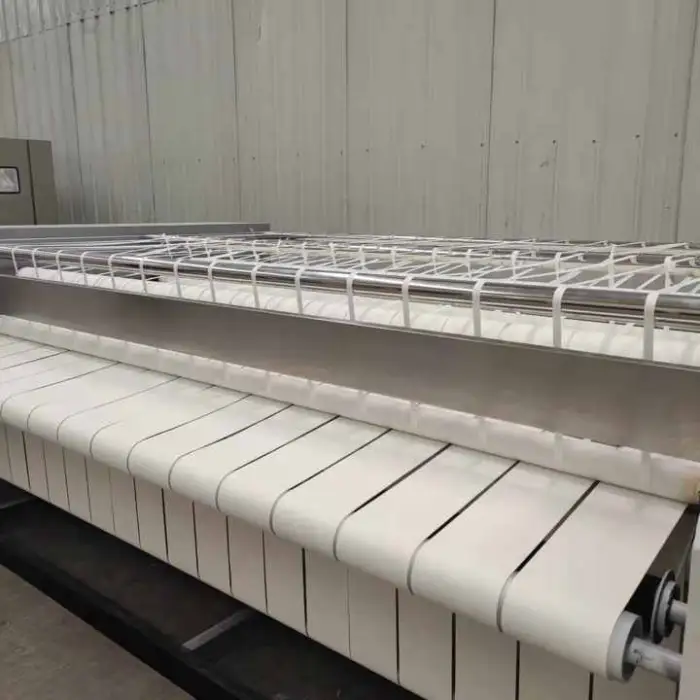
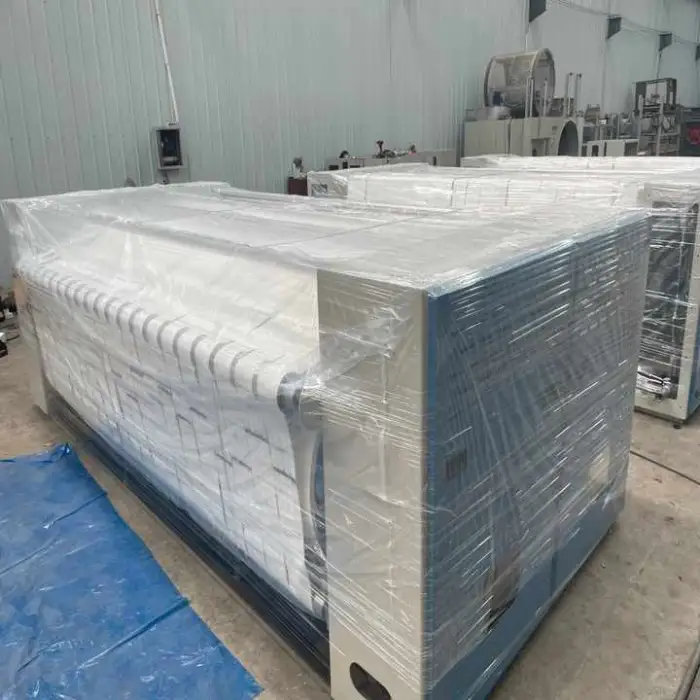
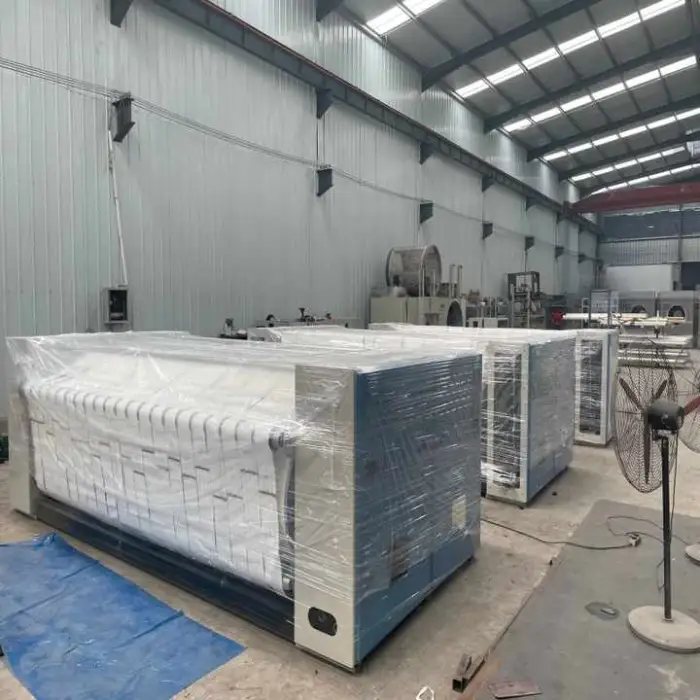
The Industrial 2M Hotel Bed Sheets Quilt Cover Automatic Folding Machine is a powerful tool for commercial laundry services. This machine makes it easy to clean and iron bed sheets and quilt covers quickly and efficiently. With advanced features like pressing, sterilization, and wrinkle removal, it ensures that your linens are always fresh and ready for guests.
Specifications
| Attribute | Details |
|---|---|
| Voltage | 220-240V, 380V |
| Cleaning Process | Clean-in-place |
| Housing Material | Stainless Steel |
| Fuel | Electric |
| Machine Type | Flatwork Ironer |
| Size | 3840*1500*1350 mm |
| Steam Heat | Yes |
| Batch/Continuous | Continuous |
Key Features
- Automatic folding for quick use.
- Uses steam heat for effective ironing.
- Made of durable stainless steel.
- Clean-in-place feature for easy maintenance.
- Removes wrinkles and provides a professional finish.
Applications
- Hotels and resorts for bed linens.
- Commercial laundries for efficient processing.
- Hospitals for sterilizing sheets and covers.
- Event services requiring quick linen turnaround.
- Any business needing high-volume laundry services.
Product Info Gallery
- Shipping Timeframes: All orders are processed within 2-5 business days (excluding weekends and holidays). After your order has been processed, the estimated delivery time is before 04 Aug, 2026, depending on customs, Please note that due to high demand, some items may experience longer shipping times, which will be communicated at order confirmation email.
- Order Processing Time: Please allow 2-5 business days for us to process your order before it is shipped . Orders placed after 16:00 on Fridays, or during weekends and public holidays, will begin processing on the next business day. Processing times may be extended during peak seasons or sales events.
- Manufacturing Time: Some products needs manufacturing time, the manufacturing process will take approximately 10-30 business days depending on the product. This timeframe may vary depending on the complexity of the product and current demand. but this will be communicated with you during order confirmation.
- Returns and Exchanges: We offer a 30-day return policy for most items. If you are not completely satisfied with your purchase, you may return it within 30 days of receipt for a refund or exchange. Items must be unused, in their original packaging, and accompanied by proof of purchase. Return shipping costs are the responsibility of the customer, unless the item was damaged or defective upon arrival.
1. What is the Industrial 2M Hotel Bed Sheets Quilt Cover Automatic Folding Machine used for?
It is a commercial flatwork ironer and automatic folding machine designed to press, sterilize, remove wrinkles from, and fold large bed sheets and quilt covers for hotels, hospitals, laundries and event services.
2. What does '2M' refer to in the product name?
'2M' typically refers to the working width or roll diameter capacity suited for linens up to about 2 meters wide. Confirm the exact meaning with the supplier for the specific model.
3. What are the machine's electrical requirements?
The machine is available for 220–240V and 380V electrical systems. Final wiring, amperage and phase requirements depend on model options and regional codes—have a qualified electrician review site power before installation.
4. Does the machine use steam or electric heating?
The specification lists Steam Heat as 'Yes' and Fuel as 'Electric', so the ironing surface is steam-heated while the machine is electrically powered. Models may require an external steam supply or offer an integrated boiler—check with the vendor.
5. What are the physical dimensions of the machine?
The machine's listed size is 3840 × 1500 × 1350 mm. Allow additional clearance around the unit for maintenance, loading/unloading and ventilation.
6. What is the cleaning-in-place (CIP) feature and why is it useful?
Clean-in-place (CIP) allows internal and critical surfaces to be cleaned without disassembly, reducing downtime and ensuring consistent hygiene—especially important for hospital and hotel linens.
7. How durable is the machine and what materials are used?
The housing and key components are stainless steel, which provides corrosion resistance and long-term durability in a commercial laundry environment.
8. Is the folding automatic and can folding patterns be adjusted?
The unit provides automatic folding for quick processing. Many commercial folding machines allow programmable folding patterns for different linen sizes; confirm with the supplier whether this model offers adjustable folding programs.
9. Is this machine suitable for continuous high-volume operation?
Yes — the specification lists the machine as 'Continuous', meaning it is designed for ongoing processing in high-volume commercial environments. Actual throughput will depend on linen size, operator workflow and selected settings.
10. What installation requirements should I prepare for?
Prepare appropriate electrical supply (220–240V or 380V), a steam supply or boiler hookup if required, hot/cold water and drainage for CIP, adequate floor loading capacity, and sufficient space for operation and maintenance. Site-specific requirements should be confirmed with the manufacturer.
11. What routine maintenance is required?
Routine maintenance typically includes daily cleaning (leveraging CIP), periodic inspection of steam seals and rollers, checking drive belts and bearings, lubrication per the manual, and prompt replacement of worn parts. Follow the manufacturer's maintenance schedule.
12. Does the machine provide sterilization of linens?
The machine lists sterilization among its features, typically achieved through high-temperature steam pressing. Sterilization effectiveness depends on exposure time and temperature; for medical-grade sterilization standards, confirm performance data with the supplier.
13. What safety features should I expect?
Commercial flatwork ironers generally include emergency stop buttons, protective guards around moving parts, temperature controls and overload protection. Verify the exact safety systems and compliance with local regulations before purchase.
14. Are spare parts, service and operator training available?
Most manufacturers and dealers provide spare parts, maintenance service plans and operator training. Request details on local service support, recommended spare parts kits and training options when ordering.
15. How can I get more technical details or a quotation?
Contact the supplier or manufacturer with your facility requirements (expected throughput, linen sizes, available utilities) to obtain detailed technical specifications, optional configurations and a tailored quotation.
Latest Order Arrivals
Discover our latest orders
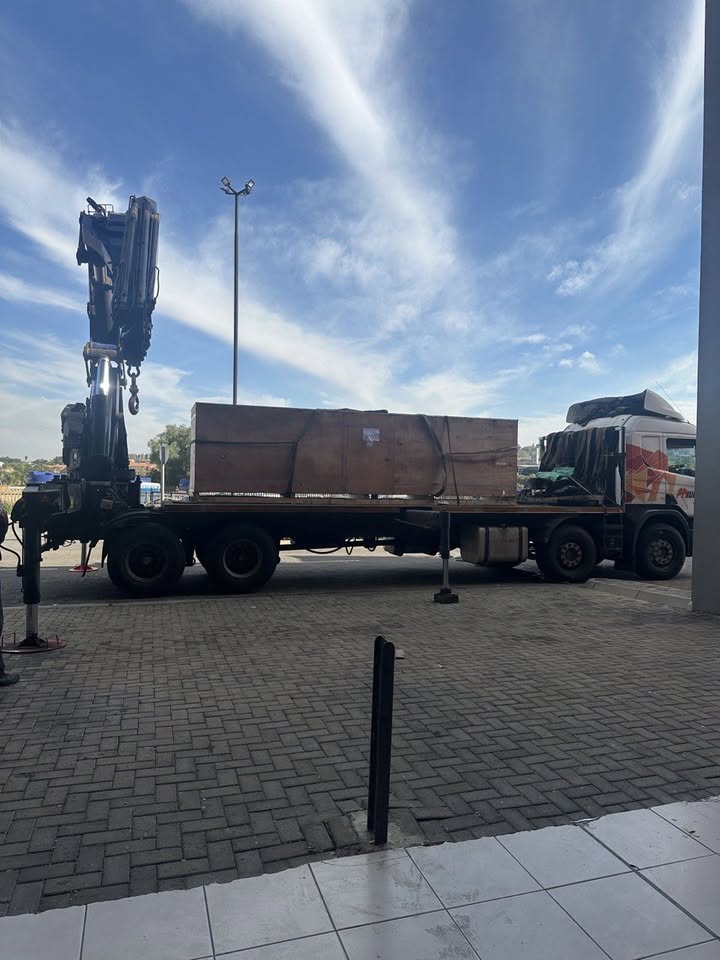
12 Heads Embroidery Machine
Toilet Paper Machine Machine
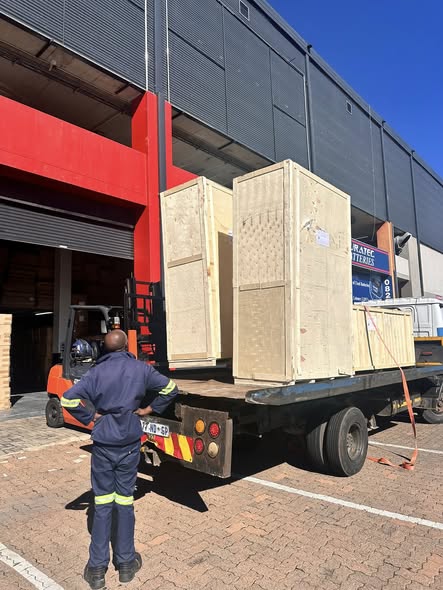
Order Collection
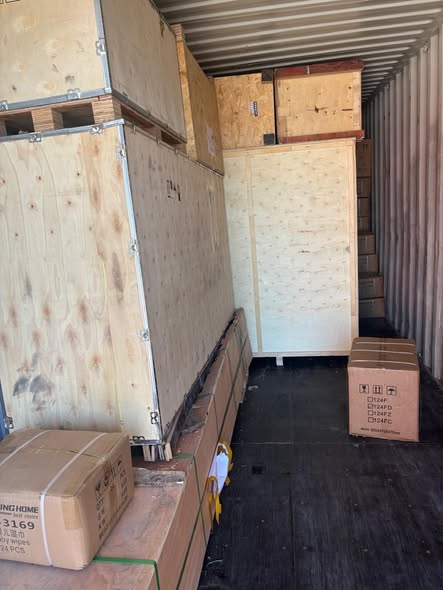
Cross Border Clients
Order cros border countries Collected
Industrial Machine Cllection
Agriculture Processing Machines
Ready for collection
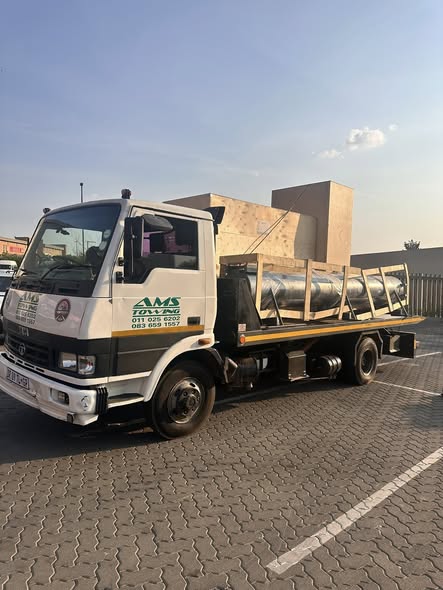
Water Pump Equipment
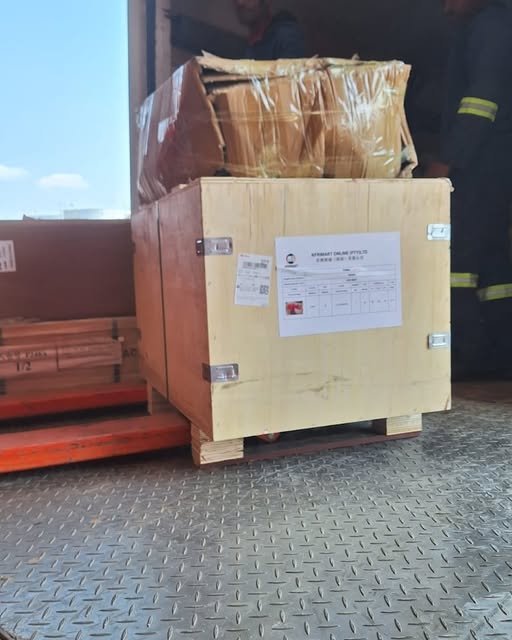
Packaging Machine and accessories
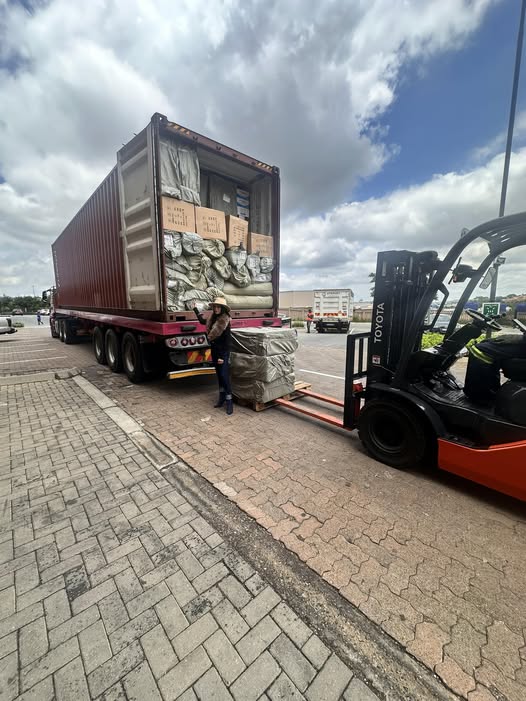
Fabrics Manufacturing Equipment
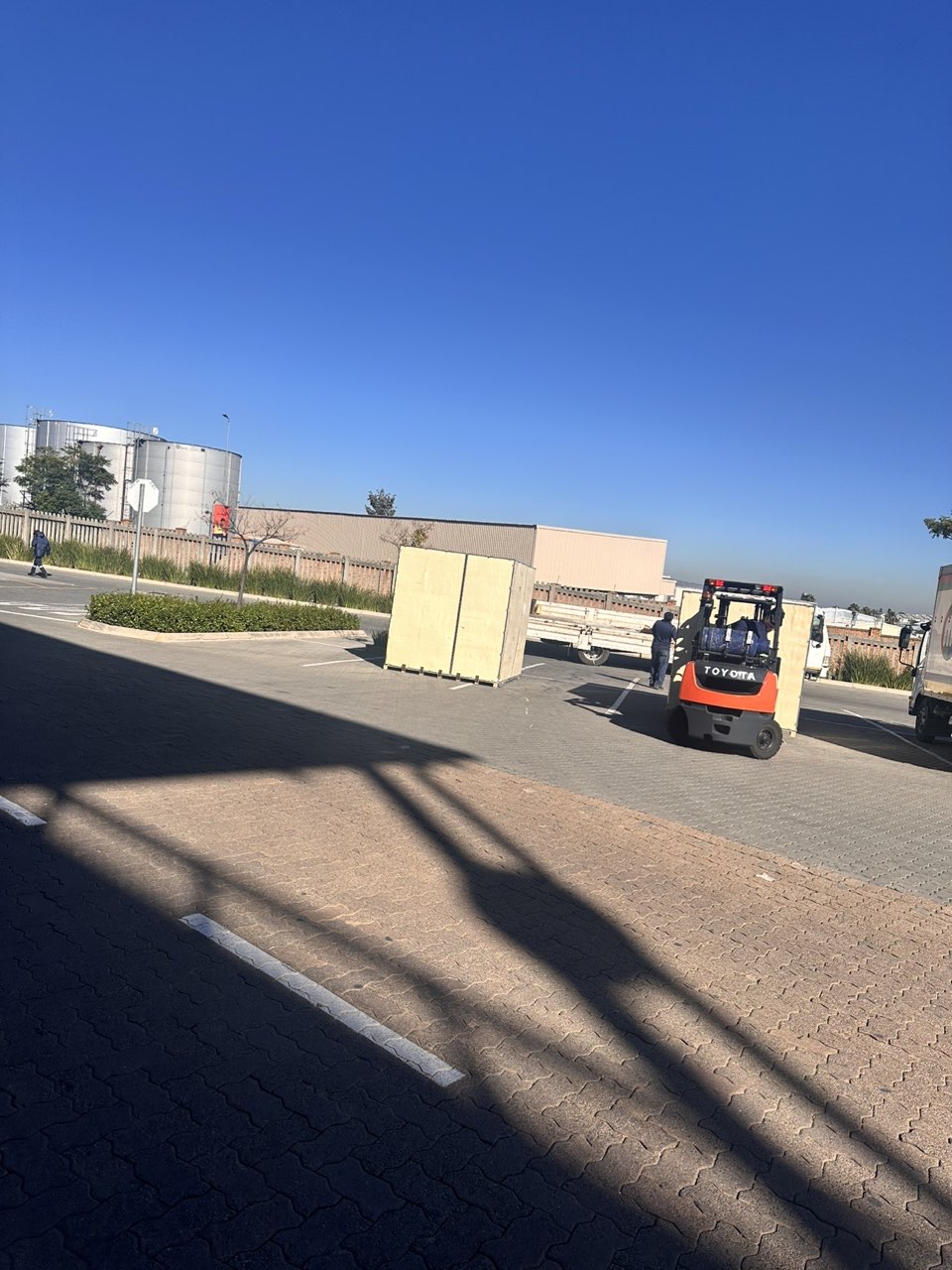
Mining Equipments
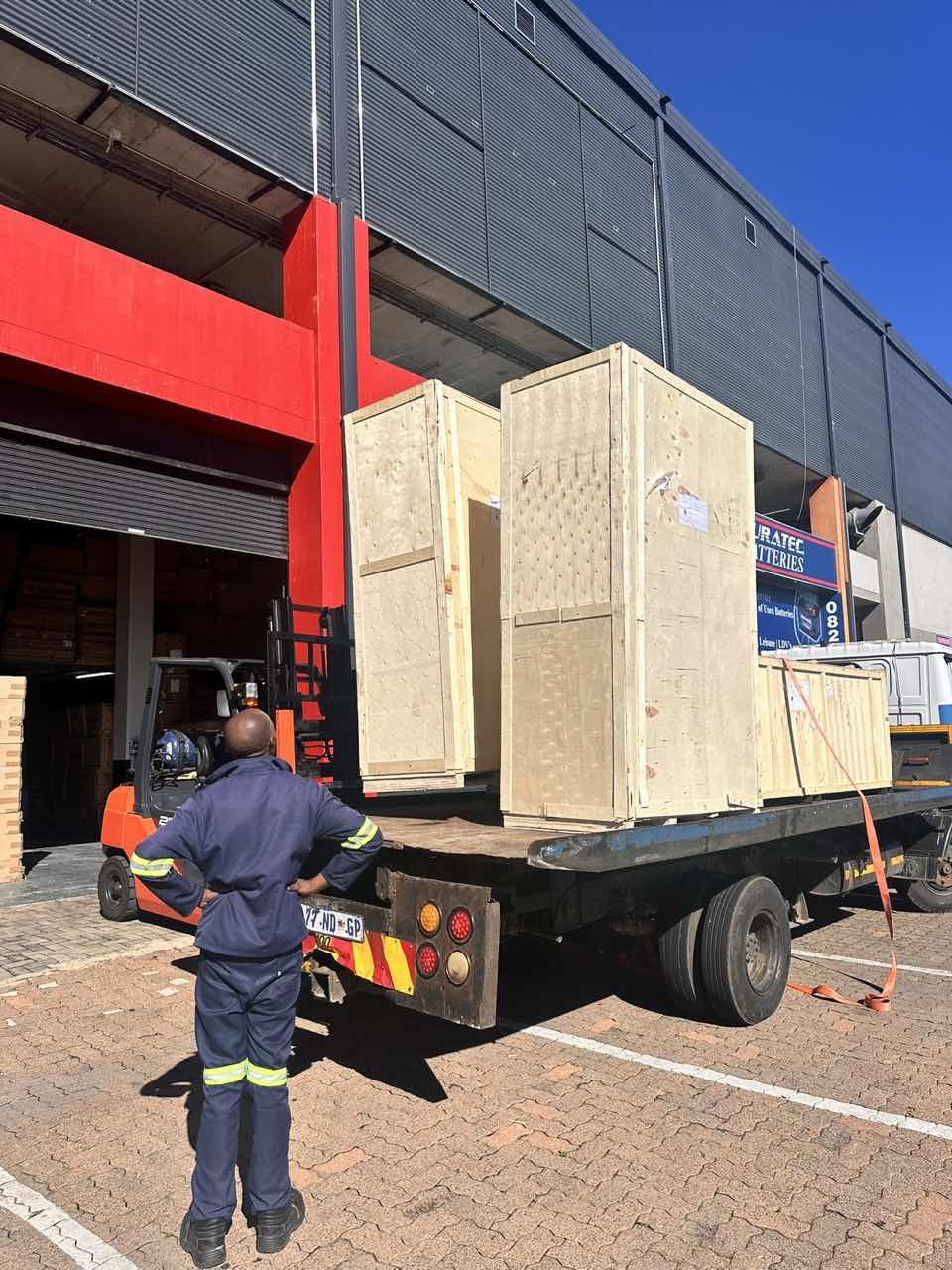
Food Processing Machine
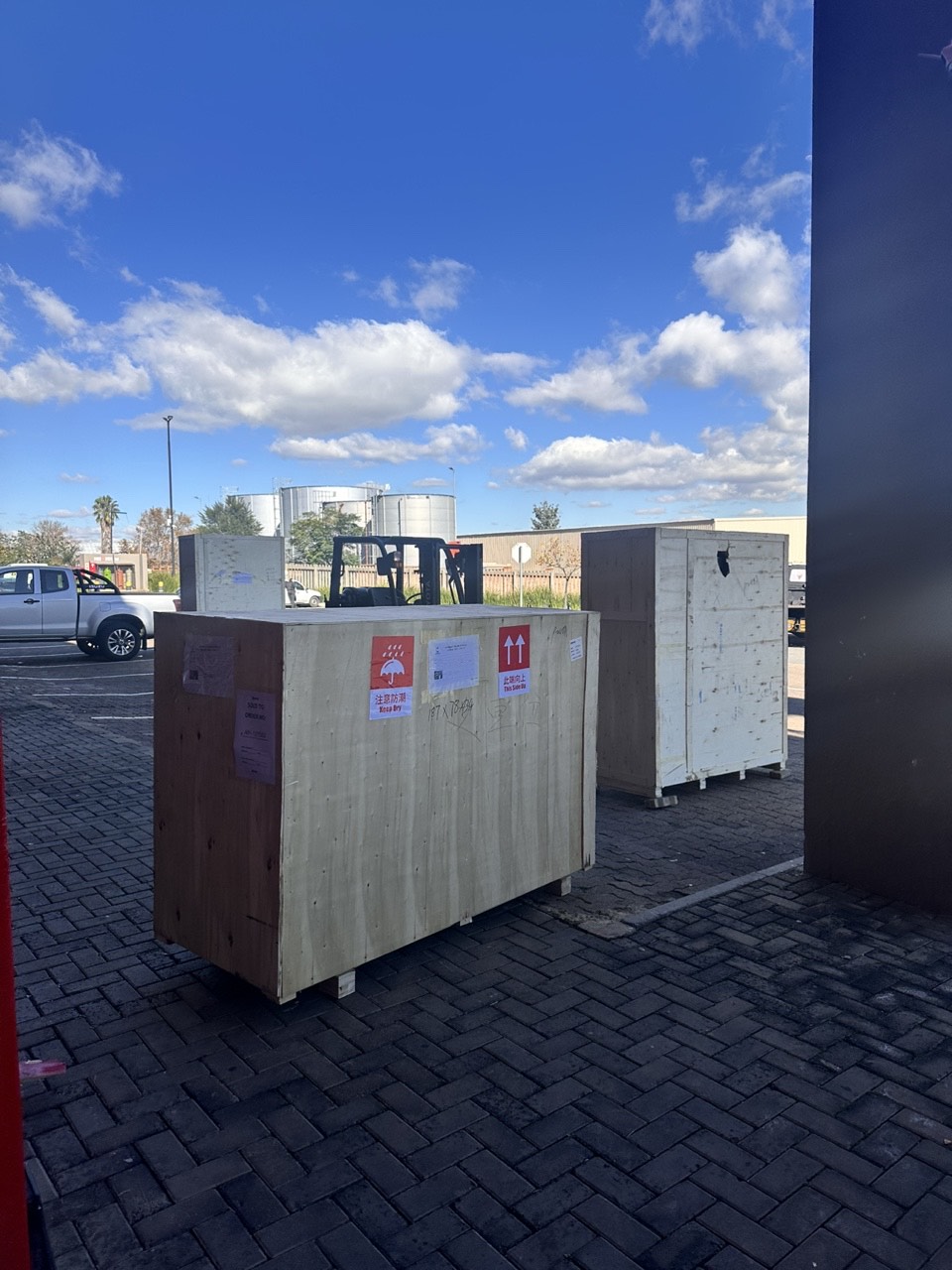
Batch of Orders
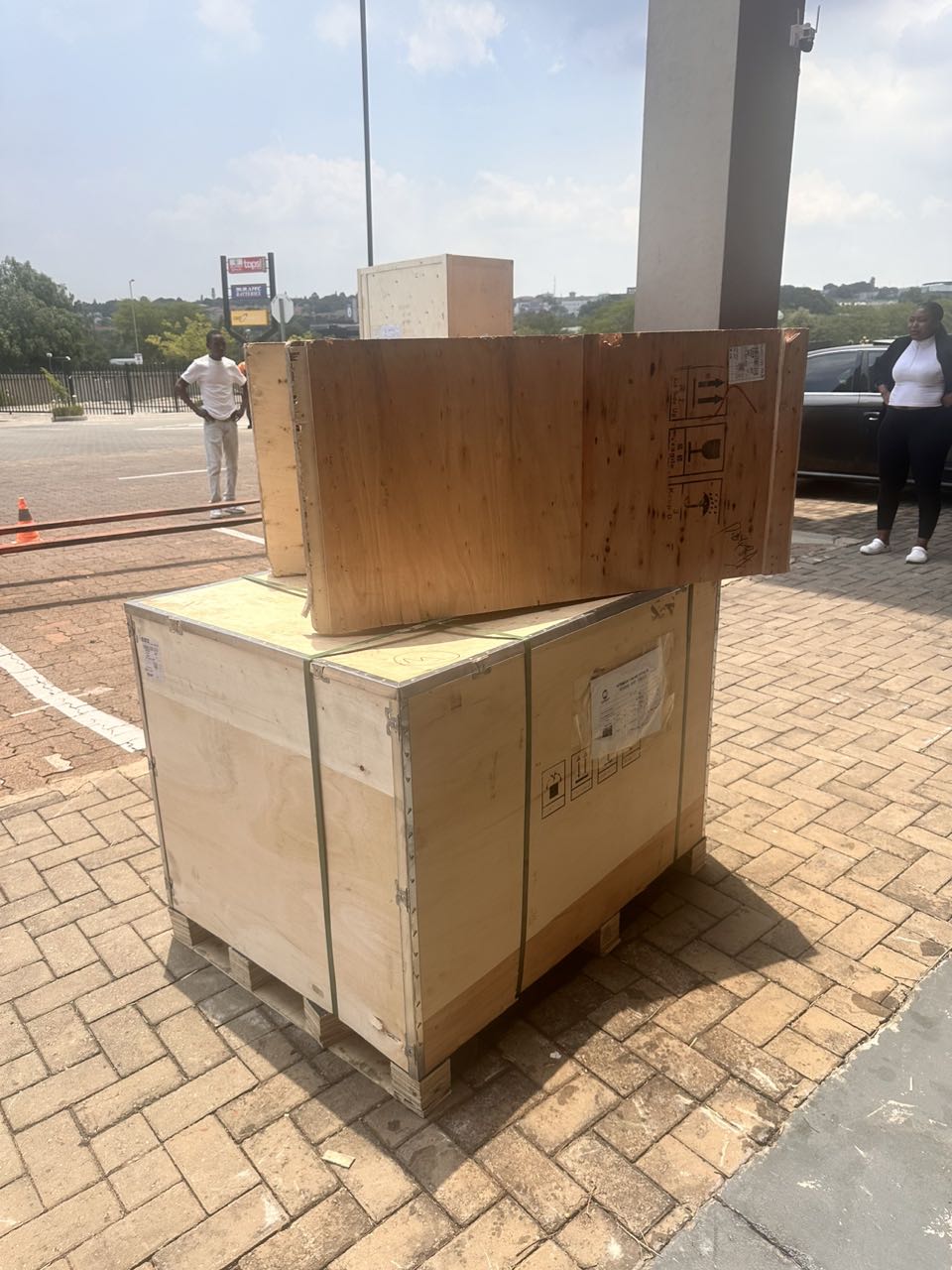
Batch of Orders
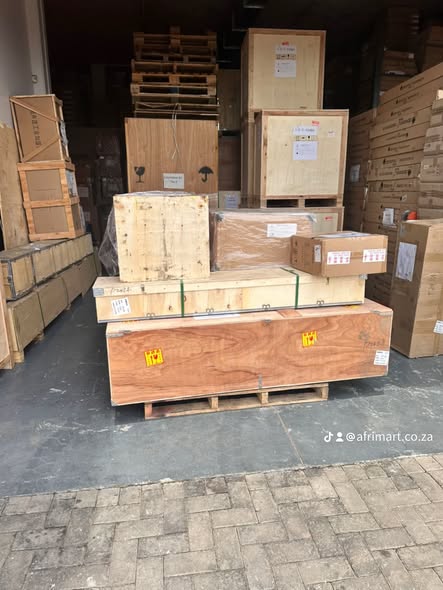
Latest Orders Labelled
wheel alignment machines
new arrivals
Pre Orders Offloading
Latest Arrivals
Latest Arrivals
Latest Arrivals
Loading
Toilet paper making machine
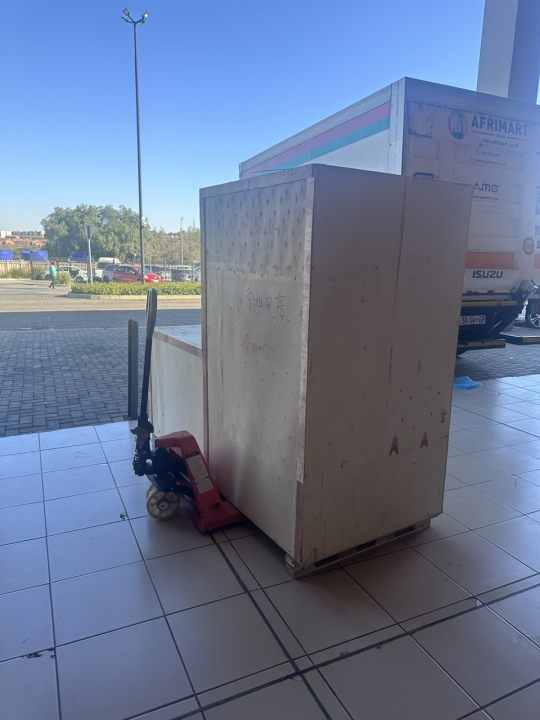
Toilet paper making machine
Toilet paper Rewinding Machine
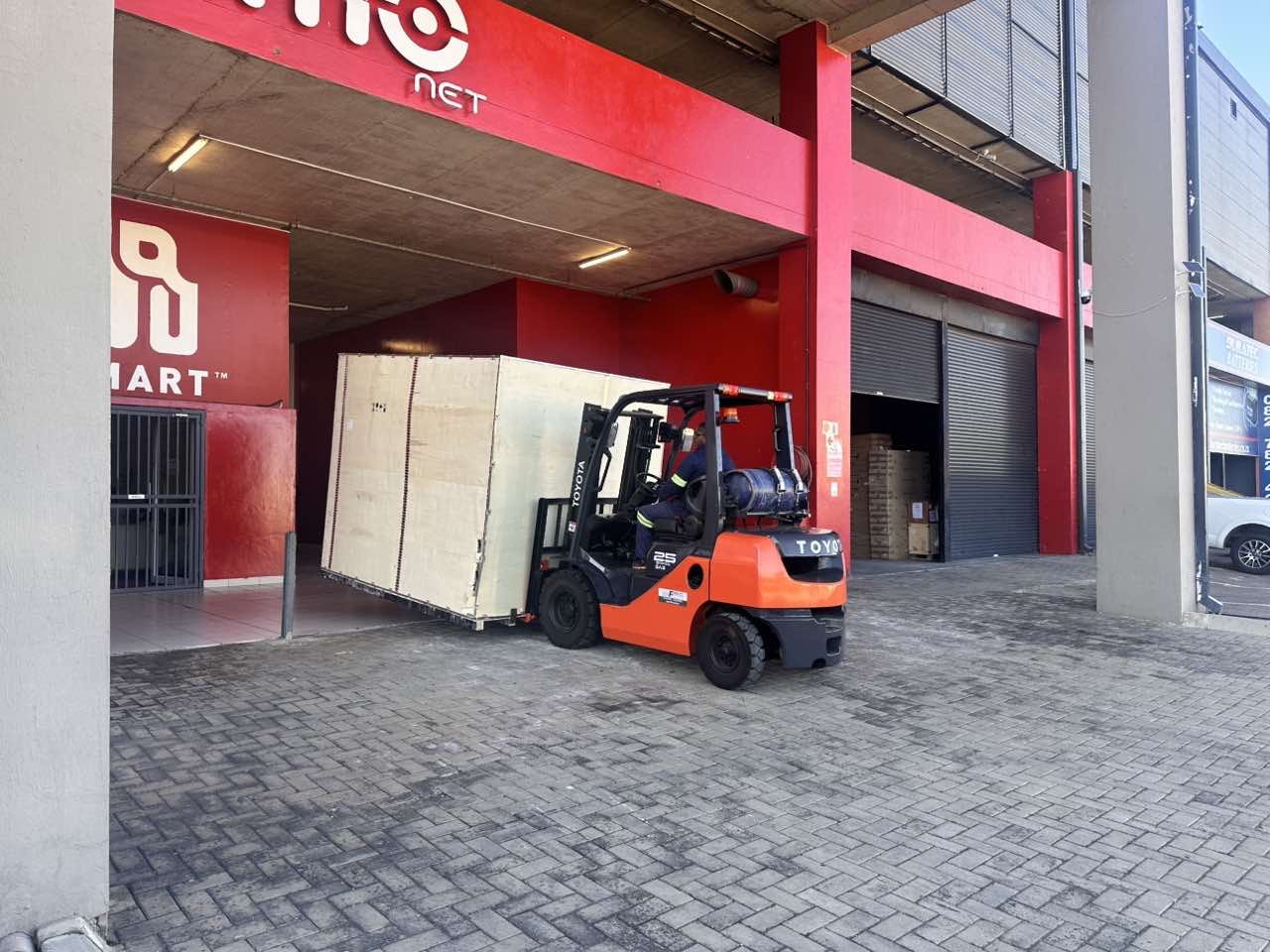
latest arrivals
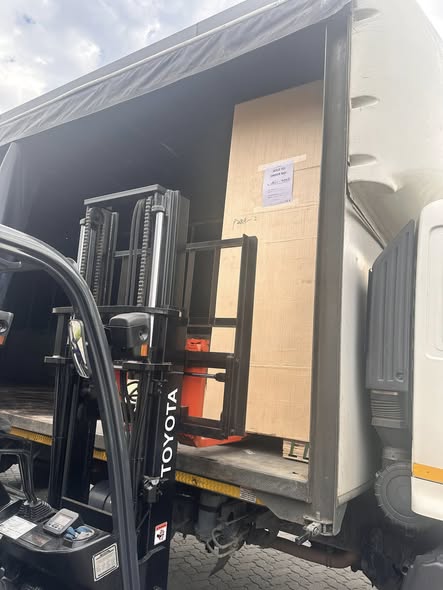
offloading
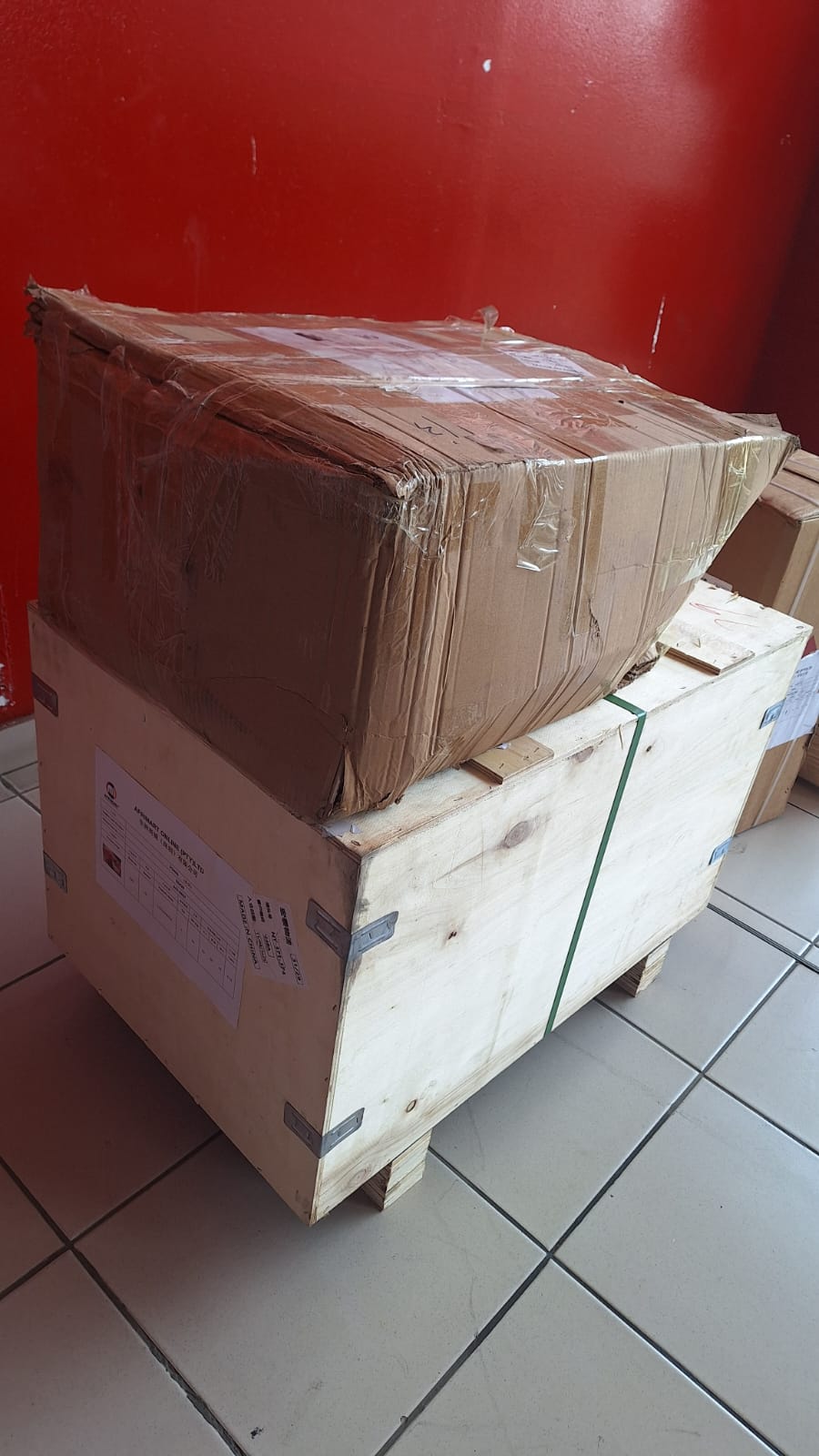
order success
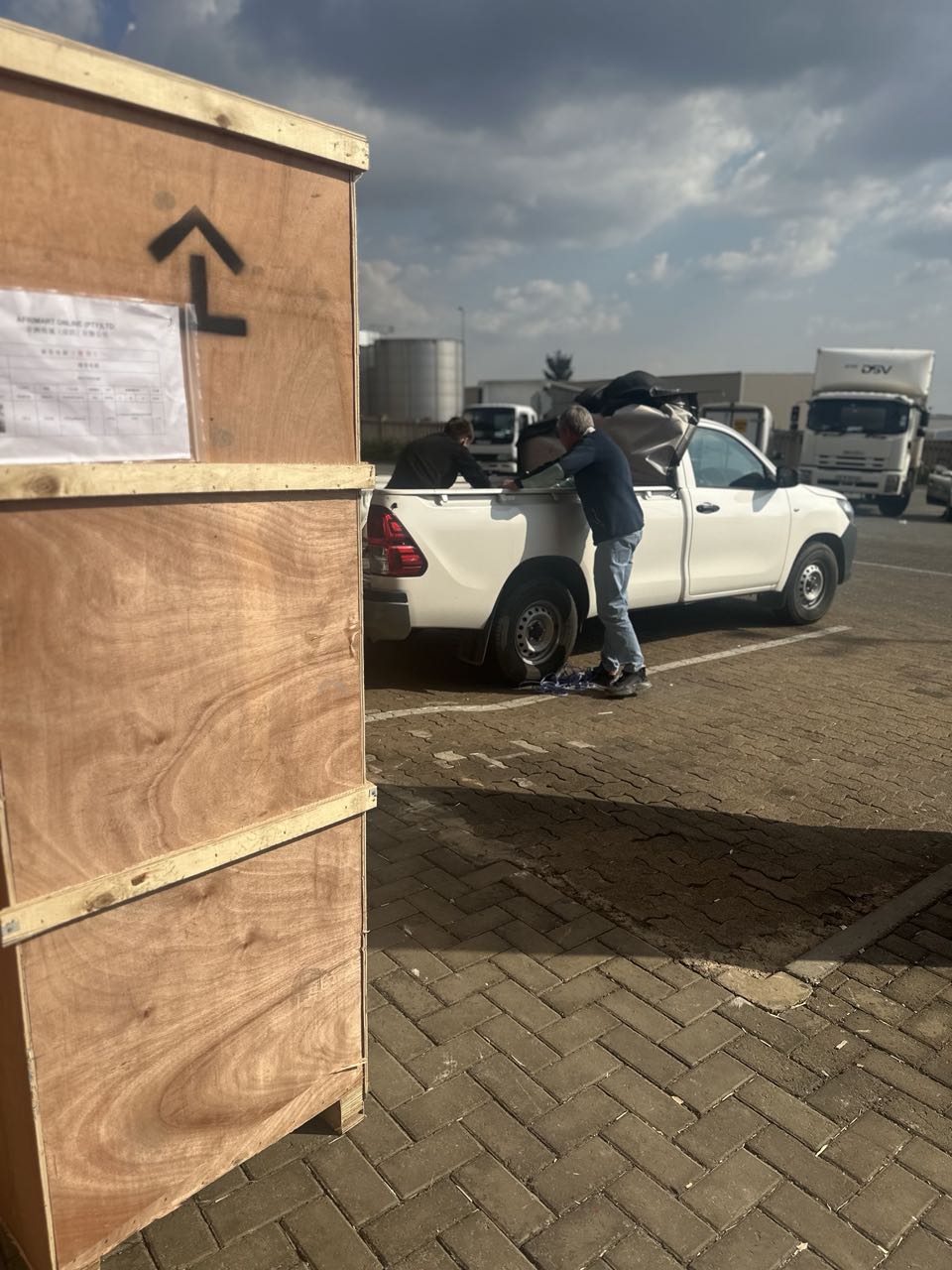
order collection
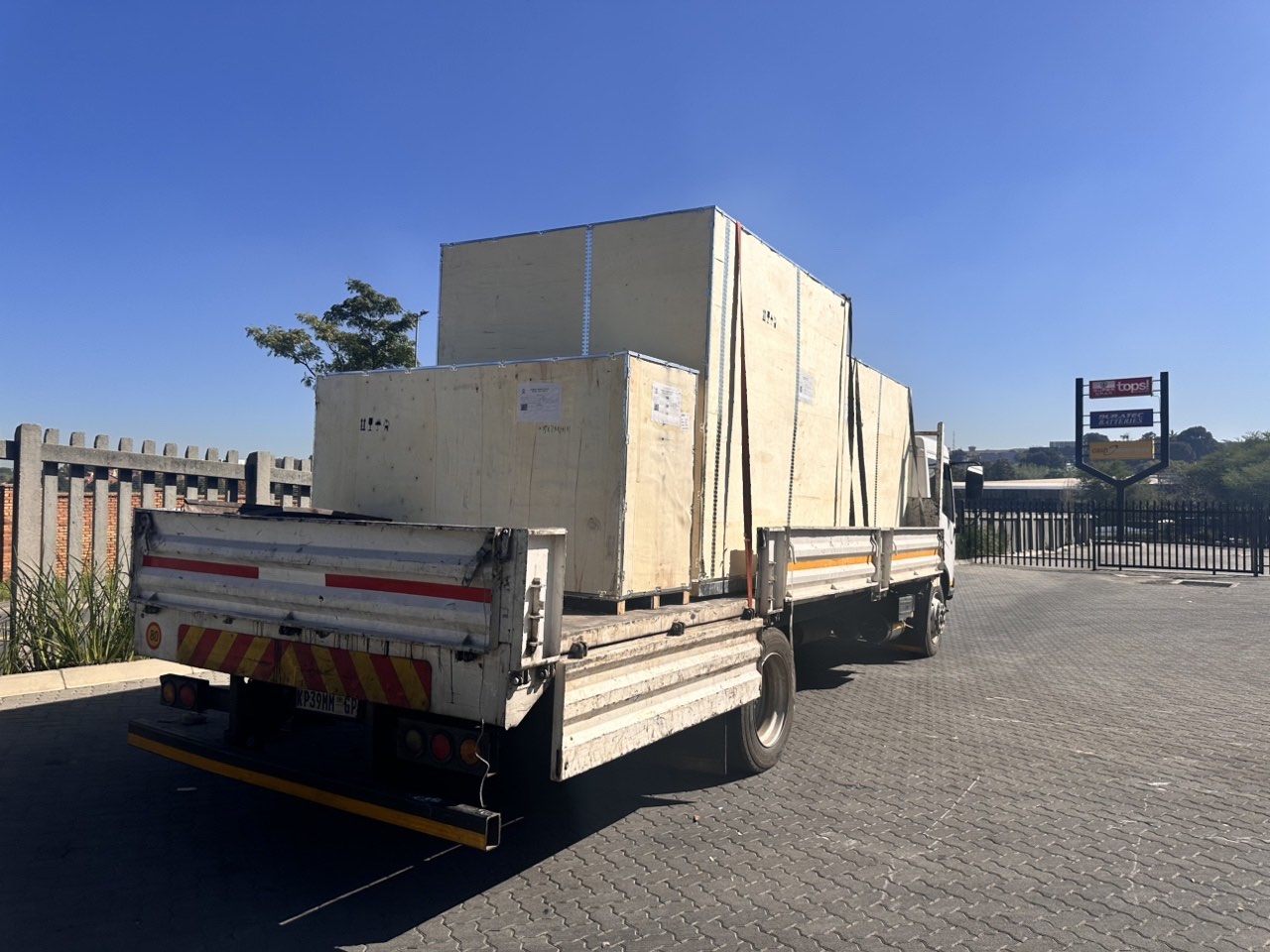
order offloading