B21, China Town Mall, Midrand

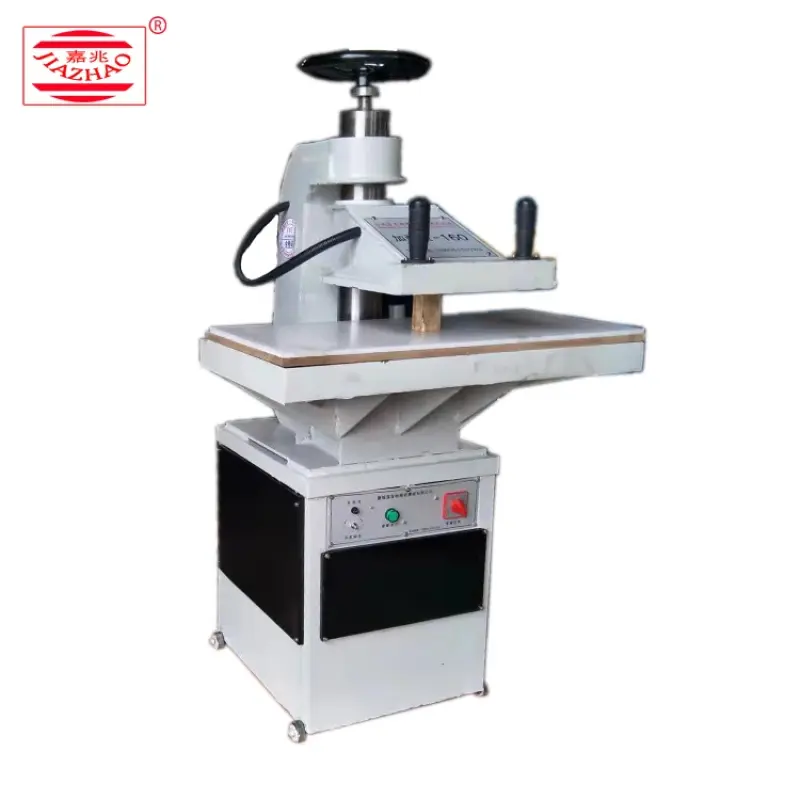
Hydraulic 10 12 16 20 T Swing Arm Die Cutting Punching machine for foam EVA Sponge Leather Plastic Press
Asset finance available
Do you want funding for this equipment?
Afrimart can connect you with trusted funding partners who specialise in asset finance for businesses like yours. Compare options and apply in minutes — final approval is subject to provider review.
Check funding options
Secure & no obligation

- Section : Machinery
- Category : Machine Tool Equipment
- SKU : 60229690451

Product Description
Double Click Hydraullic 10 T 12T 16T 20T Swing Arm Die Cutting Punching machine for foam EVA Sponge Leather Plastic Press
Main Features:
1. Four-Column 2 cylinder mechanism design, rigidity, can effectively ensure the plane precision of machinery, any position remains stable cutting force of the cutting force output.
2. intermittent single stroke operation, 2 hands button start, with emergency stop devices to ensure safe operation.
3. Die set is simple, accurate, high-speed cutting force .
4. Automatic lubrication system ensures the machine precision and enhance machine durability
Double Click Hydraullic 10 T 12T 16T 20T Swing Arm Die Cutting Punching machine for foam EVA Sponge Leather Plastic Press
Specification:
Max Pressure: 10T~20T
Working area: 350x360mm
Down plate size: 400x800mm
Stroke: 0~70mm (Adjustable)
Cutting speed: 0.07m/s
Distance between up and down plate: 40~115mm
Motor power: 0.75KW~1.5KW
Operation: Hydraulic
Machine weight:450~600kg
Machine size: 850x680x1500mm
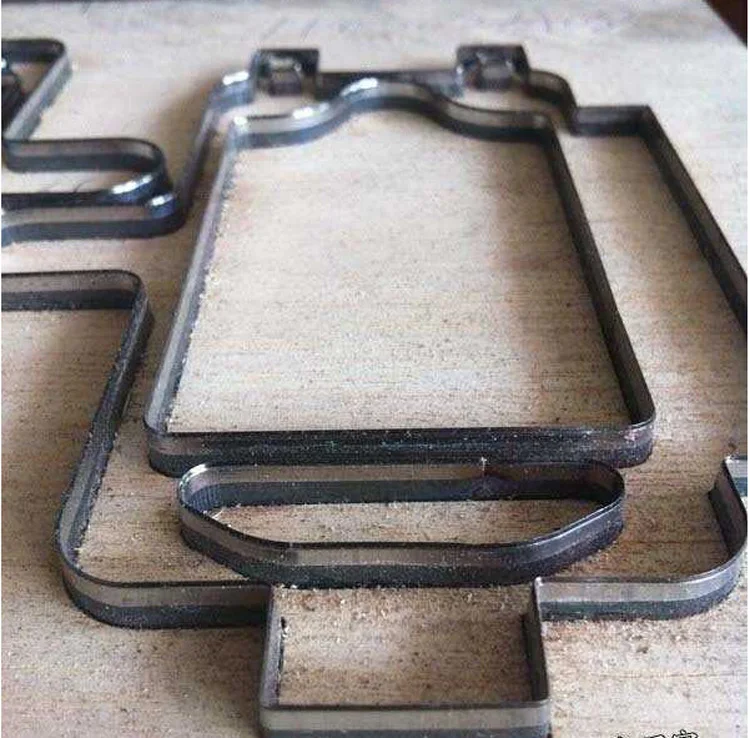
Die Cutting Mould:

- Shipping Timeframes: All orders are processed within 2-5 business days (excluding weekends and holidays). After your order has been processed, the estimated delivery time is before 02 Jul, 2026, depending on customs, Please note that due to high demand, some items may experience longer shipping times, which will be communicated at order confirmation email.
- Order Processing Time: Please allow 2-5 business days for us to process your order before it is shipped . Orders placed after 16:00 on Fridays, or during weekends and public holidays, will begin processing on the next business day. Processing times may be extended during peak seasons or sales events.
- Manufacturing Time: Some products needs manufacturing time, the manufacturing process will take approximately 10-30 business days depending on the product. This timeframe may vary depending on the complexity of the product and current demand. but this will be communicated with you during order confirmation.
- Returns and Exchanges: We offer a 30-day return policy for most items. If you are not completely satisfied with your purchase, you may return it within 30 days of receipt for a refund or exchange. Items must be unused, in their original packaging, and accompanied by proof of purchase. Return shipping costs are the responsibility of the customer, unless the item was damaged or defective upon arrival.
1. What models and tonnages are available for this swing arm die cutting machine?
This hydraulic swing arm die cutting press is available in 10T, 12T, 16T and 20T versions (maximum pressure 10–20 tonnes). Choose the model based on the cutting force required for your material and die.
2. What are the machine's key technical specifications?
Typical specifications: working area 350 x 360 mm; down plate size 400 x 800 mm; adjustable stroke 0–70 mm; cutting speed approximately 0.07 m/s; distance between up and down plate 40–115 mm; motor power 0.75–1.5 kW; machine weight 450–600 kg; overall size about 850 x 680 x 1500 mm.
3. Which materials can this machine cut or punch?
It is designed for cutting and punching soft-to-medium materials such as foam, EVA, sponge, leather and many plastics. Actual cutting capability depends on material properties, die design and chosen tonnage.
4. What types of dies are compatible with this press?
The machine works with common die types used for die cutting — steel rule dies, creasing dies and custom cutting dies. Die size must fit the working area (350 x 360 mm) and the combined die/material stack must fit within the 40–115 mm open height.
5. How is the machine operated and what safety features are included?
Operation is hydraulic, intermittent single-stroke. The press uses a two-hand button start to reduce risk of operator injury and includes emergency stop devices. The four-column, two-cylinder design provides rigidity and stable, accurate cuts.
6. What is the expected production speed or cycle rate?
Cutting speed is specified as 0.07 m/s. Actual cycles per minute depend on stroke length, loading/unloading time and operator workflow; in practical terms, short strokes can yield roughly tens of cycles per minute, but throughput should be confirmed with your specific application.
7. How precise and repeatable are the cuts?
The four-column two-cylinder mechanism and rigid construction are designed to ensure good plane precision and stable cutting force. Absolute precision and repeatability depend on die quality, tooling setup and material — for tight tolerance jobs, we recommend sample tests.
8. Is there an automatic lubrication or maintenance system?
Yes — the machine is equipped with an automatic lubrication system to maintain precision and extend component life. Routine maintenance (visual inspection, hydraulic oil checks, periodic replacement of consumables) is still recommended.
9. What are the electrical power requirements?
Motor power varies by model (0.75–1.5 kW). Standard electrical supply (voltage and frequency) can vary by region and is typically configurable — confirm the required supply (e.g., 220V or 380V, single- or three-phase) with the supplier when ordering.
10. How do I choose between the 10T, 12T, 16T and 20T models?
Select the tonnage based on the toughest cutting task you need to perform (material hardness, die construction and cutting area). If unsure, provide sample materials and intended die shapes to the supplier for a recommended model.
11. What are the installation, footprint and weight considerations?
Machine footprint is approximately 850 x 680 mm and height around 1500 mm. Weight ranges from 450 to 600 kg depending on the model. Ensure a level, strong floor and adequate space for operator access, material handling and maintenance.
12. Can the machine be customized or supplied with additional options?
Many suppliers offer customization options such as different electrical configurations, safety guards, die mounting fixtures or alternate stroke settings. Contact the seller with required options so they can confirm availability and pricing.
13. What maintenance do you recommend and how often should hydraulic oil be changed?
Follow daily and periodic checks: ensure automatic lubrication is functioning, inspect seals and hoses, check hydraulic oil level and cleanliness. Hydraulic oil change intervals depend on usage and environment; a common guideline is to inspect regularly and consider replacement every 6–12 months or per manufacturer’s hours-based recommendation. Confirm exact service intervals with the supplier's maintenance manual.
14. Do you provide installation, training and after-sales support?
Installation, operator training and after-sales support policies vary by supplier. Most reputable suppliers offer commissioning and training packages and provide spare parts and technical support — confirm availability and terms when purchasing.
15. How can I verify performance before purchase (sample cutting)?
Request a sample test from the supplier: provide your material samples, desired die or a digital die file and target quantities. Many suppliers will perform trial cuts and provide photos, videos or sample parts so you can verify cutting quality and throughput before ordering.
Latest Order Arrivals
Discover our latest orders
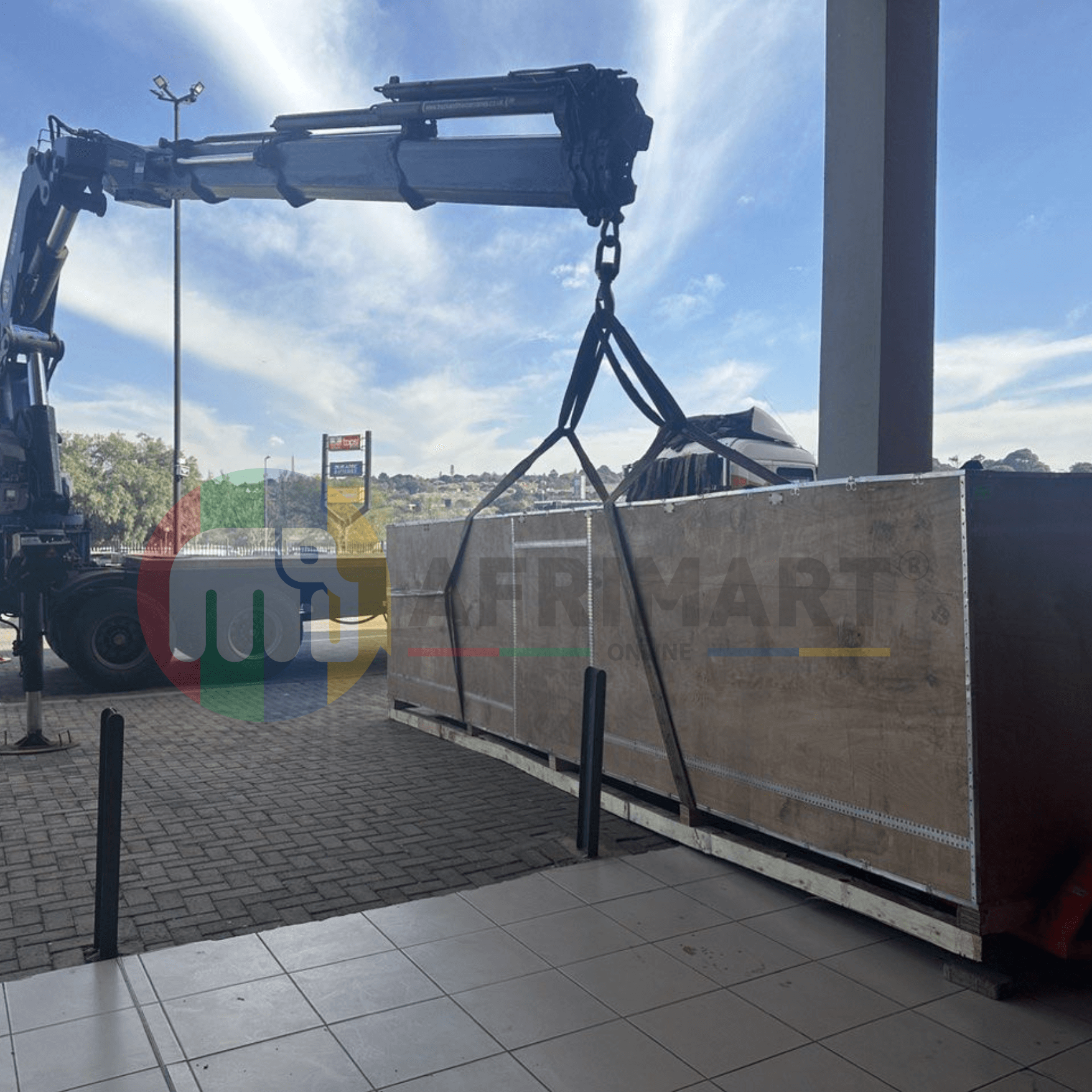
12 Heads Embroidery Machine
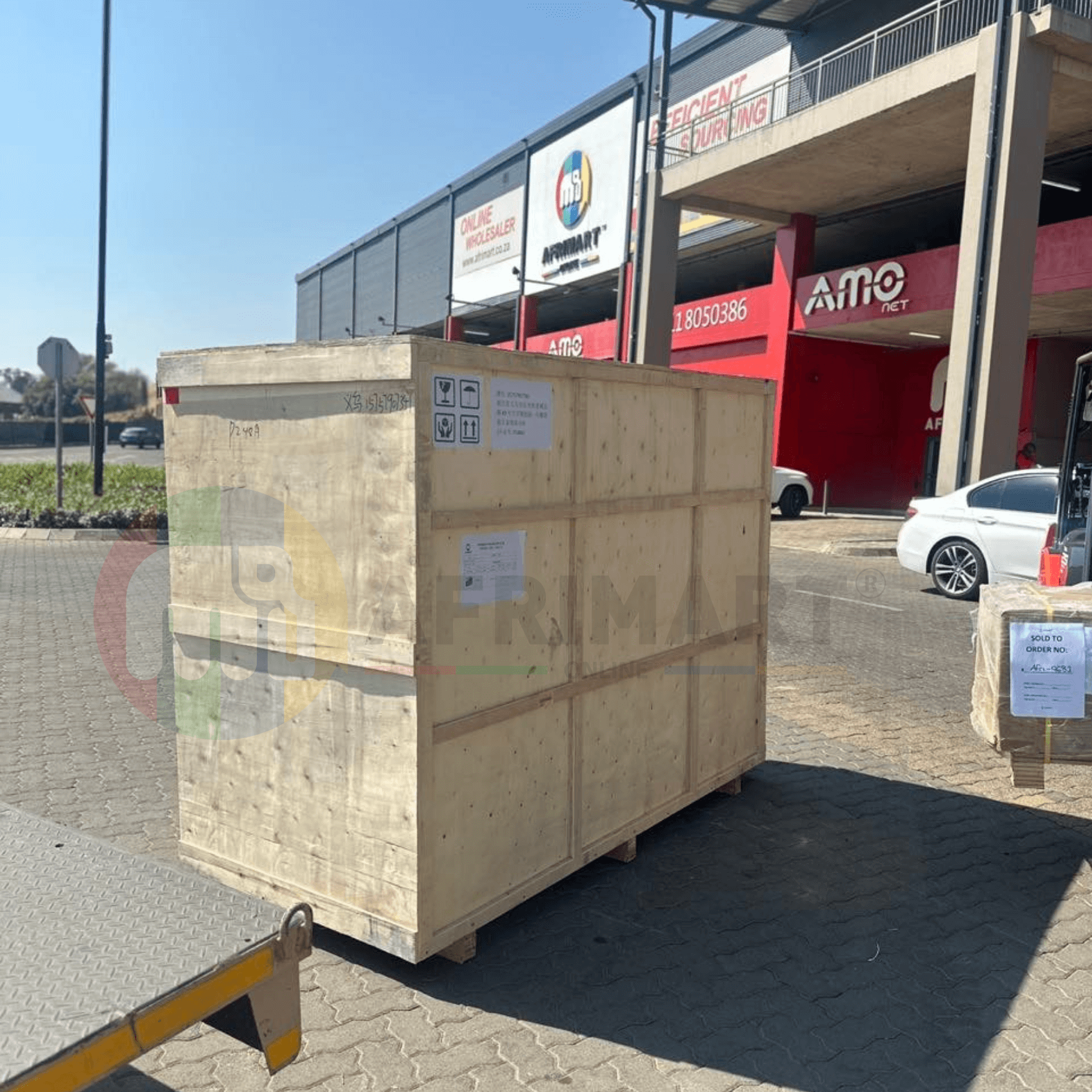
Dewatering Pump Machine
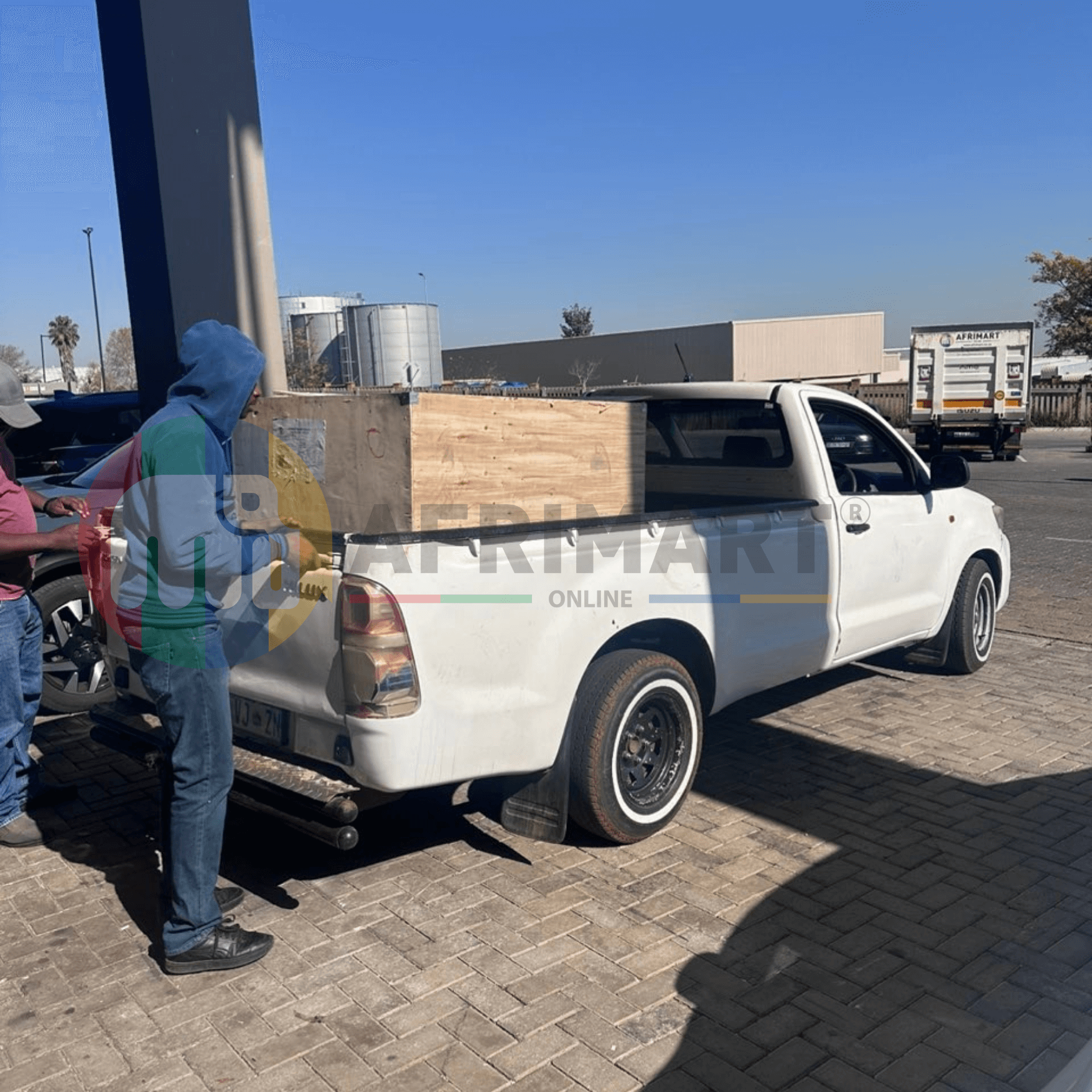
Order Collection
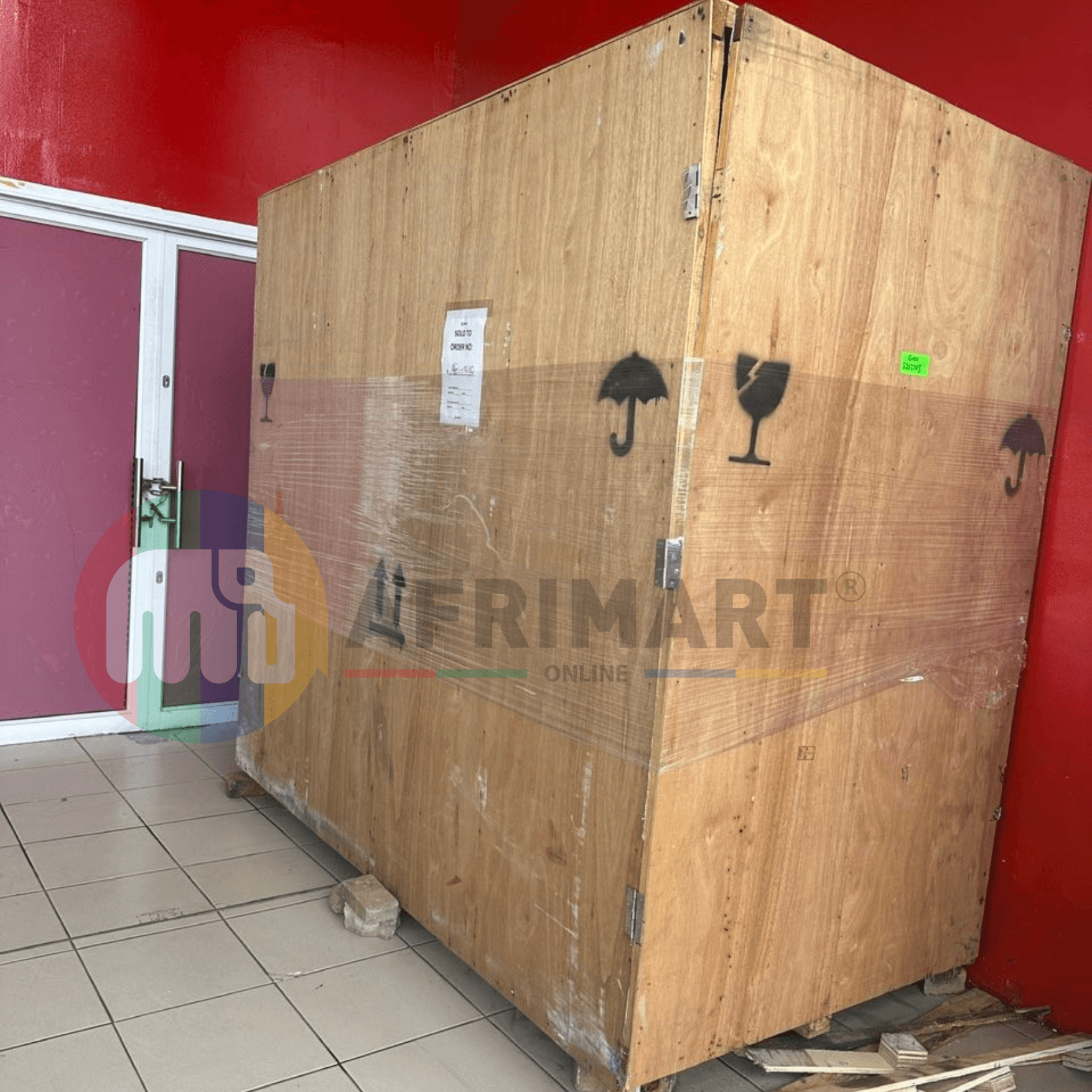
Portable Water Drilling Rig
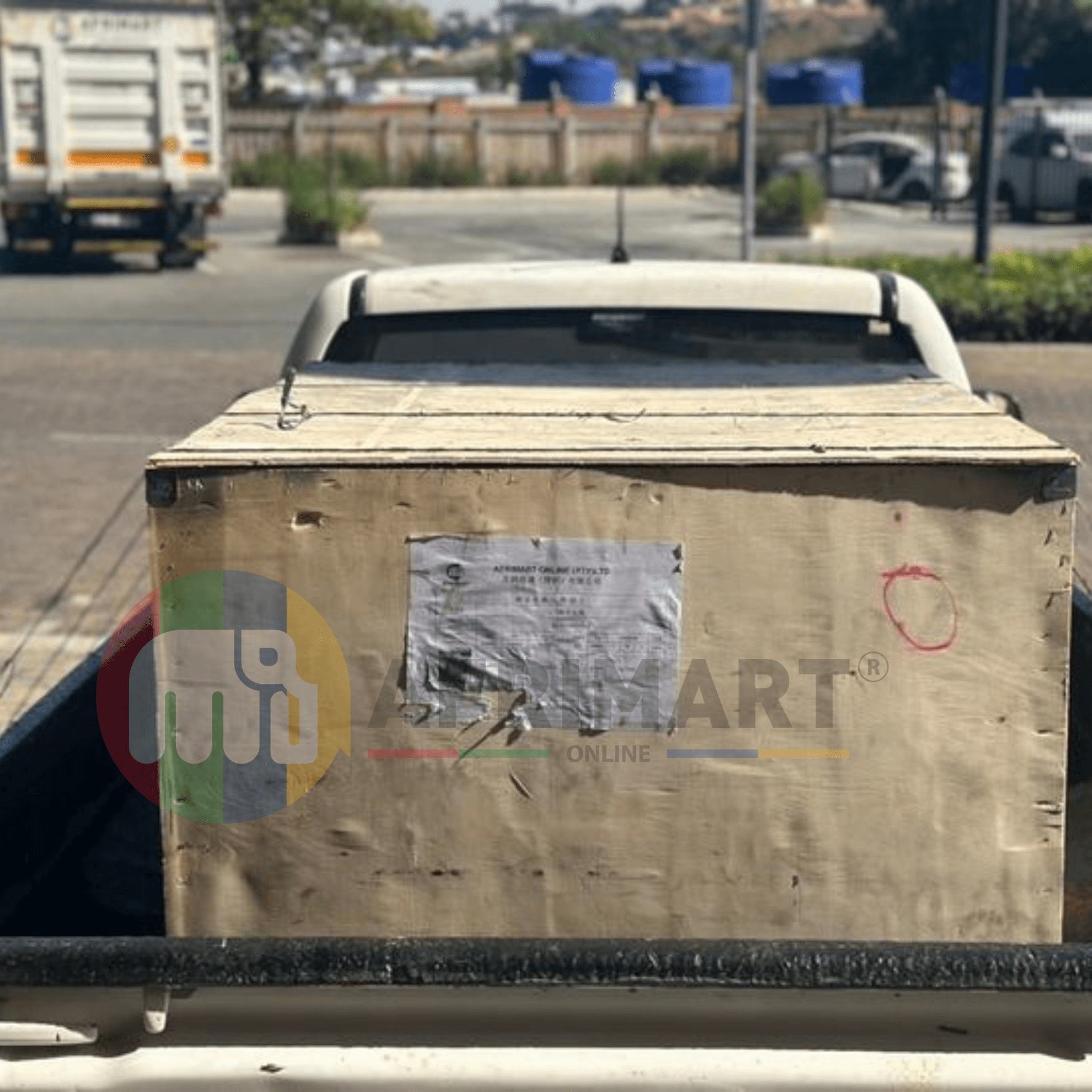
Order Usefully Collected
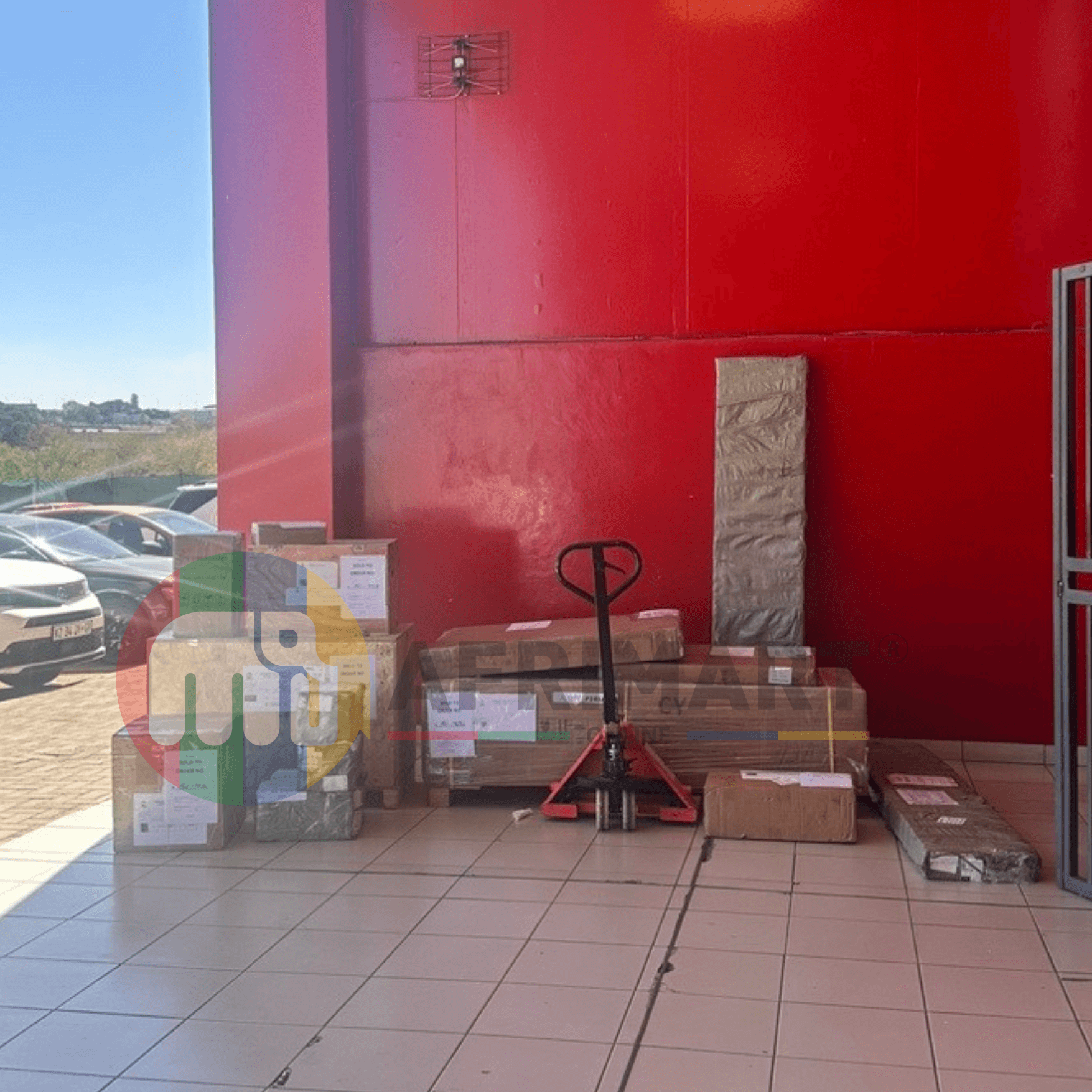
Batch of Orders
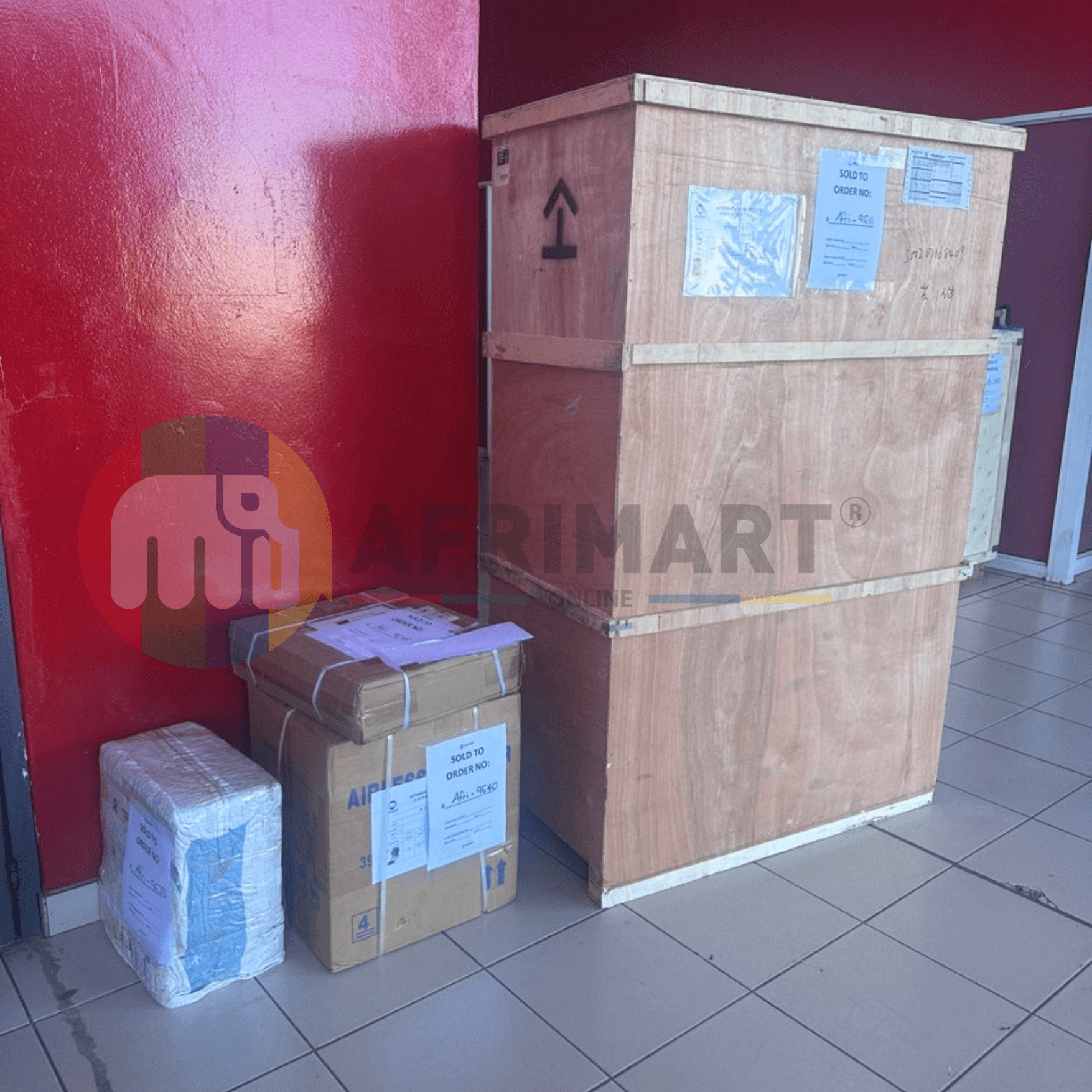
Agriculture Processing Machines
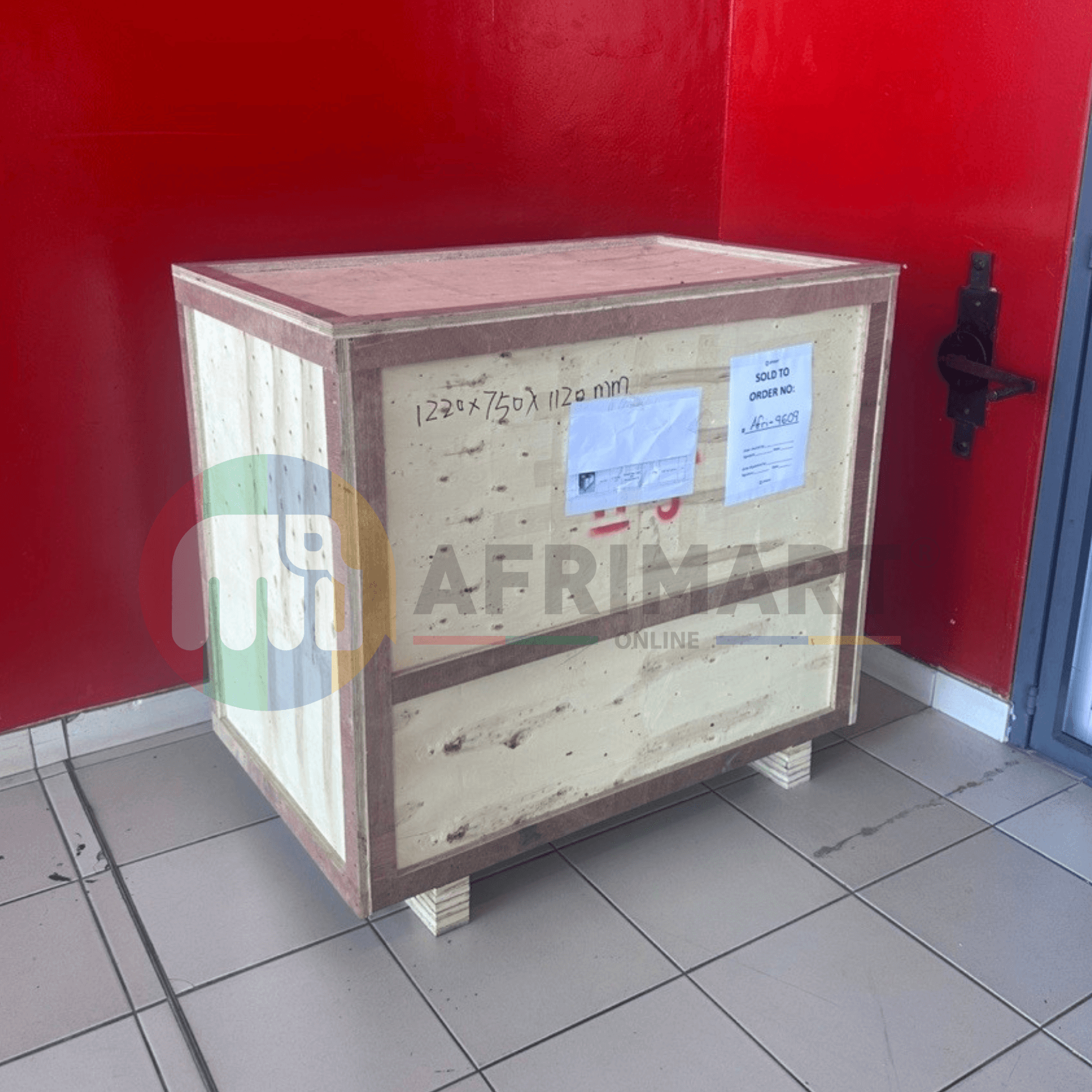
Meat Grinder Machine
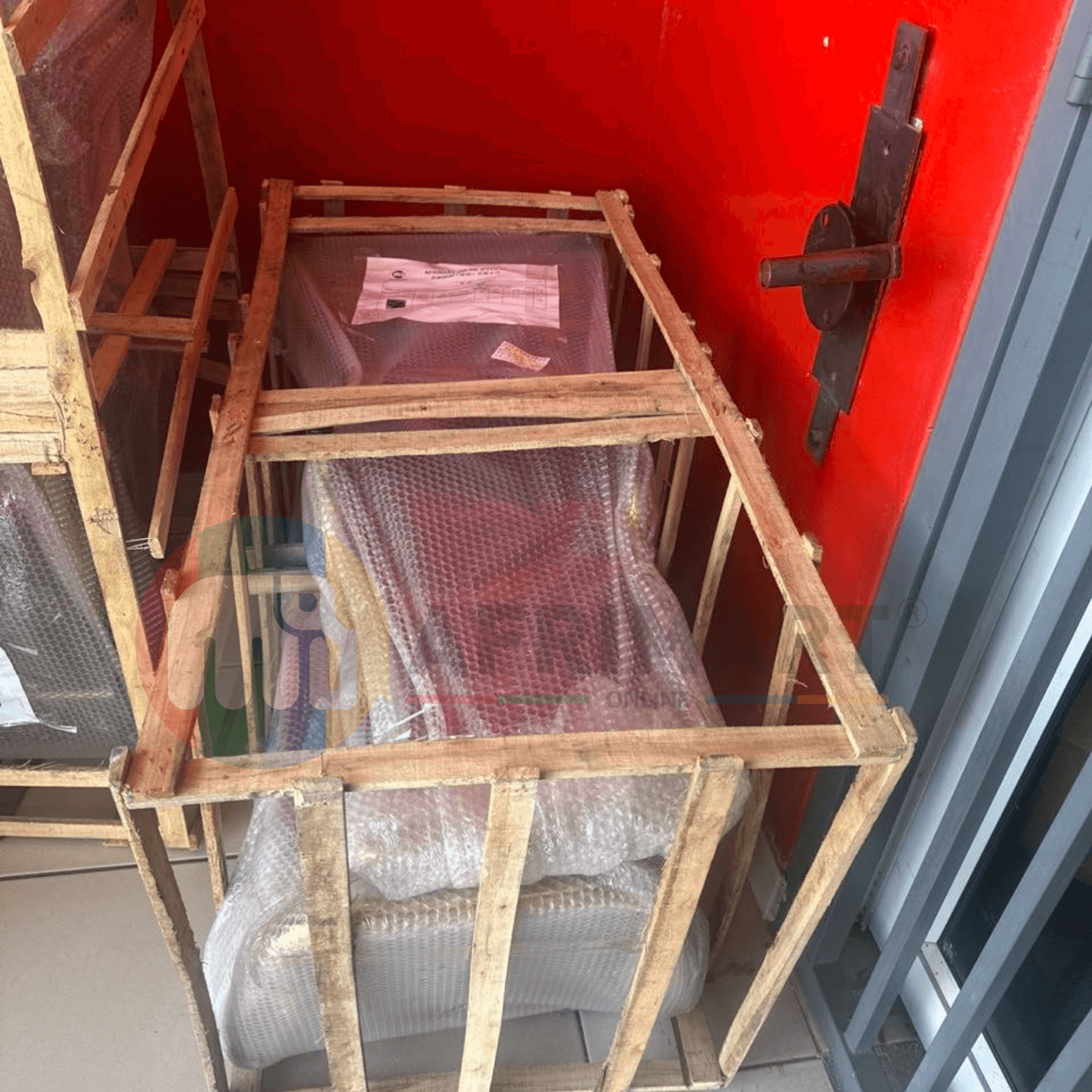
Water Pump Equipment
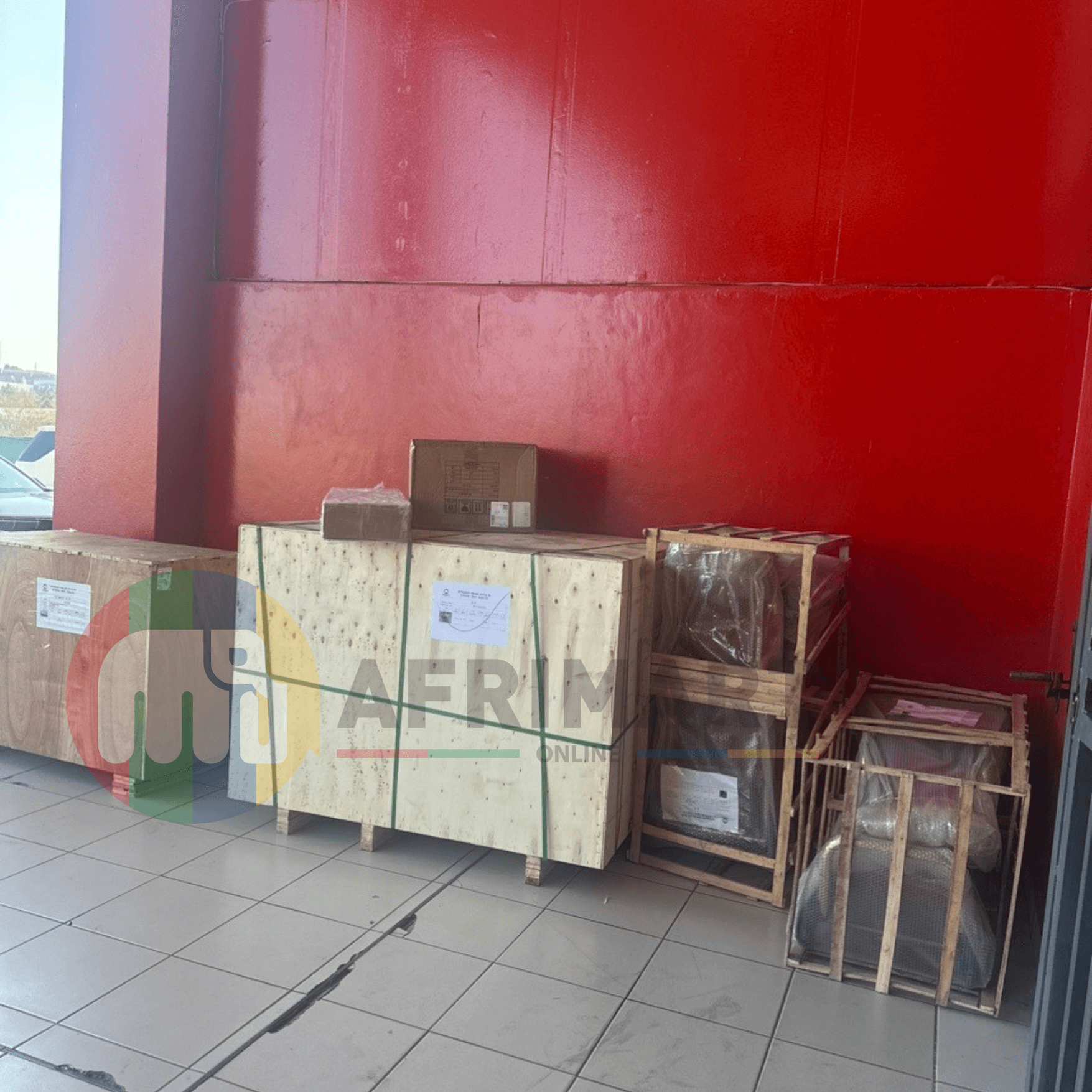
Packaging Machine and accessories
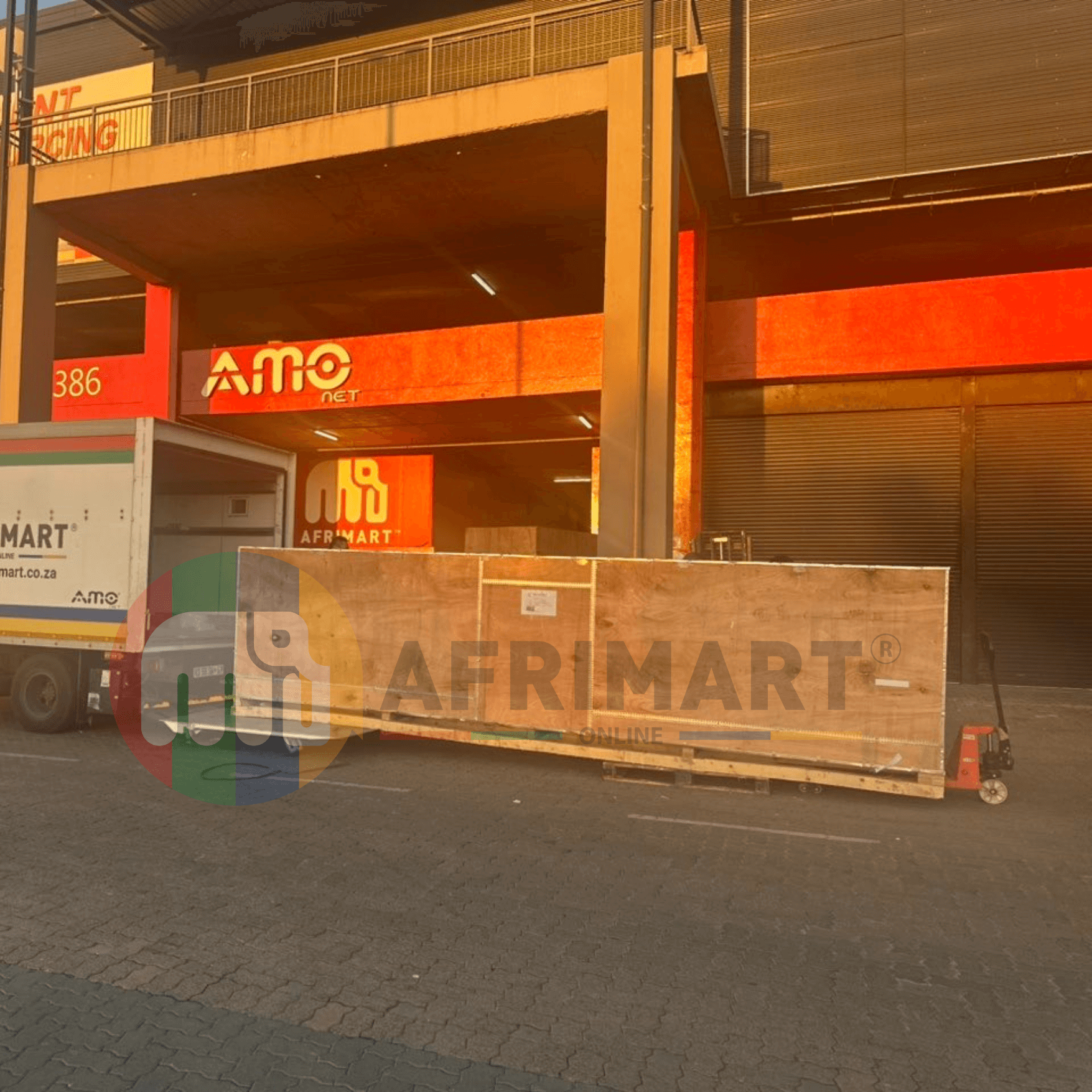
Fabrics Manufacturing Equipment
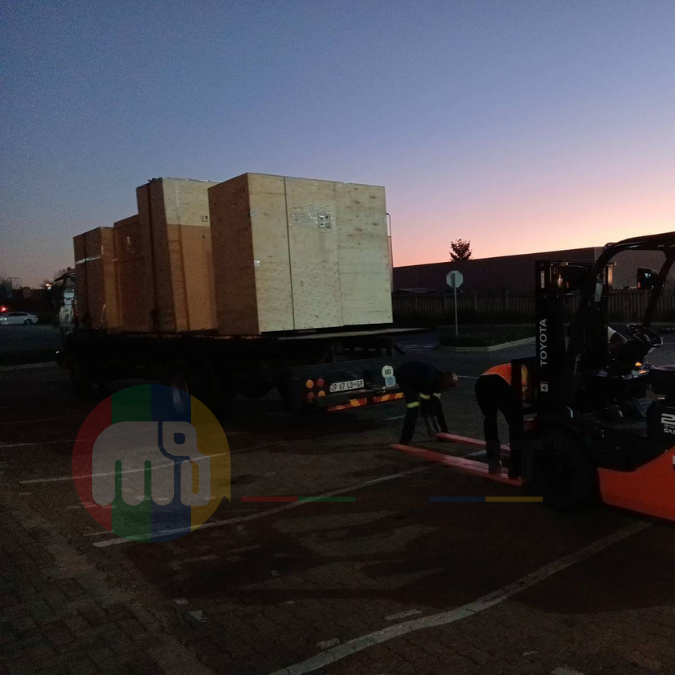
Mining Equipments
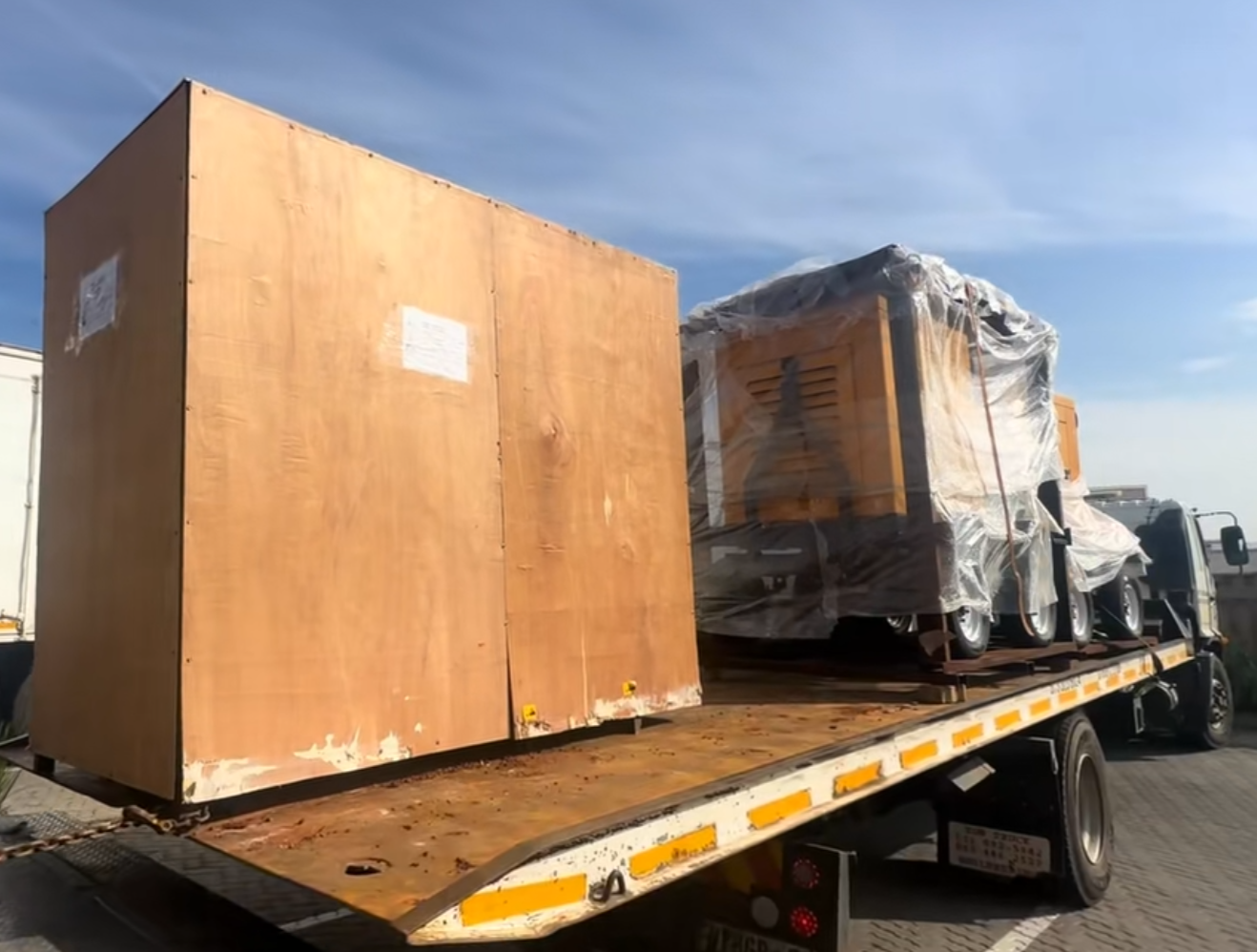
Food Processing Machine
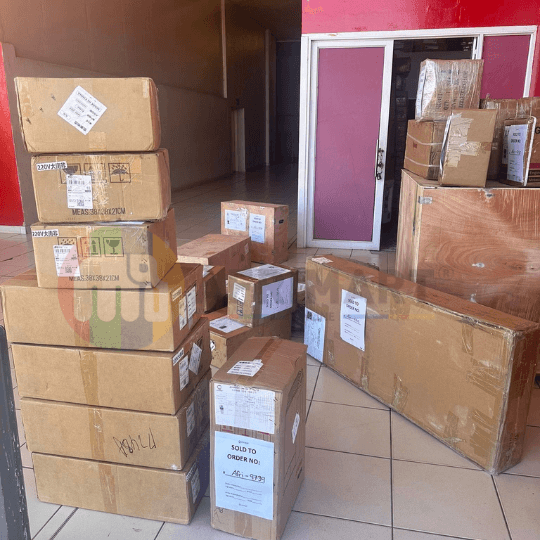
Batch of Orders
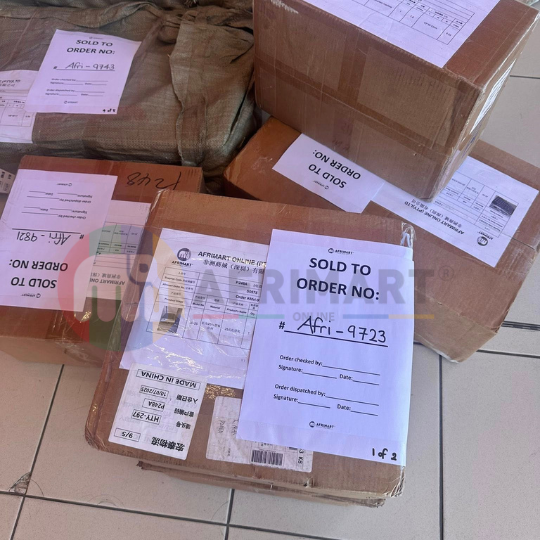
Batch of Orders
Latest Orders Labelled
wheel alignment machines
new arrivals
Pre Orders Offloading
Latest Arrivals
Latest Arrivals
Latest Arrivals
26 January 2026
Toilet paper making machine
Toilet paper making machine
Toilet paper Rewinding Machine
latest arrivals
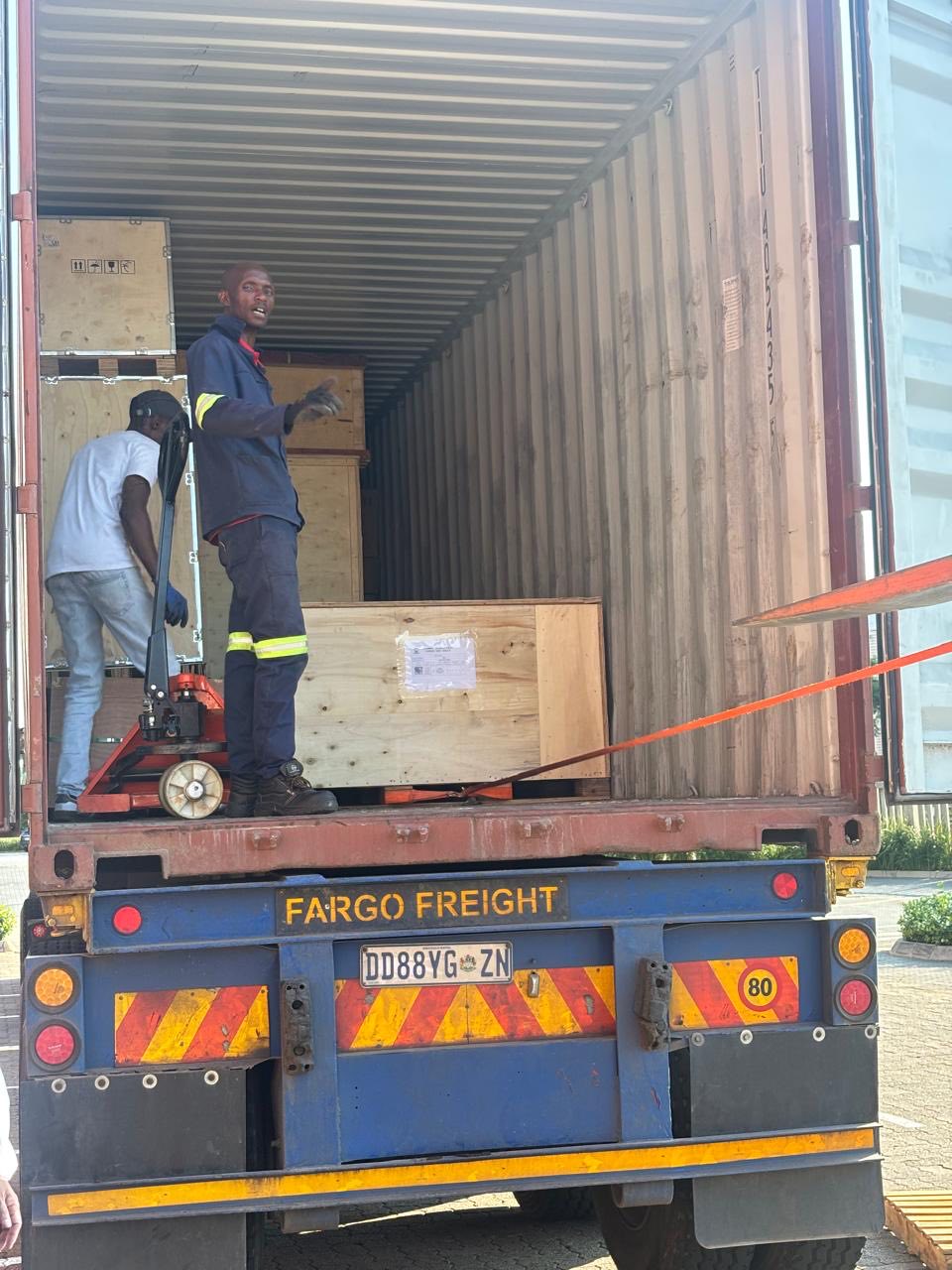
offloading
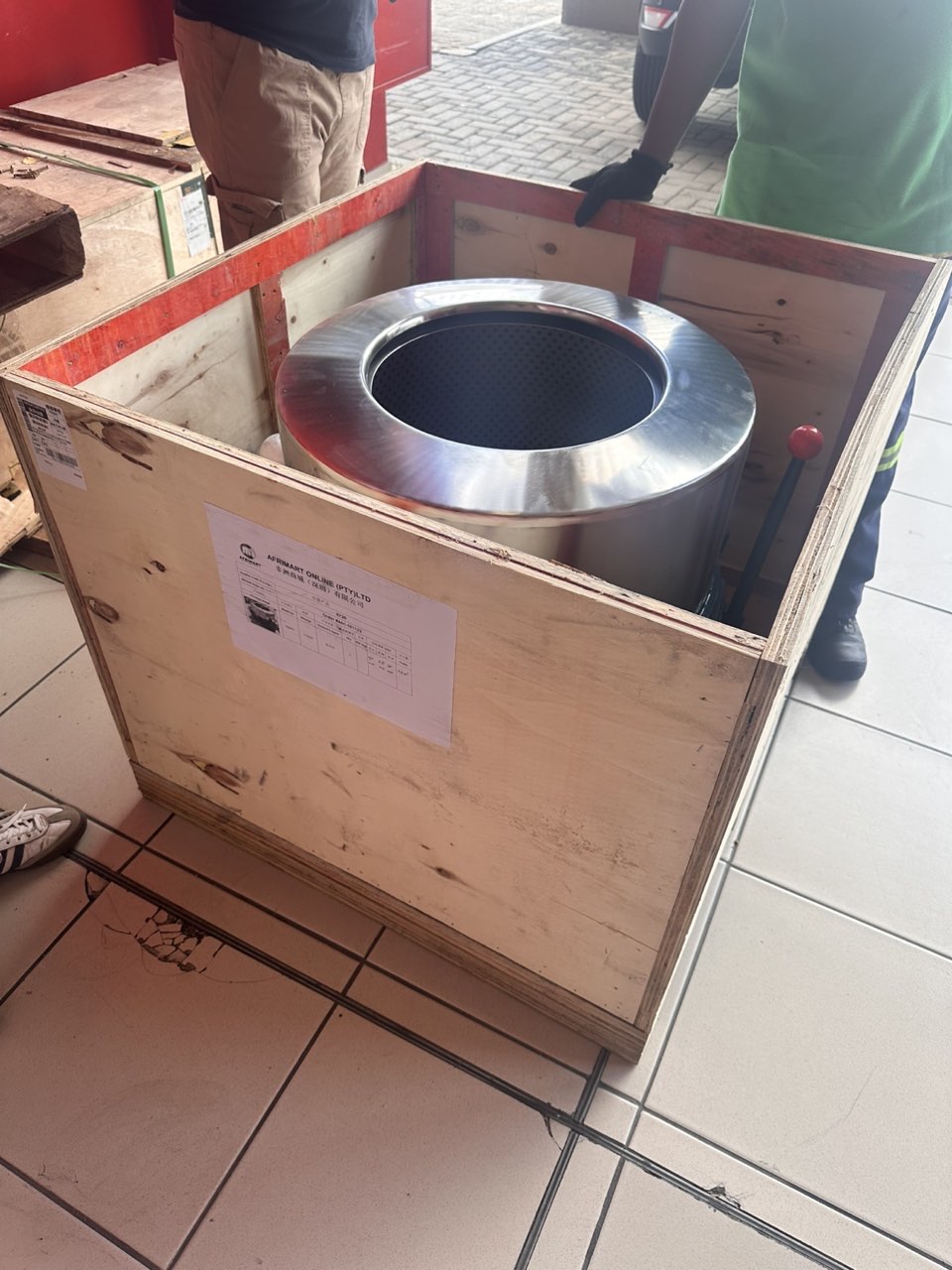
order success
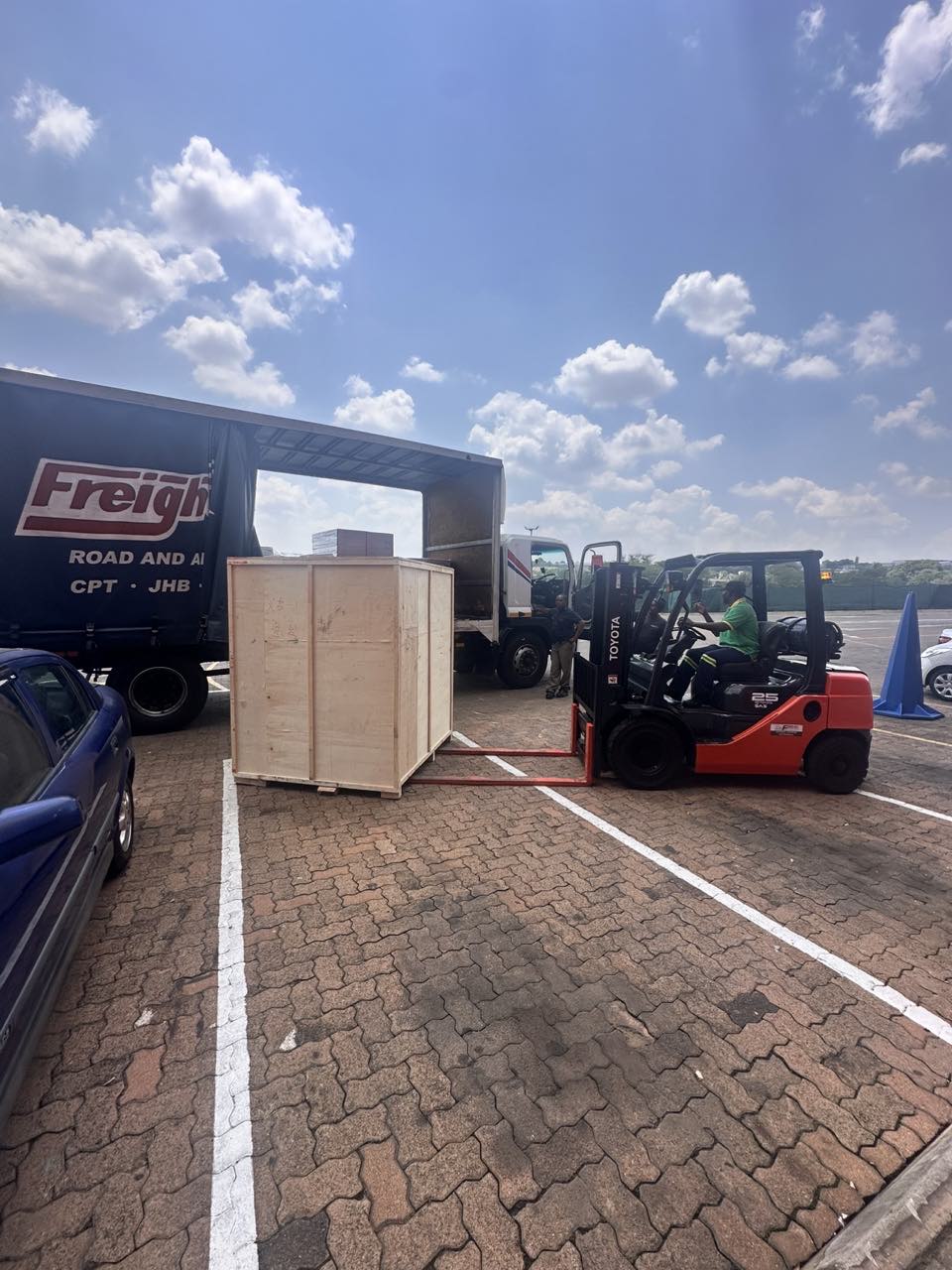
order collection
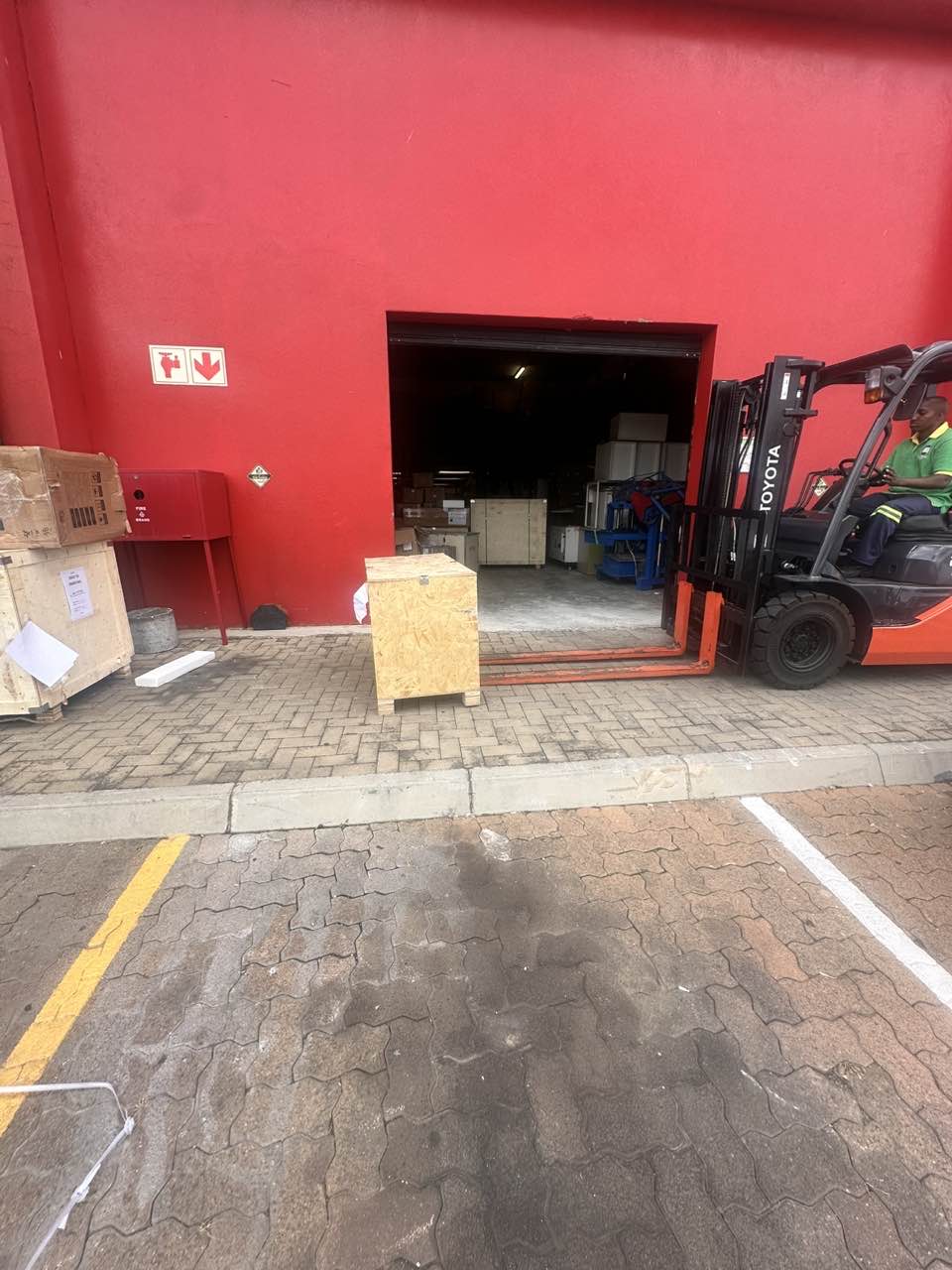
order offloading