B21, China Town Mall, Midrand

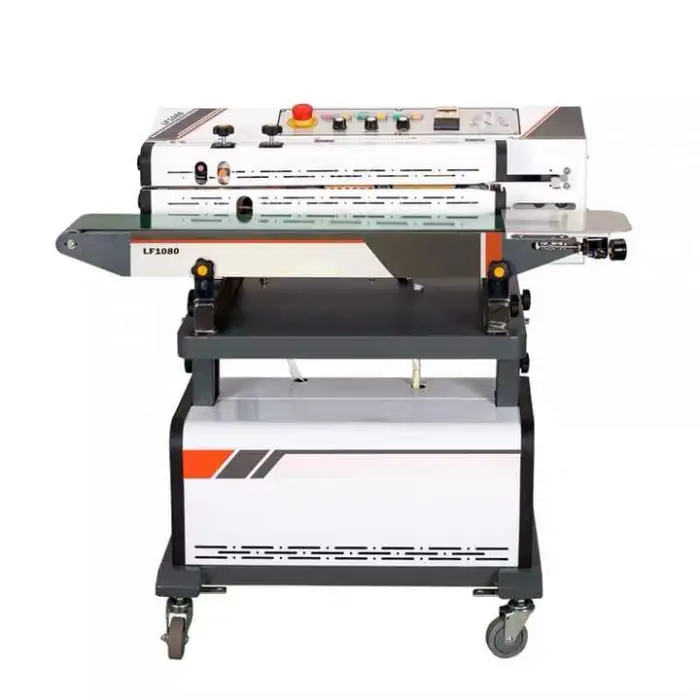
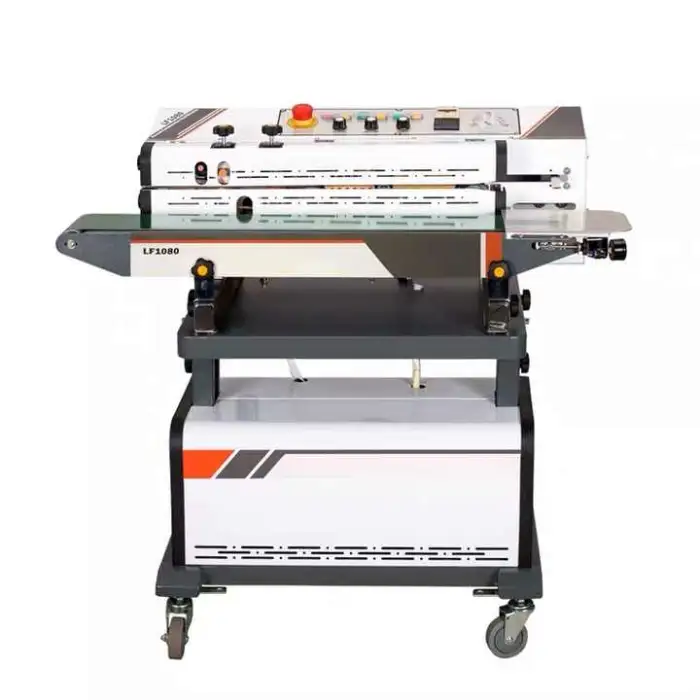
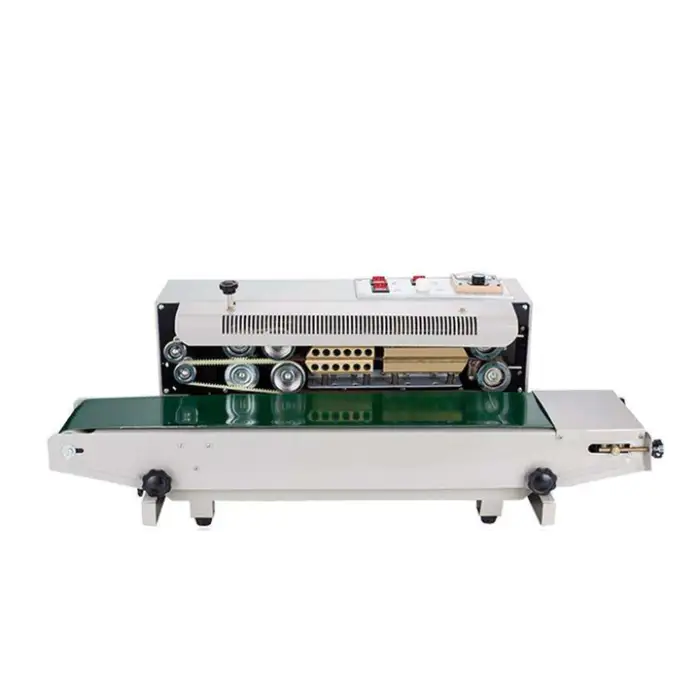
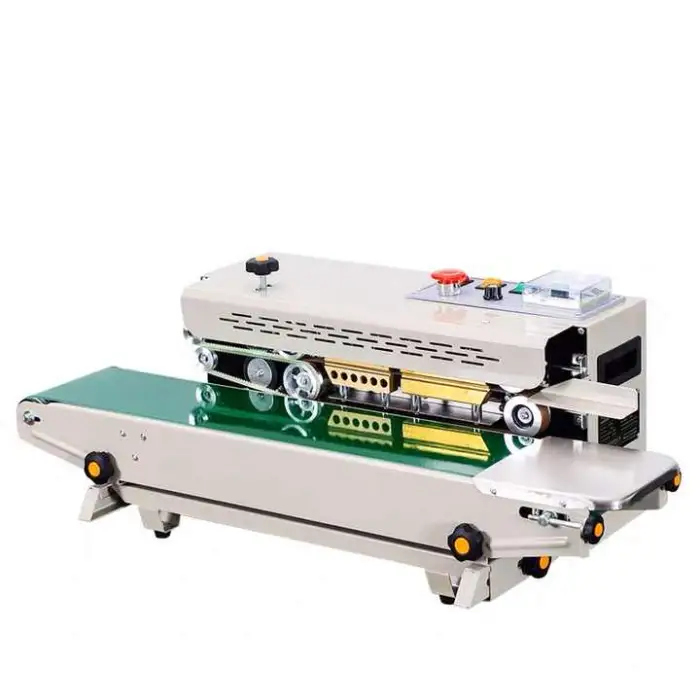
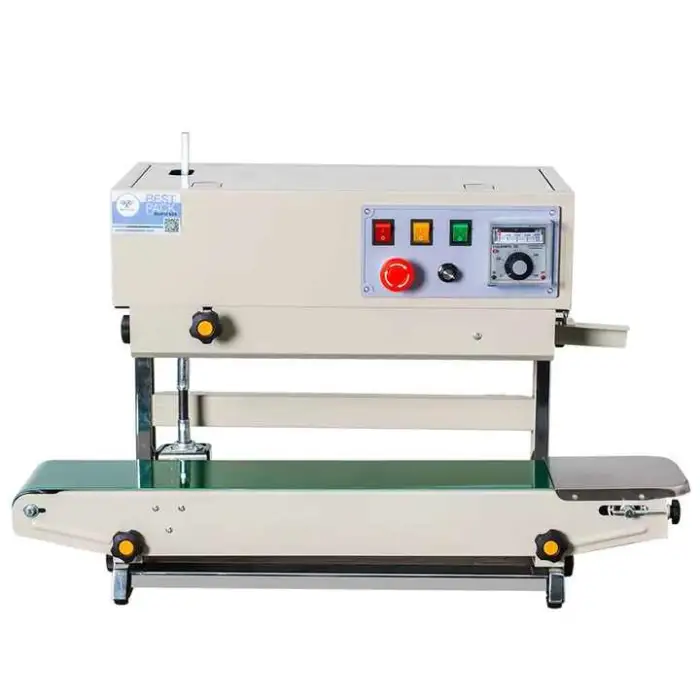
Horizontal Nitrogen Filled Vacuum Sealing High-Speed Plastic Bag Sealing Machine

- Section : Machinery
- Category : Packaging Machines
- SKU : 1600093057446

Horizontal Nitrogen Filled Vacuum Sealing High-Speed Plastic Bag Sealing Machine
The Horizontal Nitrogen Filled Vacuum Sealing High-Speed Plastic Bag Sealing Machine is a powerful tool designed for efficient packaging. This machine uses nitrogen filling technology to keep your food fresh and safe. With its automatic operation and high sealing speed, it is perfect for businesses that need to package items quickly and effectively.
Specifications
| Attribute | Details |
|---|---|
| Driven Type | Electric |
| Packaging Type | Bags |
| Voltage | 220V 50HZ |
| Automatic Grade | Automatic |
| Packaging Material | Wood |
| Max Speed | 5m/min, 8m/min, 9m/min, 10m/min, 12m/min, 14m/min |
| Sealing Width | 6-14mm |
| Temperature Range | 0-300°C |
| Max Conveyor Loading | 3kgs |
| Power | 875W |
| Dimensions (L*W*H) | 1025*450*(940+140 adjustable) mm |
Key Features
- Easy to operate for quick packaging.
- High sealing speed up to 14m/min.
- Automatic operation for efficiency.
- Adjustable sealing temperature from 0 to 300°C.
- Durable construction with high-quality components.
Applications
- Ideal for food packaging to maintain freshness.
- Used in restaurants and catering services.
- Perfect for packaging snacks, meats, and vegetables.
- Suitable for small to medium-sized businesses.
- Great for both commercial and home use.
Product Info Gallery
- Shipping Timeframes: All orders are processed within 2-5 business days (excluding weekends and holidays). After your order has been processed, the estimated delivery time is before 03 Feb, 2026, depending on customs, Please note that due to high demand, some items may experience longer shipping times, which will be communicated at order confirmation email.
- Order Processing Time: Please allow 2-5 business days for us to process your order before it is shipped . Orders placed after 16:00 on Fridays, or during weekends and public holidays, will begin processing on the next business day. Processing times may be extended during peak seasons or sales events.
- Manufacturing Time: Some products needs manufacturing time, the manufacturing process will take approximately 10-30 business days depending on the product. This timeframe may vary depending on the complexity of the product and current demand. but this will be communicated with you during order confirmation.
- Returns and Exchanges: We offer a 30-day return policy for most items. If you are not completely satisfied with your purchase, you may return it within 30 days of receipt for a refund or exchange. Items must be unused, in their original packaging, and accompanied by proof of purchase. Return shipping costs are the responsibility of the customer, unless the item was damaged or defective upon arrival.
1. What does
The machine combines vacuuming and nitrogen (N2) flushing: it removes most of the air from the bag (vacuum) and then fills the package headspace with nitrogen before heat sealing. This displaces oxygen to slow oxidation and microbial growth, extending shelf life for many foods.
2. What types of bags and packaging materials can it seal?
It is designed for heat-sealable plastic bags (PE, PA/PE, PP and other common laminates suitable for heat sealing). For best results use bags specified for vacuum and modified-atmosphere packaging. If you have a specific film, check compatibility with the seller or test a sample.
3. What are the machine's speed and throughput capabilities?
Maximum conveyor speeds are available in multiple options: 5, 8, 9, 10, 12, or 14 m/min. Actual throughput (packages per minute) depends on bag length and cycle settings. Example: at 14 m/min a 0.14 m (14 cm) bag length could theoretically be ~100 bags/min, but practical throughput is lower due to handling and overlap—provide your bag size for a precise estimate.
4. What is the sealing width and temperature range?
Sealing width is adjustable between 6–14 mm. The sealing temperature is adjustable from 0 to 300°C to accommodate different film types and thicknesses.
5. What are the electrical and power requirements?
The machine requires 220 V, 50 Hz and consumes 875 W of power. Ensure a properly grounded circuit of sufficient capacity is available for safe operation.
6. What size and weight of product can the conveyor handle?
Maximum conveyor loading is 3 kg (per package on the conveyor). The machine dimensions are 1025 × 450 × (940 + 140 adjustable) mm, so ensure your items fit the conveyor width and the horizontal layout.
7. Is the machine fully automatic and easy to operate?
Yes — it is described as automatic and designed for straightforward operation. Typical controls include start/stop, temperature adjustment, speed control, and vacuum/nitrogen timing. Training or a short run-in period is recommended for optimal parameter setup.
8. What nitrogen supply do I need to use the nitrogen-filling function?
You will need an external nitrogen source (gas cylinder or generator) and a pressure regulator, fittings and tubing compatible with the machine. Required nitrogen purity, pressure and flow will be provided in the machine manual or by the supplier—confirm those details when purchasing.
9. How do vacuum and nitrogen settings affect food shelf life?
Increasing vacuum and flushing with nitrogen reduces residual oxygen and slows oxidation and aerobic microbial growth. Optimal settings depend on the product (moisture, respiration, fat content). Trial runs and shelf-life testing are recommended to determine ideal vacuum time and nitrogen flush volume for each product.
10. What maintenance is required to keep the machine running reliably?
Regular maintenance includes cleaning conveyor and sealing surfaces, inspecting and replacing sealing wires/Teflon tape or heating elements as needed, checking vacuum pump oil (if applicable), inspecting belts and sensors, and verifying nitrogen fittings for leaks. Follow the manufacturer's maintenance schedule in the manual.
11. Is the machine safe to use and what safety precautions should be observed?
Follow standard machine safety: keep hands clear of moving parts and hot sealing bars, use proper guarding, disconnect power before servicing, ensure good ventilation when sealing food, and follow local regulations for gas cylinder handling when using nitrogen. Only trained personnel should operate and maintain the equipment.
12. Can this machine handle irregularly shaped or fresh produce items?
Yes — the horizontal configuration and conveyor make it suitable for a range of shapes and small-to-medium-sized fresh products (snacks, meats, vegetables). However, delicate produce may require gentler handling and optimized vacuum/nitrogen parameters to avoid product damage.
13. Are spare parts and consumables available?
Common consumables include sealing wires, Teflon tape, heating elements, belts and vacuum pump oil (if applicable). Availability varies by supplier—confirm spare parts support and lead times with the manufacturer or dealer before purchase.
14. How do I get warranty, technical support or spare parts information?
Warranty terms, technical support contacts and spare parts ordering are provided by the machine supplier or manufacturer. Ask your seller for the user manual, service contacts and warranty details at the time of purchase; keep your serial number and purchase receipt for service requests.
Latest Order Arrivals
Discover our latest orders
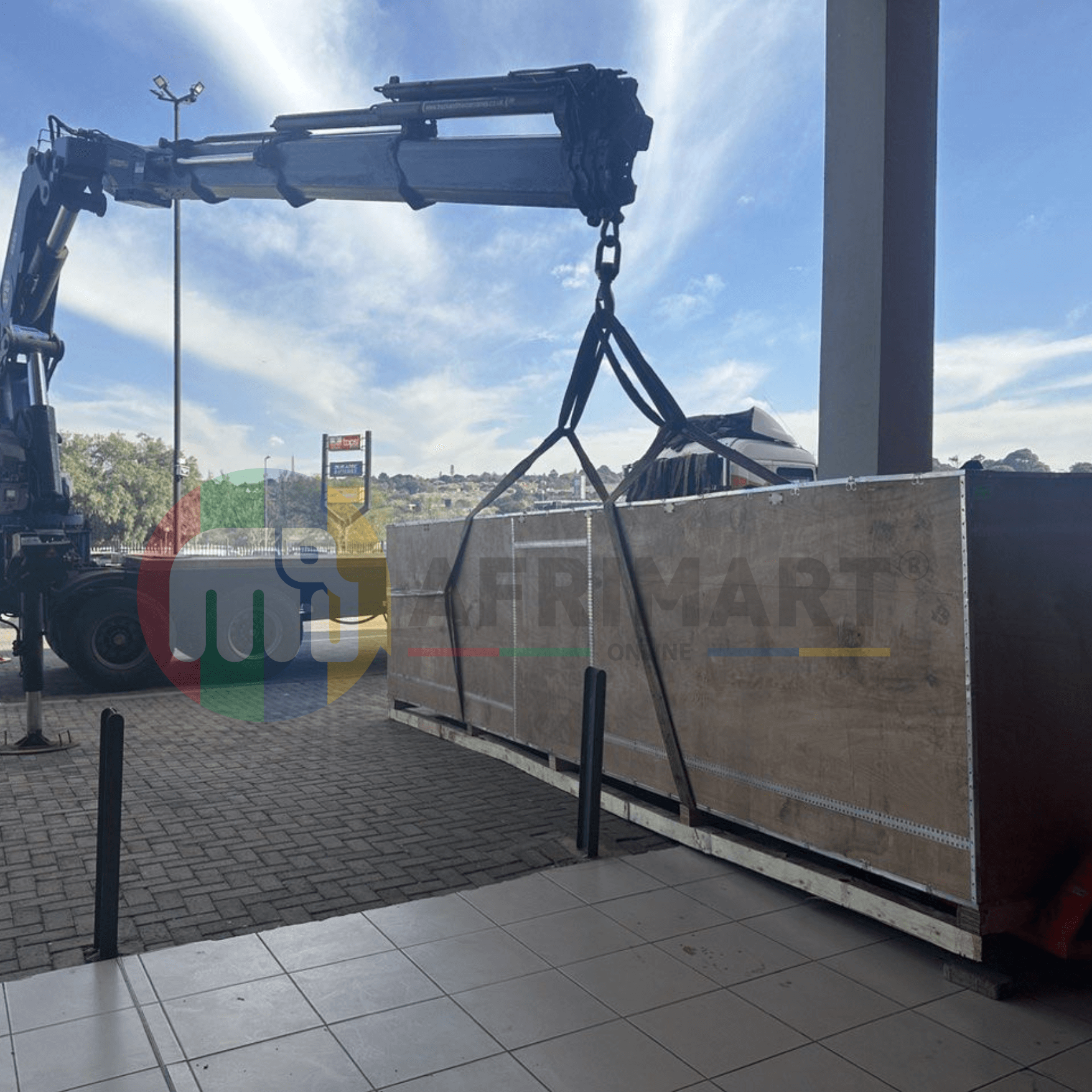
12 Heads Embroidery Machine
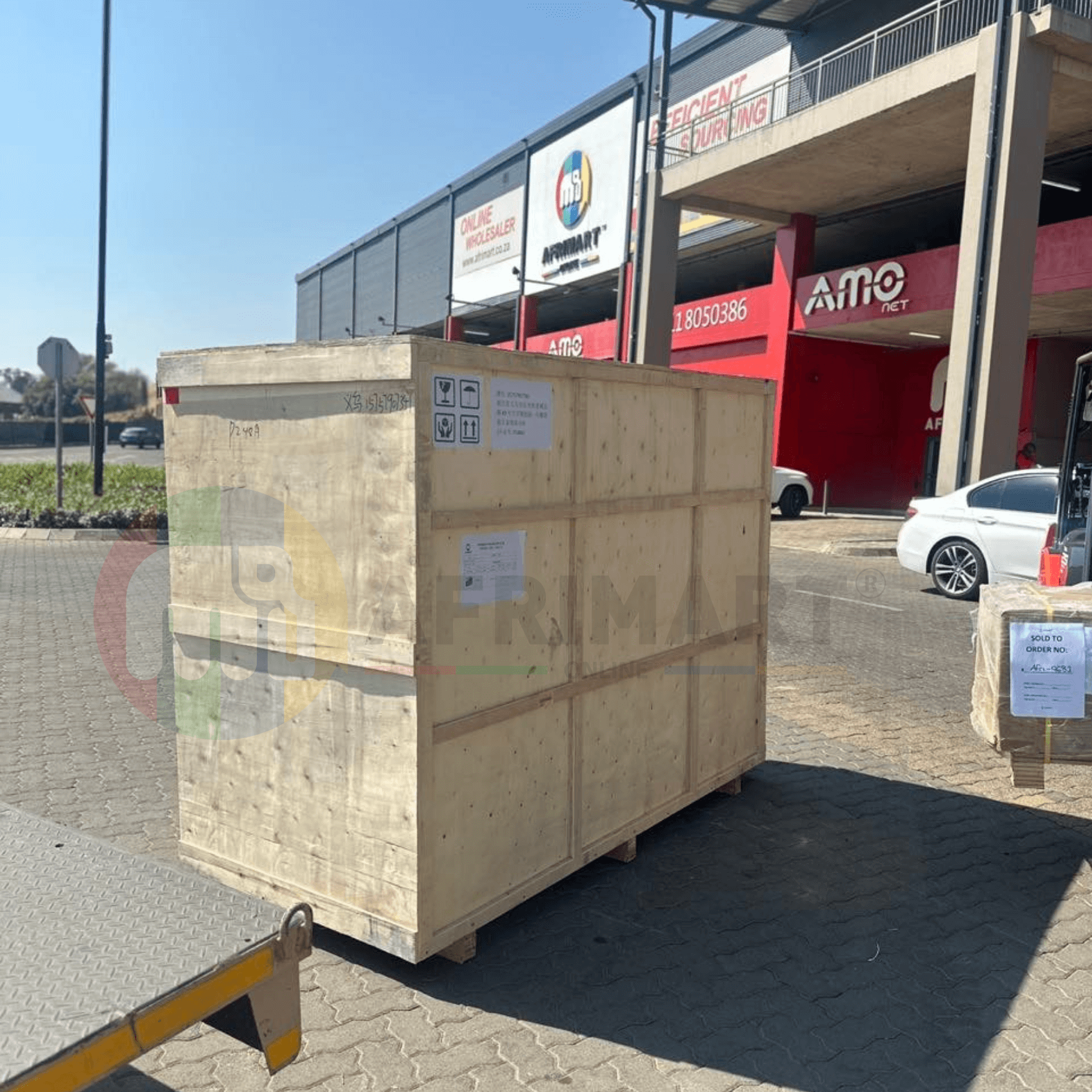
Dewatering Pump Machine
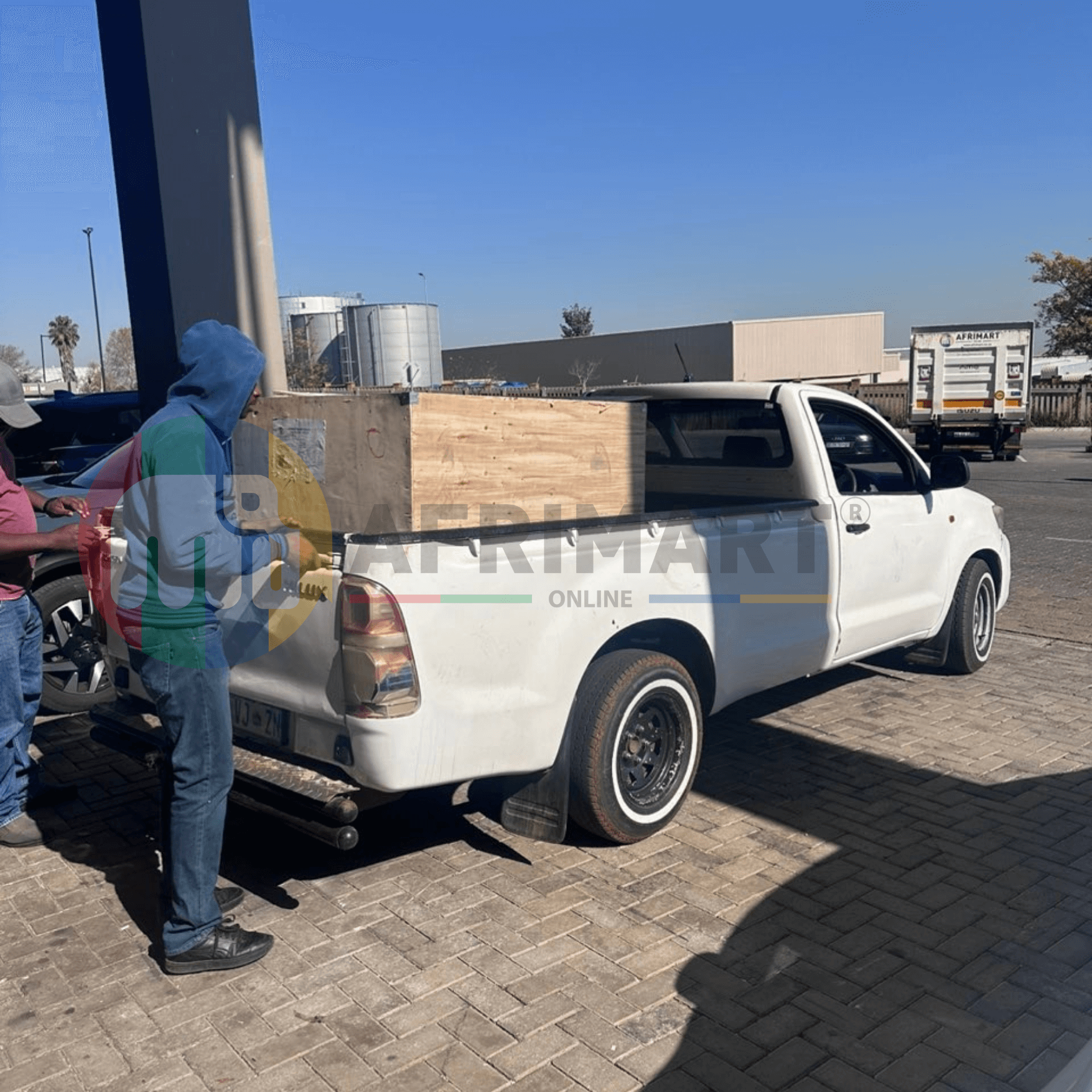
Order Collection
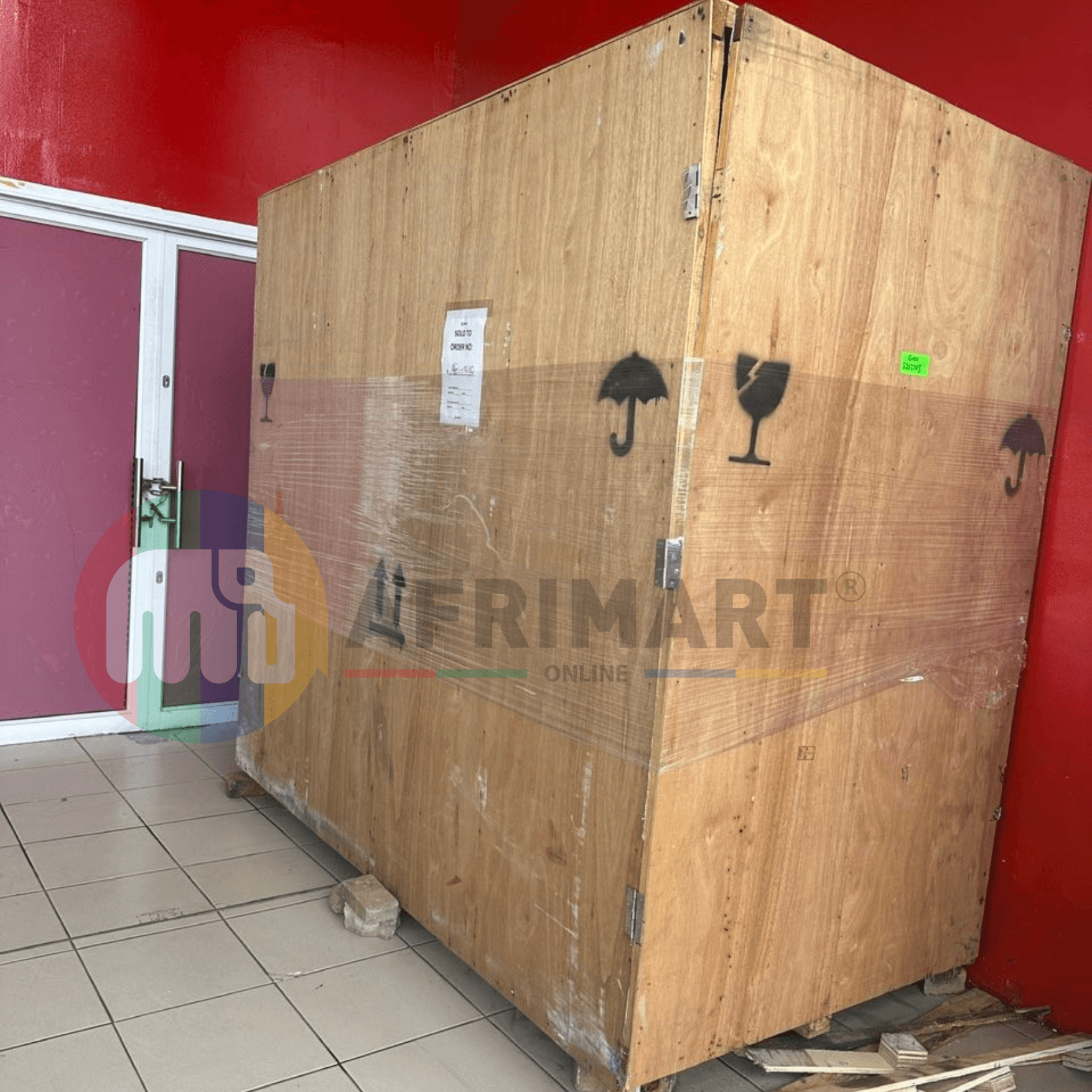
Portable Water Drilling Rig
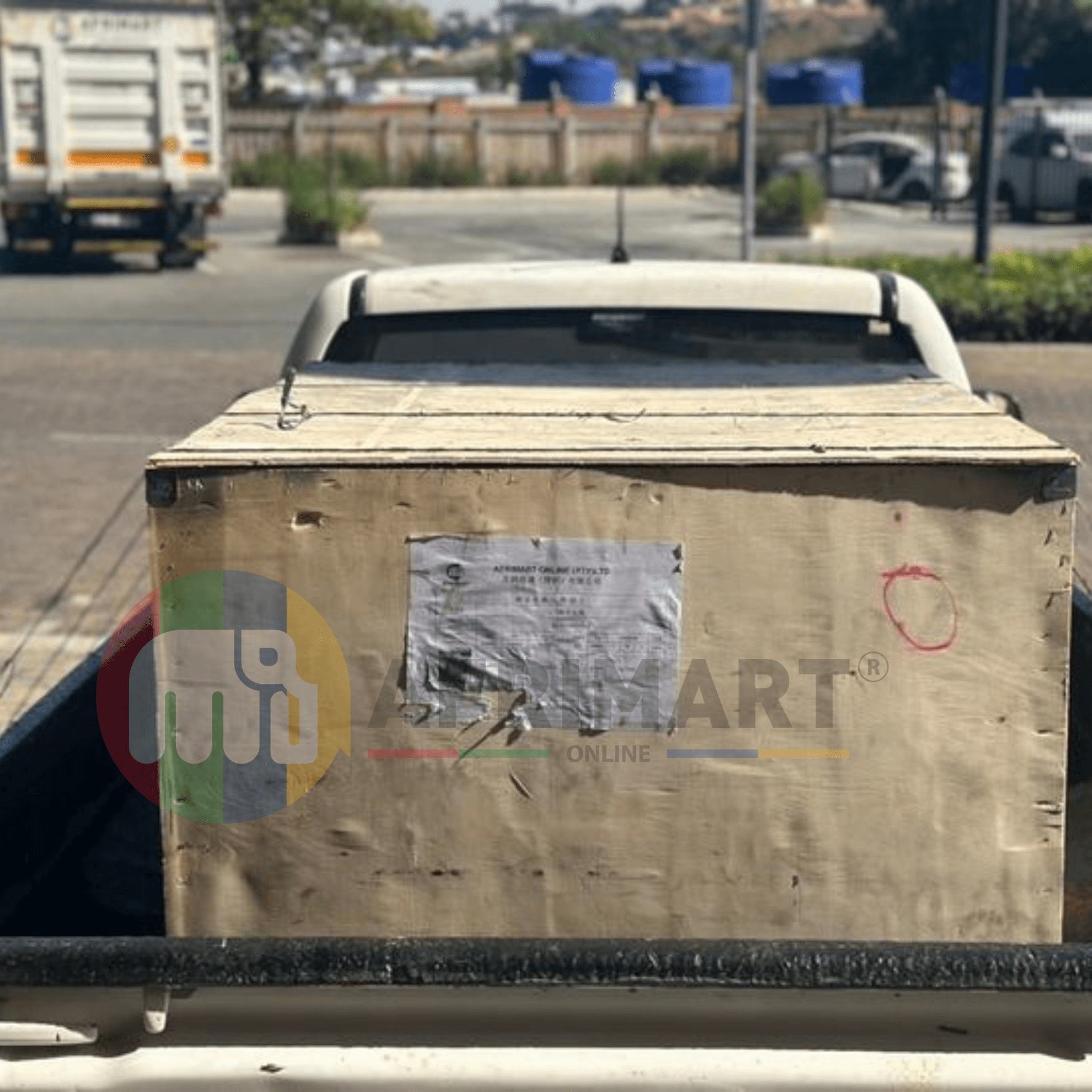
Order Usefully Collected
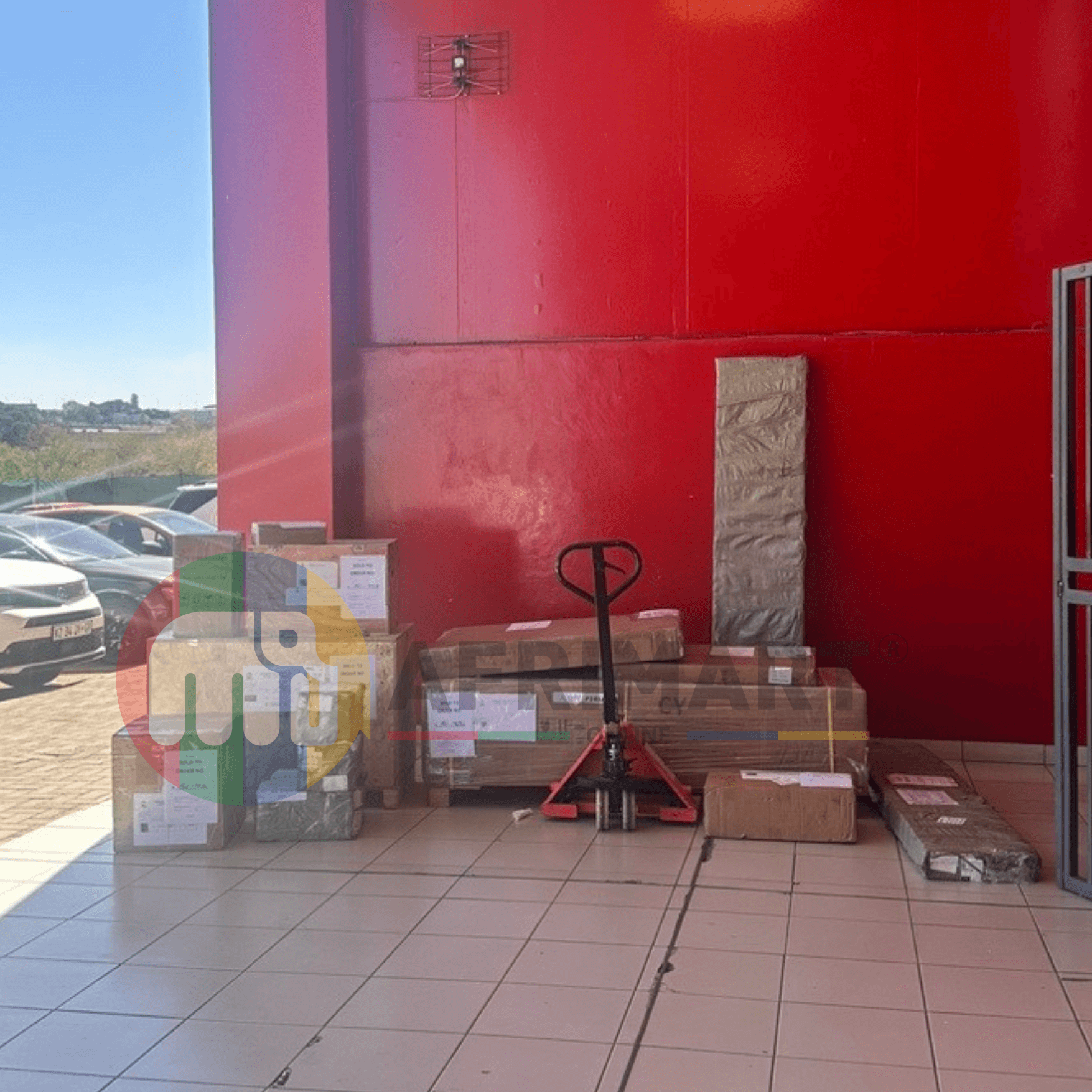
Batch of Orders
Agriculture Processing Machines
Meat Grinder Machine
Water Pump Equipment
Packaging Machine and accessories
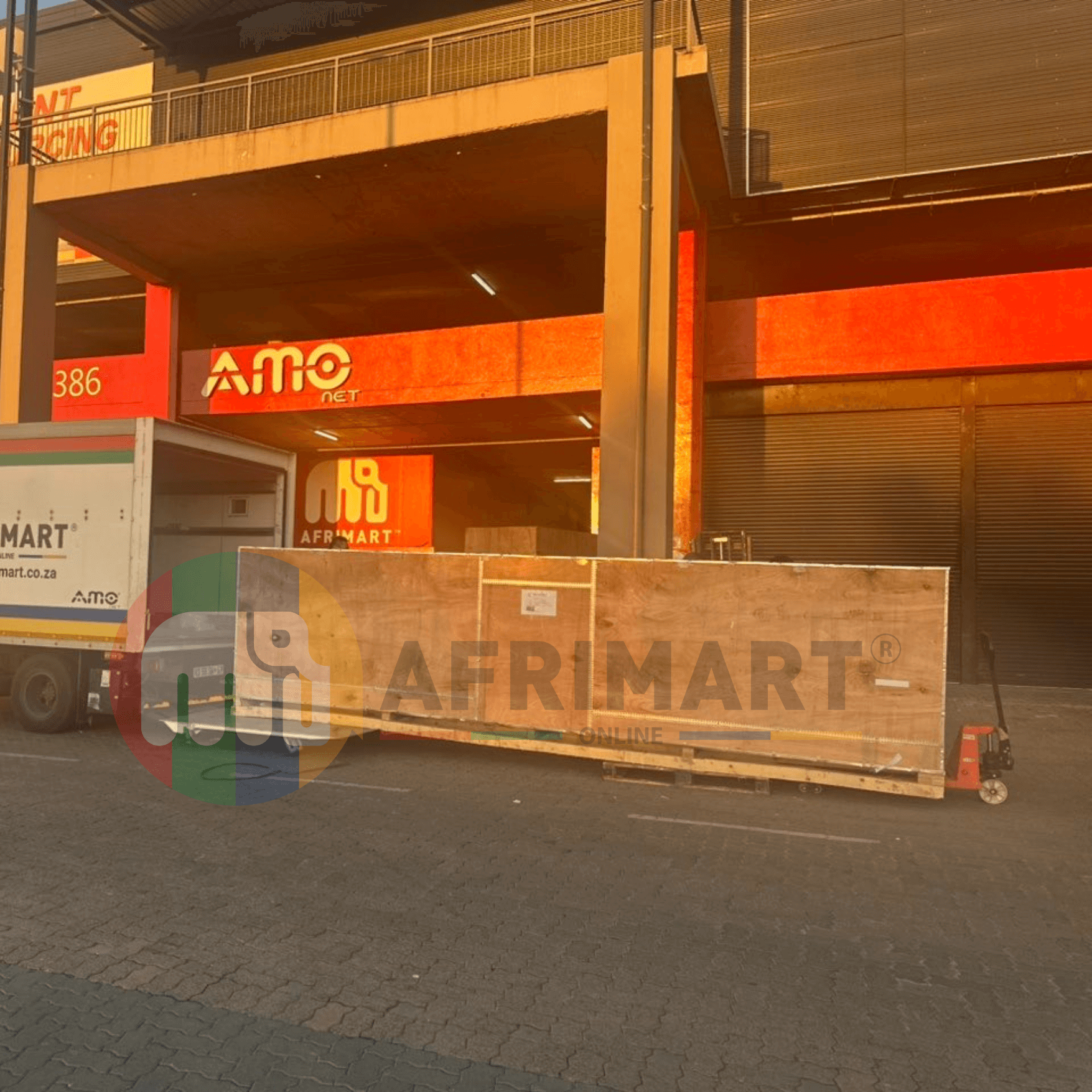
Fabrics Manufacturing Equipment
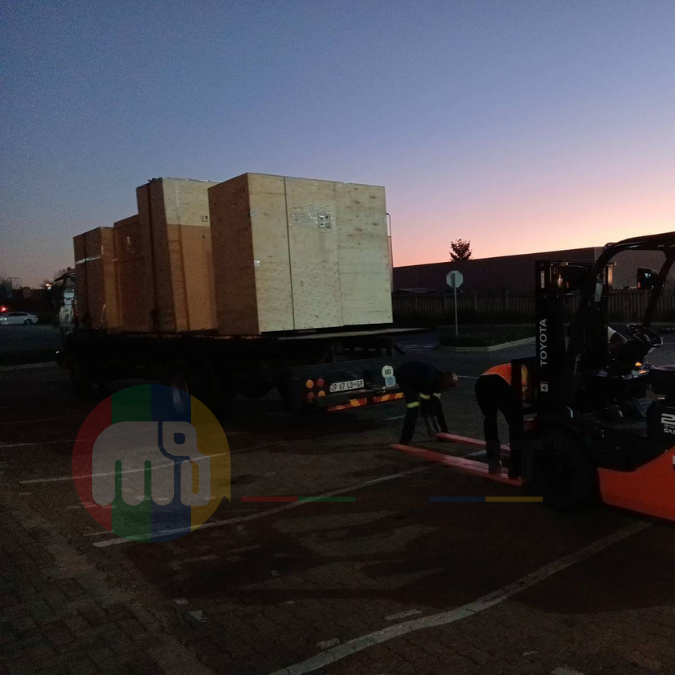
Mining Equipments
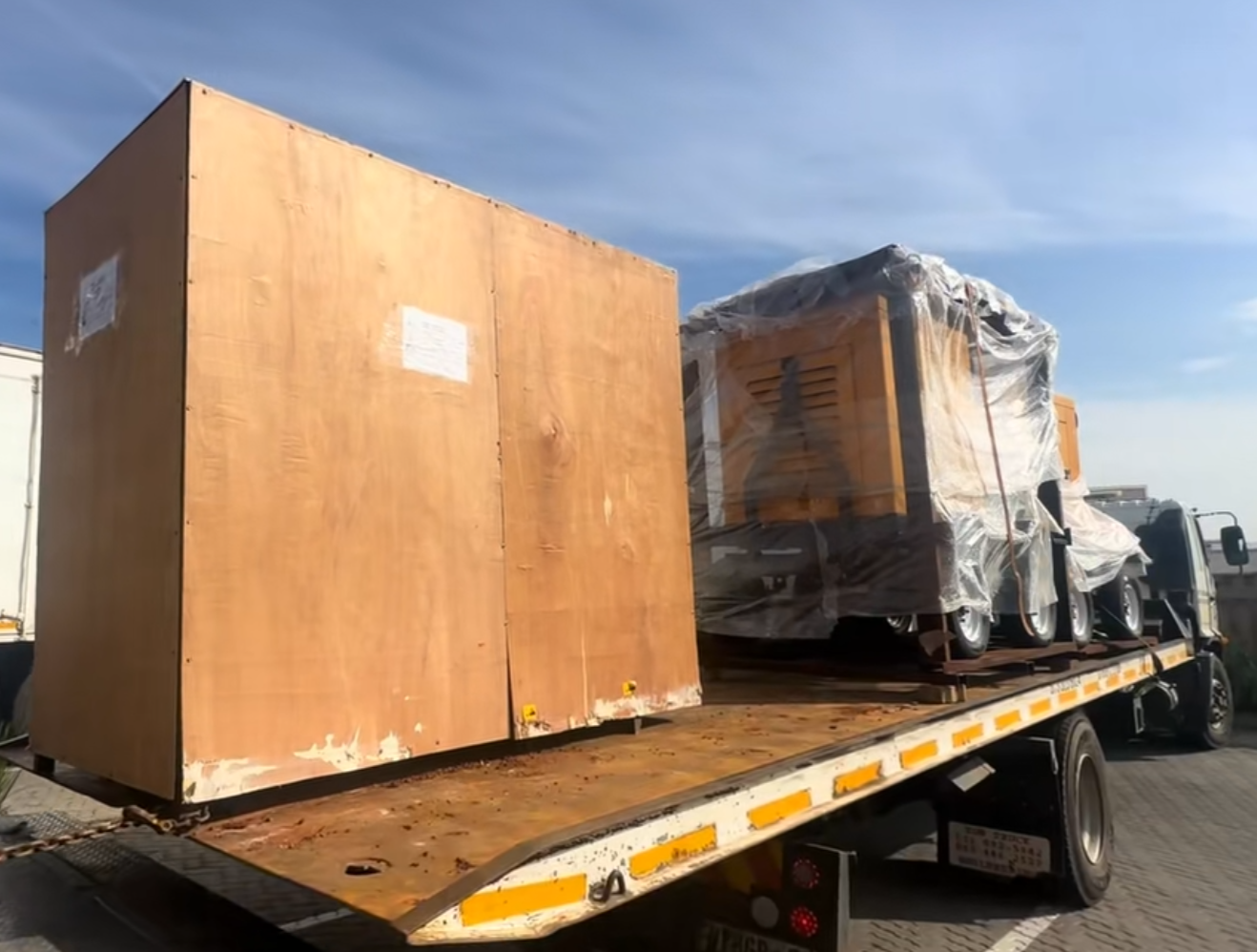
Food Processing Machine
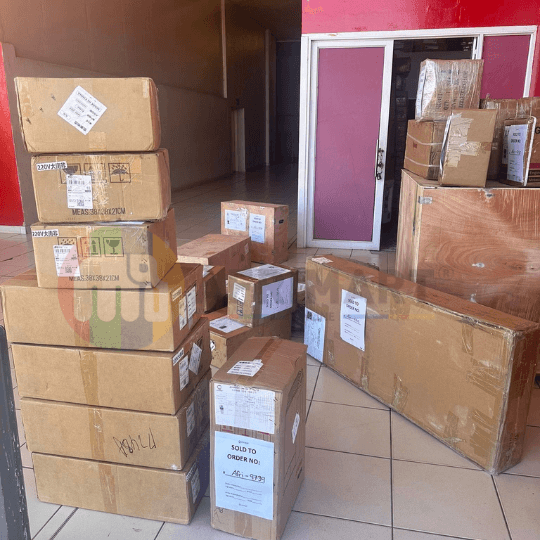
Batch of Orders
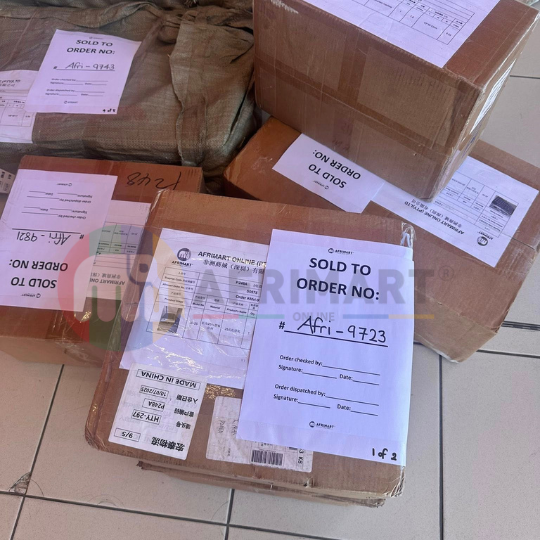
Batch of Orders
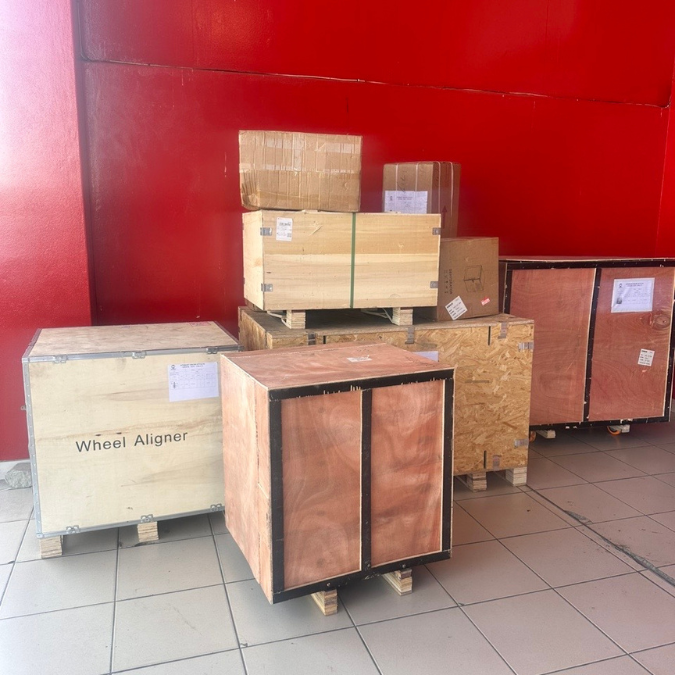
Latest Orders Labelled
wheel alignment machines
new arrivals
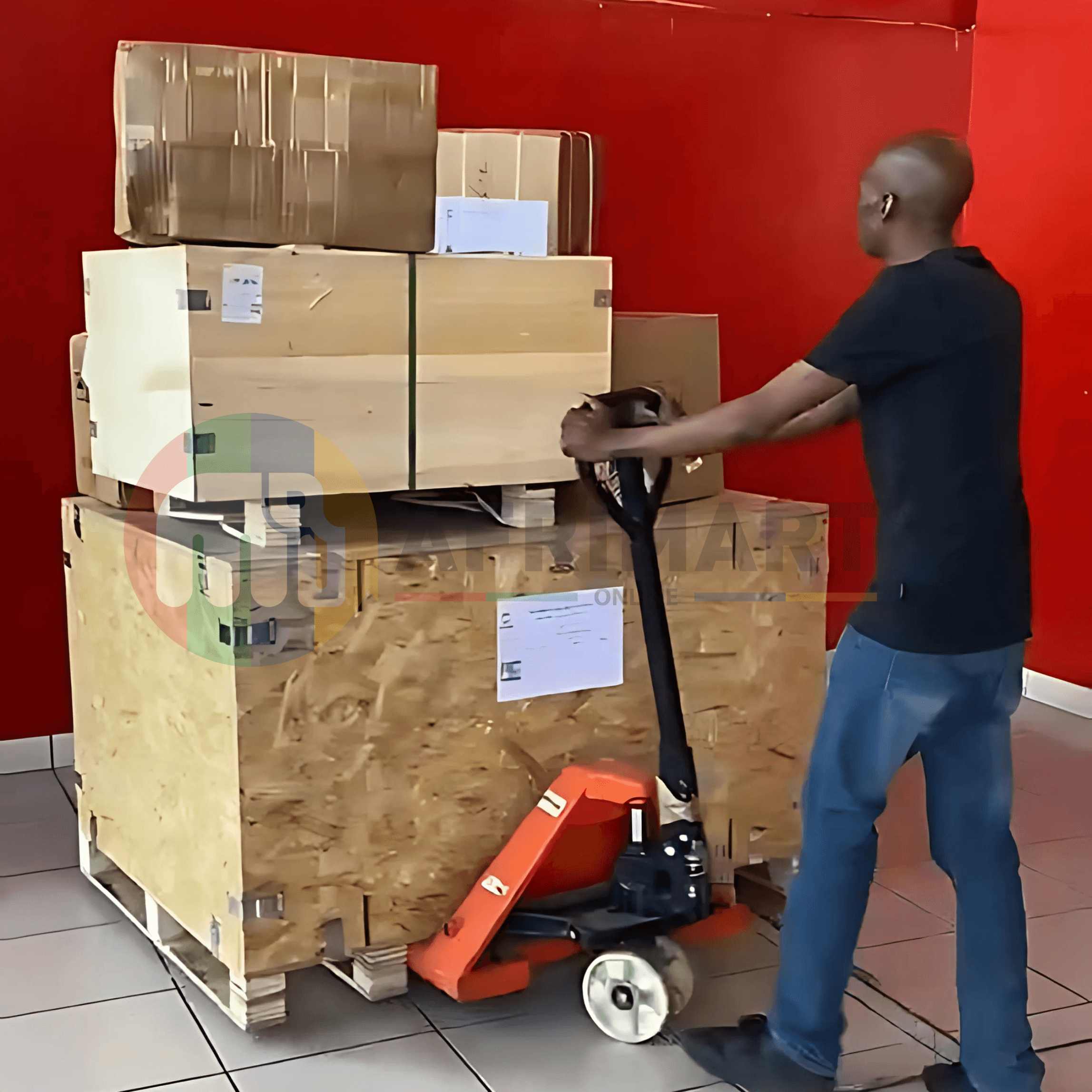
Pre Orders Offloading
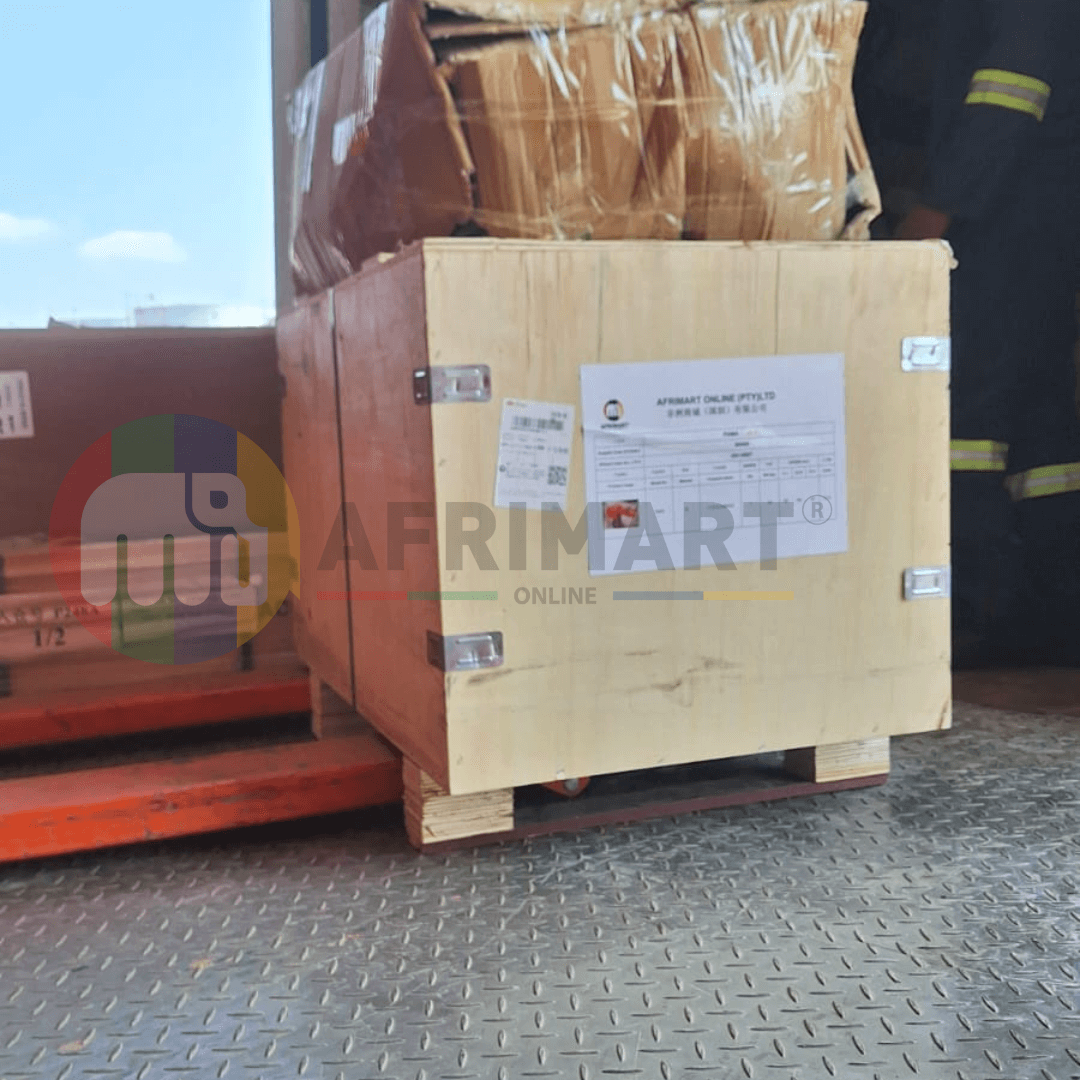
Latest Arrivals
Latest Arrivals