B21, China Town Mall, Midrand


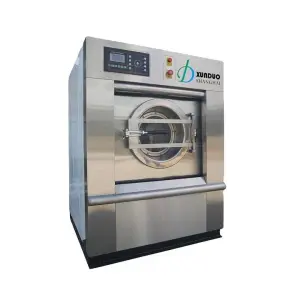
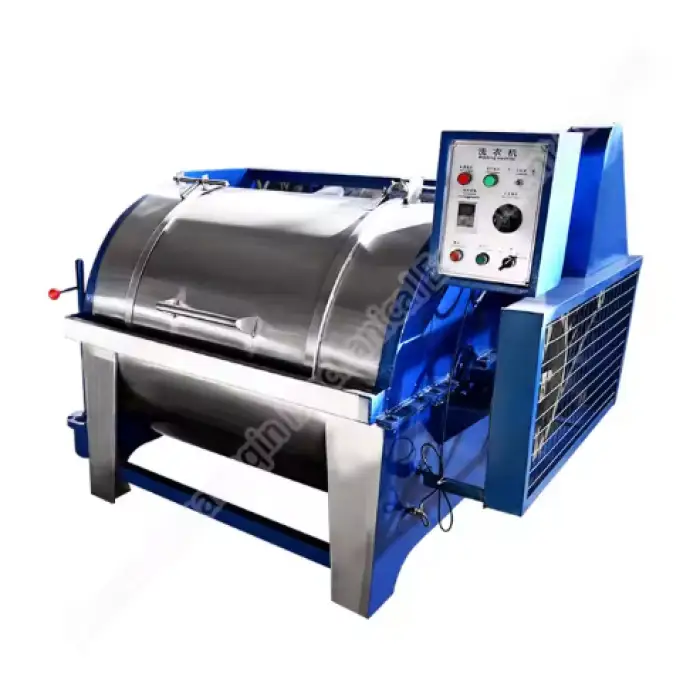
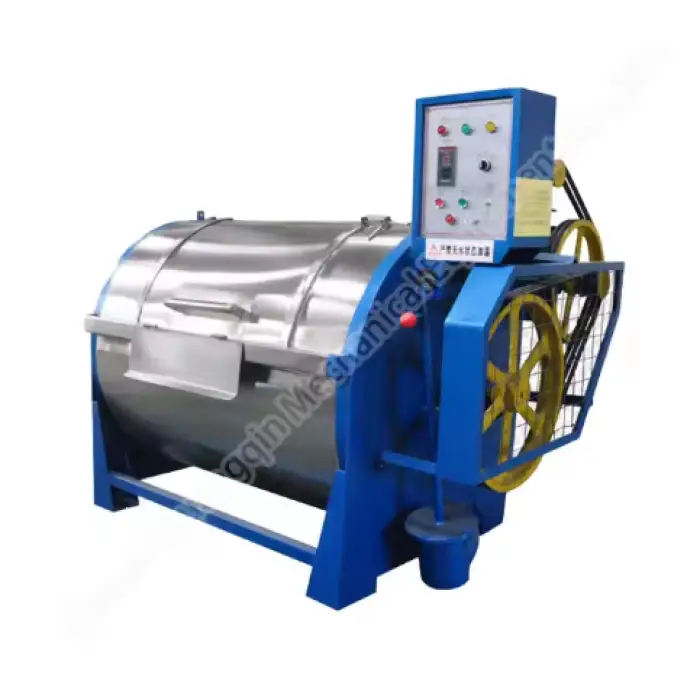
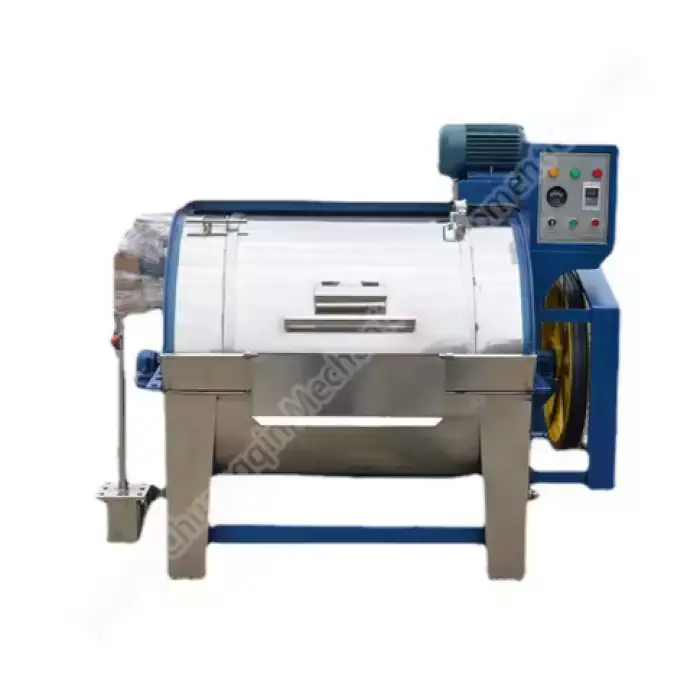
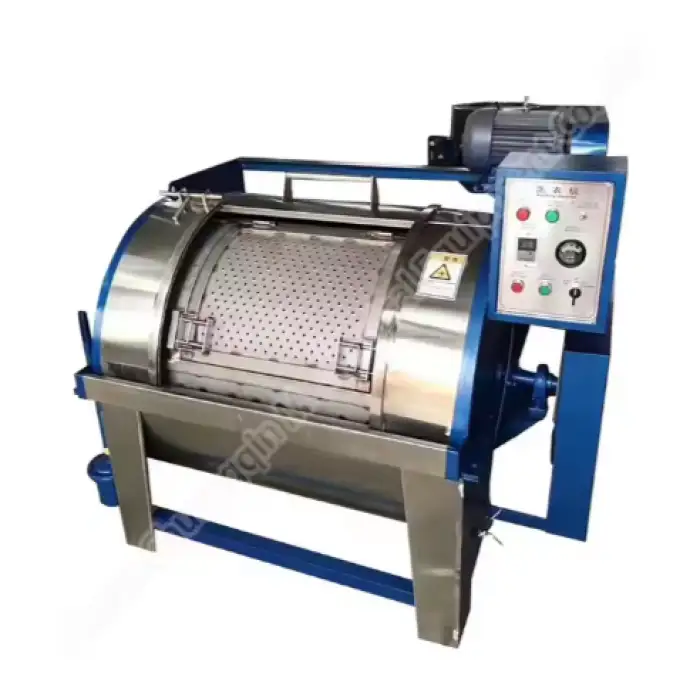
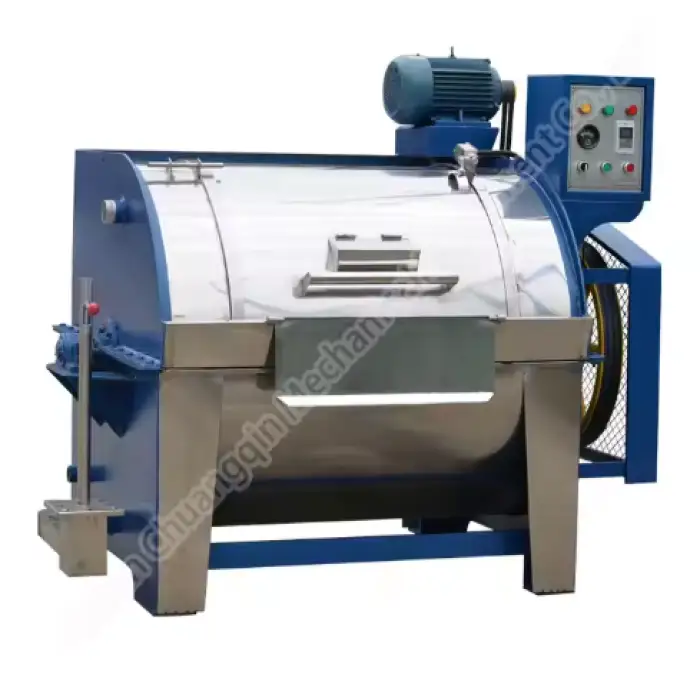
Horizontal Automatic Industrial Washing Machine / Washer / Cleaning Equipment
- Section : Machinery
- Category : Cleaning Equipment
- SKU : 1600604084413

Horizontal Automatic Industrial Washing Machine / Washer / Cleaning Equipment
The Horizontal Automatic Industrial Washing Machine is designed to provide efficient and effective cleaning for a variety of industrial applications. This powerful washer uses cold water cleaning and features a unique rotating mechanism to ensure critical cleaning without leaving any residue. Its non-toxic and eco-friendly operation makes it a safe choice for any industrial environment. With a capacity range of 15-400kg, this machine is perfect for businesses looking to enhance their cleaning processes.
Specifications
| Attribute | Details |
|---|---|
| Voltage | 380V |
| Material | SUS201/SUS304 |
| Cleaning Process | Cold Water Cleaning |
| Cleaning Type | Rotating |
| Weight | 800 kg |
| Capacity | 15-400 kg |
| Fuel Type | Electric |
| Condition | New |
Key Features
- Cold water cleaning for energy efficiency
- Critical cleaning capabilities for residue-free results
- Non-toxic operation for safe use in various environments
- Robust design made from high-quality SUS201/SUS304 material
- Suitable for large capacity cleaning (15-400 kg)
- Electric-powered for convenience and efficiency
Applications
- Cleaning industrial parts and machinery
- Automotive component cleaning
- Food processing equipment sanitation
- Cleaning in chemical manufacturing
- General industrial cleaning tasks
Product Info Gallery
- Shipping Timeframes: All orders are processed within 2-5 business days (excluding weekends and holidays). After your order has been processed, the estimated delivery time is before 04 Aug, 2026, depending on customs, Please note that due to high demand, some items may experience longer shipping times, which will be communicated at order confirmation email.
- Order Processing Time: Please allow 2-5 business days for us to process your order before it is shipped . Orders placed after 16:00 on Fridays, or during weekends and public holidays, will begin processing on the next business day. Processing times may be extended during peak seasons or sales events.
- Manufacturing Time: Some products needs manufacturing time, the manufacturing process will take approximately 10-30 business days depending on the product. This timeframe may vary depending on the complexity of the product and current demand. but this will be communicated with you during order confirmation.
- Returns and Exchanges: We offer a 30-day return policy for most items. If you are not completely satisfied with your purchase, you may return it within 30 days of receipt for a refund or exchange. Items must be unused, in their original packaging, and accompanied by proof of purchase. Return shipping costs are the responsibility of the customer, unless the item was damaged or defective upon arrival.
1. What is the Horizontal Automatic Industrial Washing Machine used for?
It is an electric-powered industrial washer designed for efficient cold-water cleaning of parts and equipment across industries such as automotive, food processing, chemical manufacturing and general industrial maintenance.
2. What capacity range does the machine support?
The machine supports loads from 15 kg up to 400 kg per batch, allowing processing of small toolsets up to large assemblies depending on the chosen model and fixture configuration.
3. What materials is the washer constructed from?
The unit is constructed from stainless steel options SUS201 and SUS304. SUS304 provides higher corrosion resistance and is recommended for more demanding or hygienic applications; consult the supplier for material selection guidance.
4. What cleaning process does the machine use?
It uses a cold water cleaning process combined with a rotating mechanism to agitate parts and remove residues. Cold-water operation reduces energy use compared with heated systems.
5. Can I use detergents, solvents or other chemicals with this washer?
The washer is designed for non-toxic, eco-friendly operation. Many water-compatible, non-hazardous detergents are suitable, but use of solvents or aggressive chemicals should be confirmed with the manufacturer to avoid damage to seals, pumps and stainless surfaces.
6. What are the electrical requirements?
The machine is specified for 380V electric supply, which in most regions corresponds to a three-phase industrial power connection. Exact electrical service, breaker sizes and motor starter requirements should be confirmed with your electrical contractor and the supplier.
7. How does the rotating cleaning mechanism work and what are its benefits?
The rotating mechanism tumbles or rotates baskets/fixtures to expose all surfaces of parts to the cold-water spray and mechanical agitation, improving cleaning uniformity and removing trapped residues without manual scrubbing.
8. Is the washer suitable for delicate or small precision components?
Yes, with appropriate fixturing, baskets, and gentle cycle parameters the washer can clean delicate or small components. Discuss part handling requirements with the supplier to ensure proper fixtures and cycle settings are provided.
9. What is the machine's physical weight and installation considerations?
The listed machine weight is approximately 800 kg. Installation requires a level, load-bearing floor, appropriate lifting equipment for placement, electrical hookups and drainage. Confirm foundation, clearance and handling requirements with the supplier prior to delivery.
10. What maintenance is required and how often?
Routine maintenance typically includes inspecting and cleaning filters and strainers, checking and topping fluid levels (if applicable), inspecting pumps, seals and bearings, and checking fasteners and electrical connections. Frequency depends on usage; establish a preventive maintenance schedule with the supplier—often weekly to monthly for visual checks and quarterly for more detailed inspections.
11. How long does a cleaning cycle take?
Cycle time depends on part contamination, part geometry and chosen cycle parameters. Typical cold-water industrial wash cycles range from several minutes up to 30 minutes. For precise cycle times for your parts, testing or consultation with the manufacturer is recommended.
12. Is the machine suitable for food processing environments?
Yes—especially if constructed in SUS304 and configured with appropriate sanitation-compatible detergents and practices. Validate compatibility with your local food safety regulations and hygienic requirements with the supplier.
13. How does the machine handle wastewater and residues?
Wastewater and residues are collected and drained according to the facility’s drainage and treatment setup. Because the machine uses cold water and non-toxic cleaning media, disposal is typically simpler, but disposal must comply with local wastewater regulations—hazardous residues require specialized handling.
14. Are spare parts, customization and installation services available?
Spare parts, custom fixturing and installation services are commonly offered by suppliers. Availability and lead times vary—contact the manufacturer or distributor to discuss required fixtures, upgrades (e.g., SUS304, special baskets) and installation packages.
15. What warranty, certifications or compliance information is available?
Warranty terms and certifications (CE, UL, etc.) vary by manufacturer and market. The product listing does not specify them—request the supplier’s warranty policy, test reports and any applicable compliance documentation prior to purchase.
Latest Order Arrivals
Discover our latest orders
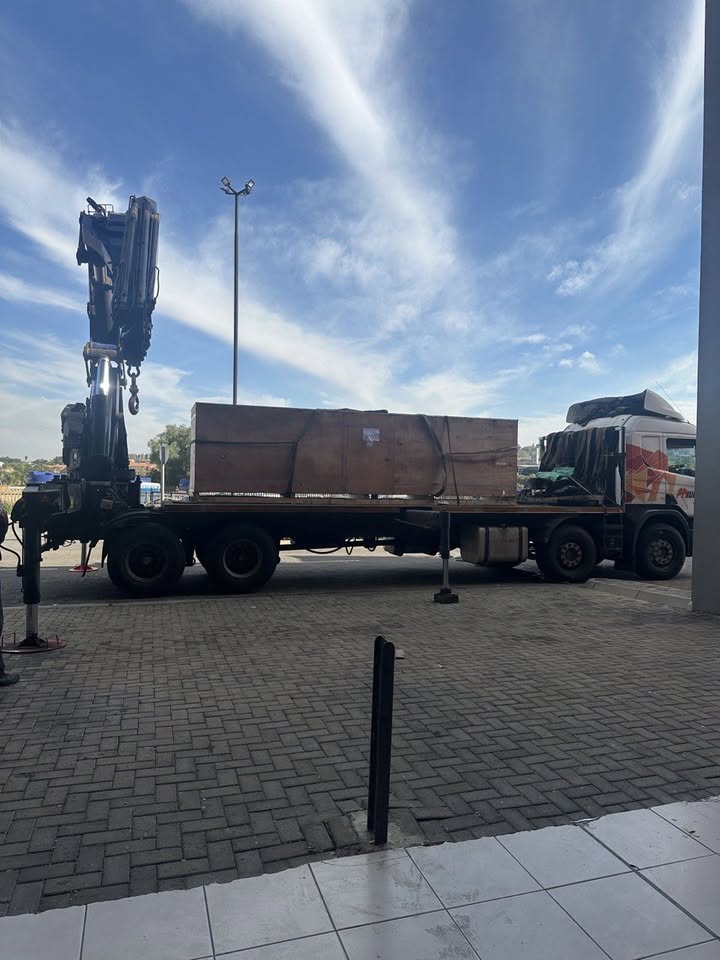
12 Heads Embroidery Machine
Toilet Paper Machine Machine
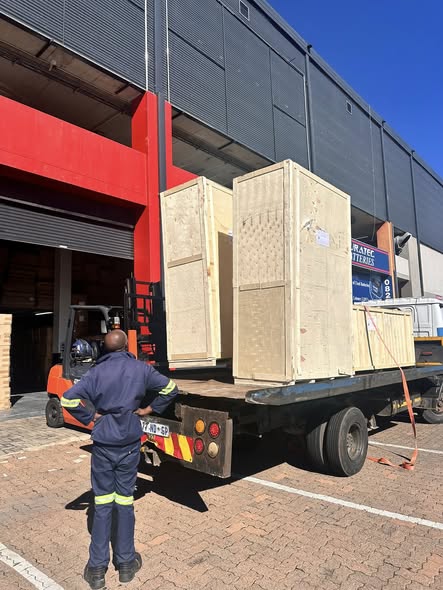
Order Collection
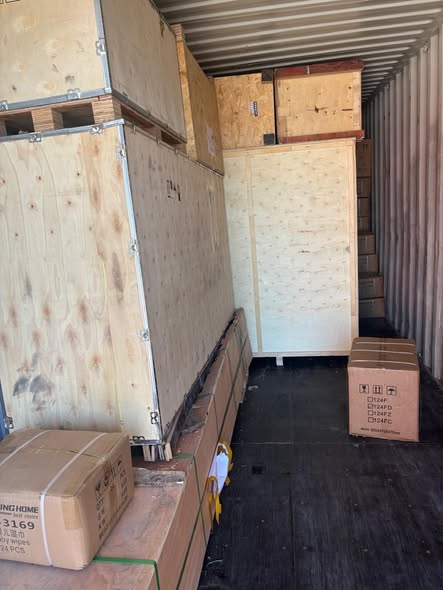
Cross Border Clients
Order cros border countries Collected
Industrial Machine Cllection
Agriculture Processing Machines
Ready for collection
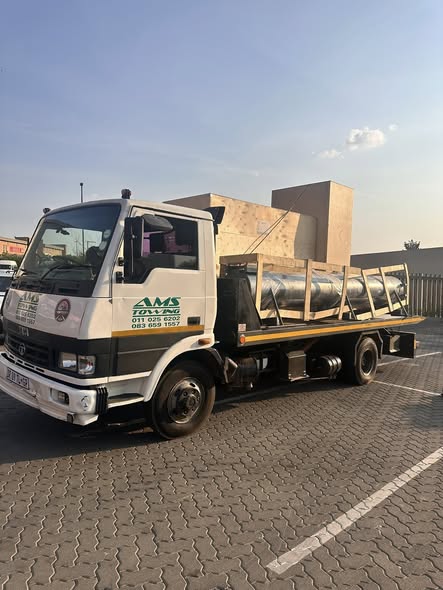
Water Pump Equipment
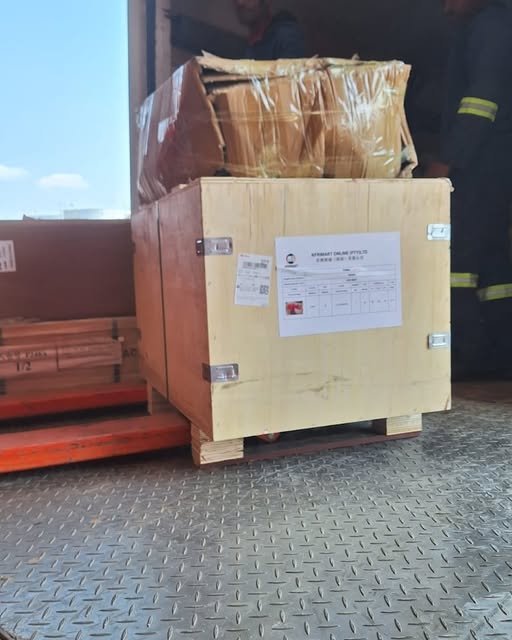
Packaging Machine and accessories
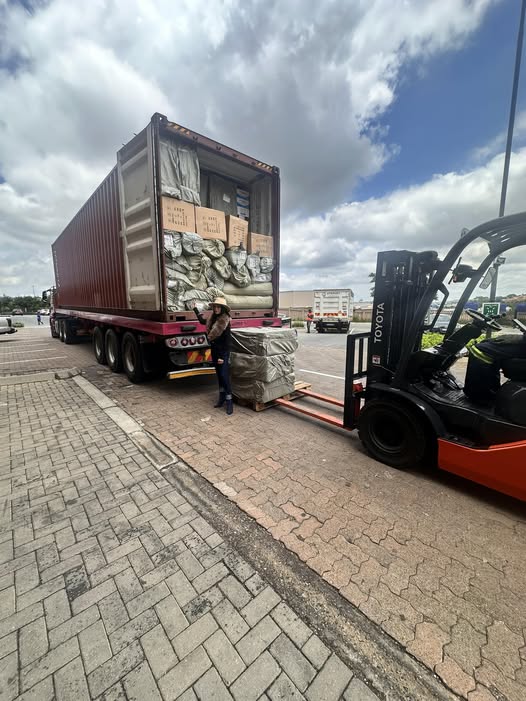
Fabrics Manufacturing Equipment
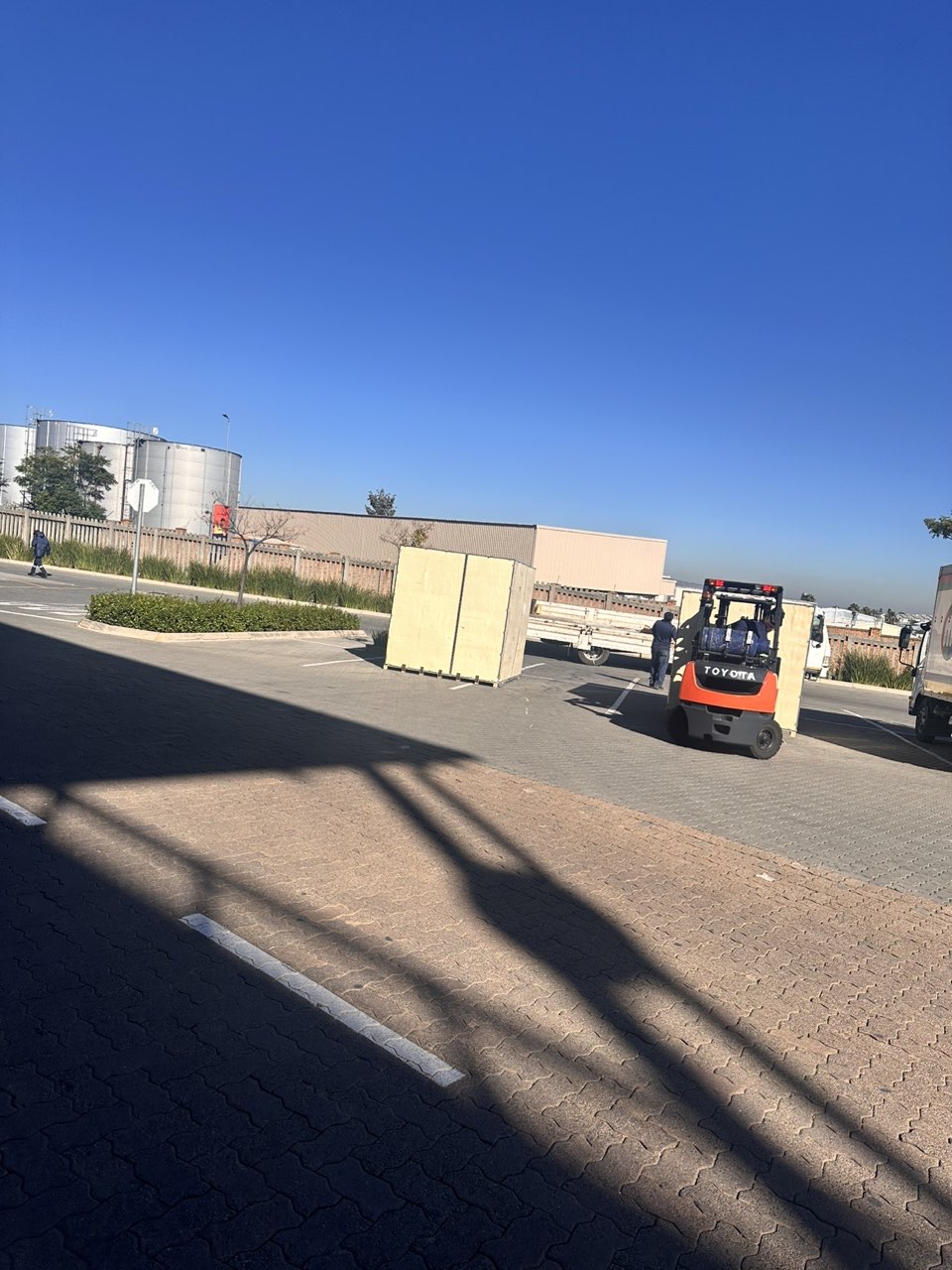
Mining Equipments
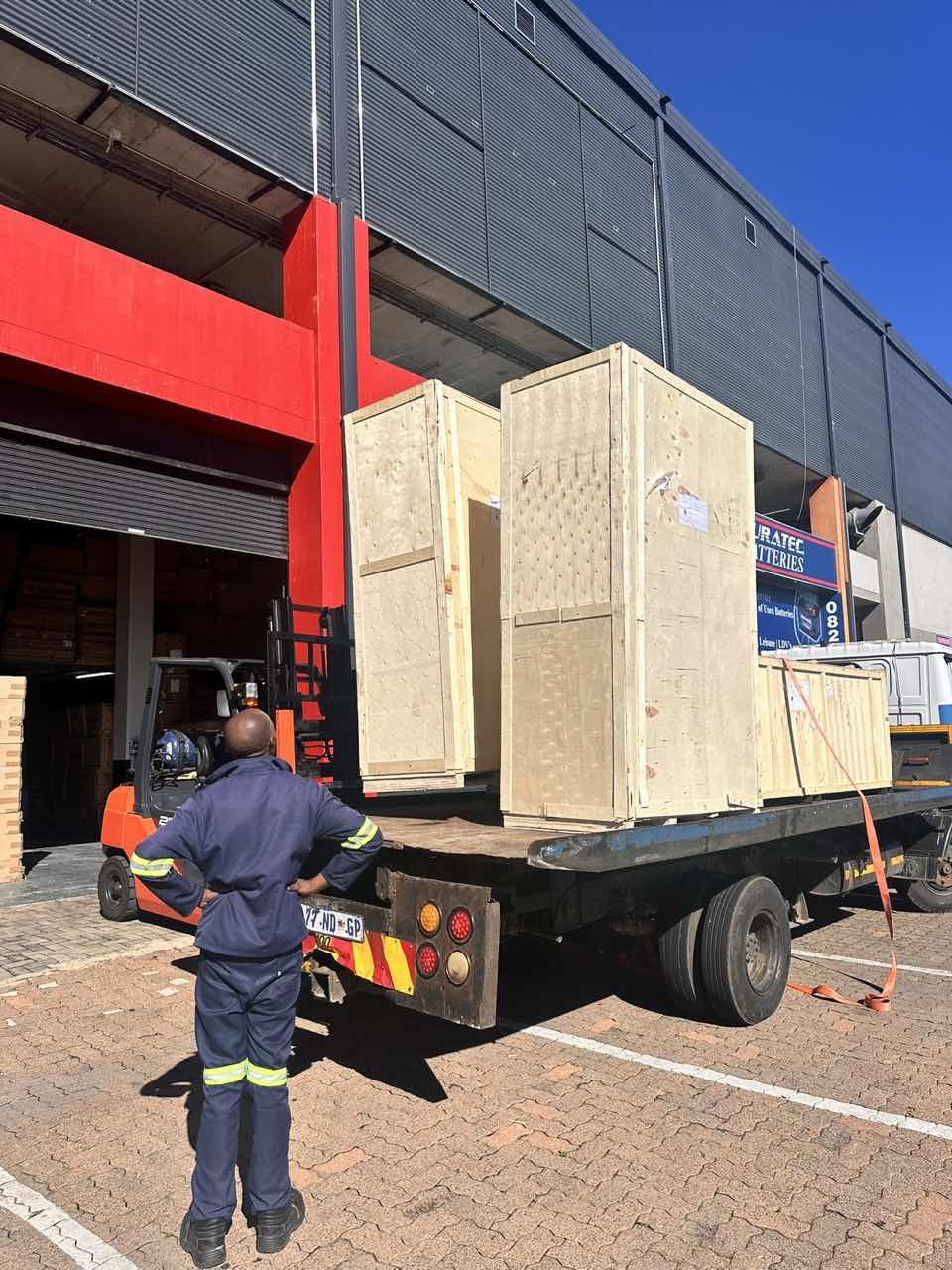
Food Processing Machine
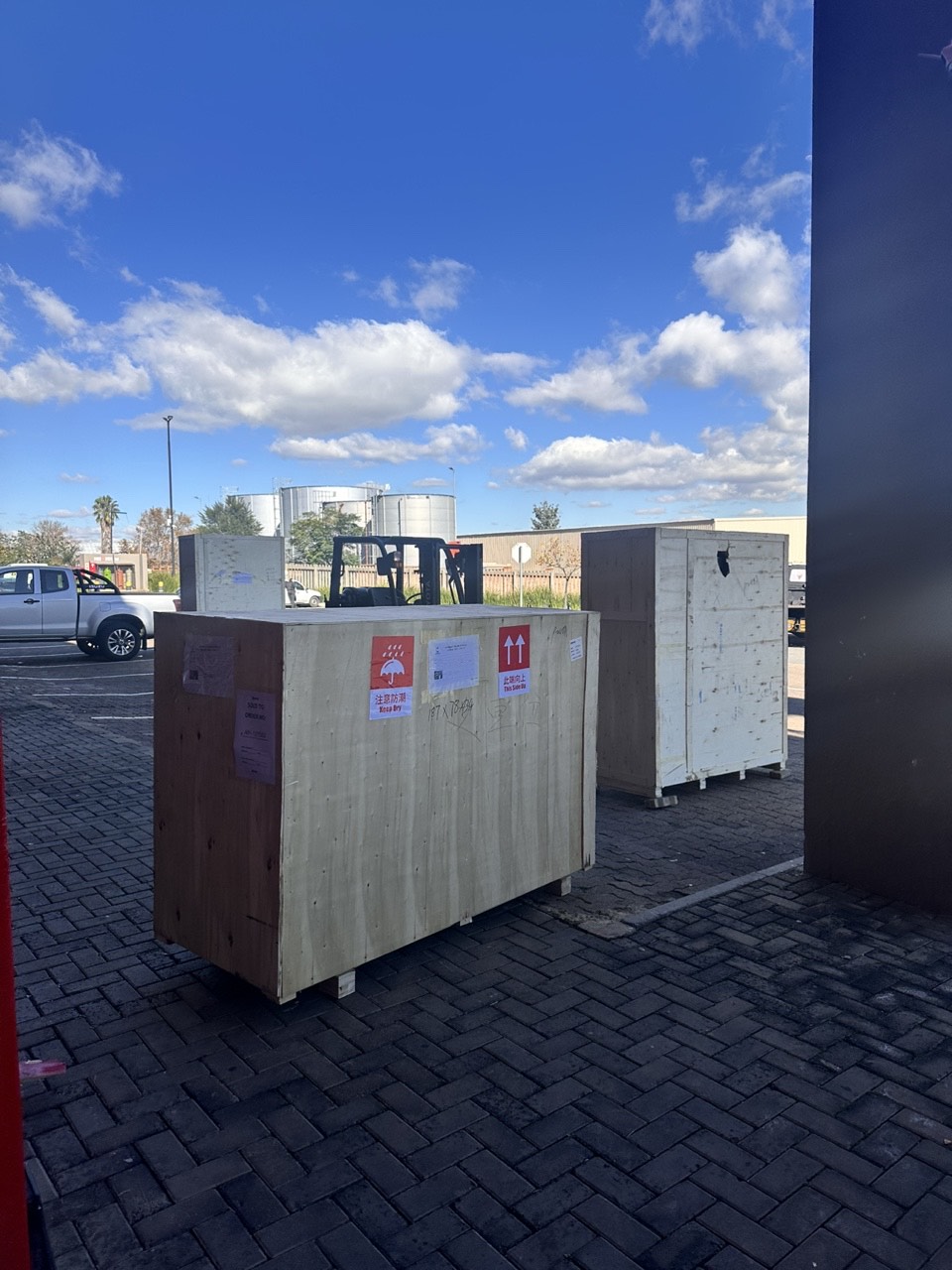
Batch of Orders
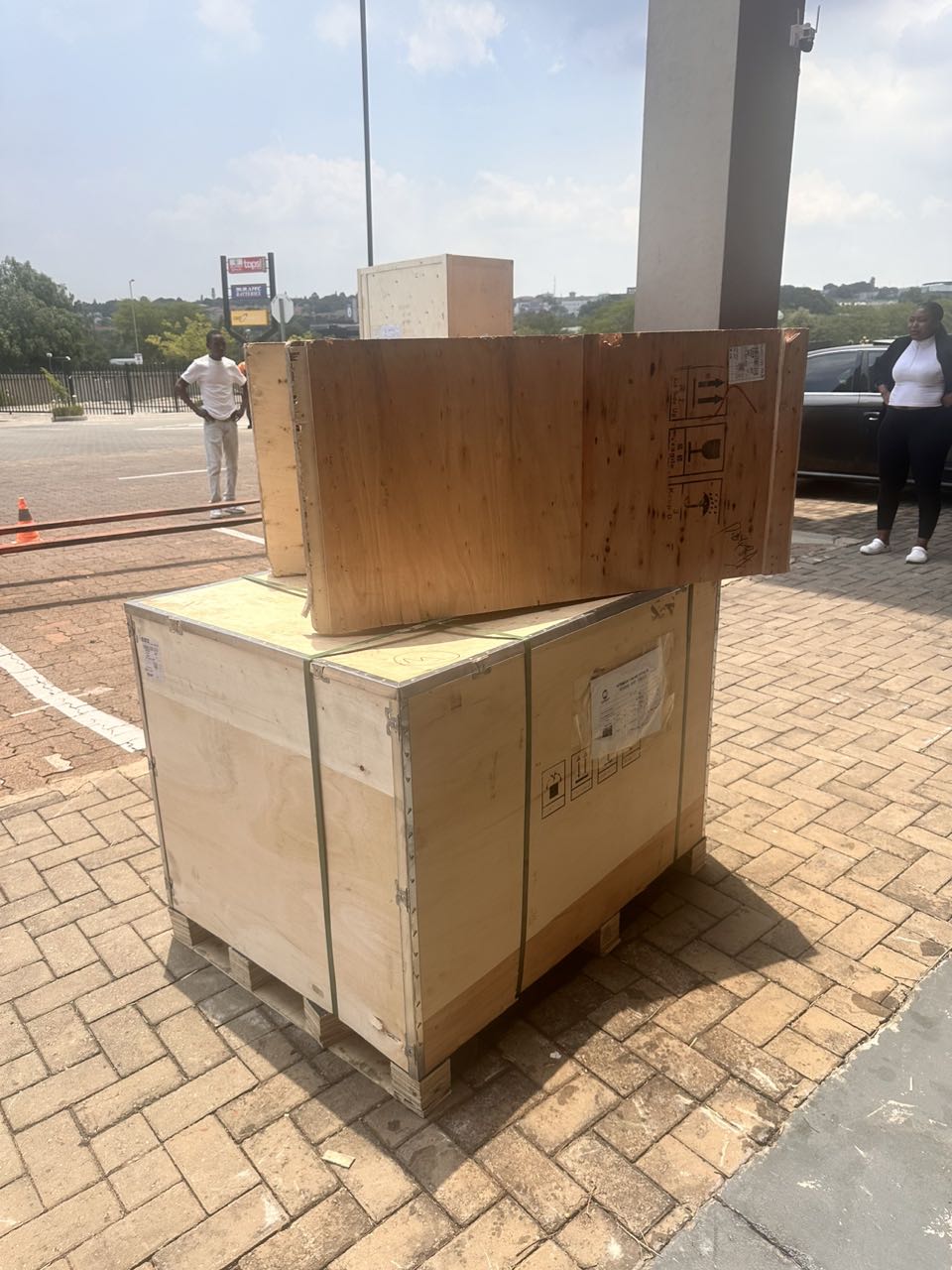
Batch of Orders
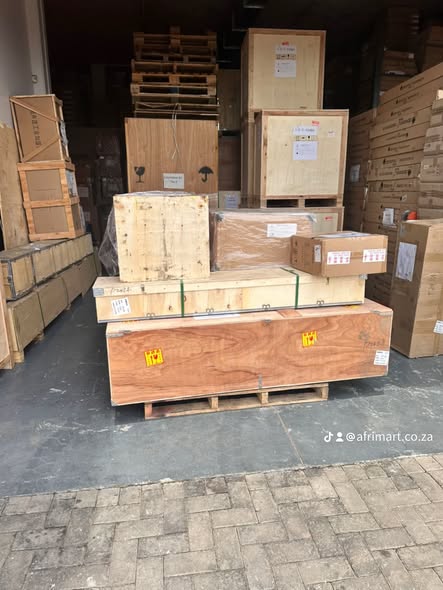
Latest Orders Labelled
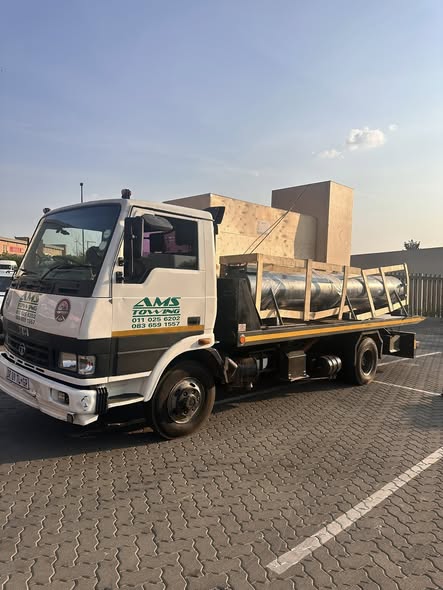
wheel alignment machines
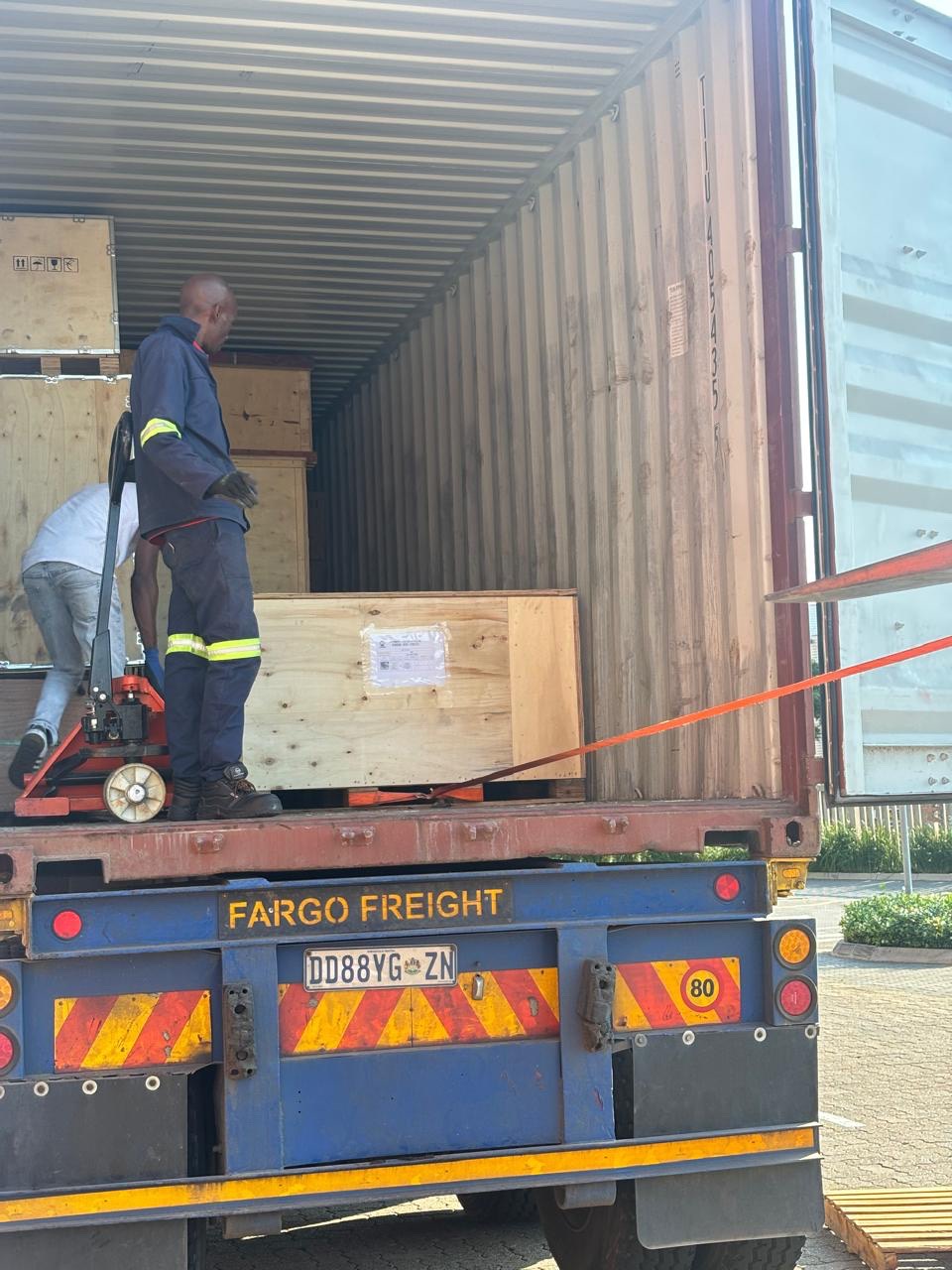
new arrivals
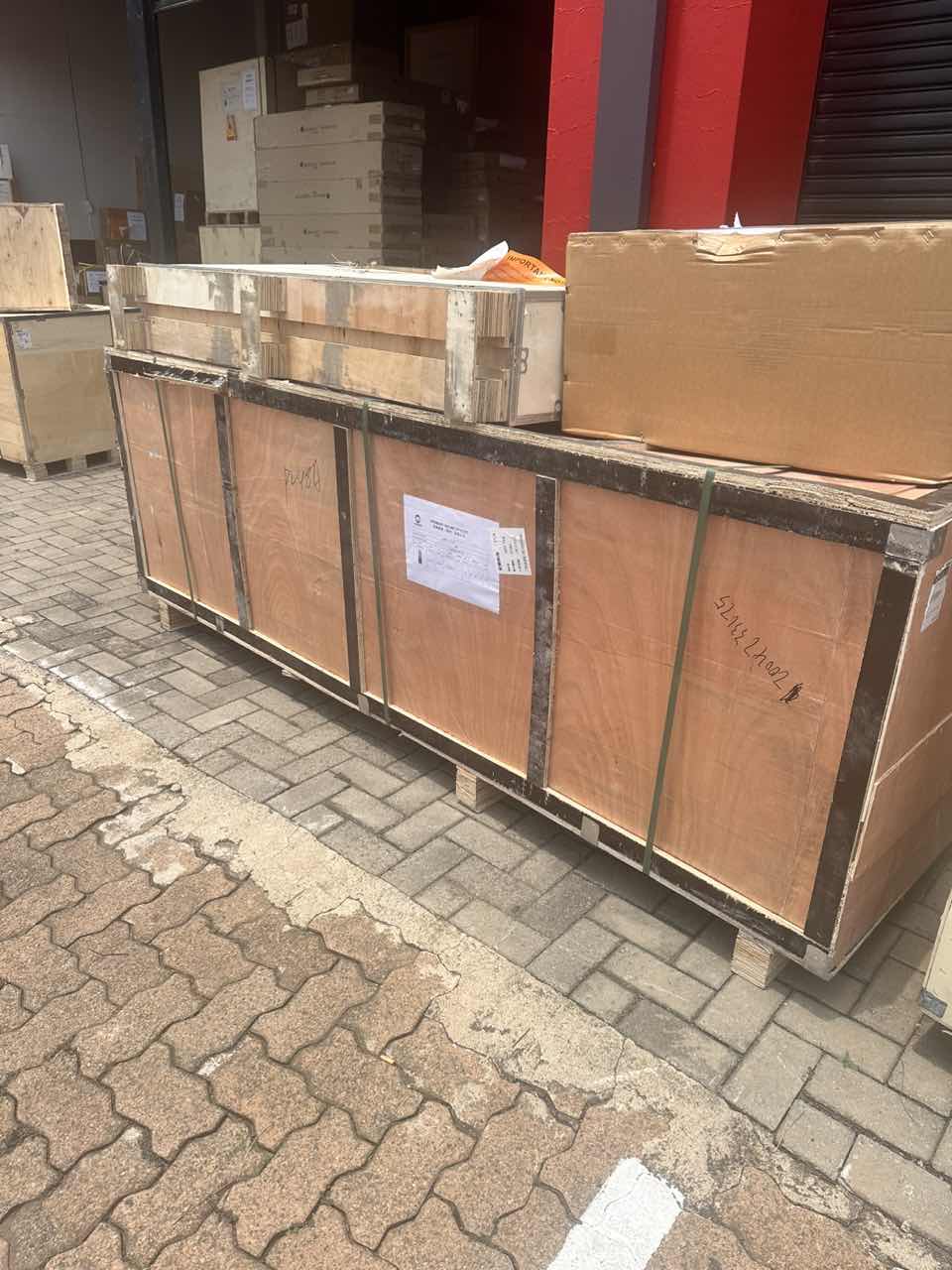
Pre Orders Offloading
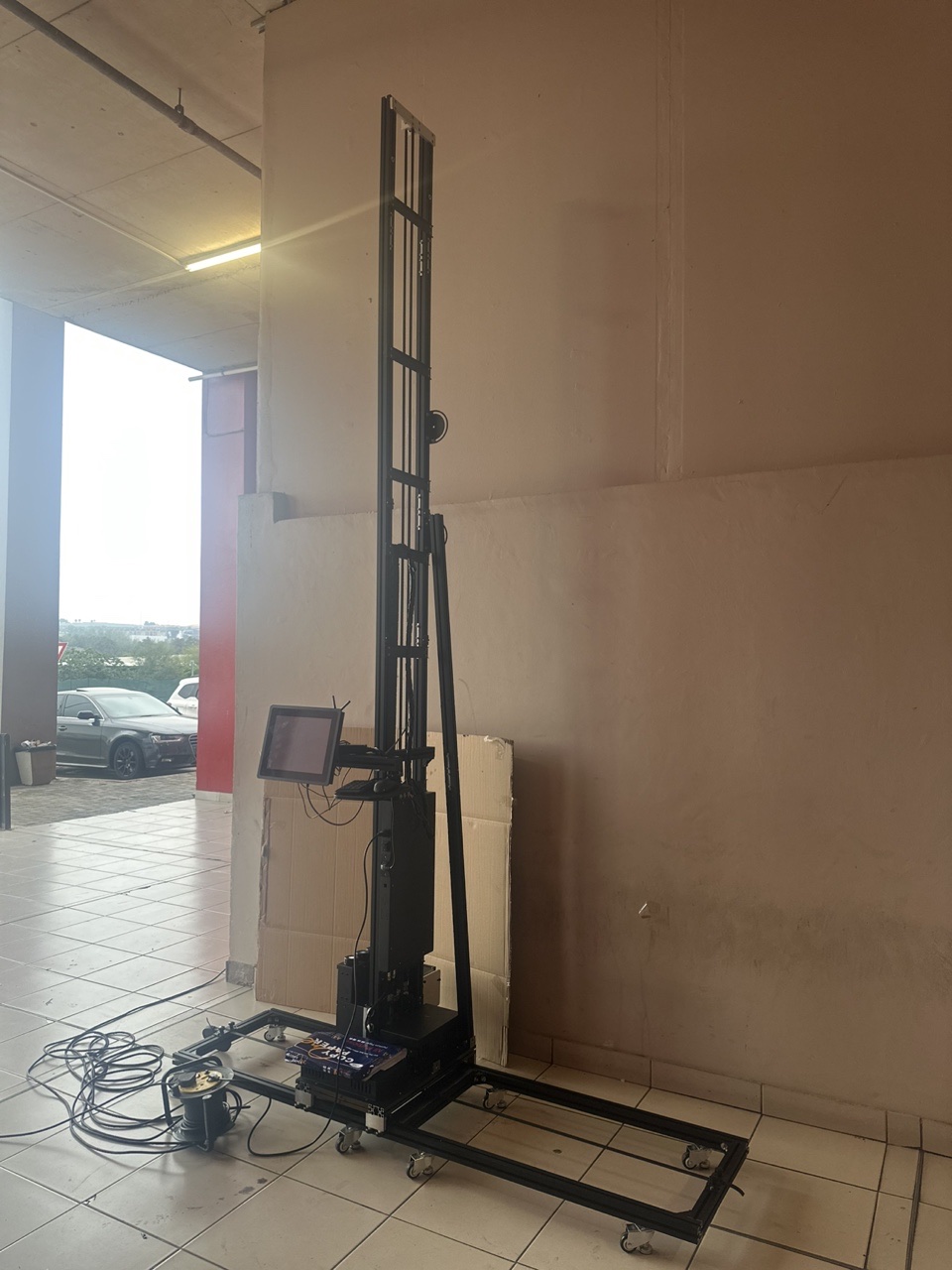
Latest Arrivals
Latest Arrivals
Latest Arrivals
Loading
Toilet paper making machine
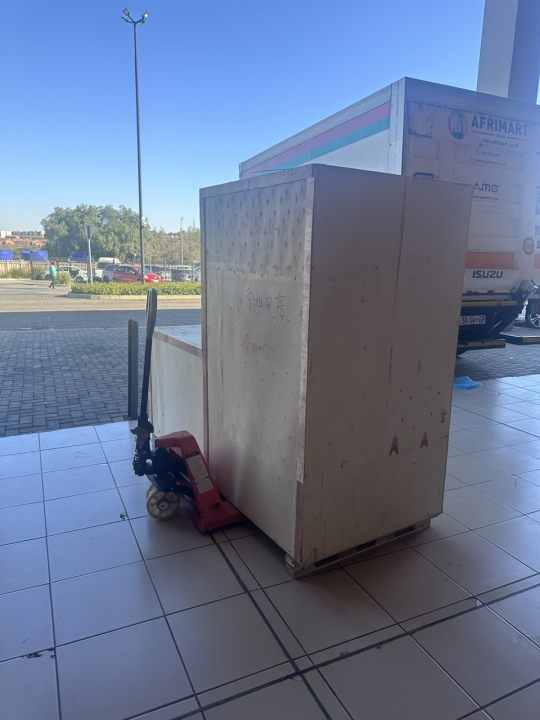
Toilet paper making machine
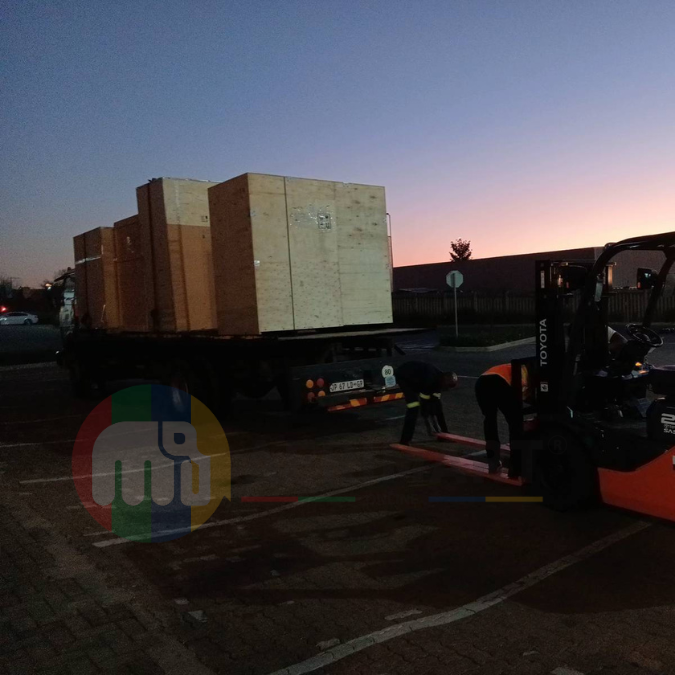
Toilet paper Rewinding Machine
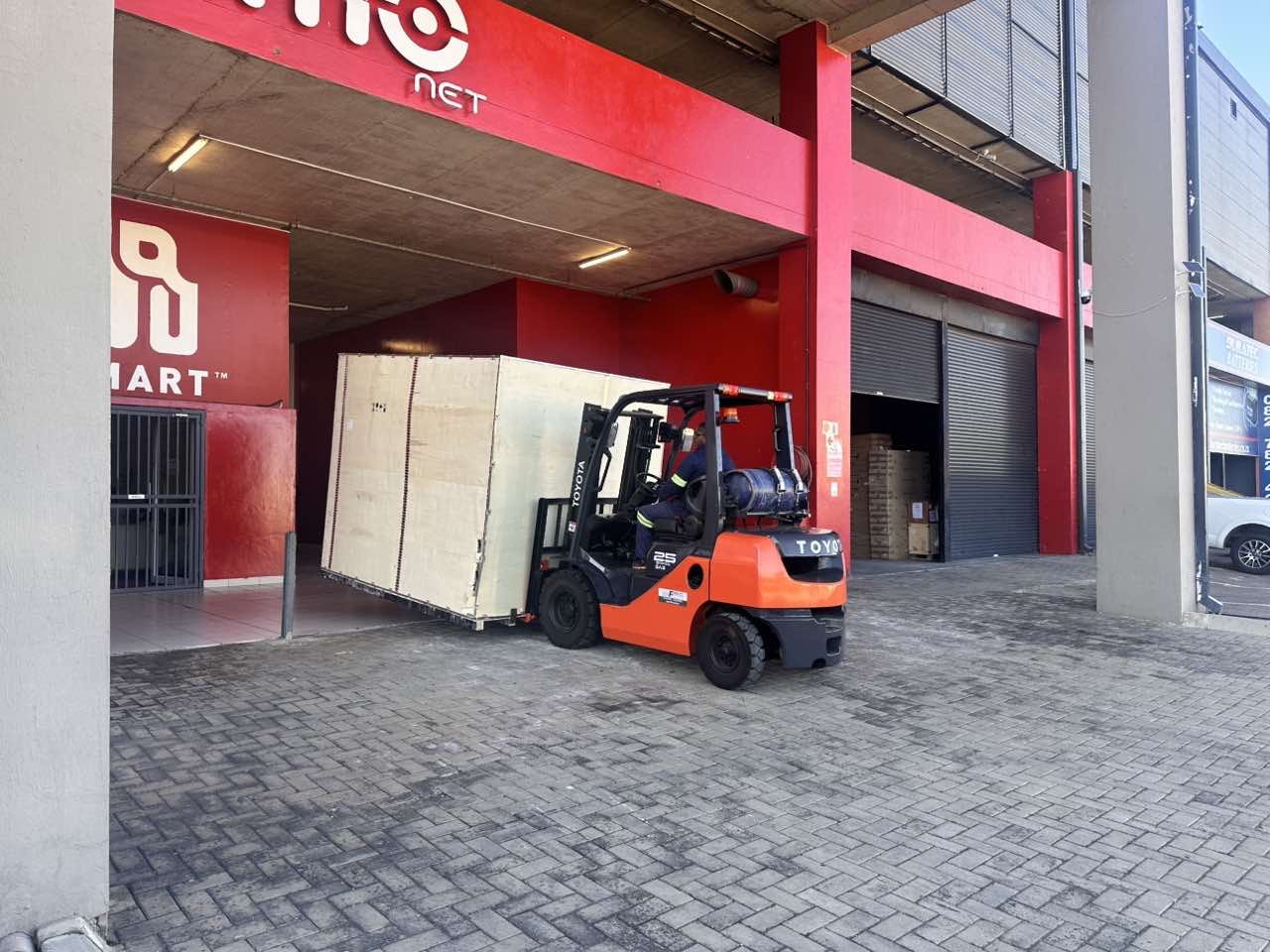
latest arrivals
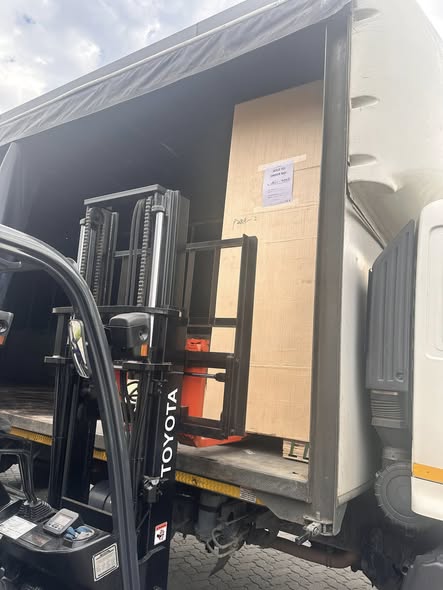
offloading
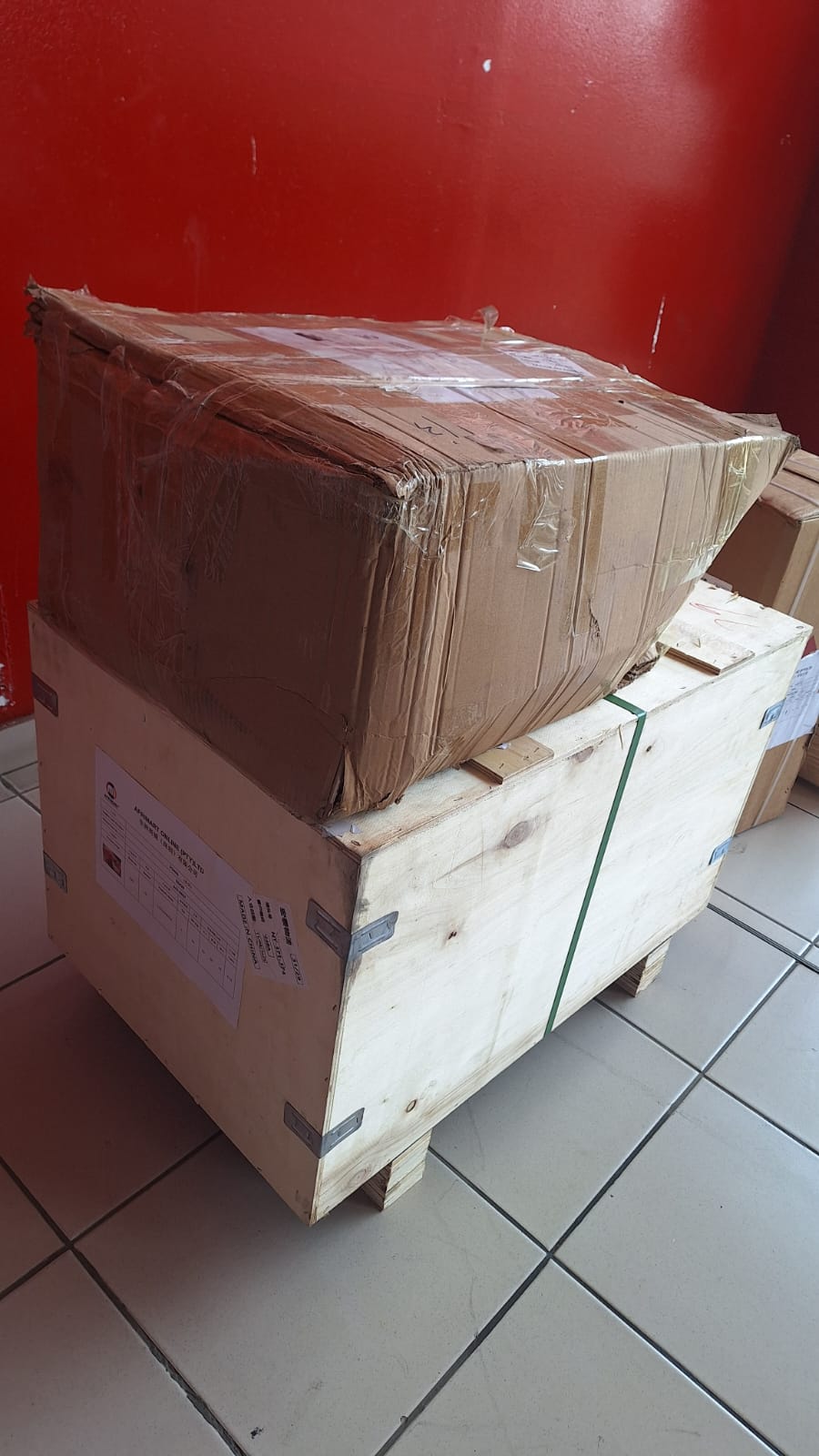
order success
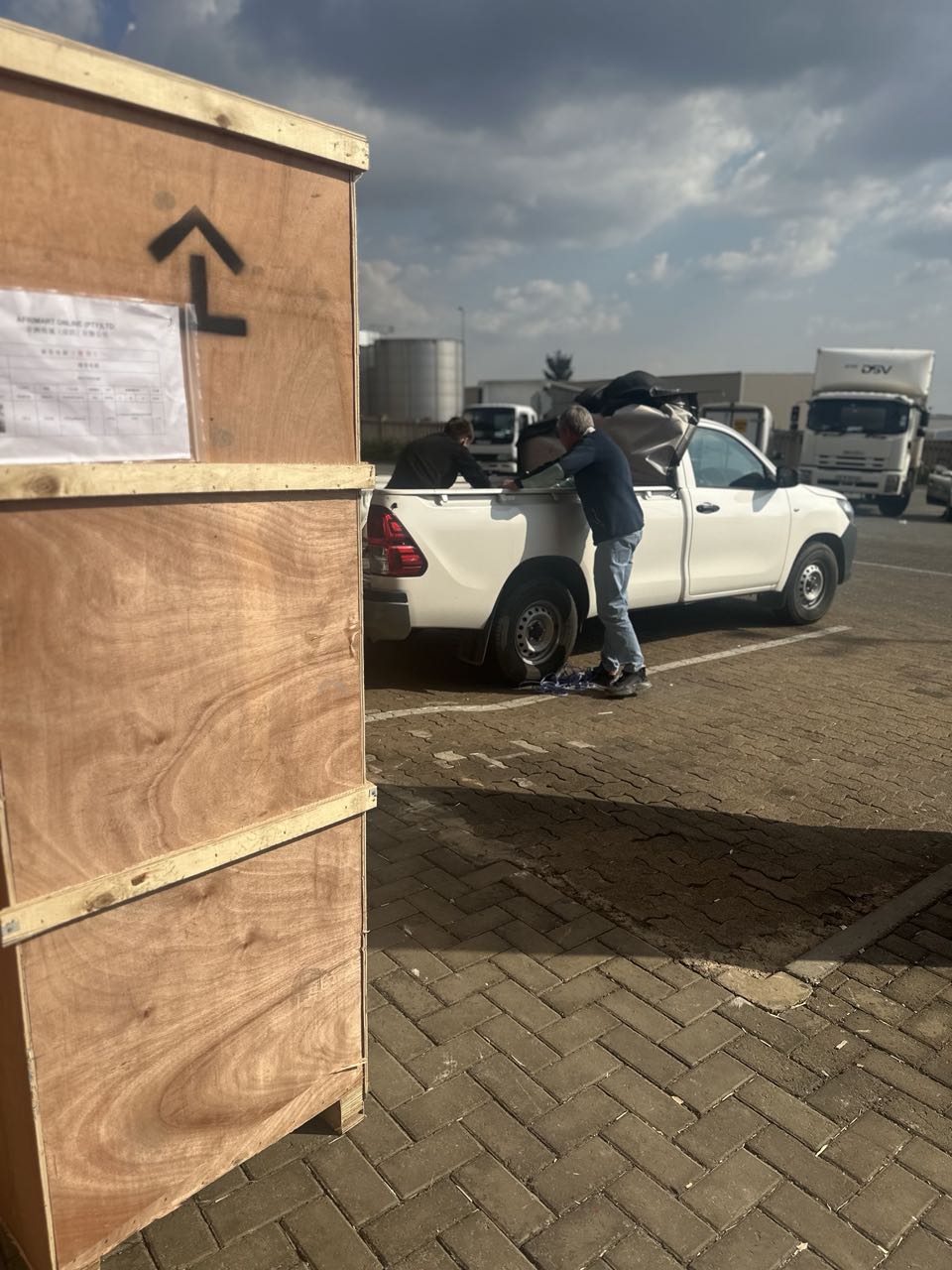
order collection
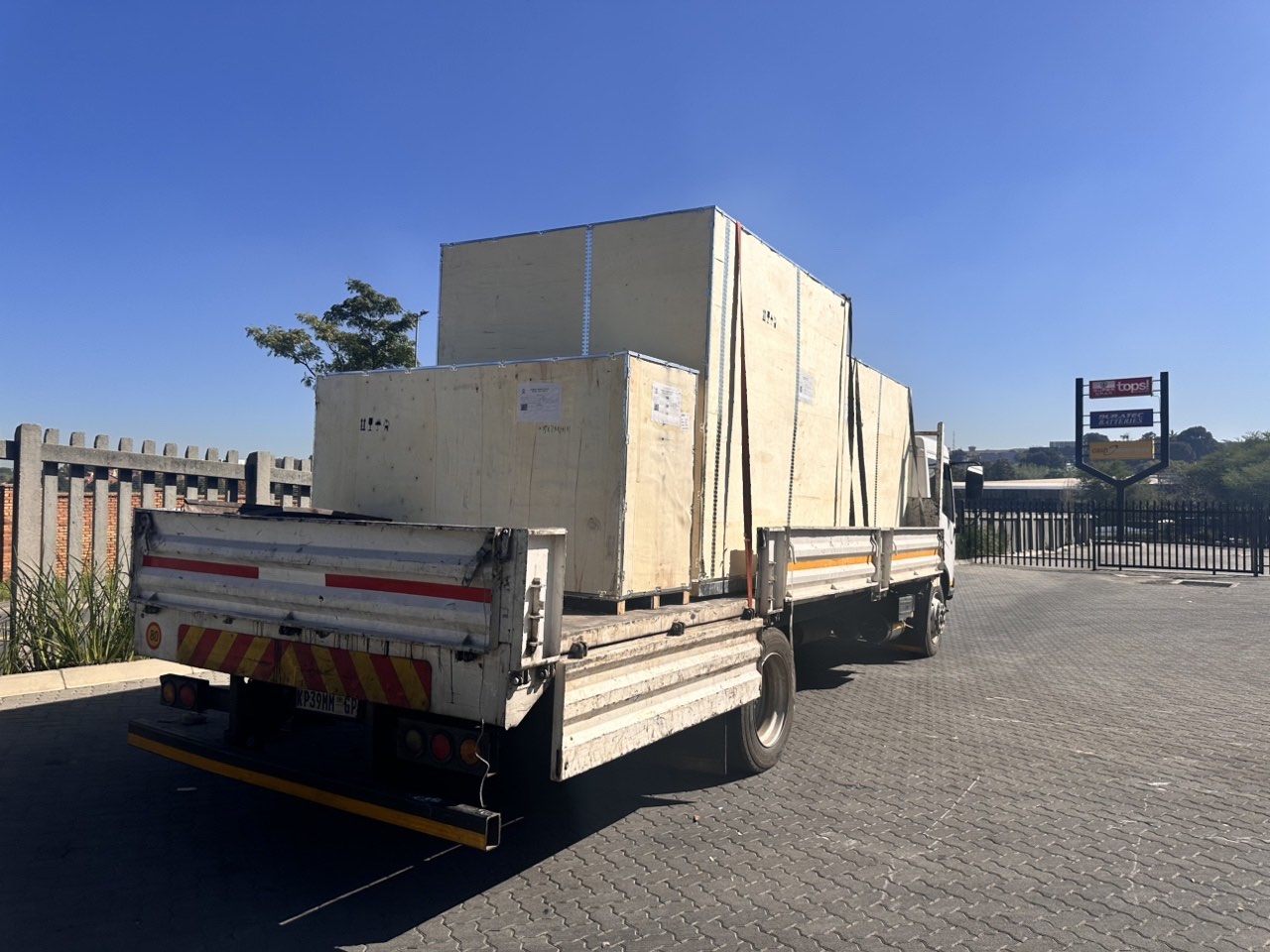
order offloading