B21, China Town Mall, Midrand


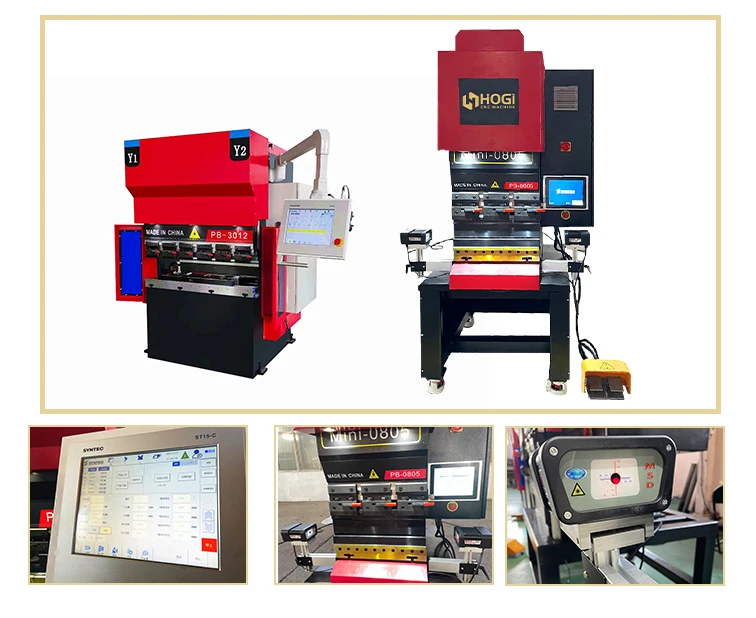
HOGI Electric Servo MINI Press Brake
Asset finance available
Do you want funding for this equipment?
Afrimart can connect you with trusted funding partners who specialise in asset finance for businesses like yours. Compare options and apply in minutes — final approval is subject to provider review.
Check funding options
Secure & no obligation
- Section : Machinery
- Category : Machine Tool Equipment
- SKU : 1600810450060

HOGI Electric Servo MINI Press Brake
The HOGI Electric Servo MINI Press Brake is a fully automatic machine designed for high productivity in bending metal small parts. This machine is perfect for processing materials like stainless steel and aluminum with precision and efficiency.
Key Features
Fully Automatic Operation: Streamlines the bending process for increased productivity and ease of use.
Versatile Material Processing: Capable of working with stainless steel and aluminum, making it suitable for a variety of applications.
Compact and Efficient Design: With a weight of 1100 kg and dimensions of 1230x1200x2150 mm, it fits well in any workshop space.
High Precision: Equipped with a main motor that features absolute values SERVO technology for accurate control.
Bending Capacity: Can handle bending lengths of up to 500 mm with a slider stroke of 160 mm and throat depth of 160 mm.
CNC Control: Offers 3-axis control for enhanced versatility and precision in operations.
Quality Components: Built with high-quality motors and a control system sourced from Taiwan for reliability and longevity.
Extra Services: Provides end forming services to meet various customer needs.
In conclusion, the HOGI Electric Servo MINI Press Brake combines advanced technology with user-friendly features, making it an excellent choice for businesses looking to enhance their metalworking capabilities.
Product Info Gallery
| PB Series press brake is a compact size, fast, accurate, non-hydraulic bending solution. Special power saving Low maintenance cost OPTIONAL LAZERSAFE OPTICAL SAFETY GUARDS | ||||
| PB0805 | PB2008 | PB3012 | PB5016 | PB6025 |
| 8Ton/500mm | 20Ton/800mm | 30Ton/1200mm | 50Ton/1600mm | 60Ton/2500mm |
| 3 Axis | 4 Axis | 4 Axis / 6 Axis | 6 Axis | 6 Axis |
- Shipping Timeframes: All orders are processed within 2-5 business days (excluding weekends and holidays). After your order has been processed, the estimated delivery time is before 03 Aug, 2026, depending on customs, Please note that due to high demand, some items may experience longer shipping times, which will be communicated at order confirmation email.
- Order Processing Time: Please allow 2-5 business days for us to process your order before it is shipped . Orders placed after 16:00 on Fridays, or during weekends and public holidays, will begin processing on the next business day. Processing times may be extended during peak seasons or sales events.
- Manufacturing Time: Some products needs manufacturing time, the manufacturing process will take approximately 10-30 business days depending on the product. This timeframe may vary depending on the complexity of the product and current demand. but this will be communicated with you during order confirmation.
- Returns and Exchanges: We offer a 30-day return policy for most items. If you are not completely satisfied with your purchase, you may return it within 30 days of receipt for a refund or exchange. Items must be unused, in their original packaging, and accompanied by proof of purchase. Return shipping costs are the responsibility of the customer, unless the item was damaged or defective upon arrival.
1. What is the HOGI Electric Servo MINI Press Brake designed for?
It's a fully automatic, compact servo-electric press brake optimized for high-productivity bending of small metal parts, especially stainless steel and aluminum.
2. What are the machine's physical dimensions and weight?
The machine measures 1230 x 1200 x 2150 mm and weighs approximately 1100 kg.
3. What are the key bending capacity specifications?
The MINI Press Brake supports bending lengths up to 500 mm, with a slider stroke of 160 mm and a throat depth of 160 mm.
4. Which materials can it process?
It is suitable for stainless steel and aluminum; other ductile sheet metals may also be processed depending on thickness and tooling.
5. What type of drive and control system does it use?
The machine uses an electric servo drive with absolute-value SERVO technology for precise motor control and a CNC system providing 3-axis control on the standard model.
6. Are other axis configurations available?
Yes — the PB series offers multiple models and configurations. Higher-axis options (4-axis and 6-axis) are available on specific PB models; contact the supplier for model-by-model details.
7. What safety features are available?
An optional LaserSafe optical safety guard is available; standard safety provisions comply with applicable machine-safety norms—verify specific safety package with the vendor.
8. Is the machine energy efficient and low maintenance?
Yes. Being an electric servo (non-hydraulic) press brake, it provides special power-saving advantages and generally lower maintenance requirements compared with hydraulic systems.
9. What tooling does the press brake use and is tooling included?
It uses standard press brake tooling. Tooling packages are not guaranteed to be included with every order—confirm which tools come with your purchase or order custom tooling separately.
10. What level of accuracy and repeatability can I expect?
The servo drive and CNC control deliver high precision and good repeatability for small-part bending. Exact tolerances depend on tooling, material, and setup—request specification sheets or tests for application-specific figures.
11. Where are the key components sourced from?
Major motors and the control system are sourced from Taiwan, selected for reliability and longevity.
12. Does HOGI offer additional services like end forming or customization?
Yes. The product description notes end forming services; for custom software, tooling, installation, commissioning, or training, contact the supplier to discuss available options.
13. How do I get spare parts and service support?
Spare parts for the machine's quality components are available through the manufacturer/distributor—reach out to your sales or service contact to arrange parts, maintenance contracts, or local service.
14. How do I choose the right PB-series model for my needs?
Consider factors such as required bending length, tonnage, axis count (3/4/6), material type and thickness, production volume, and available workshop space. Contact the supplier with part samples or drawings for model recommendations and quoting.
Latest Order Arrivals
Discover our latest orders
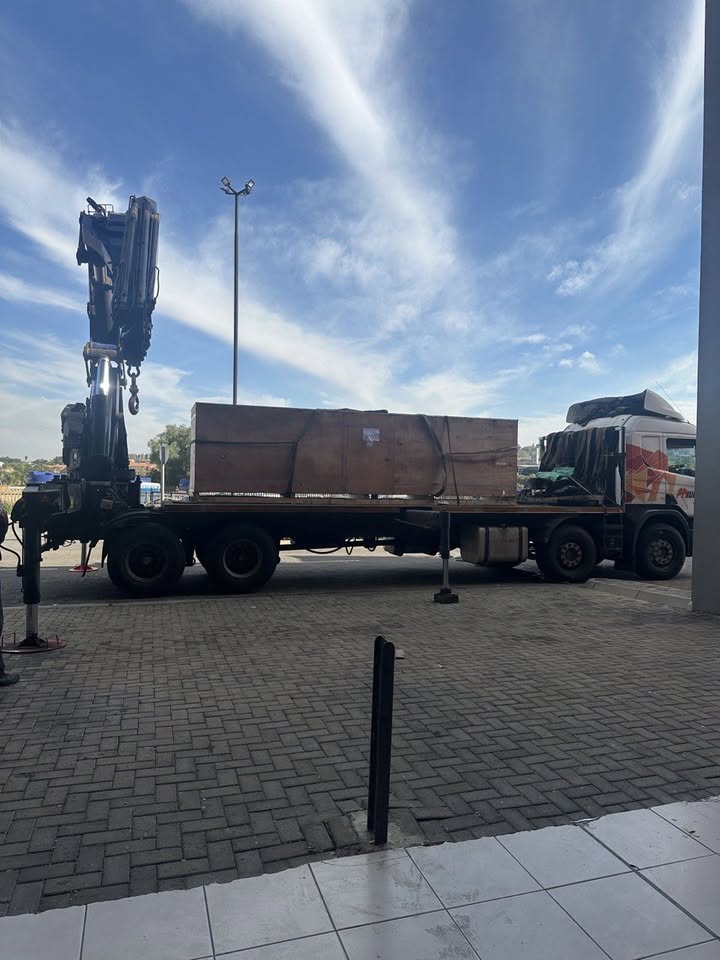
12 Heads Embroidery Machine
Toilet Paper Machine Machine
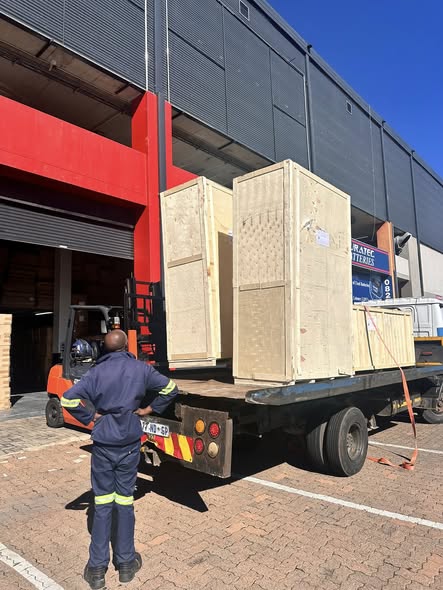
Order Collection
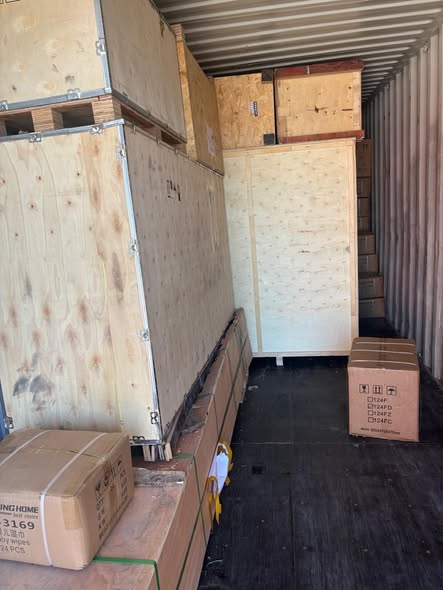
Cross Border Clients
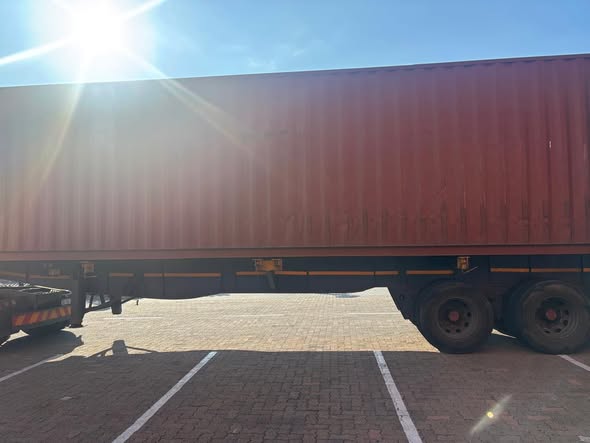
Order cros border countries Collected
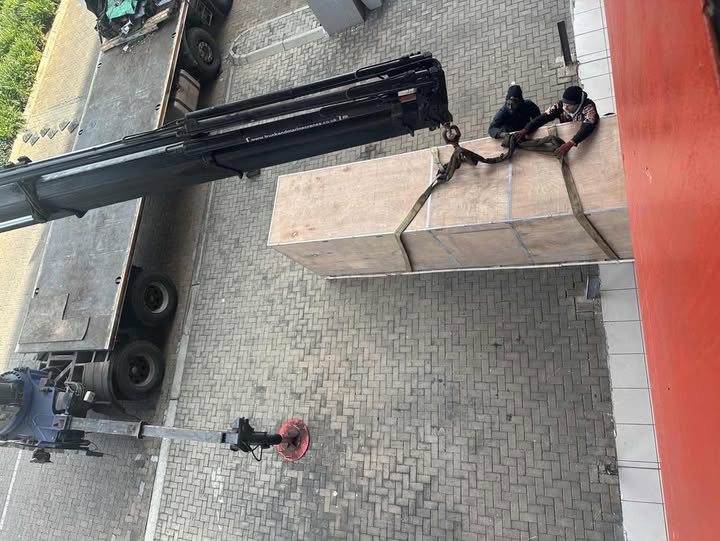
Industrial Machine Cllection
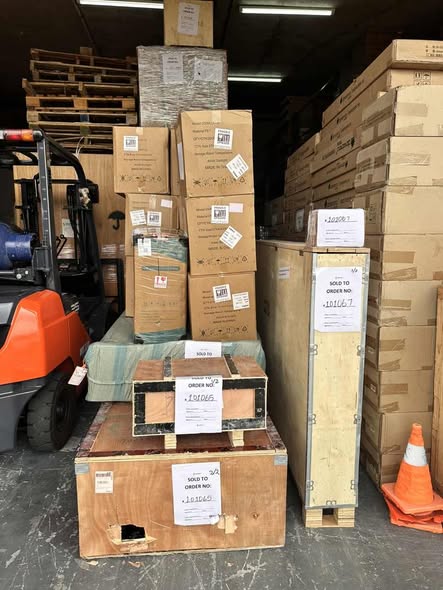
Agriculture Processing Machines
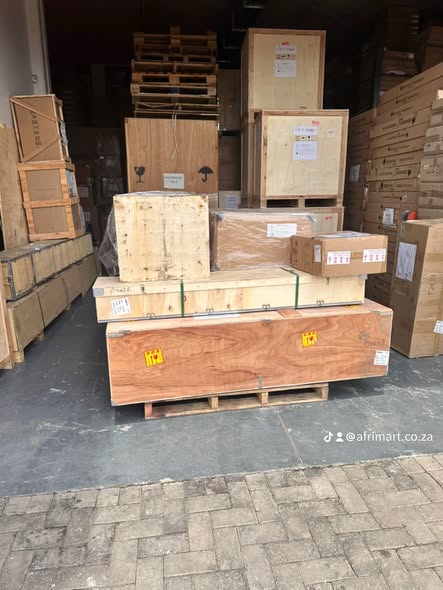
Ready for collection
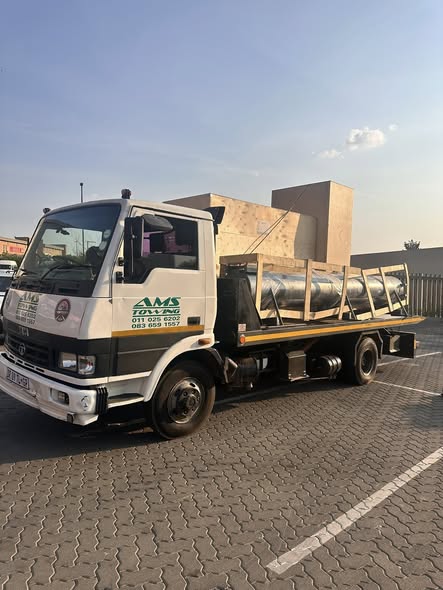
Water Pump Equipment
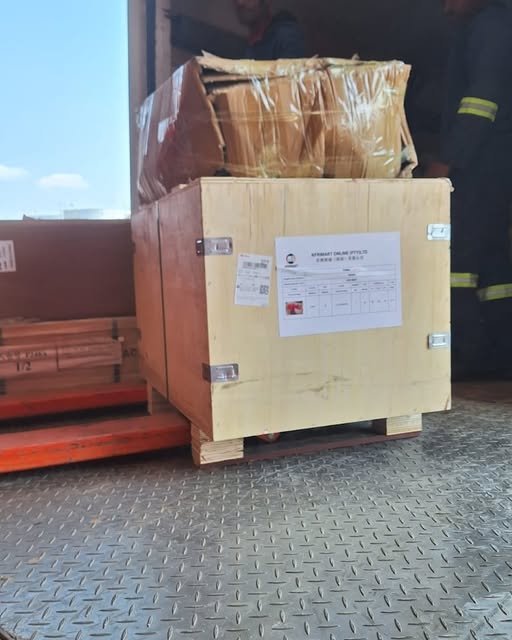
Packaging Machine and accessories
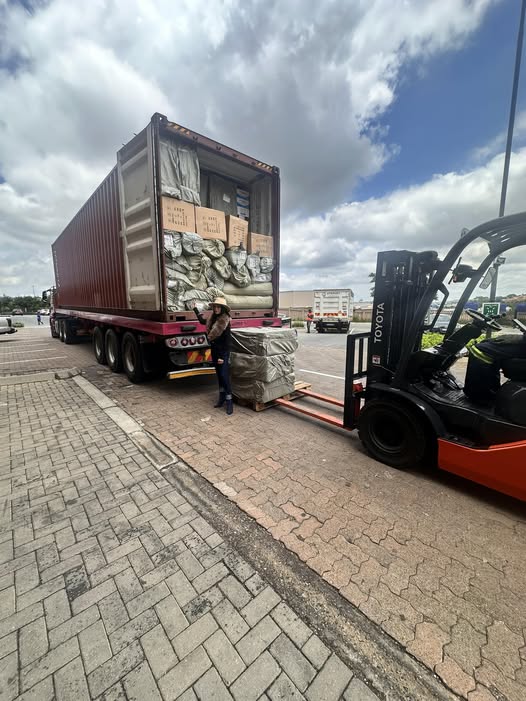
Fabrics Manufacturing Equipment
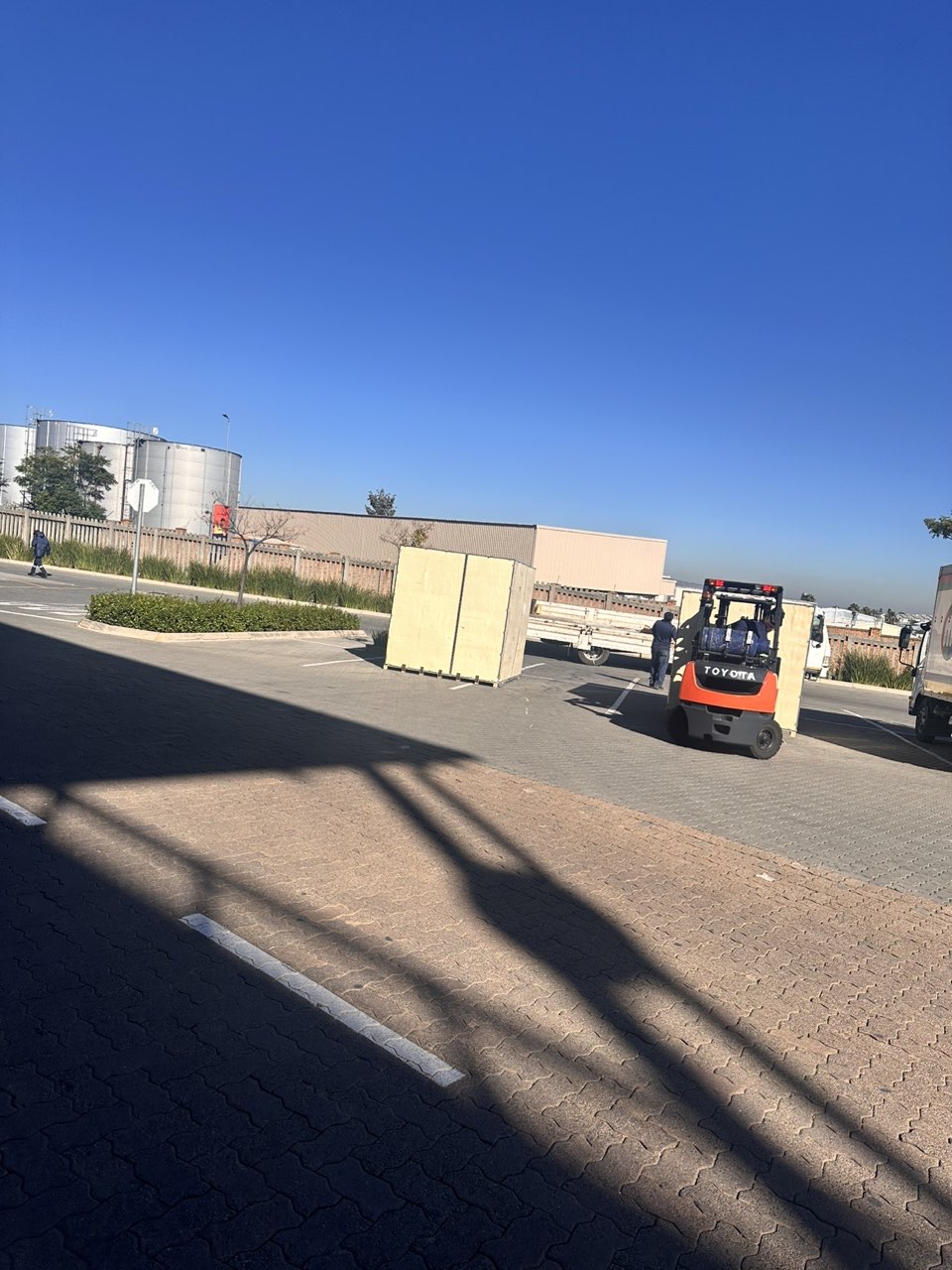
Mining Equipments
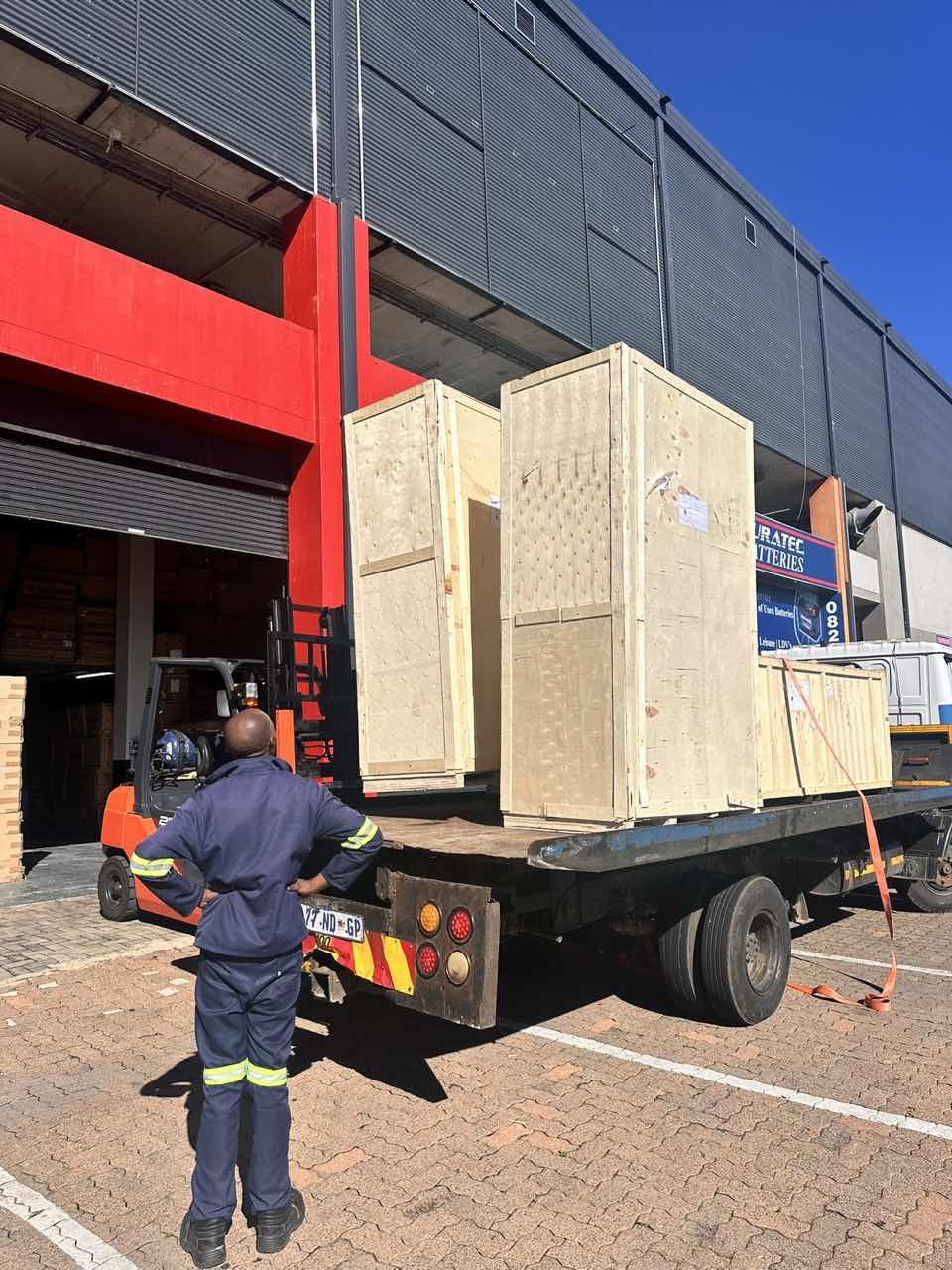
Food Processing Machine
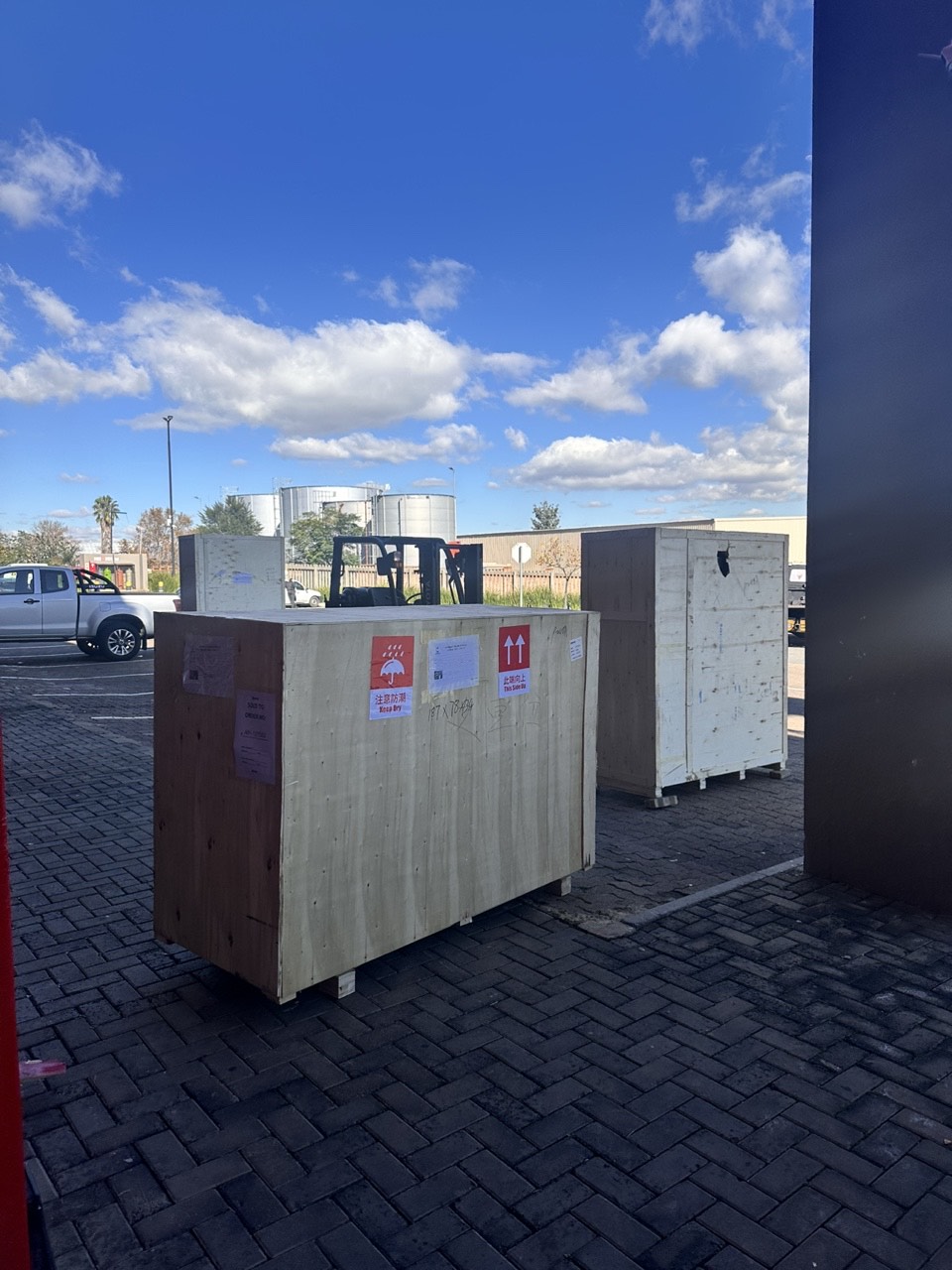
Batch of Orders
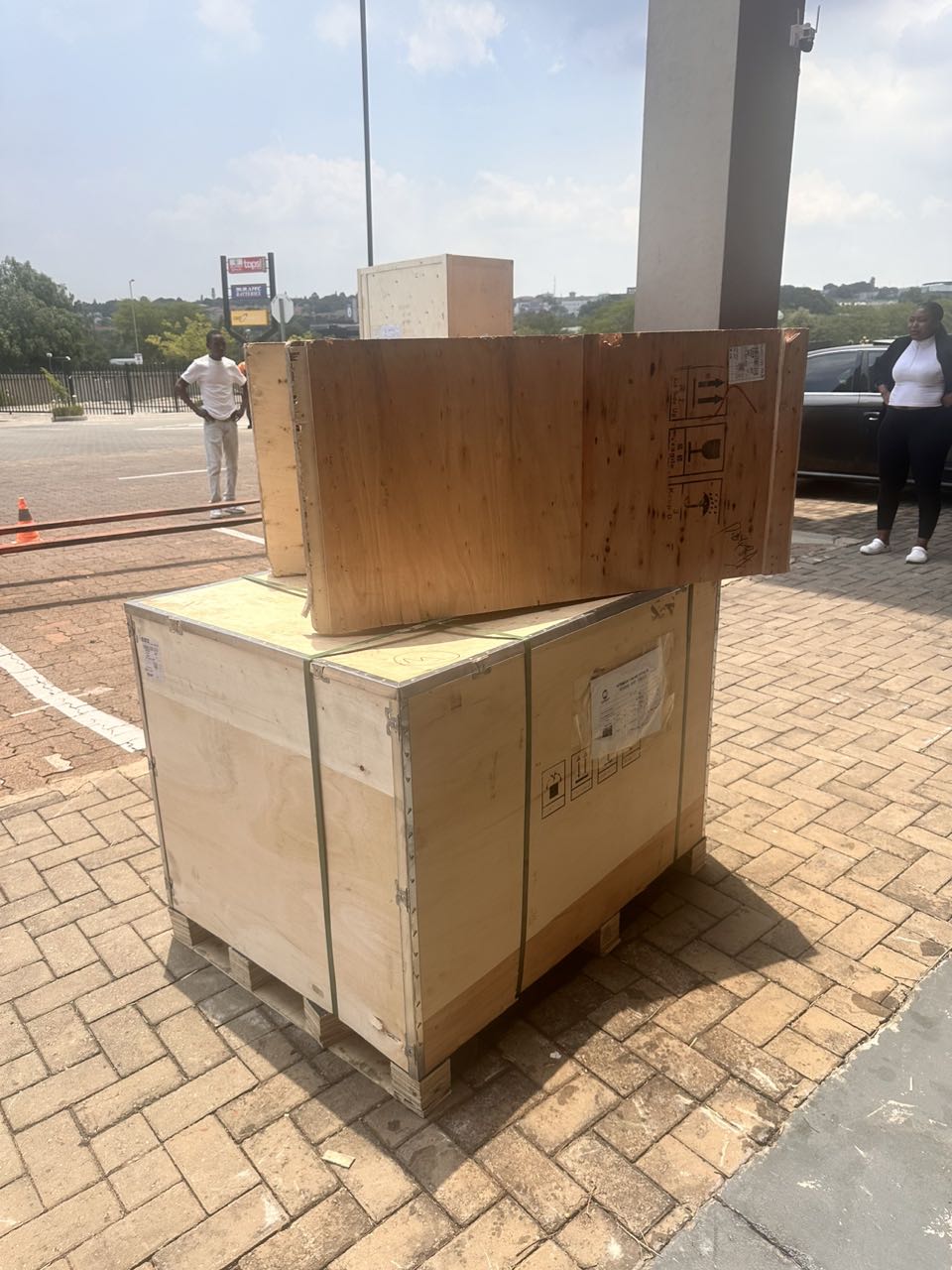
Batch of Orders
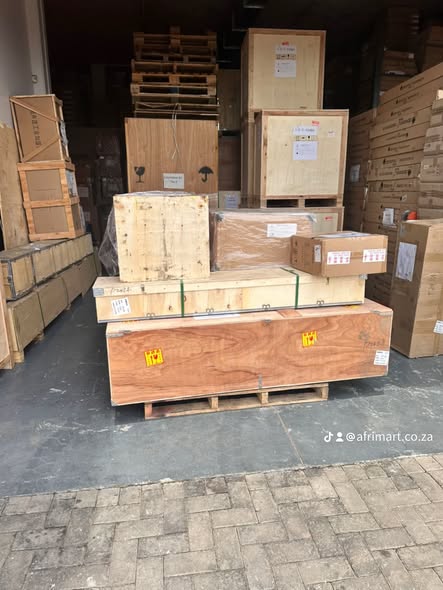
Latest Orders Labelled
wheel alignment machines
new arrivals
Pre Orders Offloading
Latest Arrivals
Latest Arrivals
Latest Arrivals
Loading
Toilet paper making machine
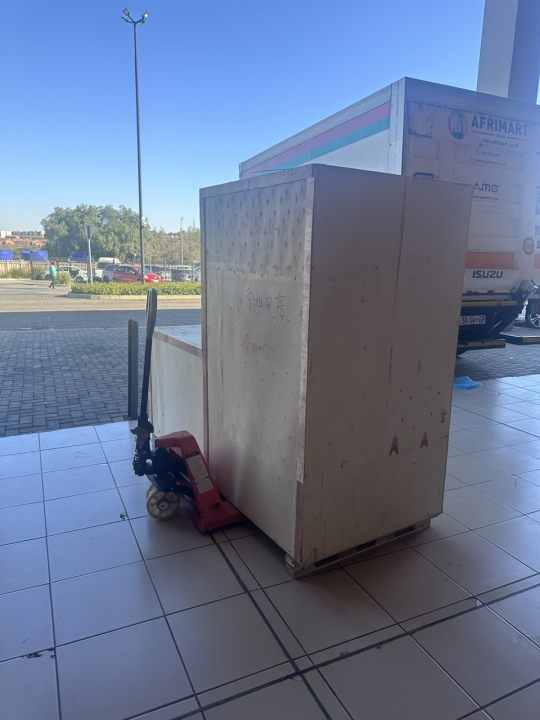
Toilet paper making machine
Toilet paper Rewinding Machine
latest arrivals
offloading
order success
order collection
order offloading