B21, China Town Mall, Midrand

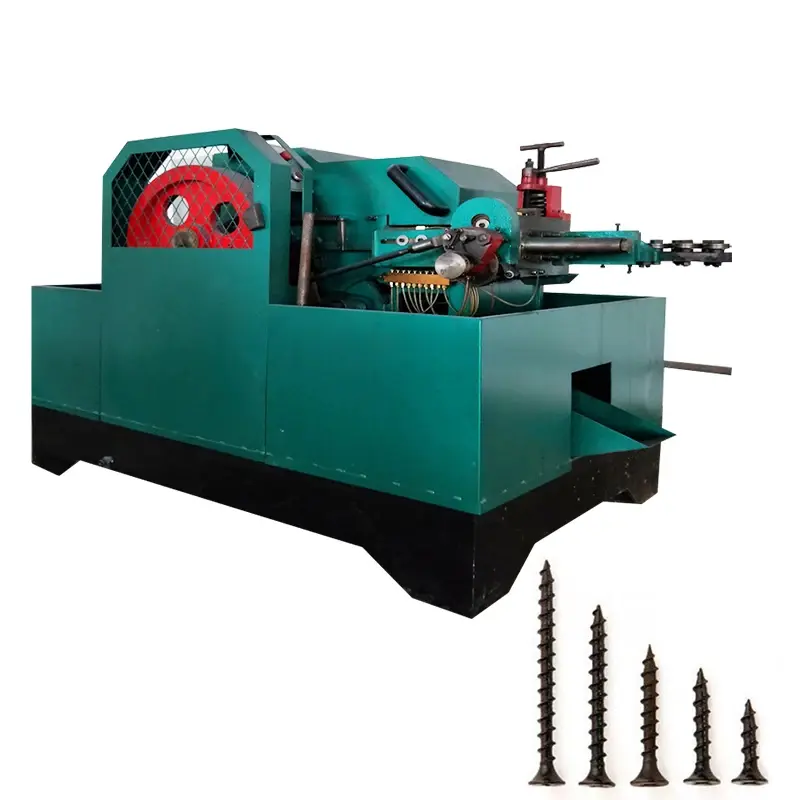
High-Production Cold Heading Machine
Asset finance available
Do you want funding for this equipment?
Afrimart can connect you with trusted funding partners who specialise in asset finance for businesses like yours. Compare options and apply in minutes — final approval is subject to provider review.
Check funding options
Secure & no obligation
- Section : Machinery
- Category : Metal & Metallurgy Machinery
- SKU : 1601073307993

Customized High-Production Cold Heading Machine:
Screw Heading Machine Pictures


Specification
Screw heading machine parameters as following:

- Shipping Timeframes: All orders are processed within 2-5 business days (excluding weekends and holidays). After your order has been processed, the estimated delivery time is before 02 Jul, 2026, depending on customs, Please note that due to high demand, some items may experience longer shipping times, which will be communicated at order confirmation email.
- Order Processing Time: Please allow 2-5 business days for us to process your order before it is shipped . Orders placed after 16:00 on Fridays, or during weekends and public holidays, will begin processing on the next business day. Processing times may be extended during peak seasons or sales events.
- Manufacturing Time: Some products needs manufacturing time, the manufacturing process will take approximately 10-30 business days depending on the product. This timeframe may vary depending on the complexity of the product and current demand. but this will be communicated with you during order confirmation.
- Returns and Exchanges: We offer a 30-day return policy for most items. If you are not completely satisfied with your purchase, you may return it within 30 days of receipt for a refund or exchange. Items must be unused, in their original packaging, and accompanied by proof of purchase. Return shipping costs are the responsibility of the customer, unless the item was damaged or defective upon arrival.
1. What is a High-Production Cold Heading Machine?
A High-Production Cold Heading Machine is an automated forming machine designed to produce fasteners (screws, bolts, rivets) at high volumes by cold-forming wire or rod stock into headed parts without cutting chips.
2. What products can this machine produce?
Typical parts include screws, bolts, rivets, studs and other headed fasteners. With appropriate tooling it can produce a wide variety of head shapes, lengths and cross-sections for multiple industries.
3. What materials can be processed?
Common materials include low- and medium-carbon steels, stainless steels, brass, copper, and aluminum. Material suitability depends on grade, hardness and part geometry.
4. What production speeds can I expect?
Production rates vary by part complexity and material but high-production machines commonly achieve tens to several hundred pieces per minute. Exact throughput is determined during application engineering.
5. What wire or blank sizes does the machine accept?
Acceptable diameters depend on the specific model and tooling. Typical ranges for high-production machines are from sub-millimeter to around 10–12 mm; custom machines can accommodate larger sizes.
6. Can the machine be customized for my part?
Yes. These machines are commonly customized with specific die sets, punches, feed systems, and tooling to meet dimensional tolerances, material types and production rates for your part.
7. What tooling is required and who supplies it?
Tooling includes header dies, punches, mandrels and feeders. Manufacturers or specialized tooling suppliers provide custom tooling; quick-change tooling options are available to reduce setup time.
8. How is the machine controlled and can it integrate with automation?
Modern machines use PLC or CNC-based controls and can integrate with servo feeders, robotic part handling, conveyors, inspection systems and plant MES for fully automated production lines.
9. What safety features are included?
Typical safety features include guarded enclosures, interlocks, emergency stop buttons, safety light curtains, lockout/tagout provisions and safety-rated controls to protect operators.
10. What are the power and utility requirements?
Requirements depend on the machine size—typically three-phase electrical power (e.g., 220–480 VAC), compressed air for pneumatic systems, and sometimes coolant or lubrication systems. Exact specs provided on quotation.
11. What maintenance is required?
Regular maintenance includes daily cleaning and lubrication checks, weekly fastener and alignment inspections, and periodic preventive maintenance on bearings, guides and hydraulic/pneumatic systems. A maintenance schedule is provided with the machine.
12. Are parts inspection and quality control features available?
Yes. Options include in-line vision inspection, dimensional gaging, thread/shape inspection, and scrap rejection systems to ensure part quality and traceability.
13. What is the typical lead time and delivery process?
Lead time depends on customization level but commonly ranges from 6 to 16 weeks. Delivery includes factory acceptance testing (FAT); onsite installation, commissioning and validation are available as add-ons.
14. What warranty and after-sales support do you offer?
Standard warranties typically cover 12 months for manufacturing defects. Manufacturers offer spare parts supply, technical support, service contracts, and optional extended warranties.
15. Do you provide operator training and documentation?
Yes. Machines are supplied with operation manuals, maintenance guides and can include onsite or remote operator and maintenance training to ensure safe, efficient production start-up.
Latest Order Arrivals
Discover our latest orders
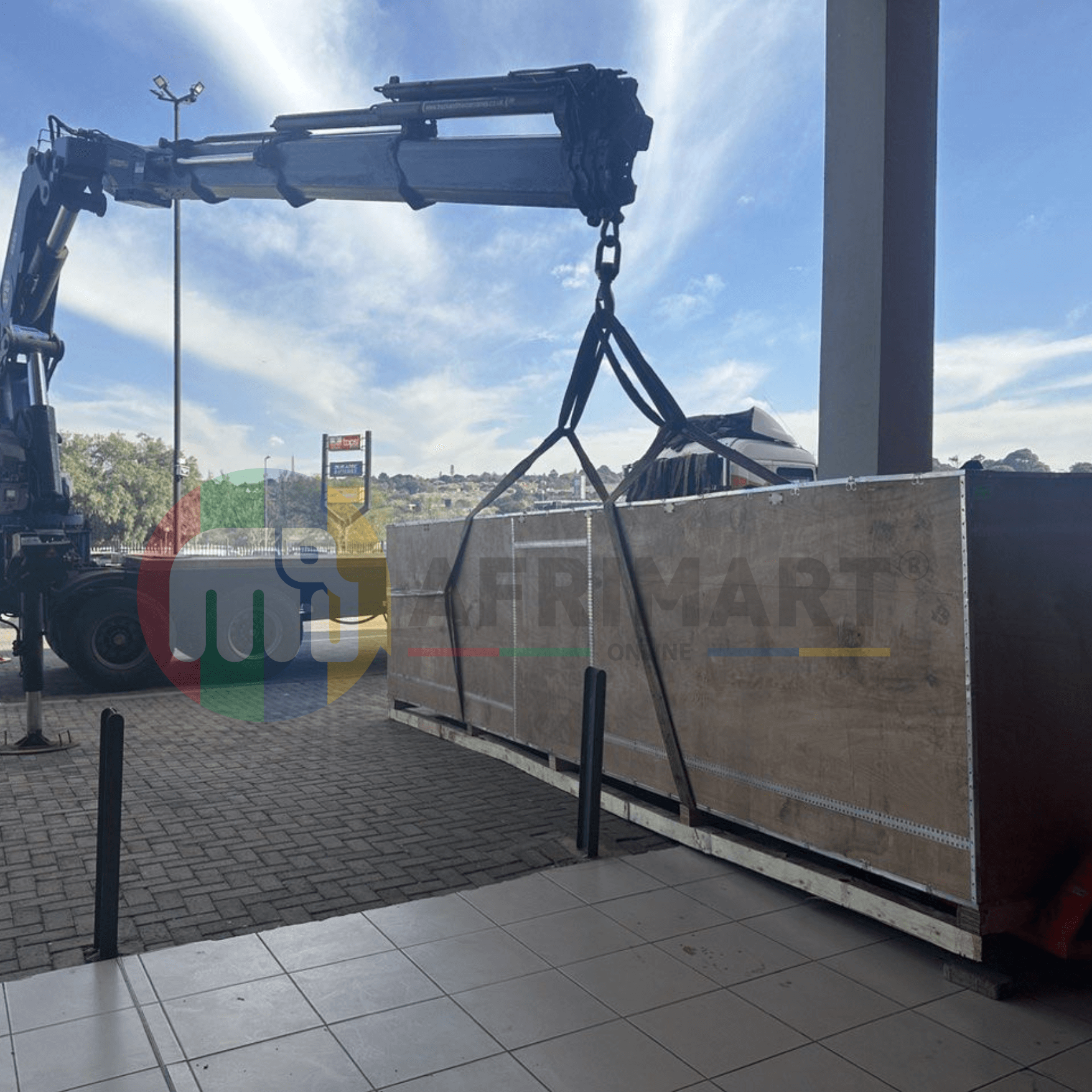
12 Heads Embroidery Machine
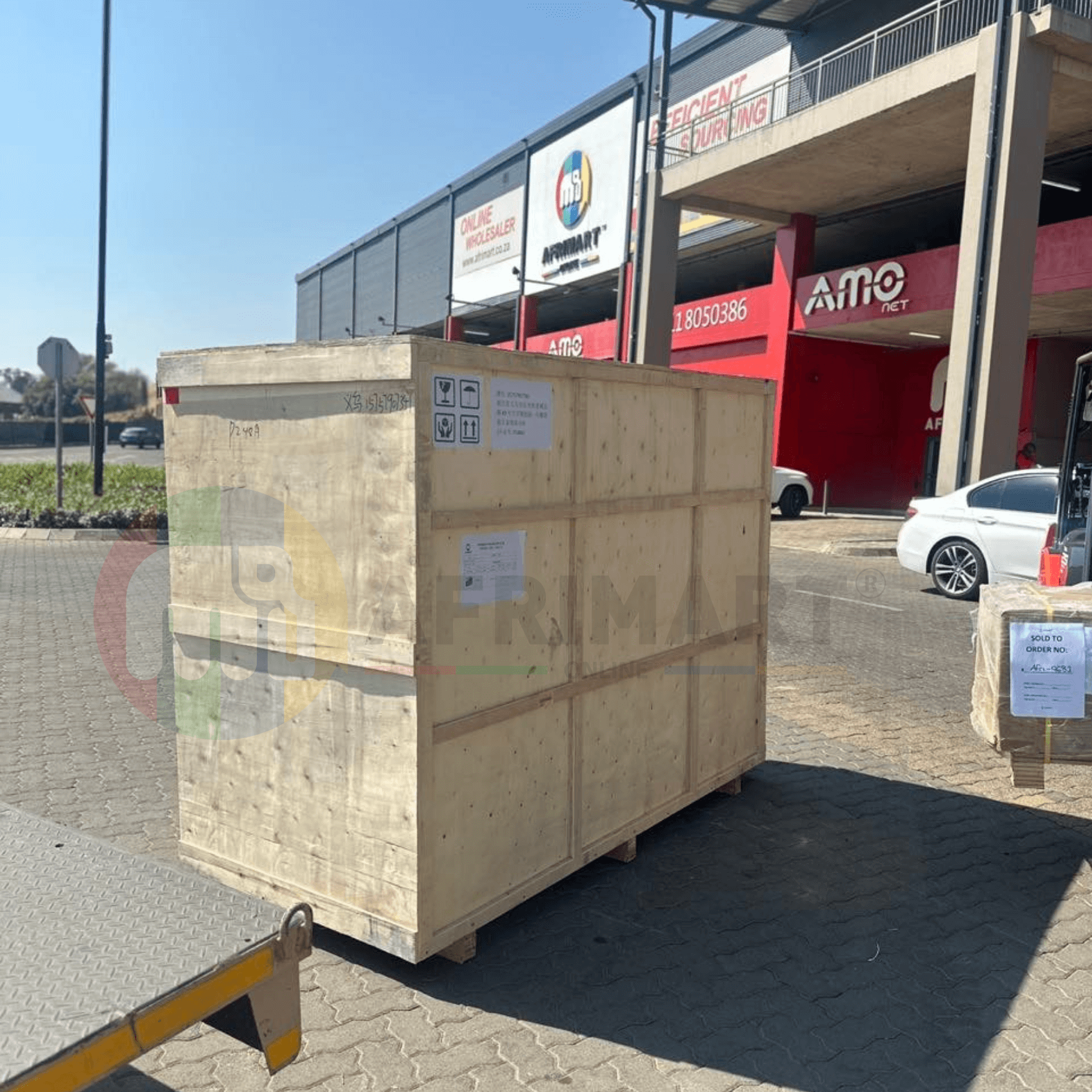
Dewatering Pump Machine
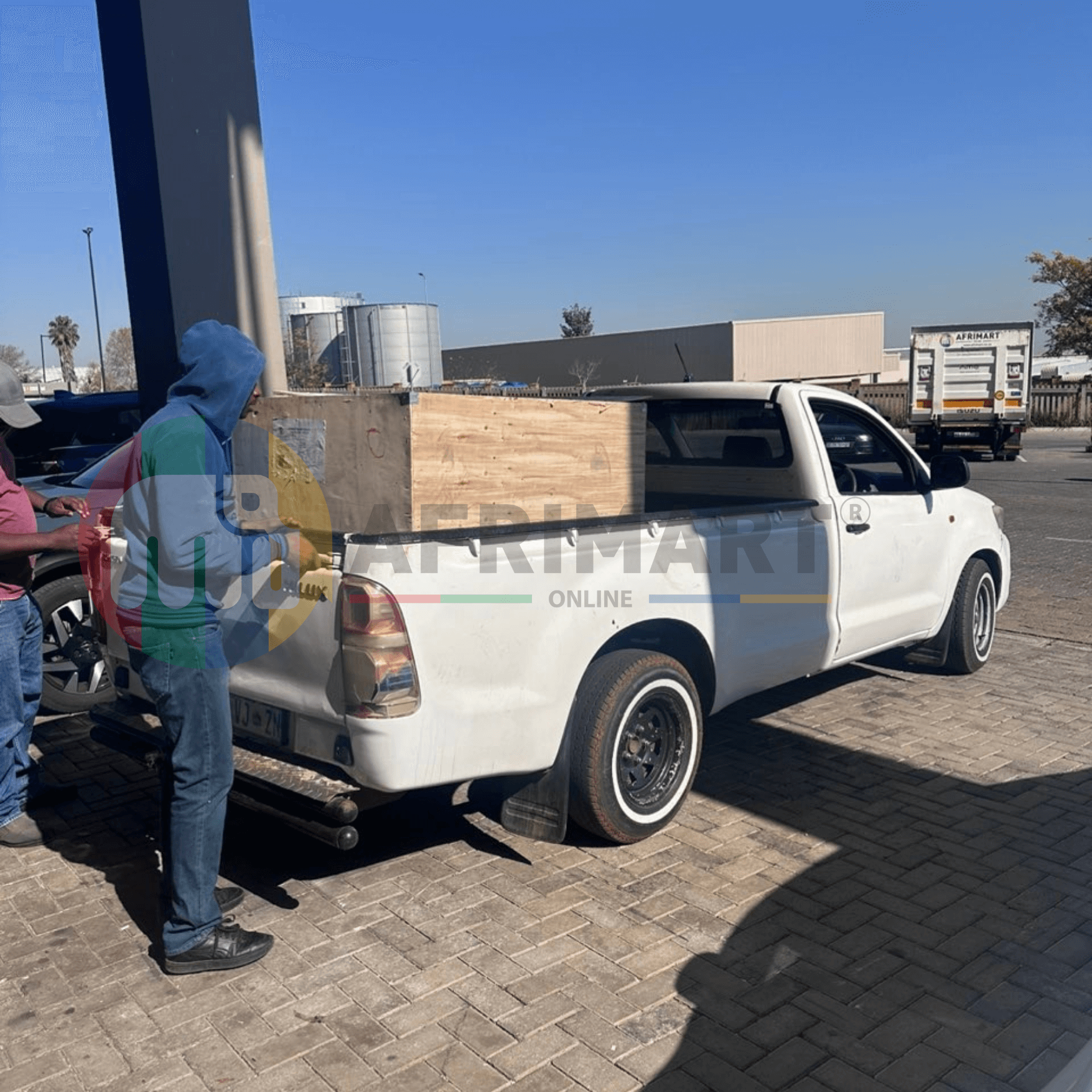
Order Collection
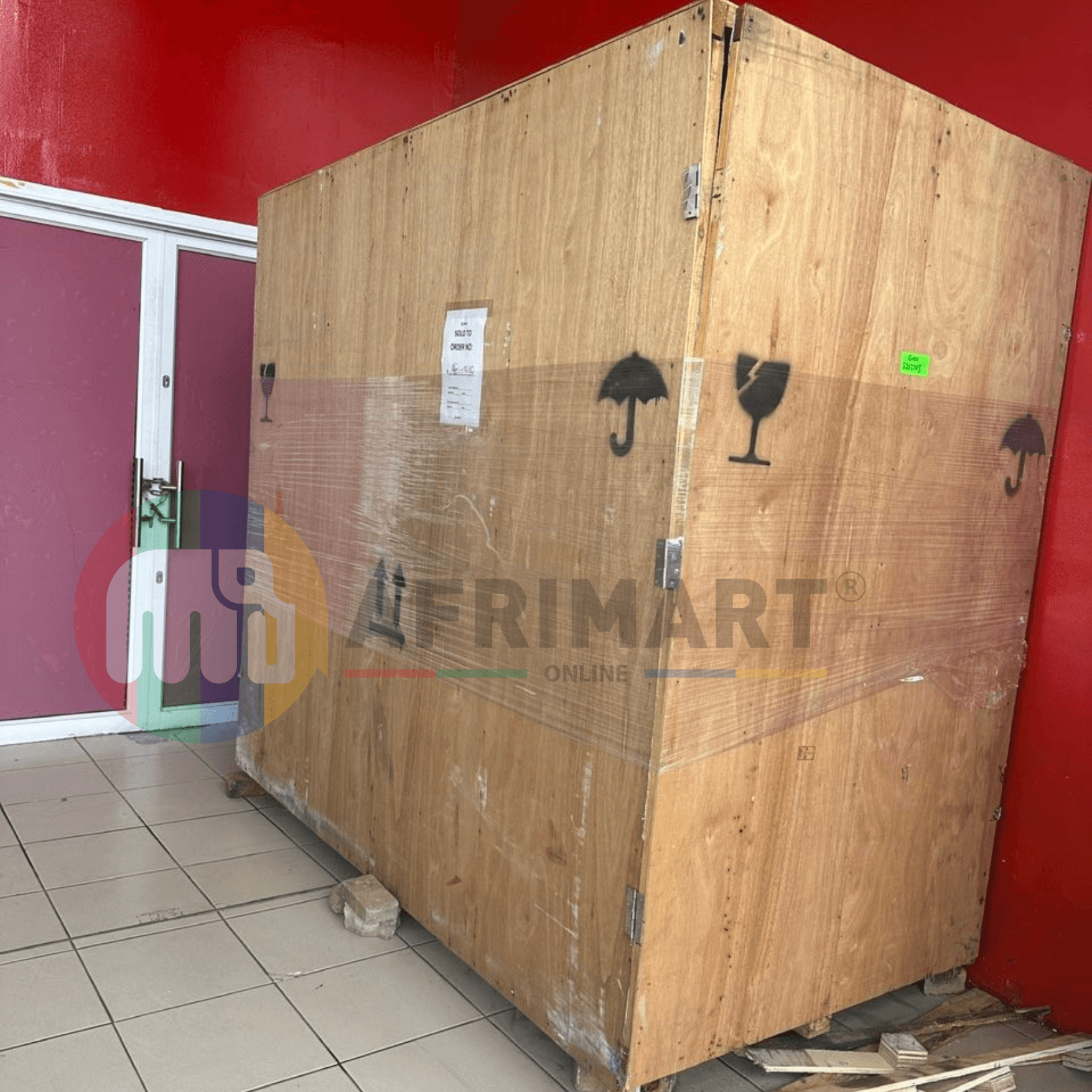
Portable Water Drilling Rig
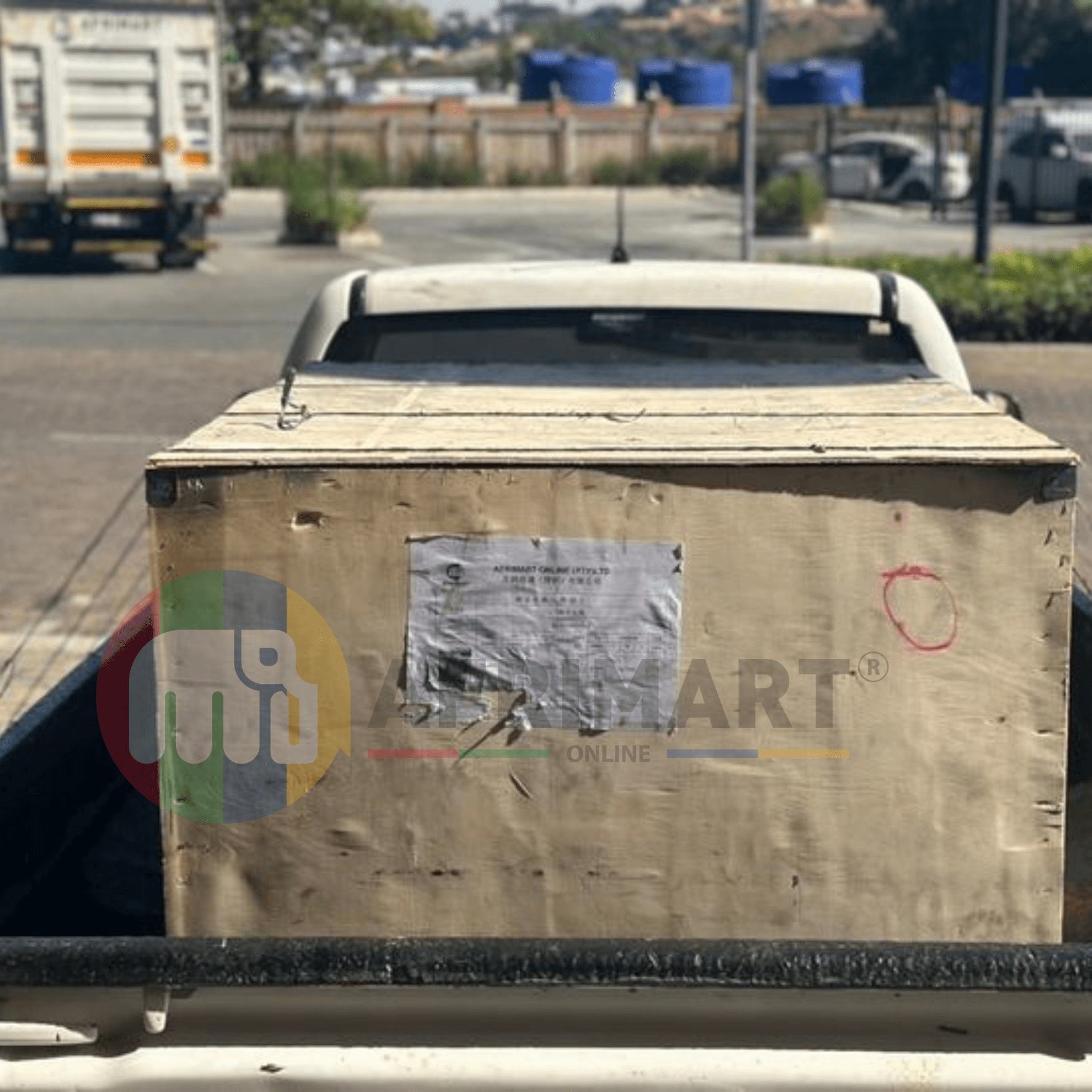
Order Usefully Collected
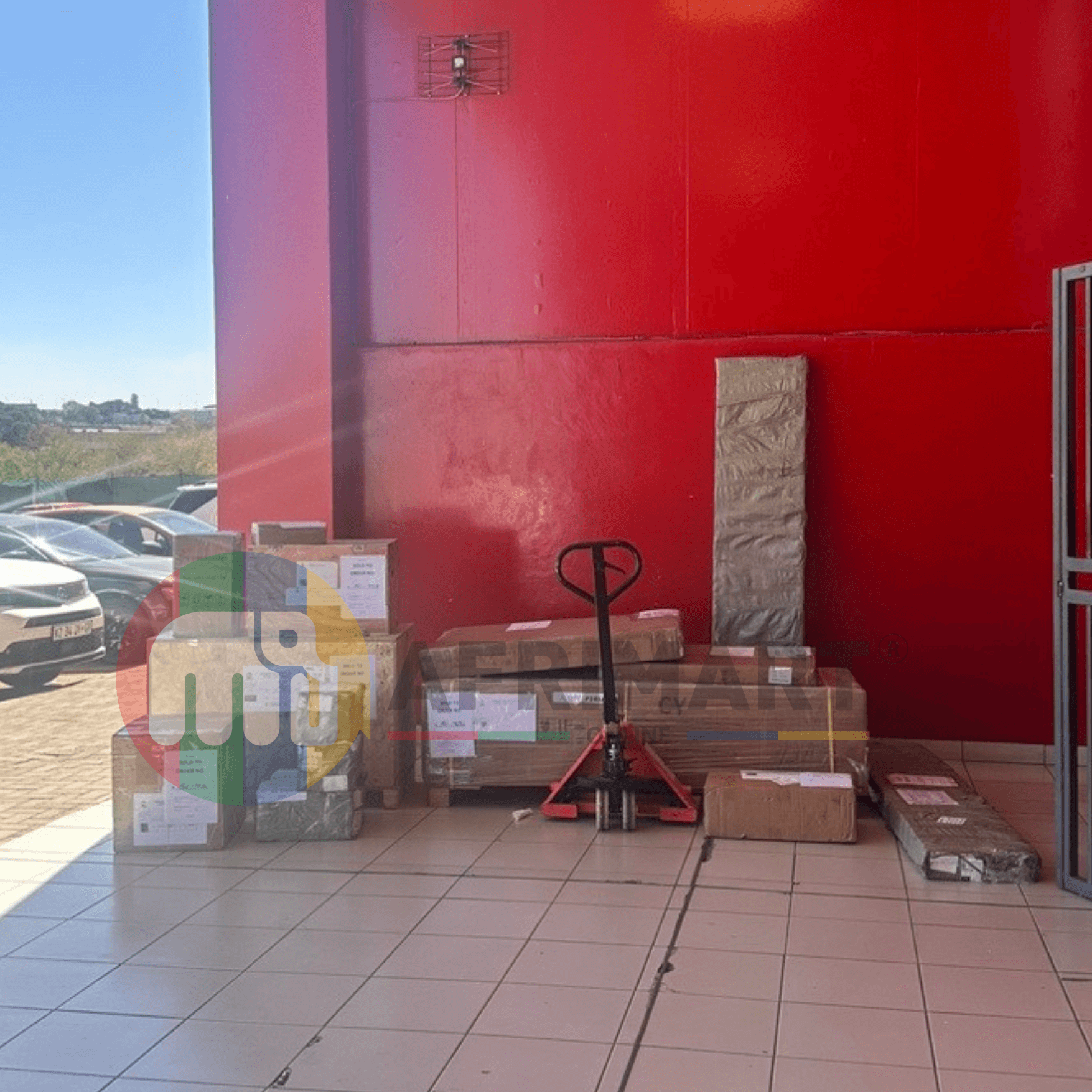
Batch of Orders
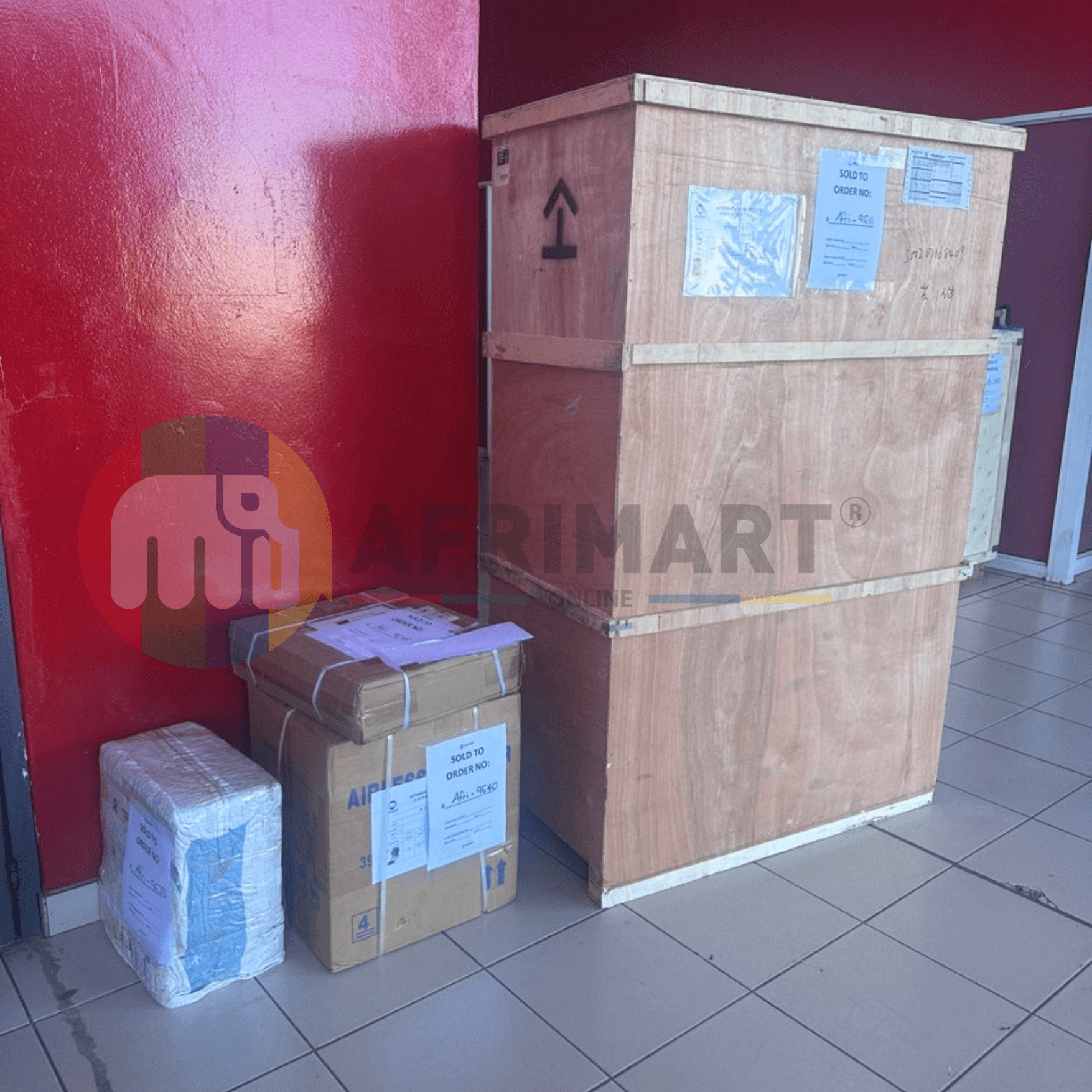
Agriculture Processing Machines
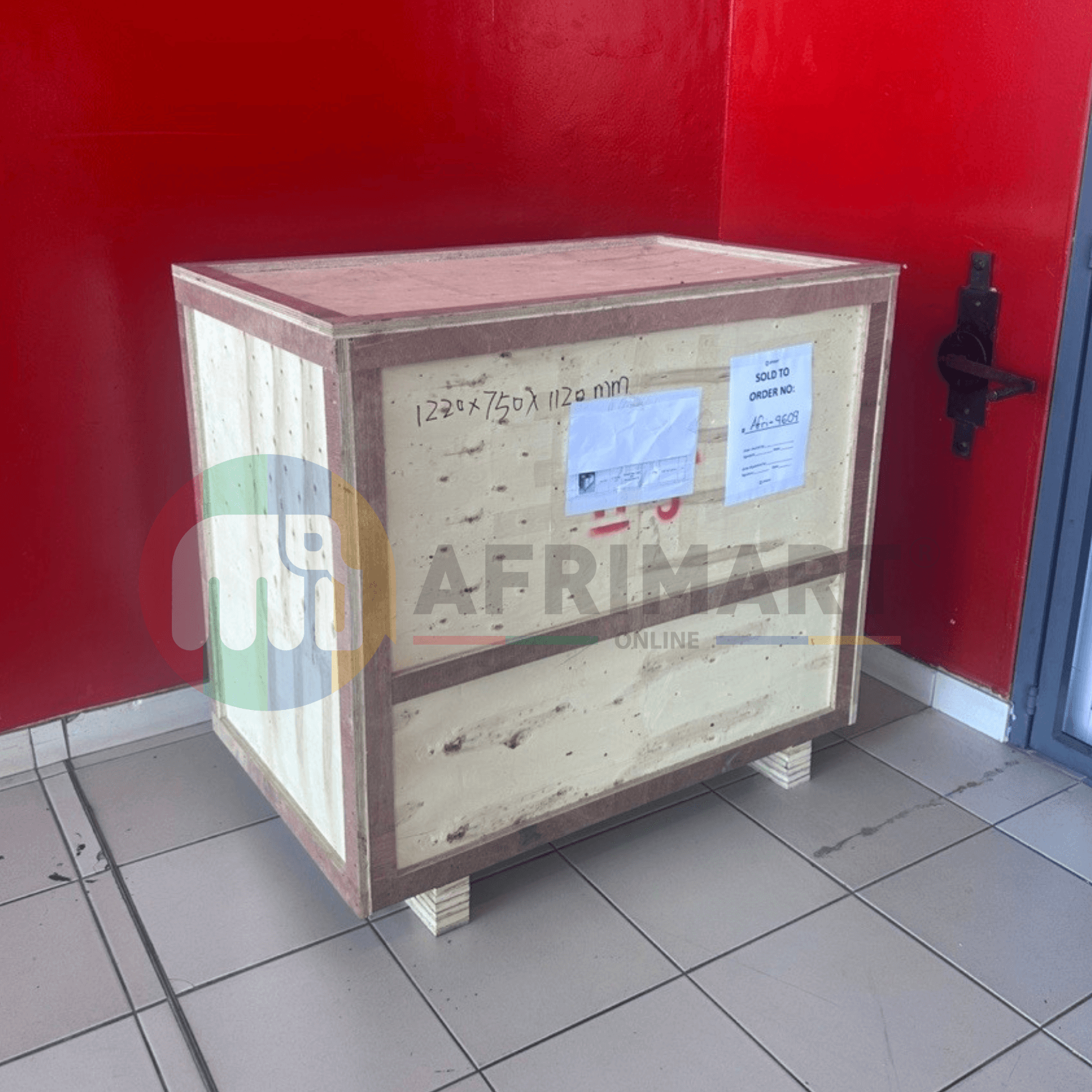
Meat Grinder Machine
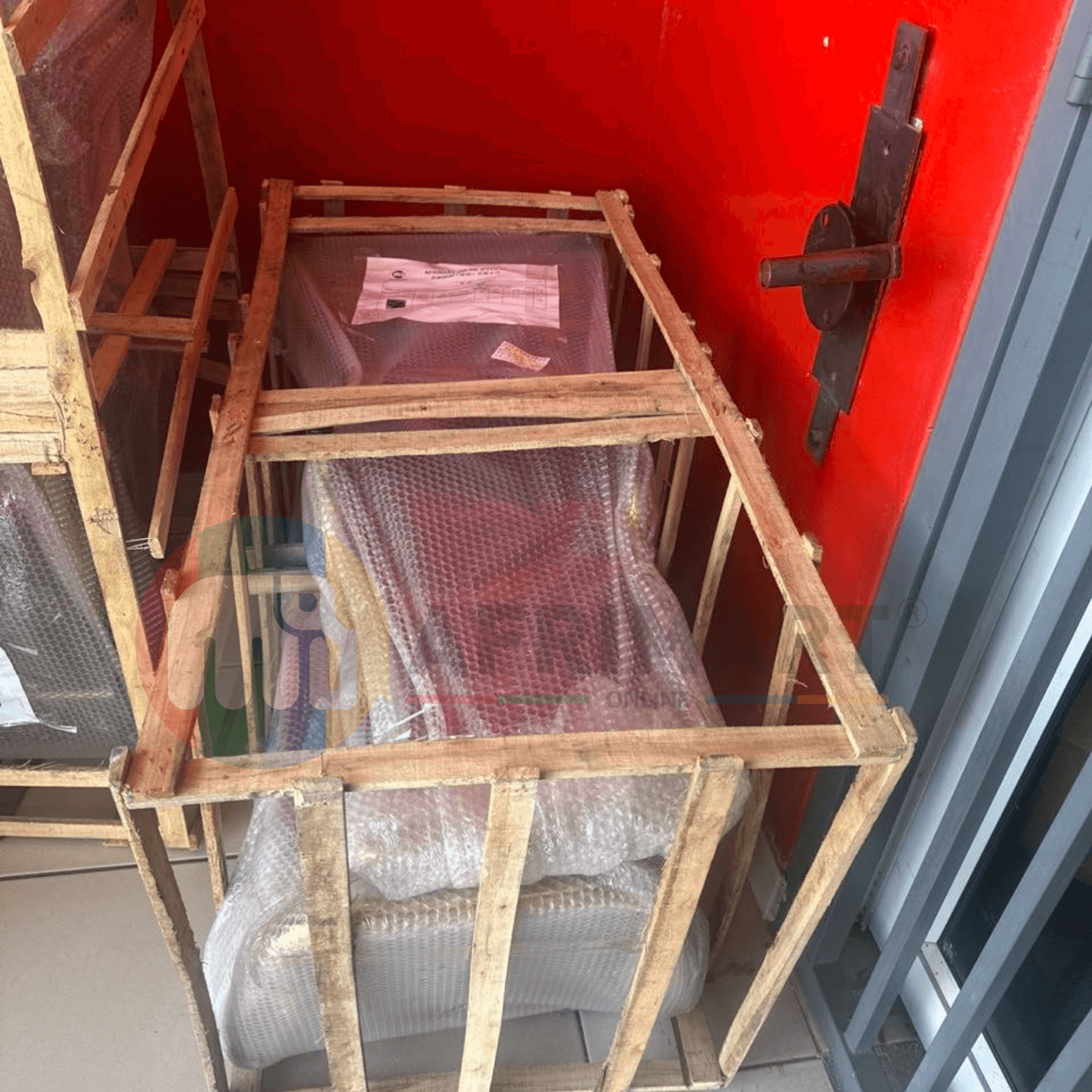
Water Pump Equipment
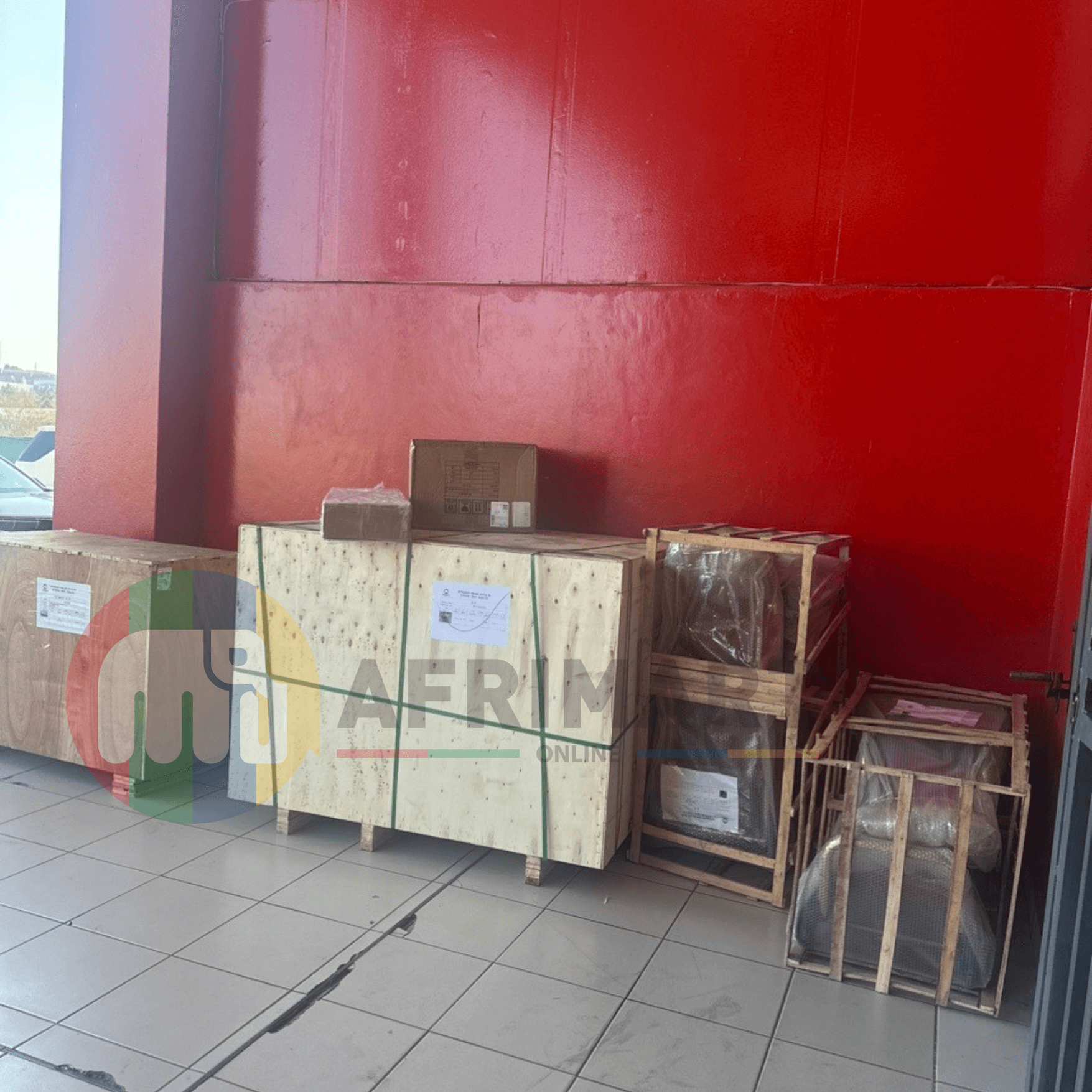
Packaging Machine and accessories
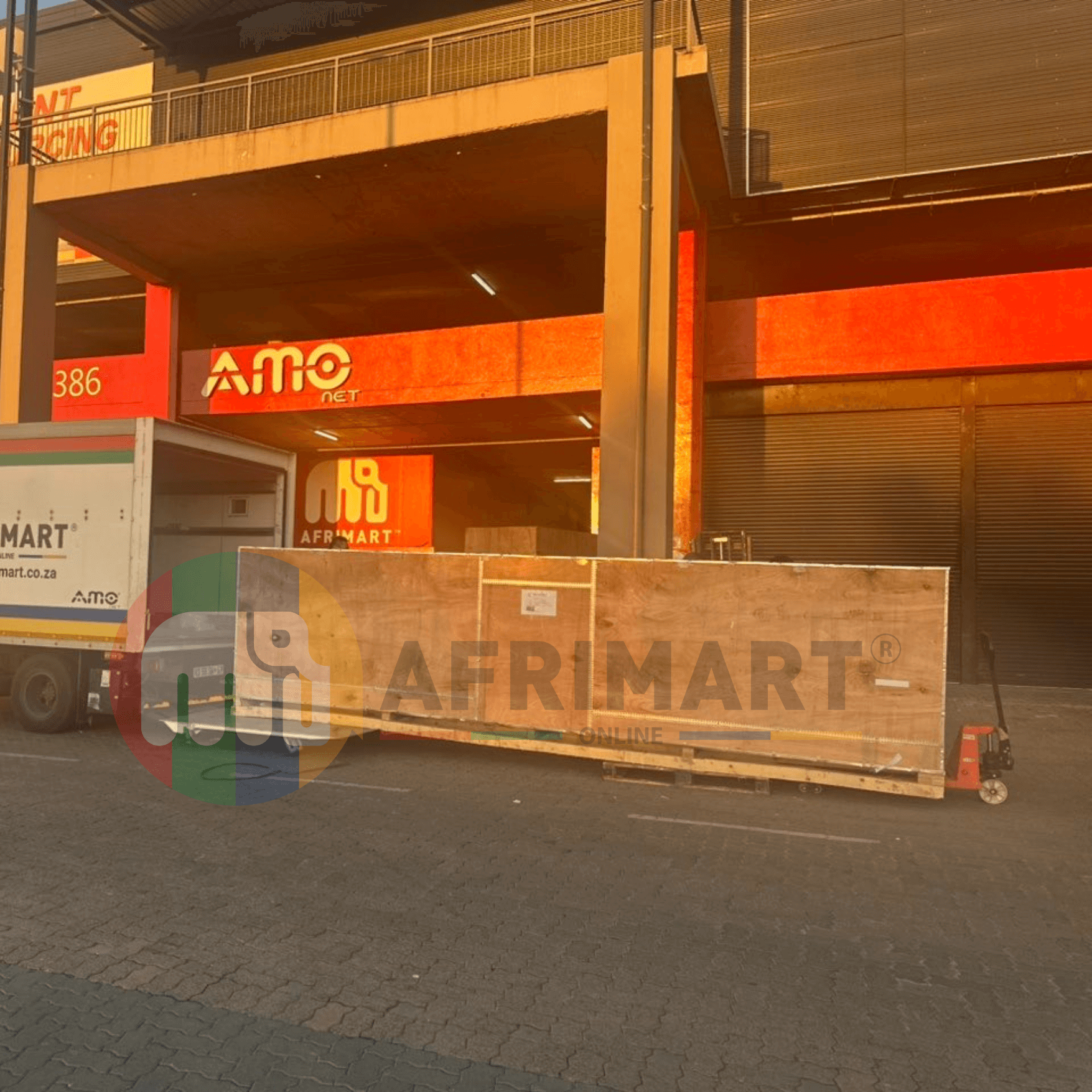
Fabrics Manufacturing Equipment
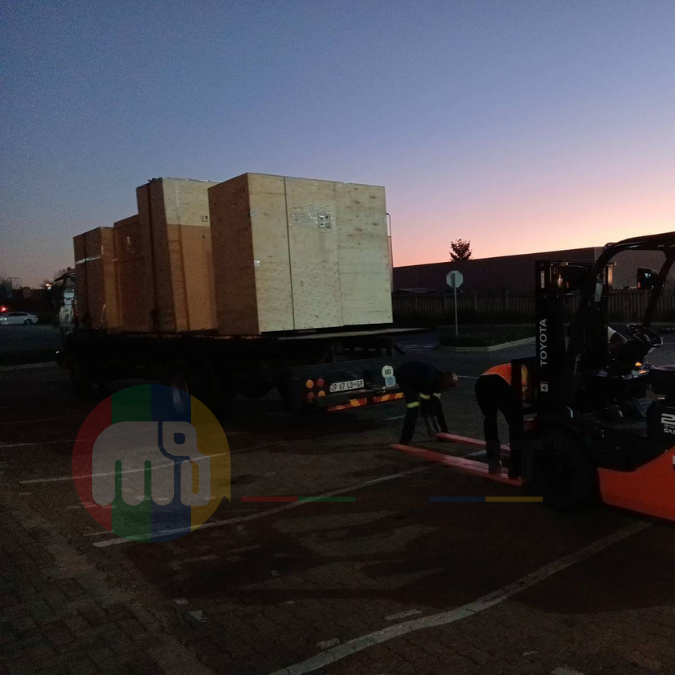
Mining Equipments
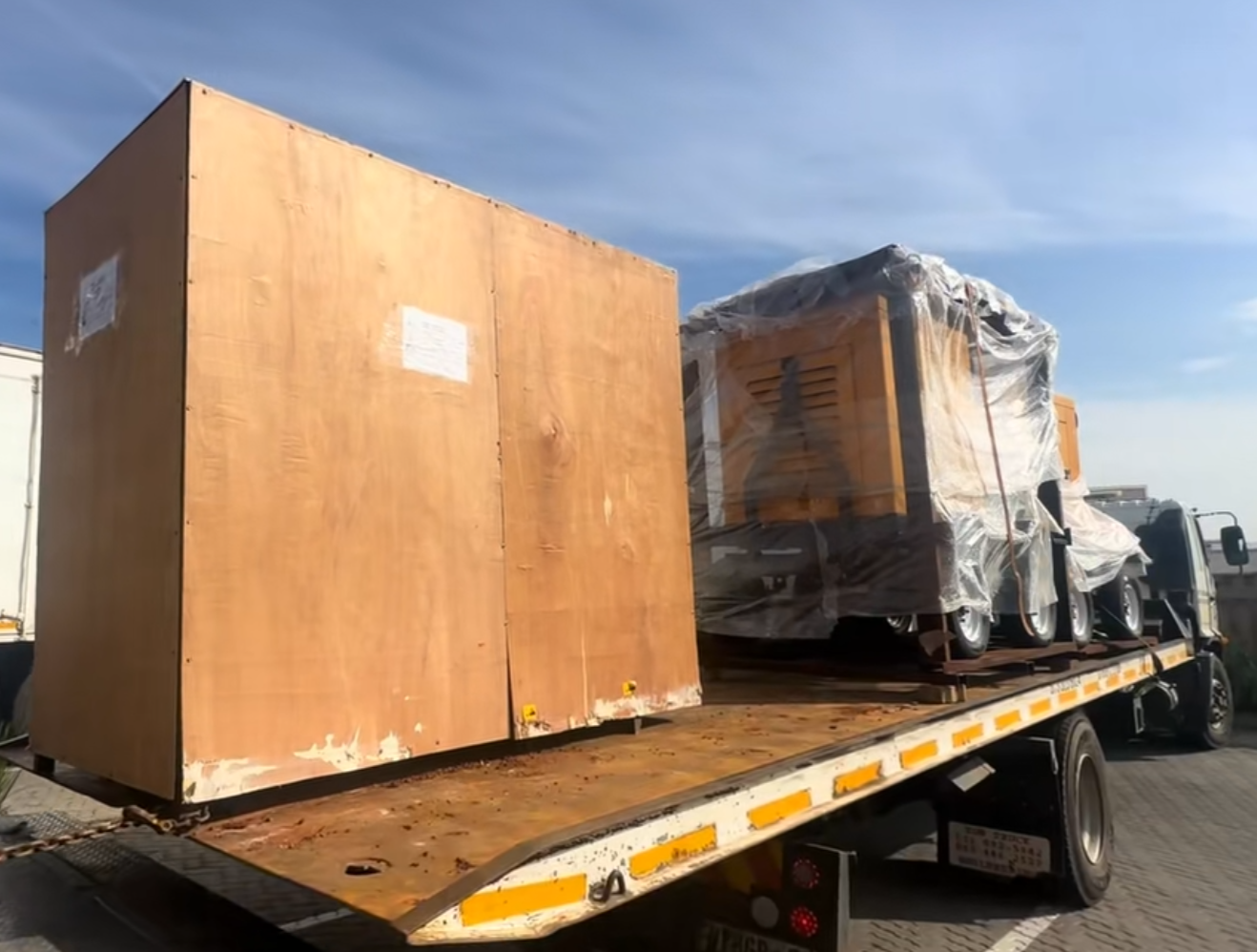
Food Processing Machine
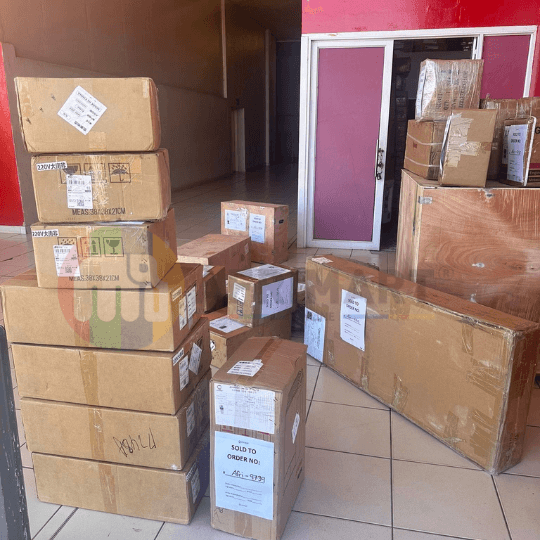
Batch of Orders
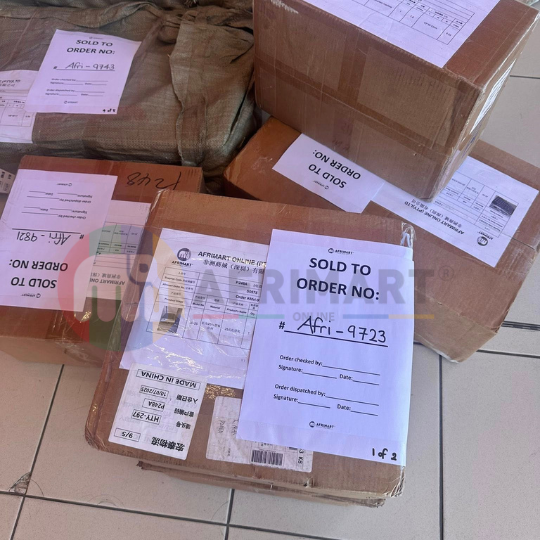
Batch of Orders
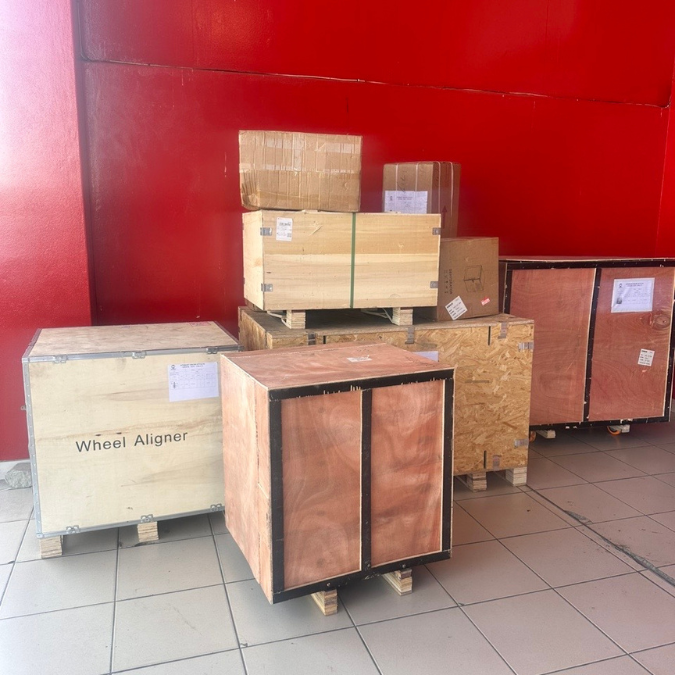
Latest Orders Labelled
wheel alignment machines
new arrivals
Pre Orders Offloading
Latest Arrivals
Latest Arrivals
Latest Arrivals
26 January 2026
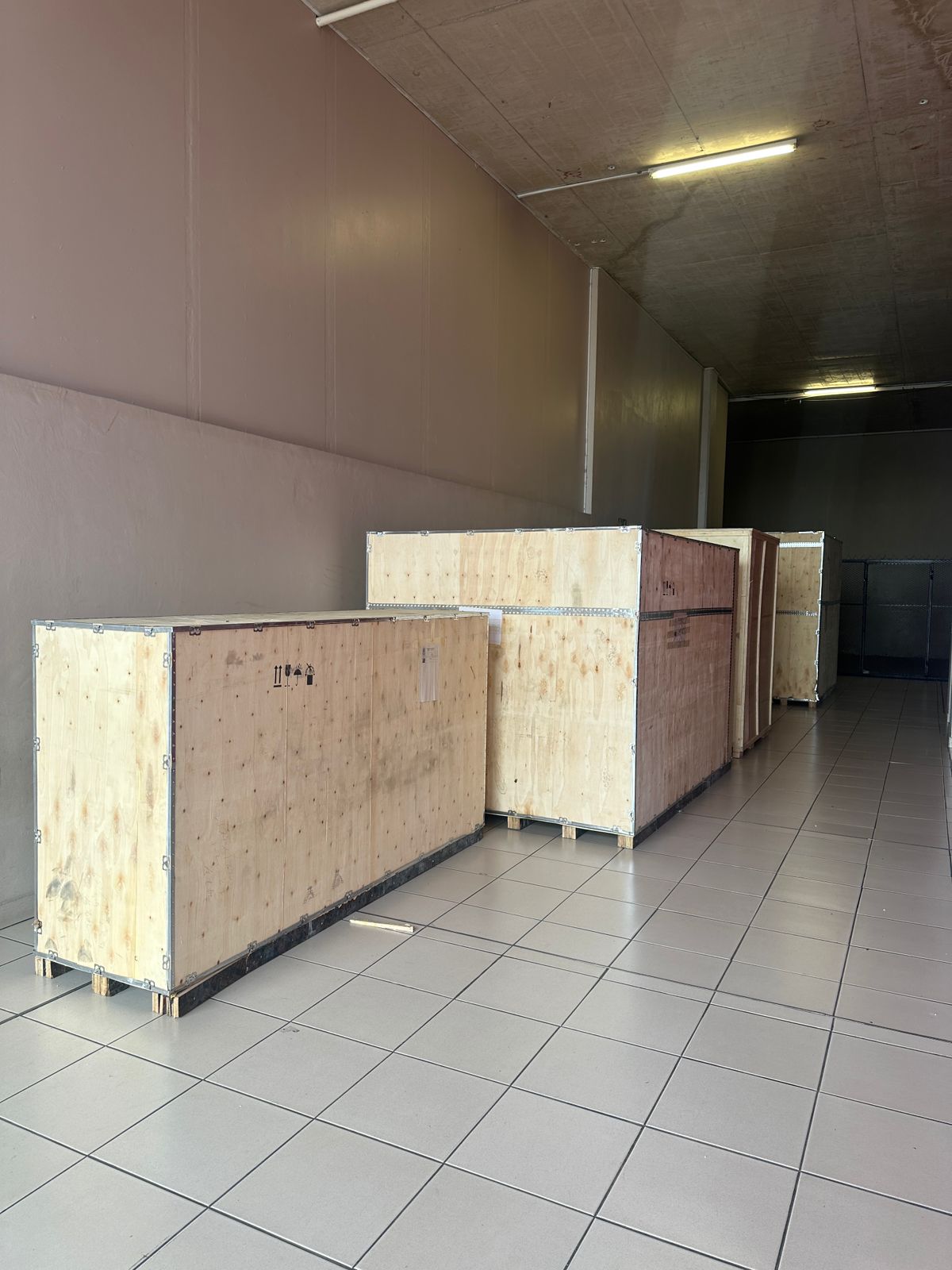
Toilet paper making machine
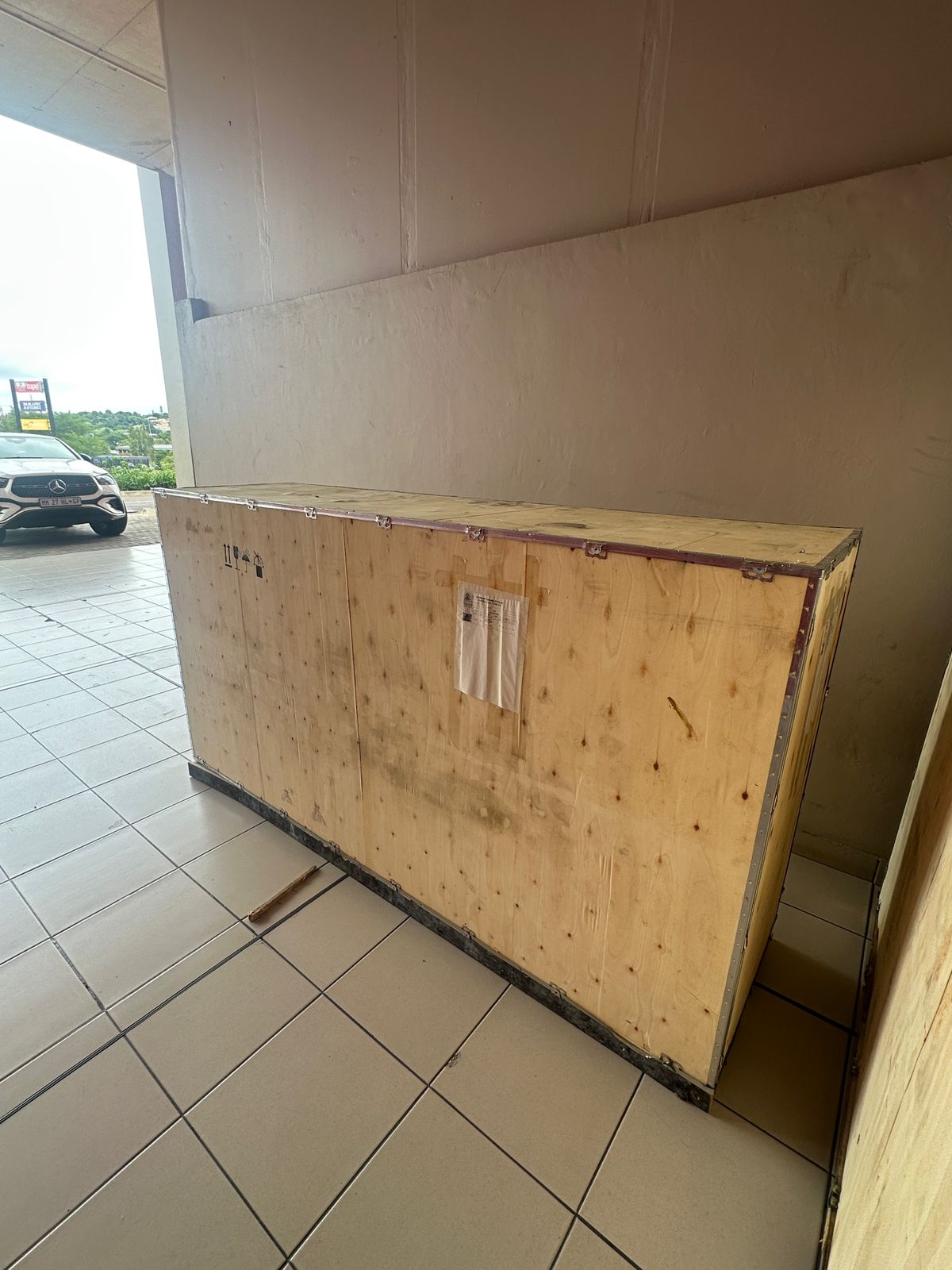
Toilet paper making machine
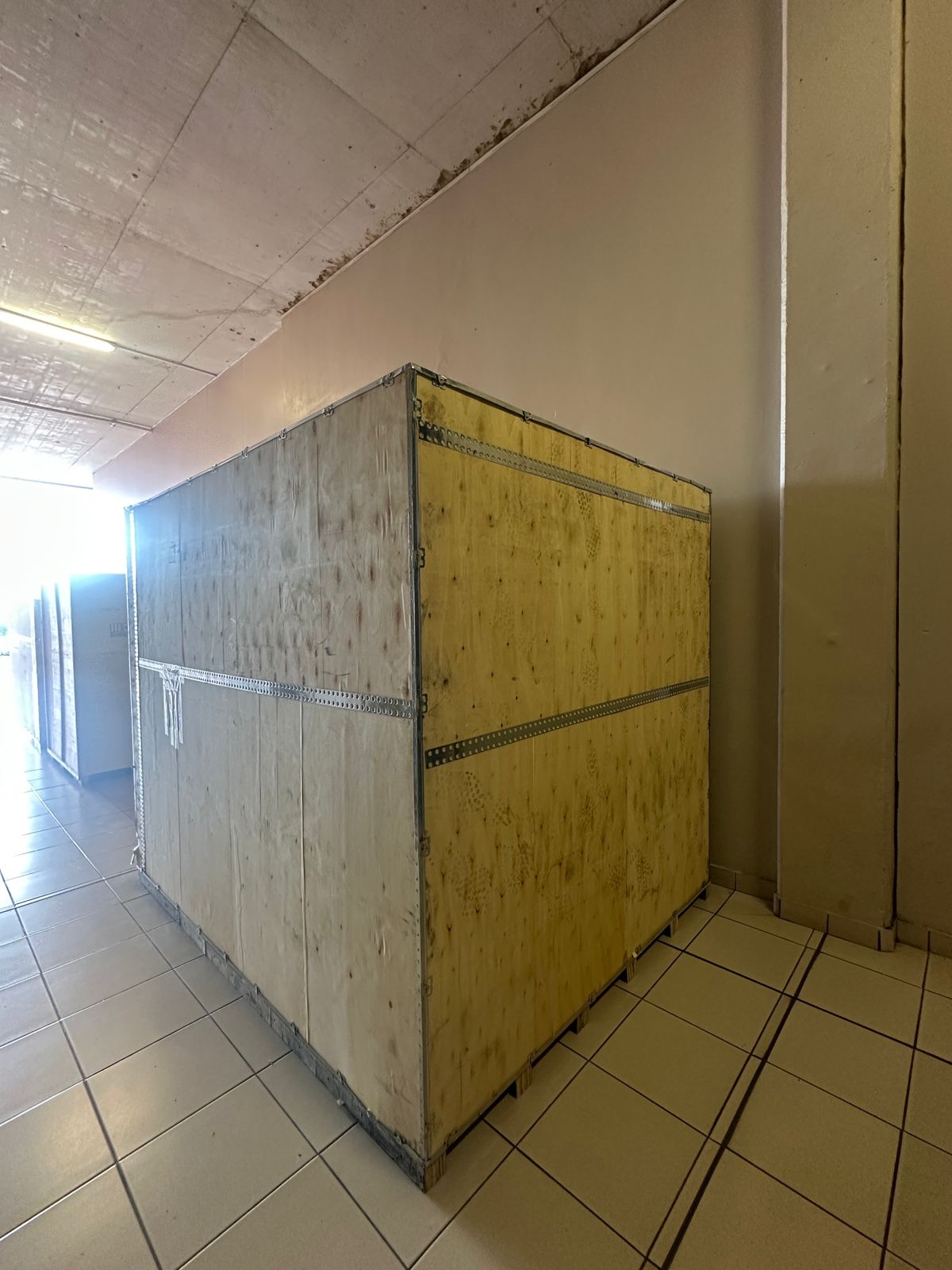
Toilet paper Rewinding Machine
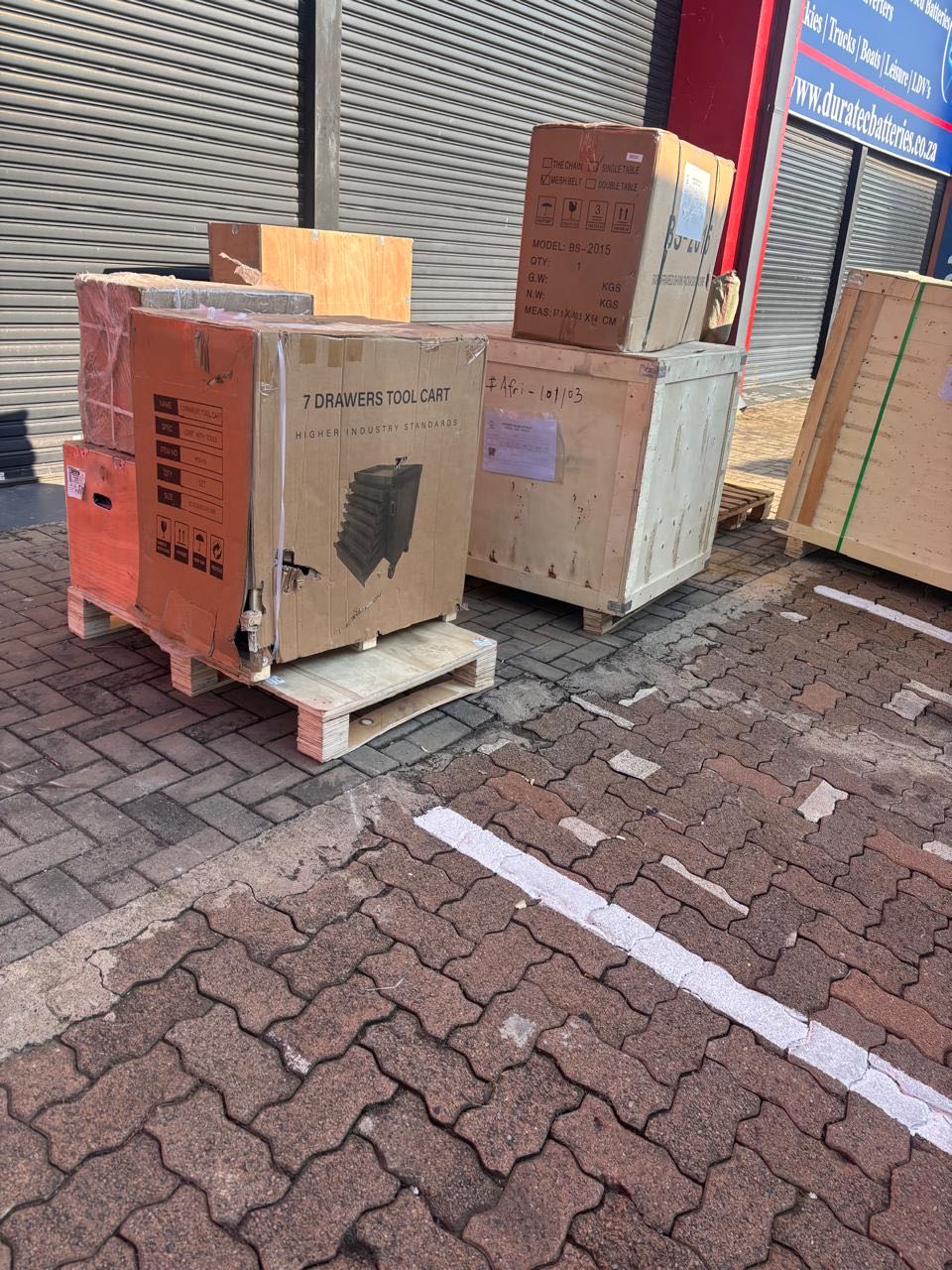
latest arrivals
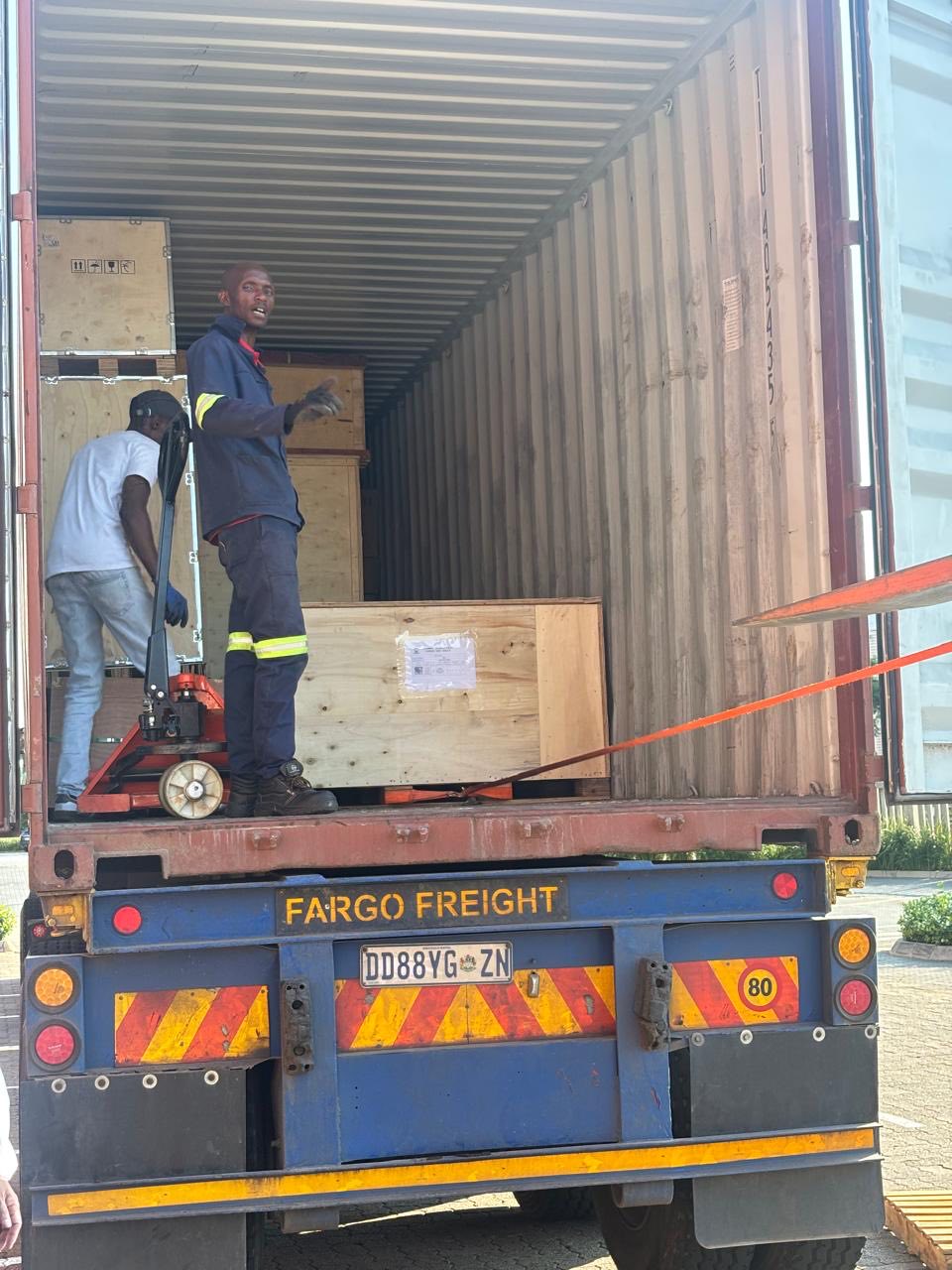
offloading
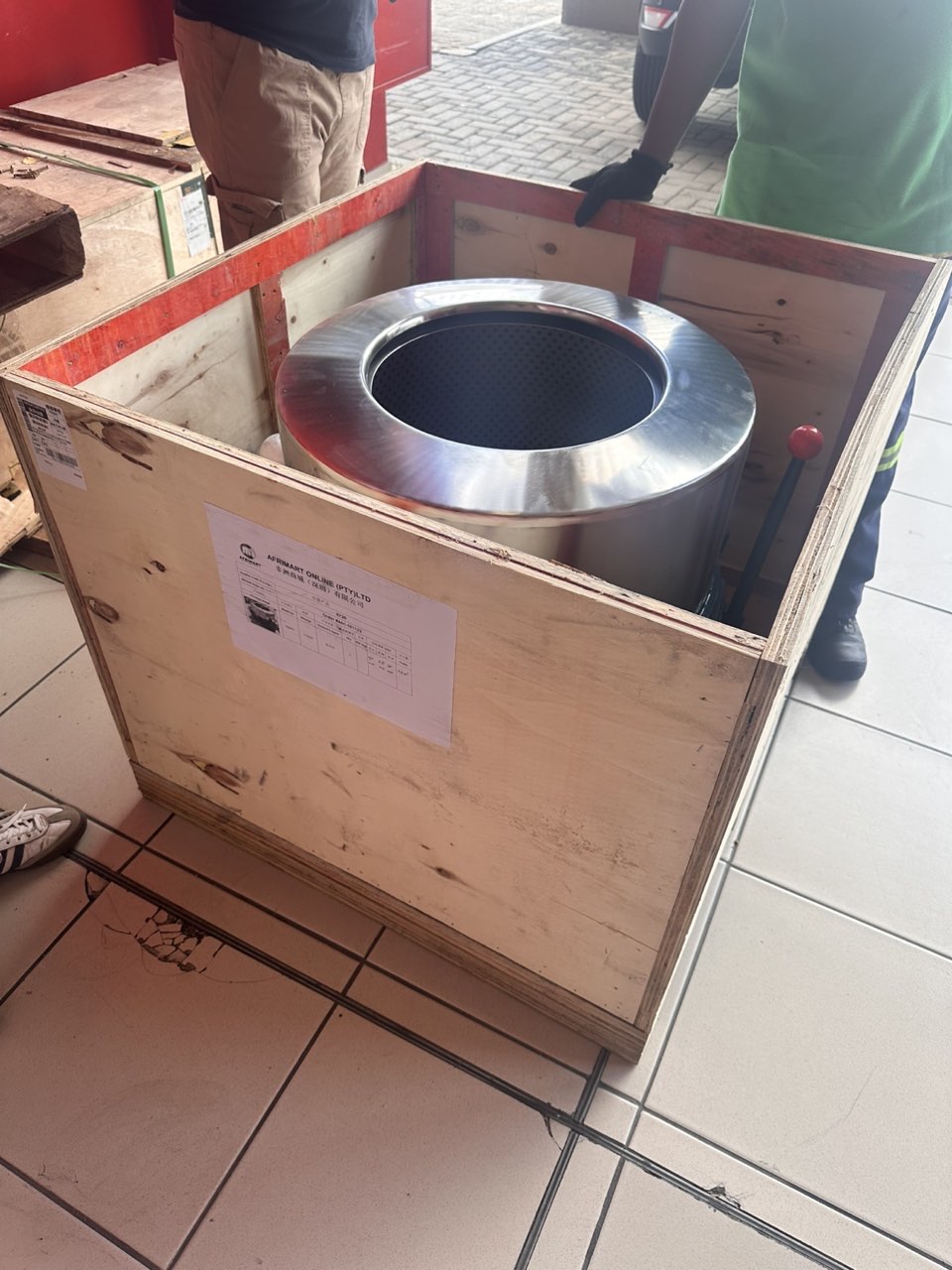
order success
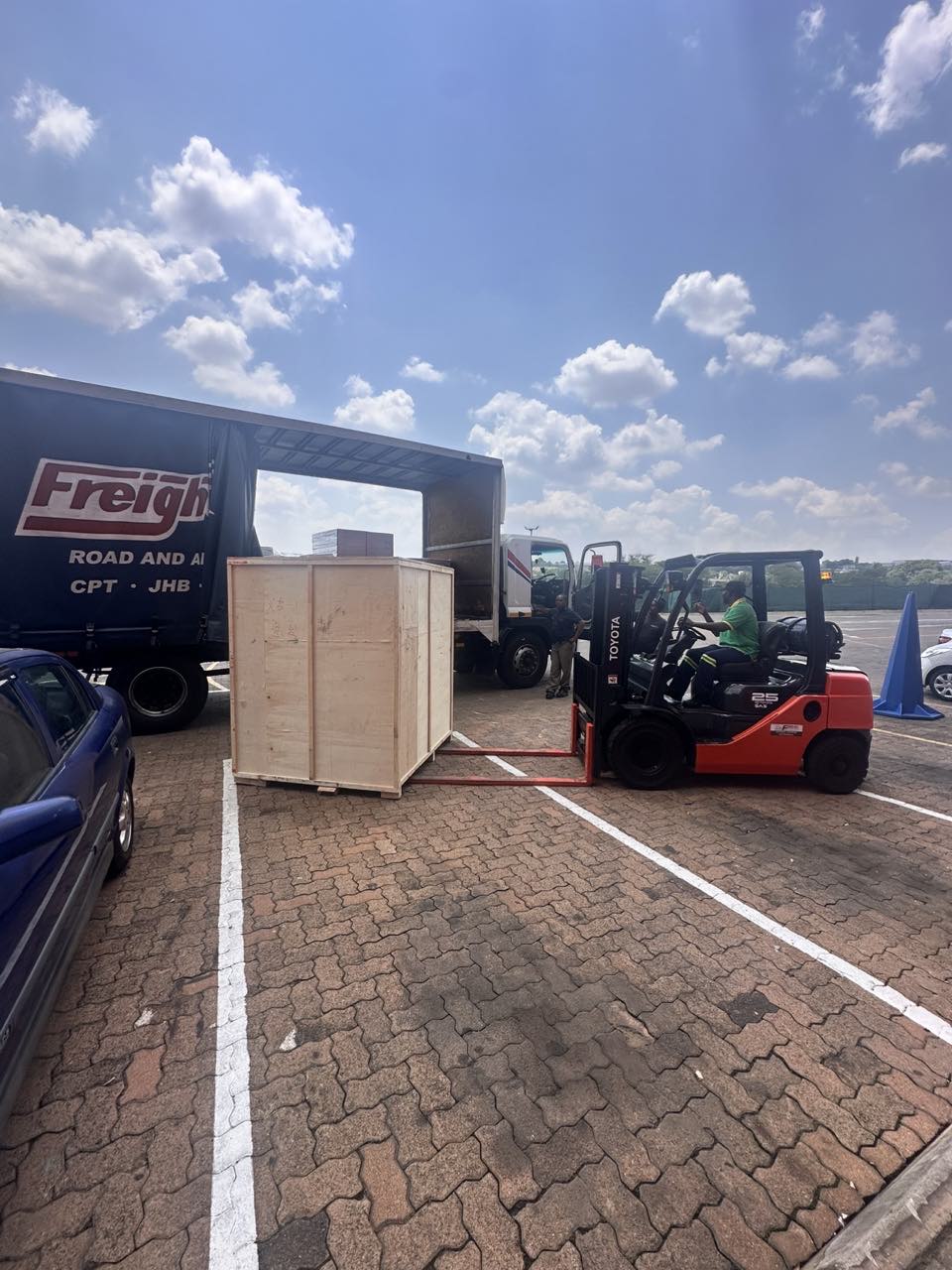
order collection
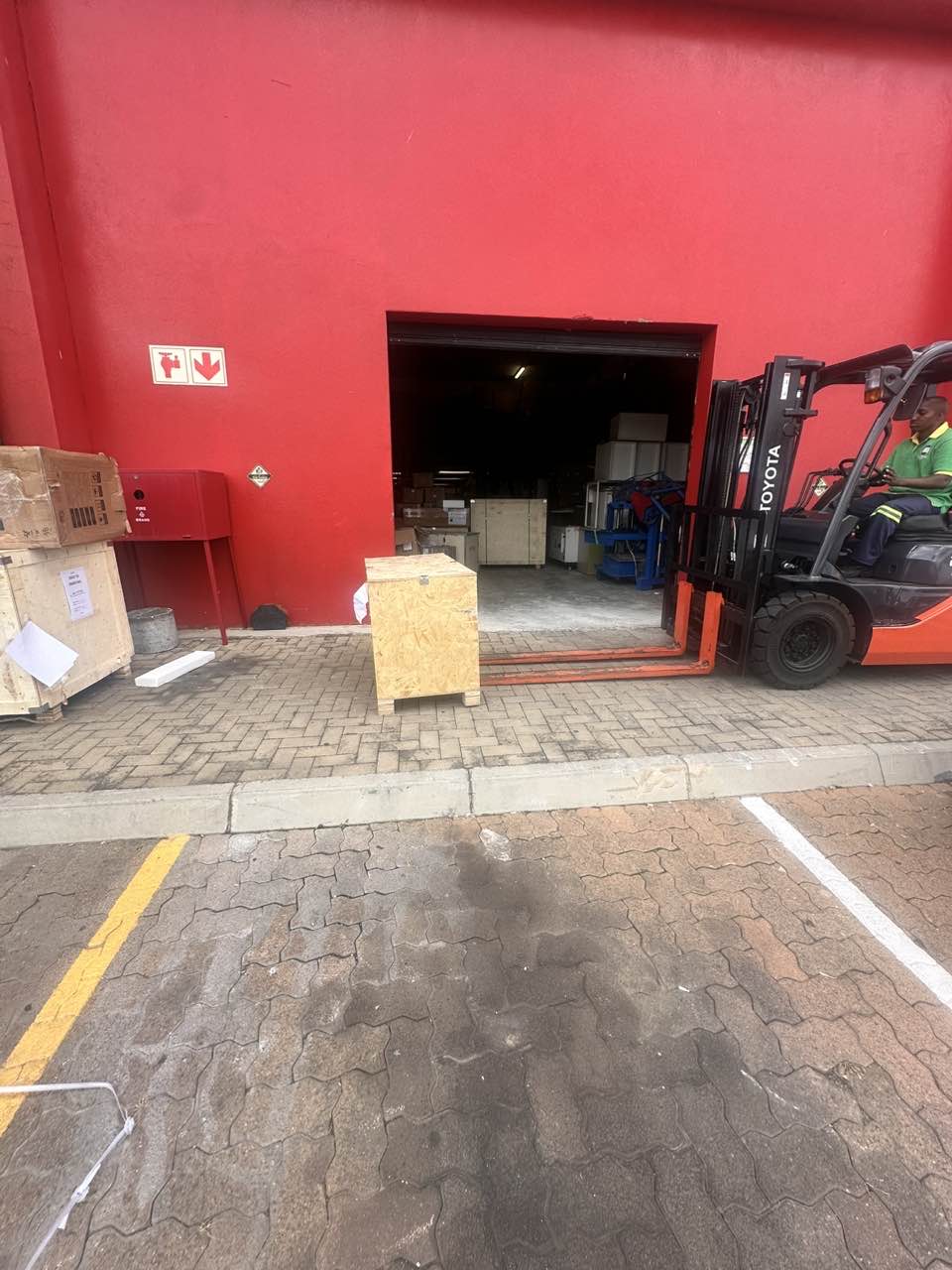
order offloading