B21, China Town Mall, Midrand

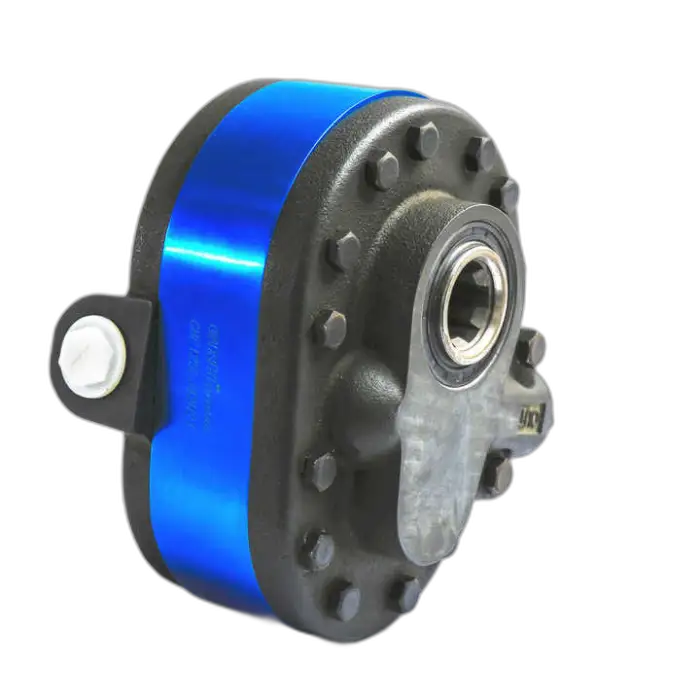
High-grade PTO Pump Hydraulic High Pressure Gear Pump for the Hydraulic Systems of Agriculture Tractors

- Section : Consumer Electronics
- Category : Smart Electronics
- SKU : 1600177304986

High-grade PTO Pump Hydraulic High Pressure Gear Pump for the Hydraulic Systems of Agriculture Tractors
The High-grade PTO Pump Hydraulic High Pressure Gear Pump is a powerful and reliable component designed specifically for agricultural tractors. This gear pump offers impressive performance with high pressure and efficient operation. It is perfect for use in various hydraulic systems, providing the necessary power to get the job done effectively.
Specifications
| Attribute | Details |
|---|---|
| Brand Name | Ryan Hydraulics |
| Product Name | Hydraulic Oil Gear Pump |
| Displacement | 160 ml/r |
| Pressure (Peak) | 250 (300) bar |
| Pressure (Rated) | 200 (250) bar |
| Speed (Rated) | 2000 r/min |
| Speed (Max & Min) | 3000 r/min & 400 r/min |
| Standard or Nonstandard | Nonstandard |
| Speed | 500-3500 rpm |
| Packaging Details | 260 pieces package to 1 pallet |
| Supply Ability | 50000 pieces per Month |
Key Features
- High-pressure capability up to 300 bar.
- Efficient gear pump design for reliable performance.
- Wide speed range from 400 to 3000 r/min.
- Robust construction for durability in tough conditions.
- Suitable for various hydraulic applications.
Applications
- Agricultural tractors for hydraulic systems.
- Engineering machinery for heavy lifting.
- Hoisting and conveying machinery.
- Automobiles requiring hydraulic power.
- Fuel hydraulic oil systems.
Choose the High-grade PTO Pump Hydraulic High Pressure Gear Pump for your agricultural needs. It combines power and efficiency to enhance your tractor's performance and productivity.
Product Info Gallery
- Shipping Timeframes: All orders are processed within 2-5 business days (excluding weekends and holidays). After your order has been processed, the estimated delivery time is before 25 Dec, 2025, depending on customs, Please note that due to high demand, some items may experience longer shipping times, which will be communicated at order confirmation email.
- Order Processing Time: Please allow 2-5 business days for us to process your order before it is shipped . Orders placed after 16:00 on Fridays, or during weekends and public holidays, will begin processing on the next business day. Processing times may be extended during peak seasons or sales events.
- Manufacturing Time: Some products needs manufacturing time, the manufacturing process will take approximately 10-30 business days depending on the product. This timeframe may vary depending on the complexity of the product and current demand. but this will be communicated with you during order confirmation.
- Returns and Exchanges: We offer a 30-day return policy for most items. If you are not completely satisfied with your purchase, you may return it within 30 days of receipt for a refund or exchange. Items must be unused, in their original packaging, and accompanied by proof of purchase. Return shipping costs are the responsibility of the customer, unless the item was damaged or defective upon arrival.
1. What is the pump displacement and how much flow does it produce?
Displacement is 160 ml/rev (0.16 L/rev). Flow = displacement × speed. Example flows: at rated 2000 rpm ≈ 320 L/min, at 3000 rpm ≈ 480 L/min, at 400 rpm ≈ 64 L/min. Actual usable flow will be slightly lower under load and depends on system leakage and temperature.
2. What are the pressure ratings for this pump?
The product is offered in variants. Typical rated pressure is 200 bar (some variants 250 bar) and peak (maximum intermittent) pressure is 250 bar (some variants 300 bar). Choose the variant that matches your system pressure requirements and always design with appropriate safety margins.
3. What is the allowable operating speed range?
The pump is designed for wide speed operation. Typical specifications list a rated speed of 2000 r/min with an allowable range from about 400 to 3000 r/min. Some listings reference 500–3500 rpm for particular variants—confirm the exact speed limits for the specific unit you order.
4. Is this pump compatible with my tractor's PTO?
This is a PTO-driven gear pump but is listed as nonstandard. Compatibility depends on PTO shaft size, spline type, rotation direction, mounting flange and operating speed. Provide your tractor PTO specifications (spline/count, rotation, RPM, mounting dimensions) to Ryan Hydraulics or your supplier to confirm or order the correct variant.
5. What hydraulic fluid should I use with this gear pump?
Use a clean, high-quality hydraulic oil compatible with gear pumps and your system's temperature range and seals. Follow industry-standard hydraulic oil viscosity and cleanliness recommendations and your tractor/equipment manufacturer's guidance. If in doubt, contact Ryan Hydraulics for recommended oil grades.
6. Are there installation recommendations I should follow?
Yes. Ensure correct shaft alignment and secure mounting, use an appropriate flexible coupling to absorb misalignment, install adequate inlet/outlet hose sizes to minimize cavitation and pressure drop, fit a pressure relief valve in the system, and ensure correct rotation direction for the pump variant. Always follow the manufacturer's installation instructions.
7. What maintenance is required for the pump?
Regularly check hydraulic fluid level and cleanliness, change filters per system recommendations, inspect seals and mounting bolts, monitor for abnormal noise or vibration, and replace worn parts promptly. Avoid running the pump dry and keep suction lines short and well-sealed to prevent cavitation.
8. Can this pump be used in applications other than agricultural tractors?
Yes. The pump is suitable for a variety of hydraulic applications including engineering machinery, hoisting and conveying equipment, certain automotive hydraulic systems and fuel hydraulic oil systems—provided the pressure, flow and mounting requirements match the application.
9. What are the packaging and supply capabilities?
Packaging detail provided: 260 pieces per pallet. Supply ability is listed at up to 50,000 pieces per month—subject to order lead times and current production schedules. Confirm lead time and palletization with your sales contact when ordering.
10. Is the pump reversible (works in both rotation directions)?
Many gear pumps are rotation-specific. This product may be supplied for a specific rotation direction. Verify rotation requirements (clockwise or counterclockwise when viewed from the drive end) with Ryan Hydraulics before ordering or specify the required rotation when placing your order.
11. What safety precautions should I observe when using this high-pressure pump?
Treat hydraulic systems as high-pressure hazards: always depressurize before servicing, use rated hoses and fittings, install pressure relief valves, wear appropriate PPE, avoid loose clothing around rotating PTO shafts, and follow lockout/tagout procedures. High pressure can cause serious injury—do not bypass safety devices.
12. How noisy or vibration-prone is this gear pump?
Gear pumps typically produce moderate noise and some pulsation. Proper mounting, flexible couplings, correct alignment, and good hydraulic system design (adequate damping, accumulators or pulsation dampers if needed) will reduce noise and vibration. For specific NVH data, request the technical datasheet from the manufacturer.
13. What should I do if the pump is leaking or performance drops?
Common causes are worn seals, internal wear, contaminated fluid, cavitation or incorrect operating conditions. Stop operation, depressurize the system and inspect seals, coupling, suction conditions and filter contamination. Contact Ryan Hydraulics or an authorized service center with pump model and serial information for diagnosis and spare parts.
14. How do I order spare parts or request after-sales support?
Provide the pump model, serial number and operating history to Ryan Hydraulics or your supplier. Because the pump is nonstandard, accurate identification of the variant is important. The manufacturer can advise on spare parts availability, recommended maintenance parts and repair procedures.
15. Is there a warranty or guarantee for this pump?
Warranty terms are not specified in the provided product text. Warranty, return policy and aftermarket support vary by seller and region. Contact Ryan Hydraulics or your distributor to obtain the specific warranty period, coverage details and any registration requirements before purchase.
Latest Order Arrivals
Discover our latest orders
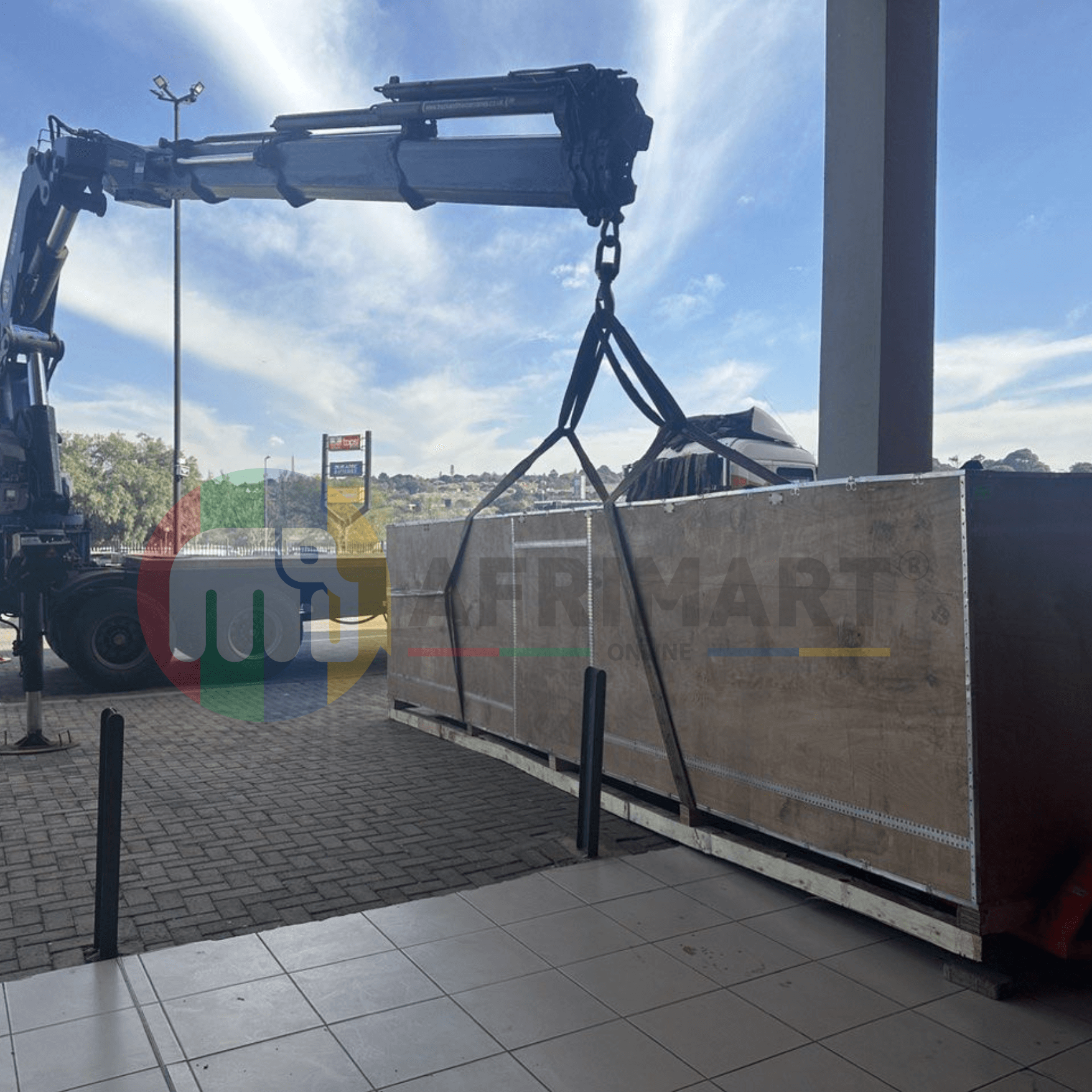
12 Heads Embroidery Machine
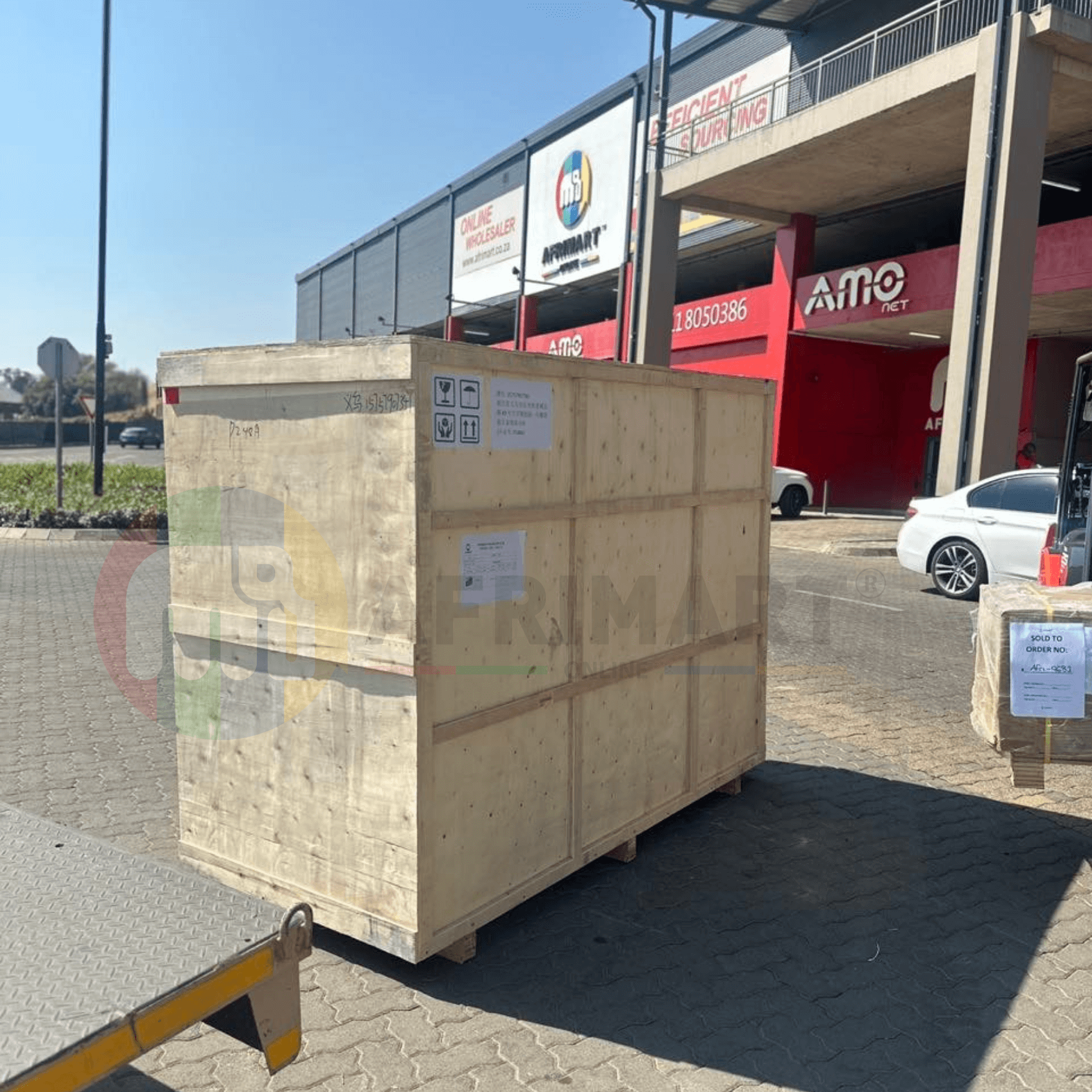
Dewatering Pump Machine
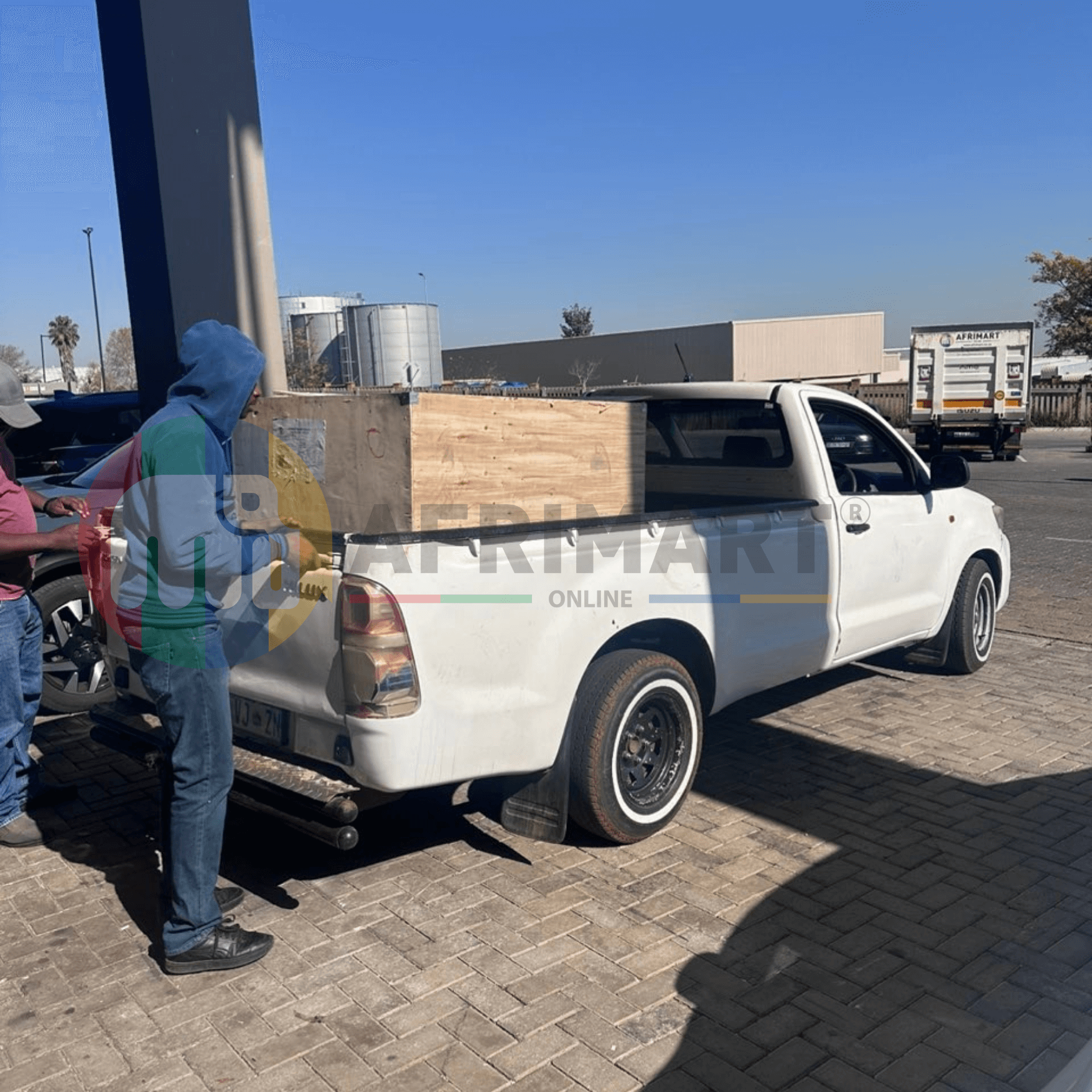
Order Collection
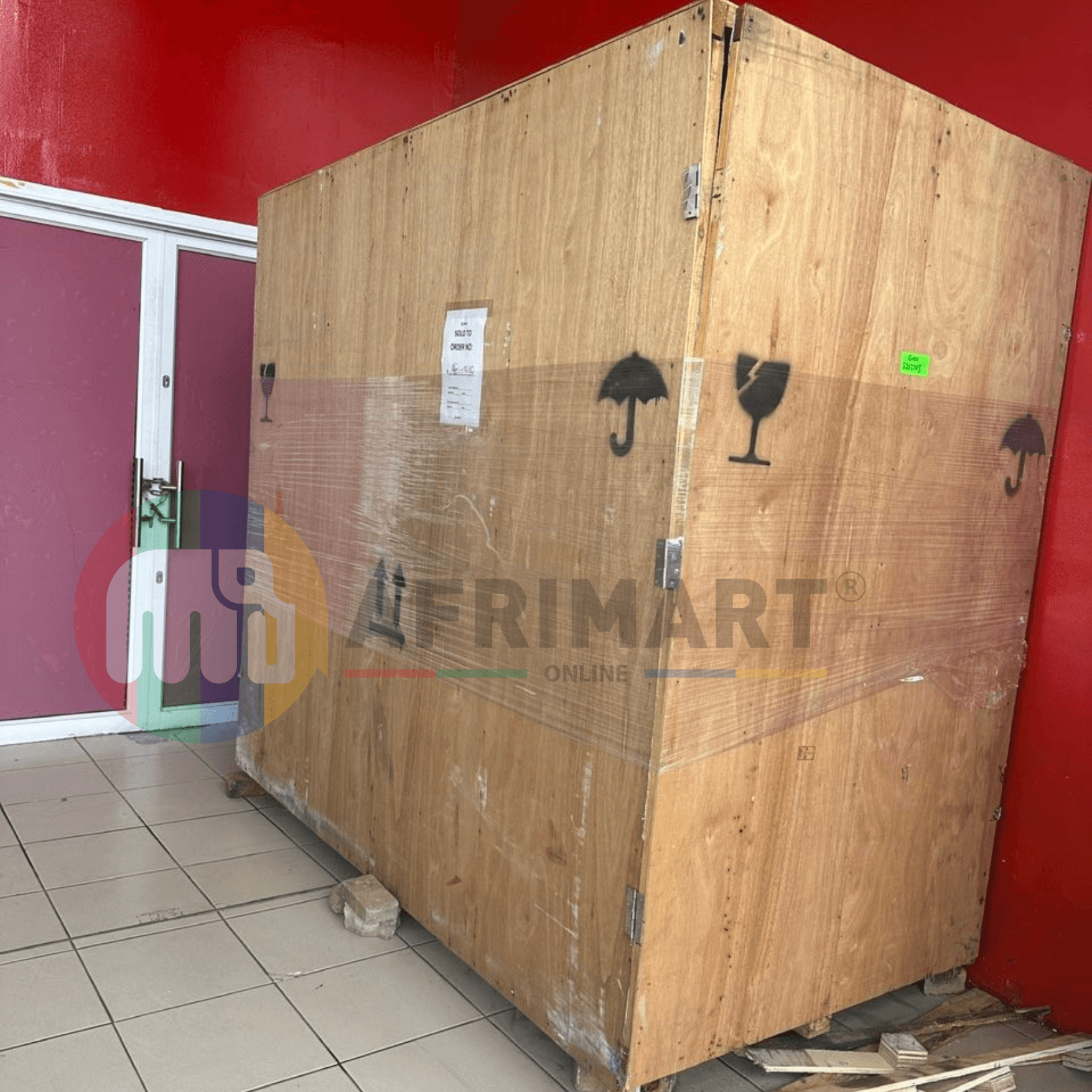
Portable Water Drilling Rig

Order Usefully Collected

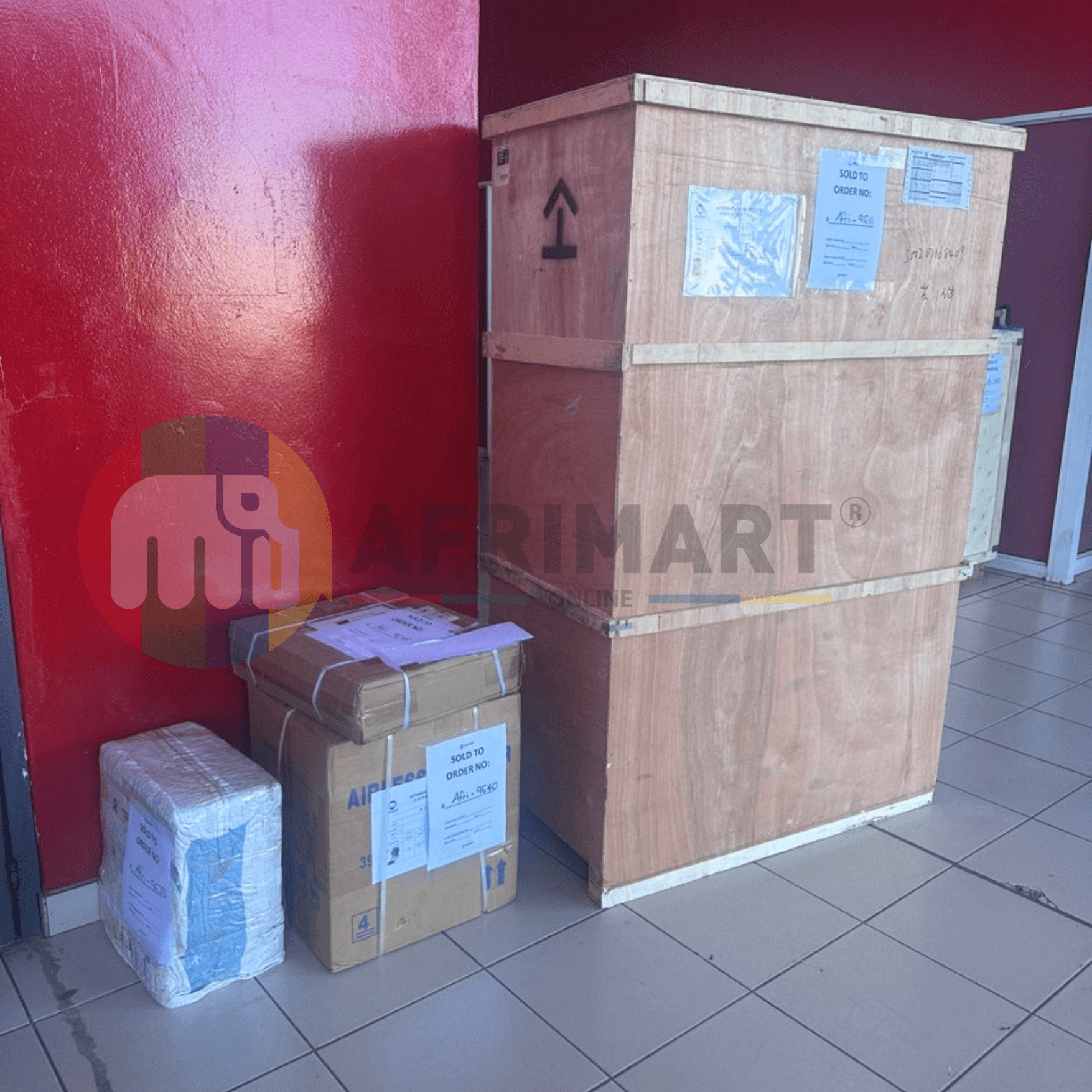
Batch of Orders
Agriculture Processing Machines
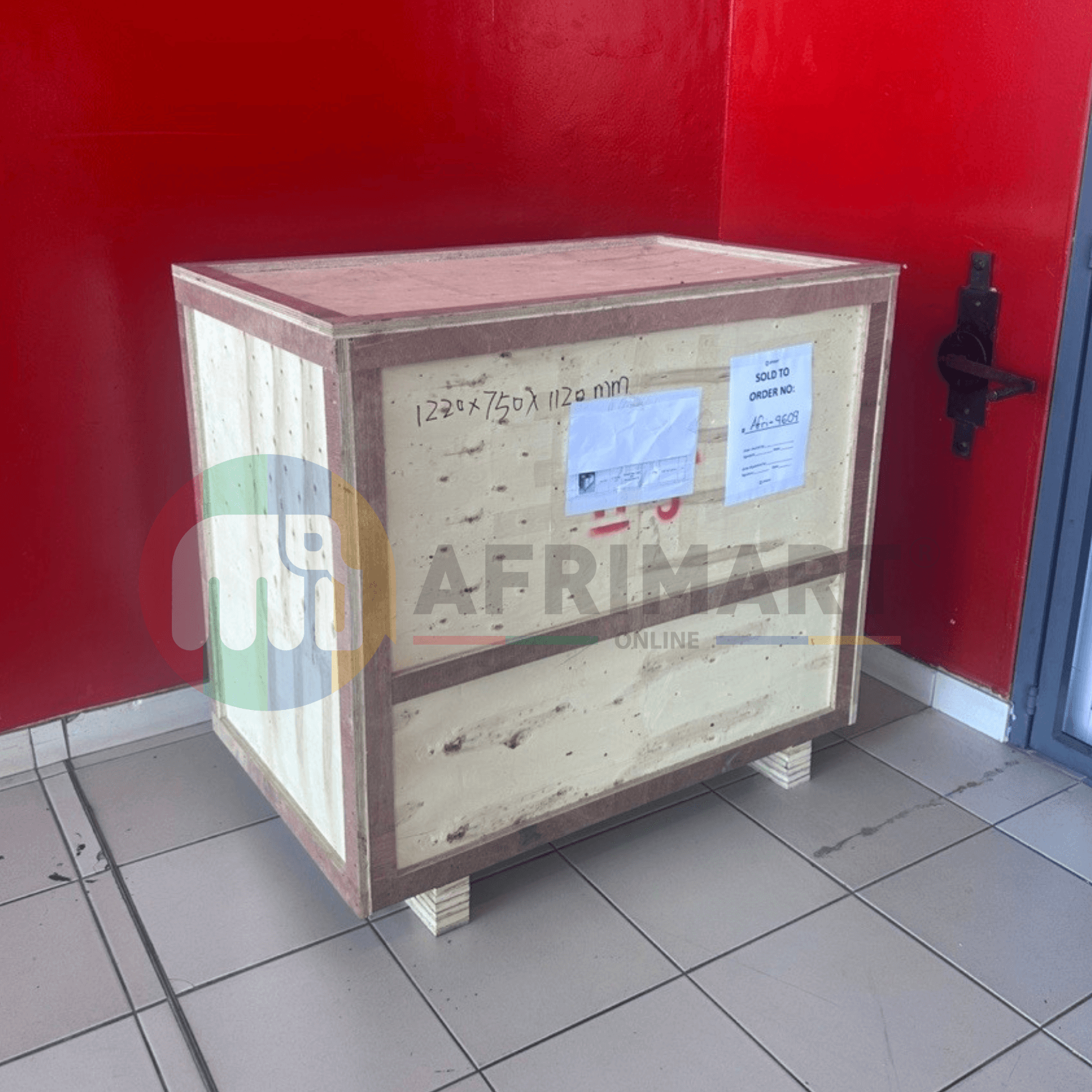
Meat Grinder Machine
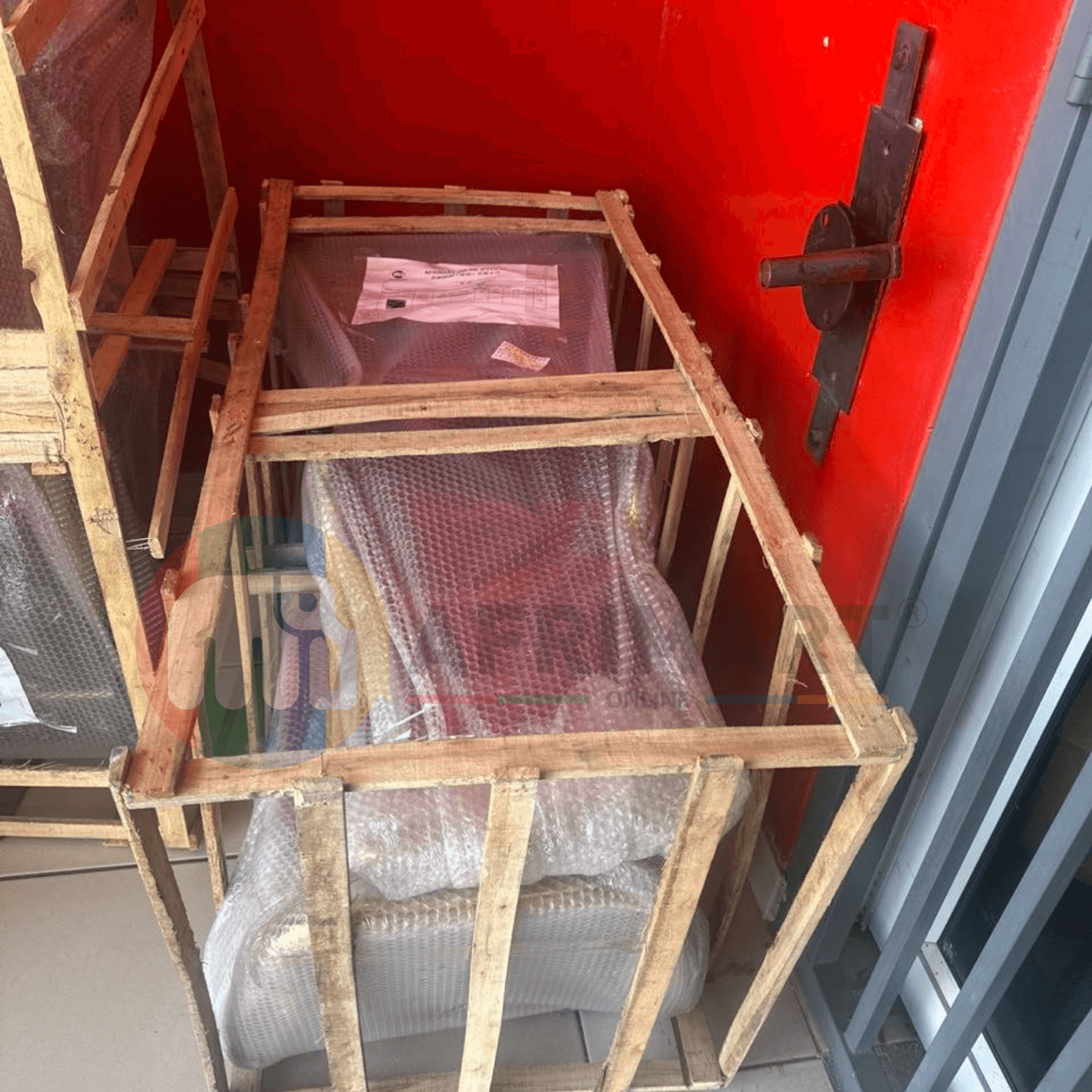
Water Pump Equipment
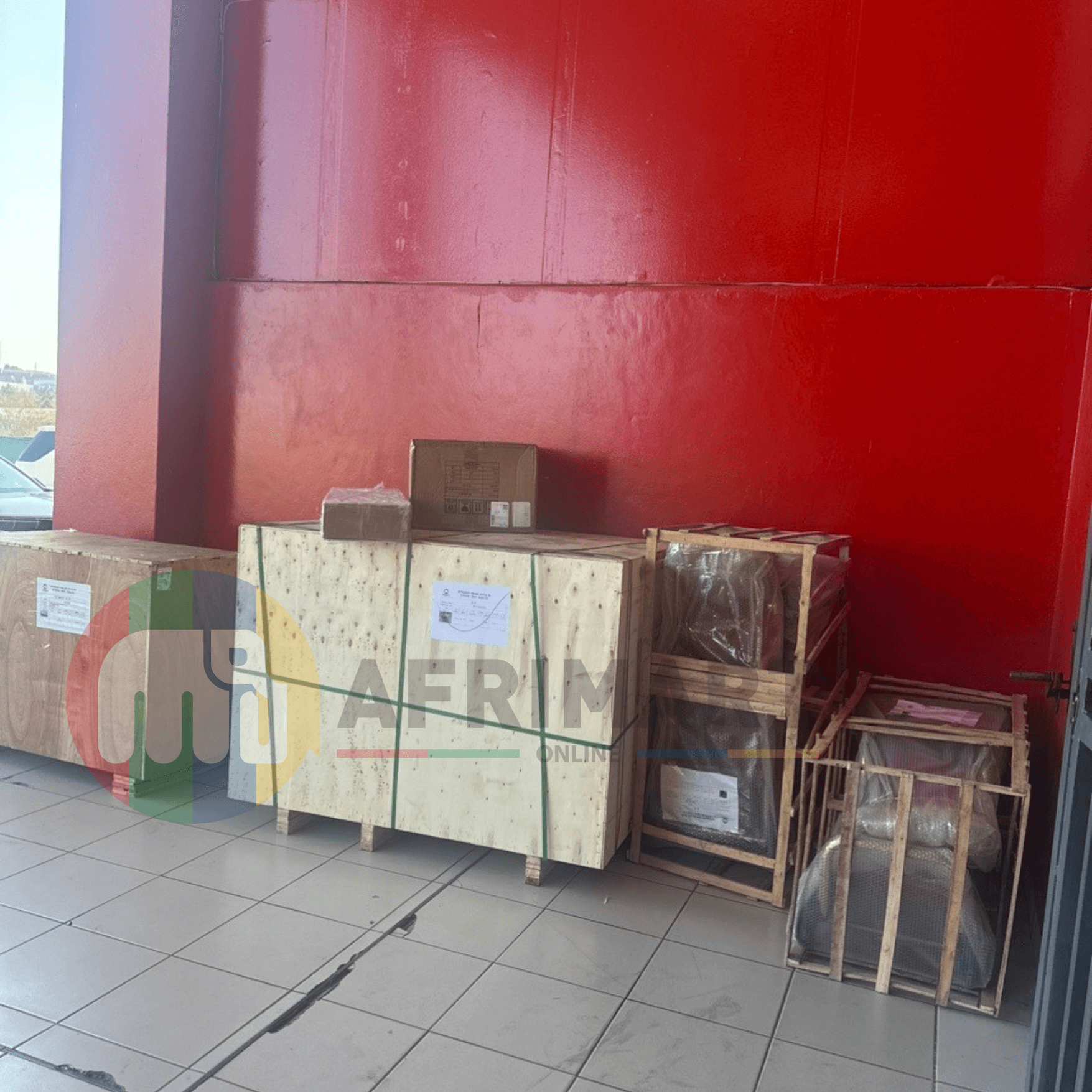
Packaging Machine and accessories
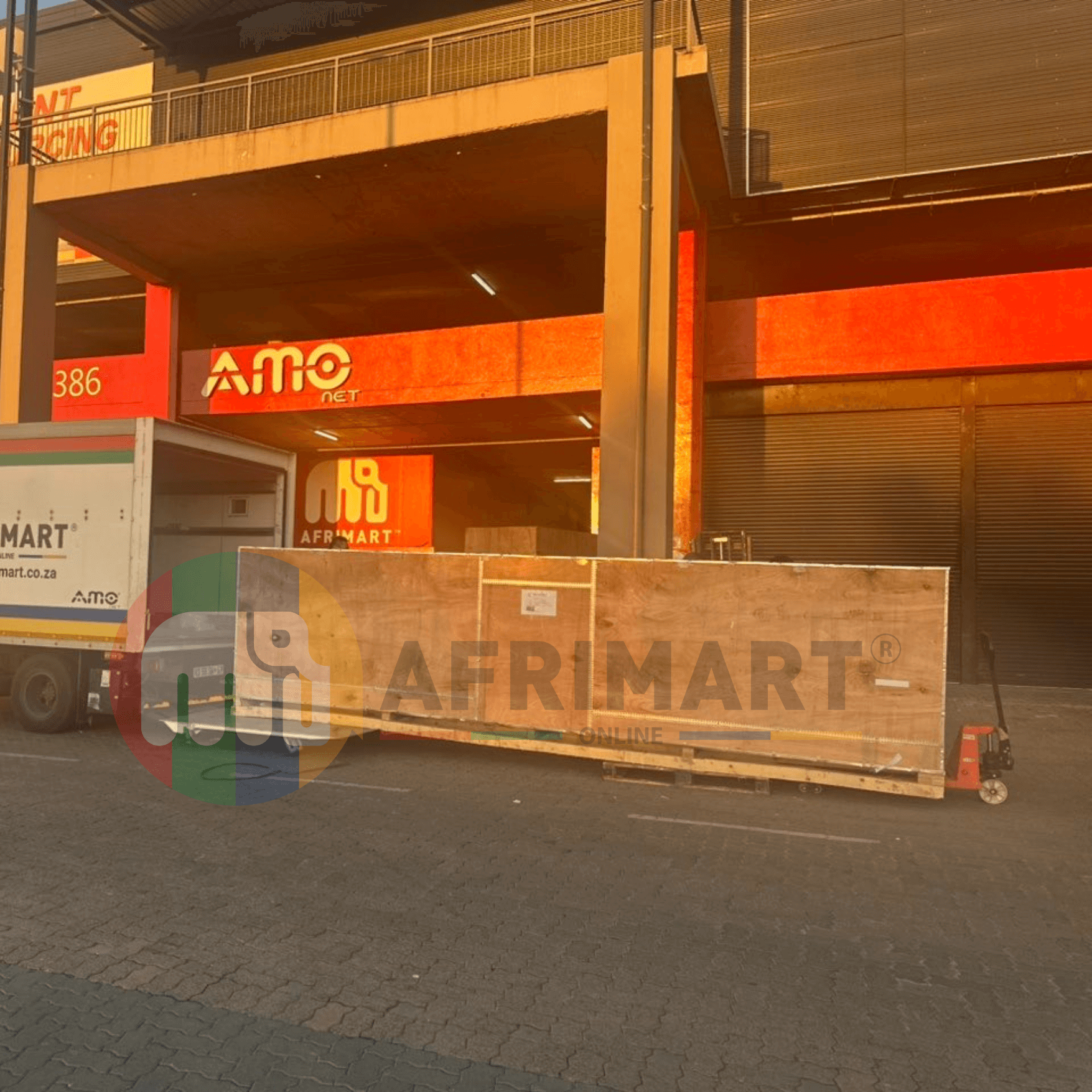
Fabrics Manufacturing Equipment
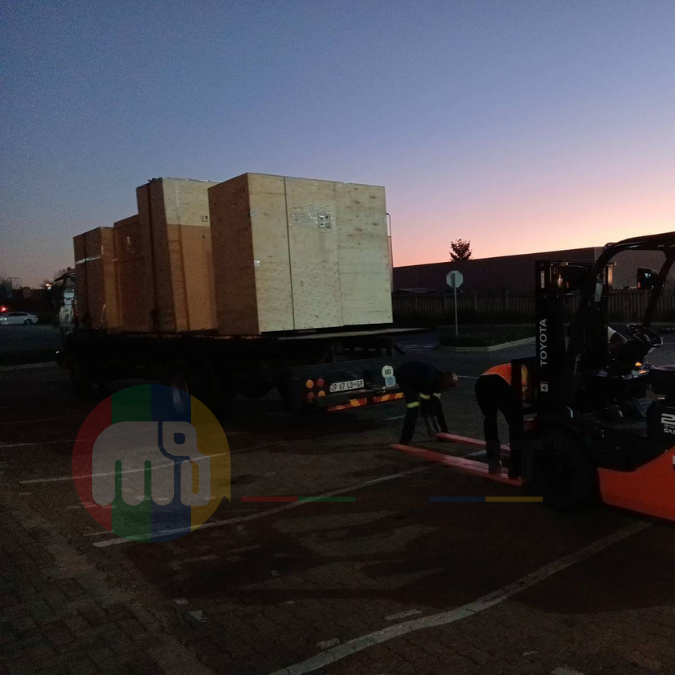
Mining Equipments

Food Processing Machine
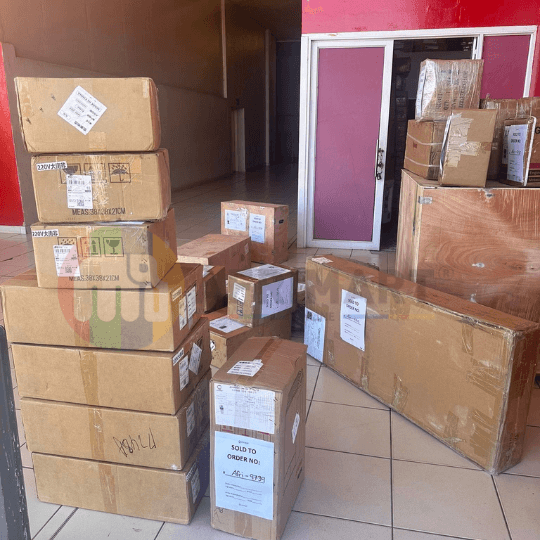
Batch of Orders
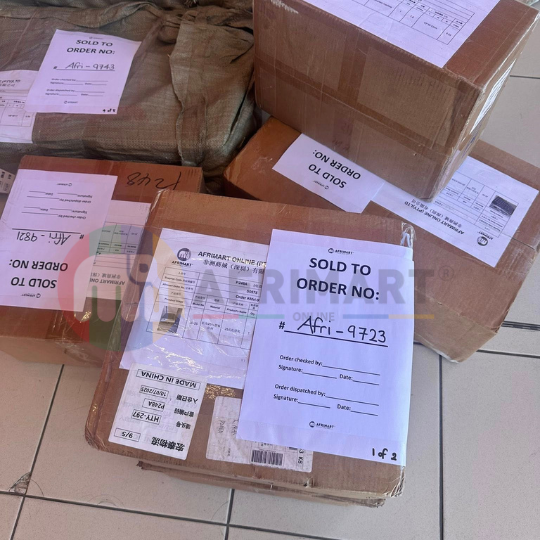
Batch of Orders
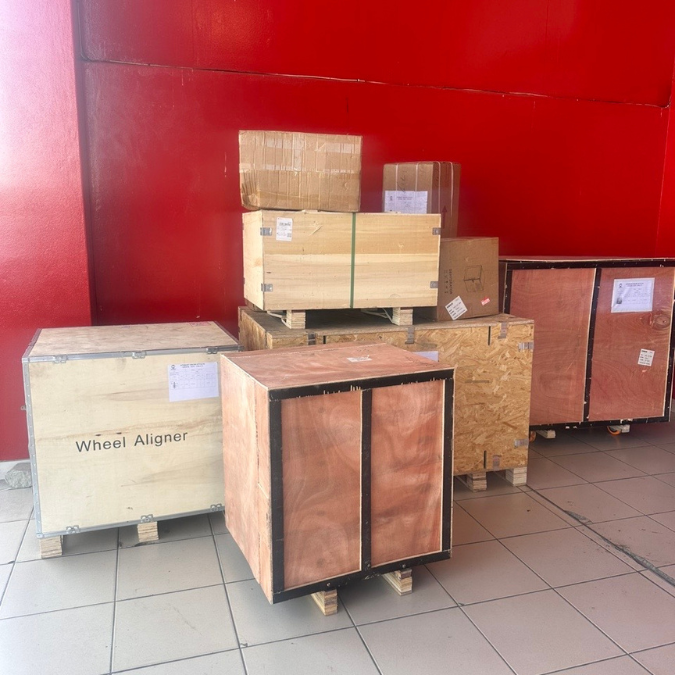
Latest Orders Labelled
wheel alignment machines
new arrivals
Pre Orders Offloading
Latest Arrivals
Latest Arrivals