B21, China Town Mall, Midrand


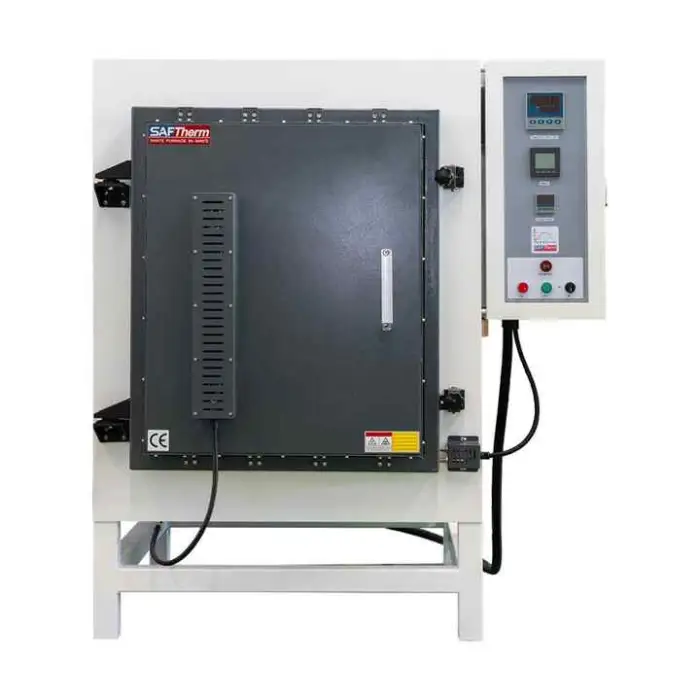
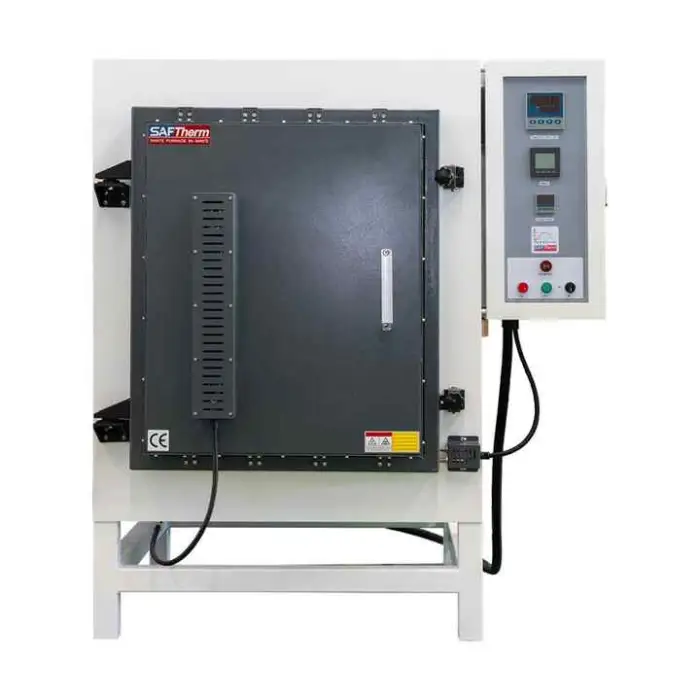
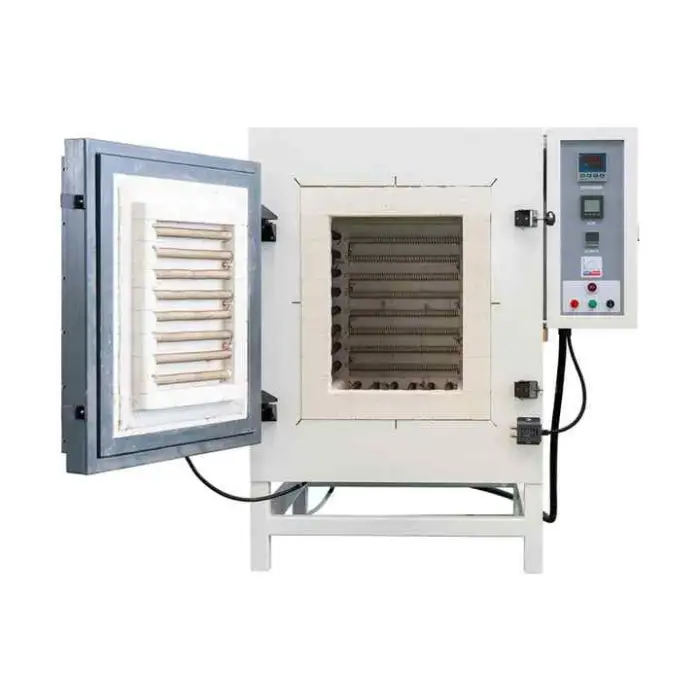
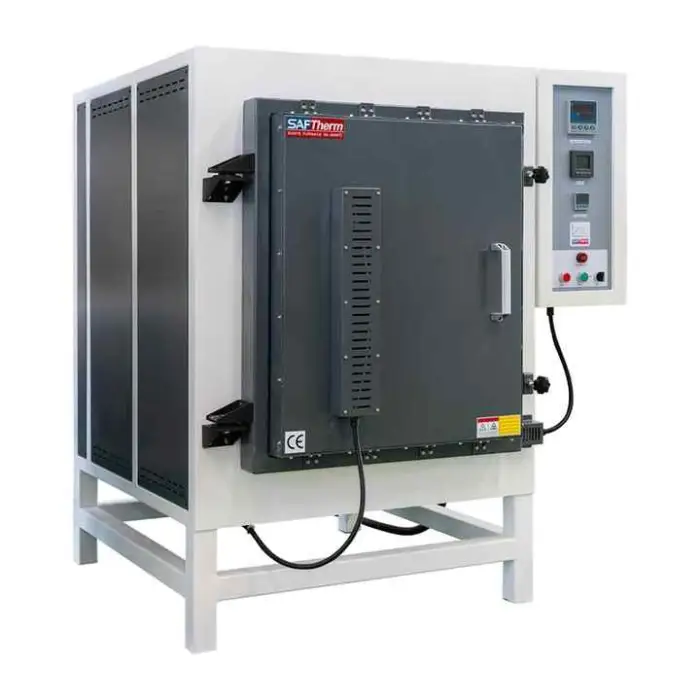
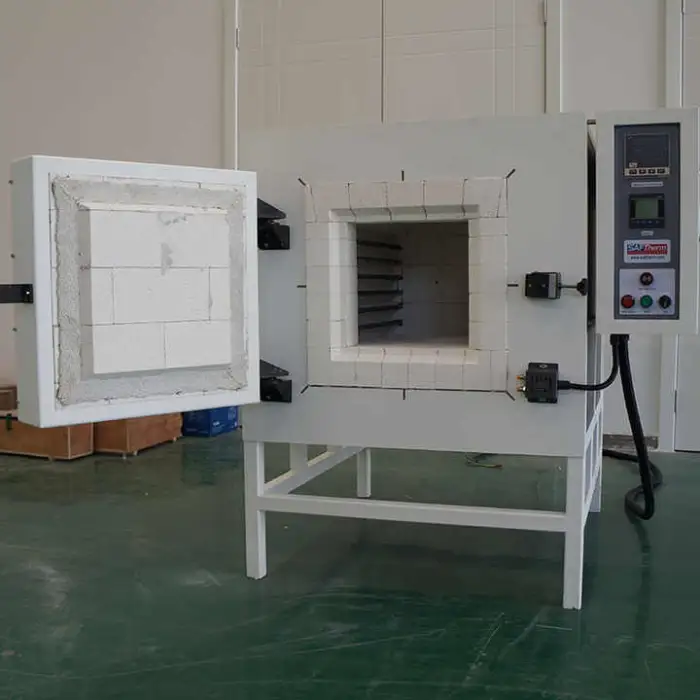
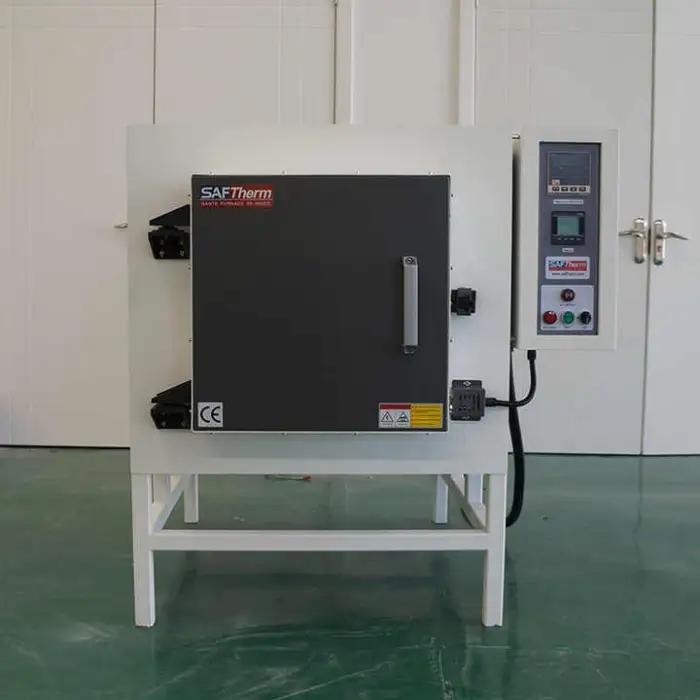
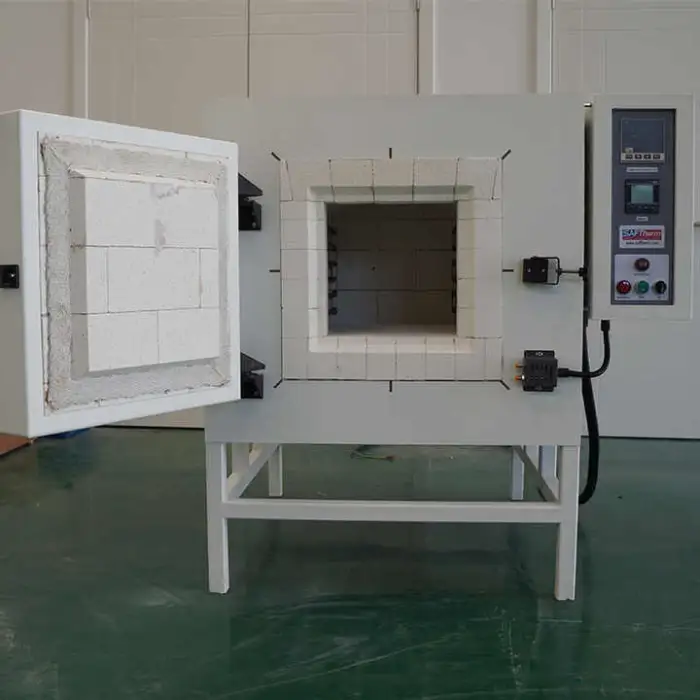
High Temperature 1200C 1400C 1700C Industrial Laboratory Melting Furnace Electric Portable Box Furnace
Asset finance available
Do you want funding for this equipment?
Afrimart can connect you with trusted funding partners who specialise in asset finance for businesses like yours. Compare options and apply in minutes — final approval is subject to provider review.
Check funding options
Secure & no obligation

- Section : Machinery
- Category : Metal & Metallurgy Machinery
- SKU : 62094811352

High Temperature 1200C 1400C 1700C Industrial Laboratory Melting Furnace Electric Portable Box Furnace
The High Temperature Industrial Laboratory Melting Furnace is a powerful and portable tool designed for heat treatment tasks in various industries. It can reach temperatures of up to 1700°C, making it ideal for melting metals and conducting experiments. This electric box furnace is energy-efficient and easy to use, providing precise temperature control for your laboratory needs.
Specifications
| Attribute | Details |
|---|---|
| Product Name | Industrial Box Furnace |
| Type | Industrial Box Furnace |
| Max Temperature | 1200℃ |
| Continue Operating Temp | 1150℃ |
| Power Supply | 380V |
| Heating Element | High quality alloy resistance wire |
| Temperature Accuracy | ±1℃ |
| Thermocouple | N type |
| Certification | ISO9001 |
| Weight | 0.3 T |
| Dimensions (L*W*H) | 400*600*400 mm |
| Single Package Size | 10X10X10 cm |
| Single Gross Weight | 30.000 KG |
Key Features
- High temperature range: up to 1700°C.
- Energy-saving design for efficiency.
- Precision temperature control with ±1℃ accuracy.
- Durable high-quality alloy resistance wire heating element.
- Compact and portable for easy transport.
- Compliant with ISO9001 certification.
- Easy to operate with PLC control.
Applications
- Melting metals for casting and fabrication.
- Conducting heat treatment processes.
- Testing materials under high temperatures.
- Research and development in laboratories.
- Educational purposes in industrial training.
The High Temperature Industrial Laboratory Melting Furnace is your go-to solution for reliable and efficient heat treatment. Whether for professional use or educational purposes, this furnace delivers exceptional performance with every use.
Product Info Gallery
- Shipping Timeframes: All orders are processed within 2-5 business days (excluding weekends and holidays). After your order has been processed, the estimated delivery time is before 04 Aug, 2026, depending on customs, Please note that due to high demand, some items may experience longer shipping times, which will be communicated at order confirmation email.
- Order Processing Time: Please allow 2-5 business days for us to process your order before it is shipped . Orders placed after 16:00 on Fridays, or during weekends and public holidays, will begin processing on the next business day. Processing times may be extended during peak seasons or sales events.
- Manufacturing Time: Some products needs manufacturing time, the manufacturing process will take approximately 10-30 business days depending on the product. This timeframe may vary depending on the complexity of the product and current demand. but this will be communicated with you during order confirmation.
- Returns and Exchanges: We offer a 30-day return policy for most items. If you are not completely satisfied with your purchase, you may return it within 30 days of receipt for a refund or exchange. Items must be unused, in their original packaging, and accompanied by proof of purchase. Return shipping costs are the responsibility of the customer, unless the item was damaged or defective upon arrival.
1. What maximum temperatures are available for this furnace?
The product line includes models rated for 1200°C, 1400°C and 1700°C. The specification sheet lists a 1200°C model with a continuous operating temperature of 1150°C. Confirm the specific model you need when ordering.
2. How accurate is the temperature control?
Temperature control is PLC‑based with an N‑type thermocouple and a stated temperature accuracy of ±1°C (model and conditions dependent).
3. What power supply does the furnace require?
The furnace is specified for 380V supply. This typically means three‑phase power; confirm required current, phase and frequency with the seller or an electrician before installation.
4. What kind of heating element does it use?
It uses a high‑quality alloy resistance wire heating element designed for high‑temperature operation and durability.
5. Is this furnace suitable for melting metals?
Yes — higher‑temperature models (e.g., 1400°C and 1700°C) can melt many non‑refractory metals. Examples: aluminum (≈660°C), copper (≈1085°C), silver (≈962°C), gold (≈1064°C), and many steels (melting varies, often 1370–1530°C). It cannot reliably melt very refractory metals (e.g., tungsten) without specialised equipment.
6. Can the furnace operate in controlled atmospheres (inert or vacuum)?
The standard box furnace is designed to operate in ambient air. Controlled atmospheres (inert gas, vacuum) require special seals, ports and gas handling modifications—ask the manufacturer for a modified or dedicated atmosphere version.
7. How portable is the unit and what is its weight?
The furnace is described as compact and portable for transport, but the specification lists a weight of 0.3 T (approximately 300 kg). This requires appropriate handling equipment (forklift/crane). Verify shipping/package weights with the supplier.
8. What are the external dimensions and packaging info?
Listed overall dimensions are 400 × 600 × 400 mm. Some packaging entries in the spec (e.g., 10 × 10 × 10 cm or a 30 kg single gross weight) appear inconsistent—please confirm actual shipping dimensions and weight with the vendor prior to purchase.
9. What safety features should I expect and what safety precautions are required?
Typical safety features include thermal insulation, over‑temperature protection, grounding provisions and emergency stop via the PLC. Required precautions: install on a non‑combustible surface, ensure proper grounding and ventilation, follow lockout/tagout for maintenance, and use appropriate PPE (heat‑resistant gloves, face shield). Follow local electrical and fire codes.
10. What types of crucibles or containers are recommended?
Crucible selection depends on material and temperature: graphite crucibles are common for many metal melts (in inert atmospheres), alumina or zirconia crucibles for oxide ceramics and high‑temperature work. Always choose a crucible material compatible with the melt chemistry and maximum temperature. Consult the manufacturer for recommendations.
11. How fast does the furnace heat up (heating rate)?
Heating rate depends on the model, installed power, setpoint and the mass of the load. The product listing does not provide a specific °C/min value—request the heating ramp performance or data sheet from the supplier for the exact model and typical loads.
12. What maintenance is required to keep the furnace operating reliably?
Regular maintenance includes keeping the chamber clean, inspecting and replacing worn heating elements and thermocouples, checking door seals, verifying controller calibration, and ensuring electrical connections are tight. Follow the manufacturer's maintenance schedule and procedures.
13. Is the furnace certified for quality and safety?
The specification lists ISO9001 certification (quality management system). For electrical or safety certifications (CE, UL, etc.), check with the manufacturer or supplier as those are not listed in the provided specification.
14. Are spare parts and technical support available?
Most suppliers offer spare parts (heating elements, thermocouples, controllers) and technical support. Confirm availability, lead times and warranty/support terms with your vendor before purchase.
15. What installation and site requirements should I prepare for?
Prepare a stable, non‑combustible installation surface, 380V electrical supply with correct amperage and protection, adequate ventilation or fume extraction, and sufficient clearance for safe operation and maintenance. Because of weight, arrange handling equipment for placement. Consult the supplier's installation manual for exact electrical and clearance requirements.
Latest Order Arrivals
Discover our latest orders

12 Heads Embroidery Machine

Toilet Paper Machine Machine

Order Collection

Cross Border Clients

Order cros border countries Collected

Industrial Machine Cllection

Agriculture Processing Machines

Ready for collection

Water Pump Equipment

Packaging Machine and accessories

Fabrics Manufacturing Equipment

Mining Equipments

Food Processing Machine

Batch of Orders

Batch of Orders

Latest Orders Labelled

wheel alignment machines

new arrivals

Pre Orders Offloading

Latest Arrivals

Latest Arrivals

Latest Arrivals

Loading

Toilet paper making machine

Toilet paper making machine

Toilet paper Rewinding Machine

latest arrivals

offloading

order success

order collection

order offloading