B21, China Town Mall, Midrand

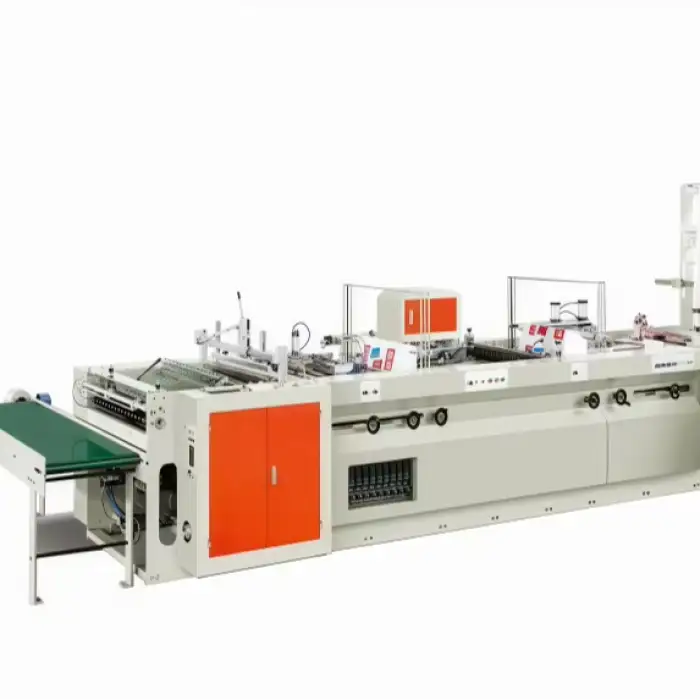
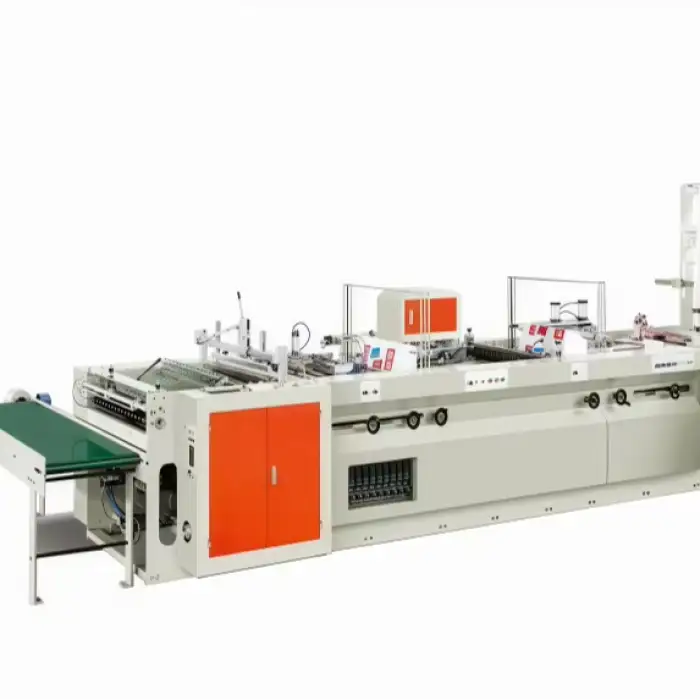
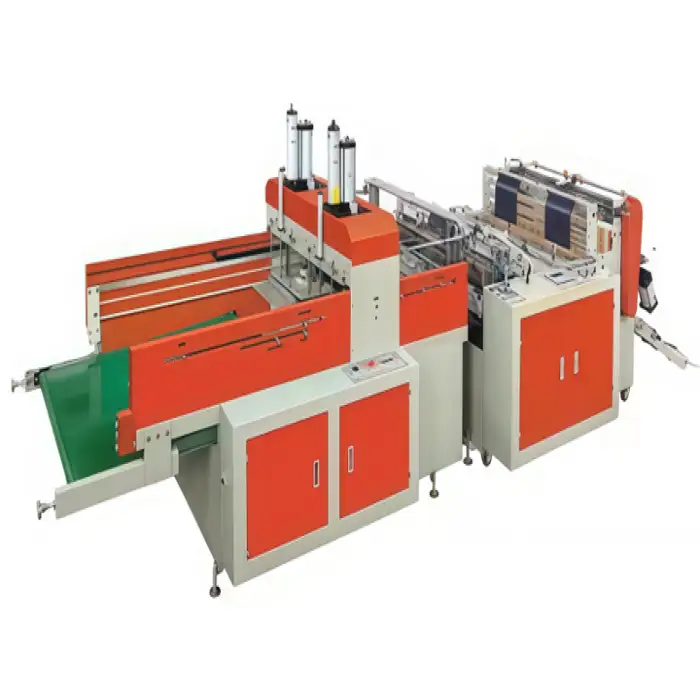
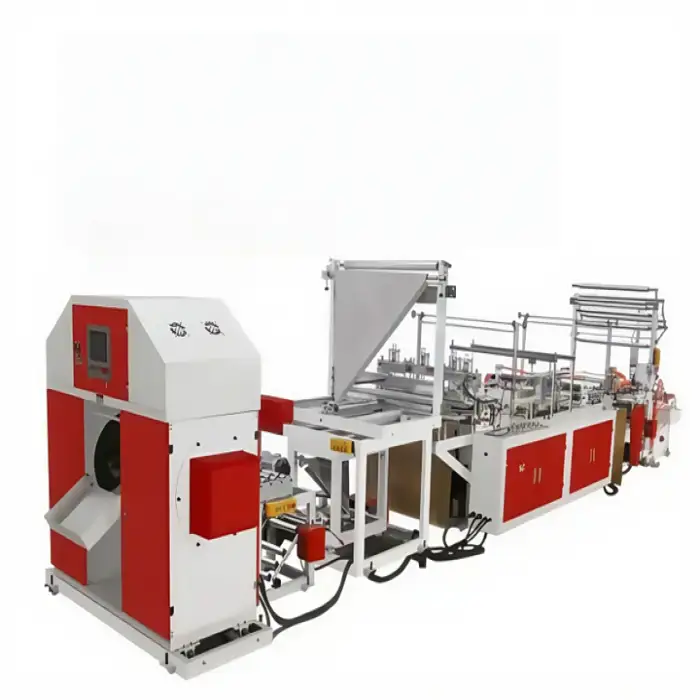
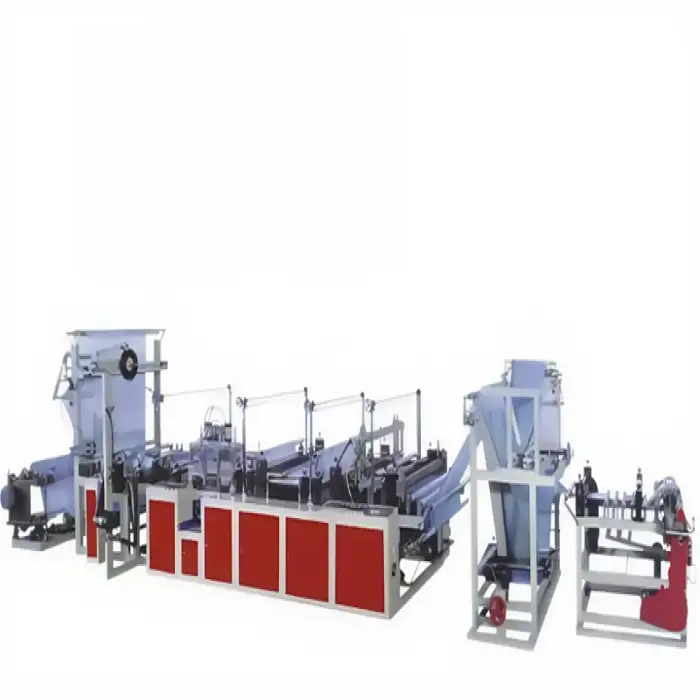
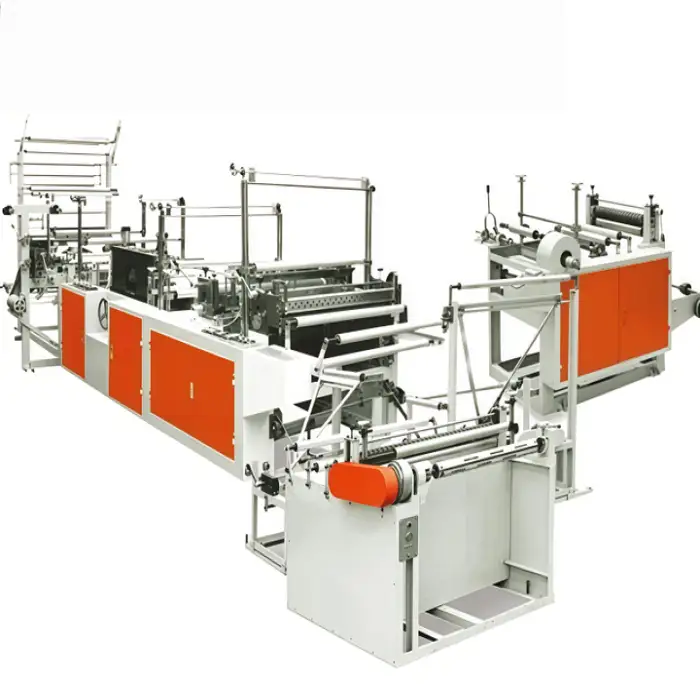
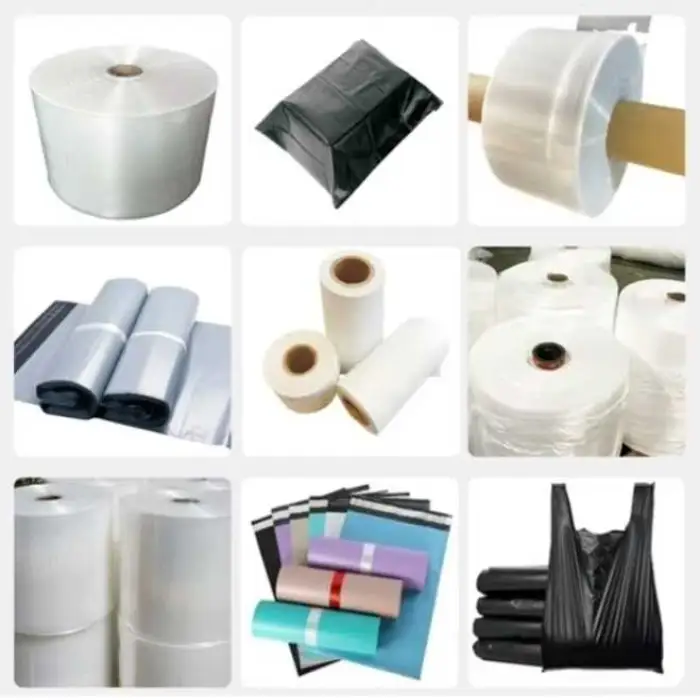
High Speed T-Shirt Bags Making Machines
Asset finance available
Do you want funding for this equipment?
Afrimart can connect you with trusted funding partners who specialise in asset finance for businesses like yours. Compare options and apply in minutes — final approval is subject to provider review.
Check funding options
Secure & no obligation
- Section : Machinery
- Category : Packaging Machines
- SKU : 1601298060418

High Speed T-Shirt Bags Making Machines
The High Speed T-Shirt Bags Making Machines are perfect for producing high-quality garbage bags quickly and efficiently. This fully automatic machine is designed for easy operation and high-speed production. With a processing speed of 210 bags per minute, you can meet your production needs with ease. Whether you are in a factory or a small business, this machine will help you save time and improve productivity.
Specifications
| Attribute | Details |
|---|---|
| Voltage | 220V/380V |
| Bag Type | GARBAGE BAG |
| Processing Type | Bag Sealing and Cutting Machine |
| Material | Plastic |
| Weight (KG) | 900 |
| Model Number | ST-600/800/1000/1300 |
| Dimension (L*W*H) | 5500*1800*1600 MM |
| Final Product | Garbage Bag |
| Producing Speed | 210 pcs/min x2 |
| Max Width | 450 mm x2 |
| Max Length | 600 mm |
| Suitable Material | PP, PE, LDPE, HDPE, Biodegradable Film |
| Type | Full-auto Plastic Bags Making Machine |
| Selling Units | Single item |
| Single Package Size | 150X150X150 cm |
| Single Gross Weight | 900.000 KG |
Key Features
- Easy to operate with simple controls.
- High-speed production of garbage bags (up to 210 pcs/min).
- Can process various materials including biodegradable films.
- Compact design with a robust structure.
- Includes machinery test report for quality assurance.
Applications
- Manufacturing garbage bags for waste disposal.
- Producing shopping plastic bags for retail use.
- Creating bags for industrial applications.
- Suitable for small businesses and large factories.
- Perfect for environmentally friendly bag production.
Product Info Gallery
- Shipping Timeframes: All orders are processed within 2-5 business days (excluding weekends and holidays). After your order has been processed, the estimated delivery time is before 04 Aug, 2026, depending on customs, Please note that due to high demand, some items may experience longer shipping times, which will be communicated at order confirmation email.
- Order Processing Time: Please allow 2-5 business days for us to process your order before it is shipped . Orders placed after 16:00 on Fridays, or during weekends and public holidays, will begin processing on the next business day. Processing times may be extended during peak seasons or sales events.
- Manufacturing Time: Some products needs manufacturing time, the manufacturing process will take approximately 10-30 business days depending on the product. This timeframe may vary depending on the complexity of the product and current demand. but this will be communicated with you during order confirmation.
- Returns and Exchanges: We offer a 30-day return policy for most items. If you are not completely satisfied with your purchase, you may return it within 30 days of receipt for a refund or exchange. Items must be unused, in their original packaging, and accompanied by proof of purchase. Return shipping costs are the responsibility of the customer, unless the item was damaged or defective upon arrival.
1. What is the production speed of the machine?
The specification lists a producing speed of 210 pcs/min x2, which typically means two parallel lanes each producing up to 210 bags per minute (theoretical maximum of 420 bags per minute). Actual speed depends on bag size, material and operating conditions.
2. What bag sizes can the machine make?
Maximum width is 450 mm per lane (noted as 450 mm x2) and maximum length is 600 mm. Minimum sizes depend on tooling and film handling — contact the supplier for minimum size limits for specific models.
3. Which materials are compatible with this machine?
It can process PP, PE, LDPE, HDPE and biodegradable films.
4. What bag types can it produce?
Designed primarily for garbage/waste bags, it can also produce shopping bags and many industrial plastic bag types depending on film and tooling.
5. Is the machine fully automatic and easy to operate?
Yes — it is a full-auto plastic bags making machine with simplified controls for easy operation. An operator is typically required for loading rolls, monitoring and routine adjustments.
6. What are the electrical requirements?
The machine supports 220V or 380V. For exact electrical power consumption and phase requirements, confirm with the supplier or your installer.
7. What are the machine dimensions, weight and packaging size?
Machine dimensions are 5500 x 1800 x 1600 mm (L*W*H). Single gross weight is 900 kg and the single package size is 150 x 150 x 150 cm.
8. What do the different model numbers (ST-600/800/1000/1300) mean?
Model numbers typically indicate different machine widths, capacities or configurations. Contact the manufacturer for a model comparison and recommendations based on your bag width and production requirements.
9. Does the machine perform sealing and cutting?
Yes — it is specified as a bag sealing and cutting machine capable of sealing and cutting continuous film into finished bags.
10. Can the machine handle biodegradable film?
Yes. Biodegradable films are listed as suitable materials; however, processing parameters (temperature, sealing time, tension) may need adjustment for different biodegradable formulations.
11. What maintenance is required?
Routine maintenance includes keeping the machine clean, regular lubrication of moving parts, periodic inspection and replacement of blades and seals, and checking belt/tension systems. Follow the manufacturer’s maintenance schedule for best results.
12. Are spare parts and after-sales support available?
Most manufacturers provide spare parts and technical support. Confirm with the supplier which spare parts are stocked, lead times, and available service options or local support centers.
13. Is there a warranty and are certifications provided?
The listing notes a machinery test report for quality assurance. Warranty terms and formal certifications (e.g., CE, ISO) are not specified here — request warranty details and any required certificates from the supplier before purchase.
14. What safety features should I expect?
Standard safety features for this type of equipment commonly include emergency stop buttons, safety guards around moving parts and safety interlocks. Verify the exact safety provisions with the manufacturer to ensure compliance with local regulations.
15. How do I estimate daily output for planning?
As an example, if both lanes run at the theoretical max (210 pcs/min x2 = 420 pcs/min): per hour = 25,200 pcs; per 8-hour shift = 201,600 pcs. This is a theoretical figure — actual daily output will be lower due to setup, roll changeovers, maintenance and downtime.
Latest Order Arrivals
Discover our latest orders

12 Heads Embroidery Machine

Toilet Paper Machine Machine

Order Collection

Cross Border Clients

Order cros border countries Collected

Industrial Machine Cllection

Agriculture Processing Machines

Ready for collection

Water Pump Equipment

Packaging Machine and accessories

Fabrics Manufacturing Equipment

Mining Equipments

Food Processing Machine

Batch of Orders

Batch of Orders

Latest Orders Labelled

wheel alignment machines

new arrivals

Pre Orders Offloading

Latest Arrivals

Latest Arrivals

Latest Arrivals

Loading

Toilet paper making machine

Toilet paper making machine

Toilet paper Rewinding Machine

latest arrivals

offloading

order success

order collection

order offloading