B21, China Town Mall, Midrand


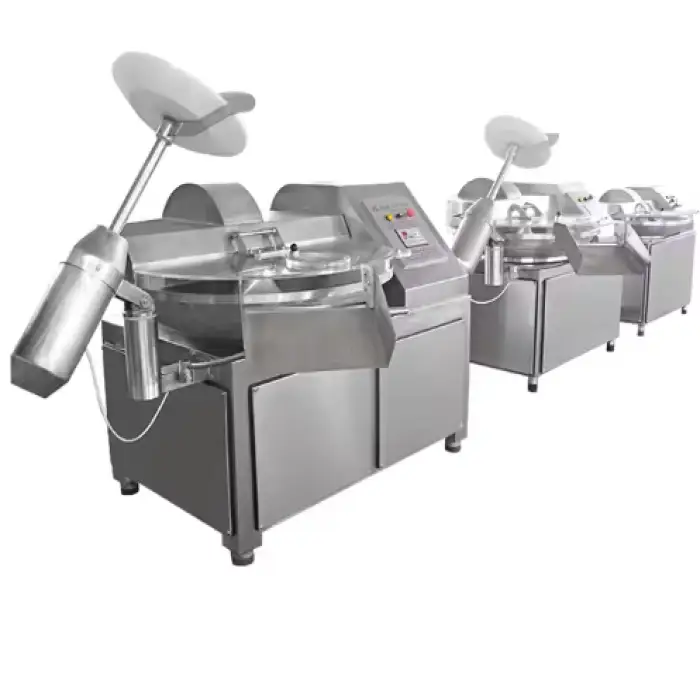
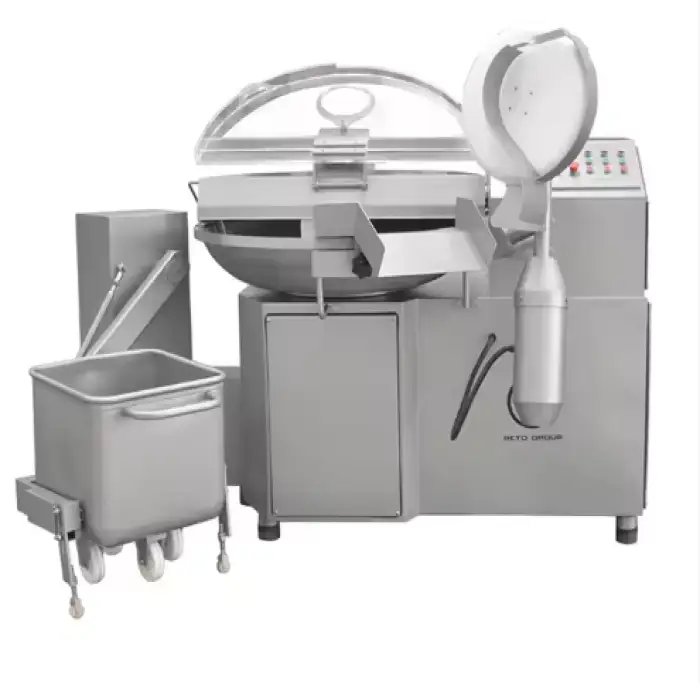
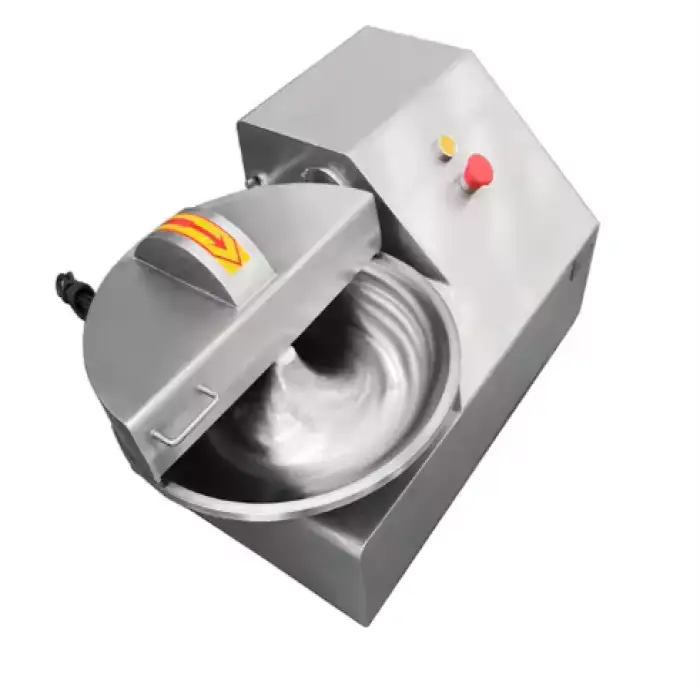
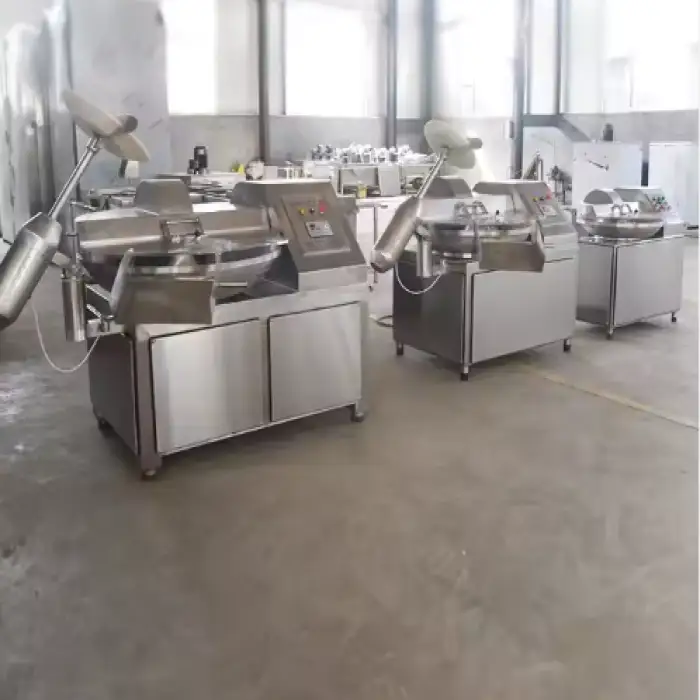
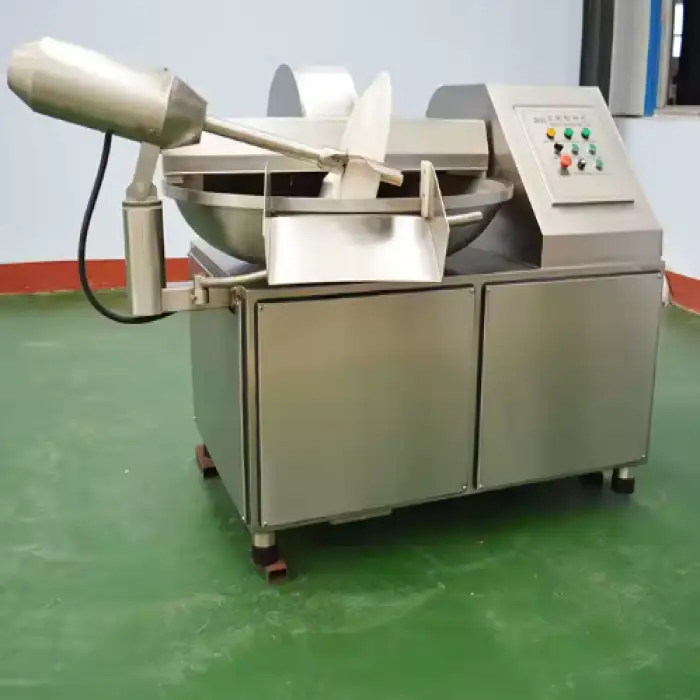
High Speed Meat Bowl Cutter Meat Chopper Commercial Meat Cutting Machine
Asset finance available
Do you want funding for this equipment?
Afrimart can connect you with trusted funding partners who specialise in asset finance for businesses like yours. Compare options and apply in minutes — final approval is subject to provider review.
Check funding options
Secure & no obligation

- Section : Machinery
- Category : Other Food Processing Machinery
- SKU : 1600375751513

High Speed Meat Bowl Cutter Meat Chopper Commercial Meat Cutting Machine
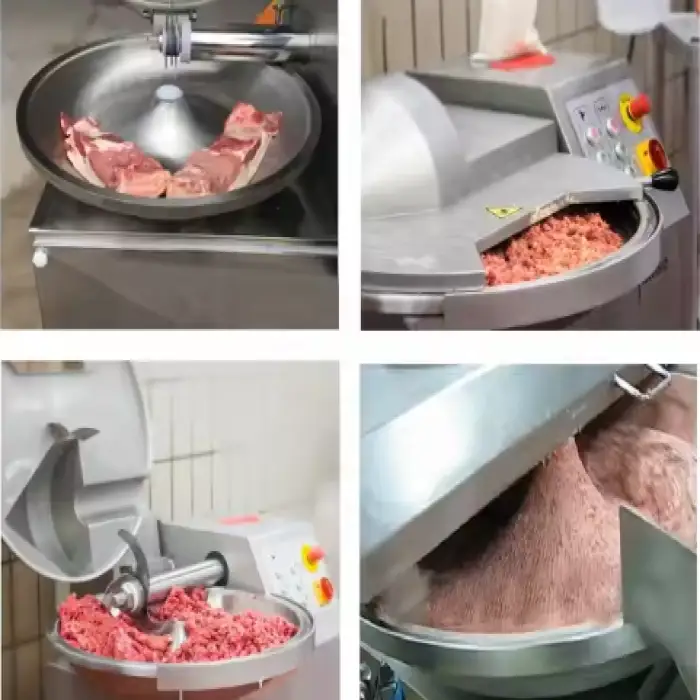
The High Speed Meat Bowl Cutter Meat Chopper is a powerful and efficient tool for the food processing industry. This professional meat bowl cutter machine is designed to chop, mix, and cut meat quickly and easily. With its automatic operation and stainless steel blades, it ensures high performance and durability for all your meat processing needs.
Specifications
| Attribute | Details |
|---|---|
| Condition | New |
| Blade Material | Stainless Steel |
| Blade Shape | Round |
| Operating Mode | Automatic |
| Weight | 500 kg |
| Voltage | 220V / 380V |
| Dimensions (L*W*H) | 1430*1610*1635 mm |
| Name | Meat Bowl Cutter Machine |
| Type | Sausage Cutter Machine |
| Usage | Meat Chopping, Mixing, Cutting |
| Function | Multifunctional Bowl Cutter Machine |
| Keyword | Vacuum Bowl Cutter Machine |
| Advantage | Fast Food Cutter Chopper |
| Key Words | Industrial Meat Bowl Cutter Machine |
| Selling Units | Single item |
| Single Package Size | 136X136X136 cm |
| Single Gross Weight | 500.000 KG |
Key Features
- High-speed operation for quick meat processing.
- Durable stainless steel blades for long-lasting performance.
- Automatic mode for ease of use and efficiency.
- Compact design with a manageable size for commercial kitchens.
- Multifunctional for chopping, mixing, and cutting meat.
Applications
- Ideal for meat processing plants.
- Perfect for restaurants and catering services.
- Useful in sausage making and other meat products.
- Great for food manufacturers needing efficient meat preparation.
- Suited for any business requiring large-scale meat chopping.
Product Info Gallery
- Shipping Timeframes: All orders are processed within 2-5 business days (excluding weekends and holidays). After your order has been processed, the estimated delivery time is before 03 Aug, 2026, depending on customs, Please note that due to high demand, some items may experience longer shipping times, which will be communicated at order confirmation email.
- Order Processing Time: Please allow 2-5 business days for us to process your order before it is shipped . Orders placed after 16:00 on Fridays, or during weekends and public holidays, will begin processing on the next business day. Processing times may be extended during peak seasons or sales events.
- Manufacturing Time: Some products needs manufacturing time, the manufacturing process will take approximately 10-30 business days depending on the product. This timeframe may vary depending on the complexity of the product and current demand. but this will be communicated with you during order confirmation.
- Returns and Exchanges: We offer a 30-day return policy for most items. If you are not completely satisfied with your purchase, you may return it within 30 days of receipt for a refund or exchange. Items must be unused, in their original packaging, and accompanied by proof of purchase. Return shipping costs are the responsibility of the customer, unless the item was damaged or defective upon arrival.
1. What is the High Speed Meat Bowl Cutter used for?
It is a commercial bowl cutter designed to chop, mix and cut meat quickly — commonly used for sausage meat preparation, patés, emulsified meat products and general large‑scale meat processing in restaurants, caterers and food manufacturers.
2. What are the key specifications of this machine?
Weight: 500 kg; Dimensions (L*W*H): 1430*1610*1635 mm; Voltage options: 220V / 380V; Blade material: stainless steel; Blade shape: round; Operating mode: automatic. Single package size: 136 x 136 x 136 cm.
3. What voltage and electrical supply do I need?
The machine is offered for 220V or 380V. Confirm the required phase (single or three‑phase) and amperage with the supplier and have a qualified electrician perform the installation.
4. How much meat can the machine process per batch or per hour?
Processing capacity depends on the bowl size, cut setting and recipe. A specific throughput per hour is not listed — contact the supplier with your product requirements for measured capacity and model recommendations.
5. Can this cutter handle bone‑in meat or large bones?
Bowl cutters are intended for boned meat, fat and smaller connective tissue. They are not designed for cutting large bones; large or hard bone pieces can damage blades and the machine. Confirm suitability for any bone‑containing product with the manufacturer.
6. Does this machine include a vacuum function?
The product description includes the keyword 'vacuum bowl cutter machine', but vacuum capability is model‑dependent. Ask the supplier if a vacuum option or vacuum‑equipped variant is available for this specific unit.
7. Is the machine fully automatic and easy to operate?
The unit is described as operating in automatic mode to simplify processing. Specific control features (speed settings, timers, PLC or manual controls) vary by model — request the control panel details from the seller.
8. What materials and finishes are used for hygiene and durability?
Blades are stainless steel for corrosion resistance and food safety. External surfaces are typically stainless or food‑grade materials suitable for commercial kitchens; verify finish details for your hygiene standards.
9. How should I clean and sanitize the machine?
Always disconnect power before cleaning. Remove or secure blades per the manual, clean food‑contact surfaces with food‑grade detergents and potable water, and avoid directing high‑pressure water at electrical components or motors. Follow supplier cleaning instructions and local food safety rules.
10. What regular maintenance is required?
Daily cleaning and inspection; routine checks of blades, fasteners and seals; periodic blade sharpening or replacement; lubrication of bearings as per manual; and electrical/motor inspections. Set a maintenance schedule with the supplier’s recommended intervals.
11. What safety features should I expect and what PPE is required?
Typical safety features include emergency stop, safety guards and interlocks on the bowl lid. Always use appropriate PPE (cut‑resistant gloves for blade maintenance, eye and hearing protection during operation) and follow the operator manual and local safety regulations.
12. Is installation difficult and are there space or floor requirements?
The machine weighs about 500 kg and measures 1430 x 1610 x 1635 mm, so plan for adequate floor load capacity, level stable mounting and sufficient clearance for operation and maintenance. Professional delivery and installation are recommended.
13. Are spare parts and replacement blades available?
Spare blades and wear parts are typically available — provide the supplier with the machine model and blade specifications to order correct replacements. Ask about lead times and local stock.
14. What about noise and vibration during operation?
High‑speed bowl cutters can generate significant noise and vibration. Use hearing protection for operators, and consider anti‑vibration mounts or pads and an appropriate machine room layout. Request measured decibel or vibration data from the manufacturer if required.
15. What warranty and certifications come with the machine?
Warranty terms and certifications (CE, NSF, etc.) are not listed in the description. Ask the supplier for warranty details, installation support and any relevant safety/food‑safety certifications before purchase.
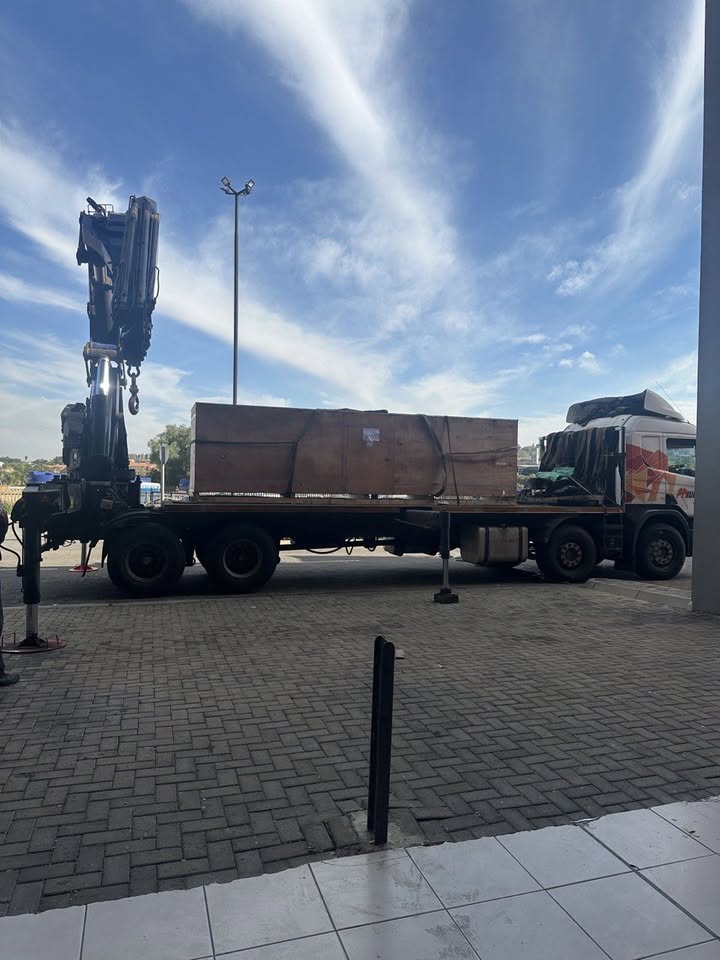
Latest Order Arrivals
Discover our latest orders
12 Heads Embroidery Machine
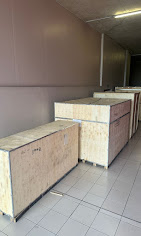
Toilet Paper Machine Machine
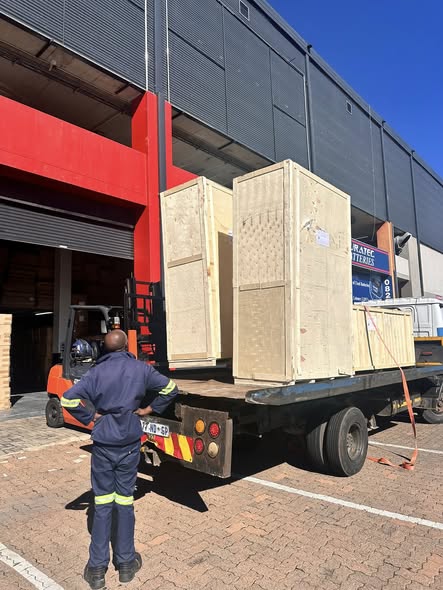
Order Collection
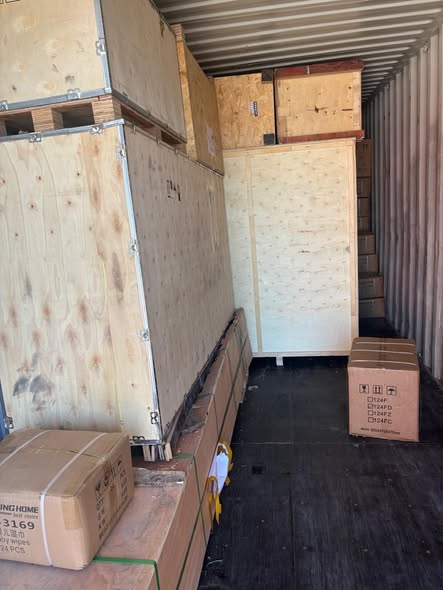
Cross Border Clients
Order cros border countries Collected
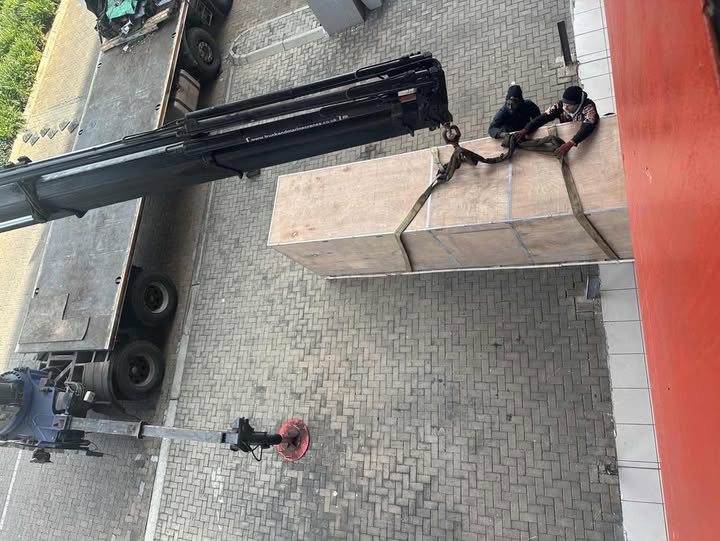
Industrial Machine Cllection
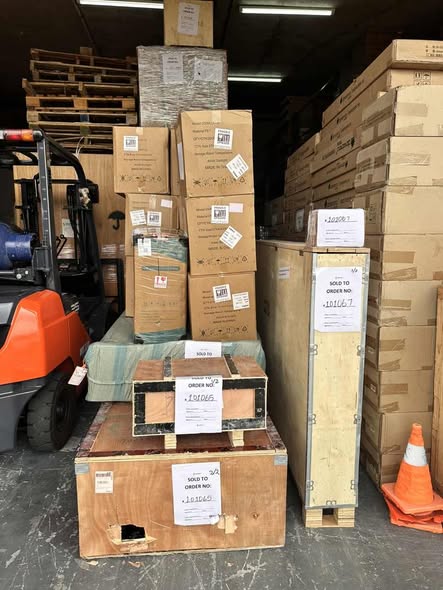
Agriculture Processing Machines
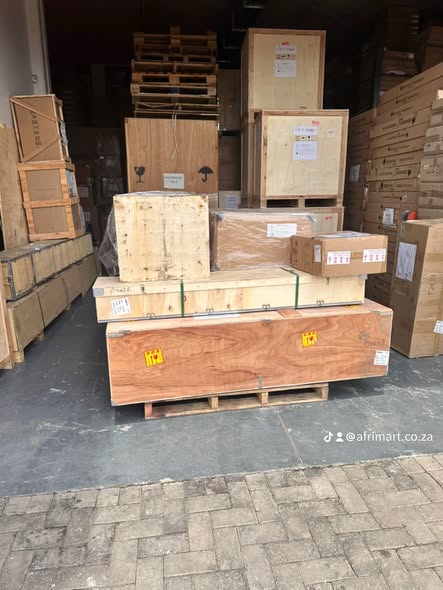
Ready for collection
Water Pump Equipment
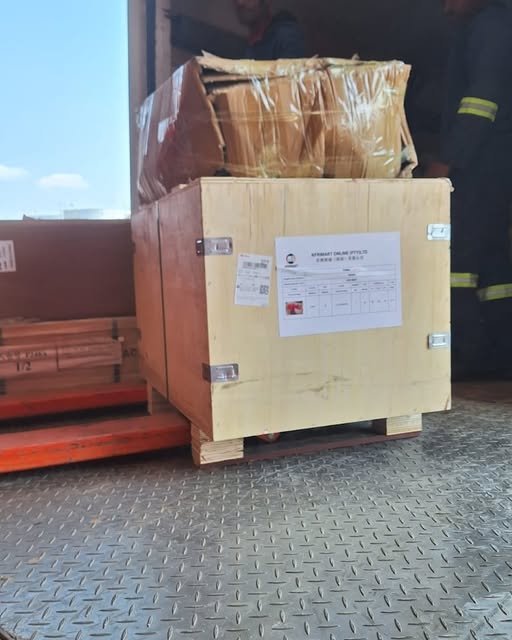
Packaging Machine and accessories
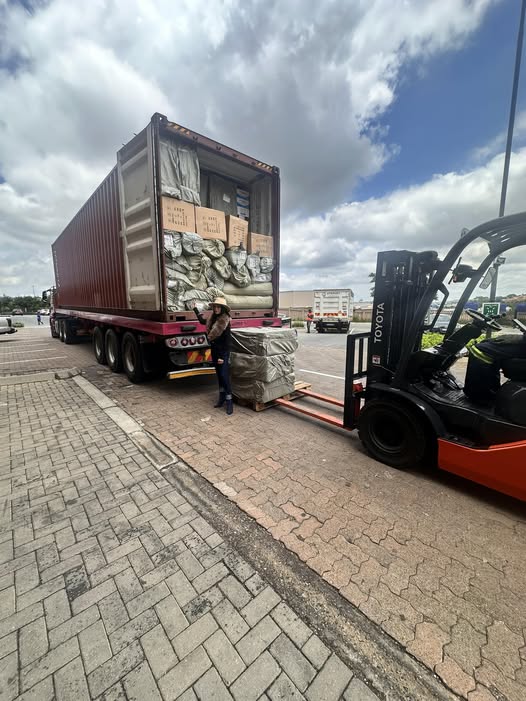
Fabrics Manufacturing Equipment
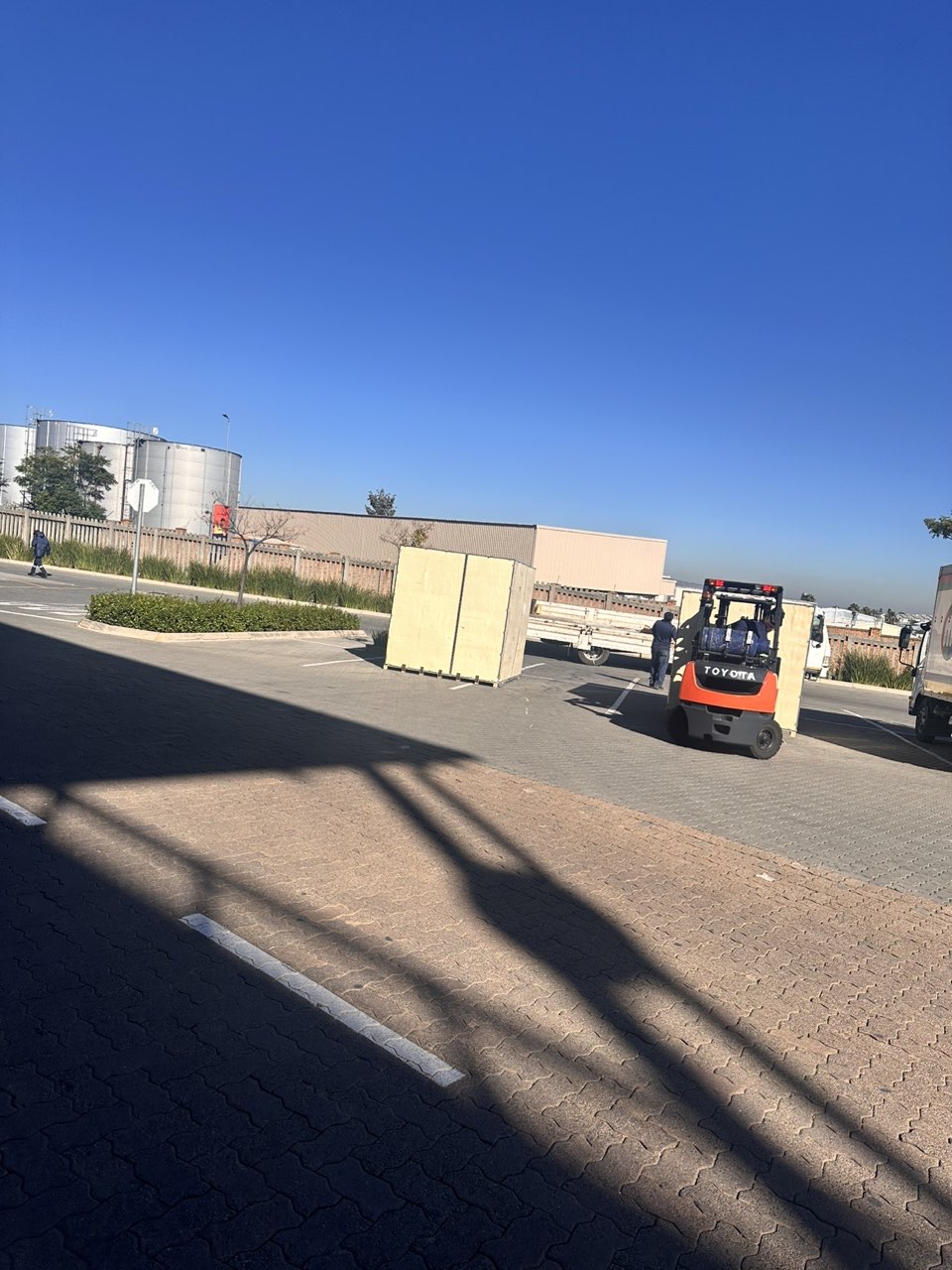
Mining Equipments
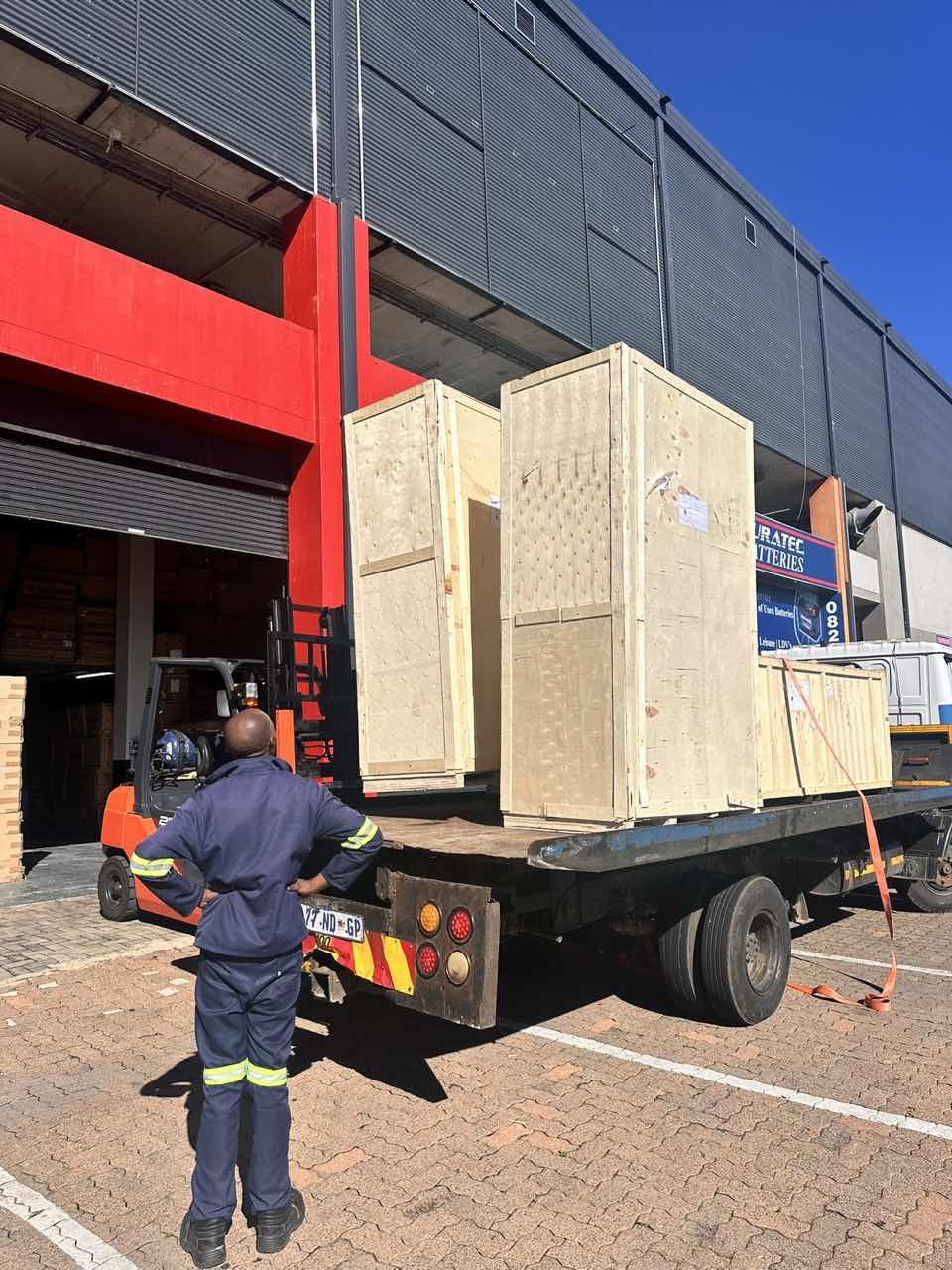
Food Processing Machine
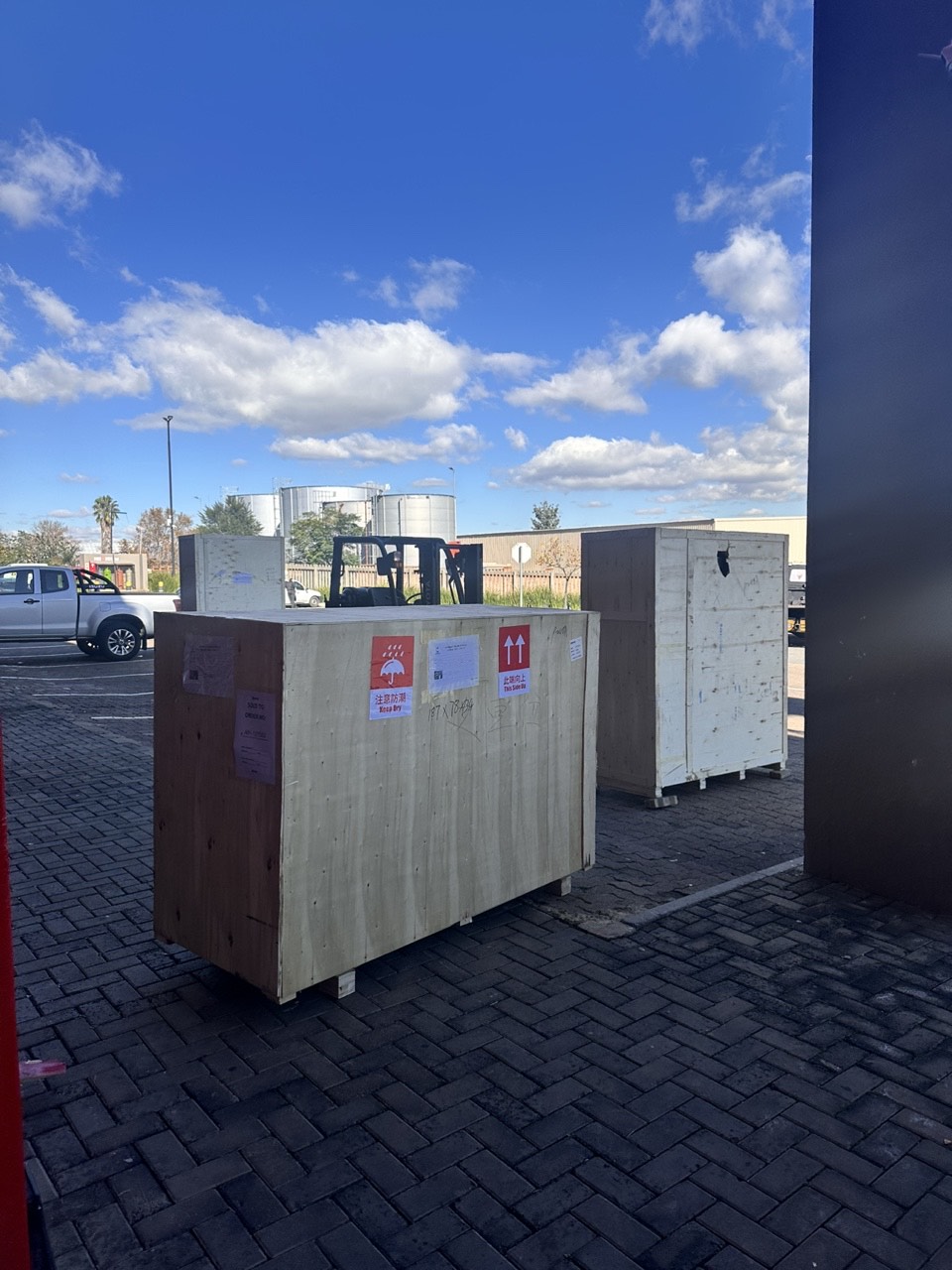
Batch of Orders
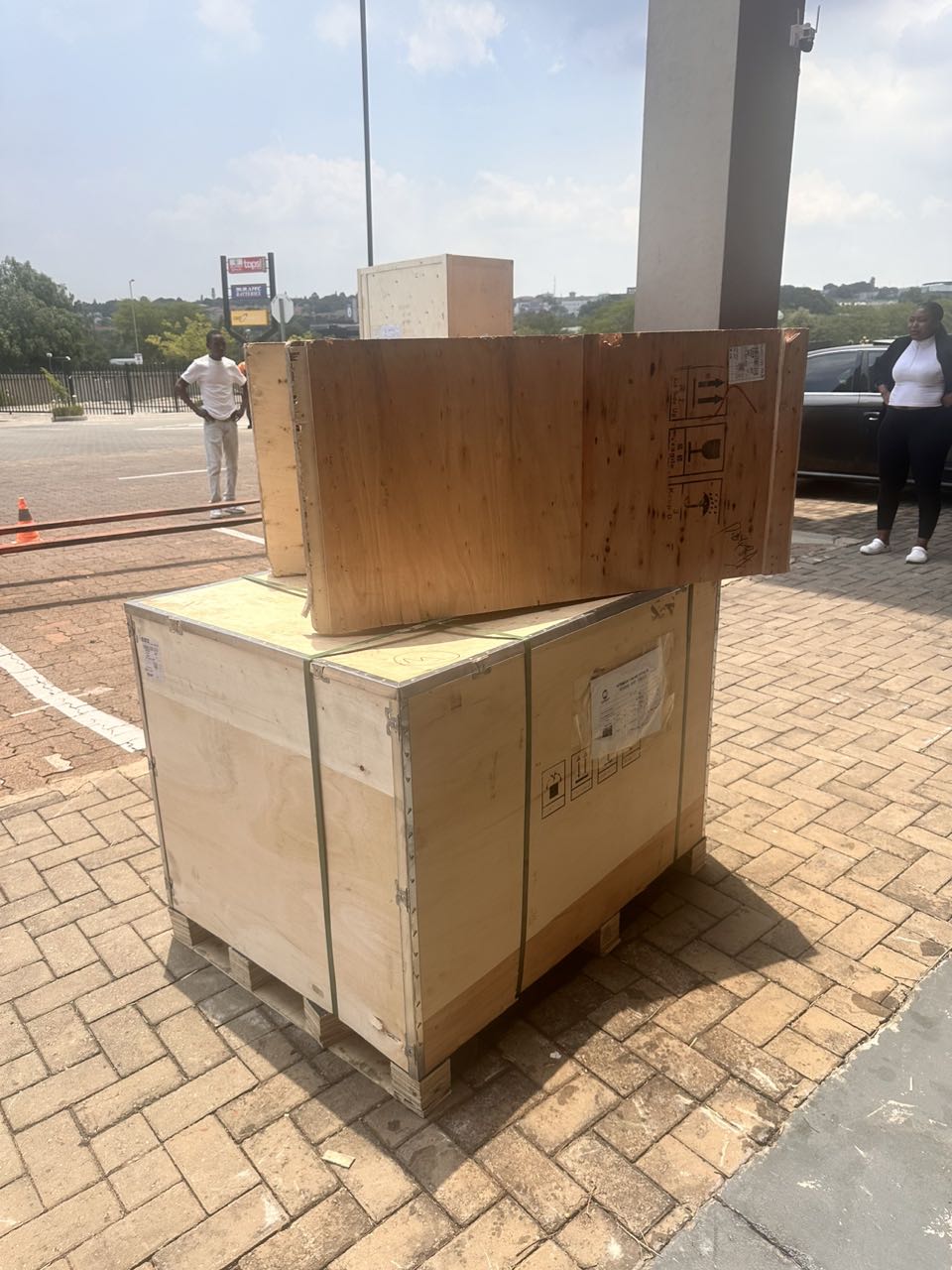
Batch of Orders
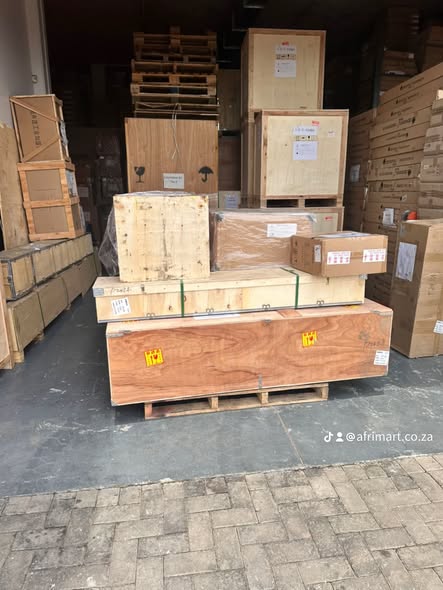
Latest Orders Labelled
wheel alignment machines
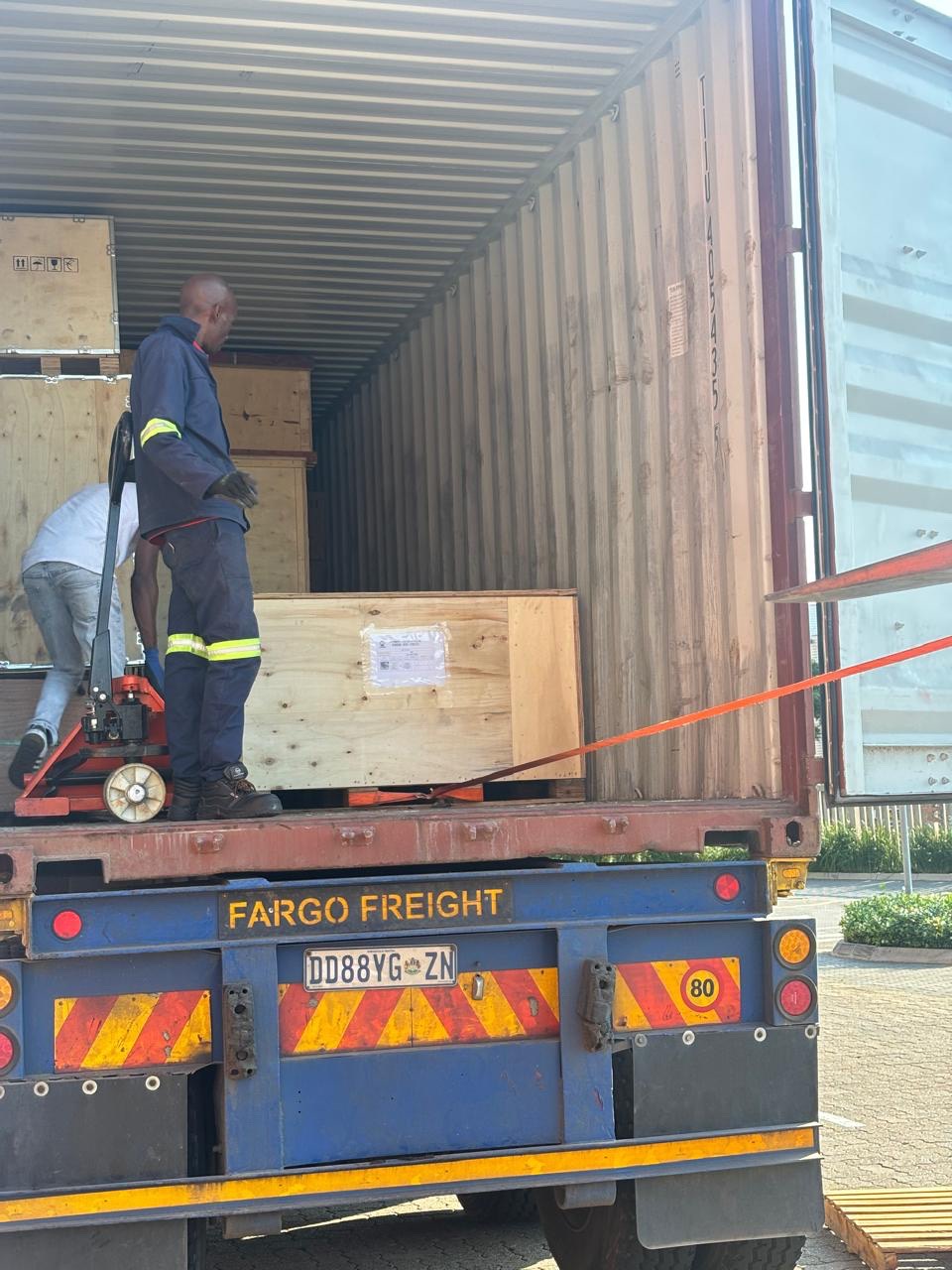
new arrivals
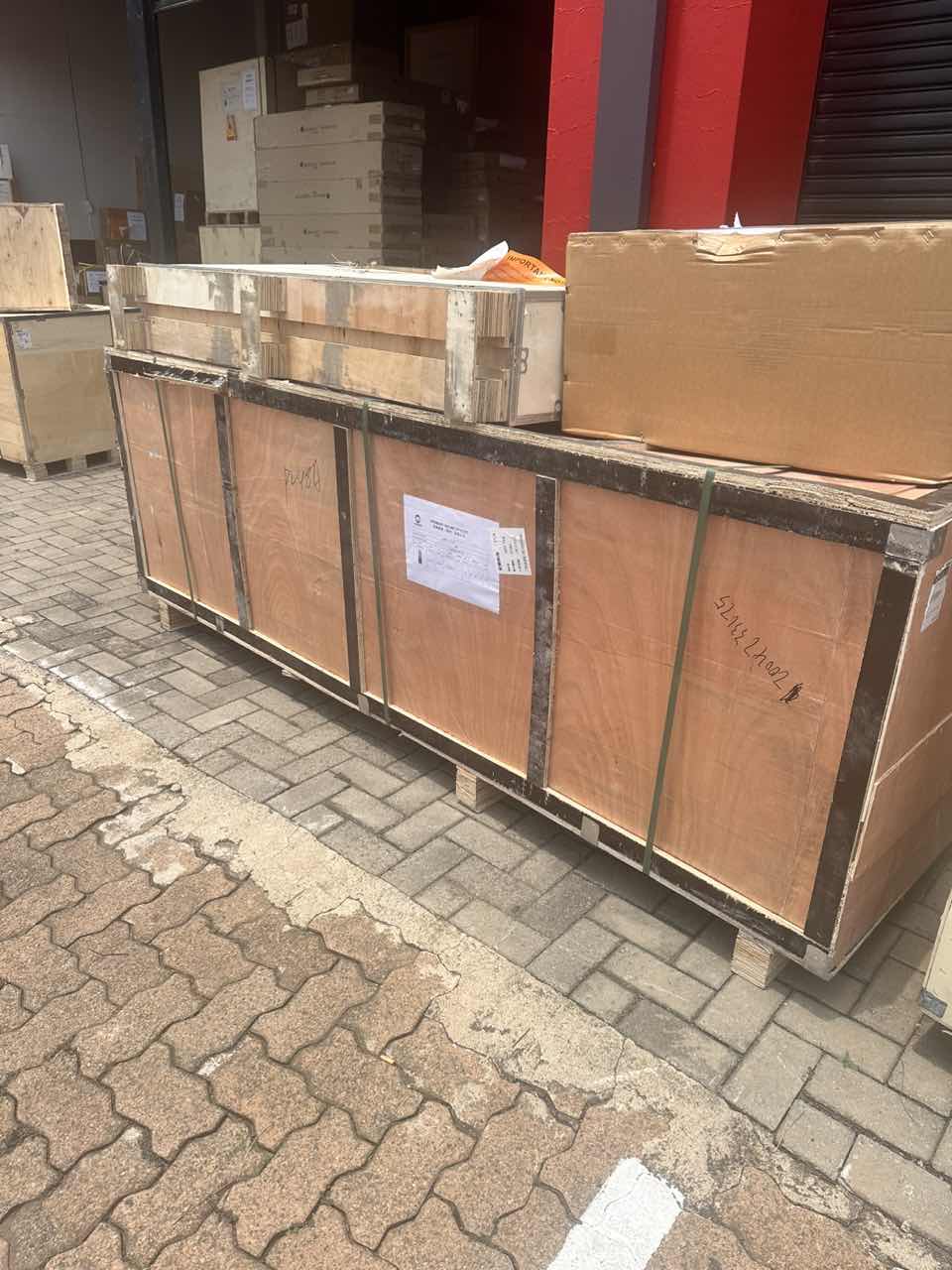
Pre Orders Offloading
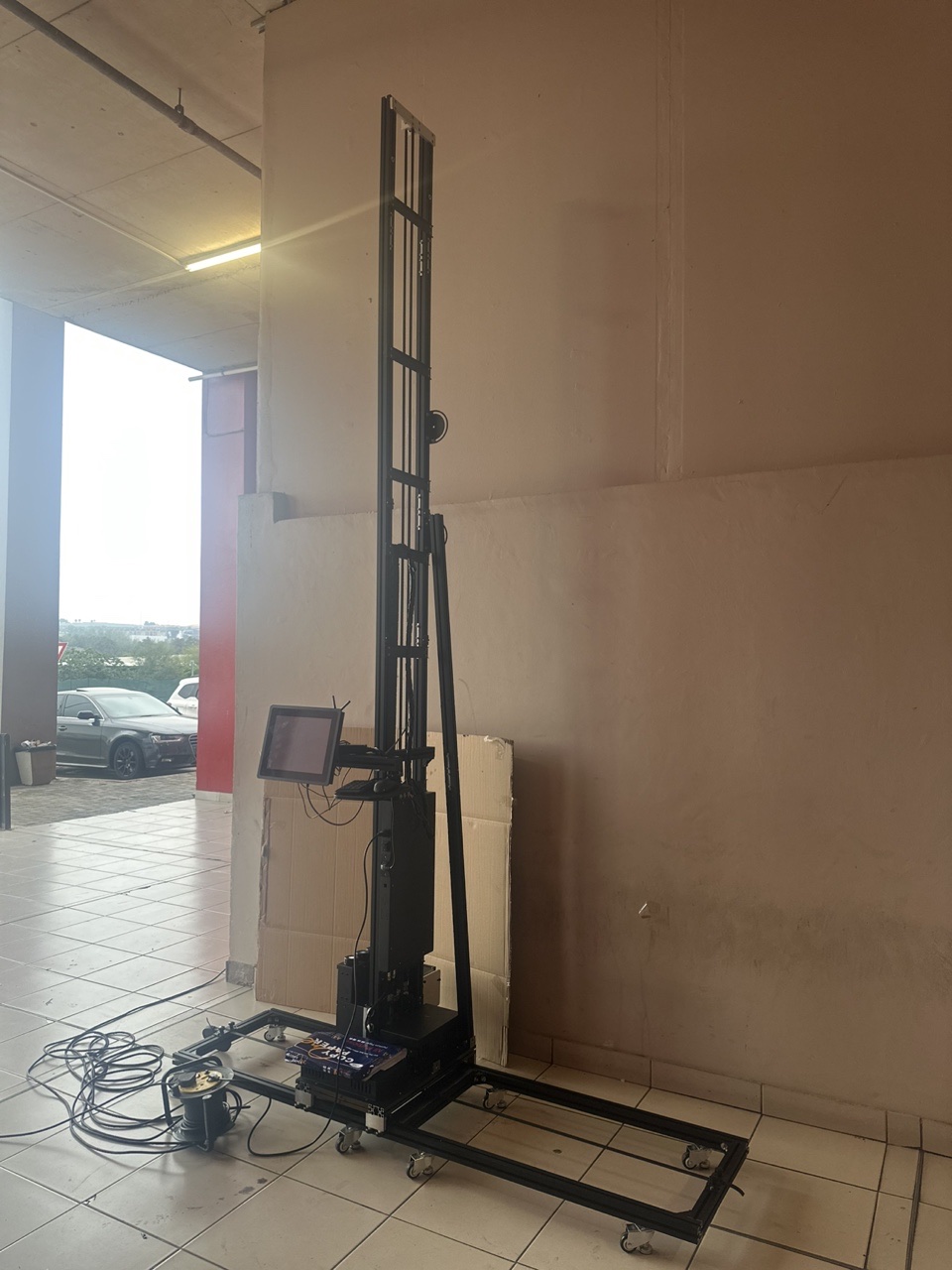
Latest Arrivals
Latest Arrivals
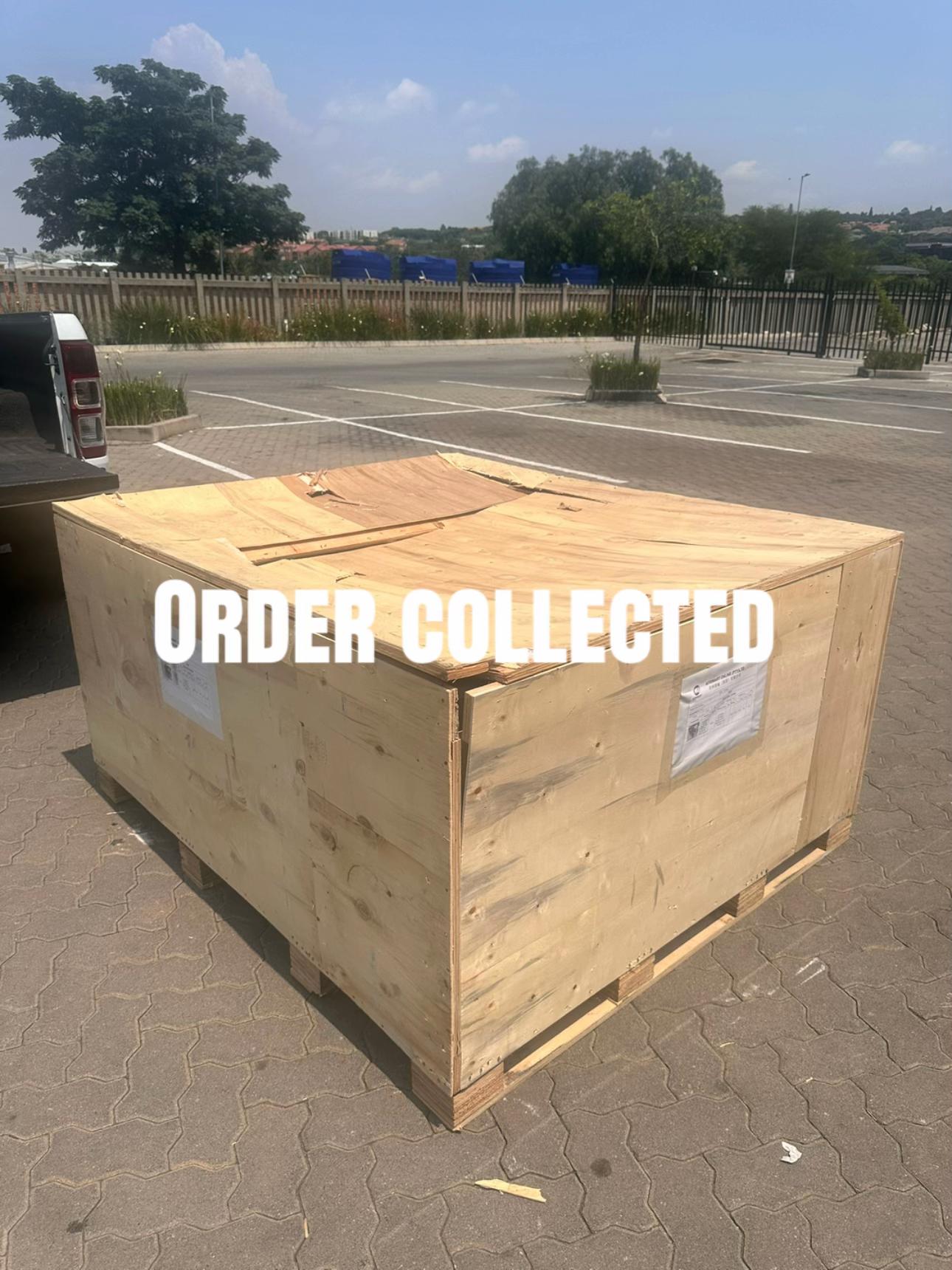
Latest Arrivals
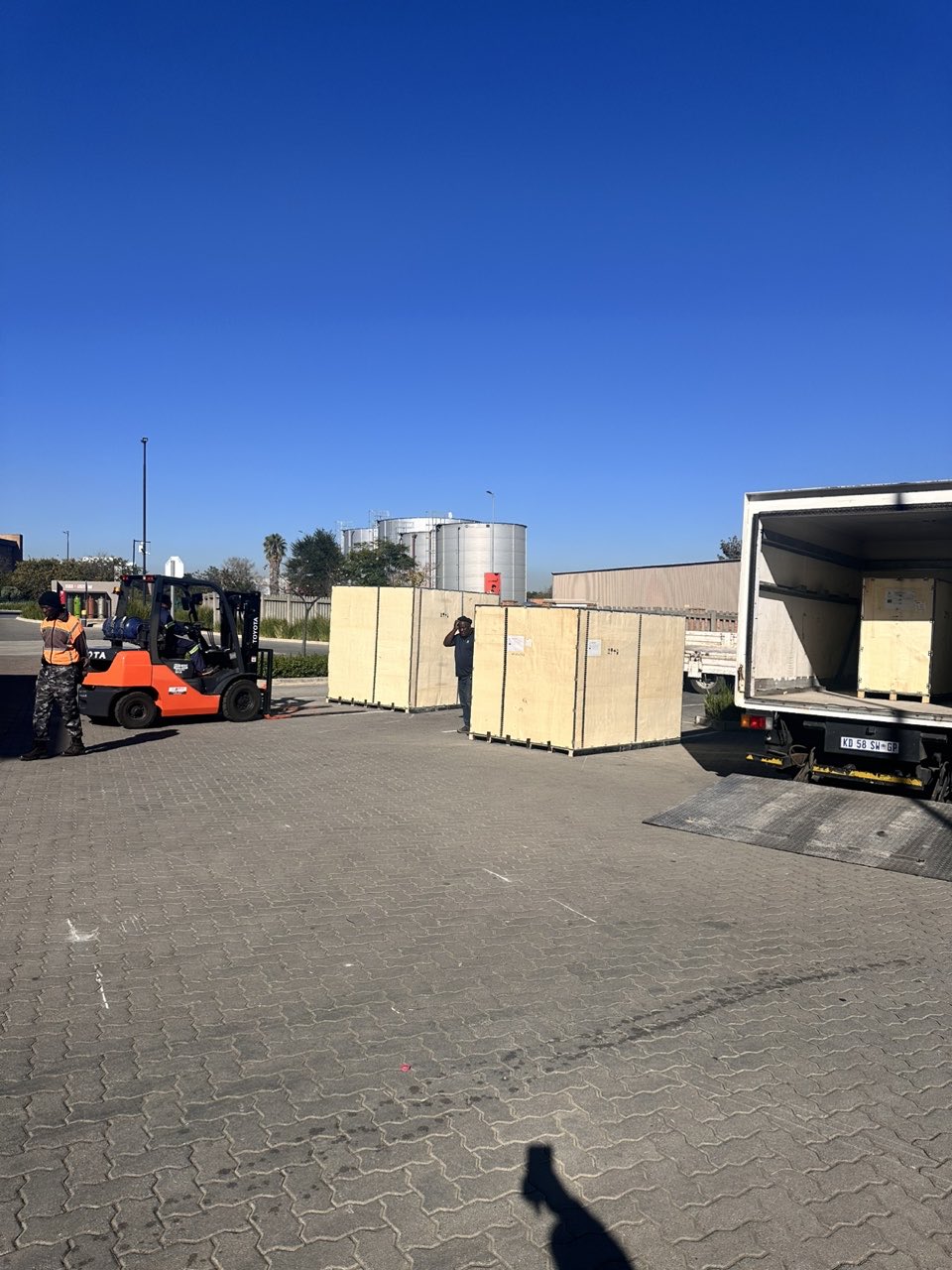
Loading
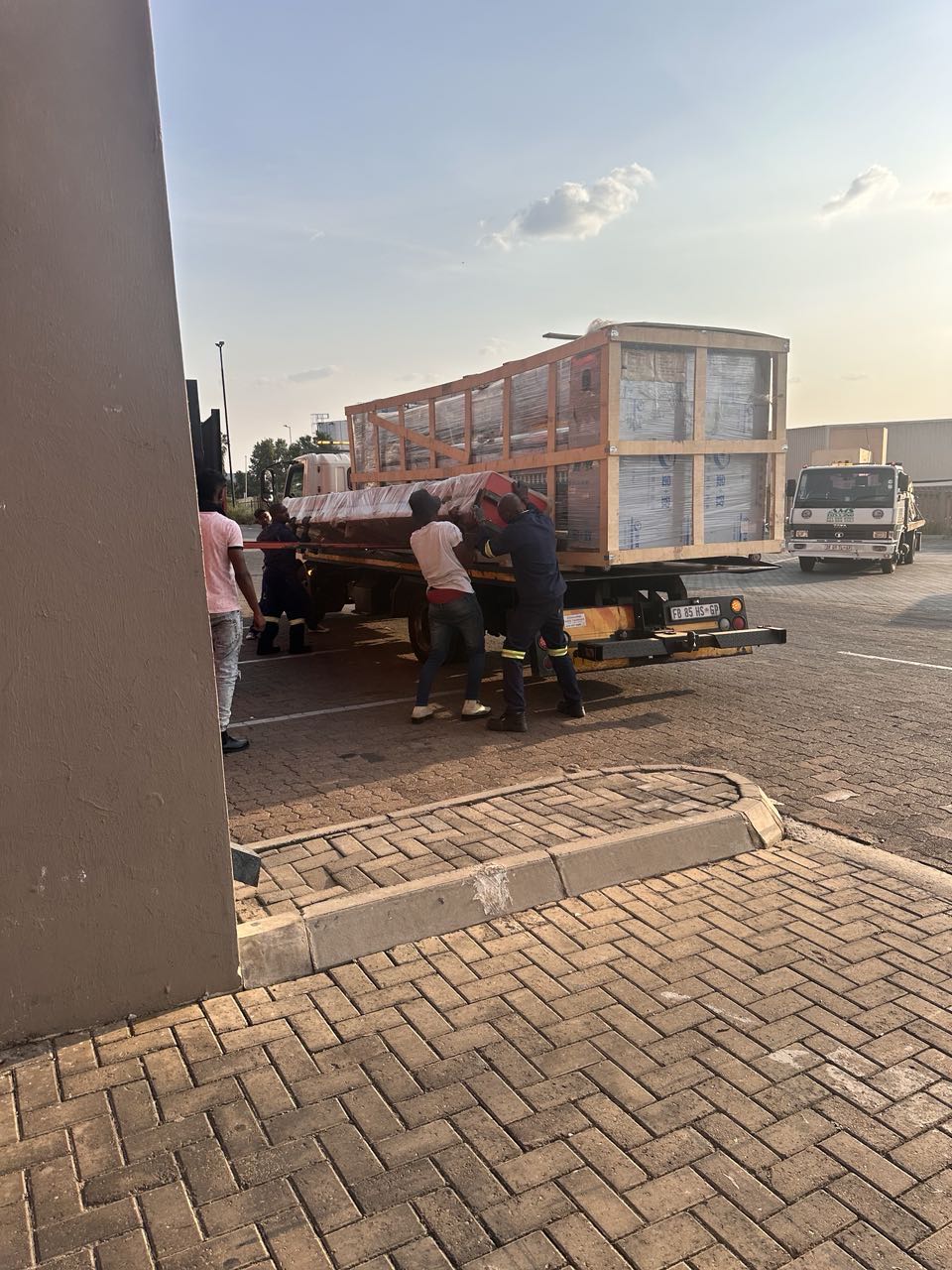
Toilet paper making machine
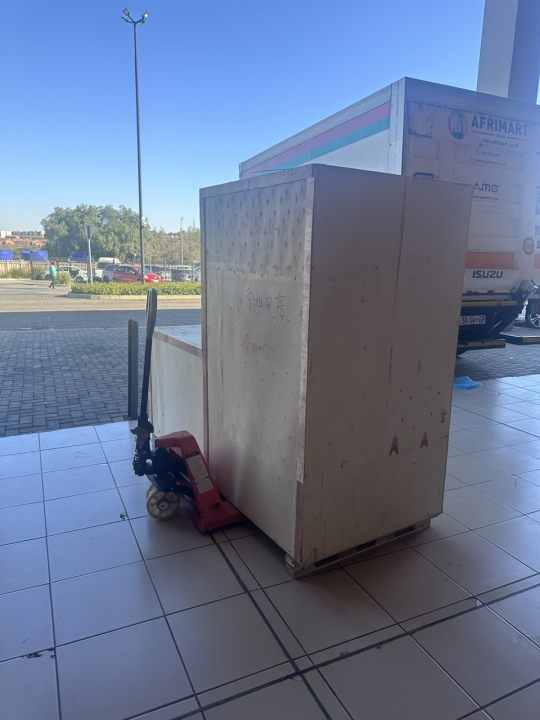
Toilet paper making machine
Toilet paper Rewinding Machine
latest arrivals
offloading
order success
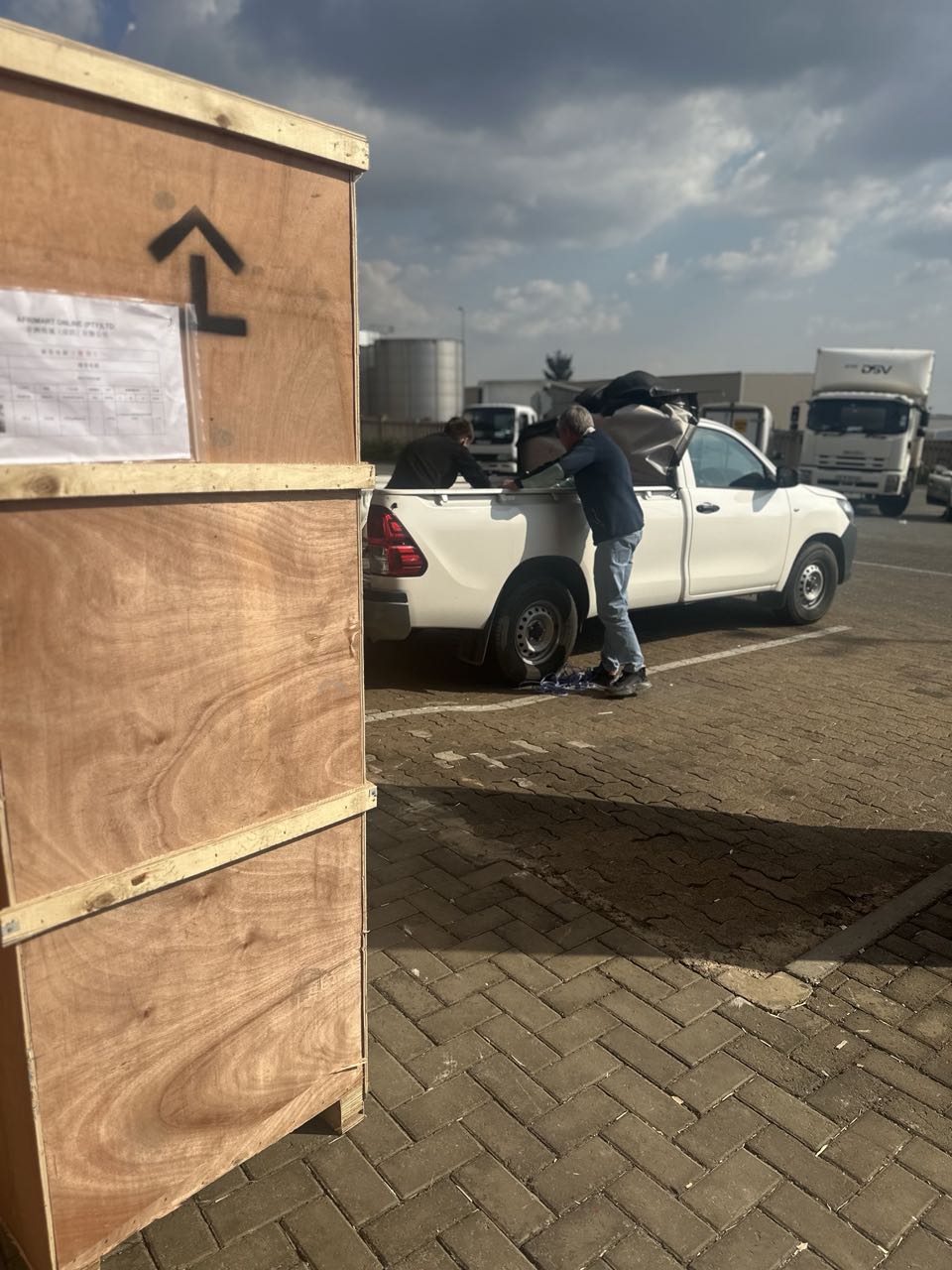
order collection
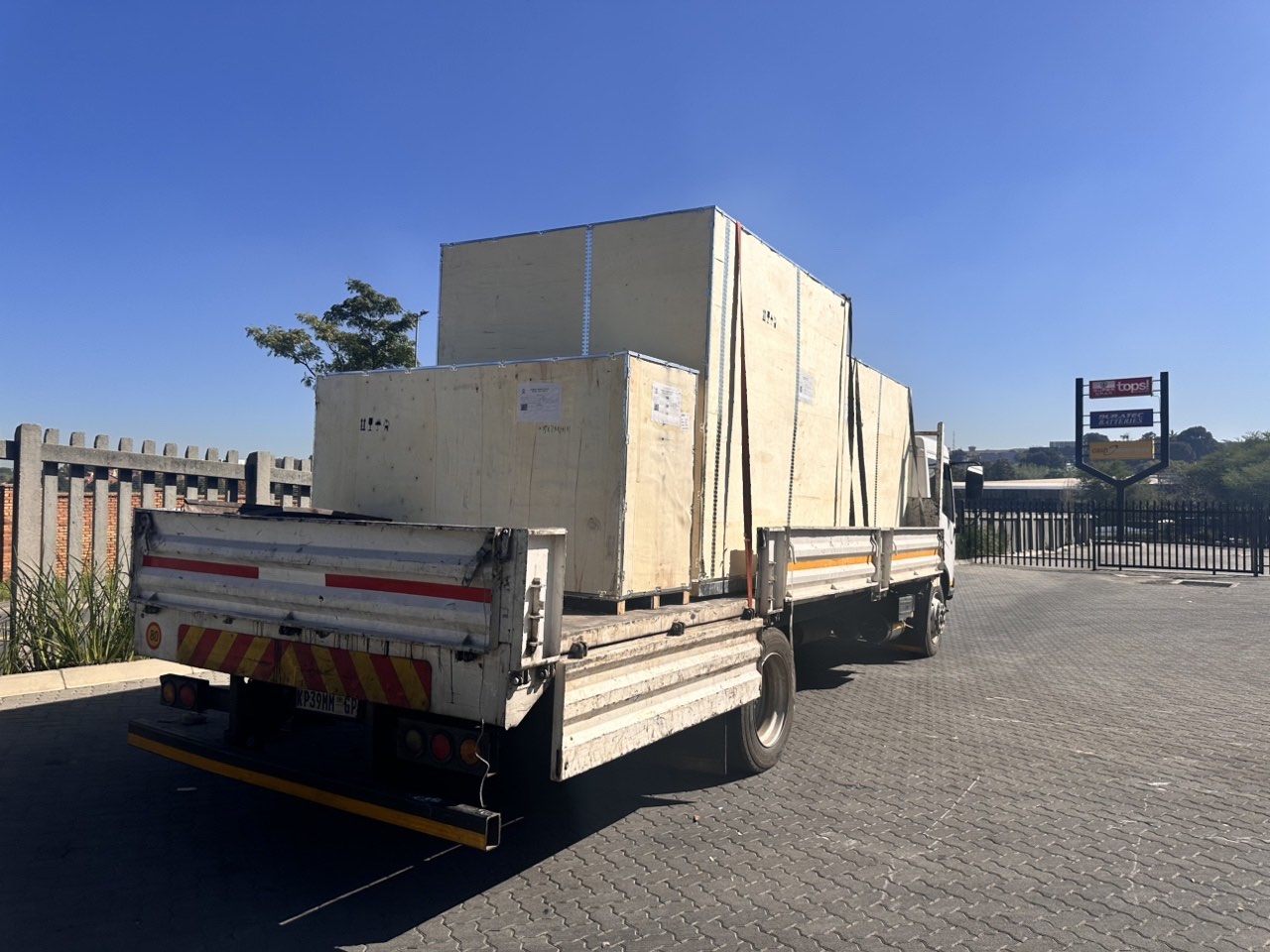
order offloading