B21, China Town Mall, Midrand


High End Punching Shearing Machine Hydraulic Ironworker Machine
Asset finance available
Do you want funding for this equipment?
Afrimart can connect you with trusted funding partners who specialise in asset finance for businesses like yours. Compare options and apply in minutes — final approval is subject to provider review.
Check funding options
Secure & no obligation

- Section : Machinery
- Category : Machine Tool Equipment
- SKU : 1601132867015

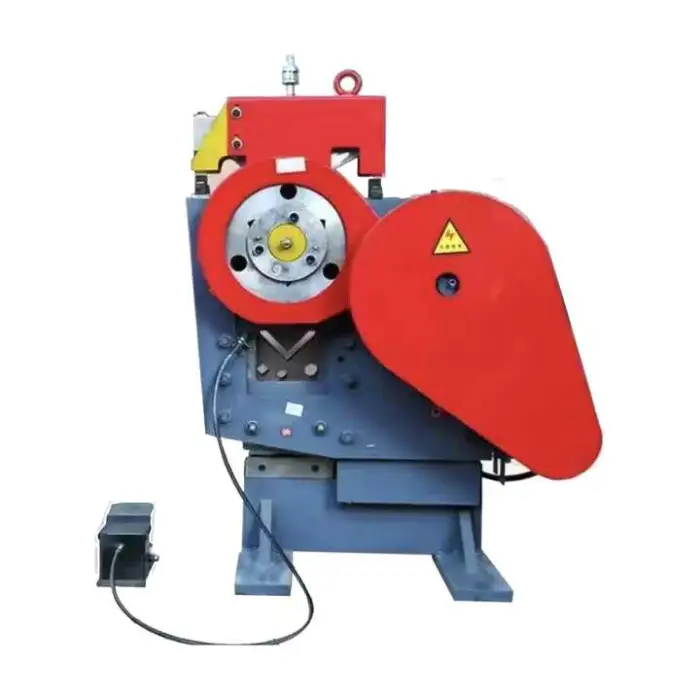
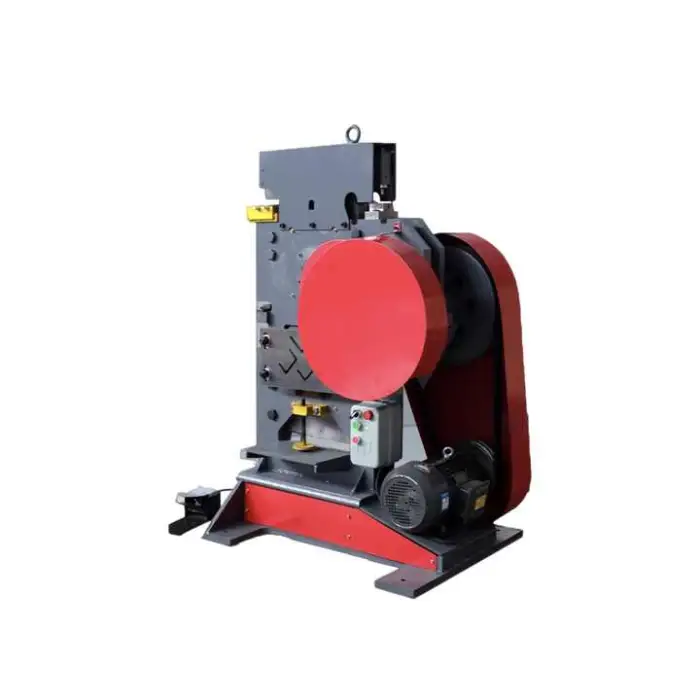
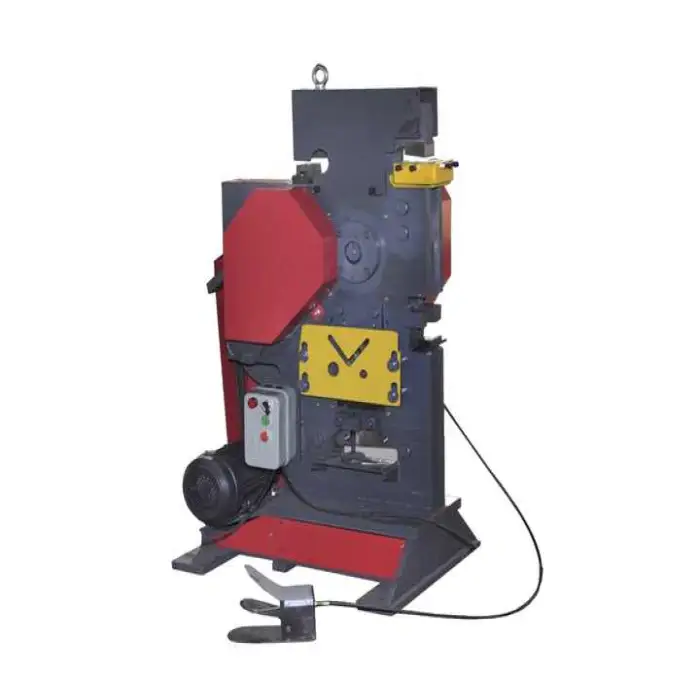
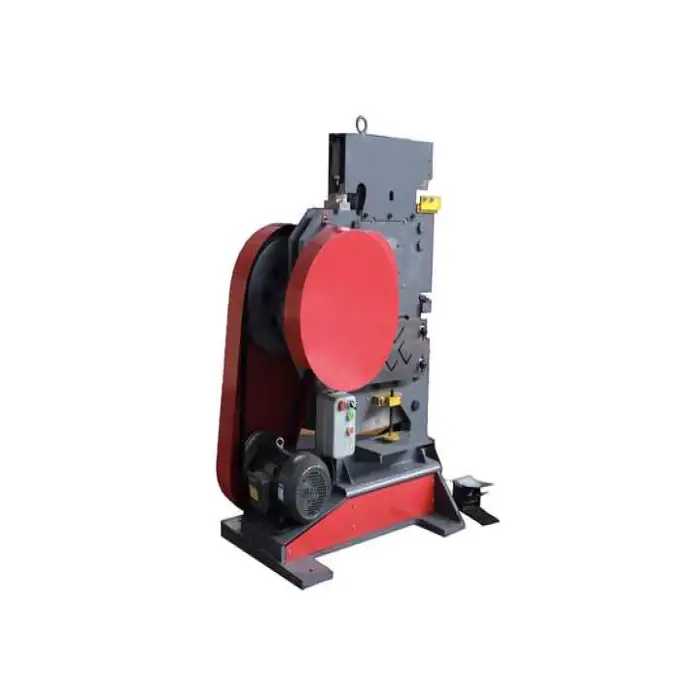
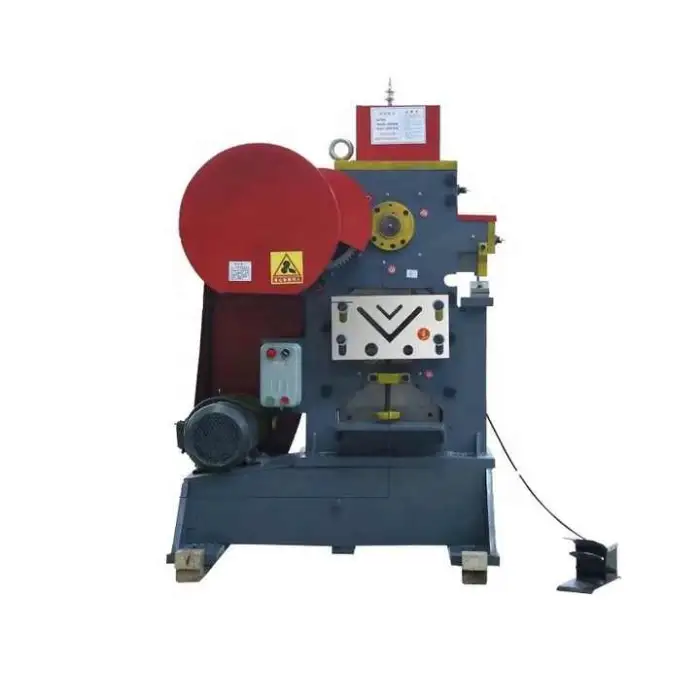
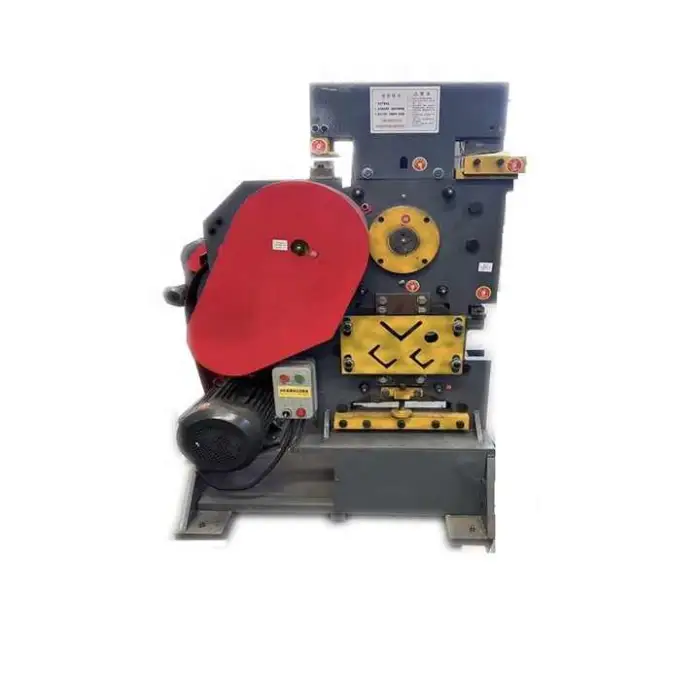
High End Punching Shearing Machine Hydraulic Ironworker Machine
The High End Punching Shearing Machine Hydraulic Ironworker Machine is designed for high productivity and efficiency. With its powerful electrical motor and impressive nominal force of 500 kN, this machine is perfect for a variety of punching and shearing tasks. Its compact design makes it easy to fit into any workshop while offering robust performance.
Specifications
| Attribute | Details |
|---|---|
| Power Source | Electrical |
| Nominal Force (kN) | 500 |
| Weight (t) | 0.7 |
| Motor Power (kW) | 3.0 |
| Dimensions (L*W*H) | 900*600*1250 mm |
| Color | Red, Yellow |
| Service Provided | Service |
Key Features
- High productivity for various tasks.
- Compact design for easy placement.
- Powerful 3.0 kW motor.
- Robust nominal force of 500 kN.
- Available in vibrant red and yellow colors.
Applications
- Ideal for metal shearing and punching operations.
- Perfect for use in fabrication shops.
- Great for producing metal parts and components.
- Suitable for various construction projects.
- Useful in repair and maintenance tasks.
Product Info Gallery
- Shipping Timeframes: All orders are processed within 2-5 business days (excluding weekends and holidays). After your order has been processed, the estimated delivery time is before 03 Aug, 2026, depending on customs, Please note that due to high demand, some items may experience longer shipping times, which will be communicated at order confirmation email.
- Order Processing Time: Please allow 2-5 business days for us to process your order before it is shipped . Orders placed after 16:00 on Fridays, or during weekends and public holidays, will begin processing on the next business day. Processing times may be extended during peak seasons or sales events.
- Manufacturing Time: Some products needs manufacturing time, the manufacturing process will take approximately 10-30 business days depending on the product. This timeframe may vary depending on the complexity of the product and current demand. but this will be communicated with you during order confirmation.
- Returns and Exchanges: We offer a 30-day return policy for most items. If you are not completely satisfied with your purchase, you may return it within 30 days of receipt for a refund or exchange. Items must be unused, in their original packaging, and accompanied by proof of purchase. Return shipping costs are the responsibility of the customer, unless the item was damaged or defective upon arrival.
1. What is the High End Punching Shearing Machine Hydraulic Ironworker Machine used for?
It is designed for punching, shearing and notching metal plate, bar and profiles for fabrication, repair, construction and production of metal components.
2. What are the main specifications of this machine?
Key specs: electrical power source, nominal force 500 kN, motor power 3.0 kW, weight 0.7 t (700 kg), dimensions 900 × 600 × 1250 mm, available in red or yellow.
3. What does the nominal force of 500 kN mean for performance?
Nominal force (500 kN) is the maximum hydraulic force the unit can produce. Actual cutting or punching capacity depends on material type, thickness, tooling and geometry—force alone does not directly specify maximum thickness.
4. How can I estimate punching or shearing capacity for a given material?
Capacity depends on material shear strength, thickness and perimeter to be cut. Use the general estimation: required force ≈ shear strength × thickness × cut perimeter, and compare to 500 kN. For accurate capacities request the supplier’s tooling/force charts.
5. Does the machine come with punches, dies and other tooling?
Tooling is not specified in the basic description; standard punches/dies or optional tooling packages are commonly offered—confirm with the seller which tools are included or available as accessories.
6. What electrical supply is required to run the 3.0 kW motor?
The motor is rated at 3.0 kW. Exact voltage and phase (e.g., 230 V single-phase, 400 V three-phase) and starter requirements depend on the configured motor—verify the machine’s voltage/phase option with the supplier before installation.
7. How much workshop space and foundation are needed?
The machine footprint is 900 × 600 mm and height 1250 mm. Allow additional clearance for operator access, material handling and maintenance (recommend at least 1 m clearance around). A level, stable floor capable of supporting ~700 kg is required.
8. Is the machine portable?
At 0.7 t (approximately 700 kg) it is compact but not hand-portable; movement requires a forklift, pallet jack rated for the weight, or a crane. Check whether the machine includes lifting points.
9. What safety measures should I use when operating this ironworker?
Use machine guards, fixed or interlocked barriers where possible, emergency stop, appropriate personal protective equipment (gloves, eye and hearing protection), and follow two-hand or other safe operating procedures. Ensure operators are trained and local safety regulations are followed.
10. What routine maintenance is required?
Regular checks include hydraulic fluid level and condition, filters, seals, bolts and fasteners, tooling wear, lubrication of moving parts and periodic hydraulic system inspection. Follow the supplier’s maintenance schedule for oil change intervals and component inspection.
11. Can this machine work with stainless steel and aluminum?
Yes, it can process different metals, but capacities and tooling choices vary by material. Harder materials (like some stainless steels) require appropriate tooling and may reduce maximum thickness capability—consult the supplier for recommended tooling and parameters.
12. What service, commissioning and warranty support is available?
The product listing notes 'Service' is provided. For details on installation, commissioning, training, spare parts availability and warranty terms, contact the seller or manufacturer to get the specific service package and warranty documentation.
13. How do I order spare parts and consumables?
Order spare punches, dies, seals and hydraulic consumables through the manufacturer or authorized dealer. Provide the machine model and serial number to ensure correct parts; keep a basic spare parts list on hand for common wear items.
14. What operating skills or training does an operator need?
Operators should be trained in ironworker-specific controls, safe material handling, tool changes, basic troubleshooting and emergency procedures. Training should be provided by the seller, manufacturer or qualified trainer and documented per workplace safety rules.
15. What should I check before accepting delivery and installing the machine?
Confirm the machine model, included tooling and accessories, motor voltage/phase, any factory-installed options, absence of shipment damage, presence of lifting points, and that your site has the correct power supply and a suitable, level floor. Arrange for trained personnel for initial setup and testing.
Latest Order Arrivals
Discover our latest orders
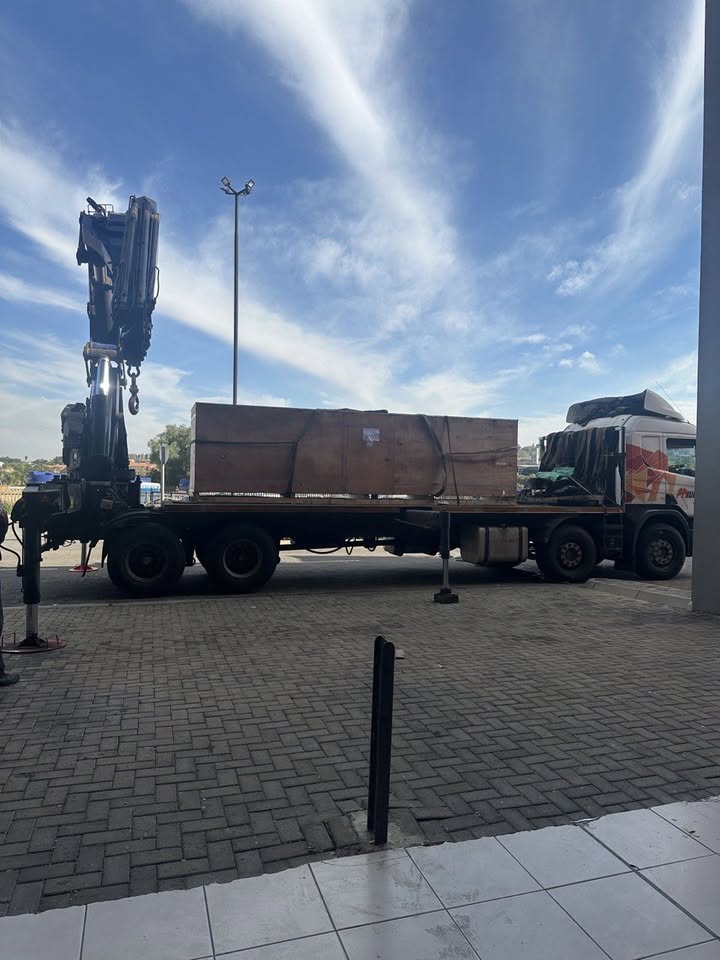
12 Heads Embroidery Machine
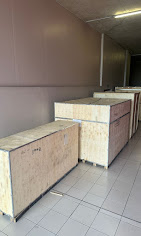
Toilet Paper Machine Machine
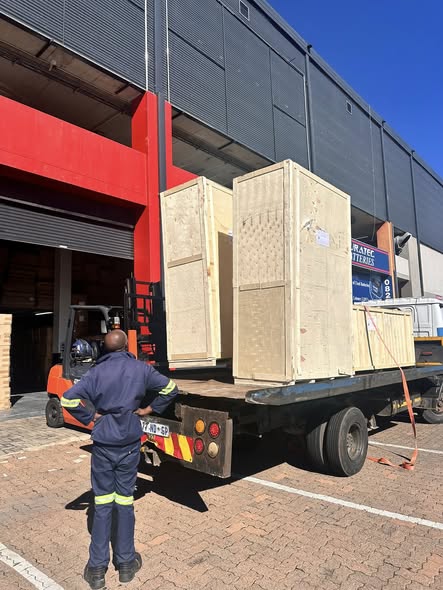
Order Collection
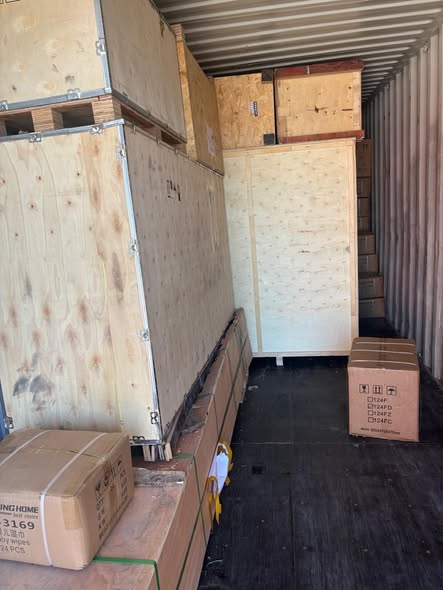
Cross Border Clients
Order cros border countries Collected
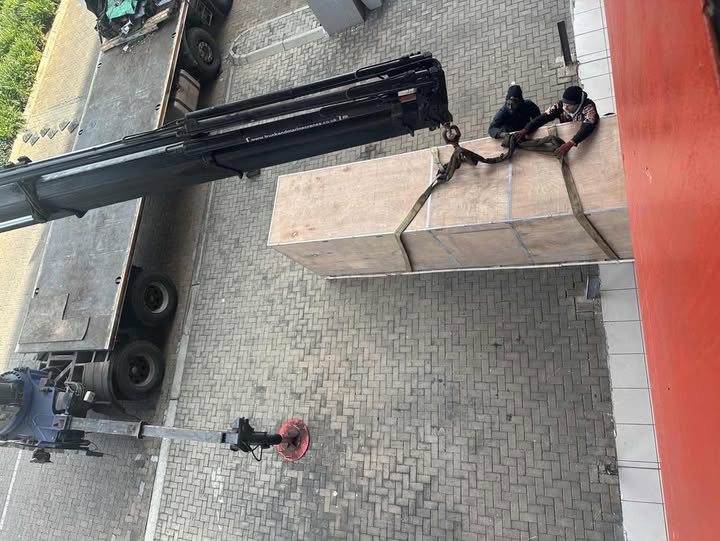
Industrial Machine Cllection
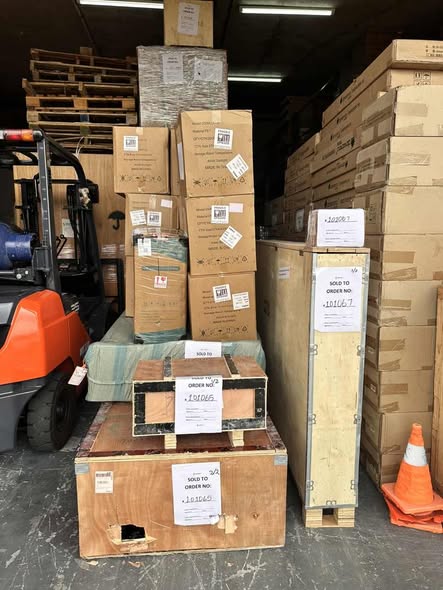
Agriculture Processing Machines
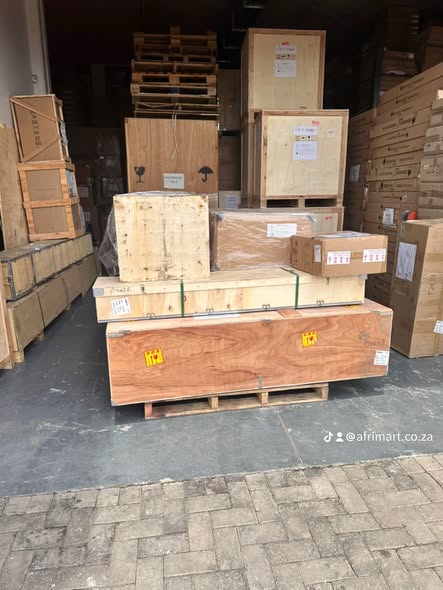
Ready for collection
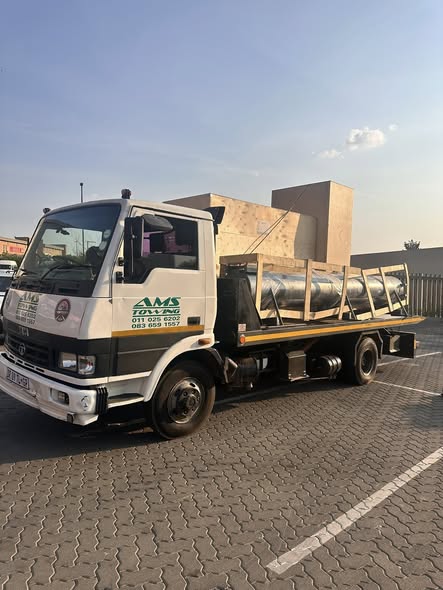
Water Pump Equipment
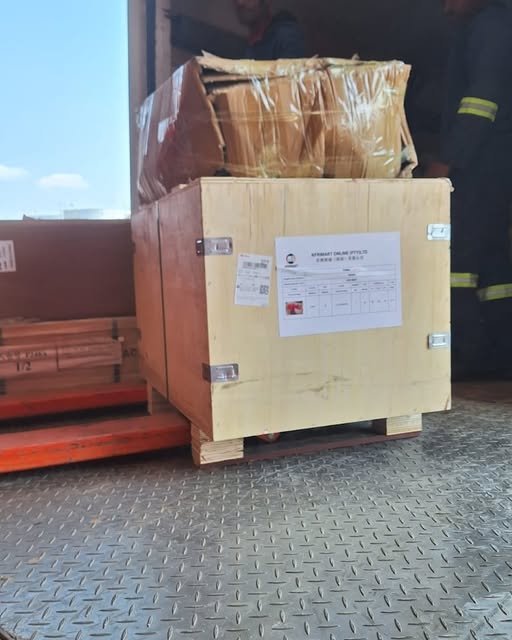
Packaging Machine and accessories
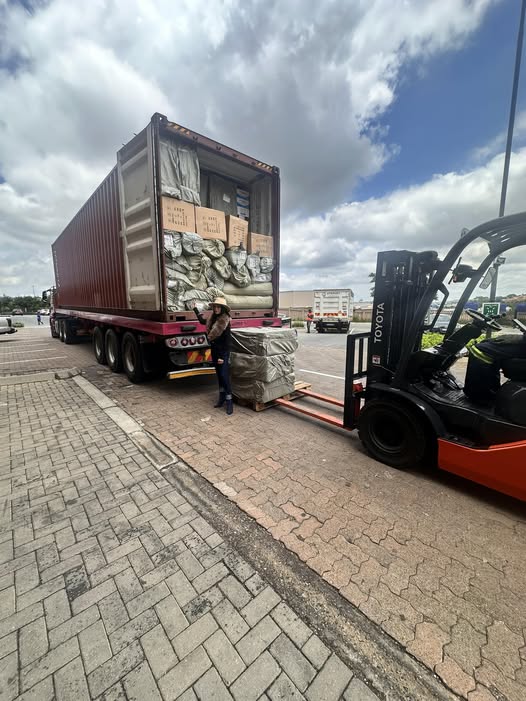
Fabrics Manufacturing Equipment
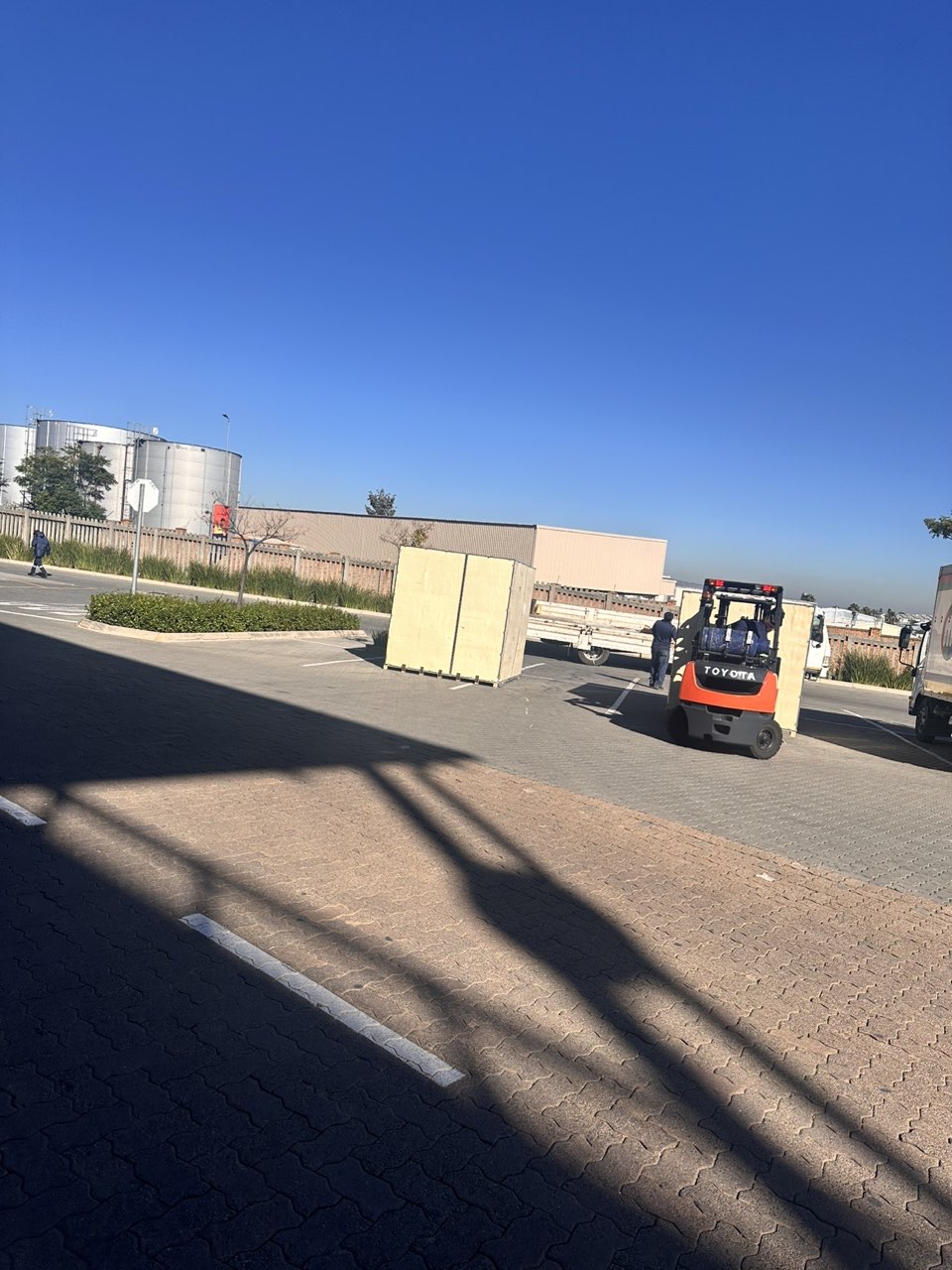
Mining Equipments
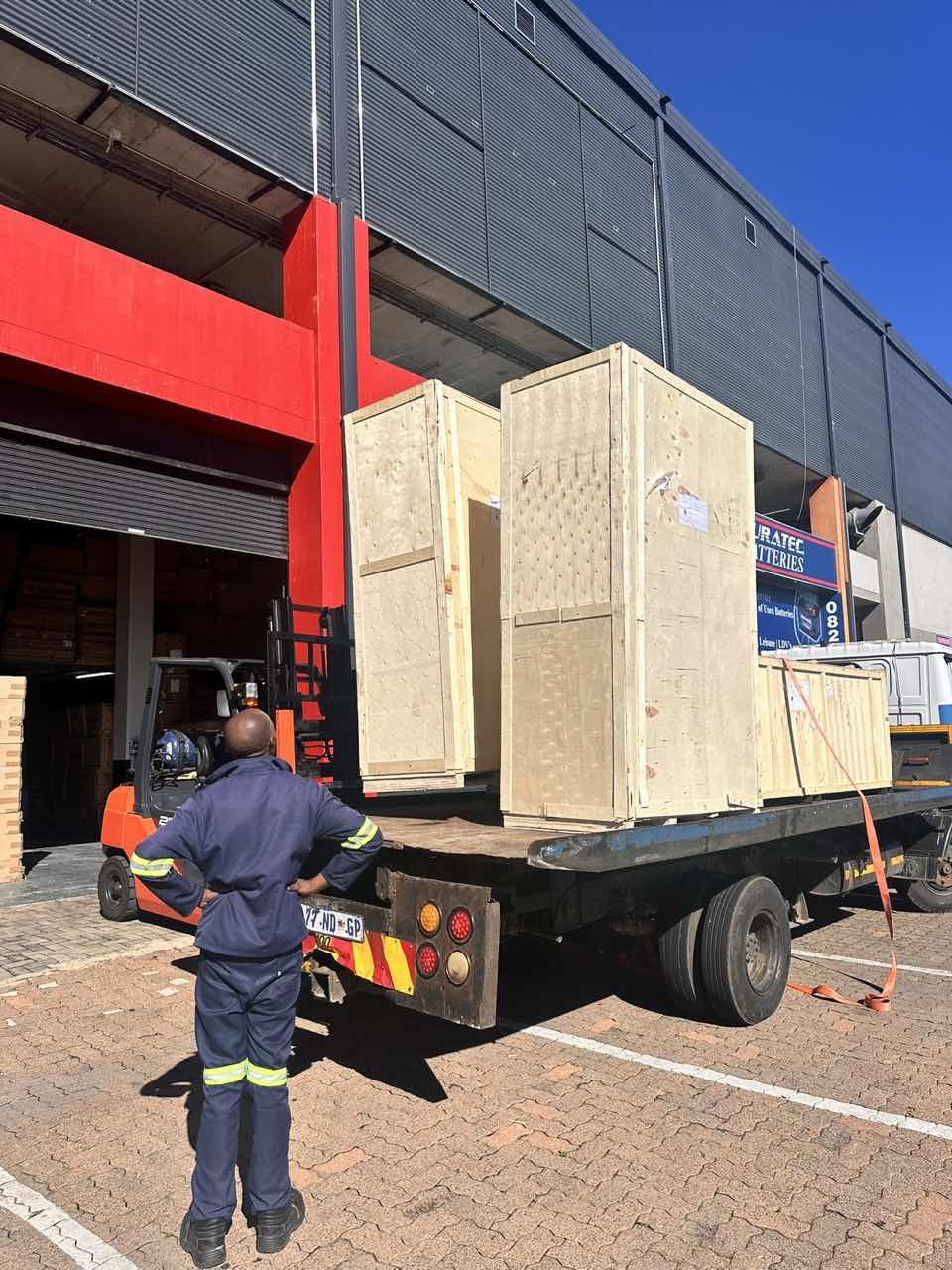
Food Processing Machine
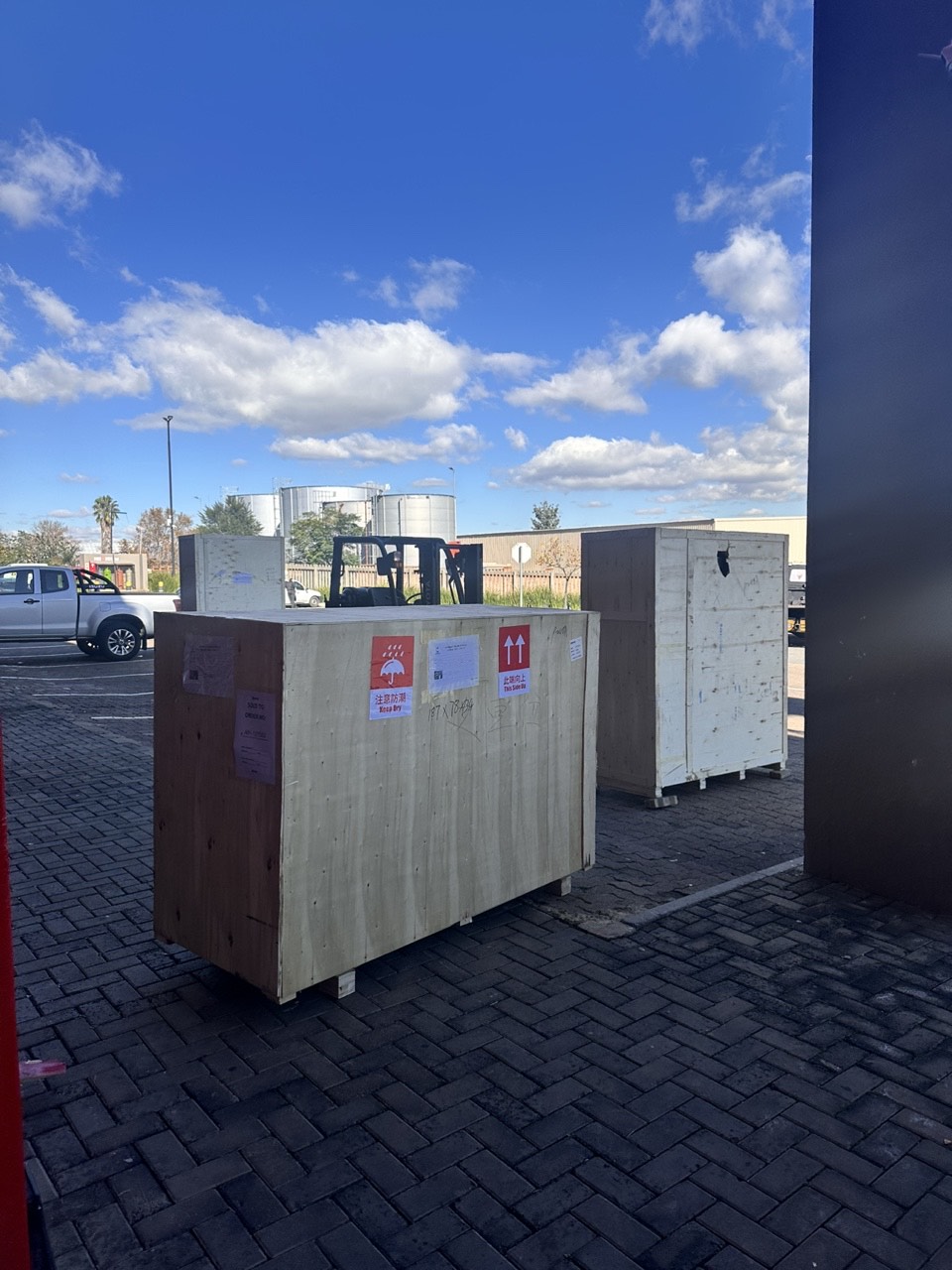
Batch of Orders
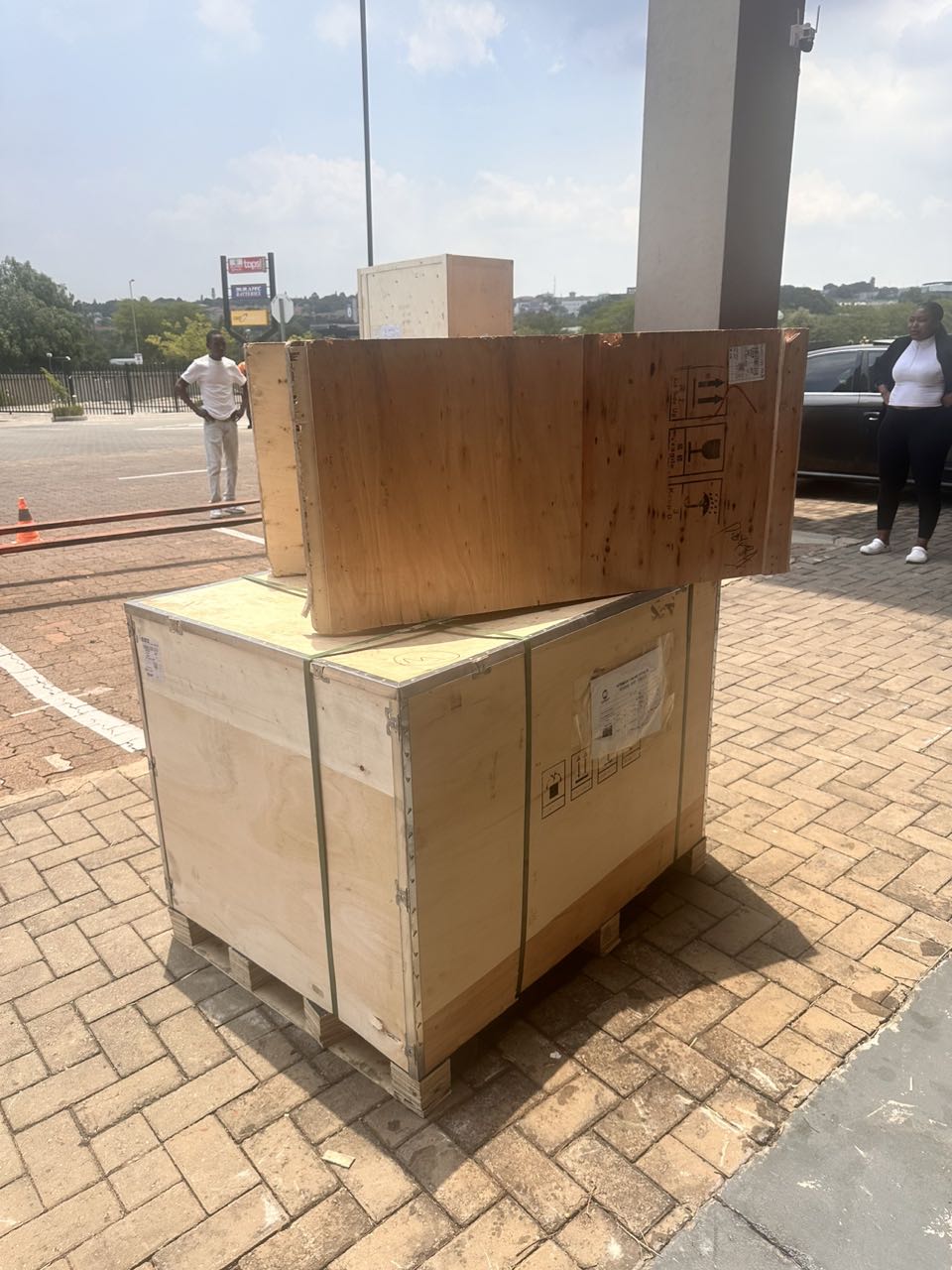
Batch of Orders
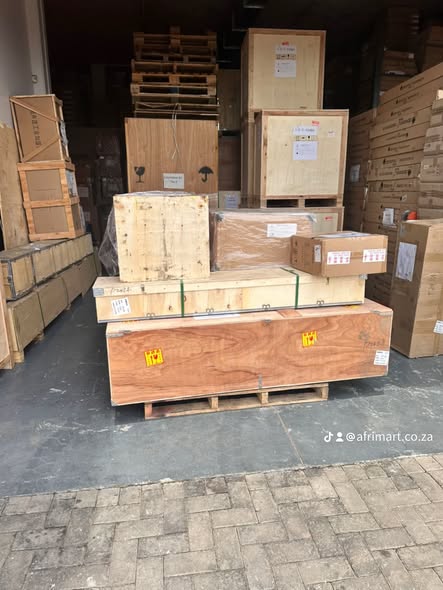
Latest Orders Labelled
wheel alignment machines
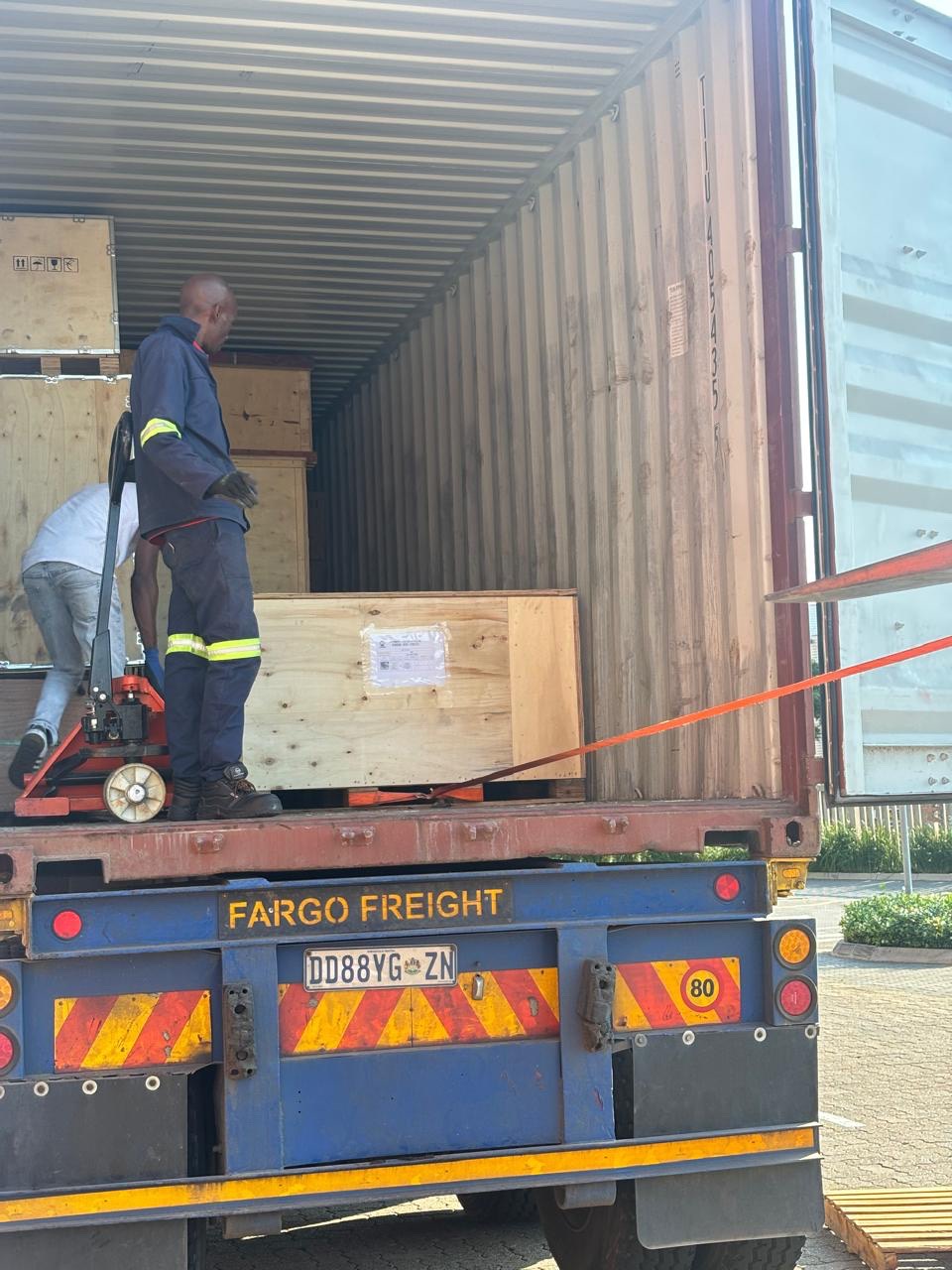
new arrivals
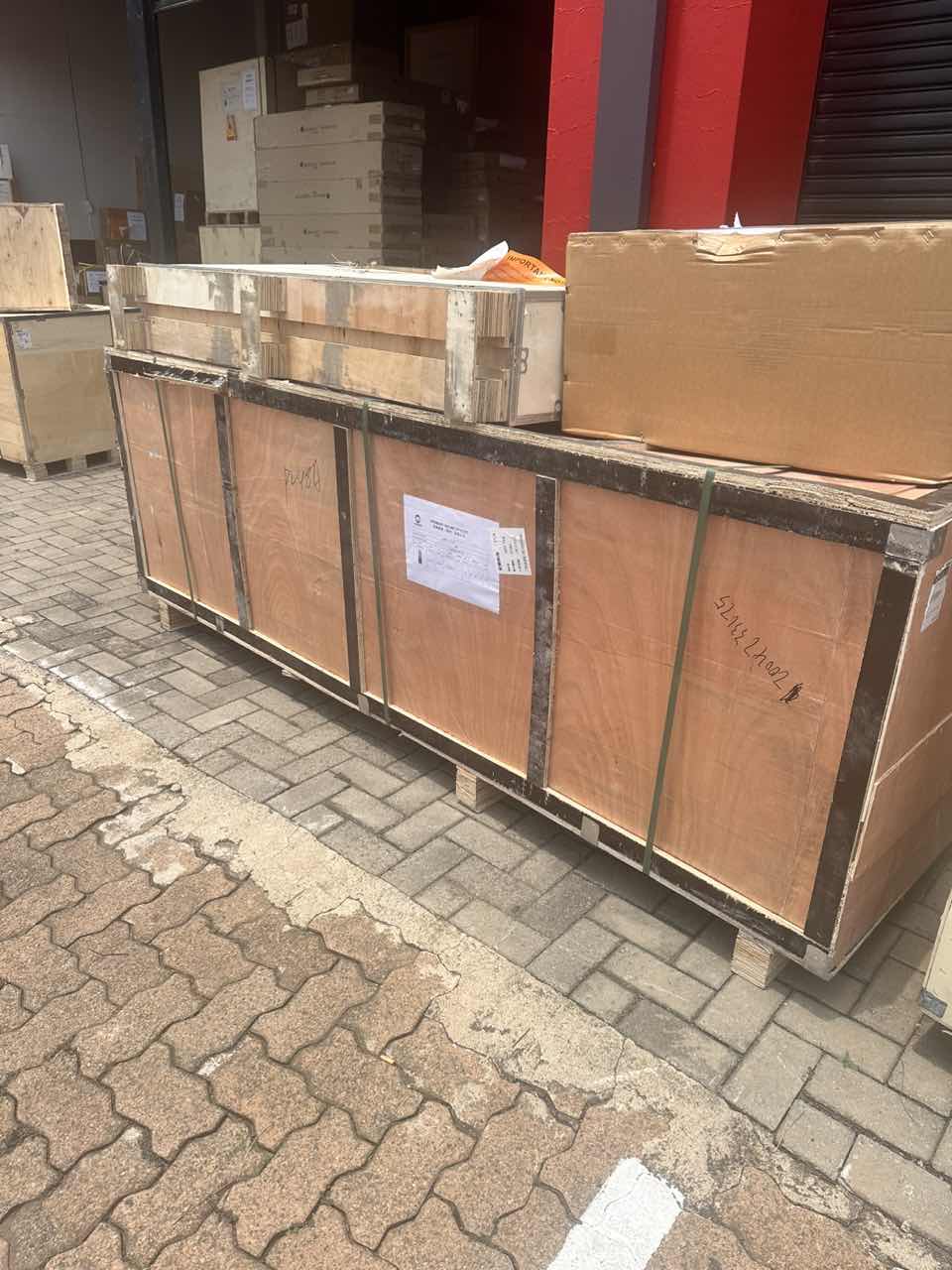
Pre Orders Offloading
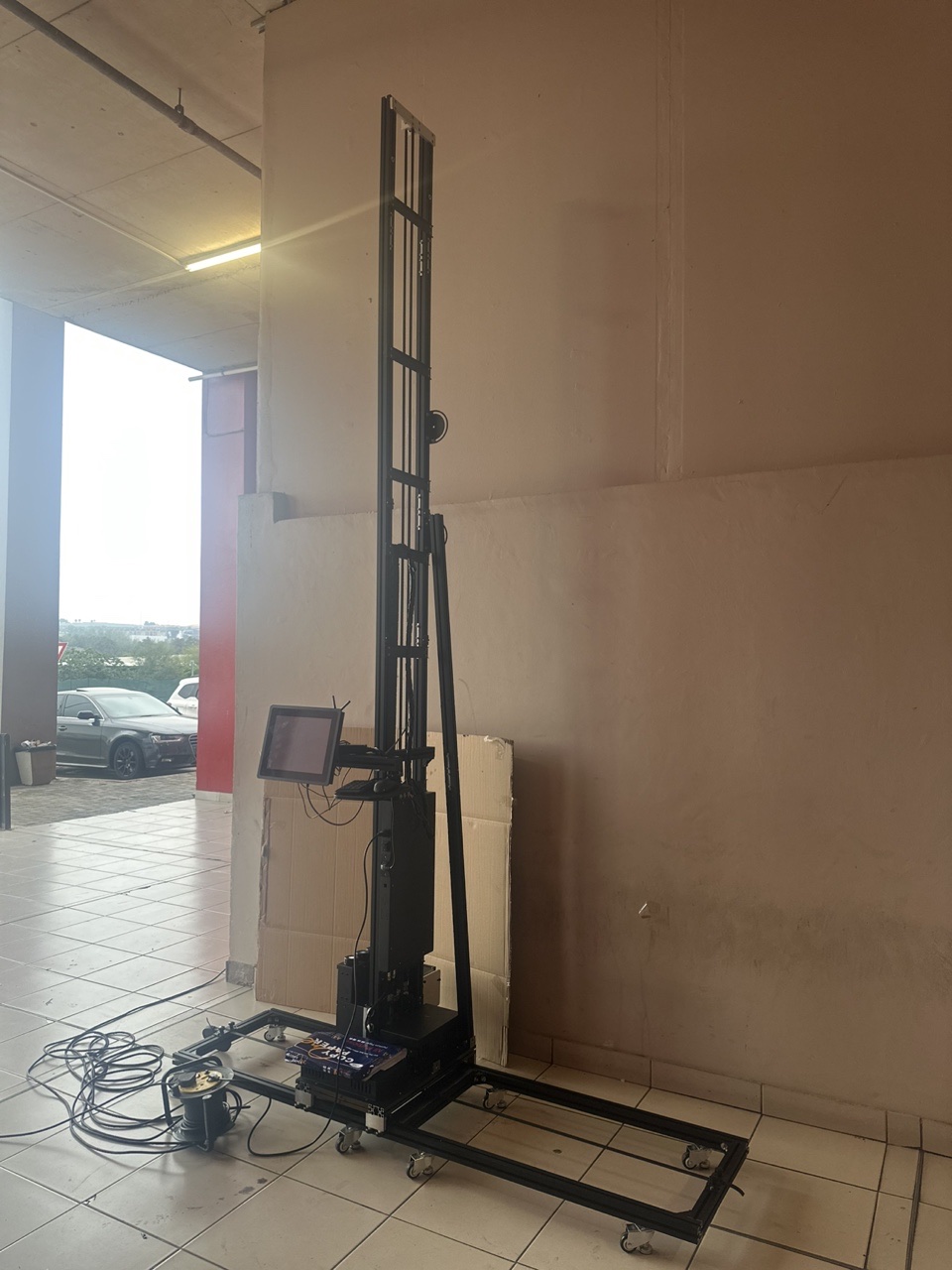
Latest Arrivals
Latest Arrivals
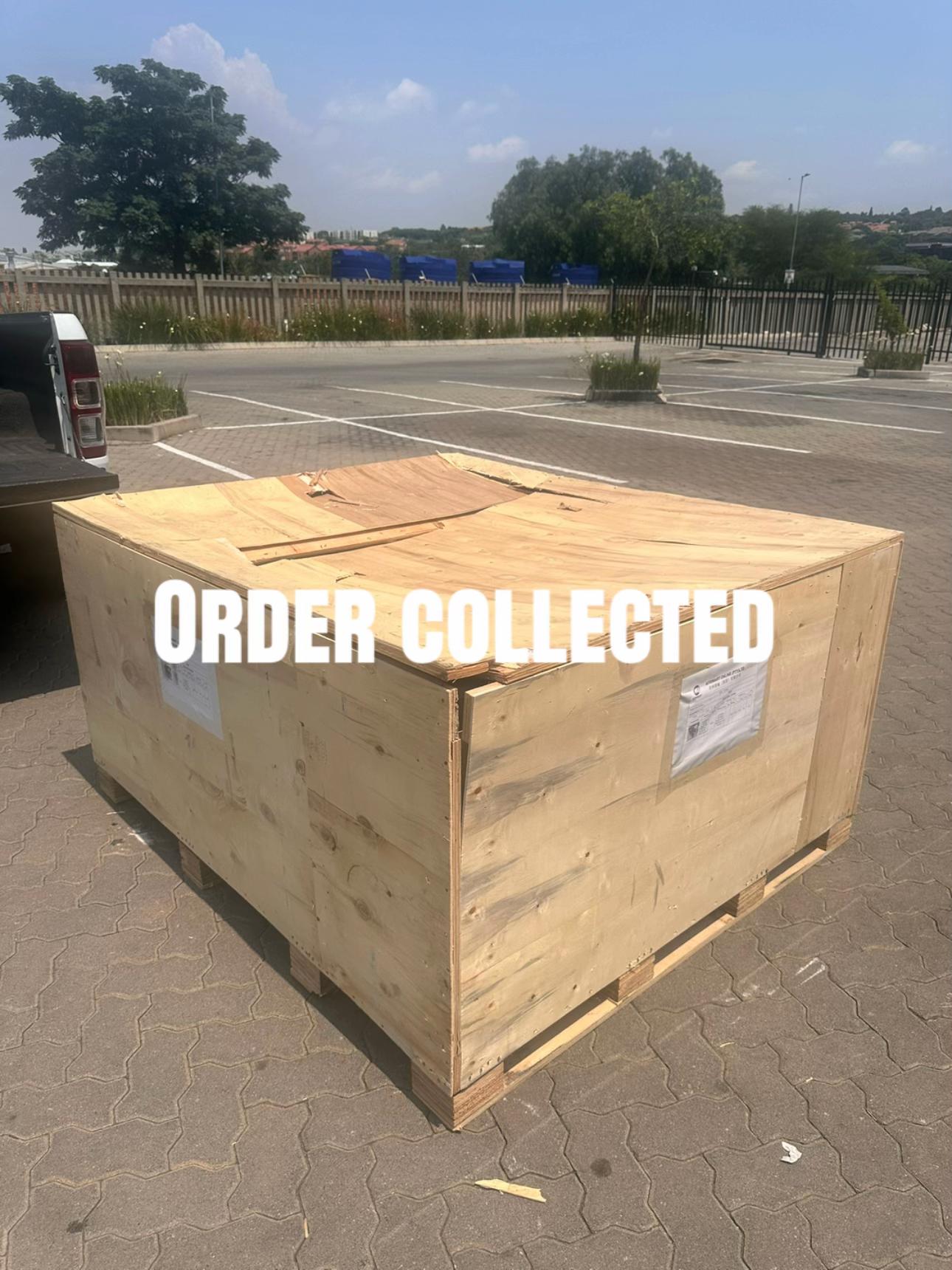
Latest Arrivals
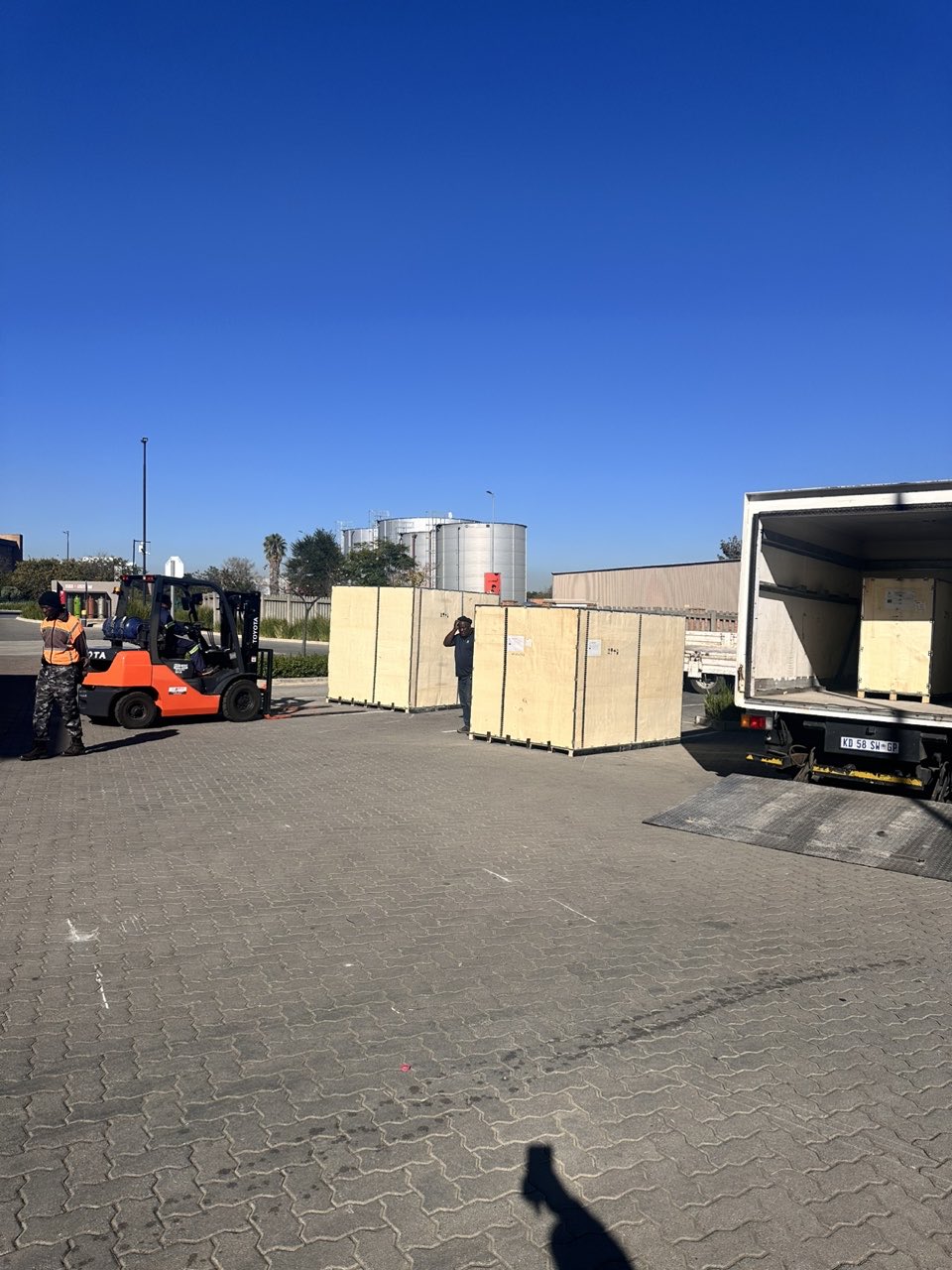
Loading
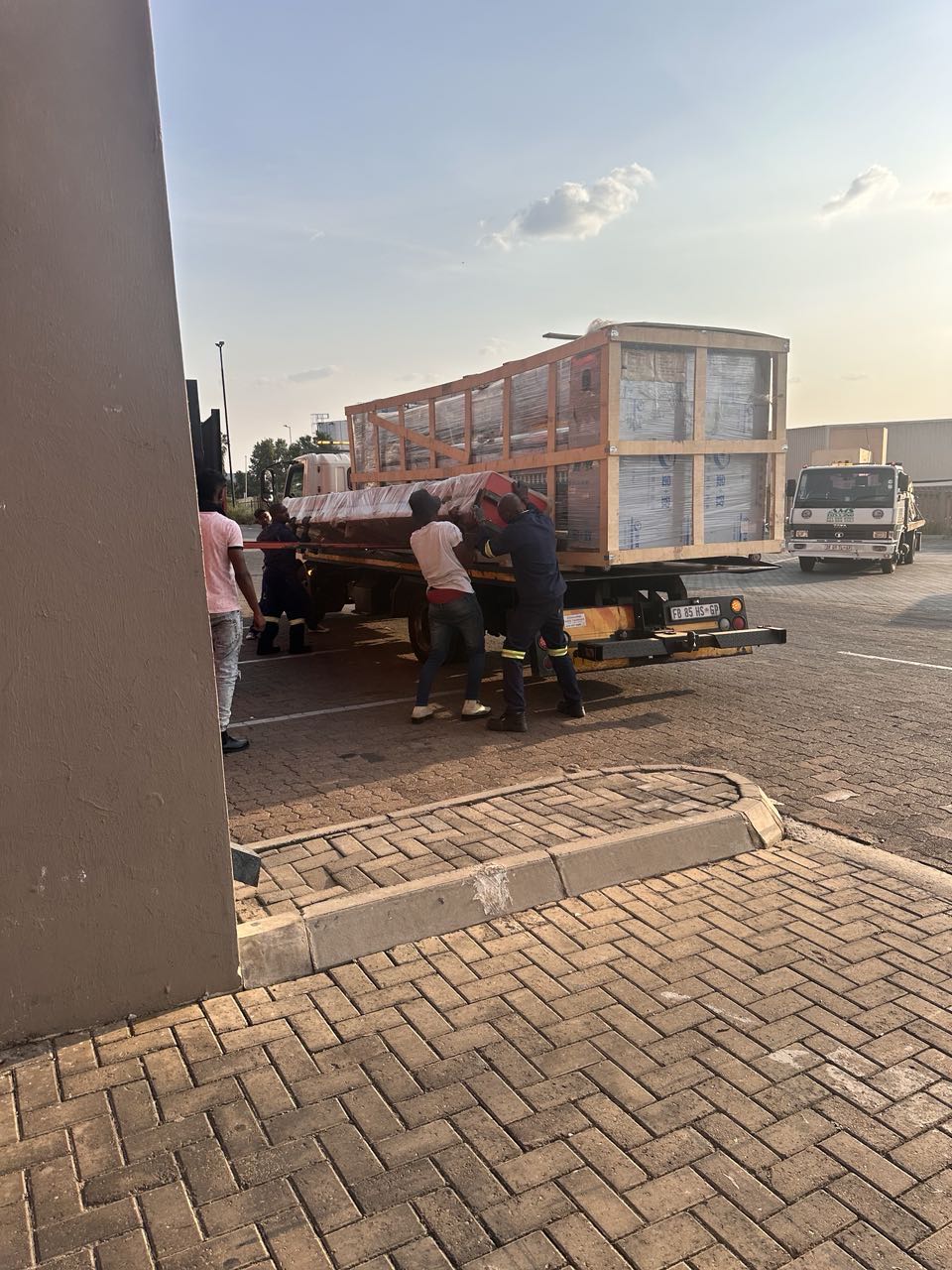
Toilet paper making machine
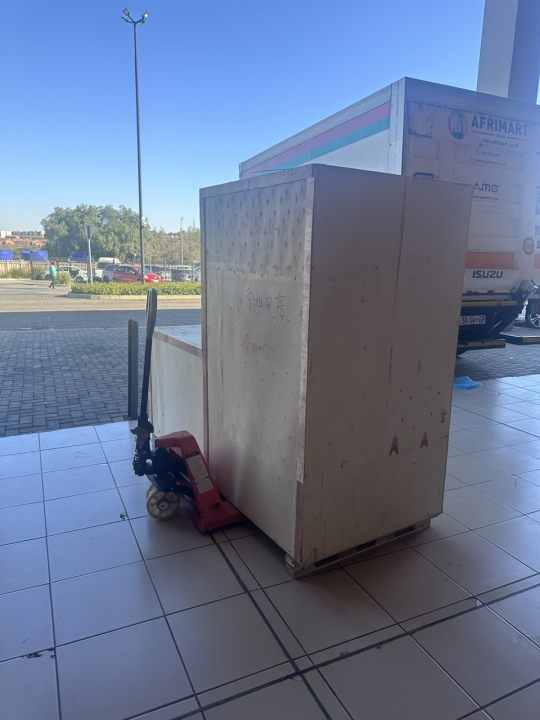
Toilet paper making machine
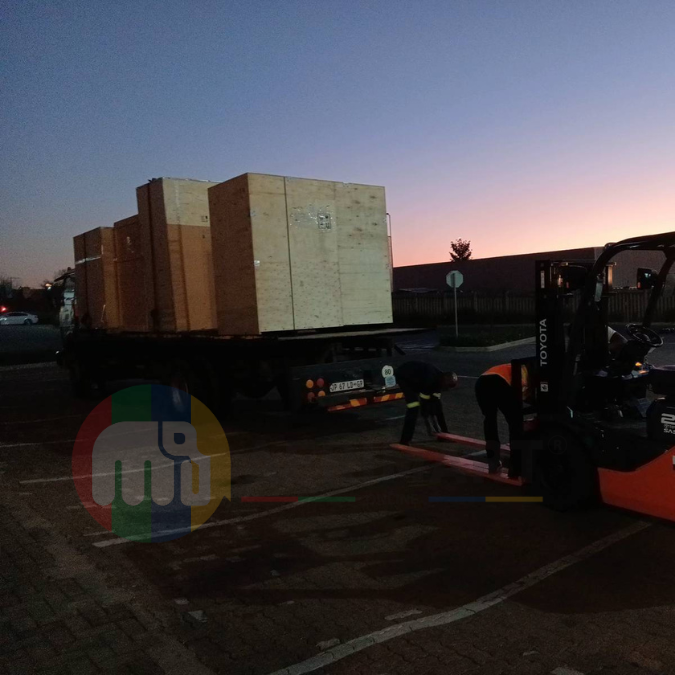
Toilet paper Rewinding Machine
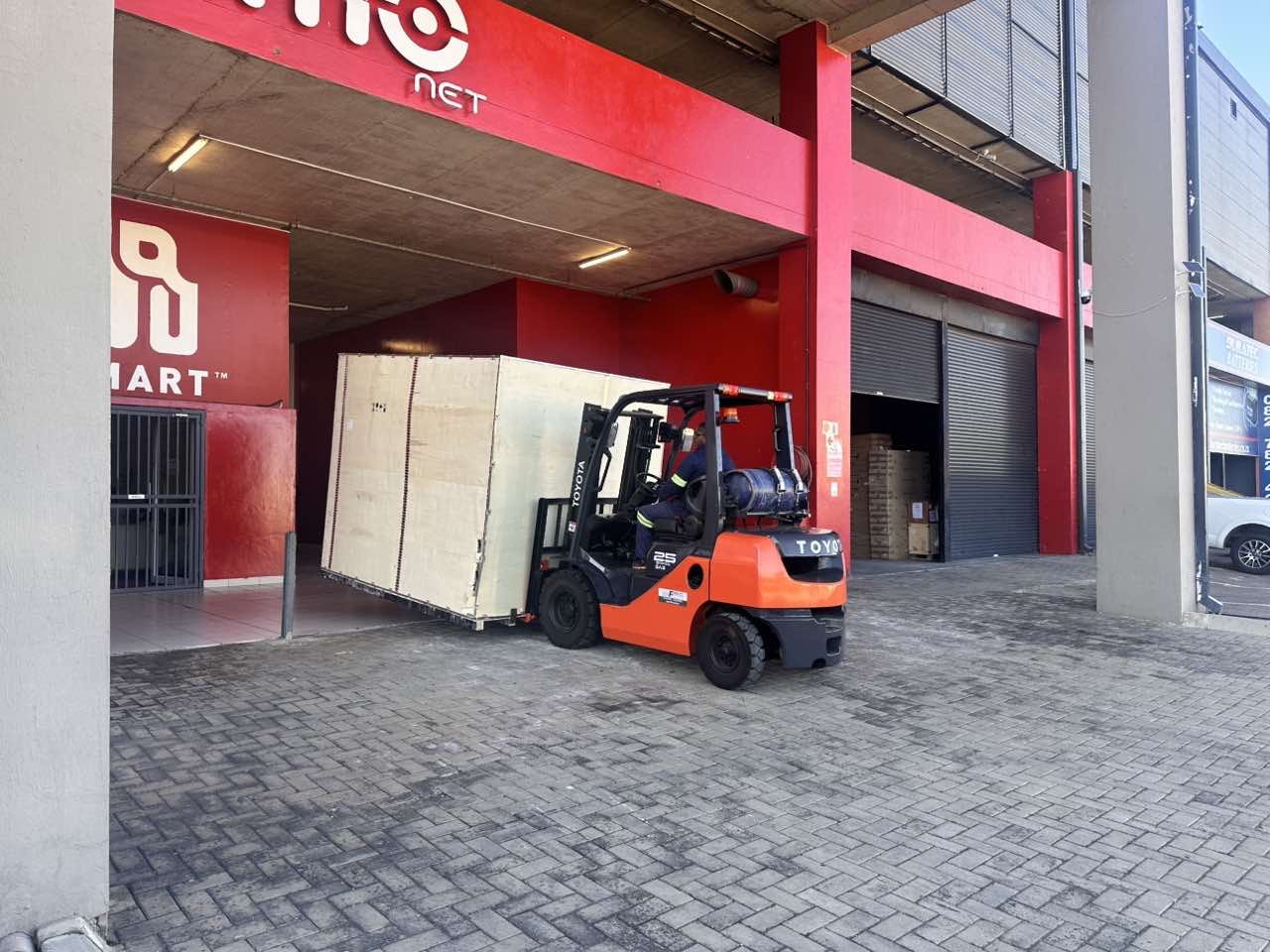
latest arrivals
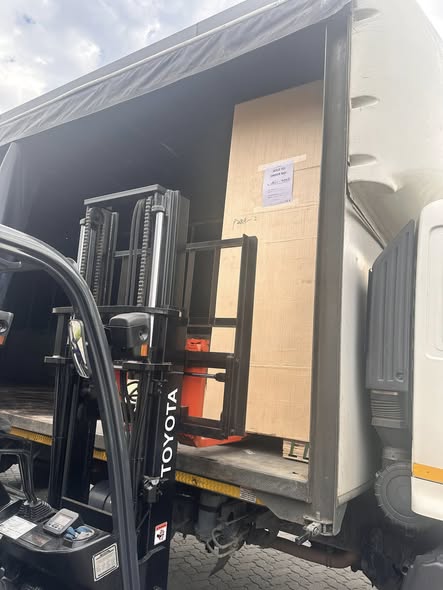
offloading
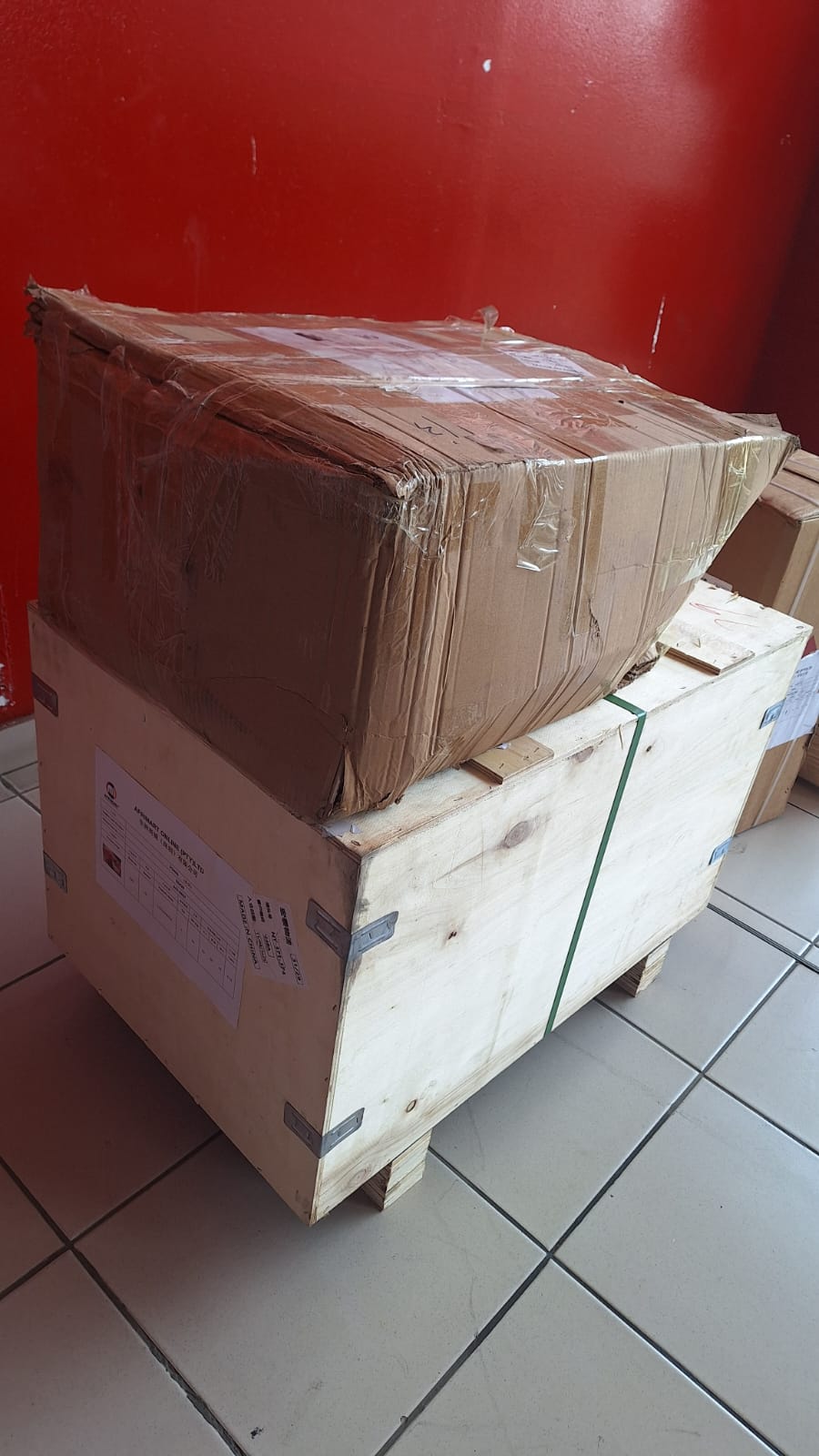
order success
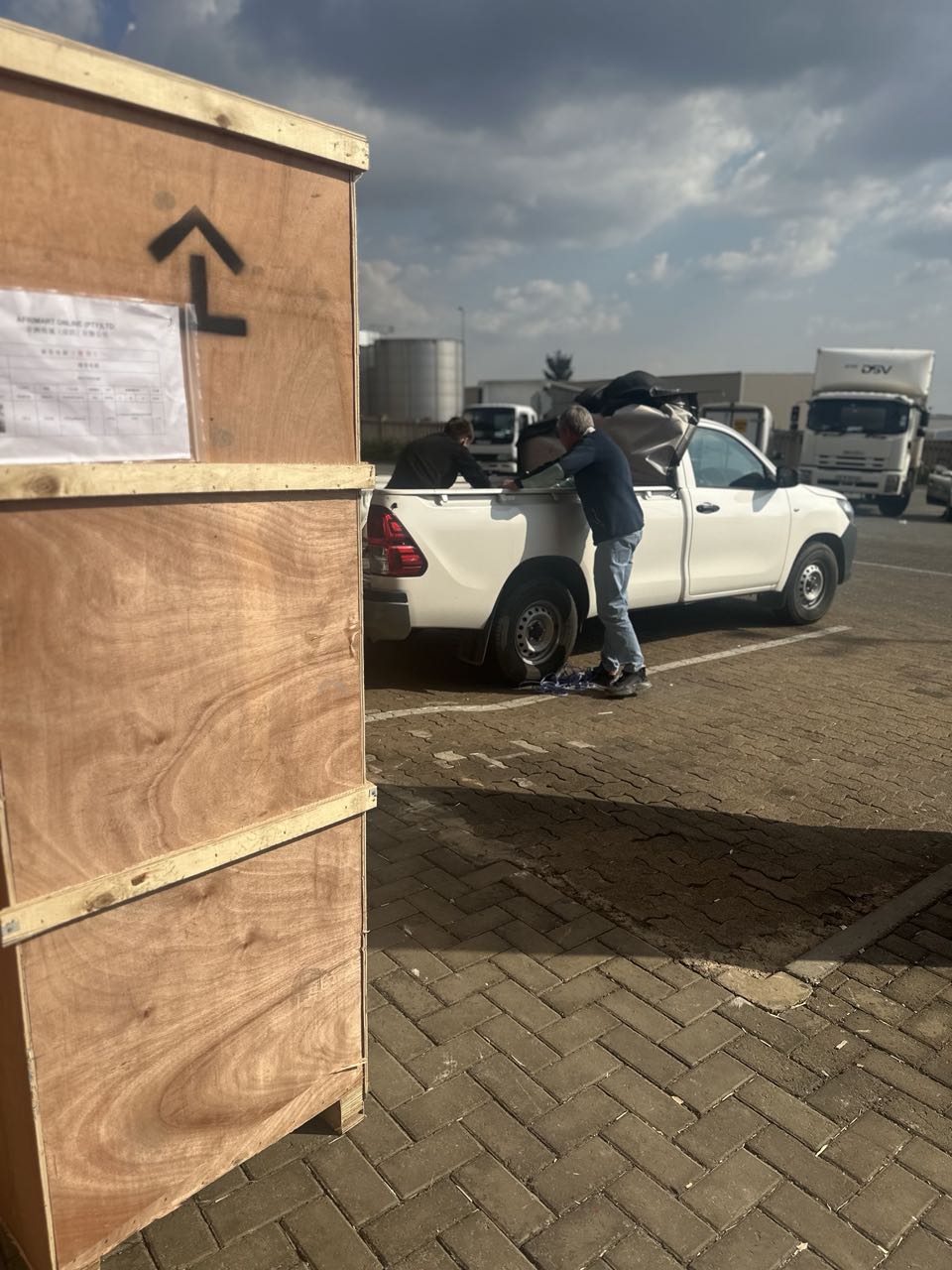
order collection
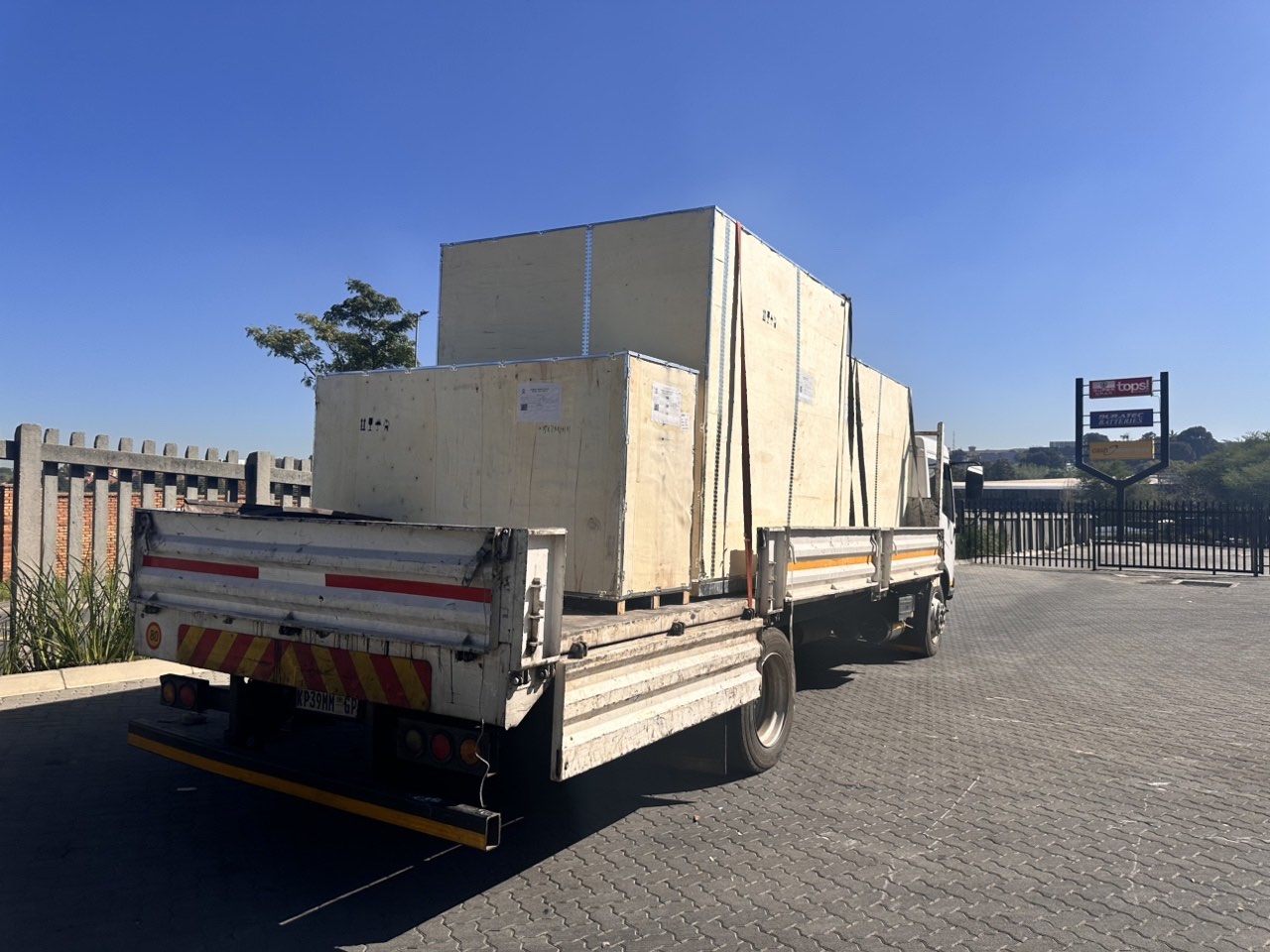
order offloading