B21, China Town Mall, Midrand


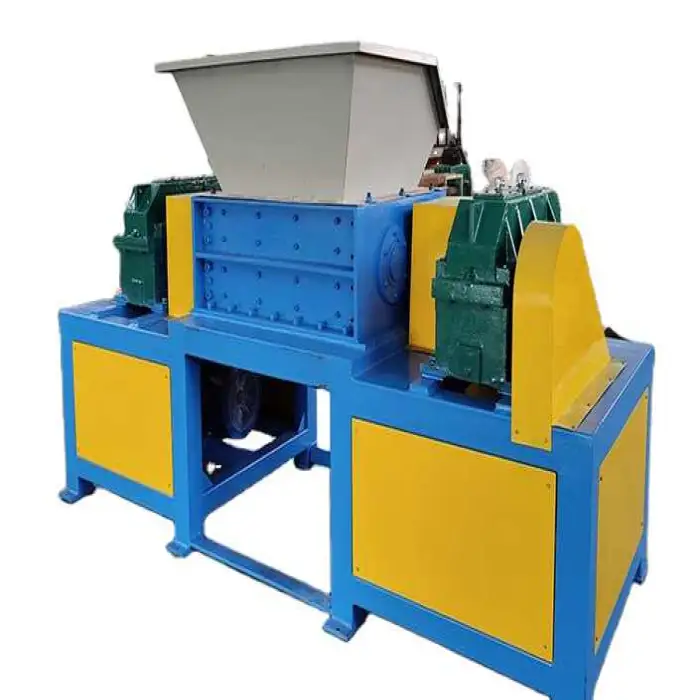
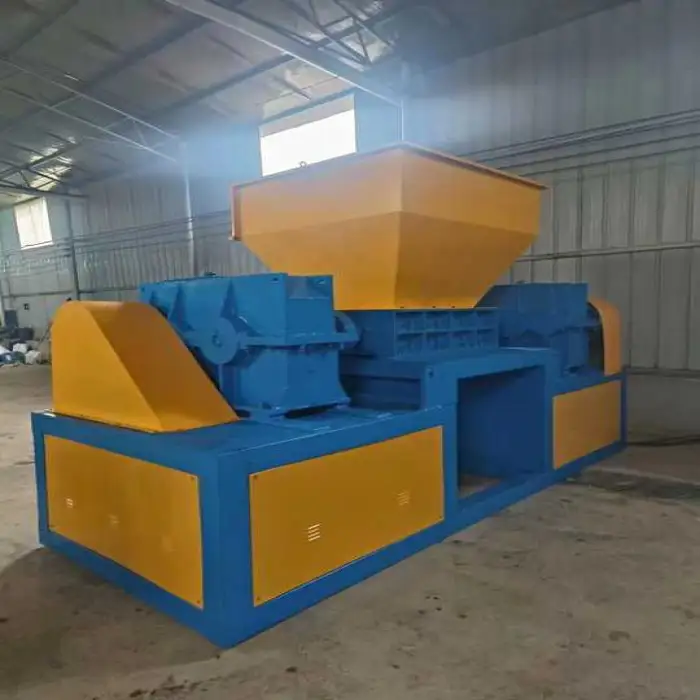
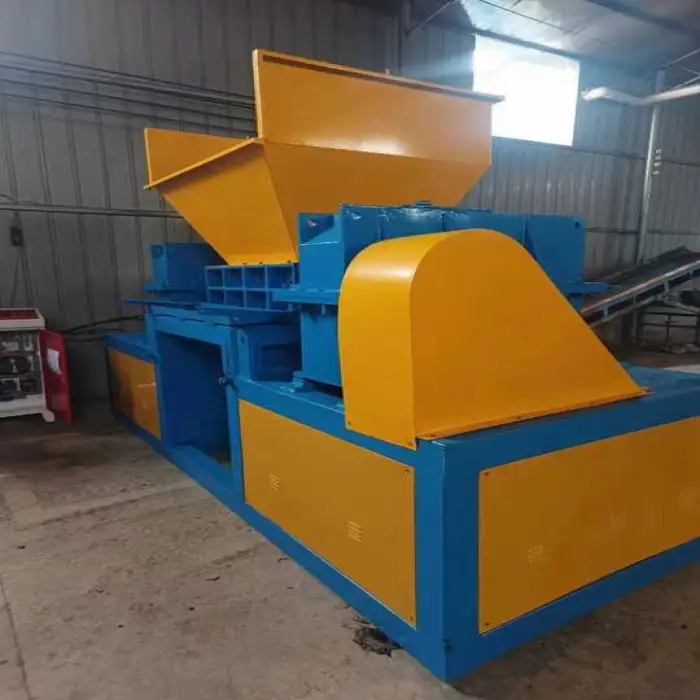
Heavy Double Shaft Shredder Machine Scrap Metal Recycling Equipment
Asset finance available
Do you want funding for this equipment?
Afrimart can connect you with trusted funding partners who specialise in asset finance for businesses like yours. Compare options and apply in minutes — final approval is subject to provider review.
Check funding options
Secure & no obligation

- Section : Machinery
- Category : Metal & Metallurgy Machinery
- SKU : 1600804452361

Heavy Double Shaft Shredder Machine Scrap Metal Recycling Equipment
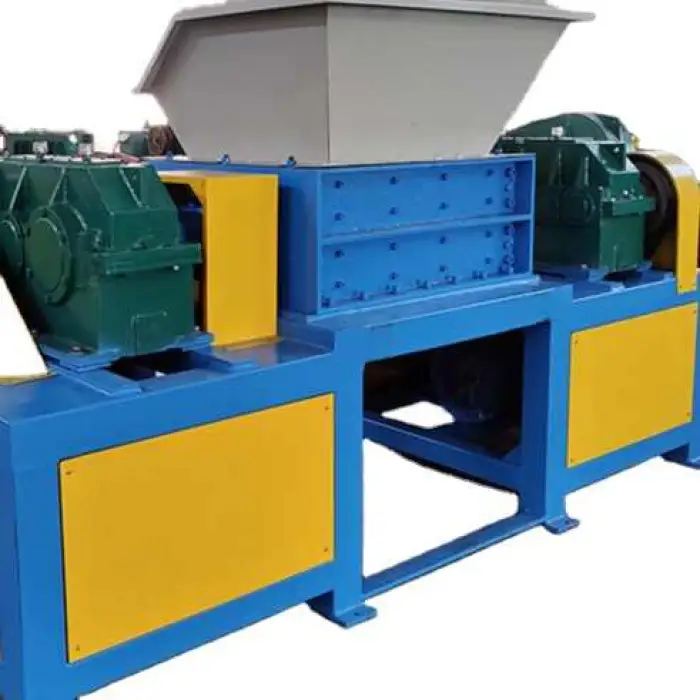
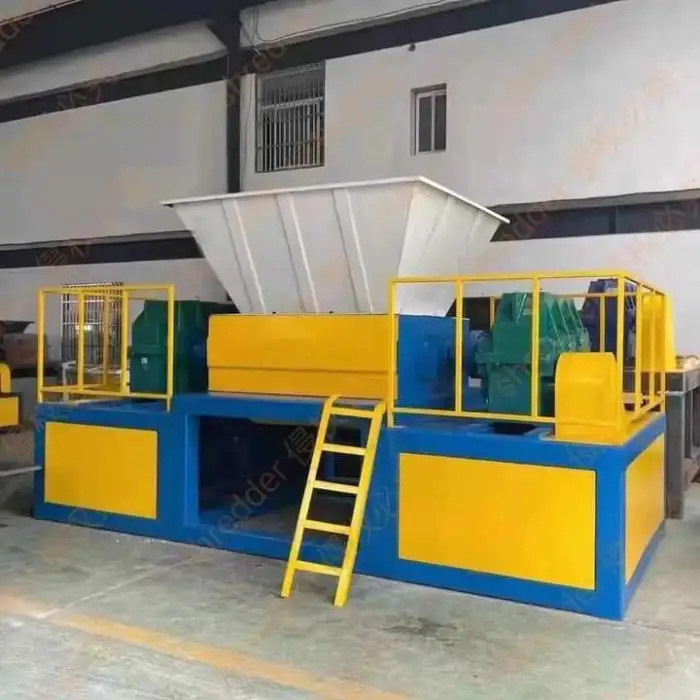
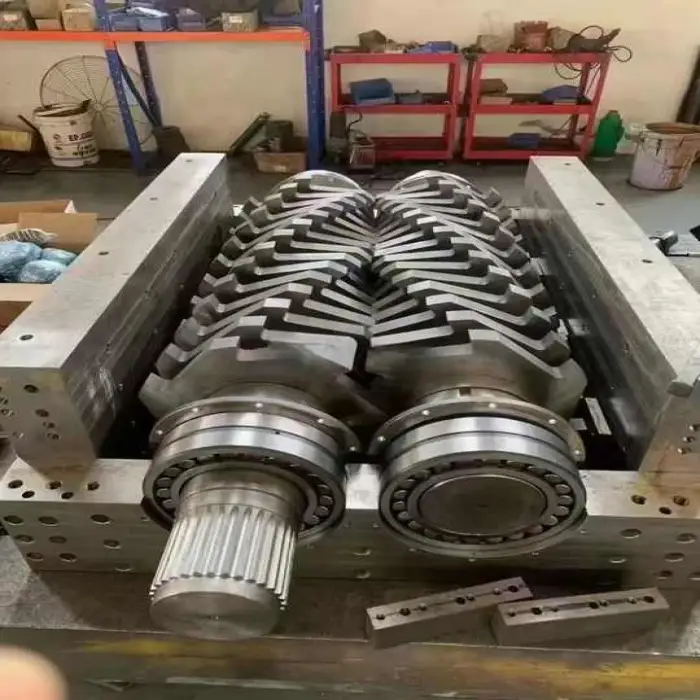
The Heavy Double Shaft Shredder Machine is an essential tool for scrap metal recycling. This powerful machine is designed to handle tough materials with ease. It features a robust build that ensures a long service life, making it a valuable addition to any recycling operation. With its advanced components, this shredder is efficient and reliable, perfect for processing various types of metal.
Specifications
| Attribute | Details |
|---|---|
| Core Components | PLC, Gearbox, Motor |
| Key Selling Points | Long Service Life |
| Video Outgoing Inspection | Provided |
| Machinery Test Report | Provided |
| Material / Metal Processed | Alloy |
| Power (kW) | 5.5 |
| Weight (kg) | 550 |
| Watt | 36kW |
| Packaging Details | Carton |
| Port of Dispatch | Shanghai, Ningbo |
| Selling Units | Single Item |
| Single Package Size | 2000X1500X1500 cm |
| Single Gross Weight | 5000.000 KG |
| Supply Ability | 50000 Pieces per Year |
Key Features
- Durable double shaft design for efficient shredding.
- Equipped with PLC for easy operation.
- Powerful motor ensures high performance.
- Long service life with minimal maintenance.
- Includes machinery test report for quality assurance.
Applications
- Scrap metal recycling facilities.
- Industrial waste processing.
- Manufacturing plants for metal parts.
- Automotive recycling centers.
- Construction and demolition waste management.
Product Info Gallery
- Shipping Timeframes: All orders are processed within 2-5 business days (excluding weekends and holidays). After your order has been processed, the estimated delivery time is before 03 Aug, 2026, depending on customs, Please note that due to high demand, some items may experience longer shipping times, which will be communicated at order confirmation email.
- Order Processing Time: Please allow 2-5 business days for us to process your order before it is shipped . Orders placed after 16:00 on Fridays, or during weekends and public holidays, will begin processing on the next business day. Processing times may be extended during peak seasons or sales events.
- Manufacturing Time: Some products needs manufacturing time, the manufacturing process will take approximately 10-30 business days depending on the product. This timeframe may vary depending on the complexity of the product and current demand. but this will be communicated with you during order confirmation.
- Returns and Exchanges: We offer a 30-day return policy for most items. If you are not completely satisfied with your purchase, you may return it within 30 days of receipt for a refund or exchange. Items must be unused, in their original packaging, and accompanied by proof of purchase. Return shipping costs are the responsibility of the customer, unless the item was damaged or defective upon arrival.
1. What is the Heavy Double Shaft Shredder Machine used for?
It's designed for shredding and pre-processing scrap metal and industrial waste — commonly used in scrap metal recycling facilities, automotive recycling centers, manufacturing plants, and construction/demolition waste processing.
2. What types of materials can this shredder process?
The machine is specified for alloy and various metal scrap. It is suitable for mixed metal scrap, light steel, aluminum parts, small castings and other metal items commonly found in recycling and industrial waste streams.
3. What are the main components and their roles?
Core components listed are PLC (for control and automation), gearbox (for torque transmission), and motor (drives the shafts). Together they provide controlled, powerful shredding with programmable operation and robust power transmission.
4. What is the benefit of the double shaft design?
A double shaft (twin-shaft) configuration delivers high torque at low speed, efficient shearing action for diverse scrap, reduced noise and dust compared with high-speed shredders, and improved feed stability for continuous operation.
5. What are the machine's power specifications?
The provided specs list both 'Power (kW) 5.5' and 'Watt 36kW'. These appear inconsistent; typically the larger value refers to the main drive motor and the smaller may refer to auxiliary systems. Confirm the exact motor rating and electrical configuration with the supplier before purchase.
6. What is the machine's weight and packing size for shipping?
Specifications show a single gross weight of 5000 kg and a single package size of 2000 x 1500 x 1500 (units as listed). Because packaging units and dimensions can affect transport planning, verify the units (mm/cm/m) and final shipping dimensions with the supplier or freight forwarder.
7. What documents and inspections are provided with the machine?
The product listing states a video outgoing inspection and a machinery test report are provided, which should document performance tests and visual inspection prior to dispatch.
8. What is the machine's production capacity or throughput?
A throughput figure is not provided. Actual shredding capacity depends on material type, feed size, rotor speed, screen/opening size and operator practices. Provide samples or detailed material specs to the supplier to get an estimated throughput for your application.
9. What maintenance is required and how often?
Routine maintenance typically includes daily visual checks, lubrication of bearings/gearbox as recommended, blade/knife inspection and timely replacement, checking hydraulic/auxiliary systems and PLC alarms. Establish a maintenance schedule based on operating hours and material abrasiveness.
10. Are spare parts and wear parts available?
Spare parts availability isn't detailed in the listing, but given the device's industrial nature and stated supply capacity, the supplier should offer spare blades, shafts, bearings, seals and gearbox components. Confirm lead times and recommended spares before purchase.
11. What safety features does the machine include?
Typical safety features for this class of shredder include PLC-controlled operation with emergency stop, safety interlocks/guards on feed openings, warning labels, and lockout/tagout-capable maintenance access. Verify specific safety features and any required local machine-safety compliance with the supplier.
12. Is installation and commissioning included?
The listing does not explicitly state that installation or commissioning is included. Many suppliers offer on-site commissioning, operator training and start-up support for an additional fee. Confirm service scope, costs and travel arrangements prior to ordering.
13. Can the shredder be customized for my application?
Most heavy shredders can be customized (rotor configuration, knife type, screen size, feed system, motor rating, control options). Contact the supplier with material samples and required output size to discuss custom options and pricing.
14. What warranty and after-sales support are provided?
Warranty and after-sales support are not specified in the product description. Ask the supplier for written warranty terms (duration and coverage), spare-parts guarantees, response time for service, and availability of technical support or local service partners.
15. What are typical lead times and annual supply capacity?
The listing states a supply ability of 50,000 pieces per year, indicating strong production capacity. Actual lead time for a specific order will depend on configuration, current demand and shipping. Request an estimated lead time and production slot from the supplier when ordering.
Latest Order Arrivals
Discover our latest orders
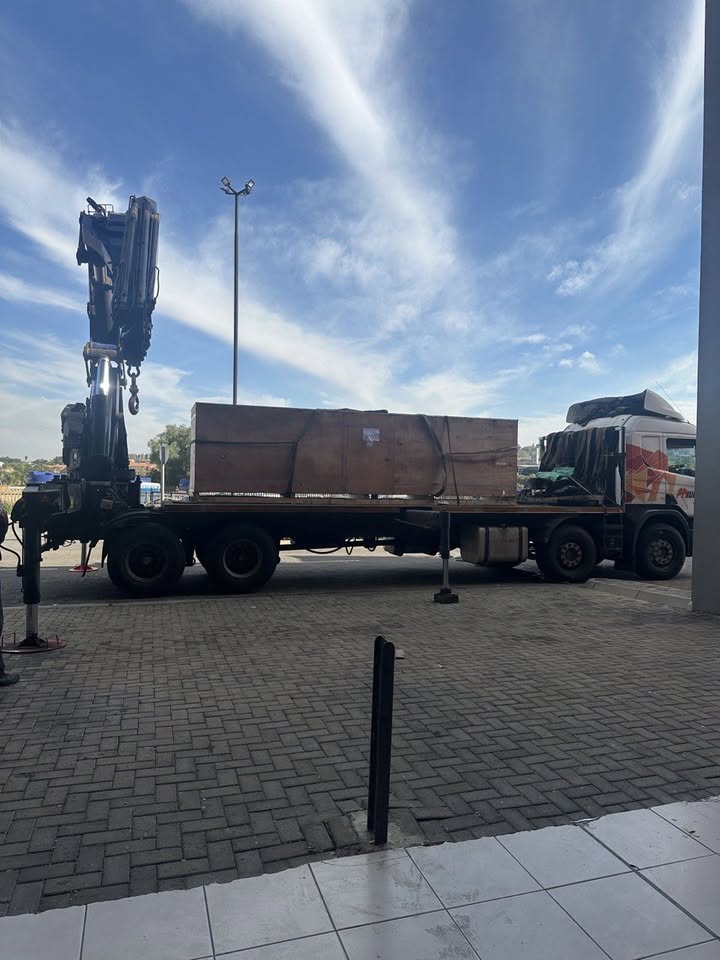
12 Heads Embroidery Machine
Toilet Paper Machine Machine
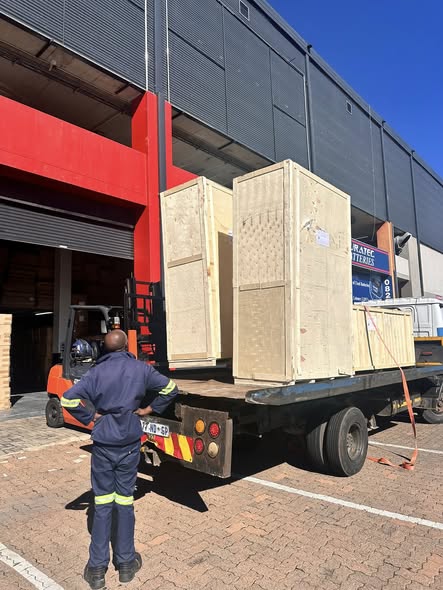
Order Collection
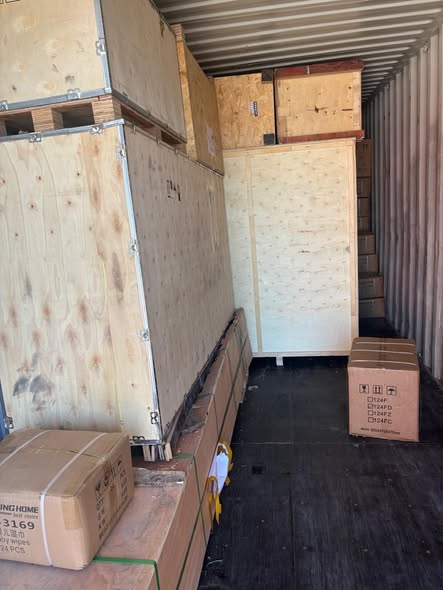
Cross Border Clients
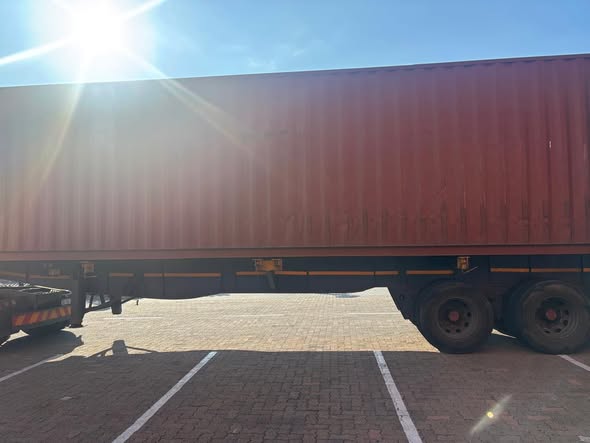
Order cros border countries Collected
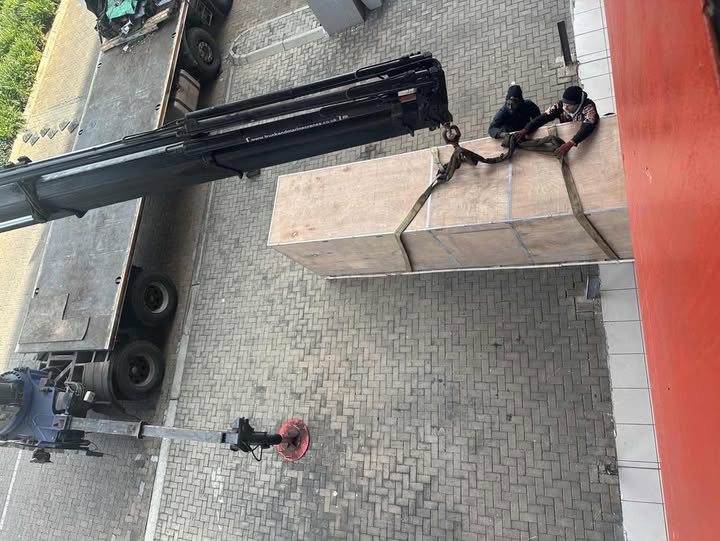
Industrial Machine Cllection
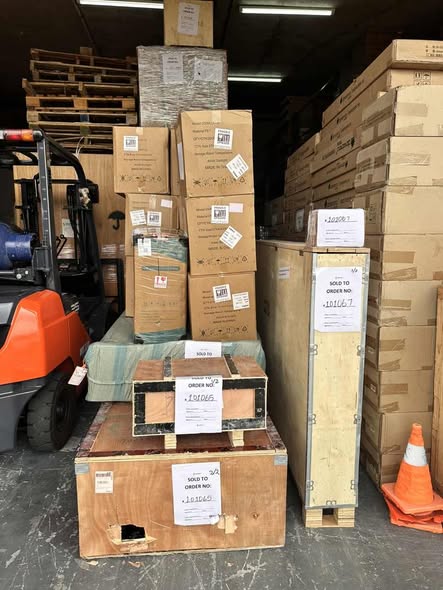
Agriculture Processing Machines
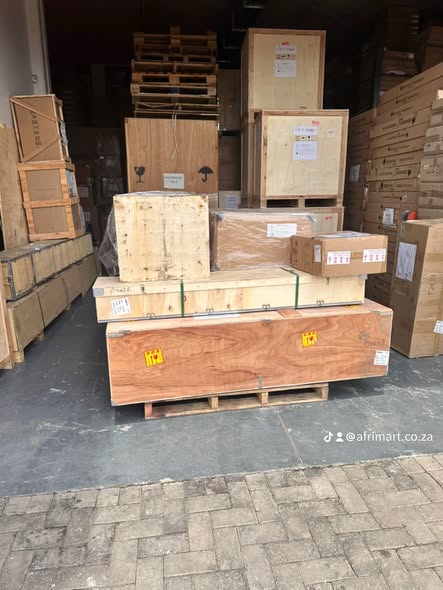
Ready for collection
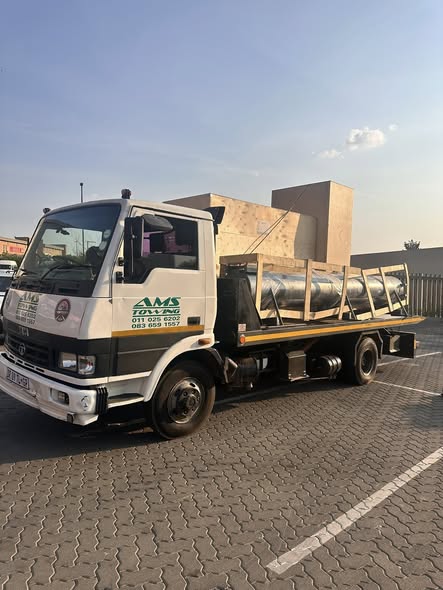
Water Pump Equipment
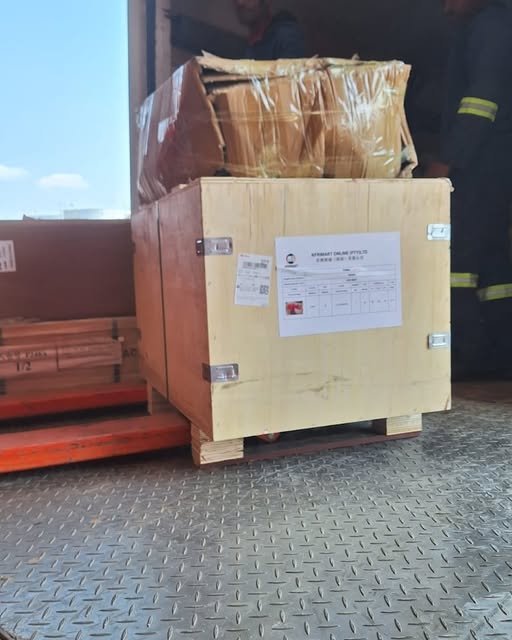
Packaging Machine and accessories
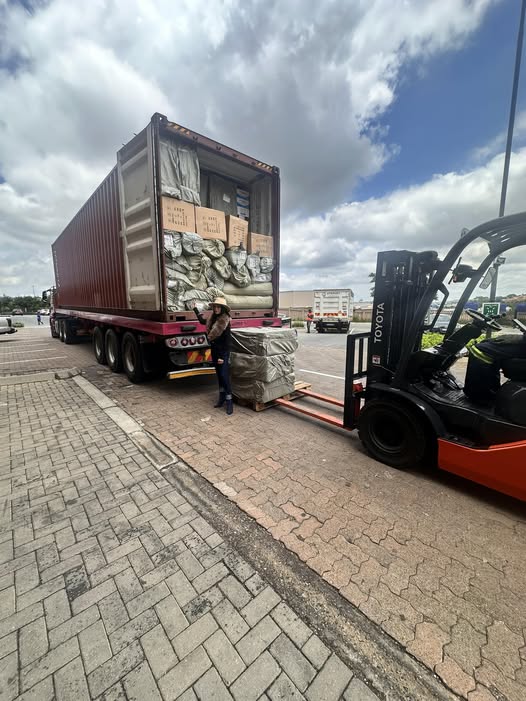
Fabrics Manufacturing Equipment
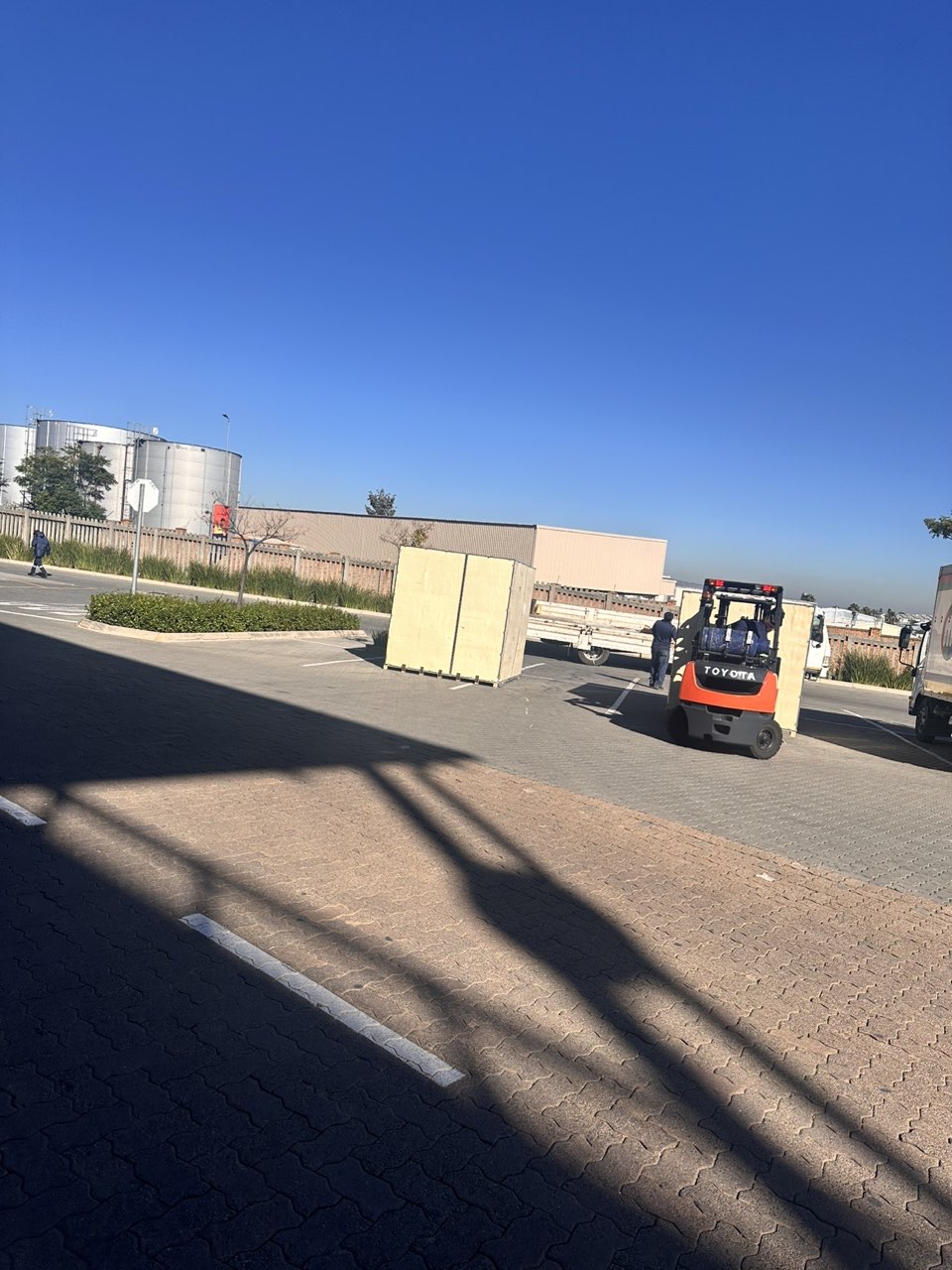
Mining Equipments
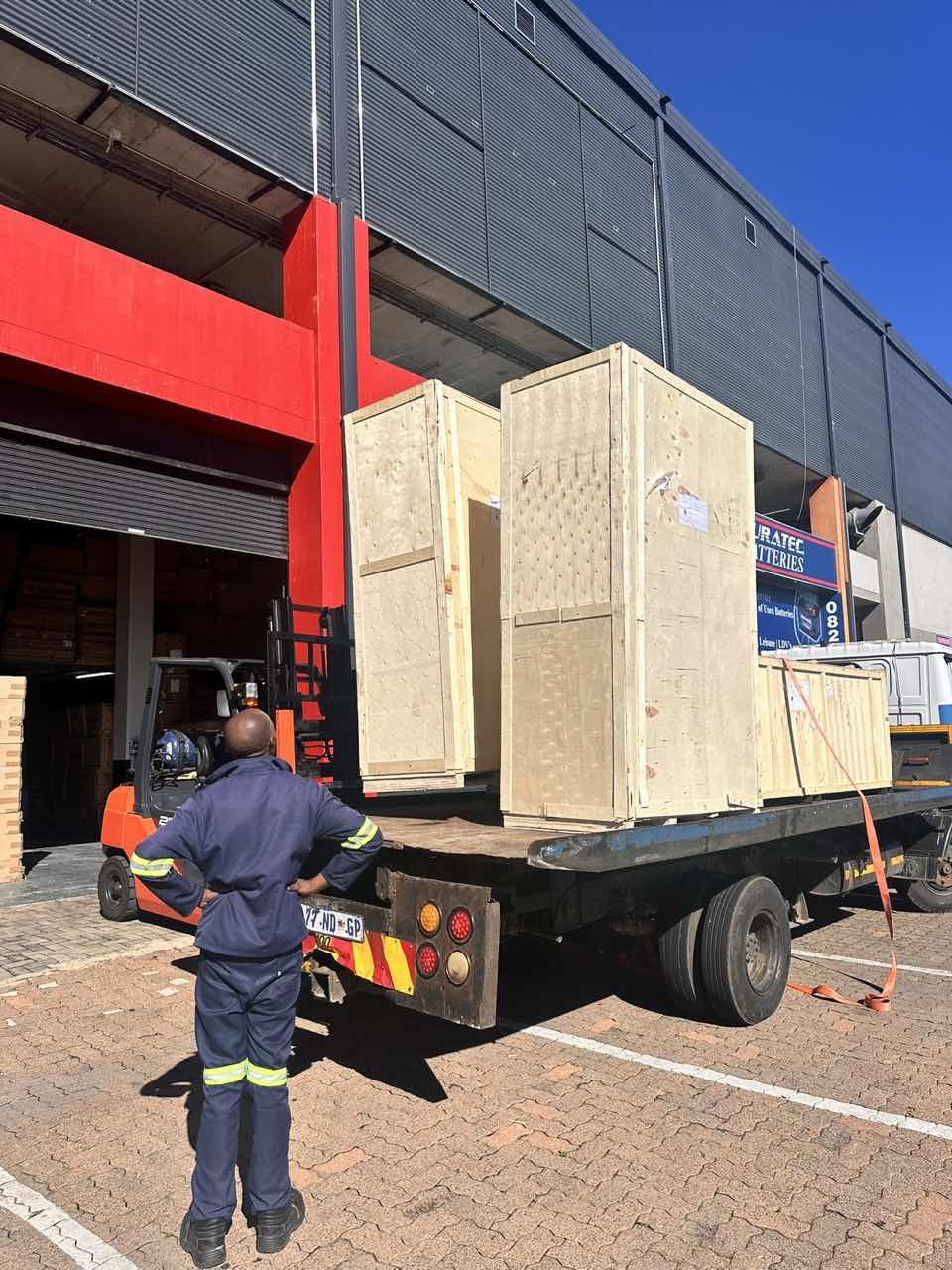
Food Processing Machine
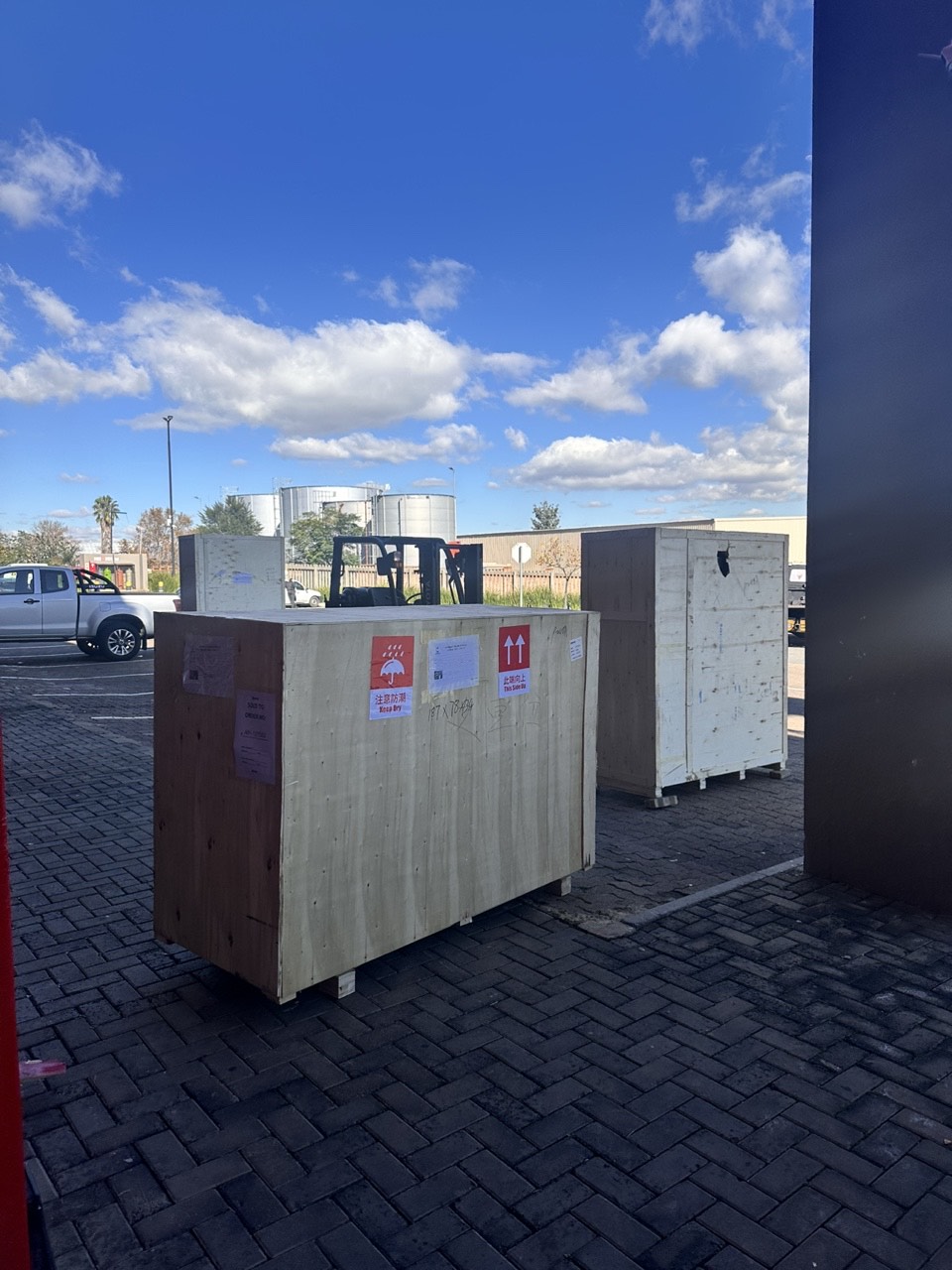
Batch of Orders
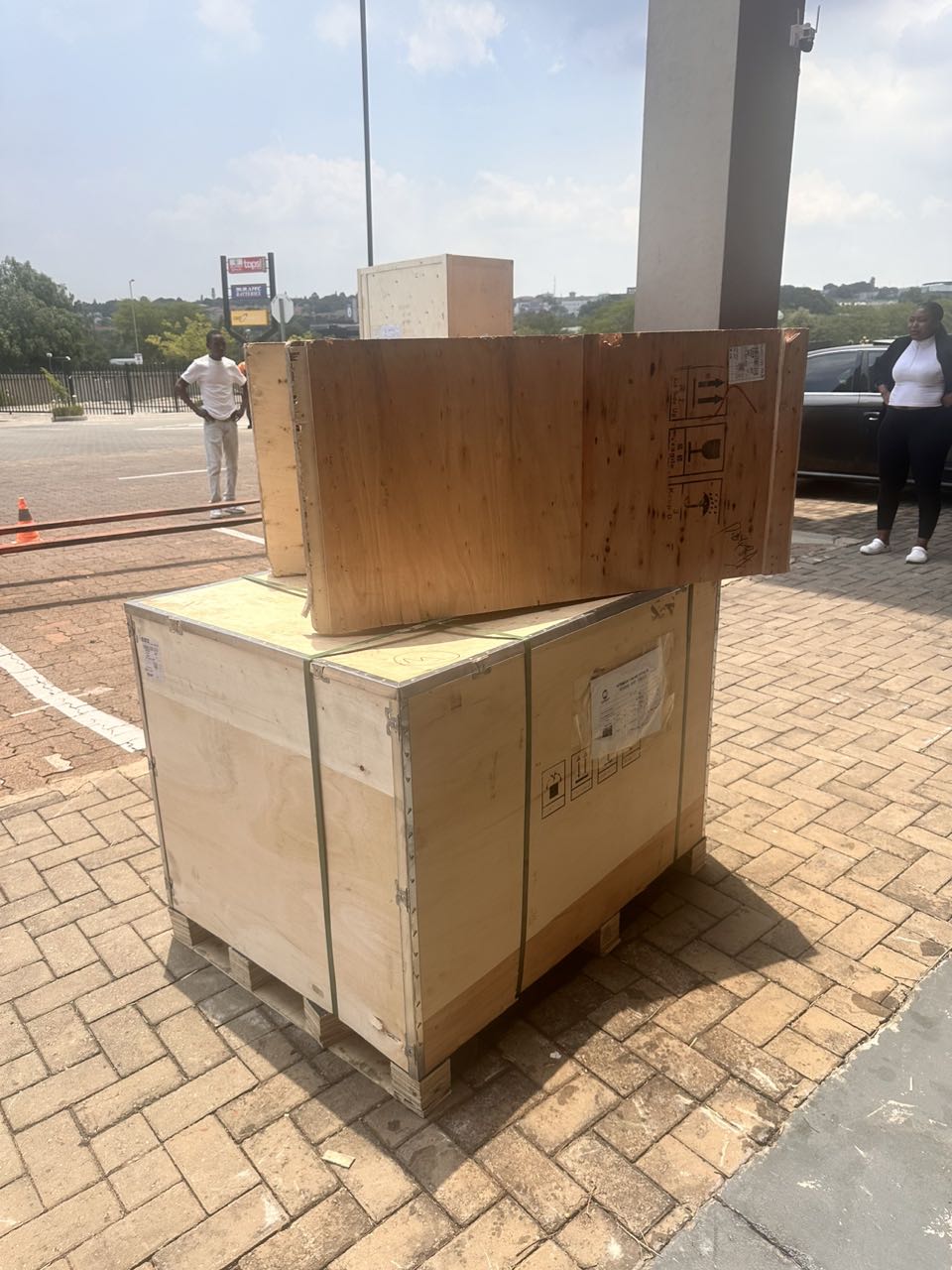
Batch of Orders
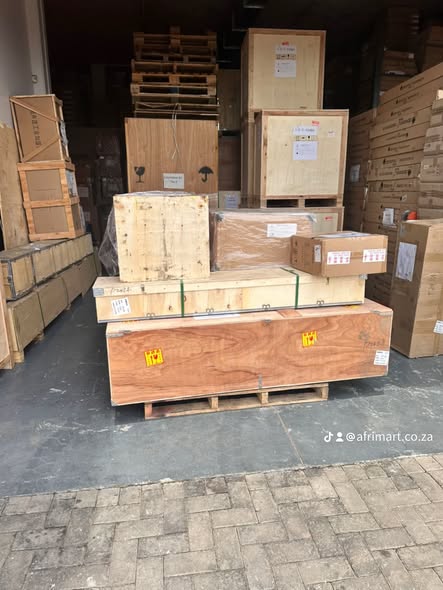
Latest Orders Labelled
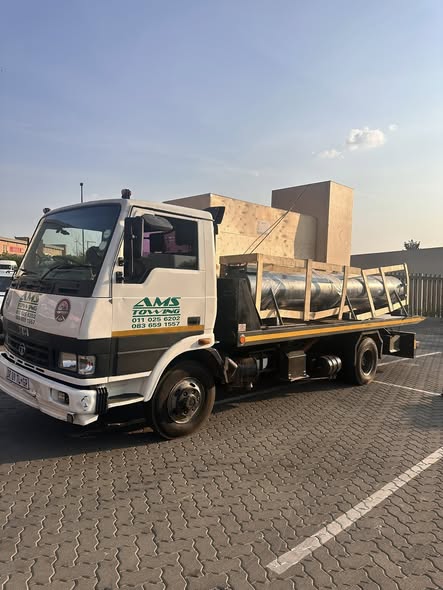
wheel alignment machines
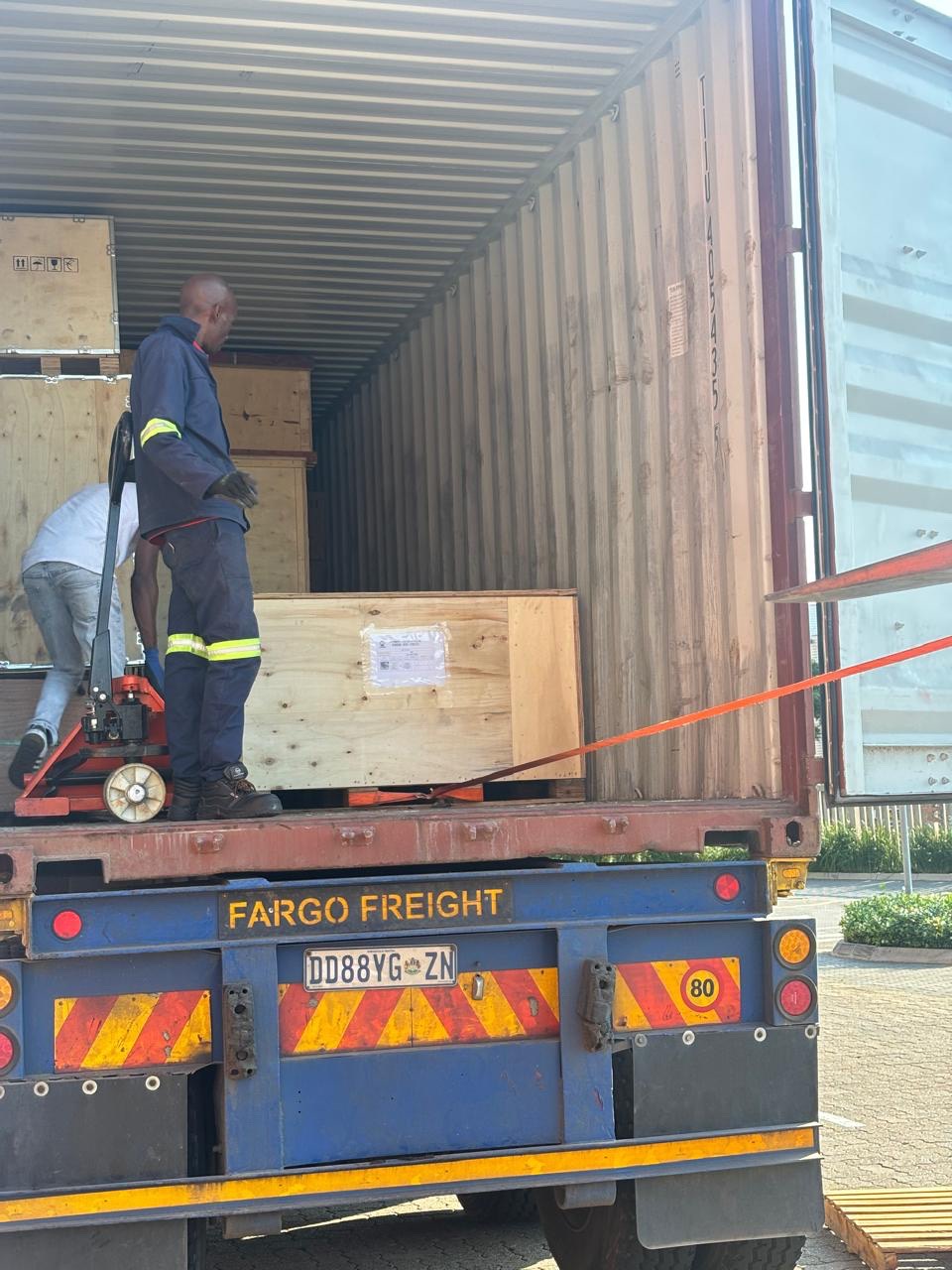
new arrivals
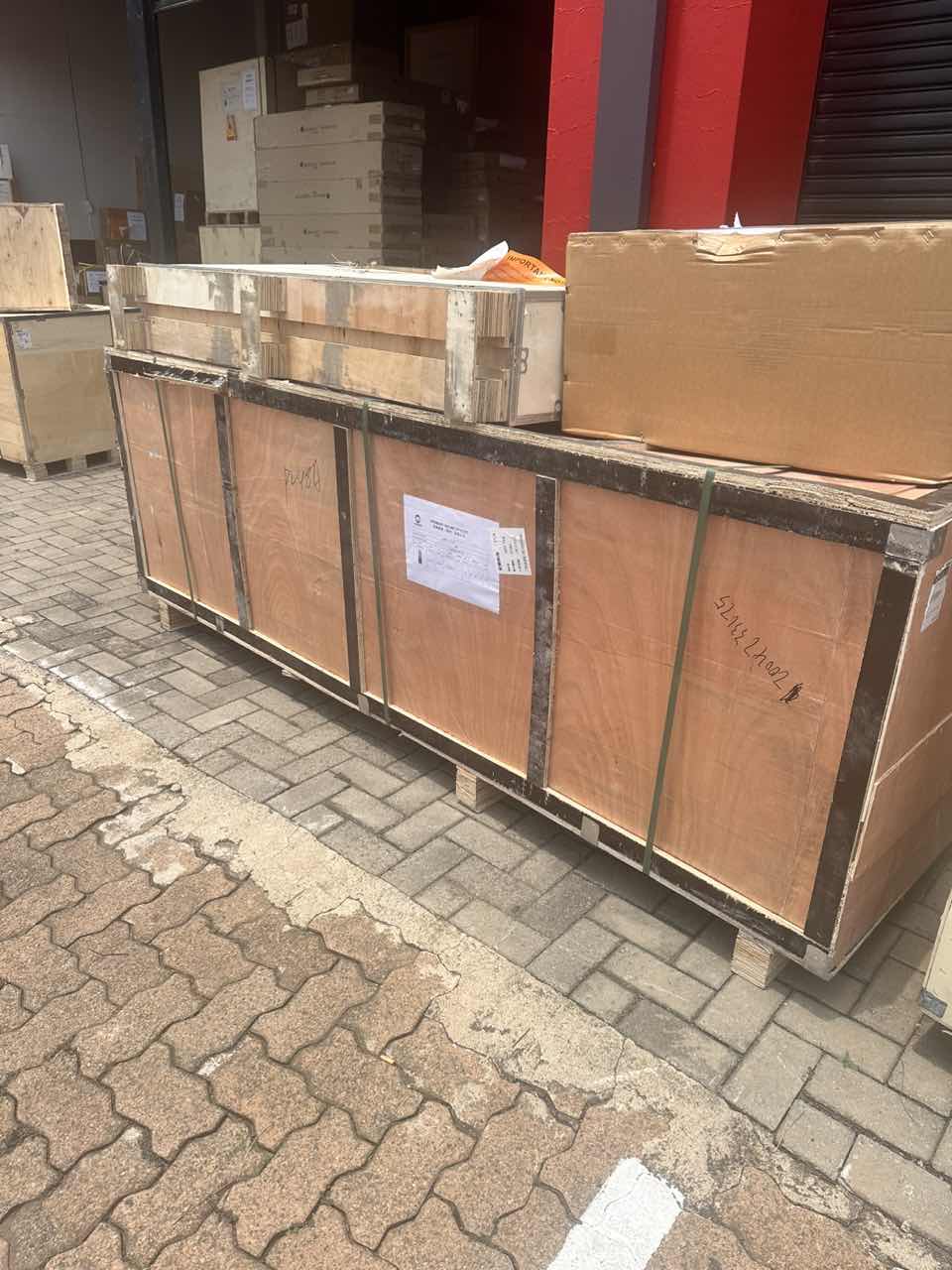
Pre Orders Offloading
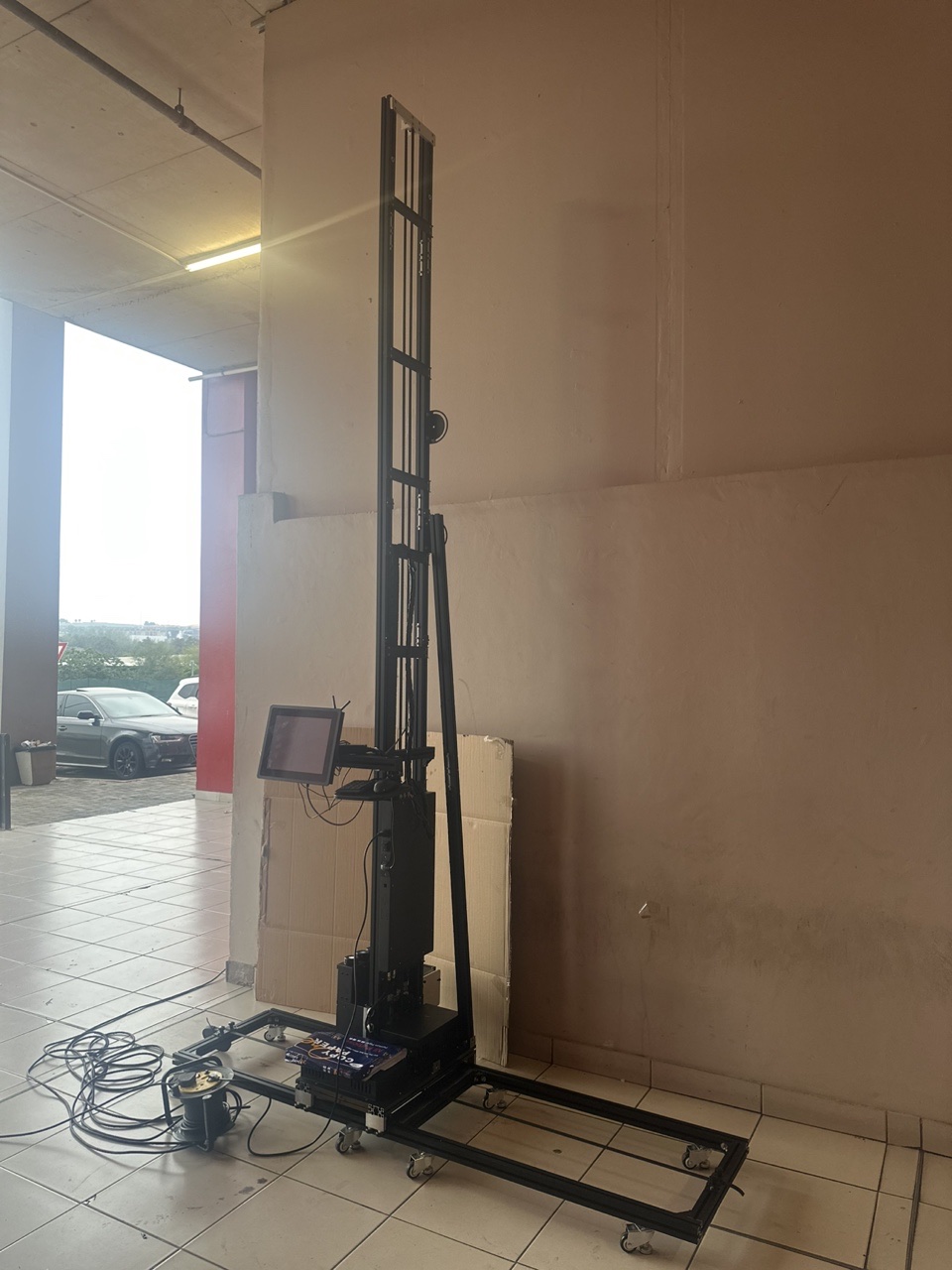
Latest Arrivals
Latest Arrivals
Latest Arrivals
Loading
Toilet paper making machine
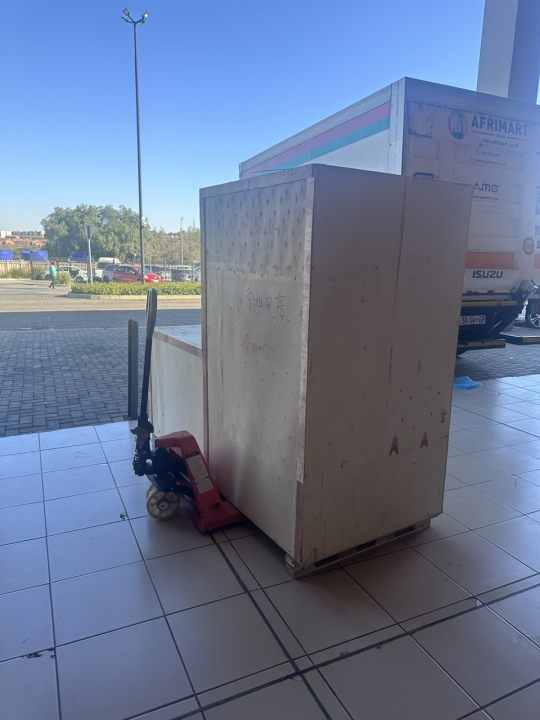
Toilet paper making machine
Toilet paper Rewinding Machine
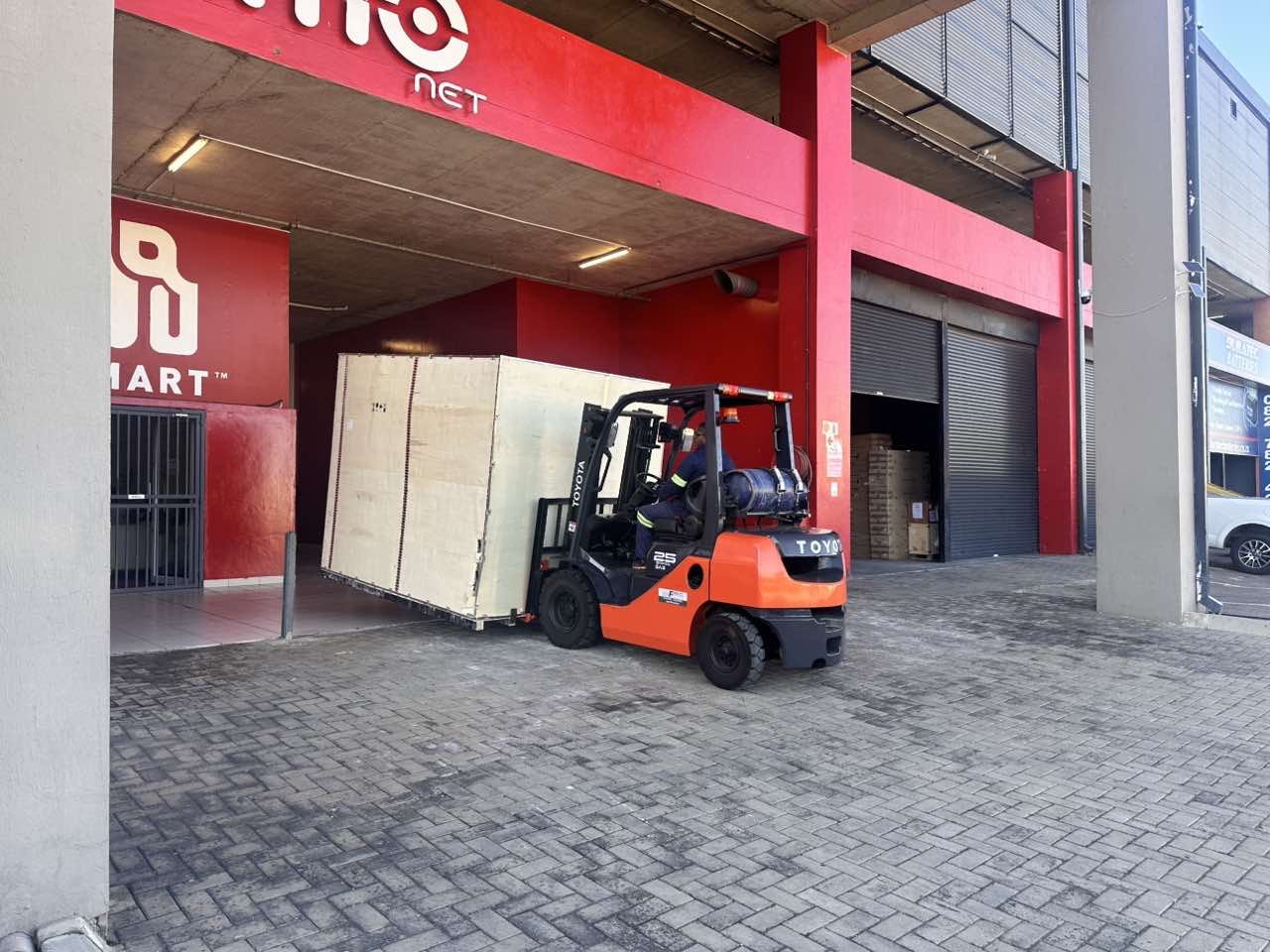
latest arrivals
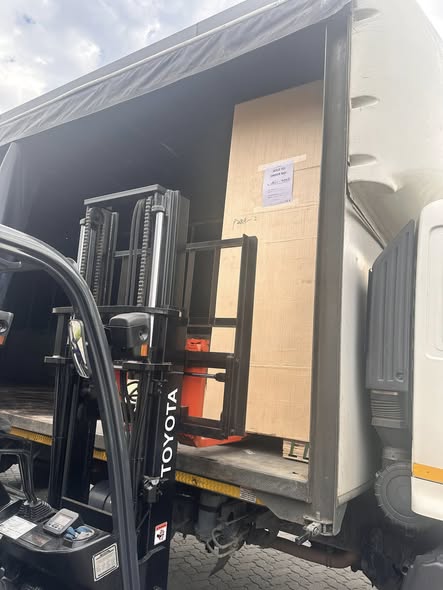
offloading
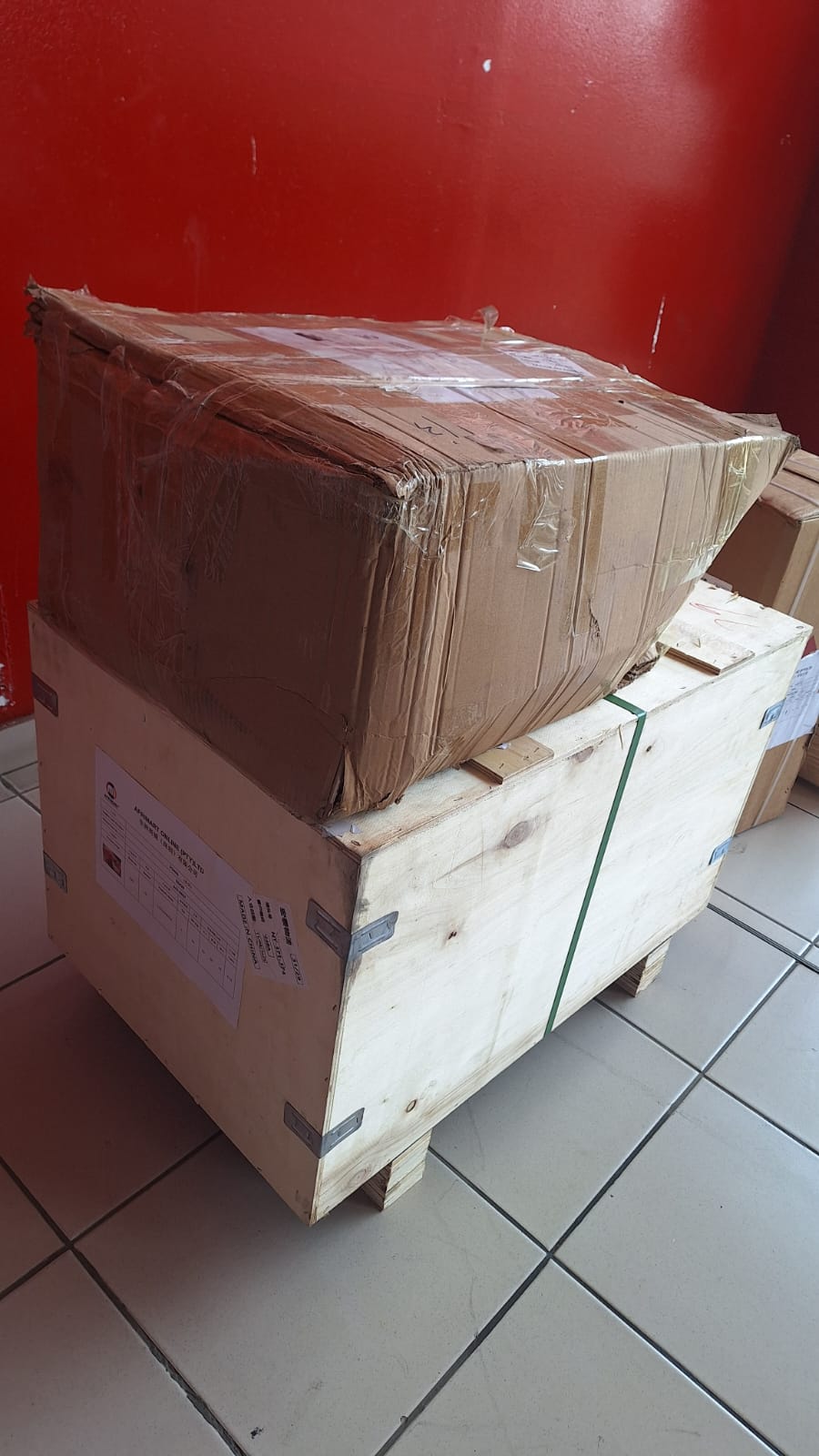
order success
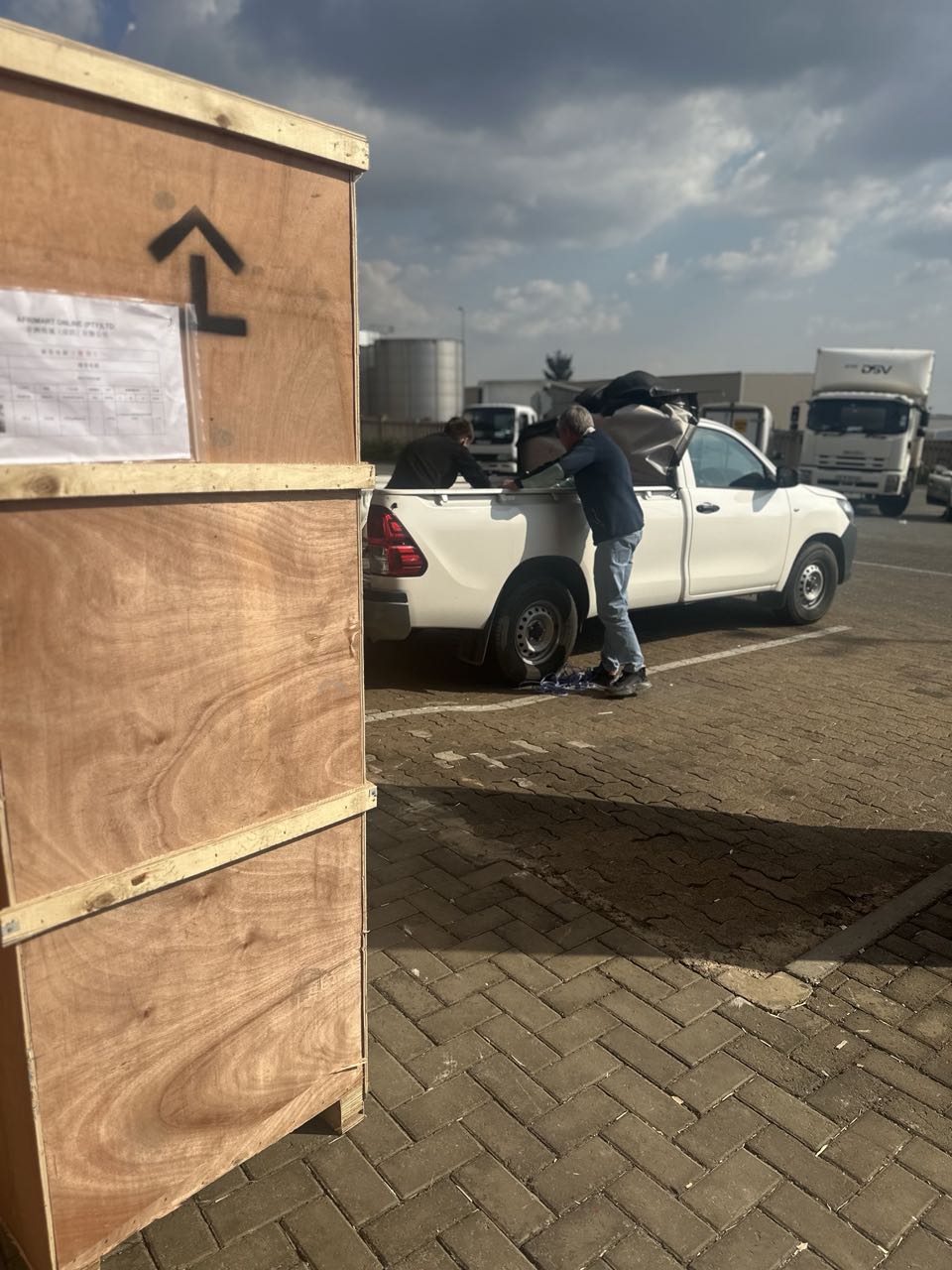
order collection
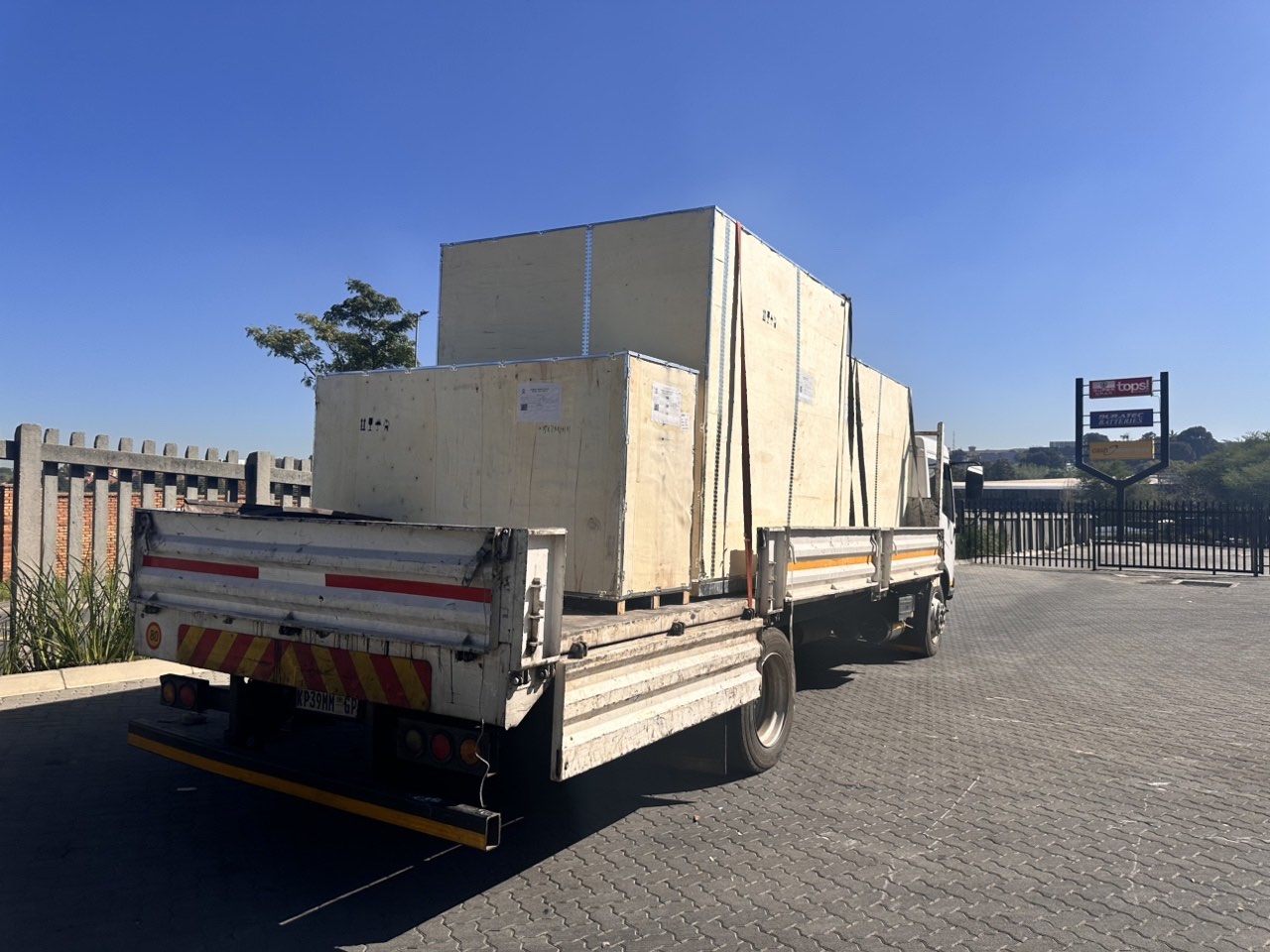
order offloading