B21, China Town Mall, Midrand


Handheld Cement Mortar Spraying Machine

- Section : Machinery
- Category : Engineering & Construction Machinery
- SKU : 1600835855273

Handheld Cement Mortar Spraying Machine:
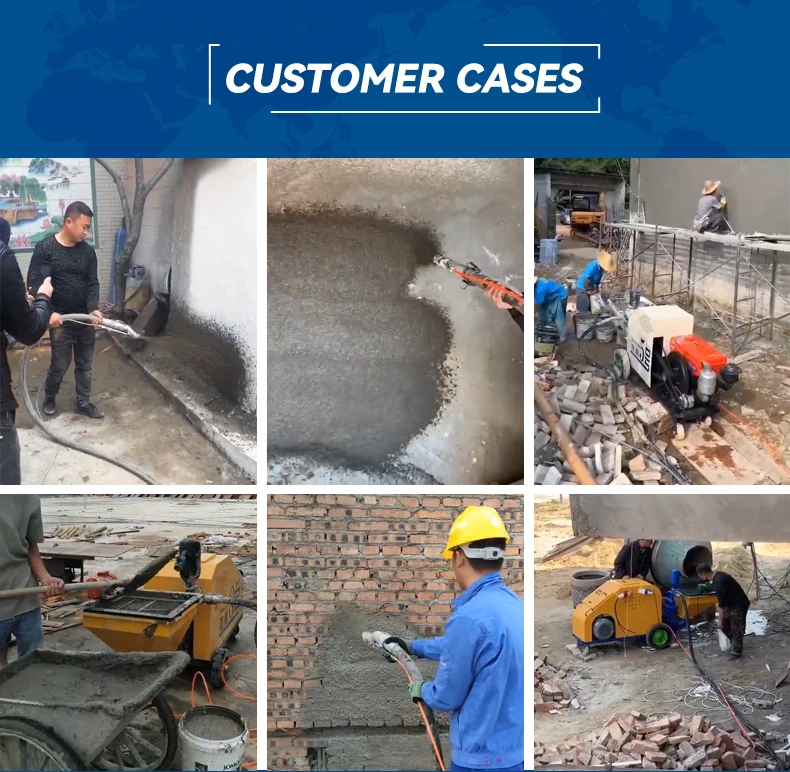
The Handheld Cement Mortar Spraying Machine is designed for efficient plaster spraying in construction. This machine makes it easy to apply mortar, cement, and water on walls. With its powerful features, you can complete your projects quickly and effectively.
Key Features
High Operating Efficiency: This machine offers excellent performance, allowing you to work faster. You can cover large areas in a short time, making your job easier.
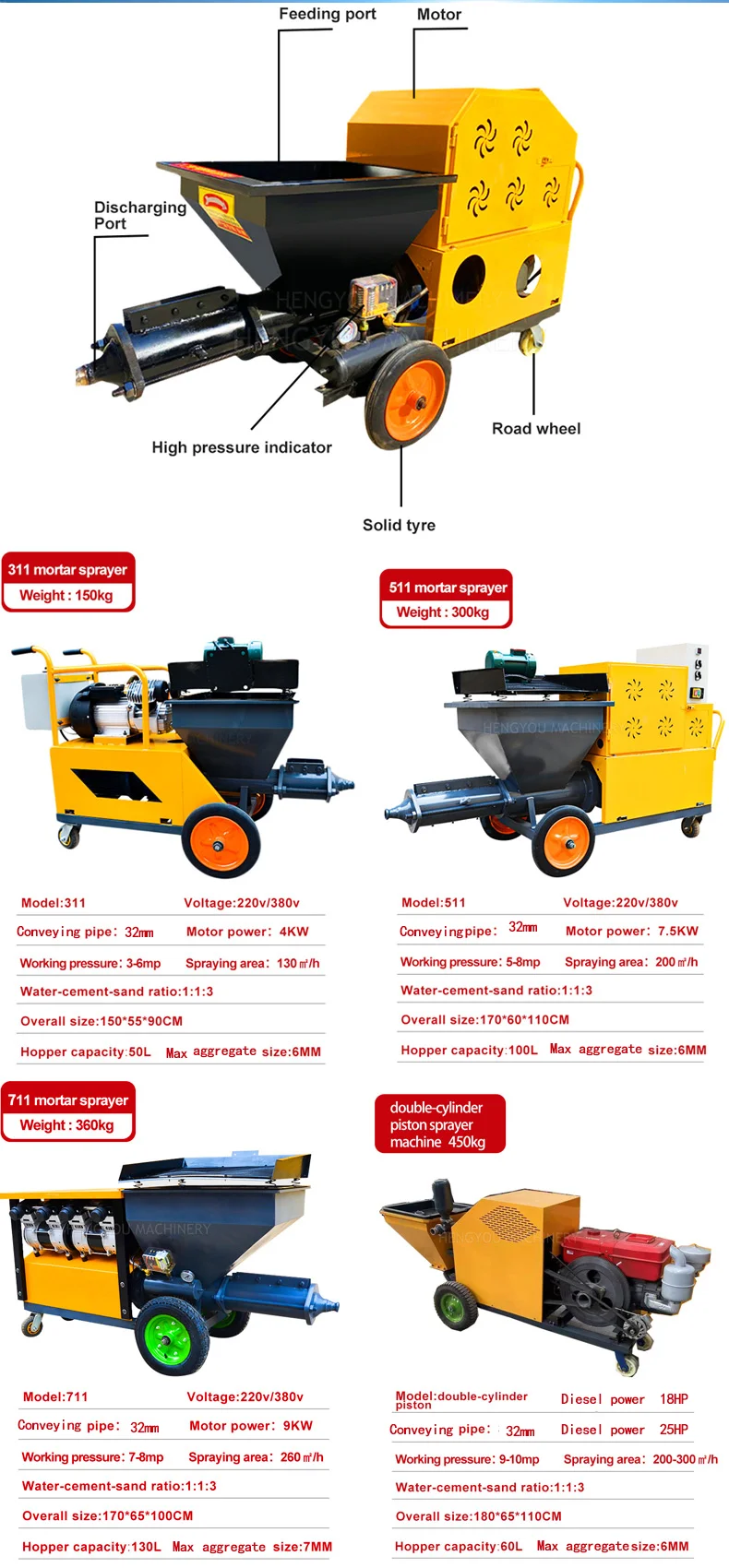
Lightweight Design: Weighing only 150 kg, this machine is easy to move around. You can transport it to different job sites without hassle.
Versatile Applications: The machine is perfect for plaster spraying, making it ideal for construction projects. Use it for walls, ceilings, and other surfaces.
Large Hopper Volume: With a hopper capacity of 50-130L, you can hold plenty of material. This means less time spent refilling and more time spraying.
Voltage Options: It operates on both 220V and 380V, giving you flexibility depending on your power source.
Compact Dimensions: Measuring 170 cm in length, 60 cm in width, and 110 cm in height, this machine fits easily into tight spaces. You can use it in various construction environments.
Applicable Materials: It can handle mortar, cement, and water, making it versatile for different spraying tasks.
Easy to Use: The handheld design allows for easy maneuverability. You can control the spraying direction and speed for precise applications.
In conclusion, the Handheld Cement Mortar Spraying Machine is an essential tool for construction projects. Its high operating efficiency, lightweight design, and versatile applications make it a great choice for contractors and DIY enthusiasts alike. Get ready to achieve smooth and even finishes with this reliable spraying machine.
Product Info Gallery
- Shipping Timeframes: All orders are processed within 2-5 business days (excluding weekends and holidays). After your order has been processed, the estimated delivery time is before 03 Aug, 2026, depending on customs, Please note that due to high demand, some items may experience longer shipping times, which will be communicated at order confirmation email.
- Order Processing Time: Please allow 2-5 business days for us to process your order before it is shipped . Orders placed after 16:00 on Fridays, or during weekends and public holidays, will begin processing on the next business day. Processing times may be extended during peak seasons or sales events.
- Manufacturing Time: Some products needs manufacturing time, the manufacturing process will take approximately 10-30 business days depending on the product. This timeframe may vary depending on the complexity of the product and current demand. but this will be communicated with you during order confirmation.
- Returns and Exchanges: We offer a 30-day return policy for most items. If you are not completely satisfied with your purchase, you may return it within 30 days of receipt for a refund or exchange. Items must be unused, in their original packaging, and accompanied by proof of purchase. Return shipping costs are the responsibility of the customer, unless the item was damaged or defective upon arrival.
1. What is the Handheld Cement Mortar Spraying Machine used for?
It is a portable spraying machine designed to apply mortar, cement renders and similar wet mixes to walls, ceilings and other construction surfaces for fast, even plastering and rendering.
2. Which materials can I spray with this machine?
It is suitable for cement mortar, plaster mixes and water-diluted cement-based coatings. Always follow mix and viscosity guidelines from the supplier to avoid clogging or damage.
3. What is the hopper capacity?
The hopper capacity ranges between 50 and 130 liters, allowing long spraying runs with fewer refills.
4. How heavy and portable is the machine?
The machine weighs approximately 150 kg. Its compact dimensions (170 cm × 60 cm × 110 cm) and handheld spray assembly make it relatively easy to move around job sites, though mechanical assistance or a vehicle may be needed for long transfers.
5. What power supply does it require?
The machine is available for 220 V and 380 V power supplies. Confirm with the seller whether your unit is configured for single- or three-phase connection and ensure your site power matches the selected model.
6. Can I use the machine for ceilings and overhead work?
Yes — it is designed for walls and ceilings. Use proper technique, support and PPE for overhead spraying to ensure safety and uniform application.
7. How easy is it to operate for beginners?
The handheld spray gun and simple controls make it straightforward to use. New operators should read the manual, practice on a test surface, and adjust material consistency and spray settings for best results.
8. How should I prepare the mortar mix for spraying?
Prepare mixes to the consistency recommended by the machine/manual — typically a lump-free, pumpable mortar. Use correct water ratio and sieve aggregates if needed. Overly dry or excessively wet mixes can cause blockages or poor adhesion.
9. What routine maintenance is required?
After each shift, flush and thoroughly clean the hopper, hose and nozzle to prevent hardening. Regularly inspect seals, hoses, filters, bearings and couplings, and replace wear parts as needed. Lubricate moving parts per the manual.
10. How do I clean the machine after use?
Drain any remaining material, then flush the hopper, pump and hose with clean water until clear. Remove and clean the nozzle and gun. For hardened residue, follow supplier-recommended cleaning procedures to avoid damage.
11. What common problems might occur and how do I troubleshoot them?
Common issues include clogging (check mix consistency and clean nozzle/hose), low or inconsistent pressure (inspect pump, seals and air supply), and uneven spray (adjust nozzle/pressure and check for blockages). Refer to the troubleshooting section of the manual for step-by-step checks.
12. Are different nozzles or spray tips available?
Yes — the machine typically accepts different nozzle sizes and tip types for fine or coarse finishes. Check with the supplier for compatible nozzle options and recommended settings for each material.
13. What safety precautions should I follow?
Wear appropriate PPE (eye protection, gloves, respirator, and protective clothing). Ensure proper grounding and electrical safety for the power supply, lock out power before maintenance, and maintain safe distances when spraying to avoid rebound and inhalation.
14. What accessories and spare parts should I have on hand?
Common useful items include spare nozzles and seals, replacement hoses, gaskets, pump components, cleaning tools and the correct wrenches. Ask the vendor for a recommended spare-parts list for your model.
15. Is there a warranty or after-sales support?
Warranty terms and after-sales support vary by vendor. Check the product listing or contact the seller for details on warranty period, coverage, spare-part availability and service options before purchase.
Latest Order Arrivals
Discover our latest orders
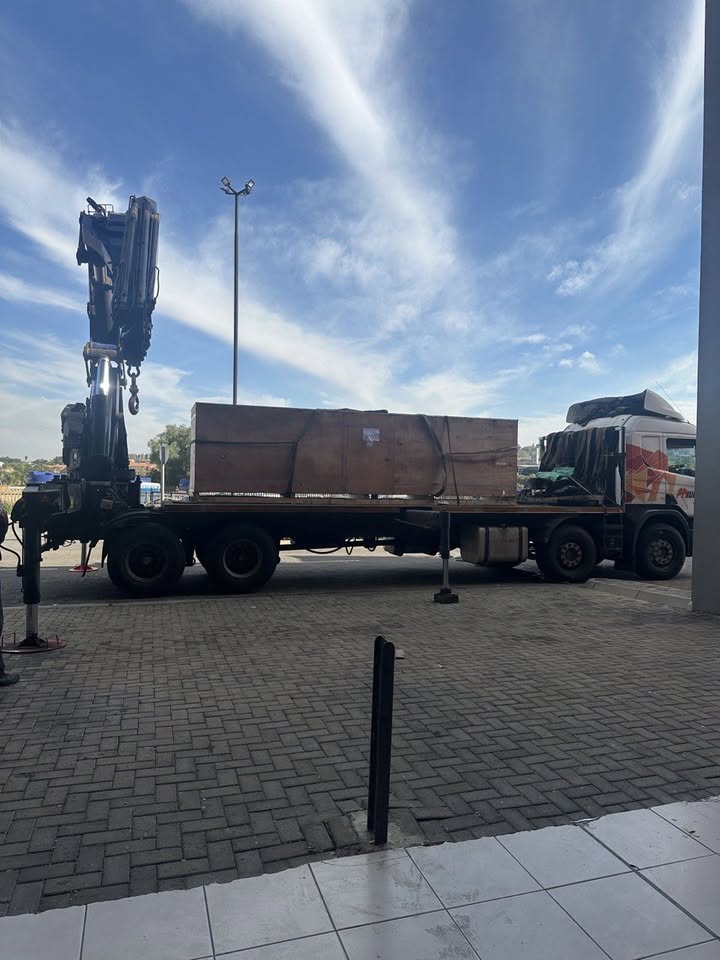
12 Heads Embroidery Machine
Toilet Paper Machine Machine
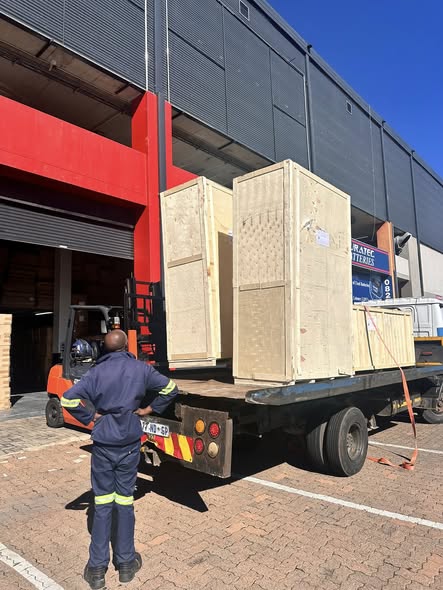
Order Collection
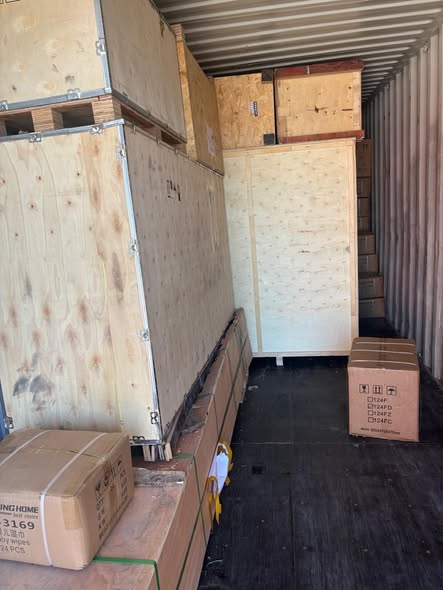
Cross Border Clients
Order cros border countries Collected
Industrial Machine Cllection
Agriculture Processing Machines
Ready for collection
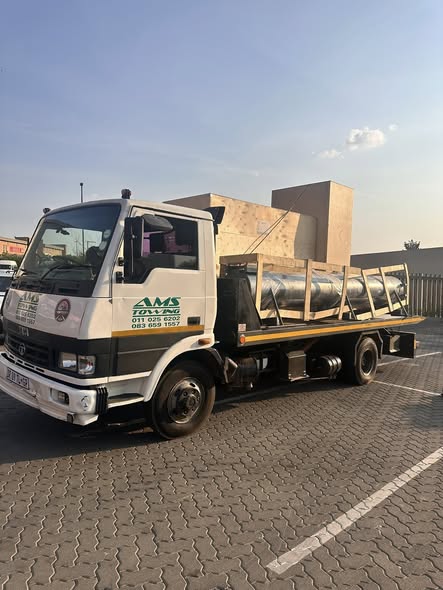
Water Pump Equipment
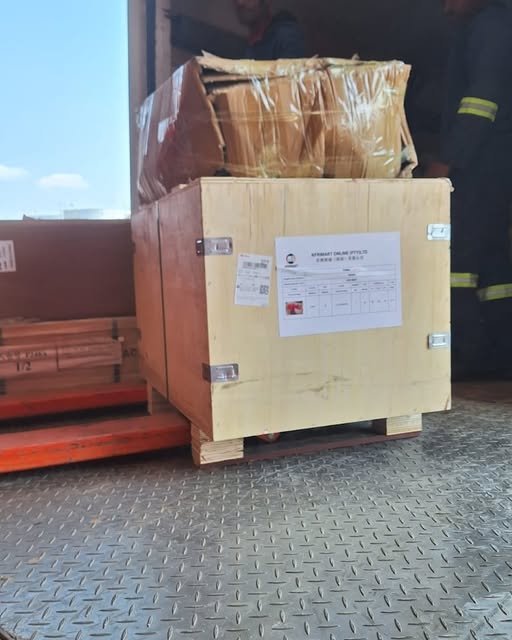
Packaging Machine and accessories
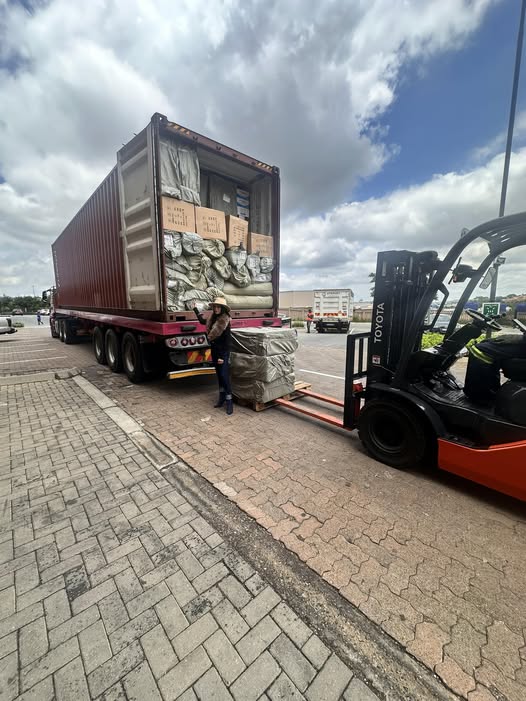
Fabrics Manufacturing Equipment
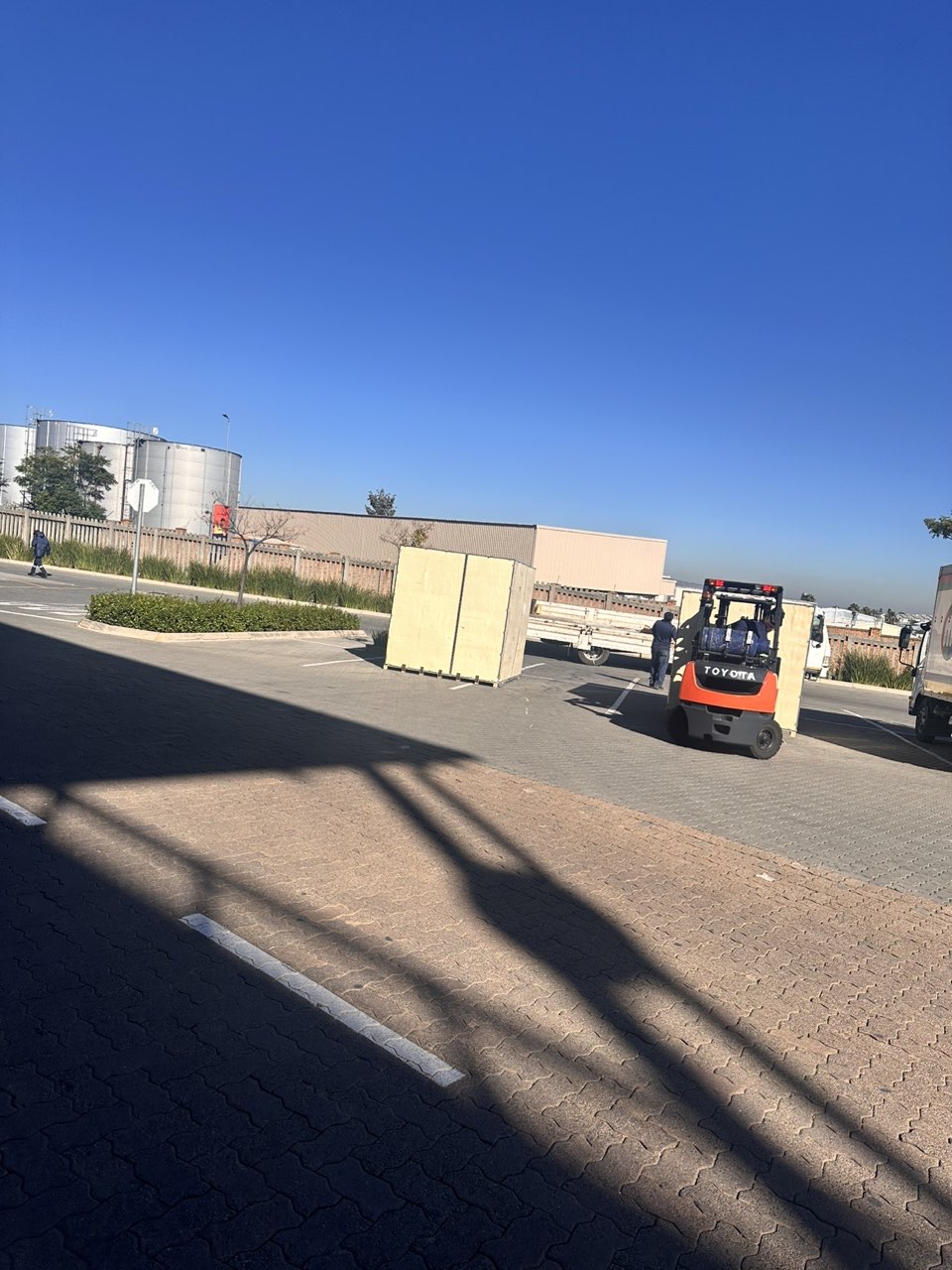
Mining Equipments
Food Processing Machine
Batch of Orders
Batch of Orders
Latest Orders Labelled
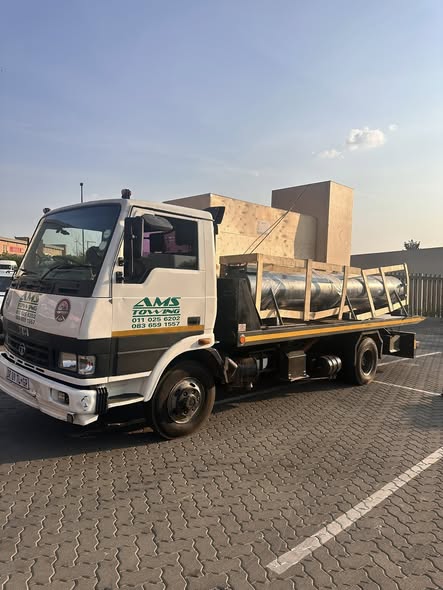
wheel alignment machines
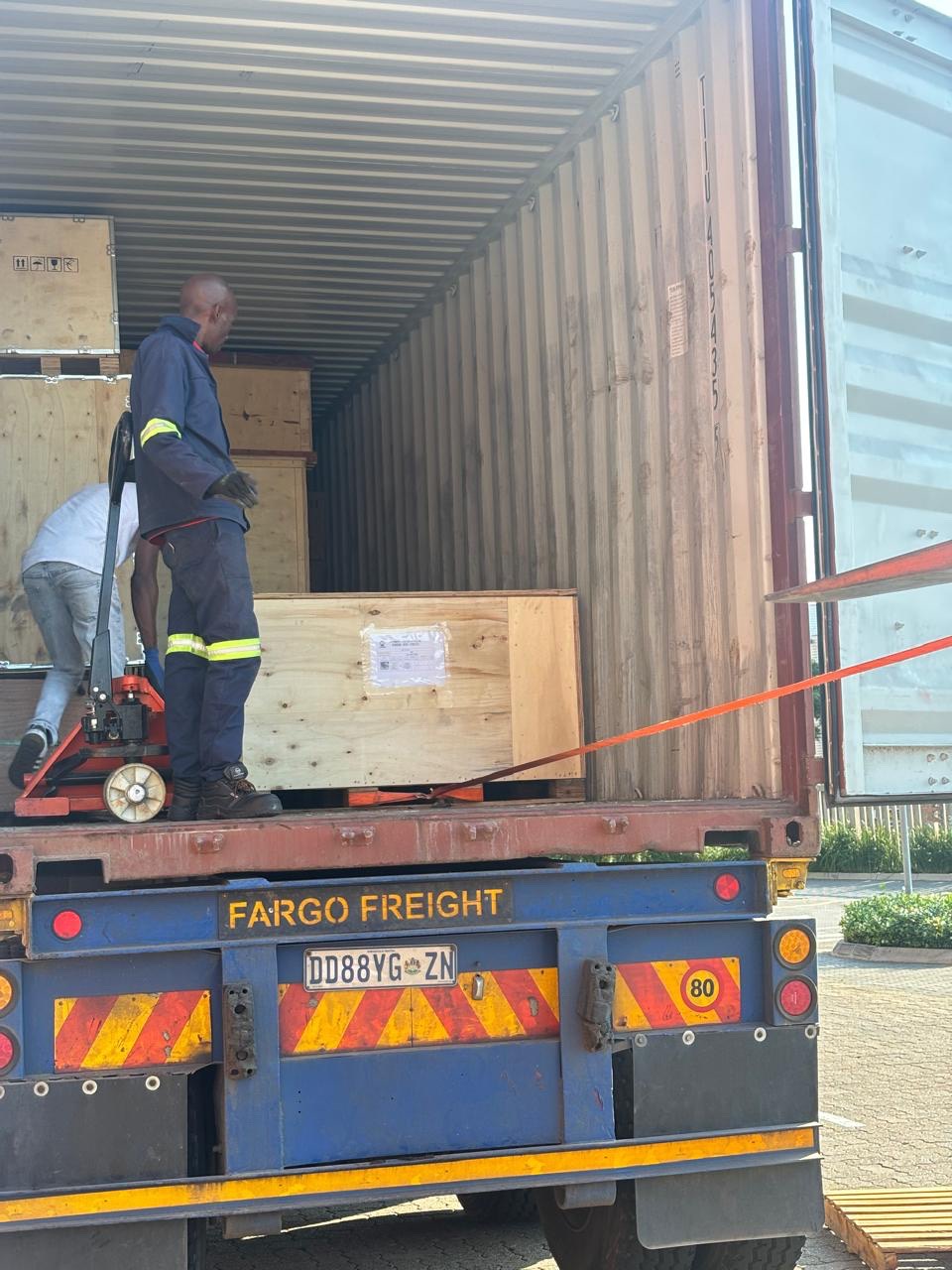
new arrivals
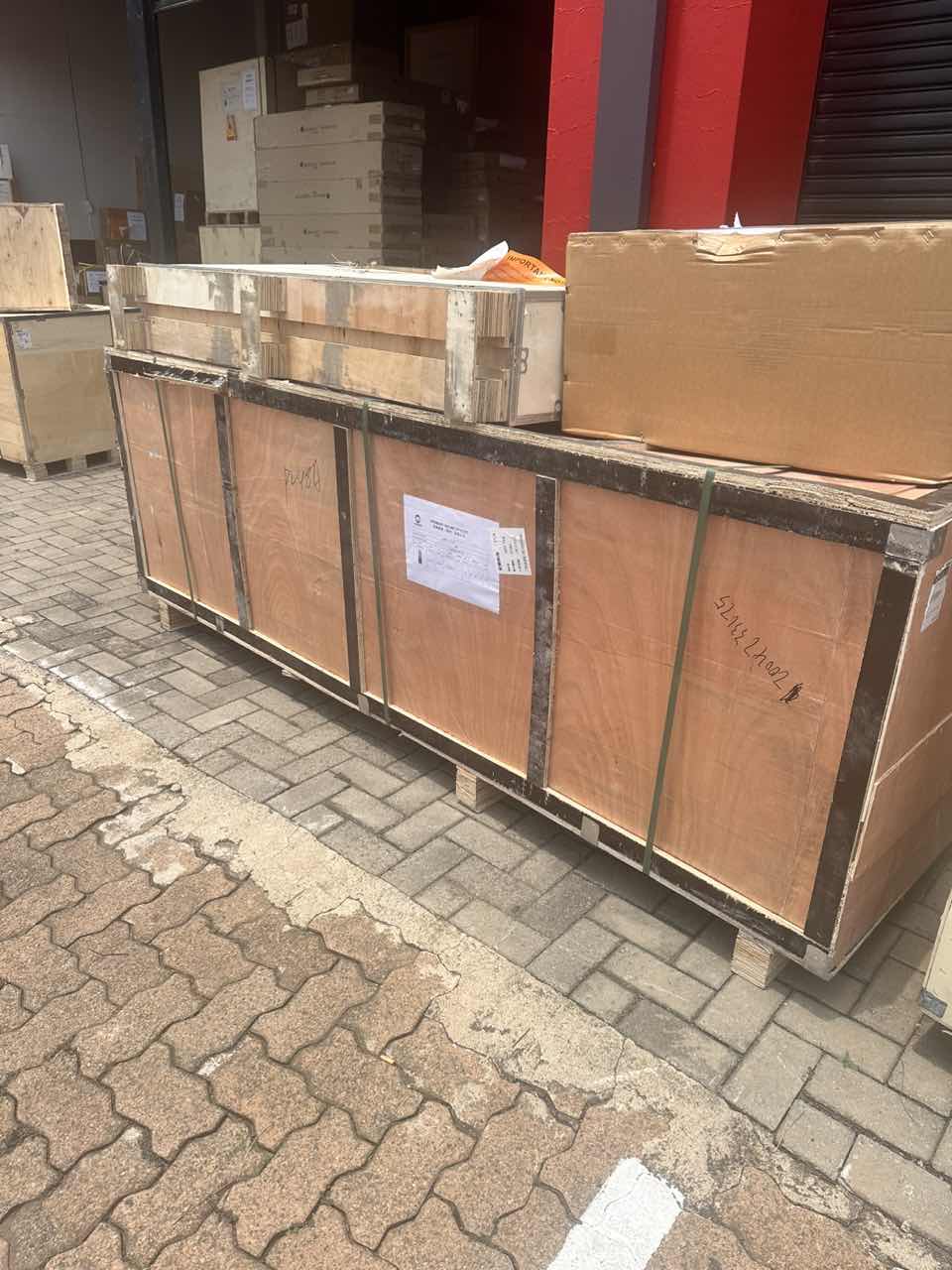
Pre Orders Offloading
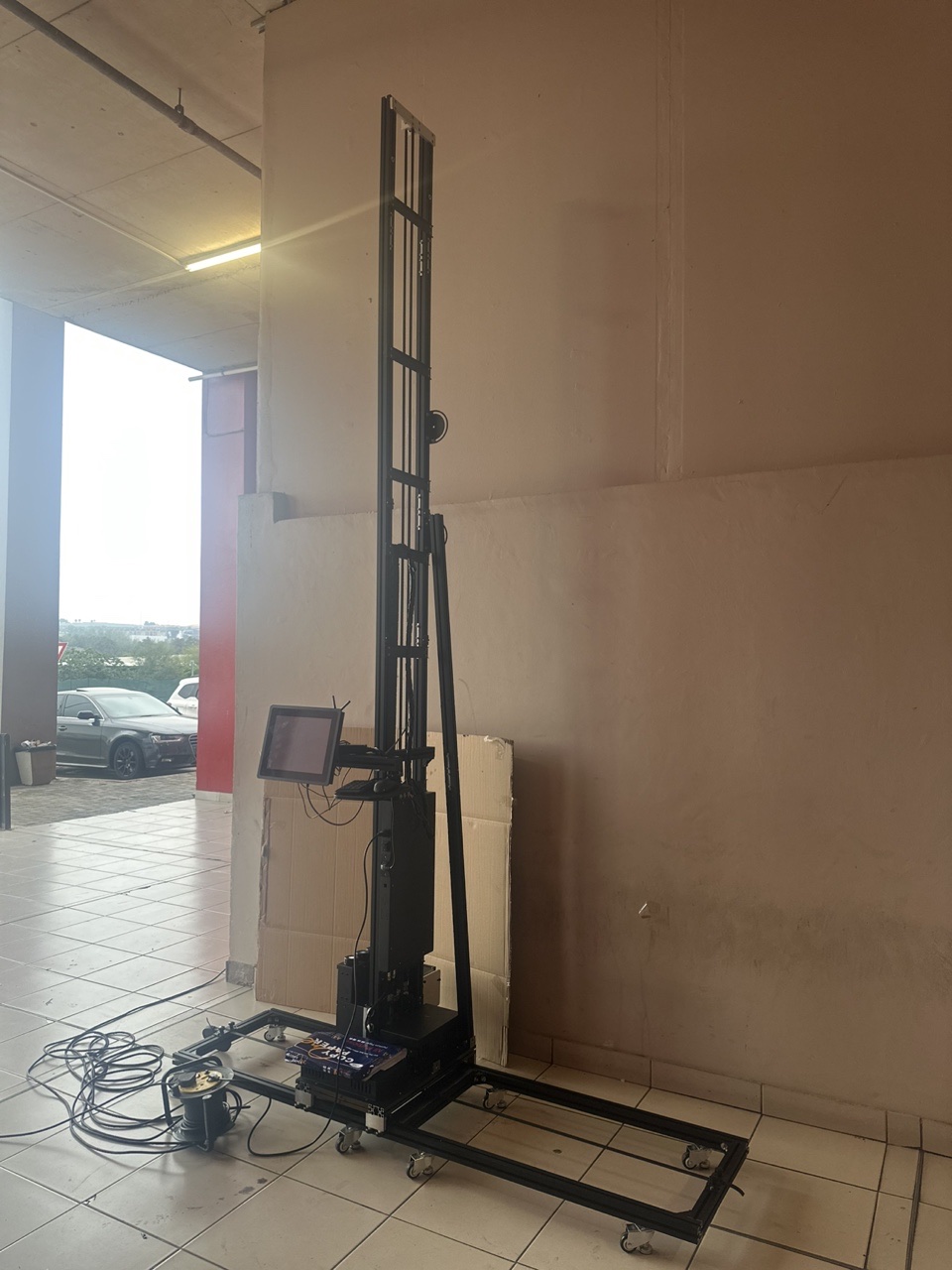
Latest Arrivals
Latest Arrivals
Latest Arrivals
Loading
Toilet paper making machine
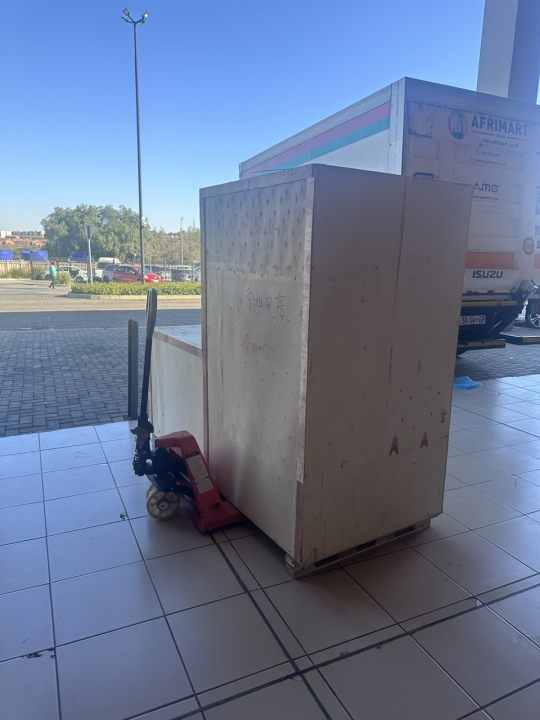
Toilet paper making machine
Toilet paper Rewinding Machine
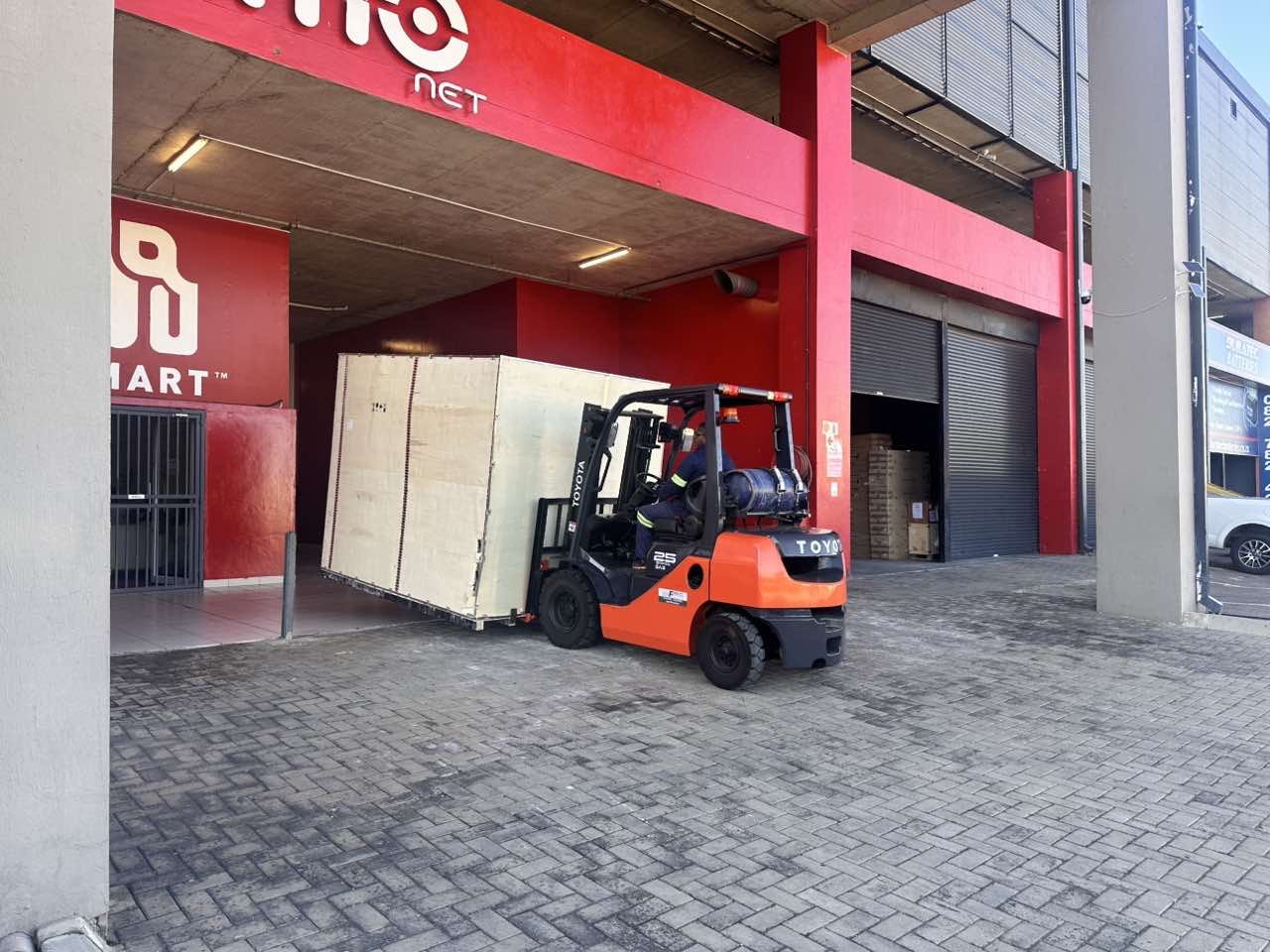
latest arrivals
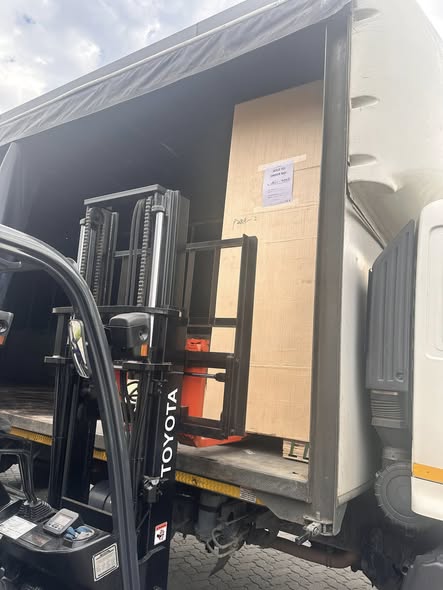
offloading
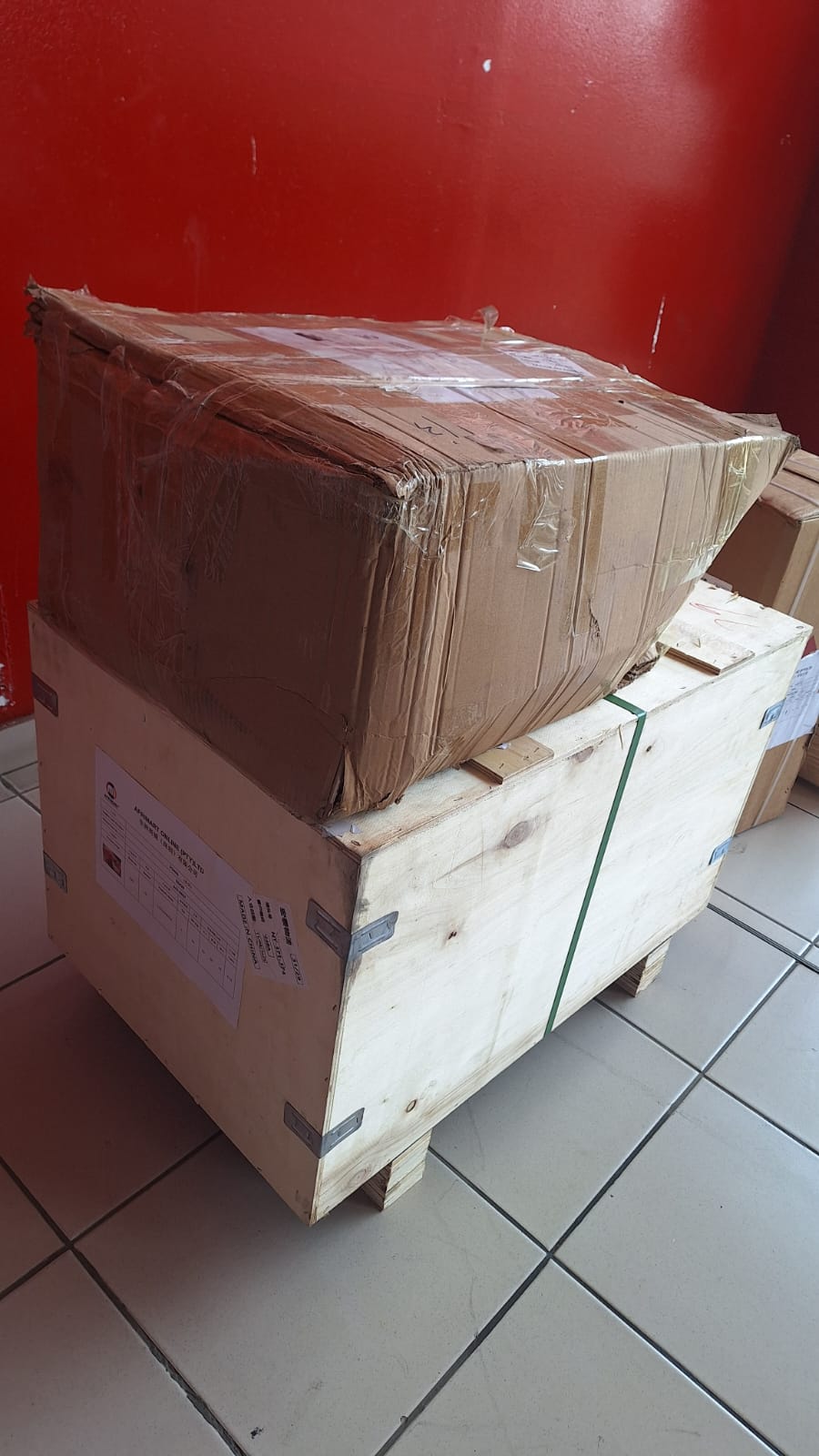
order success
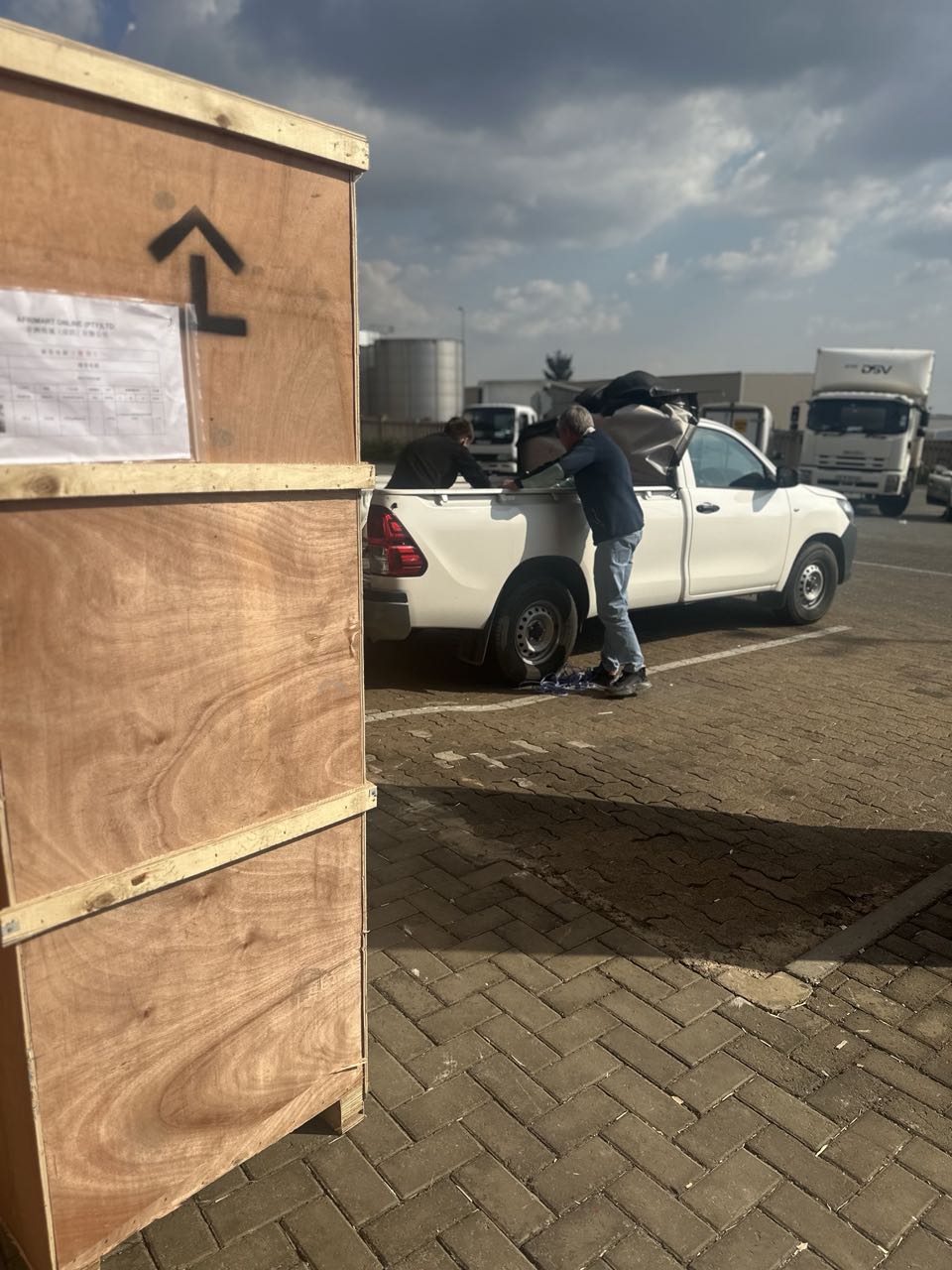
order collection
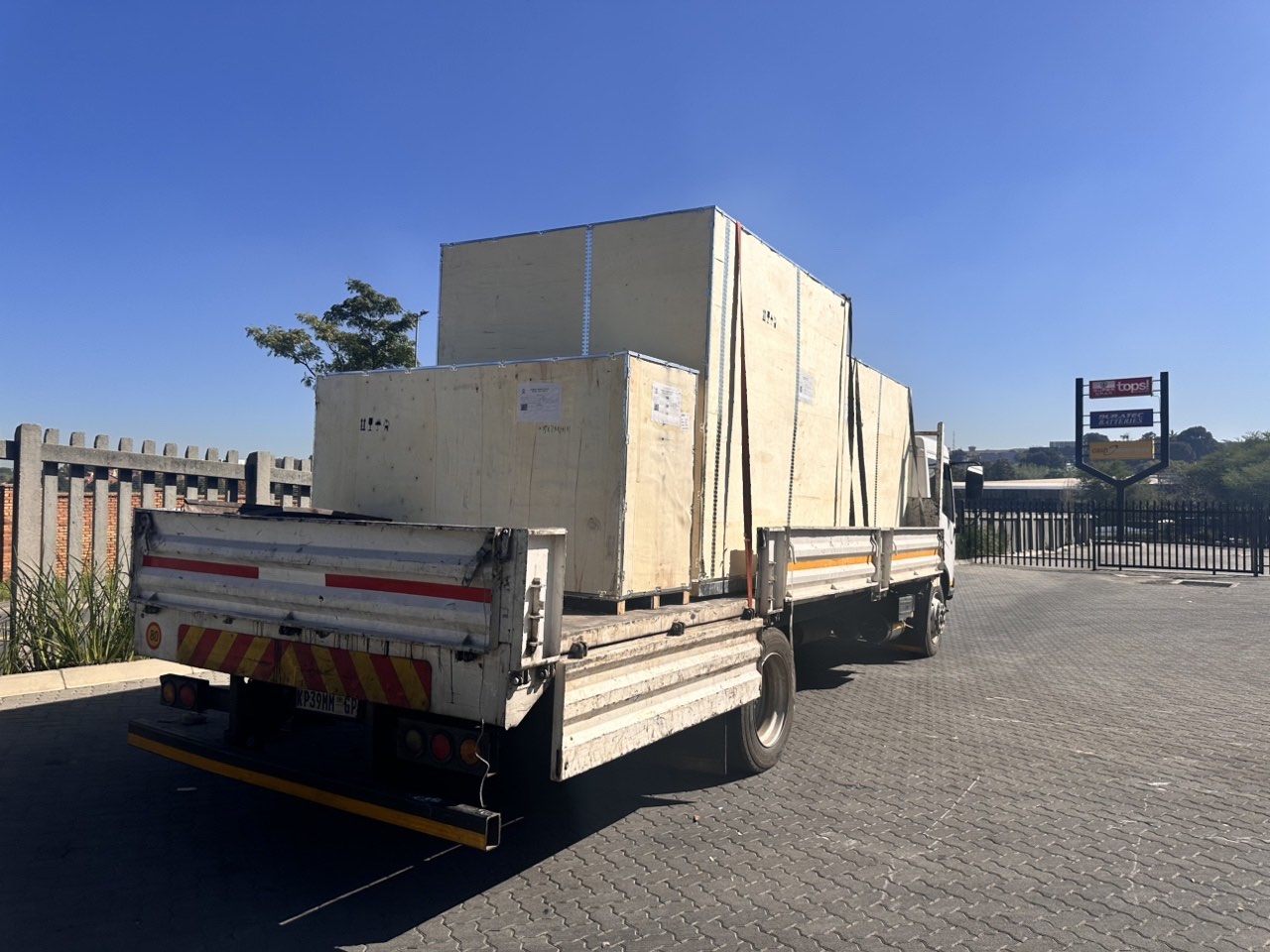
order offloading