B21, China Town Mall, Midrand

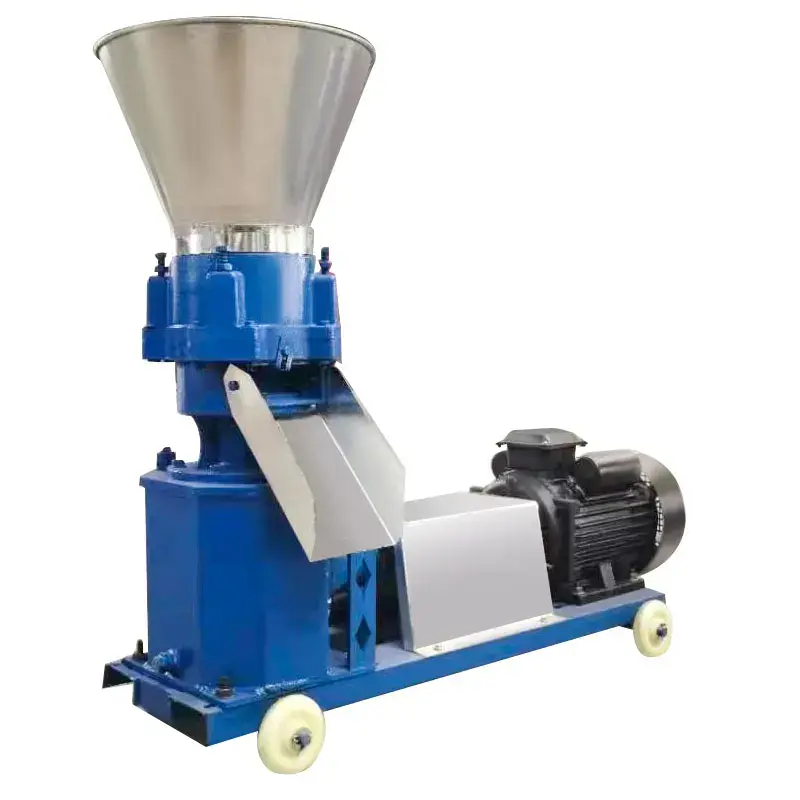
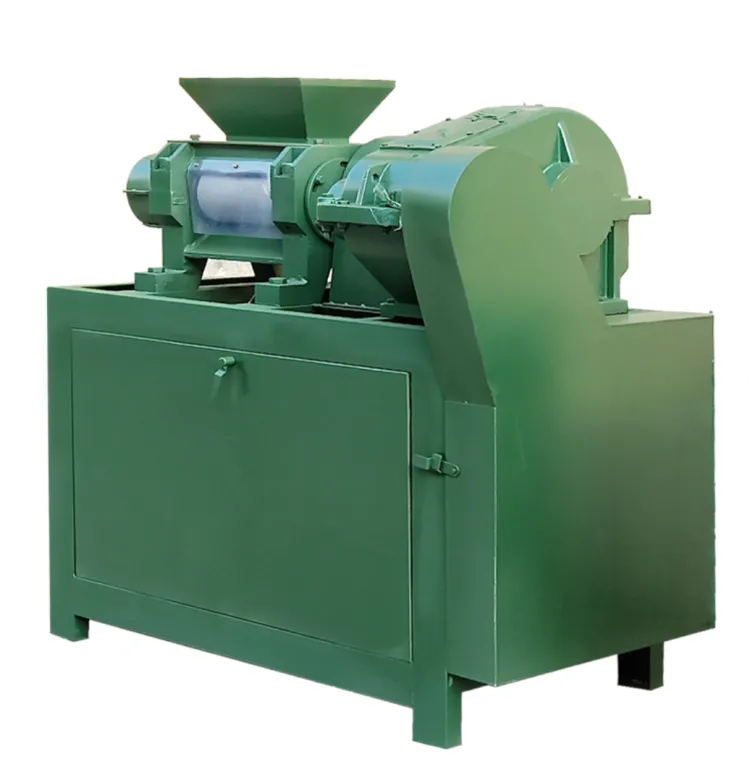
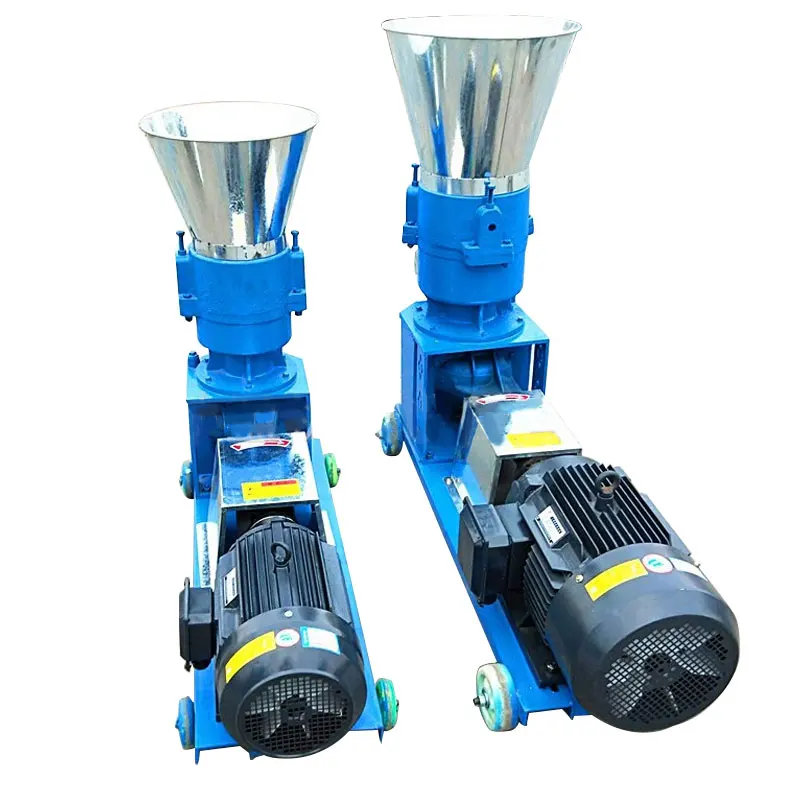
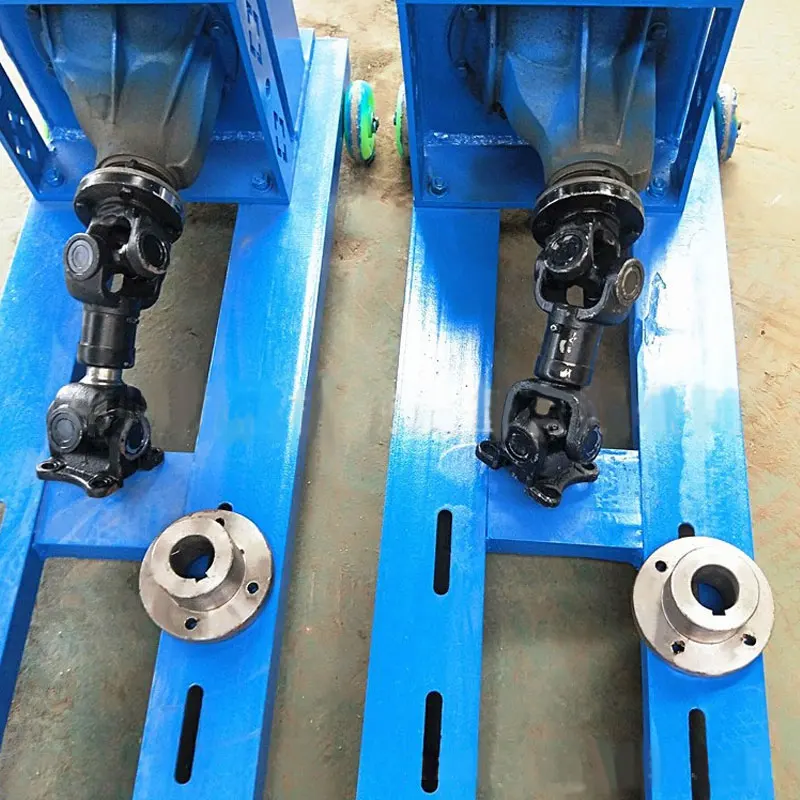
Grass Chopper Poultry Animal Small Pellet Making Machine Model

- Section : Machinery
- Category : Agriculture Machinery
- SKU : 1600782632892

Product Description
Animal Feed Machine Processing
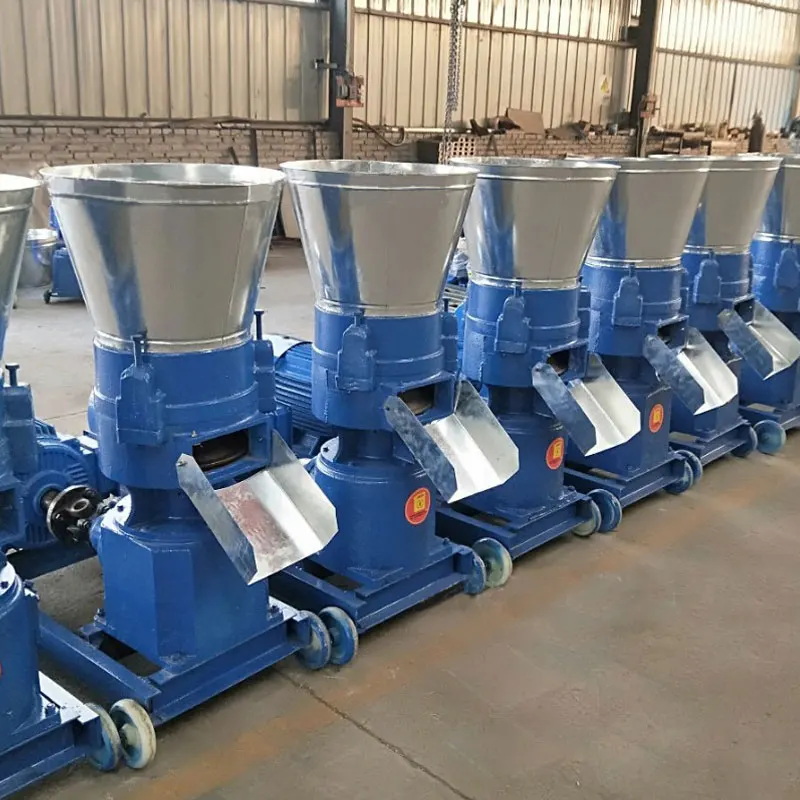
2-8mm Farm Animal Feed Pellet Making Machine Mill Chicken Feed Pellet Duck Mill Machine
Meat and bone meal, hay, straw, corn, soybeans and other grains are suitable. The total humidity of raw materials should be controlled at about 5%-10%. It is used for producing pellet feed for farm animals, such as chickens, pigs and cows etc
- Shipping Timeframes: All orders are processed within 2-5 business days (excluding weekends and holidays). After your order has been processed, the estimated delivery time is before 01 Jul, 2026, depending on customs, Please note that due to high demand, some items may experience longer shipping times, which will be communicated at order confirmation email.
- Order Processing Time: Please allow 2-5 business days for us to process your order before it is shipped . Orders placed after 16:00 on Fridays, or during weekends and public holidays, will begin processing on the next business day. Processing times may be extended during peak seasons or sales events.
- Manufacturing Time: Some products needs manufacturing time, the manufacturing process will take approximately 10-30 business days depending on the product. This timeframe may vary depending on the complexity of the product and current demand. but this will be communicated with you during order confirmation.
- Returns and Exchanges: We offer a 30-day return policy for most items. If you are not completely satisfied with your purchase, you may return it within 30 days of receipt for a refund or exchange. Items must be unused, in their original packaging, and accompanied by proof of purchase. Return shipping costs are the responsibility of the customer, unless the item was damaged or defective upon arrival.
1. What is the Grass Chopper Poultry Animal Small Pellet Making Machine Model: 125 used for?
It is a small pellet mill designed to make 2–8 mm animal feed pellets from materials such as meat and bone meal, hay, straw, corn, soybeans and other grains for animals like chickens, ducks, pigs and cows.
2. What pellet sizes can this machine produce?
The machine can produce pellets with diameters between 2 mm and 8 mm. Pellet length is typically controlled by the cutter or knife and can be adjusted to meet feed requirements.
3. What raw materials are suitable for this pellet machine?
Suitable materials include meat and bone meal, hay, straw, corn, soybeans and most other grains. High-moisture materials (fresh grass, wet manure) should be dried or mixed to appropriate moisture before pelleting.
4. What moisture content should raw materials have?
Total moisture of the raw materials should be controlled at about 5%–10% for optimal pellet formation and machine performance.
5. What output or capacity can I expect from Model 125?
Output depends on raw material type, particle size, moisture and motor configuration. Small pellet mills of this class typically produce from several dozen to a few hundred kilograms per hour. Contact the supplier for confirmed capacity based on your feed formula and power option.
6. What power supply and motor does the machine require?
Motor power and electrical configuration vary by model option and region. Please consult the product specification sheet or supplier for the exact motor kW and single-phase/three-phase requirements for Model 125.
7. Do I need to pre-process raw materials before pelleting?
Yes. Raw materials should be ground to a fine, uniform particle size and adjusted to the recommended moisture (5%–10%). Oily or sticky ingredients may require additives or blending. Hard materials like corn or straw often require pre-grinding.
8. How do I operate the pellet mill (basic steps)?
Typical steps: install on a flat surface and connect the correct power supply; check lubrication and fasteners; pre-process and adjust moisture of raw materials; feed material into the hopper; start the machine and monitor pellet formation; stop, cool and collect pellets. Always follow the supplier's full operation manual and safety instructions.
9. What maintenance is required and how often?
Regular maintenance includes daily cleaning of the hopper and die area, inspection and lubrication of bearings and moving parts, and periodic checking/replacement of wear parts (die and rollers). Frequency depends on usage; inspect wear parts weekly under heavy use.
10. Which parts wear fastest and are replacements available?
Dies and rollers are the primary wear parts. Replacement dies/rollers and other consumables are usually available from the manufacturer or supplier—keep spare sets on hand for continuous operation.
11. Are there safety precautions I should follow?
Yes. Disconnect power before servicing, keep hands and loose clothing away from moving parts, use appropriate PPE (gloves, eye protection, hearing protection), ensure good ventilation and stable mounting, and follow all supplier safety guidelines.
12. What should I do if pellets are crumbly or don’t form well?
Check material moisture (too low causes crumbling; too high causes clogging), ensure raw material is properly ground, verify die hole size matches feed formula, and make sure roller pressure and temperature are correct. Adjust recipe or processing parameters accordingly.
13. Can this machine process meat and bone meal safely?
The machine can pelletize meat and bone meal, but safe handling and compliance with local regulations (pathogen control, permitted use in animal feeds) are essential. Ensure raw materials are properly processed and that local feed regulations allow inclusion of such materials.
14. Do I need a pellet cooler or dryer after pelleting?
Pellets exit the die warm and may retain some moisture. For best storage stability and hardness, cooling and/or drying is recommended before long-term storage or bagging—especially for large-scale production.
15. How can I get warranty, technical support or order spare parts?
Contact the machine supplier or manufacturer directly for warranty terms, technical support, spare part availability and lead times. Keep your machine model and serial number handy when requesting service.
Latest Order Arrivals
Discover our latest orders
12 Heads Embroidery Machine
Dewatering Pump Machine
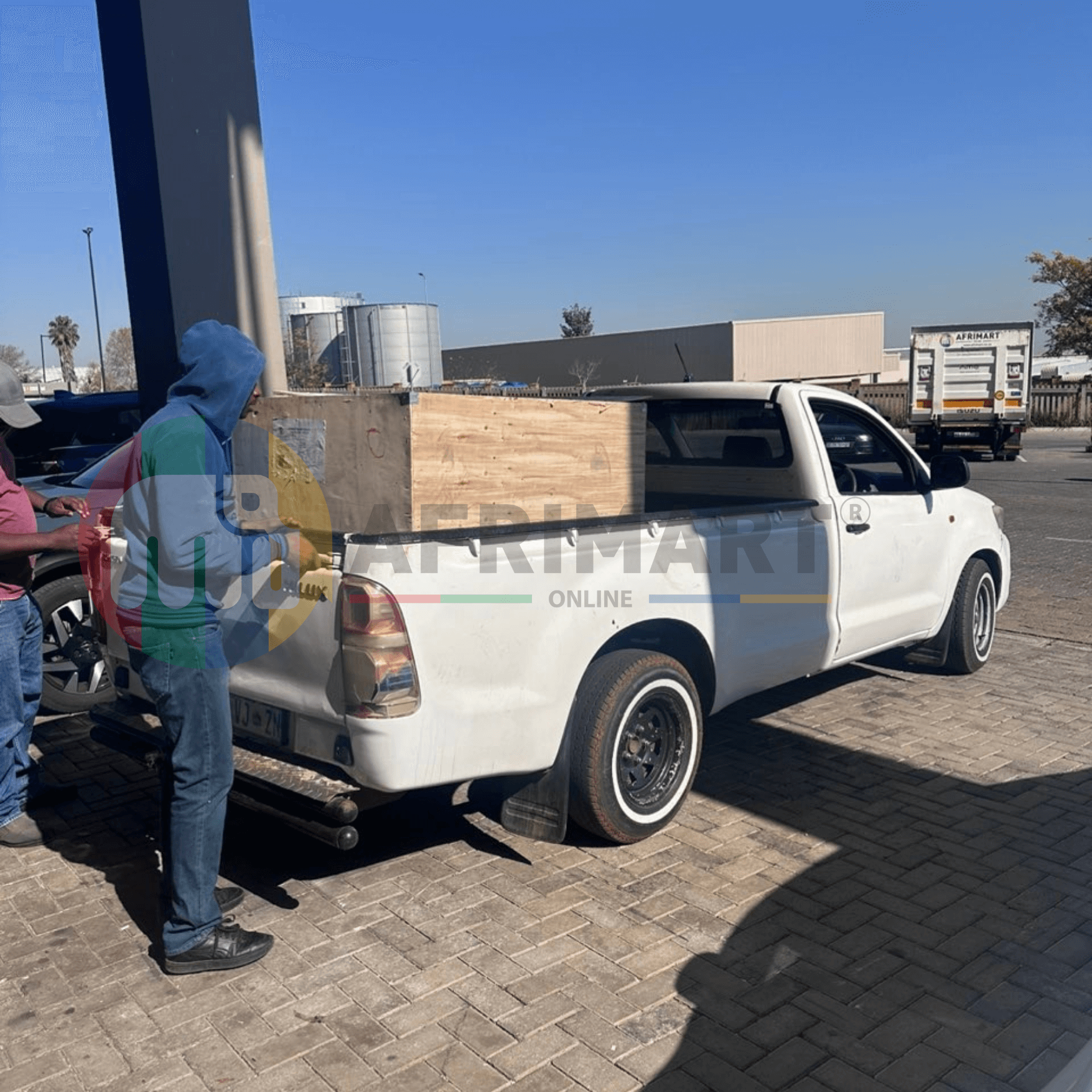
Order Collection
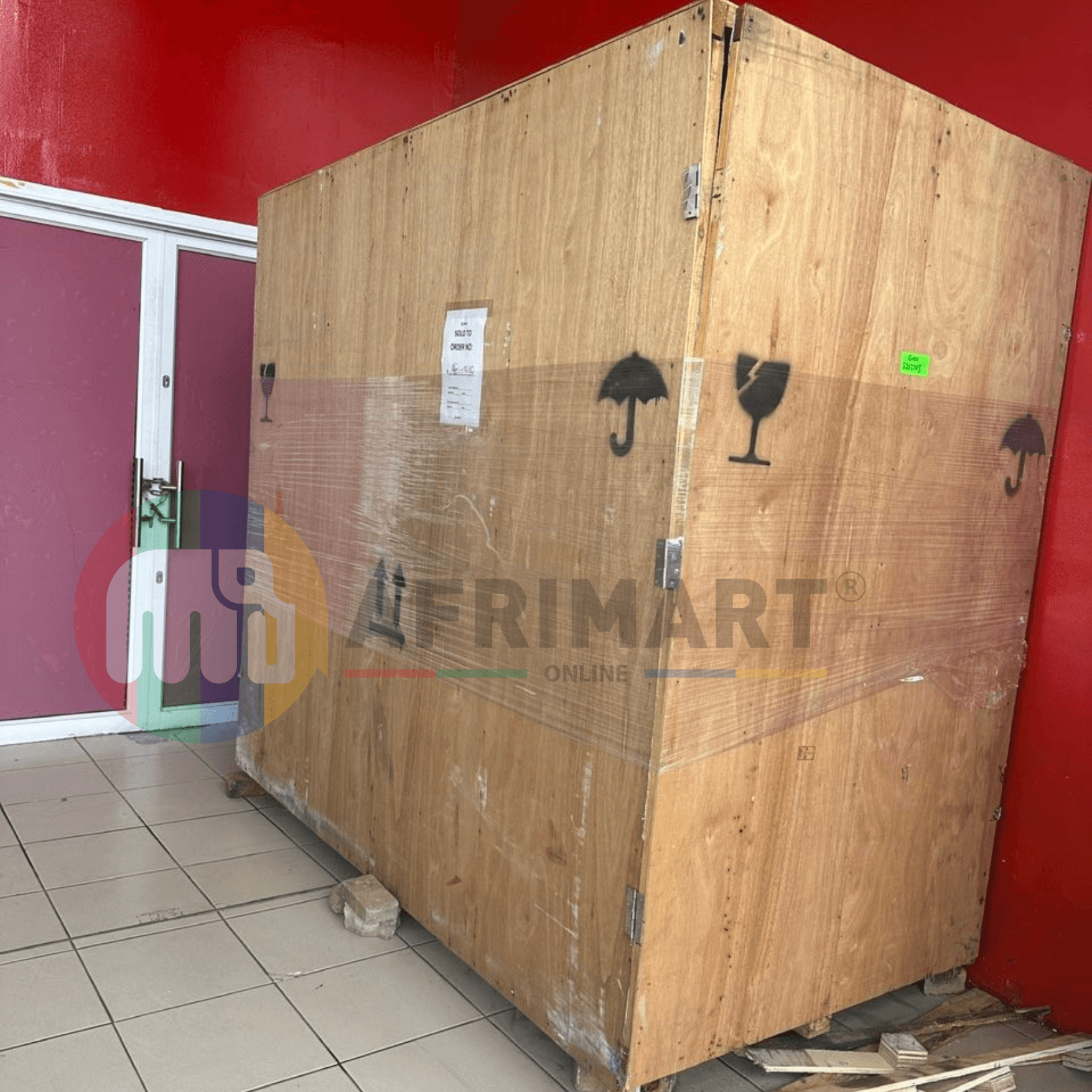
Portable Water Drilling Rig
Order Usefully Collected
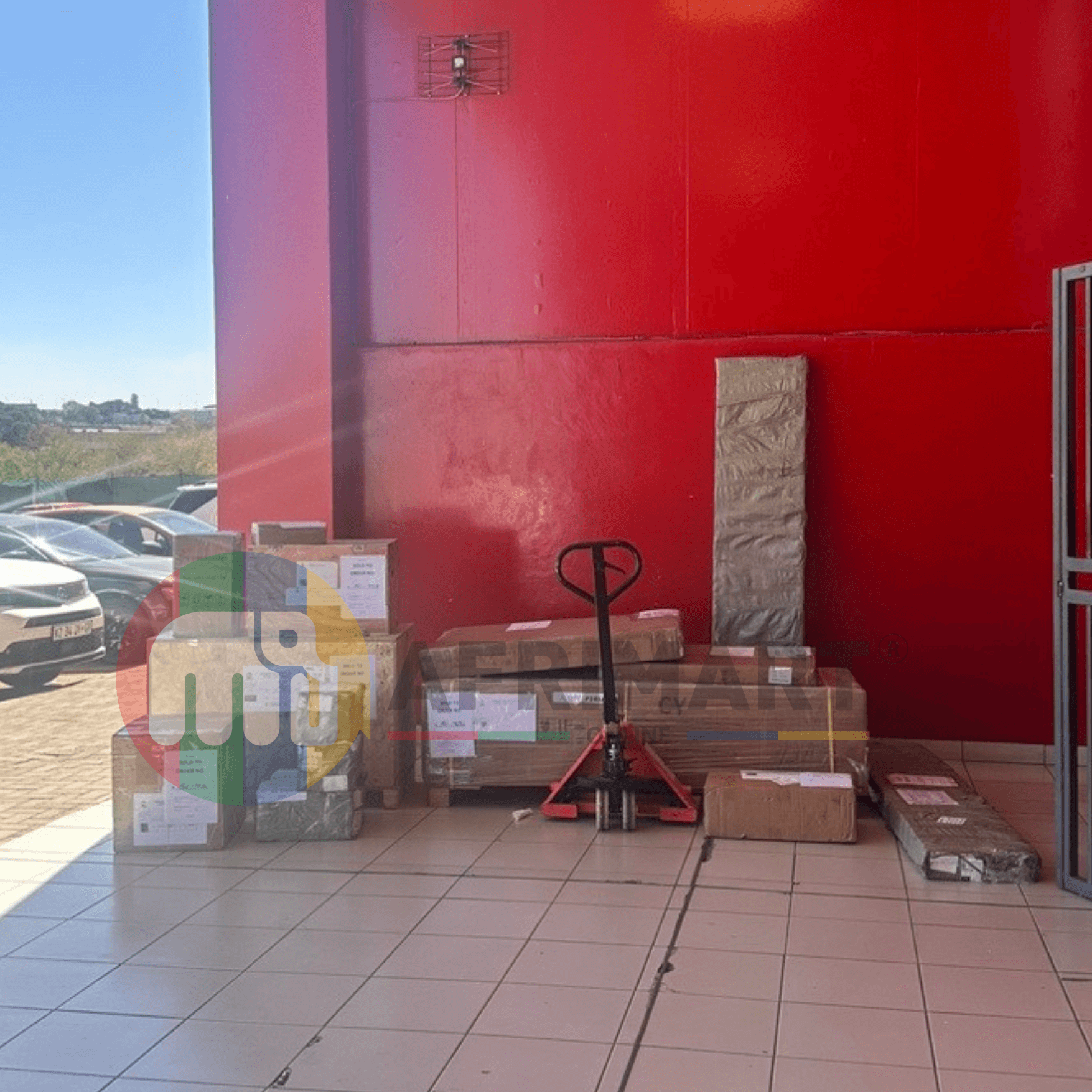
Batch of Orders
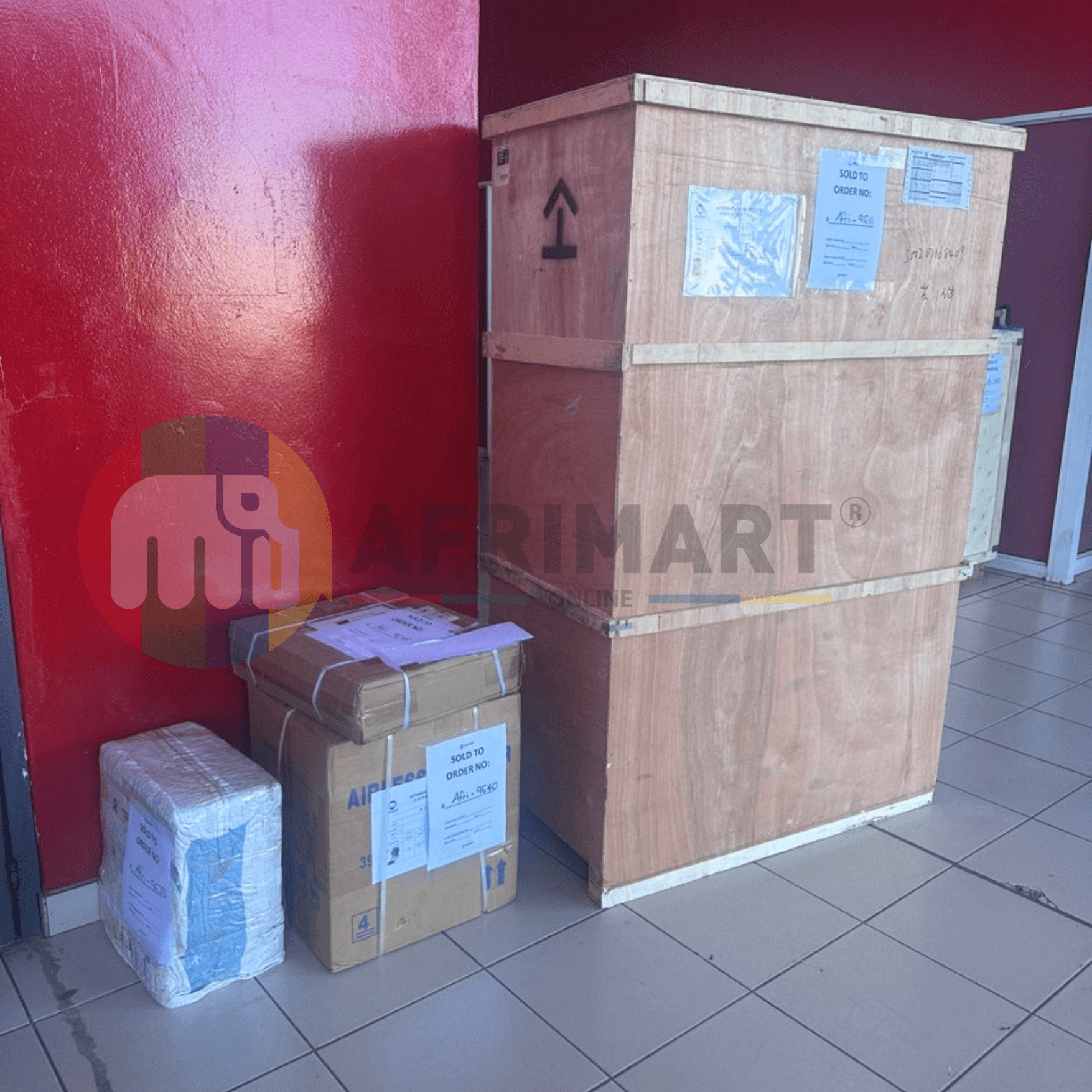
Agriculture Processing Machines
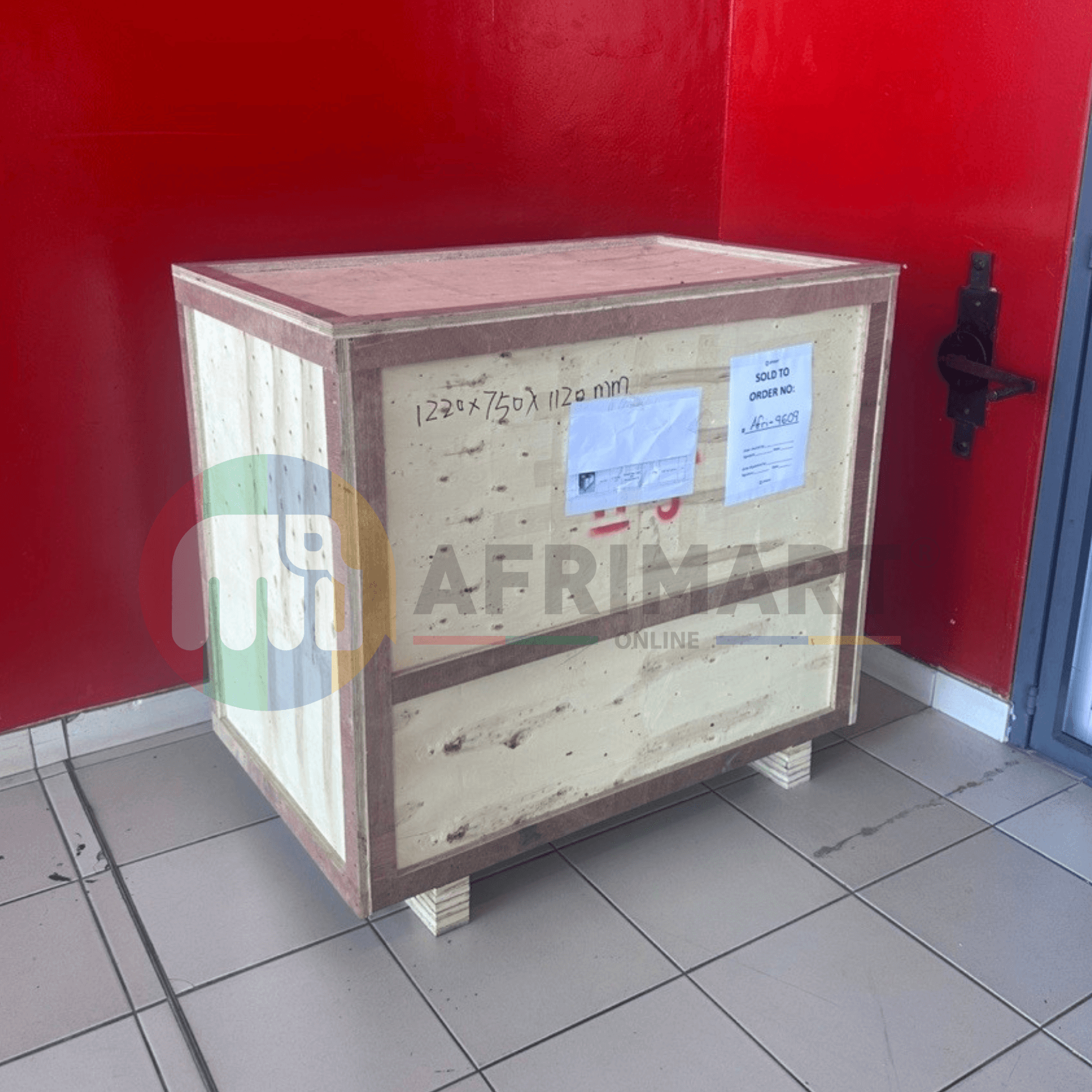
Meat Grinder Machine
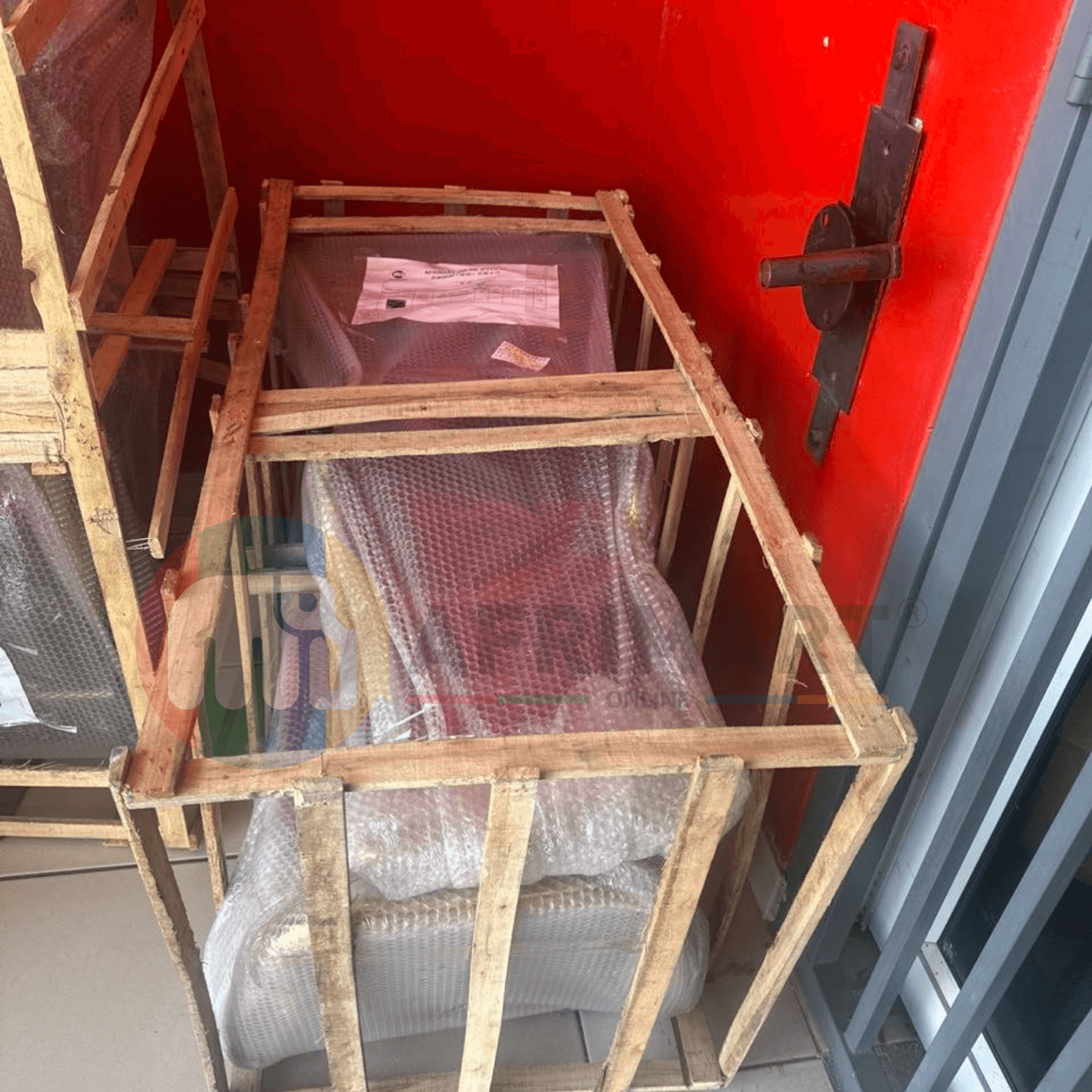
Water Pump Equipment
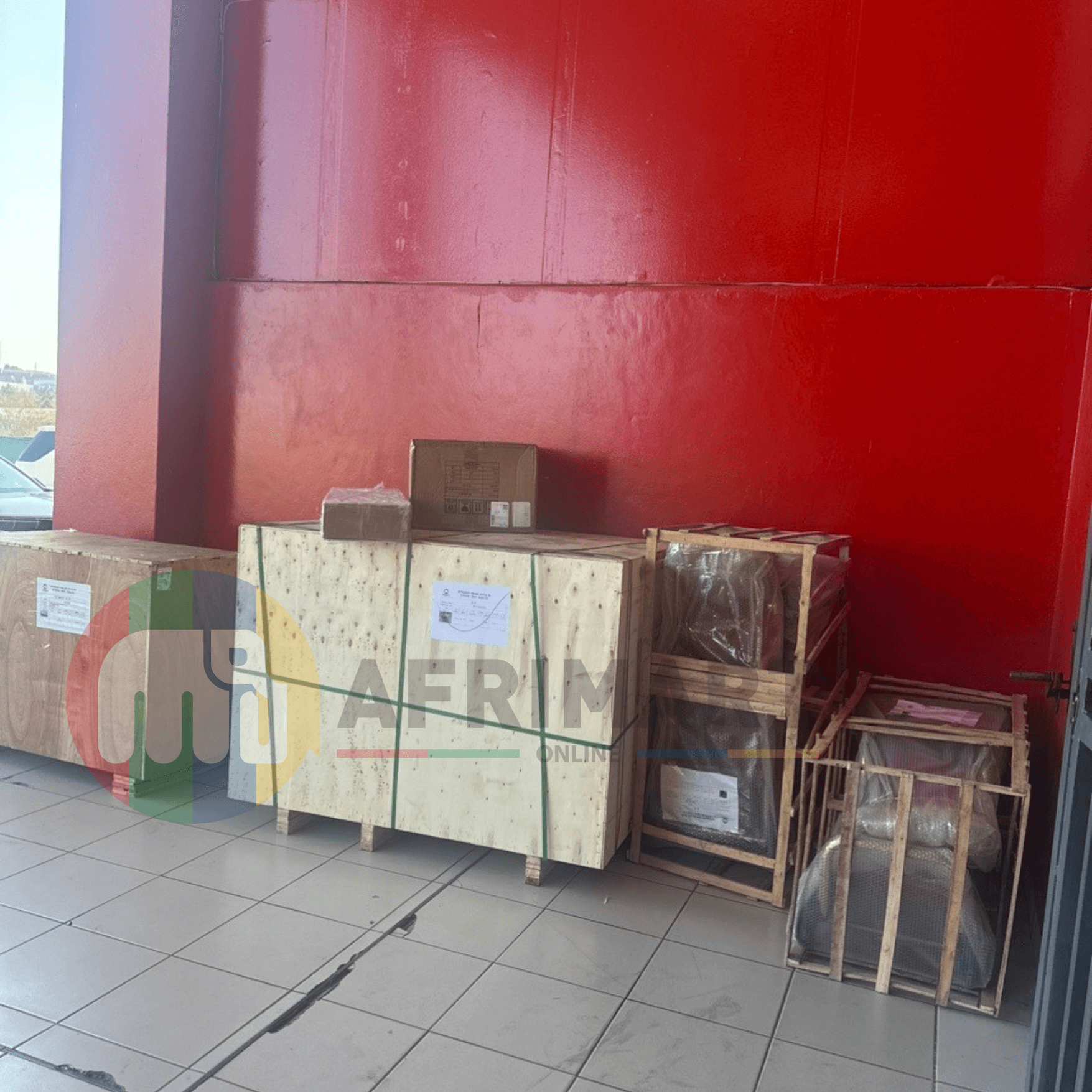
Packaging Machine and accessories
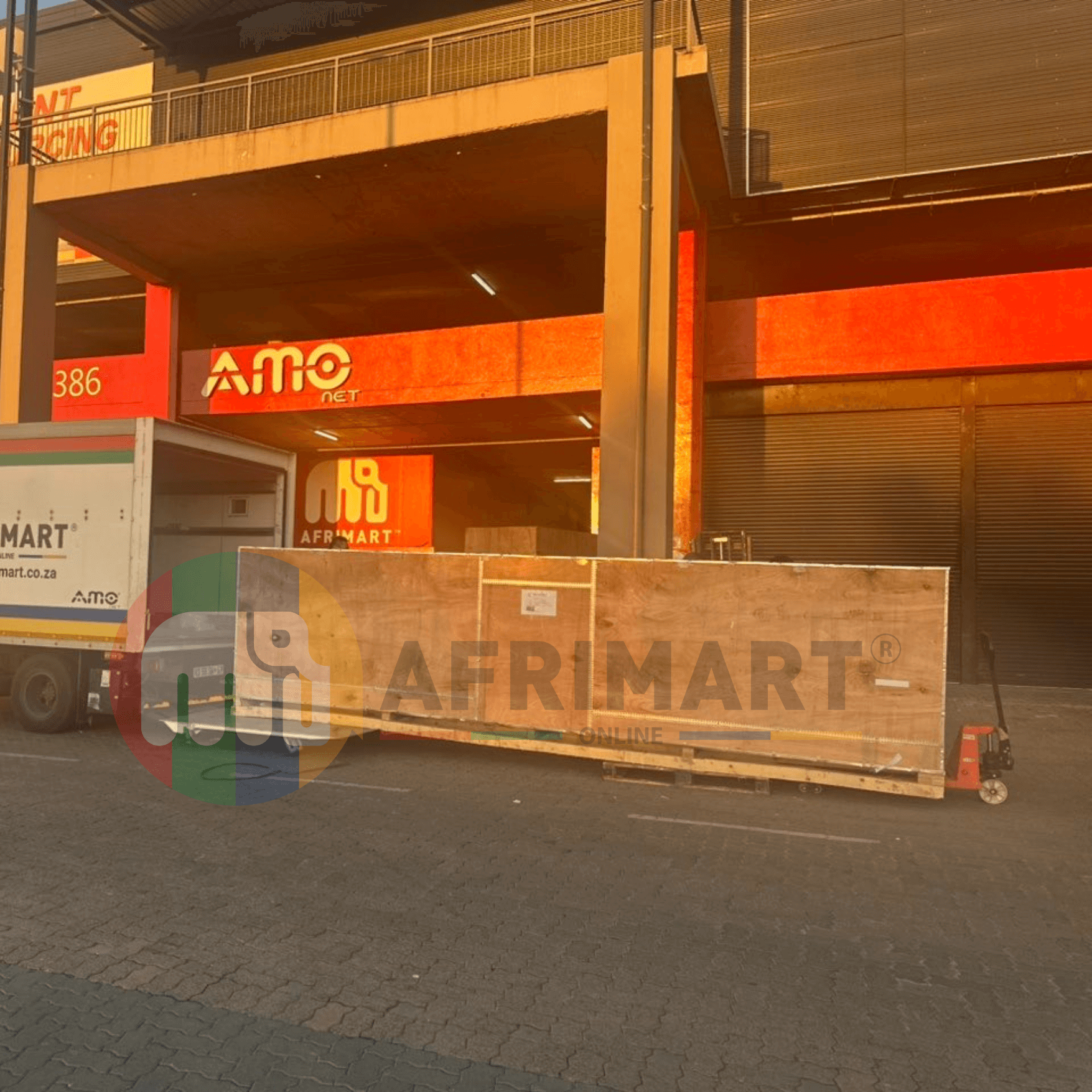
Fabrics Manufacturing Equipment
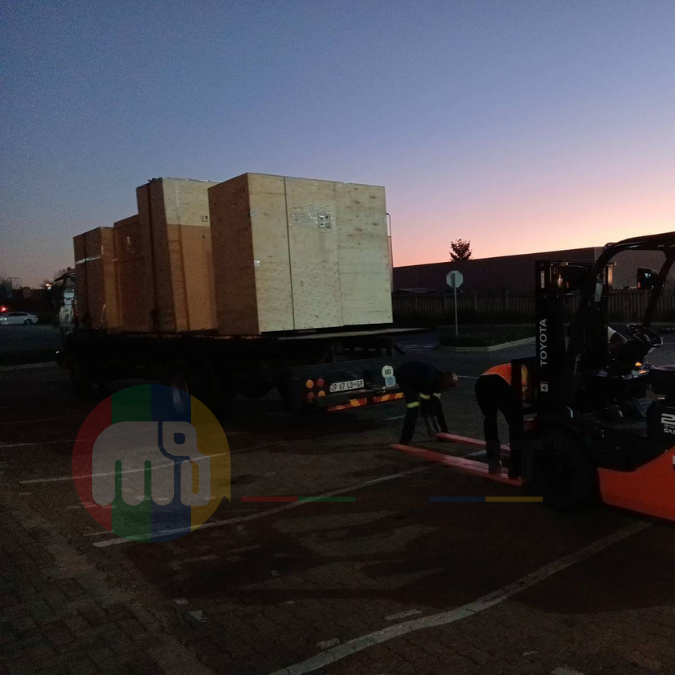
Mining Equipments
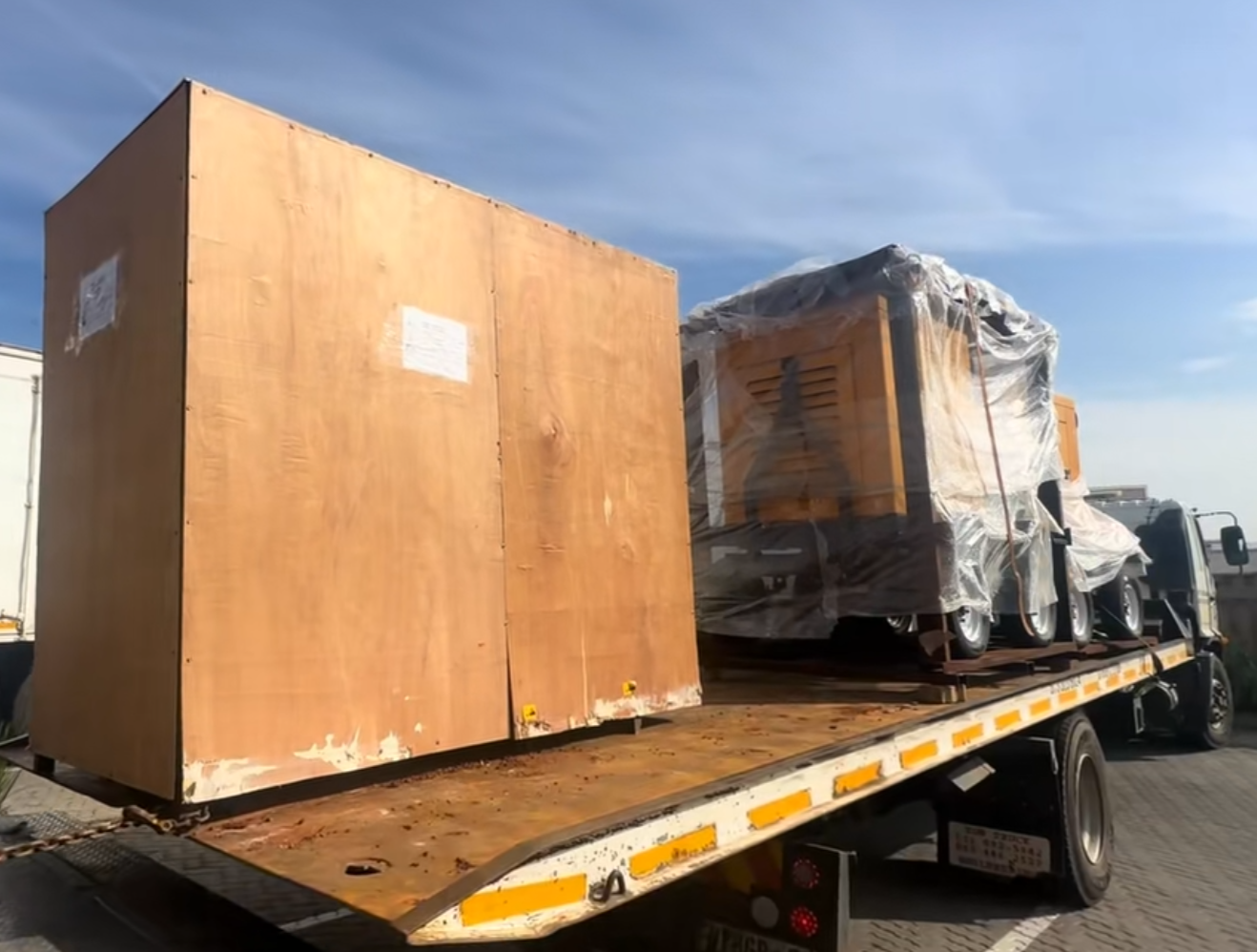
Food Processing Machine
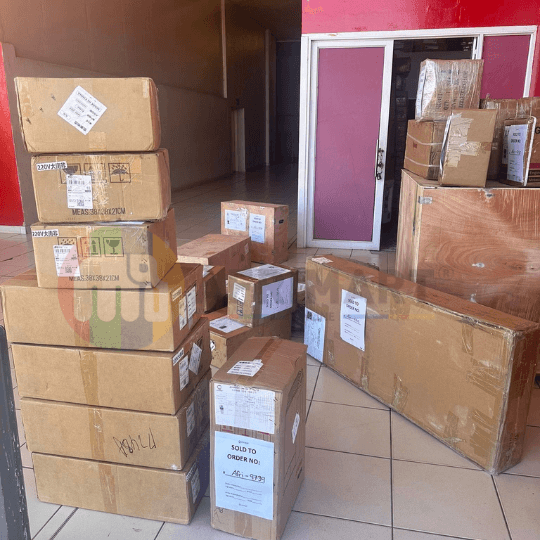
Batch of Orders
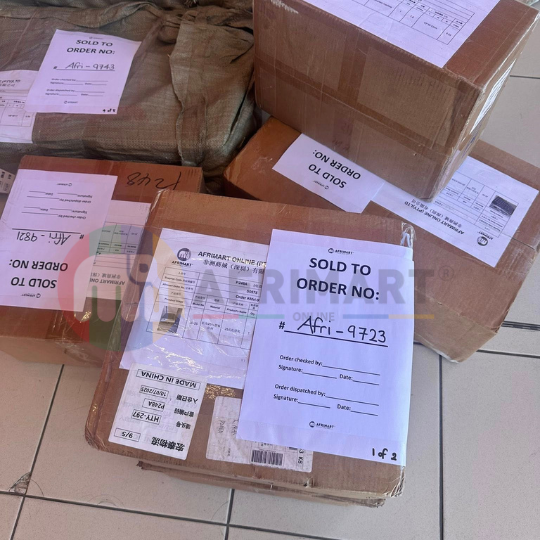
Batch of Orders
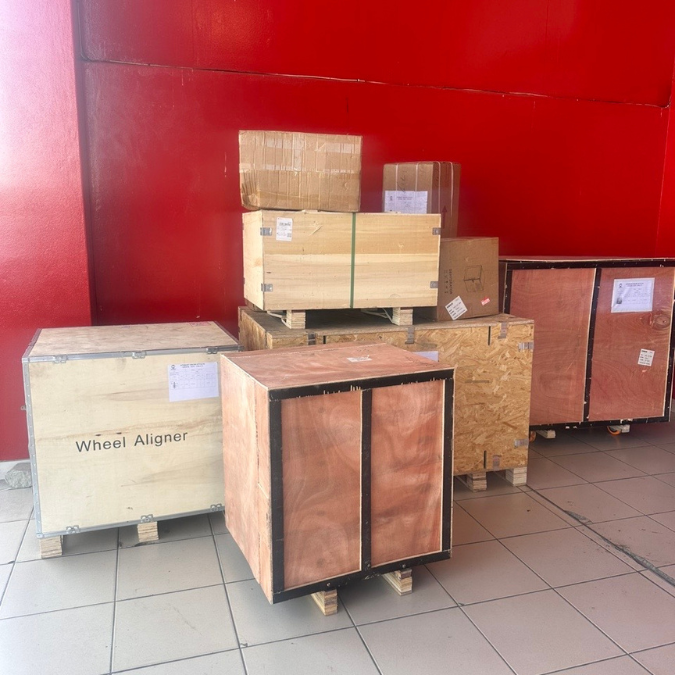
Latest Orders Labelled
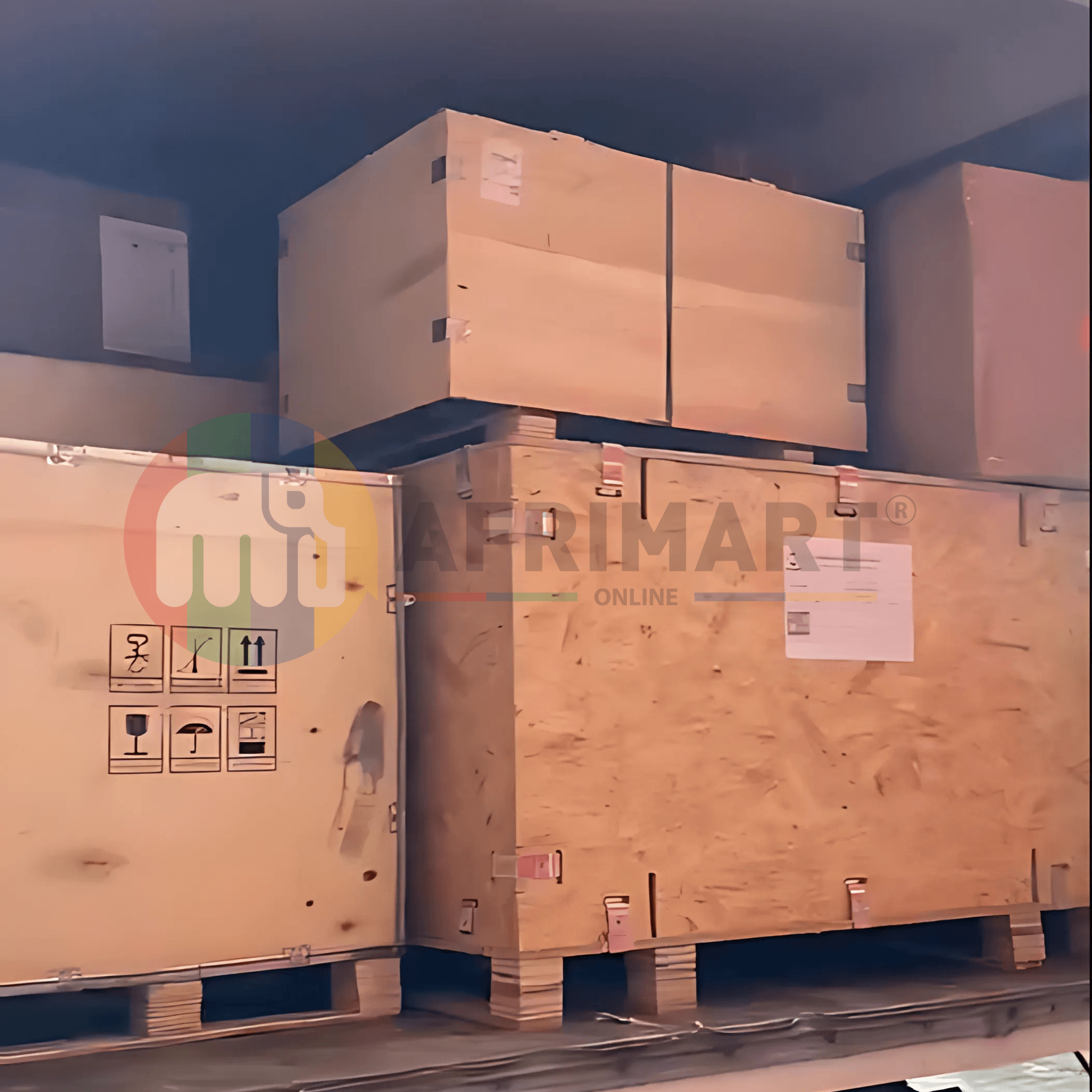
wheel alignment machines
new arrivals
Pre Orders Offloading
Latest Arrivals
Latest Arrivals
Latest Arrivals
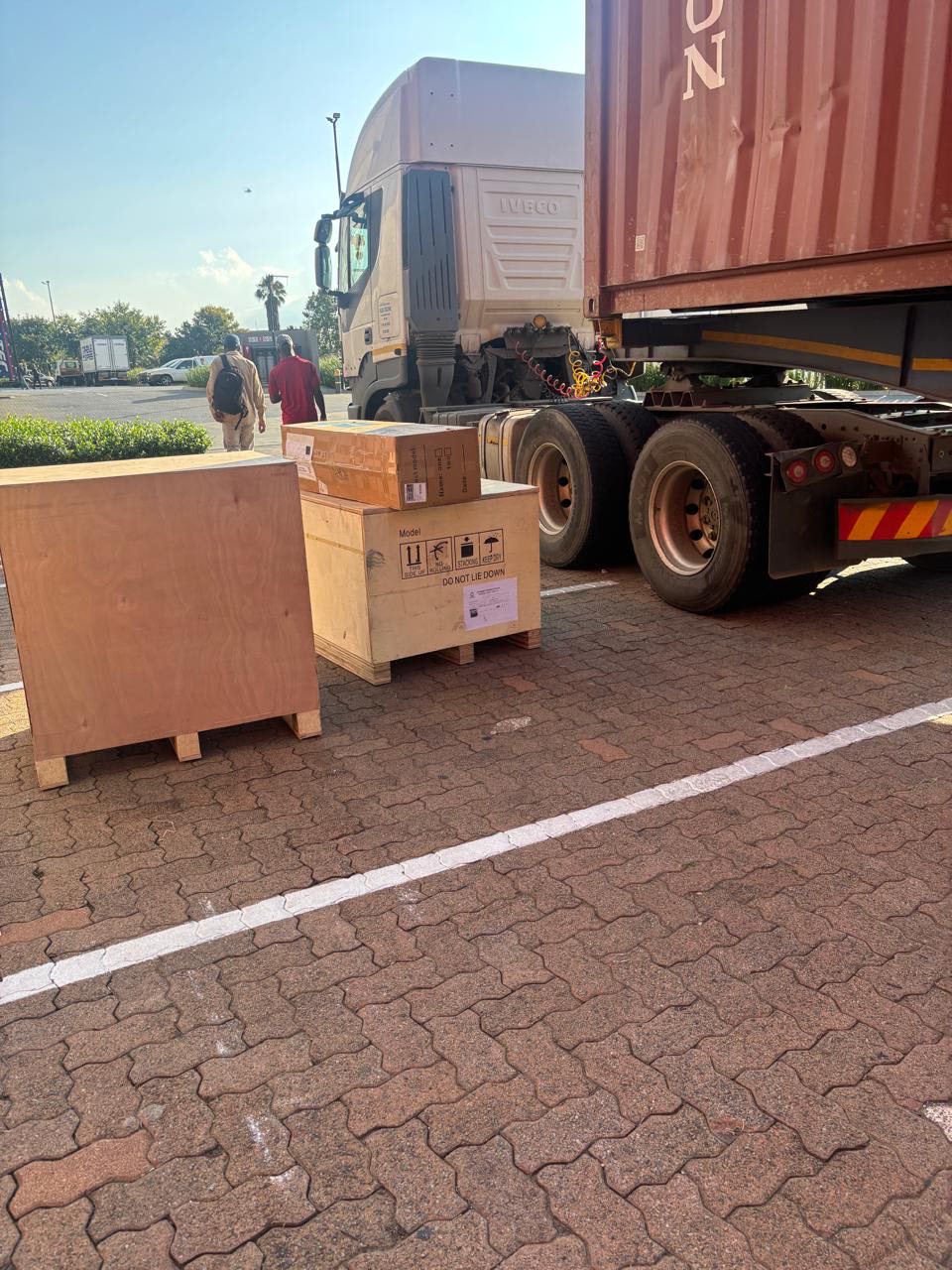
26 January 2026
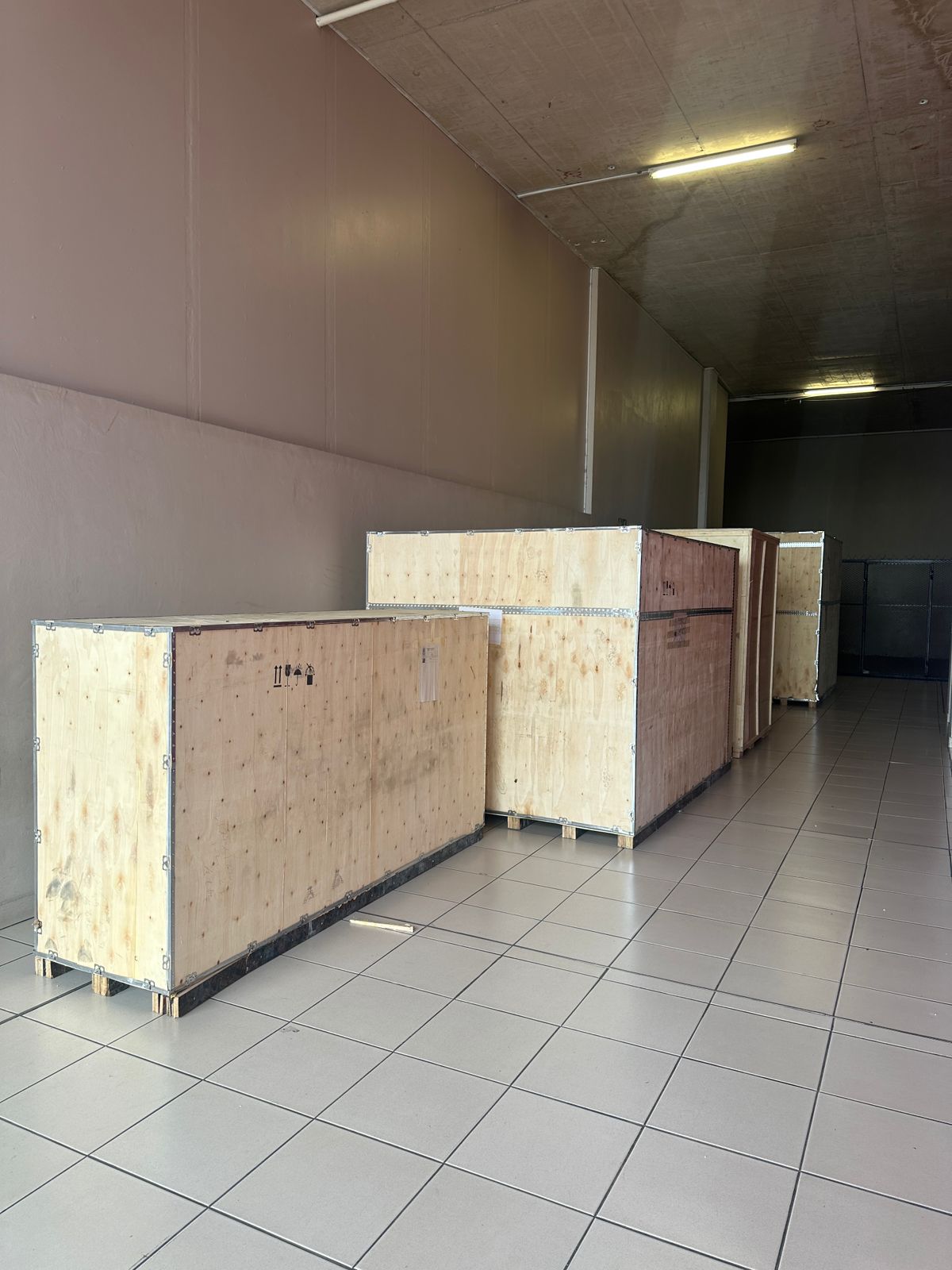
Toilet paper making machine
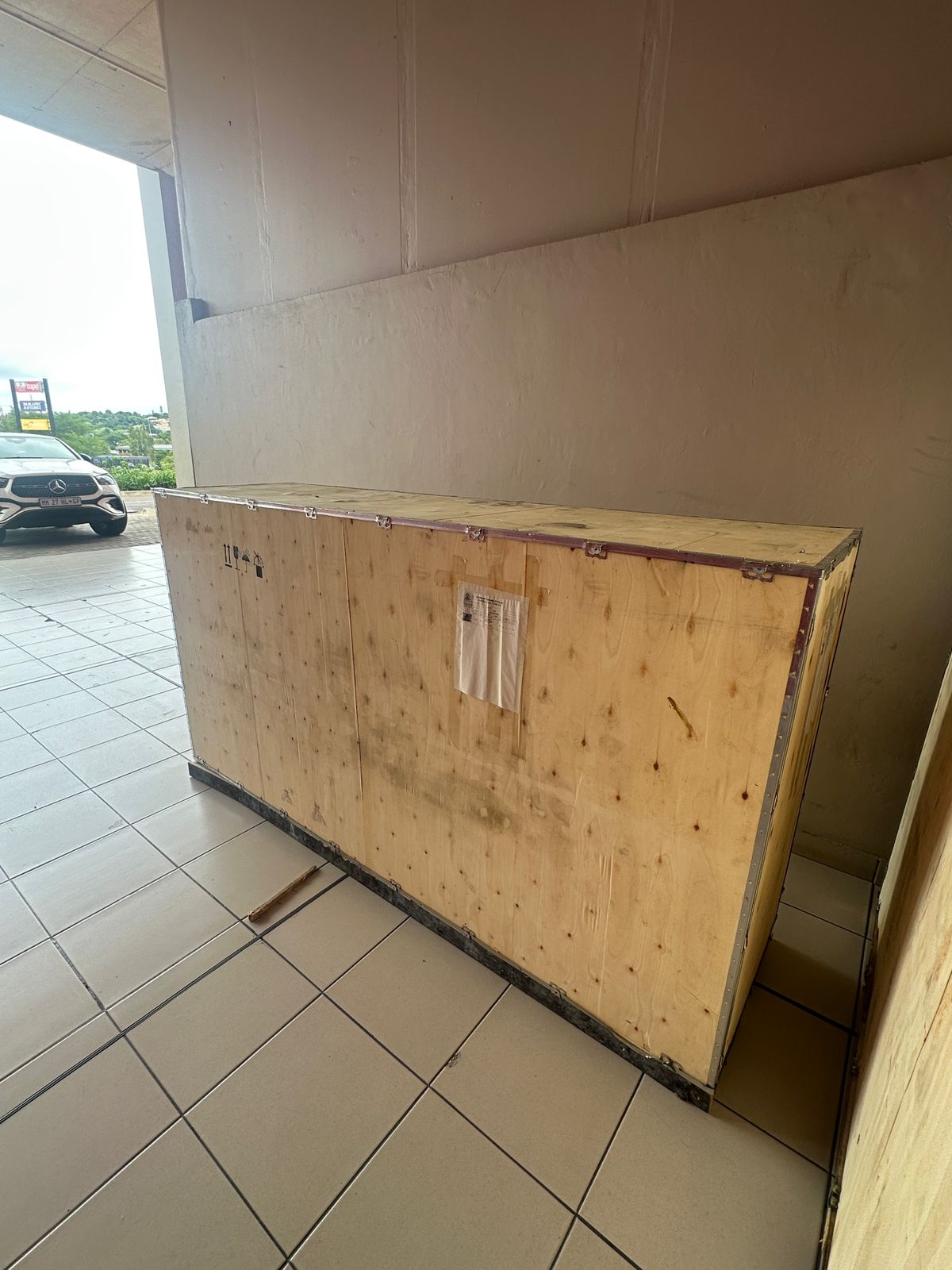
Toilet paper making machine
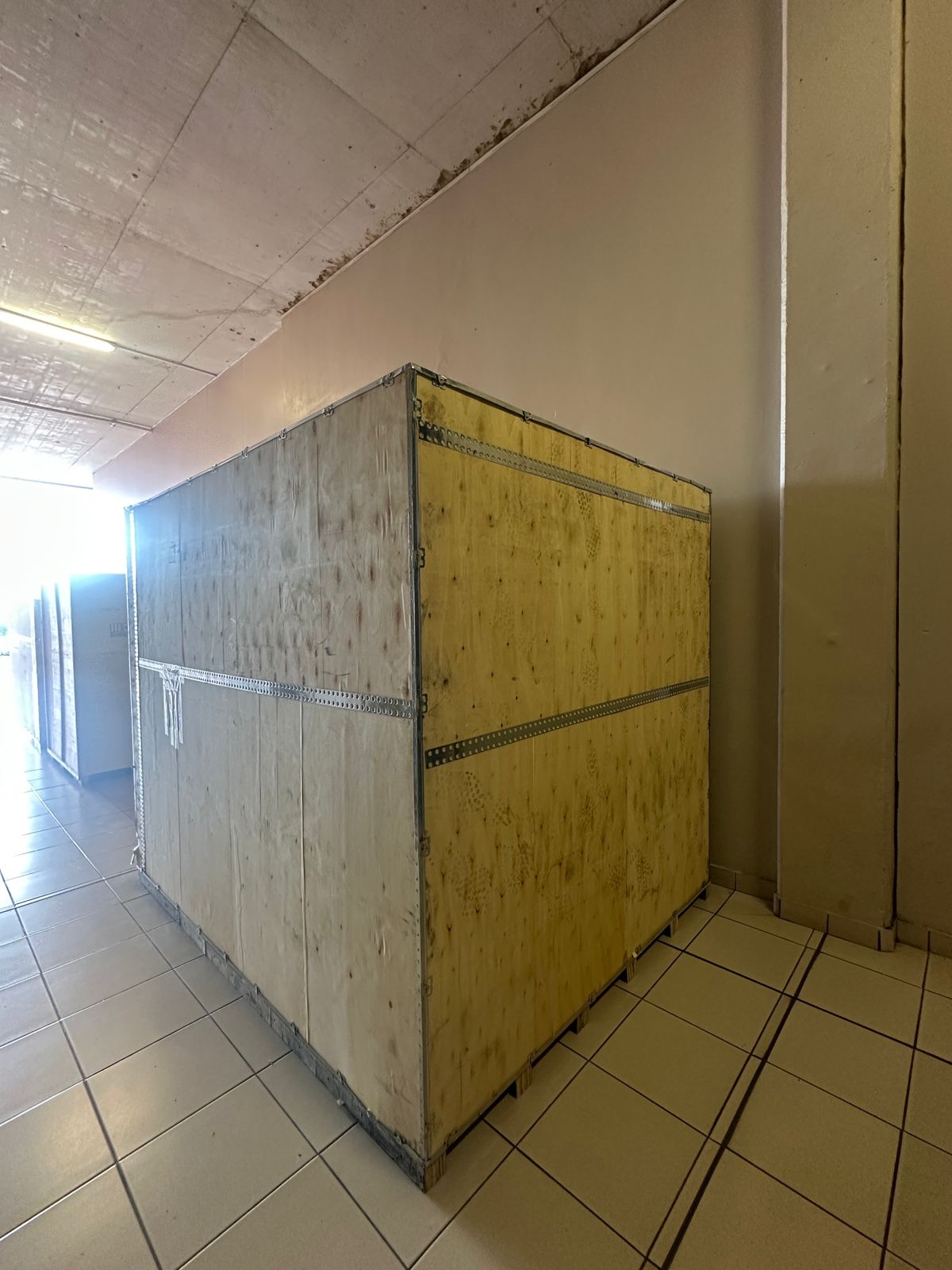
Toilet paper Rewinding Machine
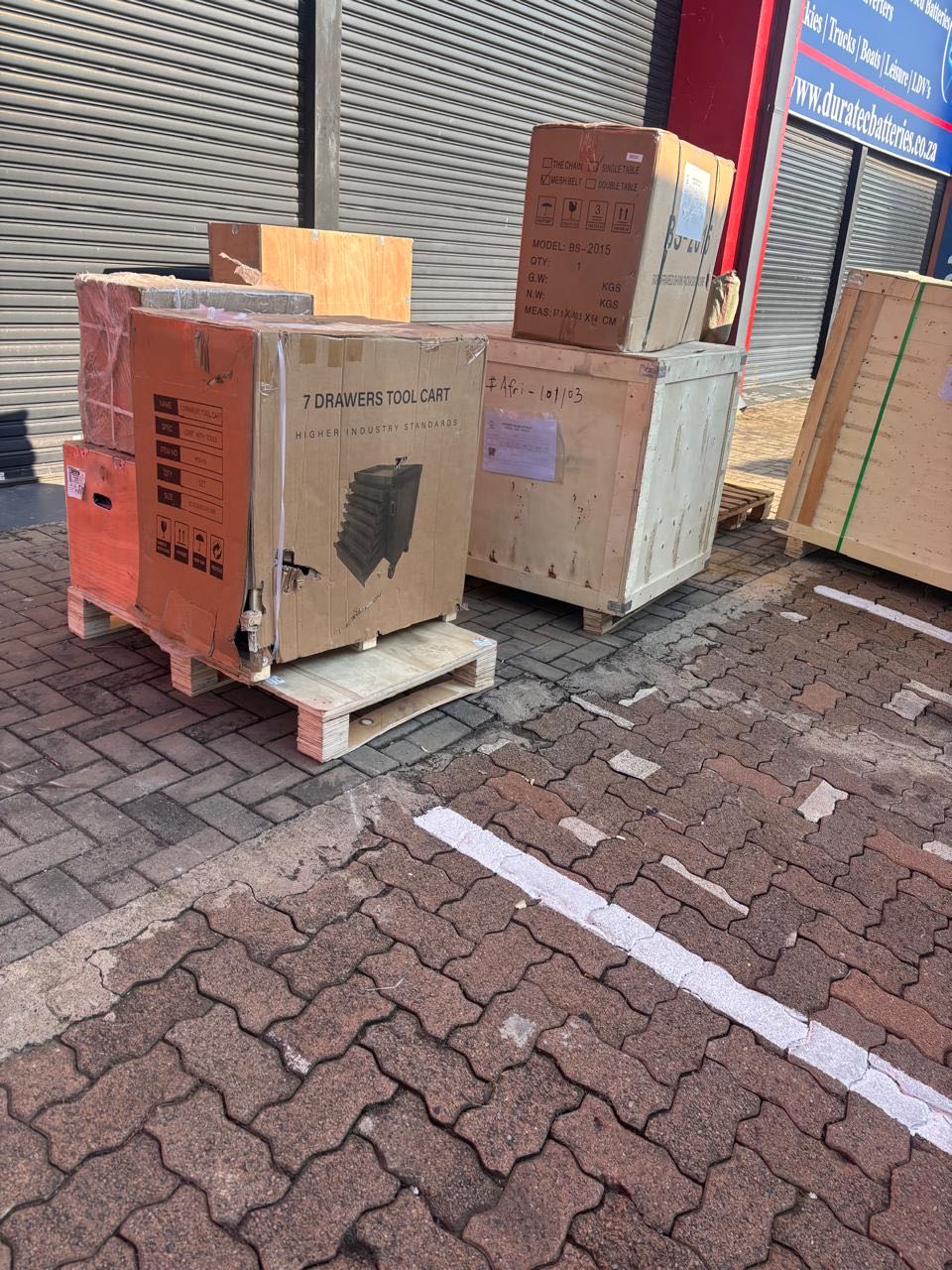
latest arrivals
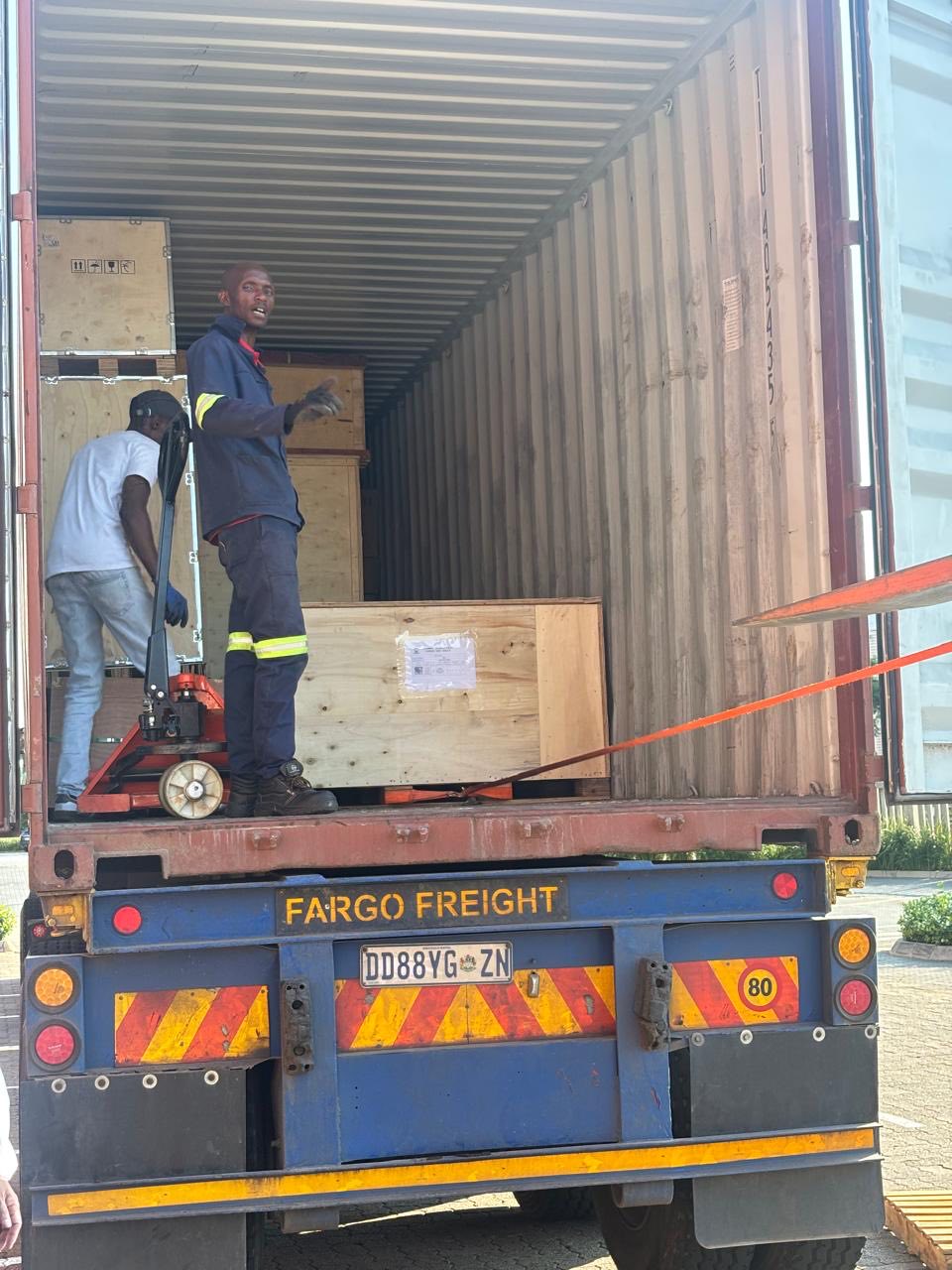
offloading
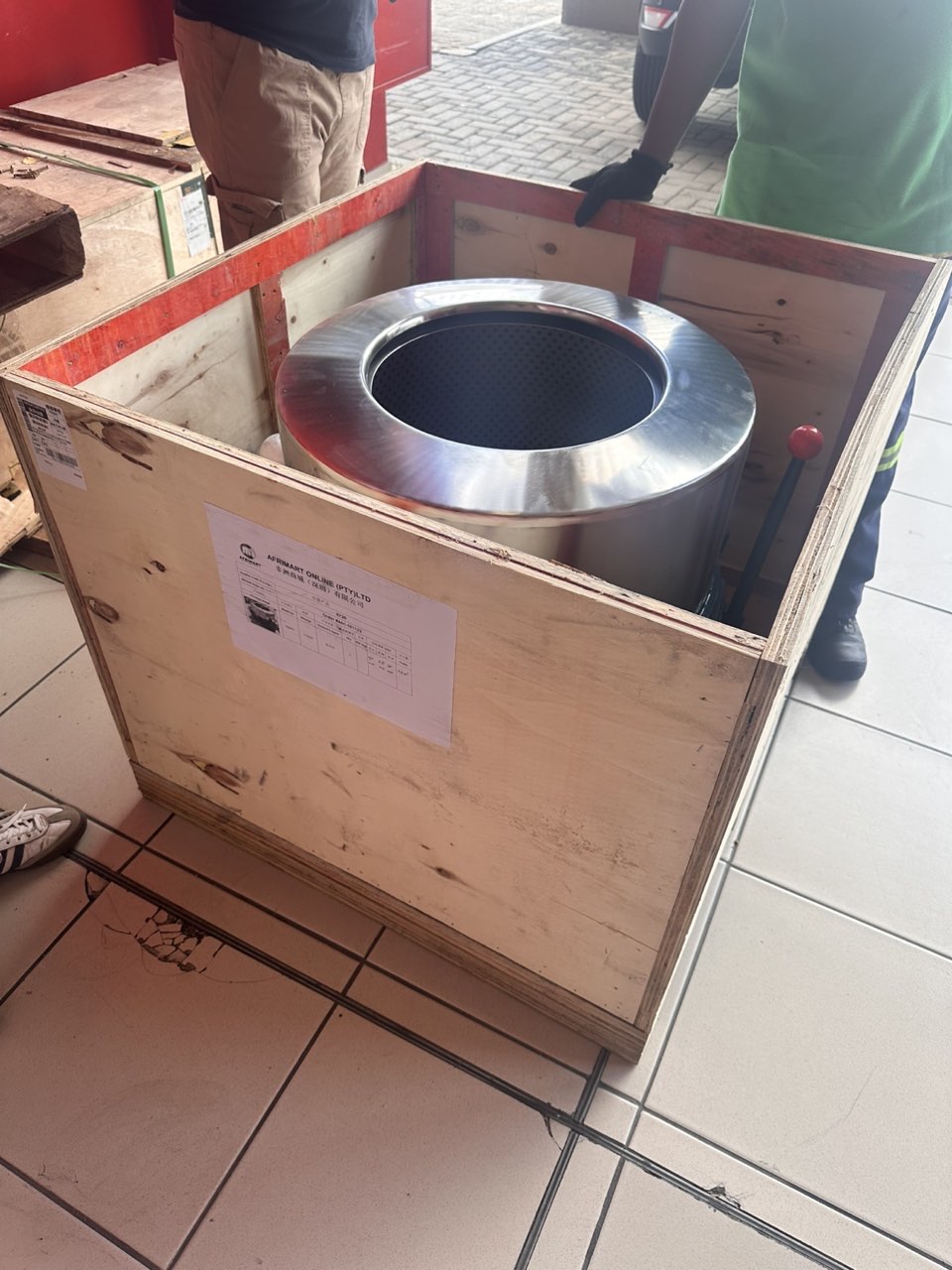
order success
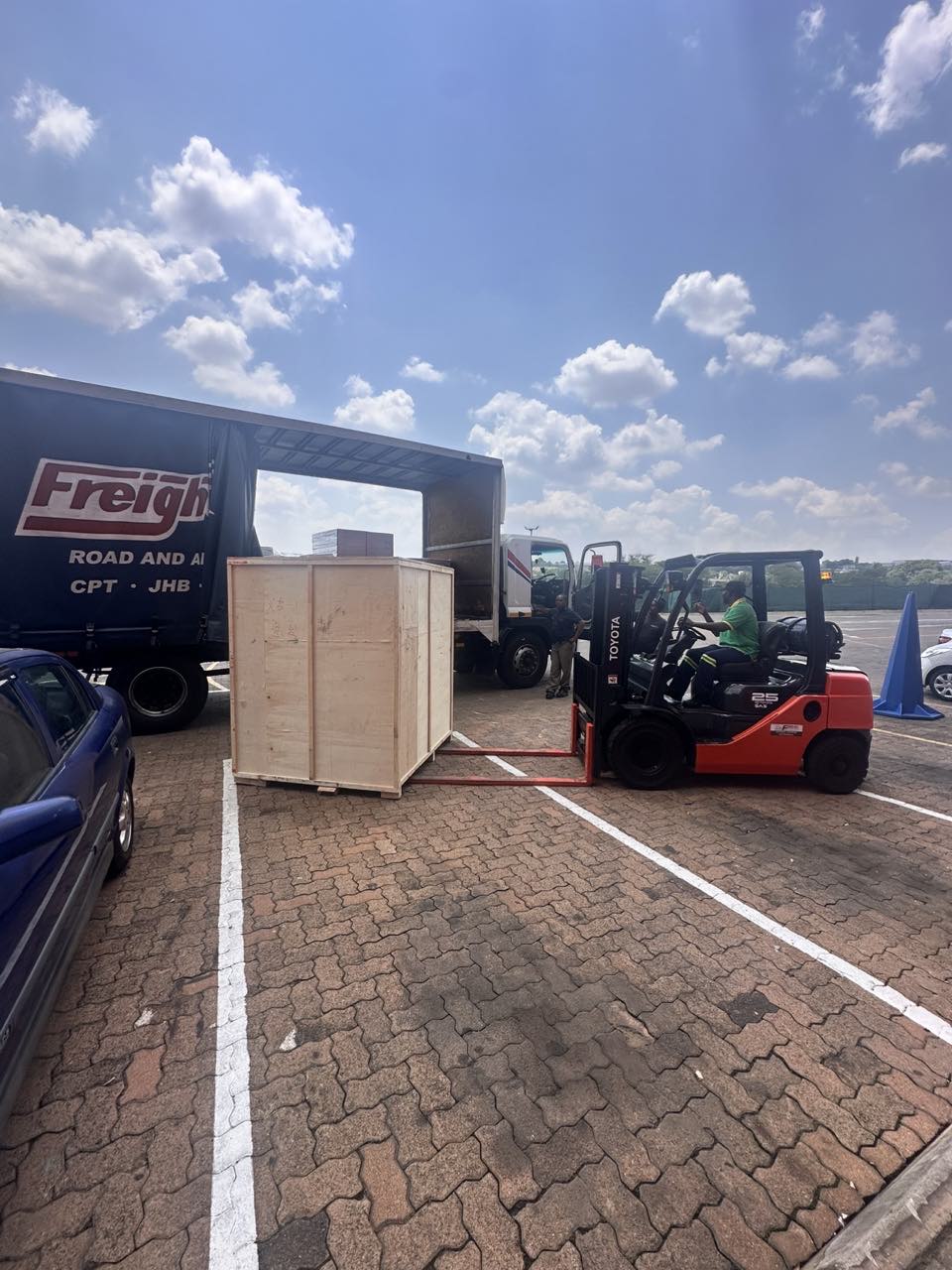
order collection
order offloading