B21, China Town Mall, Midrand

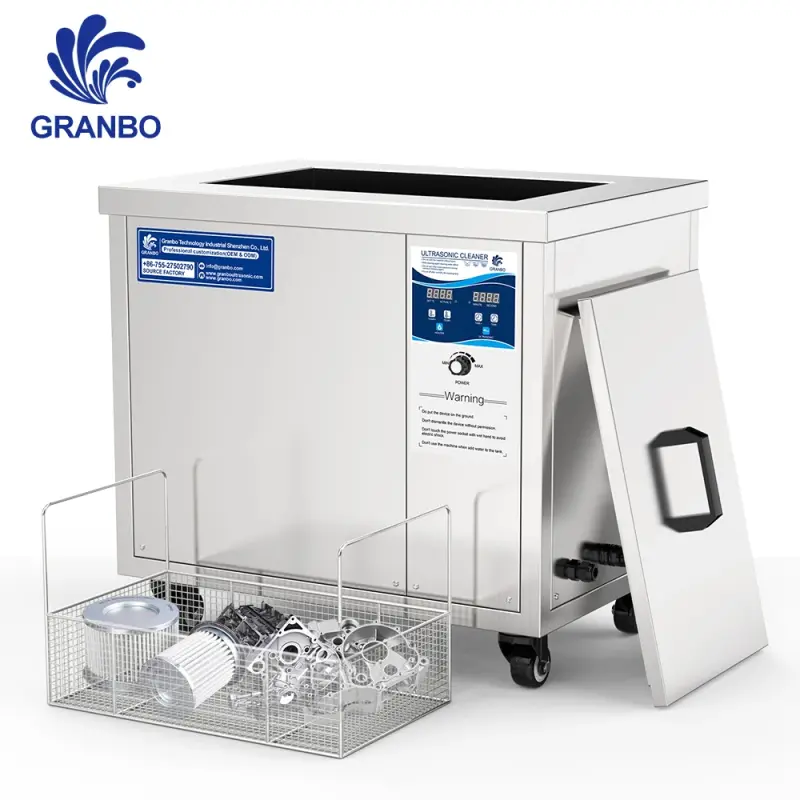
Granbo Industrial ultrasonic cleaner for engine block carbon cylinder head carburetor turbocharger DPF cleaning machine

- Section : Machinery
- Category : Cleaning Equipment
- SKU : 1600687137531

Product Description


1. Tank capacity: 45L(12gallon)
2. Tank material : durable resistance SUS304 stainless steel (if need customized SUS316 thickened or chromate treatment, please
contact us.)
3. Digital timer: 1~99 mins adjustable (can switch to long time work)
4. Frequency: 28Khz /40Khz /68Khz /120Khz and other customized options.
5. Power supply: power cord adopts industrial level standards with heat-resistant and softed-resistant.
| Model | GM1240 | Tank capacity | 45L(12gallon) |
| Ultrasonic power | 0-600W | Heating power | 1500W |
| Tank size | 500*300*300MM | Unit size | Subject to reality |
| Timer | Digital 1~99min adjustable | Heater | Room temperature - 95°C |
| Tank material | SUS304 | Housing material | SUS201 |
| Frequency | 28/40/68/120KHz
(Customize) | Voltage | AC 110~120V/60Hz
AC 220~240V/50H |
- Shipping Timeframes: All orders are processed within 2-5 business days (excluding weekends and holidays). After your order has been processed, the estimated delivery time is before 01 Jul, 2026, depending on customs, Please note that due to high demand, some items may experience longer shipping times, which will be communicated at order confirmation email.
- Order Processing Time: Please allow 2-5 business days for us to process your order before it is shipped . Orders placed after 16:00 on Fridays, or during weekends and public holidays, will begin processing on the next business day. Processing times may be extended during peak seasons or sales events.
- Manufacturing Time: Some products needs manufacturing time, the manufacturing process will take approximately 10-30 business days depending on the product. This timeframe may vary depending on the complexity of the product and current demand. but this will be communicated with you during order confirmation.
- Returns and Exchanges: We offer a 30-day return policy for most items. If you are not completely satisfied with your purchase, you may return it within 30 days of receipt for a refund or exchange. Items must be unused, in their original packaging, and accompanied by proof of purchase. Return shipping costs are the responsibility of the customer, unless the item was damaged or defective upon arrival.
1. What is the tank capacity of the Granbo GM1240 ultrasonic cleaner?
The tank capacity is 45 liters (about 12 gallons).
2. What materials are used for the tank and housing?
The standard tank material is durable SUS304 stainless steel. The housing is SUS201. SUS316 thickened tanks or chromate treatment are available as custom options—contact the supplier for customization.
3. What ultrasonic frequencies does this machine support and how do they affect cleaning?
Available frequencies include 28 kHz, 40 kHz, 68 kHz and 120 kHz (customizable). Lower frequencies (e.g., 28 kHz) produce larger cavitation bubbles for more aggressive cleaning of heavy carbon and deposits; higher frequencies (e.g., 68–120 kHz) are gentler and better for delicate parts and fine-detail cleaning.
4. What are the ultrasonic and heating power specifications?
Ultrasonic power is adjustable from 0–600 W. The heating element is 1500 W and can heat the tank from room temperature up to 95°C.
5. How is the timer controlled and can the machine run continuously?
The digital timer is adjustable from 1 to 99 minutes. It also has a switchable setting for long-time (continuous) operation if you need extended runs.
6. What voltage options are available?
The unit supports AC 110–120 V / 60 Hz and AC 220–240 V / 50 Hz. Please specify the required voltage when ordering.
7. What sizes of parts can be cleaned in this machine?
Tank internal dimensions are 500 × 300 × 300 mm, so components that fit within that space can be cleaned—common automotive parts include cylinder heads, carburetors, turbocharger parts and smaller engine components. Very large engine blocks may not fit.
8. Is this machine suitable for cleaning DPFs and turbocharger components?
Yes, it can be used for DPFs and turbocharger parts, but DPF honeycombs are fragile and heavy or chemically soaked soot may not be fully removed by ultrasonics alone. Inspect parts before and after, and combine with appropriate detergents or professional DPF services when necessary.
9. What cleaning solutions should be used?
Use ultrasonic-compatible cleaning detergents formulated for automotive carbon, oil and soot removal. Avoid flammable solvents, highly acidic or highly alkaline solutions that could damage the tank or parts unless specifically recommended. Always follow detergent manufacturer instructions and test on a sample part first.
10. How much solution should I fill into the tank?
Fill enough solution to fully submerge the parts while leaving sufficient headspace to account for displacement—do not overfill past the tank rim. As a rule of thumb, fill to cover the tallest part plus a few centimeters of clearance; many operators fill to about 70–80% of tank depth.
11. How long should parts be cleaned for engine carbon and heavy deposits?
Typical cleaning cycles for carbon and oil residues range from 5 to 30 minutes depending on severity. Heavier carbon may require repeated cycles, higher temperature (carefully) and appropriate detergents. Monitor parts to avoid overexposure.
12. Are there any safety precautions I should follow?
Yes. Use proper personal protective equipment (gloves, eye protection), ensure the unit is properly grounded, never use flammable solvents, avoid direct skin contact with hot solution, and disconnect power before servicing. Keep the machine in a well-ventilated area.
13. How do I degas or prime the ultrasonic tank after filling with new solution?
After filling, run the ultrasonic at moderate to full power for several minutes (without parts) to degas the solution. This removes dissolved gases and optimizes cavitation for effective cleaning.
14. What maintenance is required for the cleaner?
Regular maintenance includes draining and replacing the solution when dirty, wiping and rinsing the tank, removing debris or sediments, inspecting transducers and wiring, and checking seals and fasteners. Follow manufacturer service intervals and contact support for repairs.
15. Can this machine be customized or what support is available for OEM/wholesale orders?
Yes—customization options include tank material upgrades (SUS316 or thickened), chromate treatment, custom frequency or voltage configurations, and other OEM requirements. Contact the supplier for quotations, lead times and warranty terms.
Latest Order Arrivals
Discover our latest orders
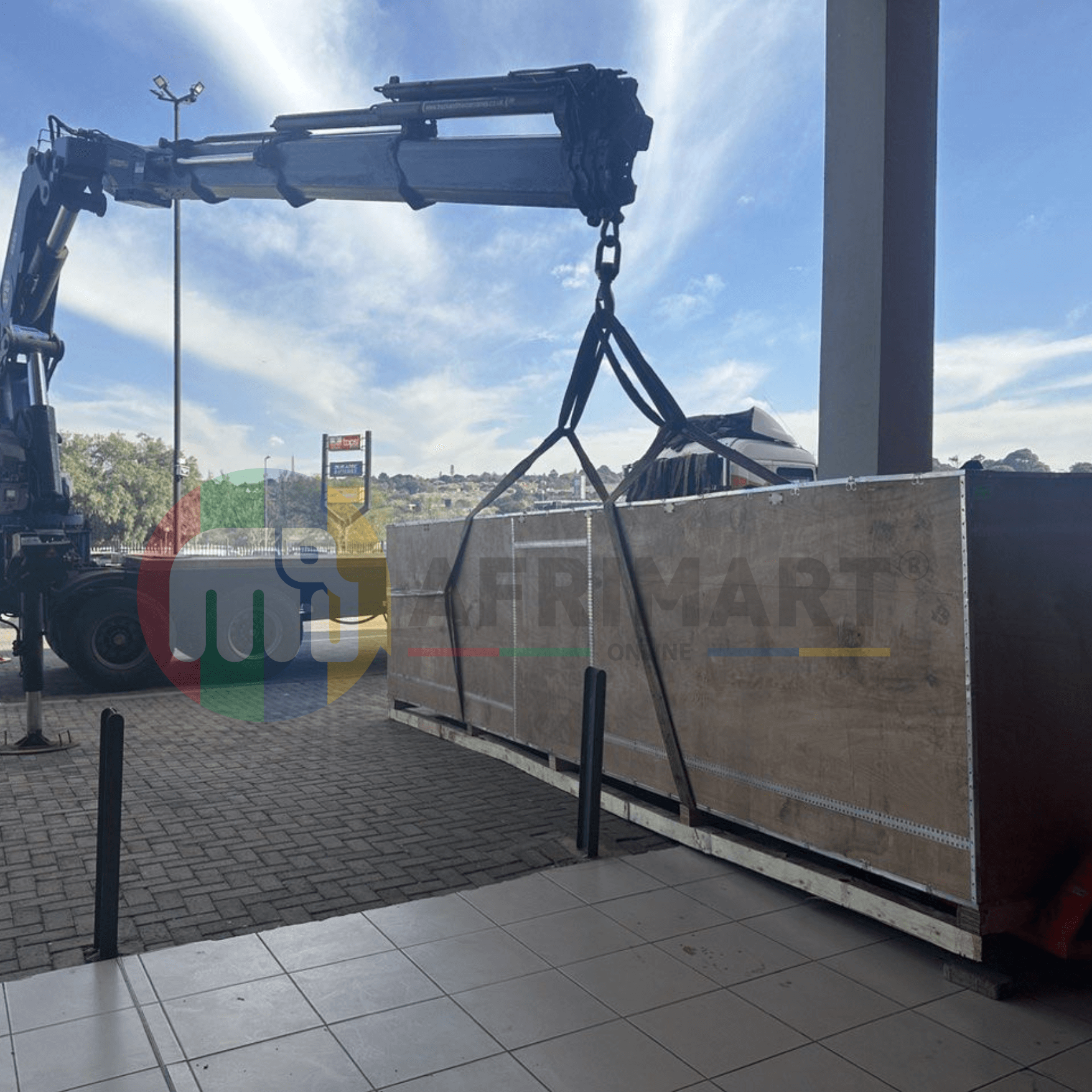
12 Heads Embroidery Machine
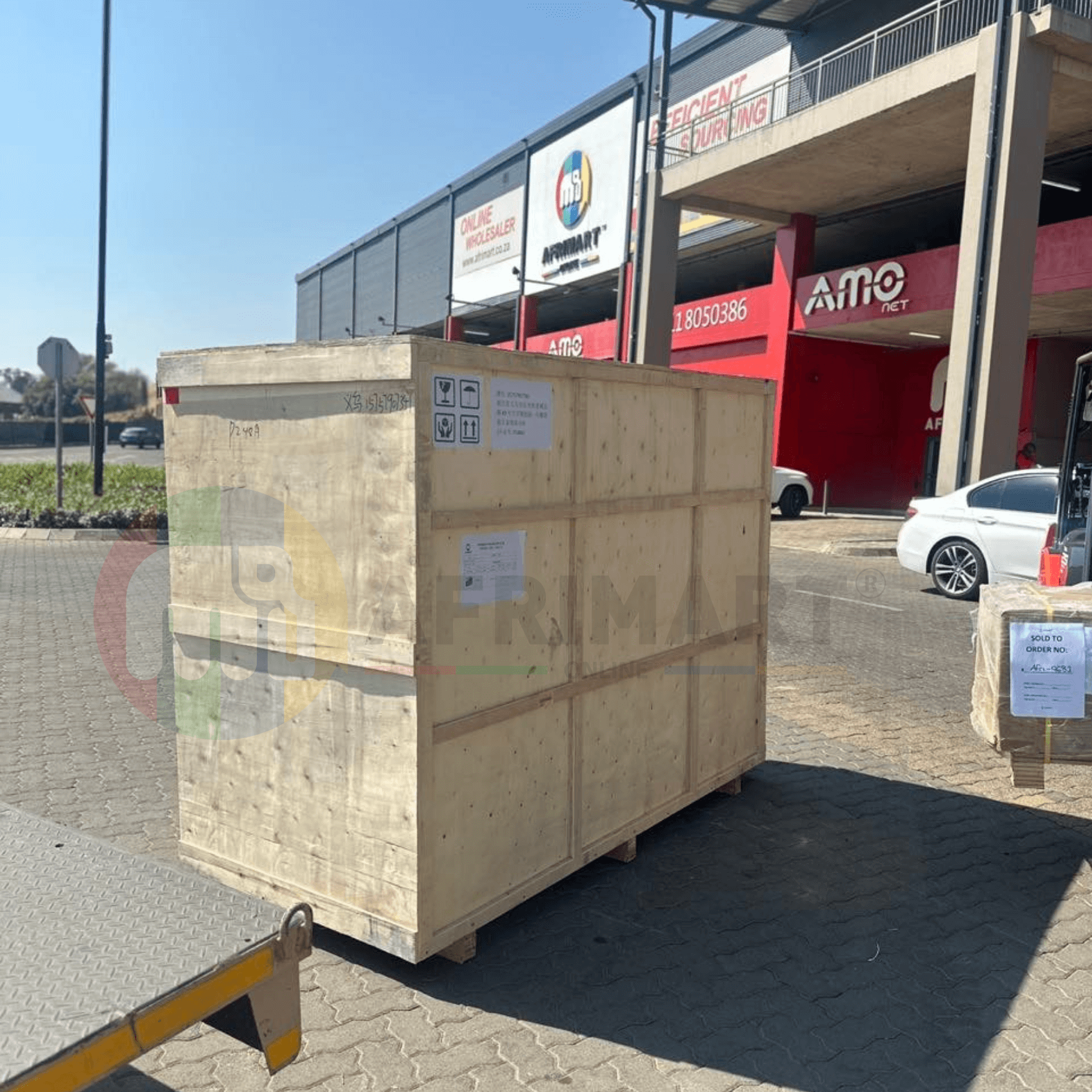
Dewatering Pump Machine
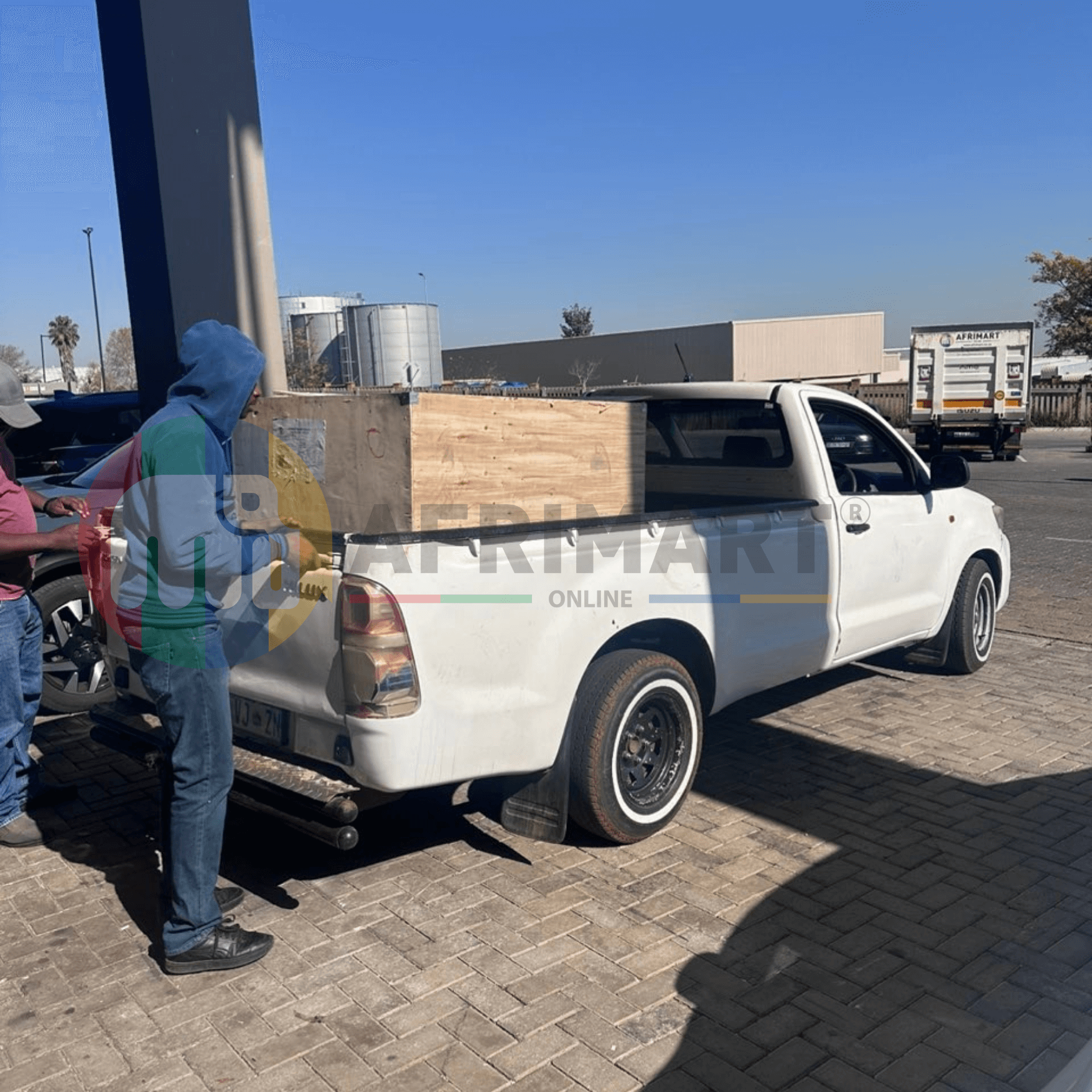
Order Collection
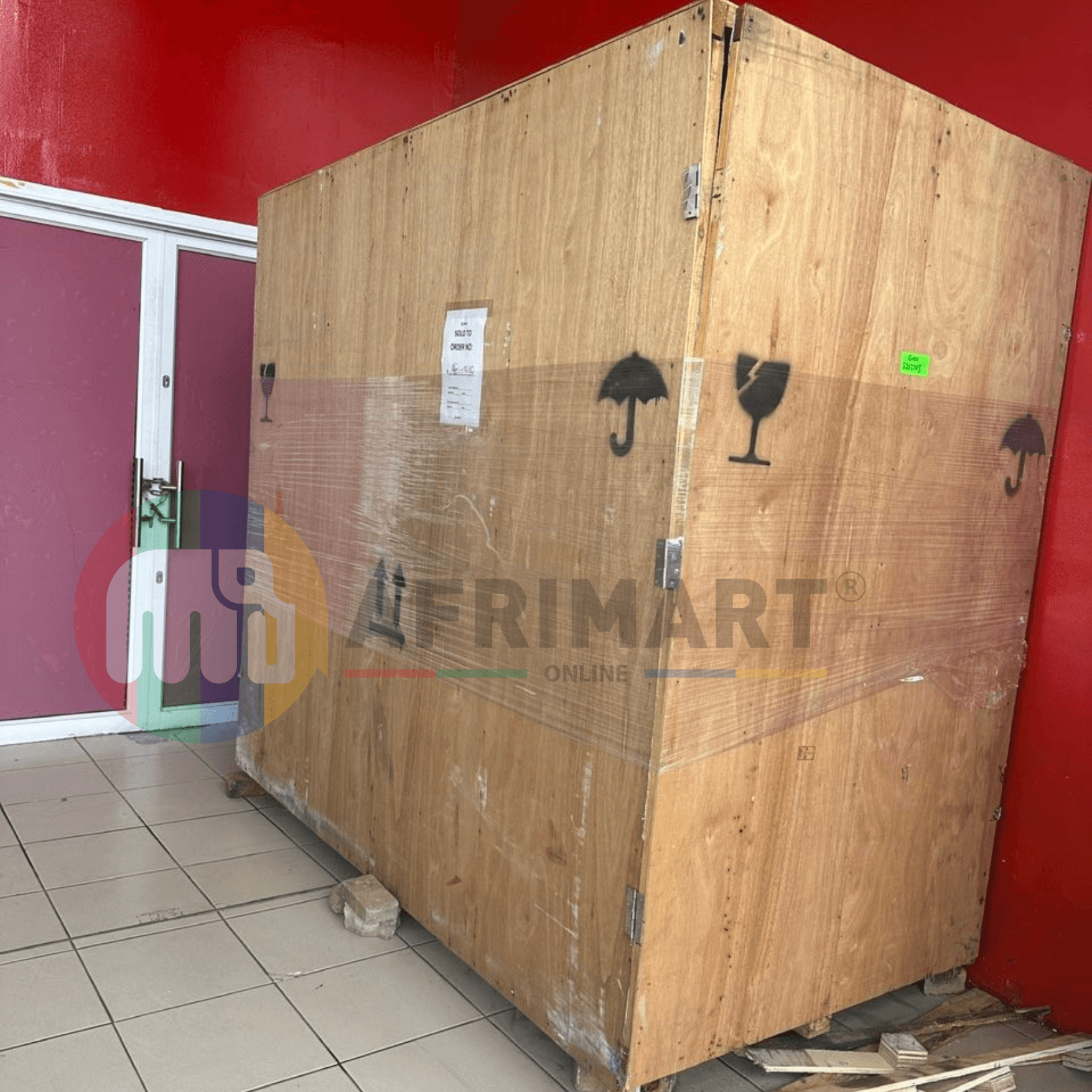
Portable Water Drilling Rig
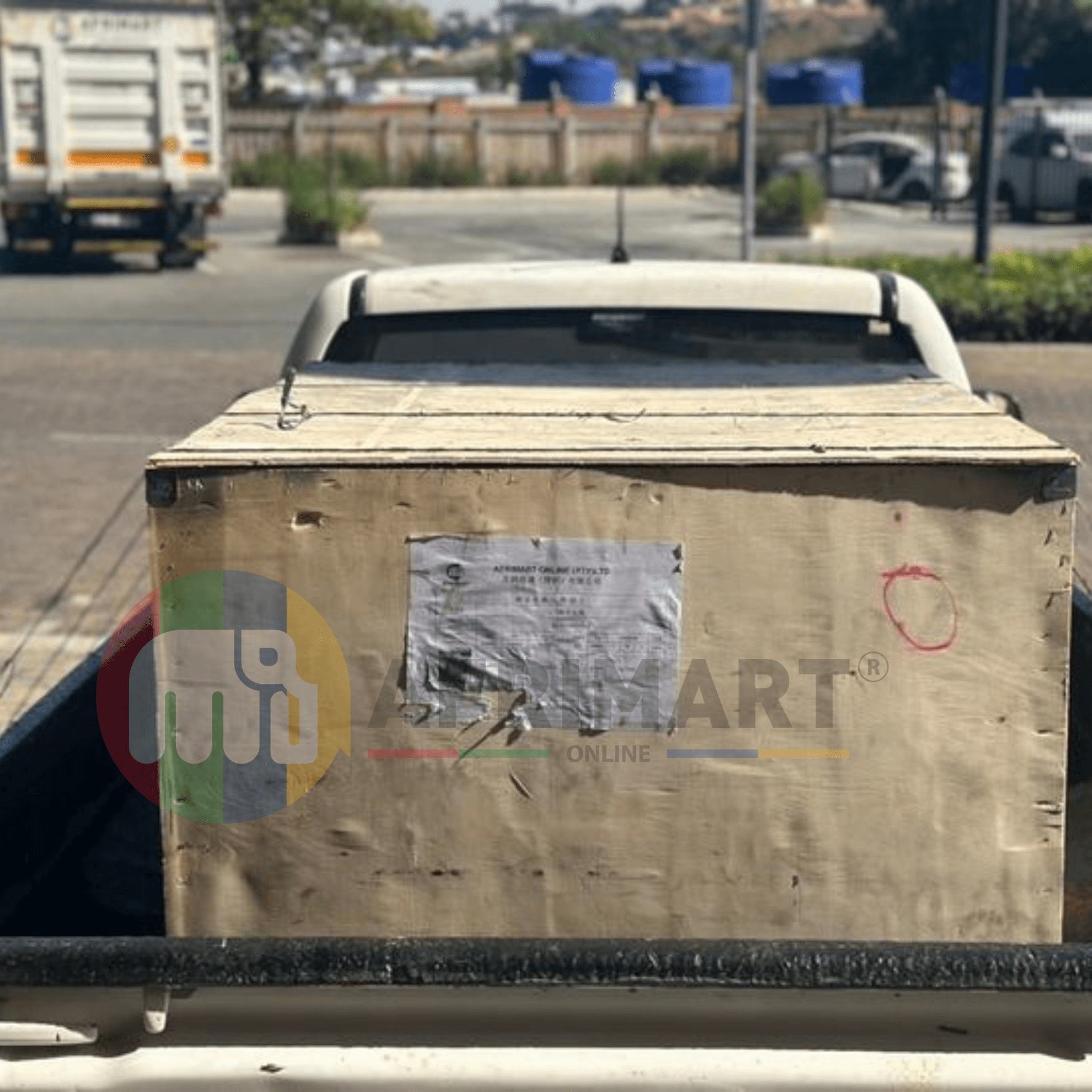
Order Usefully Collected
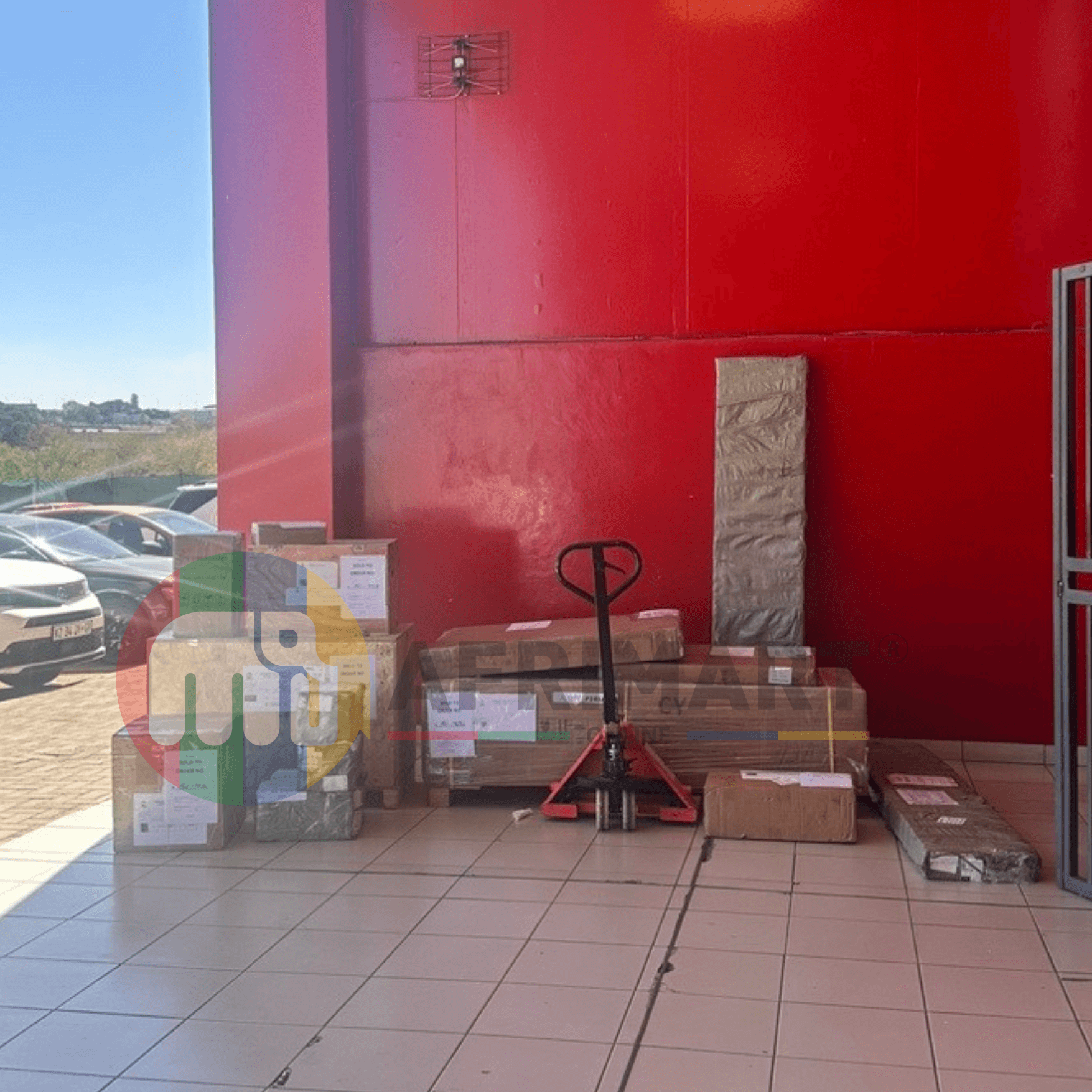
Batch of Orders
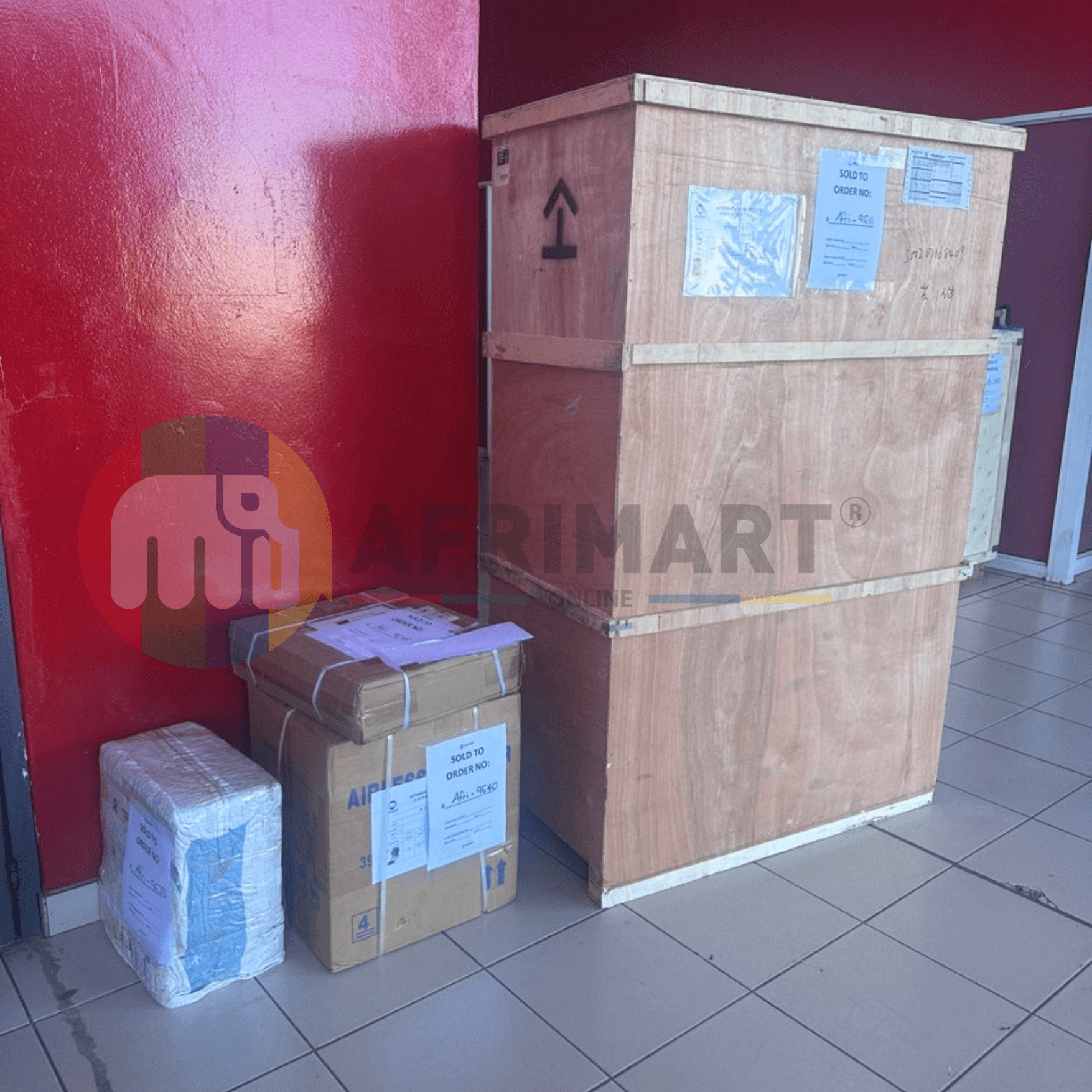
Agriculture Processing Machines
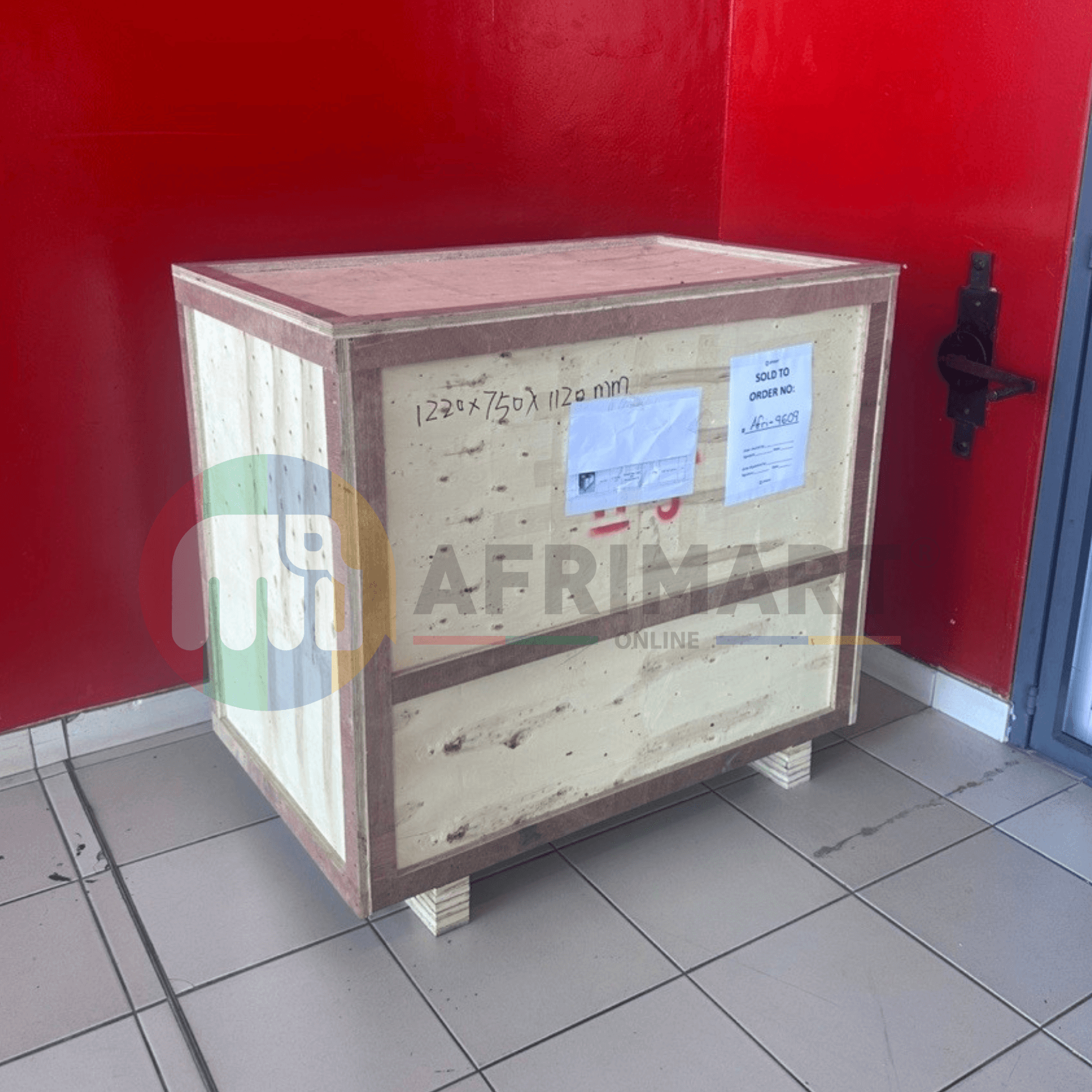
Meat Grinder Machine
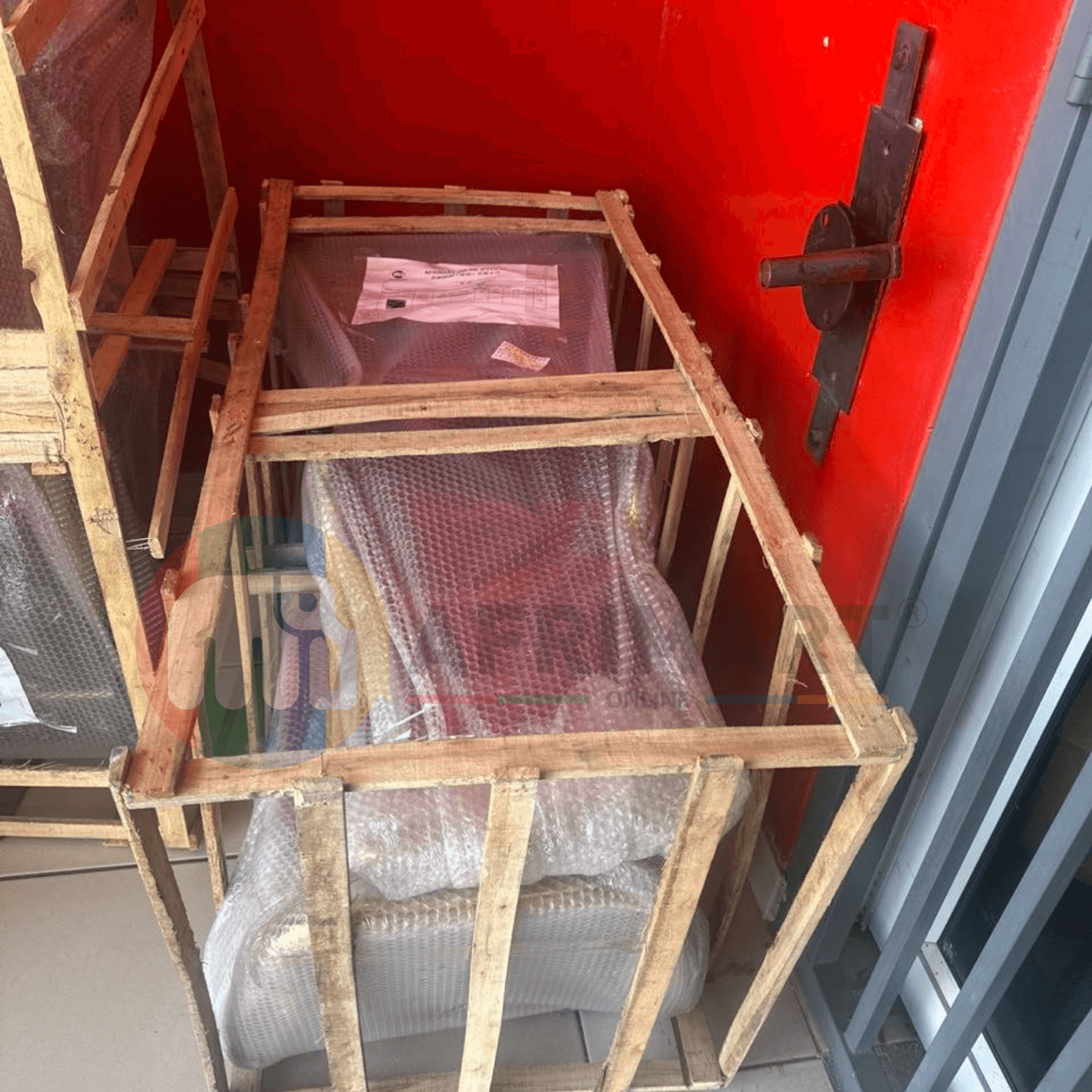
Water Pump Equipment
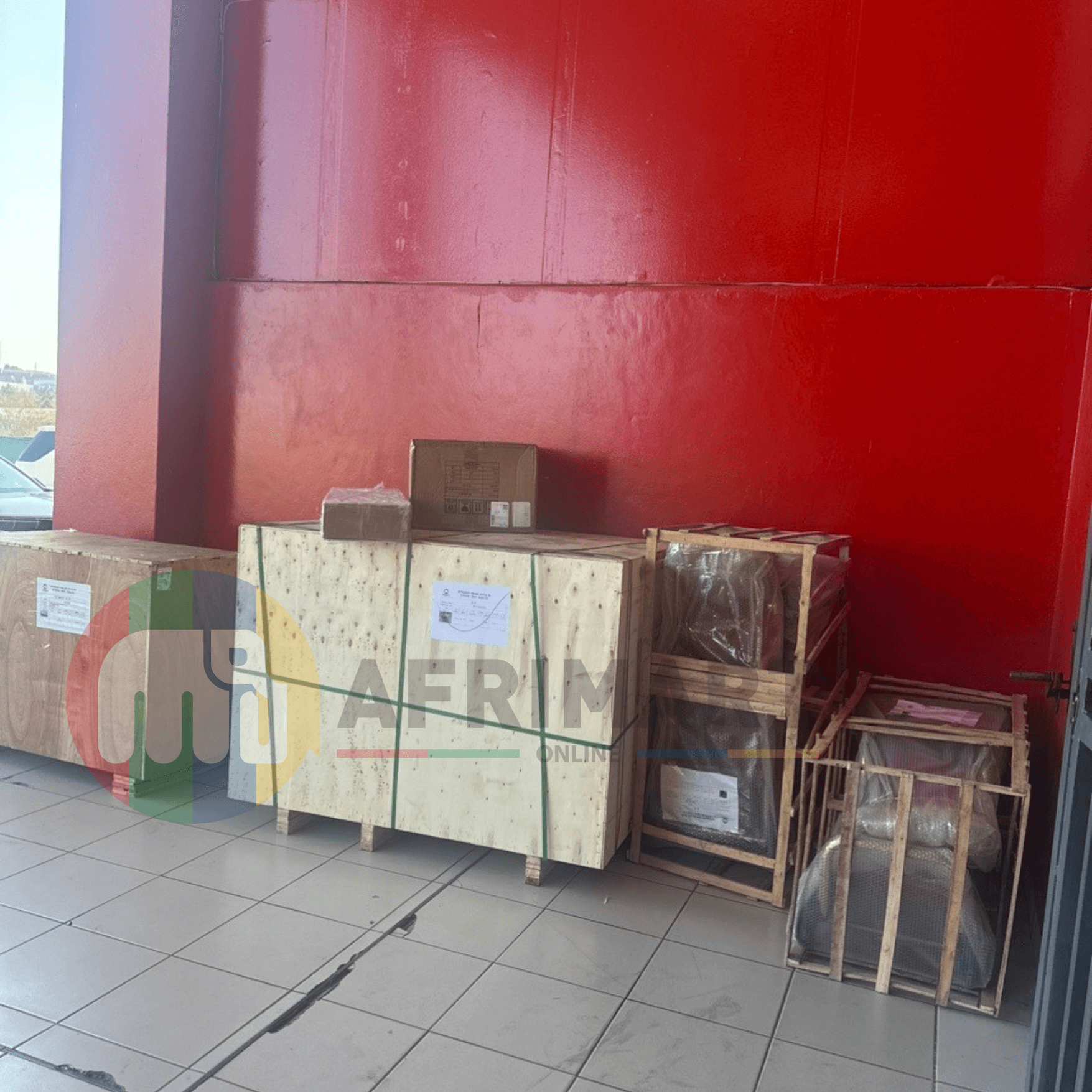
Packaging Machine and accessories
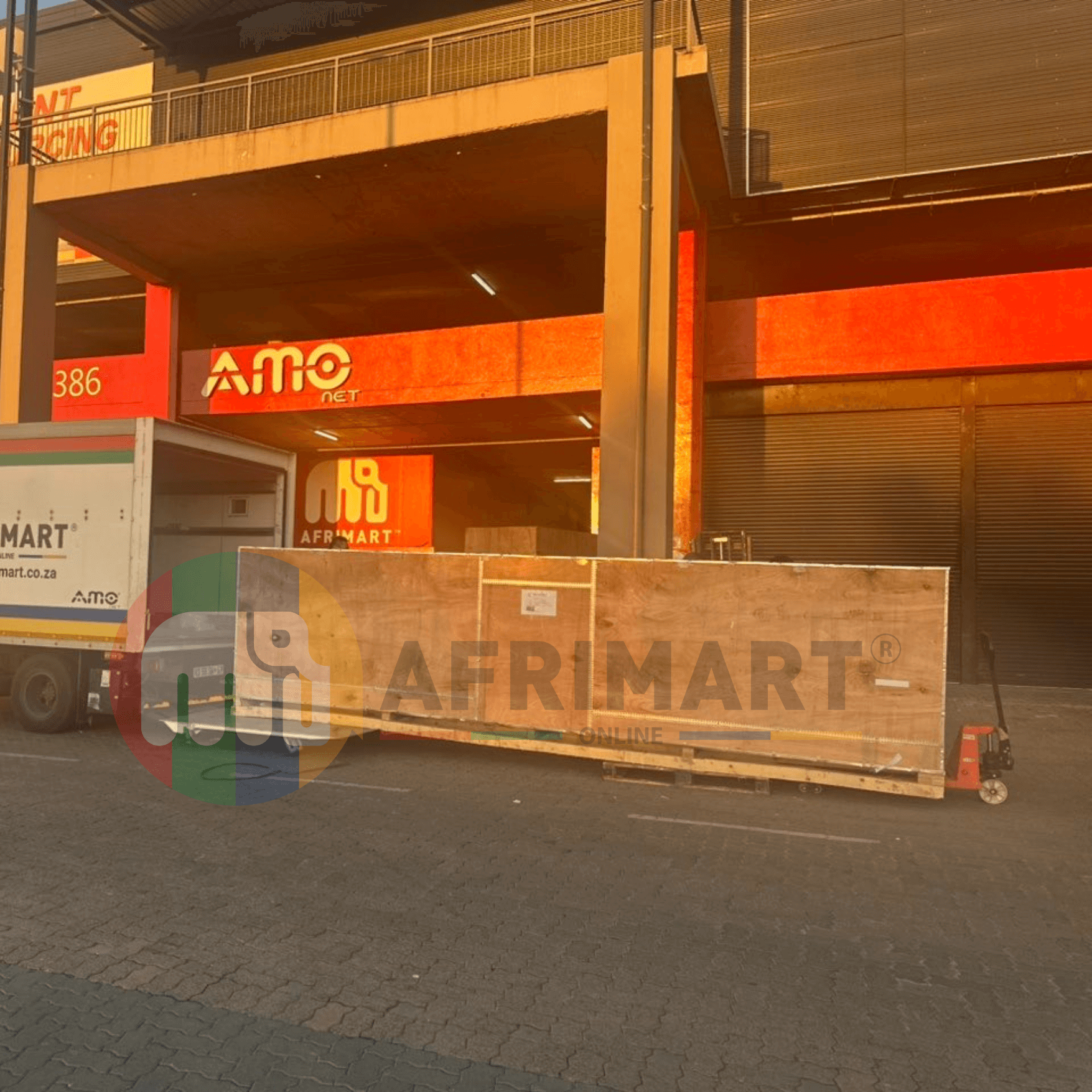
Fabrics Manufacturing Equipment
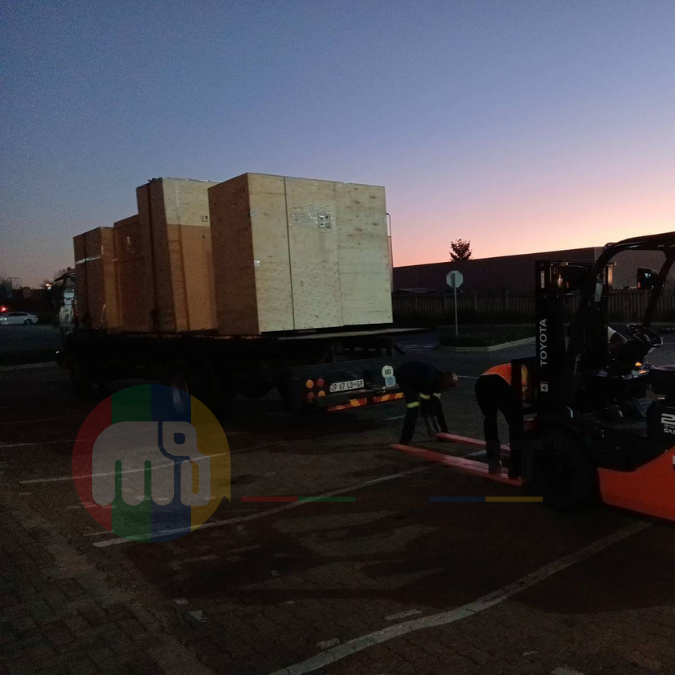
Mining Equipments
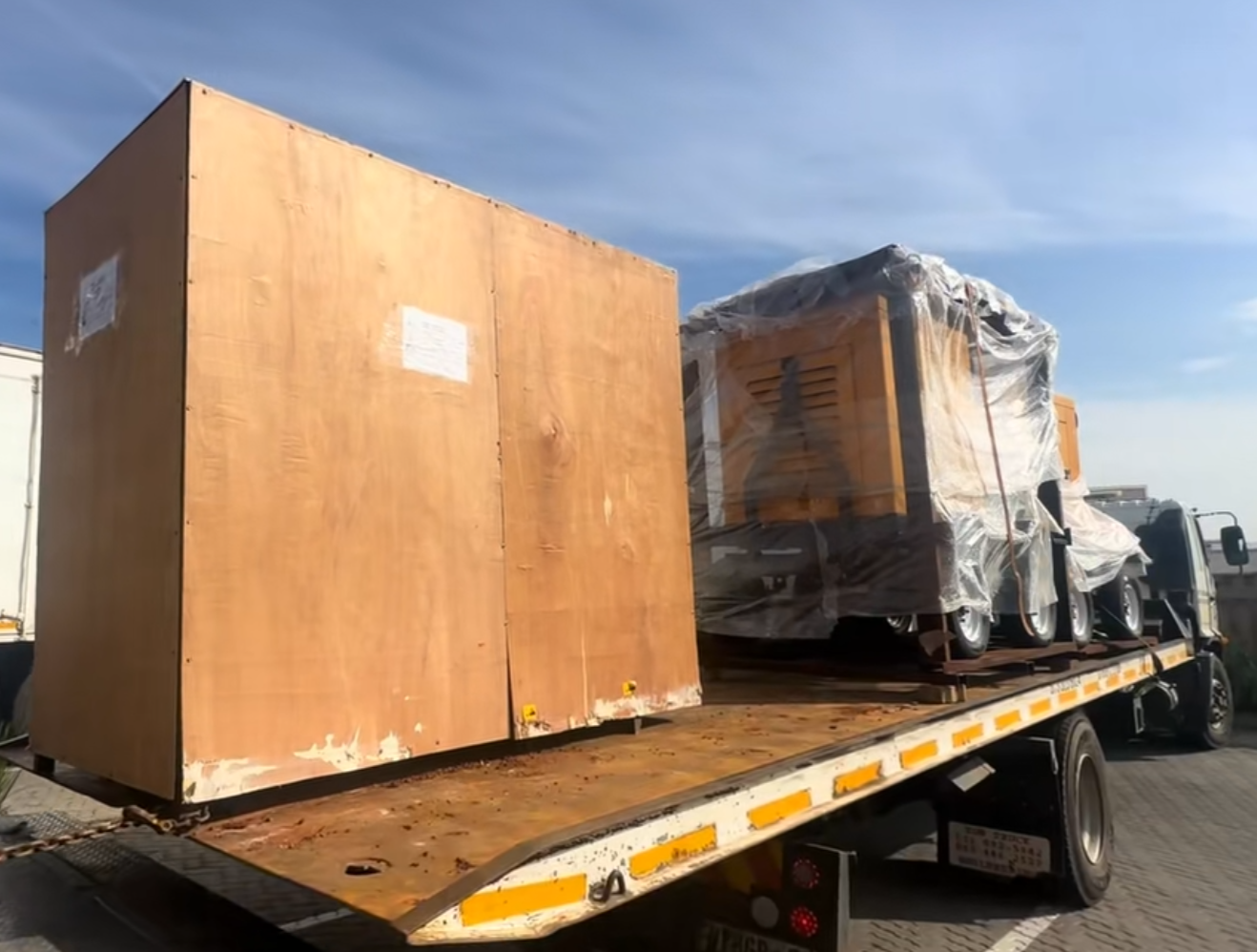
Food Processing Machine
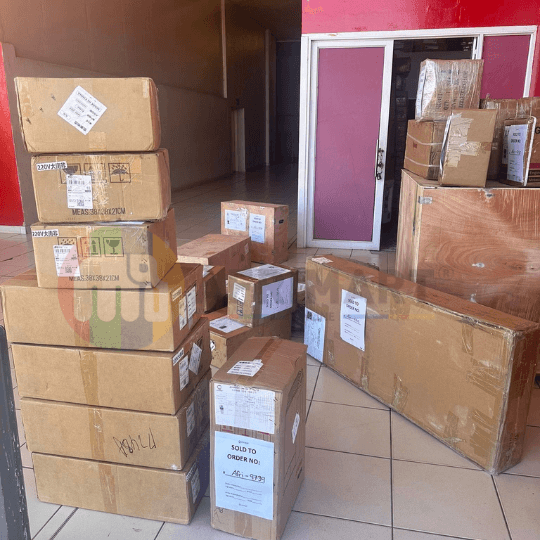
Batch of Orders
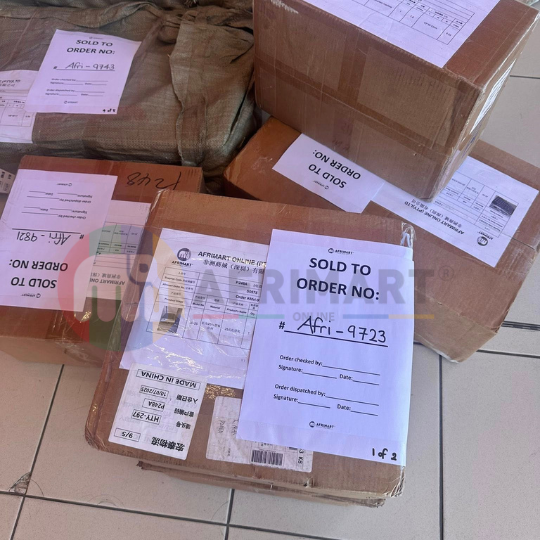
Batch of Orders
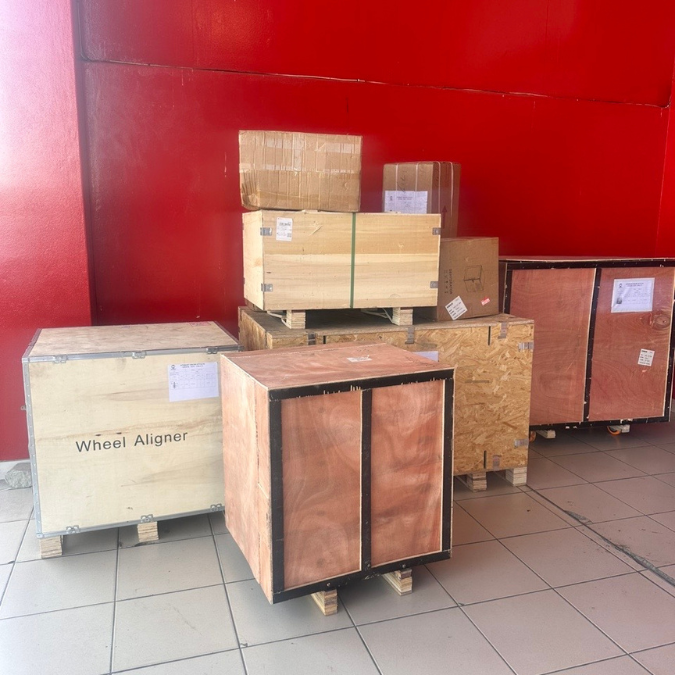
Latest Orders Labelled
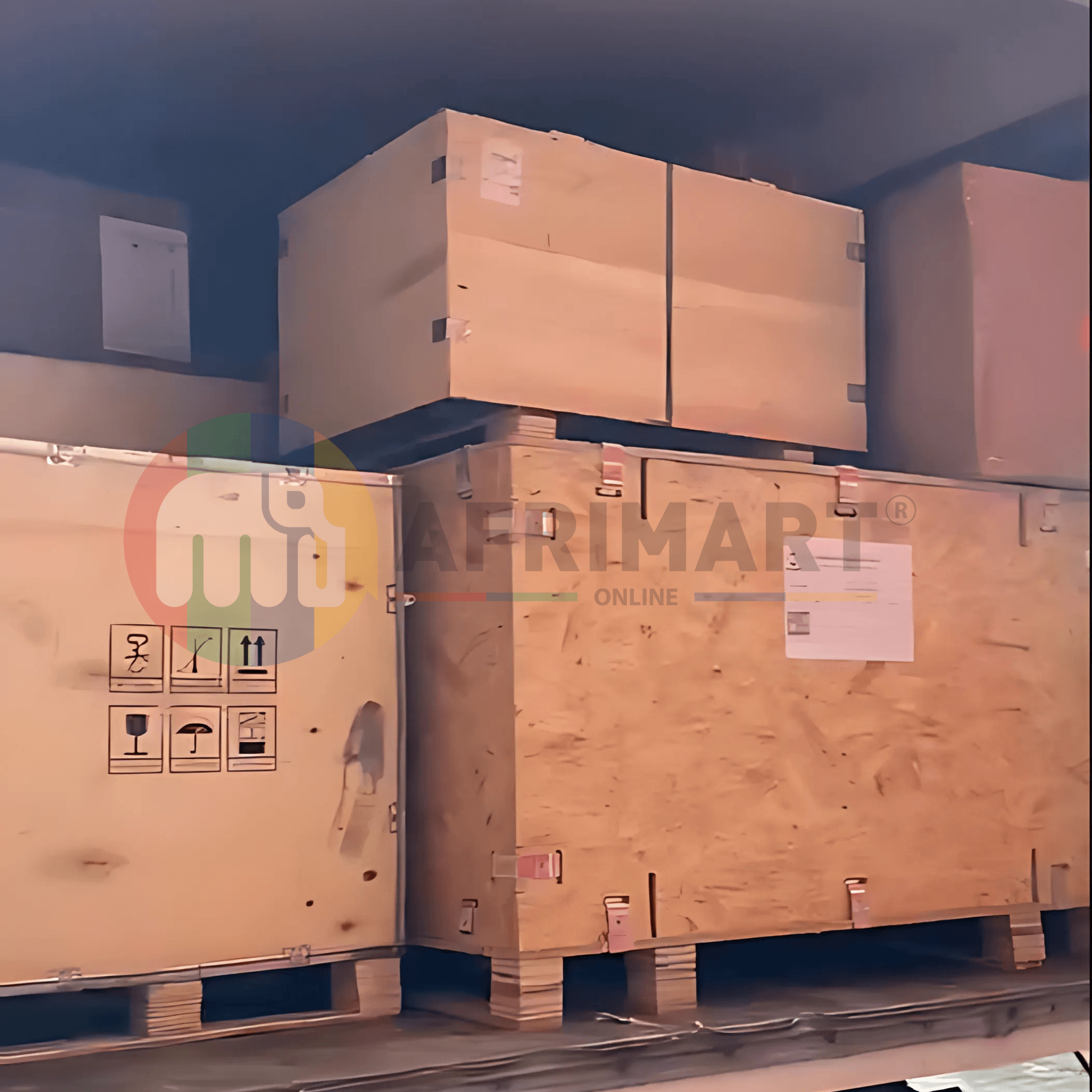
wheel alignment machines
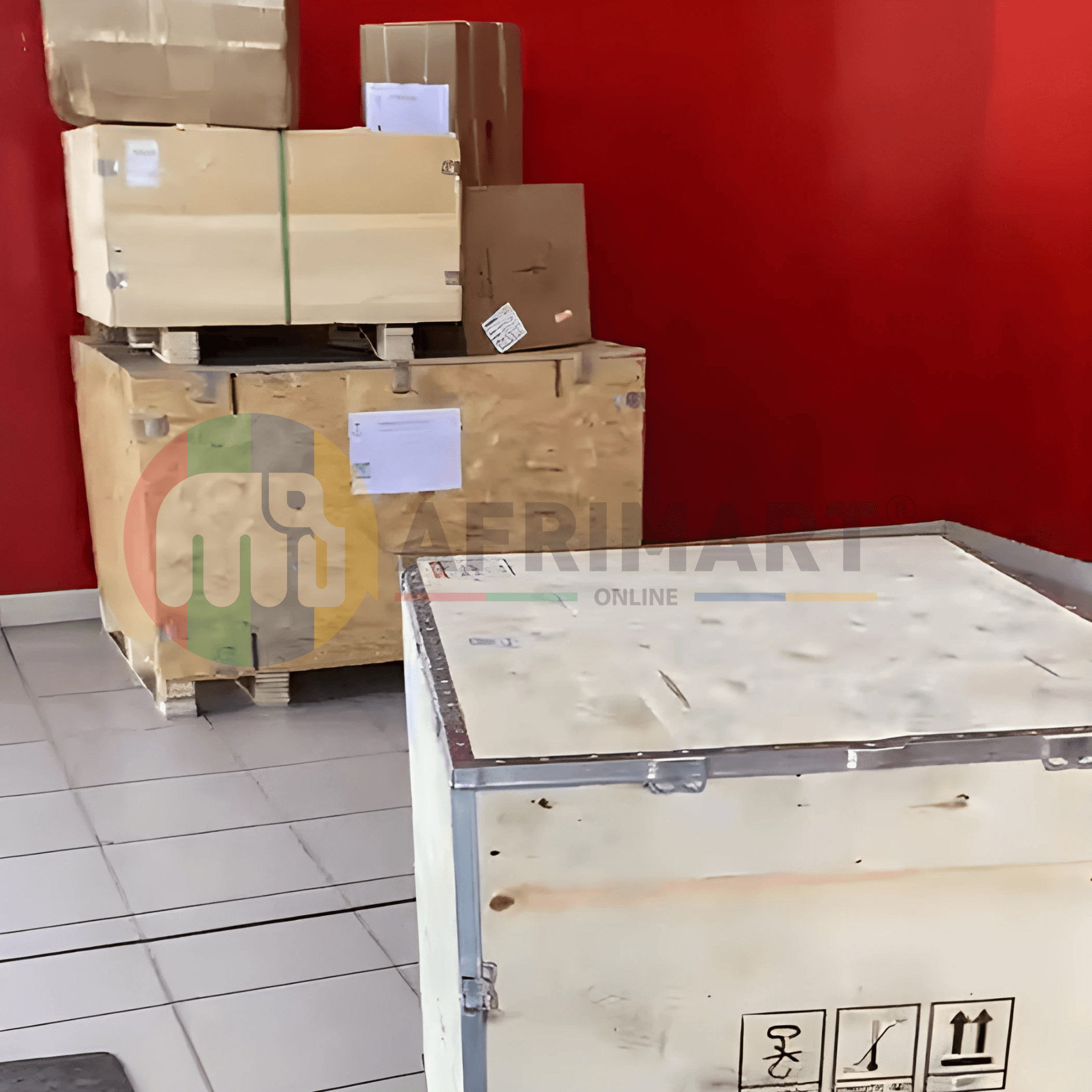
new arrivals
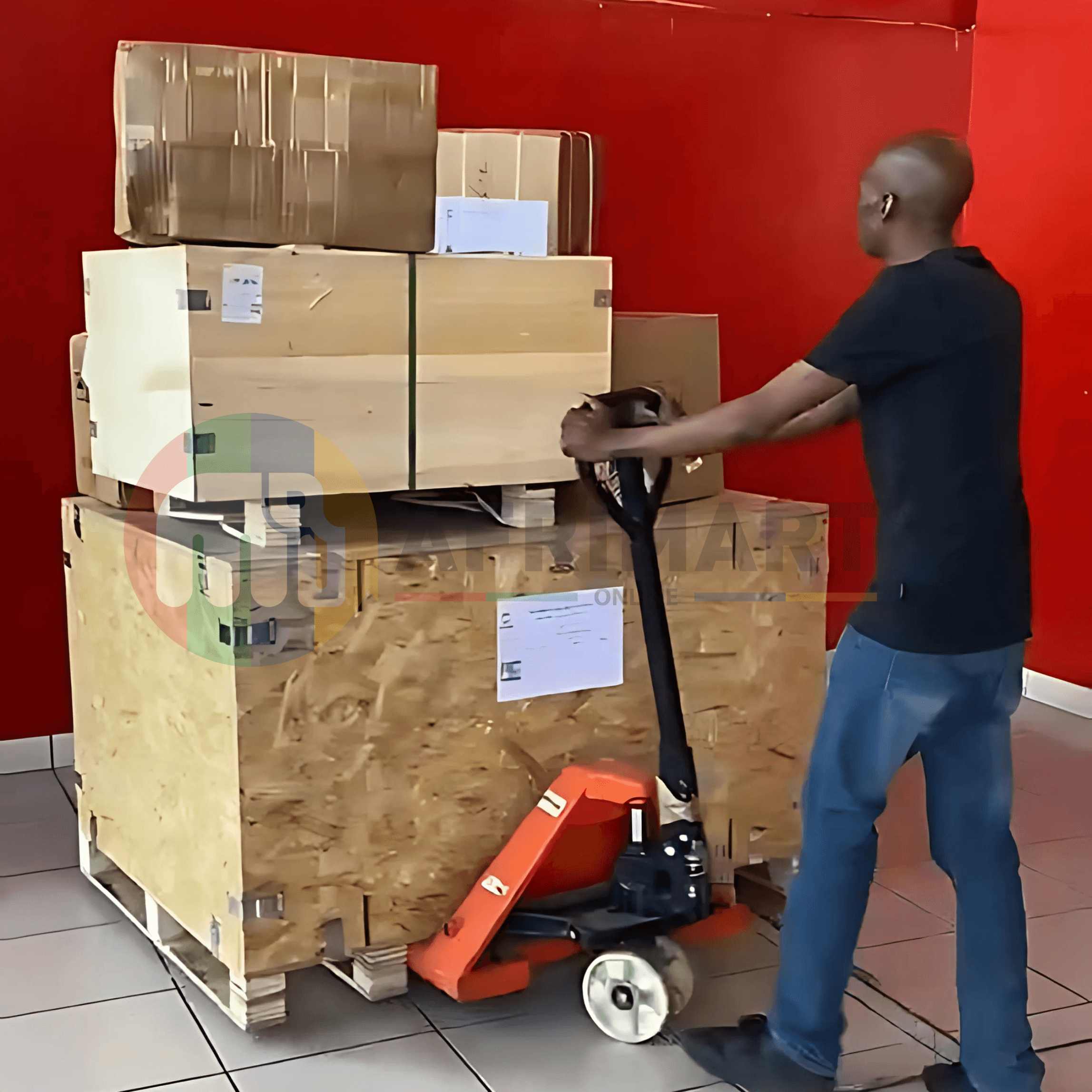
Pre Orders Offloading
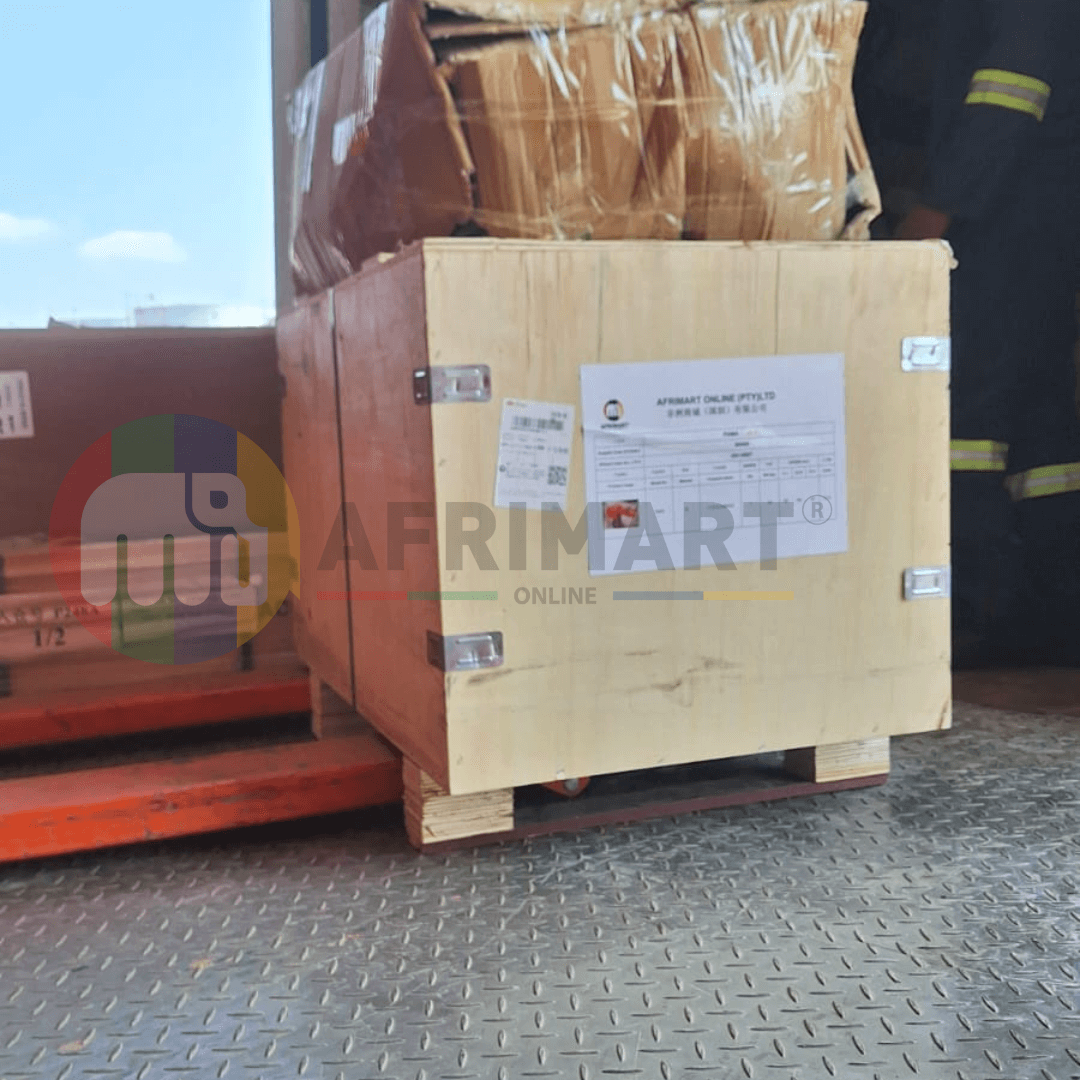
Latest Arrivals
Latest Arrivals
Latest Arrivals
26 January 2026
Toilet paper making machine
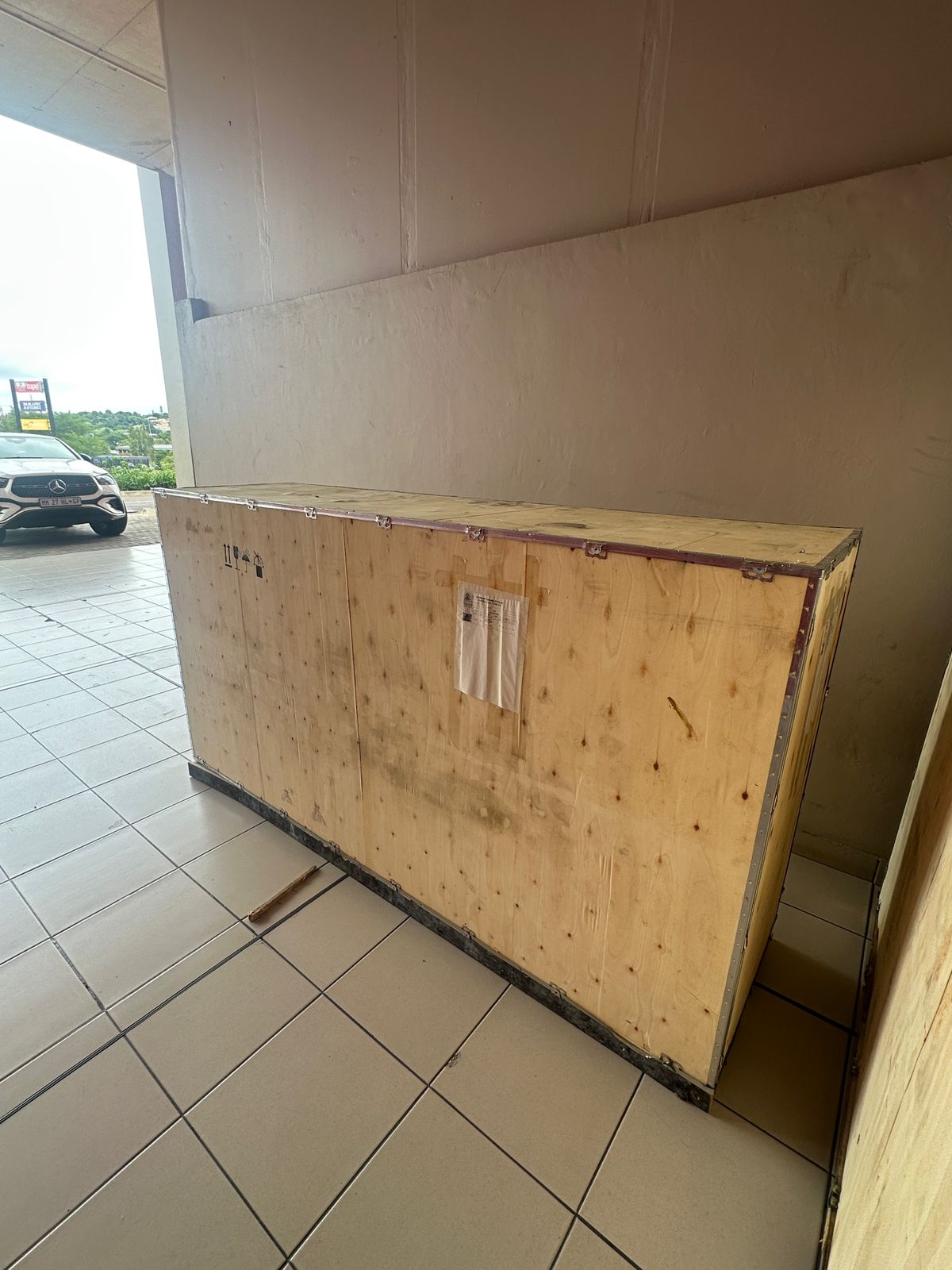
Toilet paper making machine
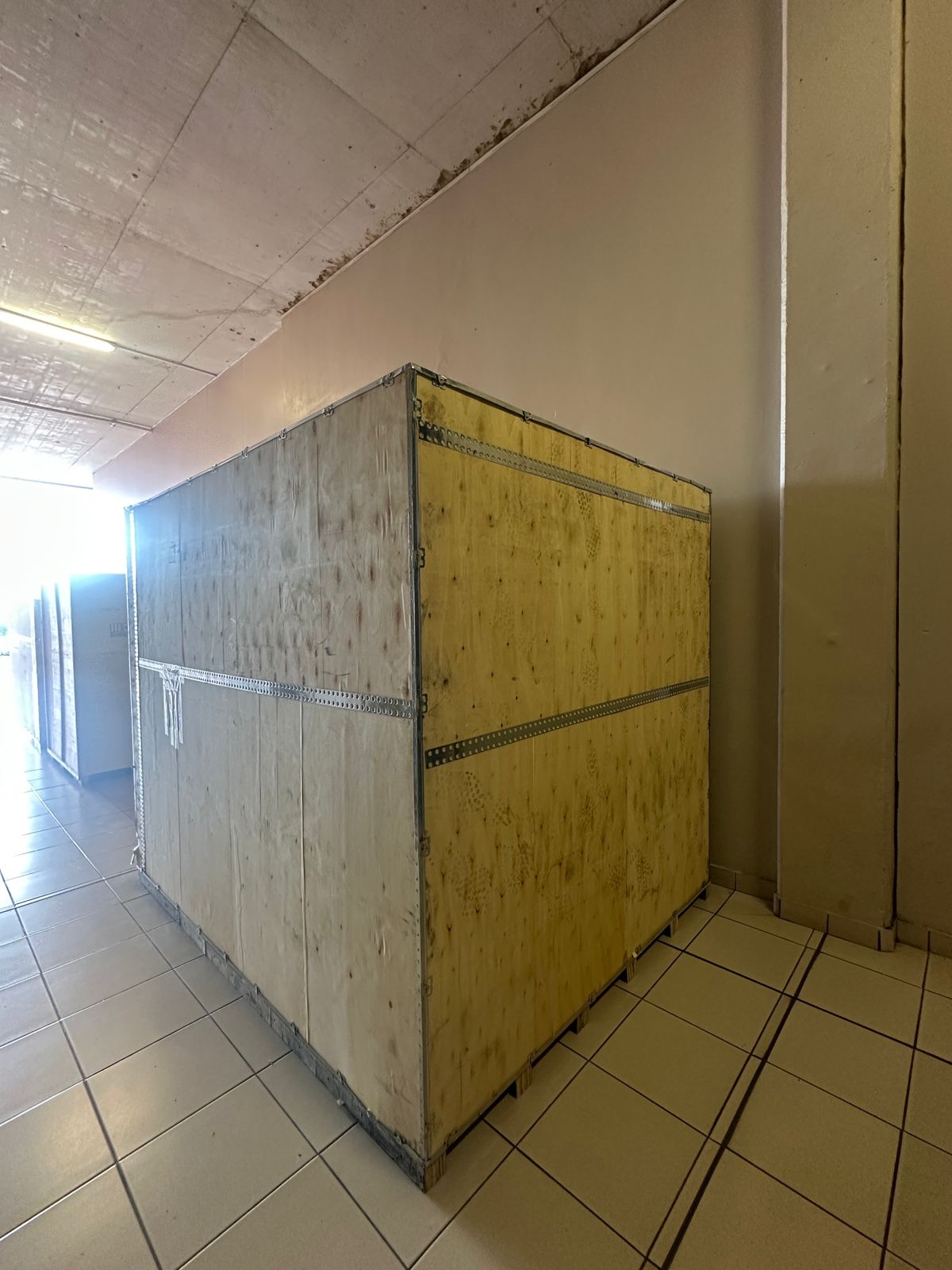
Toilet paper Rewinding Machine
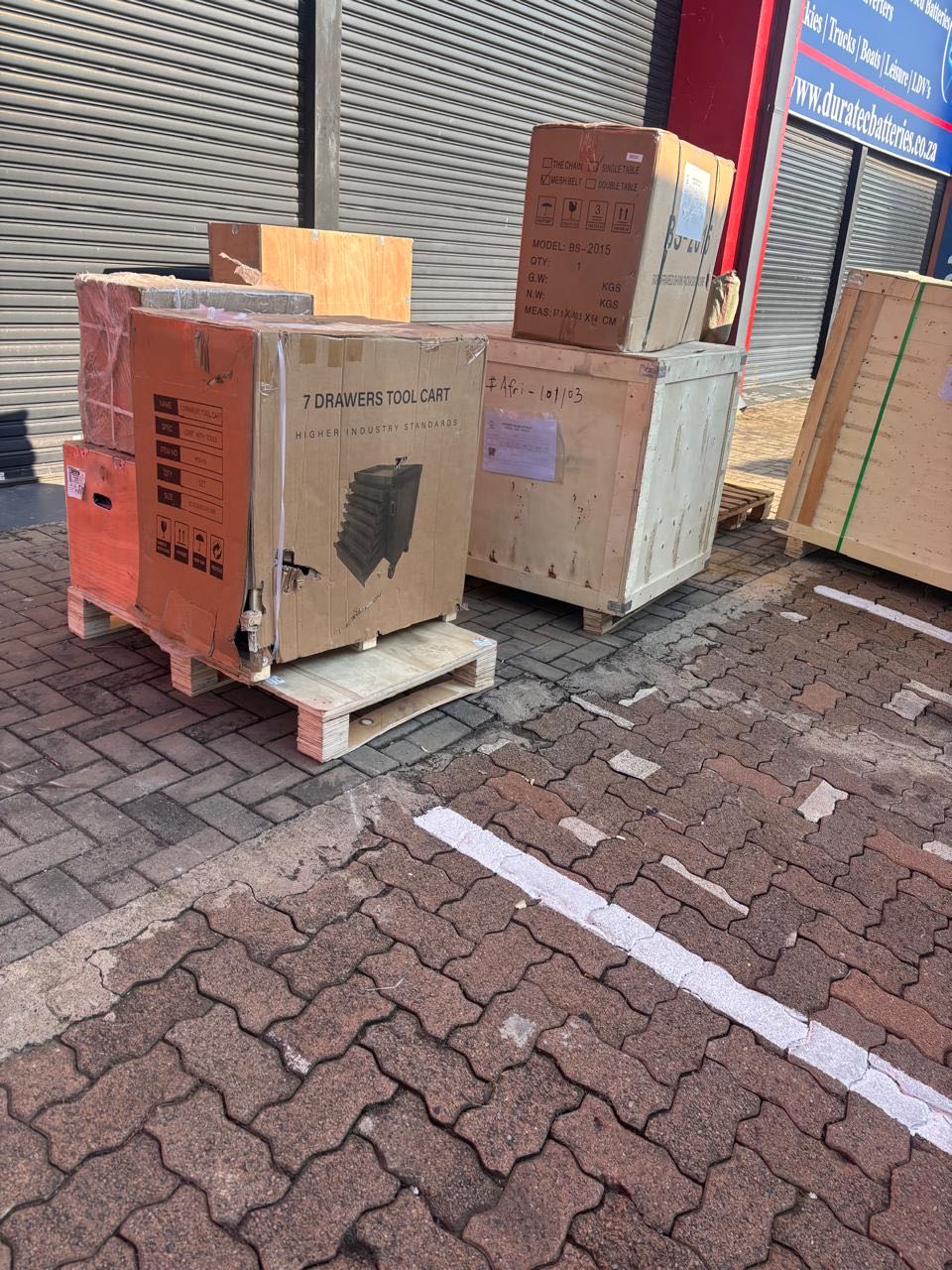
latest arrivals
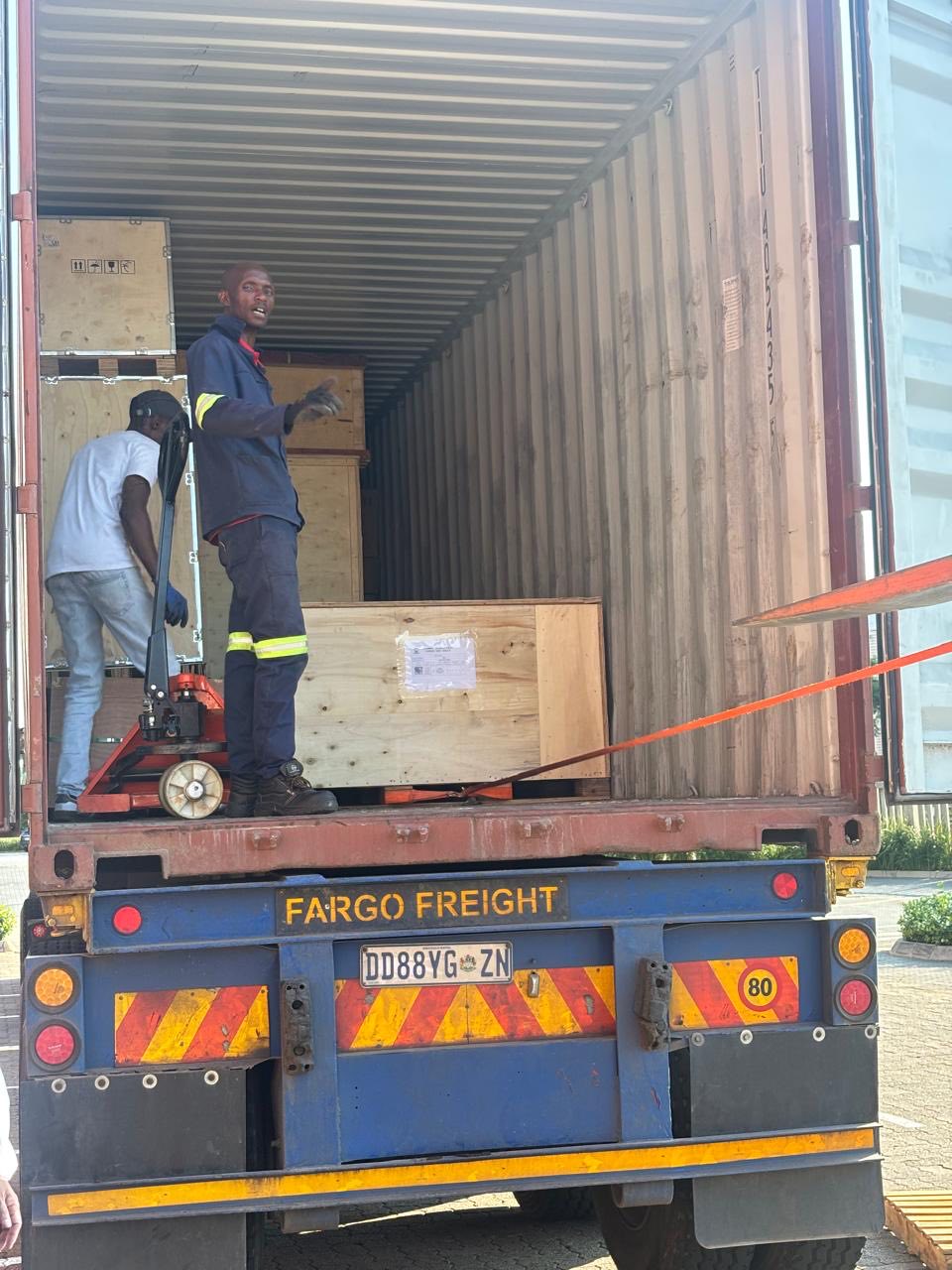
offloading
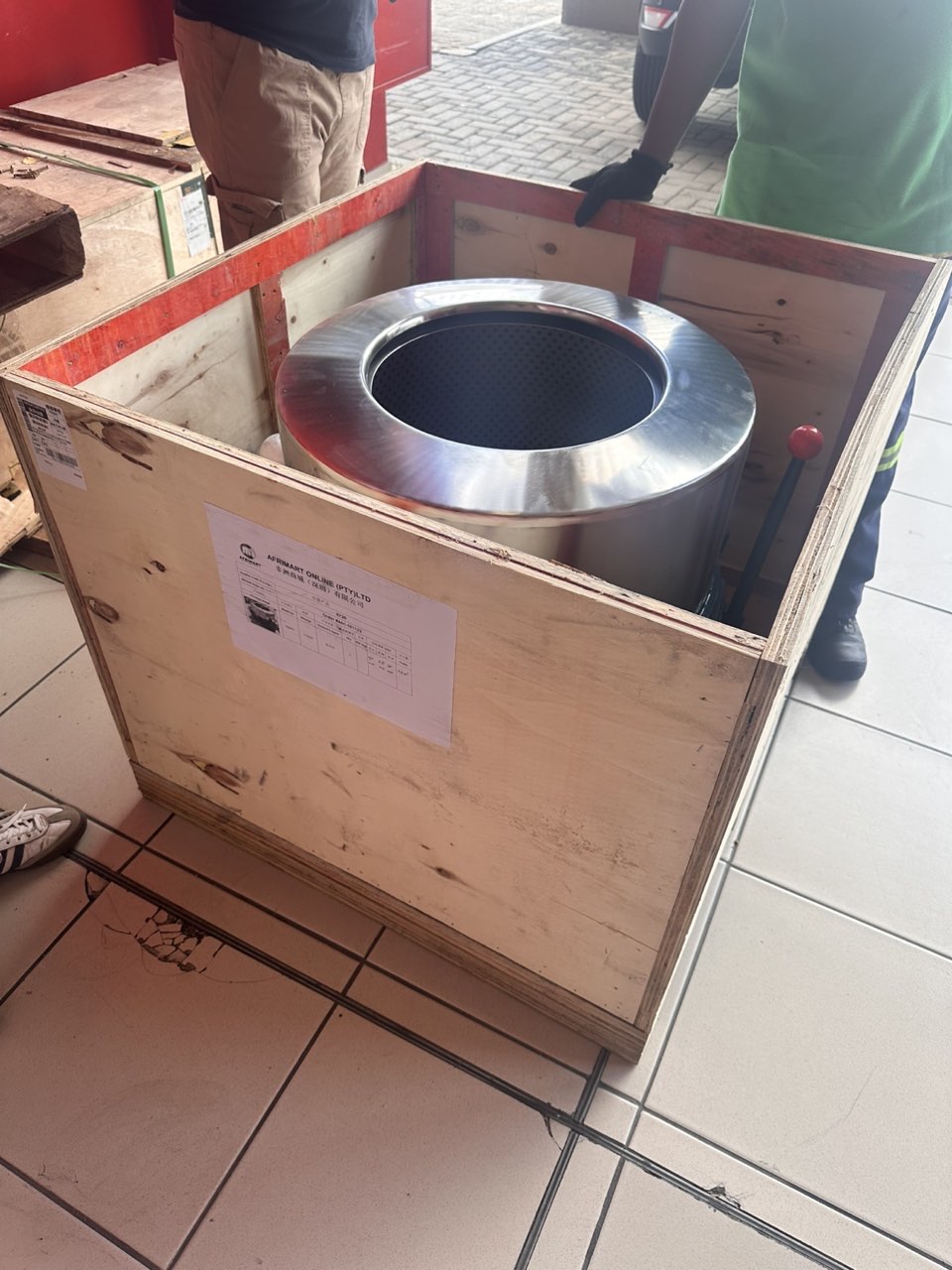
order success
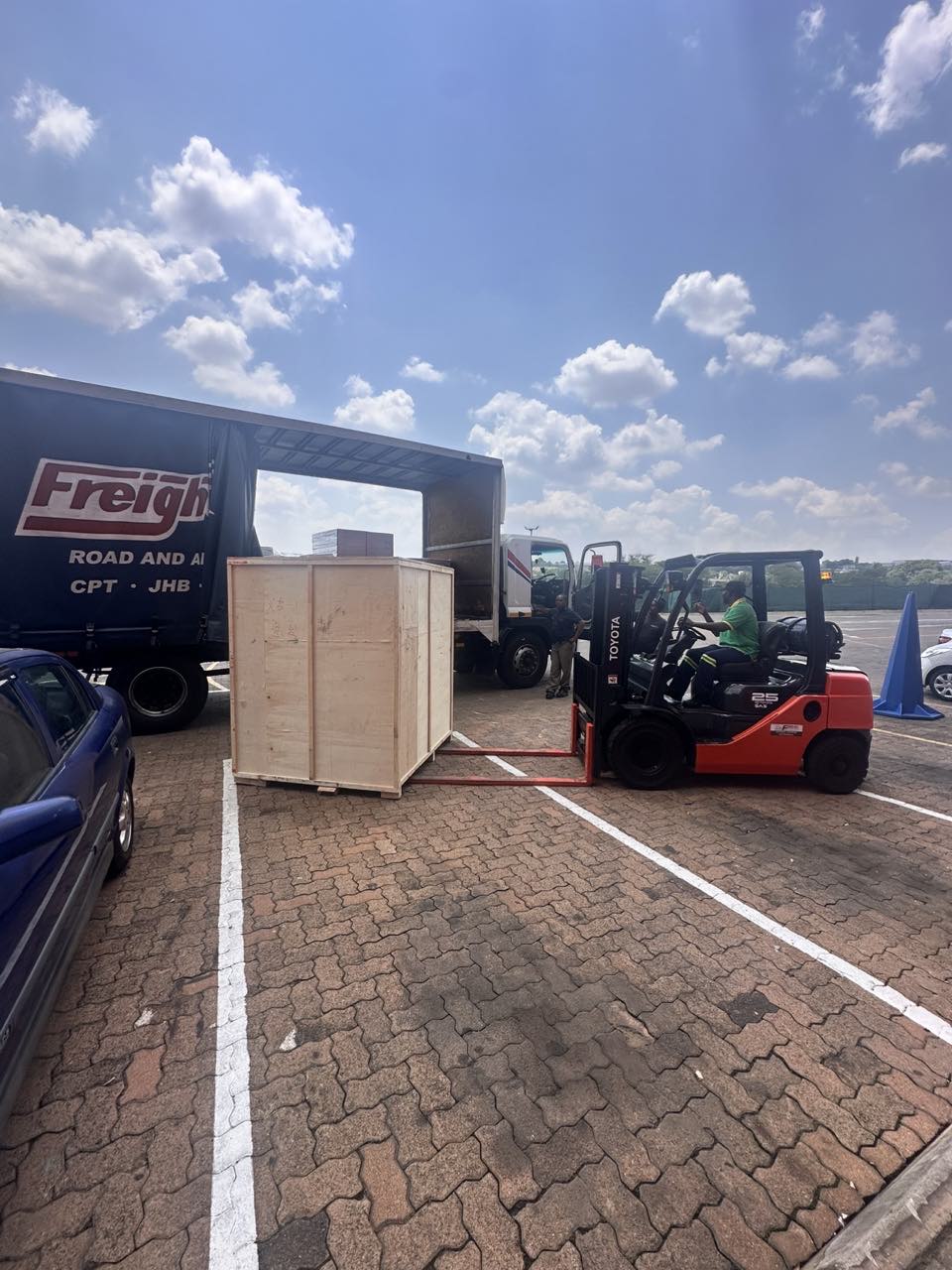
order collection
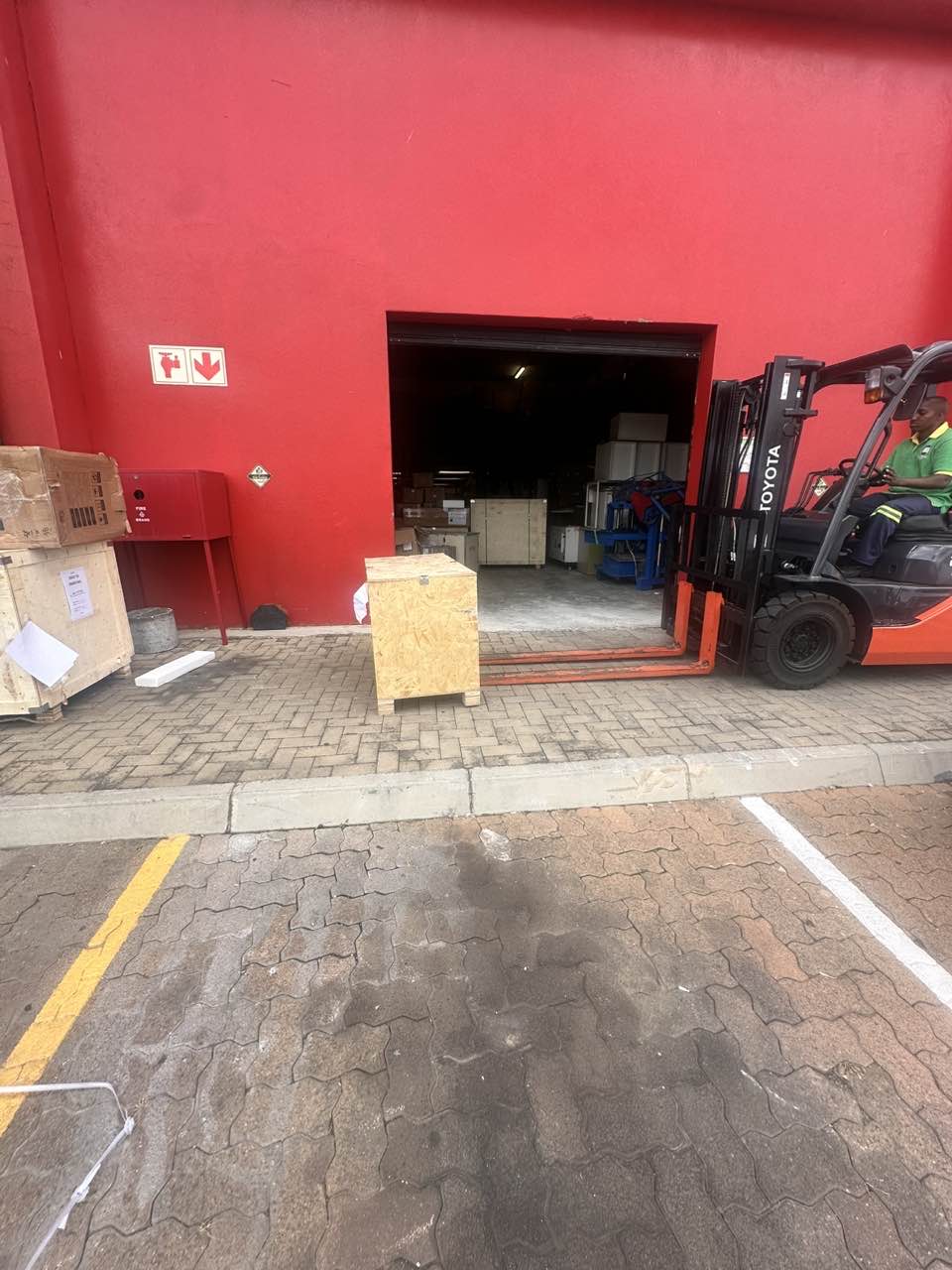
order offloading