B21, China Town Mall, Midrand


Gold Ore Production Processing line Gold Mining Ore Production Beneficiation Machine
Asset finance available
Do you want funding for this equipment?
Afrimart can connect you with trusted funding partners who specialise in asset finance for businesses like yours. Compare options and apply in minutes — final approval is subject to provider review.
Check funding options
Secure & no obligation

- Section : Machinery
- Category : Mining Machinery
- SKU : 1600412435680

Gold Ore Production Processing line Gold Mining Ore Production Beneficiation Machine
Brief Introduction
The carbon leaching method (CIL) is developed on the basis of the gold extraction process for the replacement of fully viscous zinc cyanide powder. The coal leaching process is characterized by the fact that the leaching and adsorption operations are performed simultaneously, which saves the stirring tank and saves the investment. In recent years, newly built wet gold mining plants have generally adopted this process.
Raw Material
The carbon leach process is suitable for treating low sulfur oxidized ores with a lot of slurry, and is not suitable for high silver gold ores. Usually, the gold / silver ratio can not exceed 1: 5. At present, the best conditions for using the carbon leach method are: PH = 10-11, sodium cyanide concentration not less than 0.015% , size Activated carbon particle 1-3.35mm, the carbon type is coconut shell activated carbon, and the leach pulp concentration is 40-45%.


Click Now for Catalogs & Factory Price!
Main Equipments
The main equipment of the carbon leaching plant includes crushers, belt conveyors, vibrating screens, ball mills, classifiers, dust removal, thickeners, slurry pumps, leaching tanks, adsorption tanks, carbon extraction equipment, carbon screens, safety screens, etc.
Process
The specific process is as follows:
Leaching and adsorption
The carbon leaching method is characterized by the simultaneous leaching and adsorption of gold. The number of leaching stages is usually 6 to 10 stages. The gold content of the suspension solution after adsorption by this method is generally 0.01 to 0.03 g / m³.
Cyanide leaching
In the leaching process, cyanide is used to leach gold and silver from the ore, forming a gold-silver cyanide complex. Lime is used to maintain a high pH to prevent the generation of toxic hydrogencyanide gas. In a carbon leaching plant with a higher level of automation, a hydrogen cyanide gas detector is installed in the leaching and adsorption area.


Activated carbon adsorption
The commonly used activated carbon is coconut activated carbon, which has good adsorption performance and good wear resistance; Each adsorption tank should be equipped with a carbon screen, and the screen is usually 24 mesh 304 stainless steel. Carbon screens are mostly cylindrical and V-shaped, and our company uses vibrating screens.

Desorption
The desorption liquid in the high temperature and high pressure desorption method is aqueous solution of 0.1% sodium cyanide and 1% sodium hydroxide, the temperature is 150-170 ℃, the pressure is 0, 35 MPa and the desorption time is only 4-6 h to reach the process conditions. This method greatly reduces the consumption of chemicals, the desorption rate is fast and the carbon cycle period is short. However, the process needs to cool before desorbing the expensive liquid to avoid boiling and splashing.
Click Now for Catalogs & Factory Price!
Advantage
1. Shorten the leaching time;
2. Increase the leaching rate of gold and silver;
3. Reduce cyanide consumption;
4. Effectively leach the minerals containing more oxygen-consuming minerals.

Application
It is mainly suitable for processing low sulfur oxidized minerals with a lot of sludge. Electrolytic extraction by desorption, carbon pickling and thermal regeneration, chemical preparation, wastewater treatment and gold smelting and other processes.


- Shipping Timeframes: All orders are processed within 2-5 business days (excluding weekends and holidays). After your order has been processed, the estimated delivery time is before 03 Aug, 2026, depending on customs, Please note that due to high demand, some items may experience longer shipping times, which will be communicated at order confirmation email.
- Order Processing Time: Please allow 2-5 business days for us to process your order before it is shipped . Orders placed after 16:00 on Fridays, or during weekends and public holidays, will begin processing on the next business day. Processing times may be extended during peak seasons or sales events.
- Manufacturing Time: Some products needs manufacturing time, the manufacturing process will take approximately 10-30 business days depending on the product. This timeframe may vary depending on the complexity of the product and current demand. but this will be communicated with you during order confirmation.
- Returns and Exchanges: We offer a 30-day return policy for most items. If you are not completely satisfied with your purchase, you may return it within 30 days of receipt for a refund or exchange. Items must be unused, in their original packaging, and accompanied by proof of purchase. Return shipping costs are the responsibility of the customer, unless the item was damaged or defective upon arrival.
1. What is the carbon leaching method (CIL) used in gold processing?
The carbon leaching method (CIL) is a gold extraction process where leaching and adsorption occur simultaneously, thus eliminating the need for a separate stirring tank and reducing investment costs.
2. What types of ores are suitable for the carbon leaching process?
The carbon leaching process is particularly effective for treating low sulfur oxidized ores with significant slurry content, but it is not suitable for high silver gold ores.
3. What are the optimal conditions for using the carbon leach method?
The best conditions for the carbon leach method include a pH of 10-11, sodium cyanide concentration of at least 0.015%, activated carbon particle size of 1-3.35mm, and leach pulp concentration of 40-45%.
4. What main equipment is included in the carbon leaching plant?
The main equipment includes crushers, belt conveyors, vibrating screens, ball mills, classifiers, dust removal systems, thickeners, slurry pumps, leaching tanks, adsorption tanks, and more.
5. How many stages are typically involved in the leaching process?
The leaching process typically involves 6 to 10 stages of leaching and adsorption to effectively extract gold.
6. What is the role of cyanide in the leaching process?
Cyanide is used to leach gold and silver from the ore, forming a gold-silver cyanide complex, while lime is added to maintain a high pH to prevent toxic gas generation.
7. What type of activated carbon is preferred for adsorption in this process?
Coconut shell activated carbon is commonly used due to its excellent adsorption performance and wear resistance.
8. What are the conditions for the desorption process?
The high temperature and pressure desorption process typically uses an aqueous solution of 0.1% sodium cyanide and 1% sodium hydroxide at temperatures of 150-170°C and pressures of 0.35 MPa.
9. What are the advantages of using the carbon leaching method?
Advantages include shortened leaching time, increased leaching rate of gold and silver, reduced cyanide consumption, and effective processing of minerals containing oxygen-consuming minerals.
10. Is the carbon leaching process environmentally friendly?
The process is designed to reduce cyanide consumption and improve efficiency, contributing to more sustainable mining practices, although safety measures are necessary to handle cyanides.
11. What safety measures are in place during the leaching process?
In automated carbon leaching plants, hydrogen cyanide gas detectors are installed in the leaching and adsorption areas to ensure safety.
12. Can this system handle high silver gold ores?
No, the carbon leaching process is not suitable for high silver gold ores; the gold/silver ratio should not exceed 1:5.
13. What is the typical gold content in the solution after adsorption?
The gold content of the suspension solution after adsorption typically ranges from 0.01 to 0.03 g/m³.
14. What are the main applications of the Gold Mining Ore Production Beneficiation Machine?
It is mainly used for processing low sulfur oxidized minerals, electrolytic extraction by desorption, carbon pickling, thermal regeneration, chemical preparation, and wastewater treatment.
15. How does the leaching process contribute to chemical consumption reduction?
The high temperature and pressure desorption method reduces chemical consumption by using less sodium cyanide and sodium hydroxide, leading to faster desorption rates.
Latest Order Arrivals
Discover our latest orders
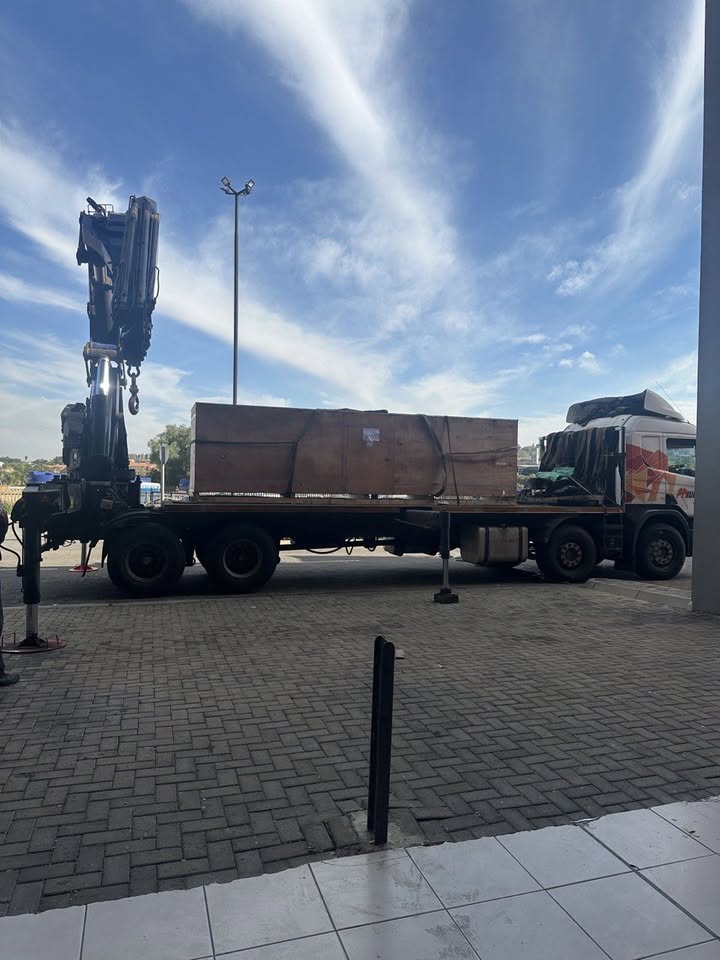
12 Heads Embroidery Machine
Toilet Paper Machine Machine
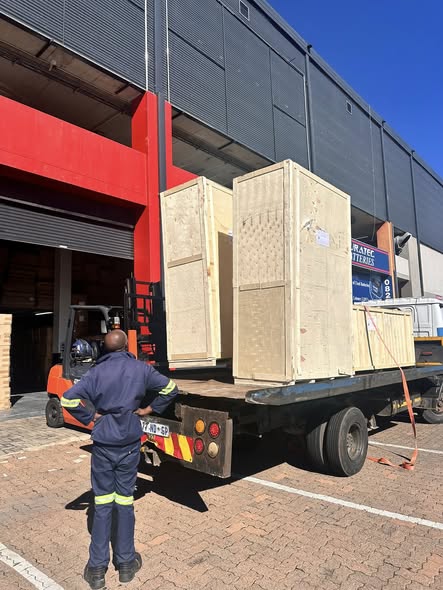
Order Collection
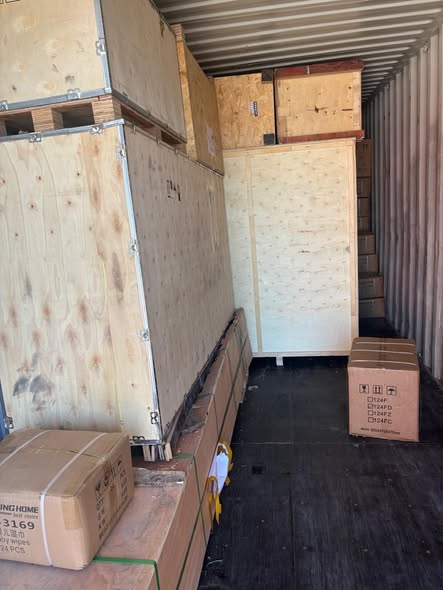
Cross Border Clients
Order cros border countries Collected
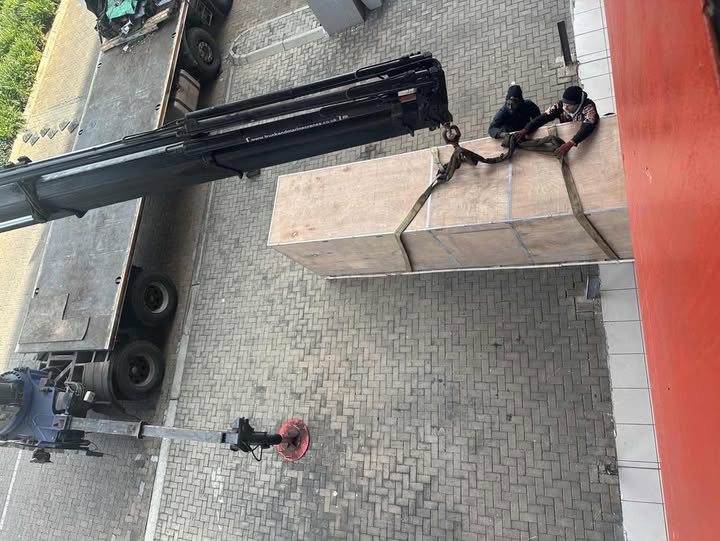
Industrial Machine Cllection
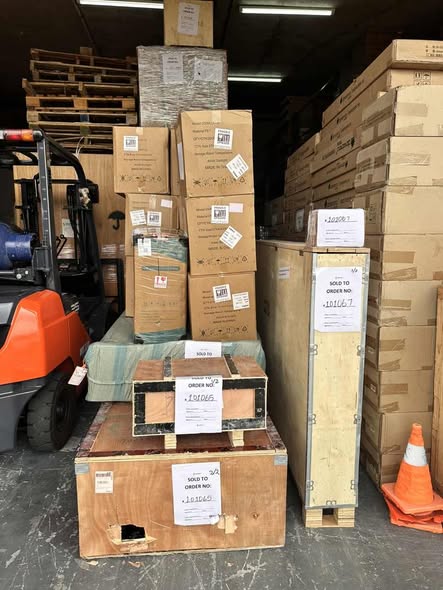
Agriculture Processing Machines
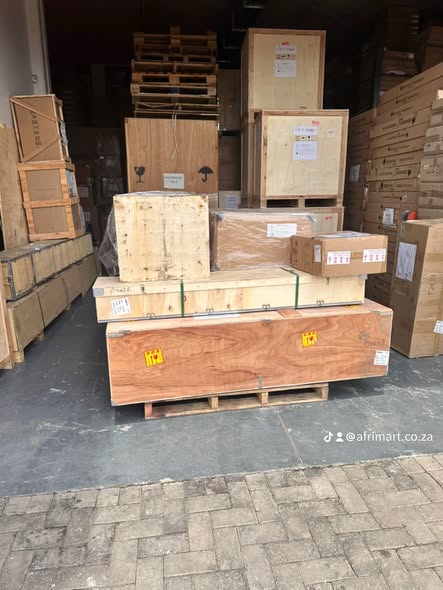
Ready for collection
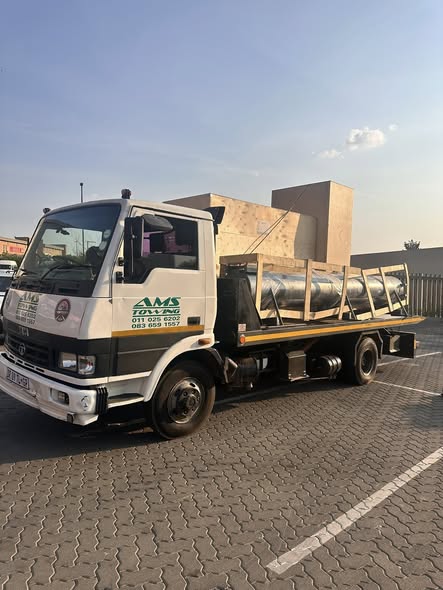
Water Pump Equipment
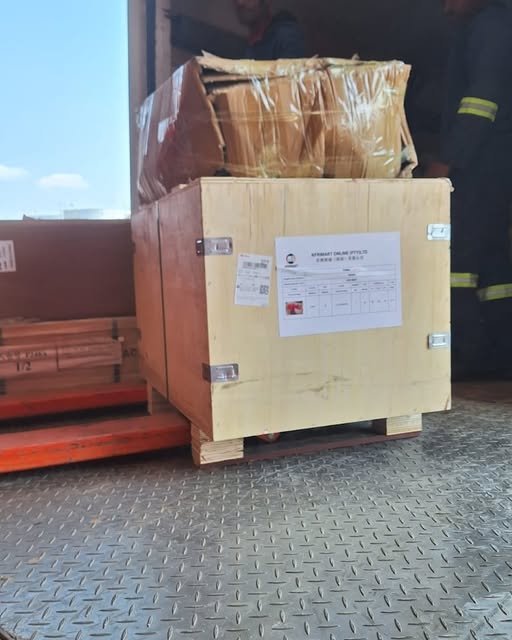
Packaging Machine and accessories
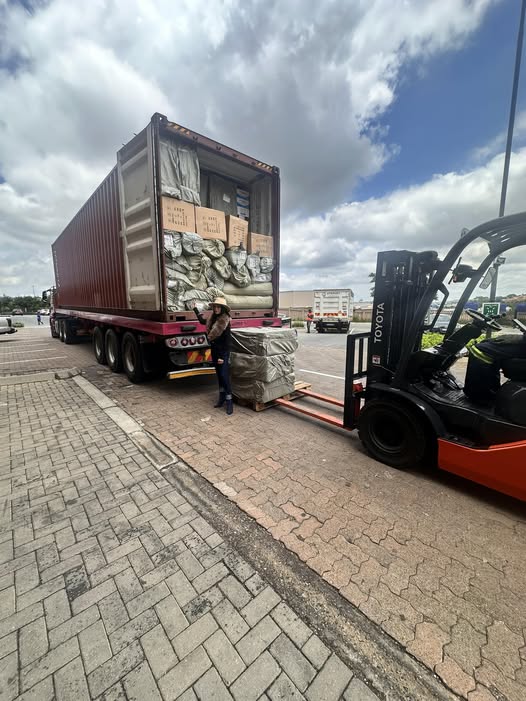
Fabrics Manufacturing Equipment
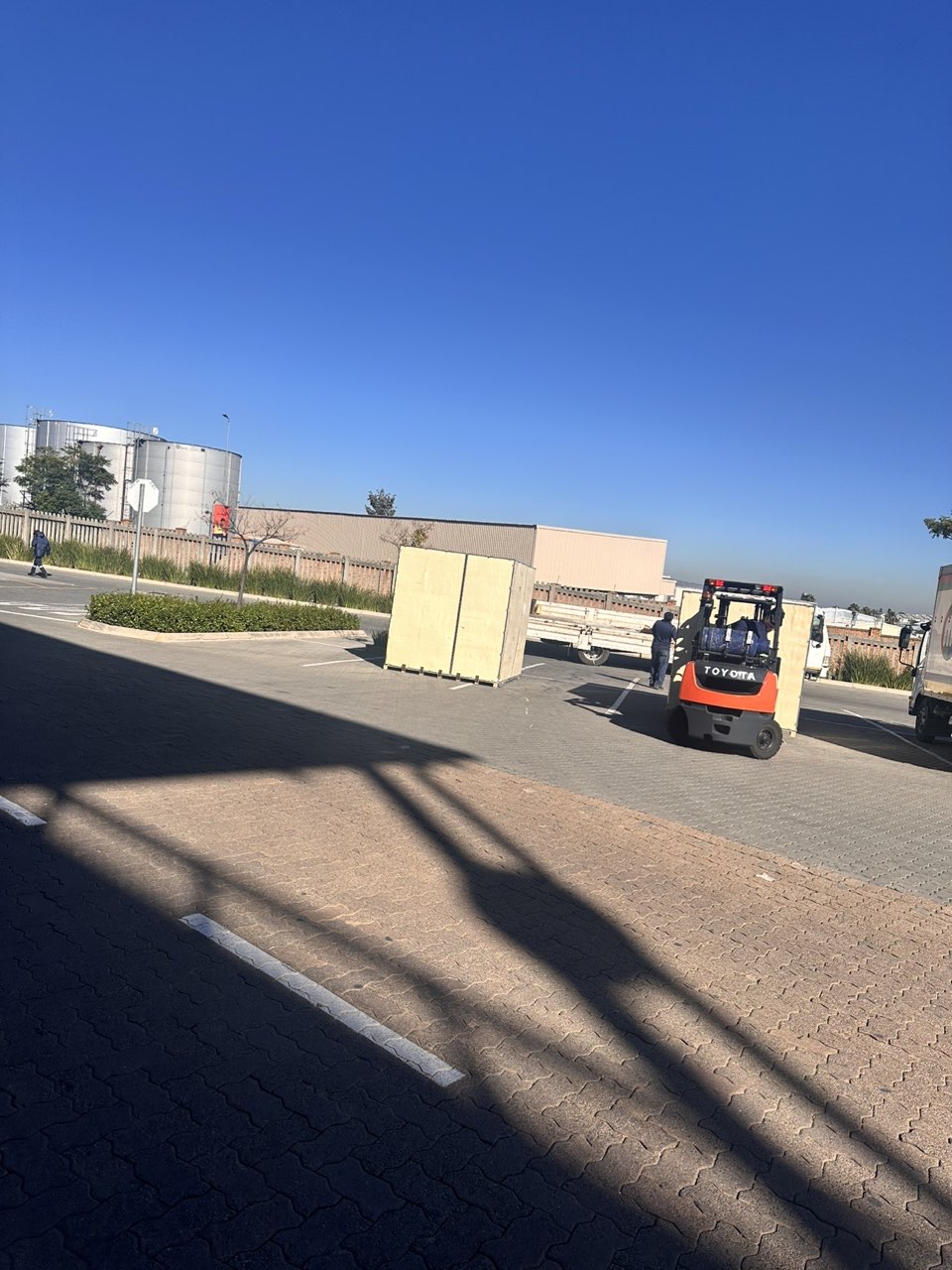
Mining Equipments
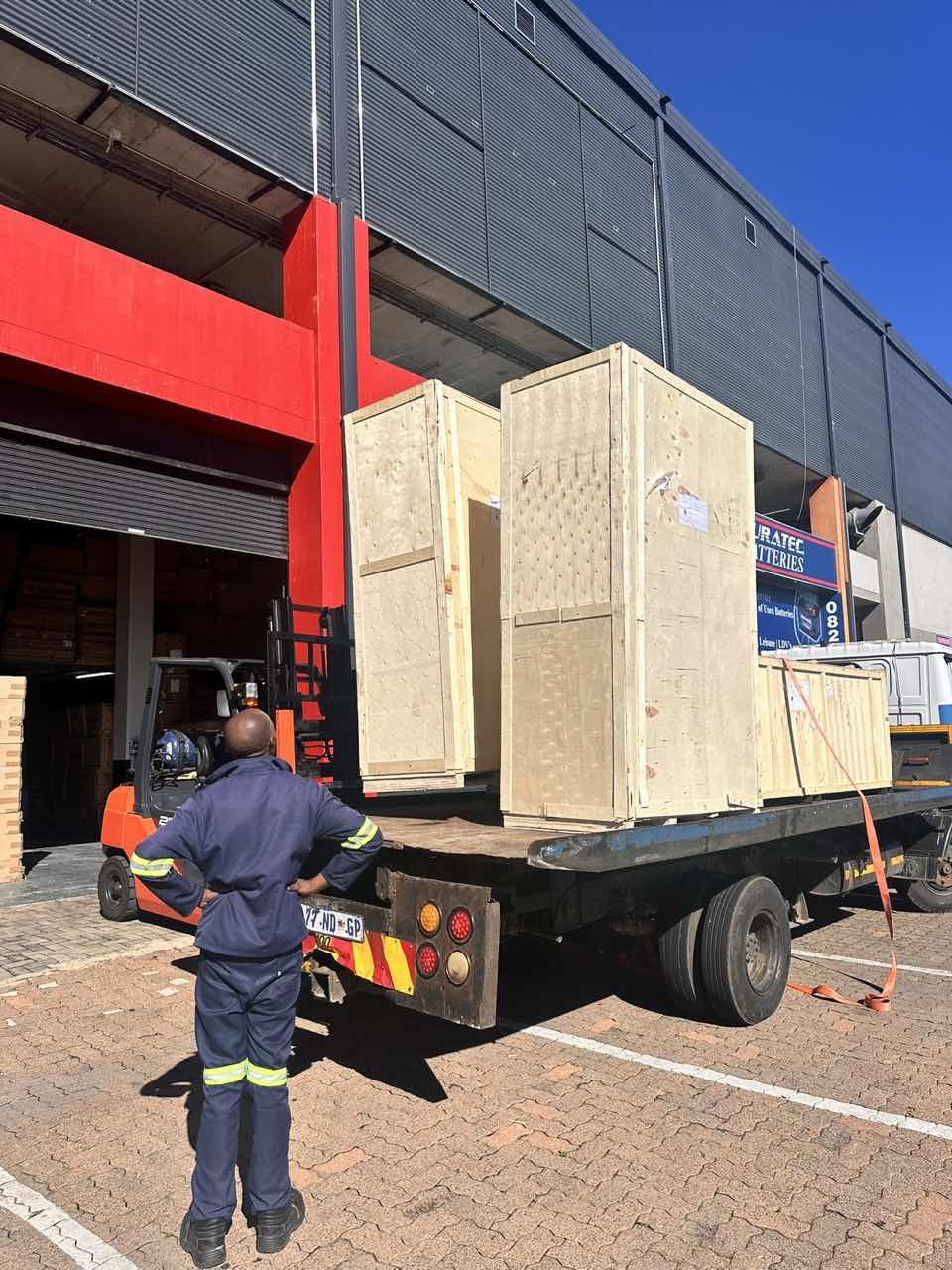
Food Processing Machine
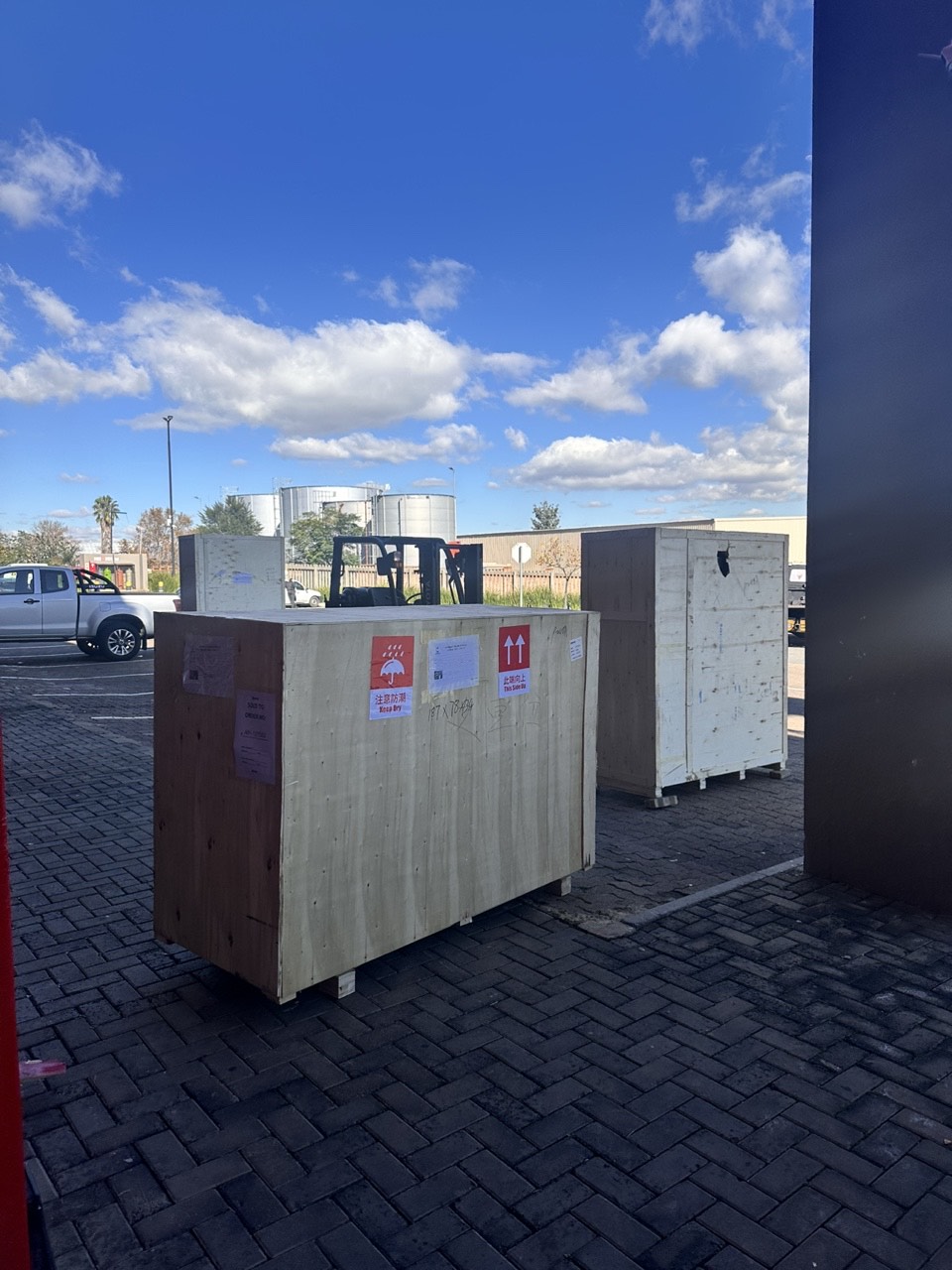
Batch of Orders
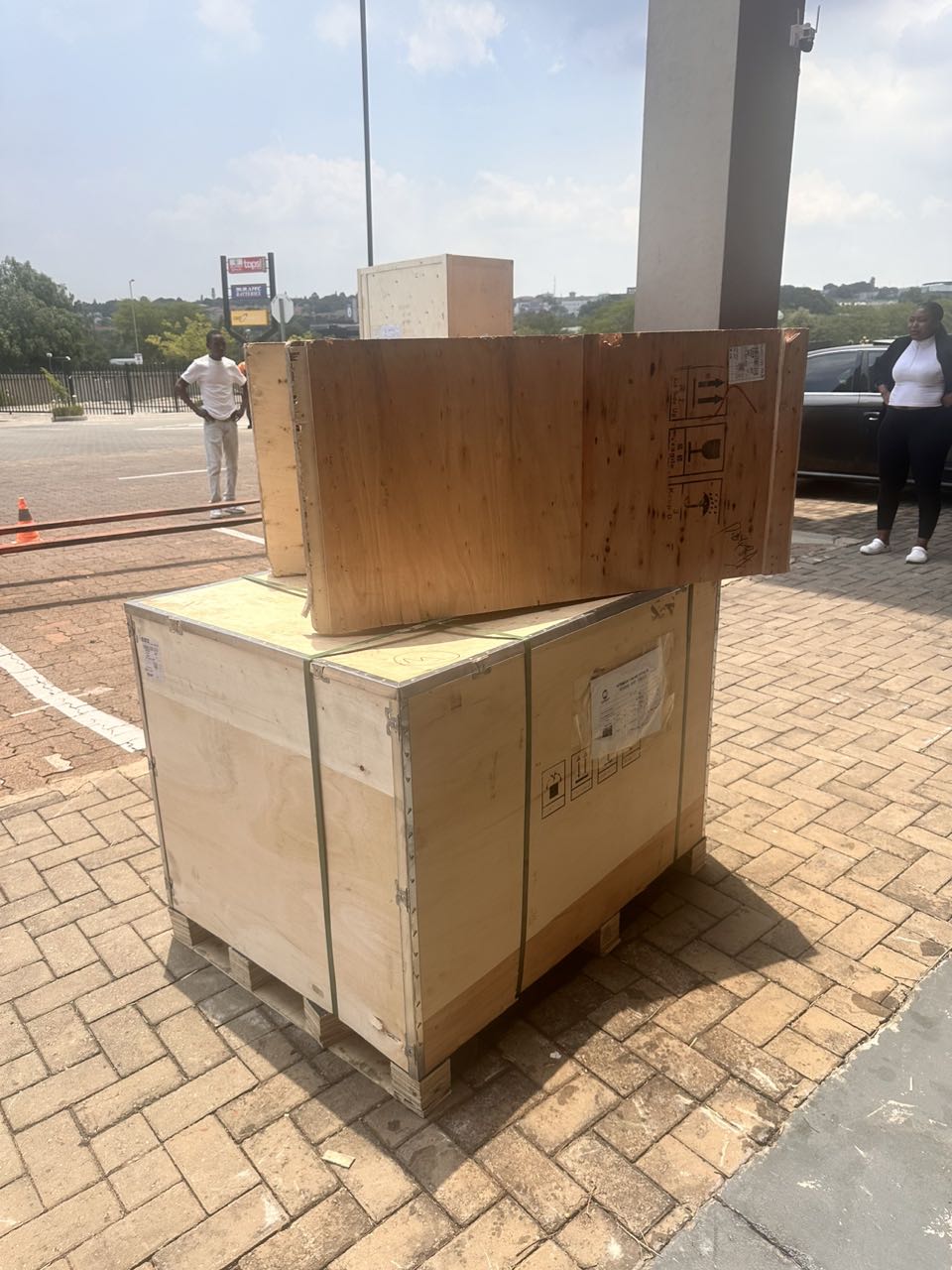
Batch of Orders
Latest Orders Labelled
wheel alignment machines
new arrivals
Pre Orders Offloading
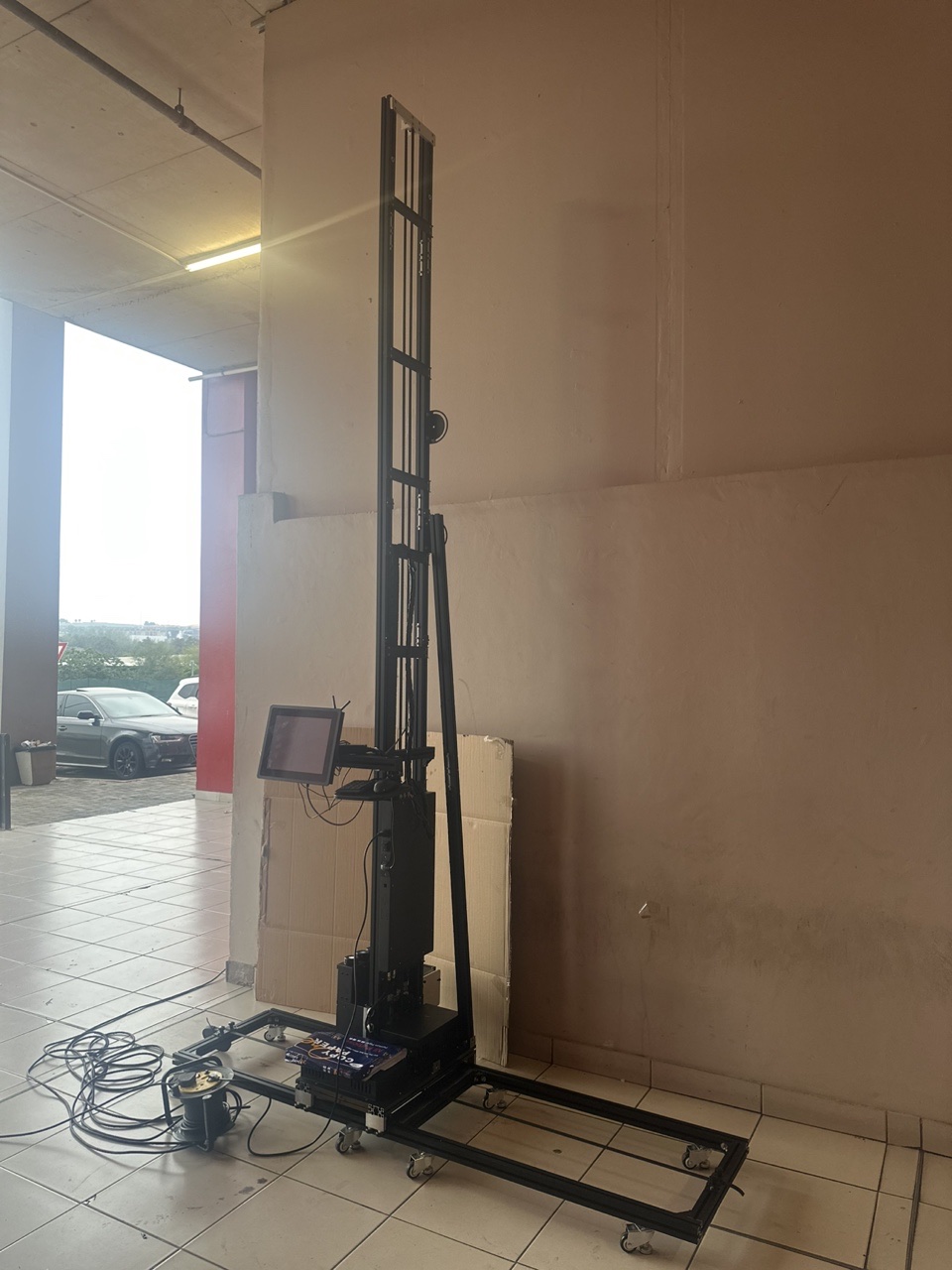
Latest Arrivals
Latest Arrivals
Latest Arrivals
Loading
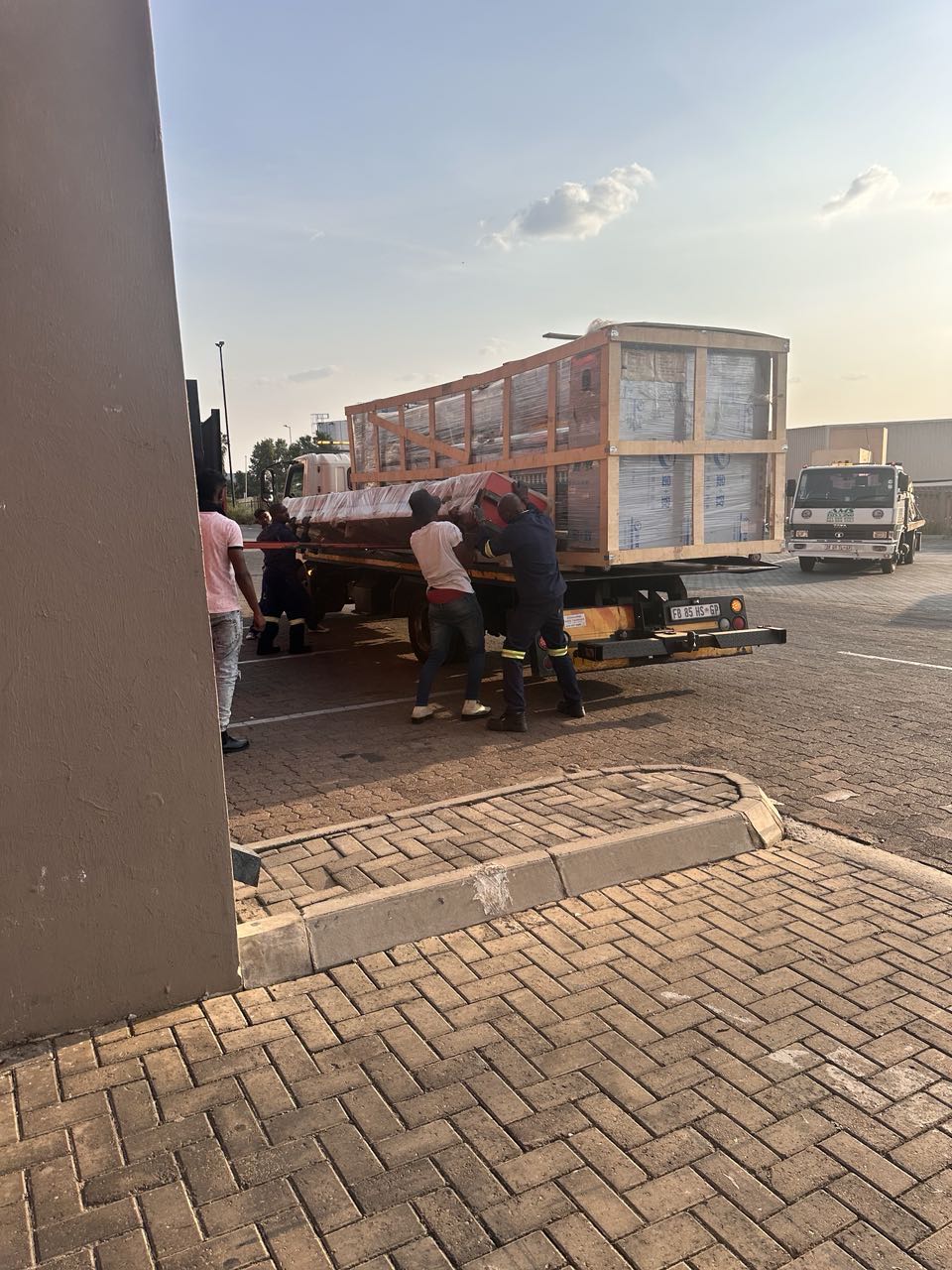
Toilet paper making machine
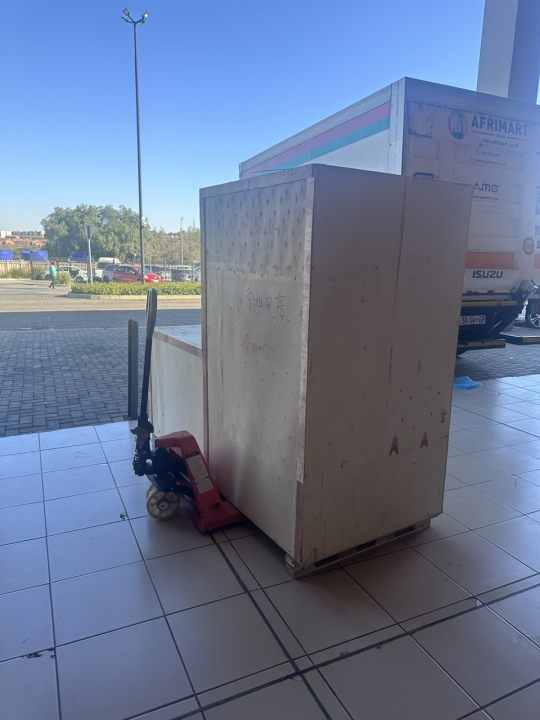
Toilet paper making machine
Toilet paper Rewinding Machine
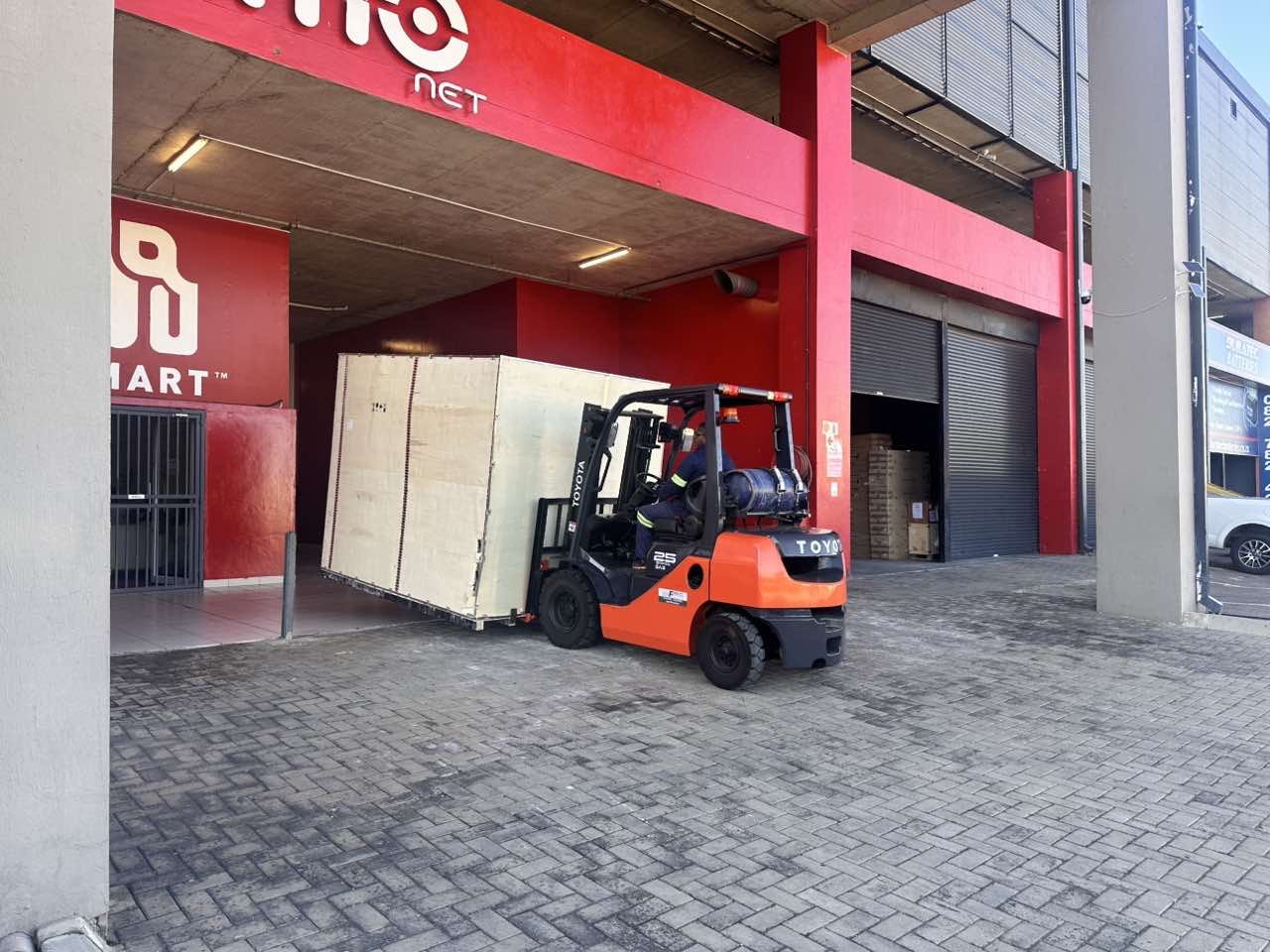
latest arrivals
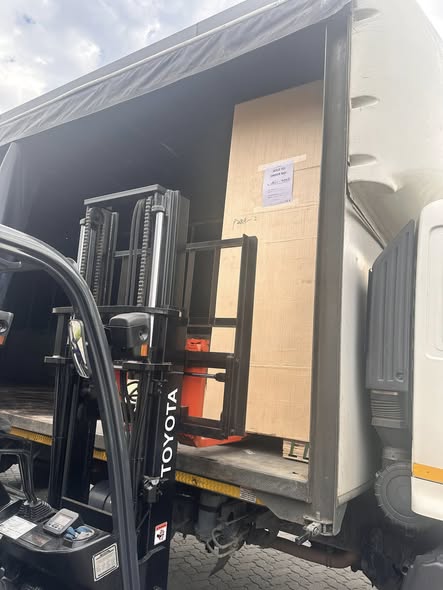
offloading
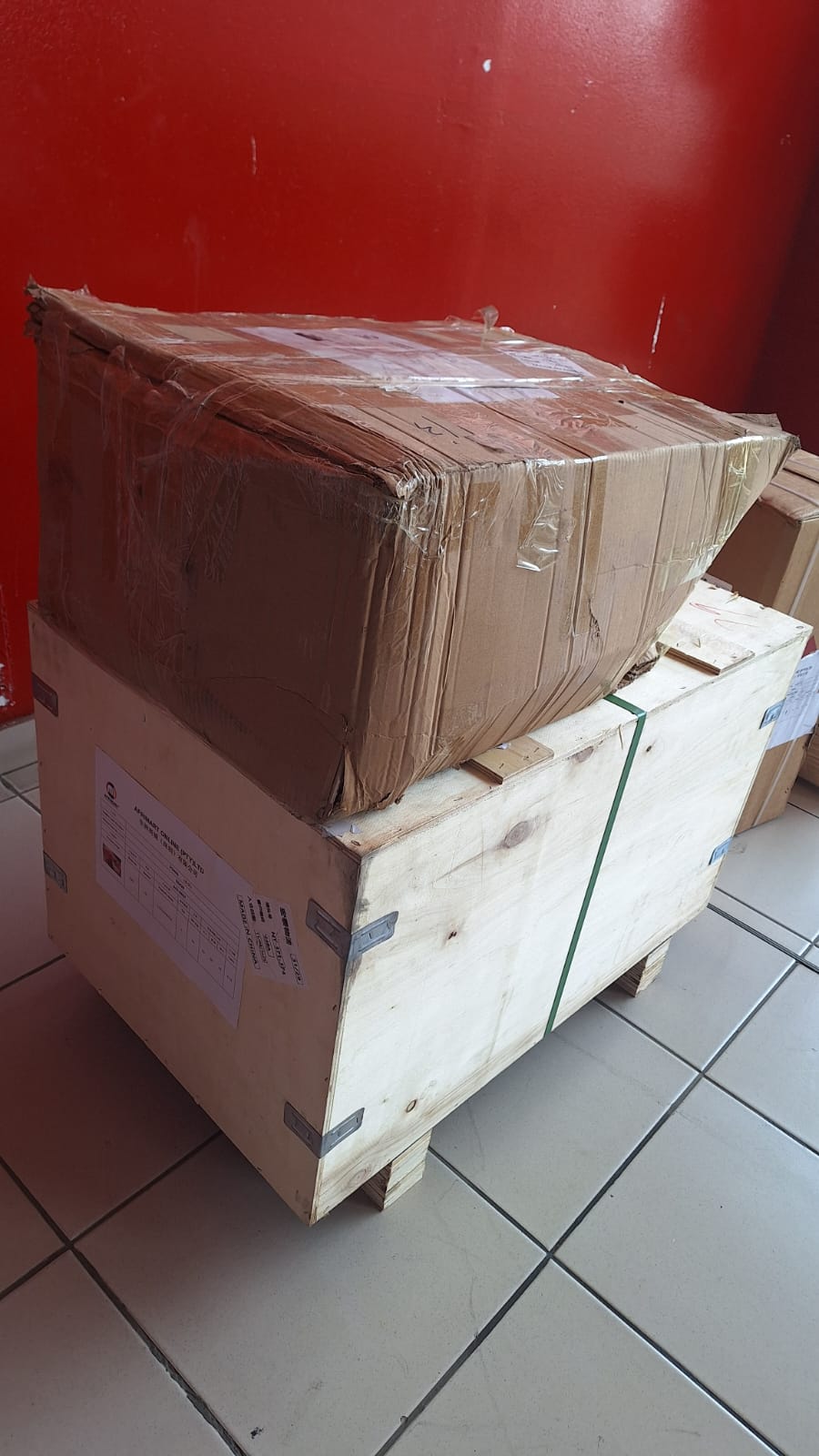
order success
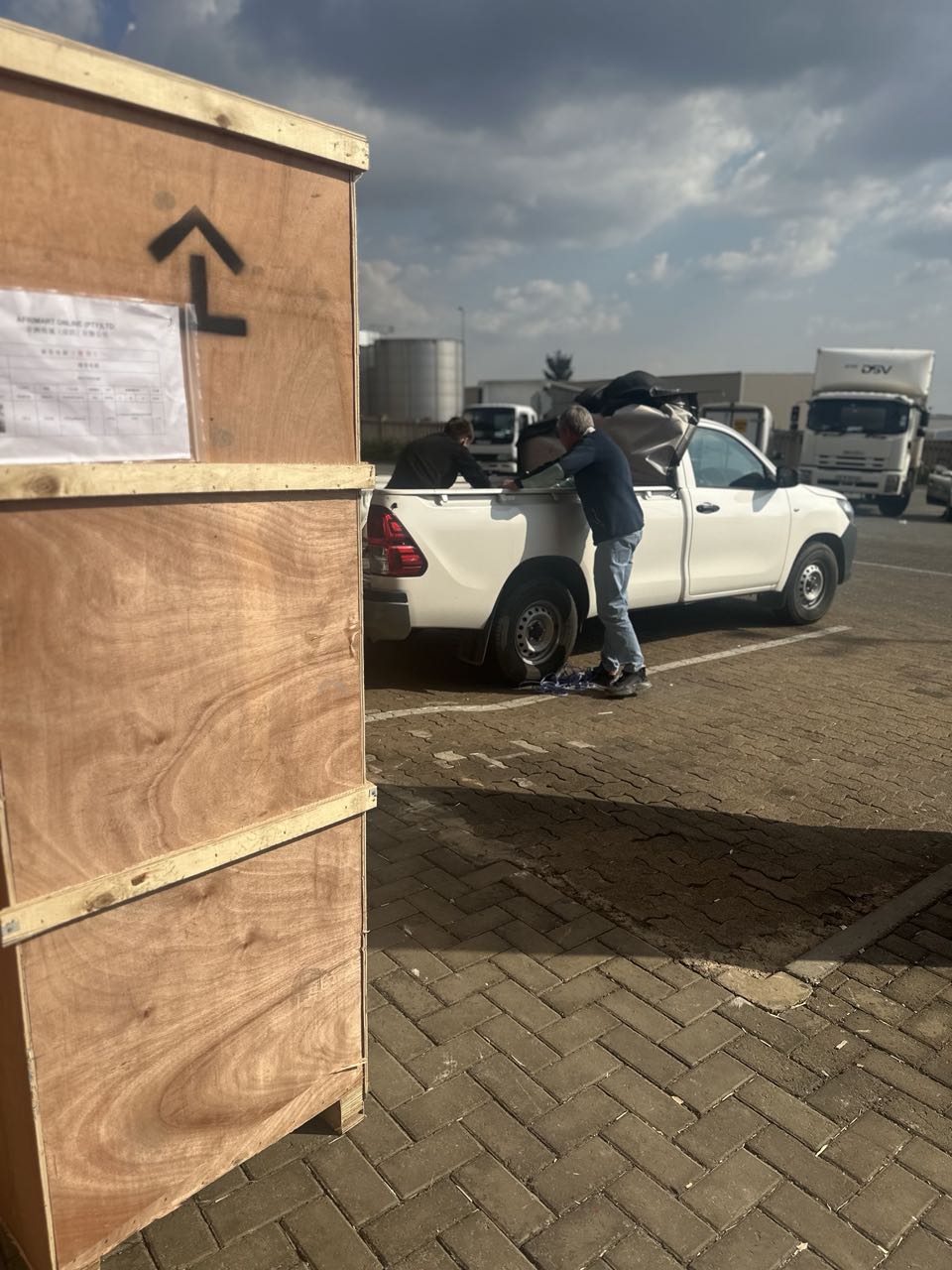
order collection
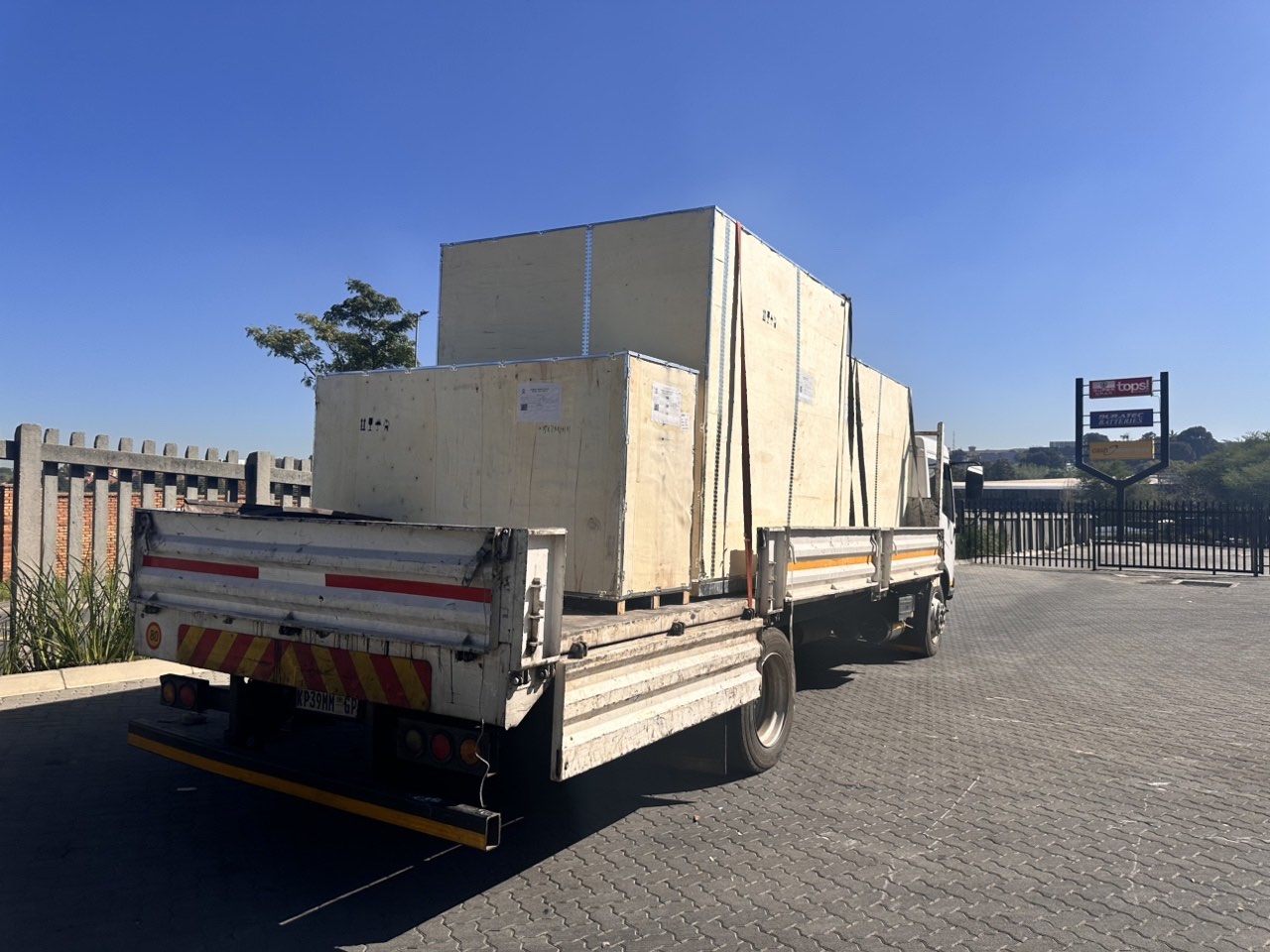
order offloading