B21, China Town Mall, Midrand

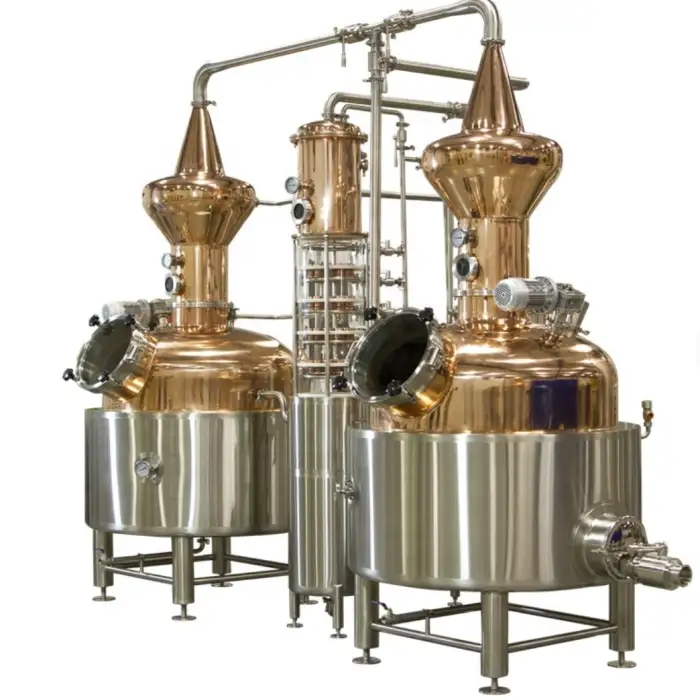
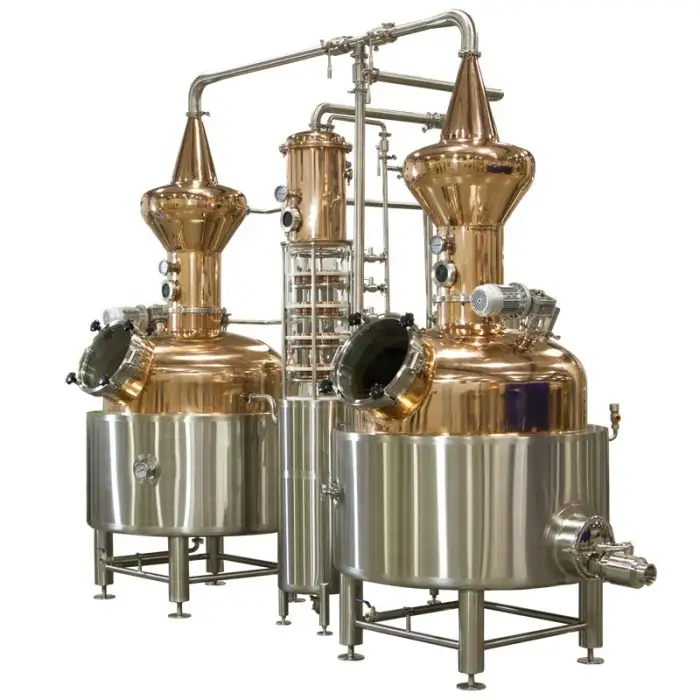
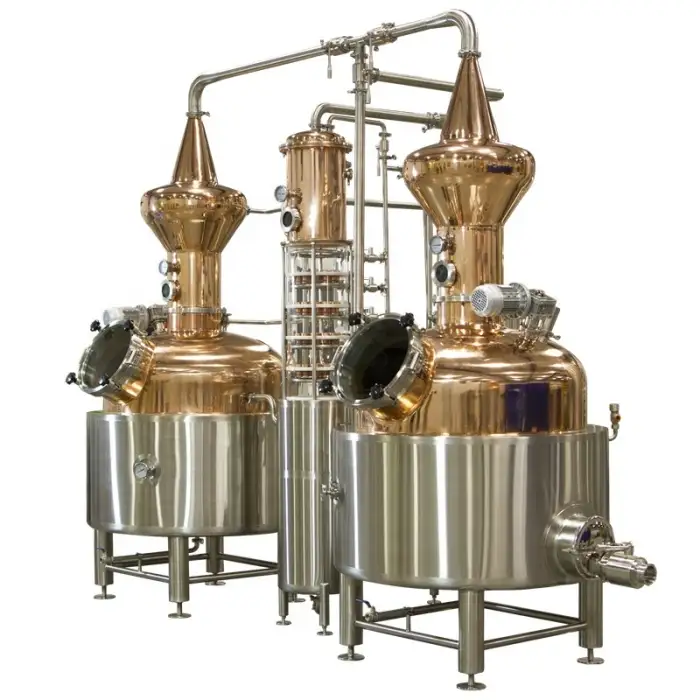
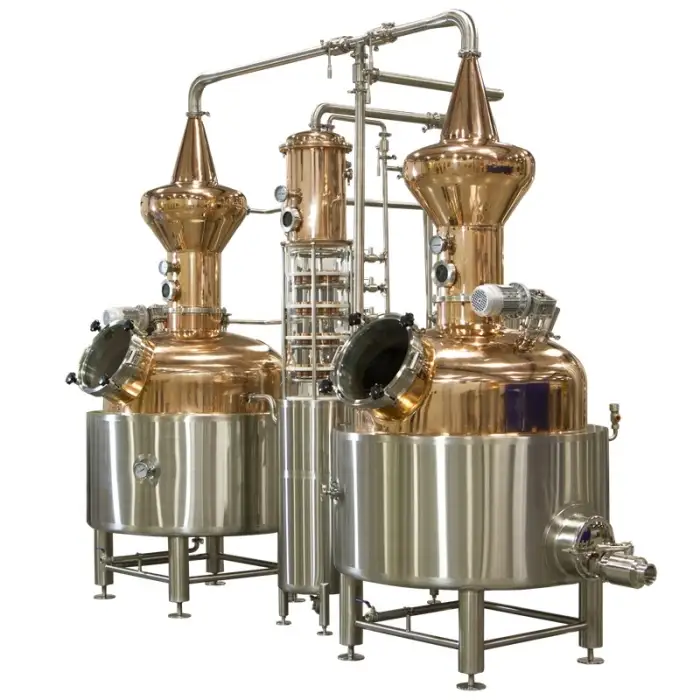
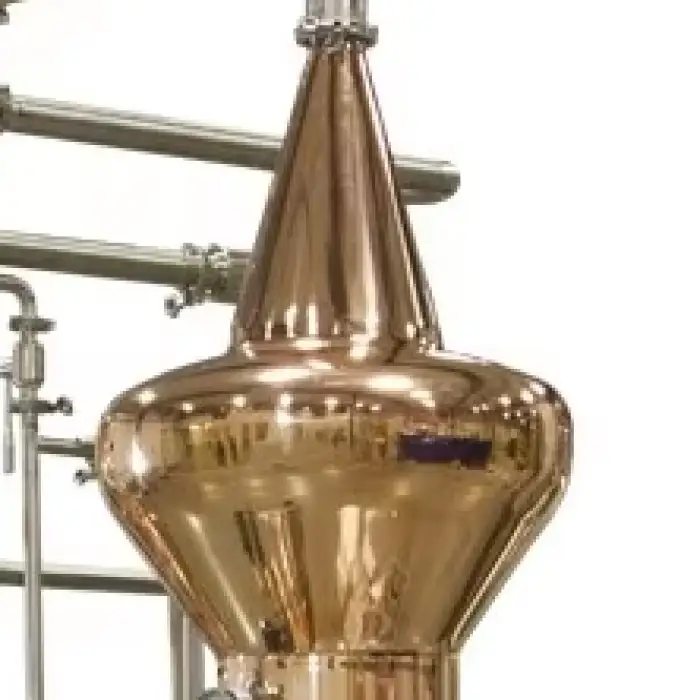
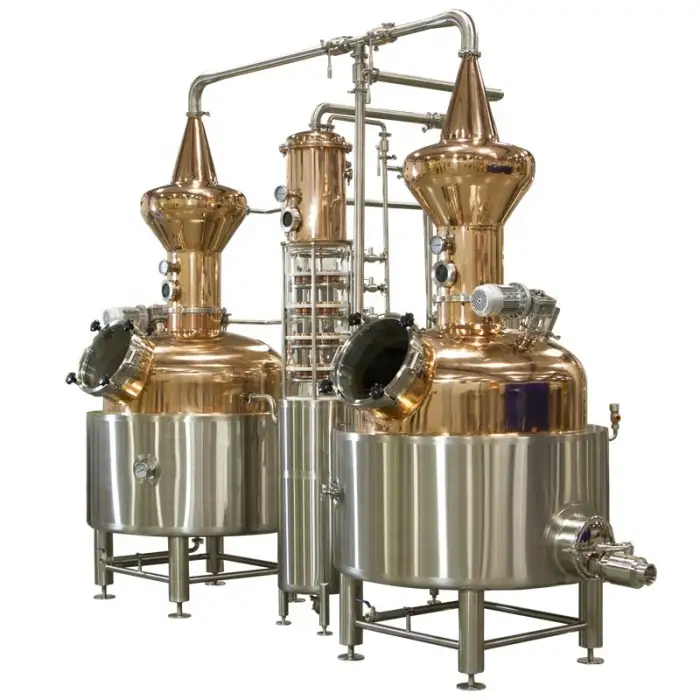
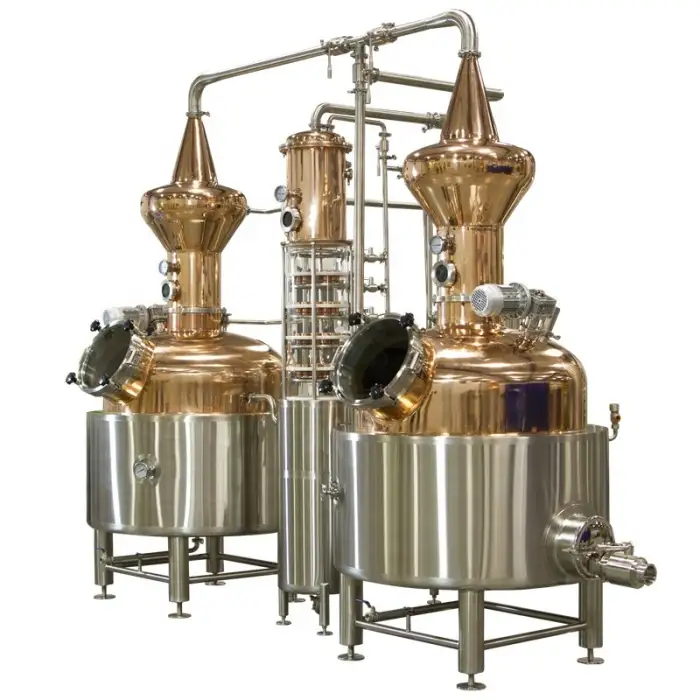
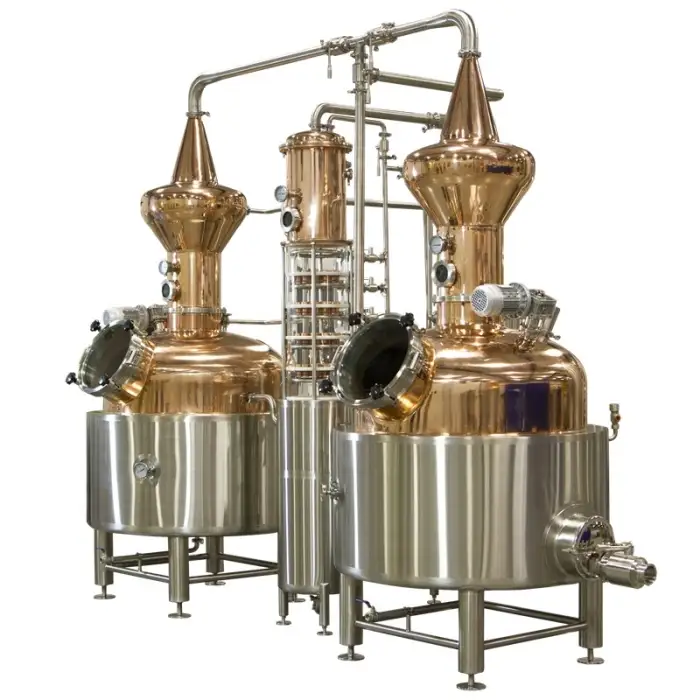
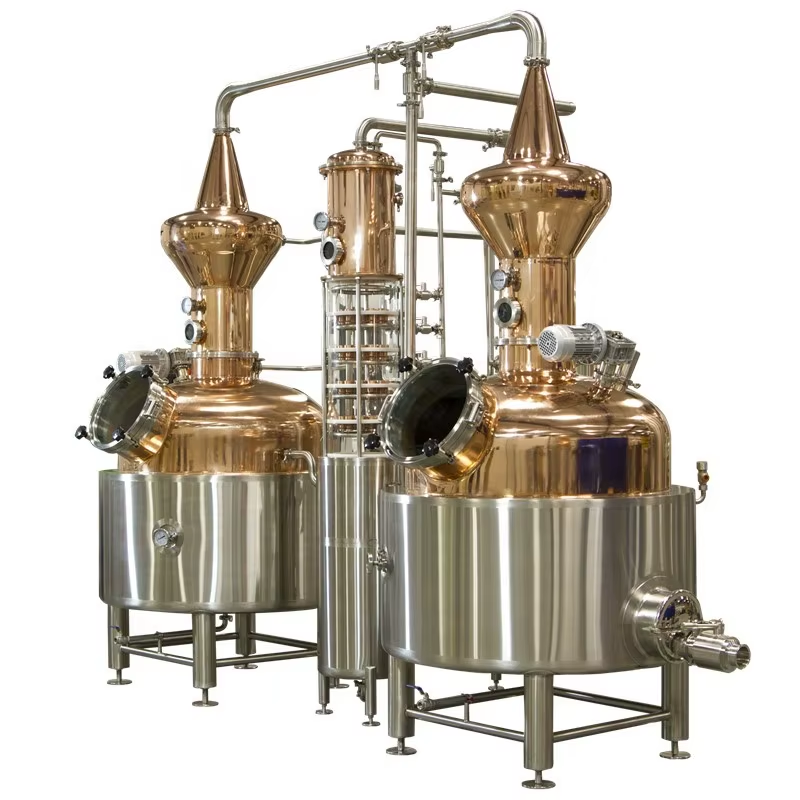
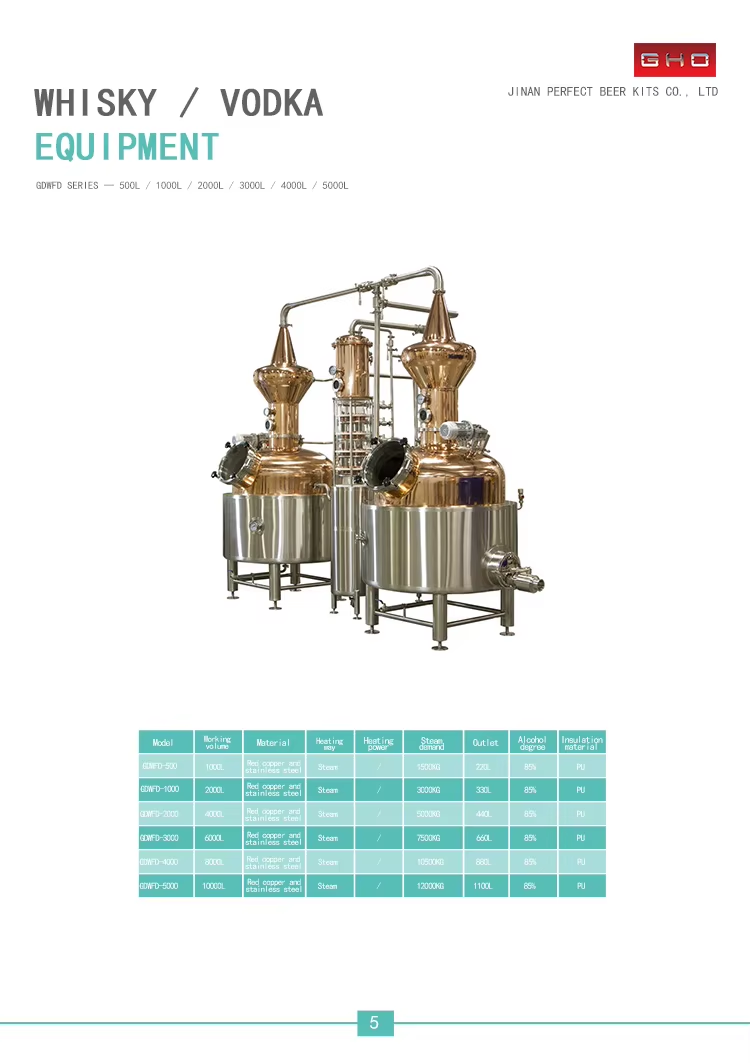
GHO 1000L Cassava/Potato/Corn/Wheat/Sugar Starch Ethanol Stainless Steel Alcohol Distillation Equipment,Distillery Equipment
Asset finance available
Do you want funding for this equipment?
Afrimart can connect you with trusted funding partners who specialise in asset finance for businesses like yours. Compare options and apply in minutes — final approval is subject to provider review.
Check funding options
Secure & no obligation

- Section : Machinery
- Category : Food & Beverage Machinery
- SKU : 62102256031

GHO 1000L Cassava/Potato/Corn/Wheat/Sugar Starch Ethanol Stainless Steel Alcohol Distillation Equipment
The GHO 1000L Cassava/Potato/Corn/Wheat/Sugar Starch Ethanol Stainless Steel Alcohol Distillation Equipment is a high-quality distillery solution designed for commercial use. This powerful equipment is ideal for producing ethanol alcohol efficiently. It is made from durable stainless steel and offers both semi-automatic and automatic control systems. With its large capacity and advanced heating method, this distillation equipment is perfect for various applications in the alcohol production industry.
Specifications
| Attribute | Details |
|---|---|
| Brand Name | GSTA |
| Model Number | GD2-1000 |
| Capacity | 1000L |
| Heating Way | Steam Heating |
| Control System | Semi-automatic or Automatic |
| Material | Stainless Steel 304 / Copper |
| Weight | 2200 kg |
| Dimensions (L*W*H) | 4.5m * 1.7m * 3.5m |
| Power (W) | Varies Depending |
| Certification | CE |
Key Features
- High-capacity of 1000L for efficient distillation.
- Made from durable stainless steel for long-lasting use.
- Steam heating for effective processing.
- Semi-automatic or automatic control options available.
- Engineers available for overseas support and service.
- Complies with CE certification for safety and quality.
Applications
- Commercial ethanol production.
- Alcohol distillation from various starch sources like cassava, potatoes, corn, wheat, and sugar.
- Industrial applications in the food and beverage sector.
- Research and development in fermentation processes.
- Production of biofuels and other alcohol-based products.
Product Info Gallery
- Shipping Timeframes: All orders are processed within 2-5 business days (excluding weekends and holidays). After your order has been processed, the estimated delivery time is before 23 Jun, 2026, depending on customs, Please note that due to high demand, some items may experience longer shipping times, which will be communicated at order confirmation email.
- Order Processing Time: Please allow 2-5 business days for us to process your order before it is shipped . Orders placed after 16:00 on Fridays, or during weekends and public holidays, will begin processing on the next business day. Processing times may be extended during peak seasons or sales events.
- Manufacturing Time: Some products needs manufacturing time, the manufacturing process will take approximately 10-30 business days depending on the product. This timeframe may vary depending on the complexity of the product and current demand. but this will be communicated with you during order confirmation.
- Returns and Exchanges: We offer a 30-day return policy for most items. If you are not completely satisfied with your purchase, you may return it within 30 days of receipt for a refund or exchange. Items must be unused, in their original packaging, and accompanied by proof of purchase. Return shipping costs are the responsibility of the customer, unless the item was damaged or defective upon arrival.
1. What does 'GHO 1000L' mean?
GHO 1000L indicates a distillation unit model GHO with a nominal working capacity of 1000 liters per batch (typically referring to the boiler or pot size). Actual throughput depends on feedstock, fermentation strength and operating cycle.
2. Which feedstocks can this equipment process?
This distillery is designed to work with starchy and sugary feedstocks including cassava, potato, corn, wheat and sugar (molasses, cane sugar, or sugar syrups). Pre-treatment (gelatinization, saccharification) and fermentation are required for starchy materials.
3. Is the unit made of stainless steel and which grade is used?
Yes — the main contact parts are stainless steel. Standard configurations typically use SS304, with SS316 available on request for enhanced corrosion resistance in more aggressive processes.
4. What purity of ethanol can I expect from this distillation equipment?
With a properly operated rectification column you can typically obtain azeotropic ethanol around 95–96% ABV at atmospheric pressure. To produce absolute (anhydrous) ethanol higher than 99% requires an additional dehydration step such as molecular sieves or other drying technology.
5. Does this unit include fermentation equipment?
No — this listing refers to distillation/distillery equipment. Fermentation must be performed separately in fermenters; however, we can supply or recommend compatible fermenters and turnkey fermentation solutions if required.
6. What heating methods are supported?
Common heating methods include steam heating (via an external boiler), direct electric heating, or thermal oil. Steam heating is most common for industrial ethanol distillation for its even heat distribution and efficiency.
7. Is the unit batch or continuous?
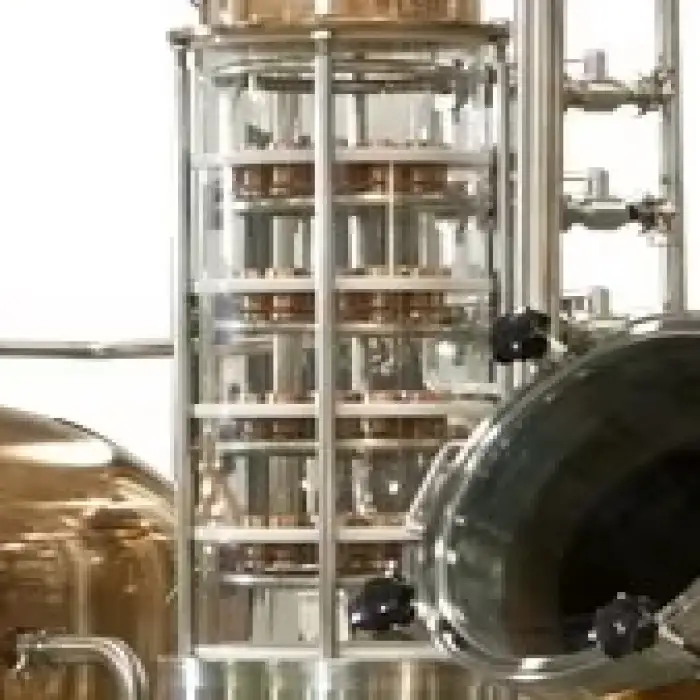
The GHO 1000L unit is typically configured as a batch distillation system (1000 L still pot). Continuous options or hybrid configurations may be available depending on production requirements.
8. What level of automation and controls does it have?
Control systems range from manual valves and gauges to semi-automatic PLC control with touch-screen HMI, automatic reflux control, temperature and level sensors. Specify your preferred control package when ordering.
9. What are the installation and utility requirements?
Typical utilities include steam (or electric power/thermal oil), cooling water for condensers, compressed air (optional), and suitable drainage. Installation also requires a level concrete foundation, ventilation and access for maintenance. Exact requirements depend on the configuration and local codes.
10. What routine maintenance is required?
Routine maintenance includes inspecting gaskets and seals, cleaning condensers and columns, checking pumps and valves, verifying sensors and controls, and periodic passivation/cleaning of stainless surfaces. A regular CIP (clean-in-place) program is recommended for sanitary operation.
11. Do you provide spare parts, training and commissioning?
Yes — we typically offer spare parts kits, operator and maintenance training, and on-site commissioning/start-up services as part of the supply contract or as optional services.
12. What safety features are included?
Standard safety features include pressure relief valves, temperature and level alarms, emergency stop, and ventilation requirements. Explosion-proof electricals and additional safety interlocks can be provided to meet local regulations.
13. What certifications and compliance options are available?
We can supply equipment to meet common standards such as CE and ISO. Food-grade or beverage-grade options and material traceability certificates are available on request. Local licensing and regulatory compliance for alcohol production remain the customer's responsibility.
14. How long is the lead time and what about delivery?
Lead time depends on configuration, material choices and order volume; a typical lead time is 6–12 weeks. Shipping, customs clearance and on-site installation timelines vary by destination — contact sales with your delivery address for a precise quotation.
15. Can the system be customized or scaled up?
Yes — we offer customization (column height/plates, condensers, material upgrades, automation packages) and larger or multiple-unit configurations for higher capacity. Tell us your target output and feedstock and we will propose an appropriate system.
Latest Order Arrivals
Discover our latest orders
12 Heads Embroidery Machine
Dewatering Pump Machine
Order Collection
Portable Water Drilling Rig
Order Usefully Collected
Batch of Orders
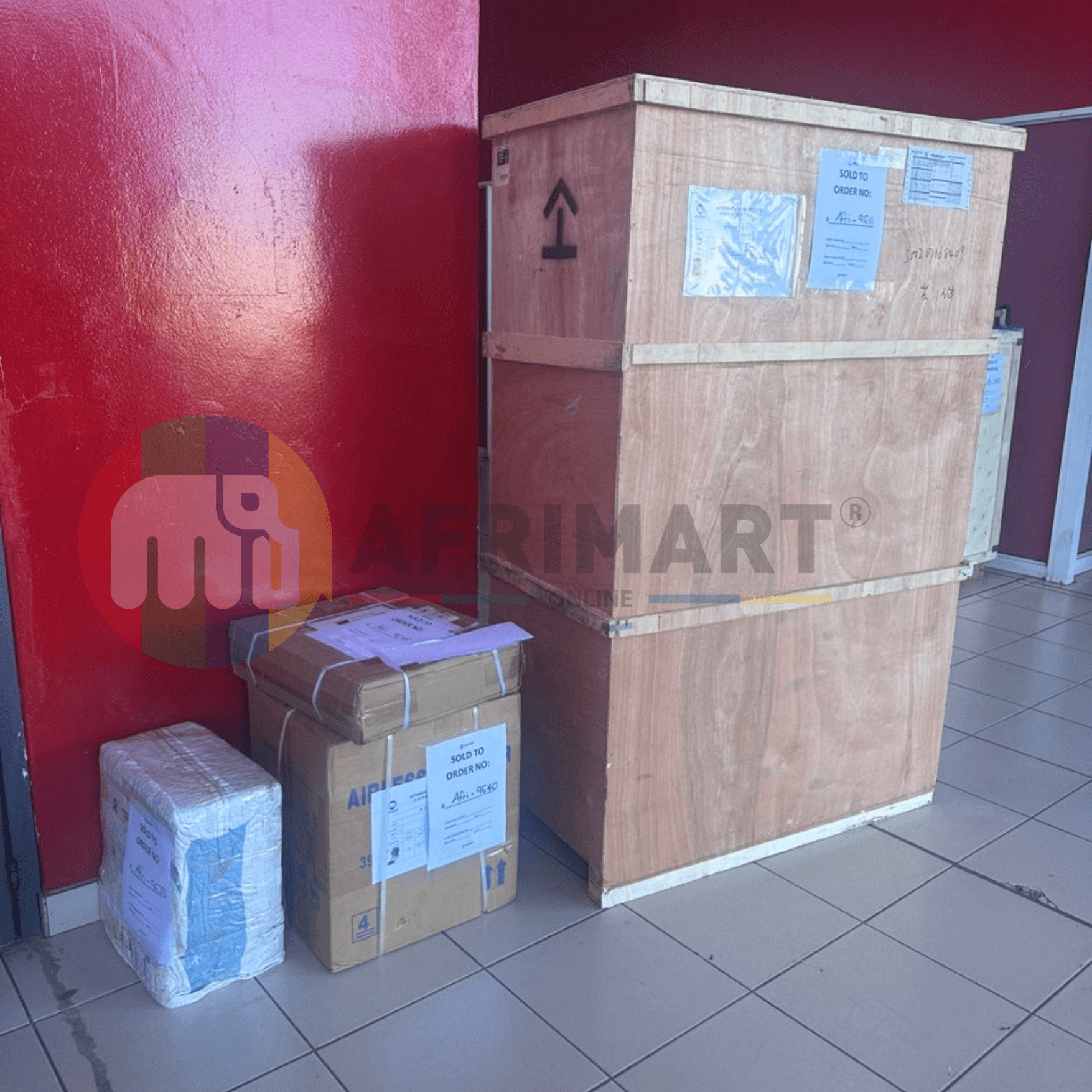
Agriculture Processing Machines
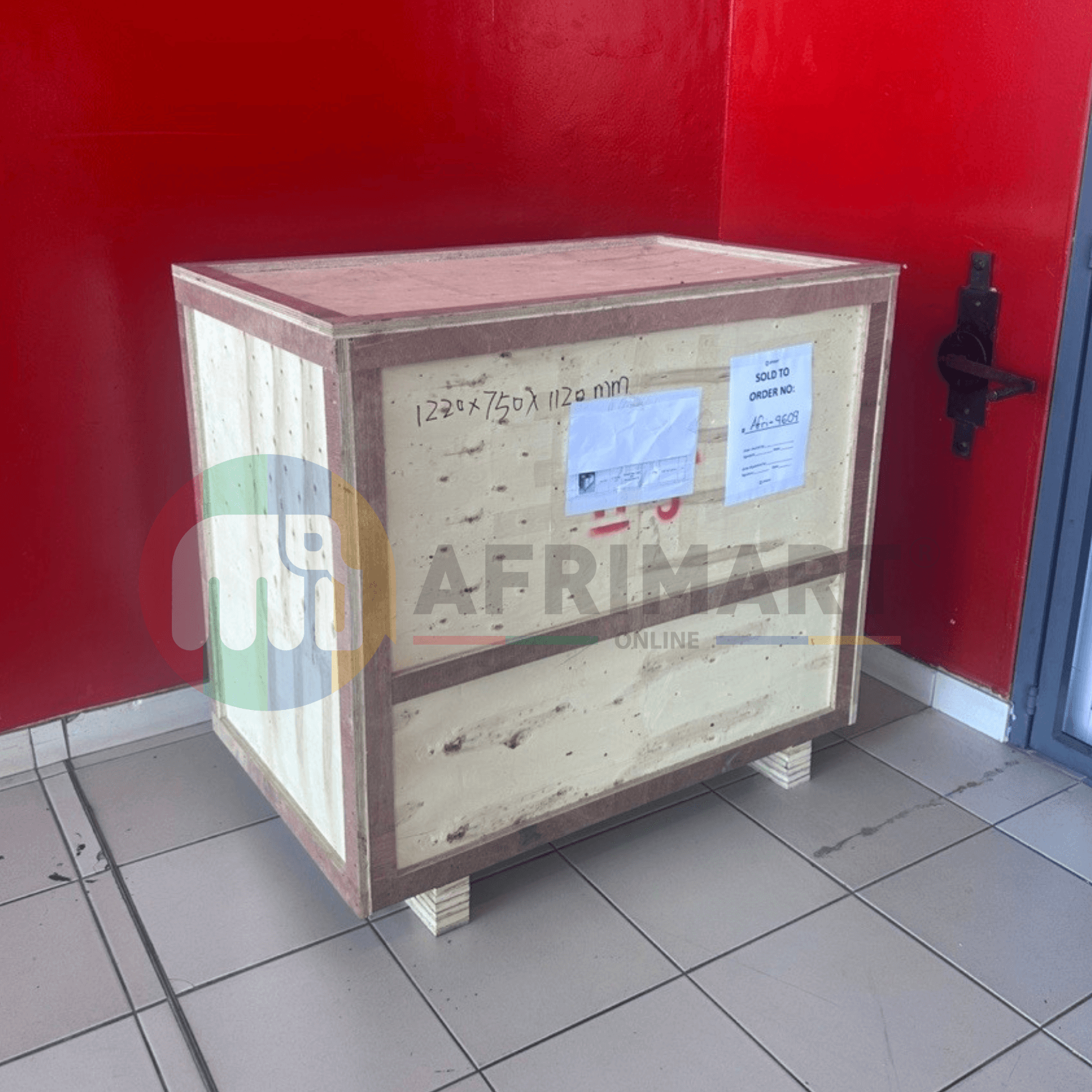
Meat Grinder Machine
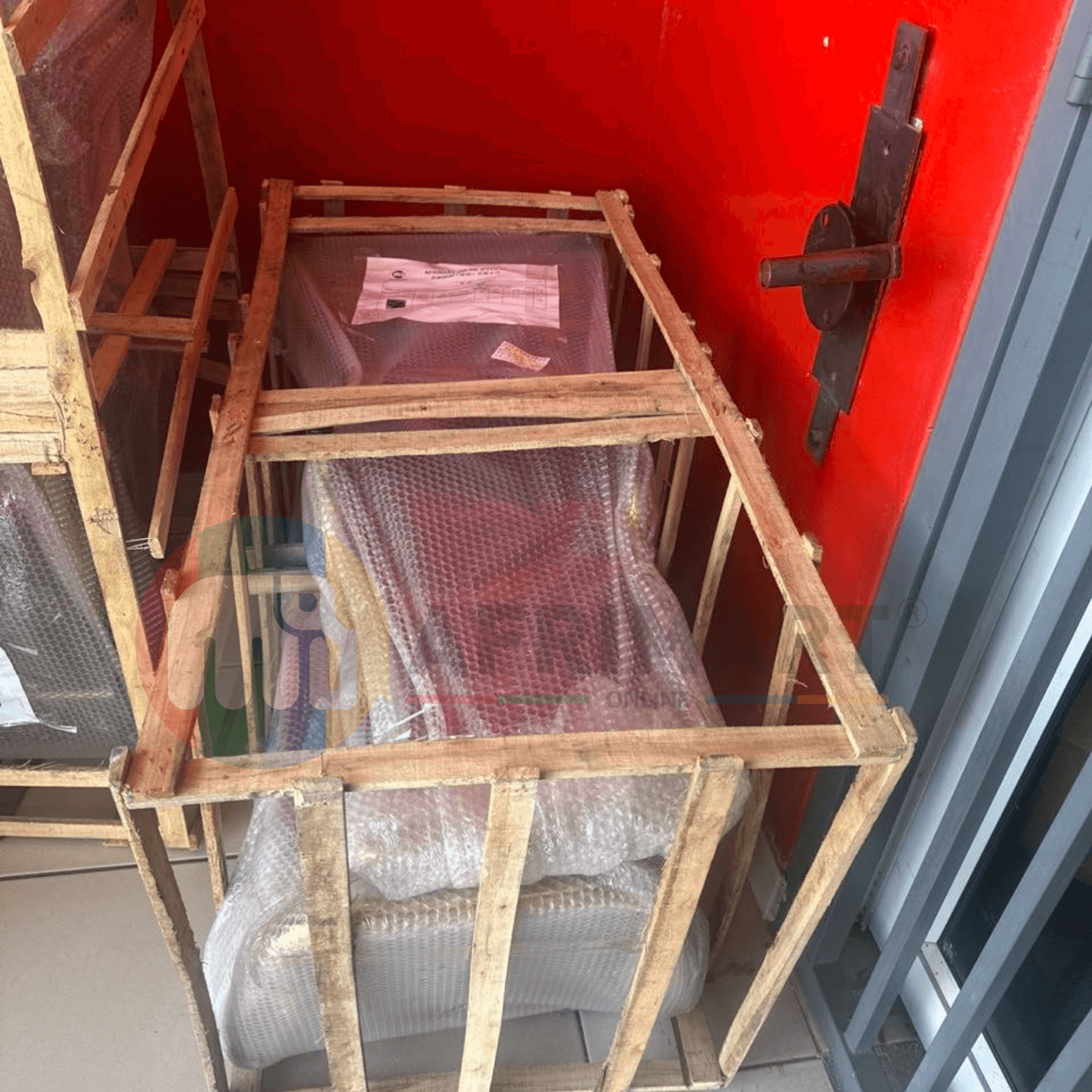
Water Pump Equipment
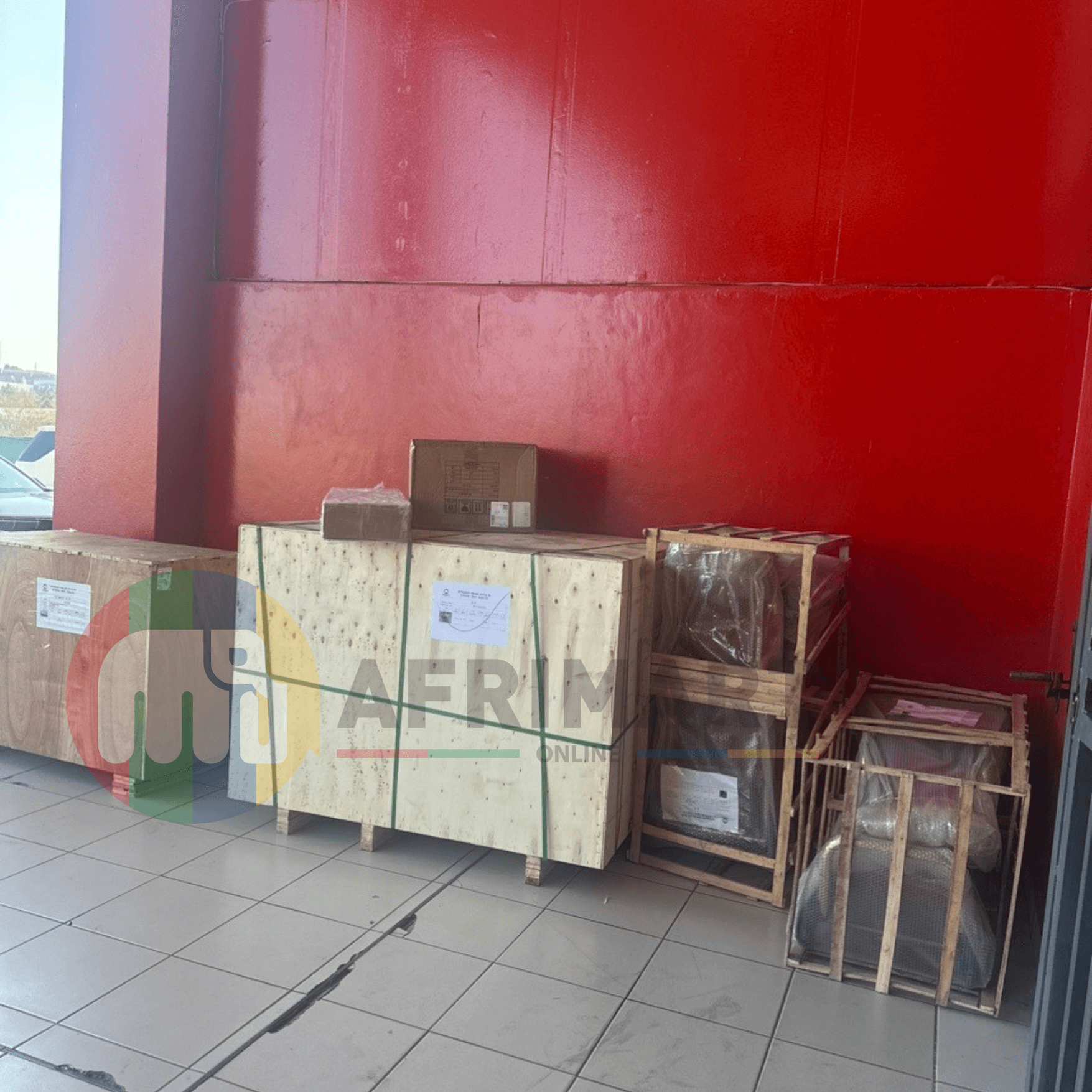
Packaging Machine and accessories
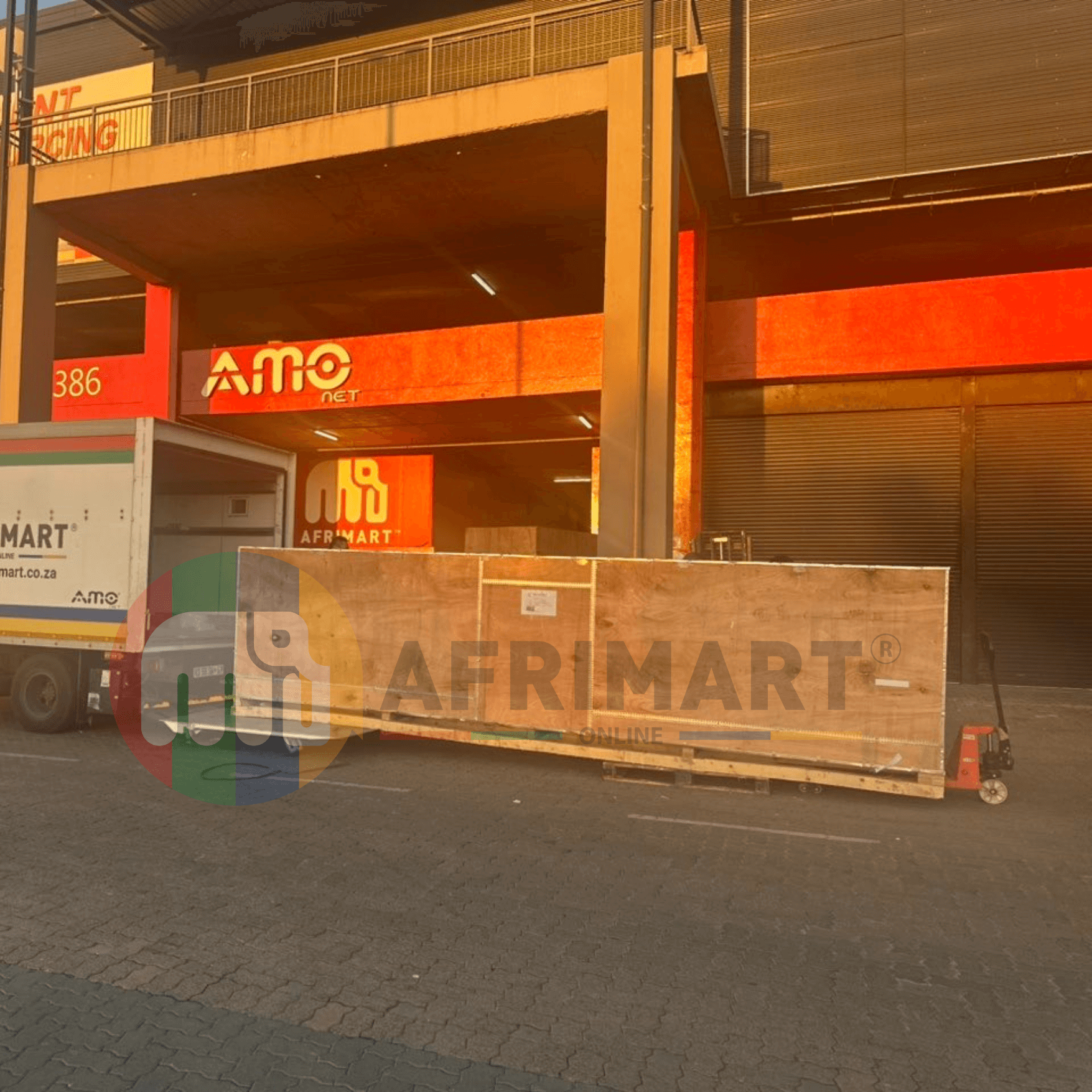
Fabrics Manufacturing Equipment
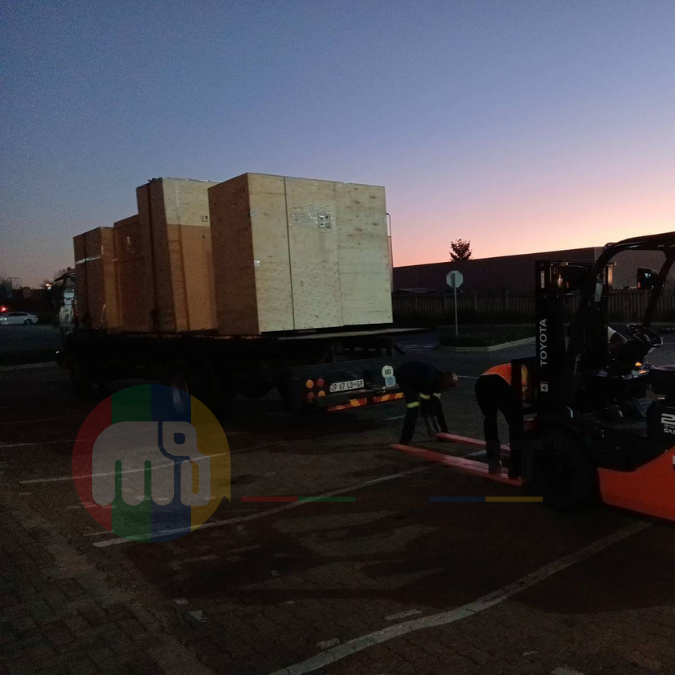
Mining Equipments
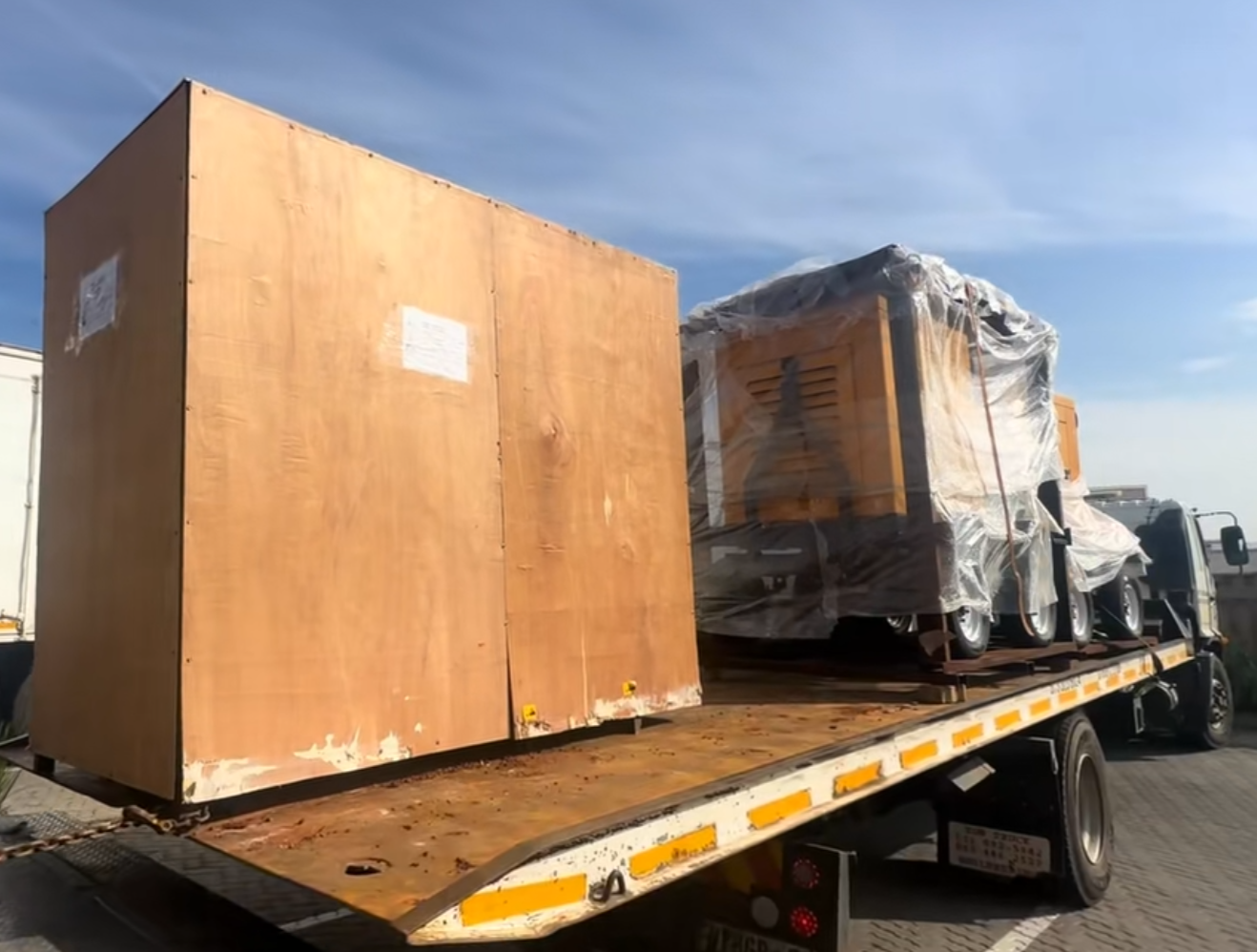
Food Processing Machine
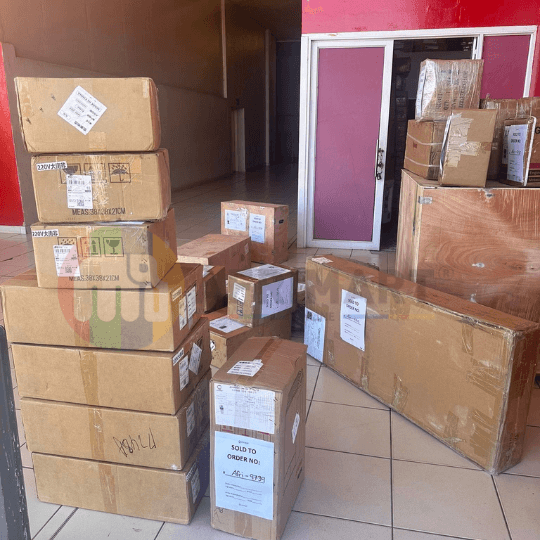
Batch of Orders
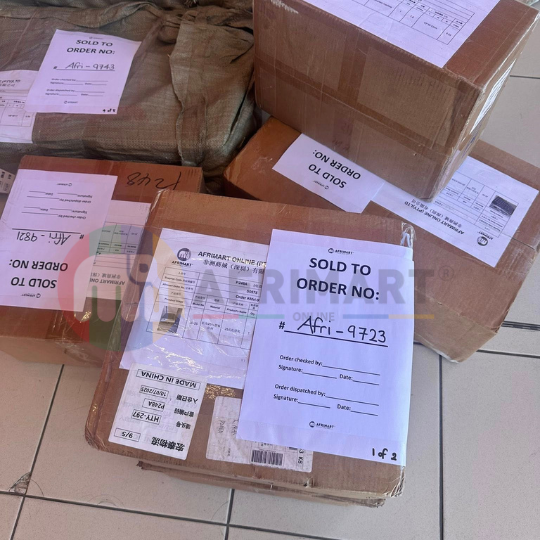
Batch of Orders
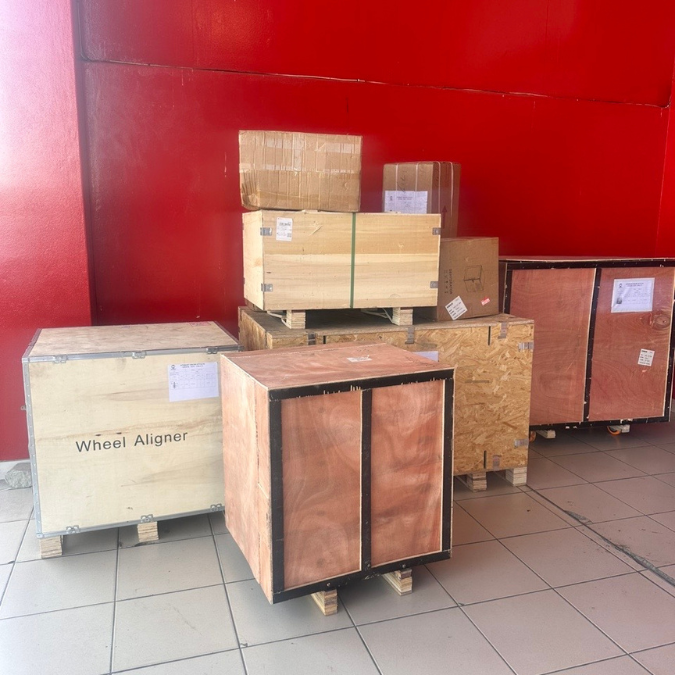
Latest Orders Labelled
wheel alignment machines
new arrivals
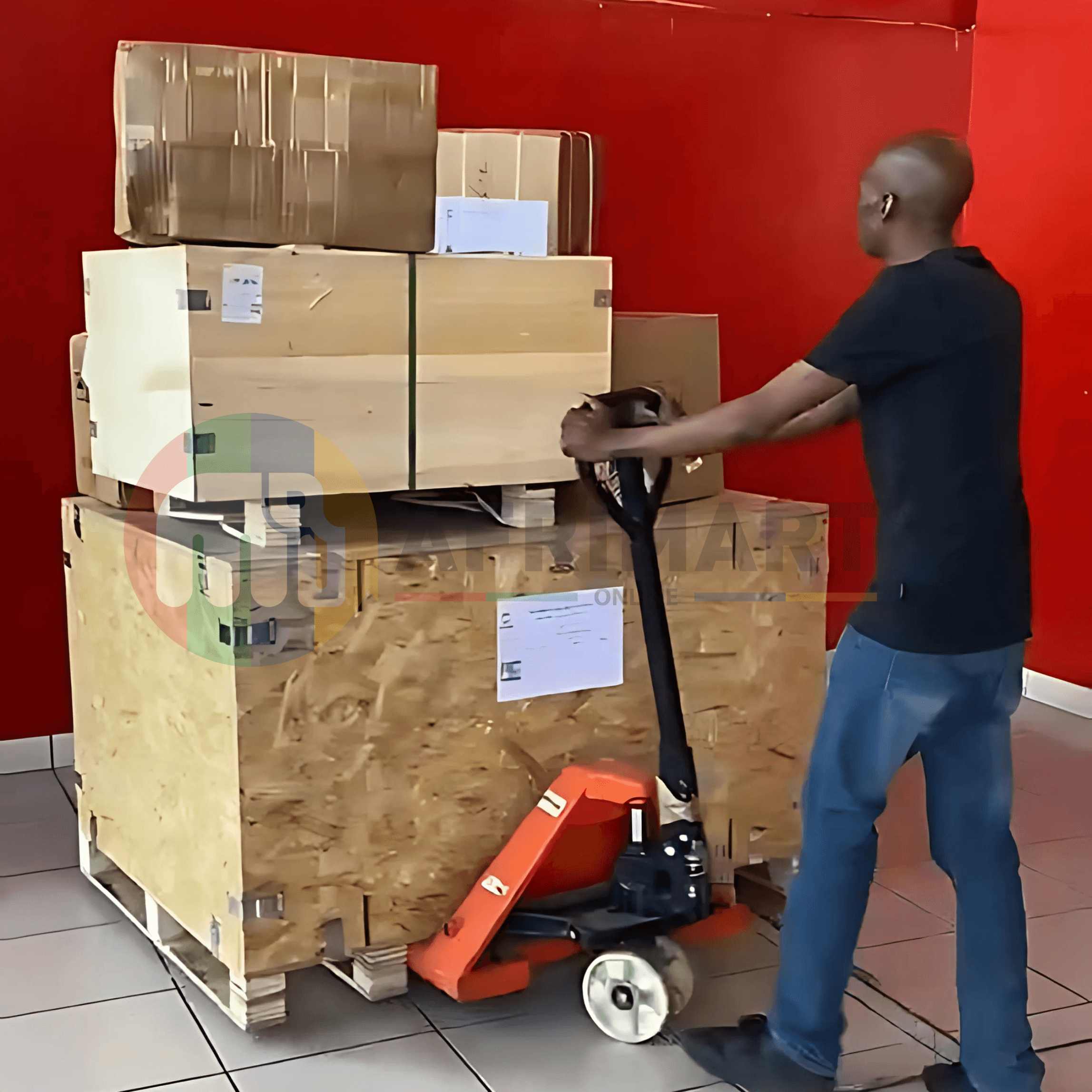
Pre Orders Offloading
Latest Arrivals
Latest Arrivals
Latest Arrivals
26 January 2026
Toilet paper making machine
Toilet paper making machine
Toilet paper Rewinding Machine
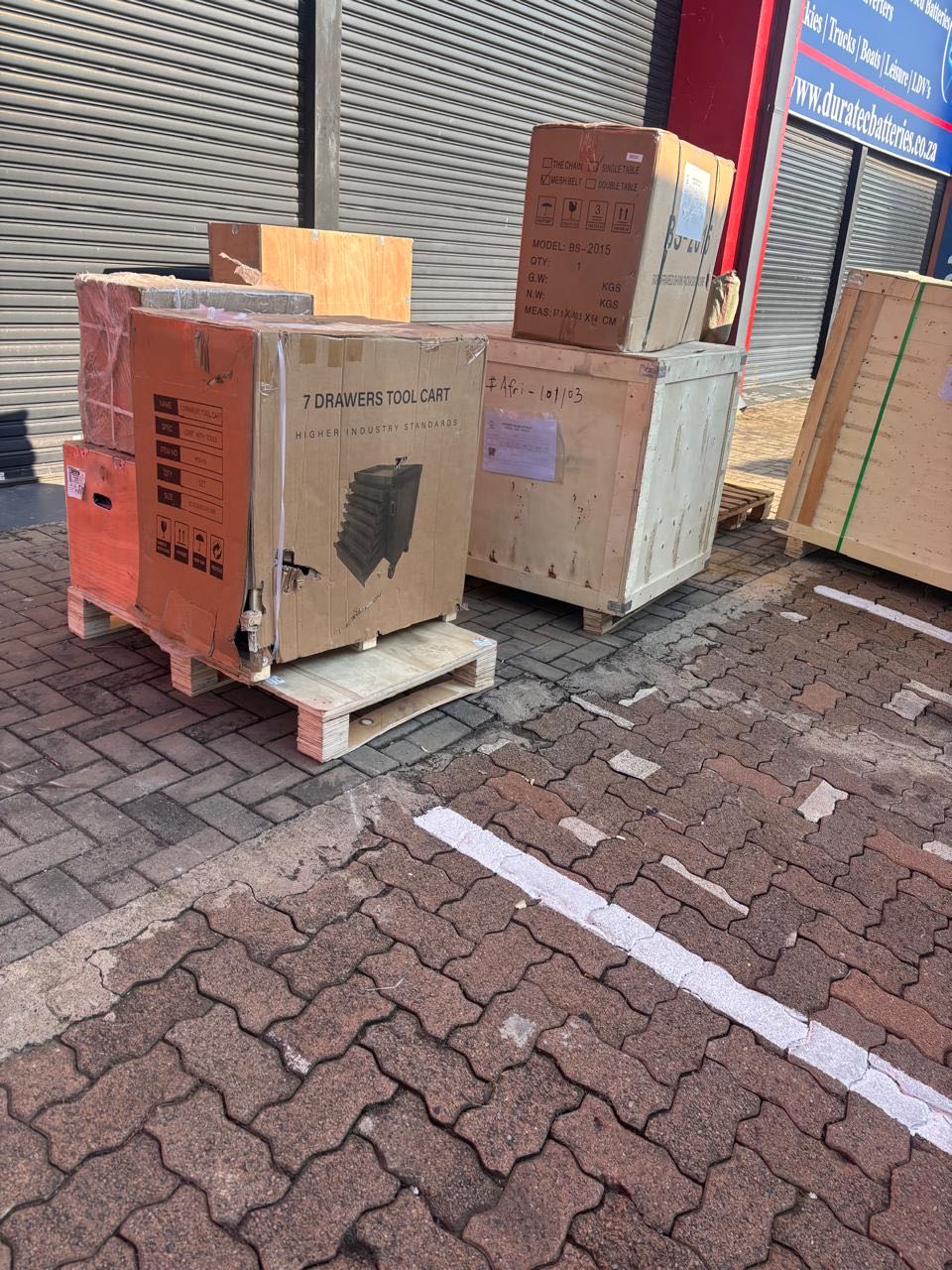
latest arrivals
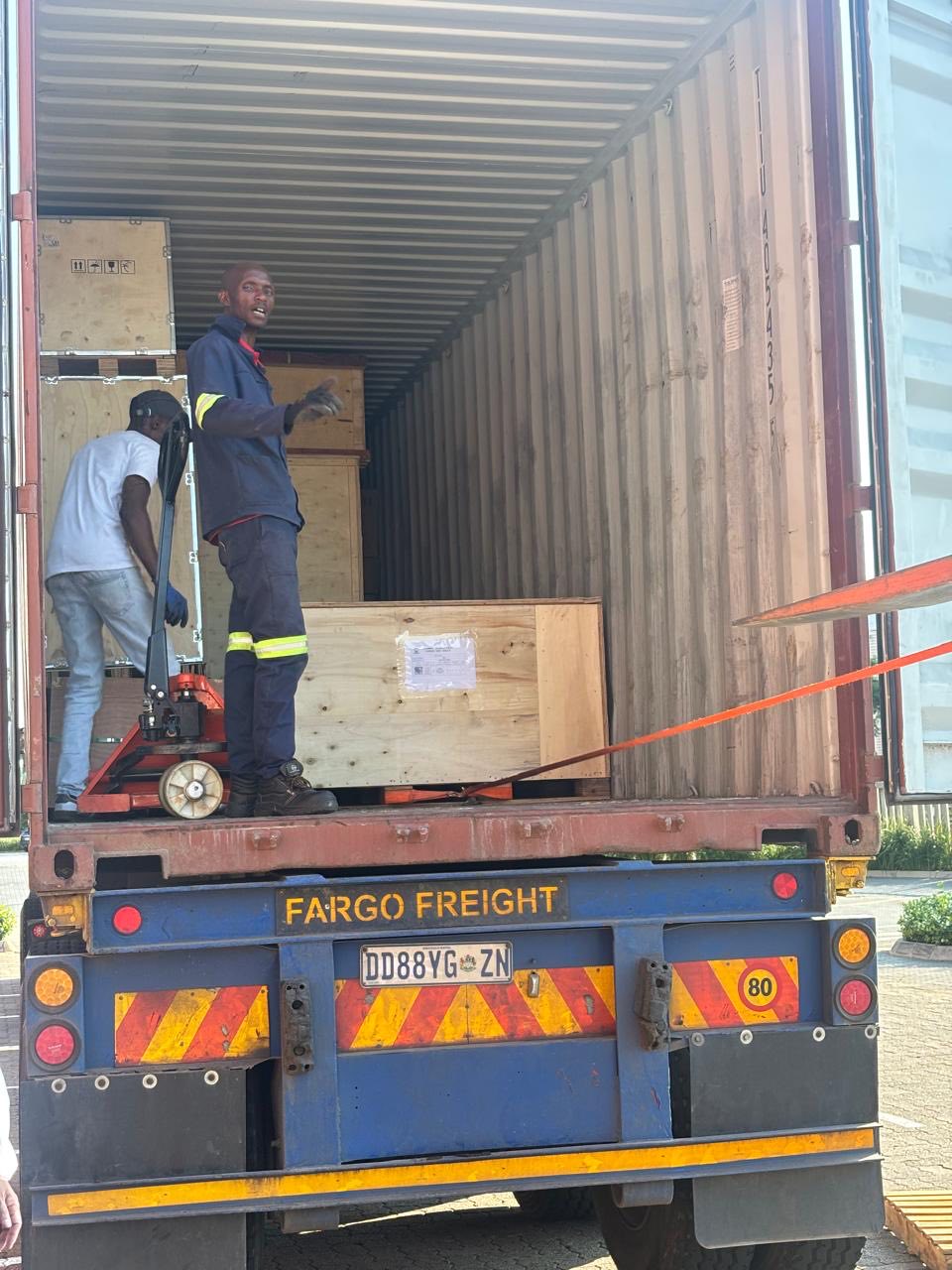
offloading
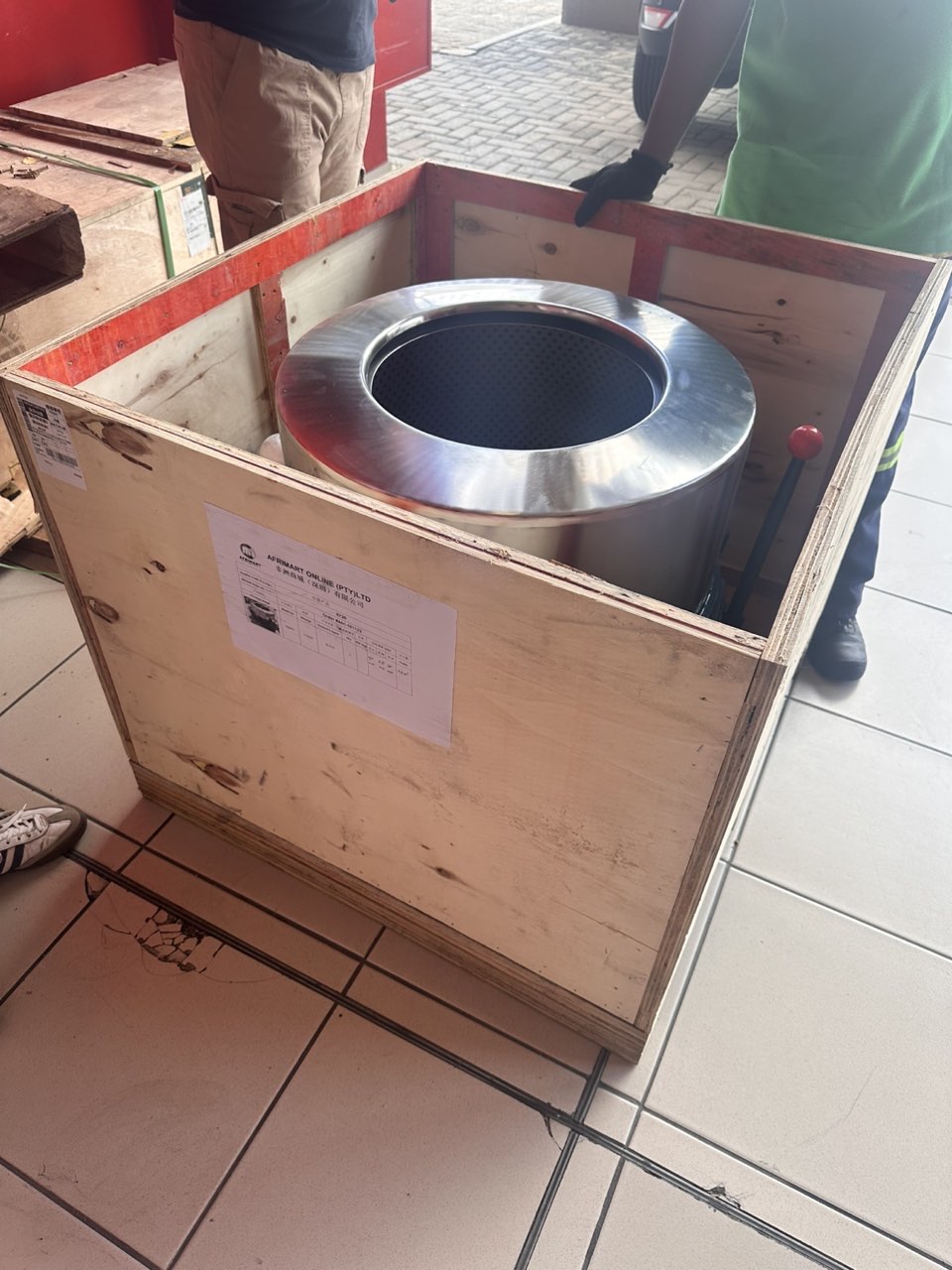
order success
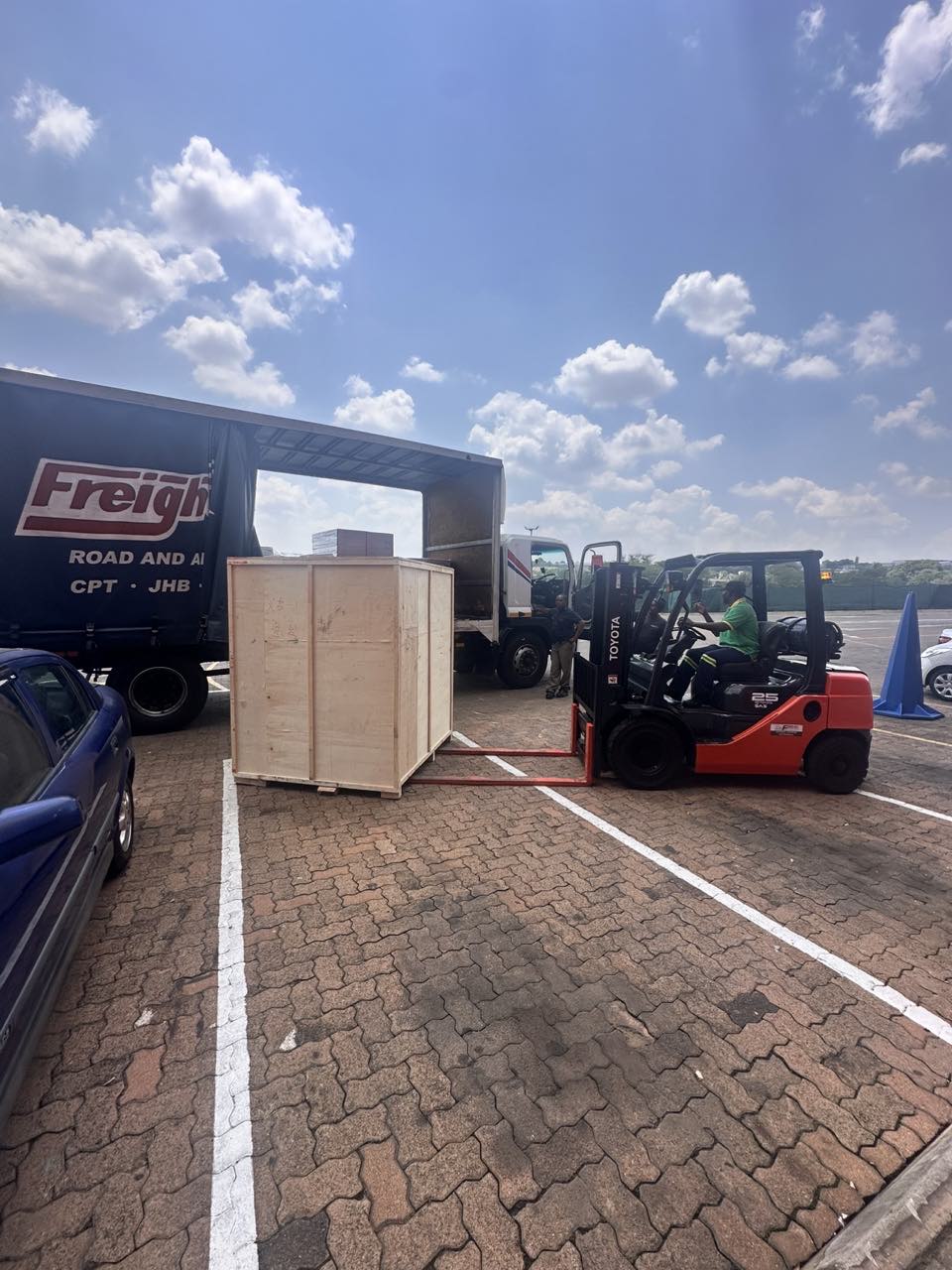
order collection
order offloading