B21, China Town Mall, Midrand

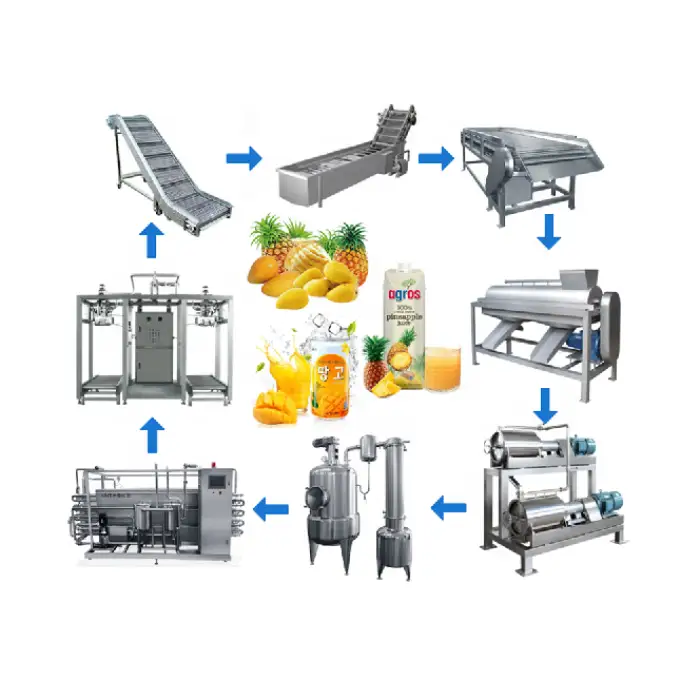
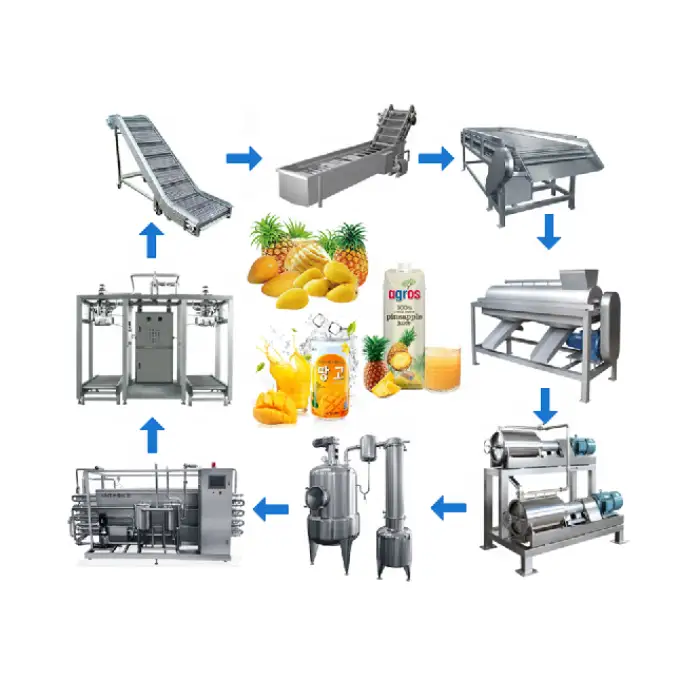
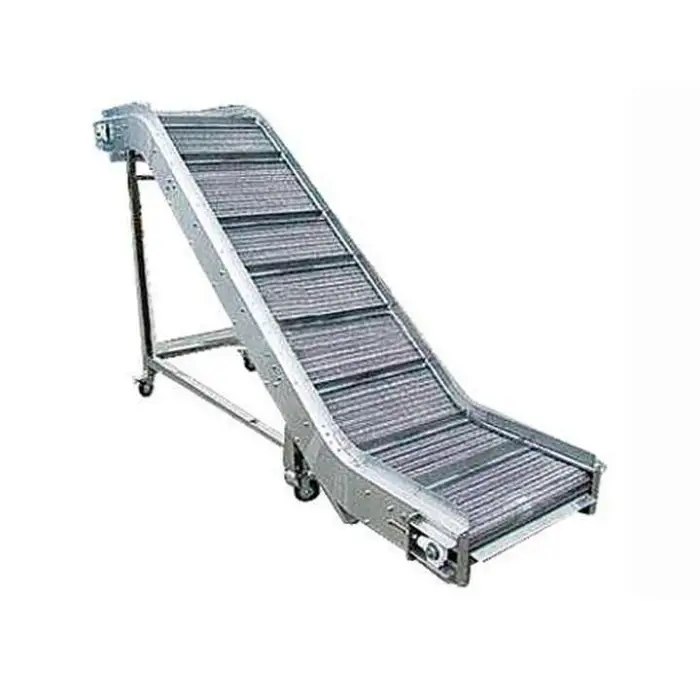
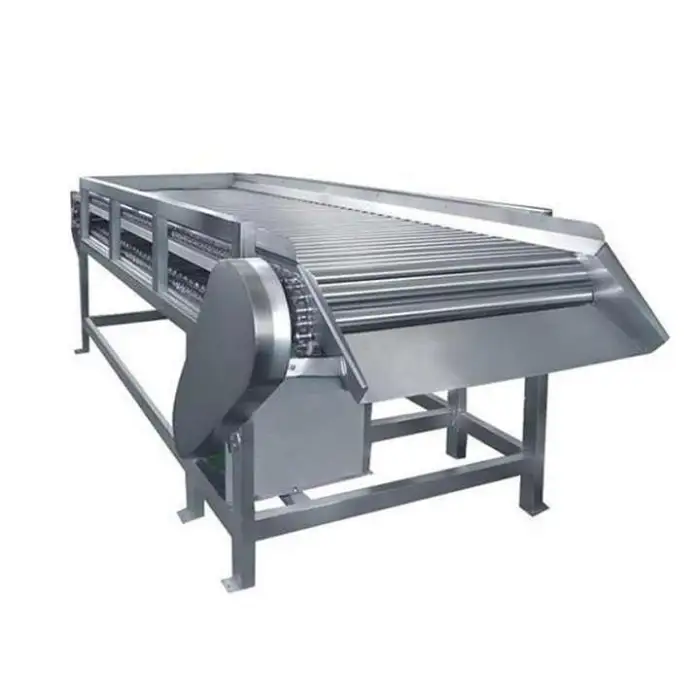
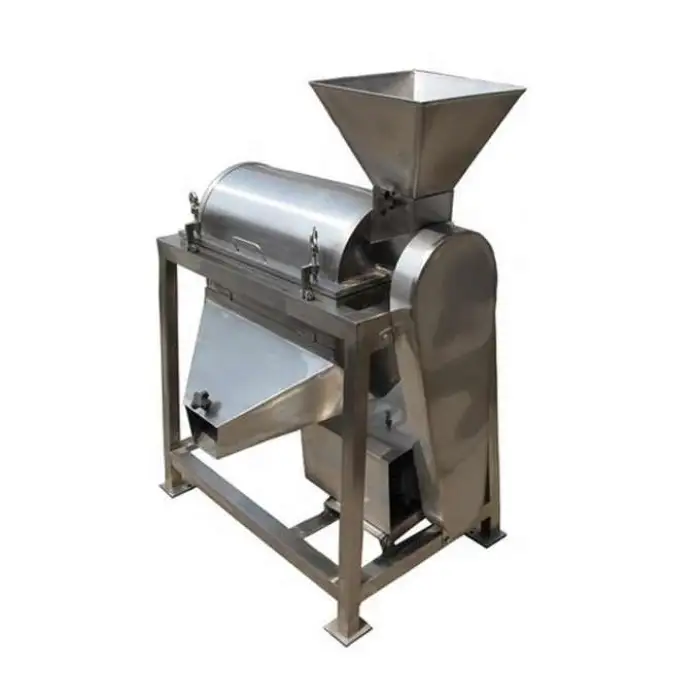
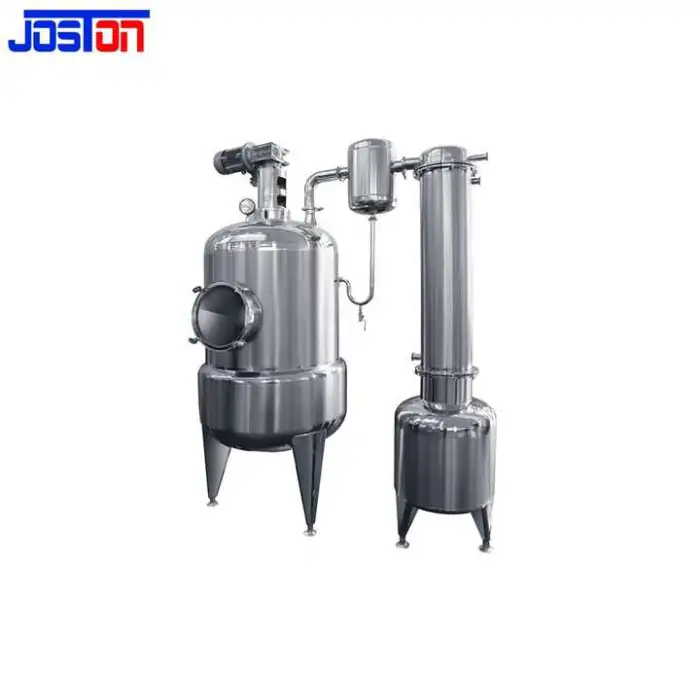
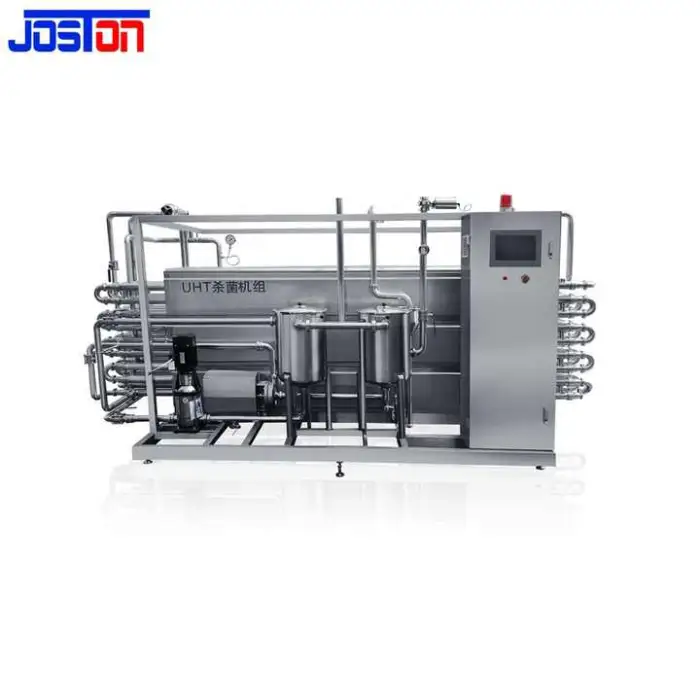
Fruit Pulp Juice Concentrate Beverage Making Machine Mango and Pineapple Drinks Processing Production Line
Asset finance available
Do you want funding for this equipment?
Afrimart can connect you with trusted funding partners who specialise in asset finance for businesses like yours. Compare options and apply in minutes — final approval is subject to provider review.
Check funding options
Secure & no obligation

- Section : Machinery
- Category : Food & Beverage Machinery
- SKU : 1600440408078

Fruit Pulp Juice Concentrate Beverage Making Machine Mango and Pineapple Drinks Processing Production Line
The Fruit Pulp Juice Concentrate Beverage Making Machine is the perfect solution for creating delicious mango and pineapple drinks. This complete production line is designed to efficiently process fruits into high-quality juice concentrate. With advanced technology and automatic features, it ensures high efficiency and low energy consumption, making it ideal for fruit processing industries.
Specifications
| Attribute | Details |
|---|---|
| Product Name | Mango and Pineapple Processing Line |
| Voltage | 110V/220V/380V/440V/480V/575V |
| Automatic Grade | Automatic |
| Capacity | 60 t/D - 1500 T/D |
| Material | 304/316L Stainless Steel |
Key Features
- Includes fruit and vegetable juicer and peeling machines
- Features a sterilizer and evaporator
- Automatic filling machine for easy operation
- Customizable dimensions to fit your needs
- Low energy consumption with high efficiency
Applications
- Fruit juice processing industries
- Mango and pineapple beverage production
- Concentrated juice manufacturing
- Food and beverage companies
- Small to large scale juice factories
Invest in the Fruit Pulp Juice Concentrate Beverage Making Machine to enhance your mango and pineapple juice production. Enjoy the benefits of a well-designed processing line that meets your production needs efficiently and effectively.
Product Info Gallery
- Shipping Timeframes: All orders are processed within 2-5 business days (excluding weekends and holidays). After your order has been processed, the estimated delivery time is before 23 Jun, 2026, depending on customs, Please note that due to high demand, some items may experience longer shipping times, which will be communicated at order confirmation email.
- Order Processing Time: Please allow 2-5 business days for us to process your order before it is shipped . Orders placed after 16:00 on Fridays, or during weekends and public holidays, will begin processing on the next business day. Processing times may be extended during peak seasons or sales events.
- Manufacturing Time: Some products needs manufacturing time, the manufacturing process will take approximately 10-30 business days depending on the product. This timeframe may vary depending on the complexity of the product and current demand. but this will be communicated with you during order confirmation.
- Returns and Exchanges: We offer a 30-day return policy for most items. If you are not completely satisfied with your purchase, you may return it within 30 days of receipt for a refund or exchange. Items must be unused, in their original packaging, and accompanied by proof of purchase. Return shipping costs are the responsibility of the customer, unless the item was damaged or defective upon arrival.
1. What is included in the Fruit Pulp Juice Concentrate Beverage Making Machine production line?
The complete line typically includes fruit washing and sorting, peeling and pulping machines, juice extractors, sterilizer (pasteurizer/UHT options), evaporator for concentration, automatic mixing/blending units, an automatic filling and capping machine, and optional CIP (clean-in-place) and packing equipment. Specific items depend on the ordered configuration.
2. What production capacities are available?
Capacity ranges from 60 tons/day up to 1,500 tons/day. The exact configuration (number and size of machines) will be chosen to meet your target throughput.
3. What voltages and electrical requirements does the line support?
The line supports multiple voltage options including 110V, 220V, 380V, 440V, 480V and 575V. Final electrical specifications and power requirements will be provided with the detailed layout based on your chosen capacity and local power standards.
4. What materials are used for food-contact parts?
All food-contact parts are made from 304 or 316L stainless steel as standard to ensure hygiene, corrosion resistance and compliance with food industry practices.
5. Is the system fully automatic?
Yes. The production line is designed for high automation, typically using PLC control with a touchscreen HMI for recipe management, process monitoring and minimal operator intervention.
6. Can the line process both mango and pineapple pulp effectively?
Yes. The machines are suitable for pulpy fruits like mango and pineapple. Equipment such as pulpers, sieves and evaporators are optimized to handle high-fiber, high-pulp content fruits. Settings and components can be adjusted to maximize yield and product quality.
7. Can I produce different concentration levels (Brix) and beverage types?
Yes. The evaporator and blending/mixing units allow you to produce a range of concentrate Brix levels and finished beverage recipes. Final Brix and beverage formulation depend on the recipe, evaporator configuration and process parameters.
8. What cleaning and hygiene features are provided?
The line is designed for hygienic operation with smooth stainless surfaces and sanitary piping. CIP (clean-in-place) systems can be integrated for automated cleaning of tanks, lines and heat exchangers to reduce downtime and ensure food safety.
9. What are the energy consumption characteristics?
The production line is engineered for low energy consumption and high thermal efficiency (especially the evaporator). Exact energy use depends on capacity, local utility conditions and chosen options; detailed consumption figures will be provided in the technical proposal.
10. What installation, commissioning and training services are offered?
Manufacturers typically provide on-site installation, commissioning and operator training as part of the supply or as an optional service. Remote or in-person training on operation, maintenance and sanitation is available.
11. Can the equipment be customized to fit my factory layout or production needs?
Yes. Dimensions, capacity, packaging types and equipment configurations can be customized to match your facility footprint, production targets and packaging formats (bottles, cartons, pouches, etc.).
12. What packaging and filling options are supported?
The automatic filling machine can be configured for various containers such as PET/glass bottles, aseptic cartons and pouches. Filling technology (volumetric, piston, aseptic) is selectable based on product viscosity and shelf-life requirements.
13. What certifications and food-safety standards can the line meet?
The machines use food-grade stainless steel and hygienic design to comply with GMP requirements. On request, systems can be supplied to meet additional certifications such as CE, ISO and country-specific food-safety standards; please confirm requirements at inquiry.
14. What are typical lead times and warranty/after-sales support?
Lead times depend on capacity and customization but commonly range from 30 to 90 days for manufacturing plus shipping. Warranty periods and after-sales support vary by supplier—most offer a standard warranty and provide spare parts, remote troubleshooting and optional on-site service contracts. Confirm exact terms with the vendor.
15. How do I estimate juice yield and expected recovery from mango/pineapple?
Yield depends on fruit quality, ripeness, pre-processing (peeling/degerming) and equipment settings. Typical recovery rates vary, so suppliers often recommend pilot trials or reference data for similar lines to estimate yield accurately. The manufacturer can assist with test runs or calculations during planning.
Latest Order Arrivals
Discover our latest orders
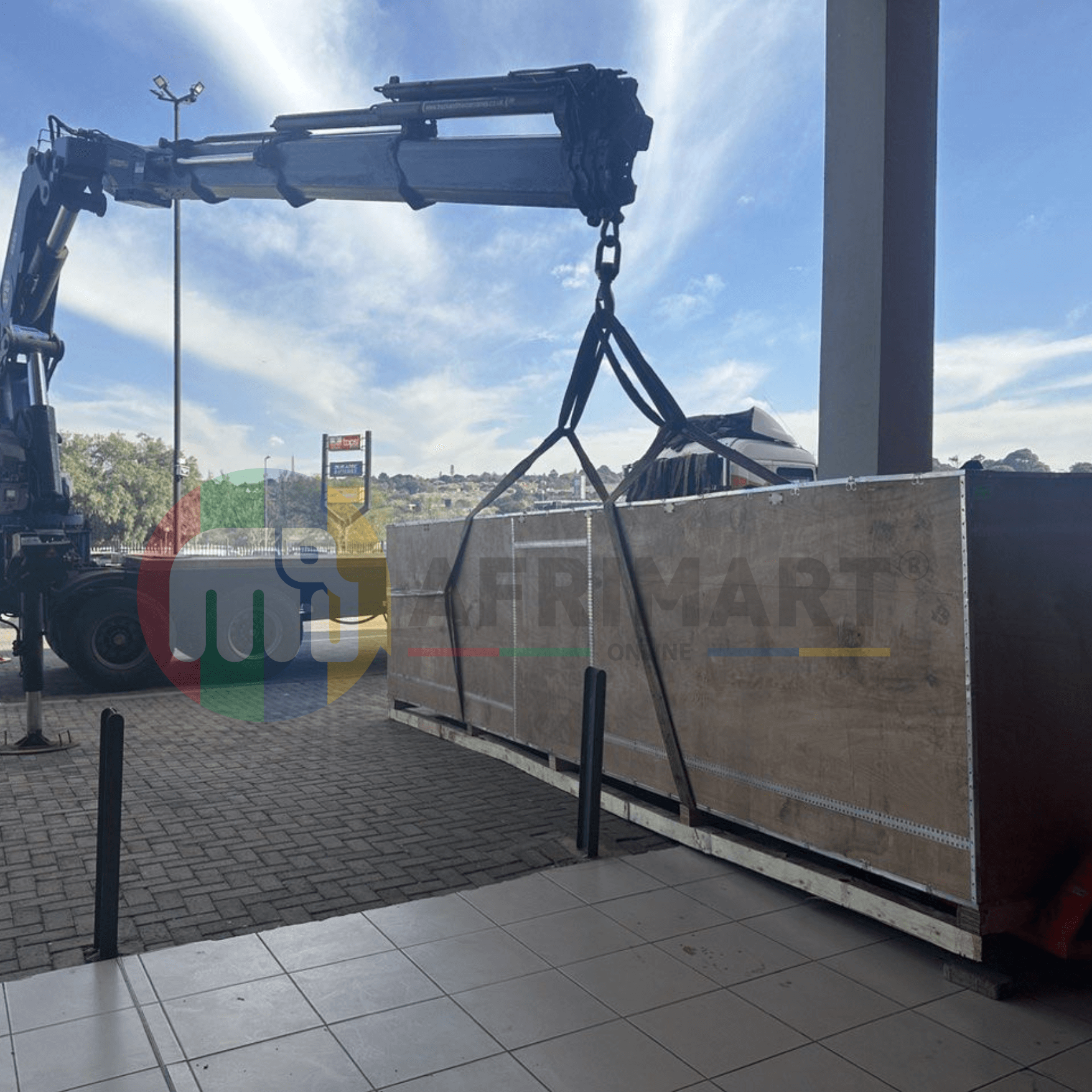
12 Heads Embroidery Machine
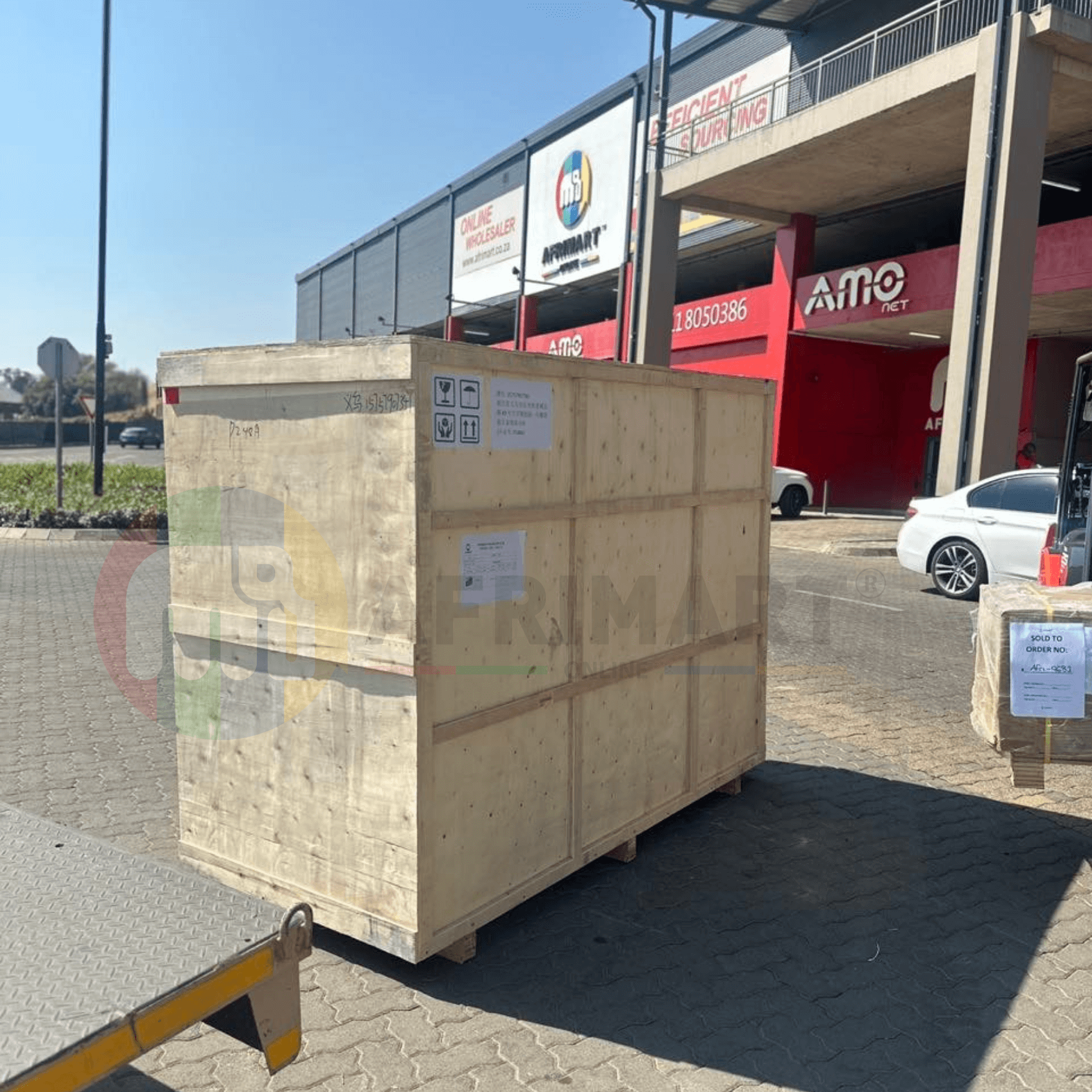
Dewatering Pump Machine
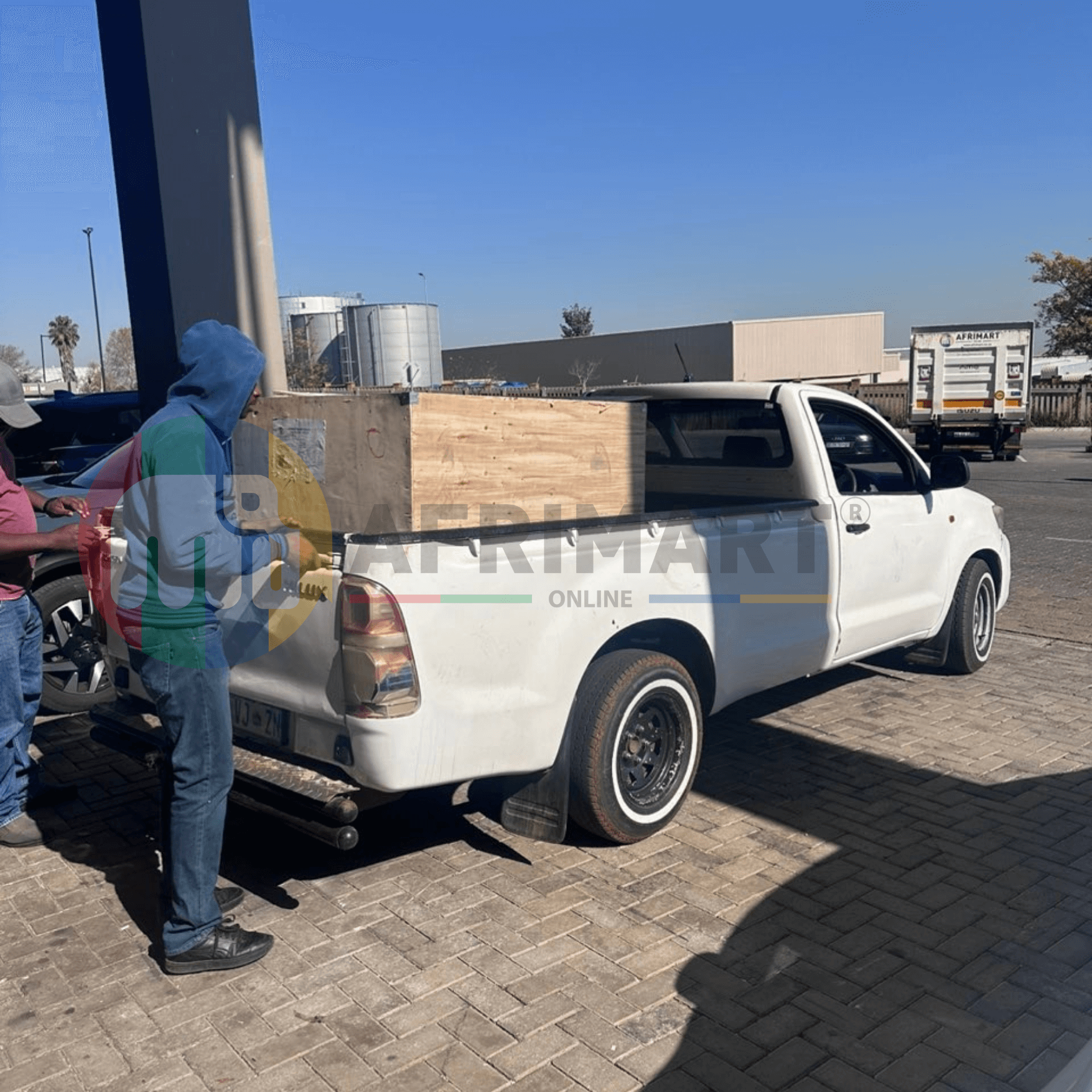
Order Collection
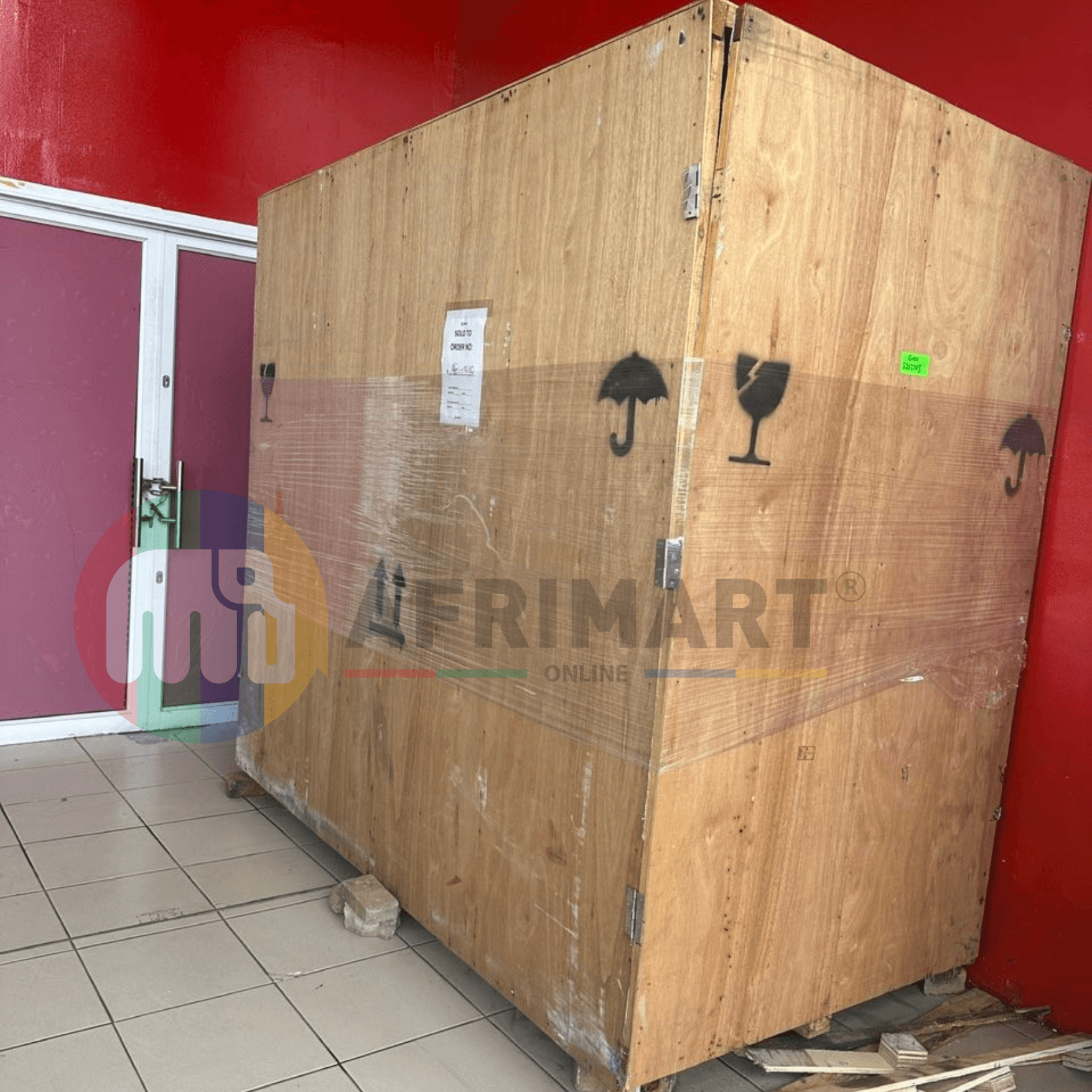
Portable Water Drilling Rig
Order Usefully Collected
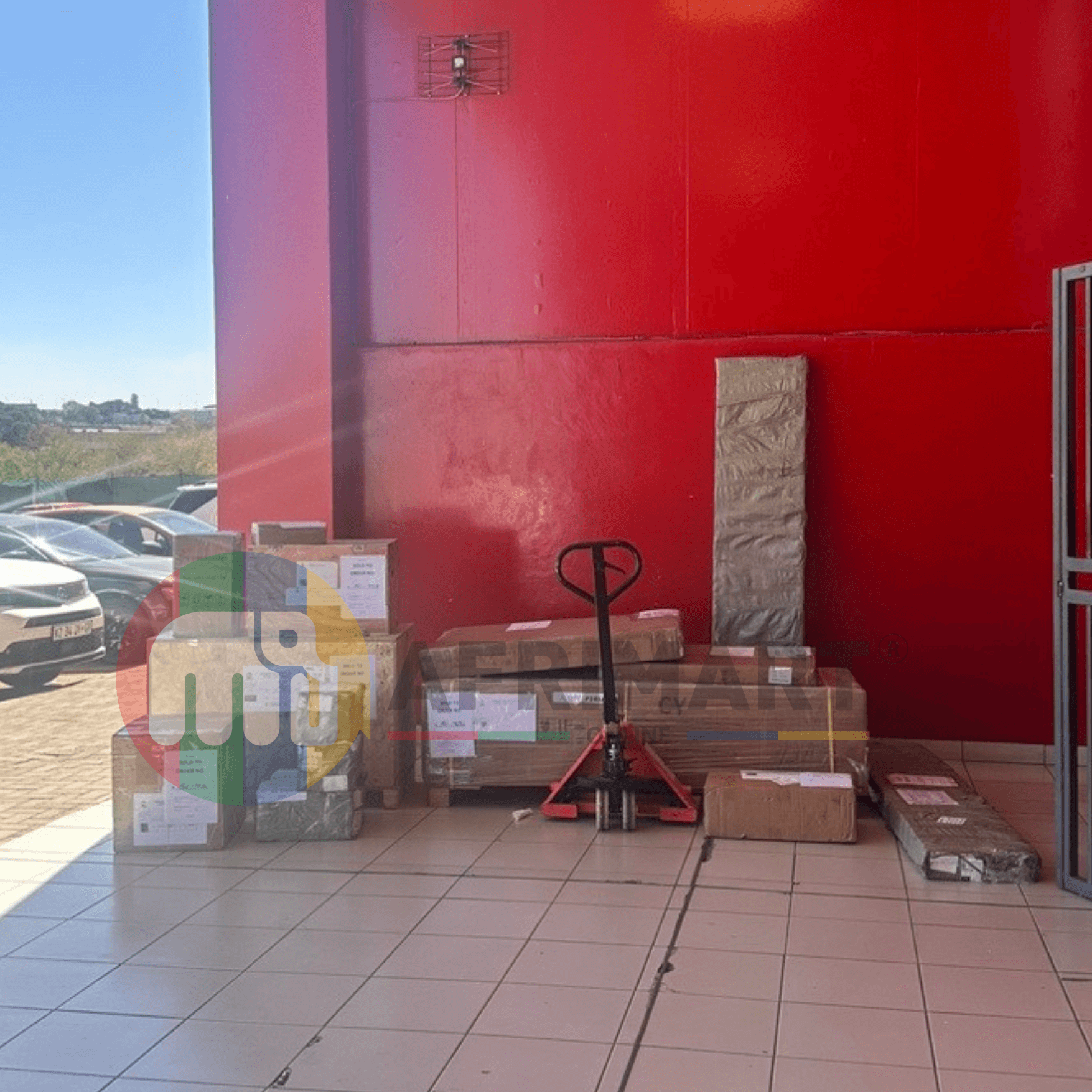
Batch of Orders
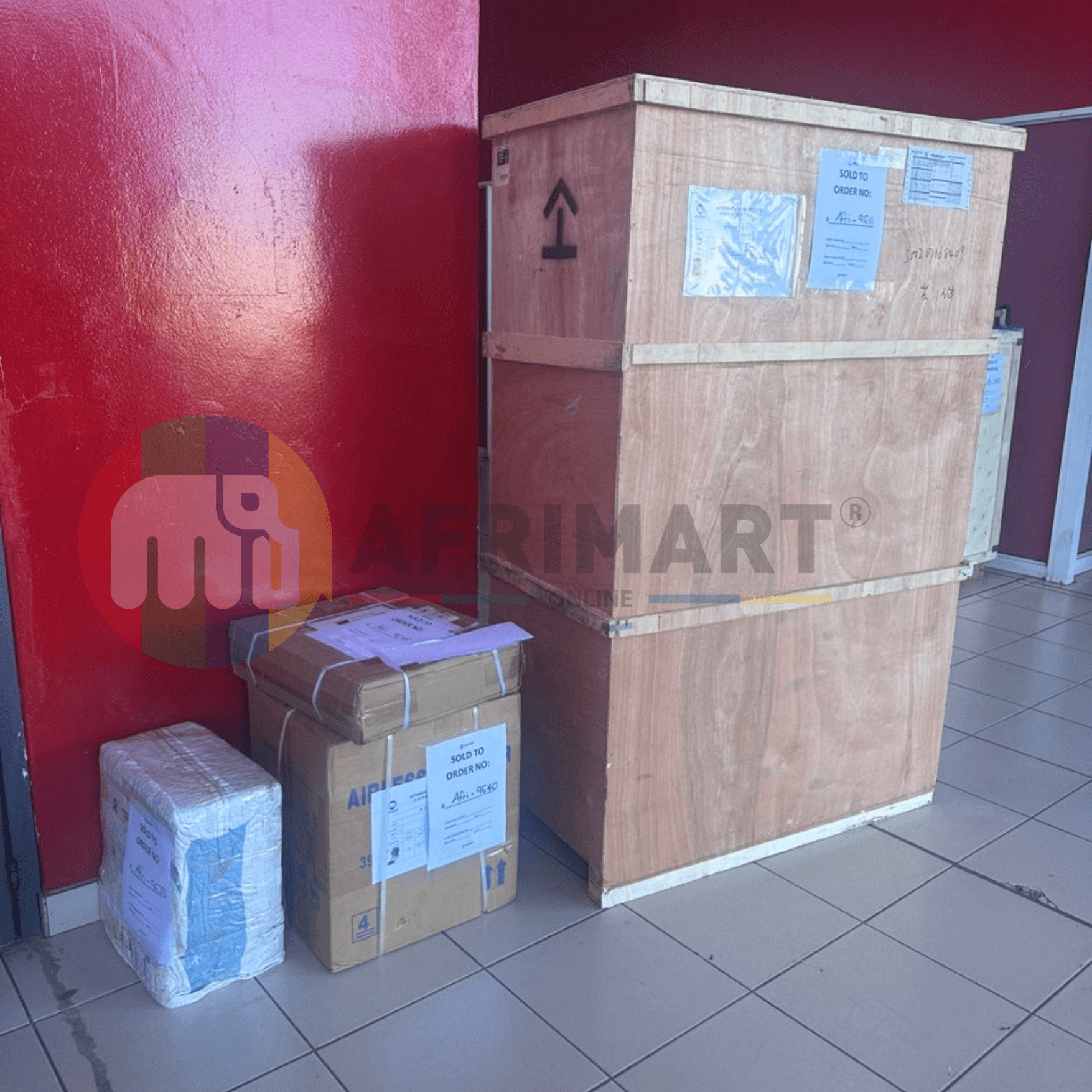
Agriculture Processing Machines
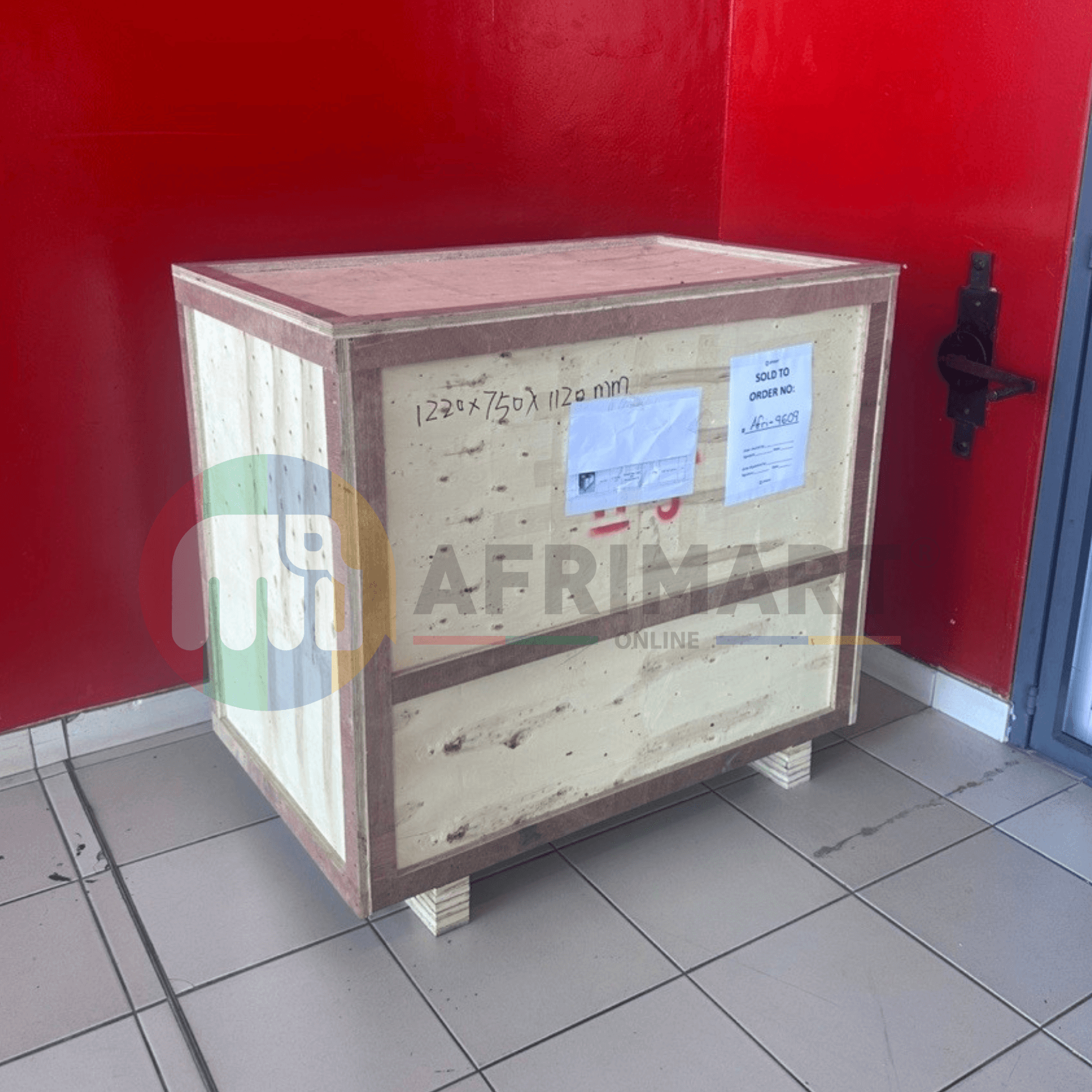
Meat Grinder Machine
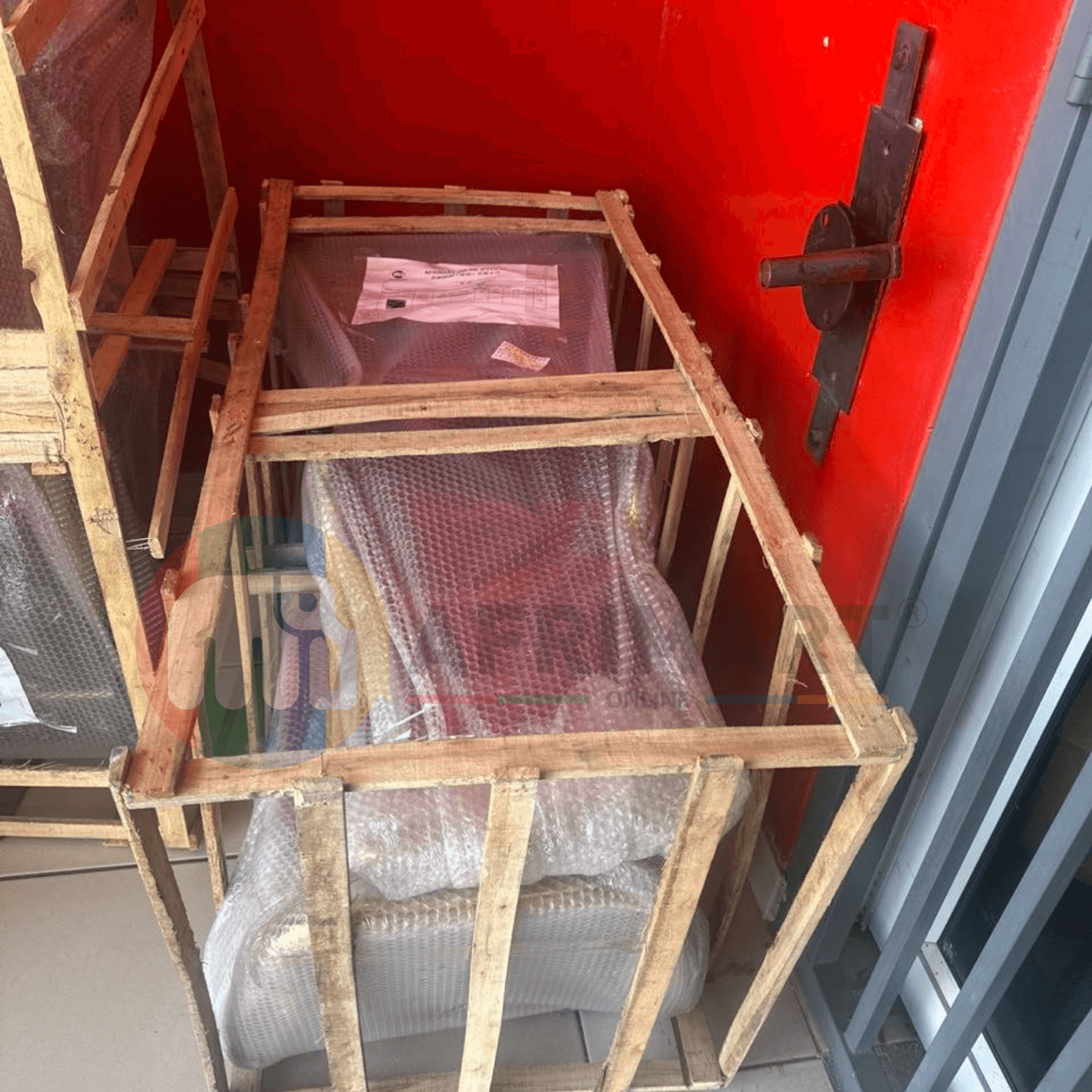
Water Pump Equipment
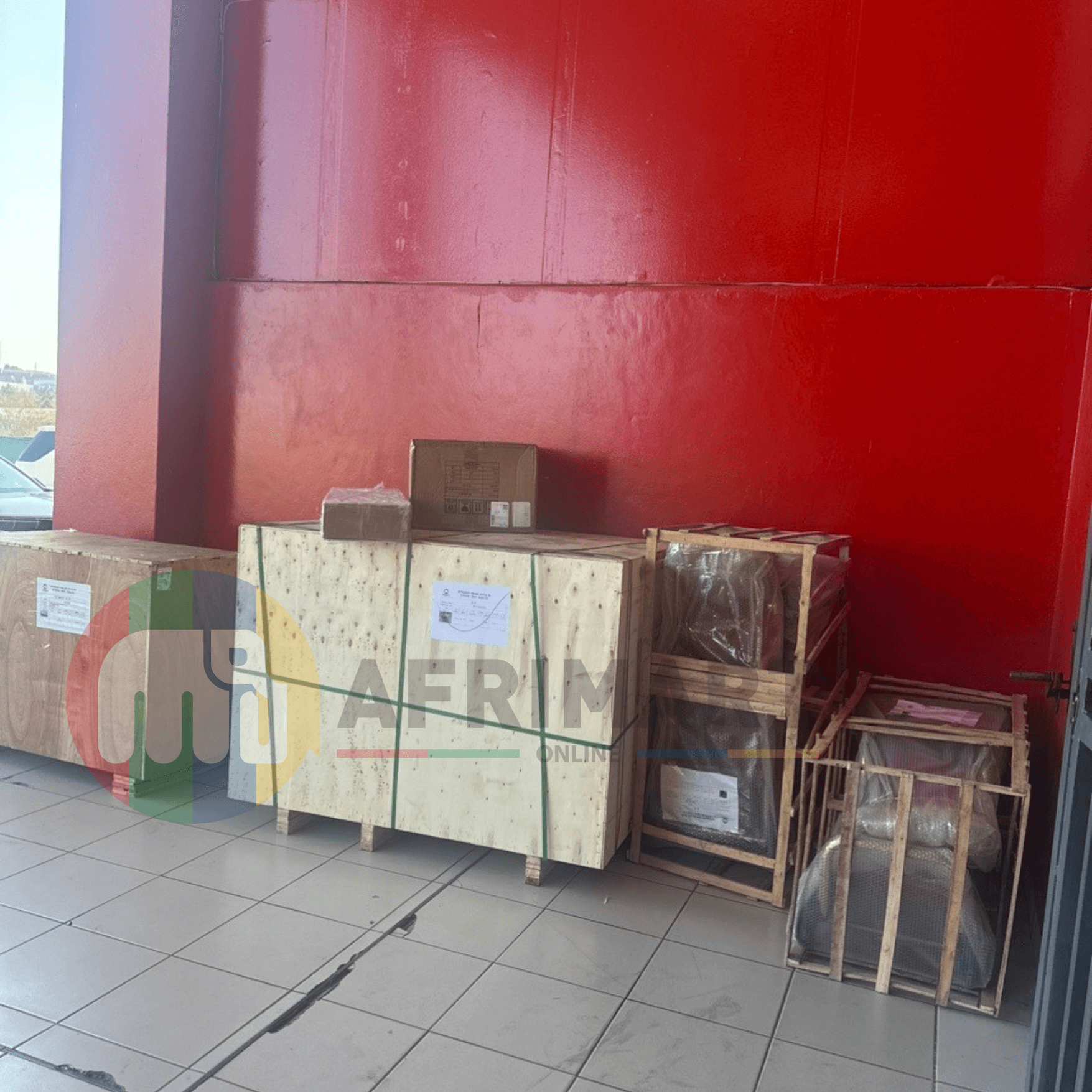
Packaging Machine and accessories
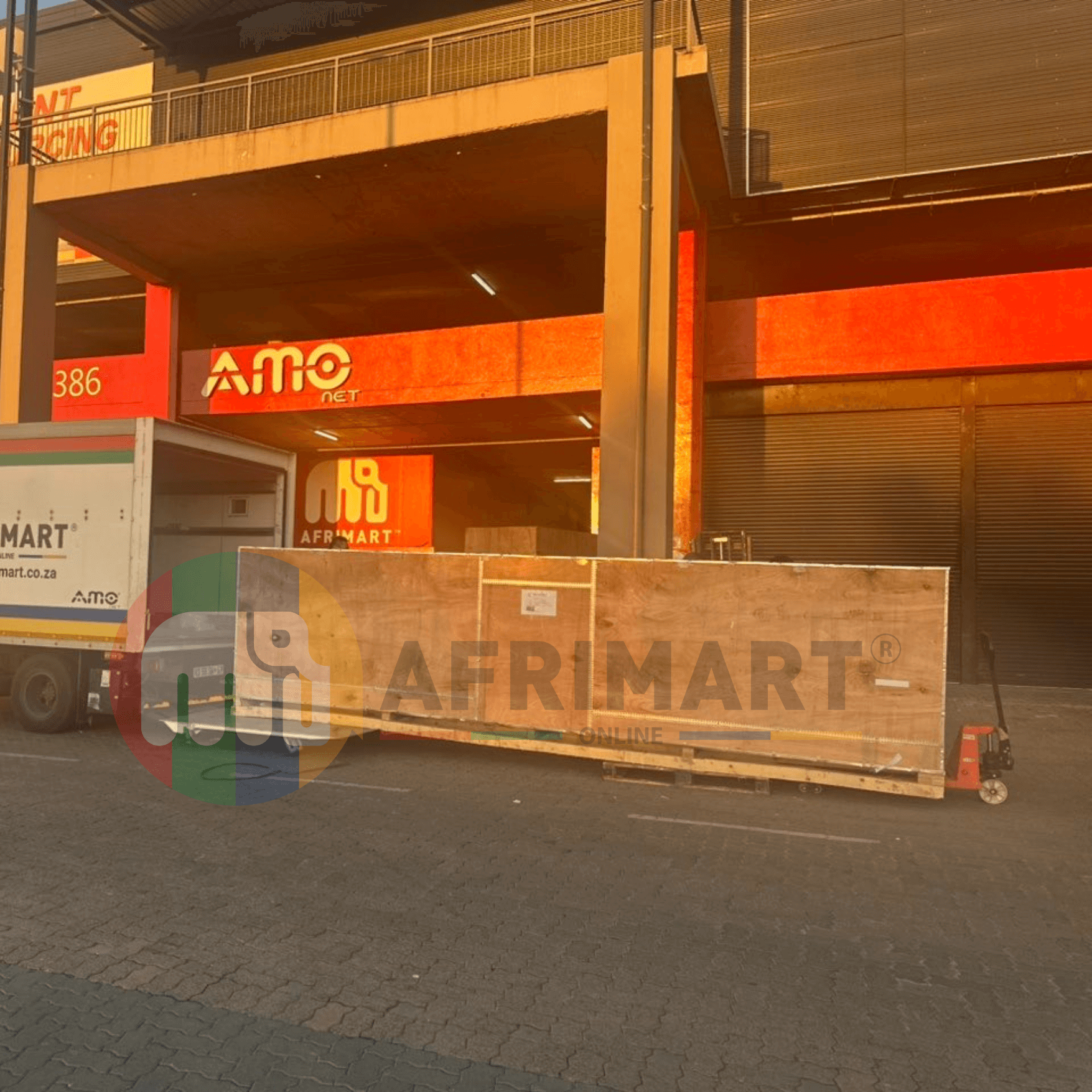
Fabrics Manufacturing Equipment
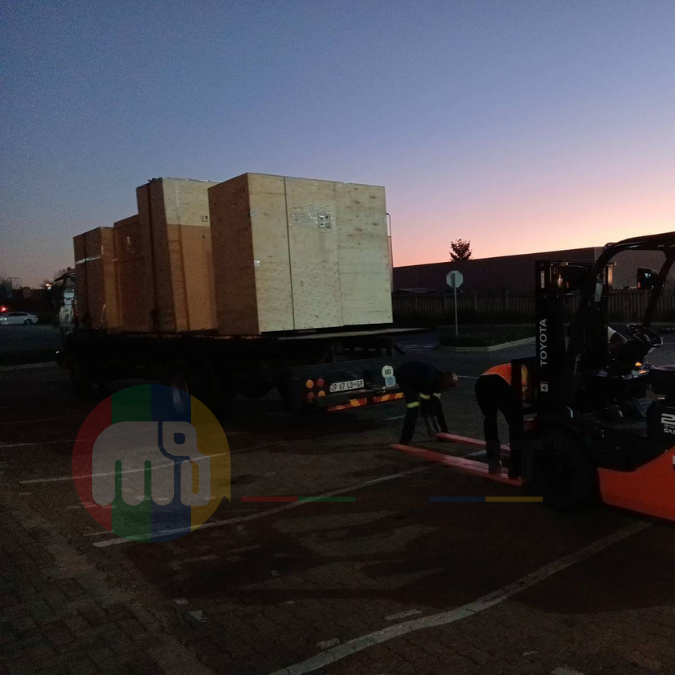
Mining Equipments
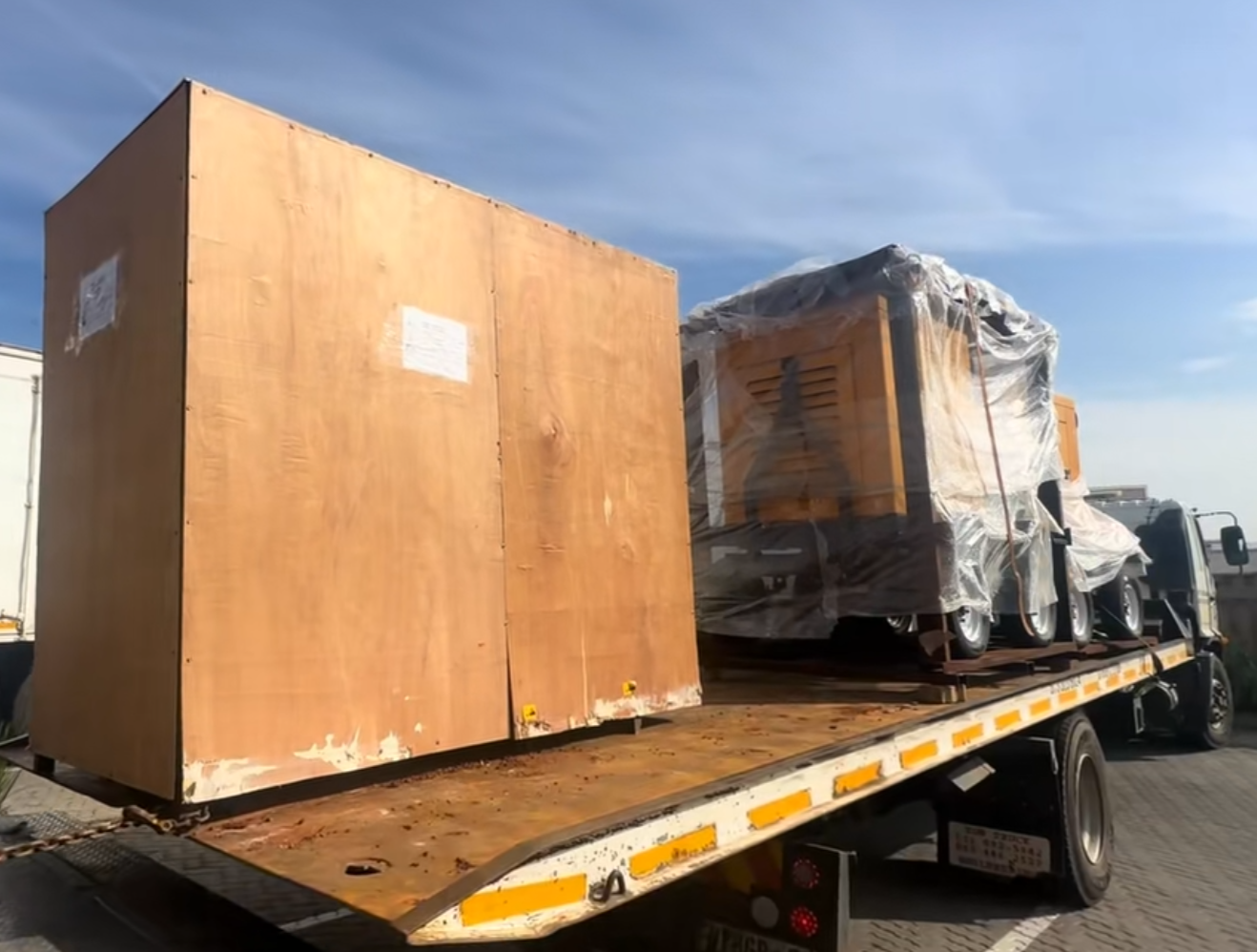
Food Processing Machine
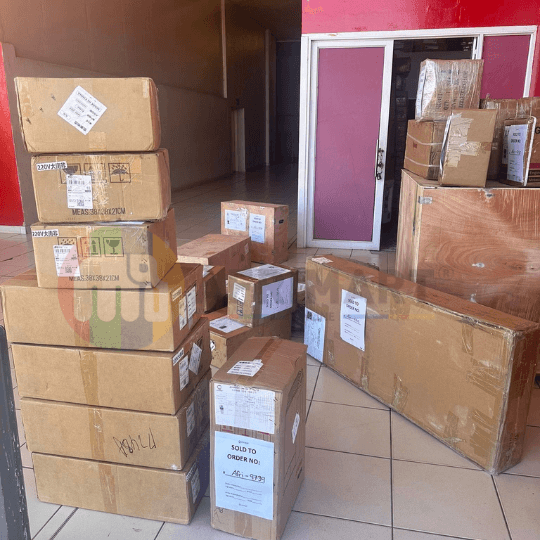
Batch of Orders
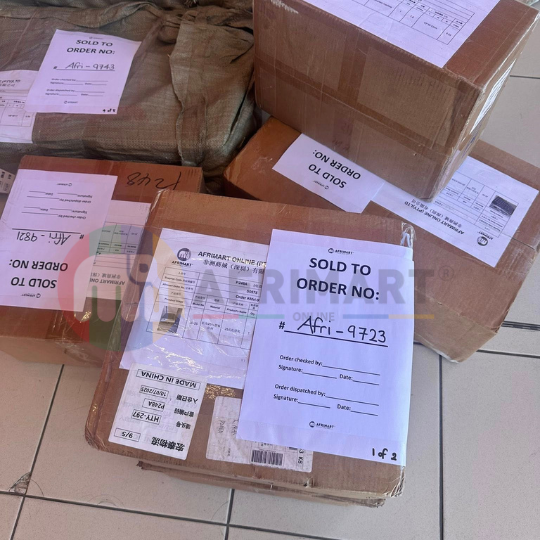
Batch of Orders
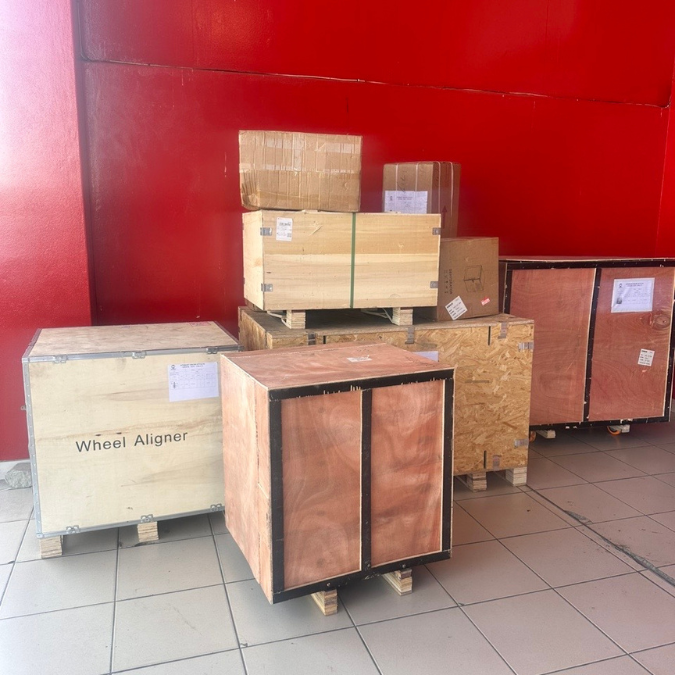
Latest Orders Labelled
wheel alignment machines
new arrivals
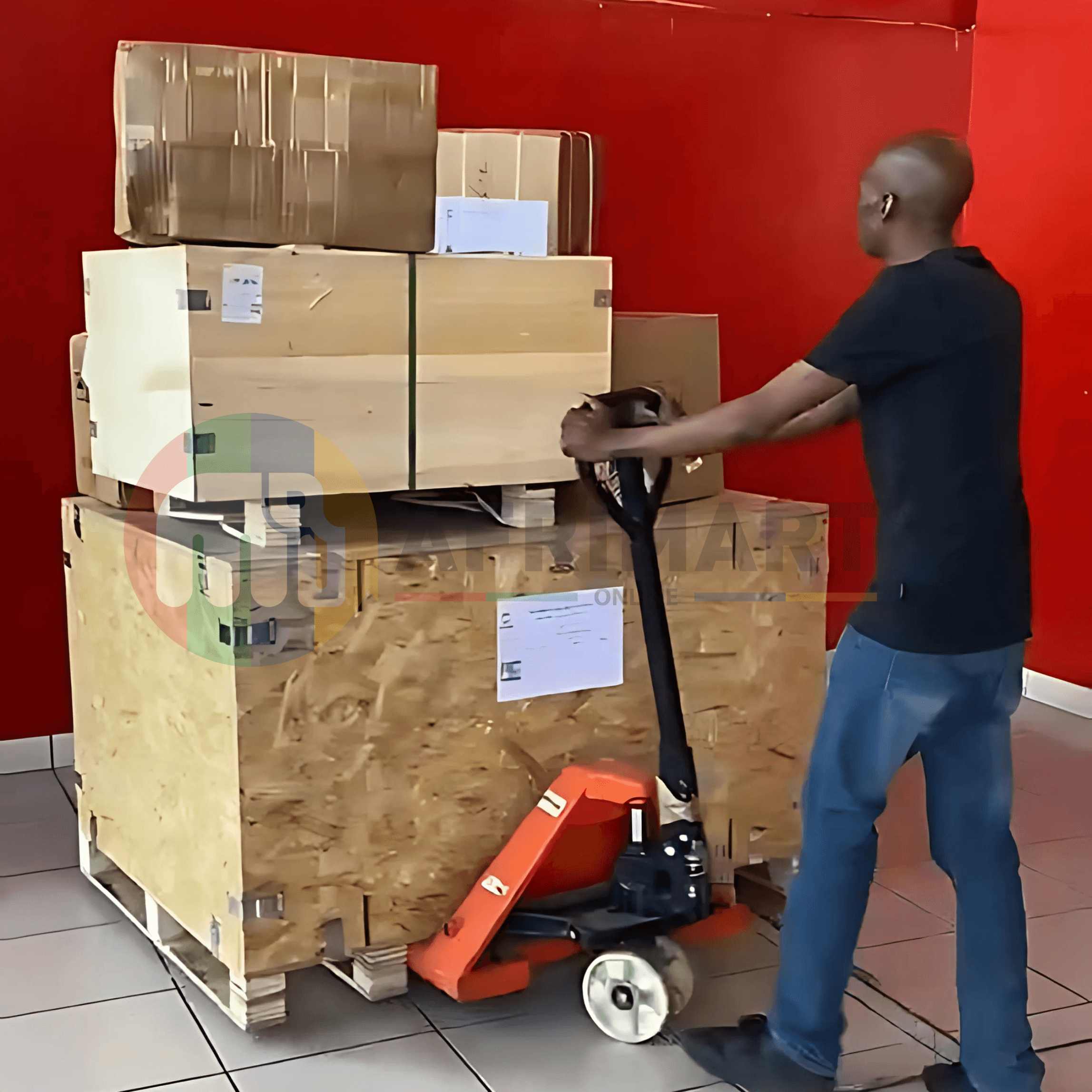
Pre Orders Offloading
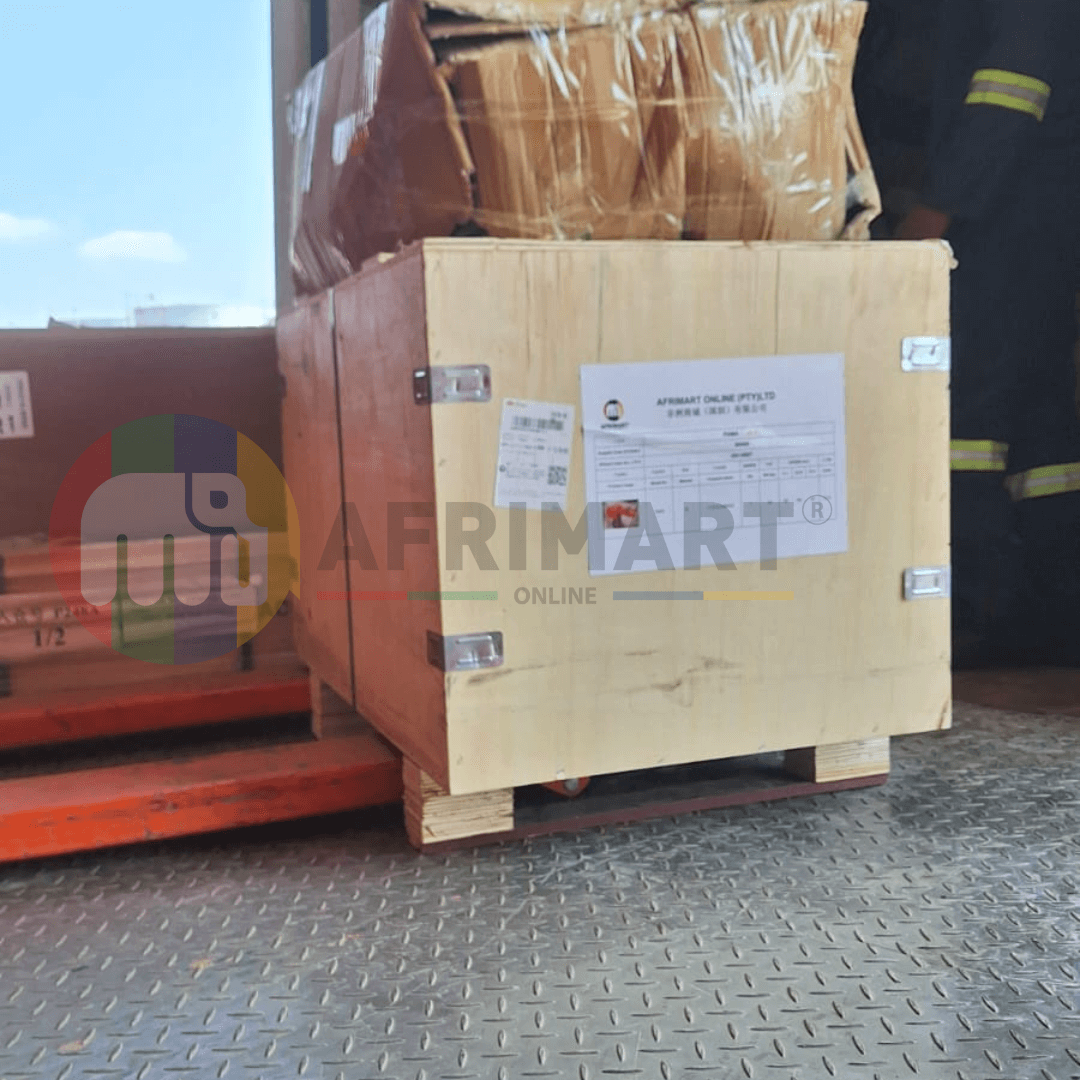
Latest Arrivals
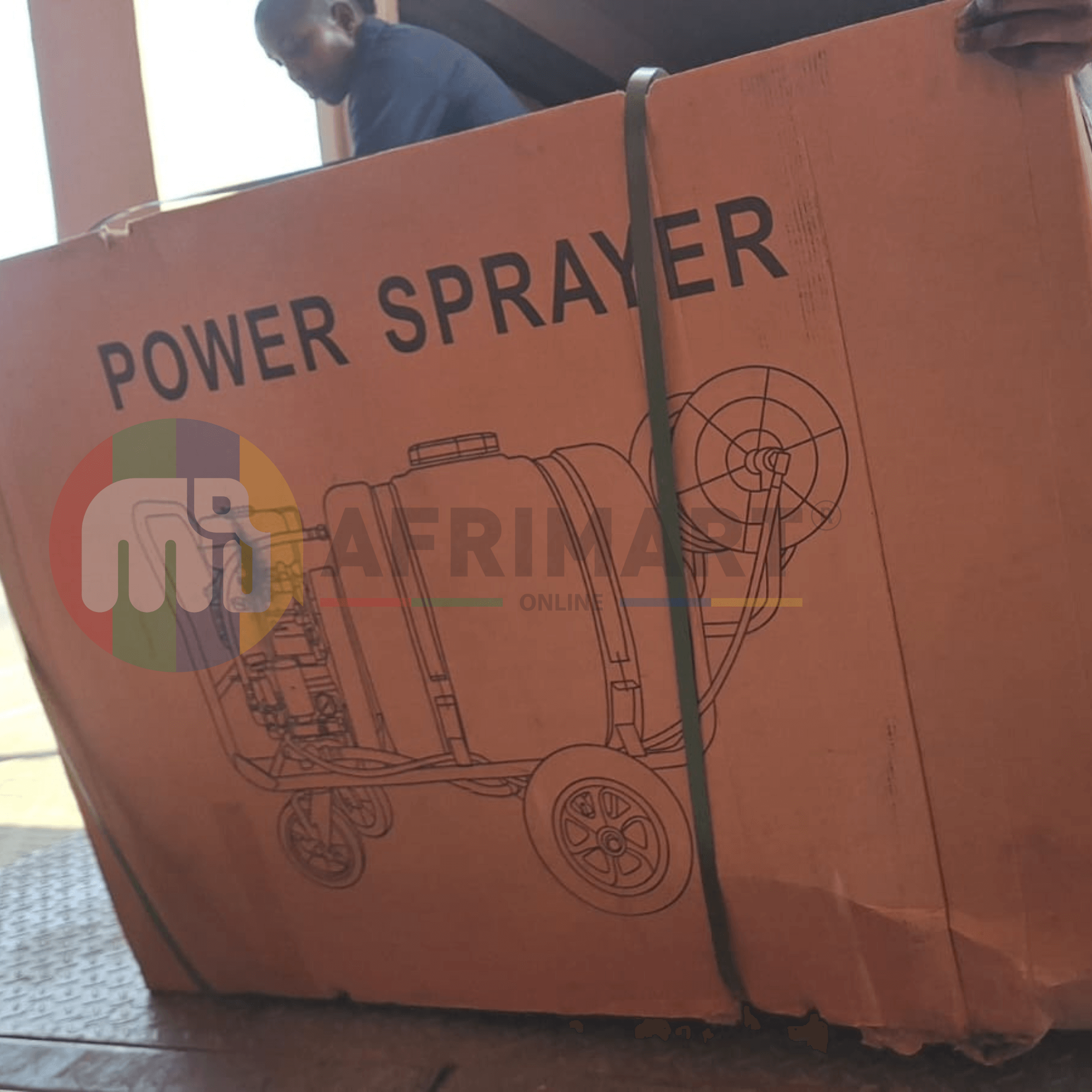
Latest Arrivals
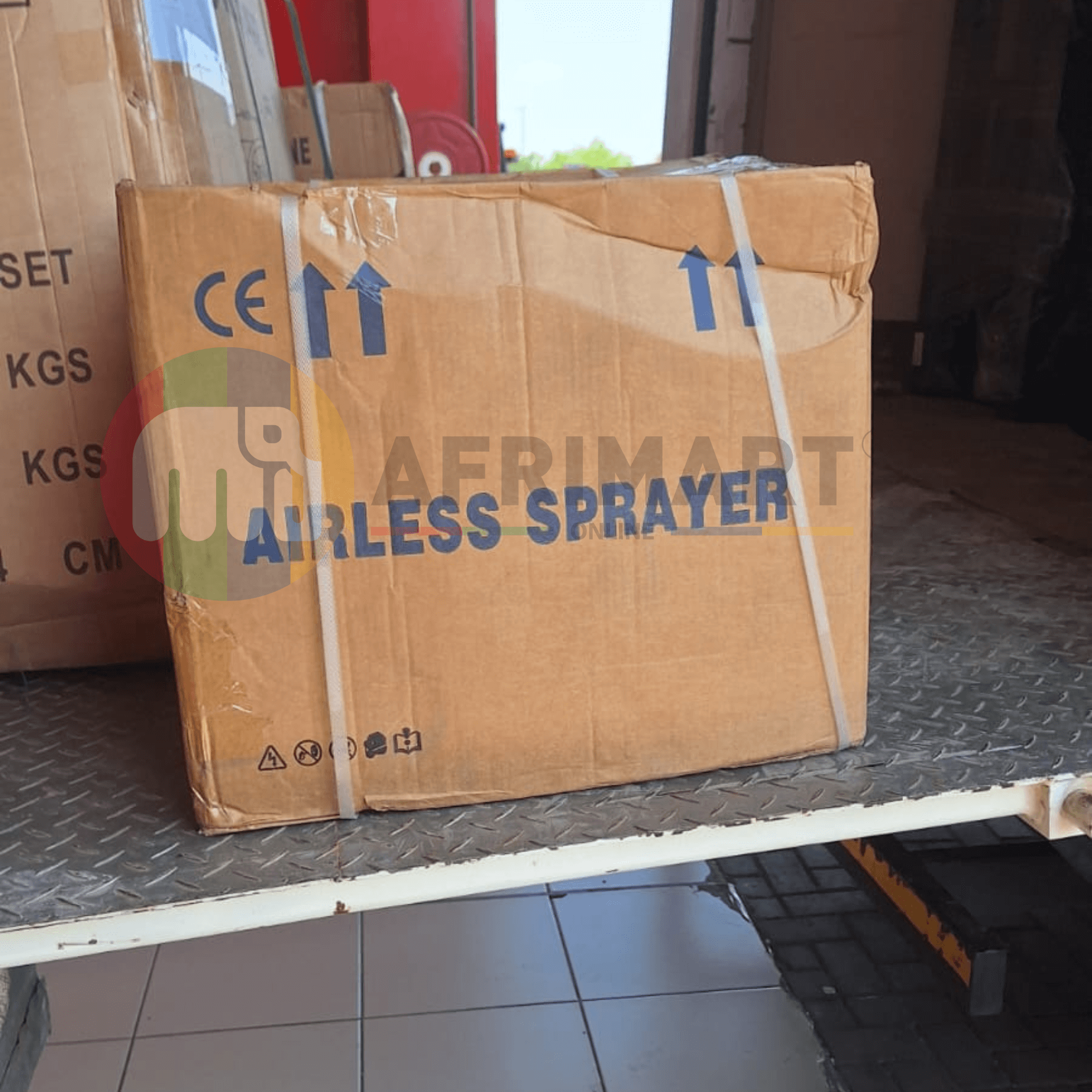
Latest Arrivals
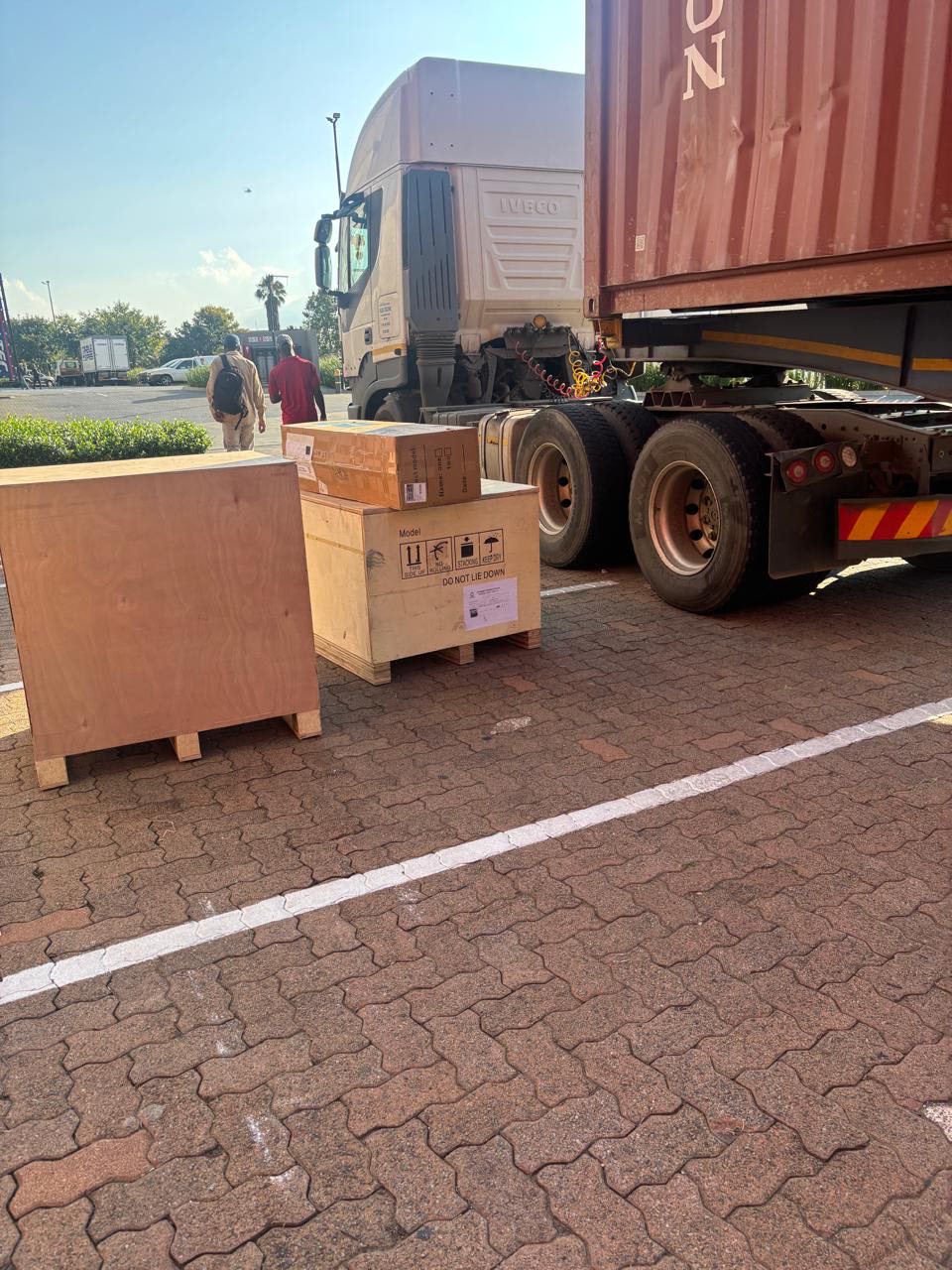
26 January 2026
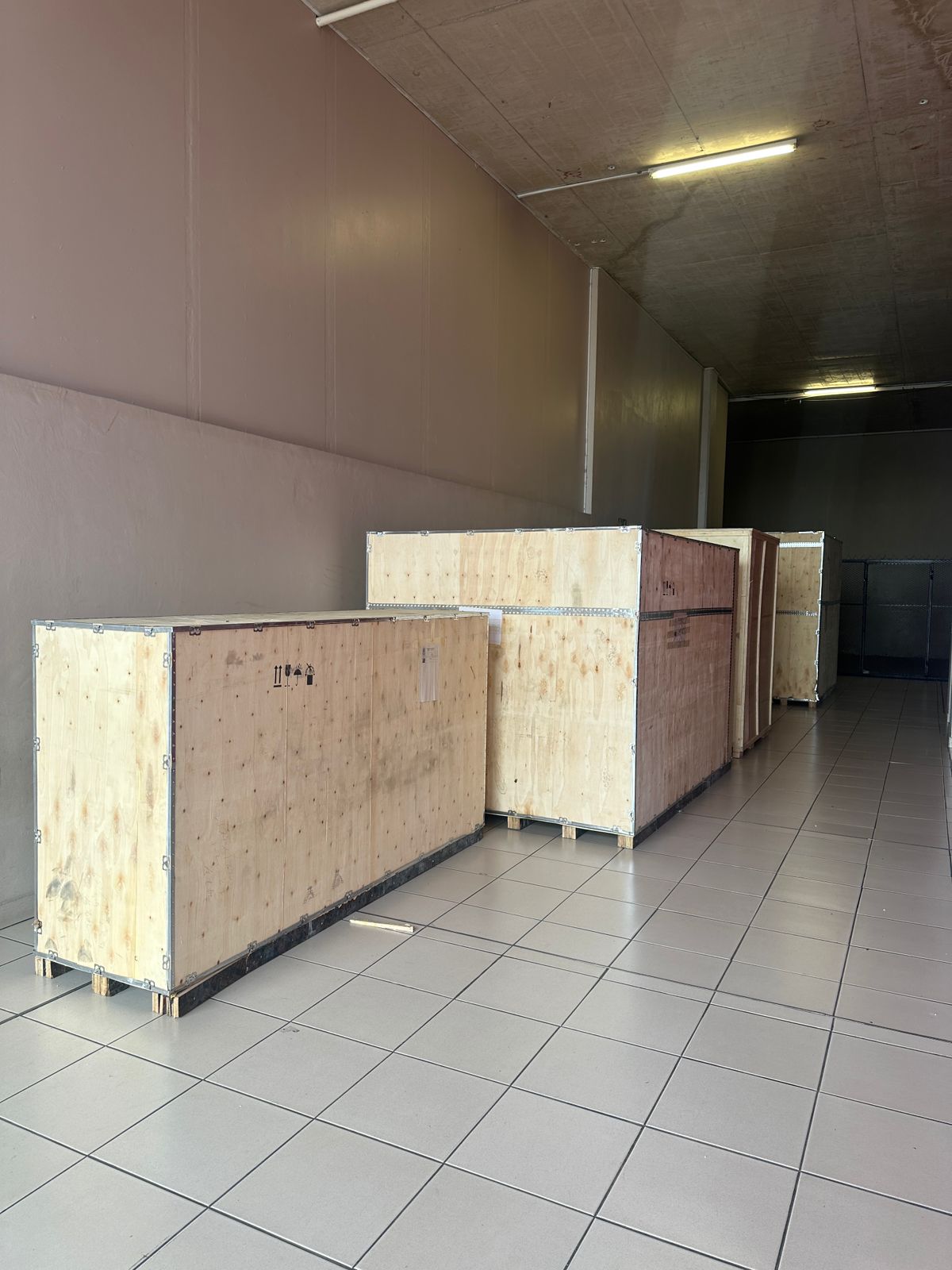
Toilet paper making machine
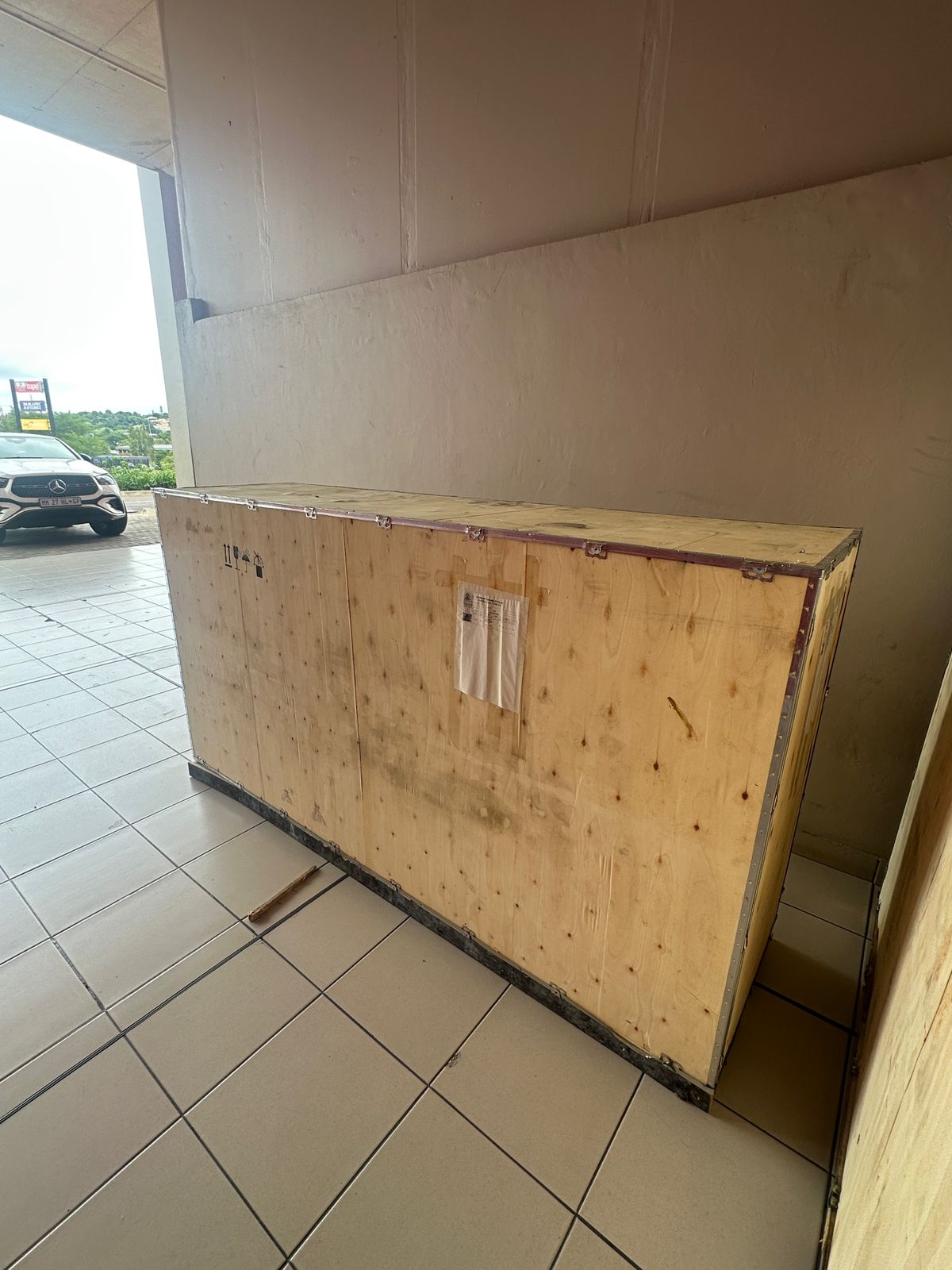
Toilet paper making machine
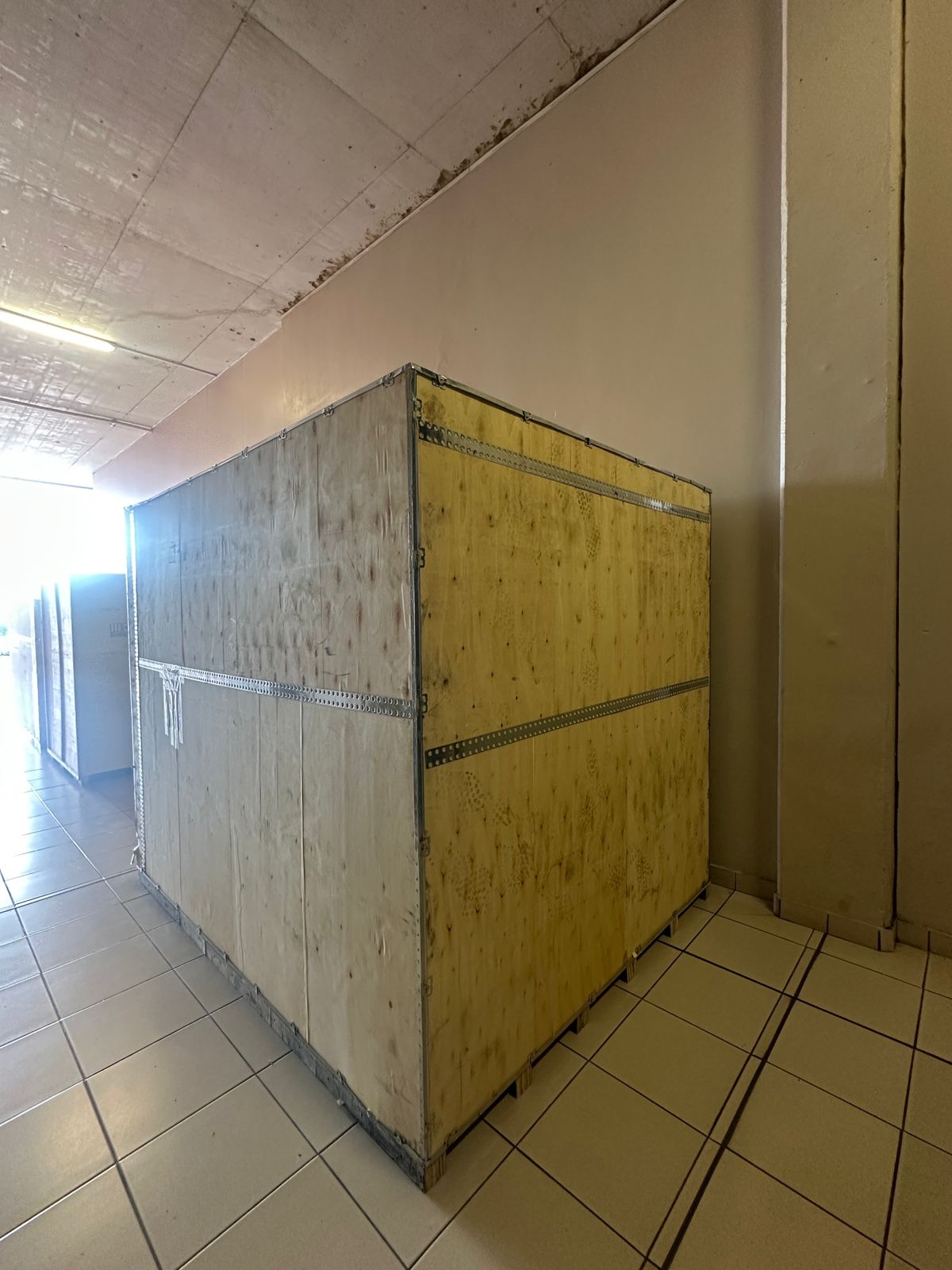
Toilet paper Rewinding Machine
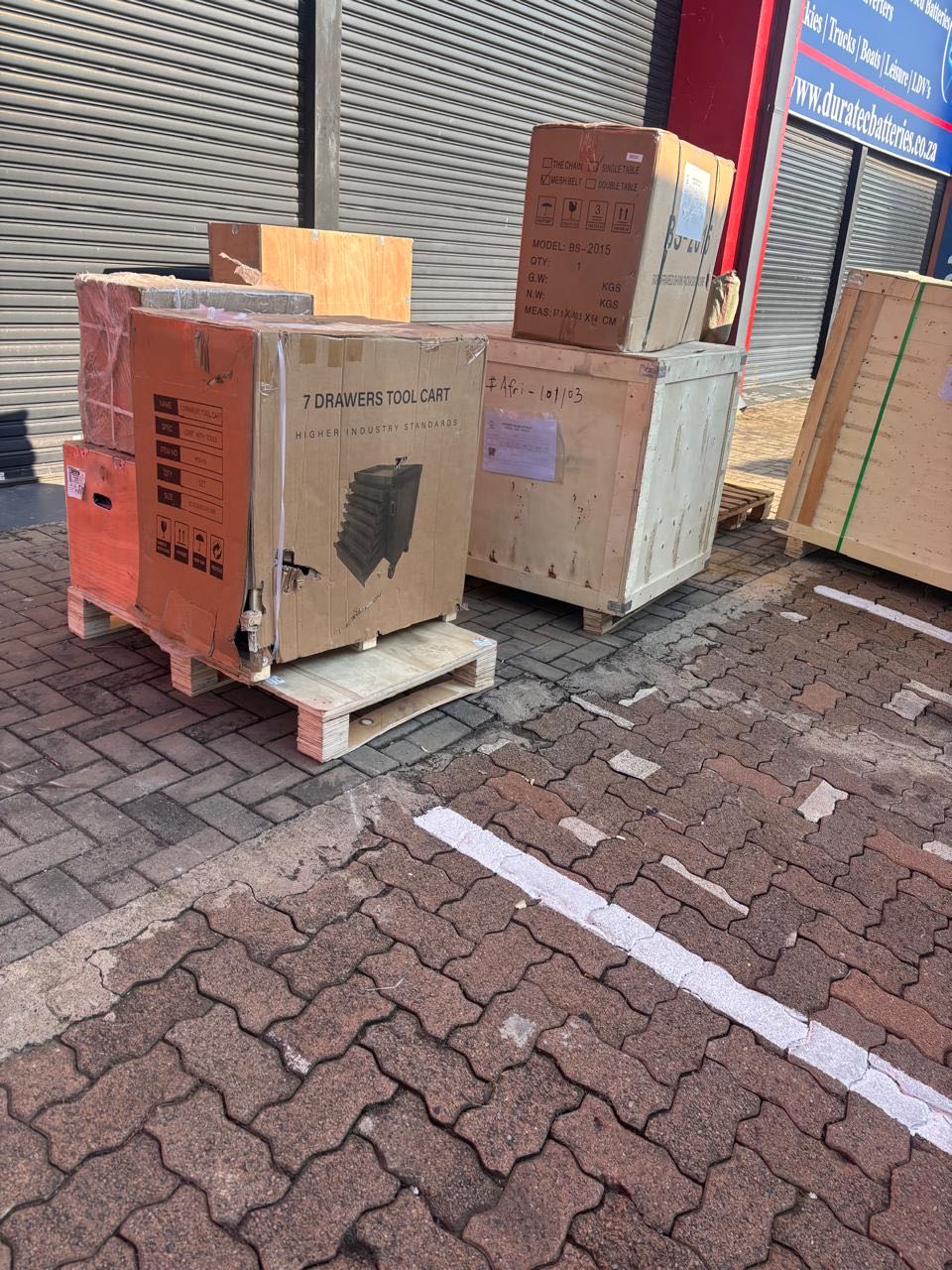
latest arrivals
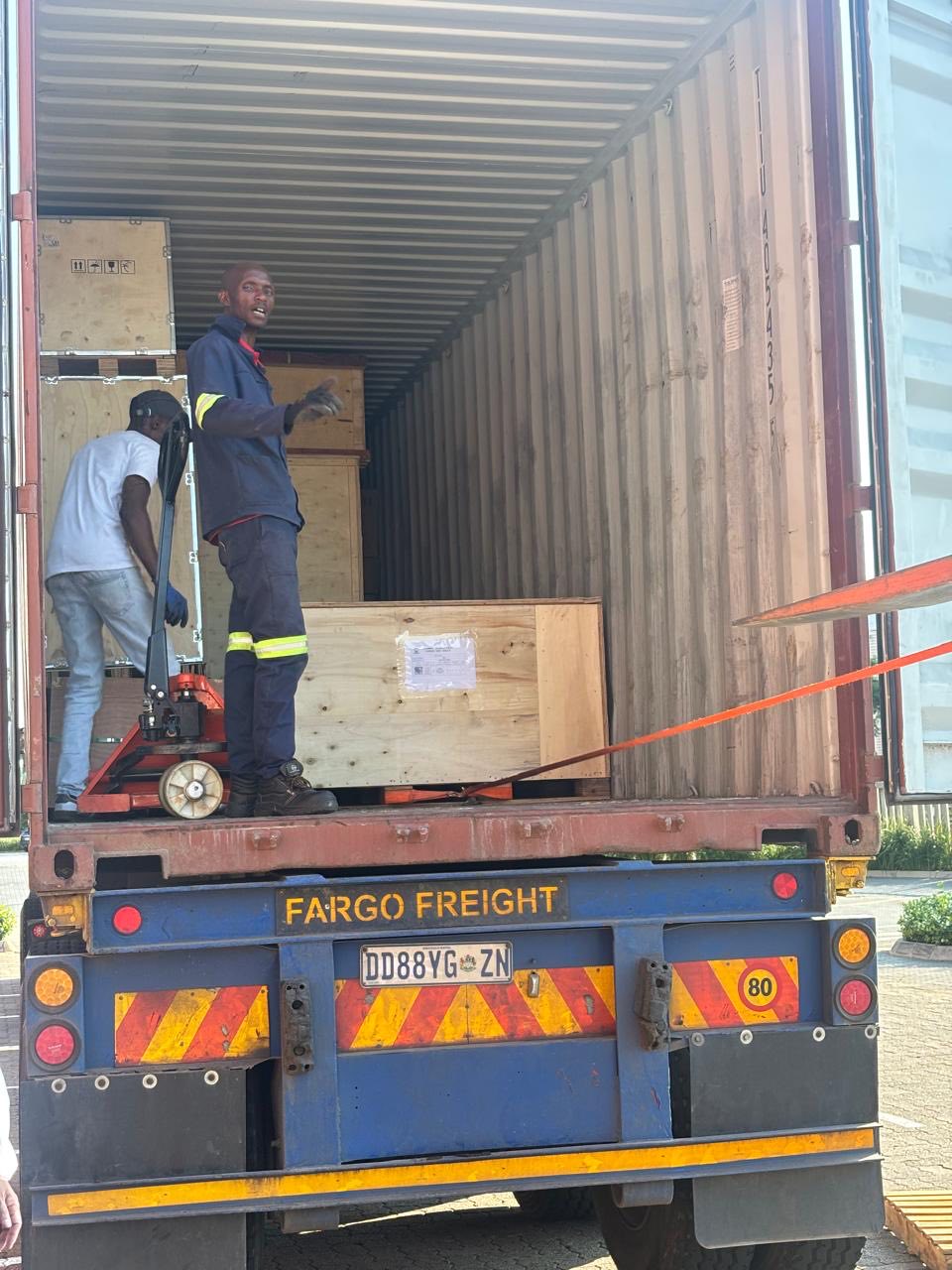
offloading
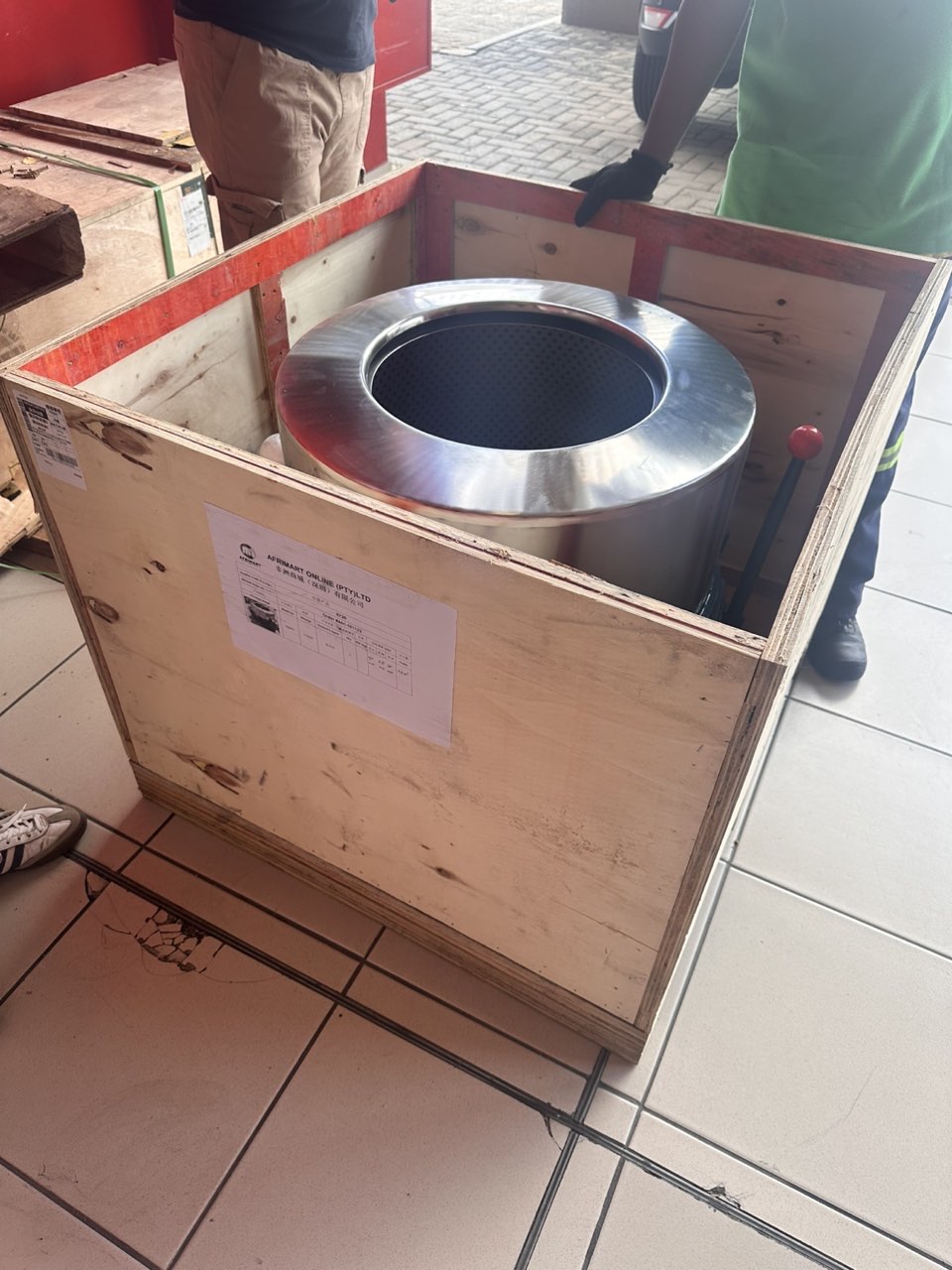
order success
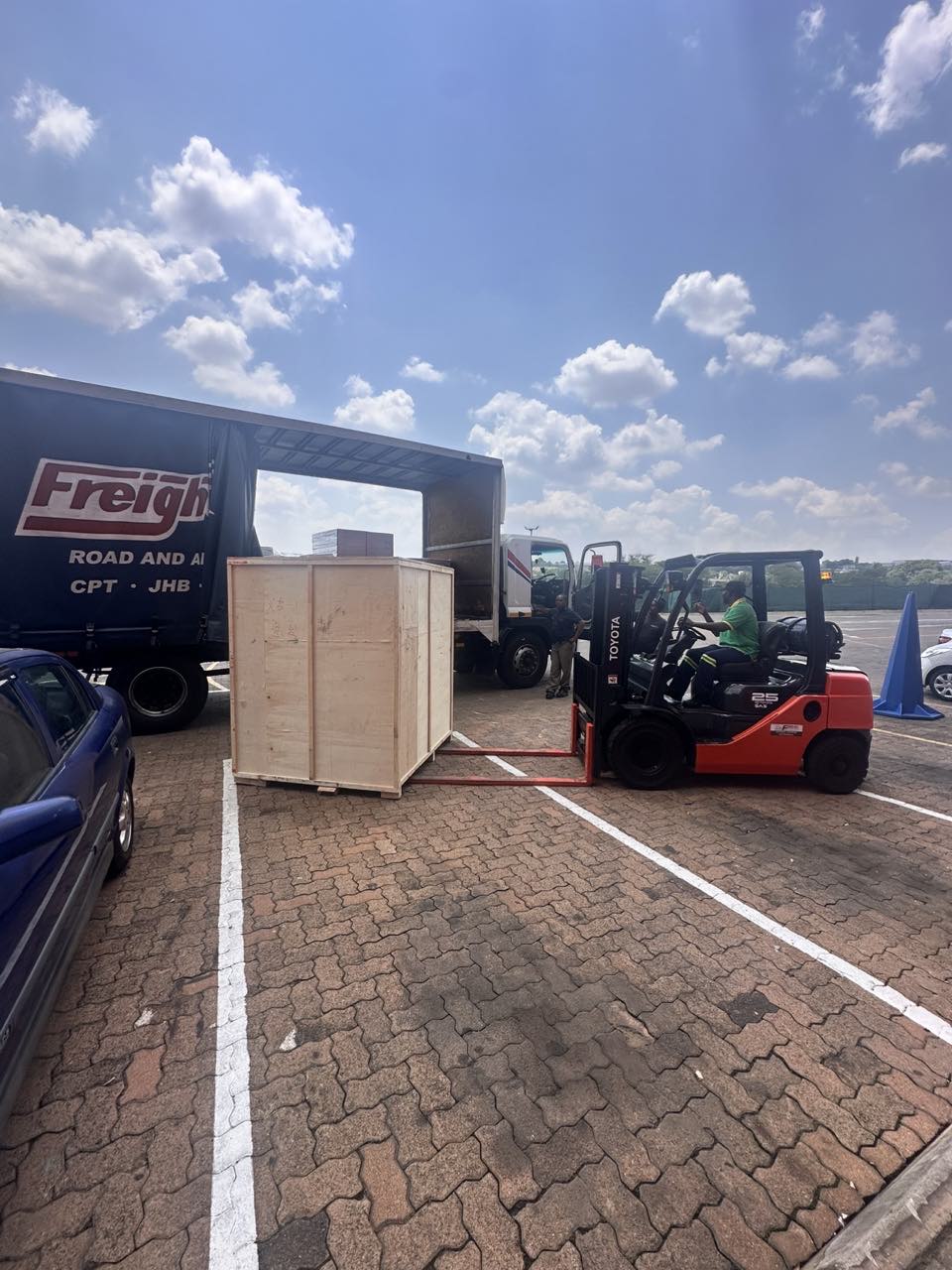
order collection
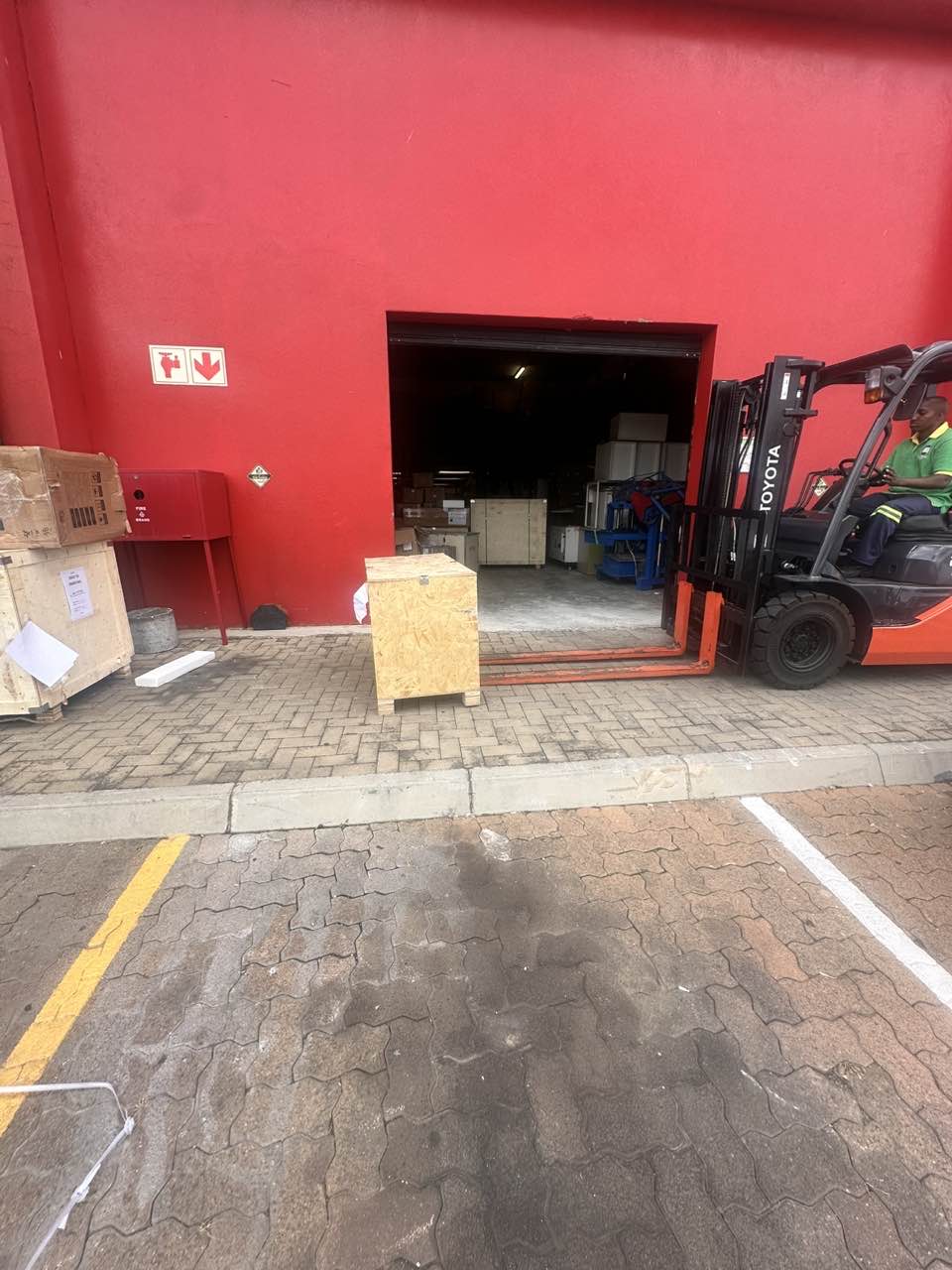
order offloading