B21, China Town Mall, Midrand

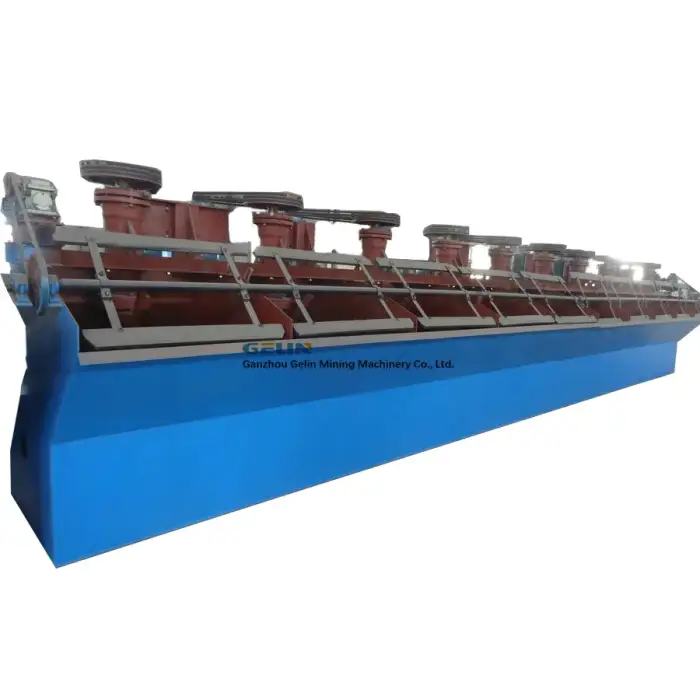
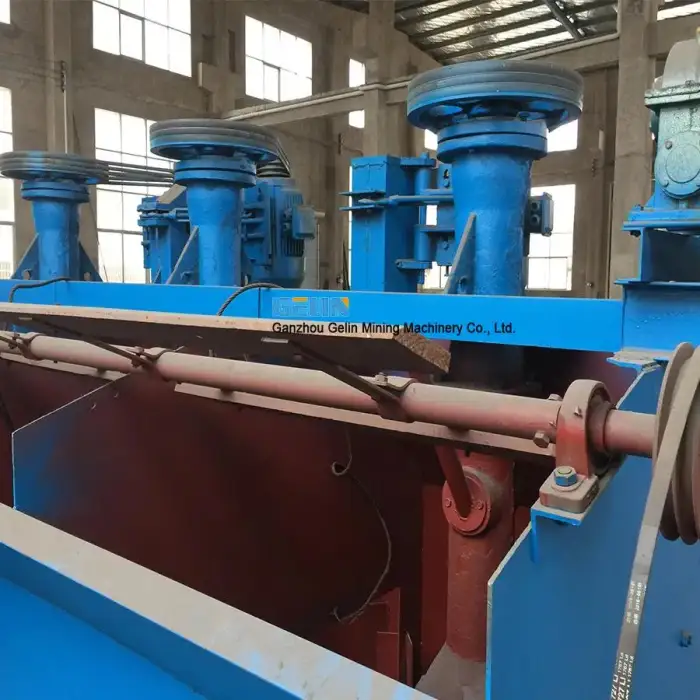
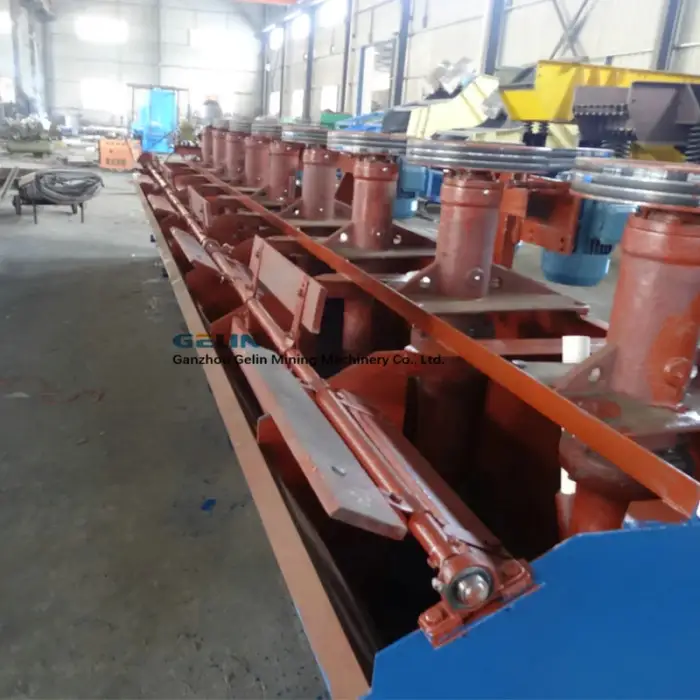
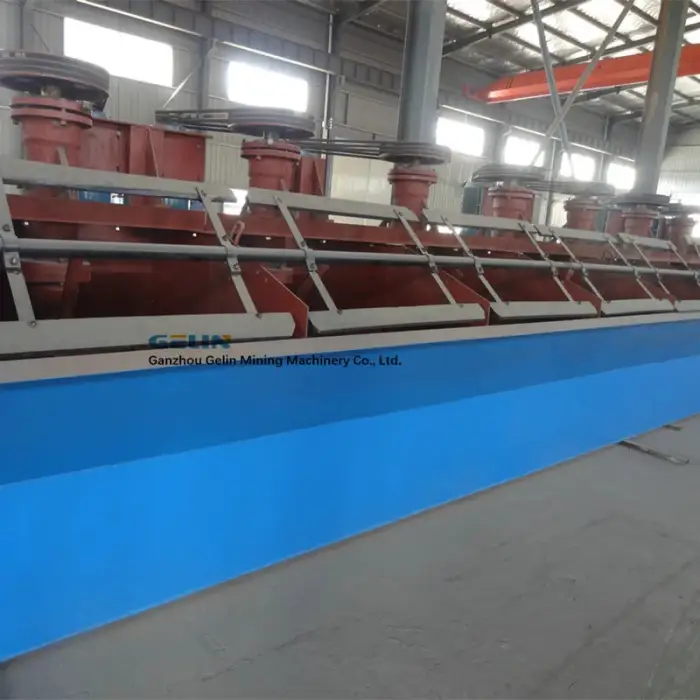
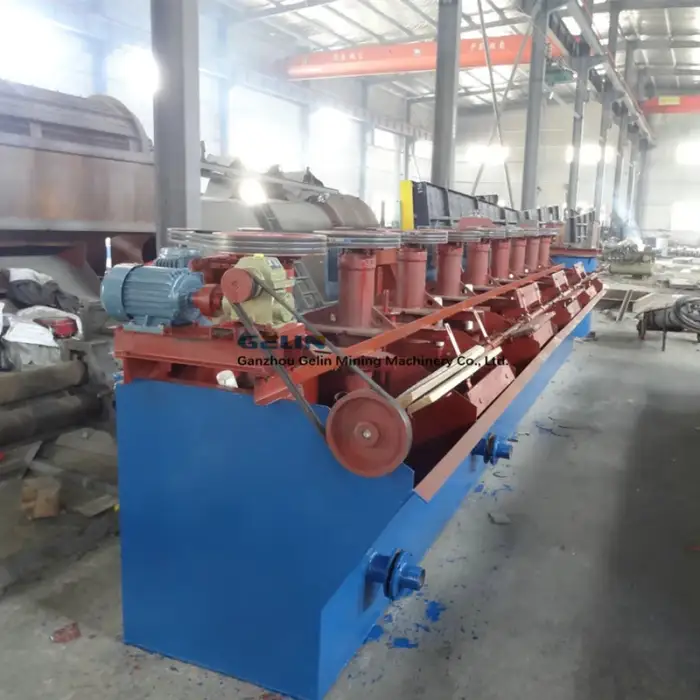
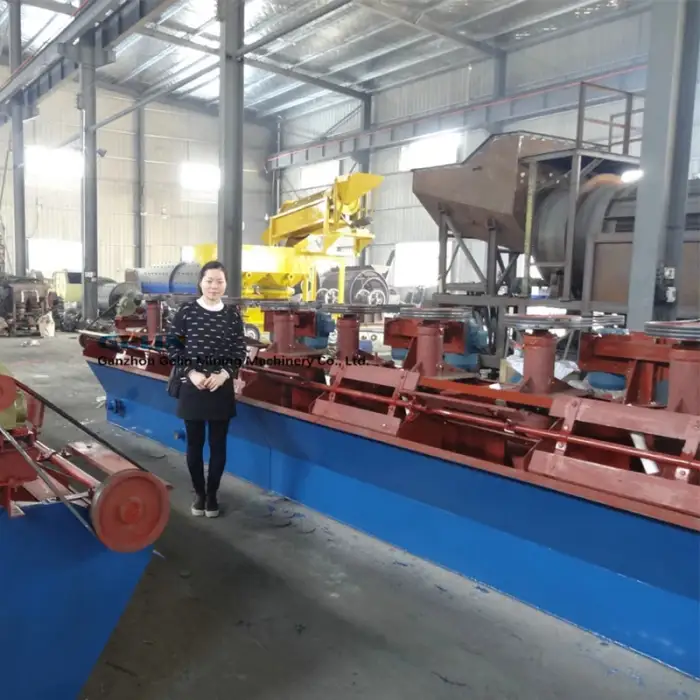
Flotation method quartz zinc & lead beneficiation plant
Asset finance available
Do you want funding for this equipment?
Afrimart can connect you with trusted funding partners who specialise in asset finance for businesses like yours. Compare options and apply in minutes — final approval is subject to provider review.
Check funding options
Secure & no obligation

- Section : Machinery
- Category : Mining Machinery
- SKU : 1600351055025

Products Description
Flotation method quartz zinc & lead beneficiation plant

Flotation machine is the equipment to complete the flotation process, which is also called flotation cell. It is widely used for the rough, fine and reverse flotation operations of copper, lead, zinc, nickel, molybdenum and other non-ferrous metal, ferrous metal and nonmetal minerals. The types of flotation machine mainly include mechanical agitation flotation machine and froth agitation flotation machine.

Features
1. Large air suction volume, low power consumption;2. Long service life of wear parts;3.Each cell with air suction, slurry suction, flotation separation and flotation separation is easy to form flotation circle without any other accessory equipment, which is flexible to change process flow;4. The rational slurry circulation minimizes coarse sand sediments which is conducive to flotation of coarse particle5. Auto-control device of slurry volume contributes to flexible operating;6. Backward type Impeller with upper and lower leaves, the upper blade generates upper circulation the lower blade generates lower circulation;7. Mechanical stirring, self- air suction, self-slurry suction.


Working Principle
The impeller is rotated by V-belt of motor and produces negative pressure by centrifugal function. Enough air is sucked to mix slurry, and slurry mixes drug at the same time. Mineral sticks on bubble completely and floats on the surface of slurry to form mineralized bubble. Useful bubble is scraped out by adjusting flash-board height and controlling liquid surface.
The impellers and stators should be kept at a distance and should be changed when worn.The bearing in the pump should be maintained every three months.


| 1. Belt | 7. Partition Plate | 13.Air Inlet Pipe | 19.Flotation Machine |
| 2. Motor Wheel | 8. Flashboard | 14. Flotation Cel | 20. Scraper Blade |
| 3. Pulley | 9. outlet | 15.Guide Impe | 21.Scraper Device |
| 4. Bearing Seat | 10. Discharge Hopper | 16.Feeding Branch Pipe | 22.Scraper Drive |
| 5. Motor | 11. Rotor | 17.Feeding Pipe | |
| 6. Screw Lifter | 12.Flotation Column | 18.Branch Inlet |
Product Parameter
| Model | Volume (m3) | Cell size (mm) | Impeller Dia. (mm) | Impeller speed (r/min) | Capacity (m3/min) | Power (kw) | Singe cell weight (kg) |
| XJ-3 | 0.35 | 700× 700× 700 | 300 | 483 | 0.18-0.4 | 2.2/0.55 | 430 |
| XJ-6 | 0.62 | 820× 900× 850 | 350 | 400 | 0.3-0.9 | 3/1.1 | 755 |
| XJ-11 | 1.1 | 1100× 1100× 1000 | 500 | 330 | 0.6-1.6 | 5.5/1.1 | 1416 |
| XJ-28 | 2.8 | 1750× 1600× 1100 | 600 | 280 | 1.5-3.5 | 11/1.1 | 2113 |
| XJ-58 | 5.8 | 2200× 2200× 1200 | 750 | 240 | 3--7 | 22/1.5 | 3400 |
| SF-0.37 | 0.37 | 700× 700× 750 | 296 | 386 | 0.2-0.4 | 1.5/0.55 | 468 |
| SF-0.7 | 0.7 | 820× 900× 950 | 350 | 400 | 0.3-0.9 | 3/1.1 | 805 |
| SF-1.2 | 1.2 | 1100× 1100× 1100 | 450 | 312 | 0.6-1.2 | 5.5/1.1 | 1373 |
| SF-2.8 | 2.8 | 1700× 1600× 1150 | 550 | 268 | 1.5-3.5 | 11/1.5 | 2138 |
| SF-4 | 4 | 1850× 2050× 1200 | 650 | 220 | 2--4 | 15/1.5 | 2582 |
| SF-8 | 8 | 2200× 2900× 1400 | 760 | 191 | 4--8 | 30/1.5 | 4129 |
| SF-10 | 10 | 2200× 2900× 1700 | 760 | 191 | 5--10 | 30/1.5 | 4486 |
| SF-16 | 16 | 2850× 3800× 1700 | 760 | 191 | 5--16 | 30× 2/1.5 | 8320 |
| SF-20 | 20 | 2850× 3800× 2000 | 760 | 191 | 5--20 | 30× 2/1.5 | 9828 |
- Shipping Timeframes: All orders are processed within 2-5 business days (excluding weekends and holidays). After your order has been processed, the estimated delivery time is before 04 Aug, 2026, depending on customs, Please note that due to high demand, some items may experience longer shipping times, which will be communicated at order confirmation email.
- Order Processing Time: Please allow 2-5 business days for us to process your order before it is shipped . Orders placed after 16:00 on Fridays, or during weekends and public holidays, will begin processing on the next business day. Processing times may be extended during peak seasons or sales events.
- Manufacturing Time: Some products needs manufacturing time, the manufacturing process will take approximately 10-30 business days depending on the product. This timeframe may vary depending on the complexity of the product and current demand. but this will be communicated with you during order confirmation.
- Returns and Exchanges: We offer a 30-day return policy for most items. If you are not completely satisfied with your purchase, you may return it within 30 days of receipt for a refund or exchange. Items must be unused, in their original packaging, and accompanied by proof of purchase. Return shipping costs are the responsibility of the customer, unless the item was damaged or defective upon arrival.
1. What is the flotation method used in this beneficiation plant?
The flotation method involves using flotation machines to separate minerals based on their surface properties. Air bubbles are introduced into the slurry, allowing valuable minerals to attach to the bubbles and float to the surface for collection.
2. What types of minerals can be processed with this flotation plant?
This flotation plant is suitable for processing non-ferrous metals like copper, lead, zinc, nickel, and molybdenum, as well as ferrous metals and non-metal minerals.
3. How does the flotation machine operate?
The flotation machine operates by rotating an impeller that creates negative pressure, allowing air to be sucked in and mixed with the slurry. This process facilitates the attachment of minerals to air bubbles, which then rise to the surface.
4. What are the main features of the flotation machine?
Key features include large air suction volume, low power consumption, long service life of wear parts, and the ability to form a flotation circle without additional equipment, allowing for flexible process changes.
5. What maintenance is required for the flotation machine?
Regular maintenance includes checking and replacing impellers and stators when worn, as well as maintaining the pump bearings every three months to ensure optimal performance.
6. Can the flotation machine be used for both rough and fine flotation?
Yes, the flotation machine is designed for rough, fine, and reverse flotation operations, making it versatile for different processing needs.
7. What is the capacity range of the flotation cells?
The flotation cells have varying capacities, ranging from 0.2 to 3.5 m3/min, depending on the specific model.
8. What types of flotation machines are available?
There are mechanical agitation flotation machines and froth agitation flotation machines available, each suitable for different operational needs.
9. What is the power consumption like for these flotation machines?
The power consumption is low, with models consuming between 0.5 to 30 kW, depending on the cell size and capacity.
10. What is the significance of the auto-control device in the flotation machine?
The auto-control device of slurry volume enhances operational flexibility, allowing for better control over the flotation process.
11. How does the flotation machine manage coarse particle flotation?
The rational slurry circulation minimizes coarse sand sediments, which promotes effective flotation of coarse particles.
12. What are the dimensions of the flotation cells?
The dimensions of the flotation cells vary by model, for example, the XJ-30 model has dimensions of 700×700×700 mm.
13. Is training available for operating the flotation plant?
Yes, training is typically provided to ensure operators understand the equipment and its maintenance requirements for optimal performance.
14. What materials are used for wear parts in the flotation machines?
Wear parts are constructed from durable materials designed to withstand the abrasive nature of the flotation process and ensure a long service life.
15. Can the flotation process be adjusted based on the mineral being processed?
Yes, the flotation process can be adjusted, including the air and slurry input rates, to optimize the separation efficiency for different minerals.
Latest Order Arrivals
Discover our latest orders
12 Heads Embroidery Machine
Toilet Paper Machine Machine
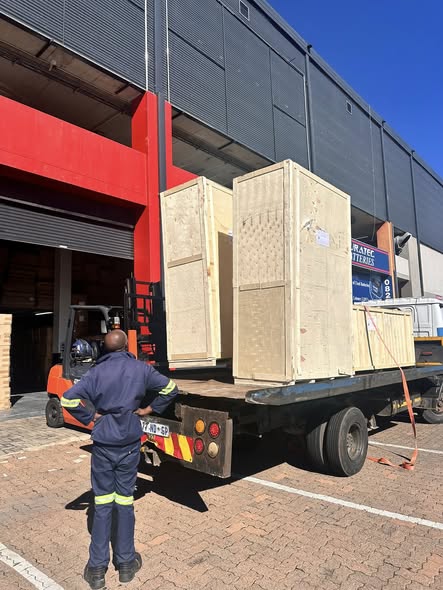
Order Collection
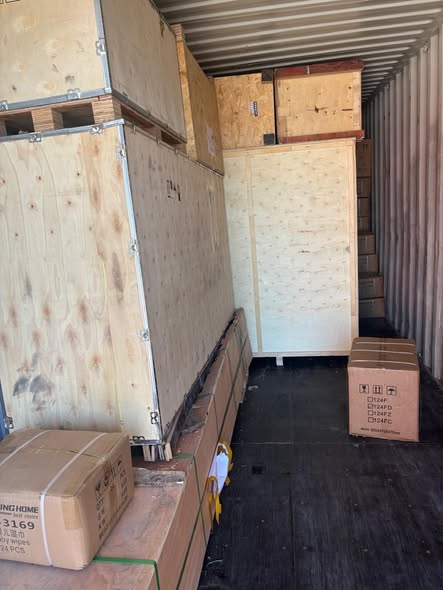
Cross Border Clients
Order cros border countries Collected
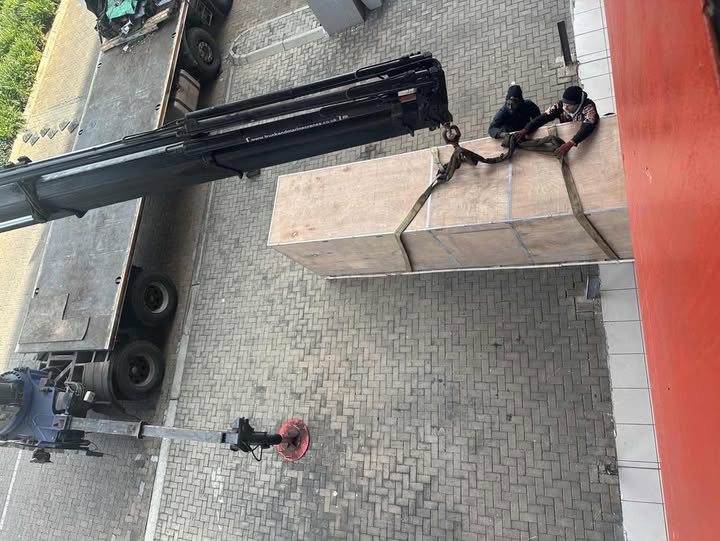
Industrial Machine Cllection
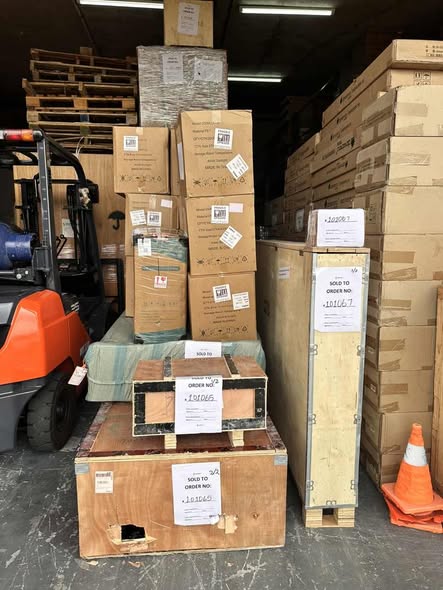
Agriculture Processing Machines
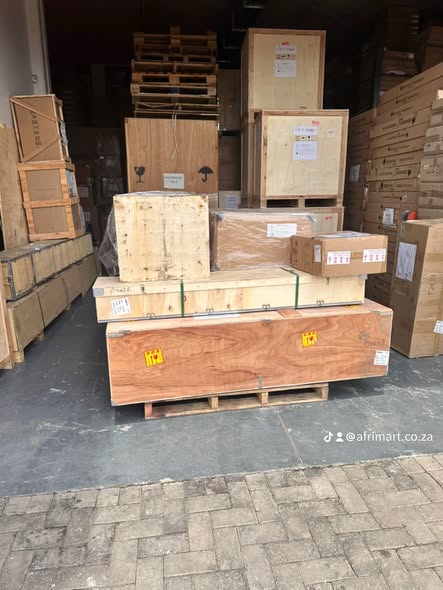
Ready for collection
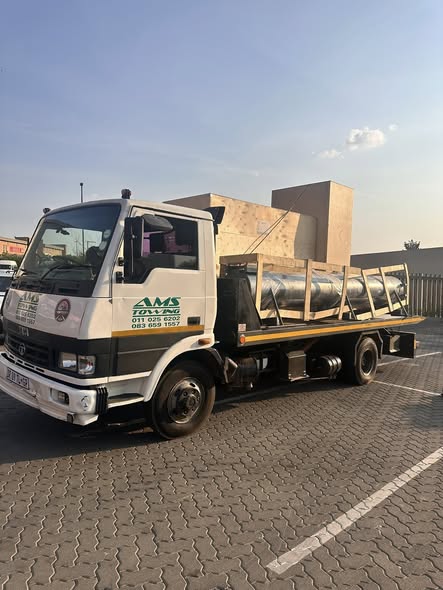
Water Pump Equipment
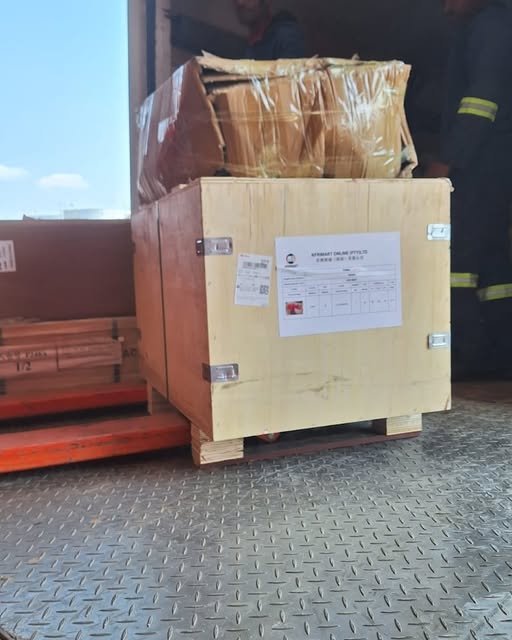
Packaging Machine and accessories
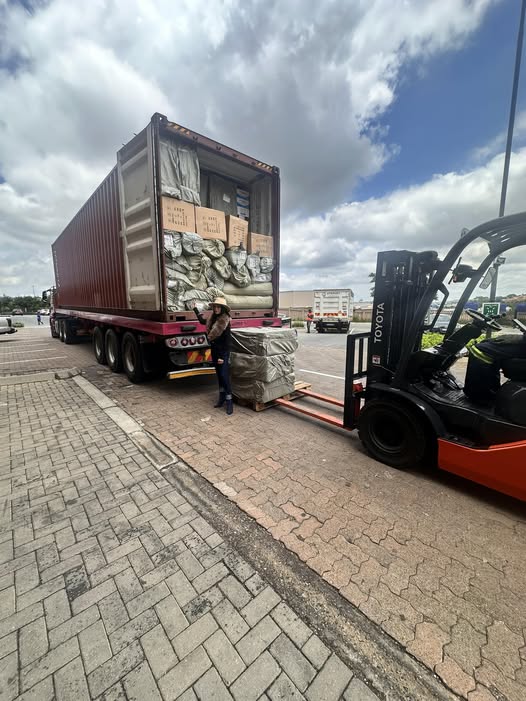
Fabrics Manufacturing Equipment
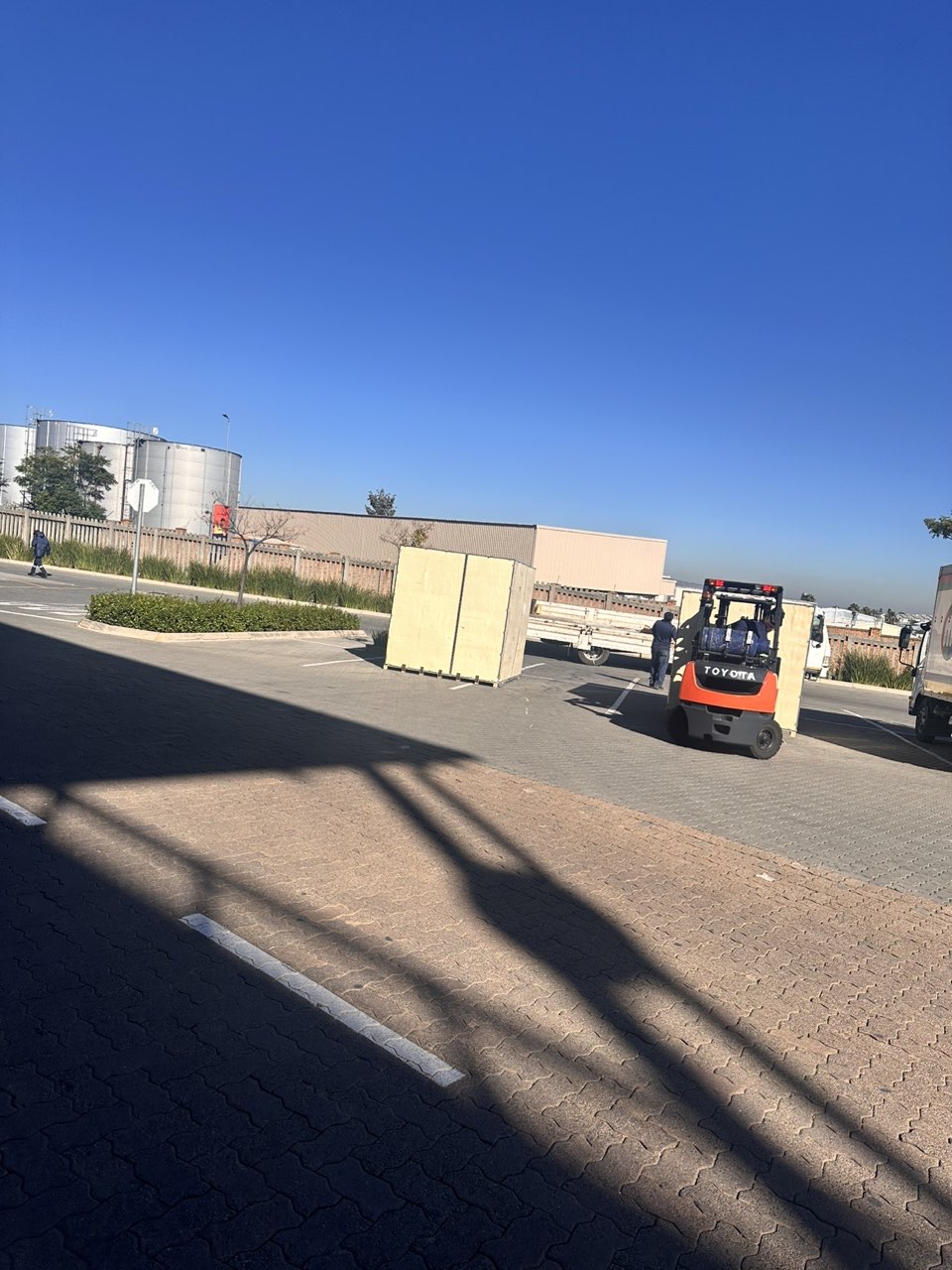
Mining Equipments
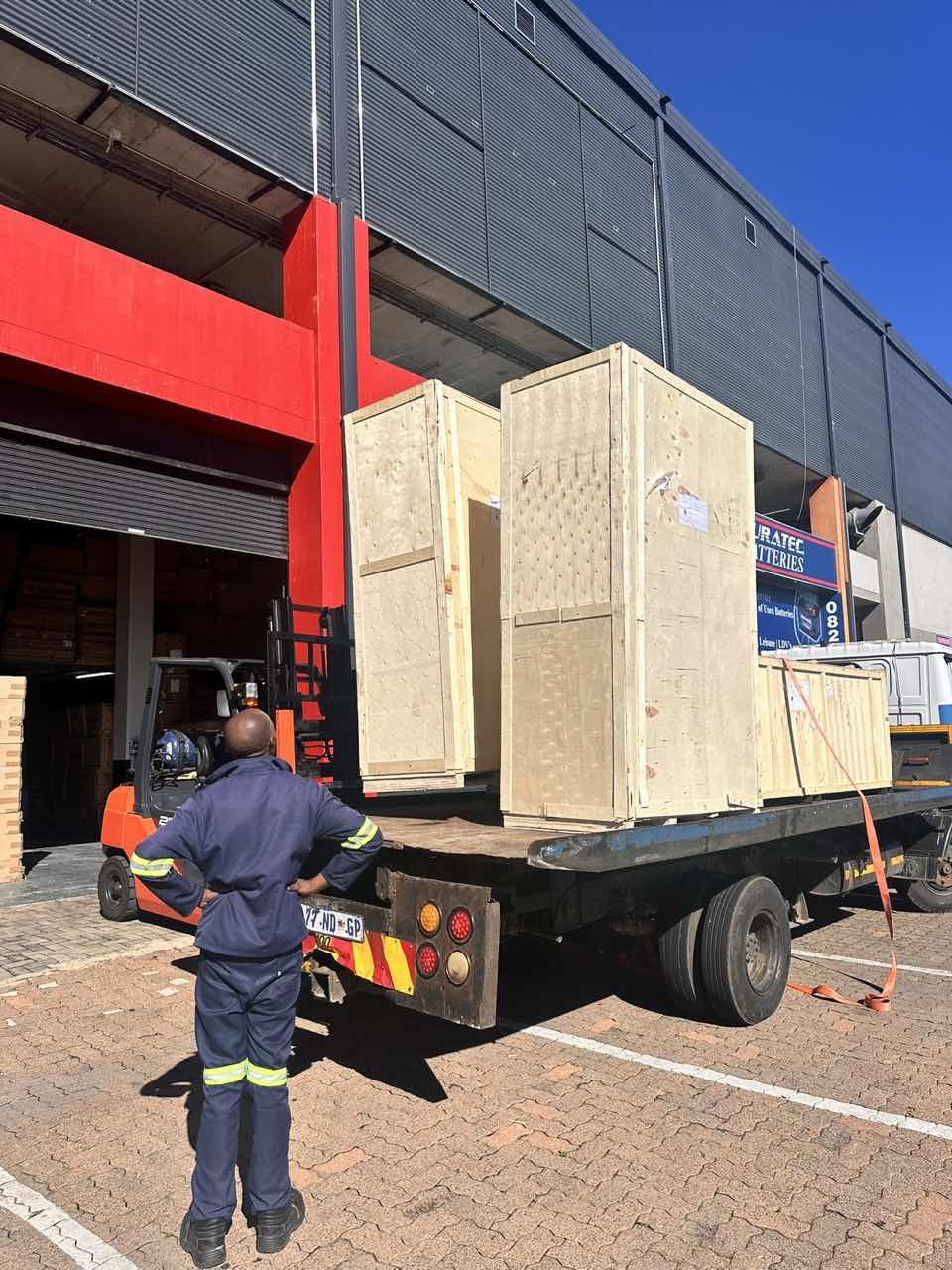
Food Processing Machine
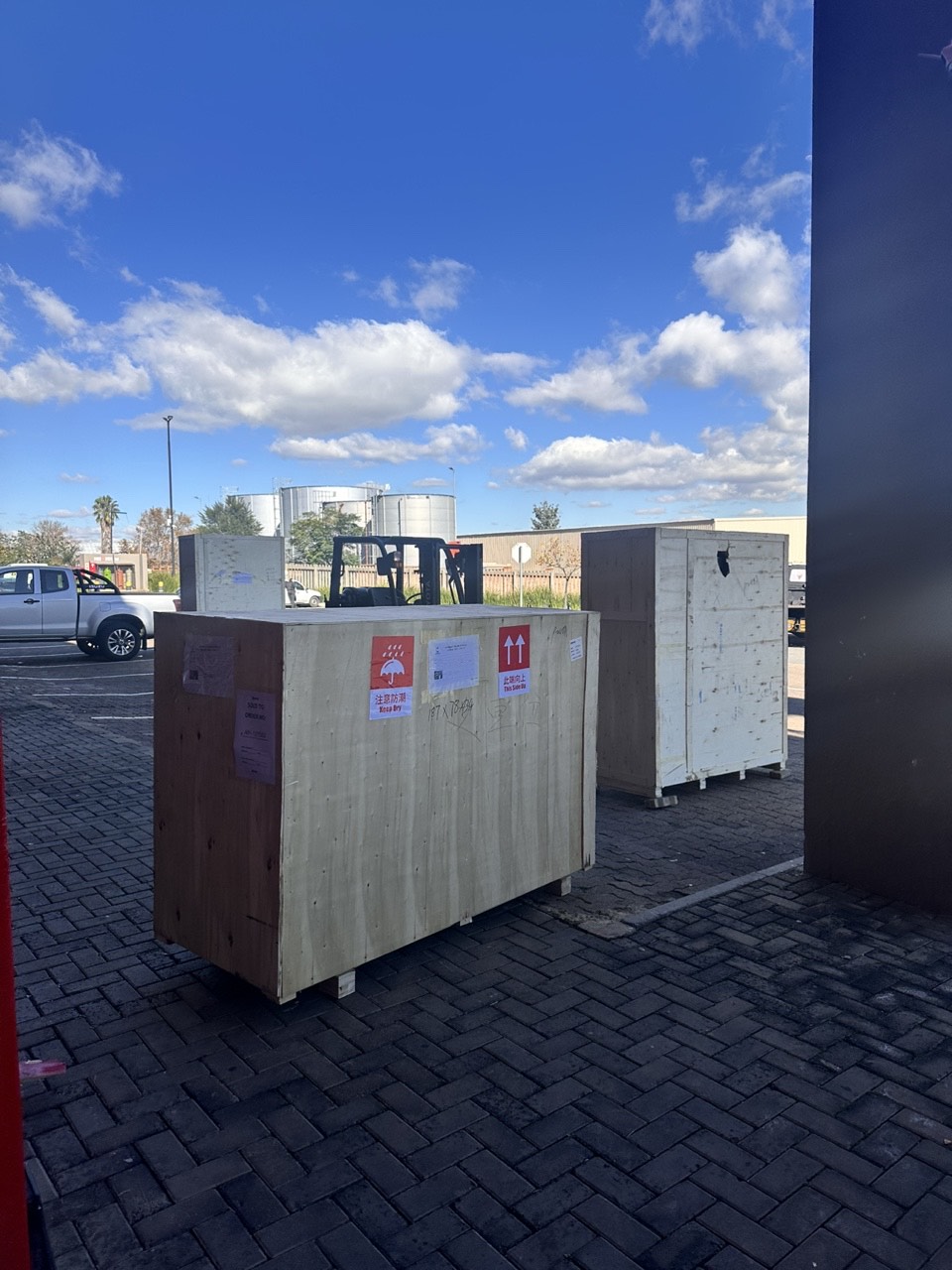
Batch of Orders
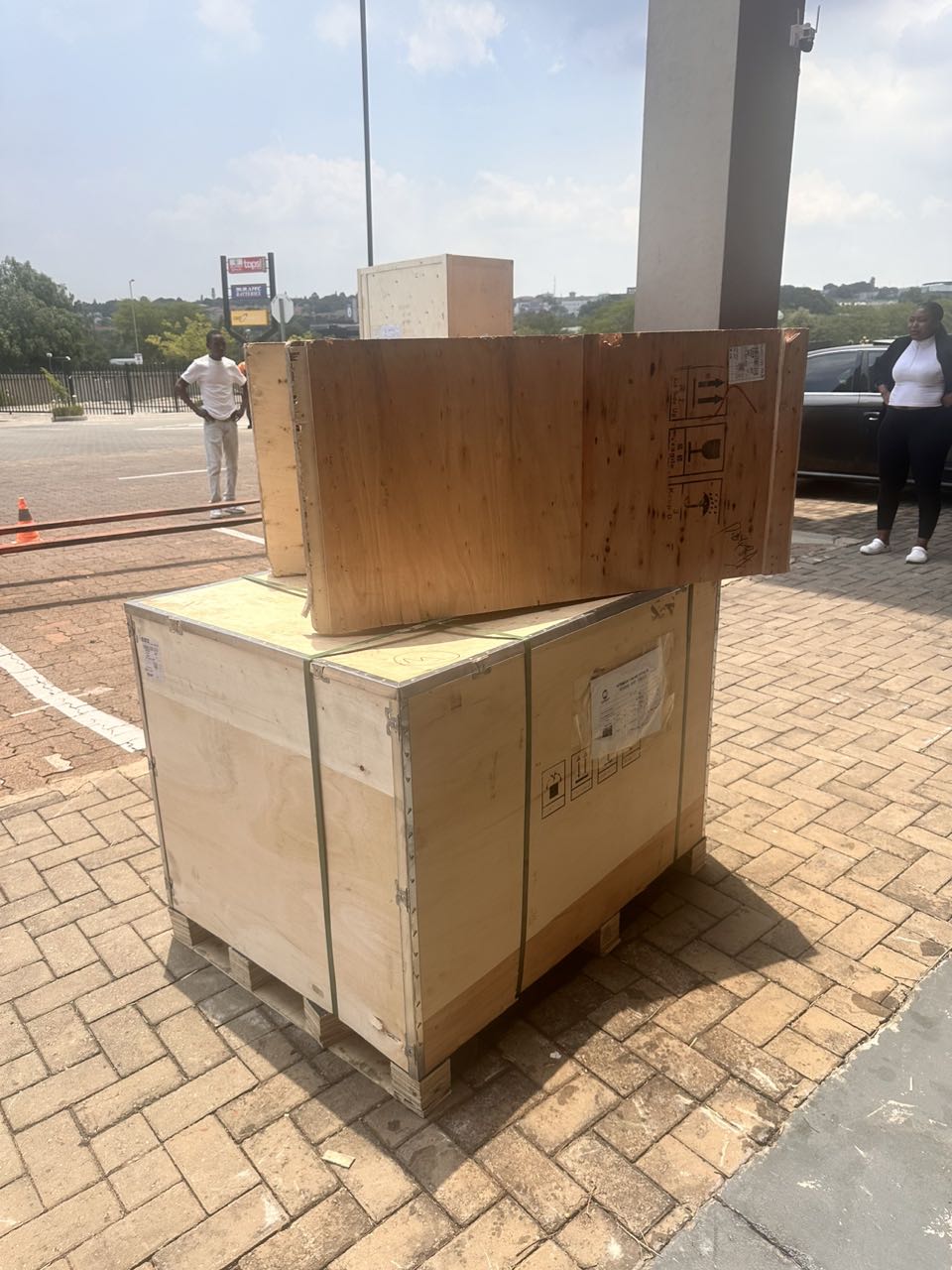
Batch of Orders
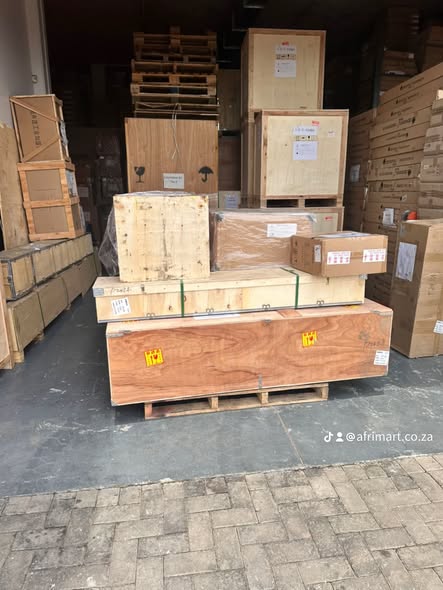
Latest Orders Labelled
wheel alignment machines
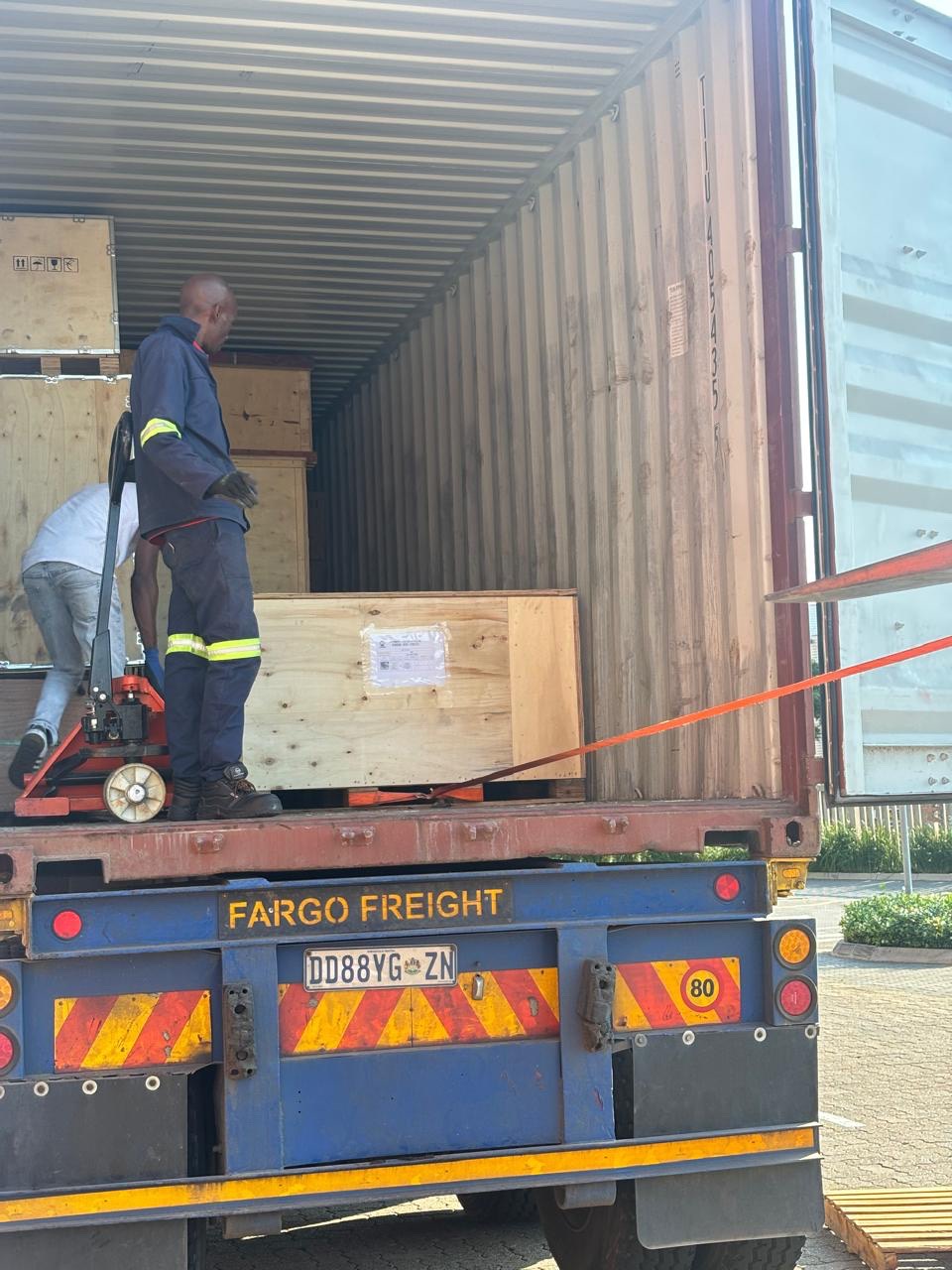
new arrivals
Pre Orders Offloading
Latest Arrivals
Latest Arrivals
Latest Arrivals
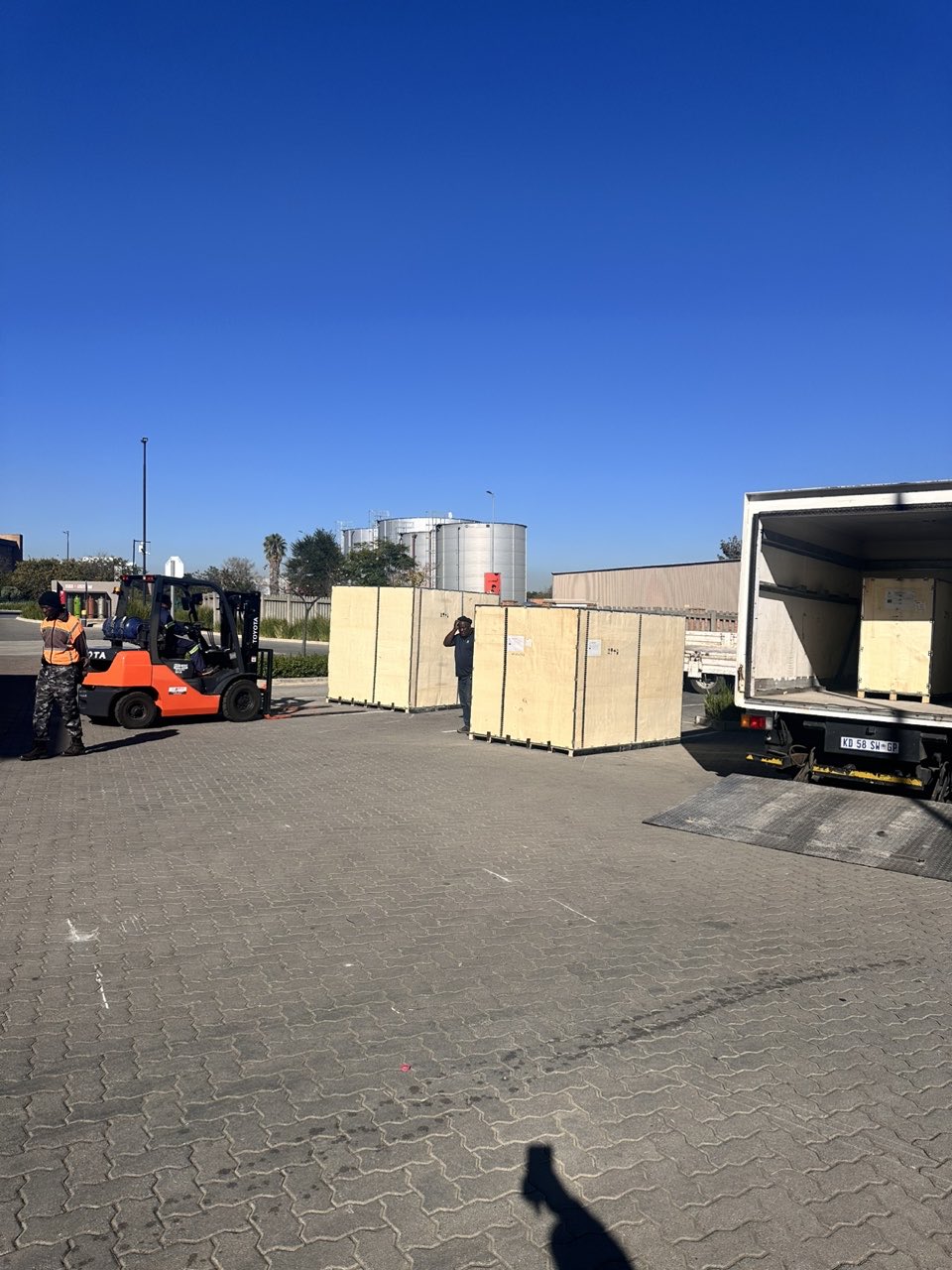
Loading
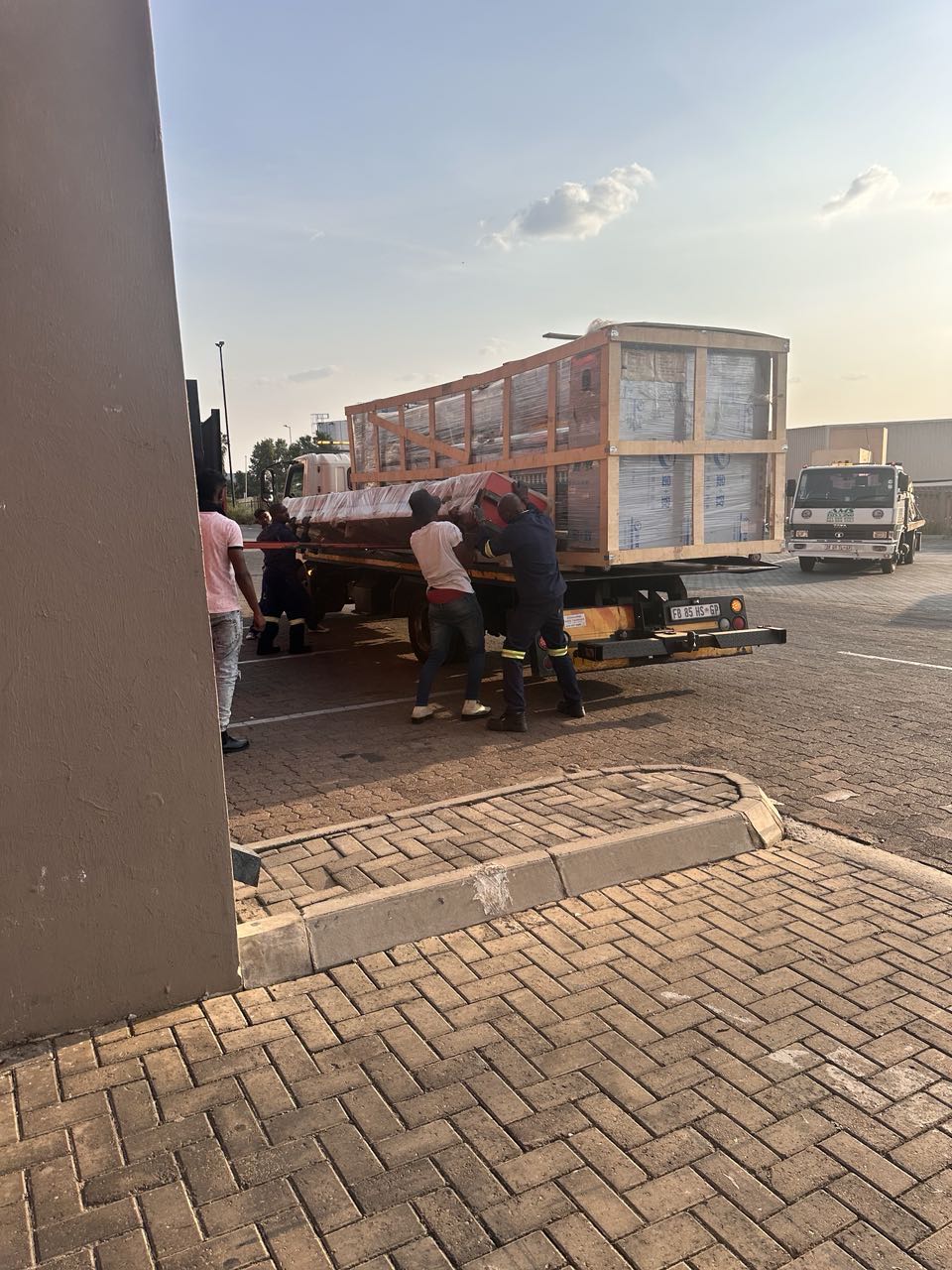
Toilet paper making machine
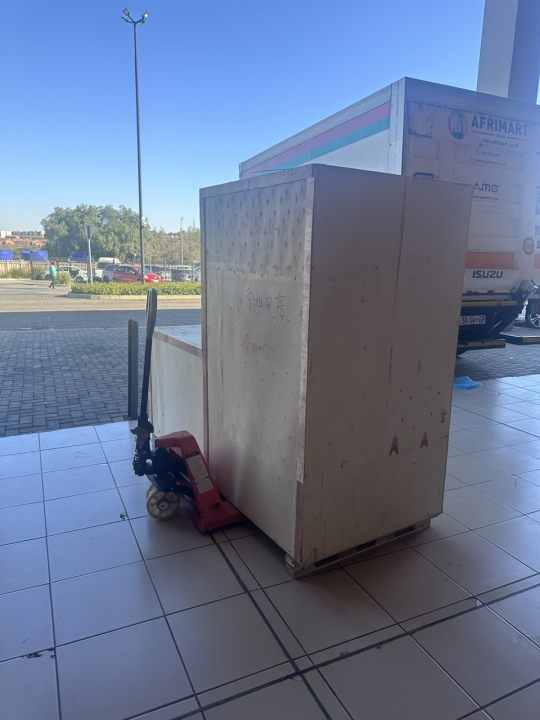
Toilet paper making machine
Toilet paper Rewinding Machine
latest arrivals
offloading
order success
order collection
order offloading