B21, China Town Mall, Midrand


Ffp3 2D KN95 N95 Mask Machine Disposable Automatic N95 Mask Making Machinery
Asset finance available
Do you want funding for this equipment?
Afrimart can connect you with trusted funding partners who specialise in asset finance for businesses like yours. Compare options and apply in minutes — final approval is subject to provider review.
Check funding options
Secure & no obligation

- Section : Machinery
- Category : Textile Machinery
- SKU : 1600332683633

Ffp3 2D KN95 N95 Mask Machine Disposable Automatic N95 Mask Making Machinery
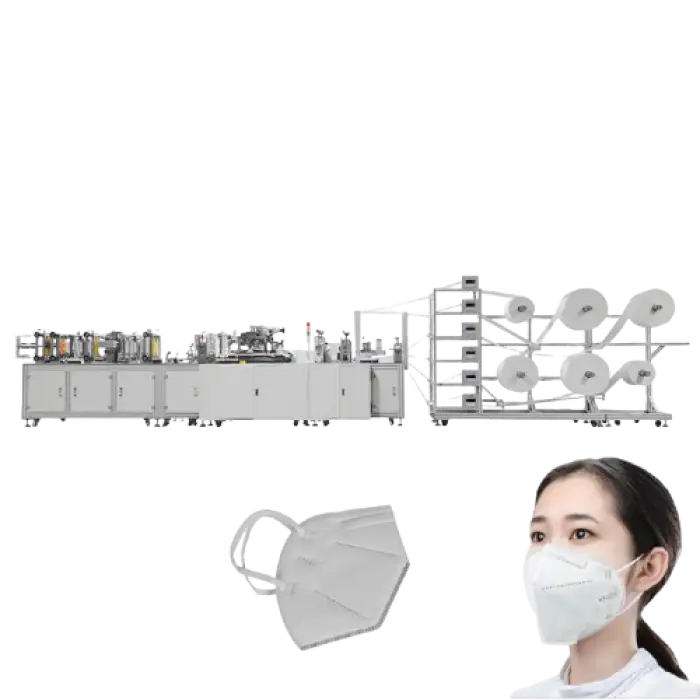
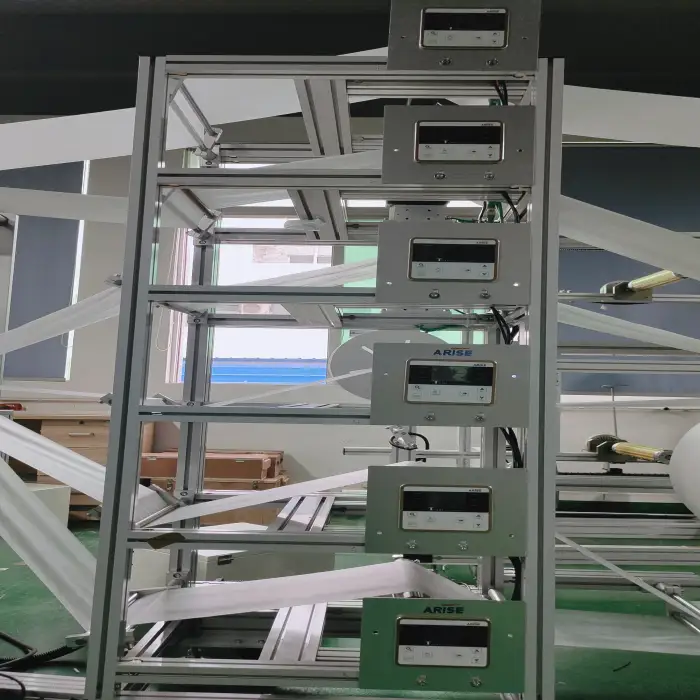
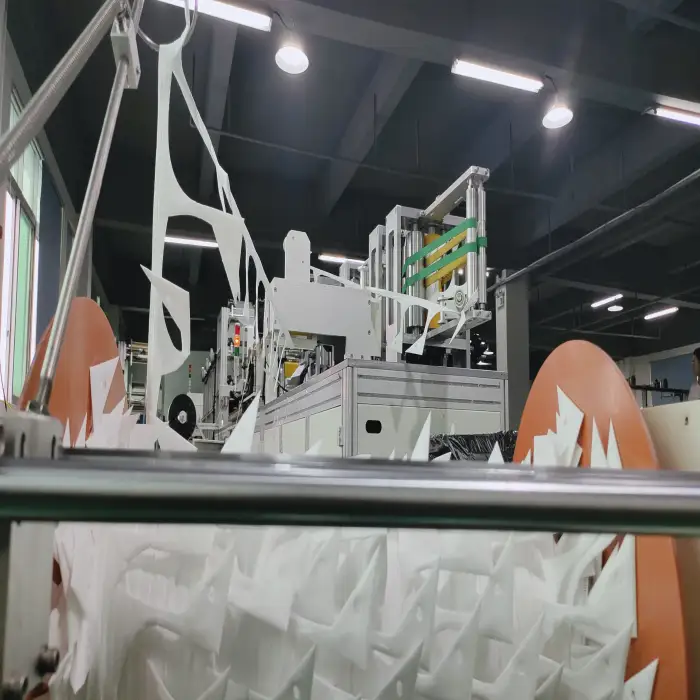
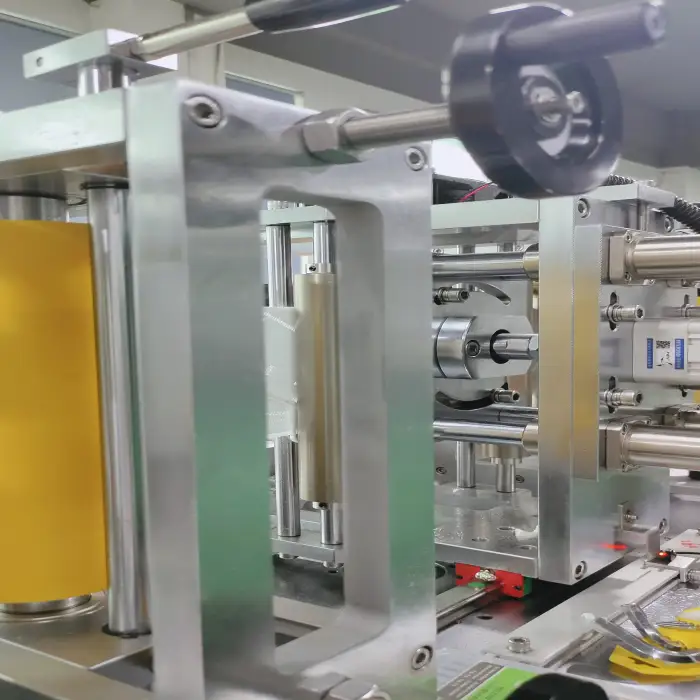
The Ffp3 2D KN95 N95 Mask Machine is a state-of-the-art solution for producing high-quality KN95 masks. This fully automatic machine is designed to meet the growing demand for masks made from non-woven fabrics. With its high speed and efficiency, it ensures a qualification rate of 95%. The machine is suitable for various mask types and is easy to operate, making it perfect for businesses looking to enhance their production capabilities.
Specifications
| Attribute | Details |
|---|---|
| Voltage | 220V, 380V |
| Mask Types | KN95 |
| Mask Material | Non-woven Fabrics |
| Automatic Grade | Full-automatic |
| Power (W) | 10 W |
| Weight (KG) | 1800 |
| Brand Name | GOSUNM |
| Dimension (L*W*H) | L9300*W1500*H2000mm |
| Key Selling Points | High speed, 95% qualification rate |
| Raw Material | Non-Woven Material, Melt blown cloth |
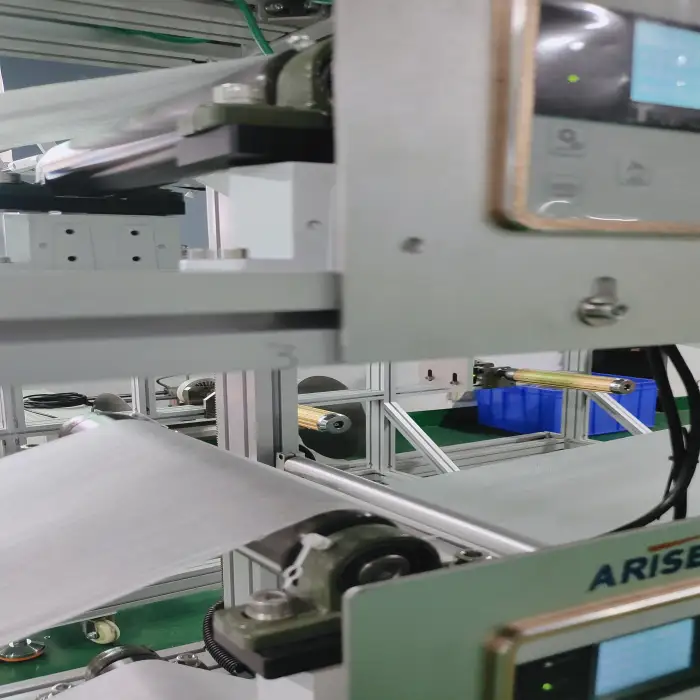
| Control Panel | Man-machine Interface |
| Application | Nonwoven Fabric Disposable Machine |
Key Features
- High speed operation for efficient mask production.
- Full-automatic design for easy use.
- High pass rate of 95% for reliable mask quality.
- Whole servo control for precise performance.
- Suitable for making KN95 medical masks.
Applications
- Manufacturing KN95 masks for healthcare workers.
- Producing disposable masks for industrial use.
- Meeting the demand for personal protective equipment.
- Enhancing mask production in response to public health needs.
- Supporting businesses in the fight against airborne diseases.
Product Info Gallery
- Shipping Timeframes: All orders are processed within 2-5 business days (excluding weekends and holidays). After your order has been processed, the estimated delivery time is before 03 Aug, 2026, depending on customs, Please note that due to high demand, some items may experience longer shipping times, which will be communicated at order confirmation email.
- Order Processing Time: Please allow 2-5 business days for us to process your order before it is shipped . Orders placed after 16:00 on Fridays, or during weekends and public holidays, will begin processing on the next business day. Processing times may be extended during peak seasons or sales events.
- Manufacturing Time: Some products needs manufacturing time, the manufacturing process will take approximately 10-30 business days depending on the product. This timeframe may vary depending on the complexity of the product and current demand. but this will be communicated with you during order confirmation.
- Returns and Exchanges: We offer a 30-day return policy for most items. If you are not completely satisfied with your purchase, you may return it within 30 days of receipt for a refund or exchange. Items must be unused, in their original packaging, and accompanied by proof of purchase. Return shipping costs are the responsibility of the customer, unless the item was damaged or defective upon arrival.
1. What types of masks can this machine produce?
The machine is primarily designed for KN95-style masks. With appropriate tooling and configuration it can also be adapted to produce other cup/2D-folding respirator styles (N95/FFP2/FFP3-like designs), subject to mold/fixture changes and process validation.
2. What materials does the machine use?
It is built to process standard mask raw materials including non-woven fabrics and melt-blown cloth. Accessories such as nose clips and ear loops can be added during the production workflow.
3. What is the machine's qualification rate (yield)?
The machine is engineered for a high qualification rate and the specification lists a 95% qualification rate. Actual yield depends on raw material quality, mask design, and process settings.
4. Is the machine fully automatic?
Yes. It is a full-automatic system with whole-servo control and a man–machine interface for automated mask forming, welding and related operations.
5. What are the electrical and power requirements?
Standard available configurations are 220V or 380V. The specification lists power consumption as 10 W in the product data — confirm the required configuration and electrical details with the supplier prior to installation.
6. What are the machine dimensions and weight?
Overall dimensions are L9300 × W1500 × H2000 mm and the machine weight is approximately 1800 kg.
7. How fast does the machine produce masks (production capacity)?
The listing describes the machine as high speed, but actual output depends on mask design, materials, operator setup and downstream handling. Contact the supplier for typical pieces-per-minute and hourly production figures for your specific mask configuration.
8. Can the masks produced be certified as medical-grade or meet NIOSH/CE standards?
The machine can manufacture KN95-type masks, but mask certification (NIOSH N95, EU FFP, or other medical approvals) depends on material specifications, manufacturing controls and independent laboratory testing. Certification must be obtained through the appropriate testing authorities.
9. What installation and commissioning support is provided?
Installation, commissioning and operator training are typically provided by the manufacturer or distributor. Ask your supplier for details on on-site setup, training scope, and any travel or service fees.
10. What routine maintenance is required?
Routine tasks include cleaning forming and welding stations, checking and lubricating mechanical parts as recommended, inspecting electrical connections and replacing wear parts (e.g., cutters, belts, welding tips) on a scheduled basis. Follow the manufacturer's maintenance manual for intervals and procedures.
11. Are spare parts and consumables available?
Yes. Consumables and spare parts (cutters, welding heads, belts, sensors, etc.) are normally available from the manufacturer or authorised dealers. Ask for a parts list, lead times and recommended spare parts stock.
12. Is the machine easy to operate for new staff?
The machine features a man–machine interface and full-automatic operation designed for ease of use. However, trained operators are recommended for setup, troubleshooting and quality control. The supplier usually provides initial training.
13. Can the machine be customized or upgraded?
Yes. Many suppliers offer custom tooling, additional modules (e.g., automatic ear-loop feeders, packaging interfaces) and software or hardware upgrades to meet specific mask designs and production requirements. Discuss customization options with the vendor.
14. What are the typical warranty and after-sales support options?
Warranty terms and after-sales support vary by manufacturer and distributor. Common offerings include a limited warranty period, remote technical support and paid on-site service contracts. Confirm warranty length, coverage and response times with your supplier before purchase.
15. How do I get pricing, lead time and shipping information?
Contact the manufacturer or authorised dealer with your desired configuration, quantity and delivery location. They will provide quotations, lead times, packaging and shipping options, as well as information on payment terms and any installation services.
Latest Order Arrivals
Discover our latest orders
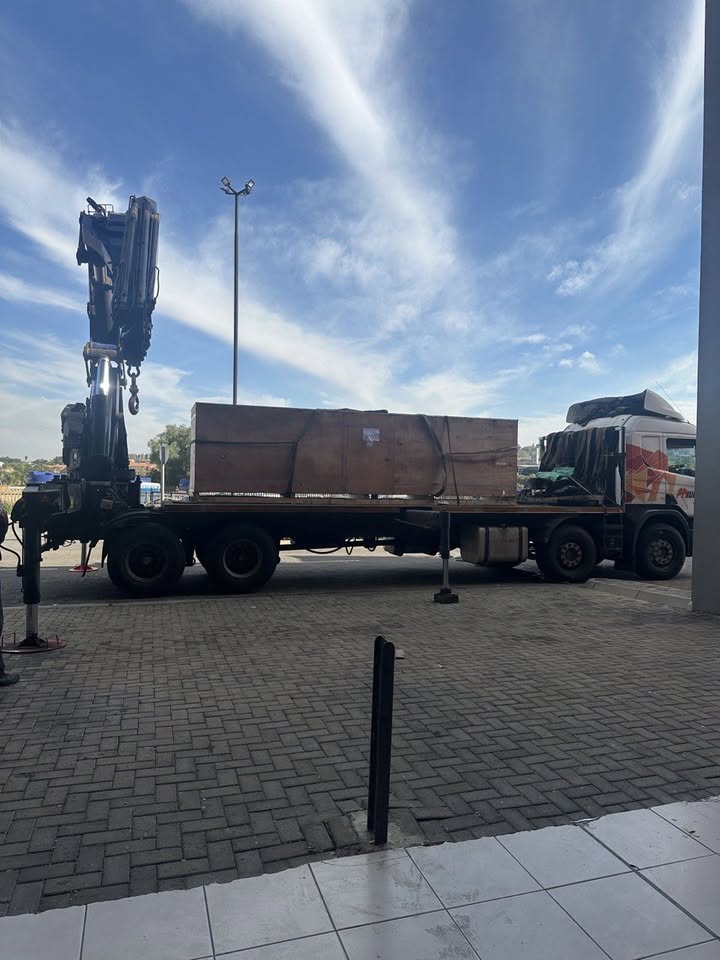
12 Heads Embroidery Machine
Toilet Paper Machine Machine
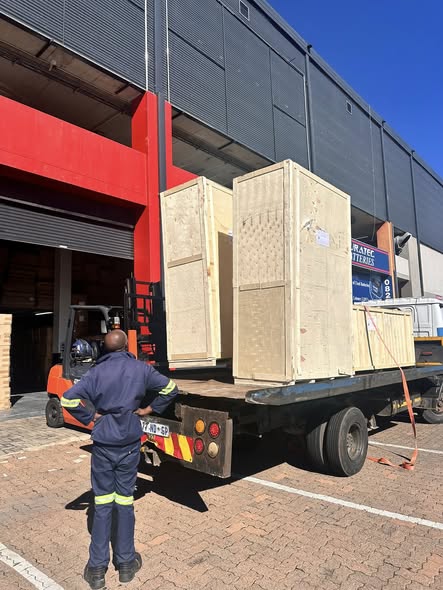
Order Collection
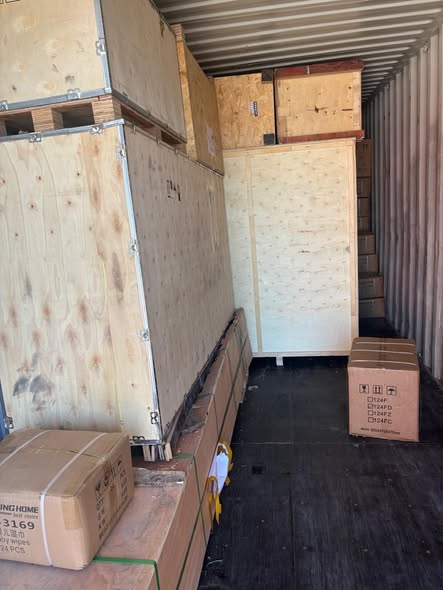
Cross Border Clients
Order cros border countries Collected
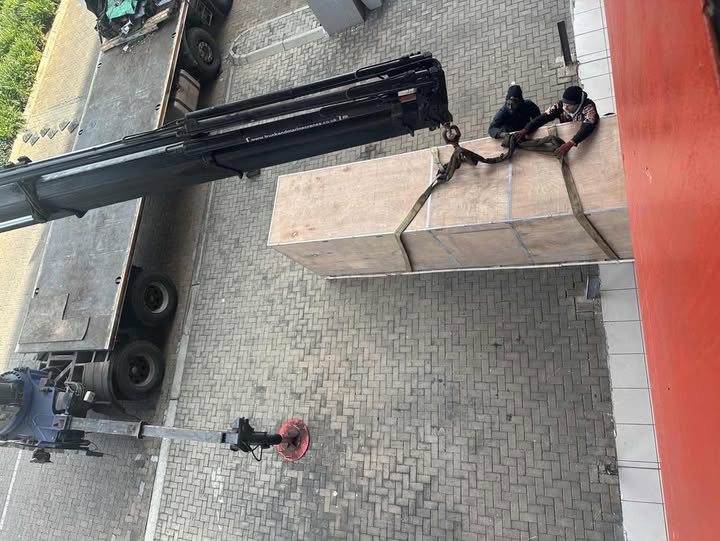
Industrial Machine Cllection
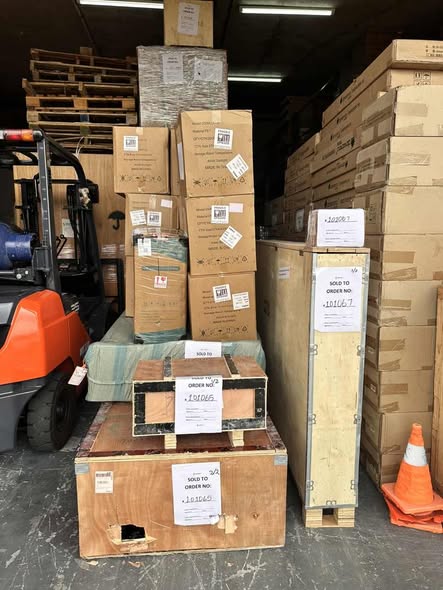
Agriculture Processing Machines
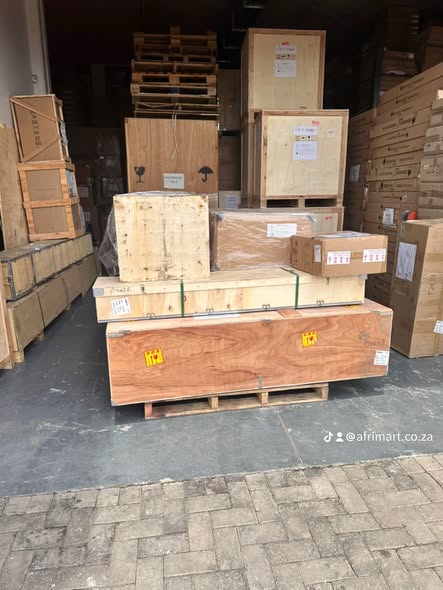
Ready for collection
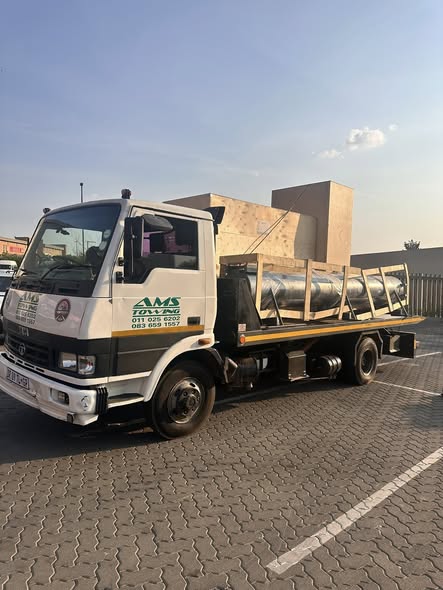
Water Pump Equipment
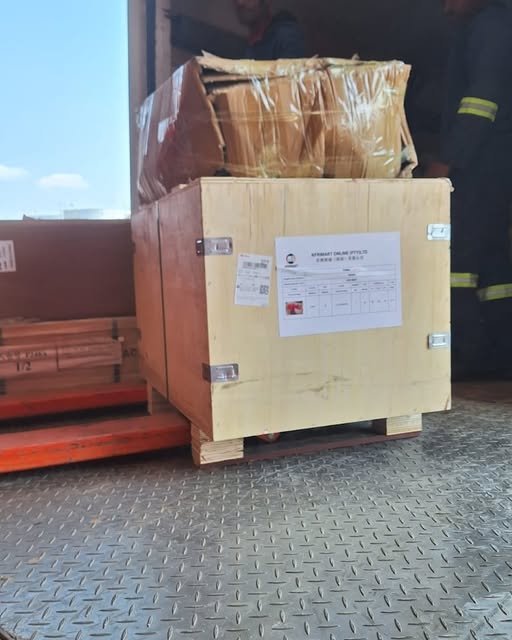
Packaging Machine and accessories
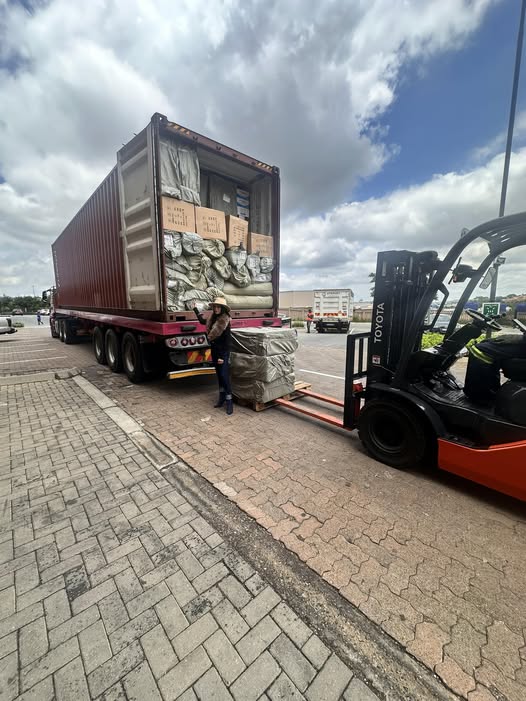
Fabrics Manufacturing Equipment
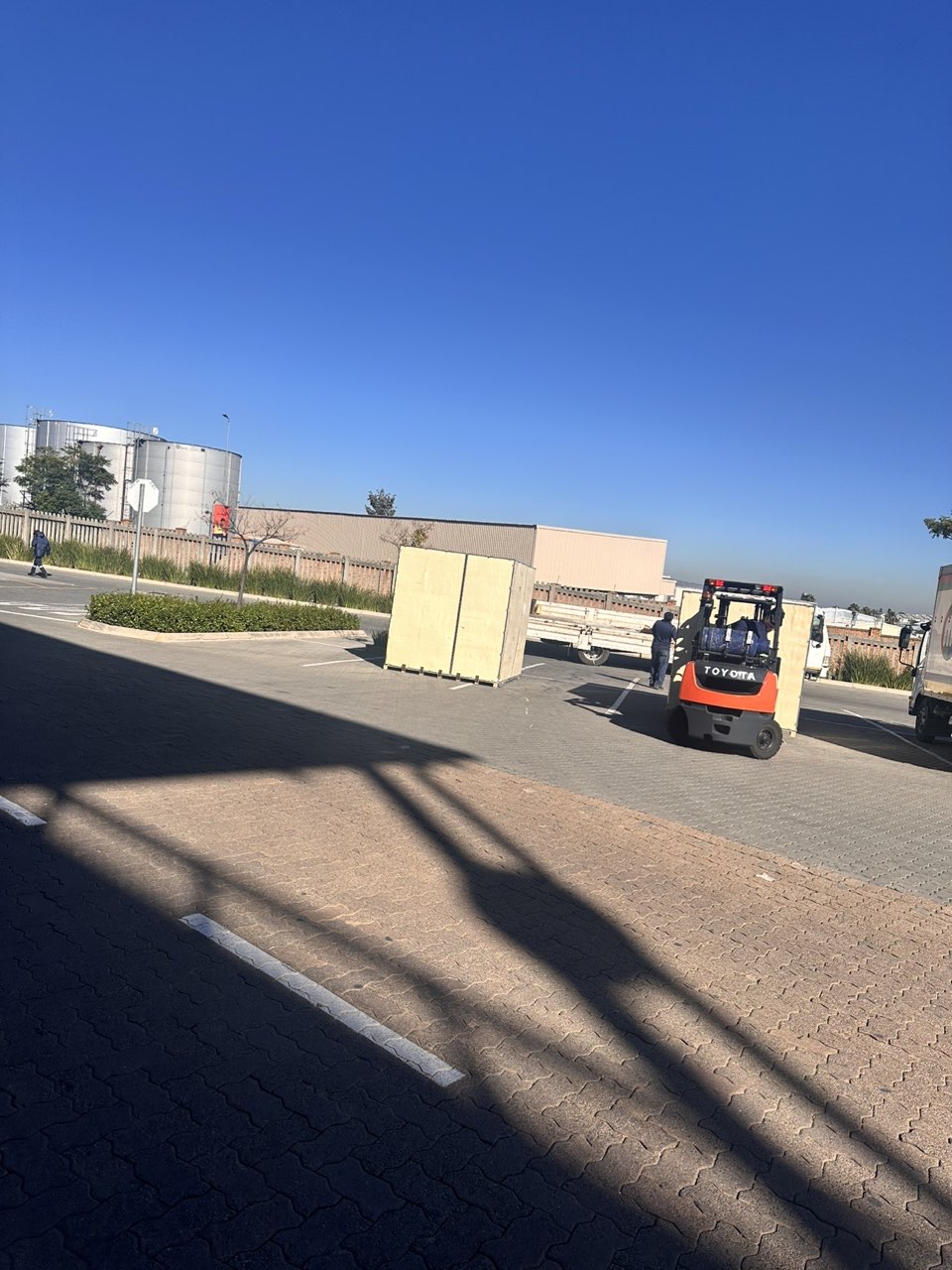
Mining Equipments
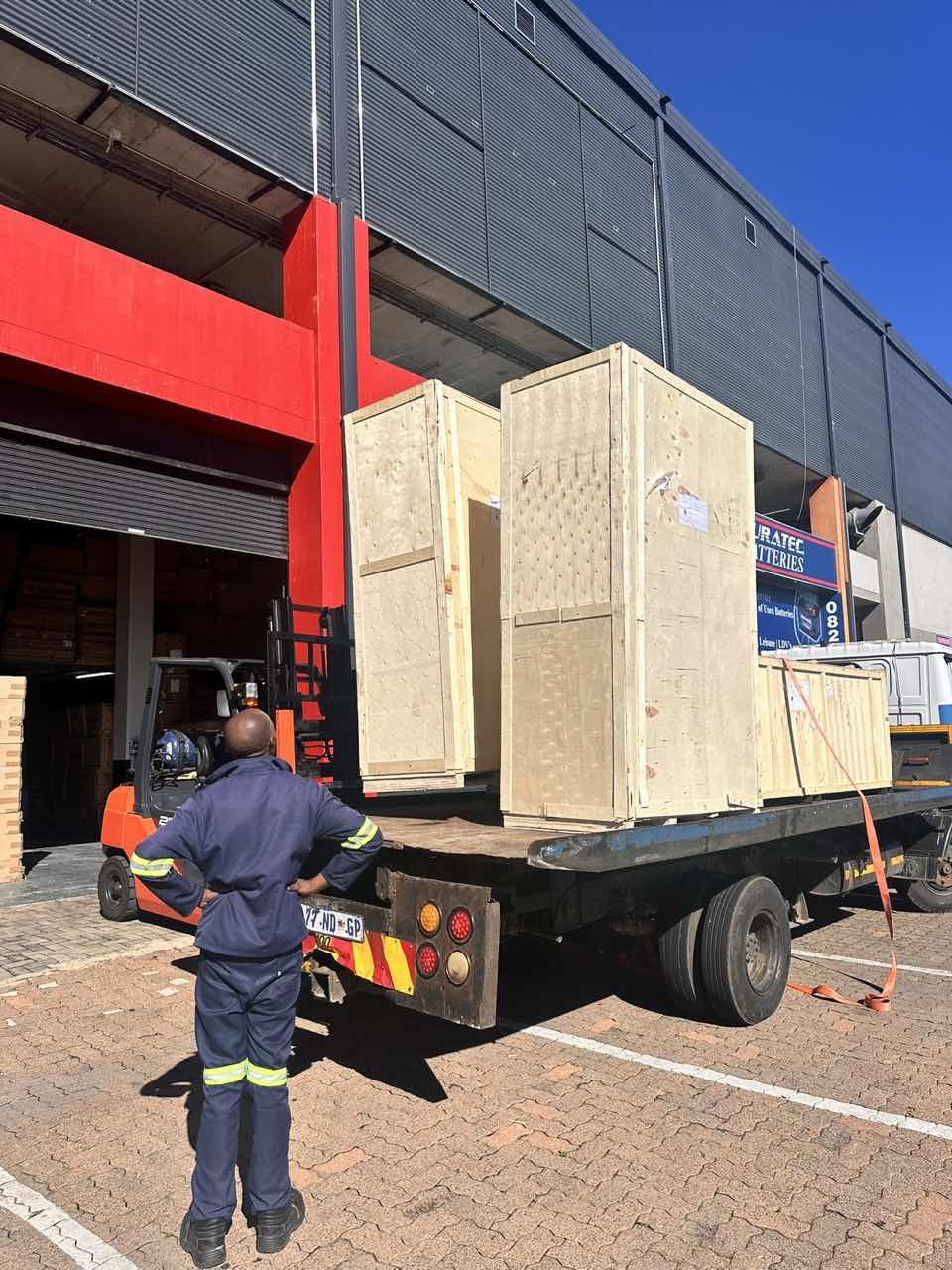
Food Processing Machine
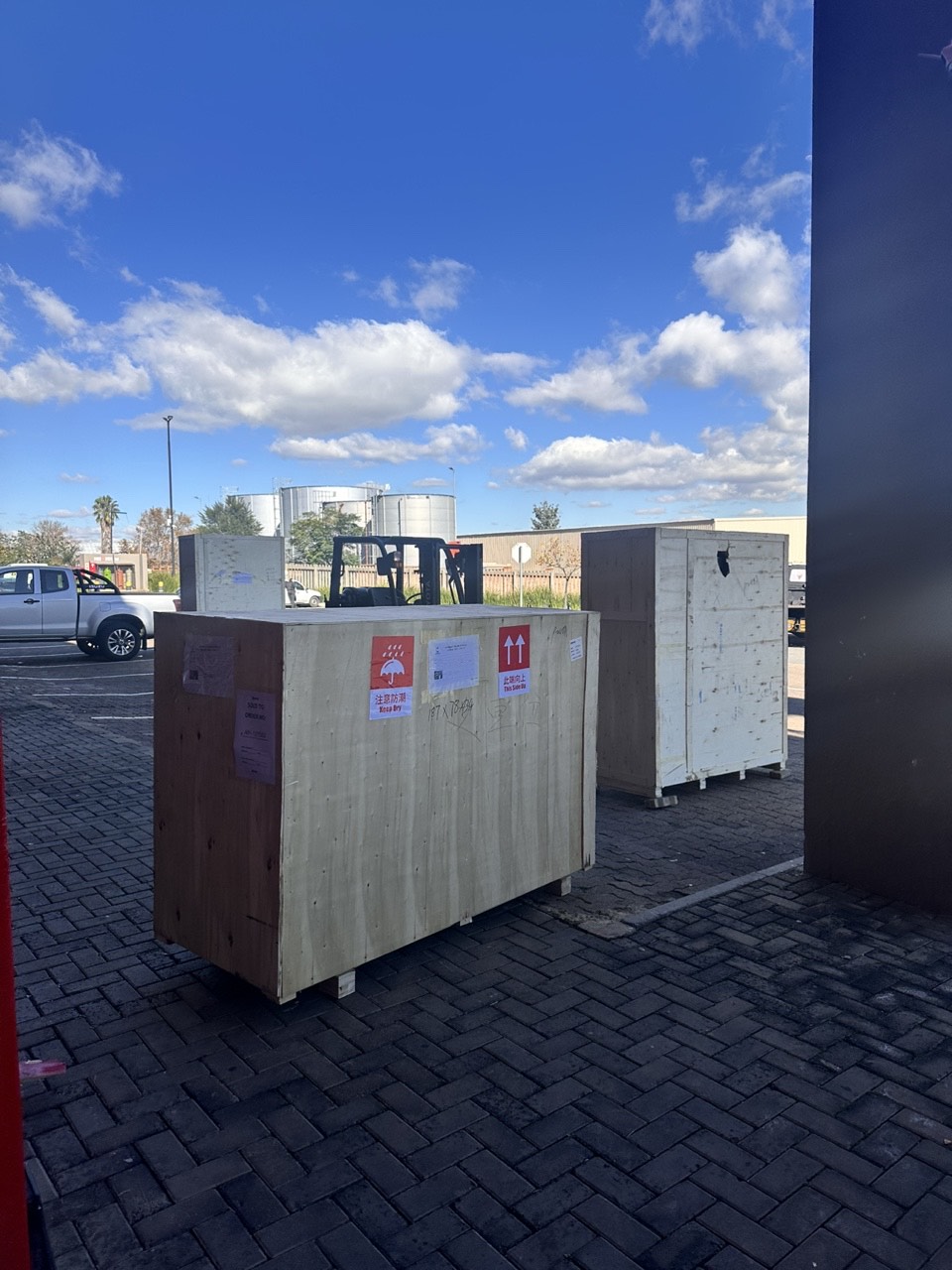
Batch of Orders
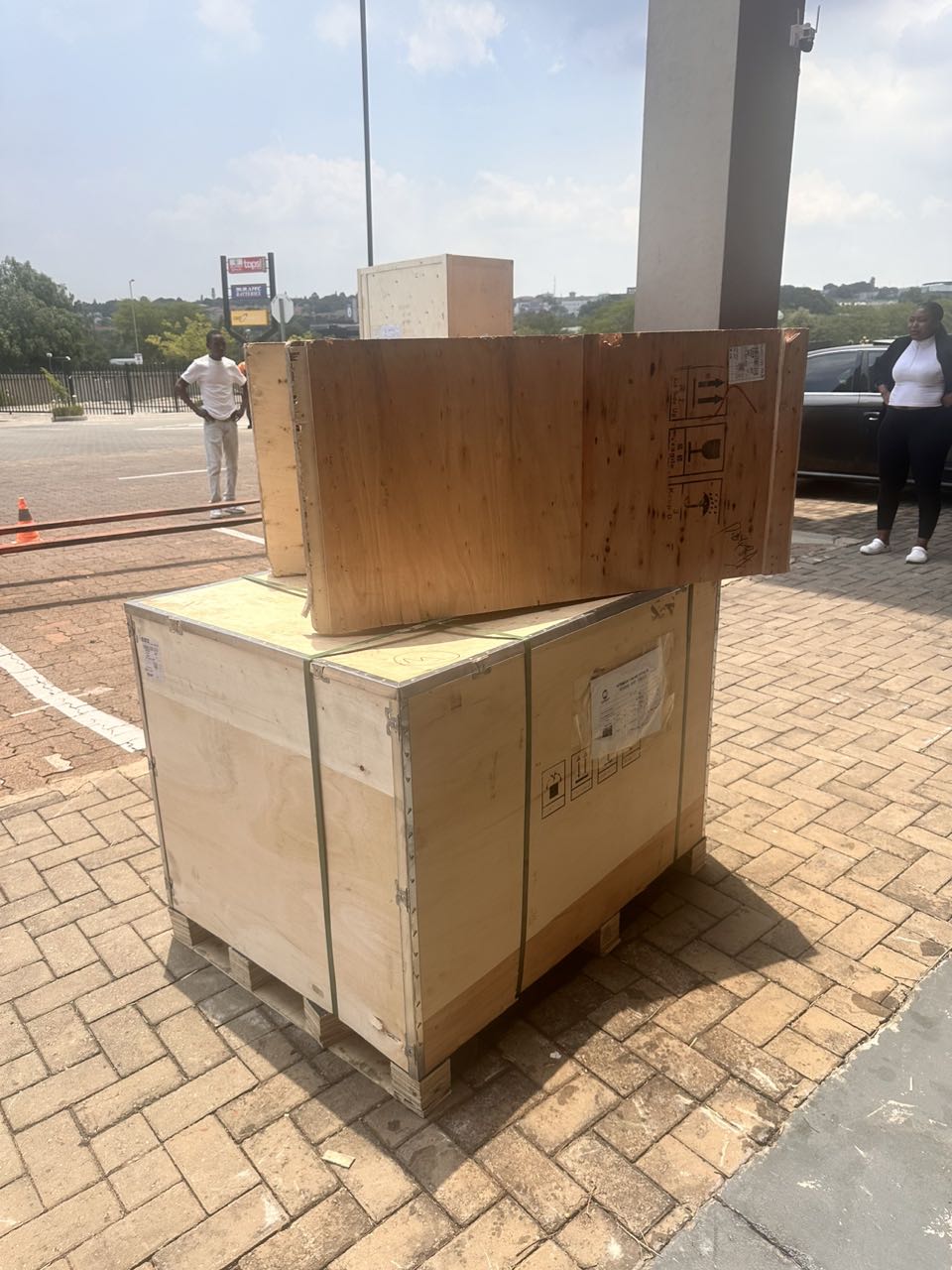
Batch of Orders
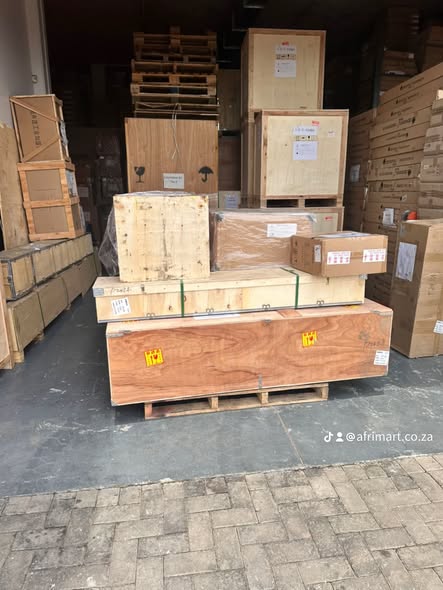
Latest Orders Labelled
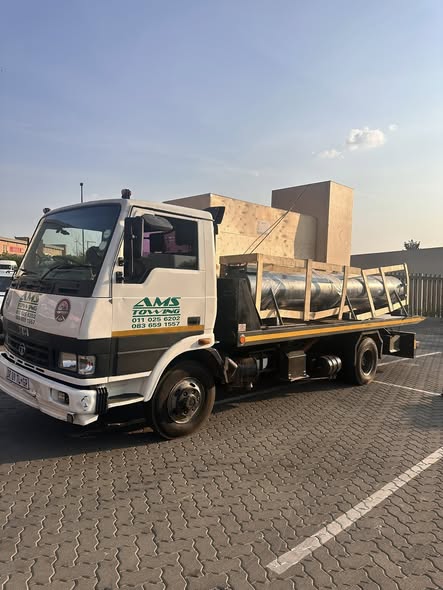
wheel alignment machines
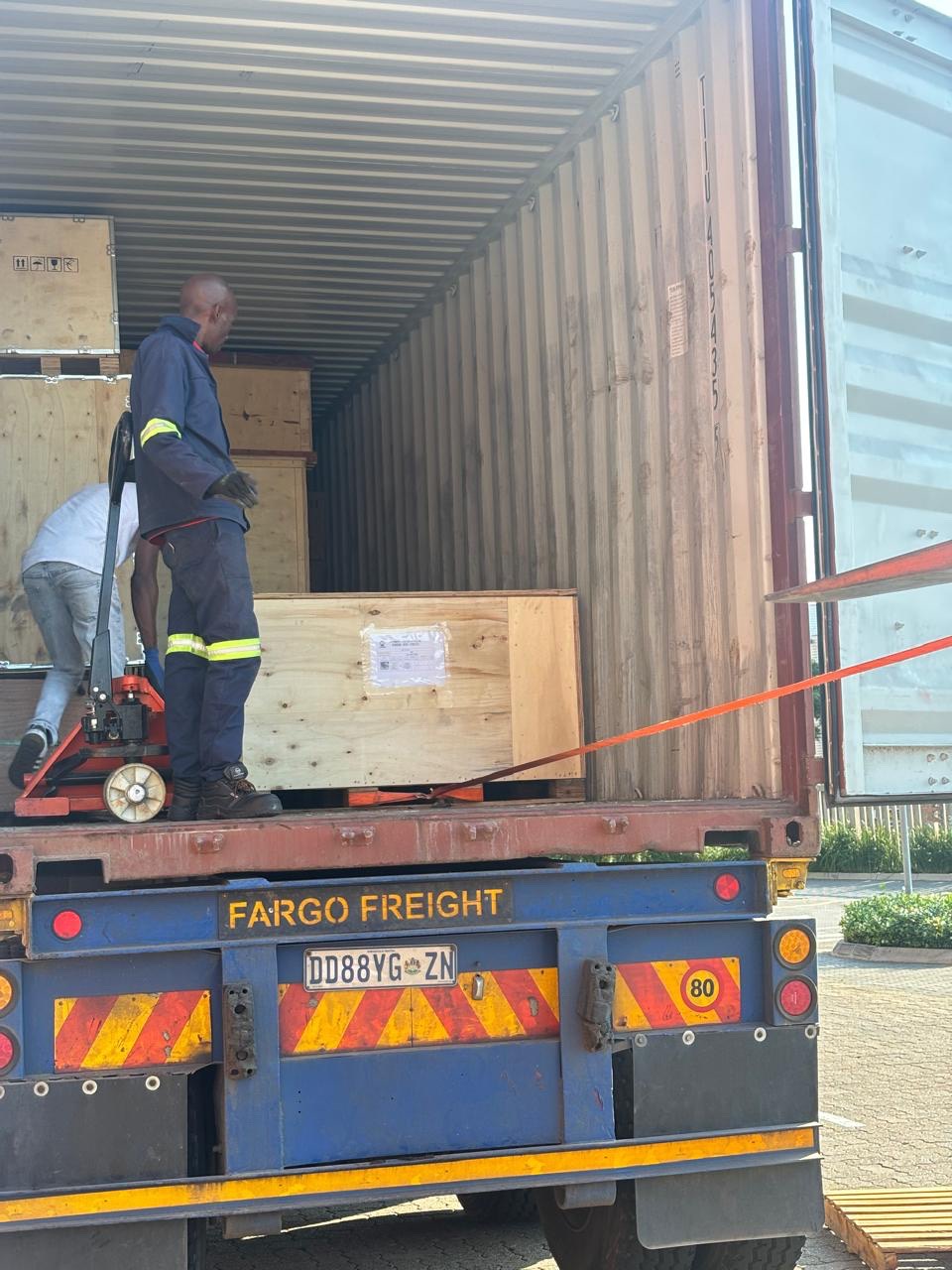
new arrivals
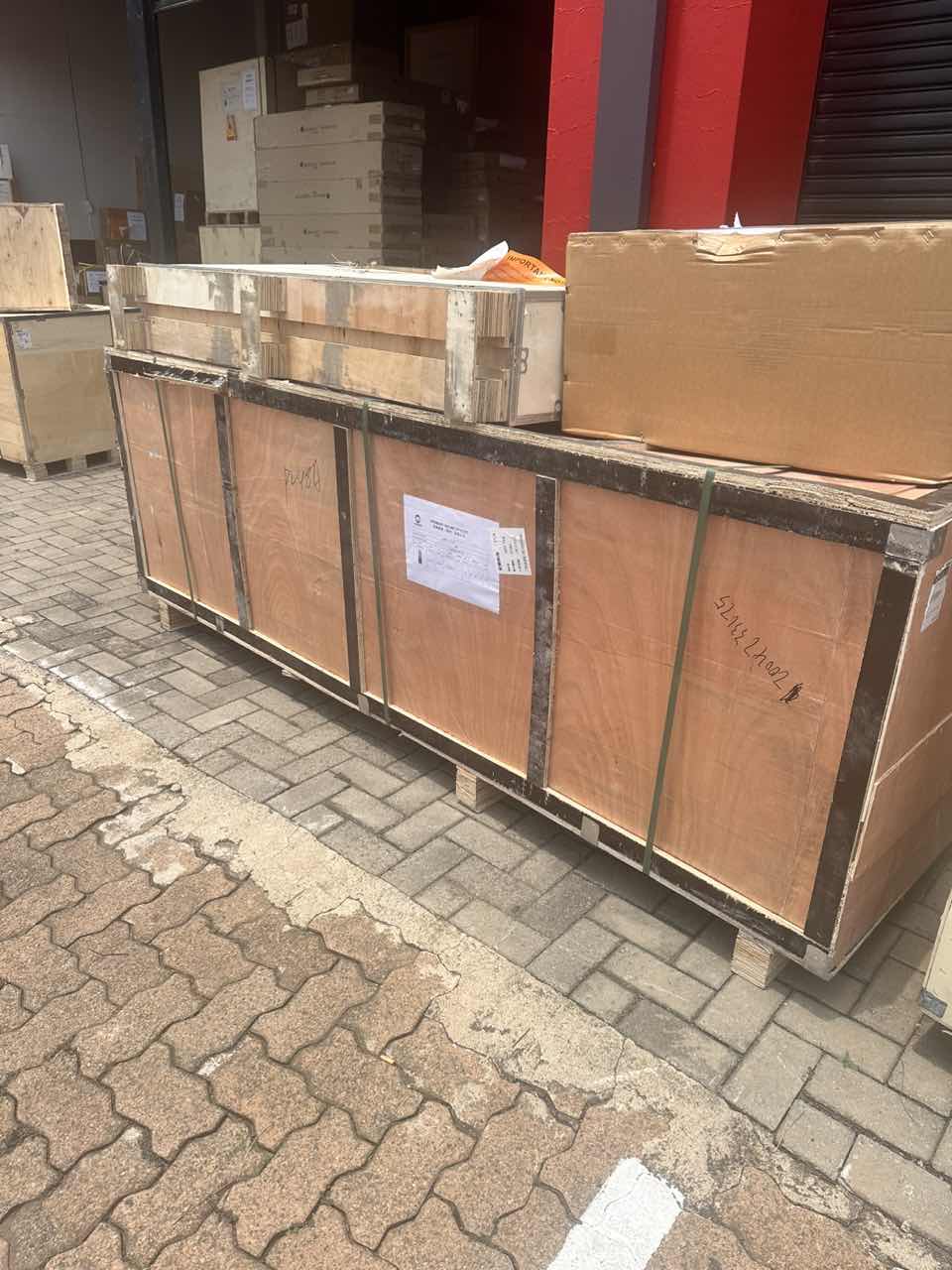
Pre Orders Offloading
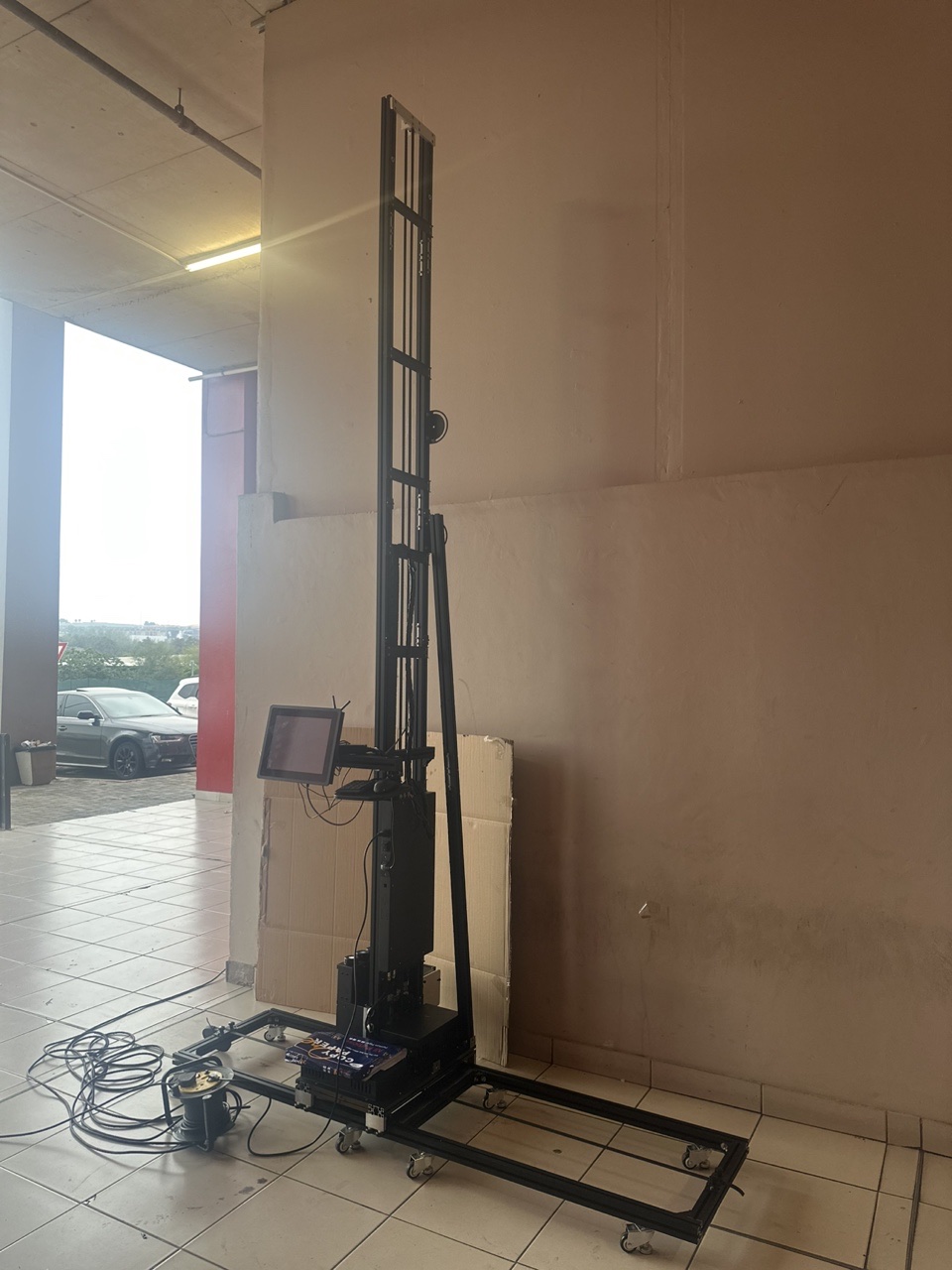
Latest Arrivals
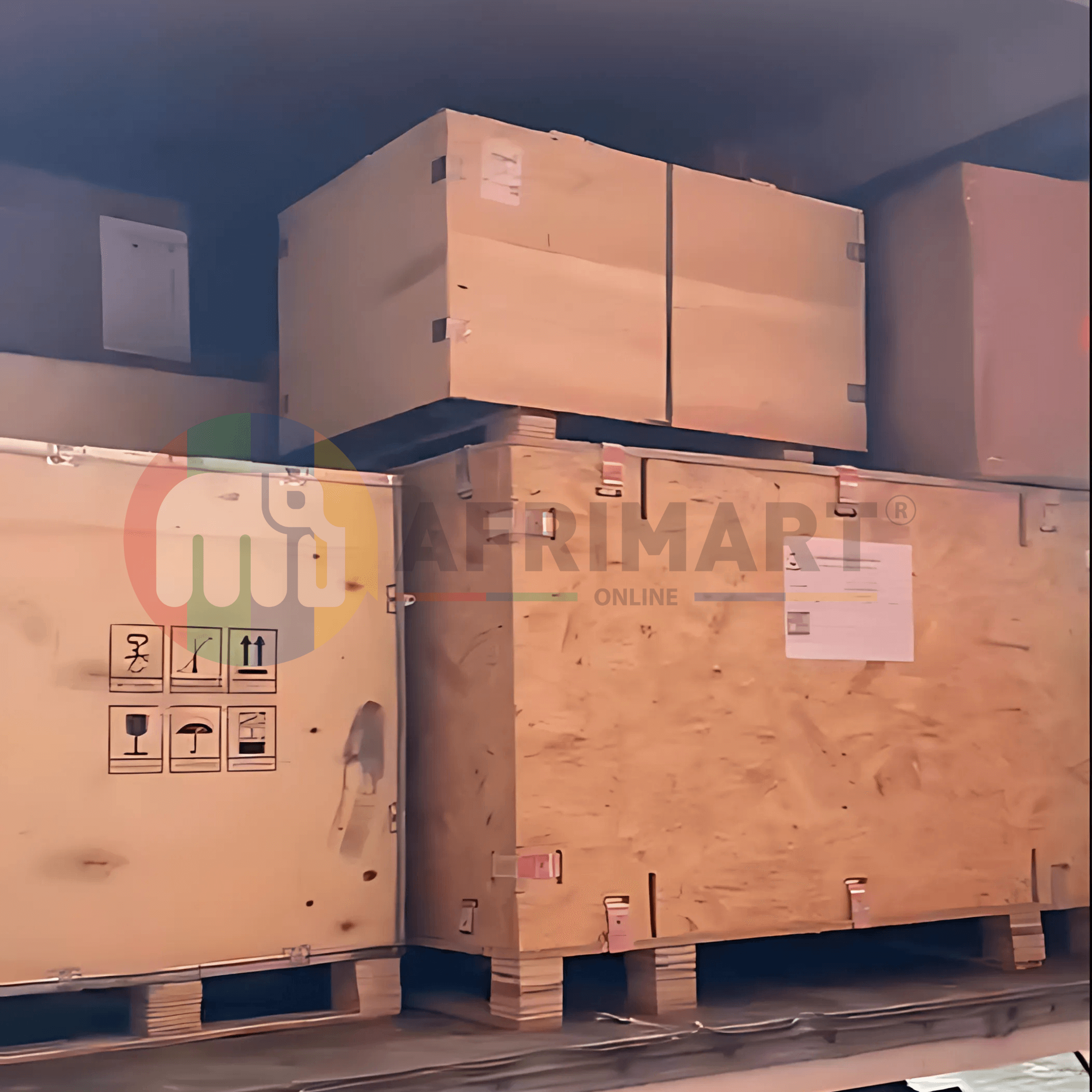
Latest Arrivals
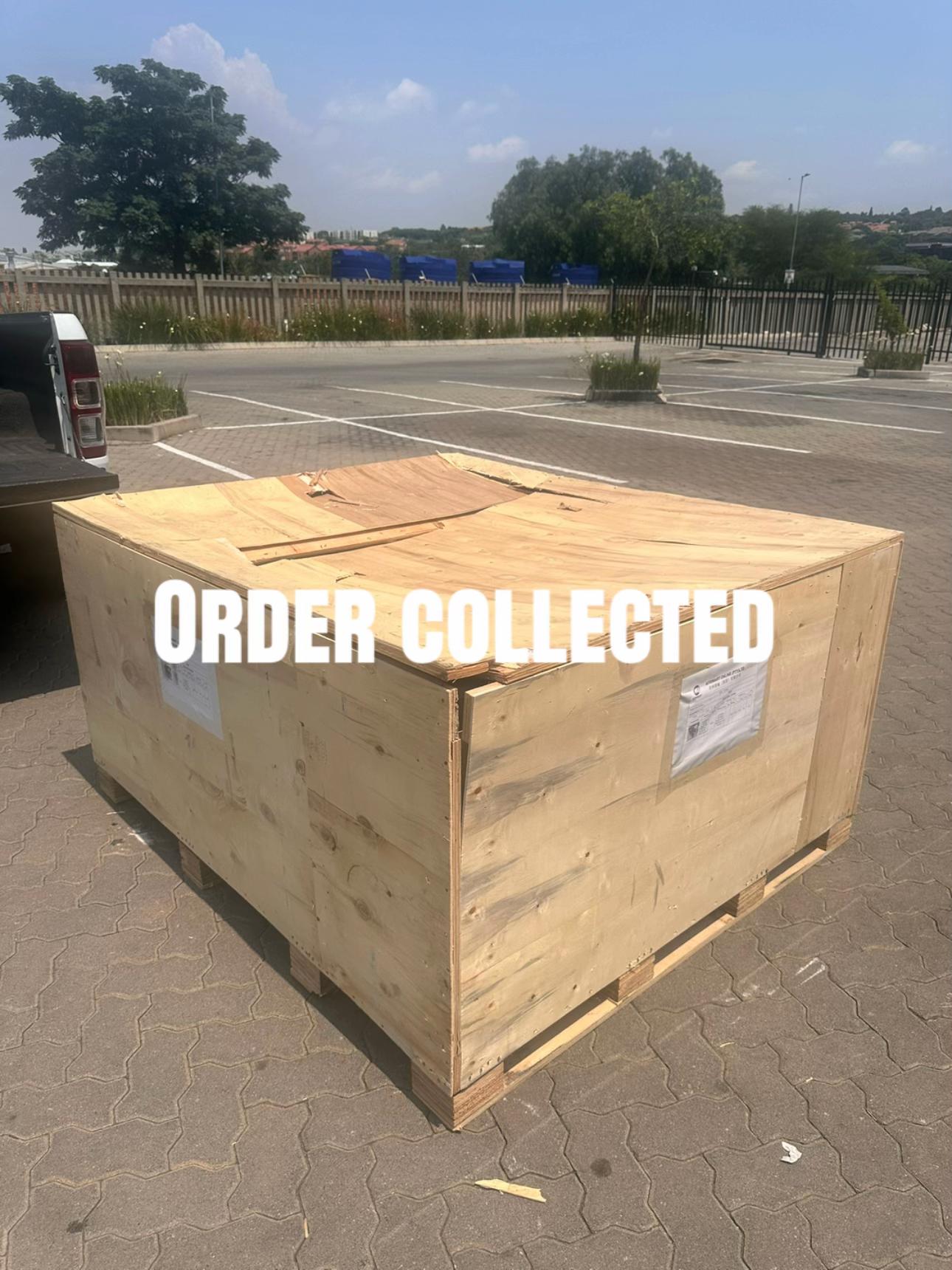
Latest Arrivals
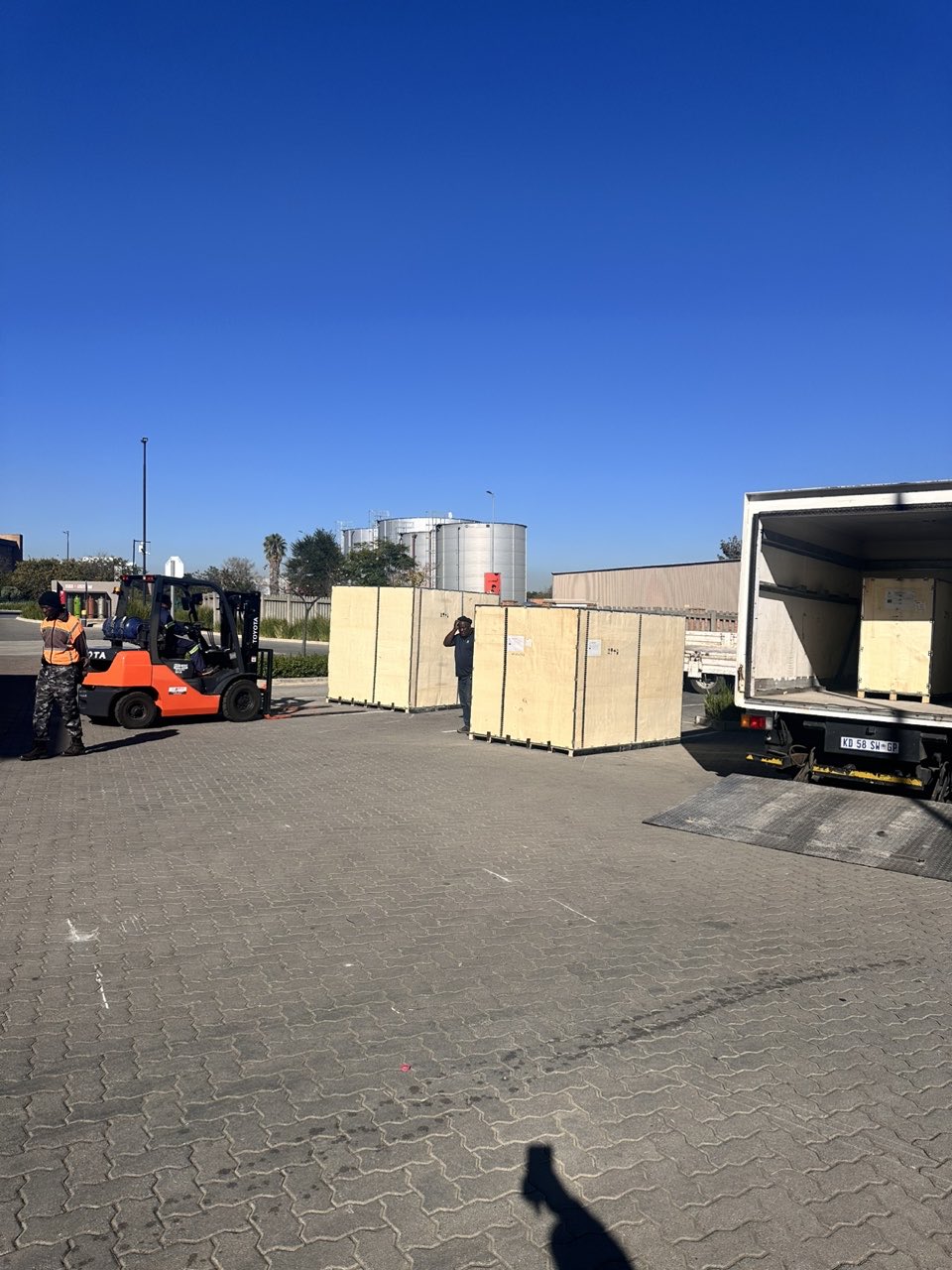
Loading
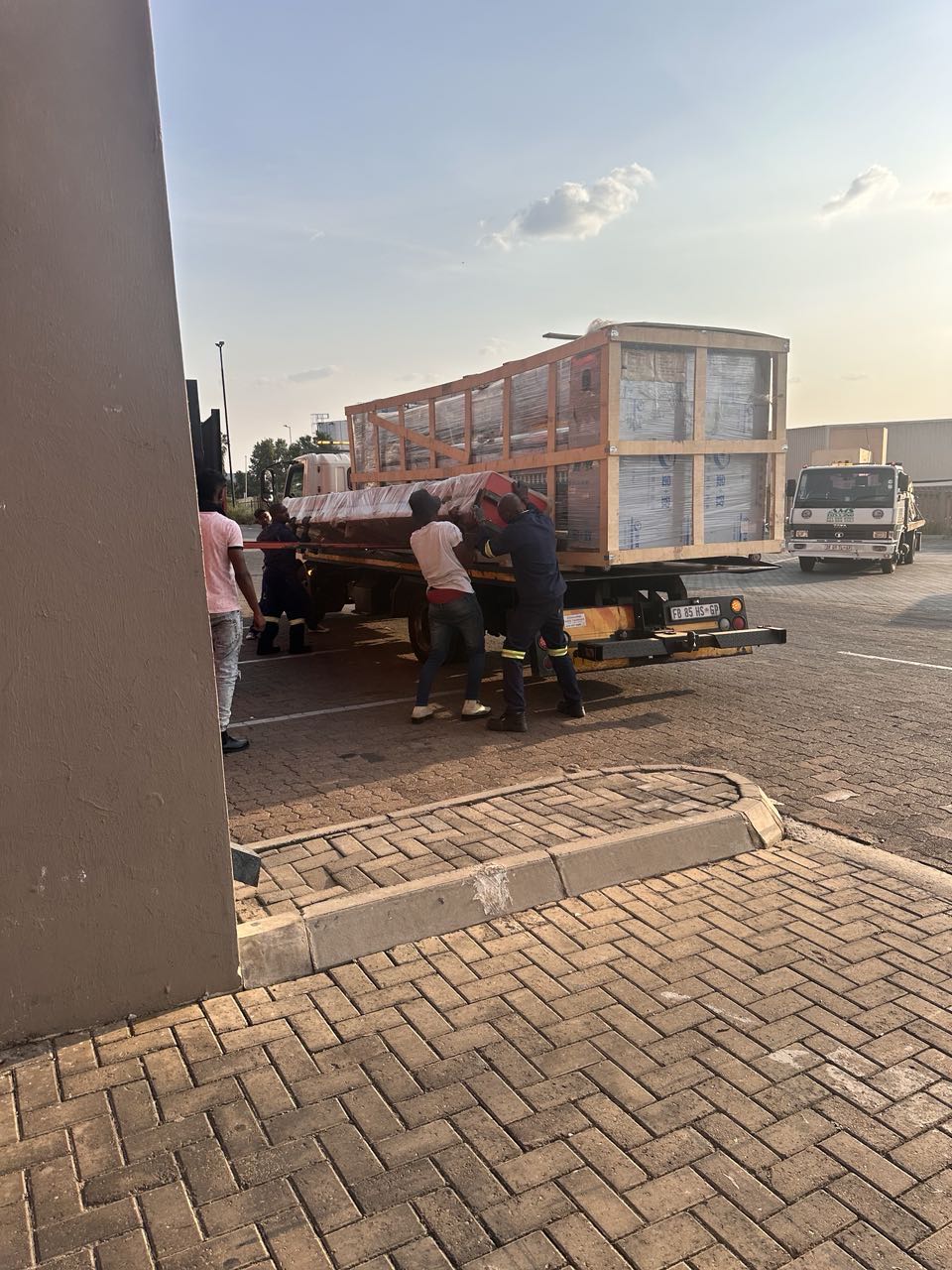
Toilet paper making machine
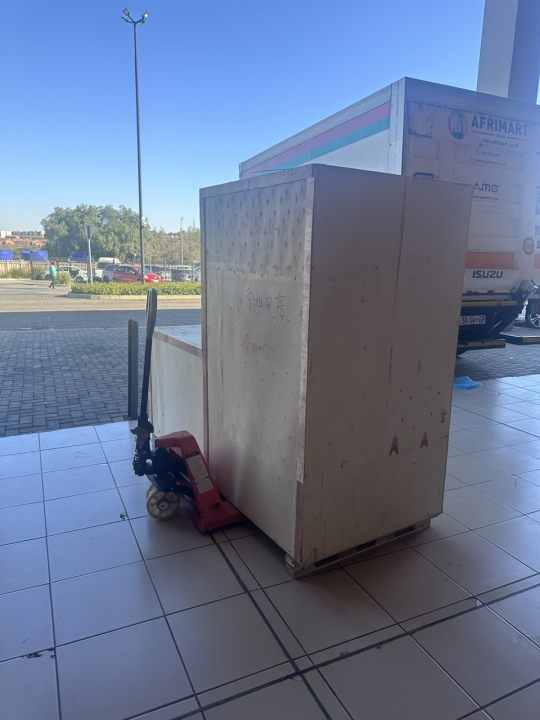
Toilet paper making machine
Toilet paper Rewinding Machine
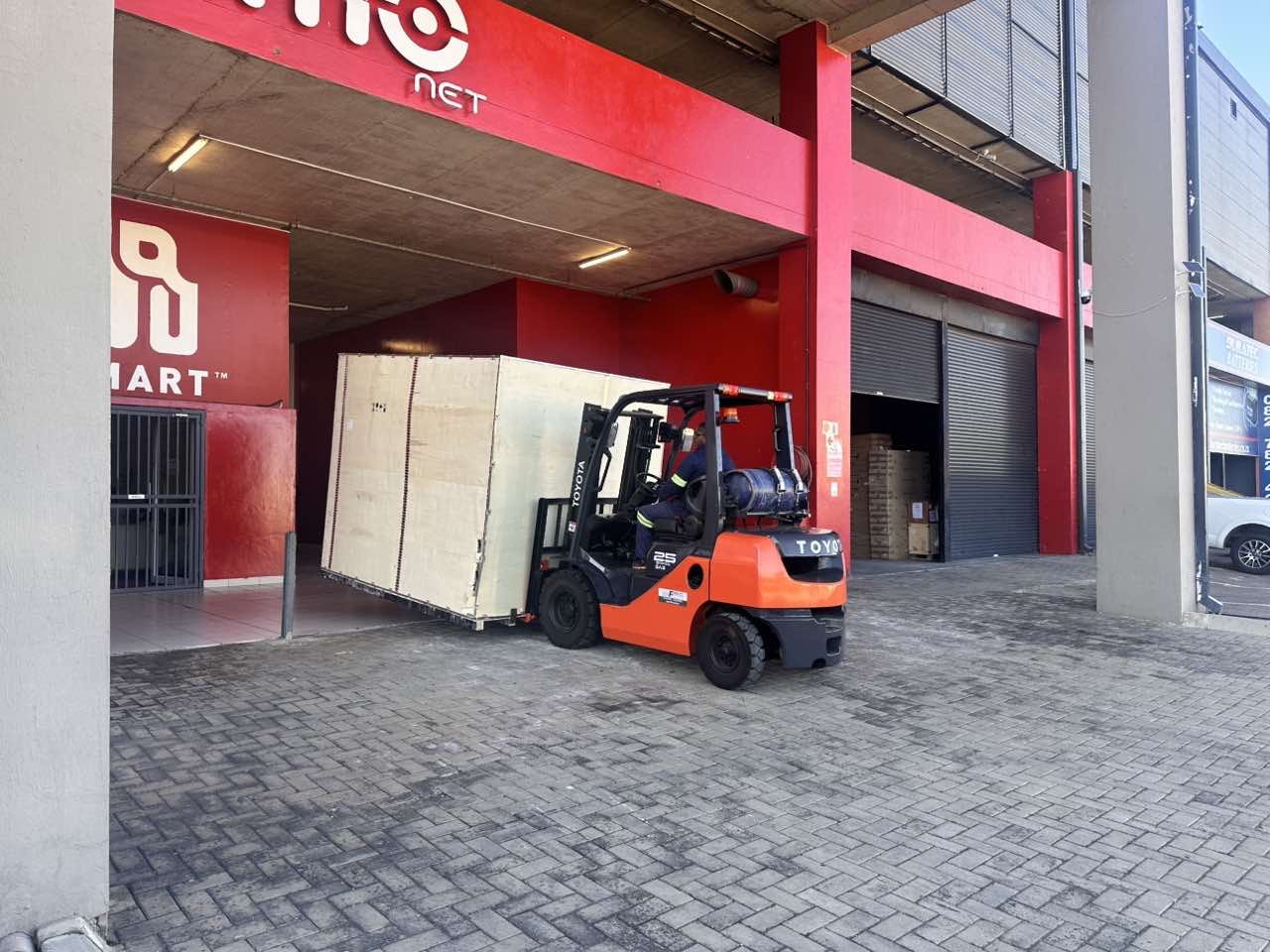
latest arrivals
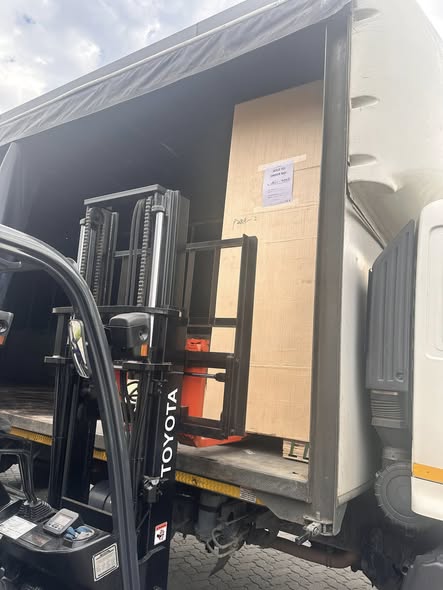
offloading
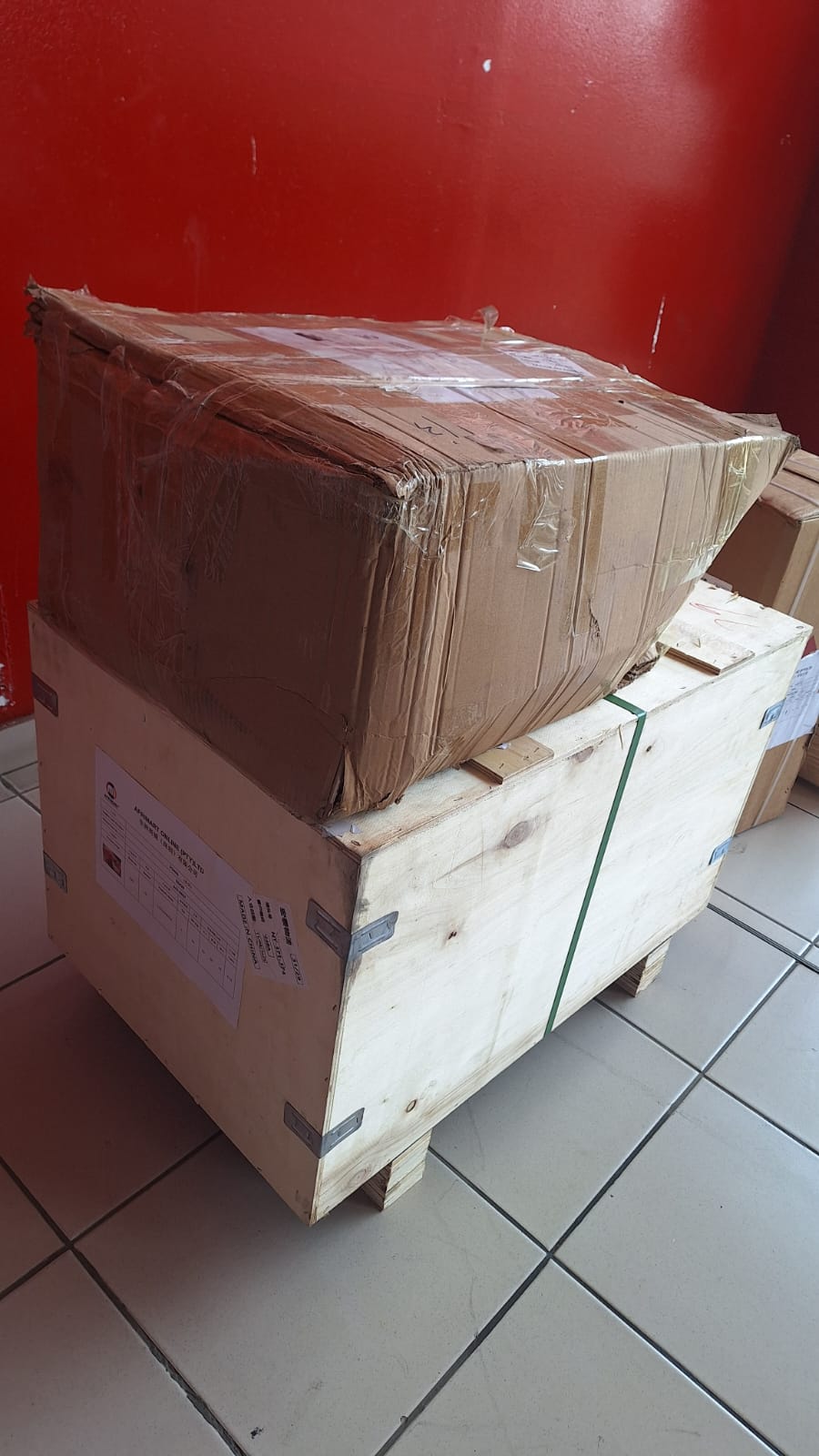
order success
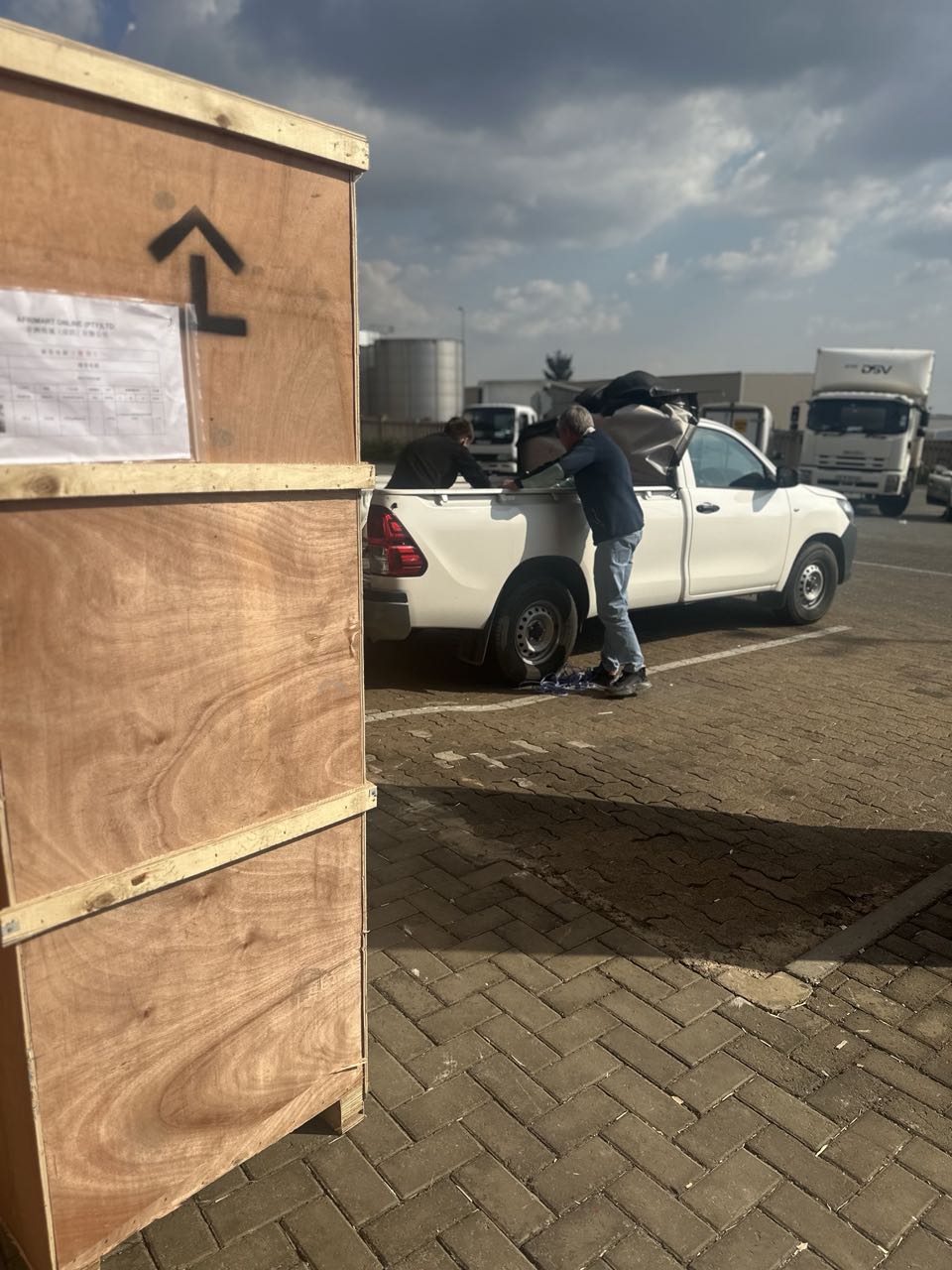
order collection
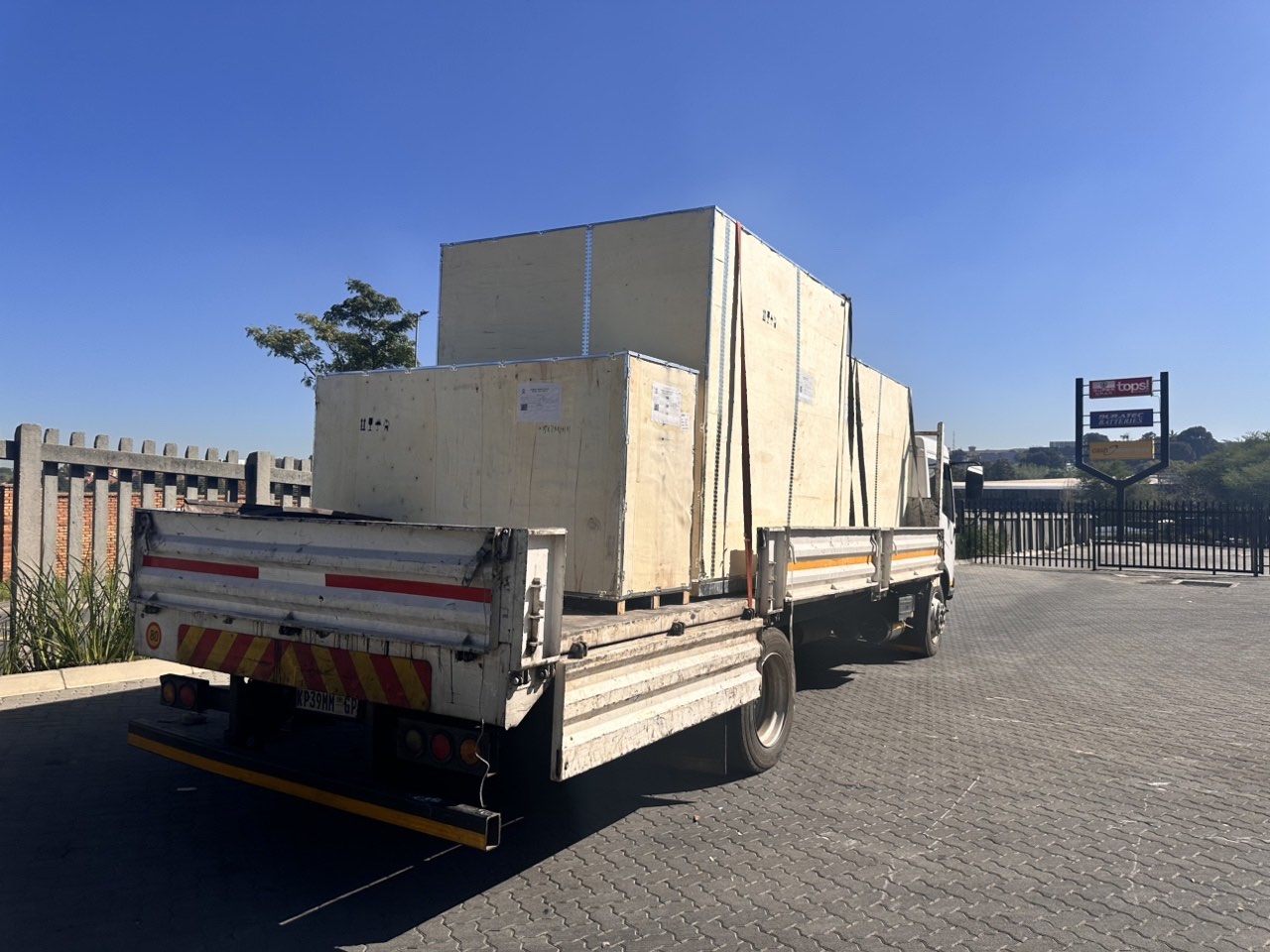
order offloading