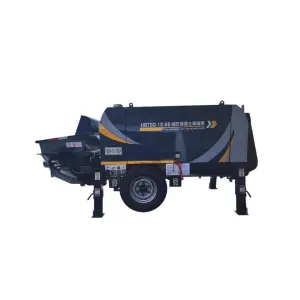
B21, China Town Mall, Midrand


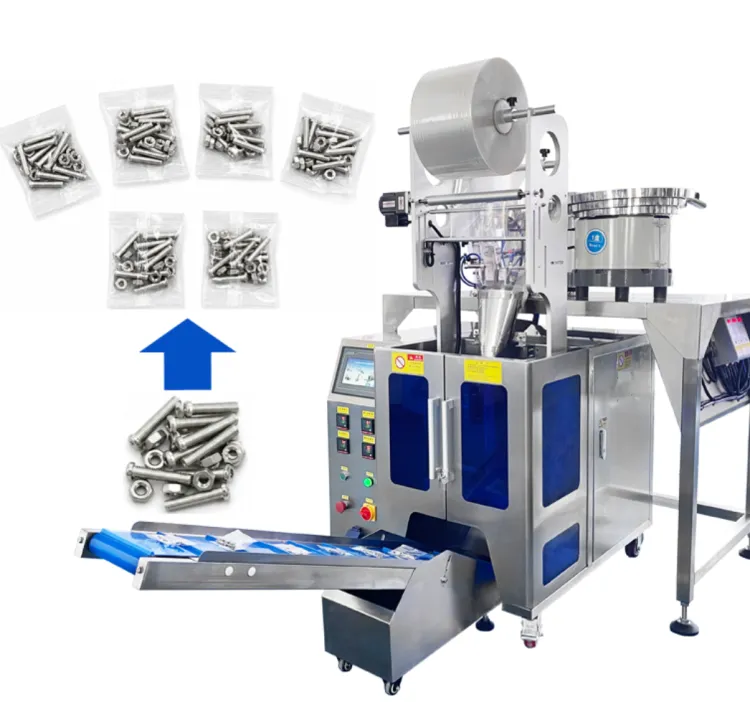
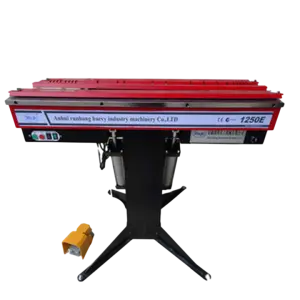
F-9999 Big quantitation granules 100-9999g powder 5000g filling machine with foot pedal

- Section : Machinery
- Category : Metal & Metallurgy Machinery
- SKU : 60793278984

- Shipping Timeframes: All orders are processed within 2-5 business days (excluding weekends and holidays). After your order has been processed, the estimated delivery time is before 03 Aug, 2026, depending on customs, Please note that due to high demand, some items may experience longer shipping times, which will be communicated at order confirmation email.
- Order Processing Time: Please allow 2-5 business days for us to process your order before it is shipped . Orders placed after 16:00 on Fridays, or during weekends and public holidays, will begin processing on the next business day. Processing times may be extended during peak seasons or sales events.
- Manufacturing Time: Some products needs manufacturing time, the manufacturing process will take approximately 10-30 business days depending on the product. This timeframe may vary depending on the complexity of the product and current demand. but this will be communicated with you during order confirmation.
- Returns and Exchanges: We offer a 30-day return policy for most items. If you are not completely satisfied with your purchase, you may return it within 30 days of receipt for a refund or exchange. Items must be unused, in their original packaging, and accompanied by proof of purchase. Return shipping costs are the responsibility of the customer, unless the item was damaged or defective upon arrival.
1. What is the weighing/filling range of the F-9999?
According to the specification the F-9999 handles granules from 10 to 999 g (±0.2%) and powders from 10 to 5000 g (±0.2%). (Product naming that lists other ranges refers to model family — rely on the listed specification.)
2. What products can this machine package?
Suitable for tea, food, seeds, grains, small non-sticky solids, fruit kernel-shaped materials, certain chemicals, pharmaceuticals and micro/small components. It is especially good for fragile granules due to gentle feeding.
3. What is the hopper capacity and dimensions?
Hopper capacity is 130 kg. Hopper external dimensions are 45 x 45 x 50 cm and the feed opening dimensions are: top 12+7 cm, bottom 7+4 cm.
4. What are the machine overall dimensions, shipping size and weight?
Machine dimensions: 58 x 57 x 156 cm. Shipping carton: 66 x 61 x 123 cm. Wooden box: 64 x 62 x 133 cm. Net weight is 36 kg.
5. What power supply and consumption does the F-9999 require?
Standard power supply is 220 V / 50 Hz with power consumption of 200 W. For other voltage/frequency requirements consult the supplier.
6. How accurate is the filling?
The machine uses microcomputer control with optical technology and provides accuracy of approximately ±0.2% within the specified weighing ranges.
7. How is the machine operated — can it be hands-free?
The machine is microcomputer-controlled and can run fully automatically. It also includes a foot pedal for hands-free start/stop operation for single or manual-cycle dispensing.
8. Can the filling speed be adjusted?
Yes. Packing/filling speed is adjustable from the control panel to suit different materials and target weights. Actual throughput depends on material characteristics and set weight.
9. Does the machine prevent overfilling?
Yes. It has a configurable overweight (excessive weighing) alarm and displays package weight and the number of packages, allowing you to stop or adjust when limits are reached.
10. What materials contact the product — is contamination a concern?
All parts that contact the product are stainless steel, preventing contamination and corrosion. Design emphasizes sanitary, food-safe contact surfaces.
11. Is this machine suitable for fragile or easily damaged materials?
Yes. The F-9999 uses oblique throwing feeding (non-squeezing feed) designed to minimize compression and breakage of fragile granules.
12. How noisy and stable is the machine during operation?
The machine features a double-shock (dual damping) structure to run smoothly with low noise and reduced vibration compared with simpler designs.
13. How should I clean and maintain the F-9999?
Routine cleaning: remove and wash product-contact stainless parts after each production shift if processing food/tea; wipe external surfaces. Periodically check fasteners, sensors and electrical connections. Calibrate regularly and follow supplier maintenance instructions. Avoid corrosive cleaners.
14. How do I calibrate or commission the machine?
Place the machine on a level, grounded surface, connect power, and follow the user manual to run initial setup and calibration using standard test weights or a known sample. For first-time setup or complex calibration request supplier/technical support.
15. Where can I get spare parts, service or warranty information?
Warranty terms, spare parts and after-sales service policies vary by seller. Contact your supplier or the manufacturer directly for information on spare parts availability, service contracts and warranty coverage.
Latest Order Arrivals
Discover our latest orders
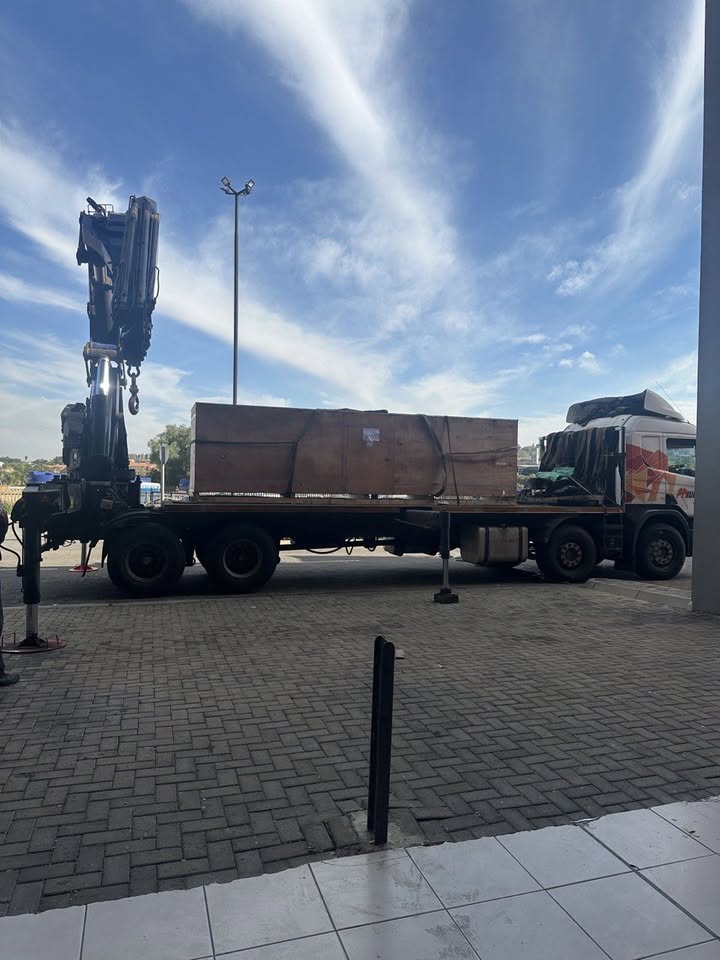
12 Heads Embroidery Machine
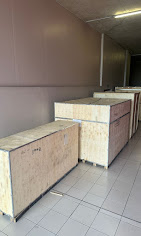
Toilet Paper Machine Machine
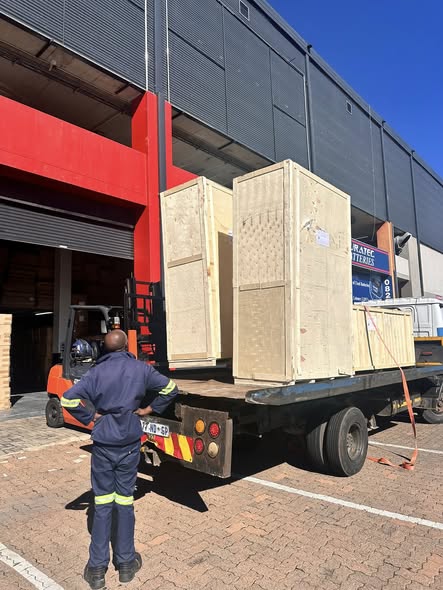
Order Collection
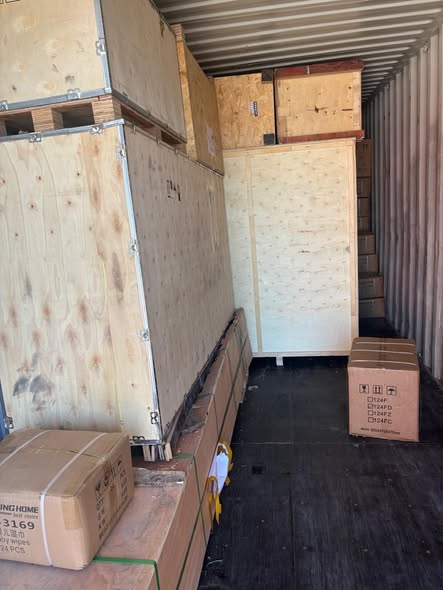
Cross Border Clients
Order cros border countries Collected
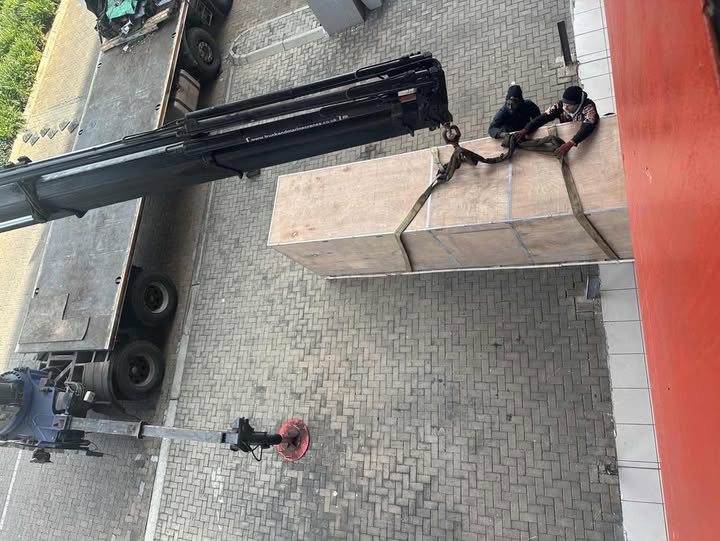
Industrial Machine Cllection
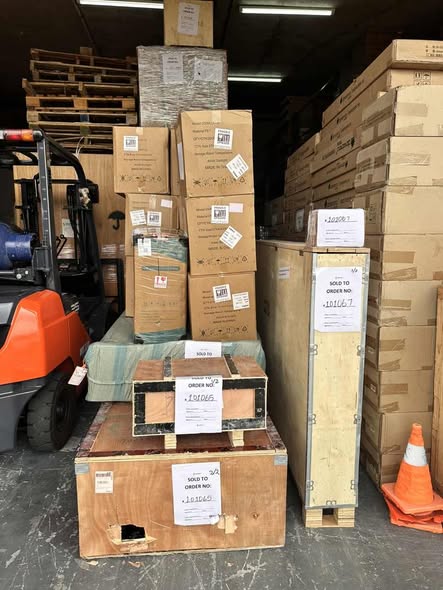
Agriculture Processing Machines
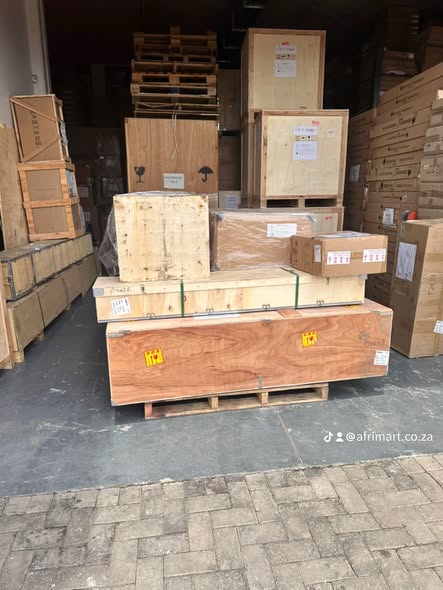
Ready for collection
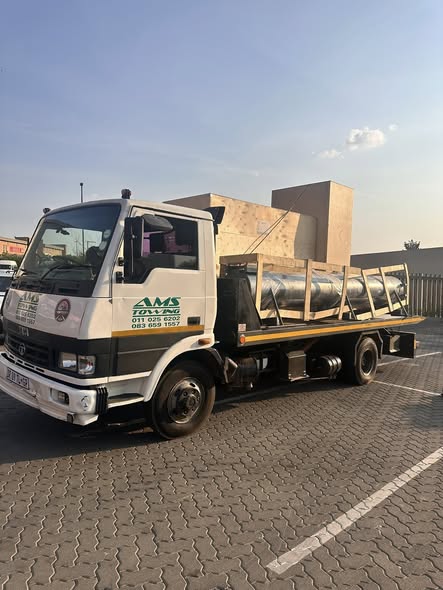
Water Pump Equipment
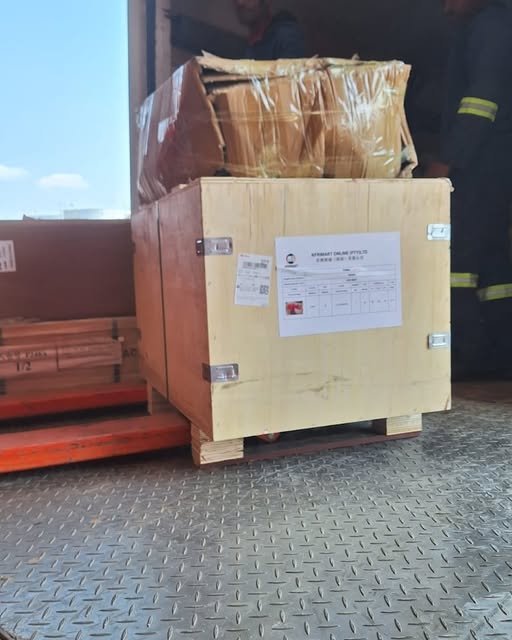
Packaging Machine and accessories
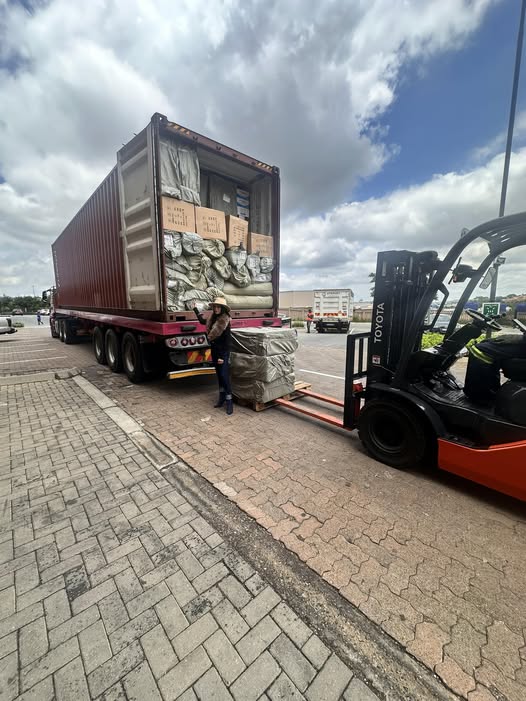
Fabrics Manufacturing Equipment
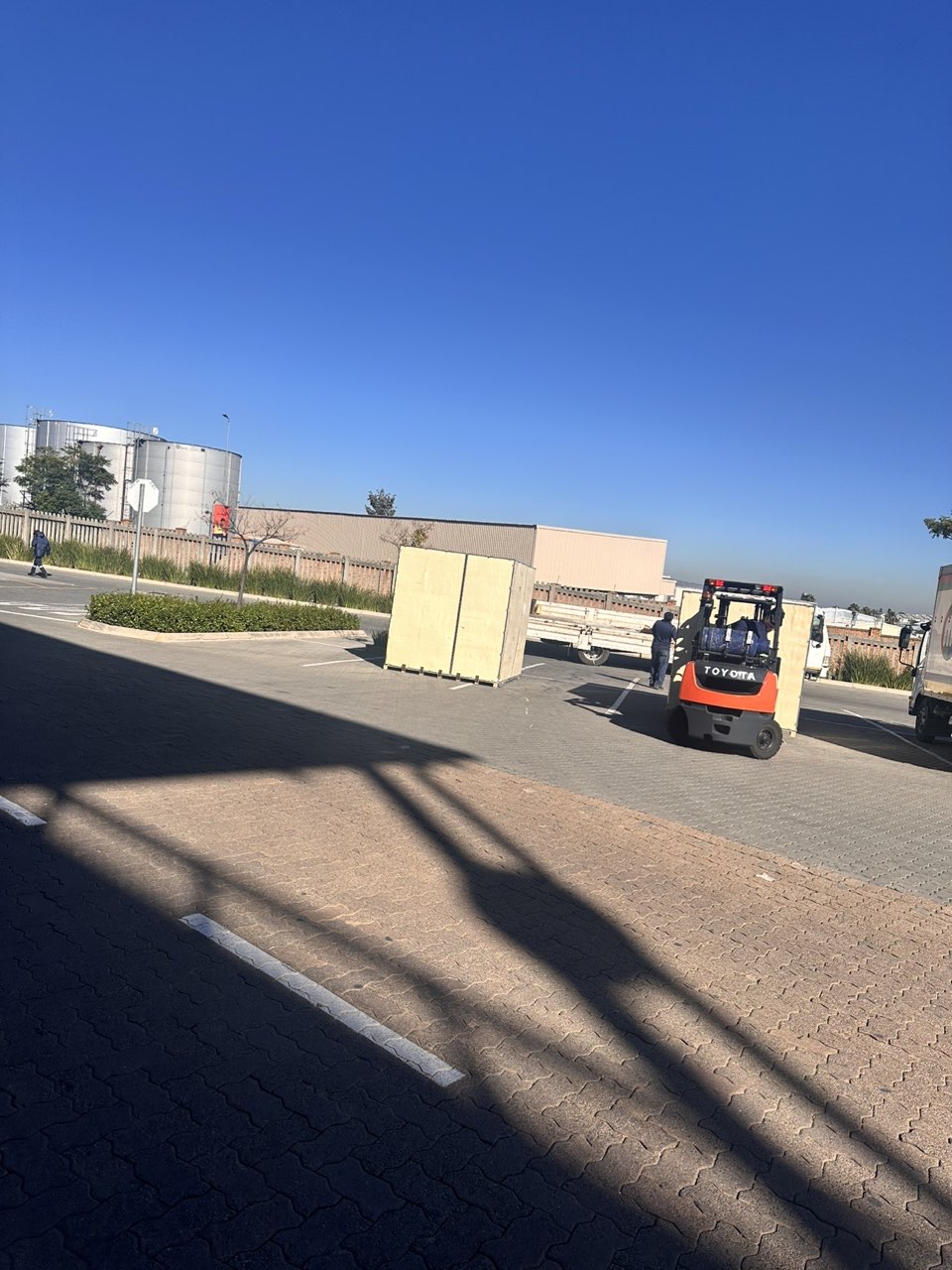
Mining Equipments
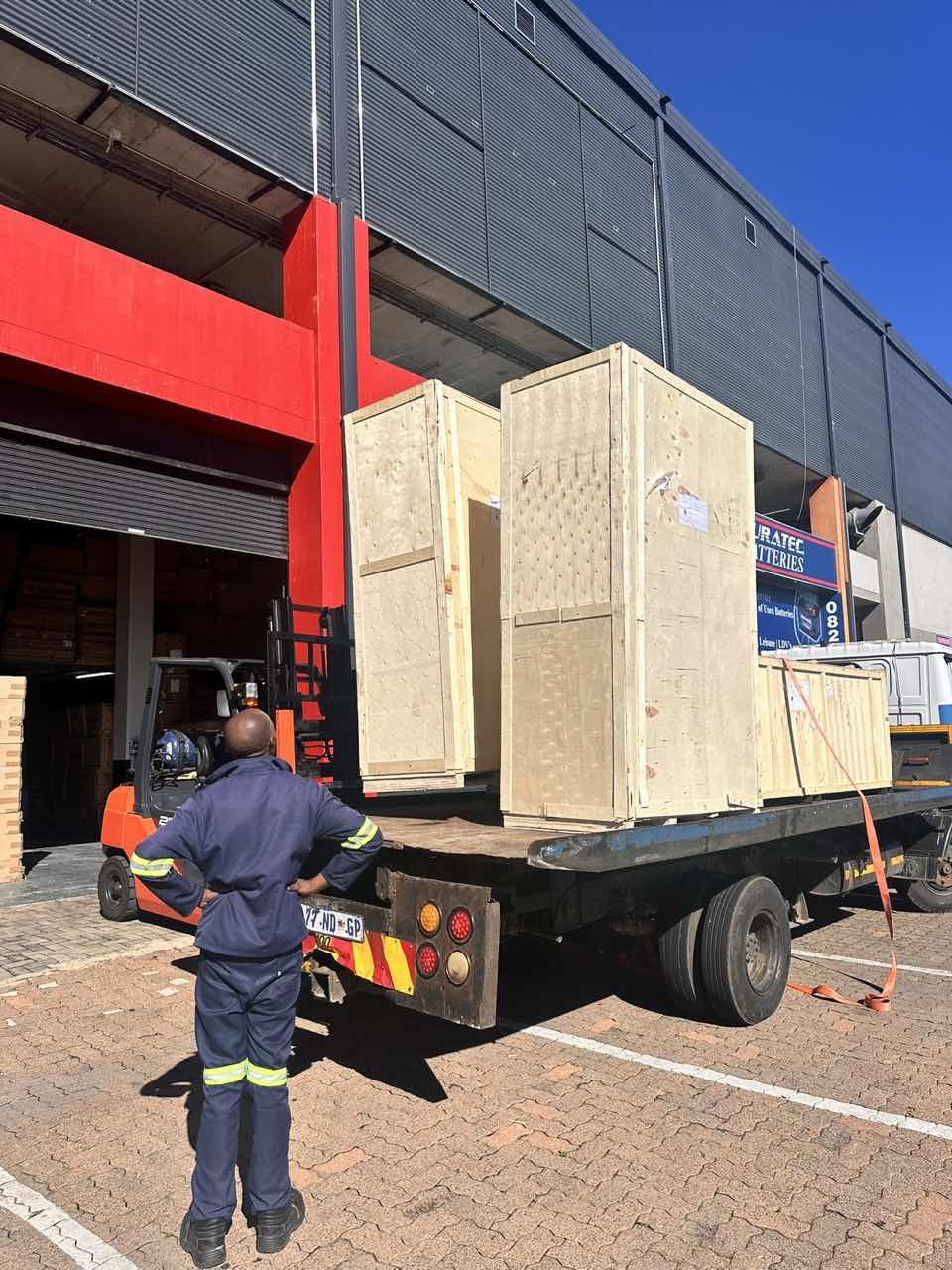
Food Processing Machine
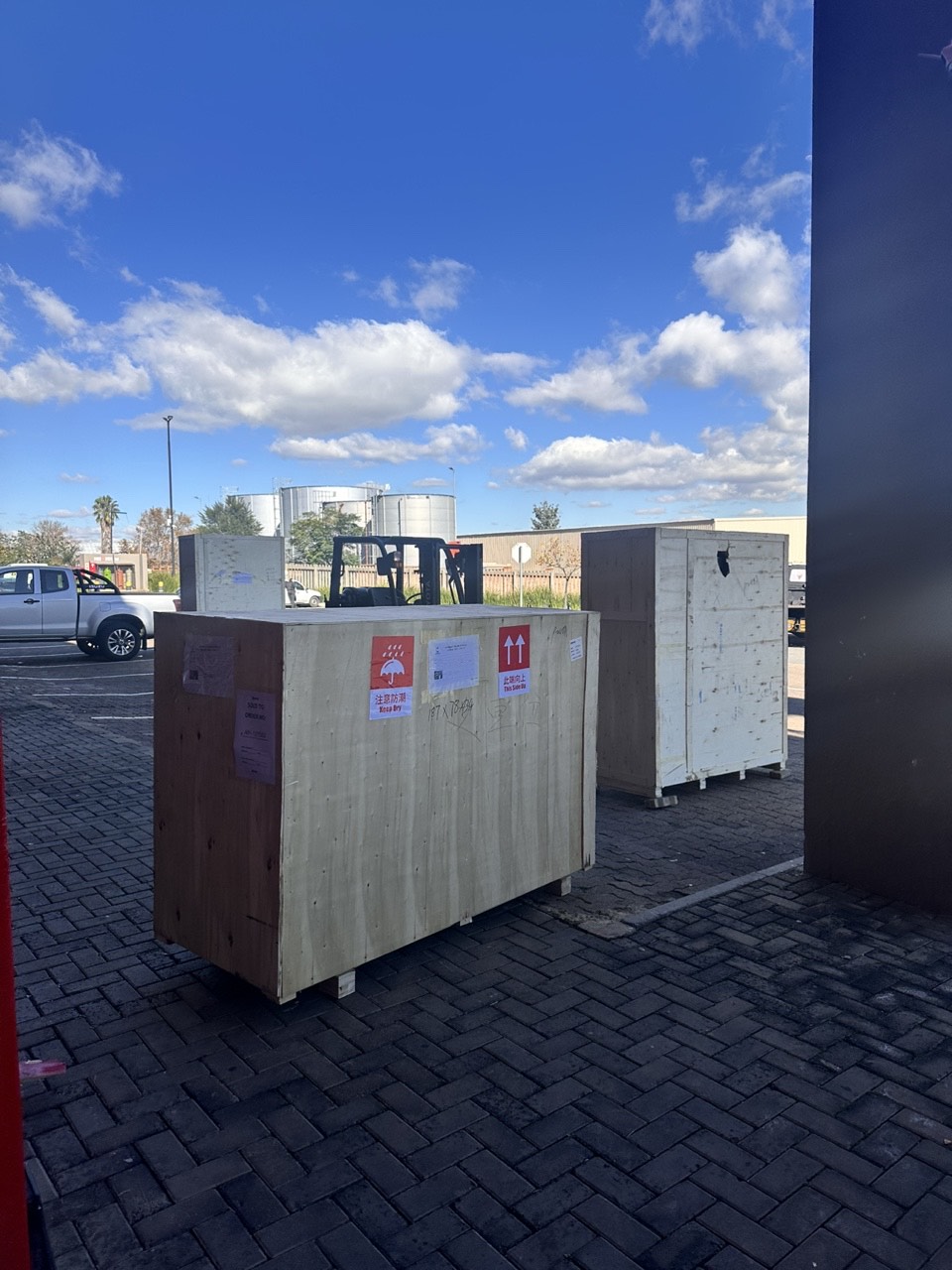
Batch of Orders
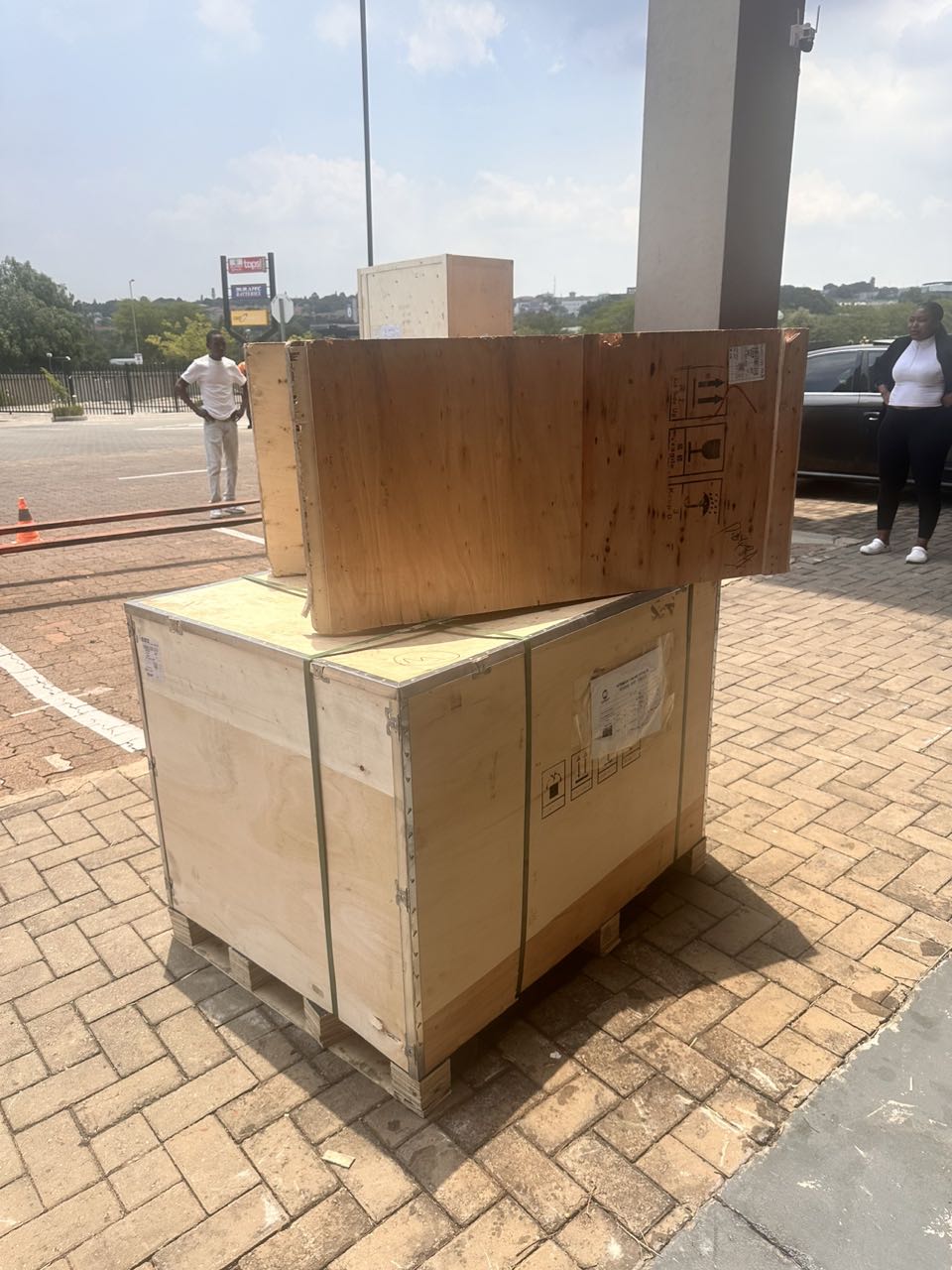
Batch of Orders
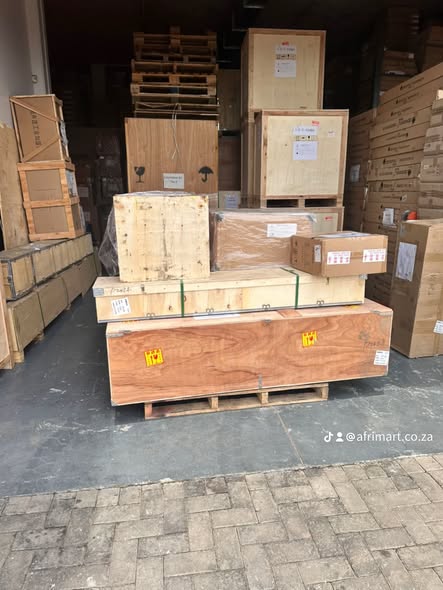
Latest Orders Labelled
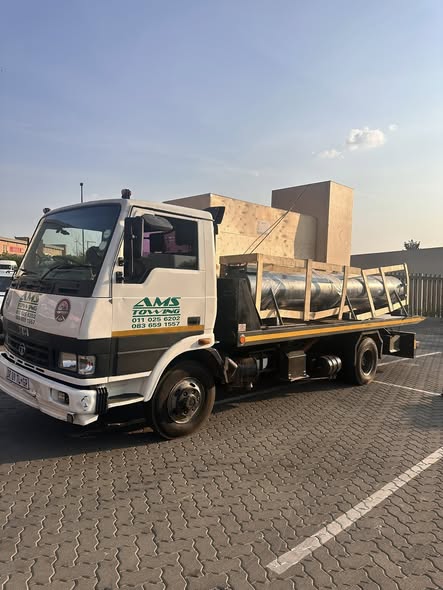
wheel alignment machines
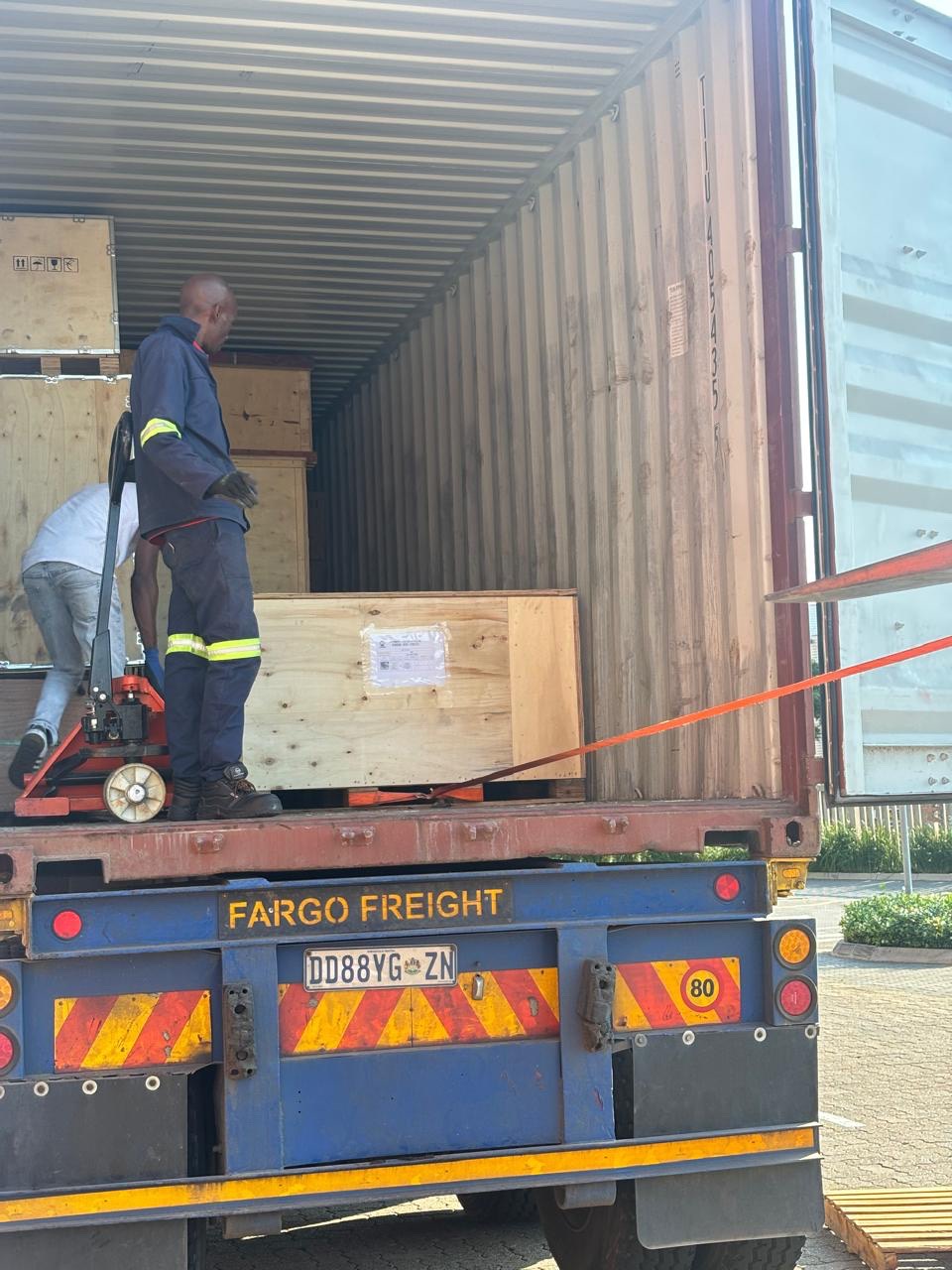
new arrivals
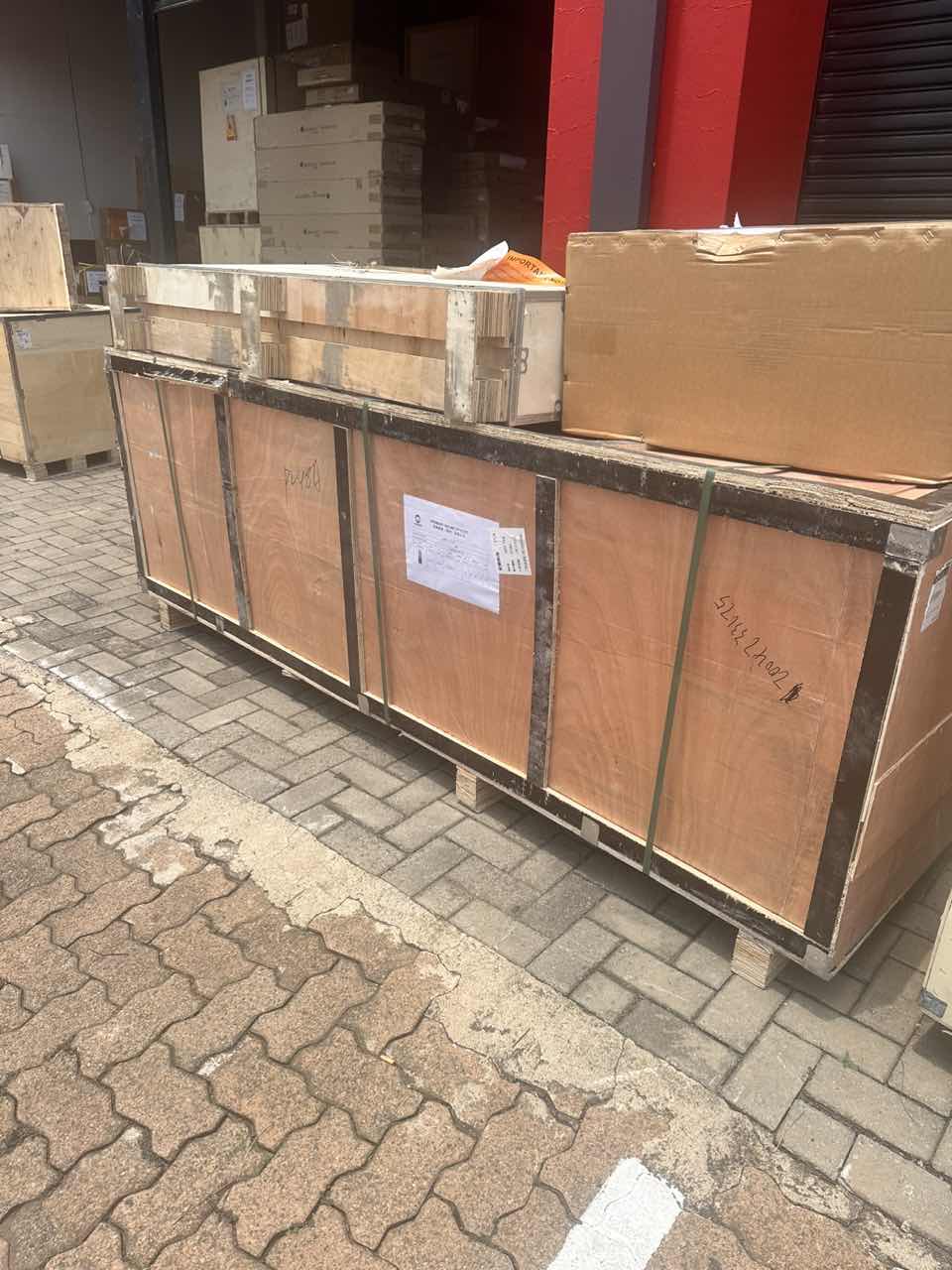
Pre Orders Offloading
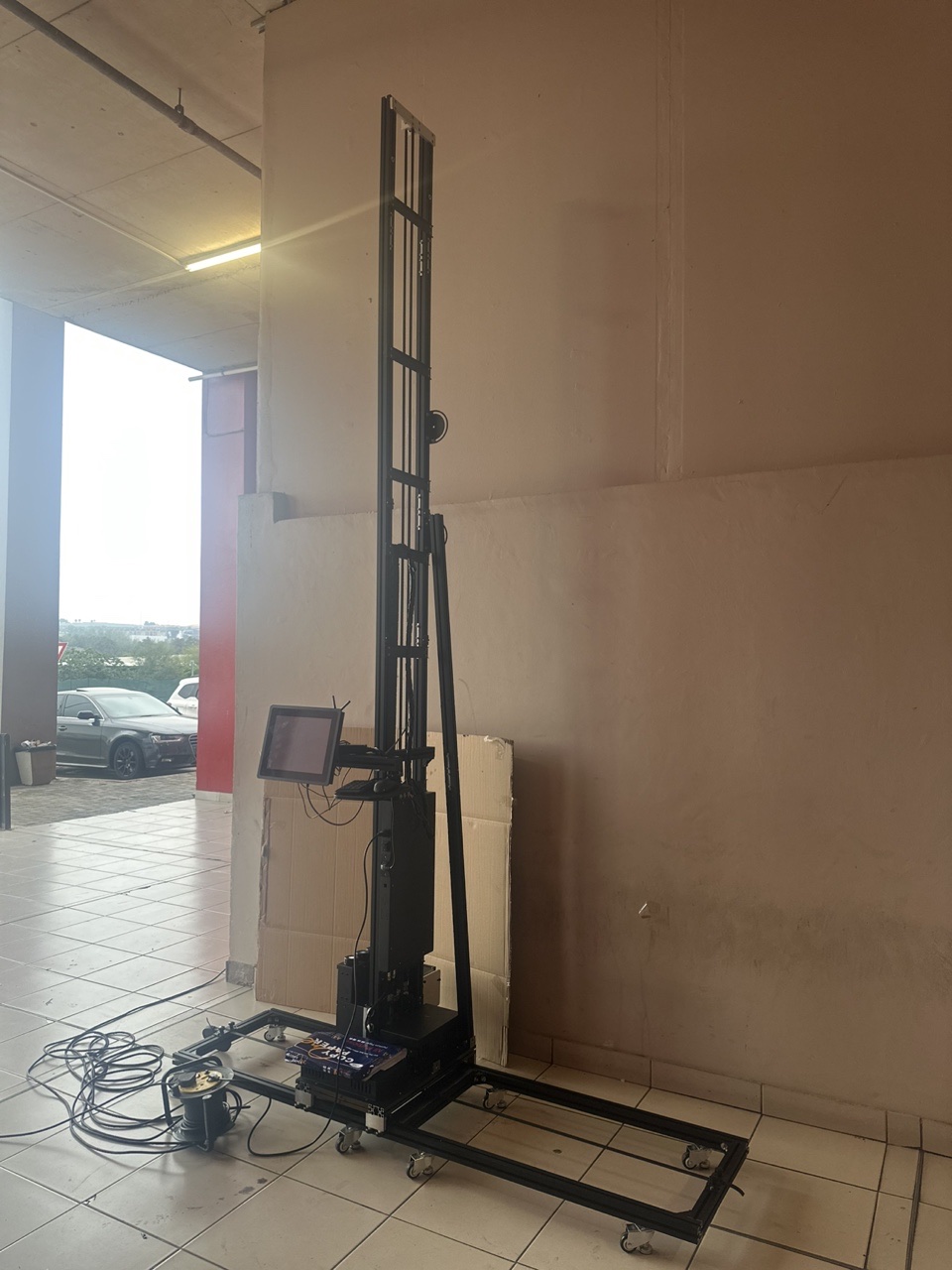
Latest Arrivals
Latest Arrivals
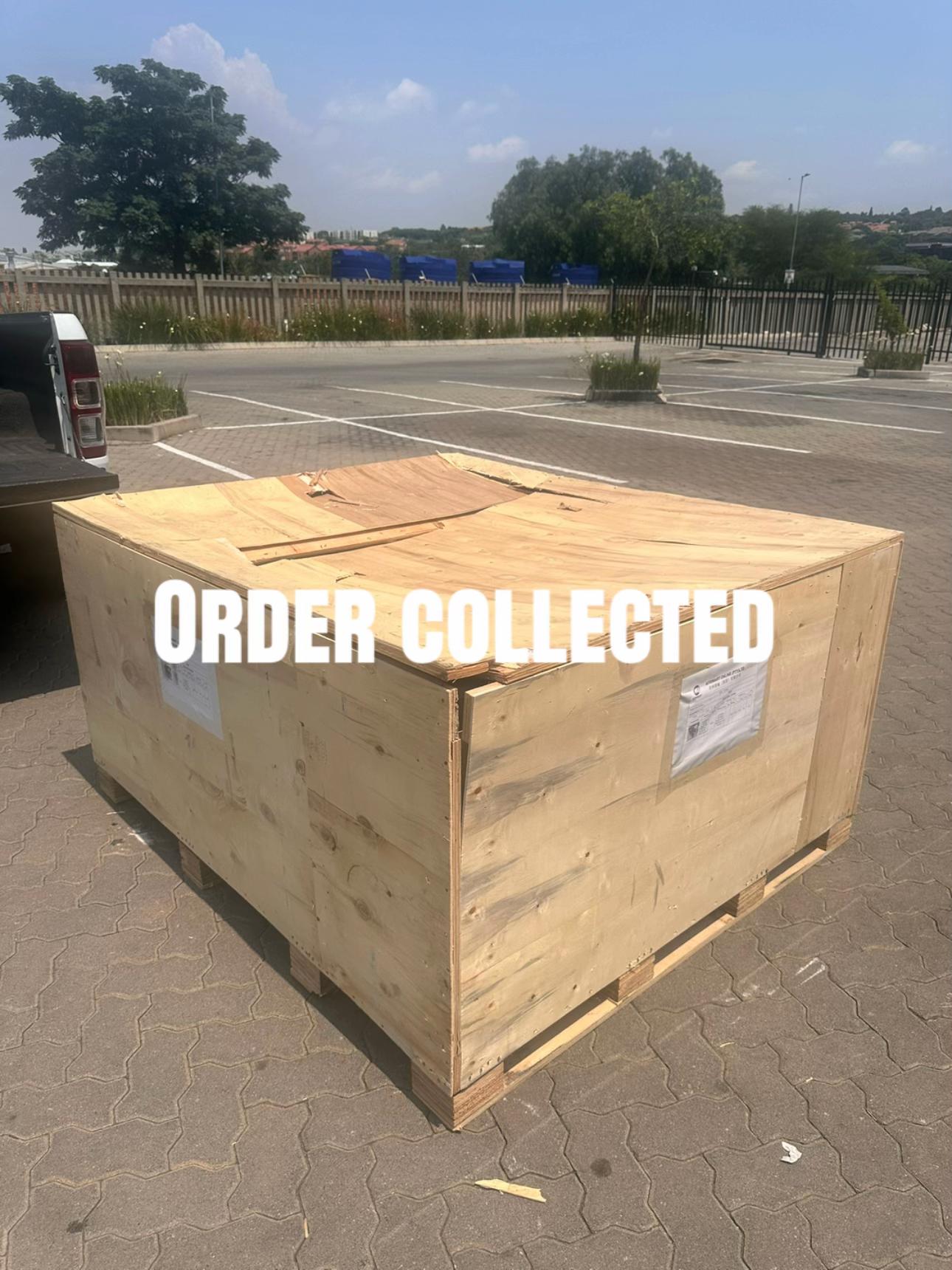
Latest Arrivals
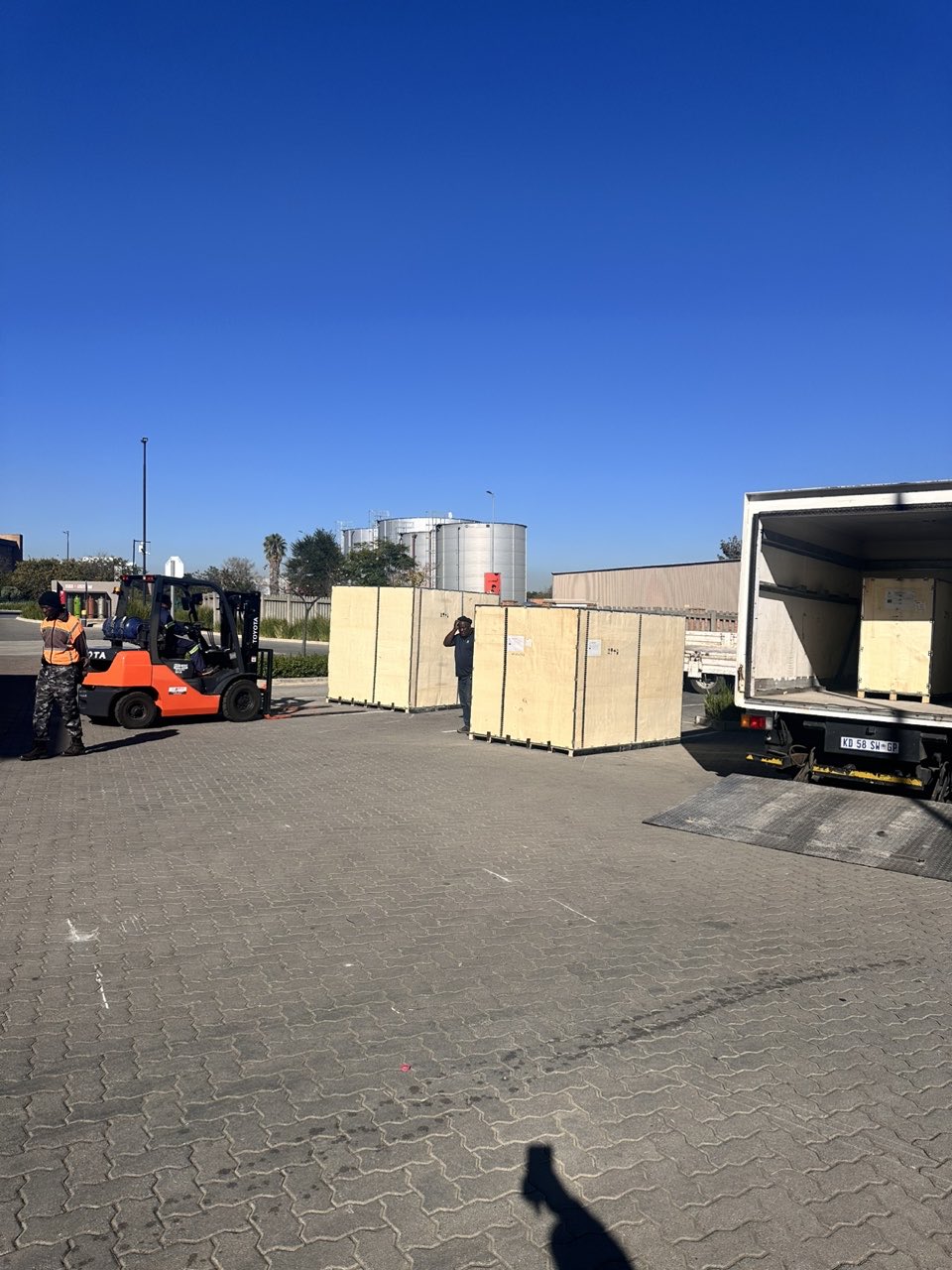
Loading
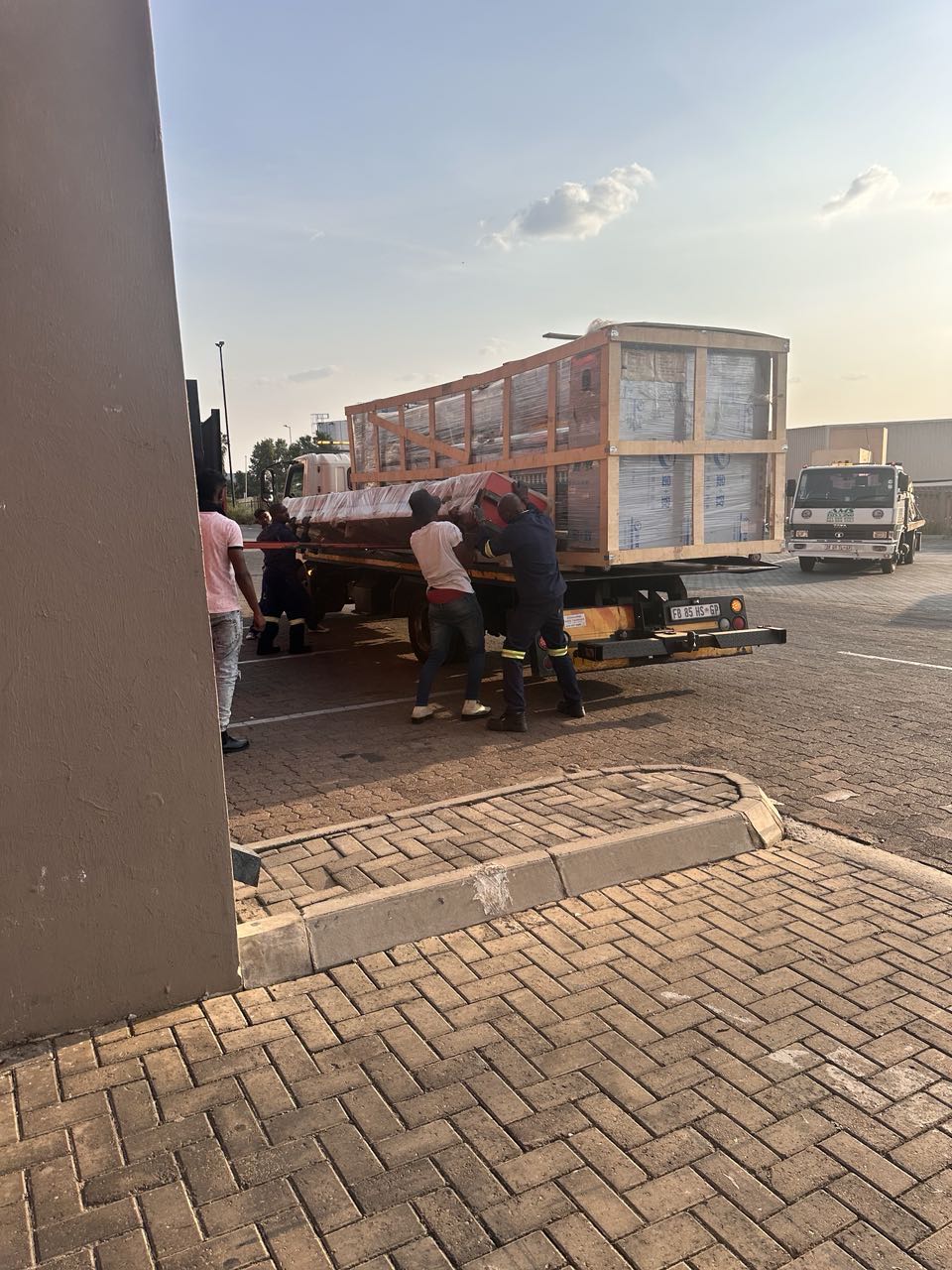
Toilet paper making machine
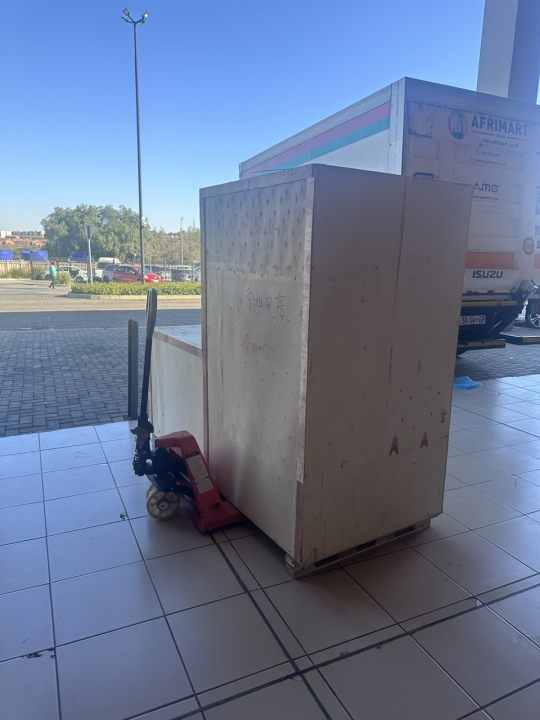
Toilet paper making machine
Toilet paper Rewinding Machine
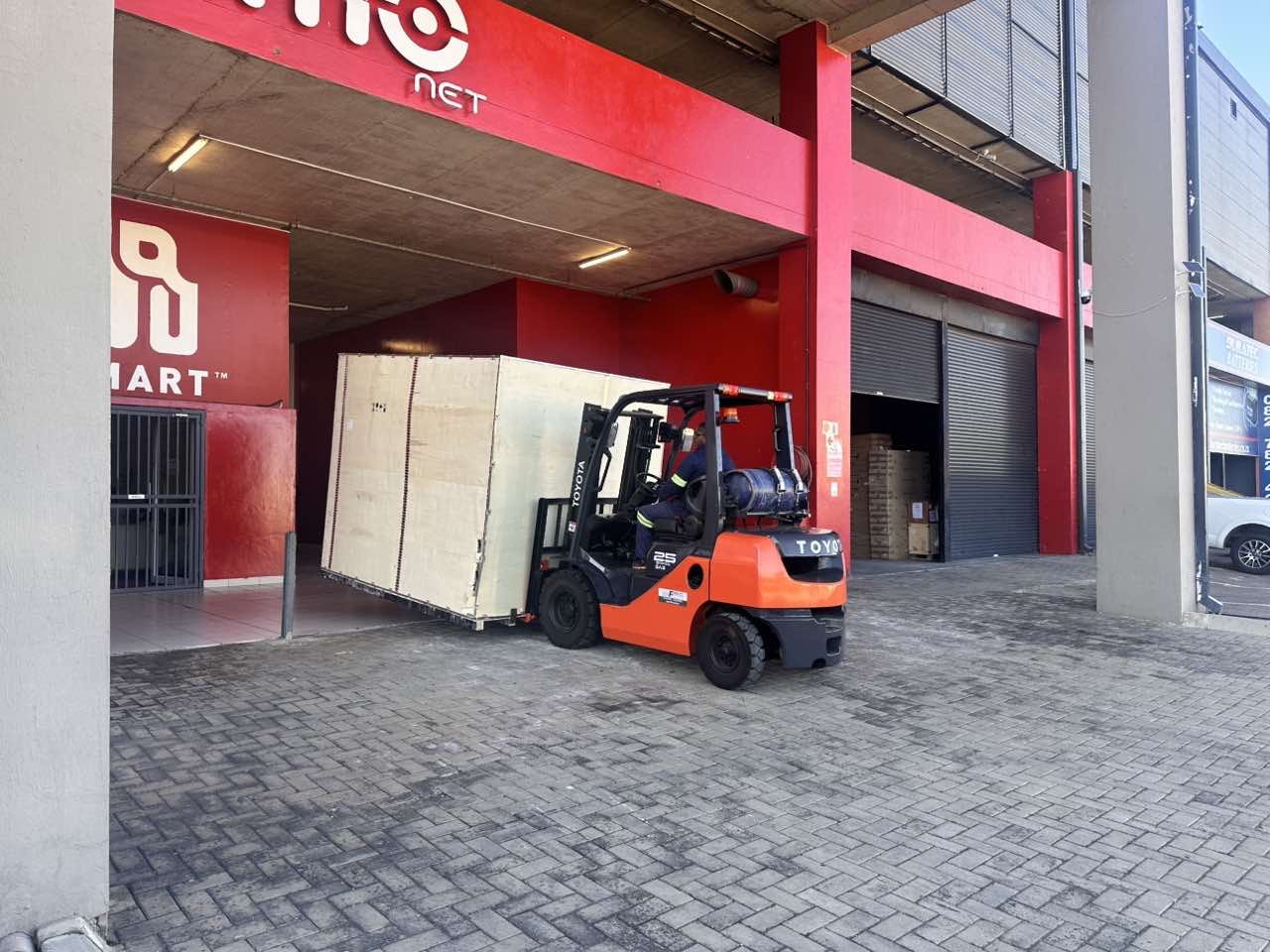
latest arrivals
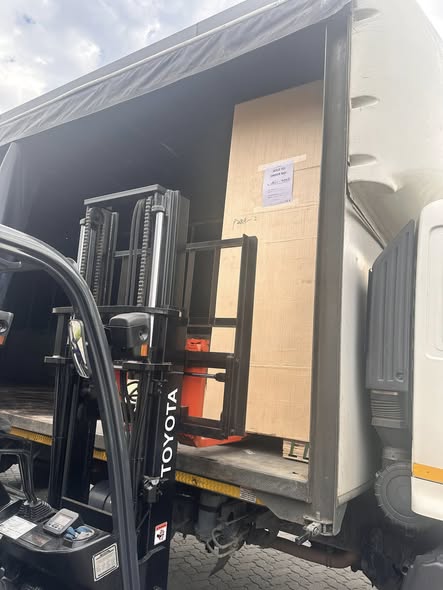
offloading
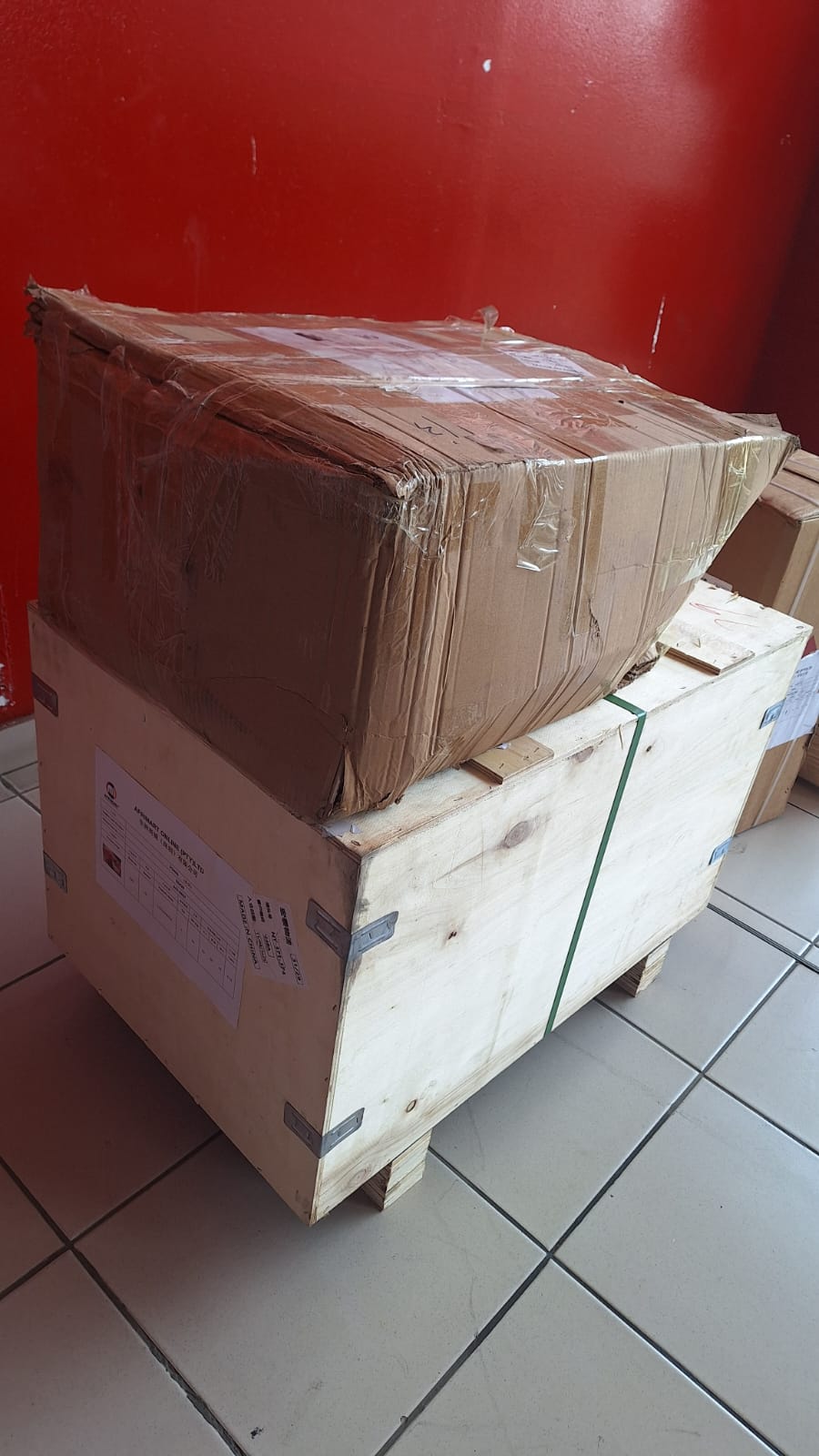
order success
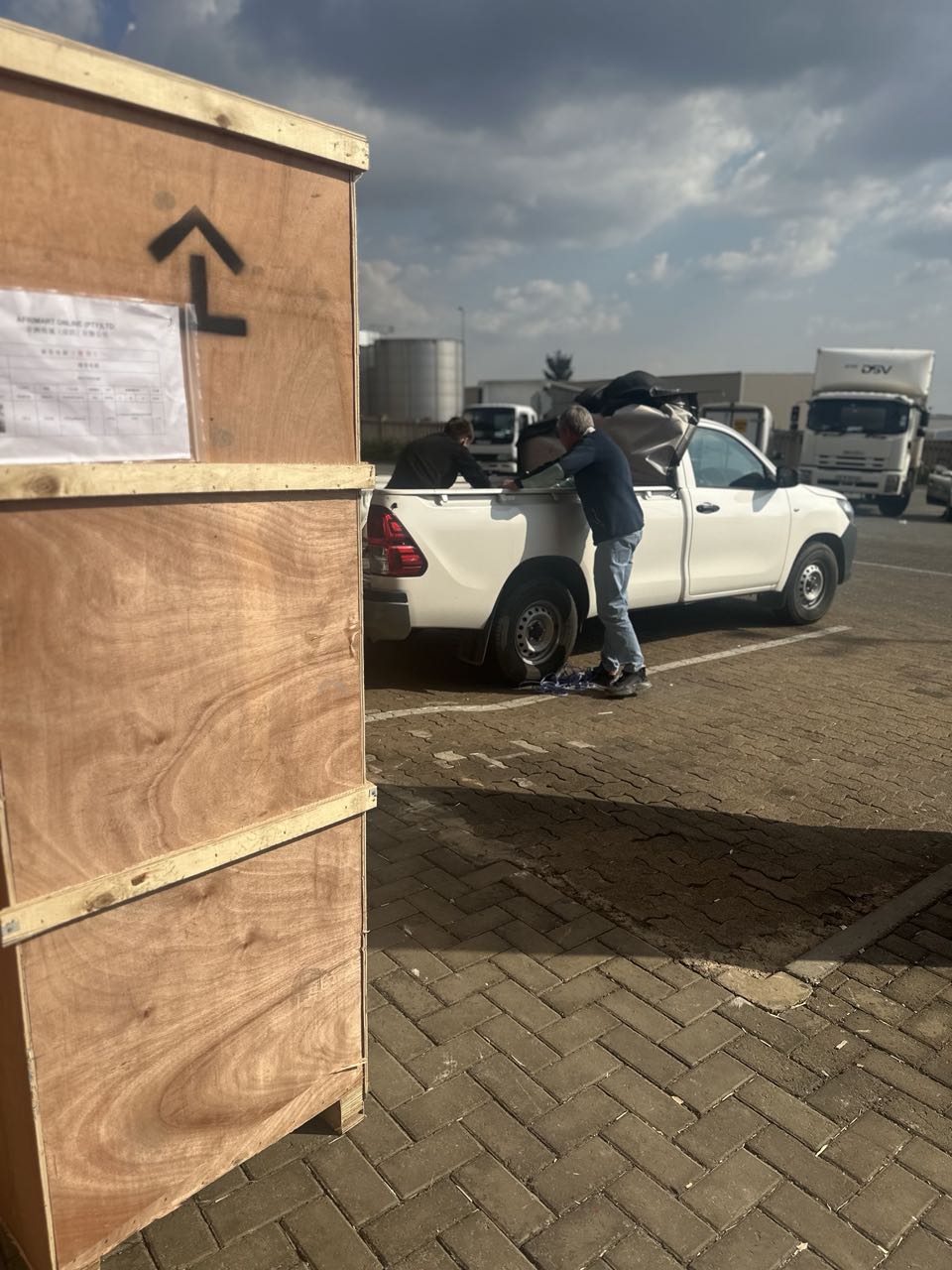
order collection
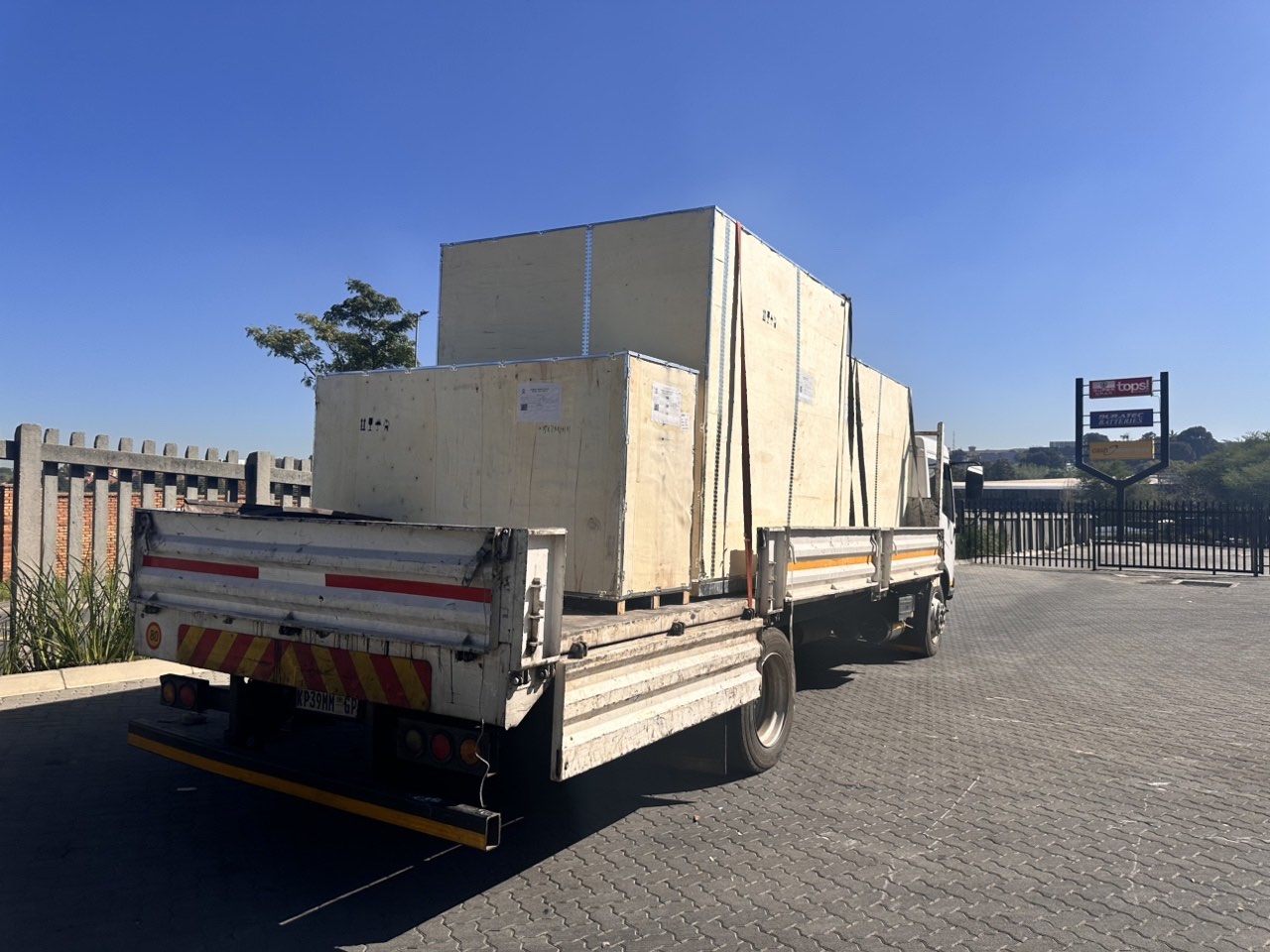
order offloading