B21, China Town Mall, Midrand

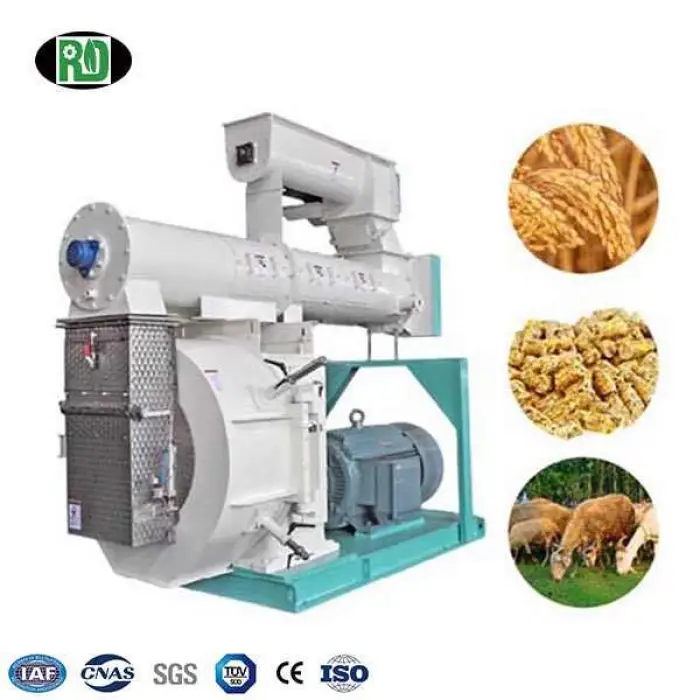
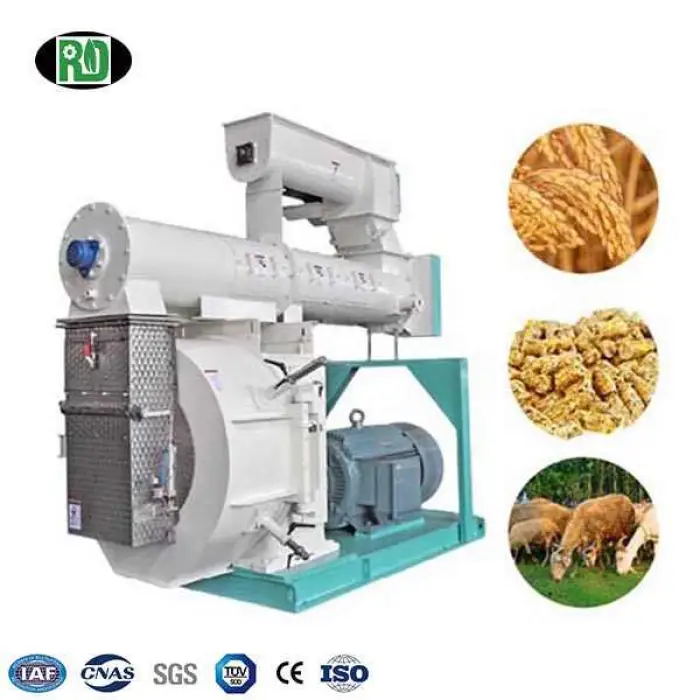
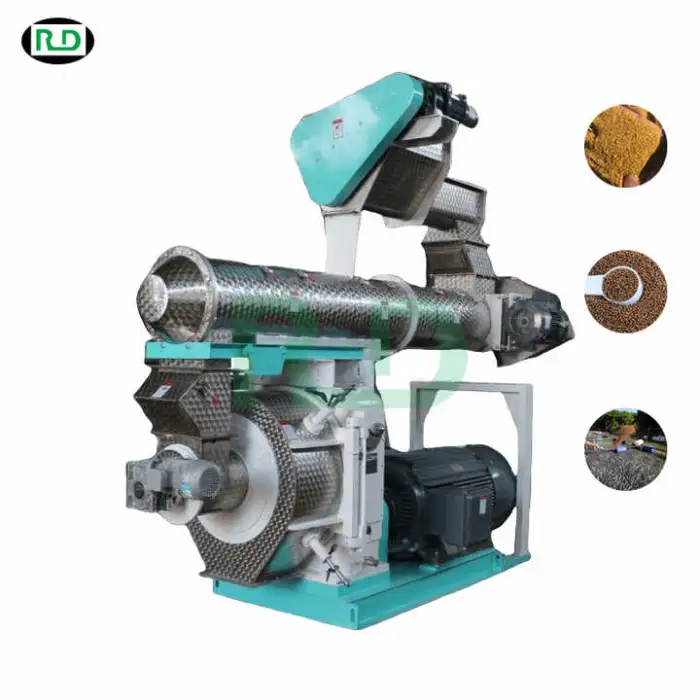
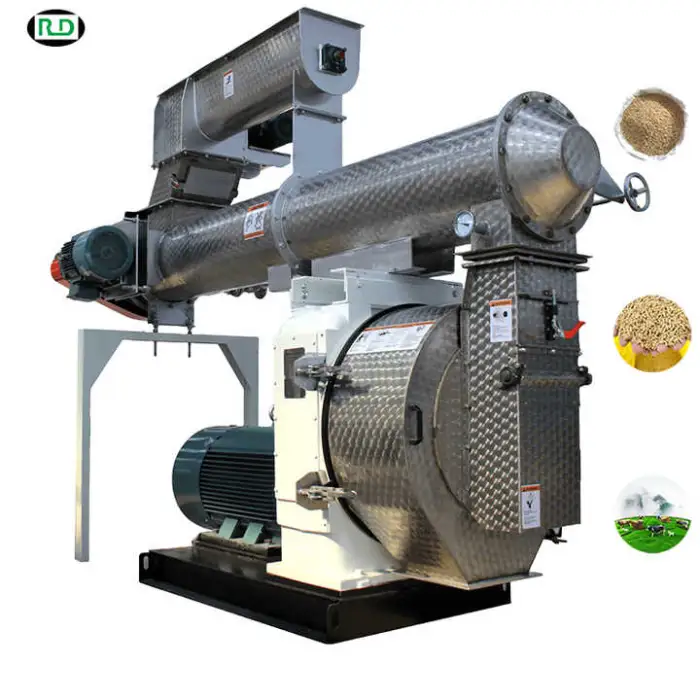
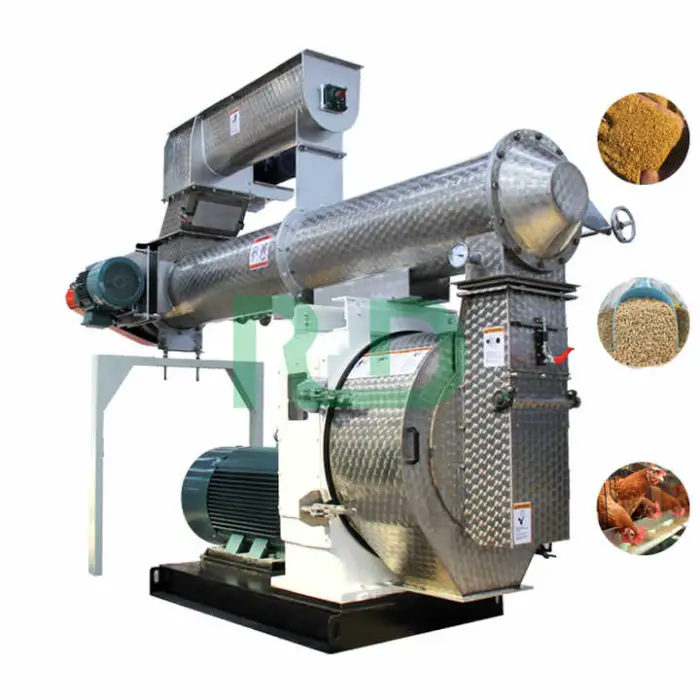
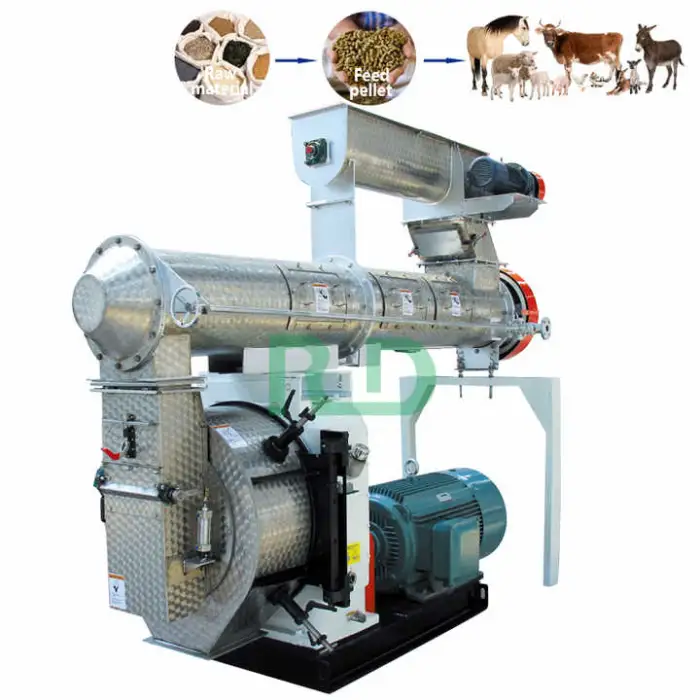
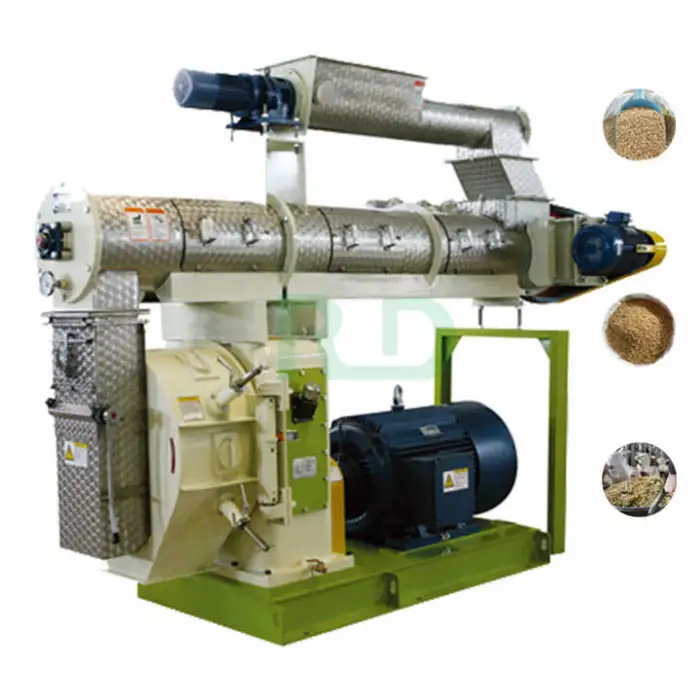
Electric Poultry Chicken Feeds Grass Pellet Making Machine Cattle Pelletizer Machine Pellet Machine
Asset finance available
Do you want funding for this equipment?
Afrimart can connect you with trusted funding partners who specialise in asset finance for businesses like yours. Compare options and apply in minutes — final approval is subject to provider review.
Check funding options
Secure & no obligation

- Section : Machinery
- Category : Other Food Processing Machinery
- SKU : 1601448477594

Electric Poultry Chicken Feeds Grass Pellet Making Machine Cattle Pelletizer Machine Pellet Machine
This Electric Poultry Chicken Feeds Grass Pellet Making Machine is perfect for farms and animal feed production. It helps you make high-quality pellets for your poultry and cattle quickly and efficiently. With a capacity of up to 10 tons per hour, this pelletizer machine is designed to meet your needs and increase productivity.
Specifications
| Attribute | Details |
|---|---|
| Product Name | Pelletizer Machine for Animal Feeds |
| Condition | New |
| Capacity | 10 ton/h |
| Weight | 5000 kg |
| Voltage | 220v/380v/400v |
| Raw Material | Corn/Soybean/Sorghum/Grain |
| Pellet Size | 1-12 mm |
| Selling Units | Single item |
| Package Size | 2000X1300X1800 cm |
| Gross Weight | 20000 kg |
Key Features
- High productivity with a capacity of 10 tons per hour.
- New and durable design for long-lasting use.
- Versatile: can process various raw materials like corn and soybean.
- Adjustable pellet size between 1-12 mm for different animal needs.
- Efficient power usage with multiple voltage options.
Applications
- Perfect for poultry farms producing chicken feed.
- Ideal for cattle feed production on farms.
- Useful for making feeds for other livestock.
- Can be used in small-scale and large-scale feed production.
Product Info Gallery
- Shipping Timeframes: All orders are processed within 2-5 business days (excluding weekends and holidays). After your order has been processed, the estimated delivery time is before 03 Aug, 2026, depending on customs, Please note that due to high demand, some items may experience longer shipping times, which will be communicated at order confirmation email.
- Order Processing Time: Please allow 2-5 business days for us to process your order before it is shipped . Orders placed after 16:00 on Fridays, or during weekends and public holidays, will begin processing on the next business day. Processing times may be extended during peak seasons or sales events.
- Manufacturing Time: Some products needs manufacturing time, the manufacturing process will take approximately 10-30 business days depending on the product. This timeframe may vary depending on the complexity of the product and current demand. but this will be communicated with you during order confirmation.
- Returns and Exchanges: We offer a 30-day return policy for most items. If you are not completely satisfied with your purchase, you may return it within 30 days of receipt for a refund or exchange. Items must be unused, in their original packaging, and accompanied by proof of purchase. Return shipping costs are the responsibility of the customer, unless the item was damaged or defective upon arrival.
1. What is this Electric Poultry Chicken Feeds Grass Pellet Making Machine used for?
It is a pelletizer designed to produce feed pellets for poultry, cattle and other livestock from raw materials such as corn, soybean, sorghum, grain and grass. It converts powdered or chopped raw materials into uniform pellets for easier feeding, storage and transport.
2. What is the machine's production capacity?
The listed capacity is up to 10 tons per hour. Actual throughput depends on raw material type, moisture content, particle size, formulation and machine configuration.
3. What pellet sizes can the machine produce?
Pellet diameter can be adjusted between 1 mm and 12 mm to suit different animals and feeding needs. Pellet length is typically controlled by the cutting device—confirm length options with the supplier.
4. What raw materials can be processed?
It can process various raw materials including corn, soybean, sorghum, grain and dried grass. Some materials require pre-treatment such as grinding and drying for optimal pelleting.
5. What power/voltage options are available and what do I need on-site?
Voltage options listed are 220V, 380V and 400V. 380V/400V are commonly three-phase supplies. Verify your local power availability and ensure proper industrial wiring and an appropriate circuit breaker; consult a qualified electrician or the supplier for correct configuration.
6. What site preparation or foundation is required for installation?
A stable, level concrete foundation or steel platform is typically recommended. Exact requirements depend on machine layout, any auxiliary equipment and local conditions—the supplier can provide foundation drawings and installation guidance.
7. Are auxiliary machines required for a complete feed production line?
Yes. Common auxiliary equipment includes a hammer mill or grinder (for size reduction), mixer, dryer (if moisture is high), cooler, conveyor, and packaging machine. Cooling is recommended after pelleting to harden and stabilize pellets.
8. What maintenance and cleaning does the machine need?
Regular maintenance includes checking and replacing wear parts (dies, rollers, bearings), lubricating bearings and gearboxes per manufacturer schedule, cleaning feed channels and die holes to prevent clogging, and inspecting belts and electrical components. Follow the supplier's maintenance manual for intervals and procedures.
9. How heavy is the machine and what are the packaging dimensions?
Machine net weight is listed as 5000 kg and gross weight as 20000 kg. The package size is shown as 2000 x 1300 x 1800 (confirm units). Because the provided packaging dimensions/weights may vary by configuration and shipping method, confirm exact values with the supplier or shipping agent before transportation.
10. Does the machine come with spare parts and warranty?
Warranty terms and spare-part provisioning vary by manufacturer and seller. Contact the supplier for specific warranty length, included spare parts, availability of wear parts (dies, rollers, knives), and after-sales service options such as onsite support or replacement shipments.
11. What factors affect pellet quality and hardness?
Pellet quality depends on raw material composition, particle size, moisture content (optimal moisture typically required), conditioning (steam or binder use), die specifications and machine settings. Proper formulation, pre-processing and cooling improve pellet durability and uniformity.
12. Can the machine handle fresh/wet grass or does grass need pre-treatment?
Fresh wet grass normally needs drying and appropriate size reduction before pelleting to reach a suitable moisture level and particle size. Excessive moisture can clog dies and reduce output. Check with the supplier for recommended moisture ranges for grass pelleting.
13. Is operator training provided and how complex is operation?
Operation complexity is moderate—operators need training for startup/shutdown, adjustment of feed rate and die/roller settings, routine maintenance and safety procedures. Many suppliers offer operation training, manuals and remote or onsite commissioning—confirm availability when ordering.
14. What safety features or precautions should be observed?
Ensure all guards and covers are in place, use emergency stop switches, follow lockout/tagout procedures during maintenance, wear appropriate PPE (gloves, eye protection, ear protection) and avoid introducing foreign objects into the feed stream. Follow the supplier's safety manual and local regulations.
15. Can the machine be customized or scaled for different capacities?
Many manufacturers offer customization in die types, motor ratings and additional modules to suit different capacities and feed types. For scaling up or adjusting performance, consult the supplier with your specific production target and raw-material profile to get a recommended configuration.
Latest Order Arrivals
Discover our latest orders

12 Heads Embroidery Machine

Toilet Paper Machine Machine

Order Collection

Cross Border Clients

Order cros border countries Collected

Industrial Machine Cllection

Agriculture Processing Machines

Ready for collection

Water Pump Equipment

Packaging Machine and accessories

Fabrics Manufacturing Equipment

Mining Equipments

Food Processing Machine

Batch of Orders

Batch of Orders

Latest Orders Labelled

wheel alignment machines

new arrivals

Pre Orders Offloading

Latest Arrivals

Latest Arrivals

Latest Arrivals

Loading

Toilet paper making machine

Toilet paper making machine

Toilet paper Rewinding Machine

latest arrivals

offloading

order success

order collection

order offloading