B21, China Town Mall, Midrand


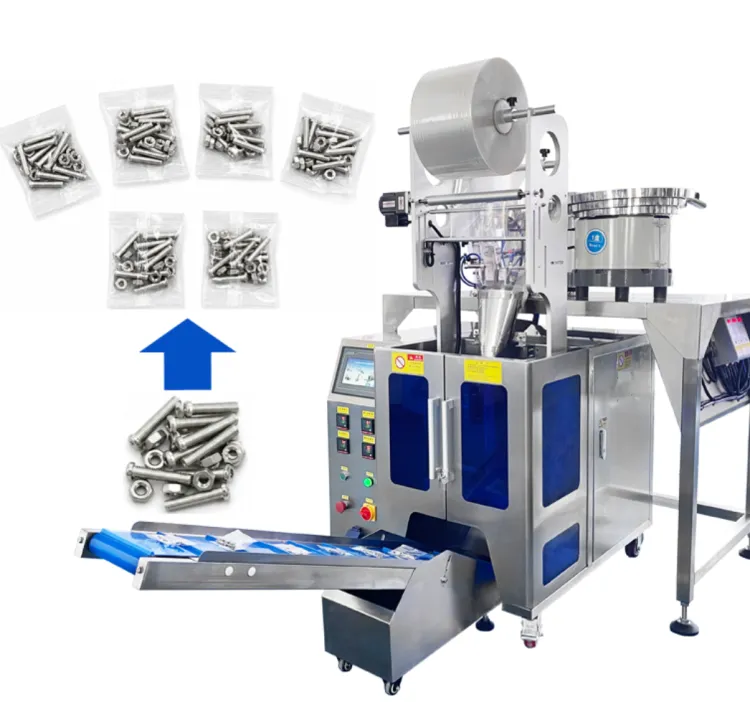
DZ-400/2S Automatic Filling and Sealing Machine

- Section : Machinery
- Category : Vacuum Packing Machines
- SKU : 1600687976791

DZ-400/2S Automatic Filling and Sealing Machine
Introduction
The Automatic Filling and Sealing Machine is engineered for efficient and precise filling and sealing of various products. Ideal for applications in food, beverage, chemicals, and commodities, this machine ensures maximum productivity with a focus on durability. With an electric drive system and a compact design, it delivers reliable performance and easy operation, offering long service life and minimal maintenance.
Key Features and Benefits
- Efficient Filling and Sealing: The machine automatically handles both filling and sealing processes, ensuring smooth and consistent results with every cycle.
- Wide Application Range: Perfect for packaging food, beverages, chemicals, and other commodities, allowing businesses to adapt the machine to various industries.
- Electric Drive System: Powered by an electric motor, this machine offers energy-efficient operation, reducing operational costs.
- Compact and Durable Design: Weighing just 80kg, the machine is compact yet built to last, providing consistent results over time.
- Flexible Voltage Options: Works with both 110V and 220V input voltages, making it versatile for different regions and power supplies.
- User-Friendly Operation: The machine's automatic functionality ensures ease of use, minimizing the need for manual labor and reducing the potential for human error.
- Support and After-Sales Services: Comes with video technical support and online support to assist with setup, troubleshooting, and maintenance.
Applications
- Food and Beverage Industry: Suitable for packaging liquids, powders, granules, and other food items that require filling and sealing.
- Chemical Industry: Ideal for packaging chemicals, ensuring safe and secure sealing of products.
- Commodity Packaging: Efficient for packaging bulk goods like detergents, fertilizers, and other commodities that need sealing in film packaging.
Unique Selling Points
- Long Service Life: Built with high-quality materials and components, ensuring extended durability and fewer replacements.
- Energy-Efficient: The electric-driven design minimizes power consumption while maintaining high output efficiency.
- Compact yet Powerful: Despite its small footprint, the machine delivers consistent and reliable performance, perfect for small to medium-scale operations.
Product Info Gallery
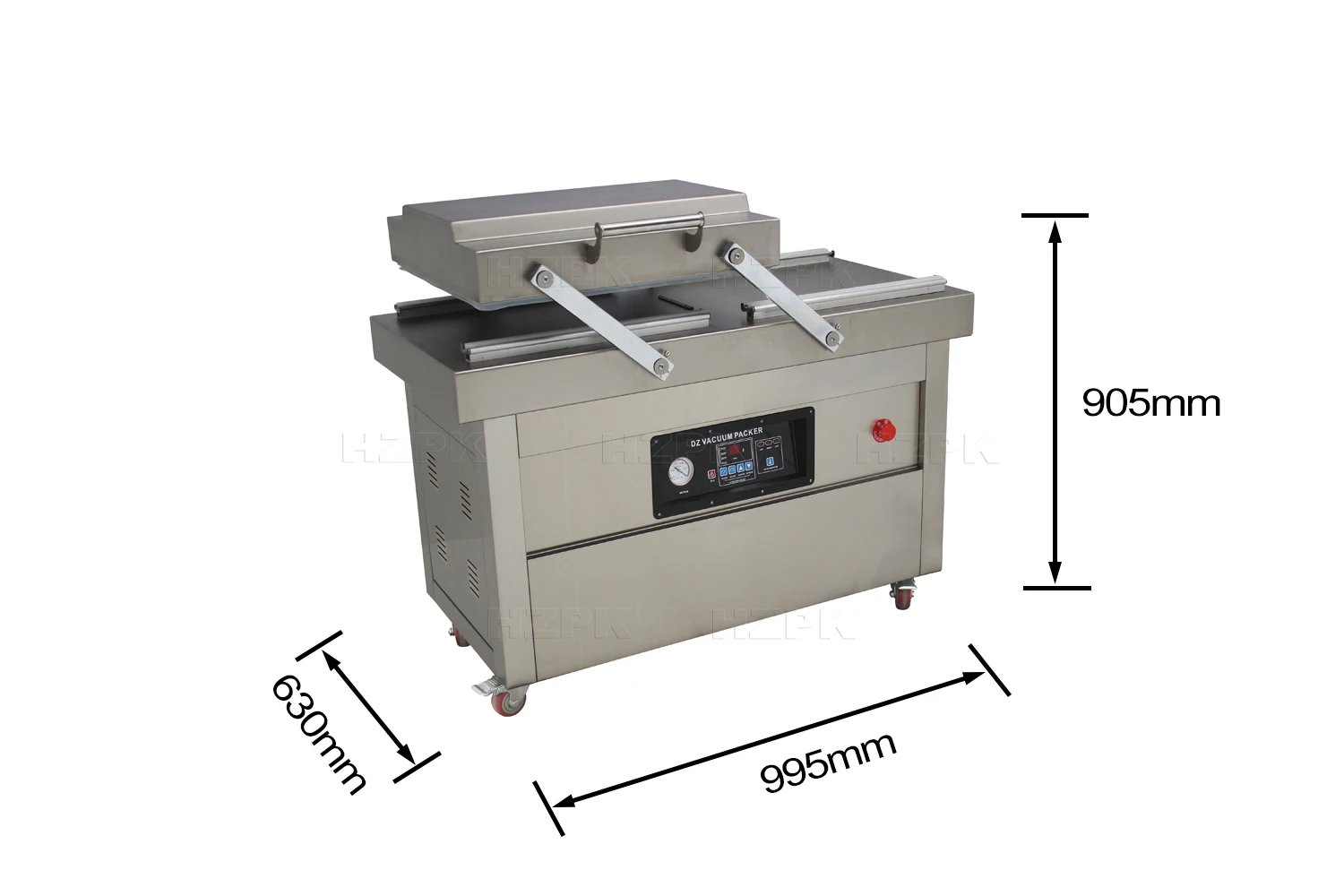
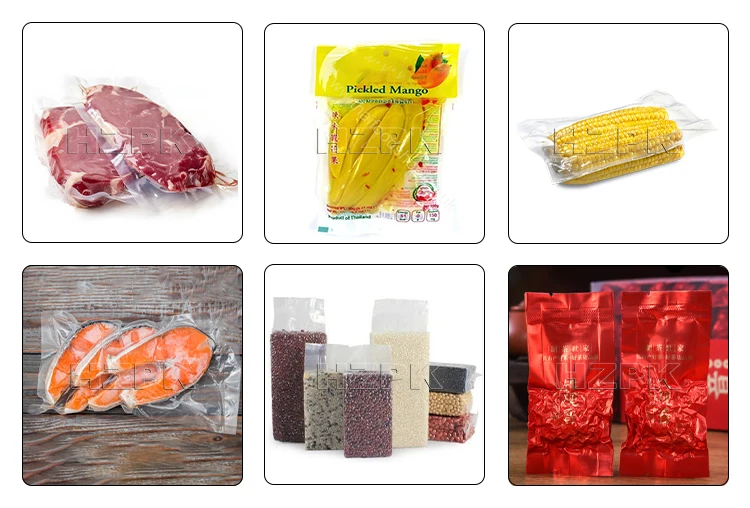
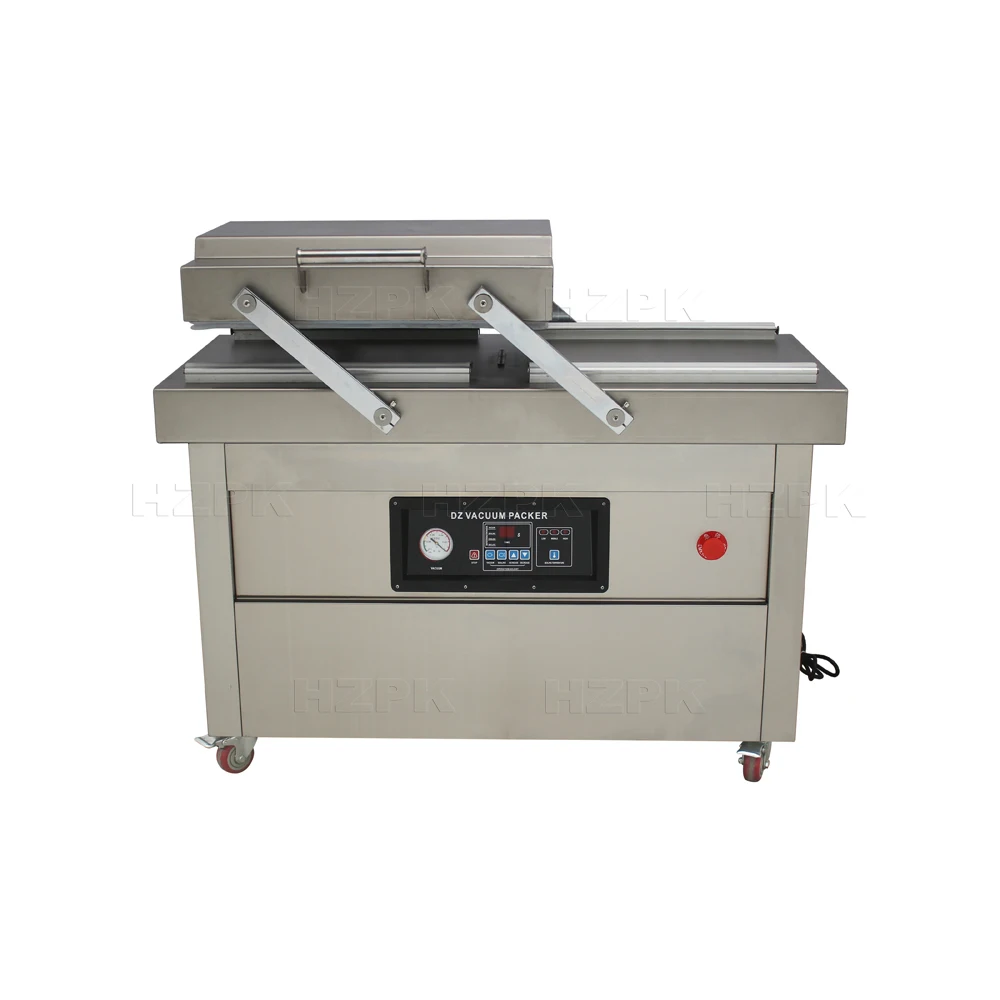
1.DZ-400/2S can be a single or more pieces of packaging, suitable for small-scale continuous operation,high effciency.
2.Easy to operate, the machine simply press the vacuum chamber cover can be completed according to the producers set vacuum.
3.The vacuum packaging items in a sealed stase to prevent oxidation, midew, insects, moisture, extend product storage period.
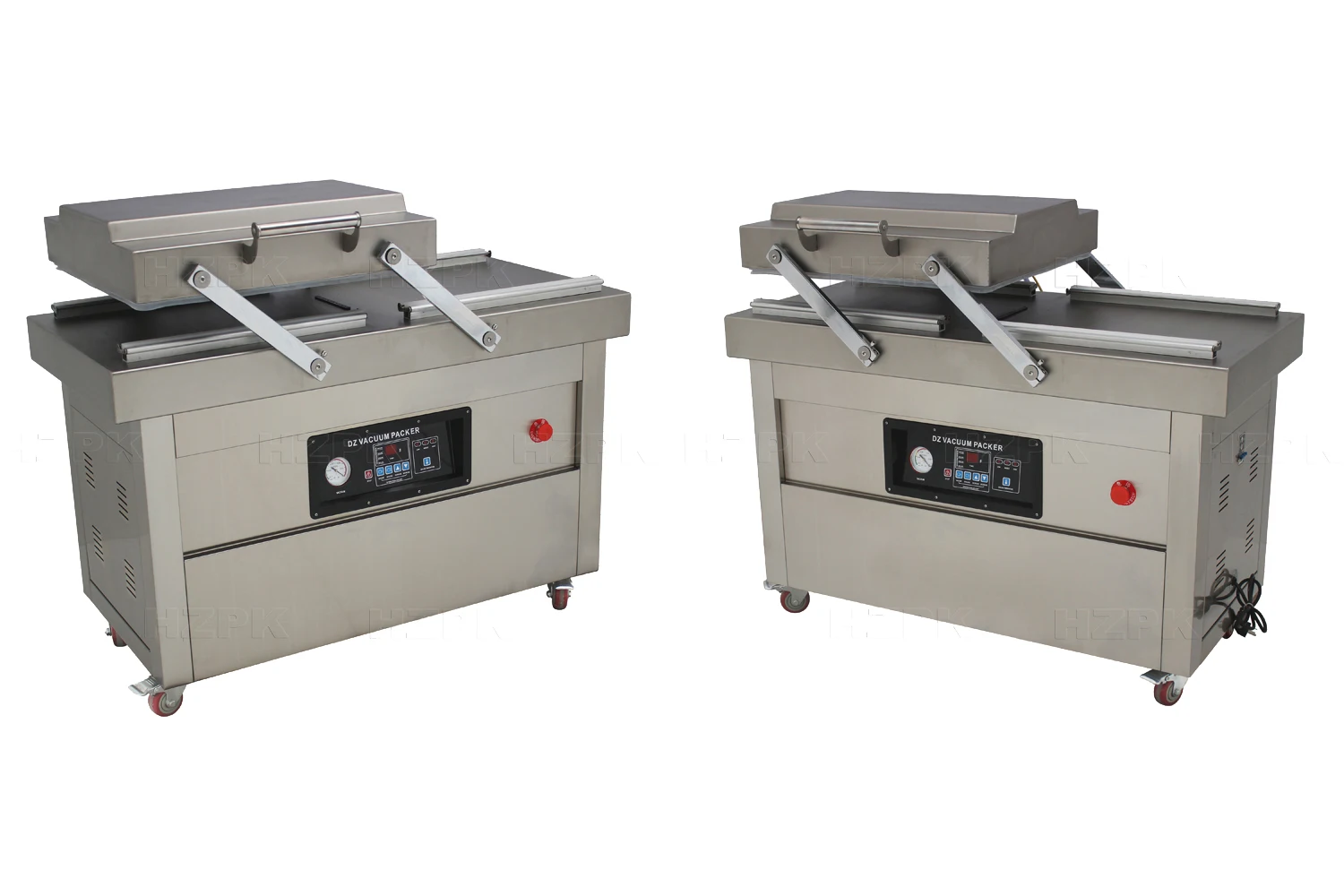
4.Double chamber vacuum packaging machine, two vacuum chambers are used interchangeably.
| Dodel | 400DB | 500DB | 600DB |
| Voltage (V/HZ) | AC 220/380,60/50 | ||
| Vacuum pump motor power (kw) | 1*2 | ||
| Sealing bar quantity/chamber | 2bar/chamber | ||
| Sealing length (mm) | 400 | 500 | 600 |
| Sealing width (mm) | 10 | ||
| Product max. length (mm) | about330 | about430 | about530 |
| Chamber size (L*W*H)(mm) | 435*420*40 | 525*525*40 | 620*625*40 |
| Vacuum pump rate (m3/h) | 20*2 | ||
| Chamber material | Stainless steel | ||

Details Images
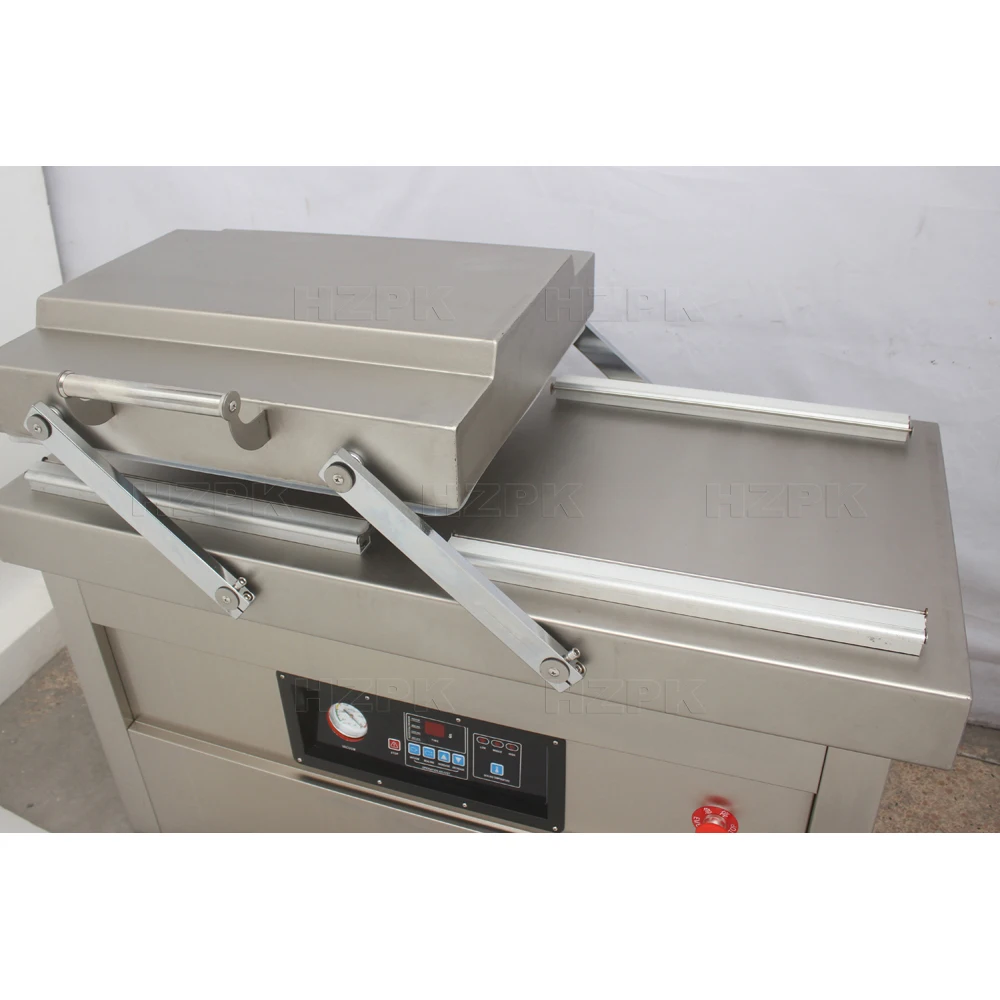
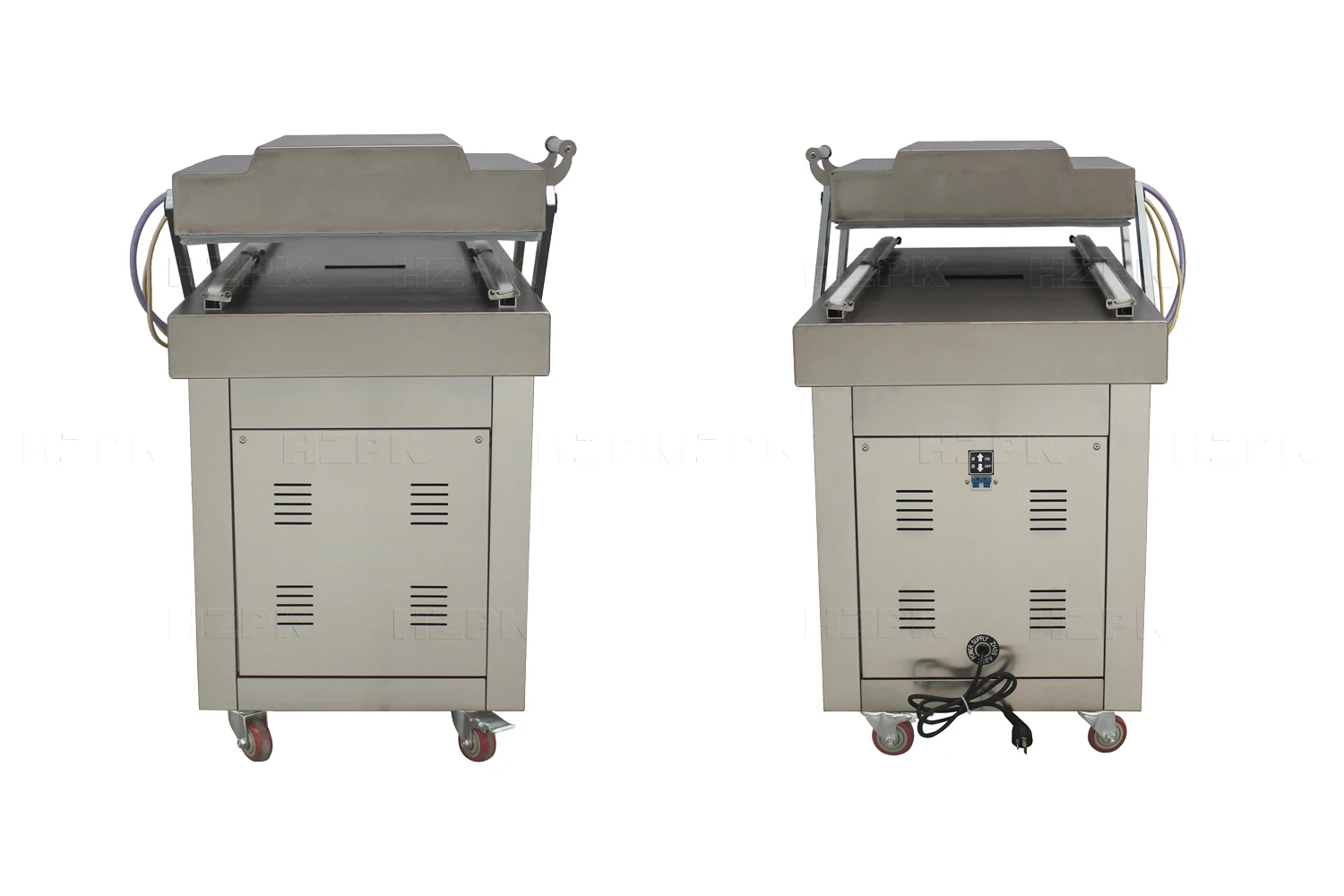
Double chamber
Double vacuum chambers are made of stainless steel, resistant to wear and corrosion Each vacuum chamber is equipped with two seals, which can work simultaneously for higher efficiency Vacuum chamber size: 435*420*40mm
Control panel
The control panel consists of a vacuum gauge and control buttons Easily adjust vacuum time, deflation time, sealing time The
sealing temperature can be adjusted


Sealing bar
The sealing strip is made of heat-resistant rubber, which can be used for a long time Card slot design, easier to replace Seal size: 400*10mm
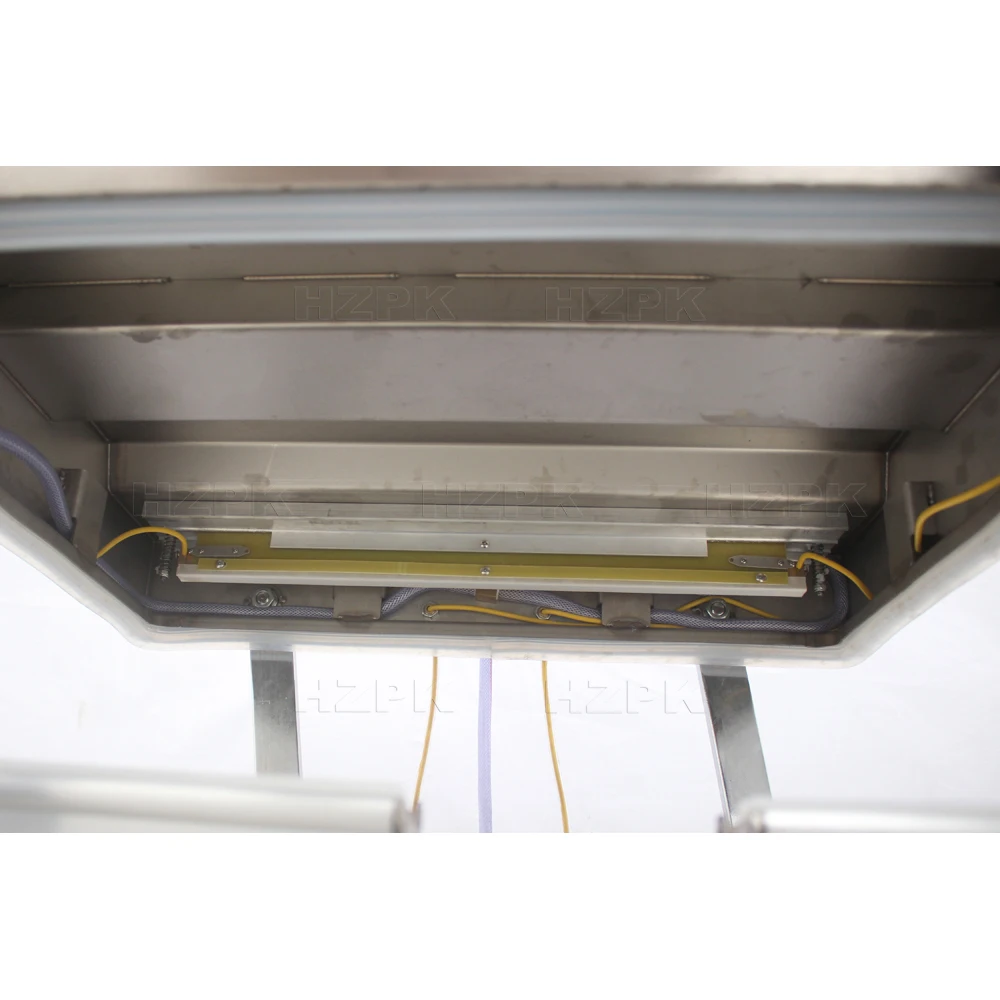
Cover
Vacuum cover made of stainless steel The cover is equipped with two heating seals inside

- Shipping Timeframes: All orders are processed within 2-5 business days (excluding weekends and holidays). After your order has been processed, the estimated delivery time is before 03 Aug, 2026, depending on customs, Please note that due to high demand, some items may experience longer shipping times, which will be communicated at order confirmation email.
- Order Processing Time: Please allow 2-5 business days for us to process your order before it is shipped . Orders placed after 16:00 on Fridays, or during weekends and public holidays, will begin processing on the next business day. Processing times may be extended during peak seasons or sales events.
- Manufacturing Time: Some products needs manufacturing time, the manufacturing process will take approximately 10-30 business days depending on the product. This timeframe may vary depending on the complexity of the product and current demand. but this will be communicated with you during order confirmation.
- Returns and Exchanges: We offer a 30-day return policy for most items. If you are not completely satisfied with your purchase, you may return it within 30 days of receipt for a refund or exchange. Items must be unused, in their original packaging, and accompanied by proof of purchase. Return shipping costs are the responsibility of the customer, unless the item was damaged or defective upon arrival.
1. What is the DZ-400/2S Automatic Filling and Sealing Machine designed to do?
The DZ-400/2S is an electric-driven machine that automatically fills and vacuum-seals product packages. It is built for efficient, continuous small- to medium-scale packaging with a focus on durability, energy efficiency and ease of operation.
2. What types of products can this machine package?
It is suitable for liquids, powders, granules and other commodity products used in food & beverage, chemical and general commodity packaging. Packaging material must be compatible with vacuum sealing and the product’s physical properties.
3. What model/sizing options are available (sealing length, sealing width, chamber size)?
Sealing lengths are available in 400 mm, 500 mm and 600 mm with a standard sealing width of 10 mm. Typical chamber sizes (L×W×H) are approximately 435×420×40 mm (400 model), 525×420×40 mm (500 model) and 625×420×40 mm (600 model).
4. What power / voltage options does the machine support?
The machine uses an electric drive and can be configured for different regional power supplies. Common options include 110 V and 220 V; other configurations (such as 220/380 V) may be available—confirm exact voltage and Hz requirements with your supplier before ordering.
5. What are the vacuum pump specifications?
The DZ-400/2S uses a dual vacuum pump arrangement for faster evacuation. Typical rated capacity is around 20 m³/h per pump (dual-pump configuration). For motor power, exact values depend on model and region—refer to the detailed spec sheet from the manufacturer.
6. How does the double-chamber design work and what are the benefits?
The machine has two vacuum chambers that operate alternately. While one chamber is being vacuumed and sealed, the other can be loaded/unloaded—this increases effective throughput and supports continuous small-scale operation.
7. What is the machine’s weight and recommended installation requirements?
The unit is compact and weighs approximately 80 kg. It should be placed on a stable, level bench or worktable with adequate ventilation and a properly grounded power outlet sized to the machine’s configured voltage.
8. How do I operate the control panel and set sealing/vacuum parameters?
The control panel includes a vacuum gauge and controls to set vacuum time, deflation time, sealing time and sealing temperature. Operation is user-friendly—close the vacuum chamber cover, set parameters, and start the cycle. Consult the user manual for recommended settings by product type.
9. What maintenance does the machine require?
Regular maintenance includes cleaning the stainless-steel chamber, inspecting and replacing worn sealing strips, checking chamber gaskets for leaks, monitoring vacuum pump oil (if oil-lubricated) and keeping heating elements free of residue. Follow the manufacturer’s maintenance schedule for pump servicing.
10. What consumables and spare parts should I expect to replace?
Common consumables include heat-resistant rubber sealing strips, sealing tape, chamber gaskets and vacuum pump consumables (oil, filters). The manufacturer or distributor typically supplies replacement parts.
11. What safety precautions should operators follow?
Ensure the chamber cover is closed before starting a cycle, use the correct configured voltage and grounding, avoid sealing flammable or highly reactive materials without proper precautions, keep hands clear of sealing bars when active, and train operators in emergency stop procedures.
12. Can the machine handle liquid-filled packages and does it need additional equipment?
It can package liquids, but handling high-liquid or free-flowing liquids may require proper dosing/filling equipment and correct bag selection to prevent overflow during vacuuming. For heavy-liquid applications the supplier can advise on compatible fillers or process adjustments.
13. What after-sales support and documentation are provided?
The product comes with online and video technical support for setup, troubleshooting and maintenance. Warranty terms and on-site support options vary—check with your supplier for warranty length, coverage and spare-parts availability.
14. Can the machine be customized or upgraded?
Yes. Options commonly include different sealing lengths, chamber sizes, voltage configurations and accessory add-ons. Discuss specific customization or automation integrations with your supplier to match your production needs.
15. What are common troubleshooting tips for poor sealing or weak vacuum?
For poor seals: check sealing temperature/time, clean or replace worn sealing strips, verify proper bag placement and absence of debris on sealing surfaces. For weak vacuum: inspect chamber gasket for leaks, ensure vacuum pump is functioning and oil level/filters are correct. If the machine fails to start, verify power, emergency stop status and fuse/circuit protection.
Latest Order Arrivals
Discover our latest orders
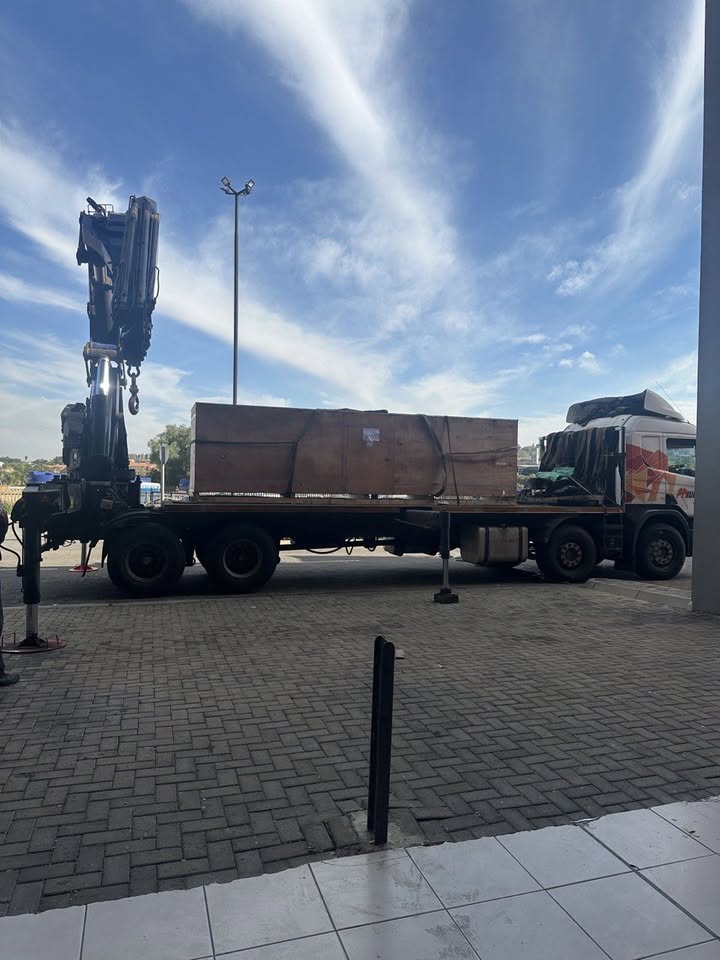
12 Heads Embroidery Machine
Toilet Paper Machine Machine
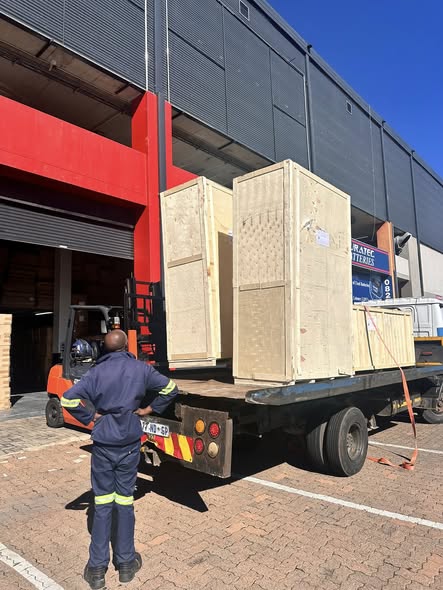
Order Collection
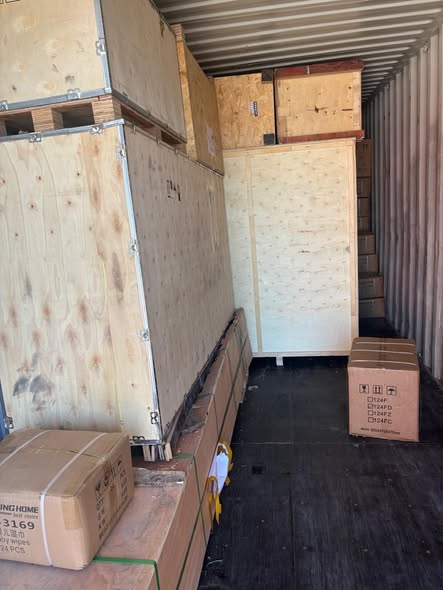
Cross Border Clients
Order cros border countries Collected
Industrial Machine Cllection
Agriculture Processing Machines
Ready for collection
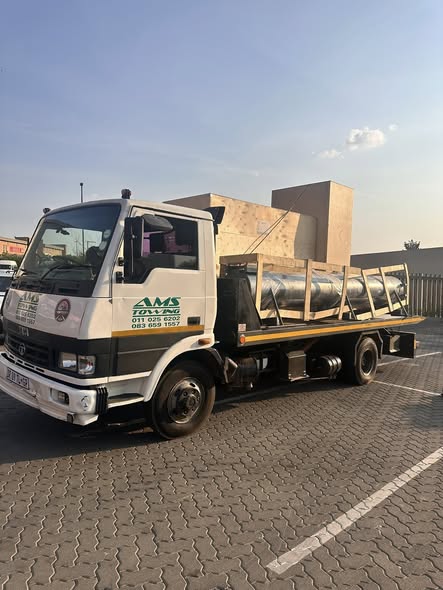
Water Pump Equipment
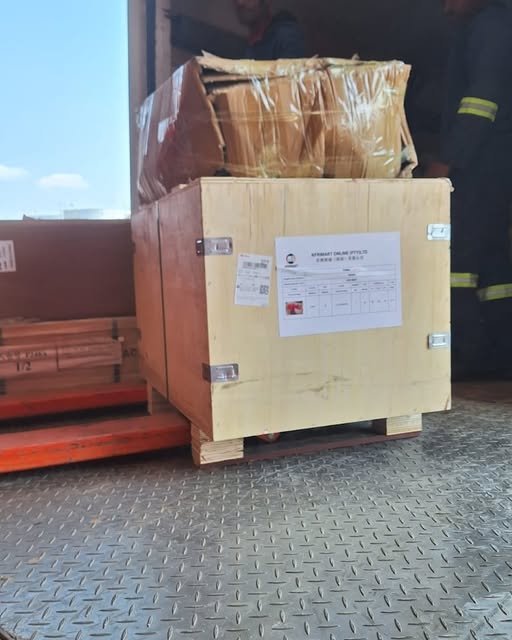
Packaging Machine and accessories
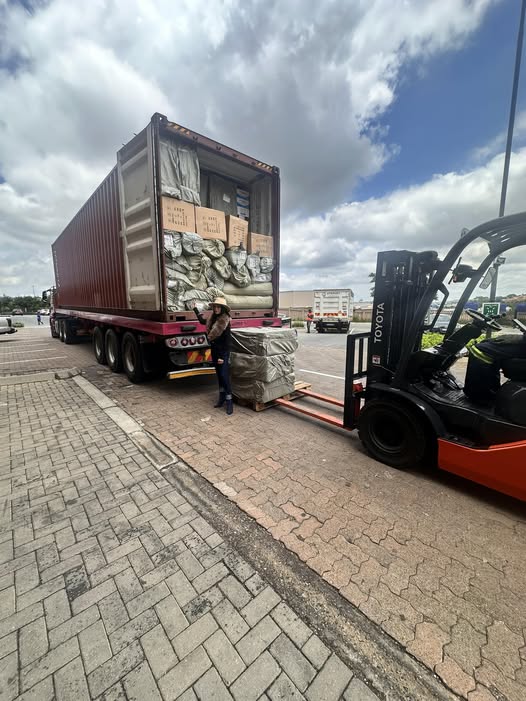
Fabrics Manufacturing Equipment
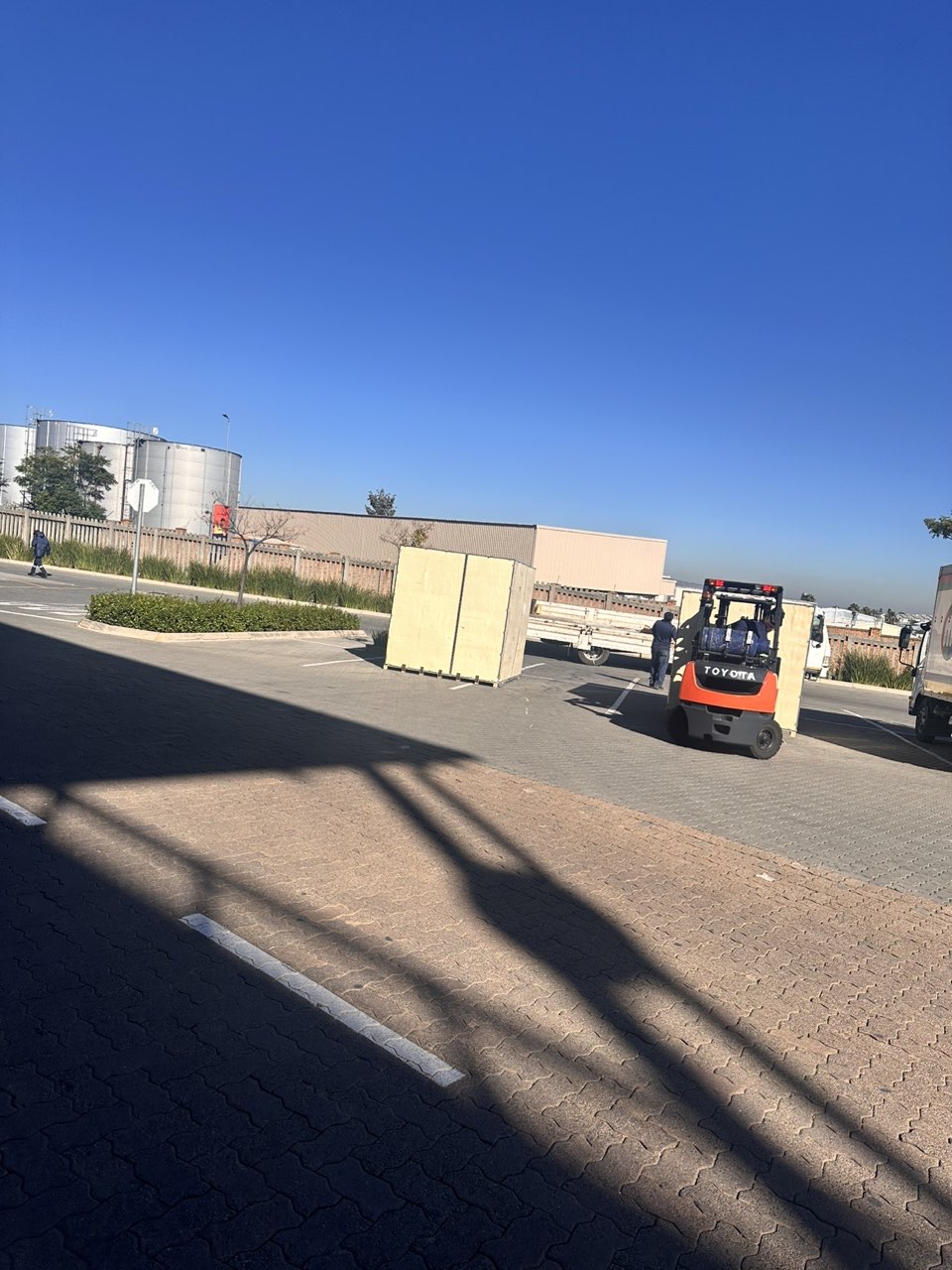
Mining Equipments
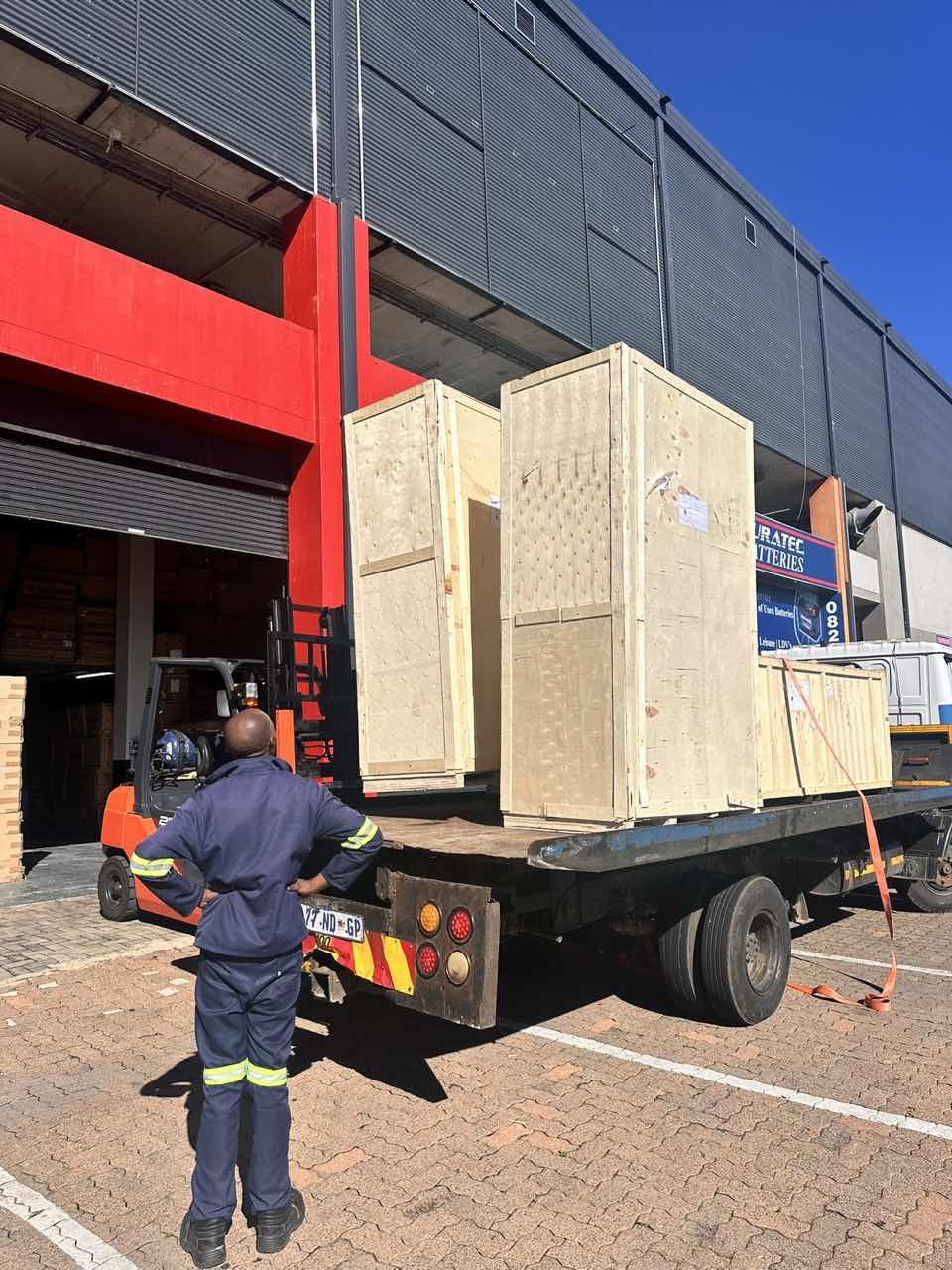
Food Processing Machine
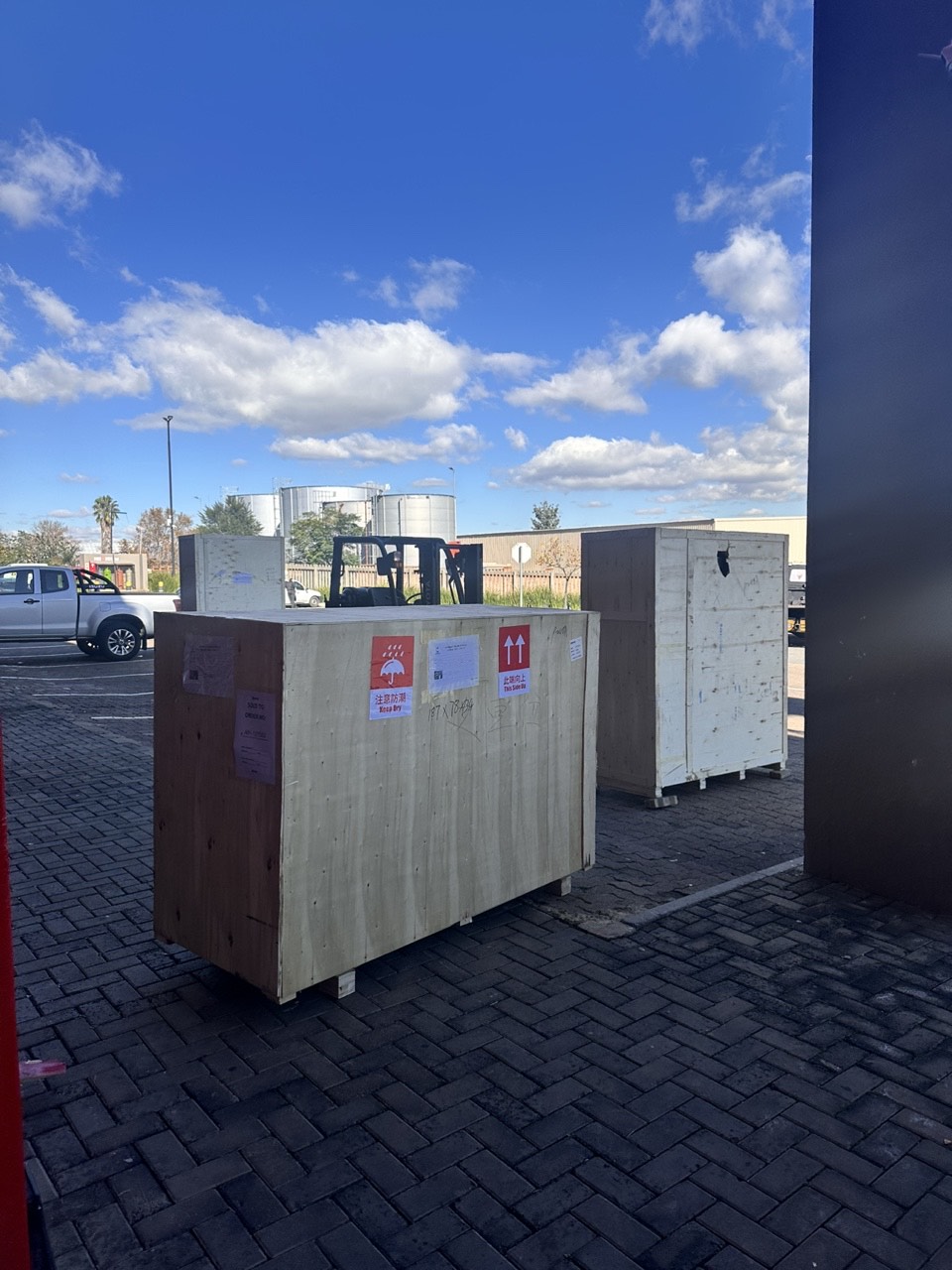
Batch of Orders
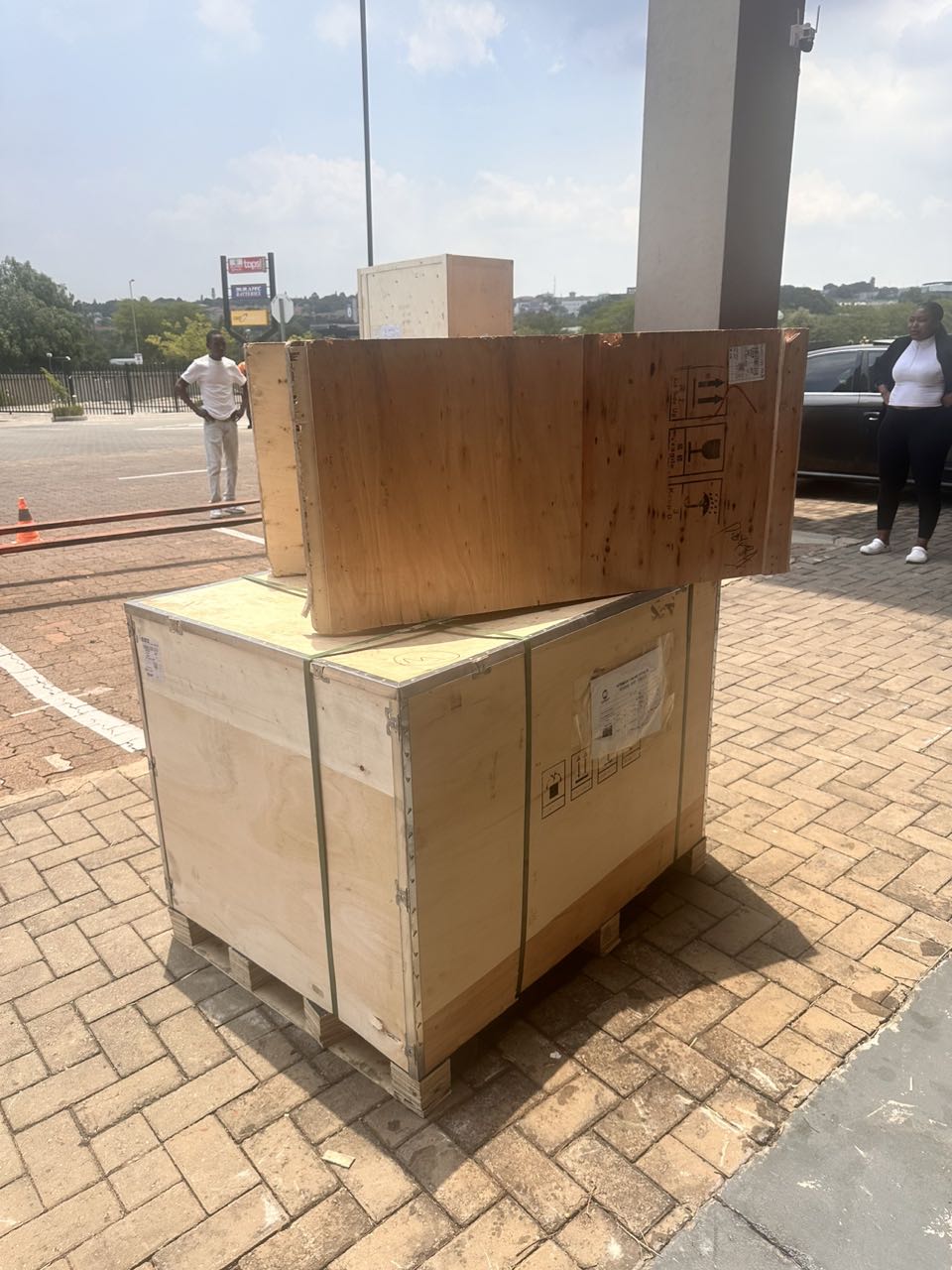
Batch of Orders
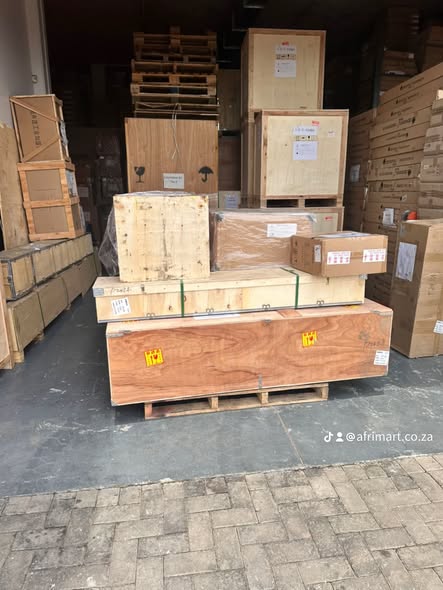
Latest Orders Labelled
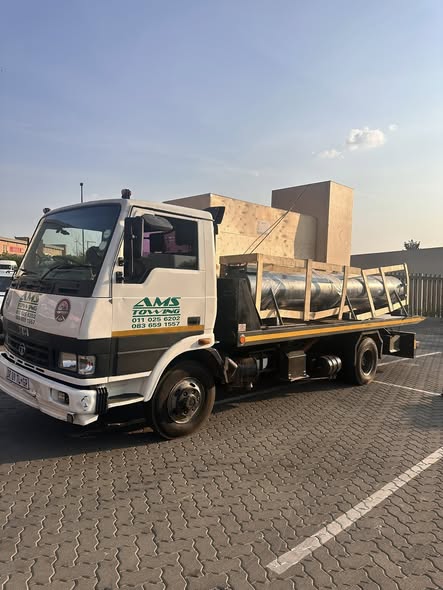
wheel alignment machines
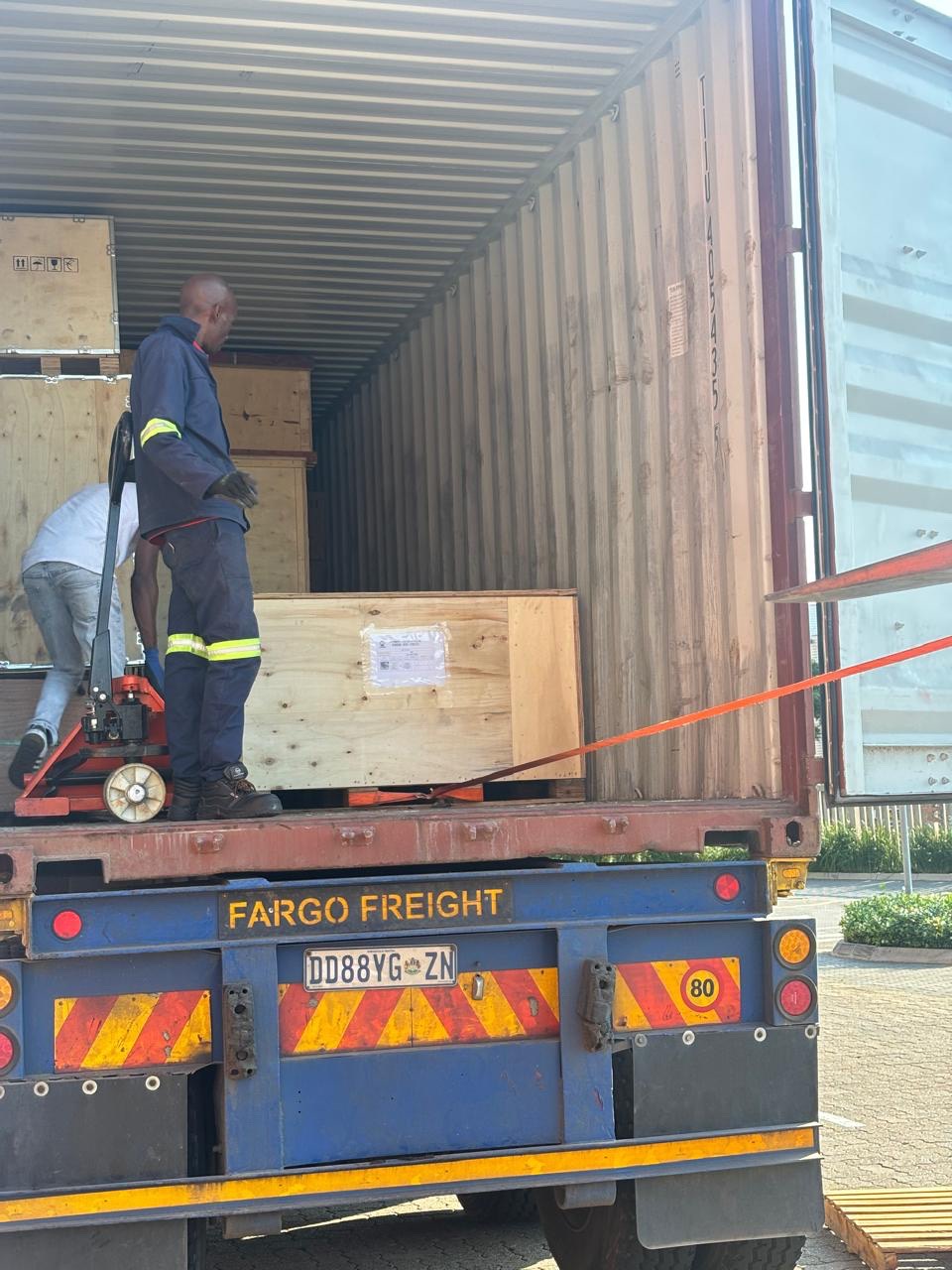
new arrivals
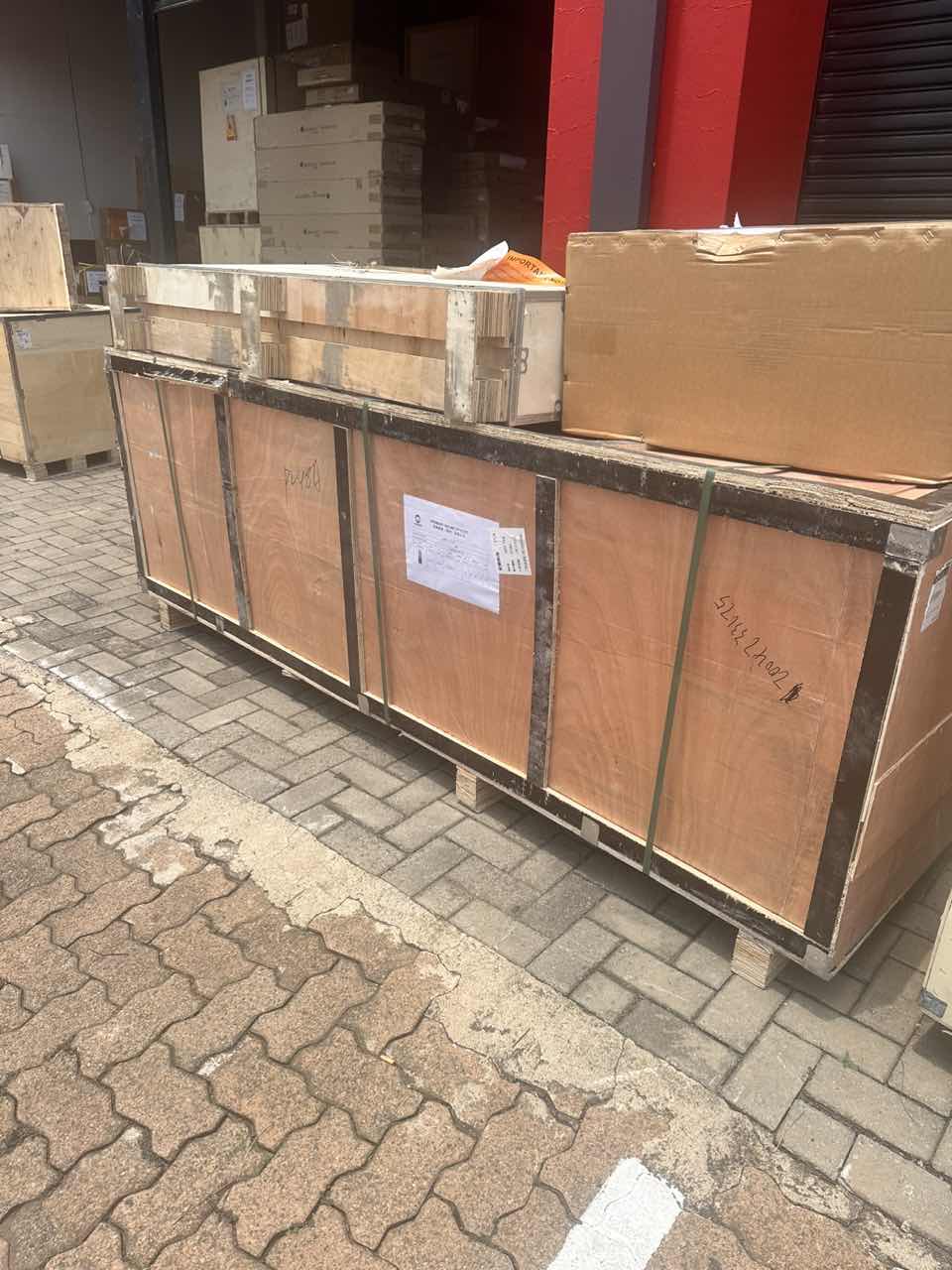
Pre Orders Offloading
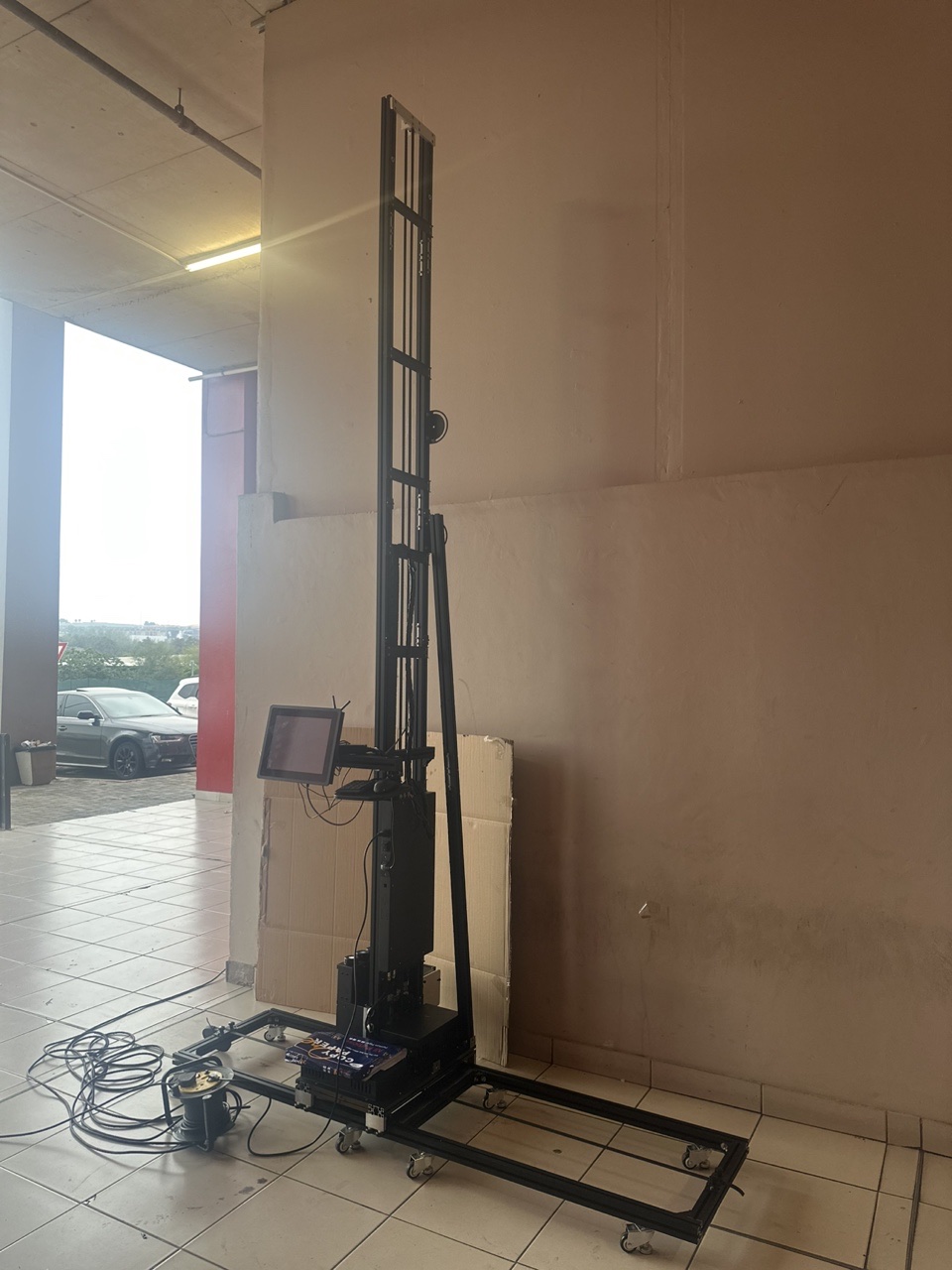
Latest Arrivals
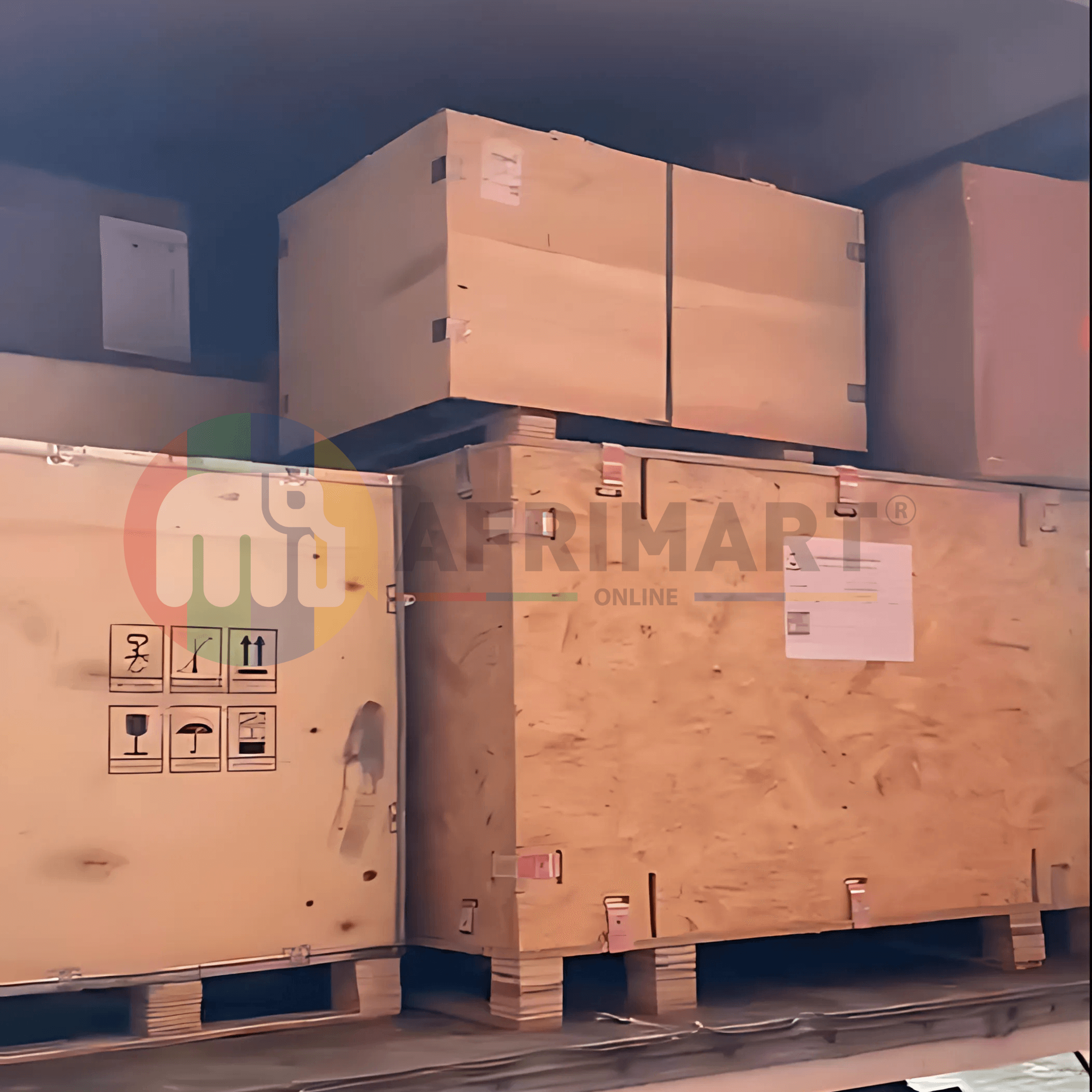
Latest Arrivals
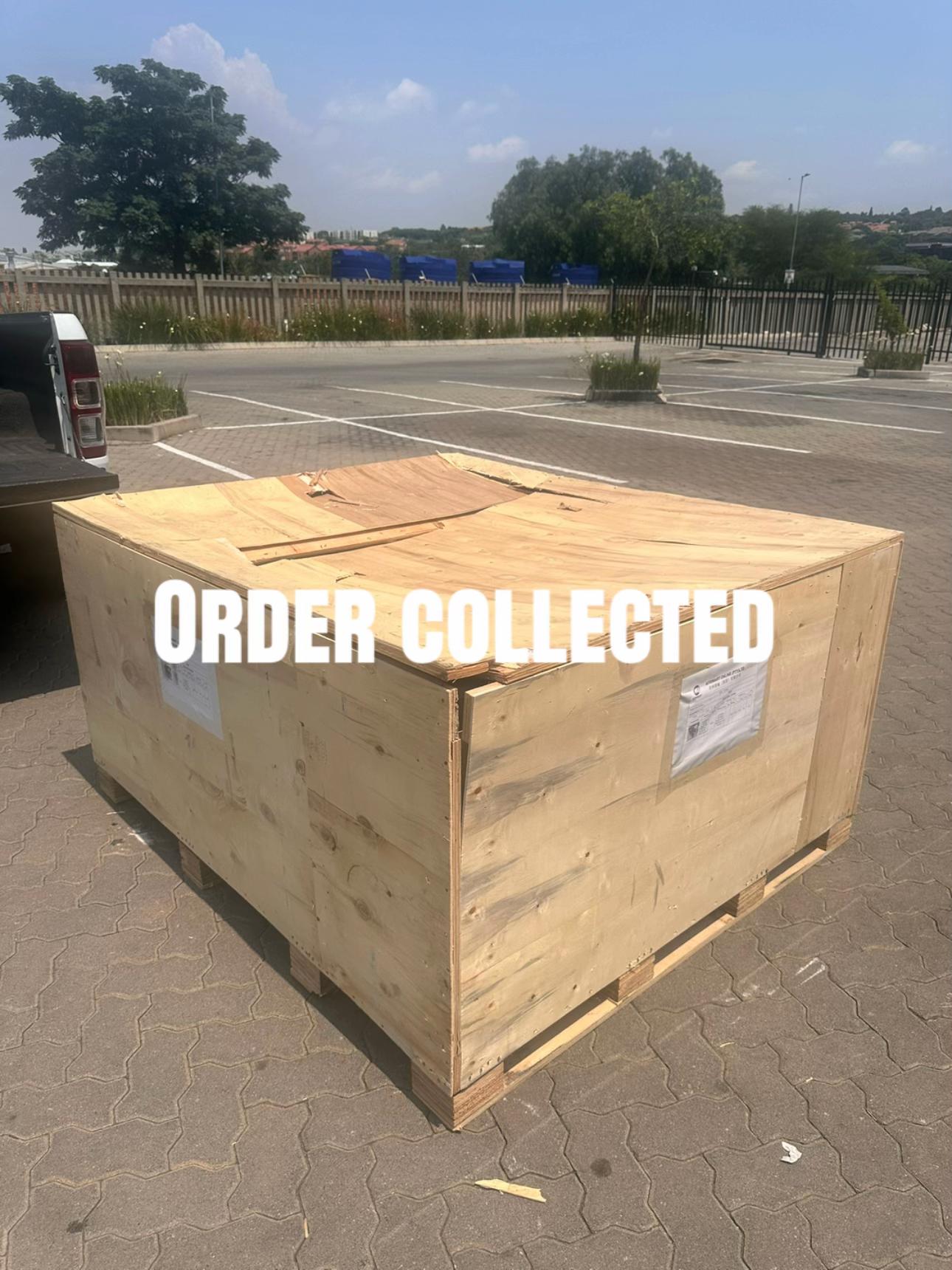
Latest Arrivals
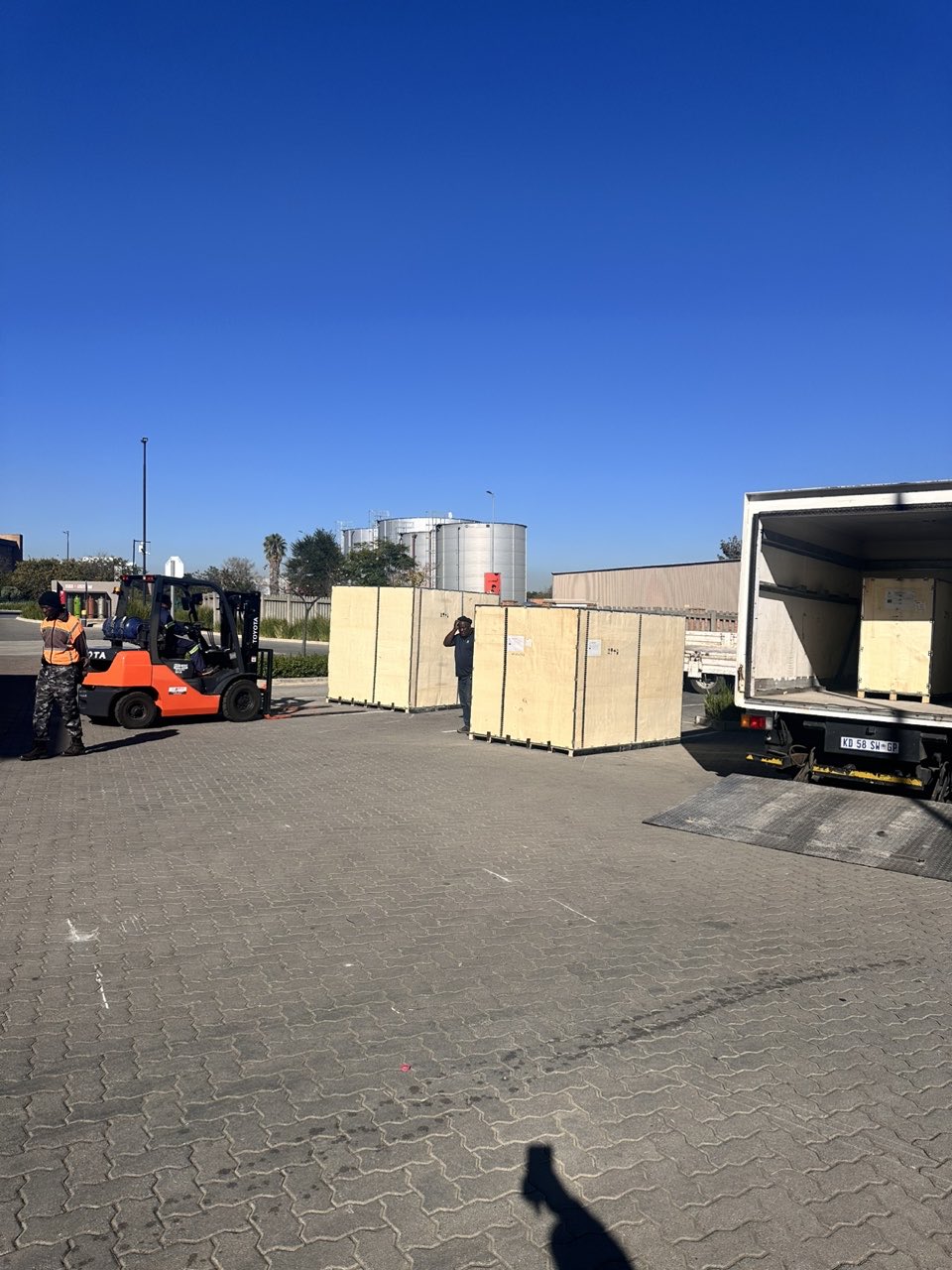
Loading
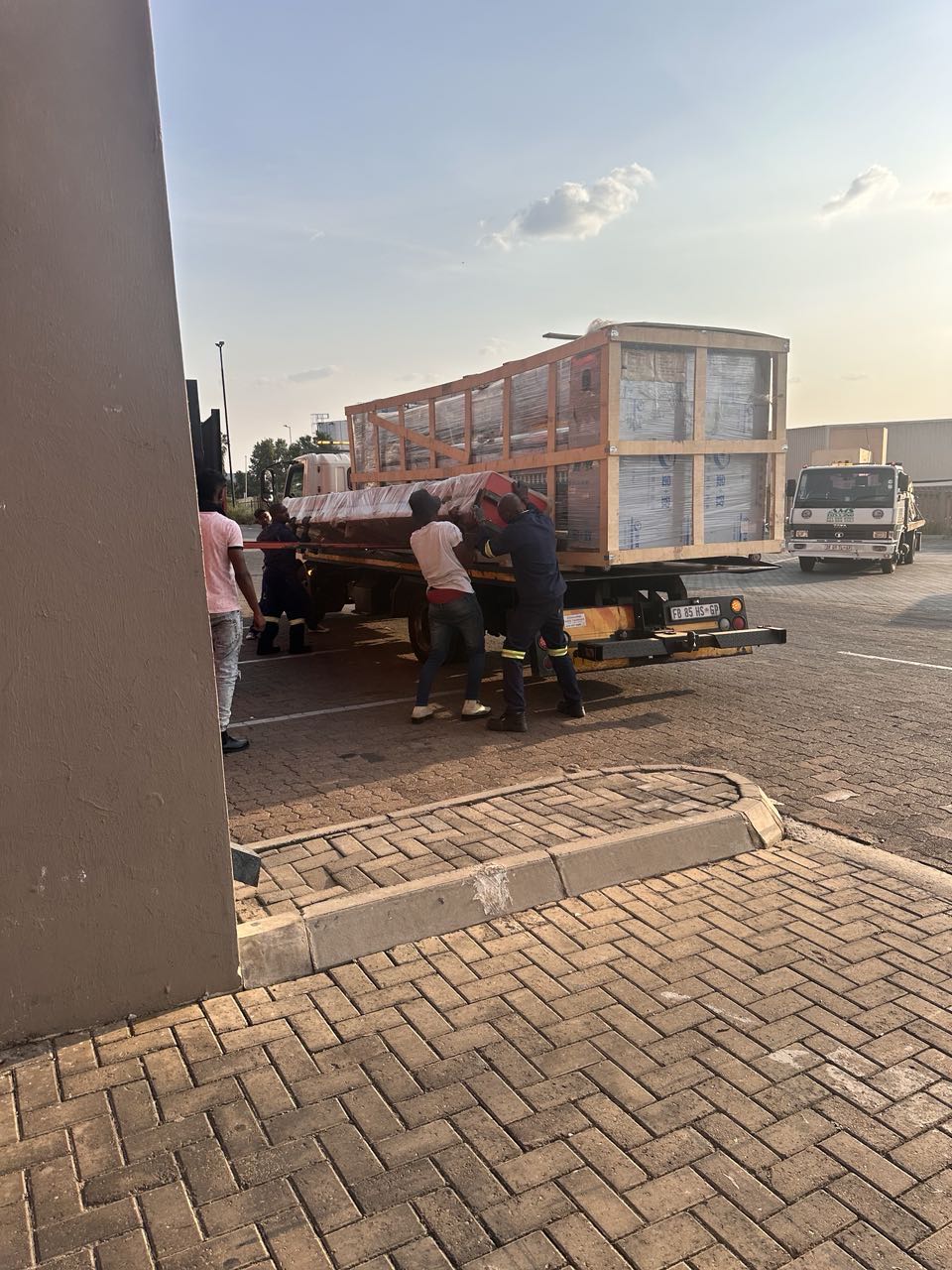
Toilet paper making machine
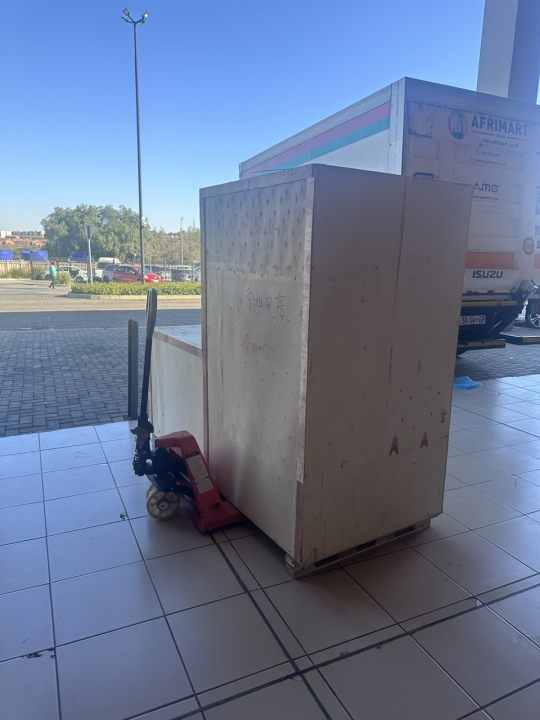
Toilet paper making machine
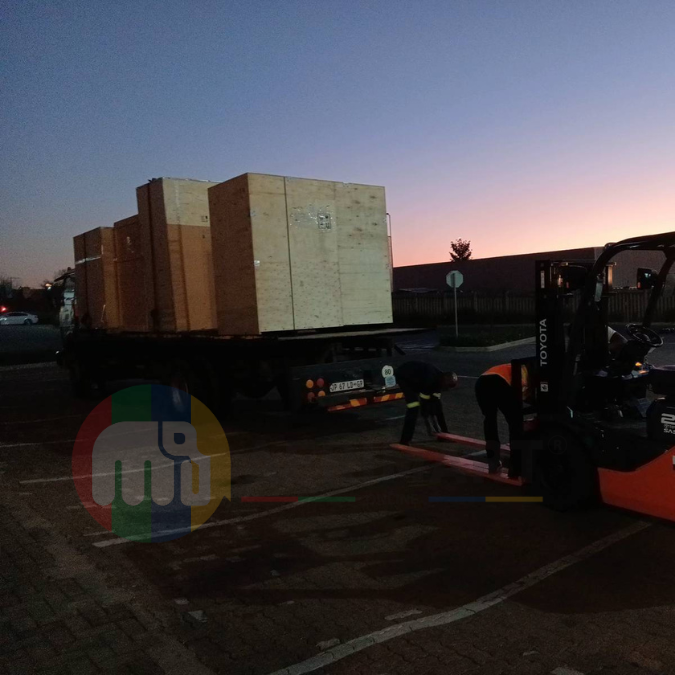
Toilet paper Rewinding Machine
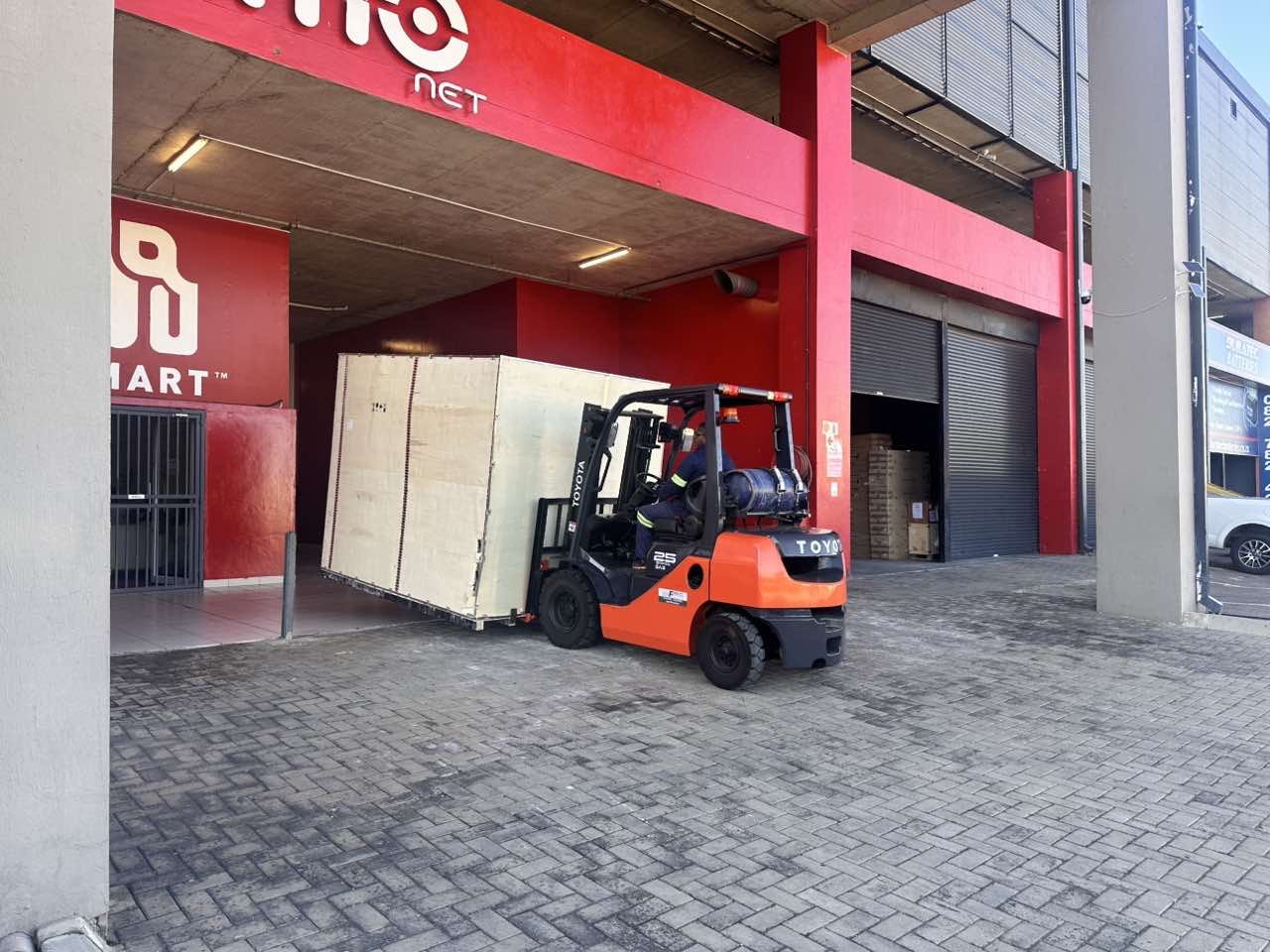
latest arrivals
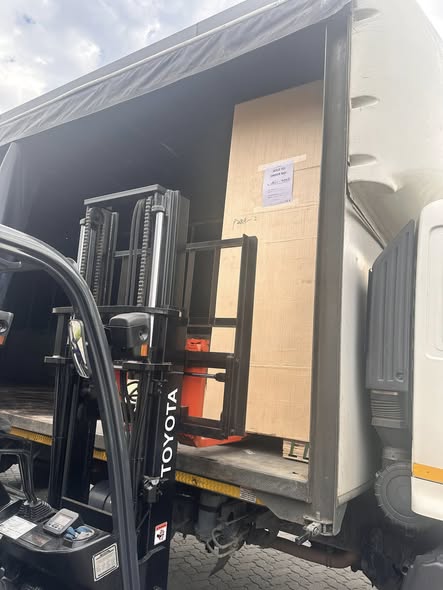
offloading
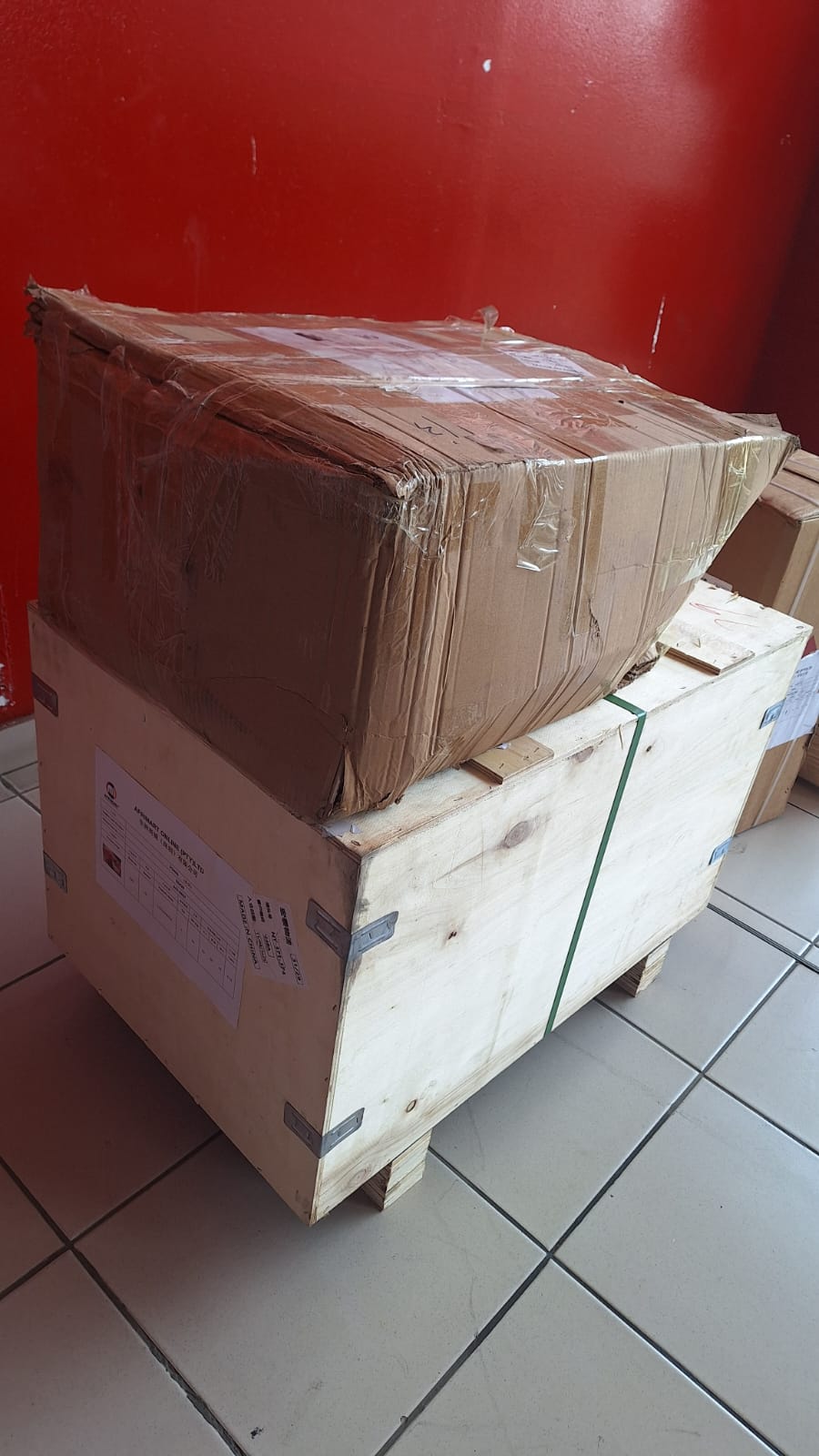
order success
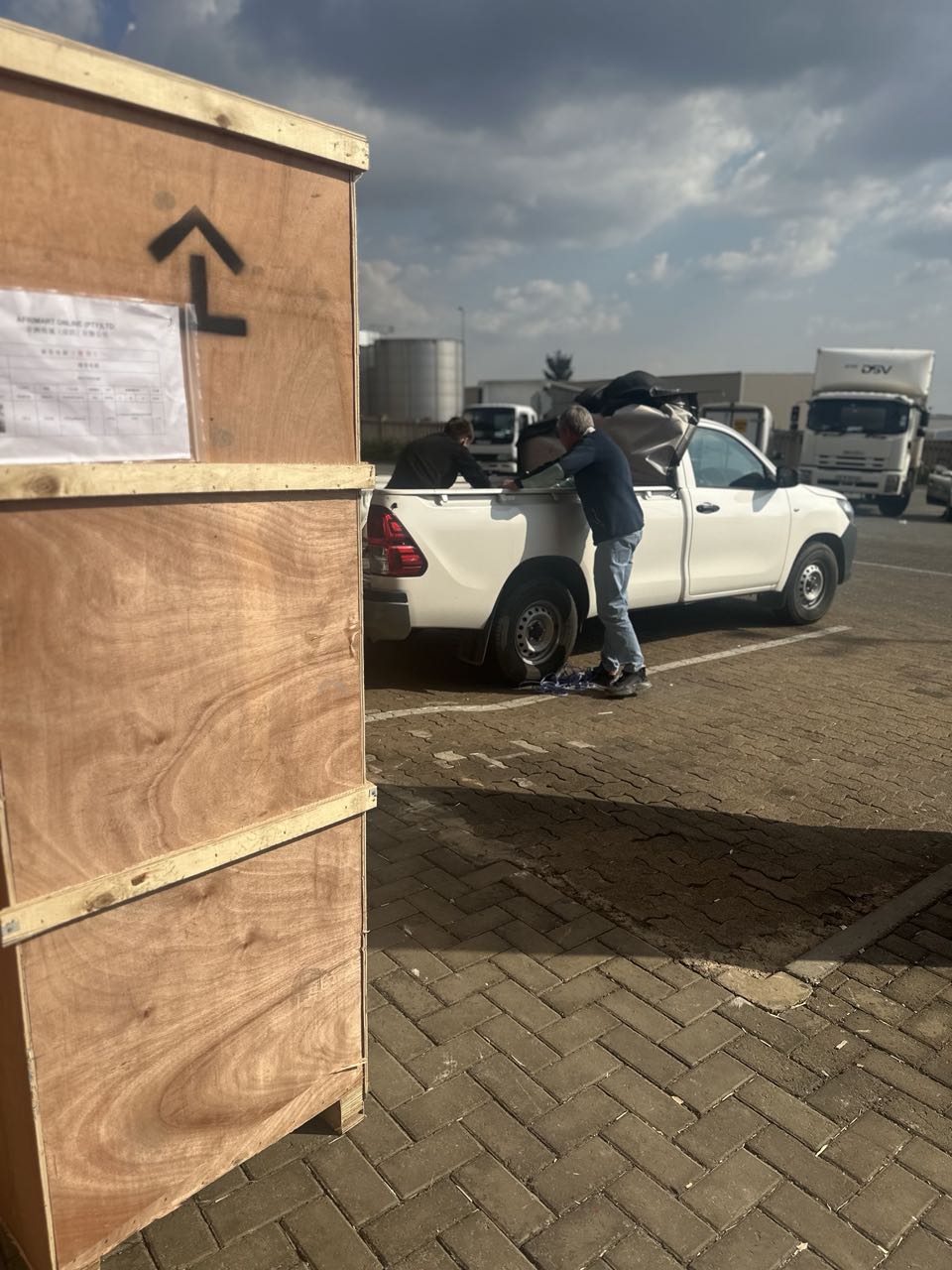
order collection
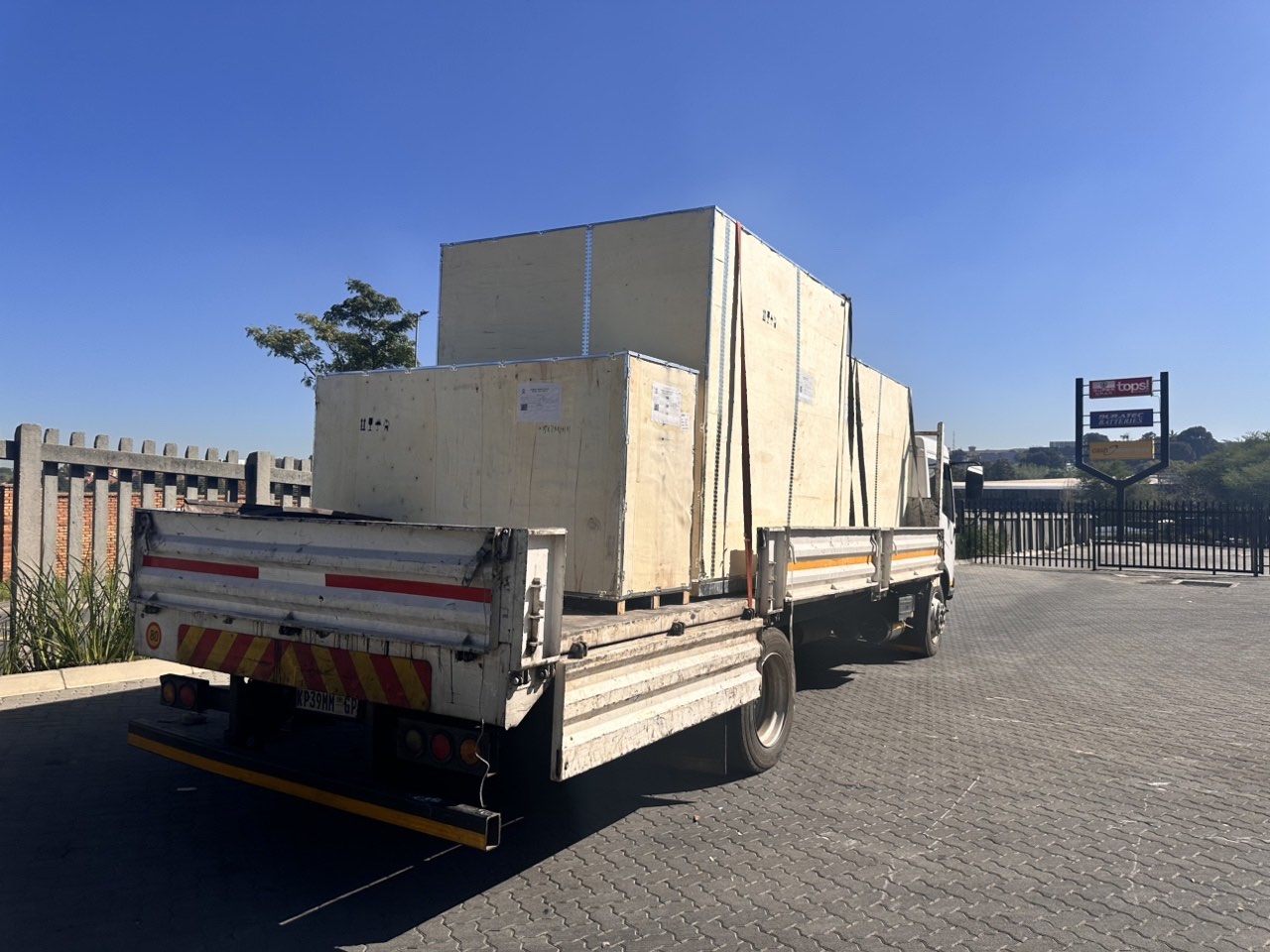
order offloading