B21, China Town Mall, Midrand

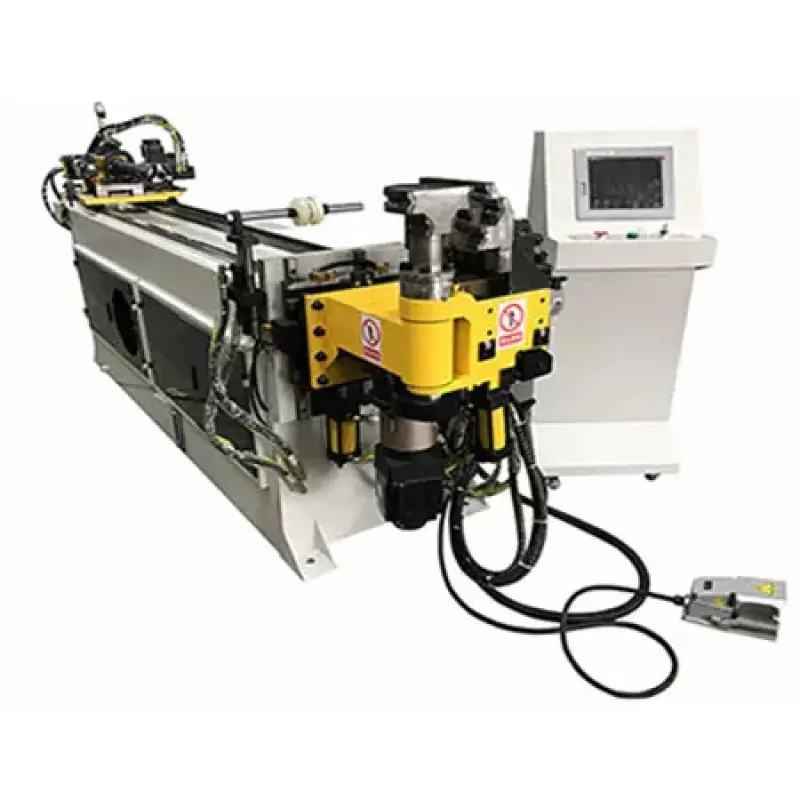
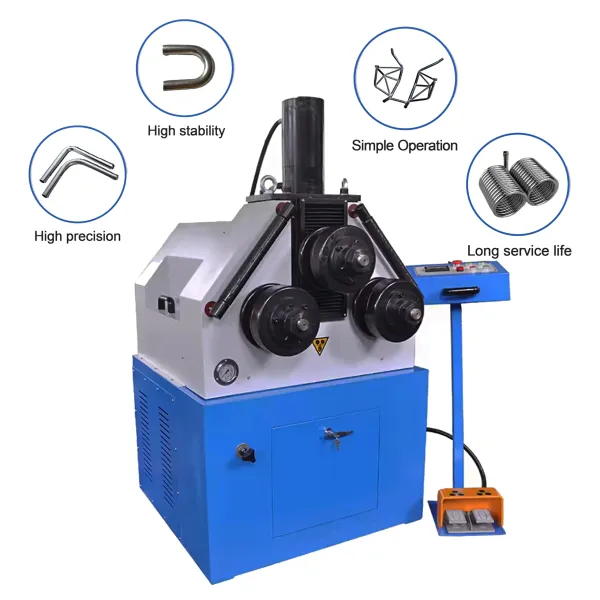
DW18CNC-4A-1S for Iron Steel Plate Square Tube Bender, CNC Fully Automatic Pipe and Tube Bending Machine.
Asset finance available
Do you want funding for this equipment?
Afrimart can connect you with trusted funding partners who specialise in asset finance for businesses like yours. Compare options and apply in minutes — final approval is subject to provider review.
Check funding options
Secure & no obligation

- Section : Machinery
- Category : CNC industrial Machinery
- SKU : 1600808983148

DW18CNC-4A-1S for Iron Steel Plate Square Tube Bender, CNC Fully Automatic Pipe and Tube Bending Machine.


| Specifications | DW18CNC-4A-1S | DW25CNC-3A-1S | DW38CNC-3A-1S | |
| Maximum bending pipe diameter ×Wall thickness (mm) | Φ18×1.6 Carbon steel pipe | Φ25×1.6 Carbon steel pipe | Φ38×2 Carbon steel pipe | |
| Maximum bending radius | R80mm | R180mm | R200mm | |
| Minimum bending radius | R≧1.2D | R≧1.5D | R≧1.5D | |
| Maximum bending Angle | 190° | 190° | 190° | |
| Maximum feeding length | 1800mm | 2200mm | 2200mm | |
| Feeding method | Direct delivery | Direct delivery | Direct delivery | |
| Clip | Clip | Clip | ||
| Working speed | Bending speed | Max 200°/s | Max 150°/s | Max 150°/s |
| Tubing speed | Max 200°/s | Max 200°/s | Max 200°/s | |
| Feeding speed | Max 1000mm/s | Max 1000mm/s | Max 1000mm/s | |
| Working accuracy | Bending accuracy | ±0.1° | ±0.1° | ±0.1° |
| Tubing accuracy | ±0.1° | ±0.1° | ±0.1° | |
| Feeding accuracy | ±0.1mm | ±0.1mm | ±0.1mm | |
| Information input mode | coordinate(X . Y. Z) | coordinate(X . Y. Z) | coordinate(X . Y. Z) | |
| Working value(Y. B. C) | Working value(Y. B. C) | Working value(Y. B. C) | ||
| Bend way | Servo bending | Servo bending | Servo bending | |
| Corner servo motor | 400w | 400w | 400w | |
| Feed servo motor | 750w | 1000w | 1000w | |
| Left and right mold changing servo motor | 400w | - | - | |
| Bending servo motor | 1500w | 3000w | 5000w | |
| Pipe fittings allow elbows | 50 | 50 | 50 | |
| Number of parts that can be stored | 500 | 500 | 500 | |
| Oil motor power | 4kw | 4kw | 4kw | |
| Maximum system pressure | 12 Mpa | 12 Mpa | 12 Mpa | |
| Machine dimensions (mm) | 3000 x 700 x 1200 | 3600 x 900 x 1400 | 4000 x 900 x 1250 | |
| Machine weight | 1400kg | 1200kg | 1300kg | |
| Machine weight | 1400kg | 1200kg | 1300kg |
| Specifications | DW50CNC-2A-1S | DW50CNC-6A-3S | DW89CNC-2A-1S | |
| Maximum bending pipe diameter ×Wall thickness (mm) | Φ50×3 Carbon steel pipe | Φ50×2 Carbon steel pipe | Φ89×6 Carbon steel pipe | |
| Maximum bending radius | R250mm | R250mm | R400mm | |
| Minimum bending radius | R≧1.5D | R≧1.5D | R≧1.5D | |
| Maximum bending Angle | 190° | 190° | 190° | |
| Maximum feeding length | 2200mm | 3200mm | 2700mm | |
| Feeding method | Direct delivery | Direct delivery | Direct delivery | |
| Clip | Clip | Clip | ||
| Working speed | Bending speed | Max 85°/s | Max 85°/s | Max 40°/s |
| Tubing speed | Max 200°/s | Max 200°/s | Max 160°/s | |
| Feeding speed | Max 1000mm/s | Max 1000mm/s | Max 800mm/s | |
| Working accuracy | Bending accuracy | ±0.1° | ±0.1° | ±0.1° |
| Tubing accuracy | ±0.1° | ±0.1° | ±0.1° | |
| Feeding accuracy | ±0.1mm | ±0.1mm | ±0.1mm | |
| Information input mode | coordinate(X . Y. Z) | coordinate(X . Y. Z) | coordinate(X . Y. Z) | |
| Working value(Y. B. C) | Working value(Y. B. C) | Working value(Y. B. C) | ||
| Bend way | Hydraulic bending | Servo bending | Hydraulic bending | |
| Corner servo motor | 750w | 750w | 1.5kw | |
| Feed servo motor | 1000w | 1000w | 2kw | |
| Left and right mold changing servo motor | - | 400w | - | |
| Guide clip servo motor | - | 3000W | - | |
| Bending servo motor | - | 7000w | - | |
| Up and down mold changing servo motor | - | 1500w | - | |
| Pipe fittings allow elbows | 50 | 50 | 50 | |
| Number of parts that can be stored | 500 | 500 | 500 | |
| Oil motor power | 5.5kw | 5.5kw | 11kw | |
| Maximum system pressure | 12 Mpa | 12 Mpa | 12 Mpa | |
| Machine dimensions (mm) | 4100x800x1300 | 5100 x 1400 x 1400 | 5000 x 1200 x 1500 | |
| Machine weight | 1300kg | 2400kg | 2800kg |
Remark:
1. The minimum bending radius is based on the diameter of the pipe.
2. Maximum bending radius can be according to customer requirements.
3. The maximum core length can be according to customer requirements.
DW18CNC-4A-1S Fully Automatic Pipe Bender
1.A touch screen display, CNC computer operation, can store 500 sets of memory.2.Rebound compensation value setting procedures, procedures and processing data security functions.3.Corner, feeding, bending are servo controlled.4.The operating system is equipped with password, key, and quantity and time record for production management.5.It has the function of slow bending and slow core pulling.6.Error messages are displayed on the screen to help the operator clear them immediately.
| Name | Specification | Supplier |
| Hydraulic motor | 4KW | China |
| The oil pump | PVL1-17 | China |
| Pressure valve | 02W | Taiwan's seven ocean |
| Solenoid valve | G02-2C-DC24 | Taiwan's seven ocean |
| The overflow valve | 2B3B-D24 | Taiwan's seven ocean |
| Sealing ring | / | Taiwan CHO |
| Pressure gauge | 0-25Mpa | China |
| AC contactor | LCED1801 | Taiwan TAIAN |
| touch screen | 10 inch | China |
| Switching power | 24V | Taiwan MEAN WELL |
| Corner servo motor | 400W | Japan MITSUBISHI |
| Feed servo motor | 750W | Japan MITSUBISHI |
| Left and right mold changing servo motor | 400w | Japan MITSUBISHI |
| Bending servo motor | 1.5kw | Japan MITSUBISHI |
| Smart transformer | RP-3 | China |
| Linear Guide | 20*2200 | Taiwan |
| 1.Corner reducer 2.Feed reducer 3.Mold changing reducer 4.Bending reducer | 1. GPL70-32 2. GPLF90-5 3. GPLF65-5 4. GPLF120-40 | China |
| Central controller | ICM-880W04 | China |
| Relay | RXM2MB | Taiwan TAIAN |
| thermal relay | LR-16B | Taiwan TAIAN |
| Induction switch | 24V | China |
- Shipping Timeframes: All orders are processed within 2-5 business days (excluding weekends and holidays). After your order has been processed, the estimated delivery time is before 02 Jul, 2026, depending on customs, Please note that due to high demand, some items may experience longer shipping times, which will be communicated at order confirmation email.
- Order Processing Time: Please allow 2-5 business days for us to process your order before it is shipped . Orders placed after 16:00 on Fridays, or during weekends and public holidays, will begin processing on the next business day. Processing times may be extended during peak seasons or sales events.
- Manufacturing Time: Some products needs manufacturing time, the manufacturing process will take approximately 10-30 business days depending on the product. This timeframe may vary depending on the complexity of the product and current demand. but this will be communicated with you during order confirmation.
- Returns and Exchanges: We offer a 30-day return policy for most items. If you are not completely satisfied with your purchase, you may return it within 30 days of receipt for a refund or exchange. Items must be unused, in their original packaging, and accompanied by proof of purchase. Return shipping costs are the responsibility of the customer, unless the item was damaged or defective upon arrival.
1. What is the maximum pipe size and wall thickness the DW18CNC-4A-1S can bend?
The DW18CNC-4A-1S is built for carbon steel pipe up to Φ18 mm diameter with a wall thickness of 1.6 mm.
2. What are the maximum and minimum bending radii for this model?
Standard maximum bending radius for the DW18CNC-4A-1S is R80 mm. The minimum bending radius is defined relative to tube diameter (R ≥ 1.2D for this model); final values can be confirmed for your tube section.
3. What is the maximum bending angle and maximum feeding length?
Maximum bending angle is 190°. The standard maximum feeding (core) length is 1800 mm; longer core lengths can be customized on request.
4. What feeding method and clamping are used?
The machine uses direct delivery feeding and a guide/clip system to position and clamp the tube during processing.
5. What are the working speeds and positioning accuracy?
Bending speed can reach up to 200°/s, tubing (rotation) speed up to 200°/s, and feeding speed up to 1000 mm/s. Working accuracies are ±0.1° for bending and tubing, and ±0.1 mm for feeding.
6. How is programming and input done on the CNC?
The machine supports coordinate input (X, Y, Z) and direct working-value input (Y, B, C). It features a 10" touch-screen CNC interface and can store up to 500 part programs.
7. What motors and power does the DW18CNC-4A-1S use?
Key motors include a 400 W corner servo, 750 W feed servo, 400 W left/right mold-change servo and a 1500 W bending servo. The hydraulic/oil motor is 4 kW and the system maximum hydraulic pressure is 12 MPa.
8. What safety and production management features are included?
The controller supports password and key protection, production quantity and time recording, emergency stop and on-screen error messages. It also provides rebound compensation, slow-bend and slow-core-pull modes to improve safety and accuracy.
9. How many different part programs or fixtures can the machine store?
The CNC can store up to 500 part programs and associated tooling/processing data.
10. What materials and fittings are supported?
The DW18CNC-4A-1S is specified for carbon steel pipe (Φ18×1.6 mm). The machine supports use of standard pipe fittings/elbows; the specification sheet lists allowance for fittings (reference value: 50). Confirm compatibility for nonstandard fittings with the supplier.
11. What are the machine dimensions and weight?
Typical machine footprint for this model is approximately 3000 mm × 700 mm × 1200 mm and the net weight is around 1400 kg.
12. Is customization available for different radii, lengths or materials?
Yes. The maximum bending radius and maximum core length can be customized to customer requirements. For alternative tube diameters, wall thicknesses, or different materials, please consult the manufacturer for available model options and necessary tooling.
13. What maintenance is recommended to keep the machine running reliably?
Regular maintenance includes keeping hydraulic oil clean and at the recommended level, scheduled oil and filter changes, periodic inspection/replacement of sealing rings, cleaning and lubrication of linear guides and reducers, and checking electrical connections and servo performance. Follow the supplier's maintenance schedule for intervals and procedures.
14. What installation, commissioning and training services are provided?
Most suppliers offer on-site installation, machine commissioning and operator training (programming, tooling change, maintenance and safety). Confirm service scope, duration and any travel costs with your vendor prior to purchase.
15. What warranty and spare-parts support is available?
Warranty terms and spare-parts availability vary by supplier. Typical coverage includes a limited-period warranty on machine and components and availability of spare parts such as seals, valves and servo components. Contact the seller for exact warranty length, exclusions and lead times for spare parts.
Latest Order Arrivals
Discover our latest orders
12 Heads Embroidery Machine
Dewatering Pump Machine
Order Collection
Portable Water Drilling Rig
Order Usefully Collected
Batch of Orders
Agriculture Processing Machines
Meat Grinder Machine
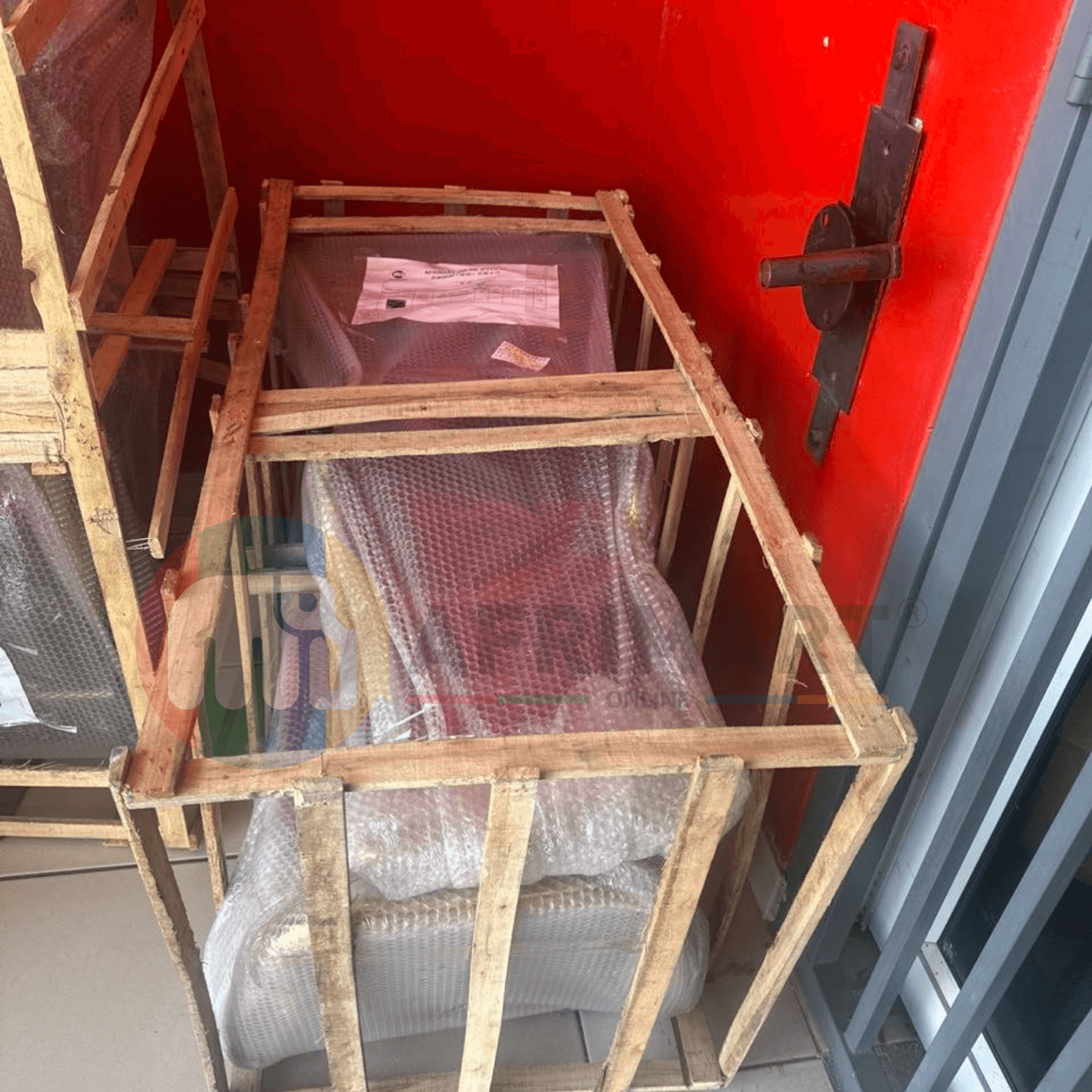
Water Pump Equipment
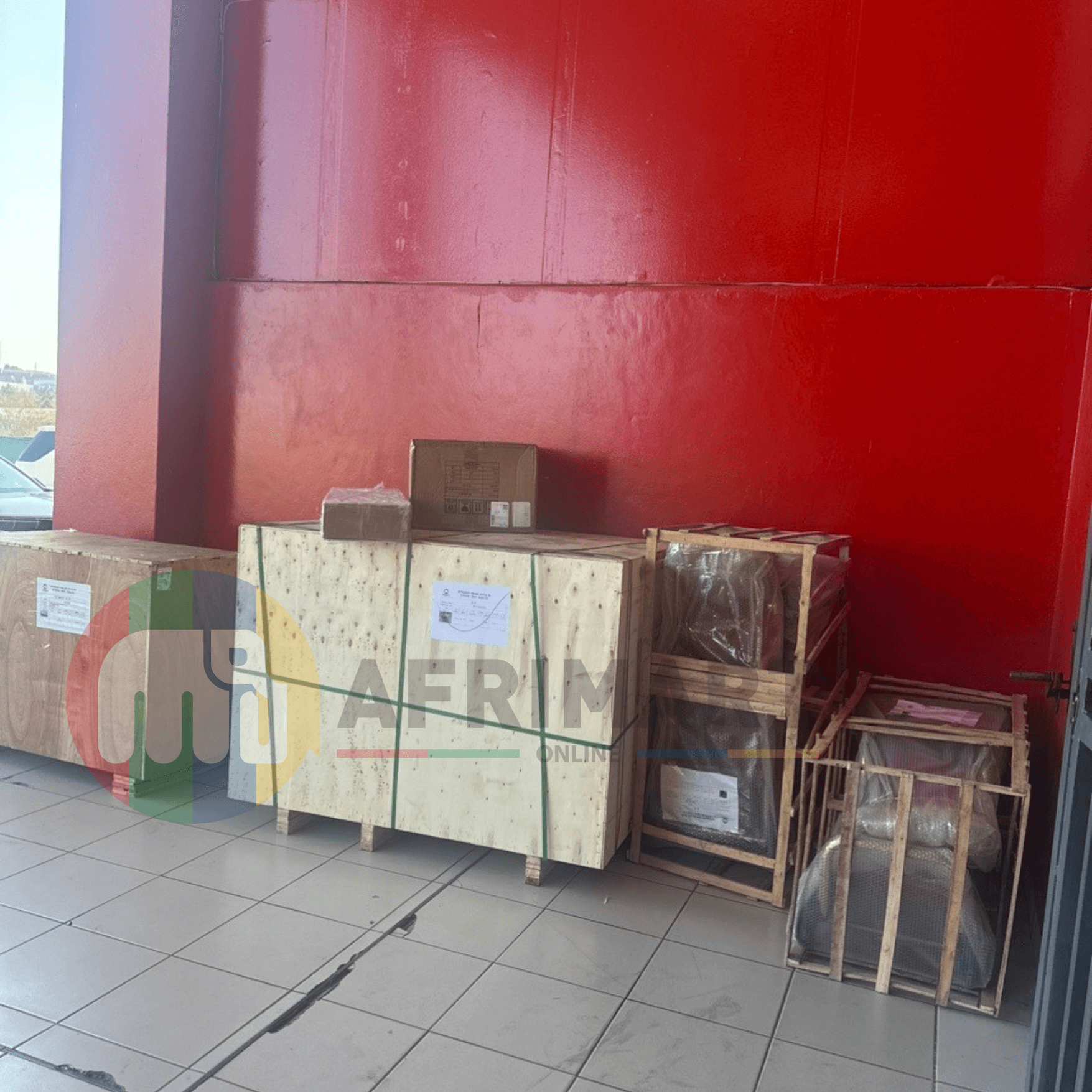
Packaging Machine and accessories
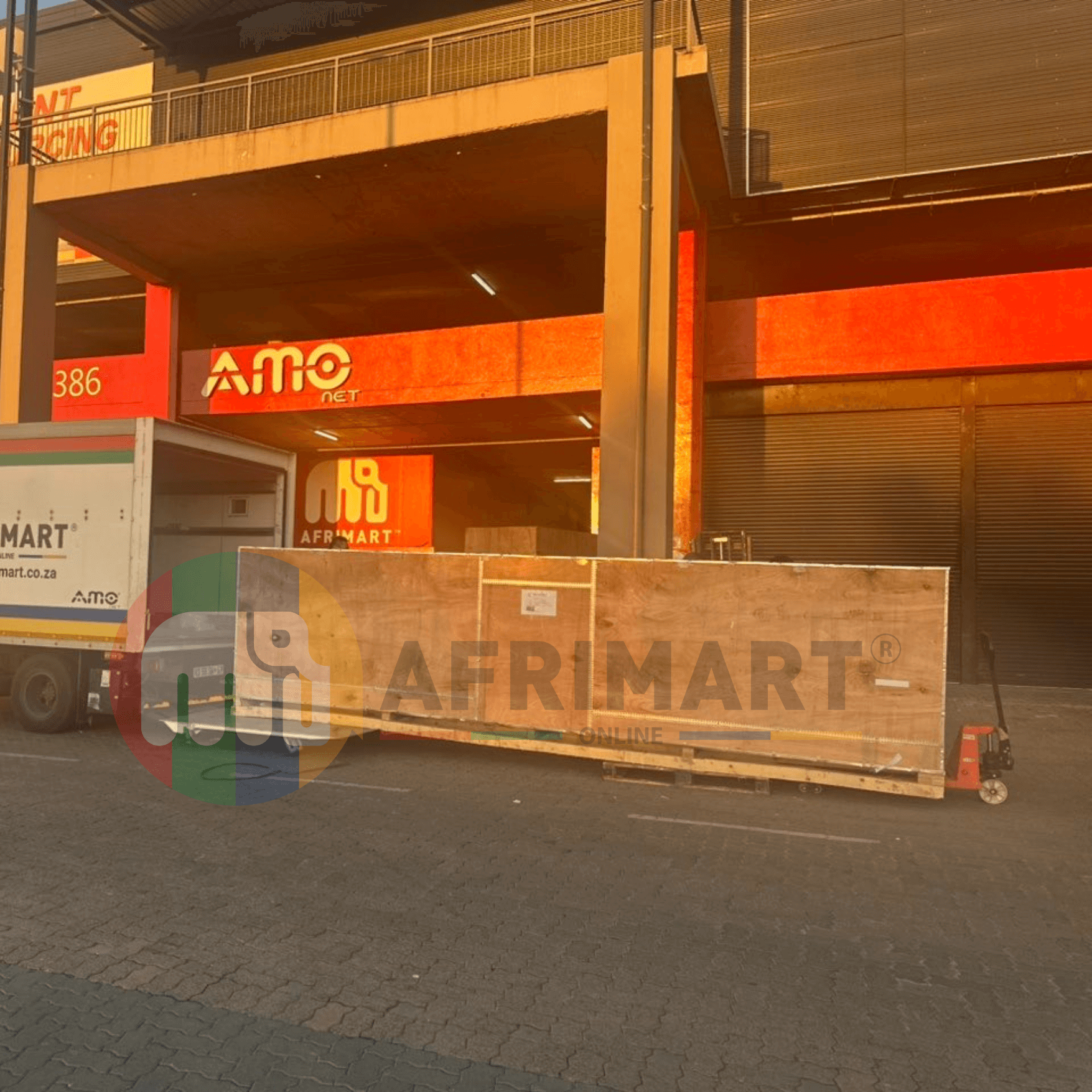
Fabrics Manufacturing Equipment
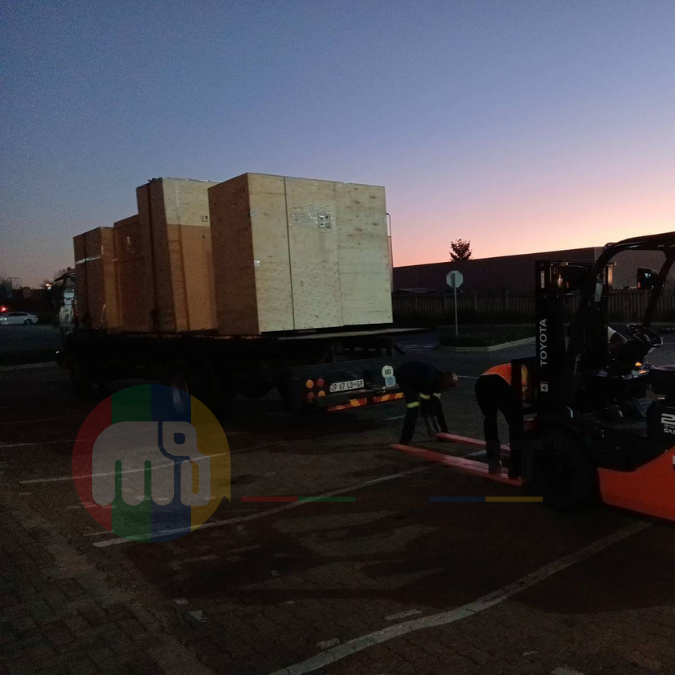
Mining Equipments
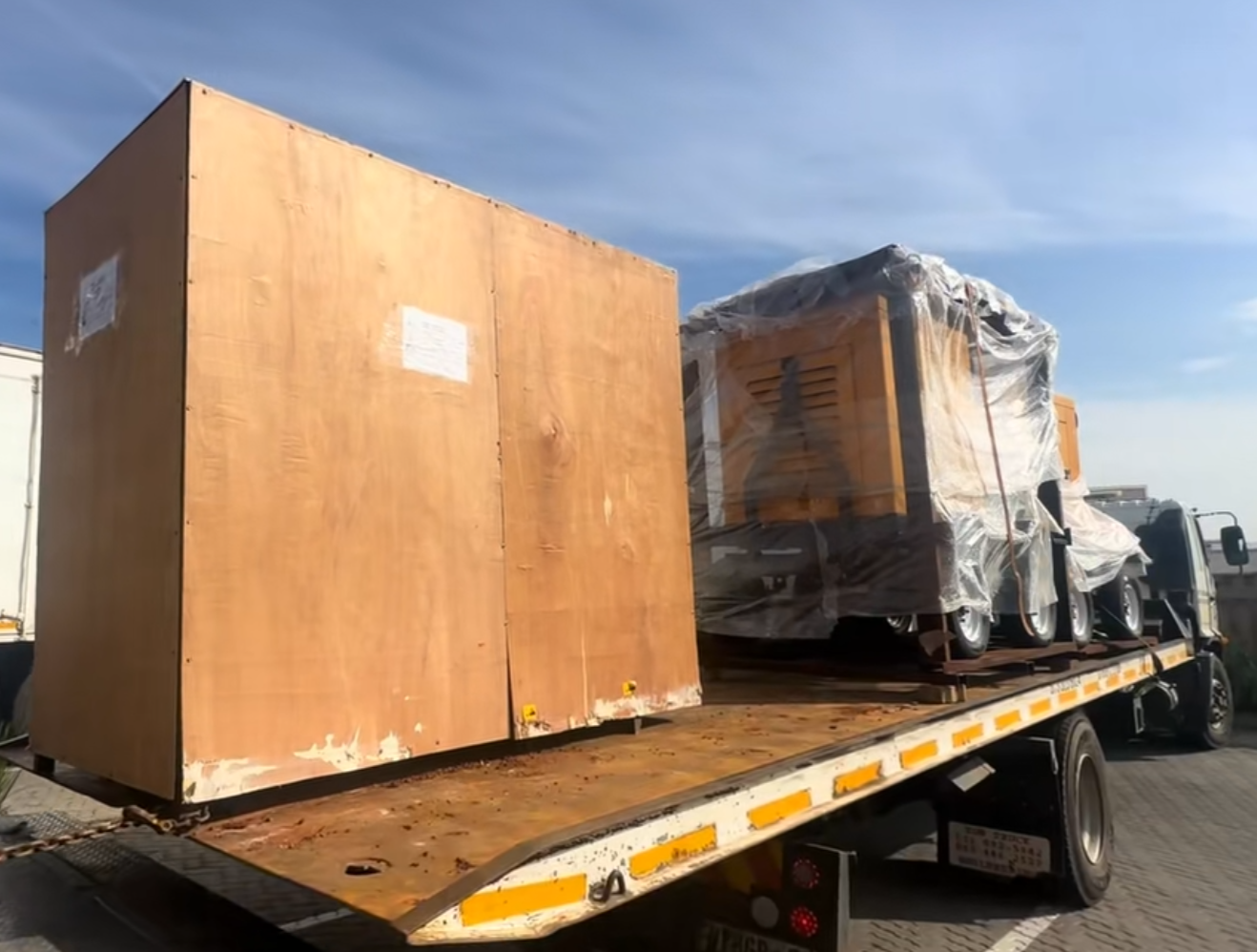
Food Processing Machine
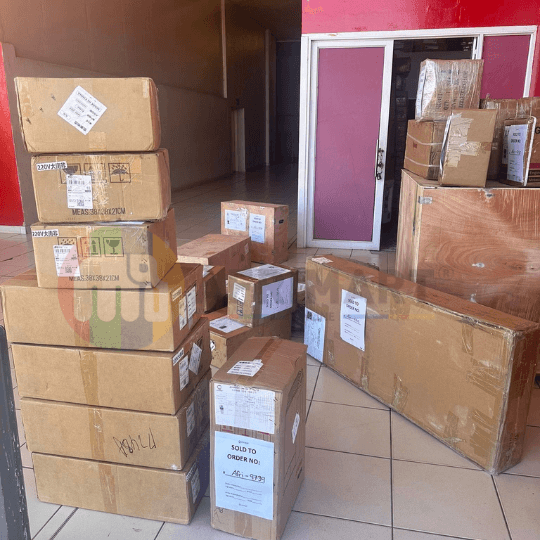
Batch of Orders
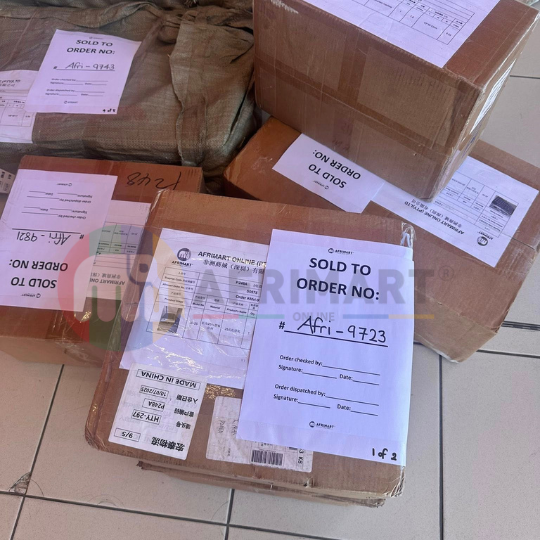
Batch of Orders
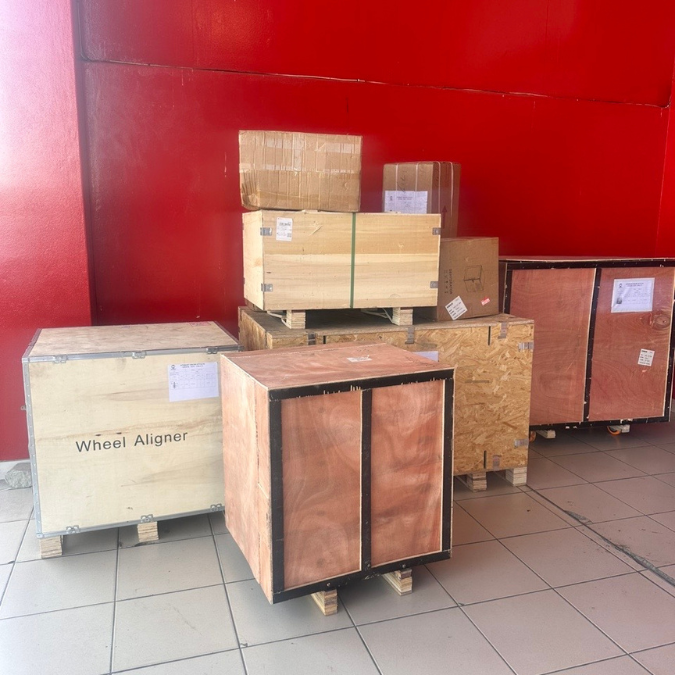
Latest Orders Labelled
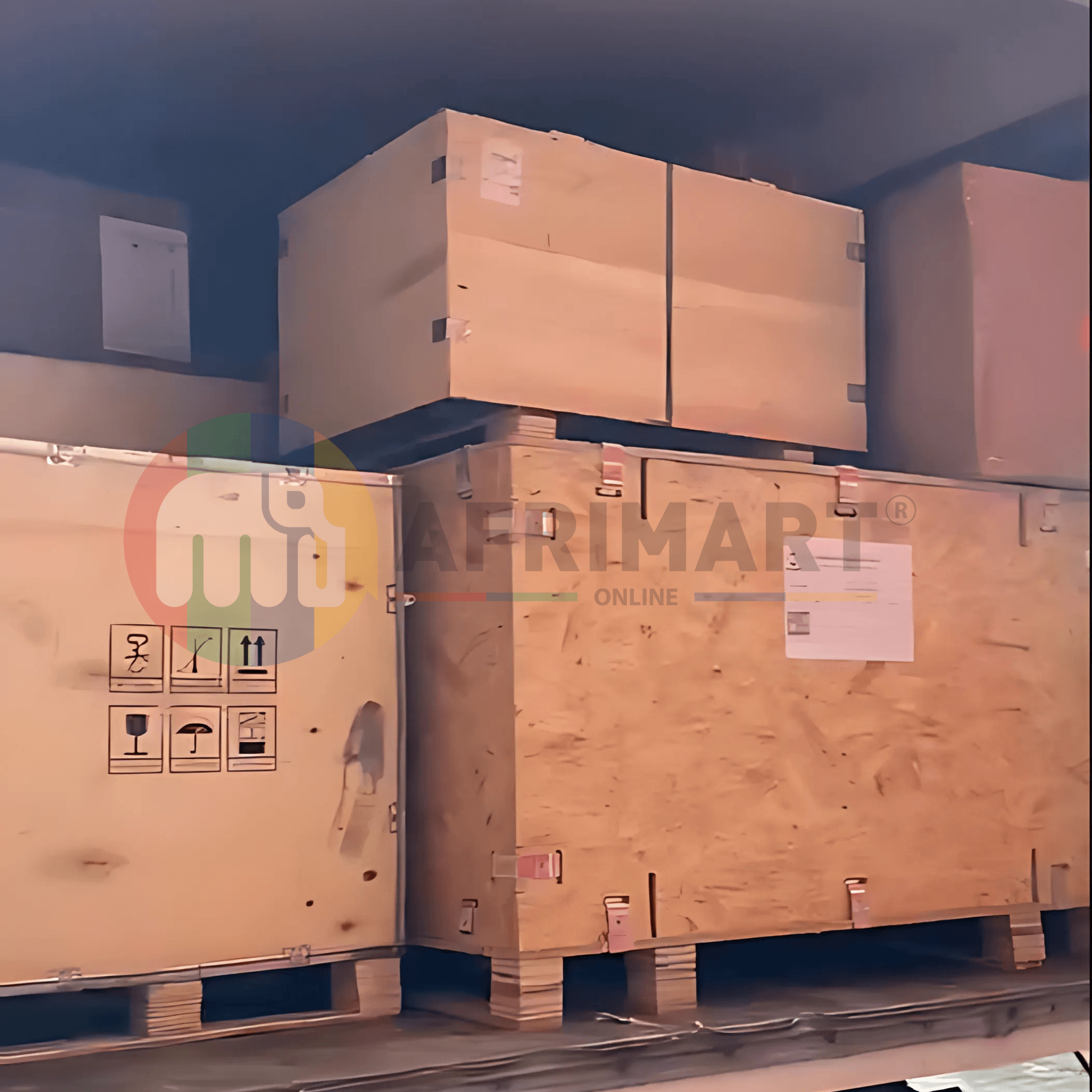
wheel alignment machines
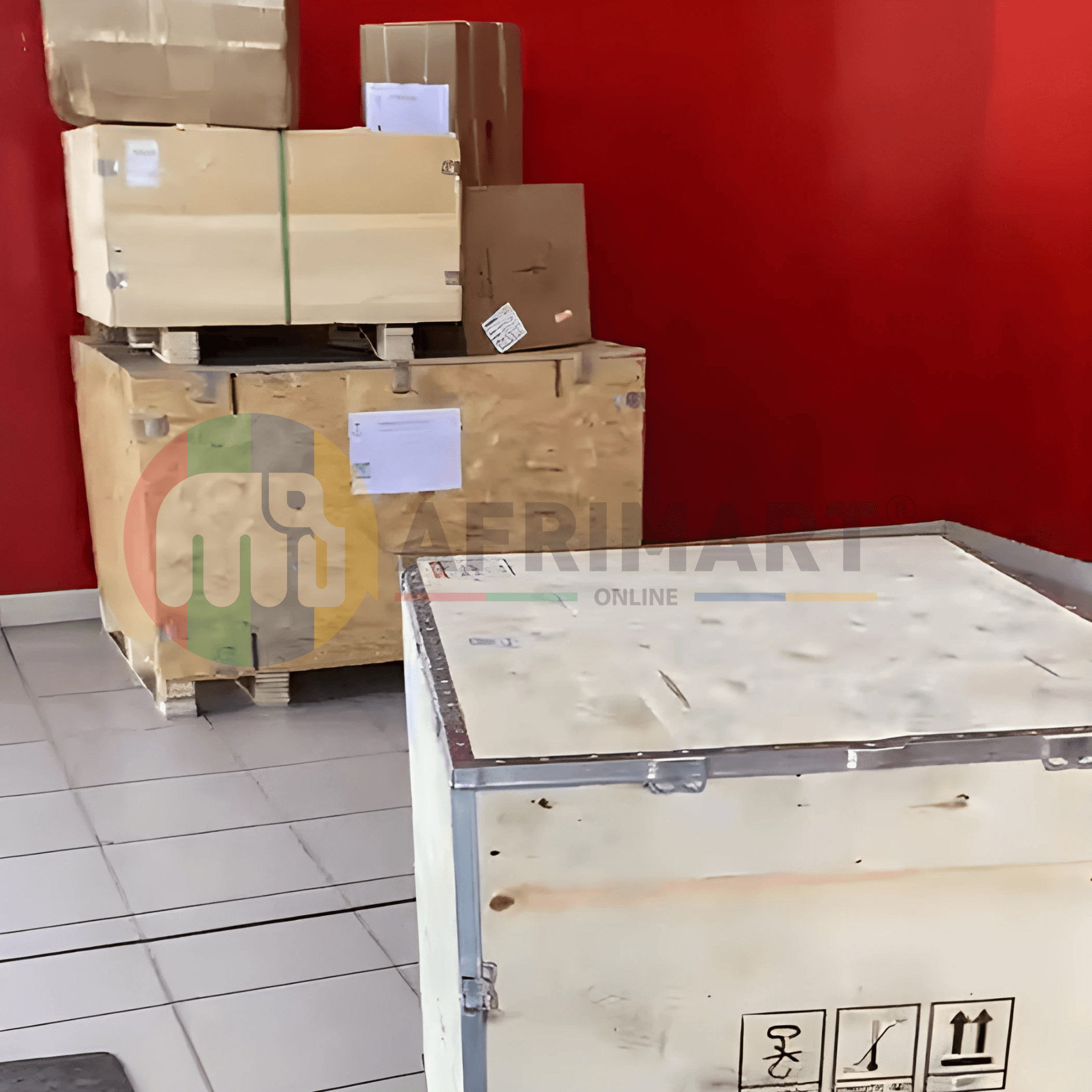
new arrivals
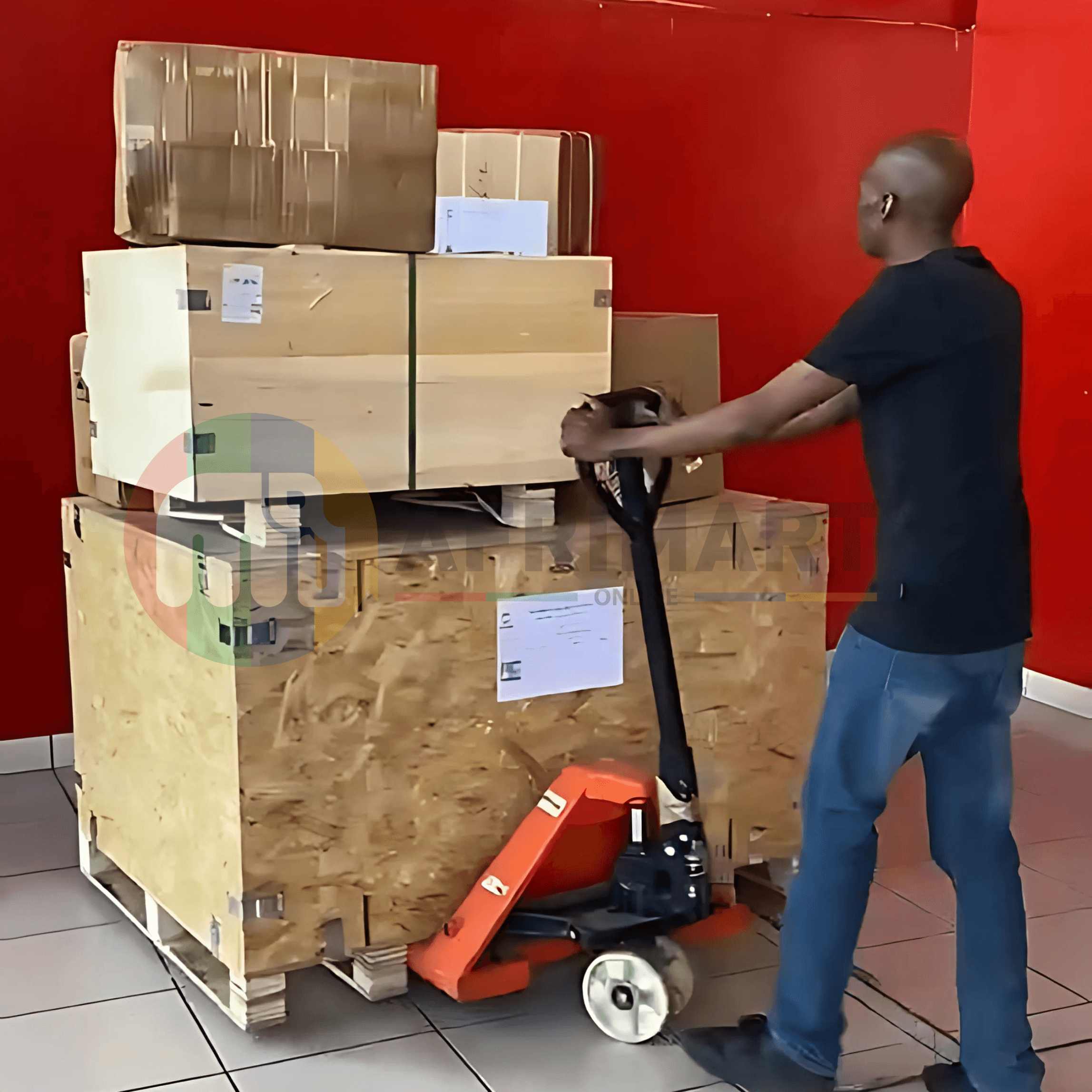
Pre Orders Offloading
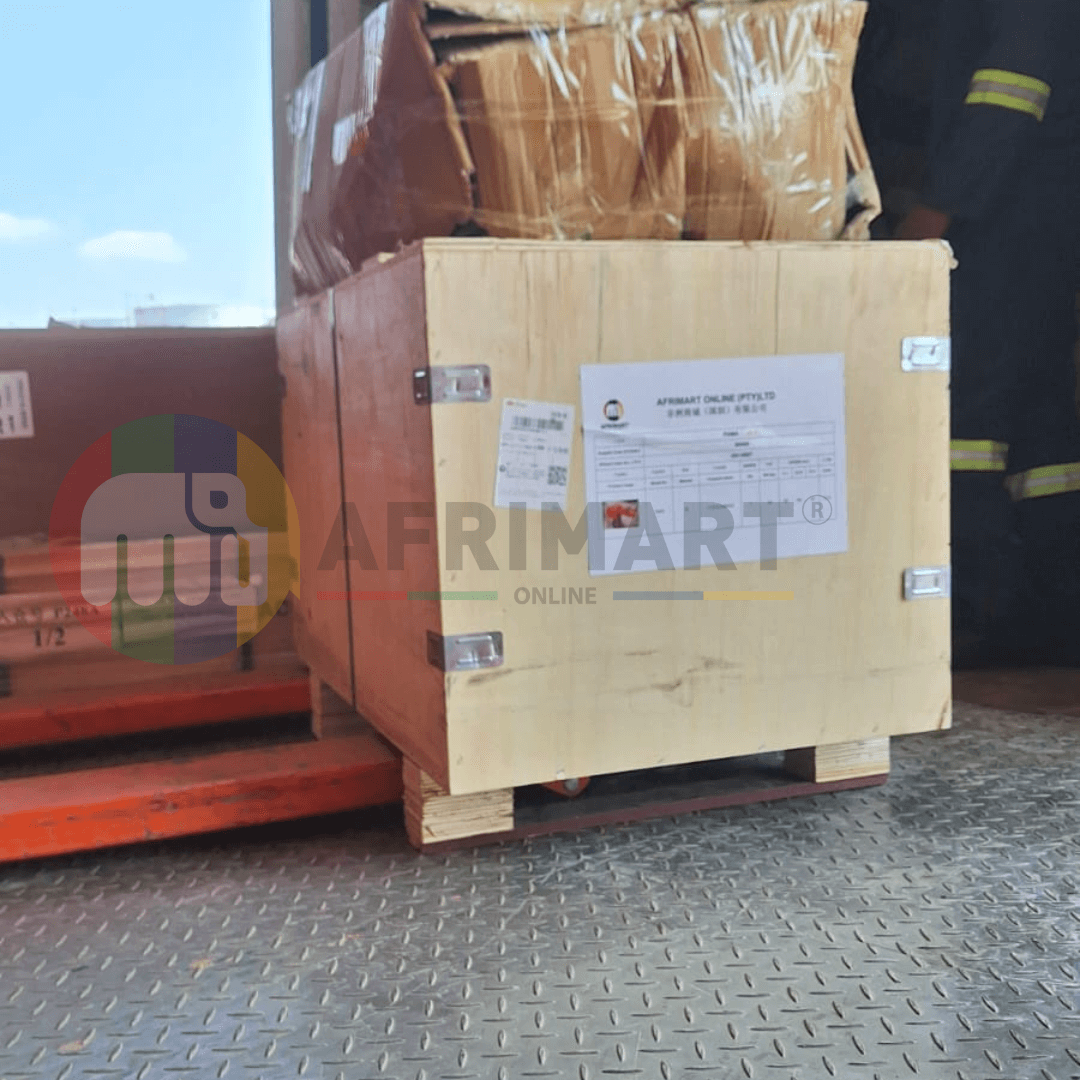
Latest Arrivals
Latest Arrivals
Latest Arrivals
26 January 2026
Toilet paper making machine
Toilet paper making machine
Toilet paper Rewinding Machine
latest arrivals
offloading
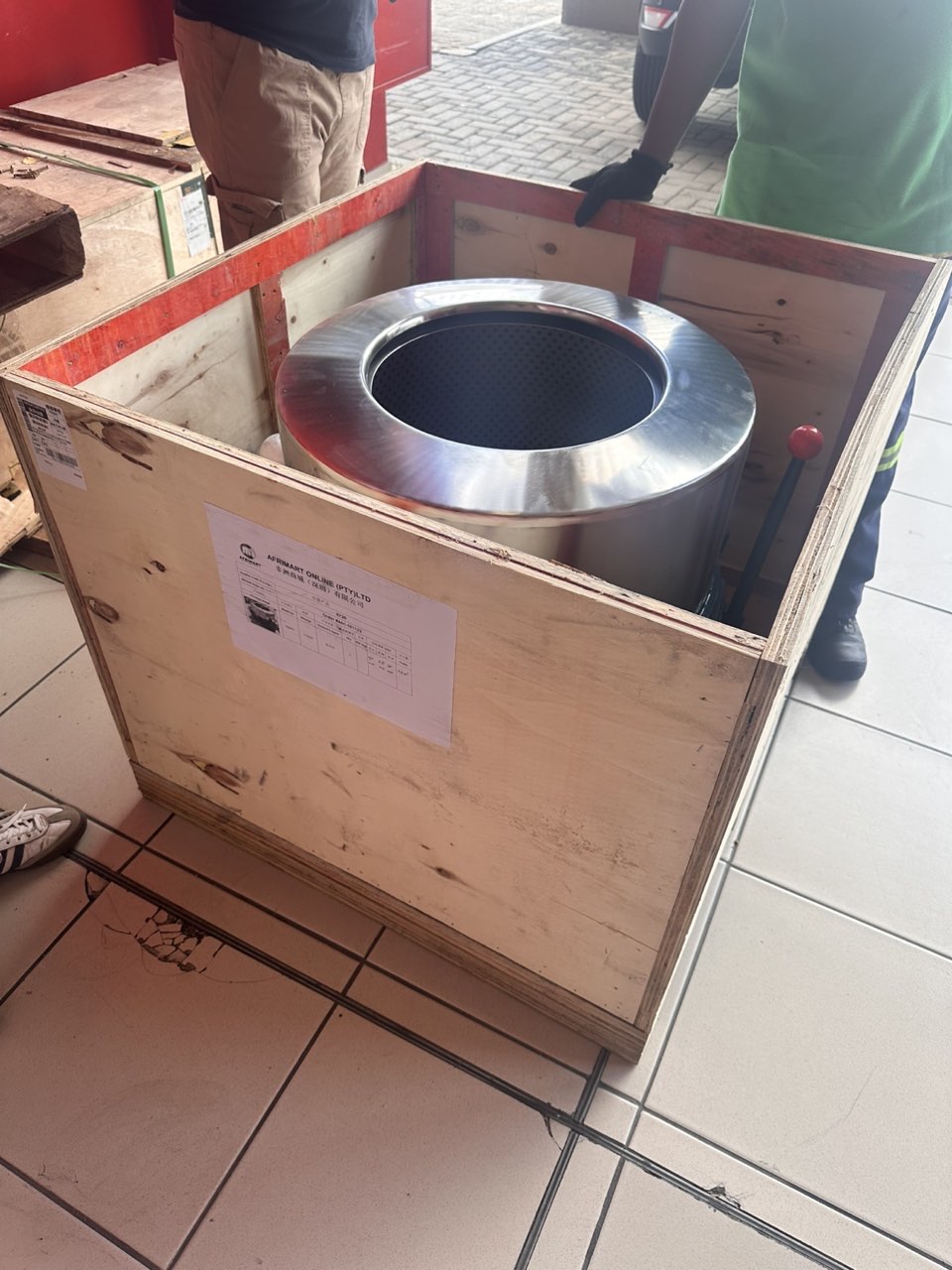
order success
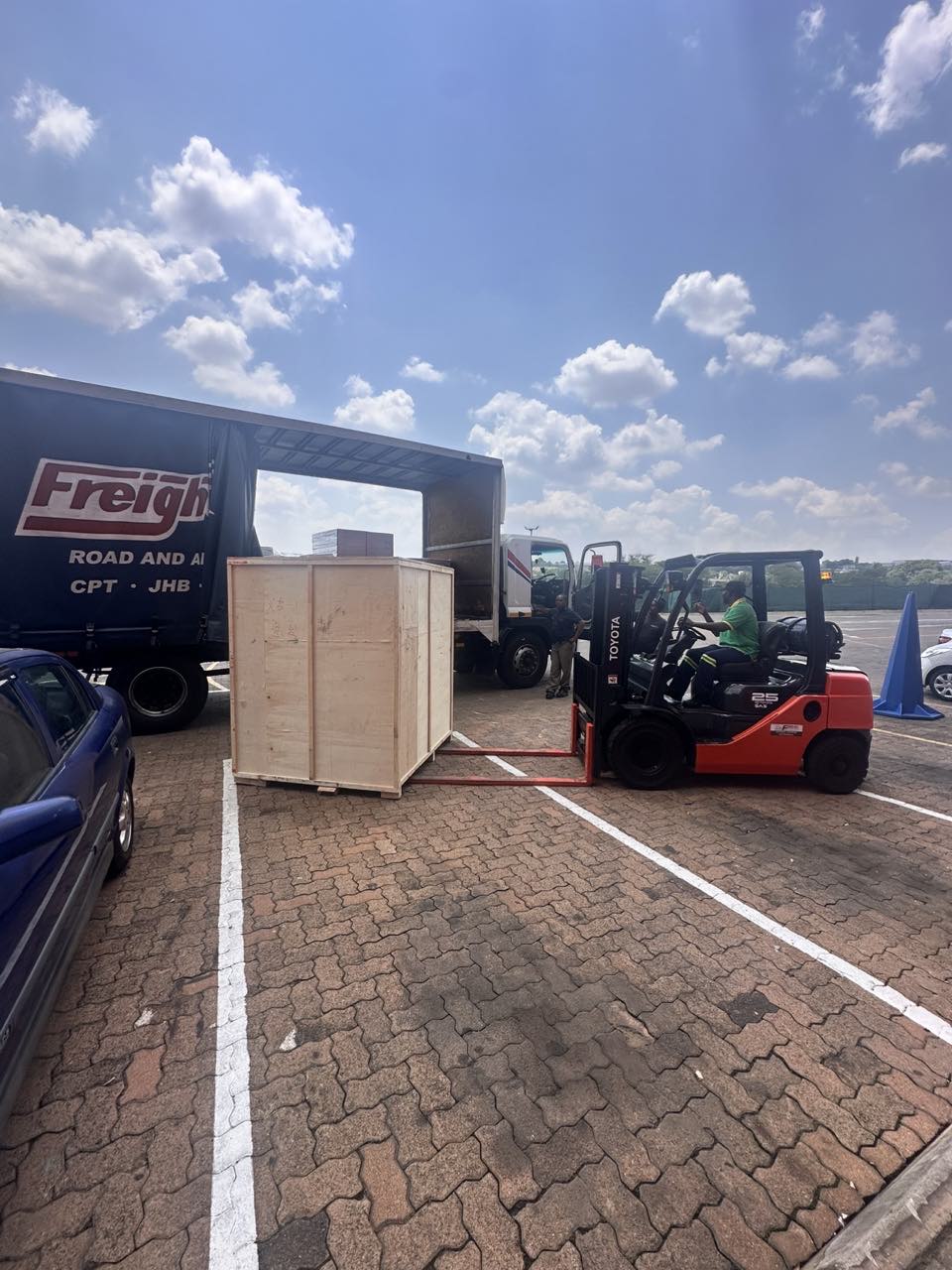
order collection
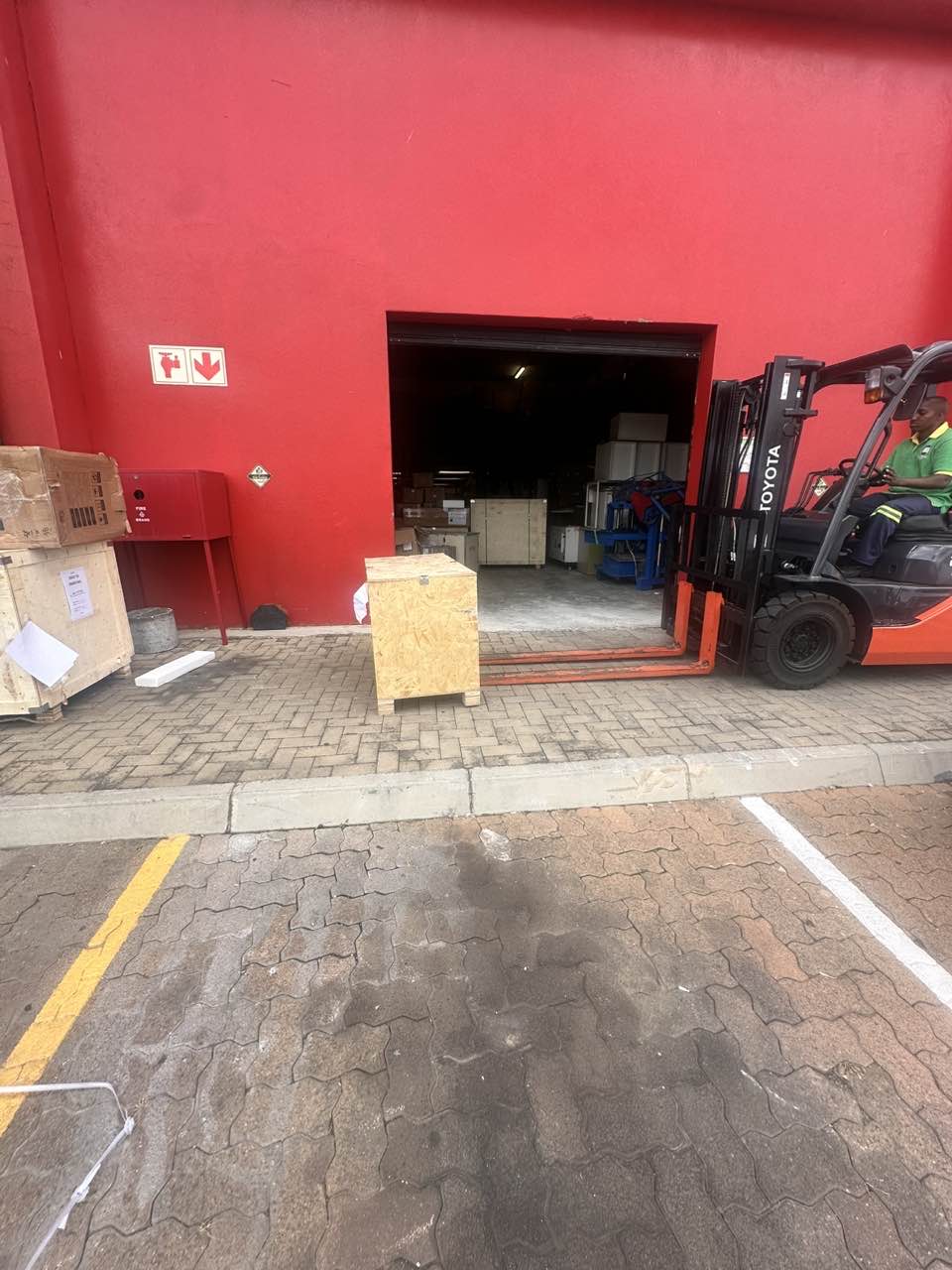
order offloading