B21, China Town Mall, Midrand

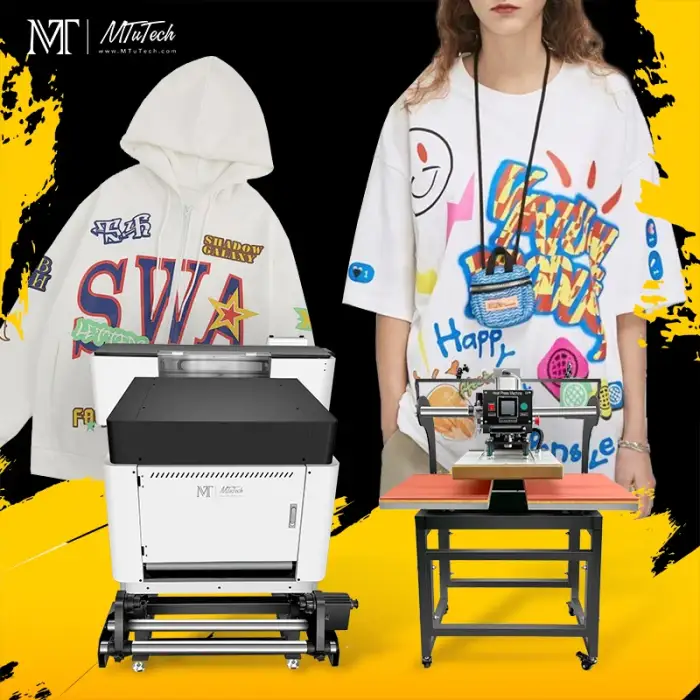
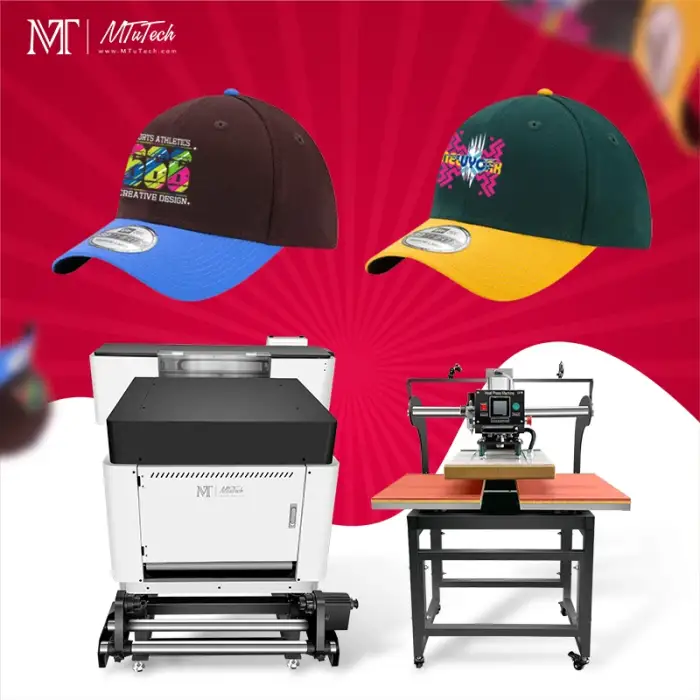
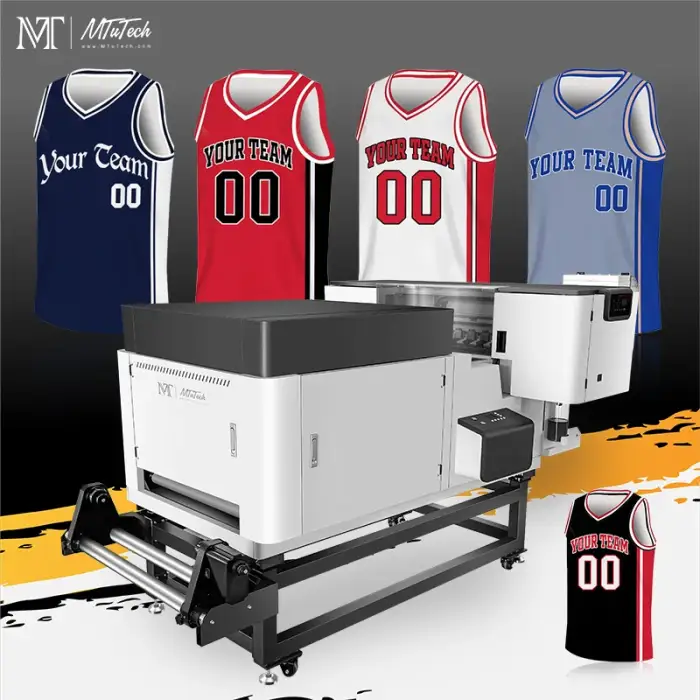
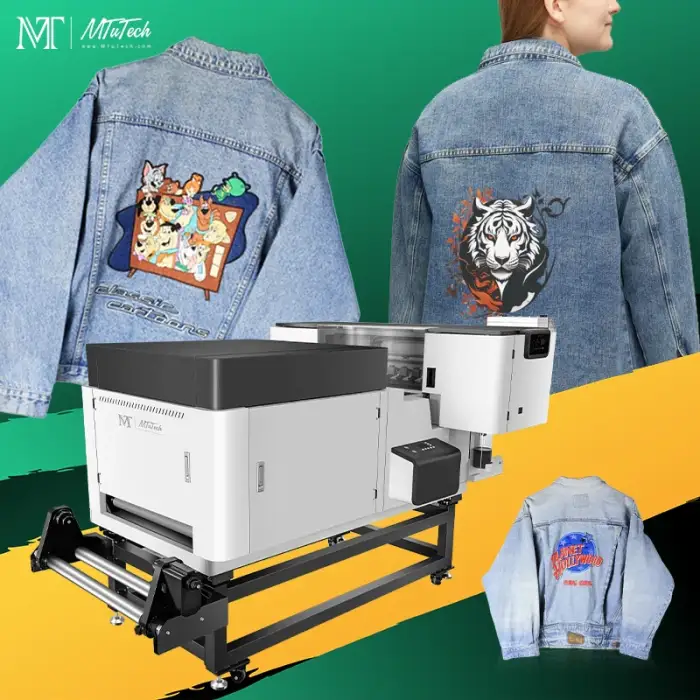
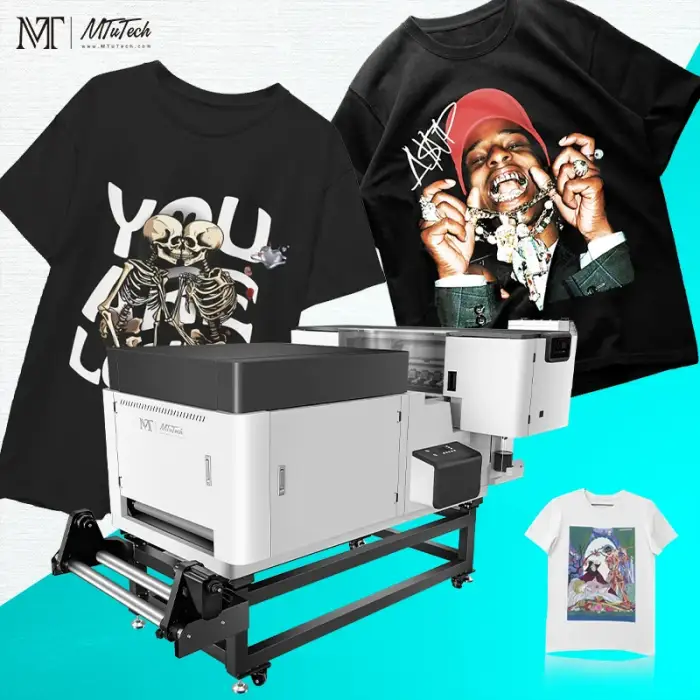
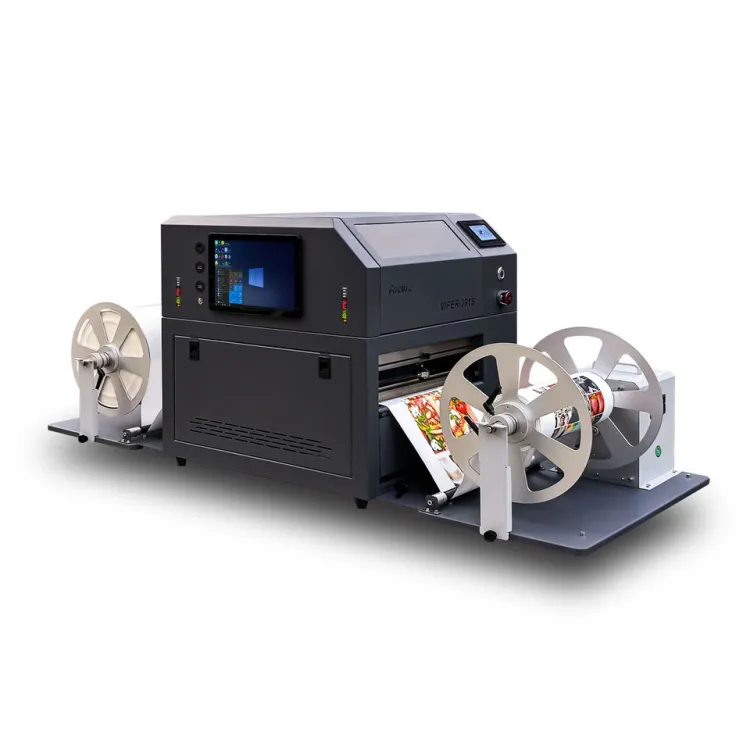
DTF Printer T Shirt Printing Machine With Different Heat Press Solution
Asset finance available
Do you want funding for this equipment?
Afrimart can connect you with trusted funding partners who specialise in asset finance for businesses like yours. Compare options and apply in minutes — final approval is subject to provider review.
Check funding options
Secure & no obligation
- Section : Consumer Electronics
- Category : DTF Printers
- SKU : 1600699069379

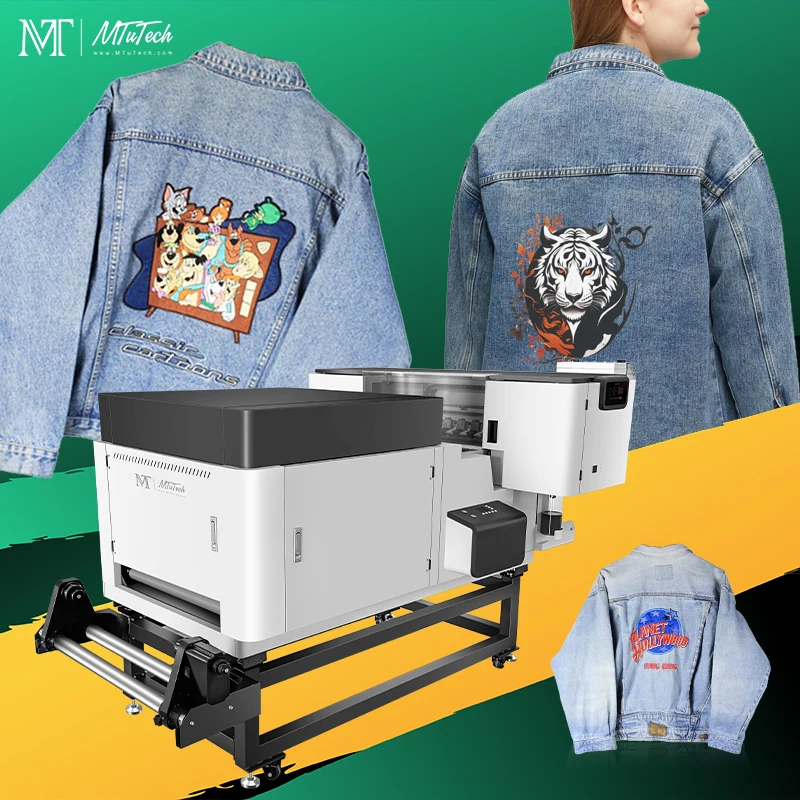
4 Color (4-in-1) 60cm DTF Printer with Powder Shaker – Dual 13200A1 Printheads.
Includes RIP Software | Automatic Powder Recycling | Built-in Smoke Removal System
Product Overview:
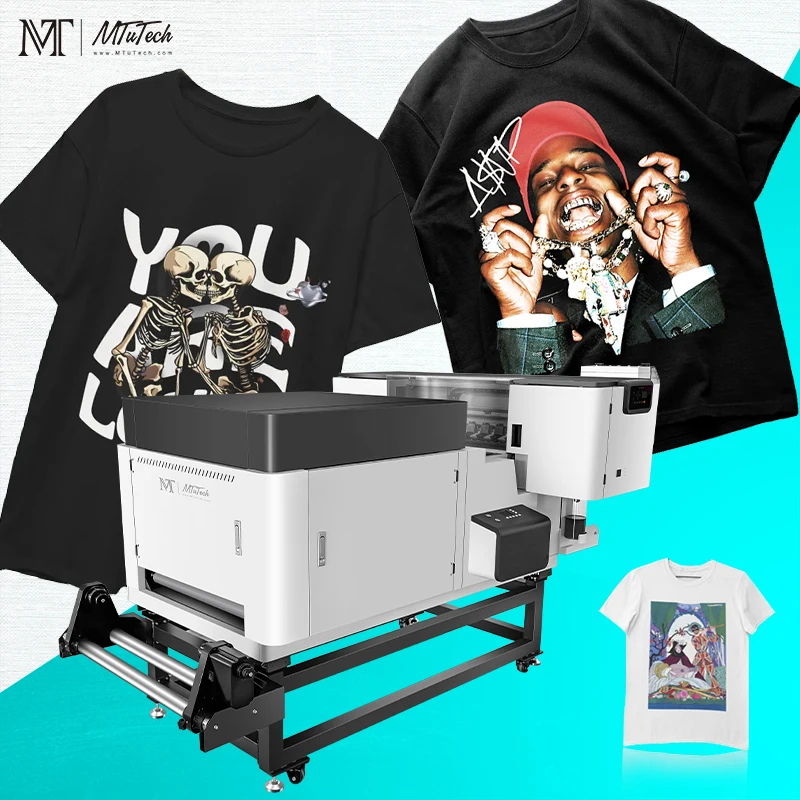
High-performance 60cm DTF (Direct to Film) printer designed for professional textile printing. This all-in-one solution includes both the printer and powder shaker, featuring dual Epson i3200 printheads (13200A1) for enhanced speed and precision. Ideal for producing vibrant, high-resolution prints on a wide range of fabrics.
Product Specifications:
Color & Page: Multicolor
Print Dimensions: 400mm, 600mm | A2, A3, A4
Condition: 100% Brand New
Ink Type: Pigment Ink
Printer Type: DTF Printer
Print Head: 2pcs Epson i3200 (13200A1)
RIP Software: PhotoPRINT RIP included
Resolution: 720 × 1200 dpi
Printer Size: Suitable for A2, A3, A4 output
Dimensions (LWH): 2305mm × 1092mm × 1101mm
Weight: 330 kg
System Features:
Automatic powder recycling system
Built-in smoke removal device
Stable printing performance
Easy-to-use interface
Applications:
Fabric Compatibility: Cotton, polyester, poly-cotton blends, nylon, and more
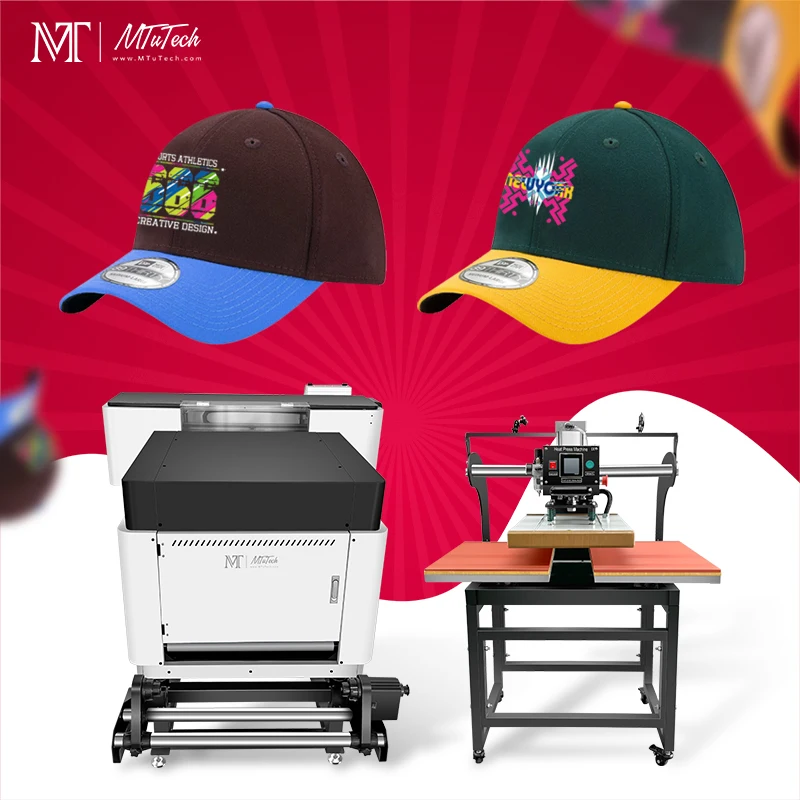
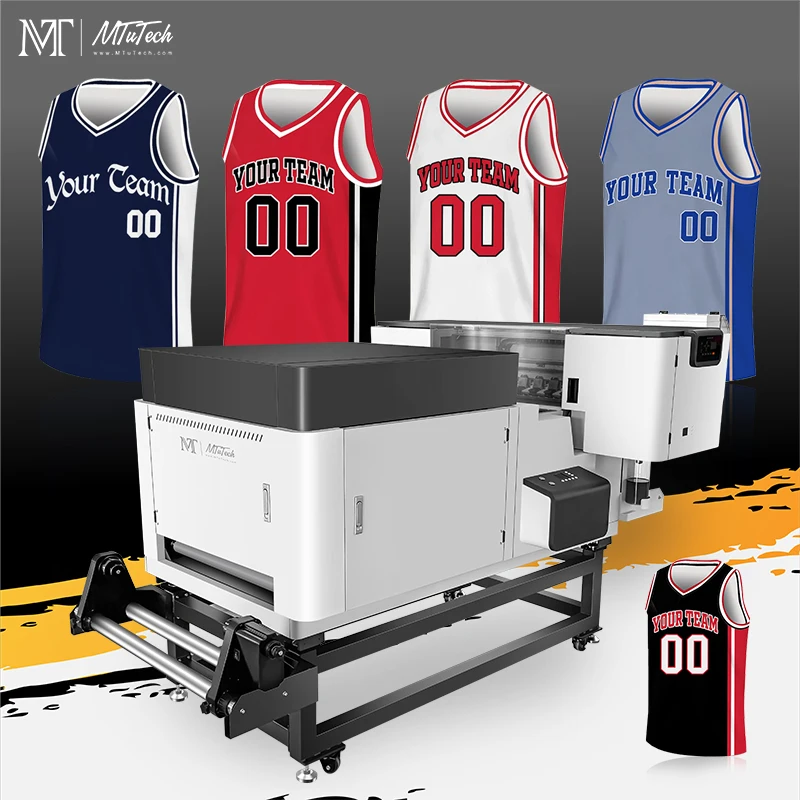
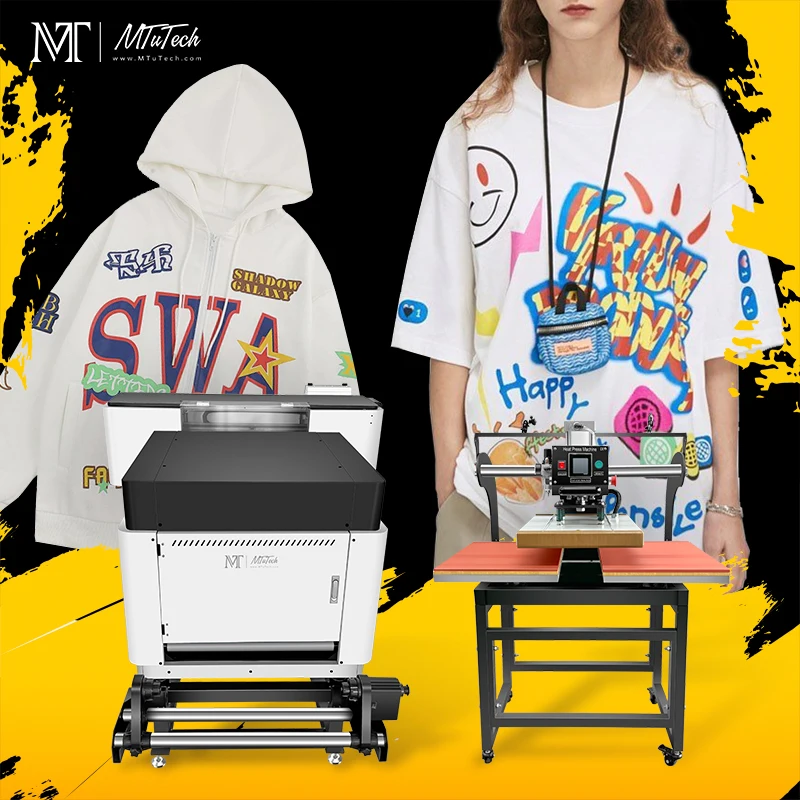
Product Use: T-shirts, tote bags, sports uniforms, hoodies, and various other custom apparel
Why Choose This Machine:
High-efficiency dual-head printing for faster output
All-in-one integrated system with powder shaker and fume extractor
Professional RIP software included for color accuracy and workflow optimization
Ideal for small to medium-size garment printing businesses
- Shipping Timeframes: All orders are processed within 2-5 business days (excluding weekends and holidays). After your order has been processed, the estimated delivery time is before 29 Jun, 2026, depending on customs, Please note that due to high demand, some items may experience longer shipping times, which will be communicated at order confirmation email.
- Order Processing Time: Please allow 2-5 business days for us to process your order before it is shipped . Orders placed after 16:00 on Fridays, or during weekends and public holidays, will begin processing on the next business day. Processing times may be extended during peak seasons or sales events.
- Manufacturing Time: Some products needs manufacturing time, the manufacturing process will take approximately 10-30 business days depending on the product. This timeframe may vary depending on the complexity of the product and current demand. but this will be communicated with you during order confirmation.
- Returns and Exchanges: We offer a 30-day return policy for most items. If you are not completely satisfied with your purchase, you may return it within 30 days of receipt for a refund or exchange. Items must be unused, in their original packaging, and accompanied by proof of purchase. Return shipping costs are the responsibility of the customer, unless the item was damaged or defective upon arrival.
1. What comes included with the DTF Printer T Shirt Printing Machine package?
The package includes the 60cm (600mm) DTF printer with dual Epson i3200 (model 13200A1) printheads, integrated powder shaker with automatic powder recycling, built-in smoke removal system, PhotoPRINT RIP software, and basic starter consumables (pigment inks, test transfer film and adhesive powder). Check the seller listing for exact accessory list and optional extras.
2. What is the maximum print width, supported output sizes and resolution?
Maximum print width is 60 cm (600 mm). It supports common outputs equivalent to A2/A3/A4 and print dimensions such as 400 mm and 600 mm. Optical resolution up to 720 × 1200 dpi depending on RIP settings.
3. Which fabrics and products can I print on with this machine?
This DTF solution works on cotton, polyester, poly-cotton blends, nylon and many other textiles. Typical applications include T‑shirts, hoodies, tote bags, sports uniforms and custom apparel.
4. How does the DTF printing workflow work (step‑by‑step)?
Basic workflow: 1) Print full‑color design onto PET transfer film using pigment inks; 2) Pass wet prints through the powder shaker to apply adhesive powder; 3) Cure/dry the powder (hot air oven/curing unit) so it melts and bonds to the ink; 4) Transfer the image from film to fabric using a heat press; 5) Peel the film (hot or cold depending on film/instructions) and finish.
5. What heat press types are compatible and what transfer settings should I use?
Portable clamshell, swing‑away and roller heat presses all work — choose one that handles your garment sizes and provides even pressure. Typical starting settings: 160–170°C (320–338°F) for 8–20 seconds at medium pressure. Hot vs cold peel depends on film and powder; start with manufacturer recommendations and run tests to optimize time, temperature and pressure for your substrate.
6. What consumables do I need and are there recommended brands?
Consumables include DTF pigment inks (CMYK + white where applicable), PET transfer film, adhesive powder, and cleaning solutions/spare parts (maintenance cartridges, capping station items). Use inks and powders specified or recommended by your supplier for best results; third‑party options exist but may affect warranty and color consistency.
7. How does the automatic powder recycling system work and how often must it be maintained?
After powder application, excess adhesive powder is collected and filtered/recycled back into the shaker hopper automatically, reducing waste. Periodic maintenance is required: clean filters, check sieves, empty non‑recyclable residues and inspect moving parts. Frequency depends on production volume — typically weekly to monthly checks.
8. What does the built-in smoke removal system do and do I still need ventilation?
The built‑in smoke removal extracts fumes and particulate generated during curing and powder handling to reduce odors and improve air quality. It helps but is not a substitute for proper shop ventilation. Install in a well‑ventilated area and follow local regulations for fume extraction.
9. What software and file formats are supported for printing and color management?
PhotoPRINT RIP is included for layout, color management, ink limiting and queue control. It supports standard image formats like TIFF, PNG, PSD and PDF. Use ICC profiles and test charts in the RIP to achieve accurate color matching for your materials.
10. How durable are DTF prints and how should printed garments be cared for?
Properly applied DTF prints are highly durable with good wash fastness. Recommended aftercare: allow 24 hours cure time before washing, wash inside‑out in cold water with mild detergent, avoid bleach and high‑heat drying when possible. Conduct wash tests to confirm durability for your specific inks and fabrics.
11. What maintenance is required for the printheads and general upkeep?
Routine maintenance includes daily or regular nozzle checks and head cleanings, keeping ink lines primed, cleaning the capping station and wiper, and periodic replacement of maintenance parts. Follow the manufacturer's maintenance schedule and use recommended cleaning fluids to extend printhead life.
12. What troubleshooting steps can I take for common issues like banding or color mismatch?
For banding: run nozzle checks, perform head alignments and clean heads, check media advance and tension. For color mismatch: confirm RIP color profiles/ICC, check ink levels and mixing, run nozzle checks, and print test charts to adjust color curves. If issues persist, contact support or the supplier.
13. What are the printer's physical dimensions, weight and space requirements?
Printer dimensions are approximately 2305 mm × 1092 mm × 1101 mm (L×W×H) and it weighs about 330 kg. Allocate additional workspace around the machine for media handling, curing equipment and maintenance access; ensure floor load capacity and easy access for installation.
14. Does the machine come with warranty, installation and training?
Warranty, installation and training vary by seller/distributor. Many suppliers offer on‑site setup, operator training and a warranty period — confirm these services and their terms with your vendor before purchase.
15. Who is this machine best suited for and what production volumes can it handle?
This 60cm dual‑head DTF system is ideal for small to medium garment decorators, print shops and on‑demand apparel businesses that need high‑quality, full‑color transfers. Production capacity depends on RIP settings, curing workflow and operator efficiency — the dual heads increase throughput for commercial runs but large industrial volumes may require wider roll‑to‑roll systems.
Latest Order Arrivals
Discover our latest orders
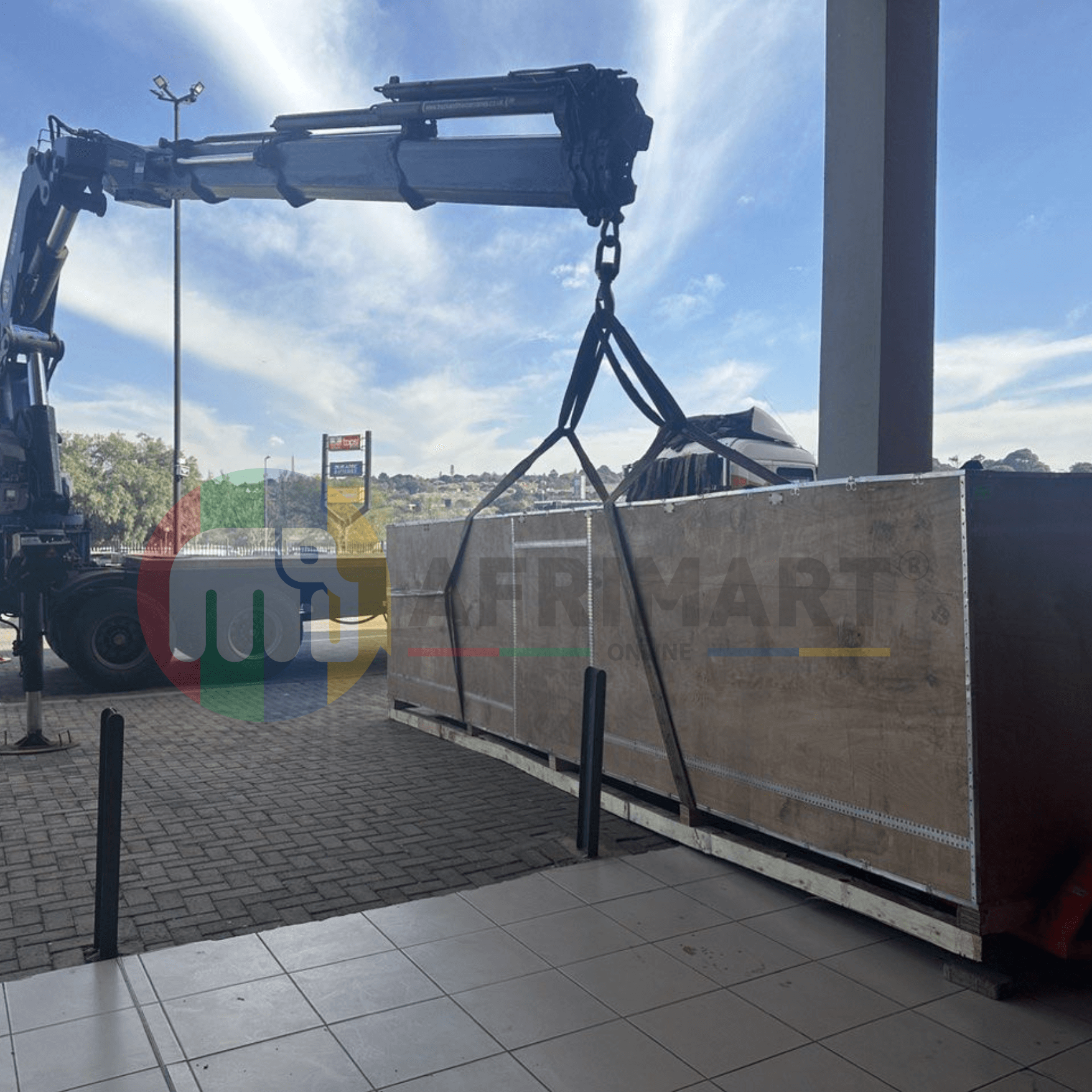
12 Heads Embroidery Machine
Dewatering Pump Machine
Order Collection
Portable Water Drilling Rig
Order Usefully Collected
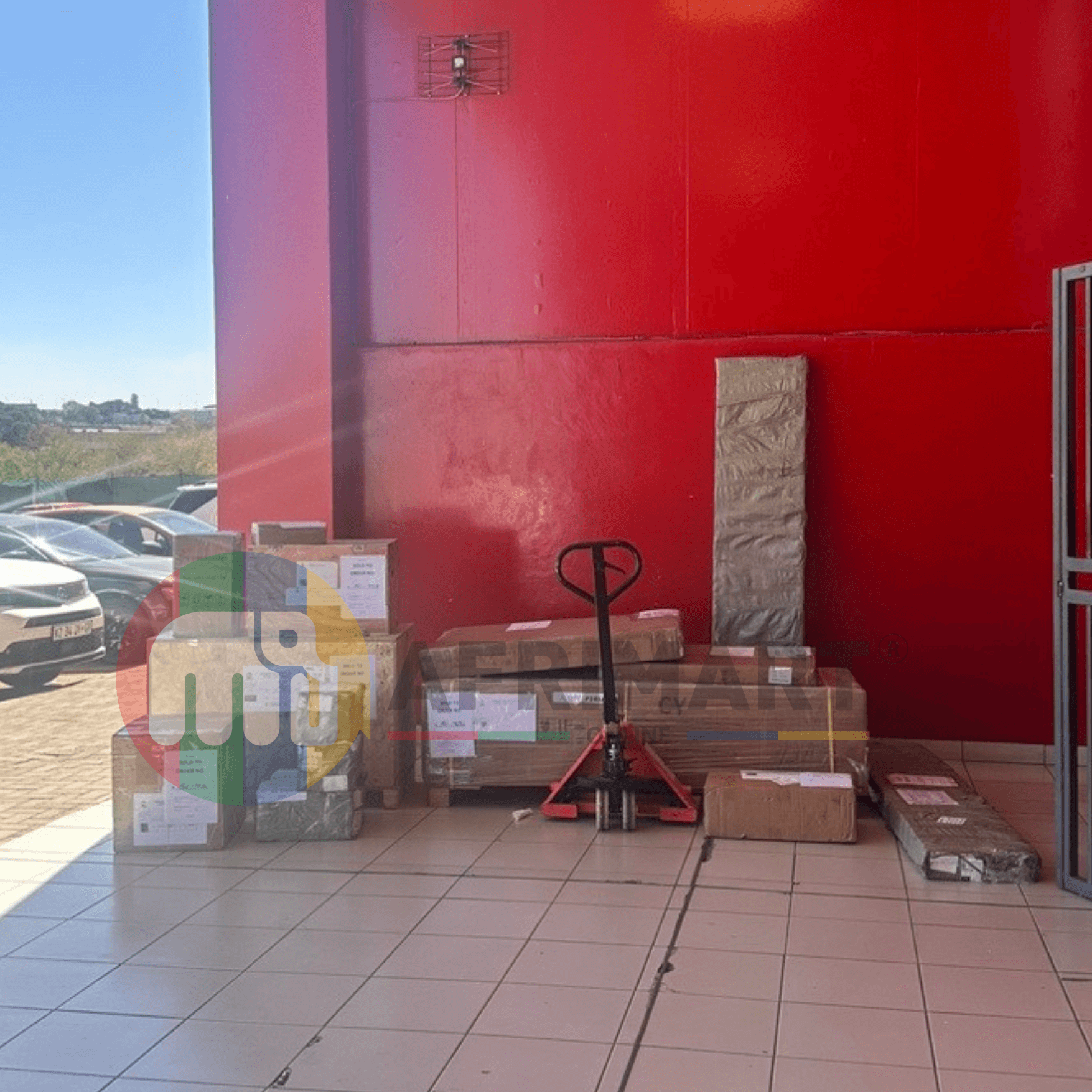
Batch of Orders
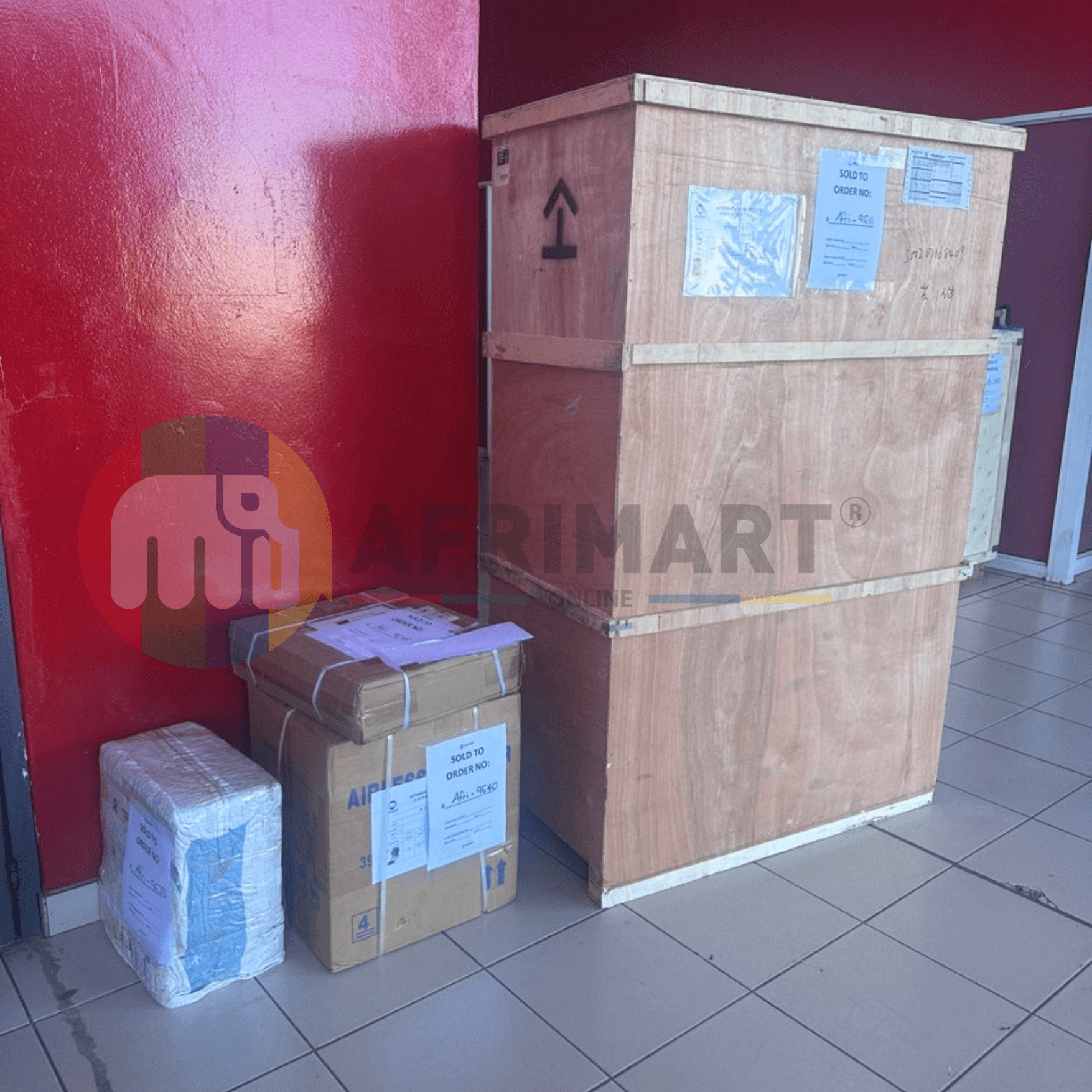
Agriculture Processing Machines
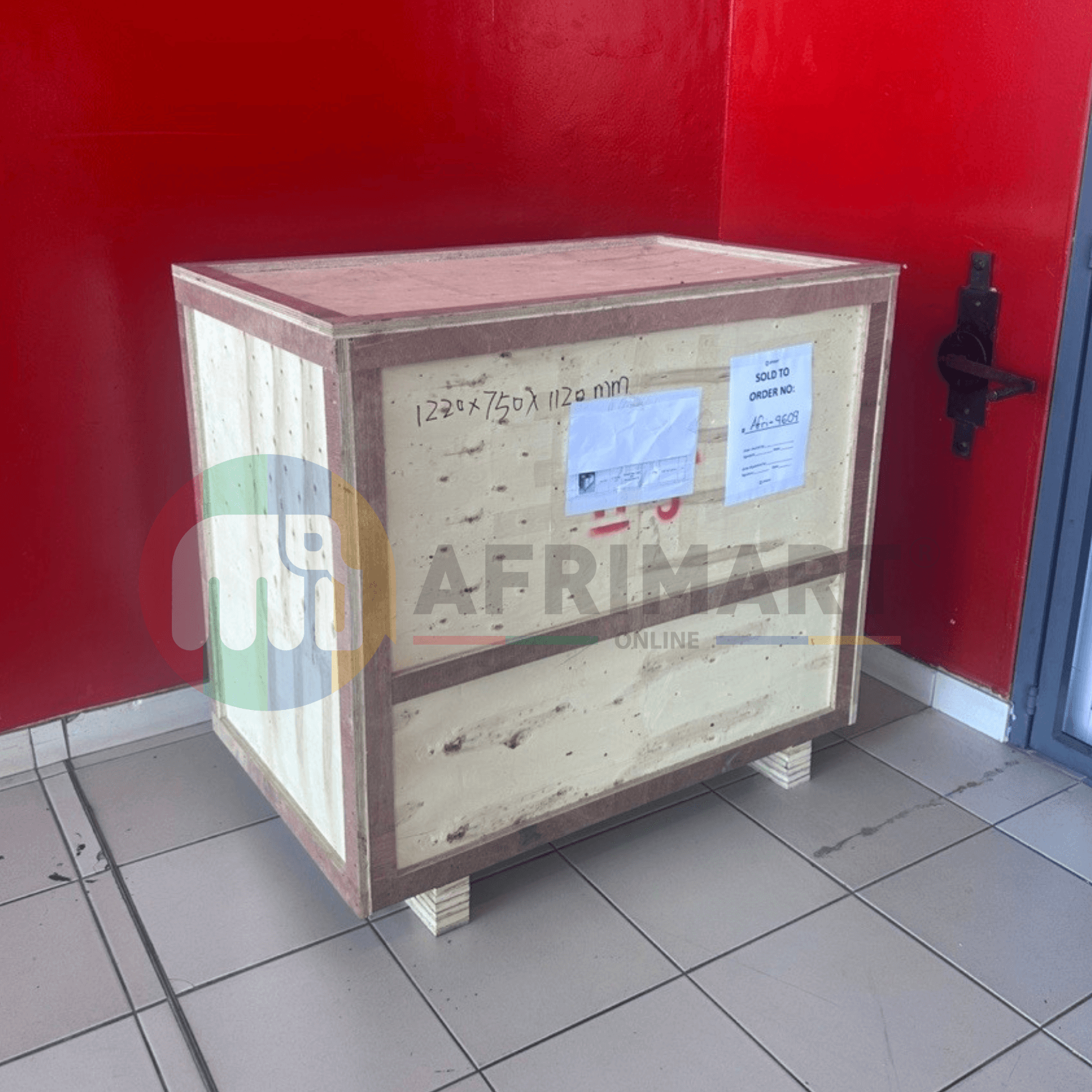
Meat Grinder Machine
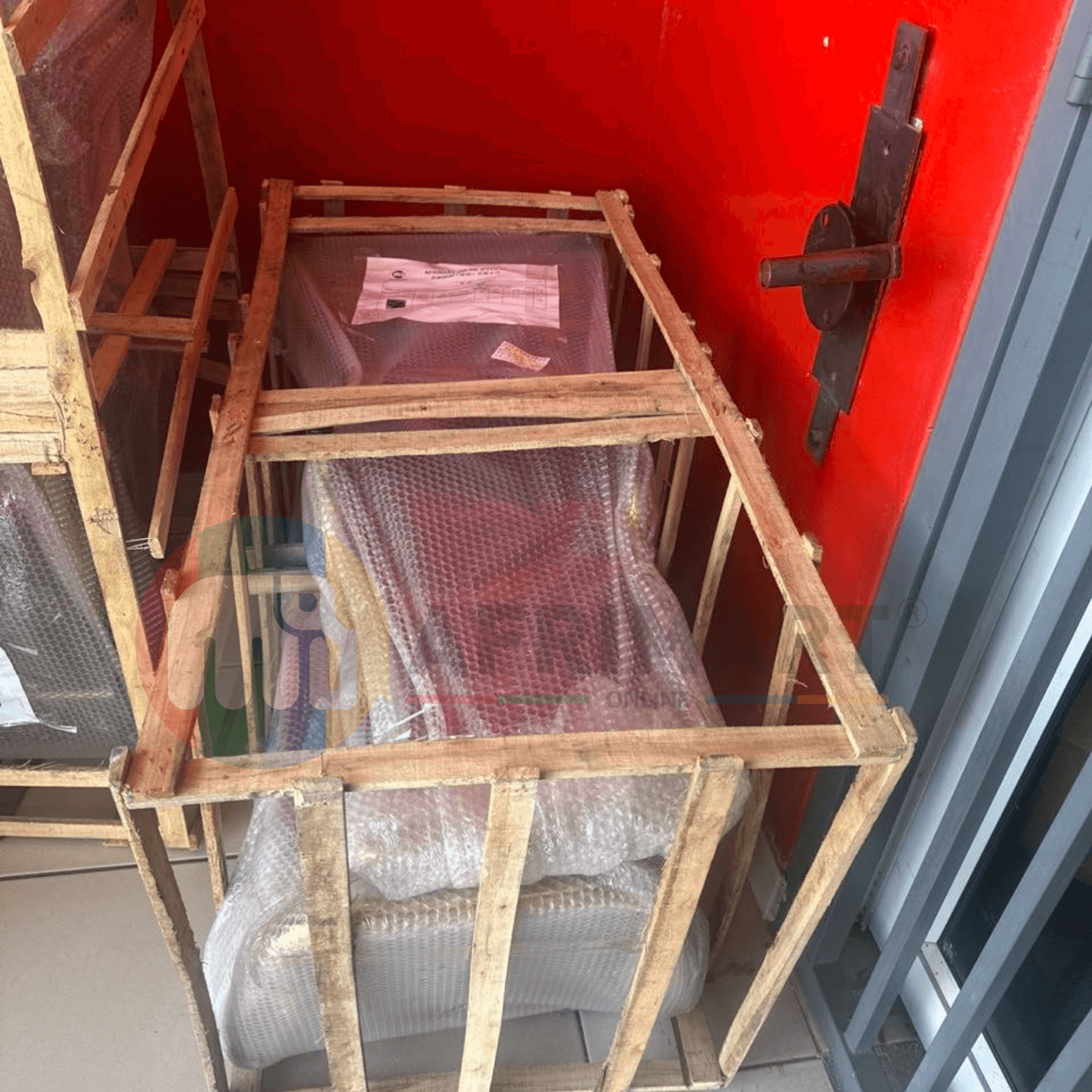
Water Pump Equipment
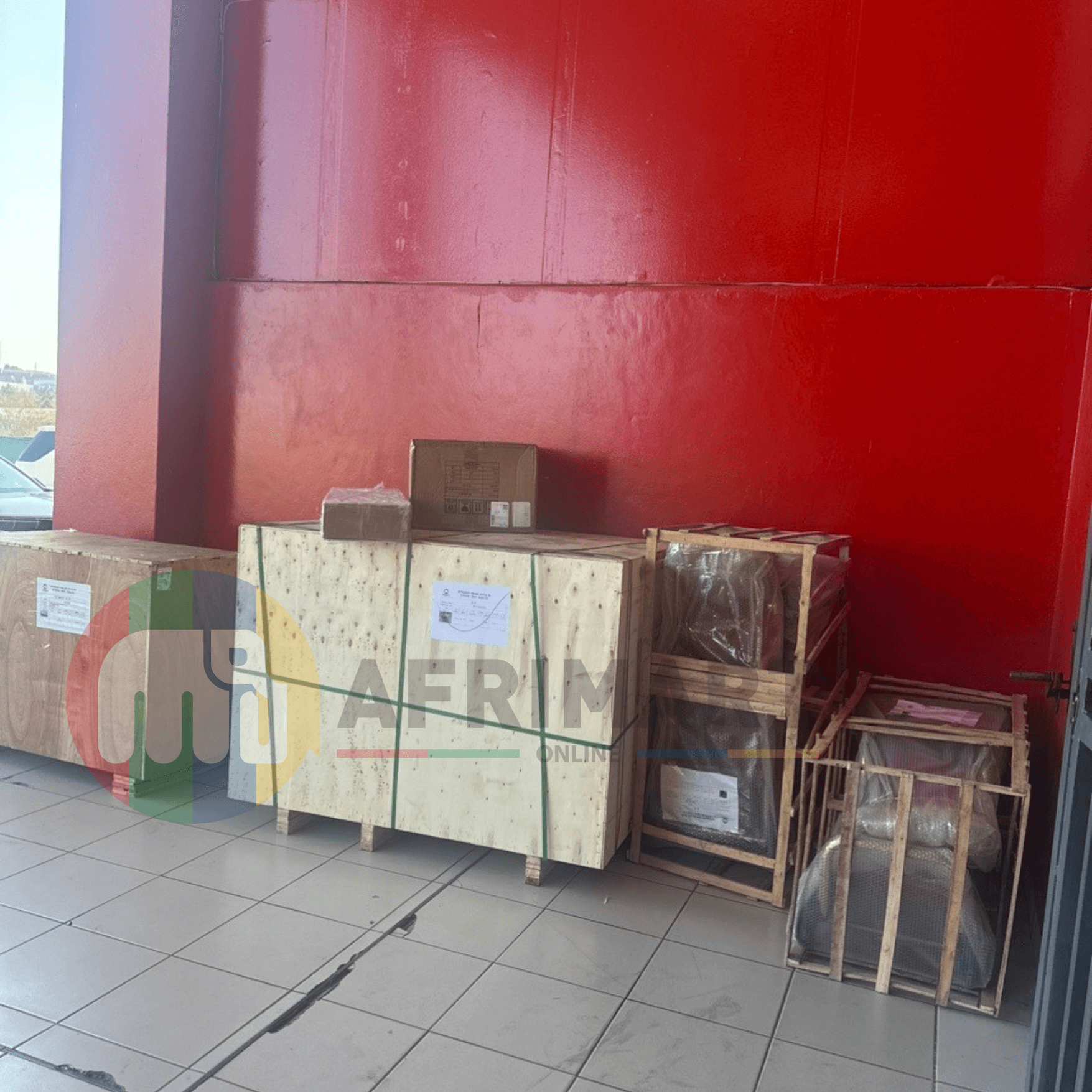
Packaging Machine and accessories
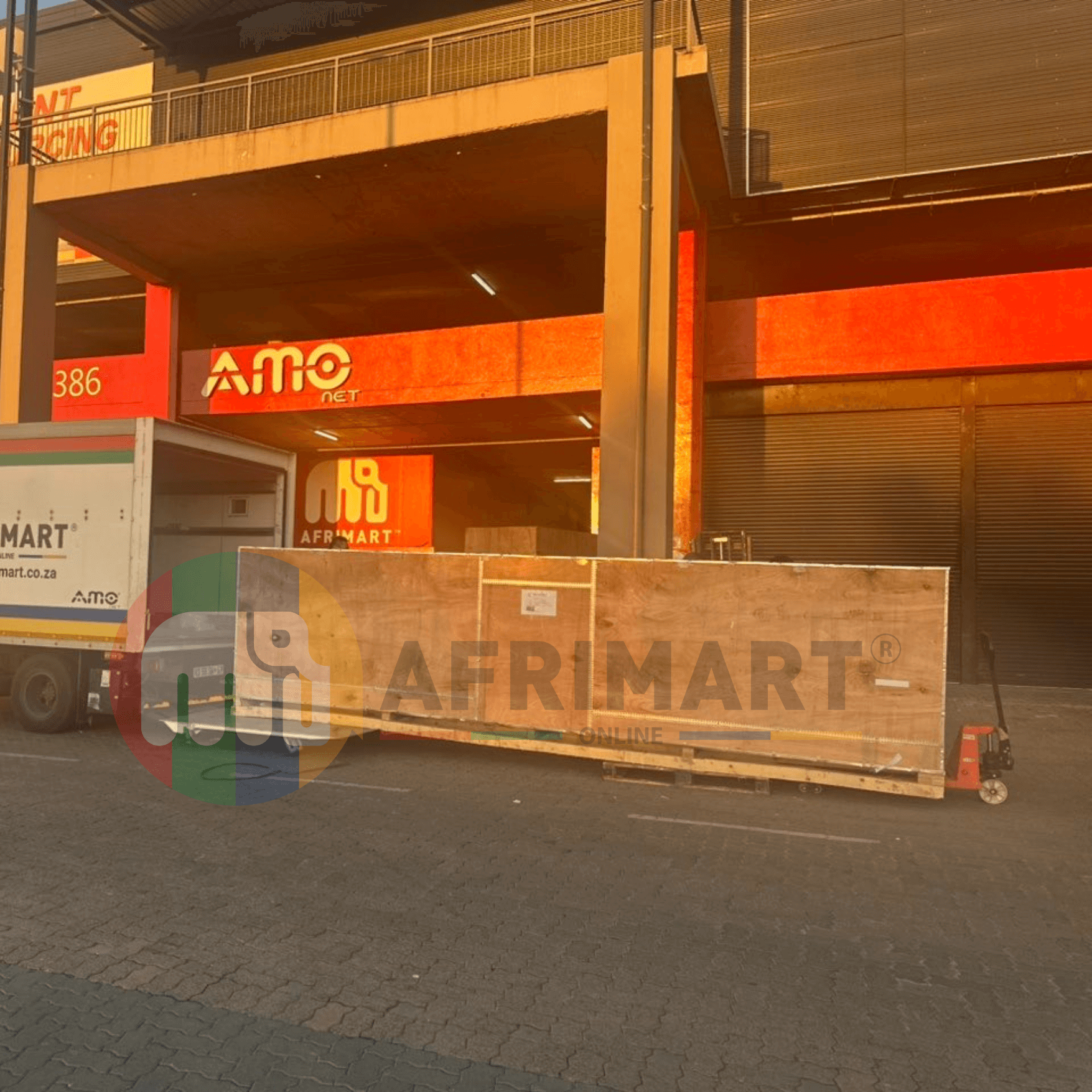
Fabrics Manufacturing Equipment
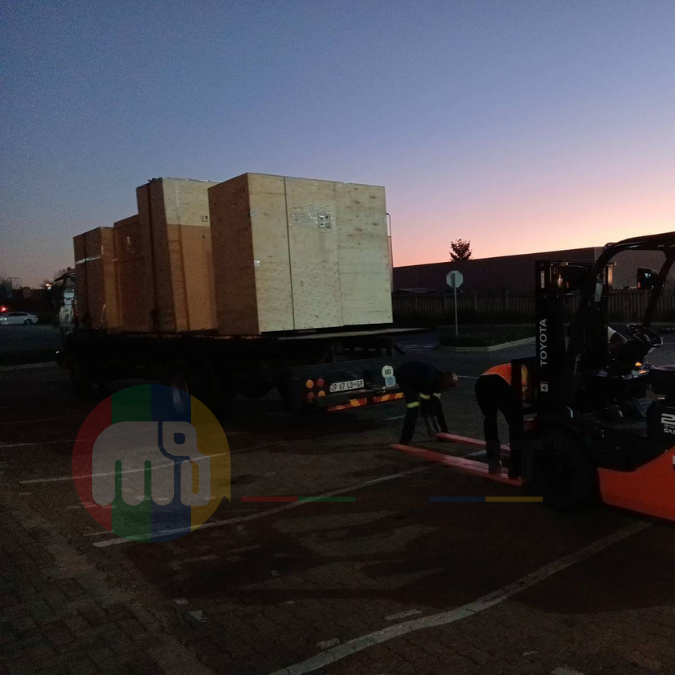
Mining Equipments
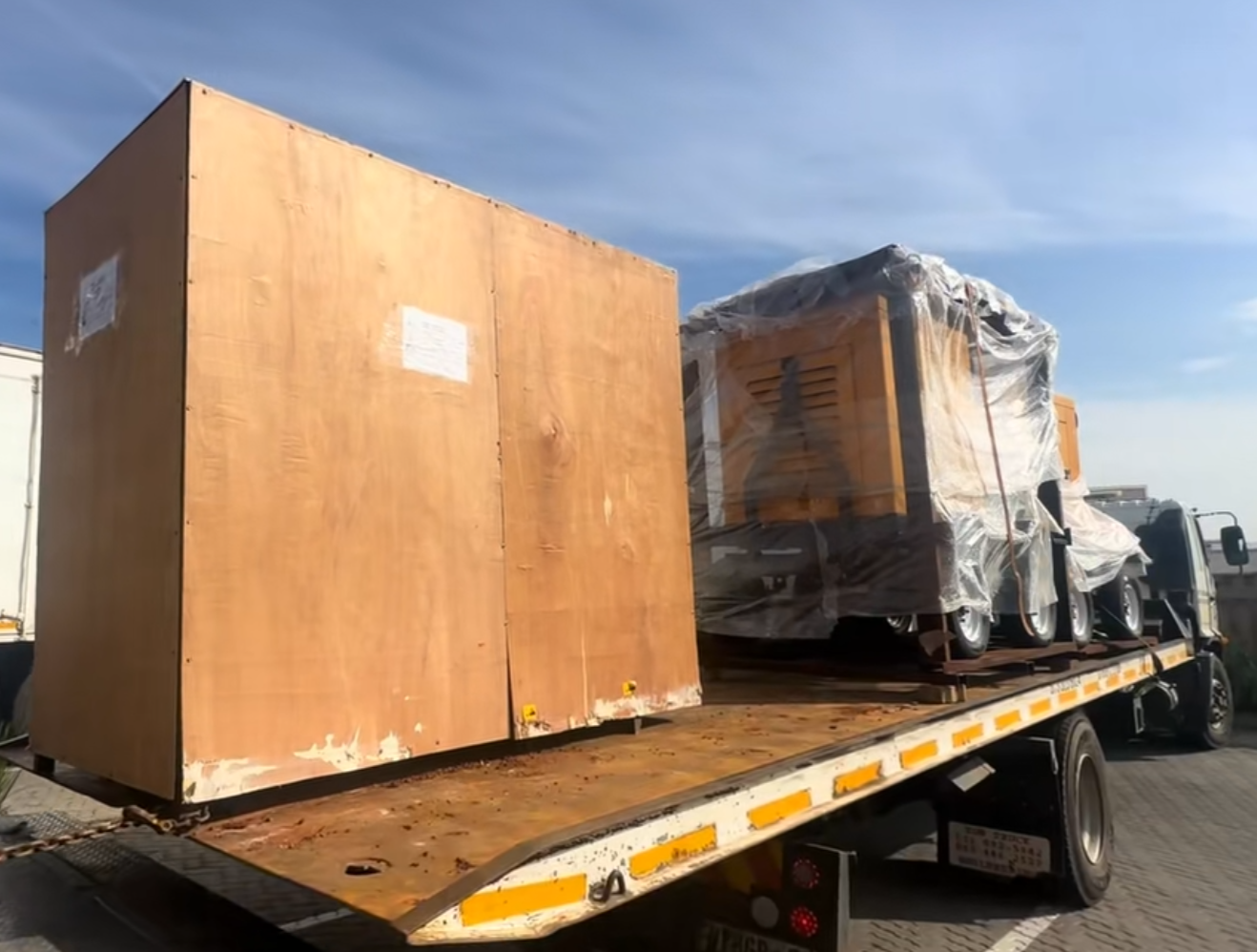
Food Processing Machine
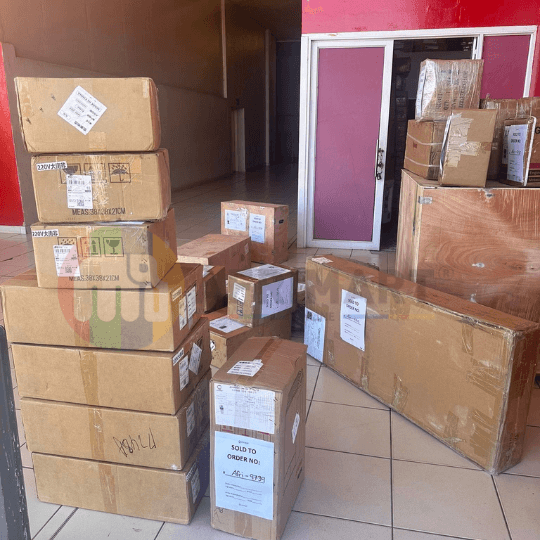
Batch of Orders
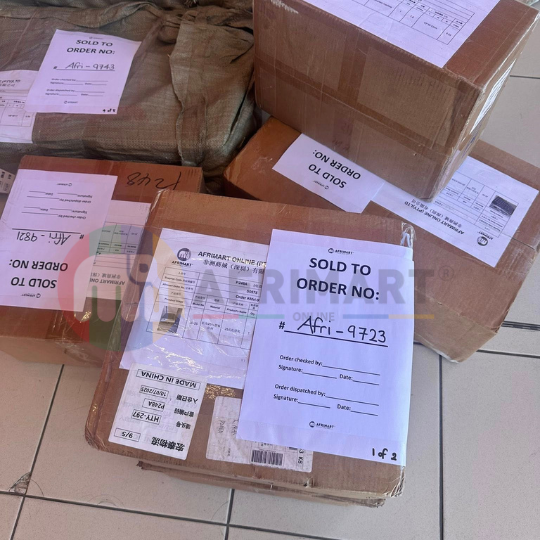
Batch of Orders
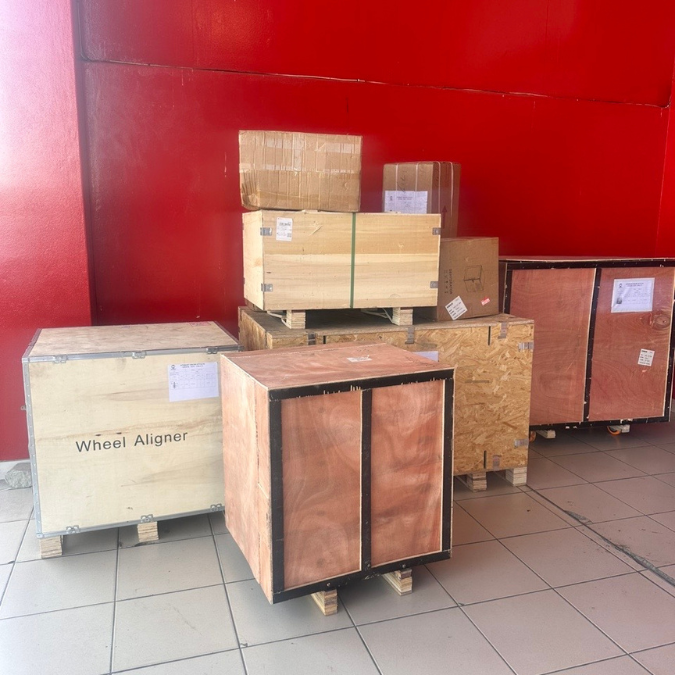
Latest Orders Labelled
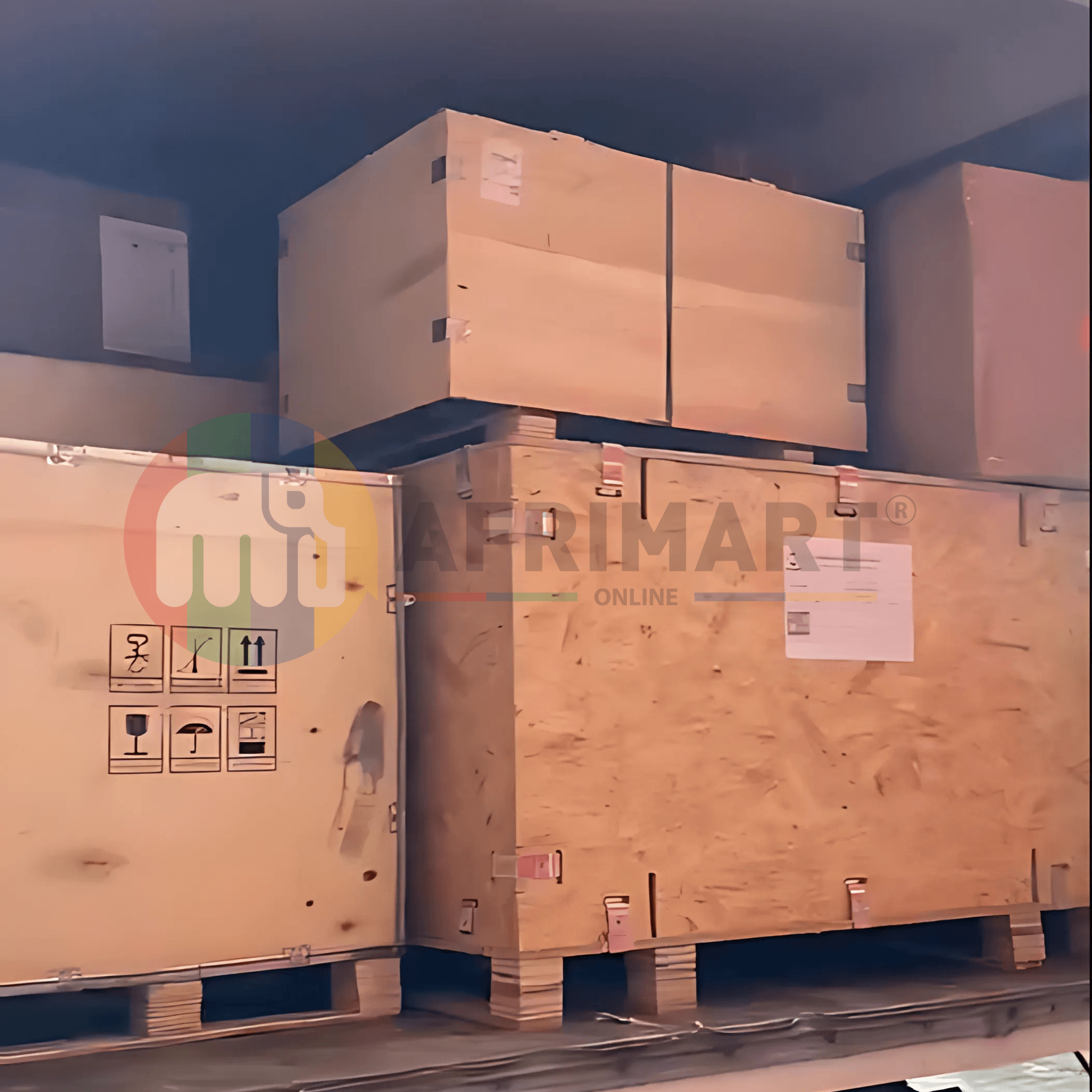
wheel alignment machines
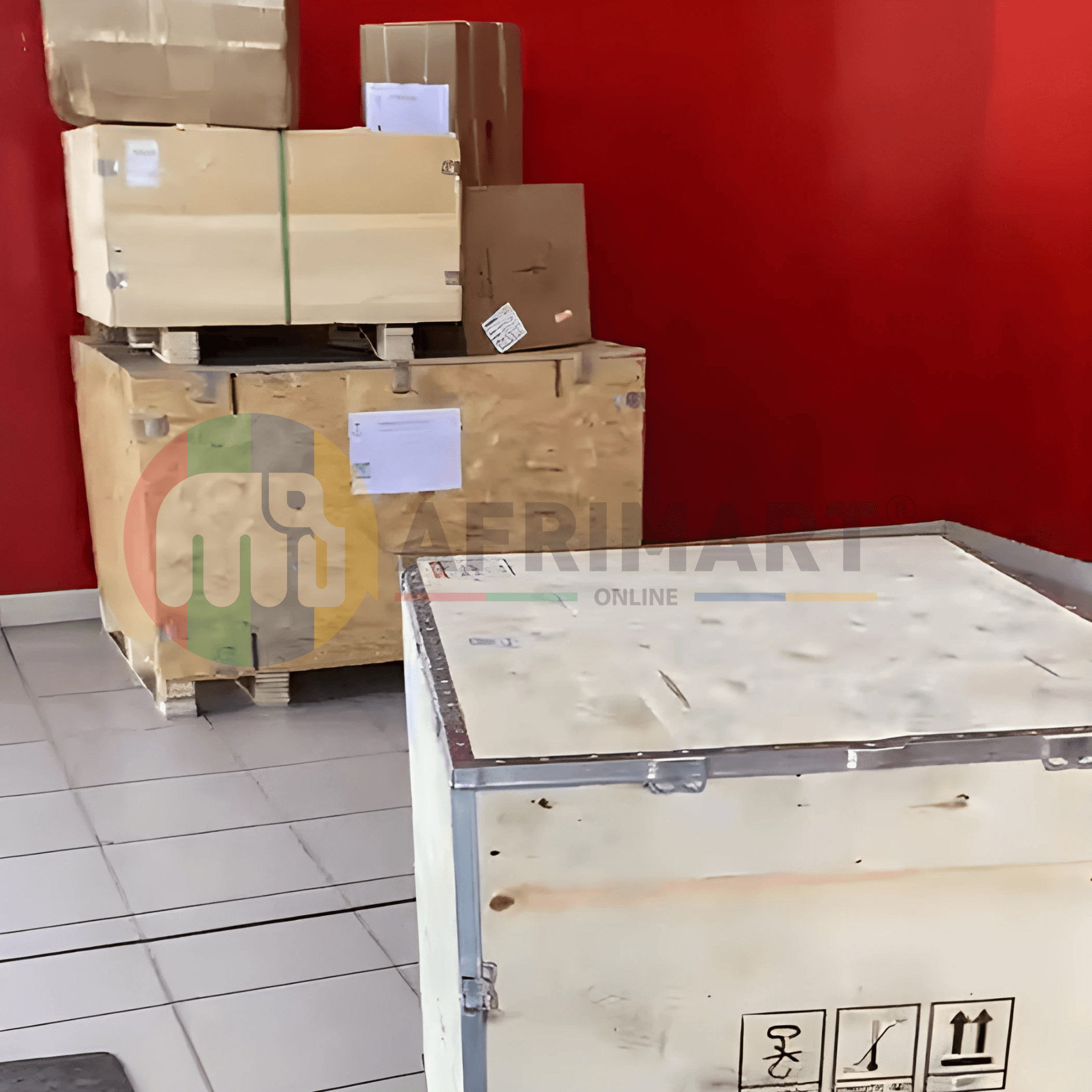
new arrivals
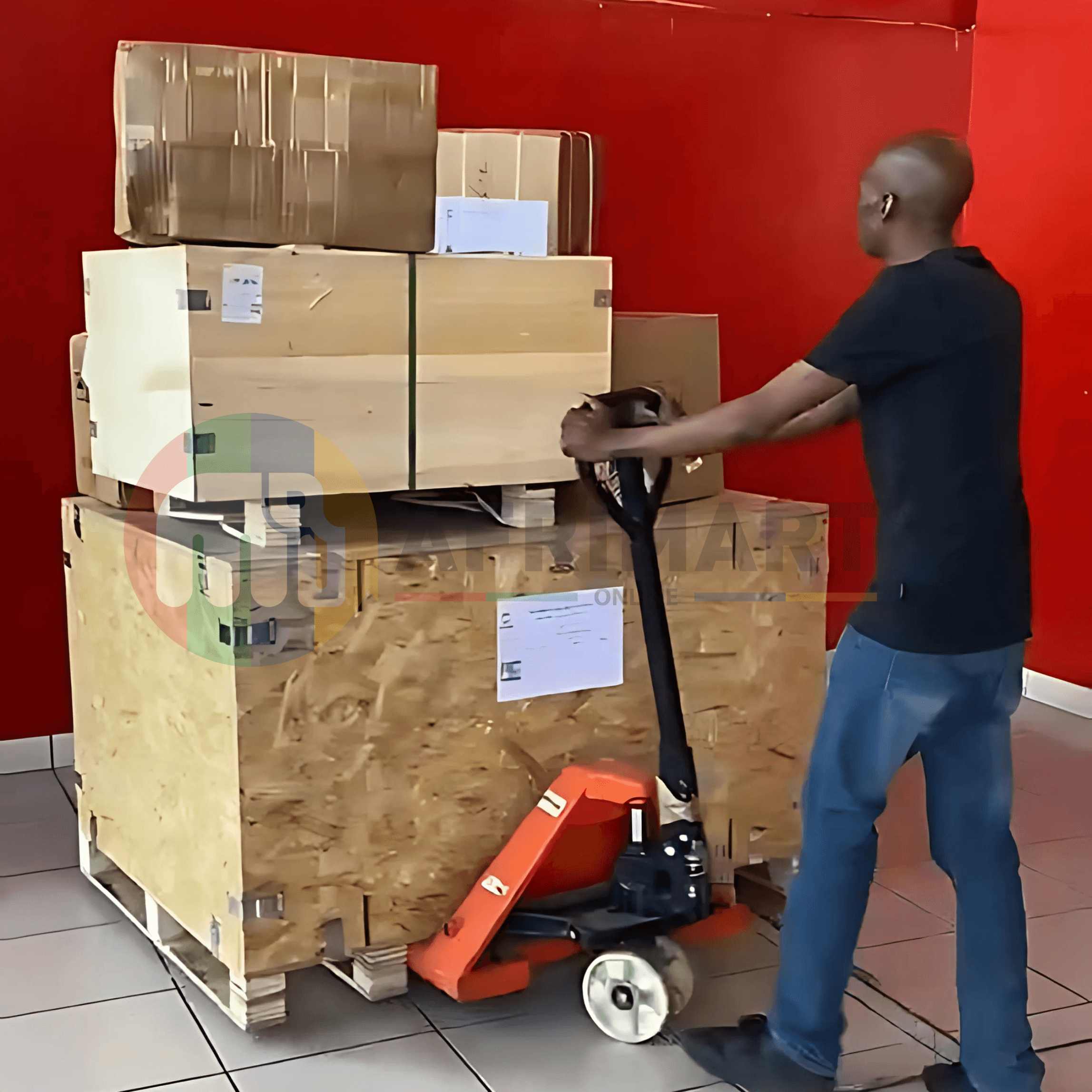
Pre Orders Offloading
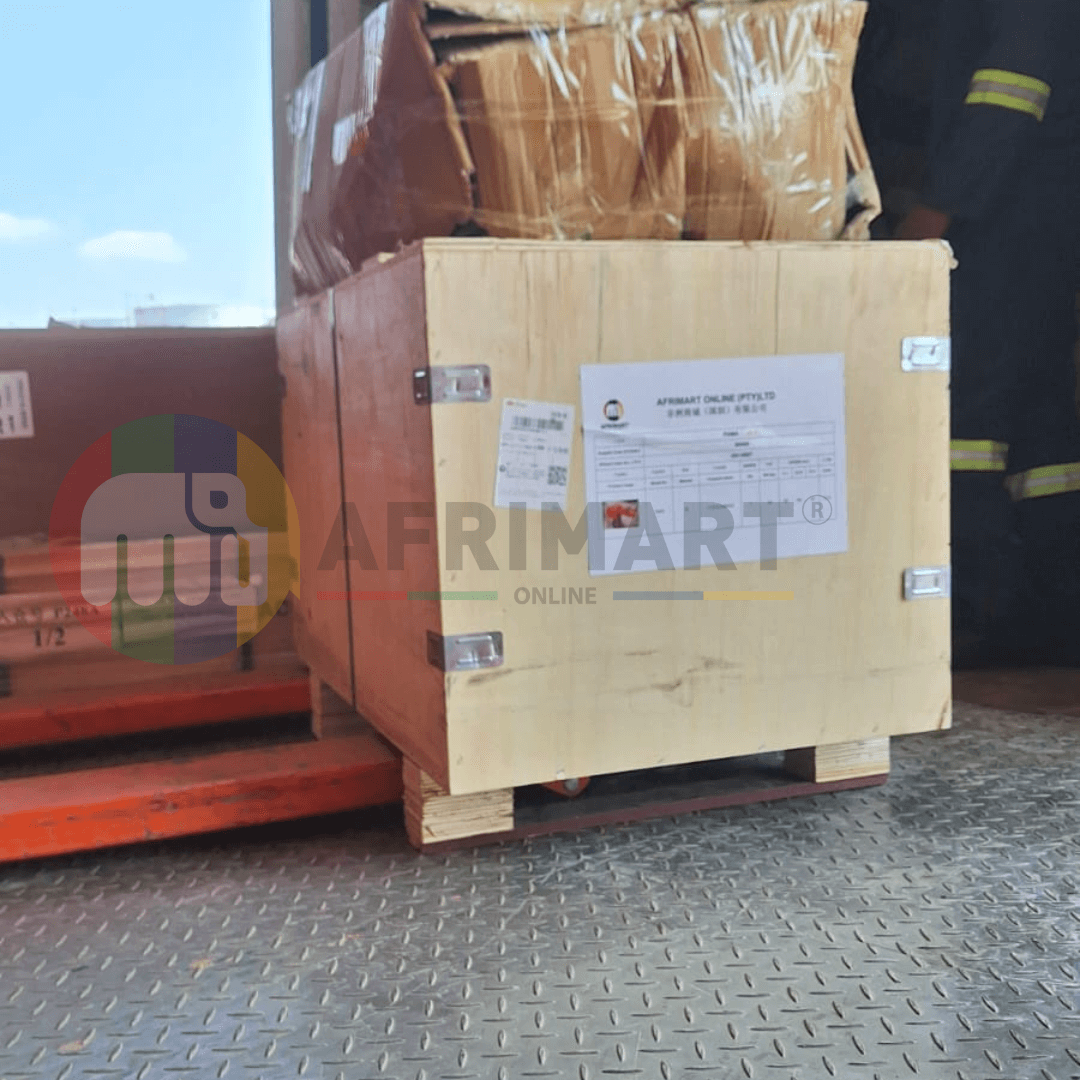
Latest Arrivals
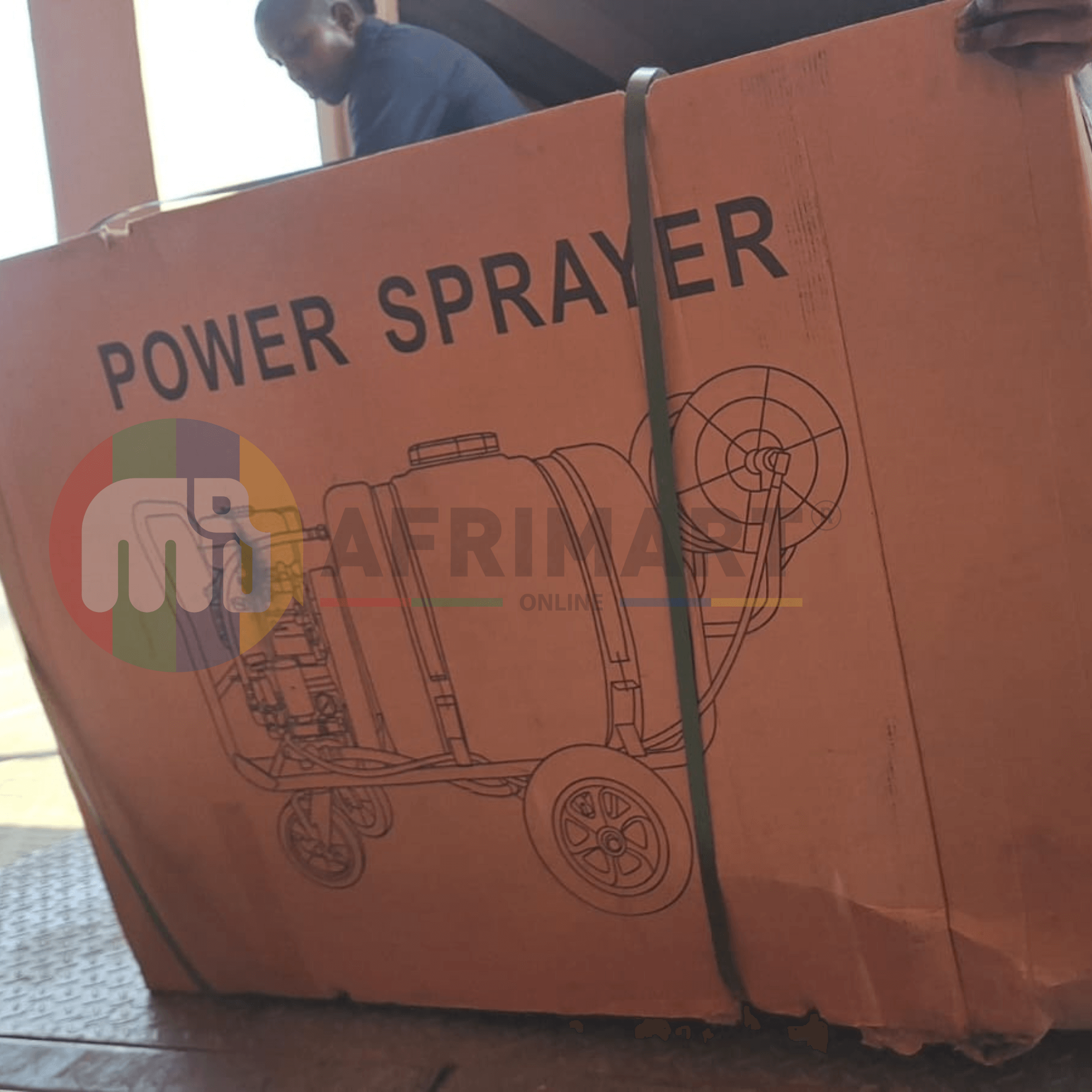
Latest Arrivals
Latest Arrivals
26 January 2026
Toilet paper making machine
Toilet paper making machine
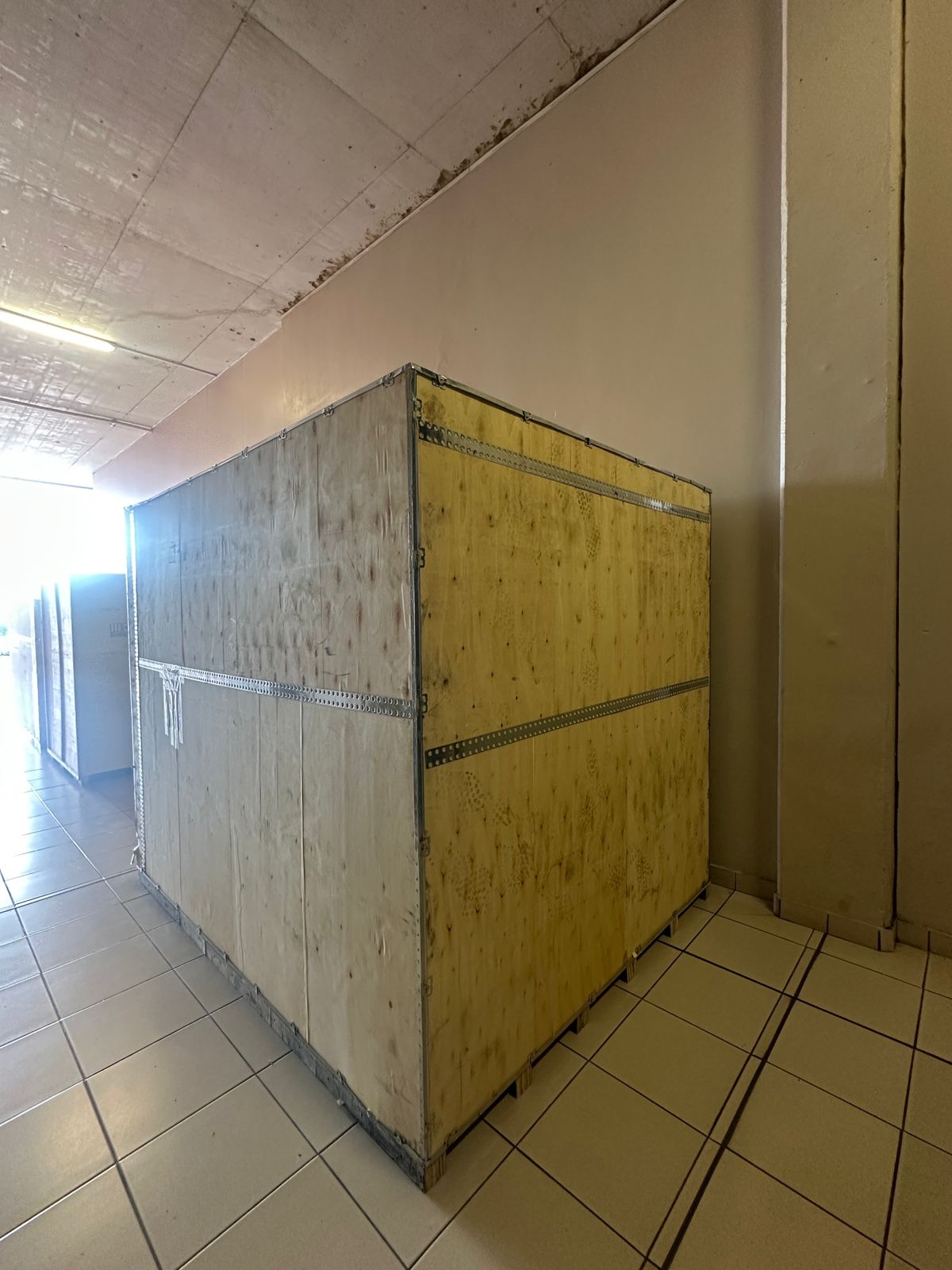
Toilet paper Rewinding Machine
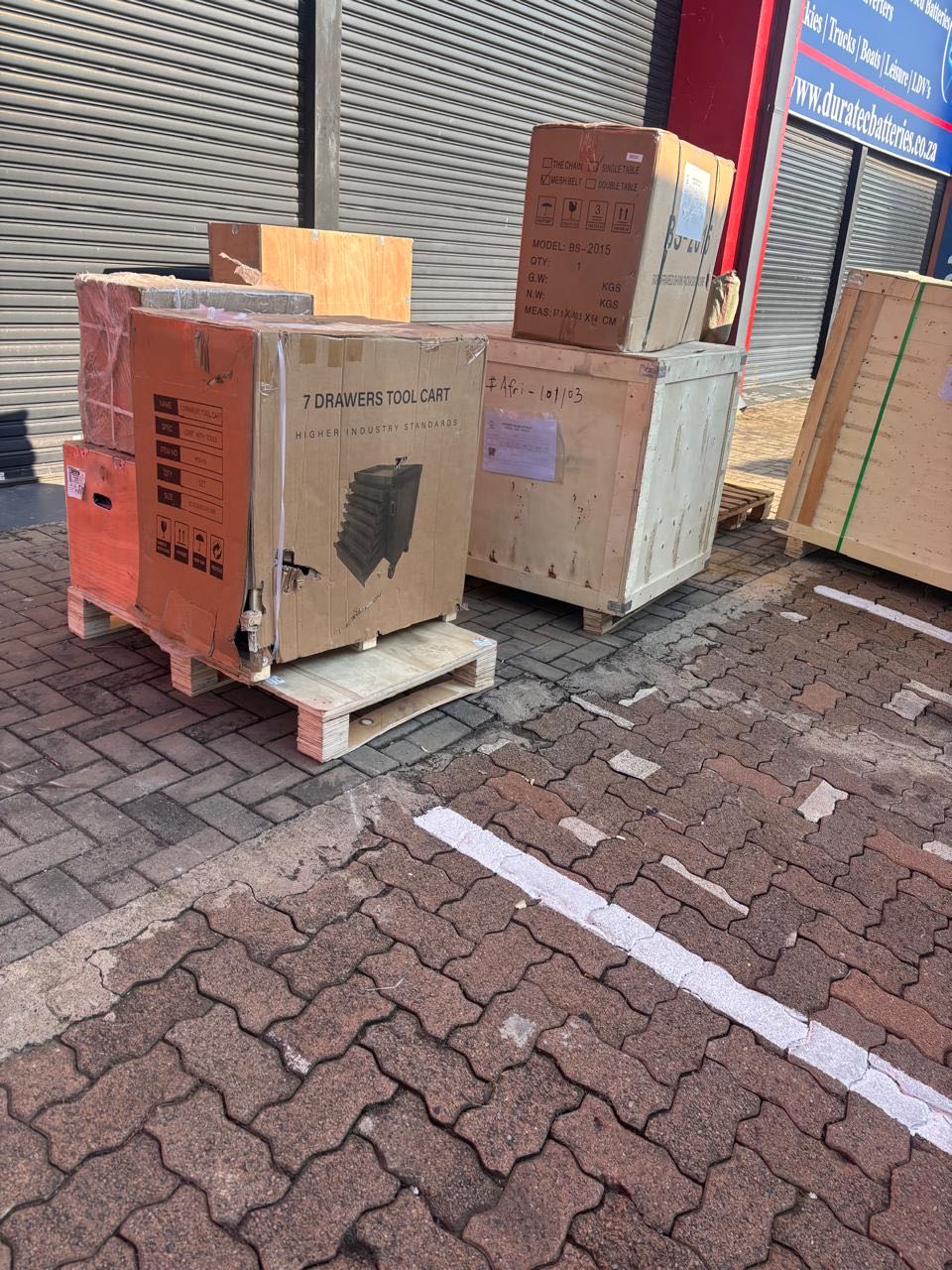
latest arrivals
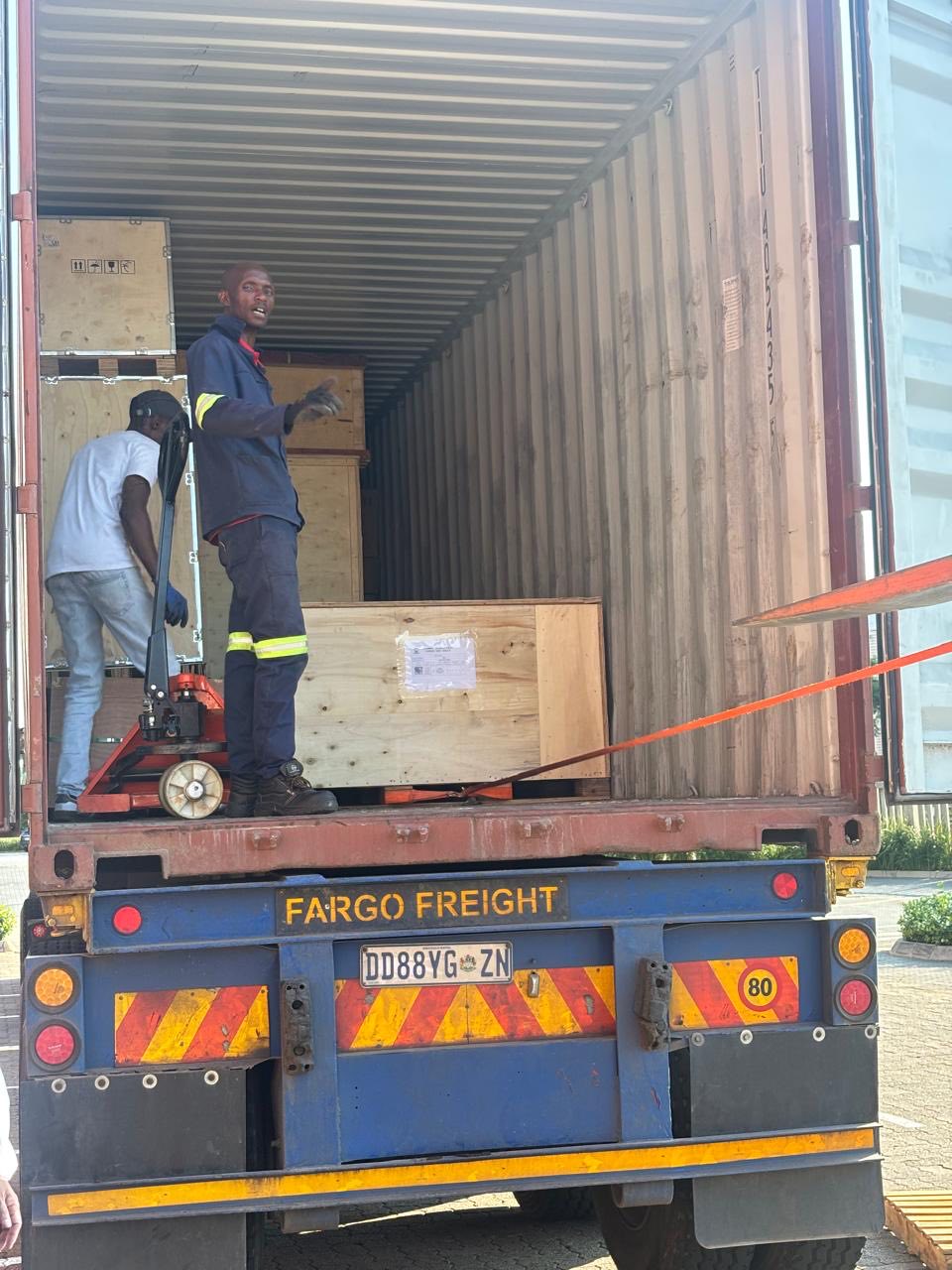
offloading
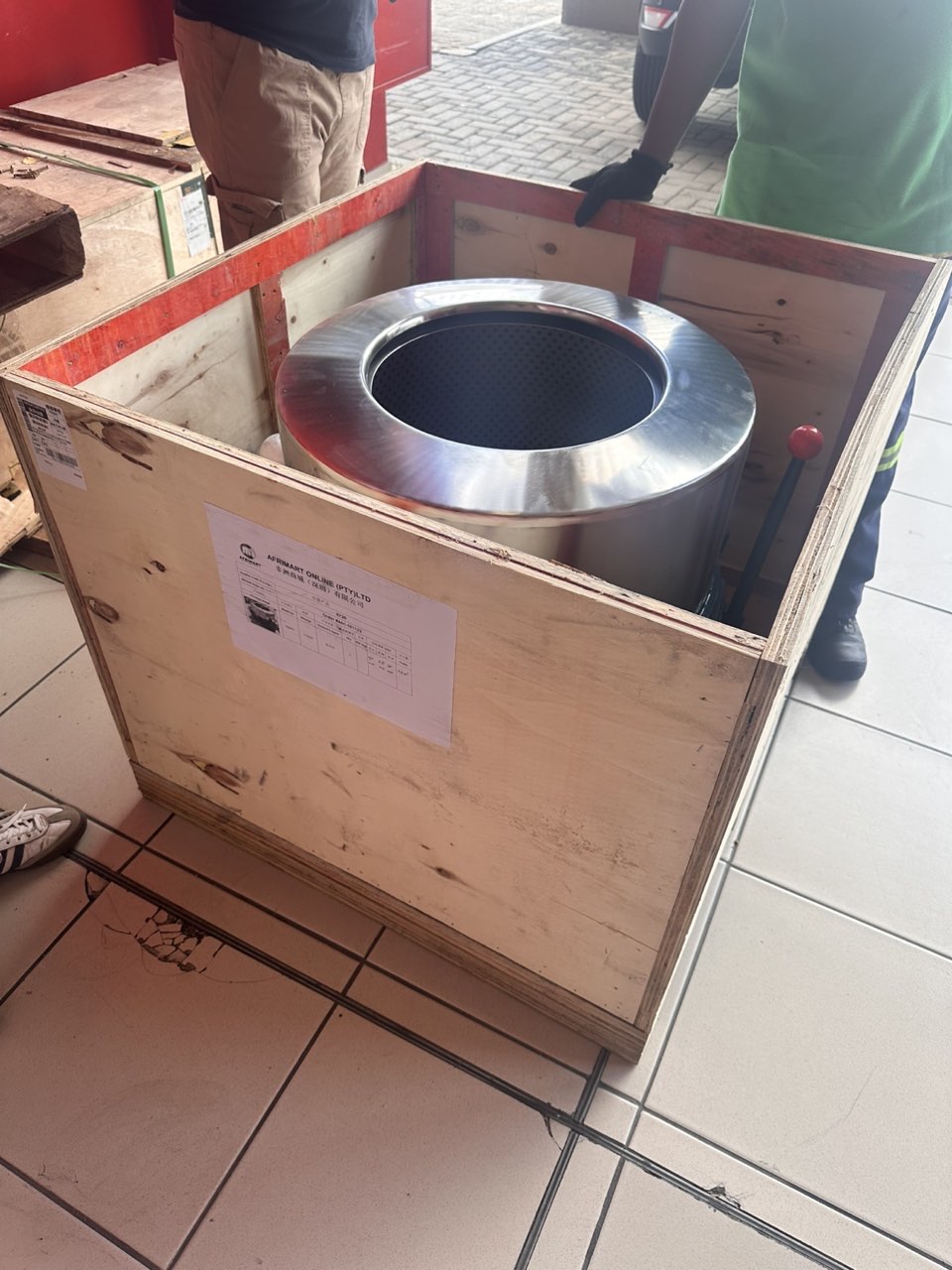
order success
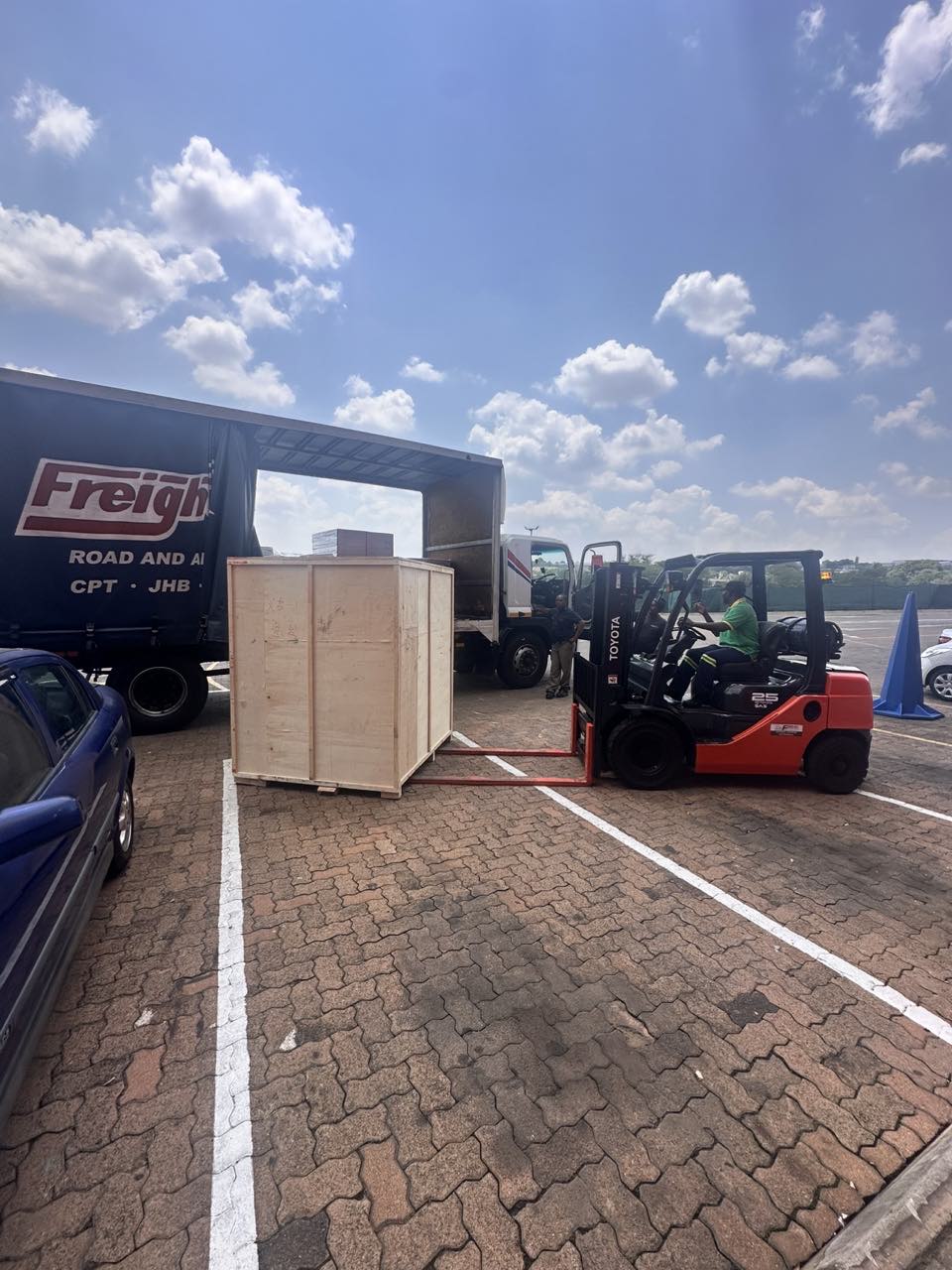
order collection
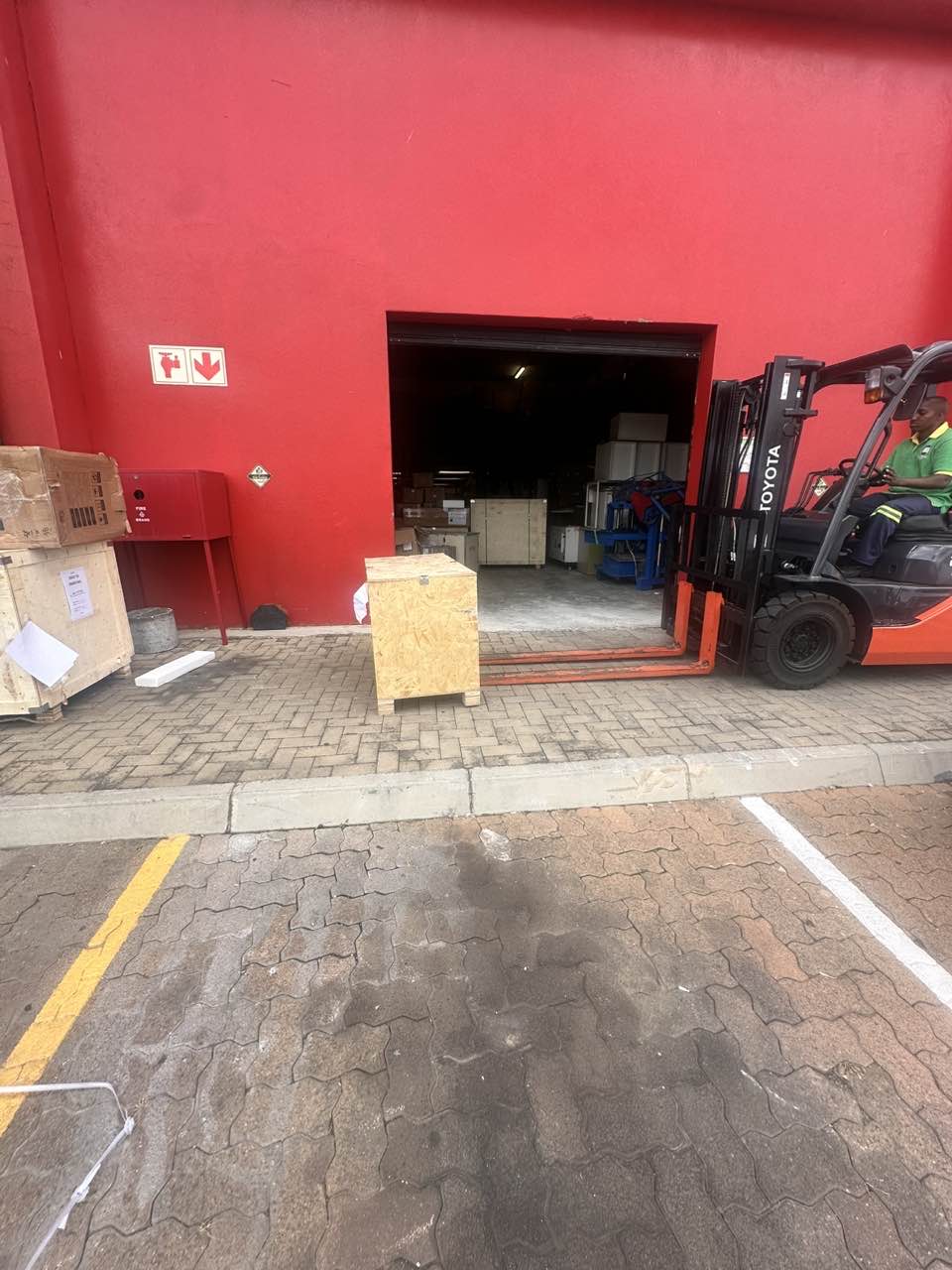
order offloading