B21, China Town Mall, Midrand


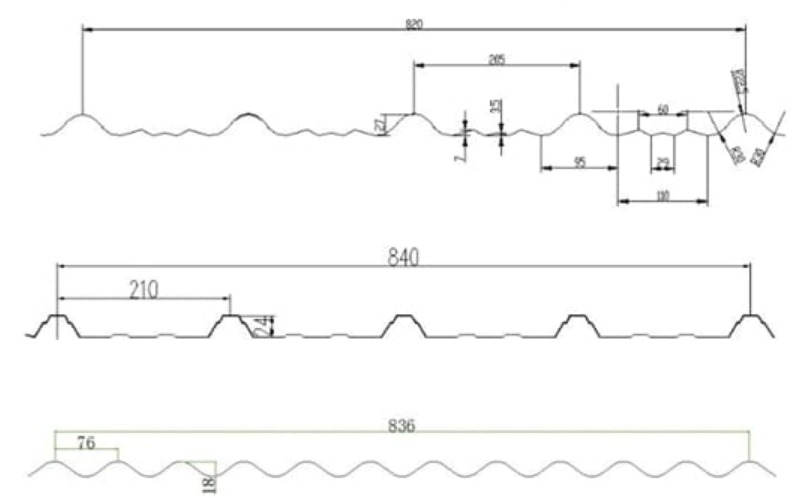
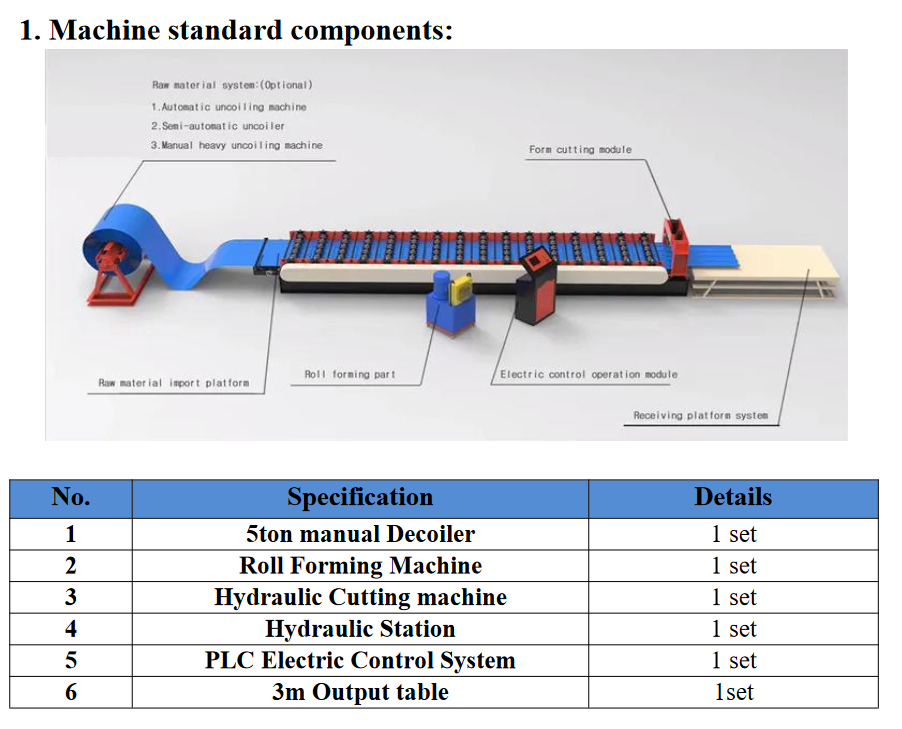
Double Layer Roof Sheet Machine Corrugated & IBR
Asset finance available
Do you want funding for this equipment?
Afrimart can connect you with trusted funding partners who specialise in asset finance for businesses like yours. Compare options and apply in minutes — final approval is subject to provider review.
Check funding options
Secure & no obligation
- Section : Machinery
- Category : Metal & Metallurgy Machinery
- SKU : 924134768

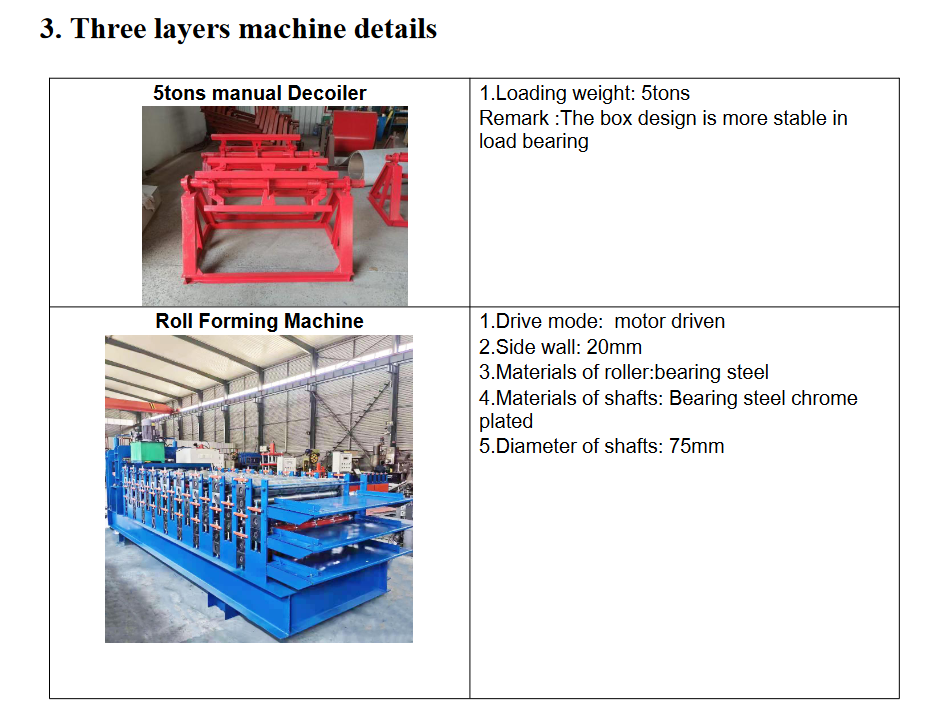
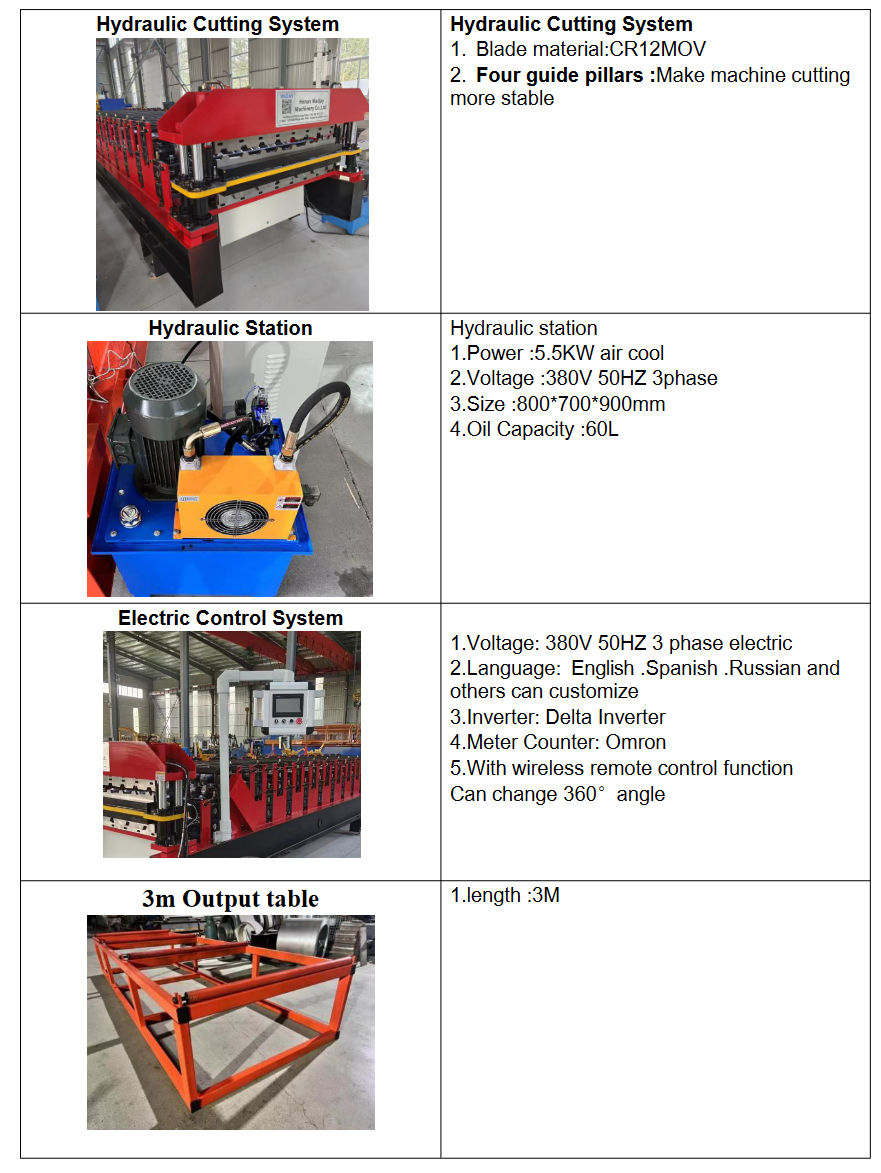
- Shipping Timeframes: All orders are processed within 2-5 business days (excluding weekends and holidays). After your order has been processed, the estimated delivery time is before 03 Aug, 2026, depending on customs, Please note that due to high demand, some items may experience longer shipping times, which will be communicated at order confirmation email.
- Order Processing Time: Please allow 2-5 business days for us to process your order before it is shipped . Orders placed after 16:00 on Fridays, or during weekends and public holidays, will begin processing on the next business day. Processing times may be extended during peak seasons or sales events.
- Manufacturing Time: Some products needs manufacturing time, the manufacturing process will take approximately 10-30 business days depending on the product. This timeframe may vary depending on the complexity of the product and current demand. but this will be communicated with you during order confirmation.
- Returns and Exchanges: We offer a 30-day return policy for most items. If you are not completely satisfied with your purchase, you may return it within 30 days of receipt for a refund or exchange. Items must be unused, in their original packaging, and accompanied by proof of purchase. Return shipping costs are the responsibility of the customer, unless the item was damaged or defective upon arrival.
1. What is a Three Layers Roof Sheet Machine?
The Three Layers Roof Sheet Machine is a specialized equipment designed to produce three-layer roofing sheets, typically made from materials like metal, plastic, or composite materials, offering enhanced durability and insulation.
2. What materials can be used with this machine?
This machine is capable of processing a variety of materials, including galvanized steel, aluminum, and PVC, allowing for the production of different types of roofing sheets.
3. What is the production capacity of the machine?
The production capacity can vary based on the specific model, but typically it can produce several hundred meters of roofing sheets per hour, depending on the thickness and material used.
4. Is the machine easy to operate?
Yes, the Three Layers Roof Sheet Machine is designed for user-friendly operation, often featuring a control panel with intuitive controls and safety features to ensure efficient use.
5. What are the dimensions of the roofing sheets produced?
The dimensions of the roofing sheets can be customized based on customer requirements, but standard sizes are commonly available, typically ranging from 1 to 2 meters in width and up to 12 meters in length.
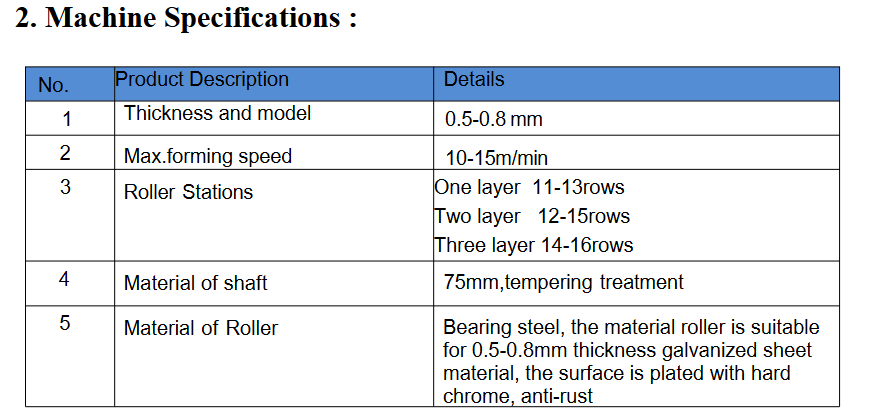
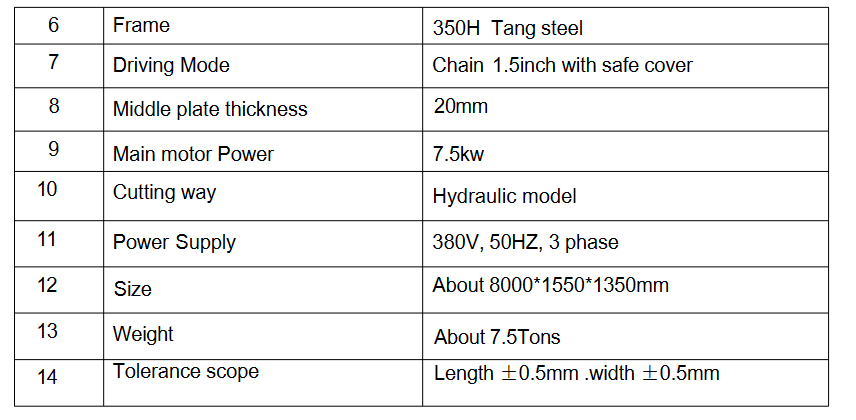
6. What is the power requirement for the machine?
The power requirement may vary by model, but most machines require a standard electrical supply of 380V to operate efficiently.
7. How much maintenance does the machine require?
Regular maintenance is recommended to ensure optimal performance. This includes cleaning, lubrication of moving parts, and periodic inspections of electrical components.
8. Can the machine be customized for specific sheet designs?
Yes, the Three Layers Roof Sheet Machine can often be customized to produce specific sheet designs, profiles, and thicknesses based on customer needs.
9. What safety features are included with the machine?
The machine typically includes safety features such as emergency stop buttons, protective guards, and sensors to prevent accidents during operation.
10. Is training provided for new operators?
Many manufacturers offer training sessions for new operators to ensure they understand how to safely and effectively use the Three Layers Roof Sheet Machine.
11. What is the warranty period for the machine?
Warranty periods can vary by manufacturer, but typically a warranty of 1 to 2 years is offered for parts and workmanship.
12. Can the roof sheets produced withstand extreme weather conditions?
Yes, the roofing sheets produced with this machine are designed to be durable and can withstand extreme weather conditions, including heavy rain, snow, and high winds, depending on the material used.
13. What is the lead time for delivery after ordering?
The lead time for delivery can vary based on the manufacturer's production schedule, but it typically ranges from 4 to 12 weeks after placing an order.
14. Is there technical support available after purchase?
Yes, most manufacturers provide technical support and assistance after purchase, including troubleshooting and spare parts availability.
15. What are the installation requirements for the machine?
Installation requirements will depend on the specific model, but generally, it requires a leveled foundation, a suitable electrical supply, and sufficient space for operation and maintenance.
Latest Order Arrivals
Discover our latest orders
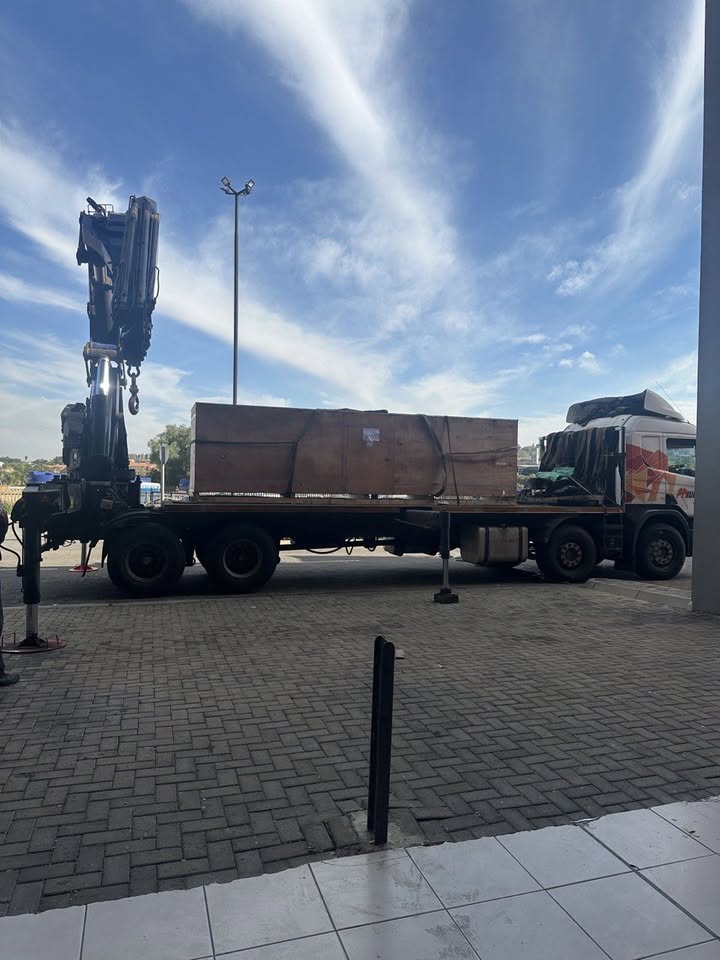
12 Heads Embroidery Machine
Toilet Paper Machine Machine
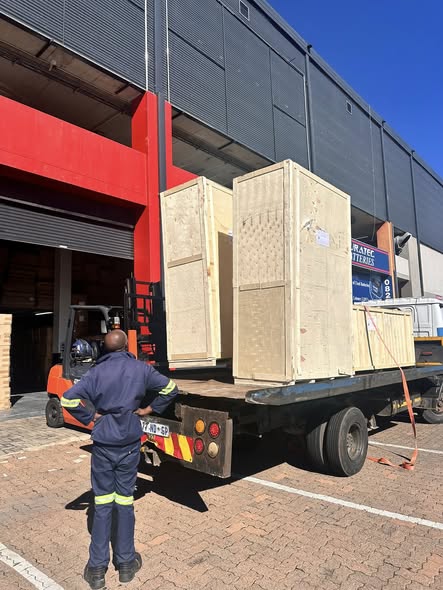
Order Collection
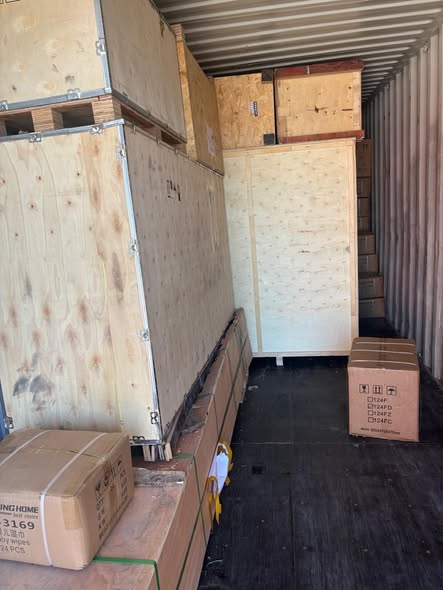
Cross Border Clients
Order cros border countries Collected
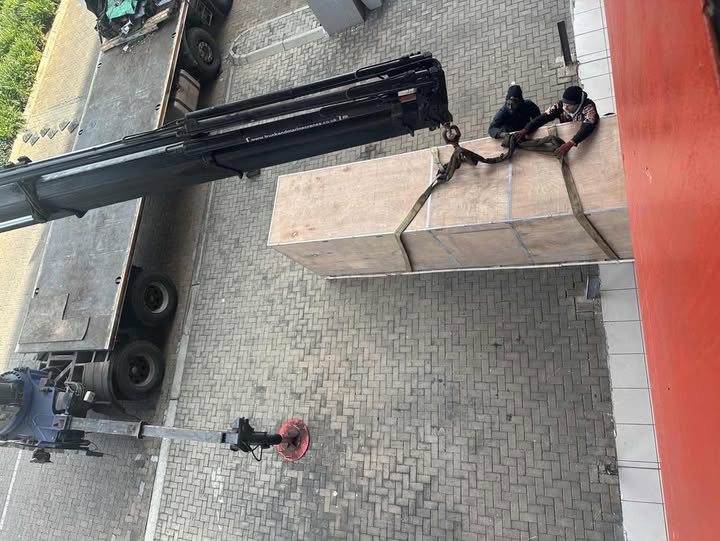
Industrial Machine Cllection
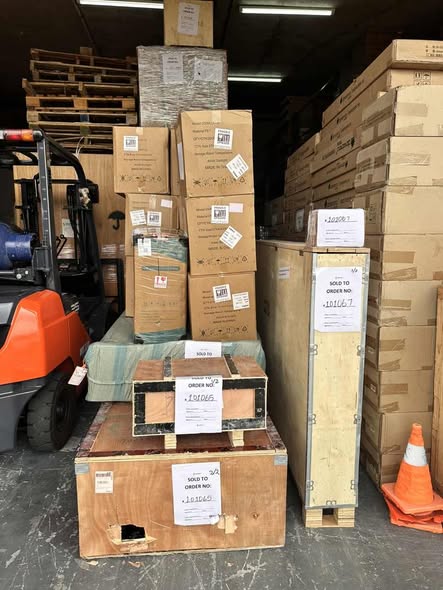
Agriculture Processing Machines
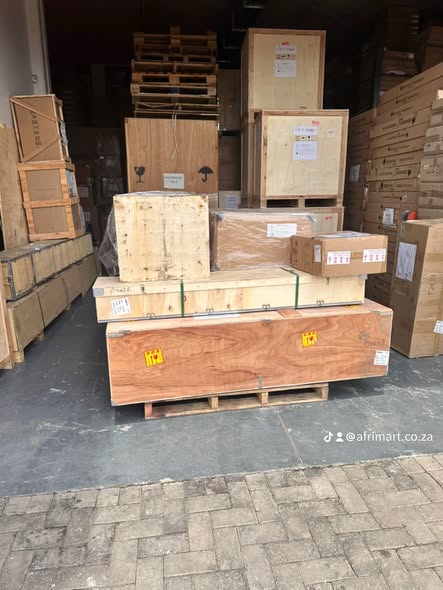
Ready for collection
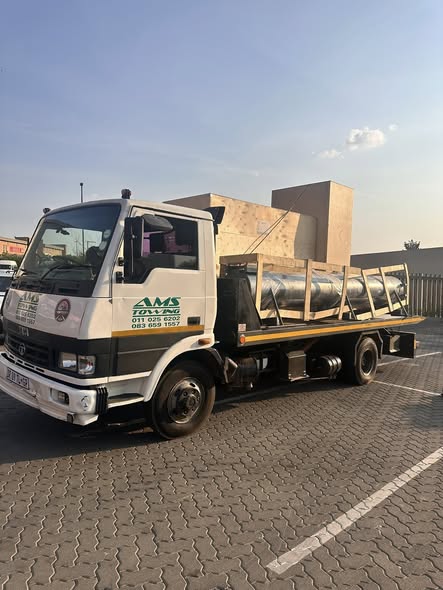
Water Pump Equipment
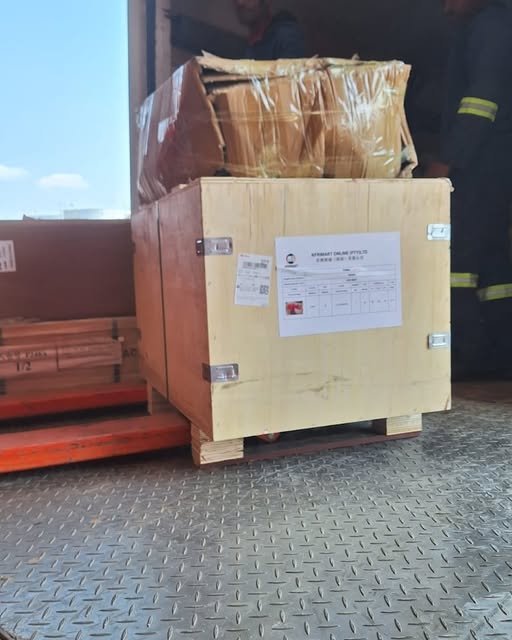
Packaging Machine and accessories
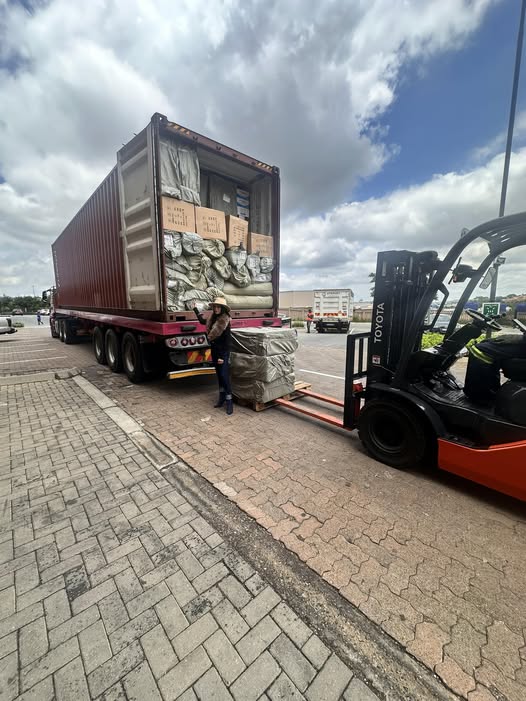
Fabrics Manufacturing Equipment
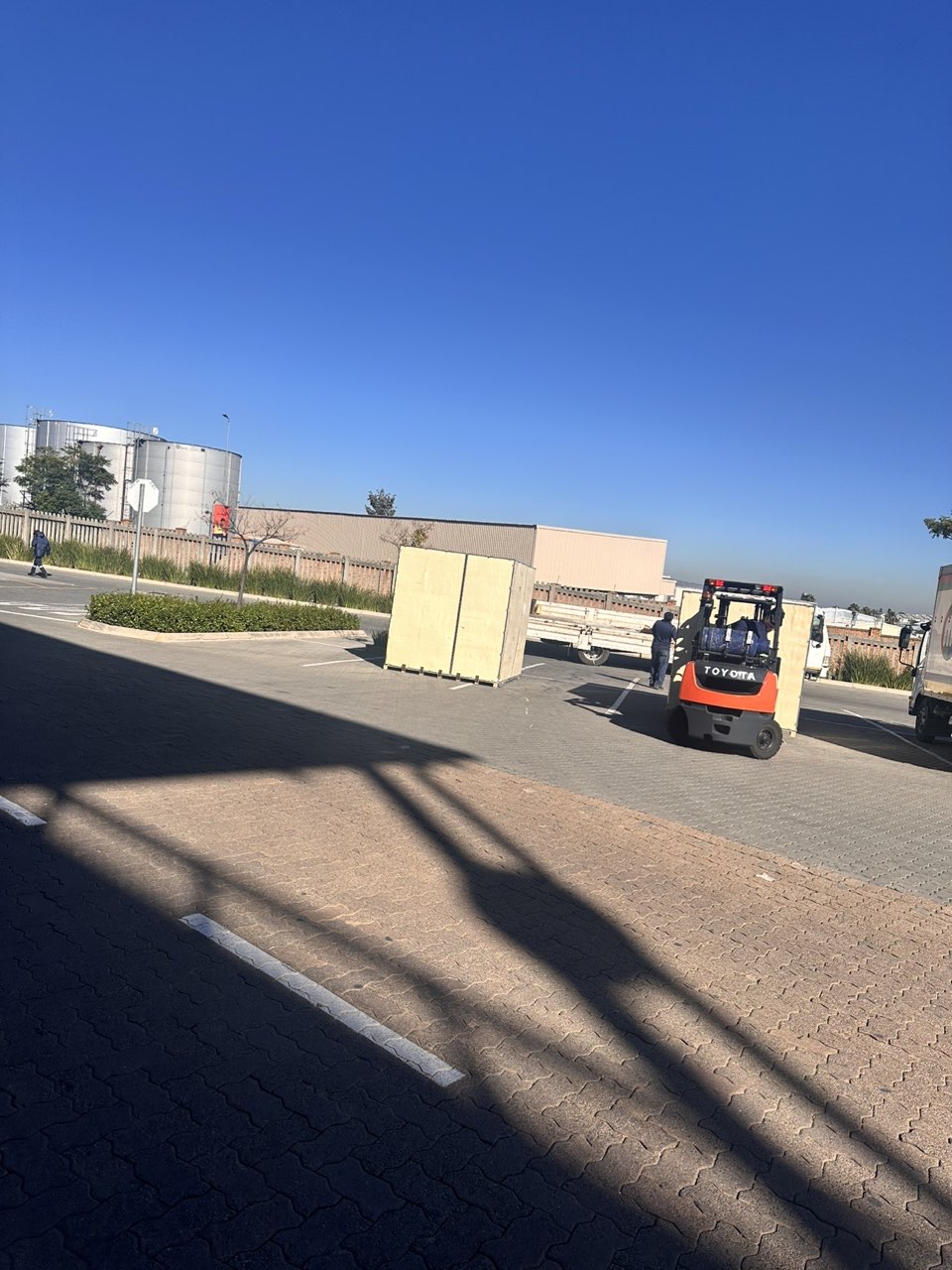
Mining Equipments
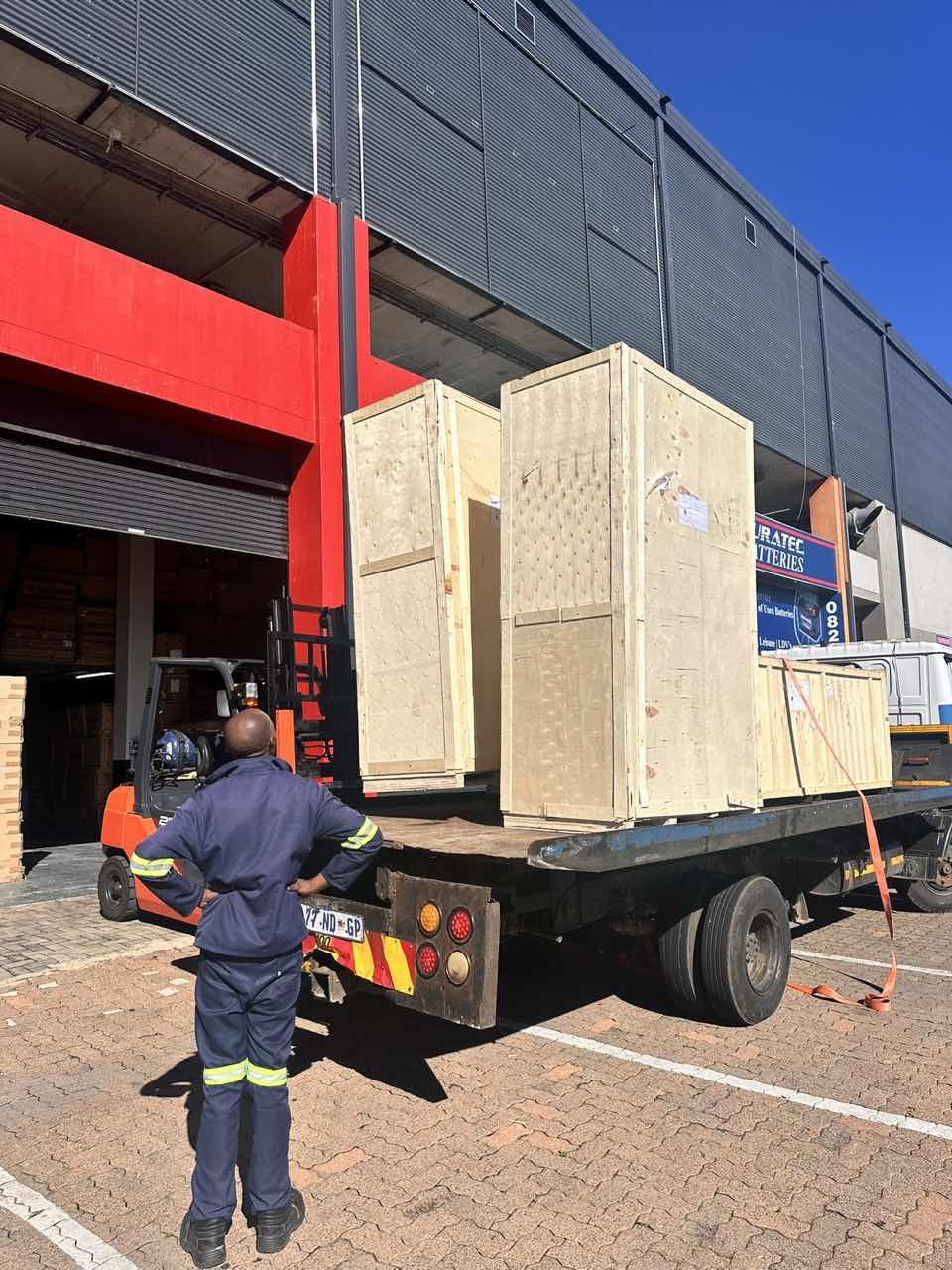
Food Processing Machine
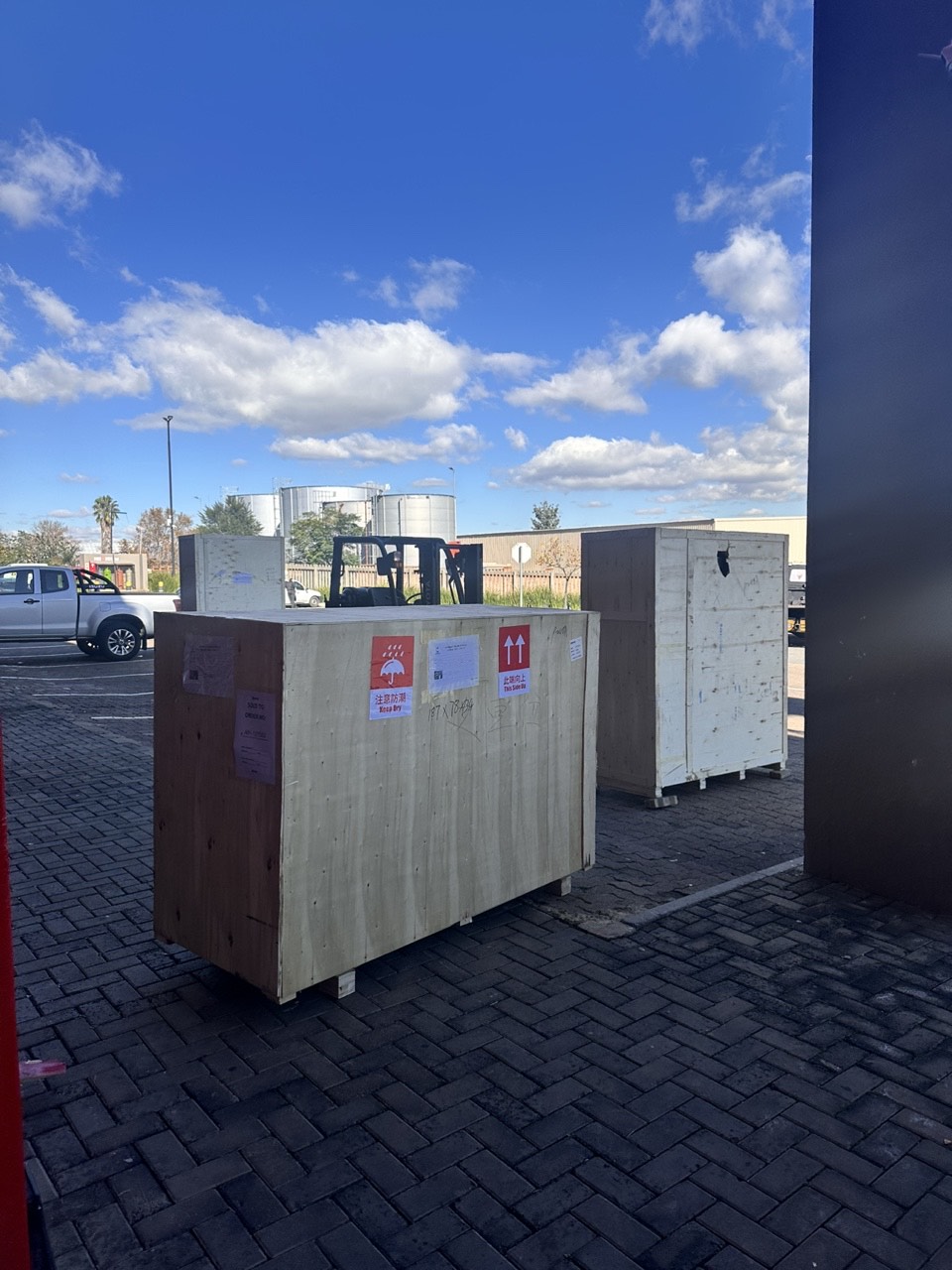
Batch of Orders
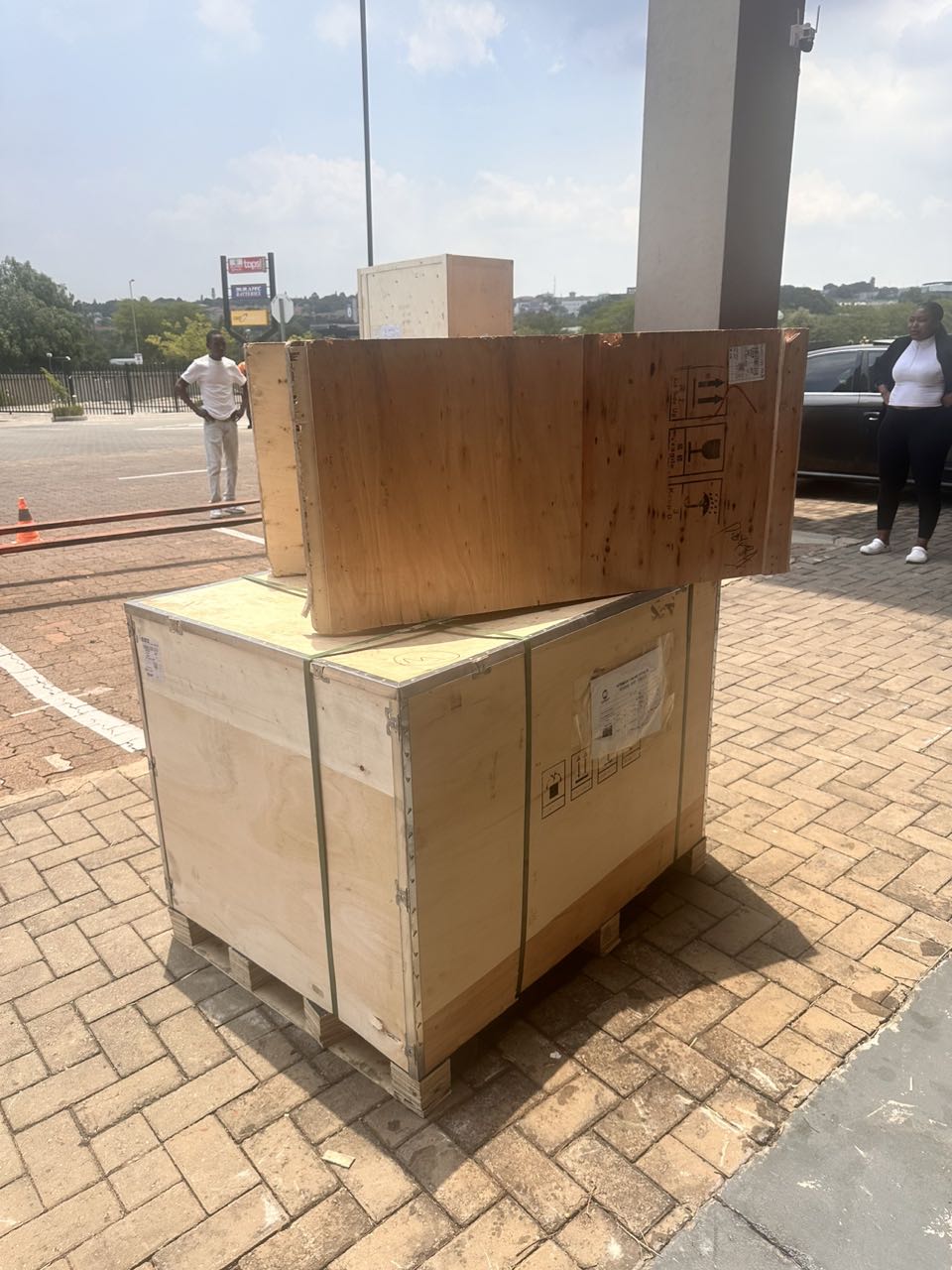
Batch of Orders
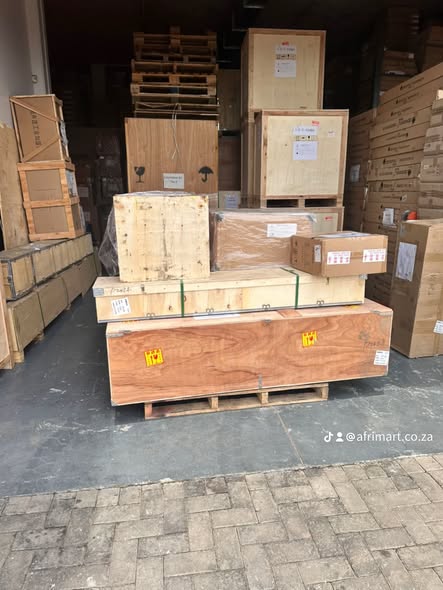
Latest Orders Labelled
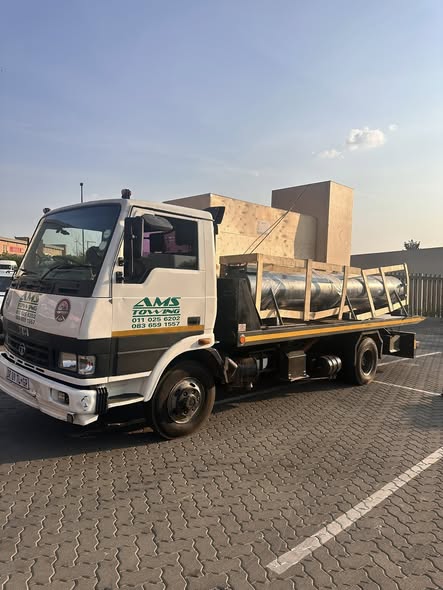
wheel alignment machines
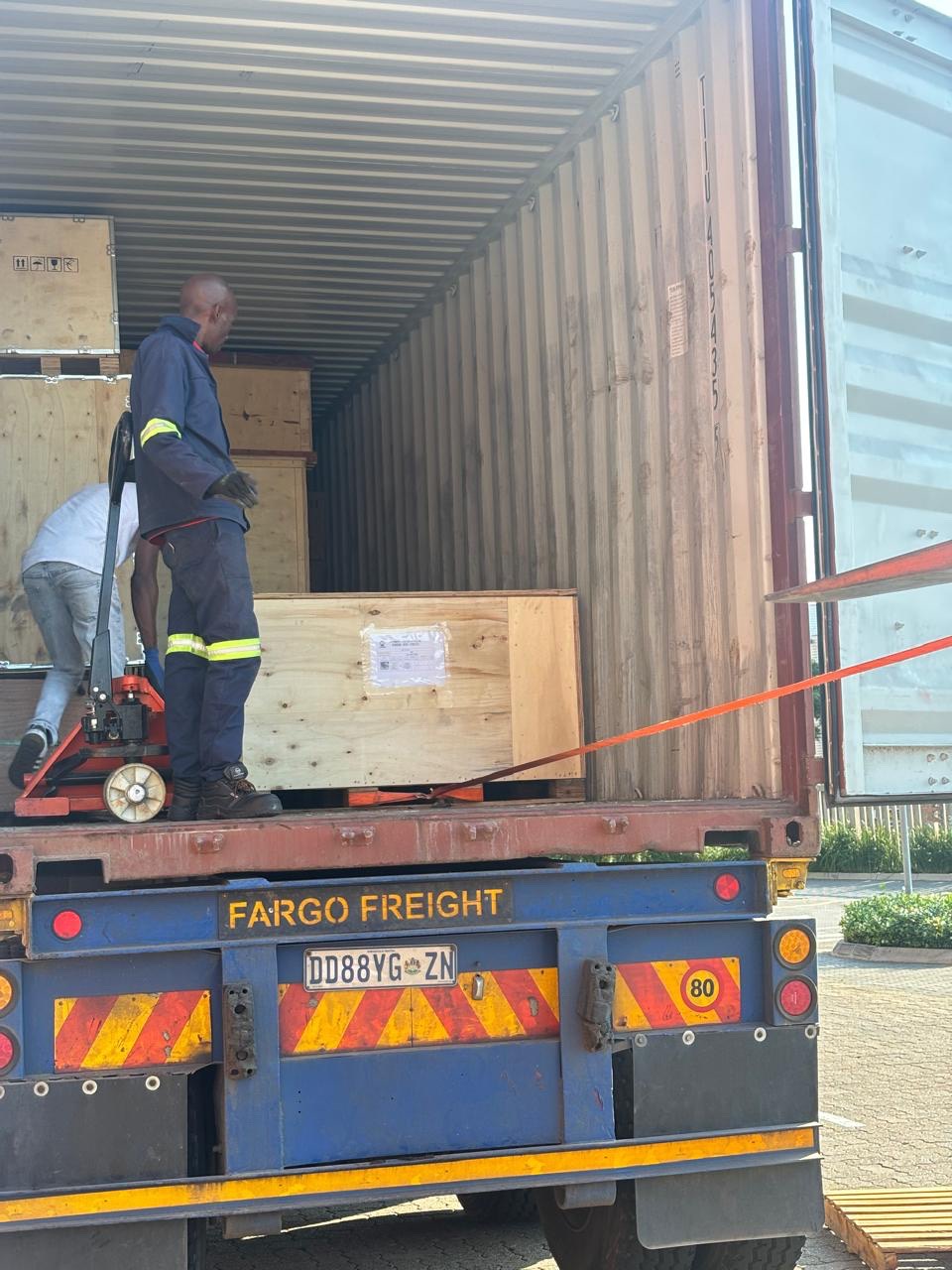
new arrivals
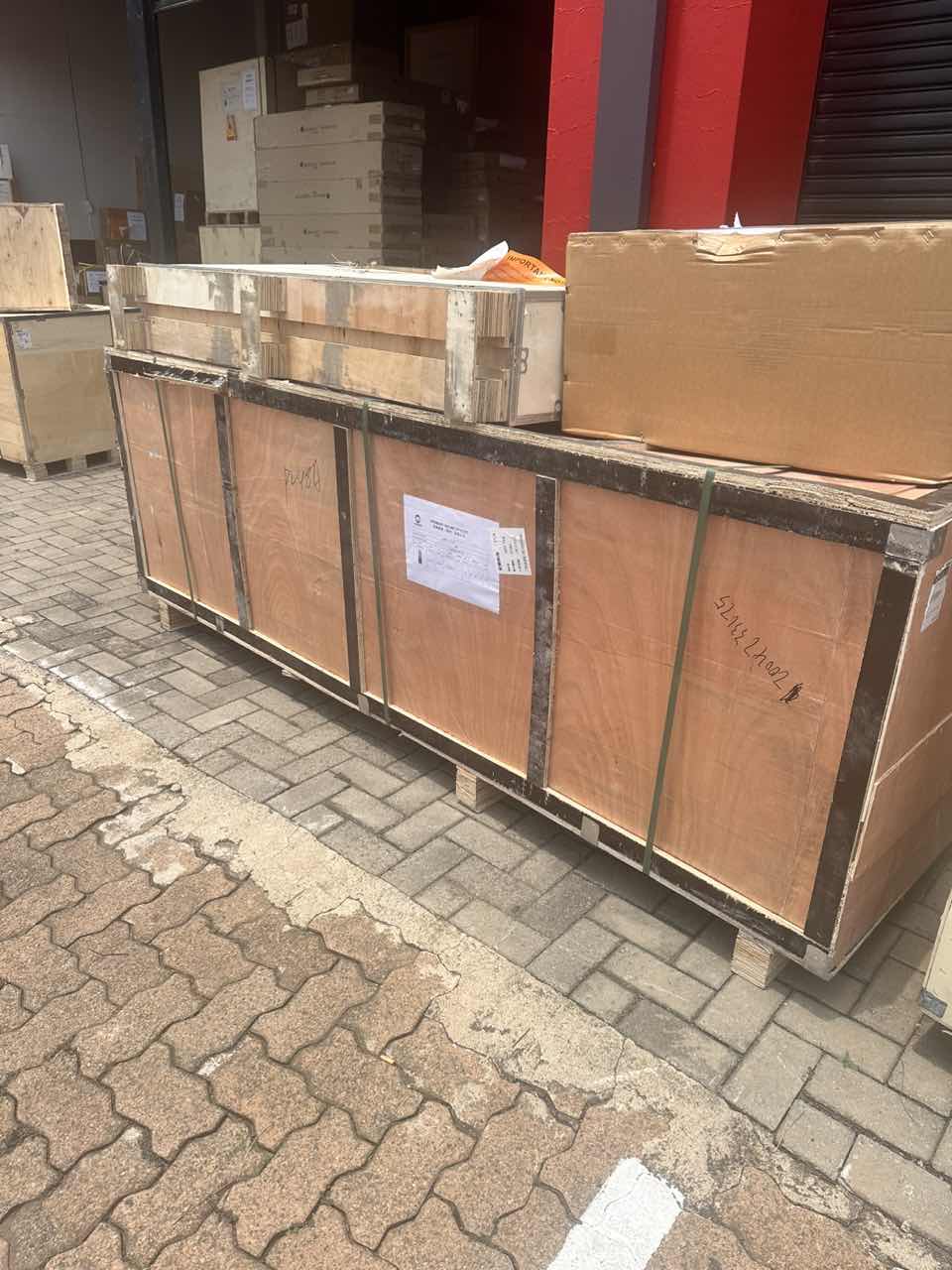
Pre Orders Offloading
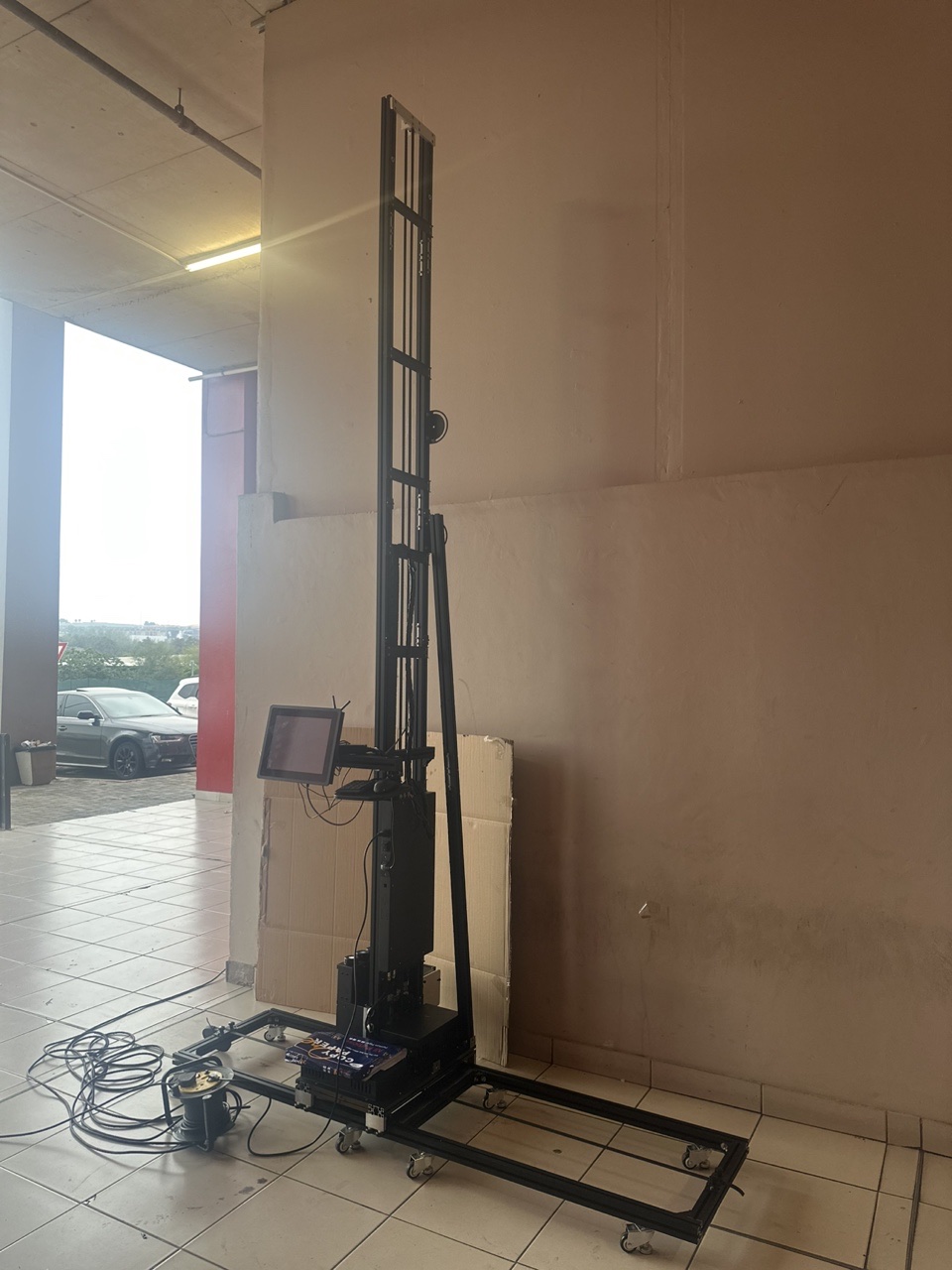
Latest Arrivals
Latest Arrivals
Latest Arrivals
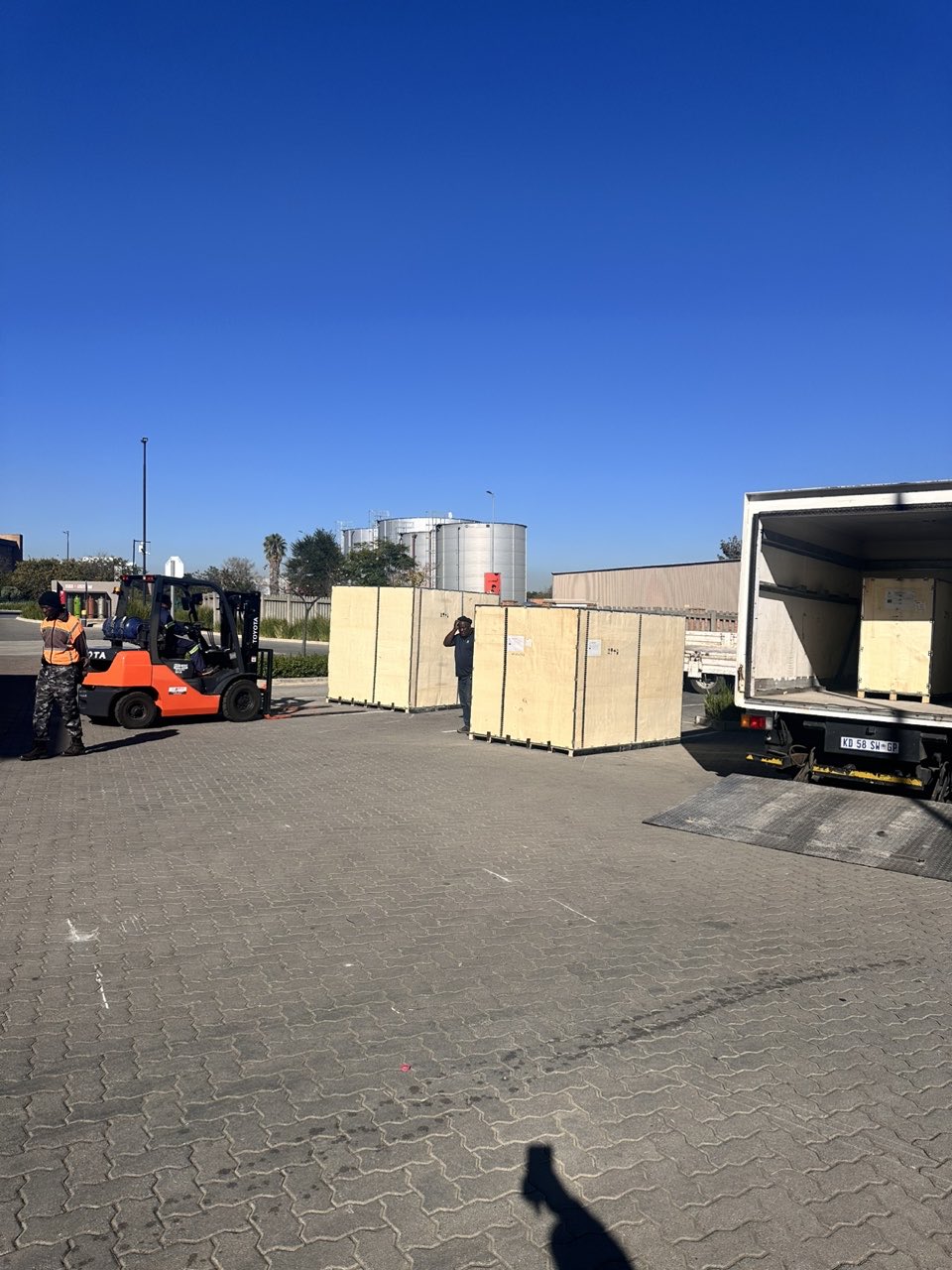
Loading
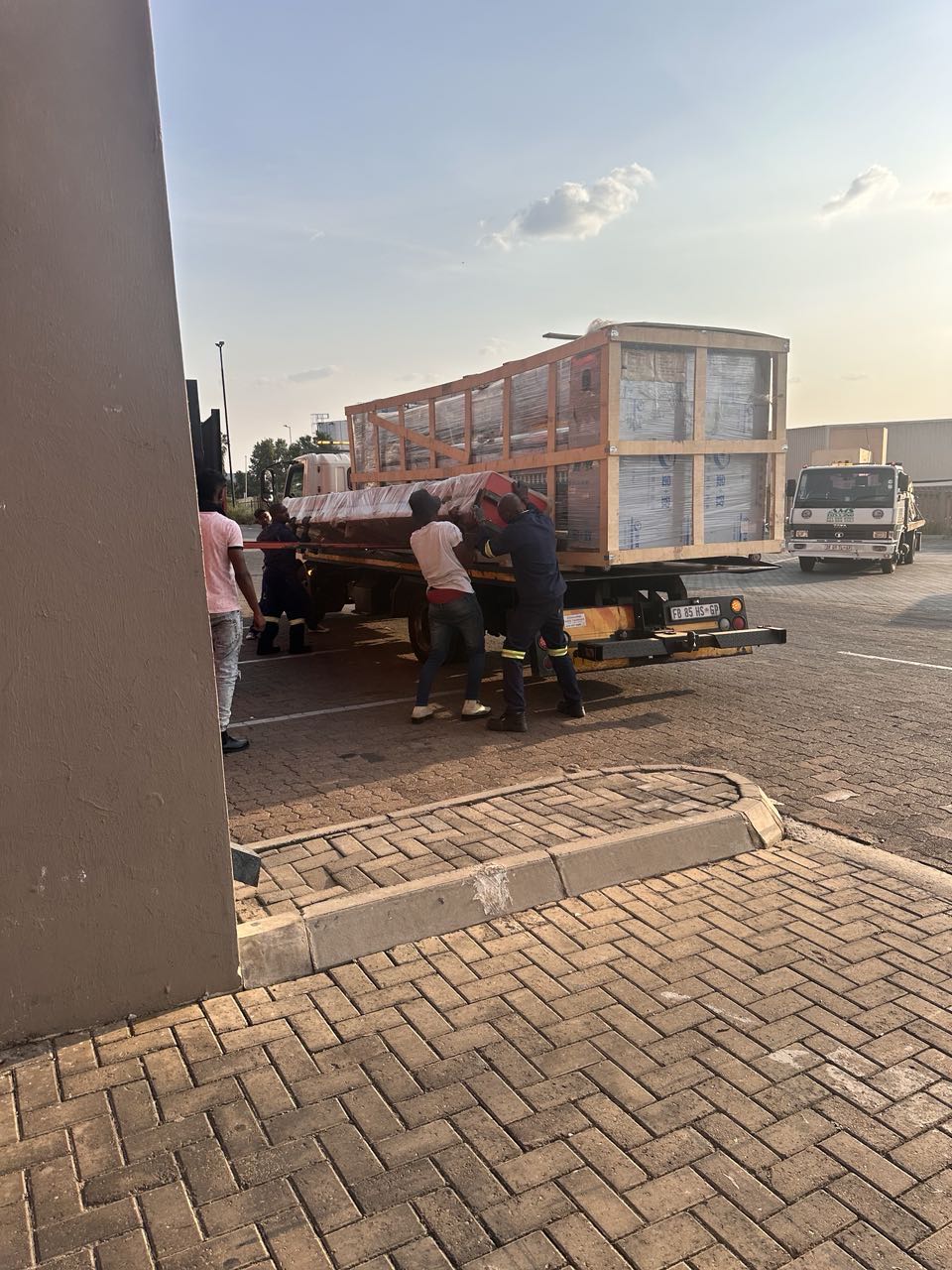
Toilet paper making machine
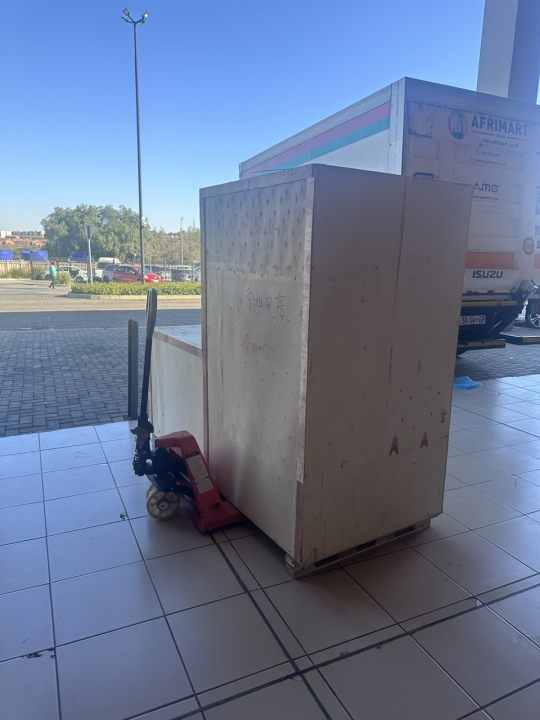
Toilet paper making machine
Toilet paper Rewinding Machine
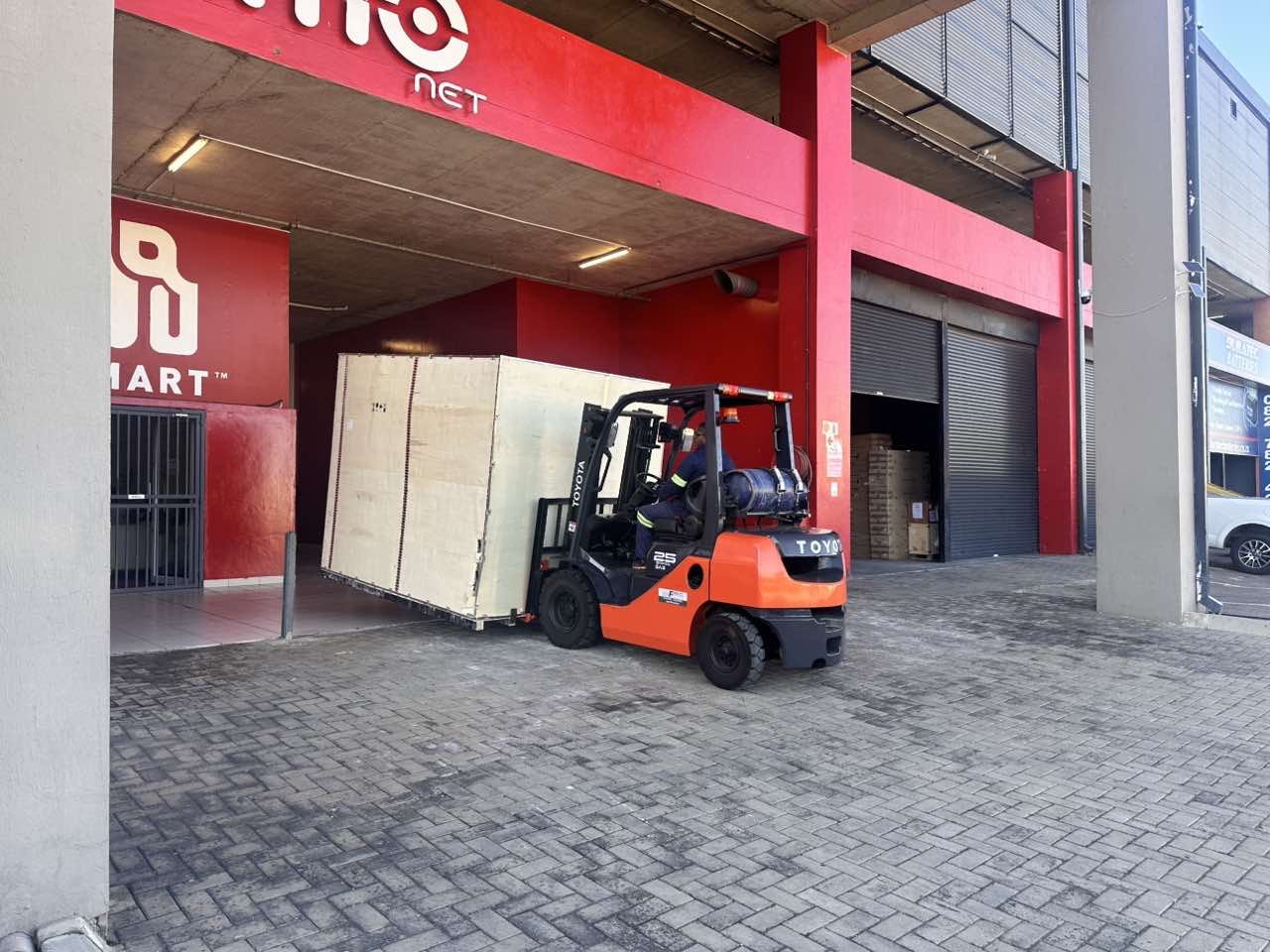
latest arrivals
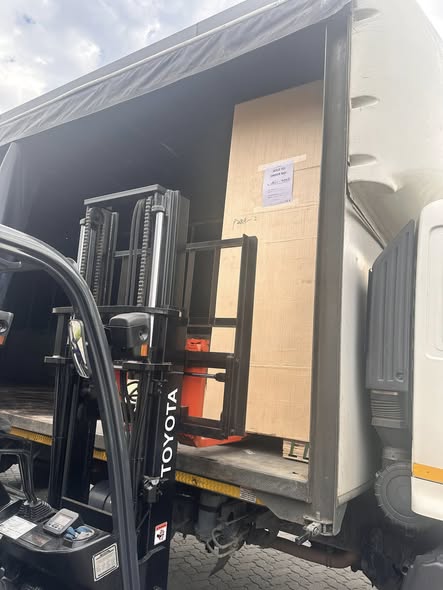
offloading
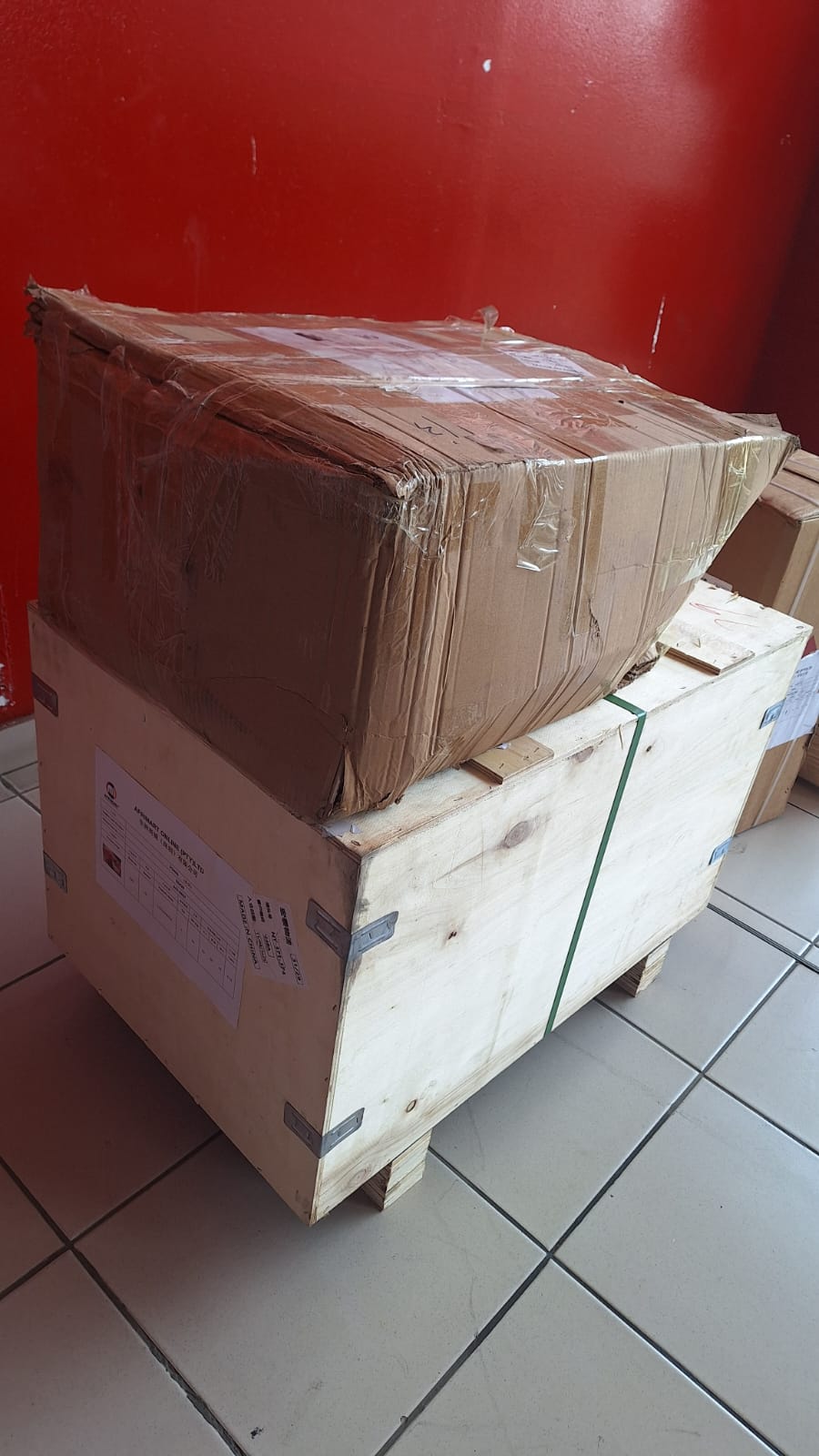
order success
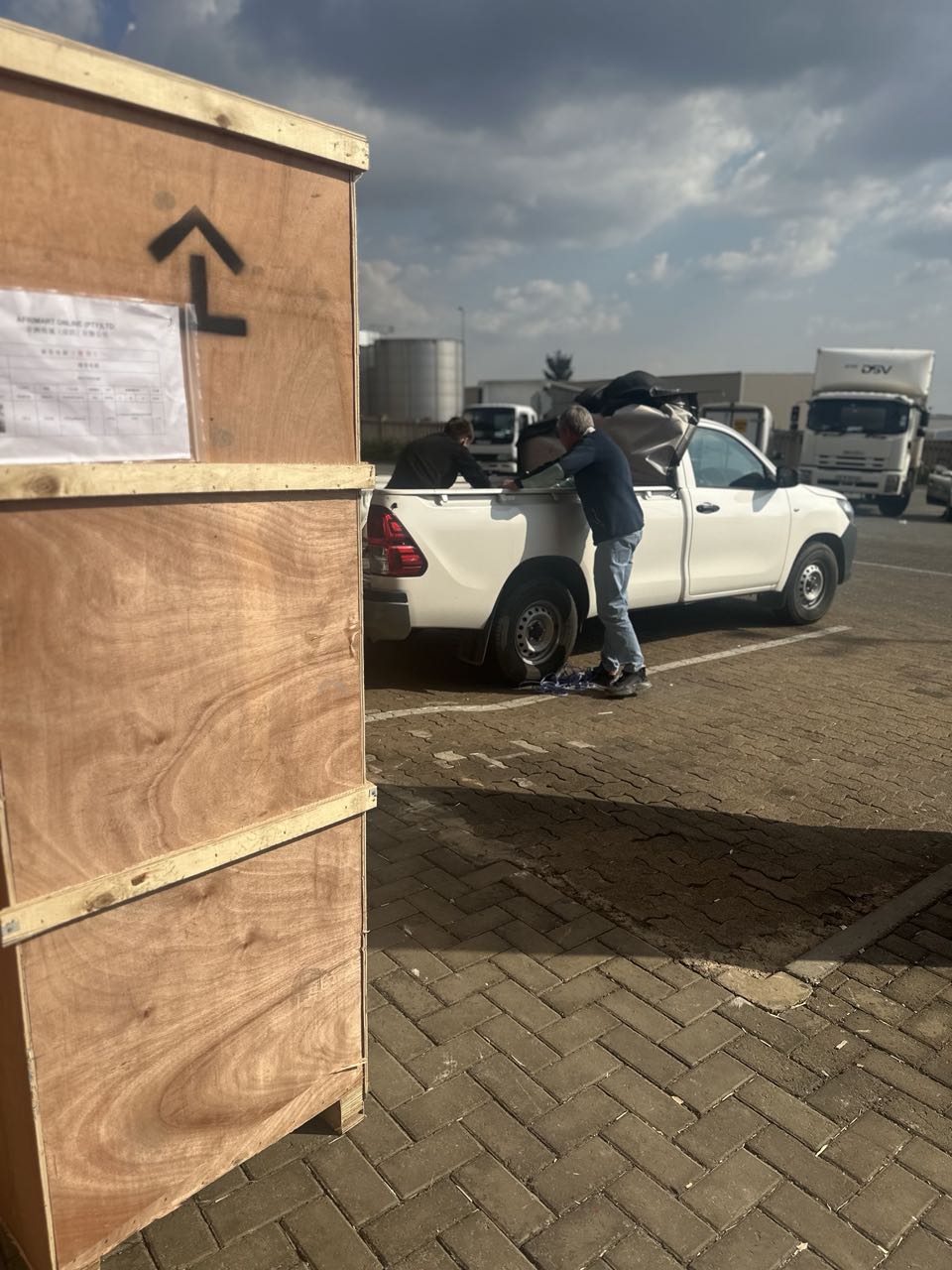
order collection
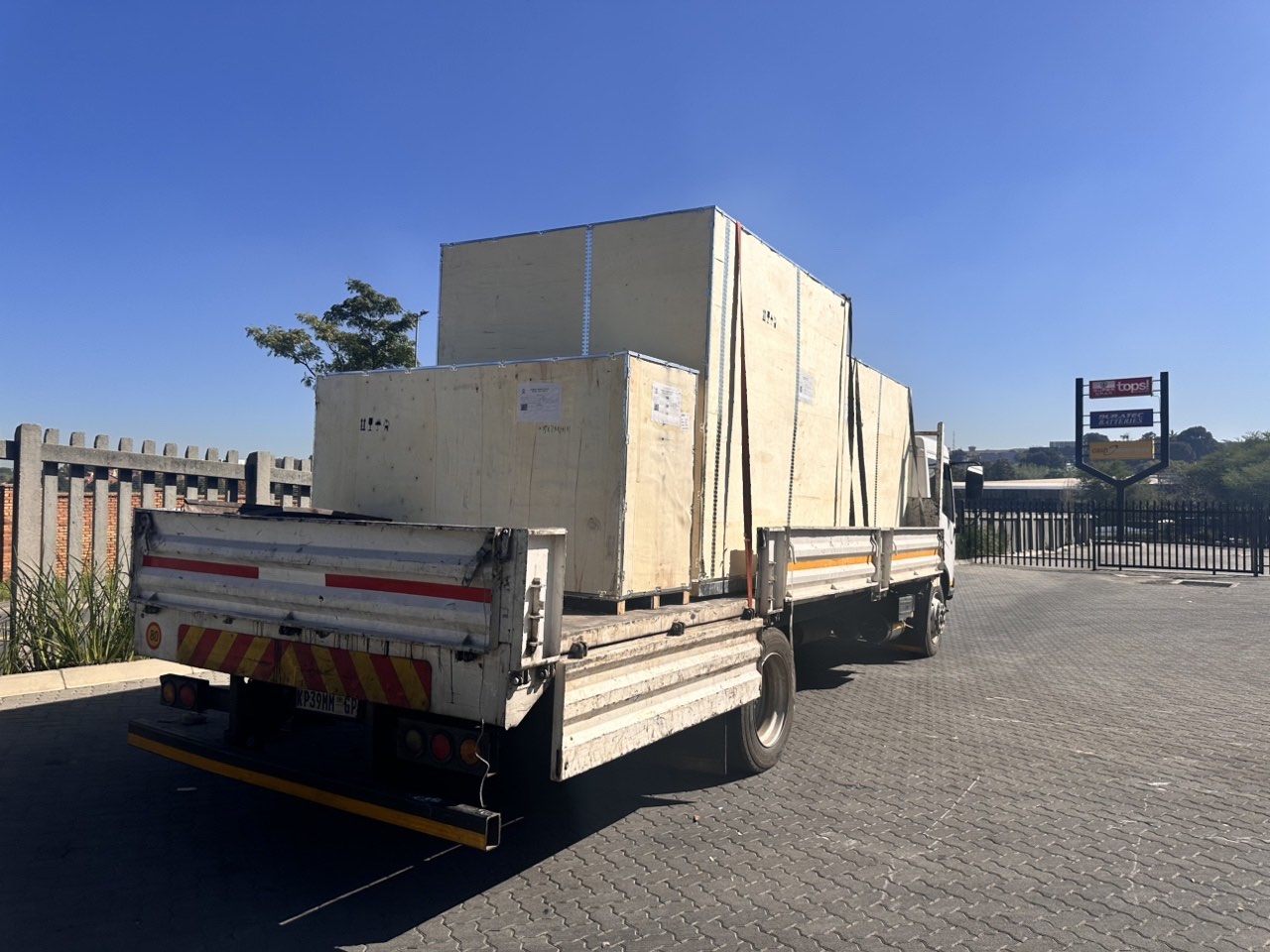
order offloading