B21, China Town Mall, Midrand

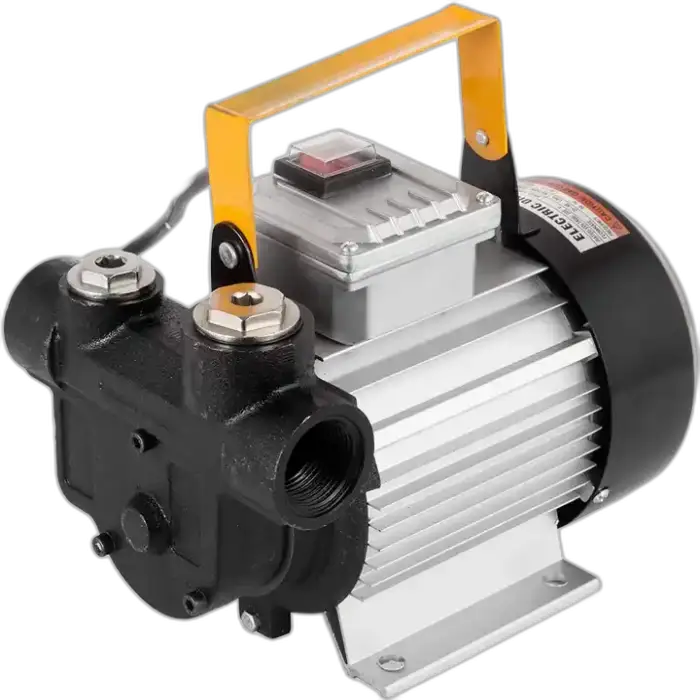
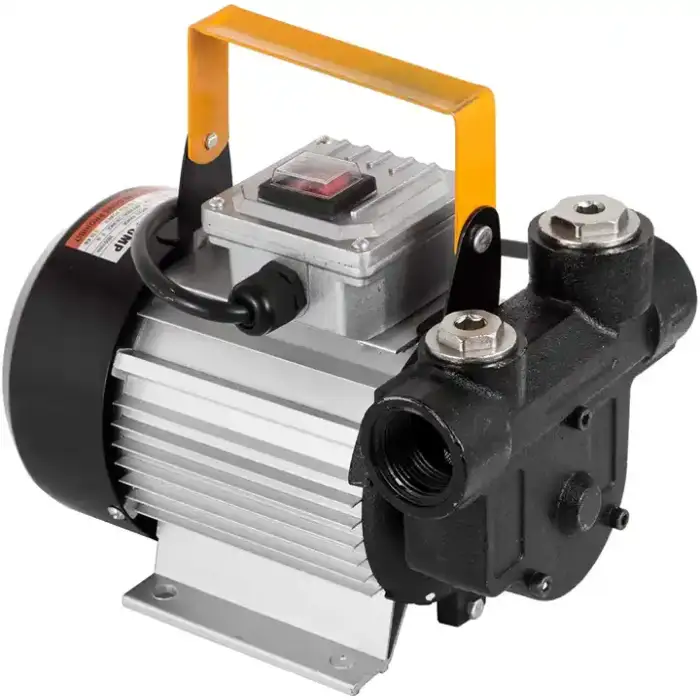
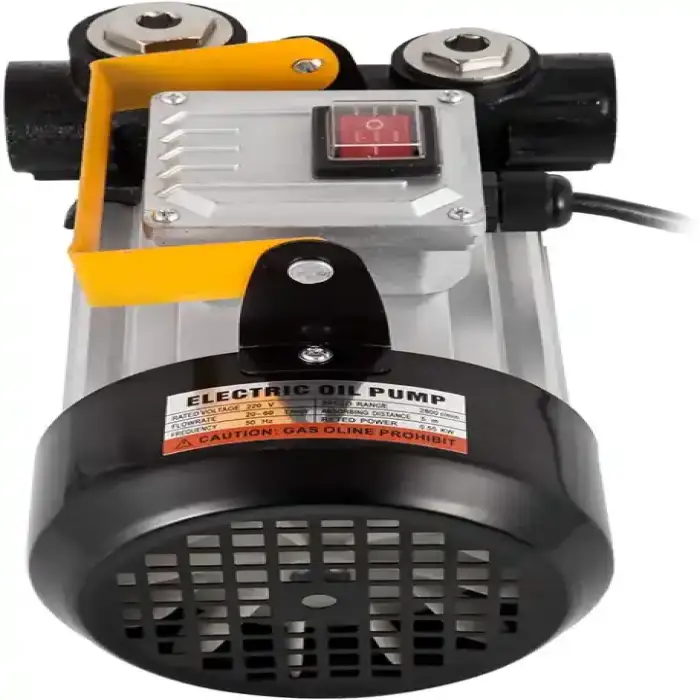
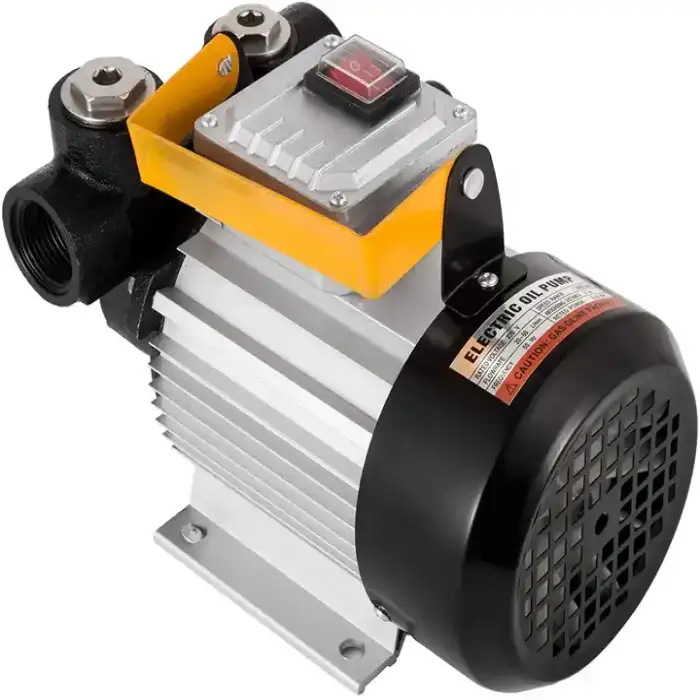
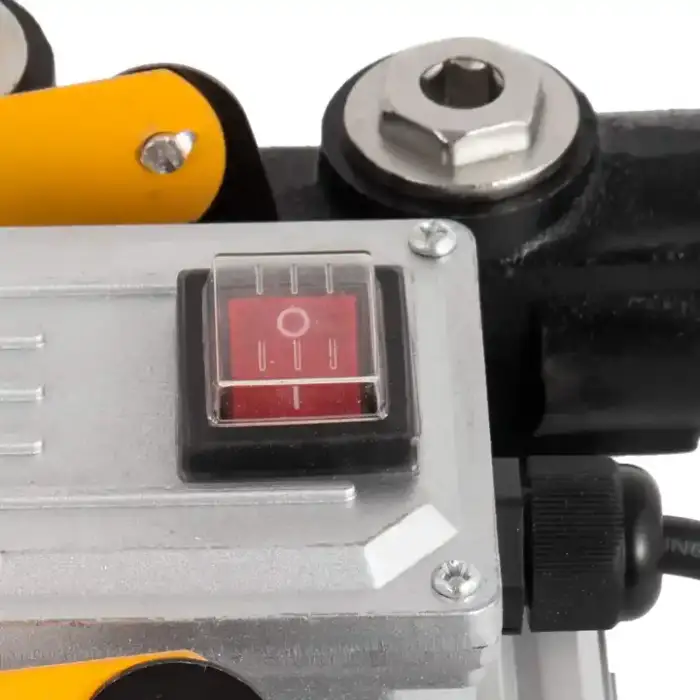
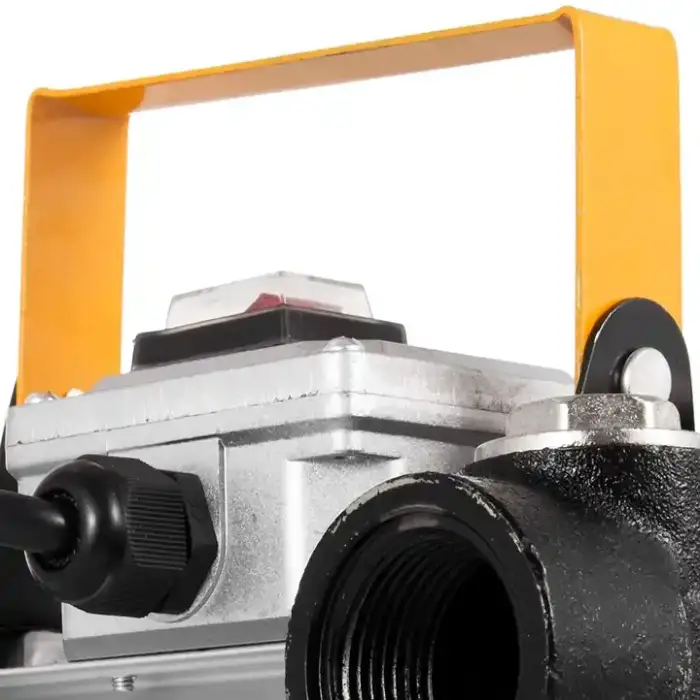
Diesel Pump Fuel Transfer Pump Motor Self-Priming 60L/min

- Section : Electrical & Tools
- Category : Pumps & Parts
- SKU : 1601026059370

Diesel Pump Fuel Transfer Pump Motor Self-Priming 60L/min
The Diesel Pump Fuel Transfer Pump Motor Self-Priming 60L/min is a reliable and efficient solution for transferring diesel and kerosene. Its self-priming feature makes it easy to use in various settings. With a flow rate of 60 liters per minute and a powerful 550W motor, this pump is designed for both commercial and industrial applications.
Specifications
| Attribute | Details |
|---|---|
| Model Number | JYB-60 |
| Voltage | 220V 50HZ/60HZ, 110V 60HZ |
| Power | 550W |
| Flow Rate | 60L per minute |
| Outlet Size | 1" |
| Cable Length | 2m |
| Flowmeter Accuracy | +-1% |
| Certification | Yes |
Key Features
- Self-priming design for easy operation.
- High flow rate of 60L/min for quick transfers.
- Durable construction suitable for various industries.
- Available in multiple voltage options for versatility.
- Compact and lightweight for easy handling.
Applications
- Automotive Industry.
- Biofuel Industry.
- Commercial Buildings.
- District Energy.
- Family Homes.
- Industrial Boilers.
- Irrigation and Agriculture.
- Marine Operations.
- Mining Industry.
- Pharmaceutical Industry.
Product Info Gallery
- Shipping Timeframes: All orders are processed within 2-5 business days (excluding weekends and holidays). After your order has been processed, the estimated delivery time is before 03 Feb, 2026, depending on customs, Please note that due to high demand, some items may experience longer shipping times, which will be communicated at order confirmation email.
- Order Processing Time: Please allow 2-5 business days for us to process your order before it is shipped . Orders placed after 16:00 on Fridays, or during weekends and public holidays, will begin processing on the next business day. Processing times may be extended during peak seasons or sales events.
- Manufacturing Time: Some products needs manufacturing time, the manufacturing process will take approximately 10-30 business days depending on the product. This timeframe may vary depending on the complexity of the product and current demand. but this will be communicated with you during order confirmation.
- Returns and Exchanges: We offer a 30-day return policy for most items. If you are not completely satisfied with your purchase, you may return it within 30 days of receipt for a refund or exchange. Items must be unused, in their original packaging, and accompanied by proof of purchase. Return shipping costs are the responsibility of the customer, unless the item was damaged or defective upon arrival.
1. What fuels can this pump handle?
This pump is designed for diesel and kerosene. It is not recommended for gasoline or aggressive solvents without confirming material compatibility and safety requirements from the manufacturer.
2. What is the flow rate and motor power?
The pump delivers up to 60 liters per minute and is driven by a 550W electric motor.
3. What voltage options are available?
The model is available in multiple voltage options: 220V 50/60Hz and 110V 60Hz. Confirm the specific version you are ordering matches your supply.
4. Is the pump self-priming and how do I prime it?
Yes — the unit has a self-priming design. For best results ensure inlet fittings are tight, suction hose has no air leaks, and the pump inlet is submerged or within the manufacturer's recommended suction lift. If it fails to prime, check hoses, check valves, and fluid level.
5. What size outlet and hose should I use?
The pump outlet is 1" (one inch). Use compatible 1" fuel-rated hose and fittings to maintain flow and minimize pressure losses.
6. Does the pump include a flowmeter and how accurate is it?
Yes — the product lists a flowmeter with an accuracy of ±1%.
7. How long is the power cable and do I need a special connector?
The supplied cable length is 2 meters. Use the appropriate plug/connector for the selected voltage version and ensure proper grounding per local electrical codes.
8. Can I use this pump for continuous industrial use?
The pump is intended for commercial and industrial applications but continuous duty limits are not specified here. For prolonged or heavy-duty usage verify duty cycle and cooling requirements with the manufacturer or product manual.
9. What maintenance is required?
Regularly inspect hoses and fittings for leaks, clean or replace inlet strainers/filters, check the flowmeter for debris, and keep electrical connections clean and dry. Follow the manufacturer's maintenance schedule in the manual.
10. What safety precautions should I follow?
Ground the pump, use it in a well-ventilated area, avoid sparks or open flames, wear appropriate PPE, secure hoses to prevent spills, and follow local regulations for fuel handling and transport.
11. Is the pump certified and does it have a warranty?
The specification indicates certification (listed as 'Yes'), but it does not detail which standards. Check the product label or seller documentation for specific certifications (e.g., CE, ISO) and warranty terms.
12. Will it work for marine or mobile applications?
The pump is compact and lightweight and can be used in marine or mobile setups, but confirm mounting, vibration isolation, and electrical system compatibility before installation.
13. What if the pump loses prime or won't start?
Common causes are air leaks in the suction line, clogged inlet strainer, empty source tank, or electrical issues. Inspect hoses and seals, clean the strainer, ensure power is connected, and consult the manual for troubleshooting steps.
14. Can this pump handle fuel with small particulates or biodiesel blends?
Small particulates should be filtered out using an appropriate strainer or filter. Compatibility with biodiesel blends depends on internal materials — check manufacturer guidance before using biodiesel or high-blend fuels.
15. How do I verify the flowmeter reading if I suspect an accuracy issue?
Measure a known volume by running the pump into a calibrated container and compare to the flowmeter reading. If readings are outside the ±1% spec, clean the meter, check for air entrainment or debris, and contact the supplier if discrepancy remains.
Latest Order Arrivals
Discover our latest orders
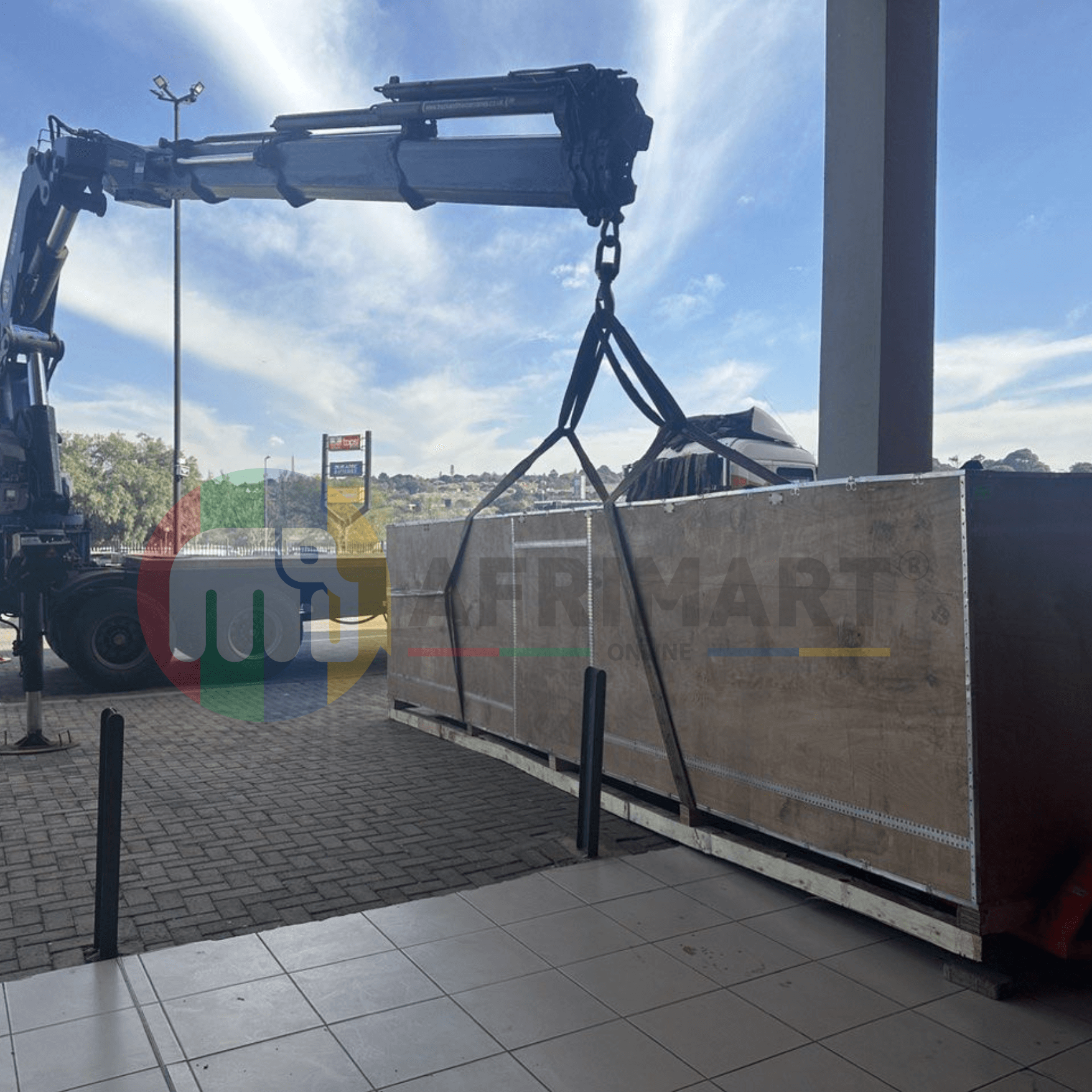
12 Heads Embroidery Machine
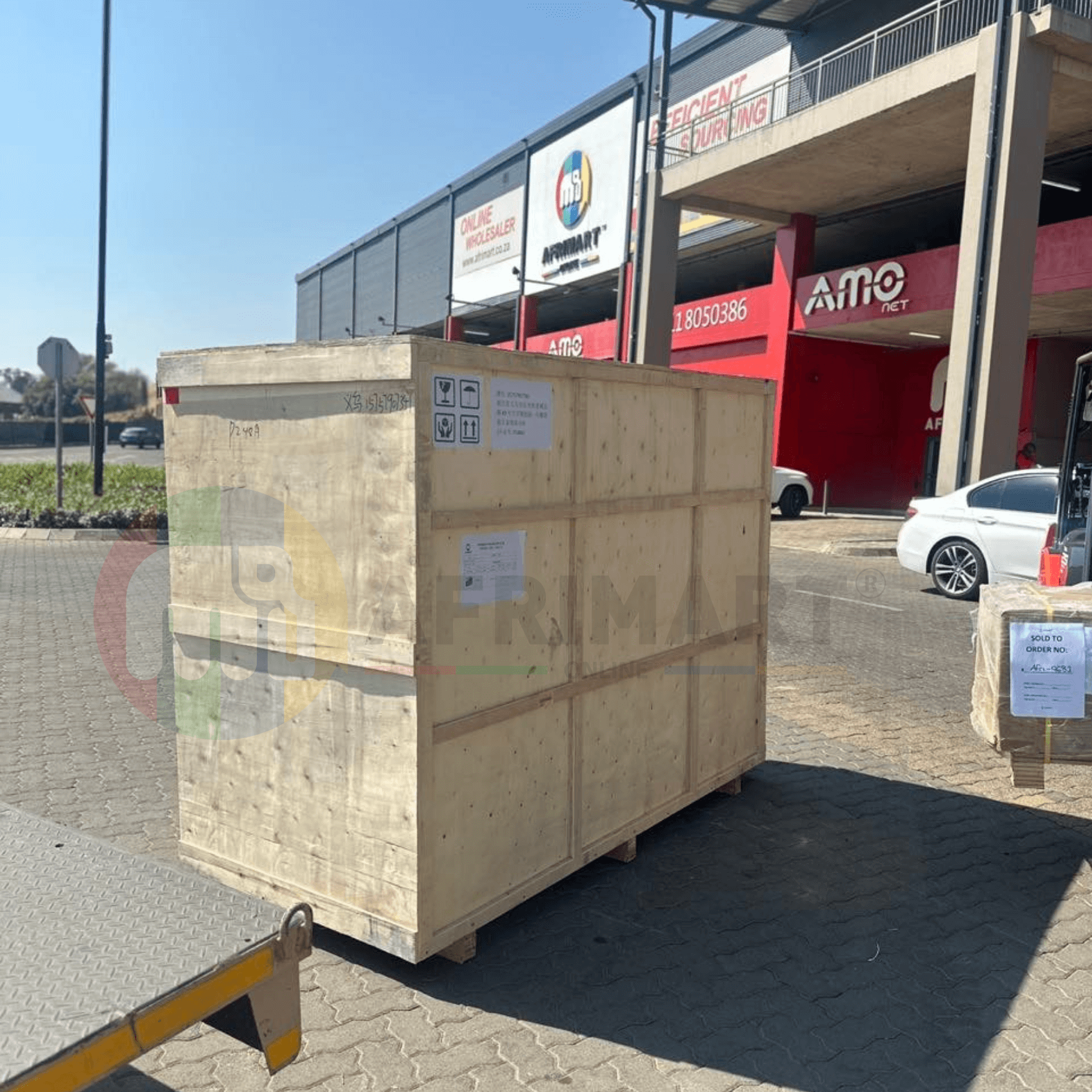
Dewatering Pump Machine
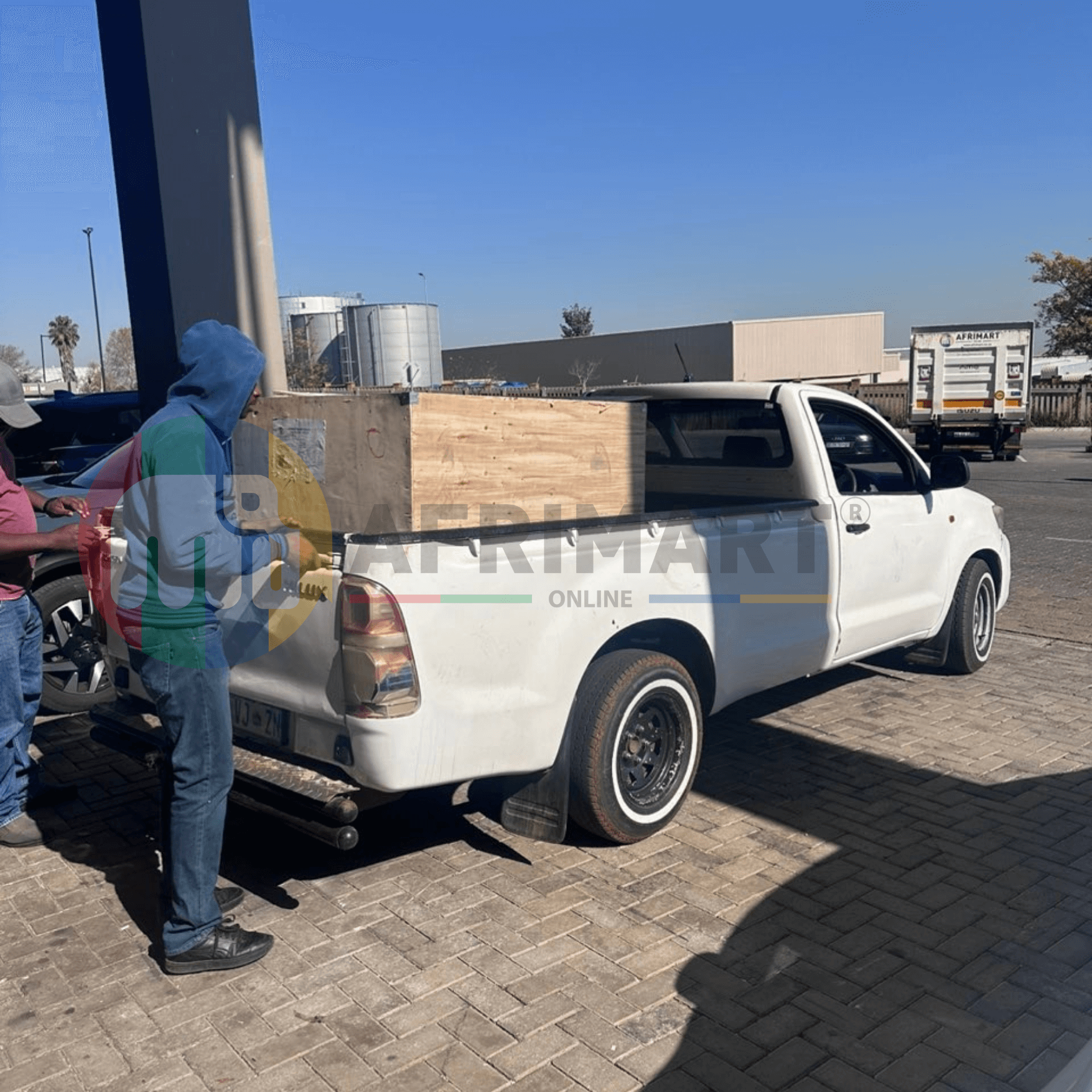
Order Collection
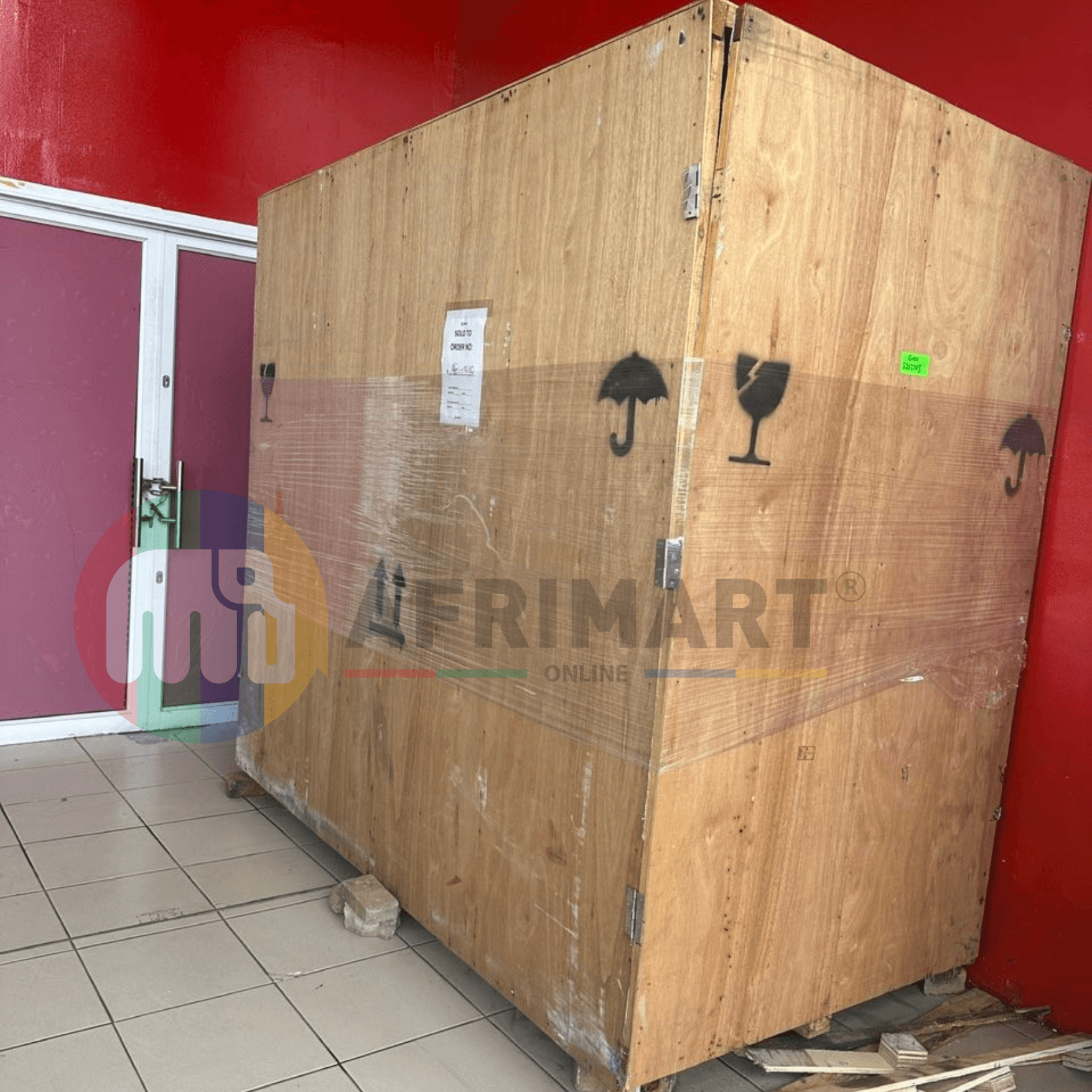
Portable Water Drilling Rig
Order Usefully Collected
Batch of Orders
Agriculture Processing Machines
Meat Grinder Machine
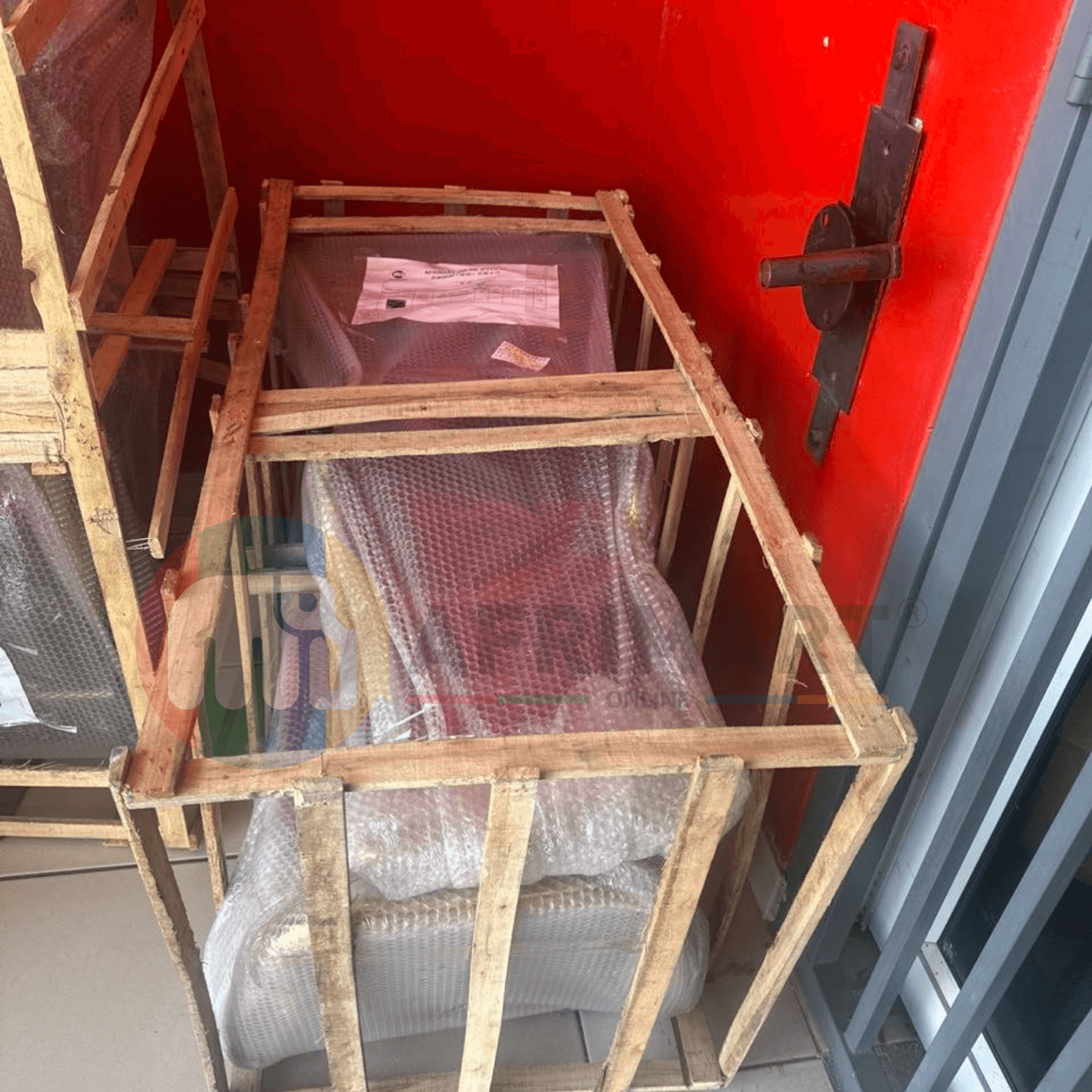
Water Pump Equipment
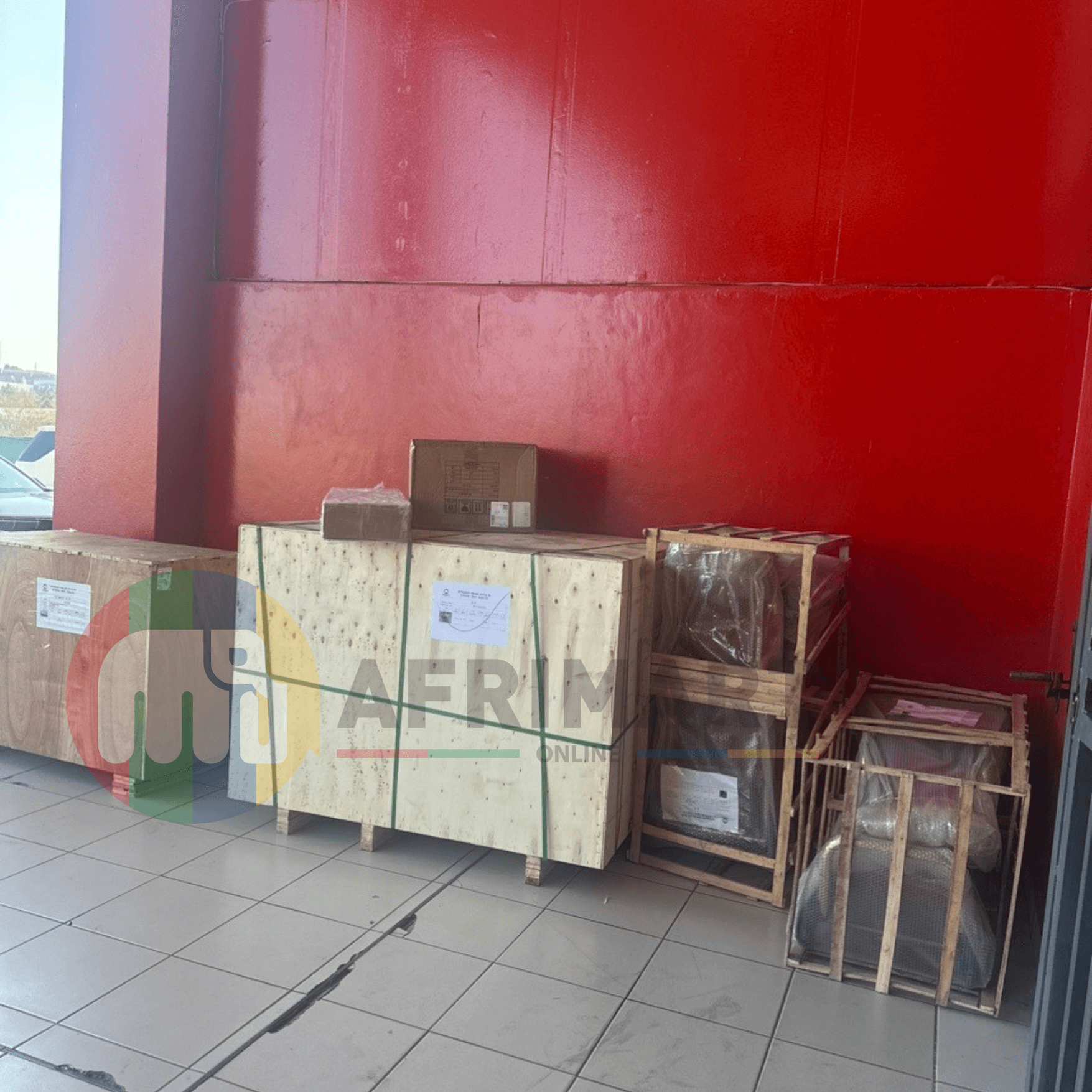
Packaging Machine and accessories
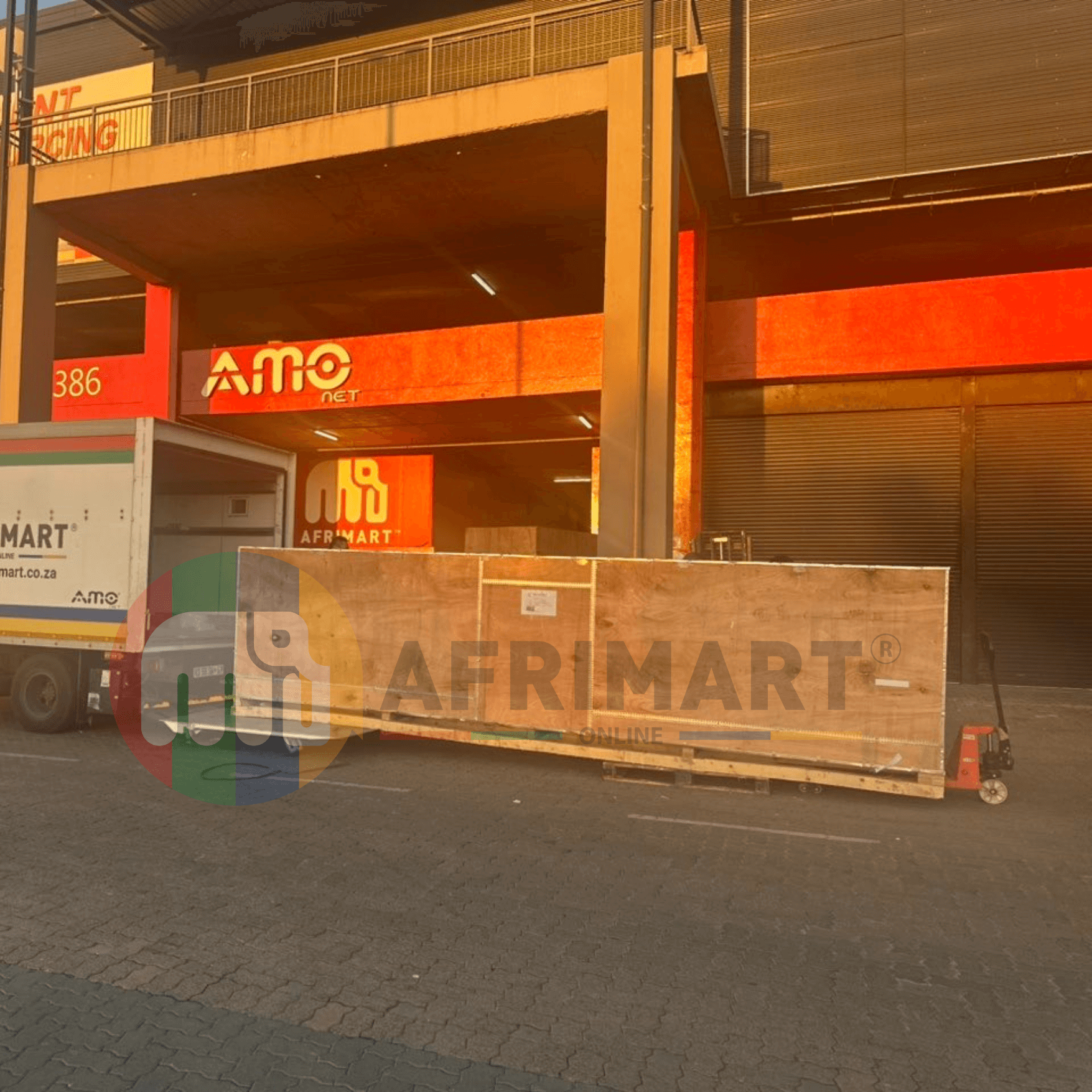
Fabrics Manufacturing Equipment
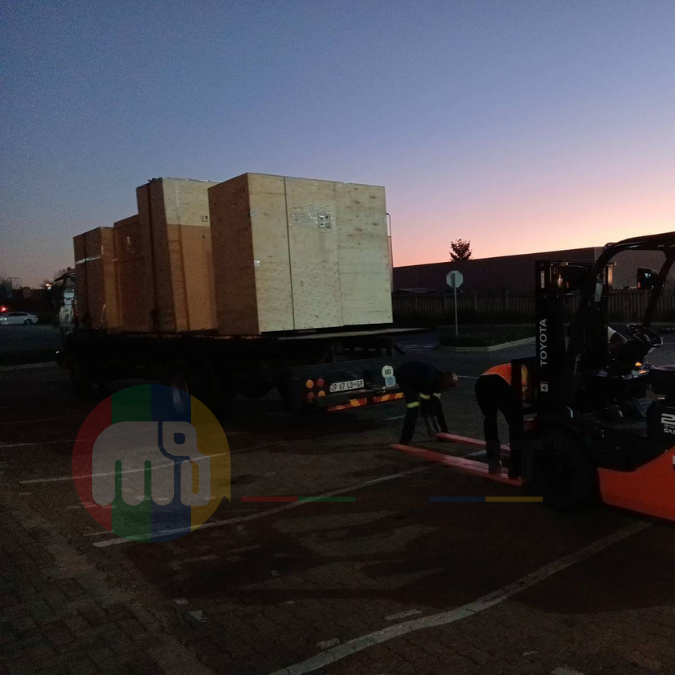
Mining Equipments
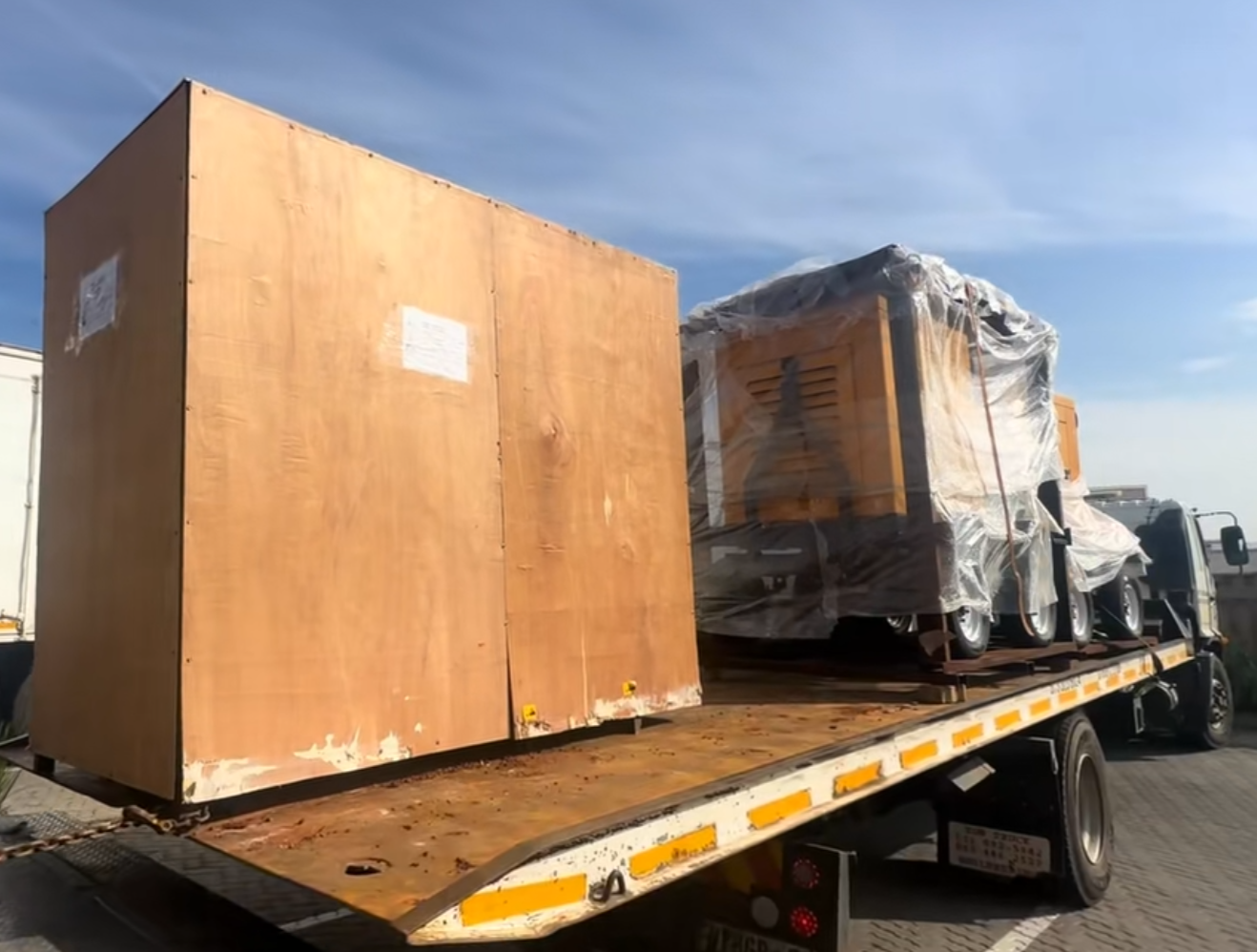
Food Processing Machine
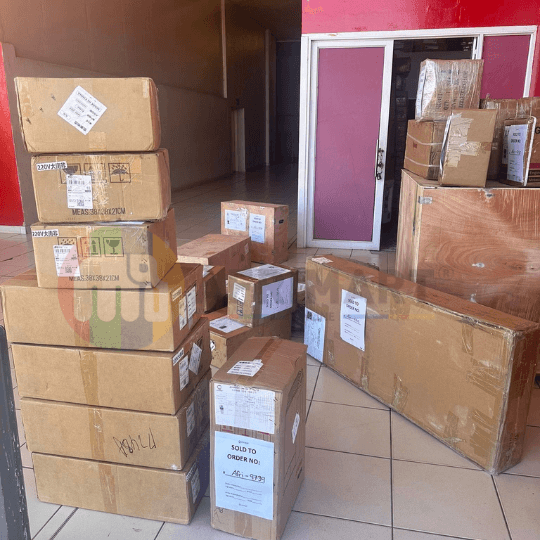
Batch of Orders
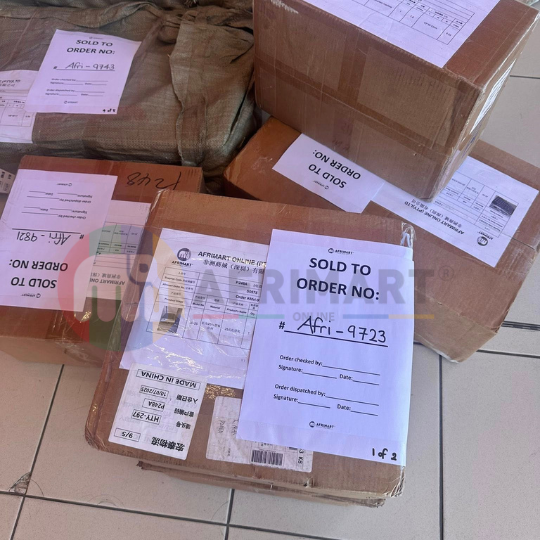
Batch of Orders
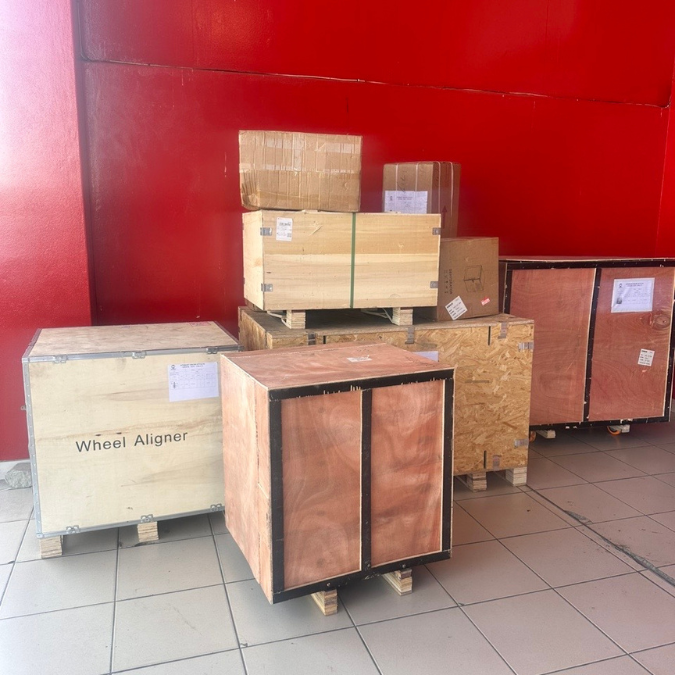
Latest Orders Labelled
wheel alignment machines
new arrivals
Pre Orders Offloading
Latest Arrivals
Latest Arrivals