B21, China Town Mall, Midrand



Product Description
- Shipping Timeframes: All orders are processed within 2-5 business days (excluding weekends and holidays). After your order has been processed, the estimated delivery time is before 21 Jun, 2026, depending on customs, Please note that due to high demand, some items may experience longer shipping times, which will be communicated at order confirmation email.
- Order Processing Time: Please allow 2-5 business days for us to process your order before it is shipped . Orders placed after 16:00 on Fridays, or during weekends and public holidays, will begin processing on the next business day. Processing times may be extended during peak seasons or sales events.
- Manufacturing Time: Some products needs manufacturing time, the manufacturing process will take approximately 10-30 business days depending on the product. This timeframe may vary depending on the complexity of the product and current demand. but this will be communicated with you during order confirmation.
- Returns and Exchanges: We offer a 30-day return policy for most items. If you are not completely satisfied with your purchase, you may return it within 30 days of receipt for a refund or exchange. Items must be unused, in their original packaging, and accompanied by proof of purchase. Return shipping costs are the responsibility of the customer, unless the item was damaged or defective upon arrival.
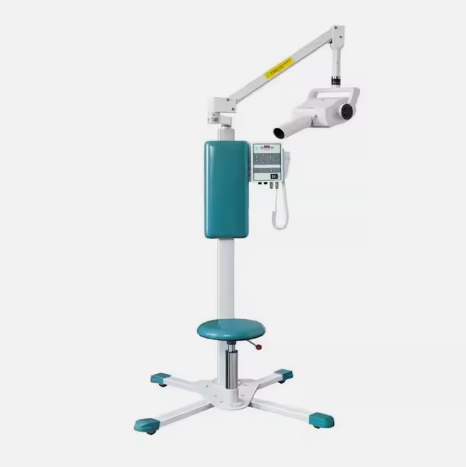
1. What is a dental X-ray machine?
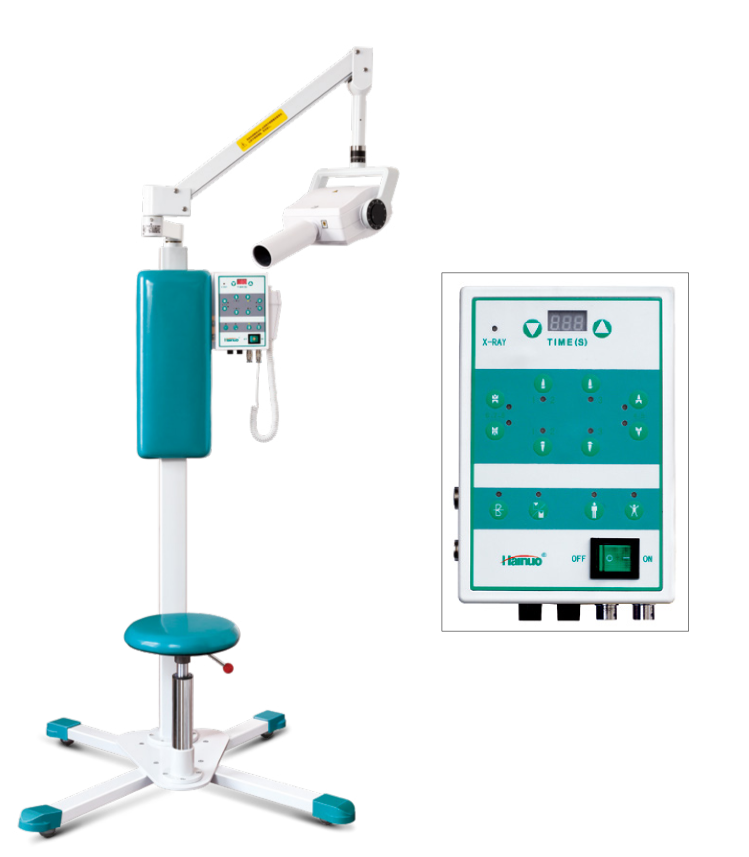
A dental X-ray machine is a device used by dental professionals to capture images of the teeth, gums, and other structures in the mouth to diagnose dental issues.
2. How does a dental X-ray work?
The machine emits a small dose of ionizing radiation to create images of the inside of the mouth. The images are then processed and displayed for analysis.
3. What types of X-rays can a dental X-ray machine take?
Dental X-ray machines can take various types of X-rays, including periapical, bitewing, and panoramic X-rays, each serving different diagnostic purposes.
4. Is the radiation from dental X-rays safe?
Yes, the amount of radiation used in dental X-rays is very low and considered safe for both patients and dental professionals, especially with modern equipment.
5. How often should dental X-rays be taken?
The frequency of dental X-rays depends on individual dental health needs, but typically, they are taken every 1 to 2 years during routine check-ups.
6. Are dental X-rays painful?
No, dental X-rays are not painful. The process involves positioning the X-ray film or sensor and taking the image, which is quick and comfortable.
7. Can dental X-rays detect cavities?
Yes, dental X-rays are effective in detecting cavities, especially those that are not visible during a regular dental examination.
8. How do I prepare for a dental X-ray?
Preparation is minimal; you may be asked to remove any metal objects, such as jewelry, and inform the dentist if you are pregnant or have any concerns.
9. What should I expect during a dental X-ray procedure?
During the procedure, you will be positioned near the X-ray machine, and a lead apron may be placed over you for protection. The actual exposure time is very brief.
10. Are there any side effects from dental X-rays?
There are typically no side effects from dental X-rays due to the very low radiation dose. However, some patients may feel slight discomfort from holding their position.
11. How are dental X-ray images interpreted?
A trained dental professional will analyze the X-ray images, looking for signs of decay, infections, bone loss, or other dental issues.
12. Can dental X-rays help with orthodontics?
Yes, dental X-rays are essential in orthodontics as they help in planning treatment and assessing the positioning of teeth and jaws.
13. What are the benefits of using a digital dental X-ray machine?
Digital dental X-ray machines provide faster image capture, lower radiation exposure, and the ability to enhance and share images easily.
14. How long do dental X-ray images last?
Dental X-ray images can last indefinitely if stored properly, but they are usually reviewed and updated as part of regular dental care.
15. Where can I get a dental X-ray?
Dental X-rays can be obtained at most dental offices, clinics, and some hospitals, typically during a routine dental check-up.
Latest Order Arrivals
Discover our latest orders

12 Heads Embroidery Machine

Dewatering Pump Machine

Order Collection

Portable Water Drilling Rig

Order Usefully Collected

Batch of Orders

Agriculture Processing Machines

Meat Grinder Machine

Water Pump Equipment

Packaging Machine and accessories

Fabrics Manufacturing Equipment

Mining Equipments
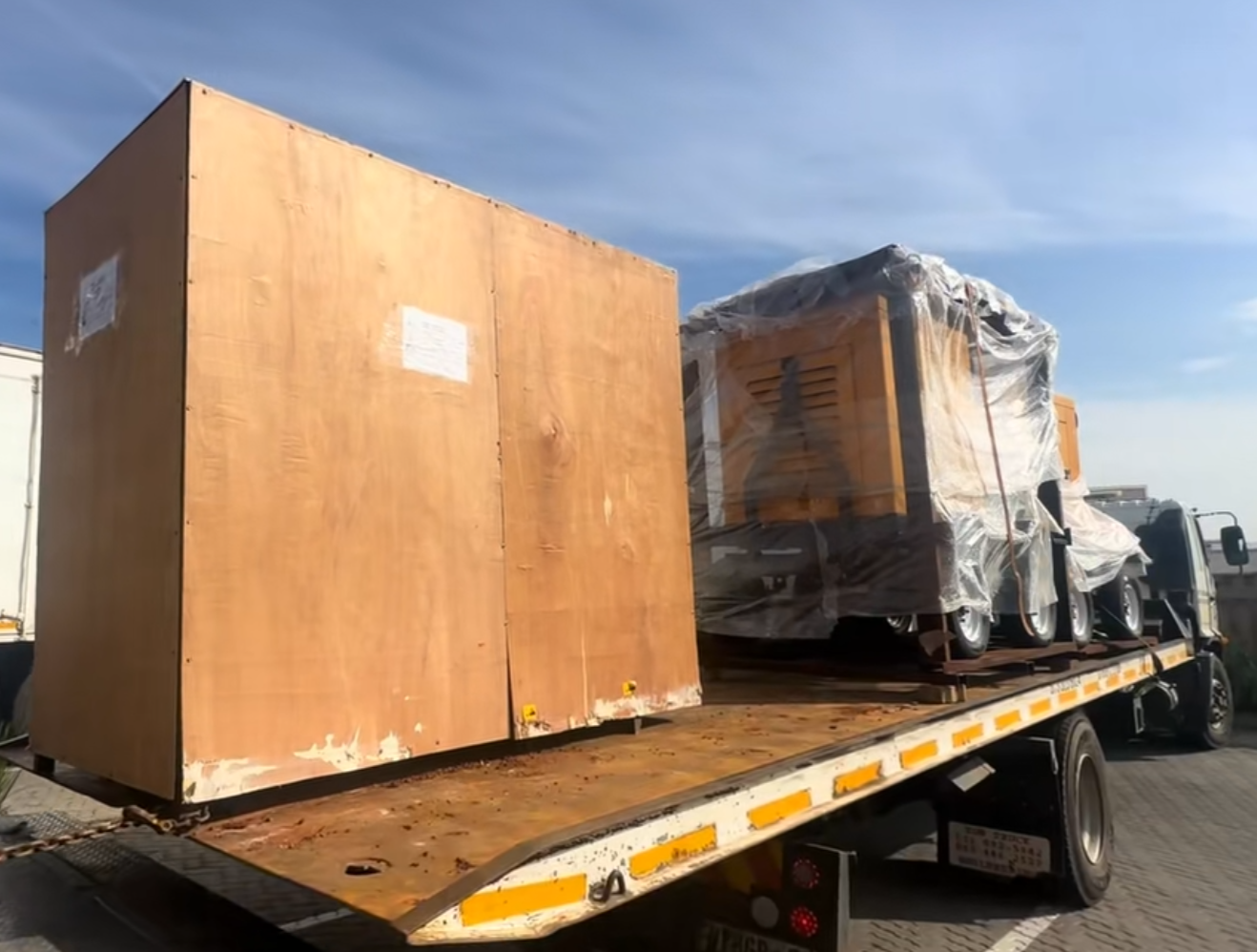
Food Processing Machine

Batch of Orders

Batch of Orders

Latest Orders Labelled

wheel alignment machines
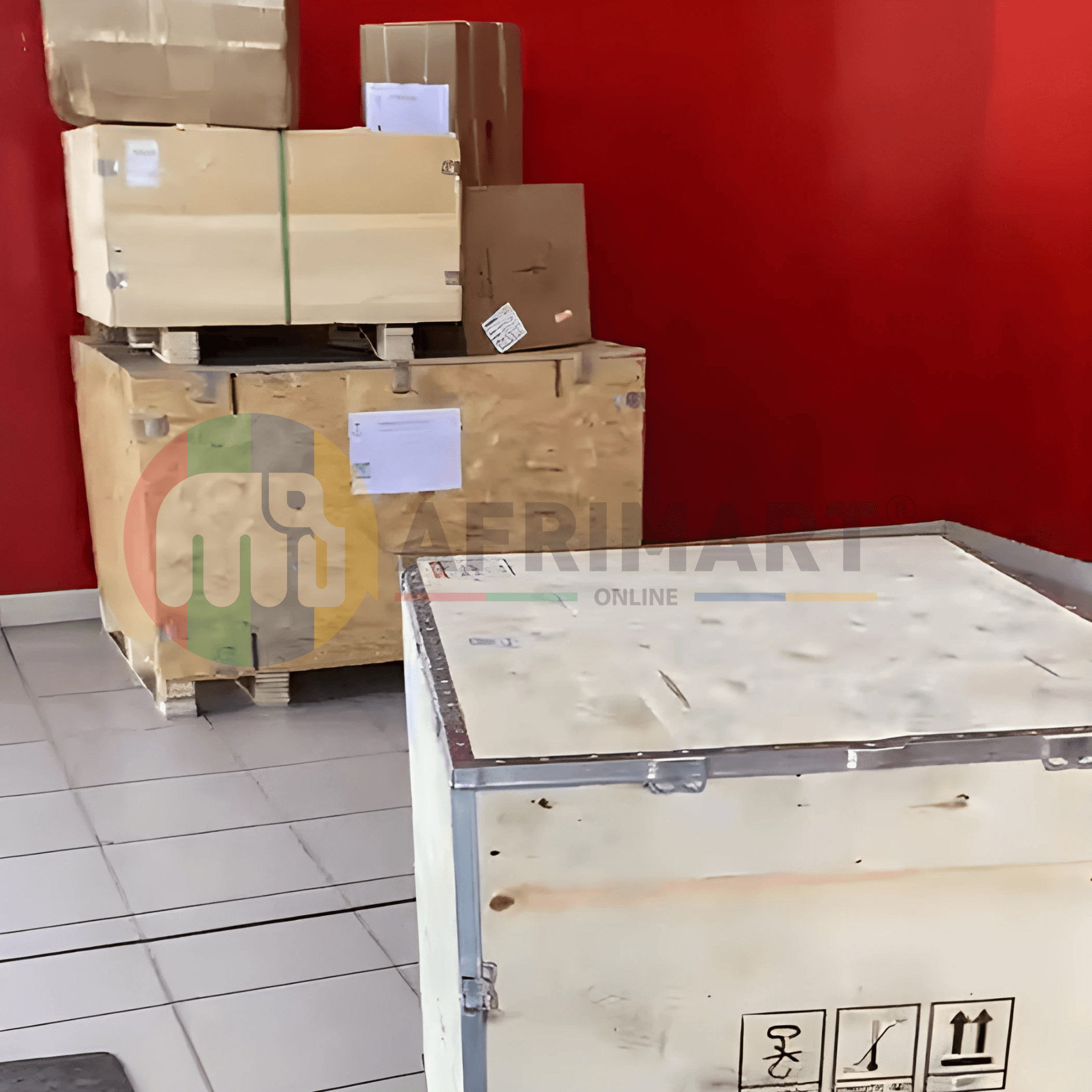
new arrivals
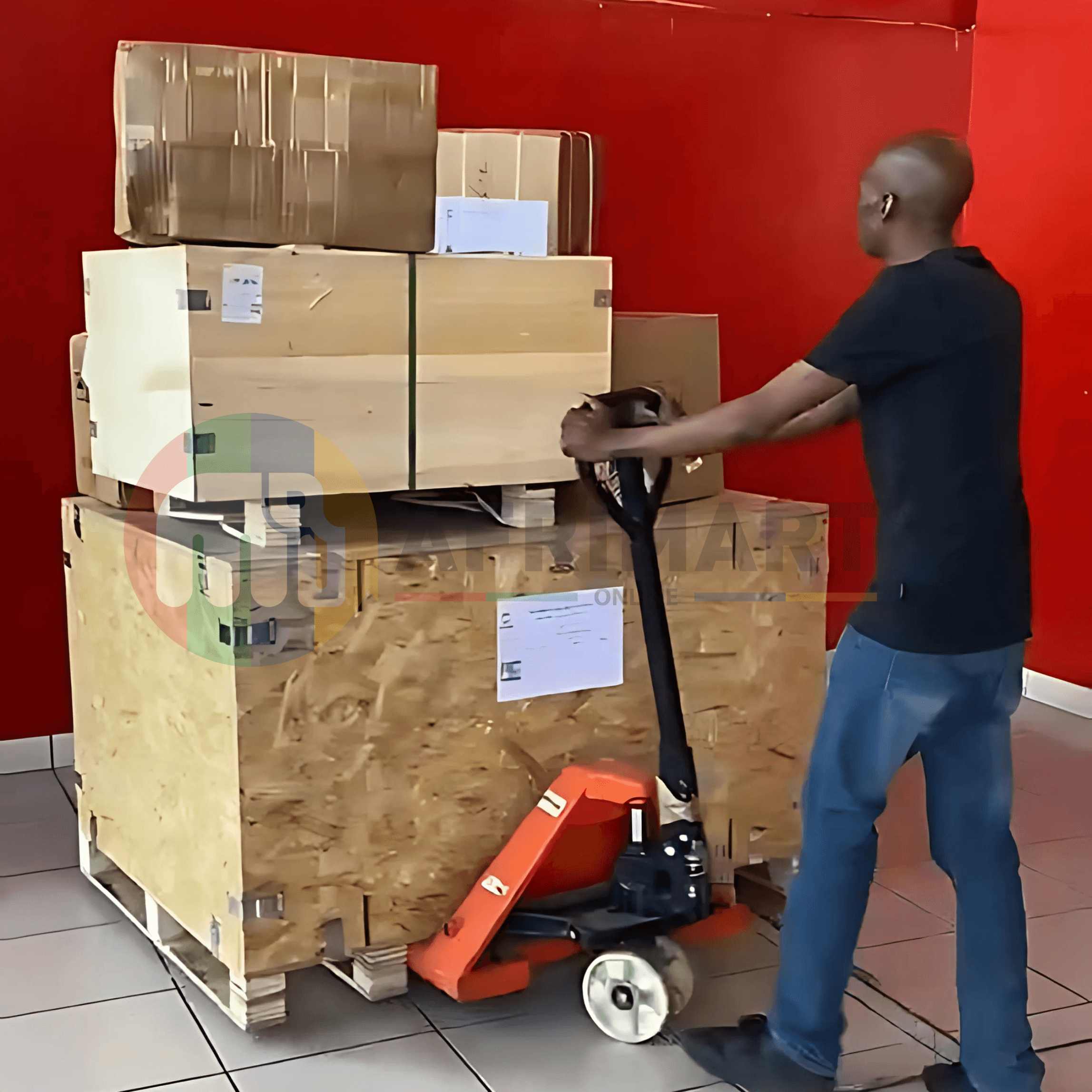
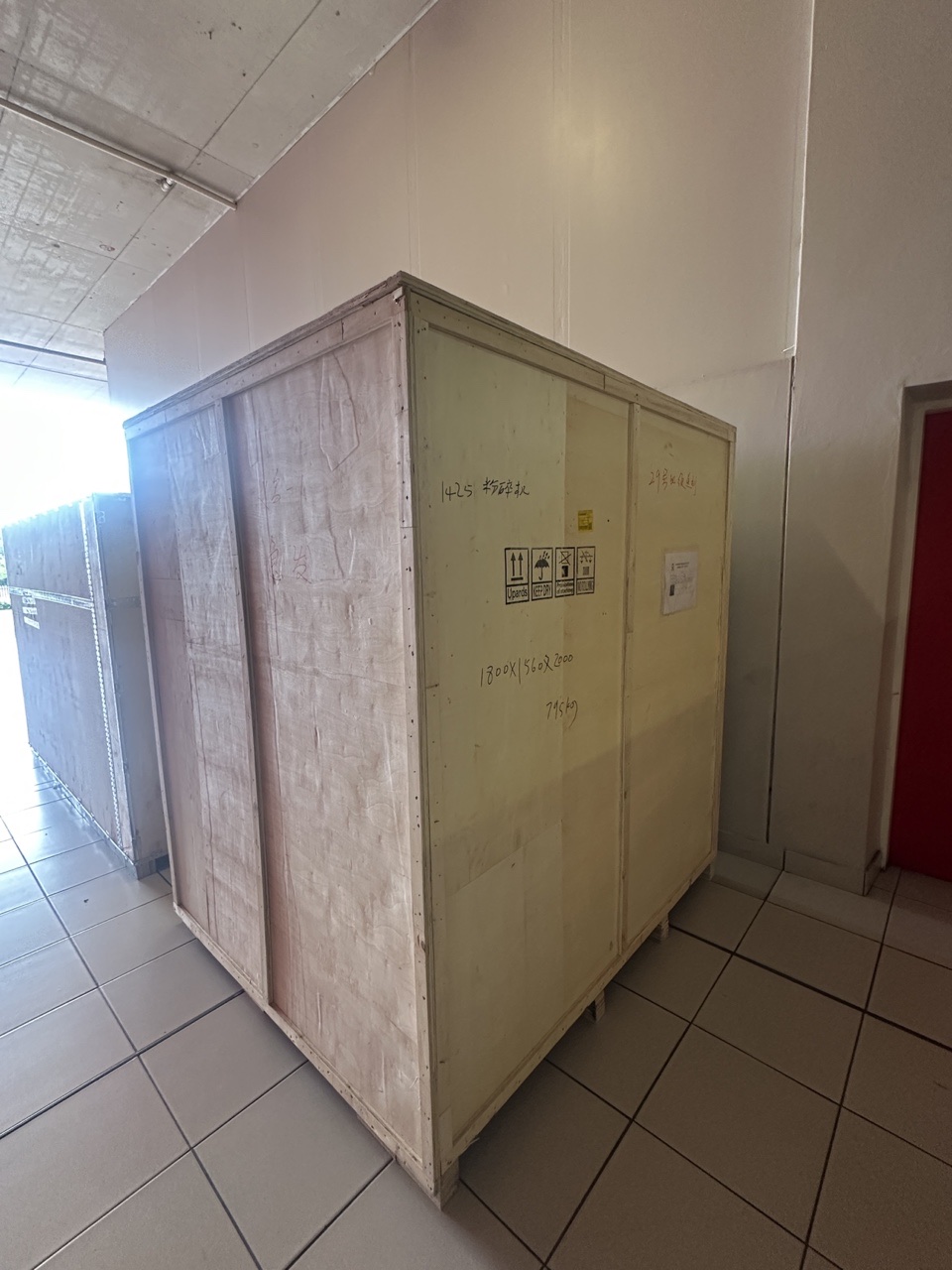
Pre Orders Offloading

Latest Arrivals

Latest Arrivals

Latest Arrivals
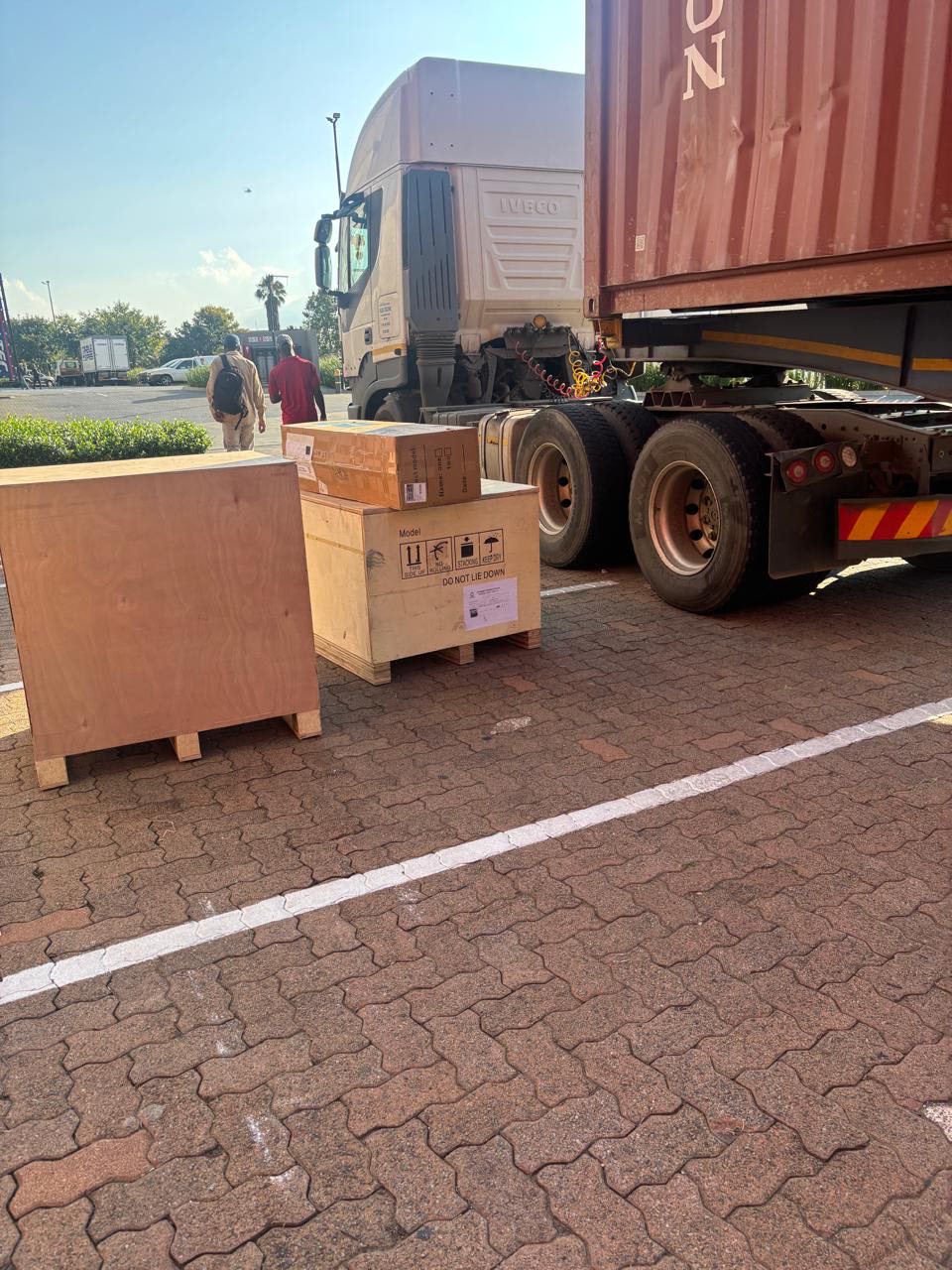
26 January 2026
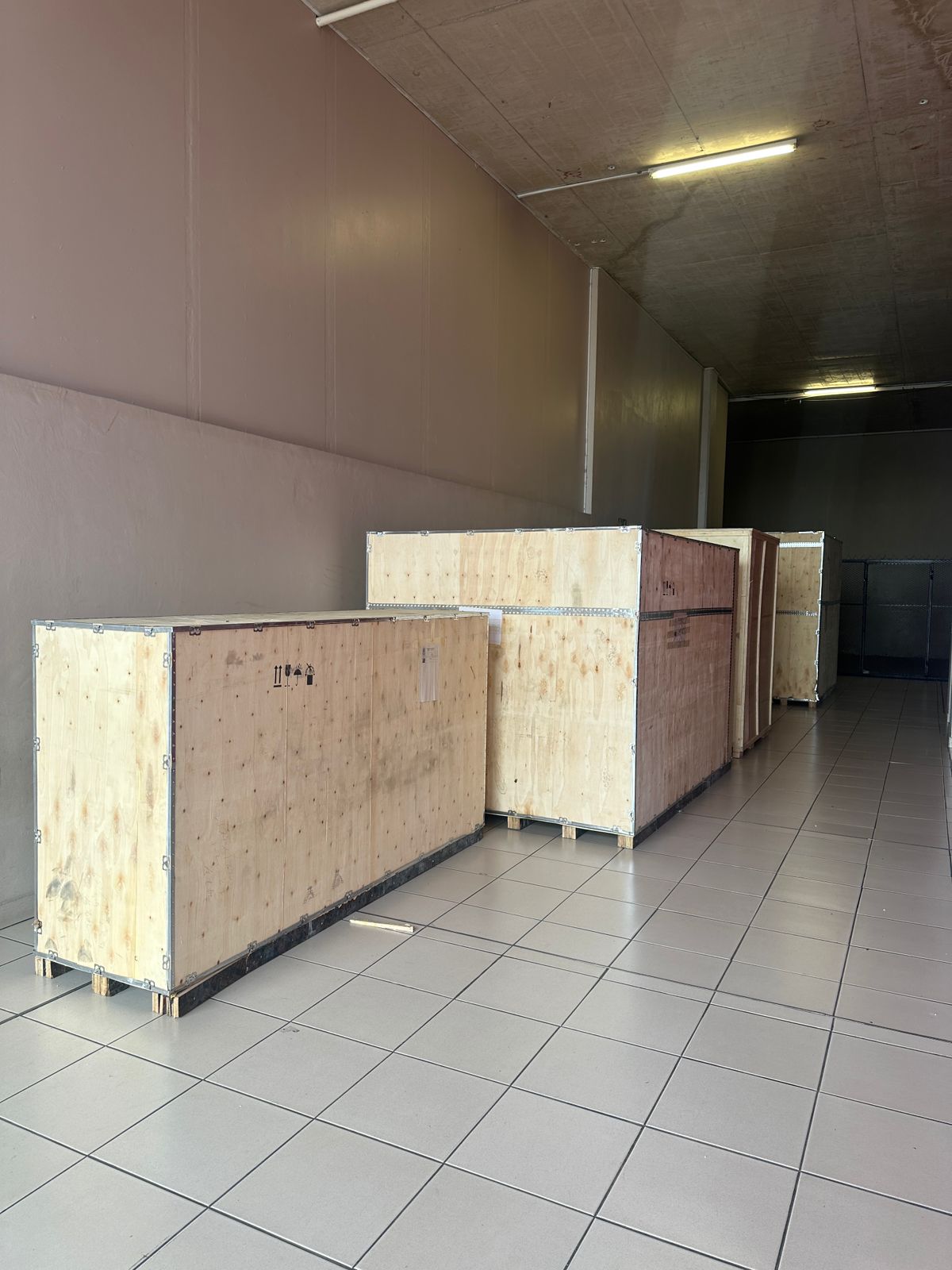
Toilet paper making machine
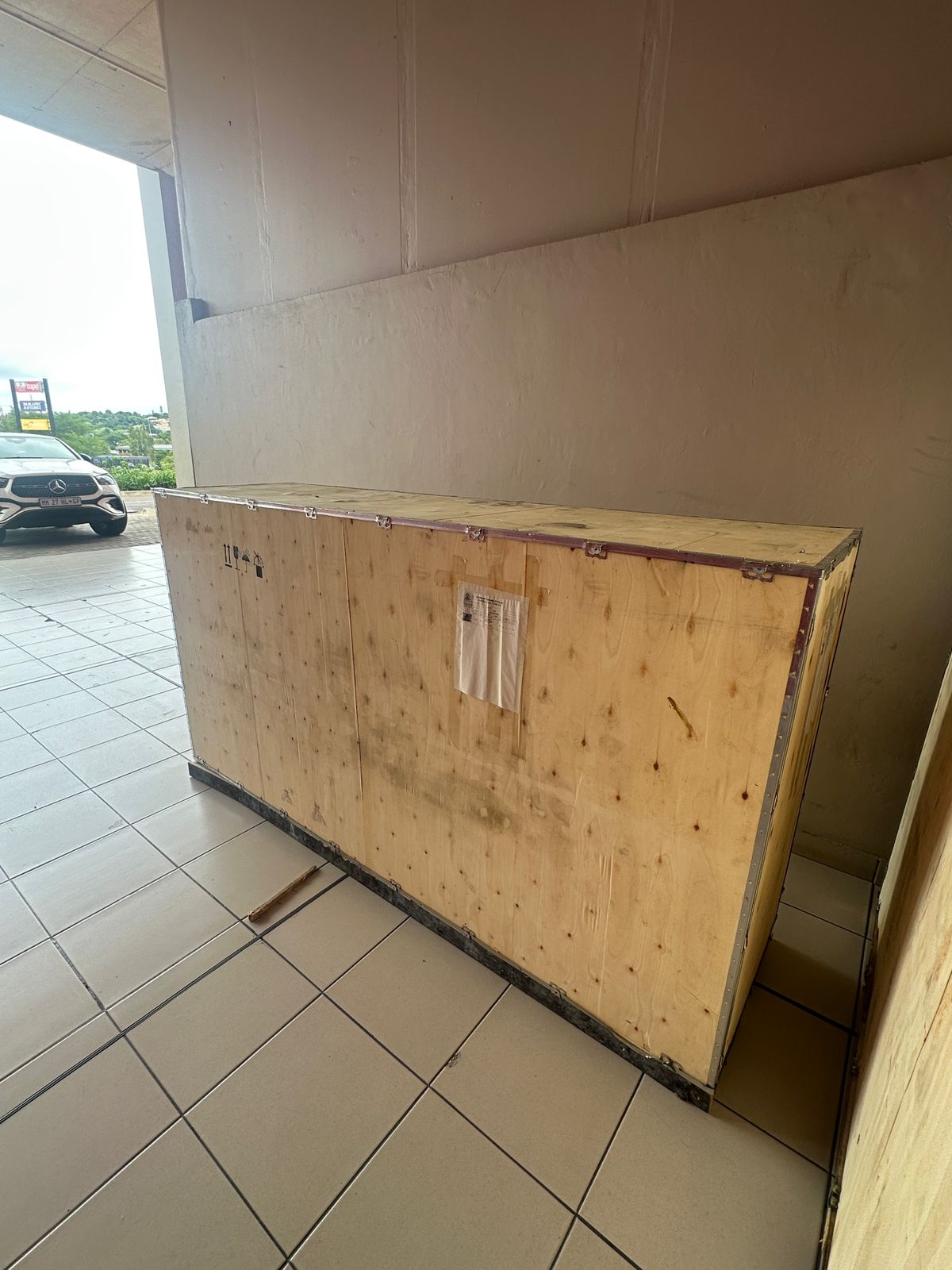
Toilet paper making machine
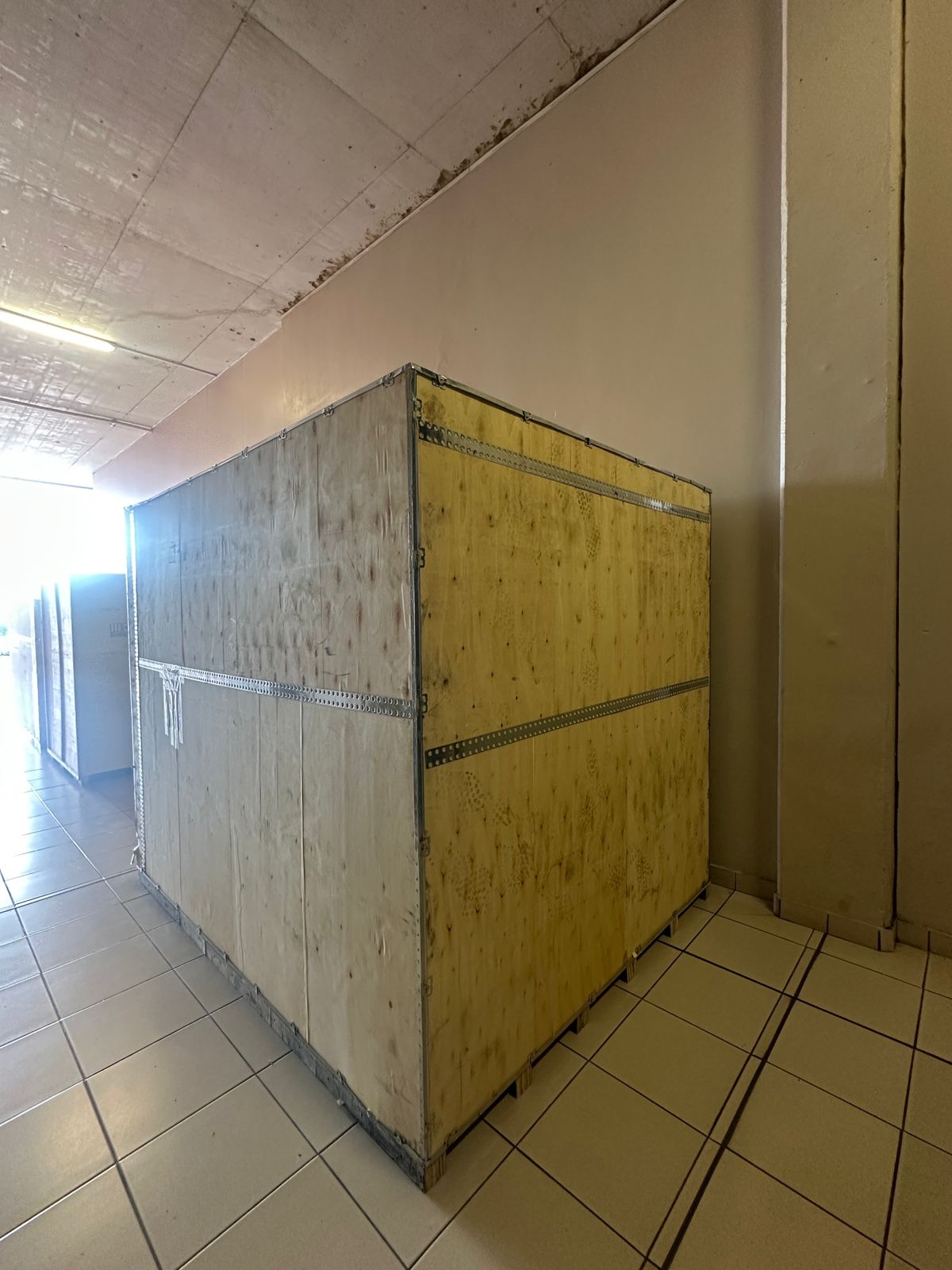
Toilet paper Rewinding Machine
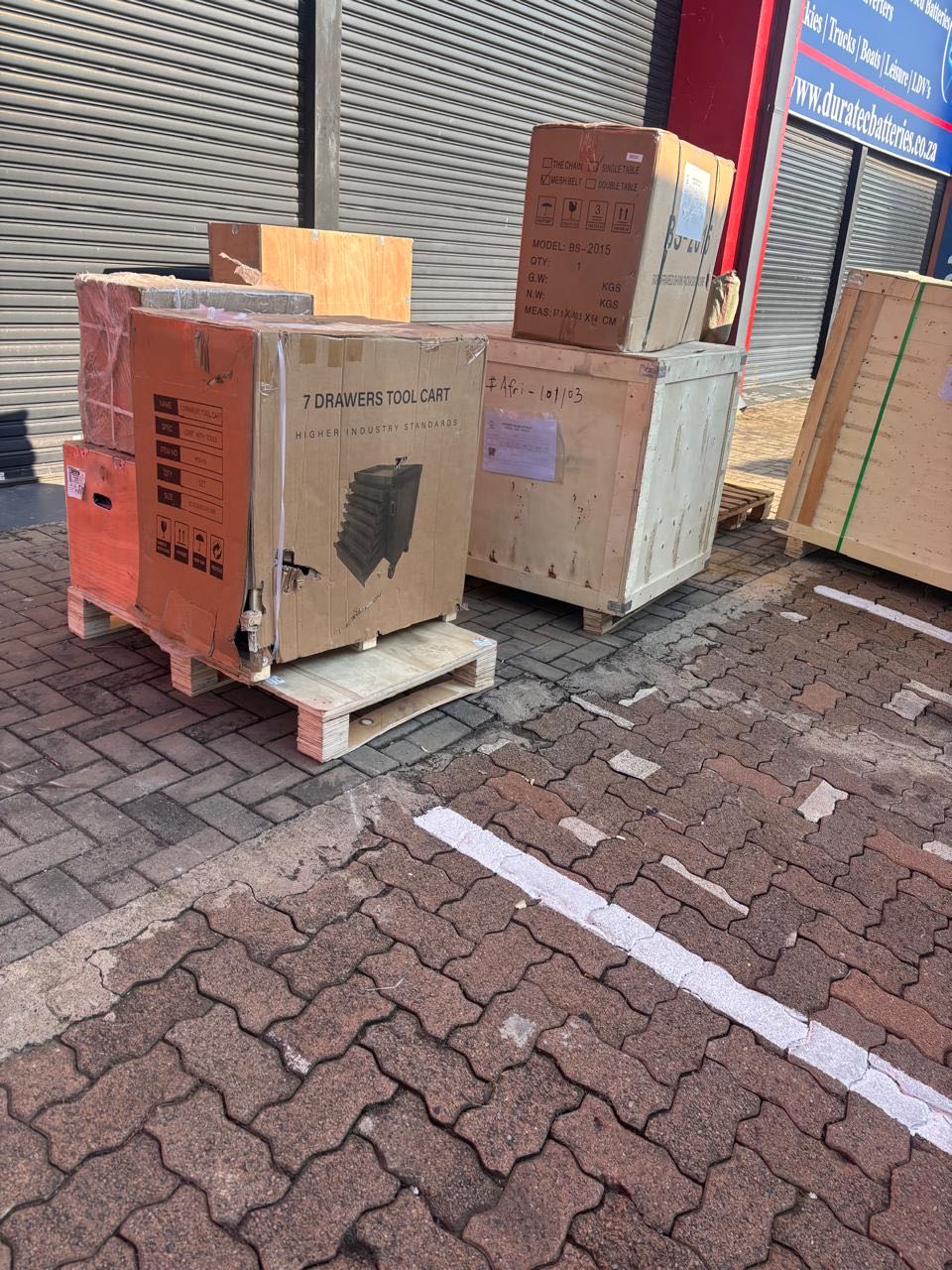
latest arrivals
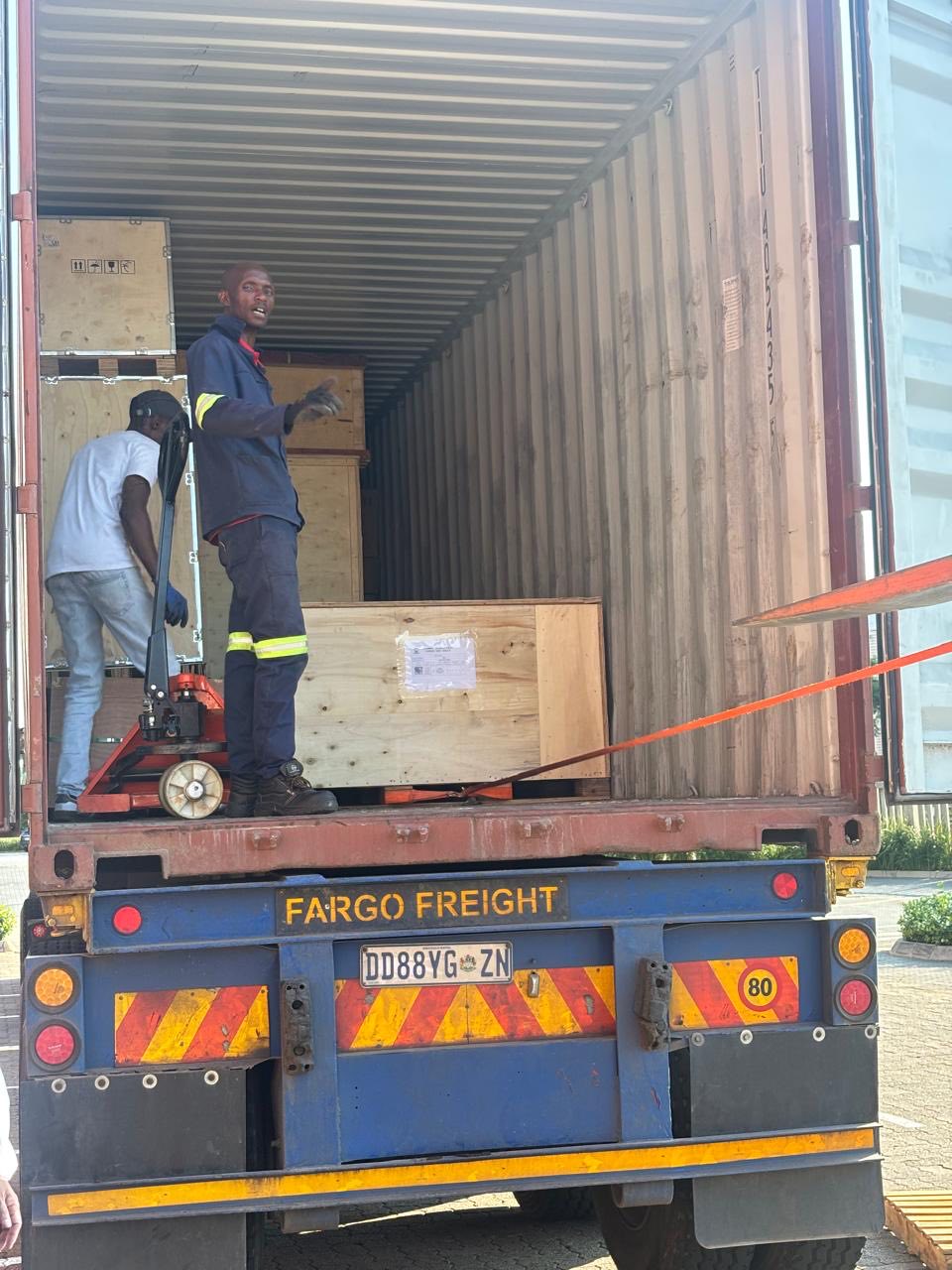
offloading
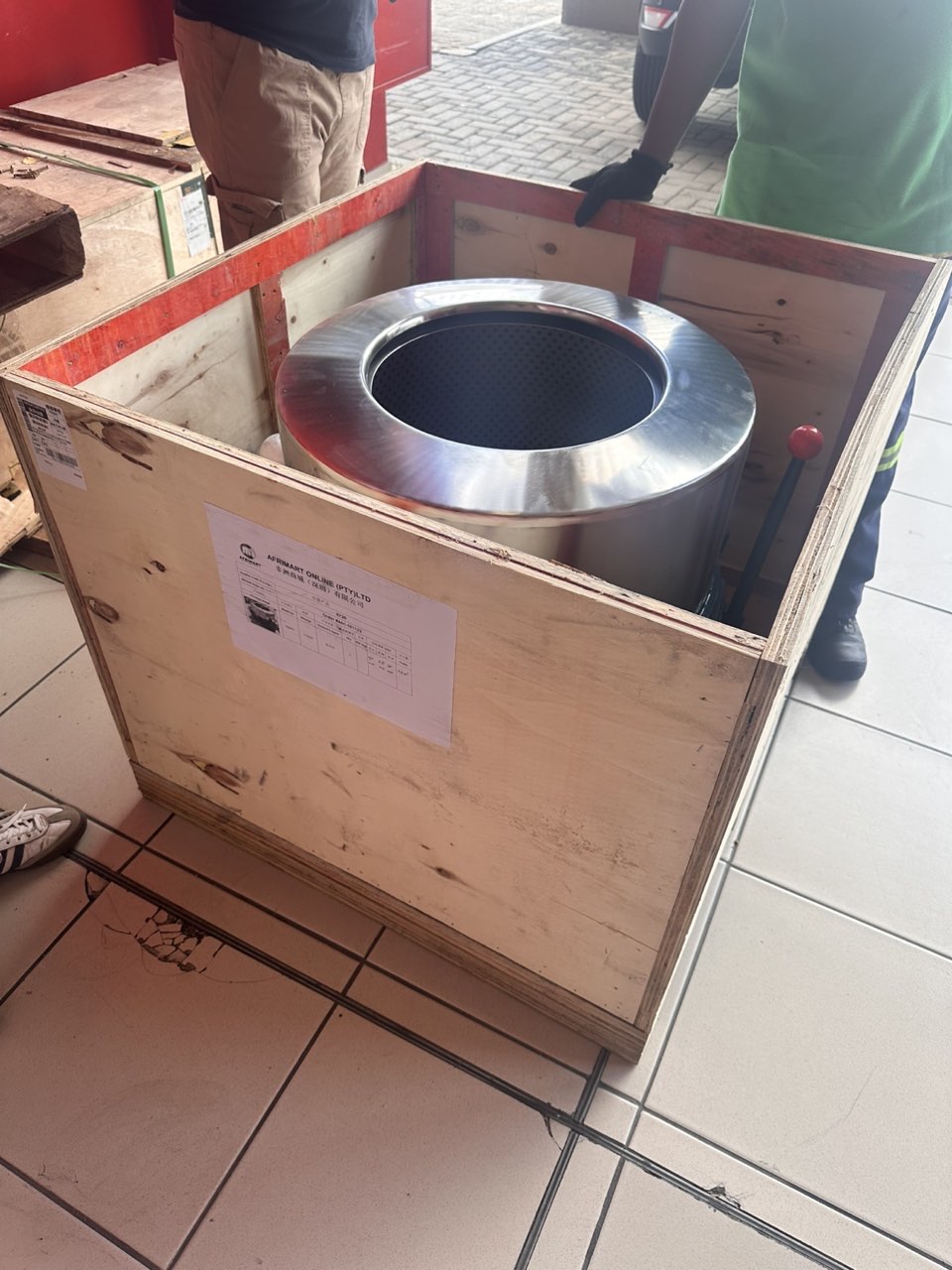
order success

order collection
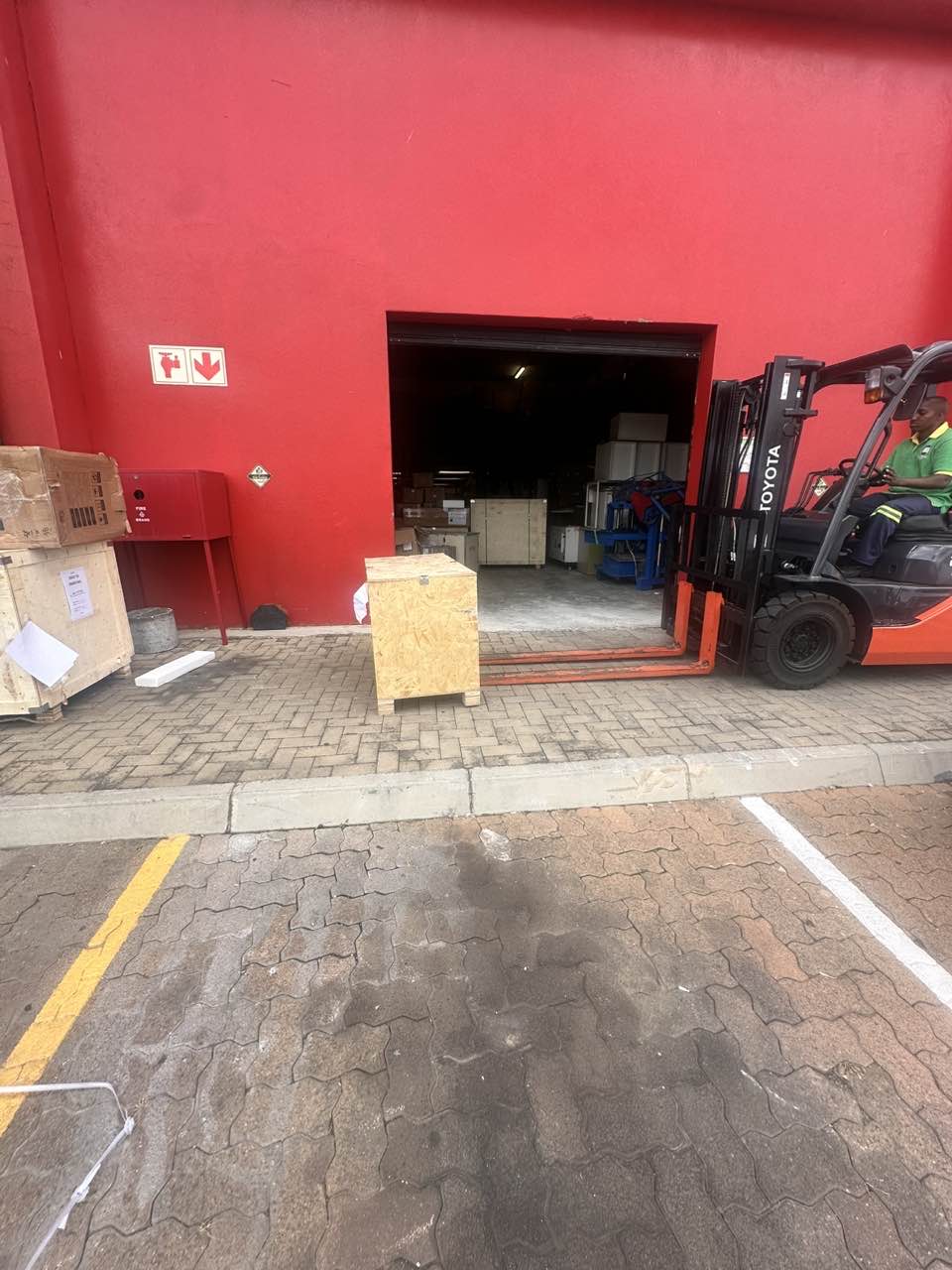
order offloading