B21, China Town Mall, Midrand

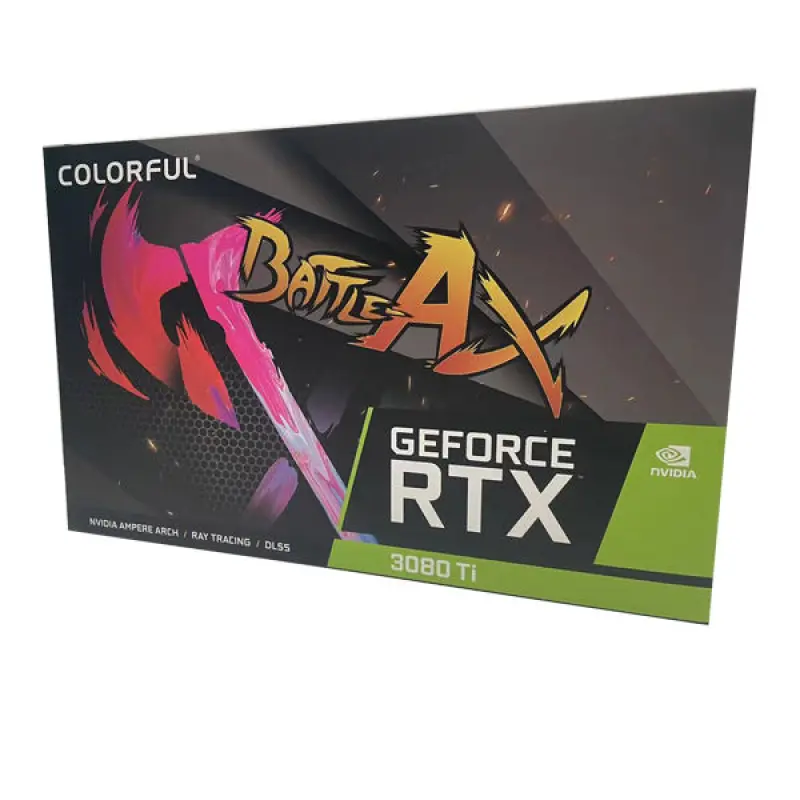
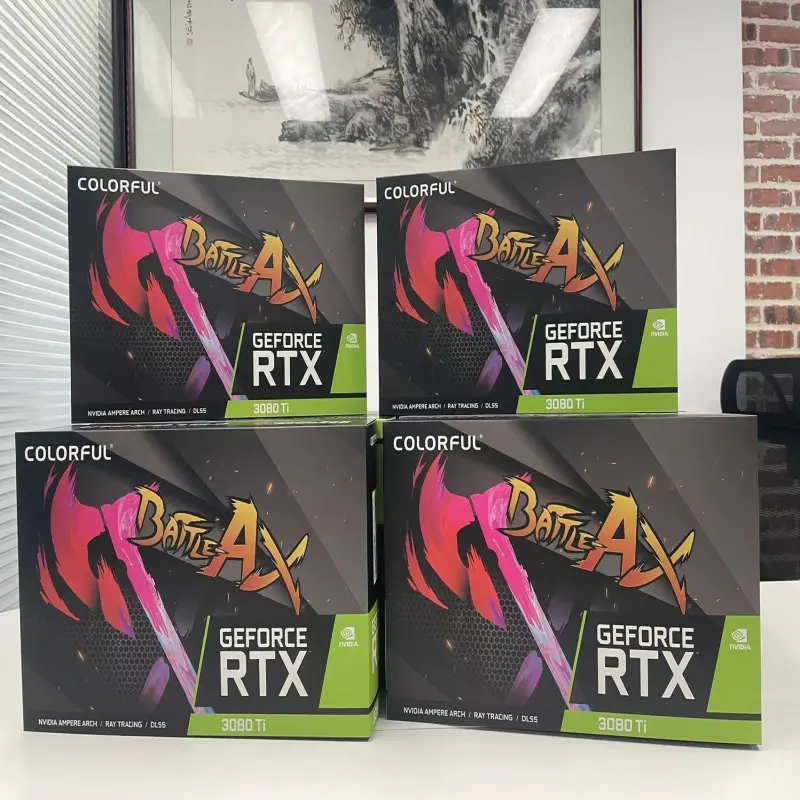
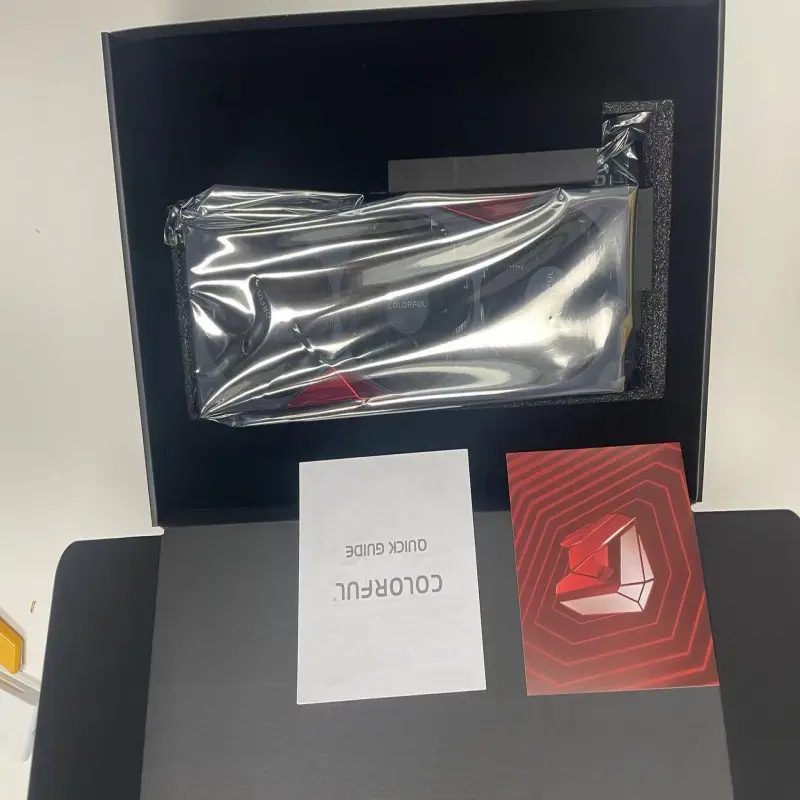
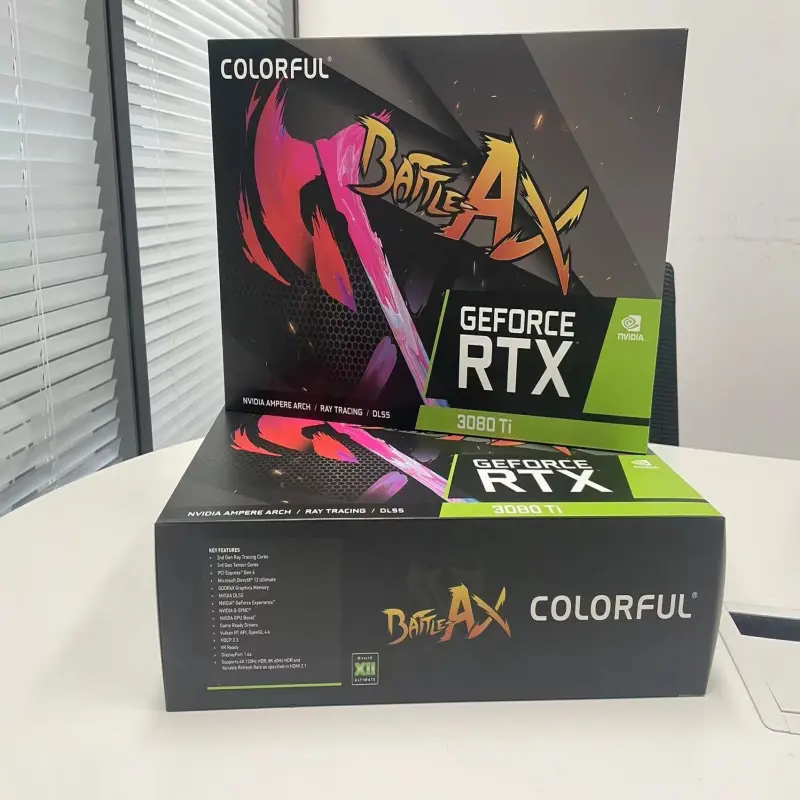
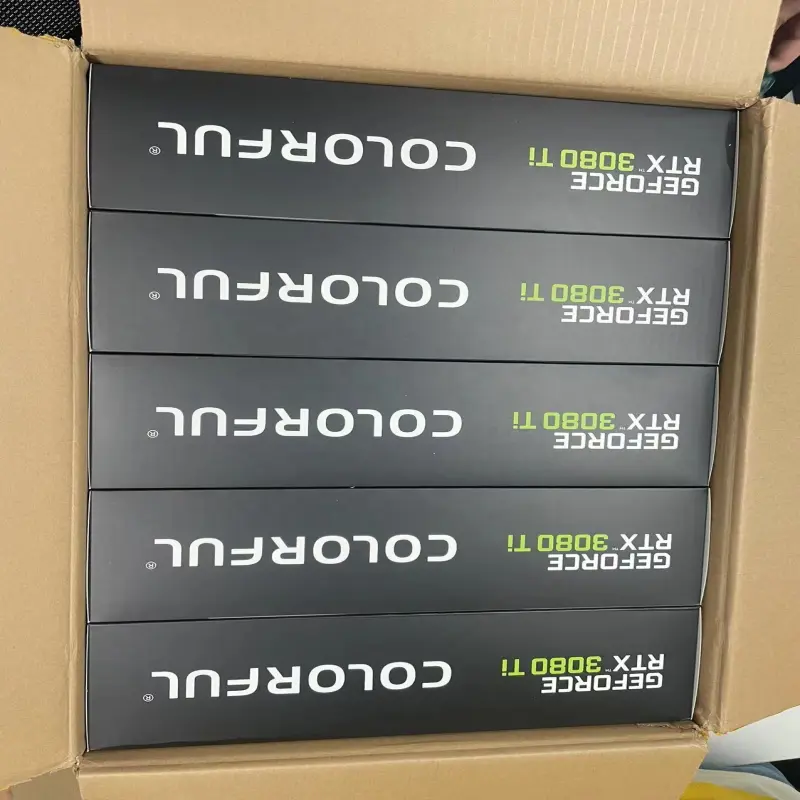
Deluxe edition GeForce RTX 3080 Ti 12G GPU for gaming

- Section : Computers
- Category : Graphic Cards
- SKU : 1600519441479

Product Description


Specification
| item | value |
| Application | Workstation, Laptop, Desktop |
| Item Condition | PCI Express 3.0 X16 |
| Video Memory Speed | 0.4ns |
| Core Clock(Mhz) | 1710 Mhz |
| Memory Clock(Mhz) | 14Gbps |
| DirectX | DirectX 12 |
| Cooler Type | Fan |
| Chip Process | 80 nanometers |
| Interface Type | PCI |
| Video Memory Type | GDDR6 |
| Memory Interface | 384 Bit |
| Memory capacity | 12GB |
| GPU | 3080ti |

- Shipping Timeframes: All orders are processed within 2-5 business days (excluding weekends and holidays). After your order has been processed, the estimated delivery time is before 04 Aug, 2026, depending on customs, Please note that due to high demand, some items may experience longer shipping times, which will be communicated at order confirmation email.
- Order Processing Time: Please allow 2-5 business days for us to process your order before it is shipped . Orders placed after 16:00 on Fridays, or during weekends and public holidays, will begin processing on the next business day. Processing times may be extended during peak seasons or sales events.
- Manufacturing Time: Some products needs manufacturing time, the manufacturing process will take approximately 10-30 business days depending on the product. This timeframe may vary depending on the complexity of the product and current demand. but this will be communicated with you during order confirmation.
- Returns and Exchanges: We offer a 30-day return policy for most items. If you are not completely satisfied with your purchase, you may return it within 30 days of receipt for a refund or exchange. Items must be unused, in their original packaging, and accompanied by proof of purchase. Return shipping costs are the responsibility of the customer, unless the item was damaged or defective upon arrival.
1. What are the key specifications of the Deluxe edition GeForce RTX 3080 Ti 12G?
This listing specifies an RTX 3080 Ti with 12 GB GDDR6 memory, 384‑bit memory interface, 1710 MHz core clock, 14 Gbps memory clock, DirectX 12 support, PCI Express x16 interface, and a fan cooler. (Note: some listed fields in the description appear inconsistent — see other FAQs for details.)
2. Is this card compatible with my motherboard?
The card uses a PCI Express x16 interface and is compatible with any motherboard that provides a PCIe x16 slot. It is backward and forward compatible with PCIe 3.0 and PCIe 4.0 slots, though performance can vary slightly depending on slot bandwidth.
3. Can this GPU be used in a laptop or is it desktop-only?
This is a desktop PCIe graphics card. Although the product description lists 'laptop' in the application field, standard RTX 3080 Ti desktop cards are not compatible with typical consumer laptops. Laptops use specially designed mobile GPUs or MXM modules.
4. What power supply (PSU) do I need for this GPU?
The exact power requirement is not listed in the description. High‑end cards like the RTX 3080 Ti typically require a robust PSU and additional 8‑pin/12‑pin PCIe power connectors. For system planning, users commonly choose a high‑quality 650–850W PSU depending on the rest of the system; check the specific card model's manual for the recommended PSU and connector types.
5. Does this card support multiple GPUs (SLI/NVLink)?
Most modern RTX 30‑series cards have limited or no SLI support and NVIDIA has de-emphasized multi‑GPU gaming. The RTX 3080 Ti generally does not support traditional SLI for most games; check NVIDIA documentation or the card vendor for any multi‑GPU features.
6. What cooling solution does the 'Fan' cooler type refer to and is it sufficient for gaming?
The description lists a fan cooler, which typically means one or more axial fans with a heatsink. Proper cooling performance depends on the card's cooler design and your case airflow. Deluxe editions usually include enhanced cooling, but verify the vendor photos/specs and reviews for thermals and noise levels.
7. Is the listed 'Chip Process 80 nanometers' correct?
That appears to be a typo. NVIDIA’s 30‑series (Ampere) GPUs use a much smaller process node (around 8 nm for many variants). Treat the '80 nanometers' entry as an error in the listing.
8. The spec shows 'Video Memory Speed 0.4ns' — what does that mean?
The '0.4ns' entry is unusual and likely a misprint. The more useful spec is the memory clock of 14 Gbps listed; memory speed is normally quoted in Gbps (gigabits per second) rather than nanoseconds. If memory latency is important, request clarification from the seller.
9. Does this GPU use GDDR6 or GDDR6X memory?
The description states GDDR6. Some RTX 3080 Ti variants use GDDR6X in retail models, while others may use GDDR6 depending on vendor design. Verify with the seller or product photos to confirm the exact memory type for this specific 'Deluxe' model.
10. Which operating systems and drivers does this card support?
The card is compatible with systems supported by NVIDIA drivers, including Windows 10/11 and major Linux distributions. Download the latest drivers from NVIDIA’s official website for optimal performance and game compatibility.
11. Is this GPU suitable for 4K gaming and VR?
Yes — an RTX 3080 Ti-class GPU is designed to handle high‑resolution gaming and VR. Actual performance depends on game settings, CPU, RAM, and cooling. Expect strong 4K performance in many modern titles, though ultra settings in the most demanding games may require tuning.
12. Will this card fit in my case and how many expansion slots does it use?
Physical size and slot usage vary by vendor cooler design. Many high‑end RTX 3080 Ti cards are long and occupy 2–3 expansion slots. Check the exact product dimensions and slot height provided by the seller to ensure compatibility with your case.
13. Can I overclock this Deluxe edition RTX 3080 Ti?
Most GeForce cards can be overclocked using software such as MSI Afterburner or EVGA Precision. Overclocking potential and thermal headroom depend on the specific cooler, power delivery design, and silicon quality. Proceed with caution and monitor temperatures and stability.
14. What display outputs does the card provide?
The listing does not enumerate display outputs. Typical RTX 3080 Ti cards include multiple DisplayPort and at least one HDMI port. Confirm the exact output configuration with the seller or view the product images/spec sheet before purchase.
15. What warranty or return policy comes with this GPU?
Warranty and return terms are provided by the seller or the card manufacturer and are not specified in the product description. Check the seller’s page or contact customer support to confirm warranty length, registration requirements, and return procedures.
Latest Order Arrivals
Discover our latest orders

12 Heads Embroidery Machine

Toilet Paper Machine Machine

Order Collection

Cross Border Clients

Order cros border countries Collected

Industrial Machine Cllection

Agriculture Processing Machines
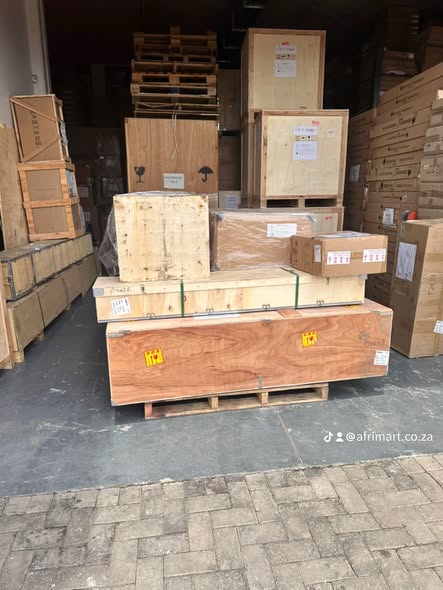
Ready for collection

Water Pump Equipment

Packaging Machine and accessories

Fabrics Manufacturing Equipment

Mining Equipments

Food Processing Machine
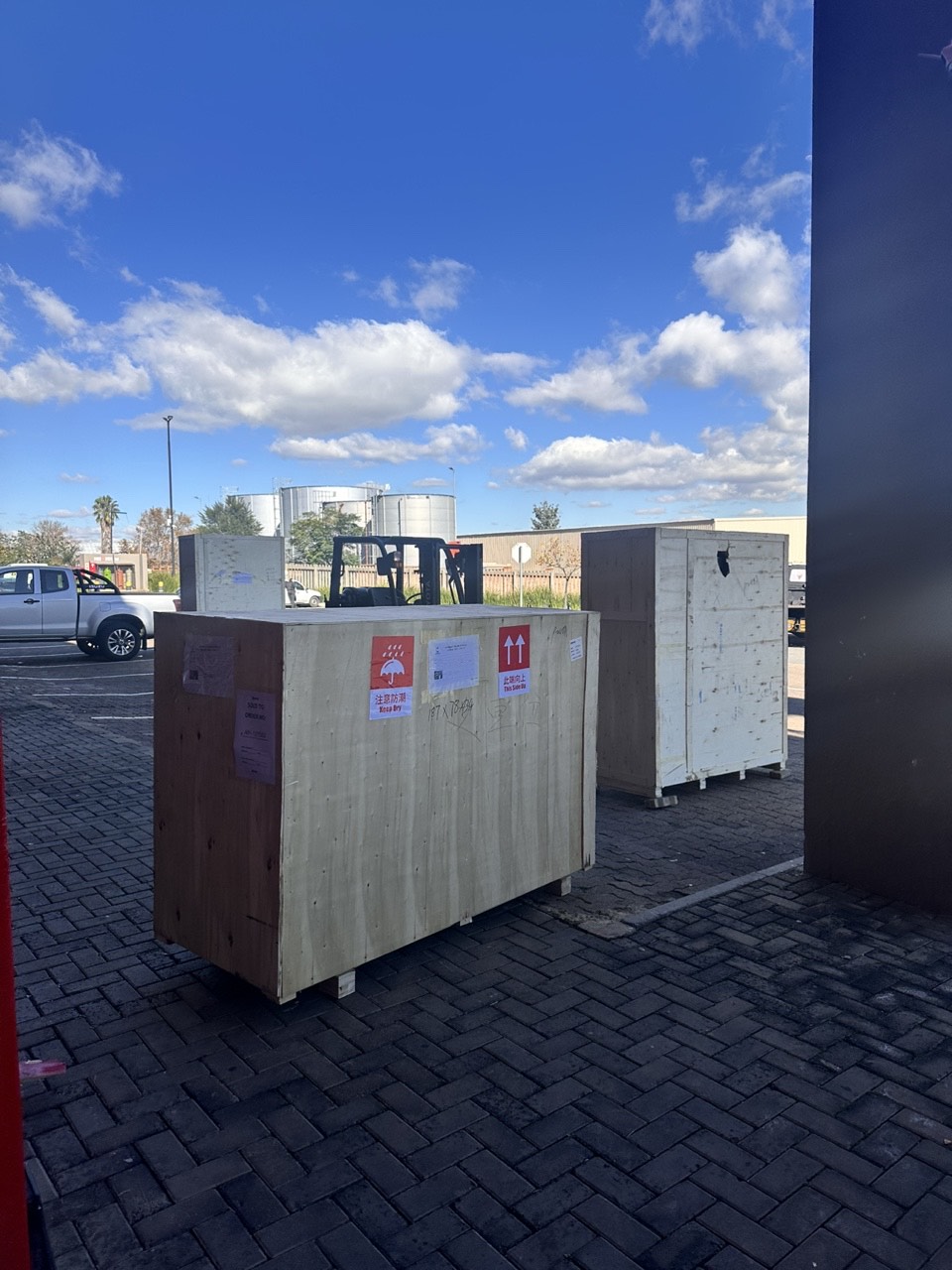
Batch of Orders
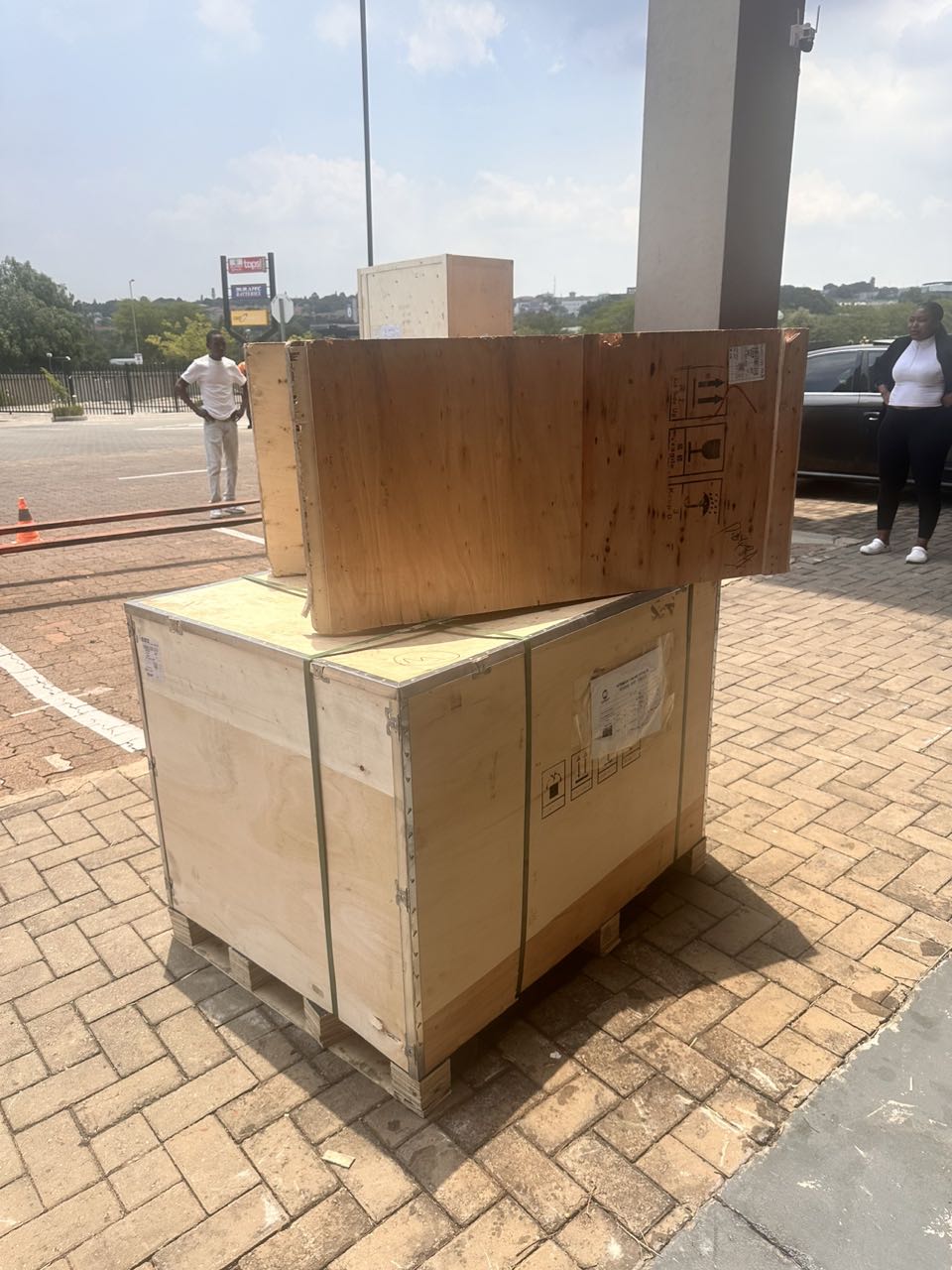
Batch of Orders
Latest Orders Labelled

wheel alignment machines

new arrivals
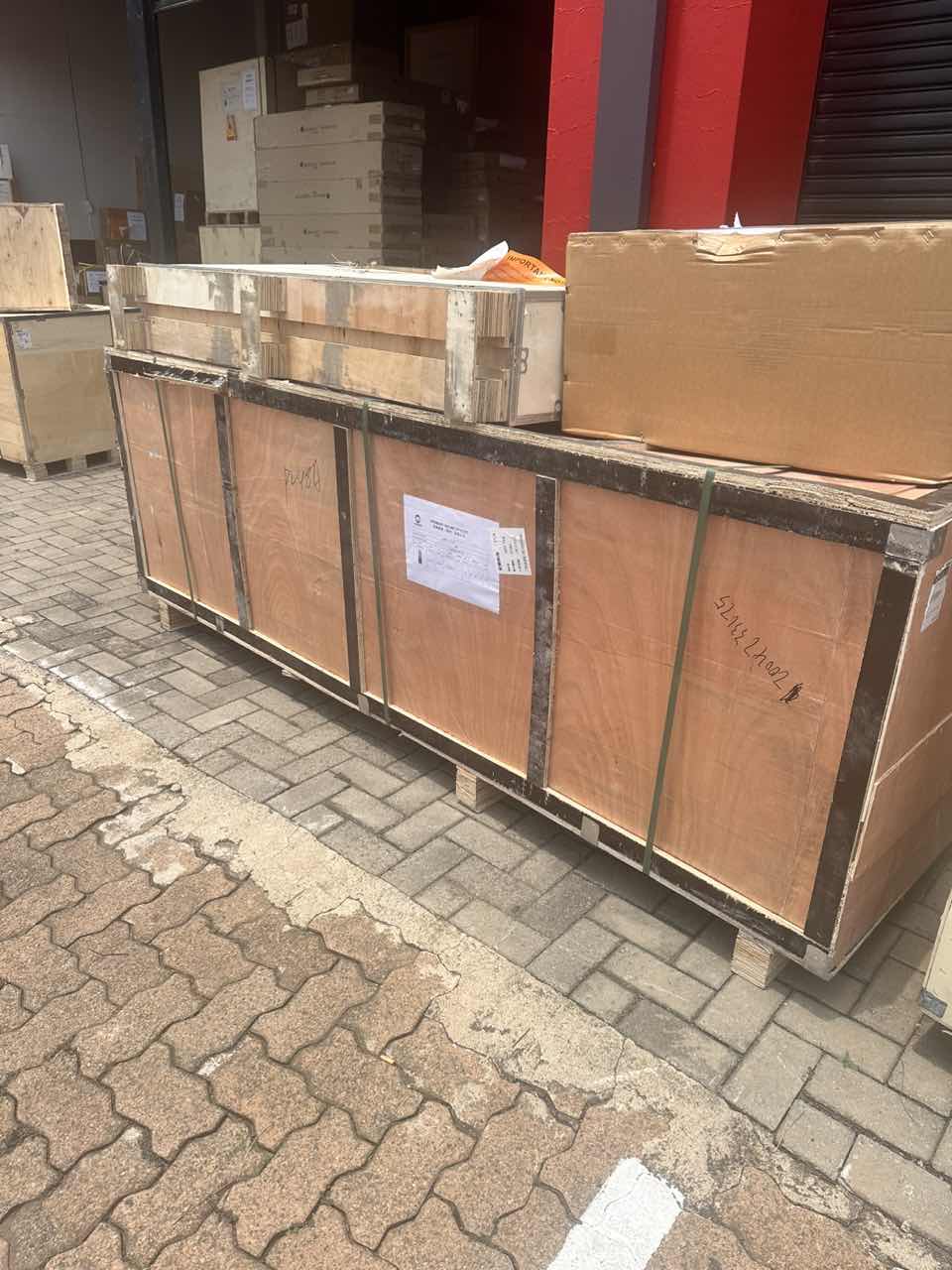
Pre Orders Offloading
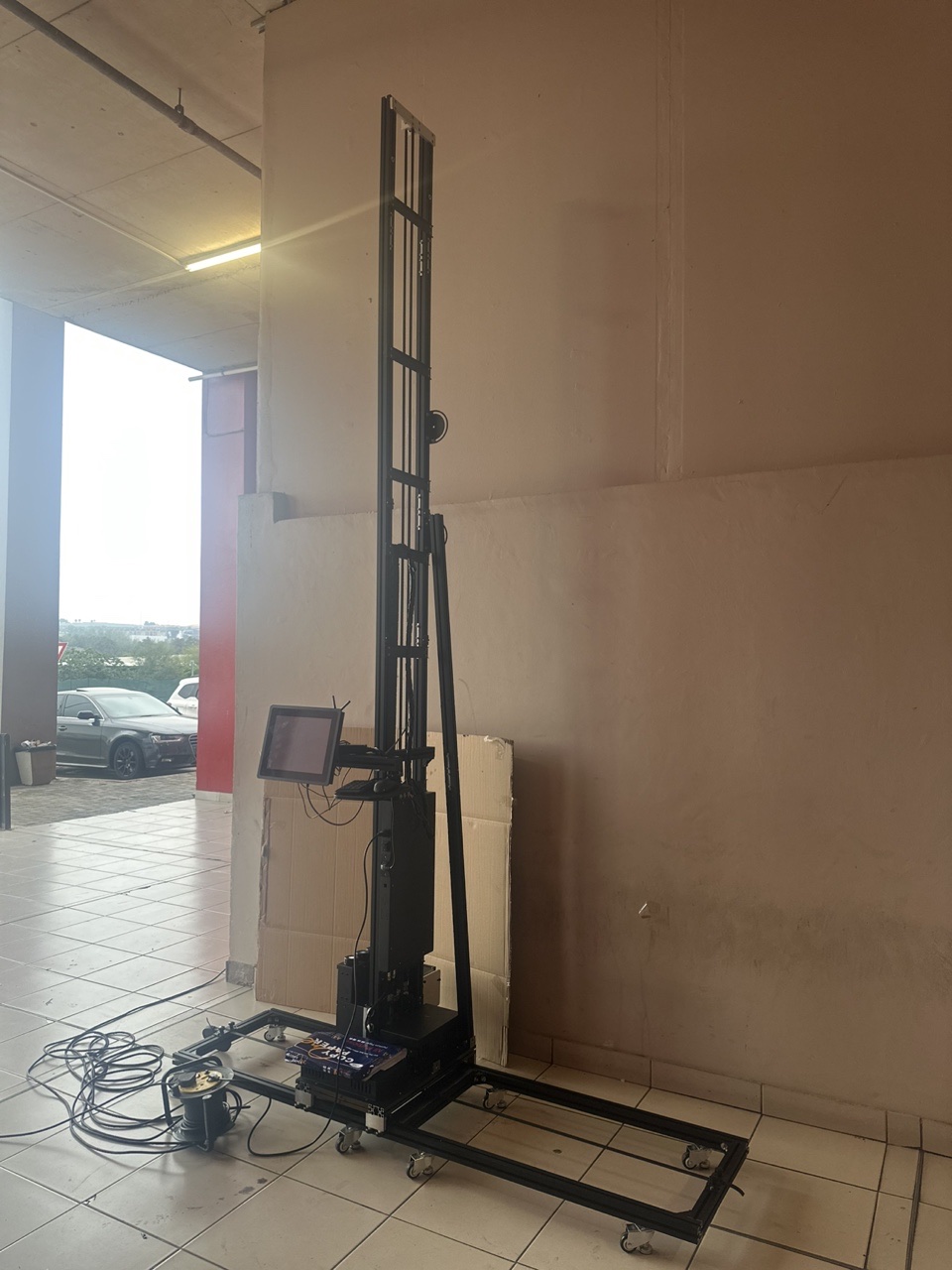
Latest Arrivals
Latest Arrivals

Latest Arrivals

Loading

Toilet paper making machine
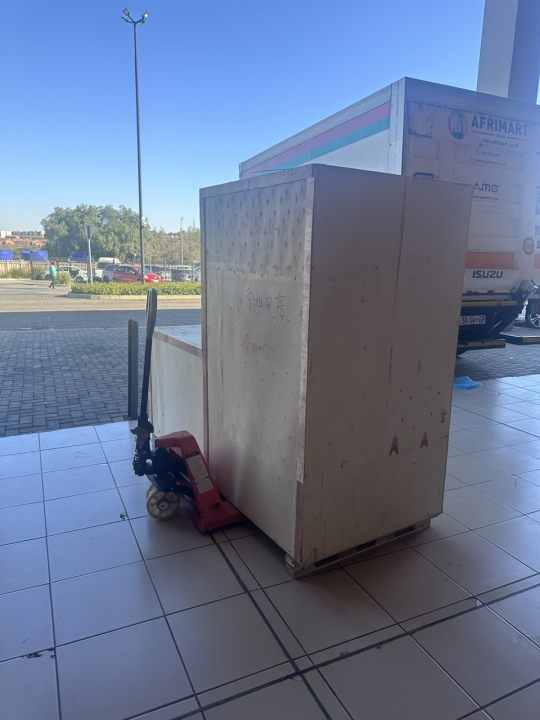
Toilet paper making machine

Toilet paper Rewinding Machine

latest arrivals
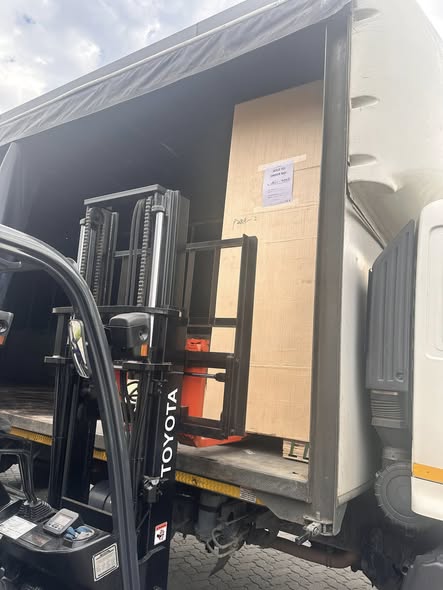
offloading
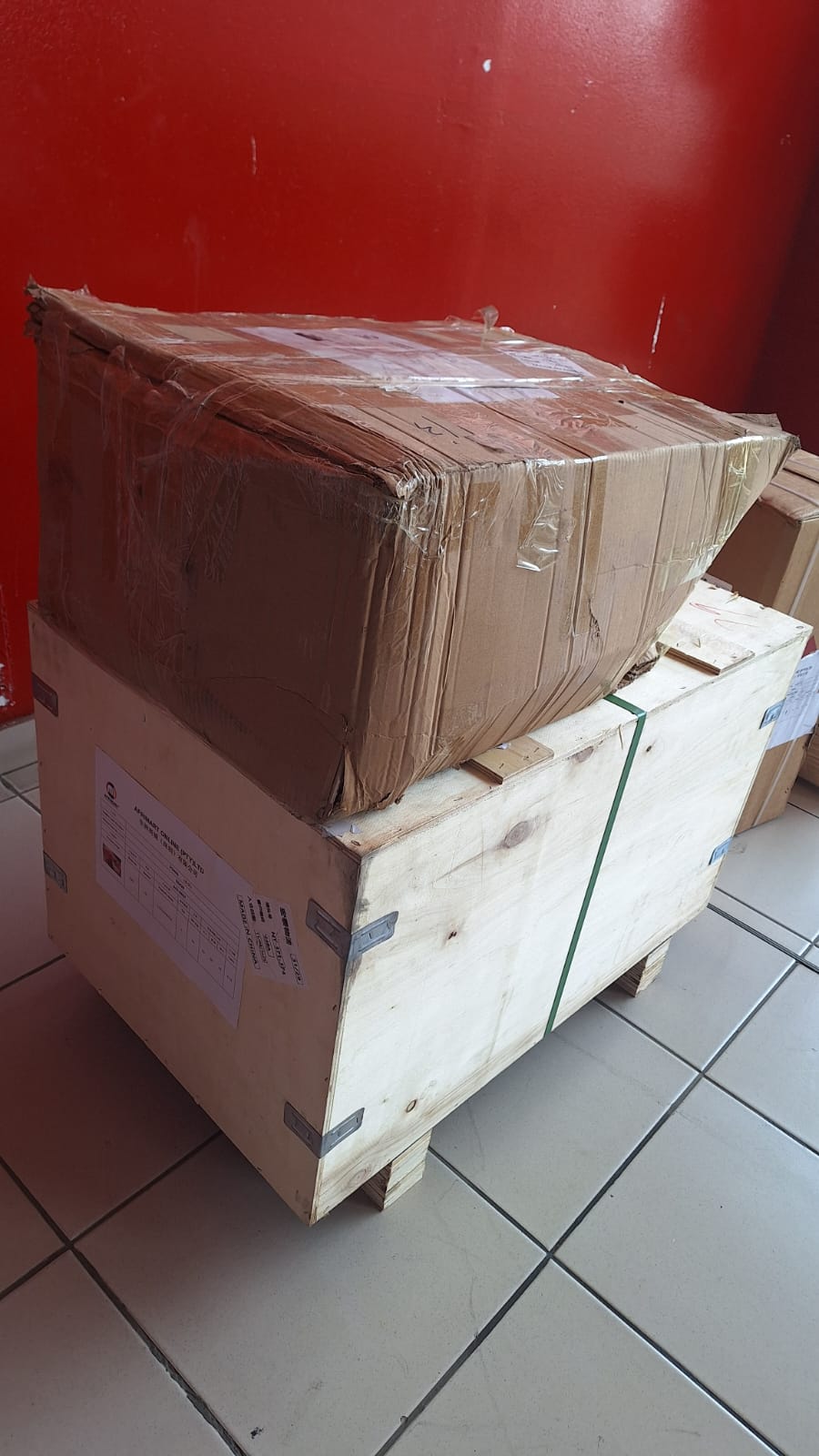
order success

order collection

order offloading