B21, China Town Mall, Midrand

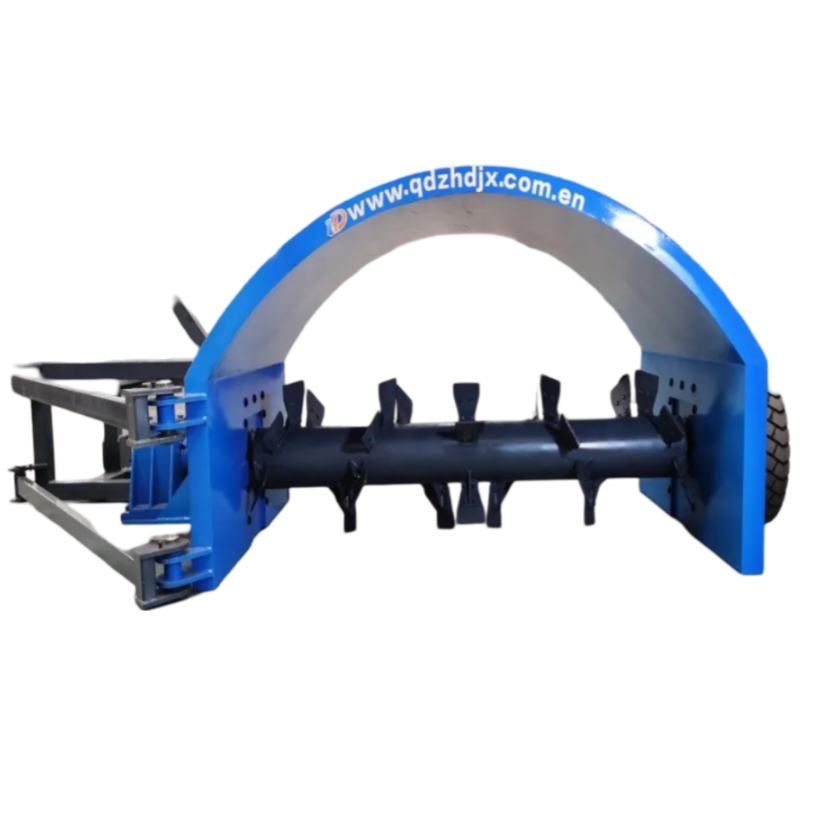
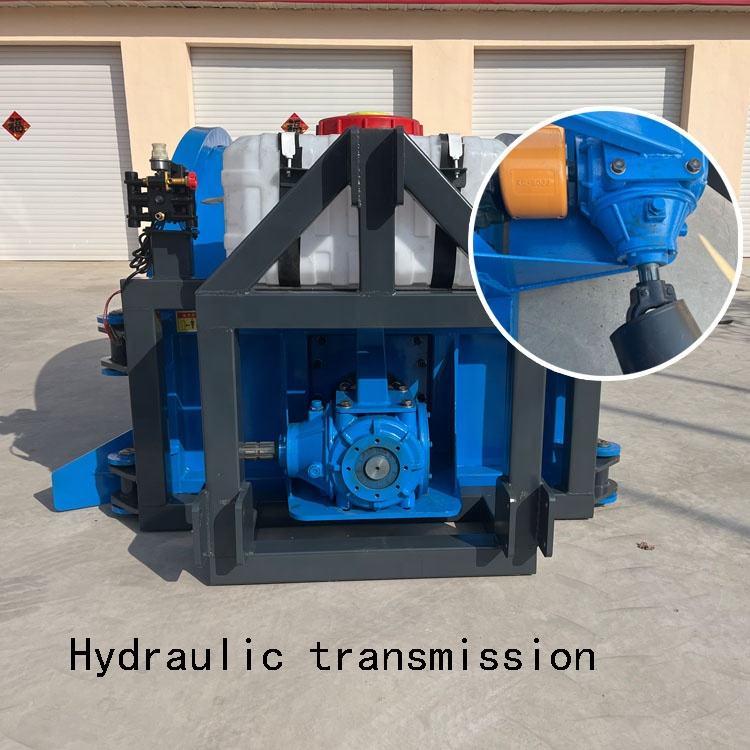
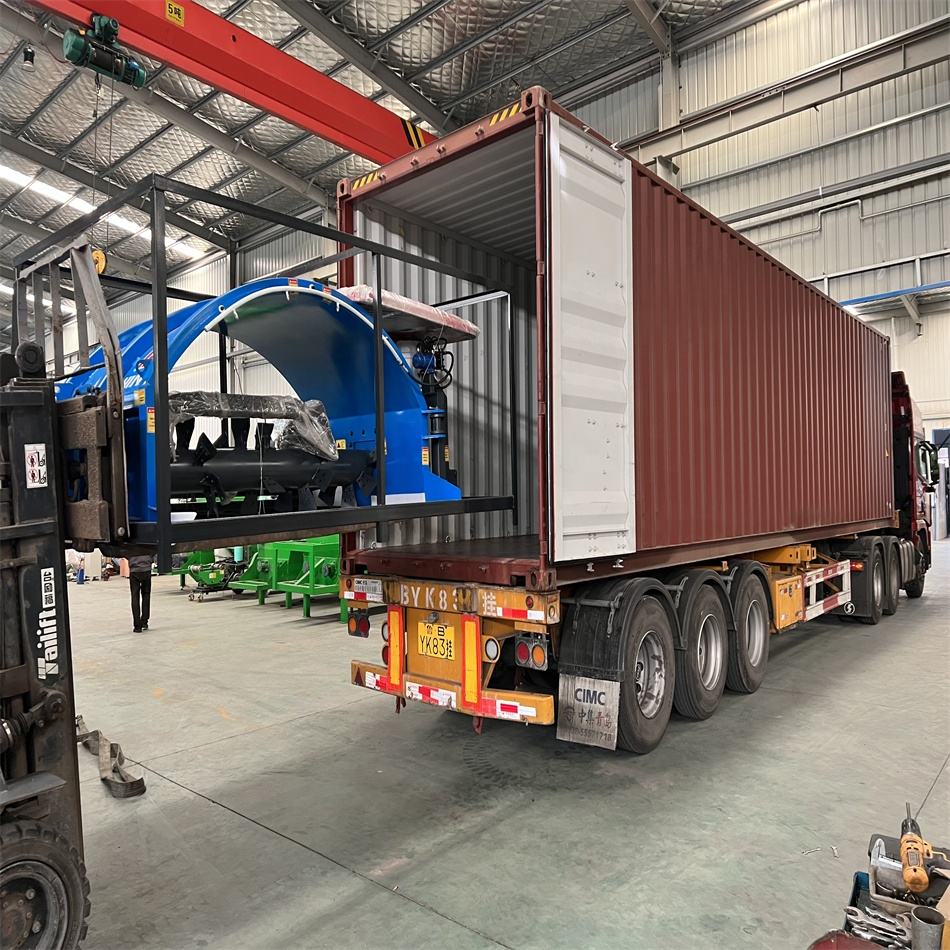
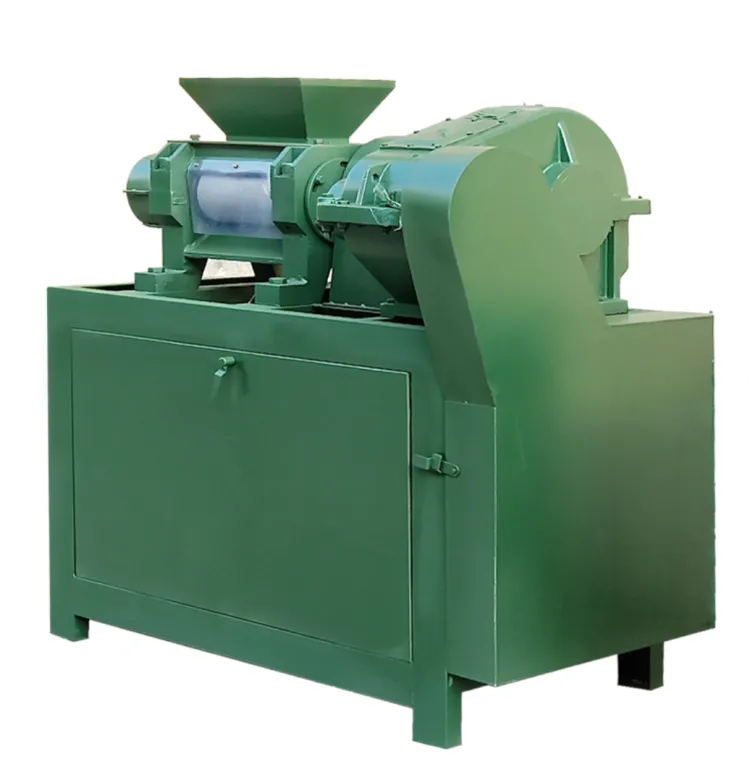
Cow Dung Compost Turners Chicken Manure Composting Machines use for Tractor Mounted Manufacturing Plants Compost Mixers
Asset finance available
Do you want funding for this equipment?
Afrimart can connect you with trusted funding partners who specialise in asset finance for businesses like yours. Compare options and apply in minutes — final approval is subject to provider review.
Check funding options
Secure & no obligation

- Section : Machinery
- Category : Other Agricultural Equipment
- SKU : 1600592439352

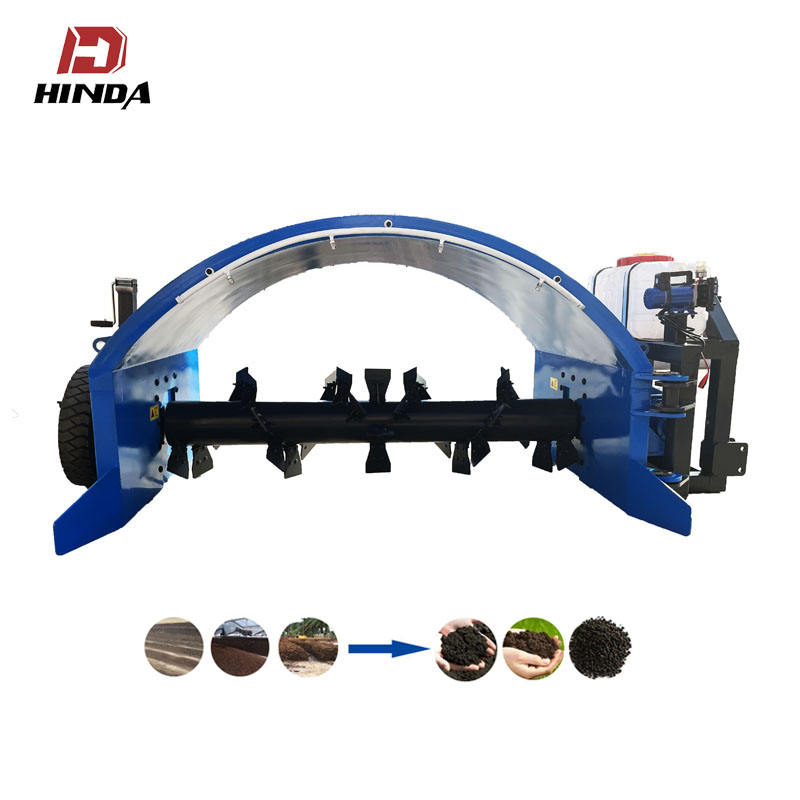
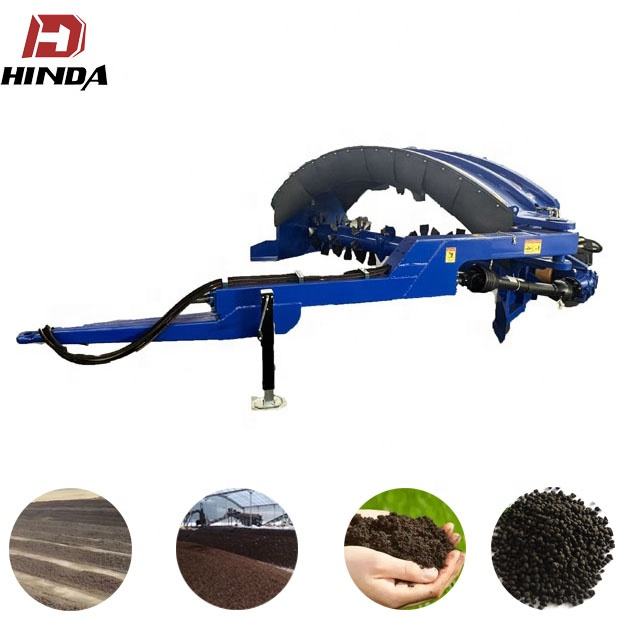
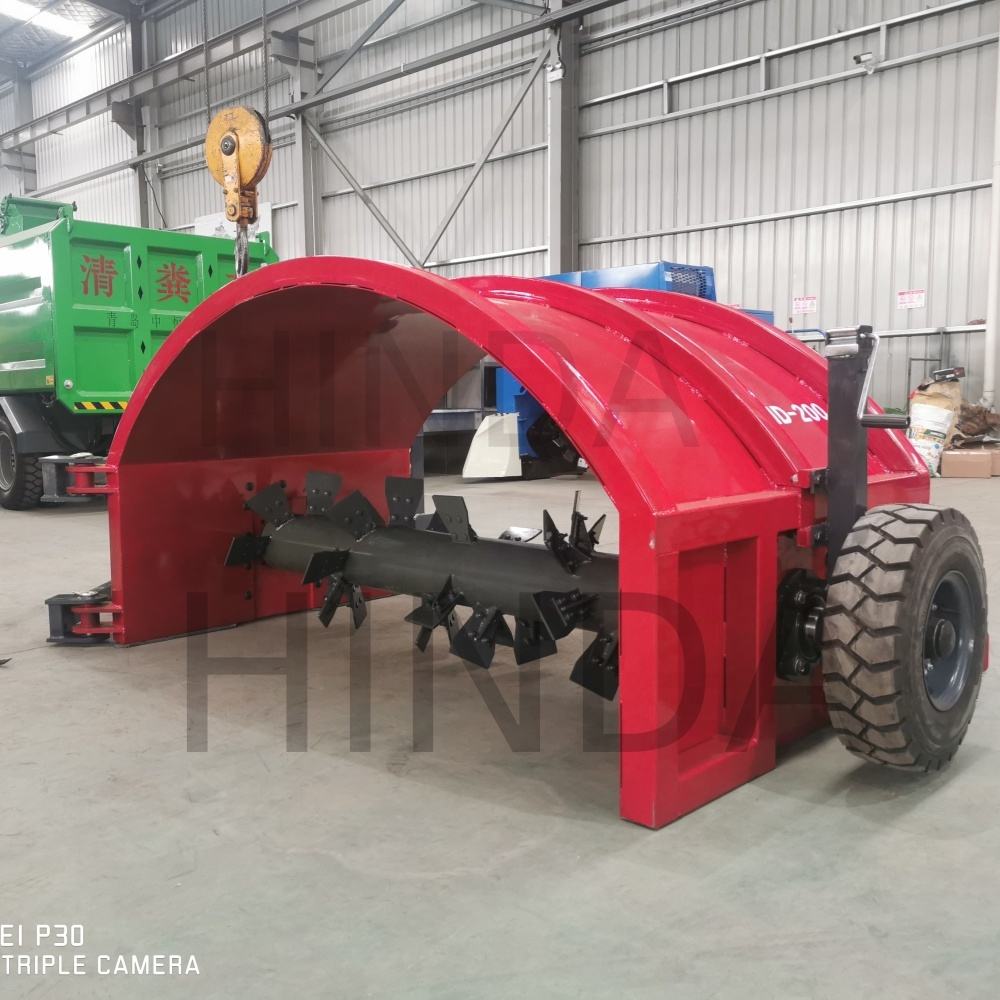
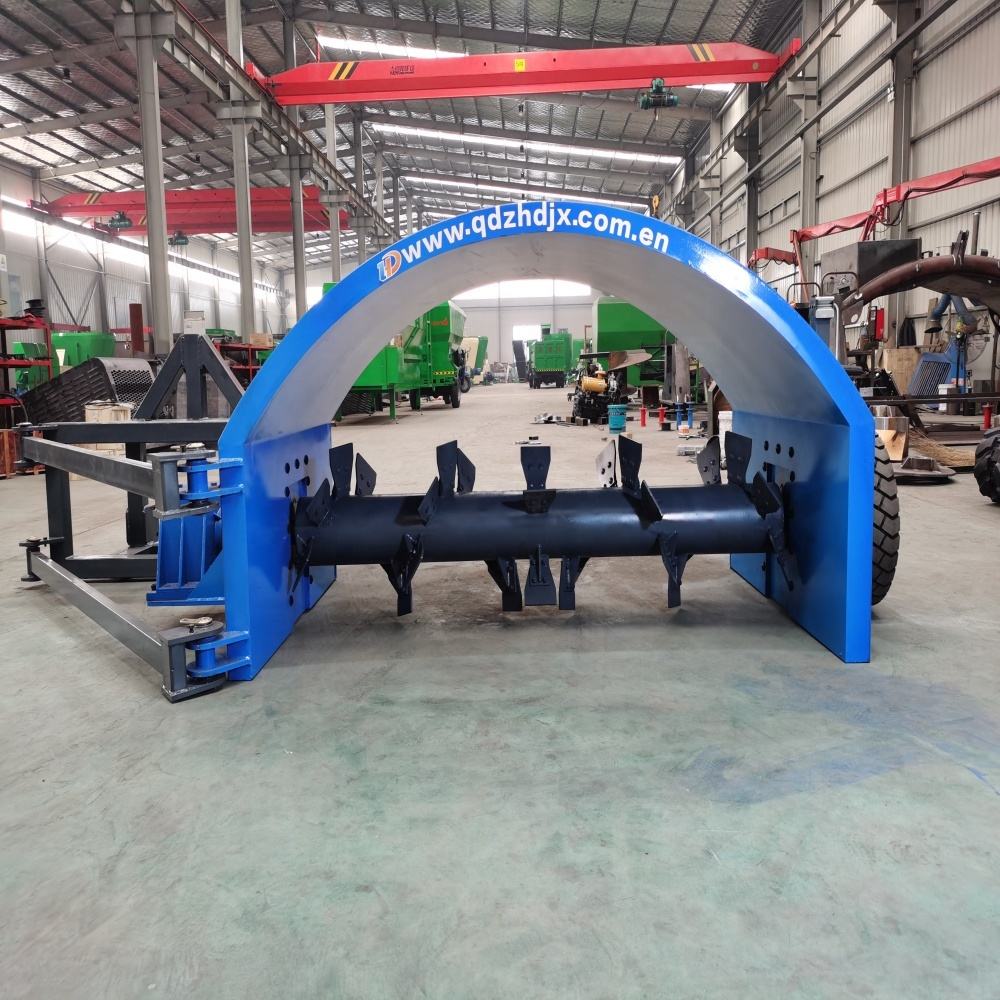
HINDA Compost Making Machine
The HINDA Compost Making Machine is designed for farms and livestock operations to efficiently process organic waste into high-quality compost. With its robust construction and high productivity, it’s perfect for cattle farms, chicken farms, and other agricultural operations looking to turn waste into valuable fertilizer. Built for durability and ease of use, the HINDA machine helps farms reduce waste and improve soil health.
Key Features
- High Productivity: Capable of processing 600-800m³ of material, ideal for large-scale composting operations.
- Powerful Motor: Equipped with an 80-120 HP motor, providing strong and reliable performance for high-volume composting.
- Large Turning Width: With a turning width of 2000mm and a turning height of 1200mm, it efficiently handles large amounts of organic waste.
- Durable Build: Constructed with high-quality components, including a gearbox and motor, for long service life and minimal maintenance.
- High Moisture Tolerance: Designed to process material with a fecal moisture content of 50%-60%, perfect for farm waste.
- Compact Design: Despite its large capacity, the machine’s overall dimensions (4100mm x 2300mm x 1200mm) allow it to fit into various farming environments.
- Customizable Colors: Available in green or blue to fit the aesthetic of your farm or facility.
- Efficient Waste Management: Transforms manure and other organic materials into compost, reducing waste and improving soil fertility.
The HINDA Compost Making Machine is the perfect solution for large farms looking to streamline composting operations and produce valuable fertilizer. Its high capacity, durable construction, and ease of use make it an excellent investment for sustainable farming.
Product Info Gallery
| HINDA-200 | HINDA-300A | HINDA-300B | |
| Max. windrow width: | 2.0 m | 3.0 m | 3.0 m |
| Max. windrow height: | 1.20 m | 1.4 m | 1.4m |
| Rotor dia meter : | 540 mm | 720 mm | 720 mm |
| Transport height: | 3.55 m | 4 .0 m | 4.7 m |
| Transport weight: | ~ 920kg | ~ 1.66 t | ~ 1 . 6 8 t |
| Tractor power: | from 5 0 hp | from 9 0 - 120 hp | from 9 0 - 120 hp |
| Turning rate: | up to 600 m3 / h | up to 800-1 ,000 m3/ h | up to 800-1,000 m3/ h |
| Operating speed: | 200 - 750 m/ h ( depending on material) | 100 - 750 m/ h ( depending on windrow size, density and process progress) |


- Shipping Timeframes: All orders are processed within 2-5 business days (excluding weekends and holidays). After your order has been processed, the estimated delivery time is before 30 Jun, 2026, depending on customs, Please note that due to high demand, some items may experience longer shipping times, which will be communicated at order confirmation email.
- Order Processing Time: Please allow 2-5 business days for us to process your order before it is shipped . Orders placed after 16:00 on Fridays, or during weekends and public holidays, will begin processing on the next business day. Processing times may be extended during peak seasons or sales events.
- Manufacturing Time: Some products needs manufacturing time, the manufacturing process will take approximately 10-30 business days depending on the product. This timeframe may vary depending on the complexity of the product and current demand. but this will be communicated with you during order confirmation.
- Returns and Exchanges: We offer a 30-day return policy for most items. If you are not completely satisfied with your purchase, you may return it within 30 days of receipt for a refund or exchange. Items must be unused, in their original packaging, and accompanied by proof of purchase. Return shipping costs are the responsibility of the customer, unless the item was damaged or defective upon arrival.
1. What is the maximum capacity of the HINDA Compost Making Machine?
The HINDA Compost Making Machine can process between 600 to 800 m³ of material, making it ideal for large-scale composting operations.
2. What is the power requirement for operating the compost machine?
The machine is equipped with an 80-120 HP motor, which provides strong and reliable performance for high-volume composting.
3. How does the machine handle different types of organic waste?
The HINDA Compost Making Machine is designed to efficiently process various types of organic waste, including cow dung and chicken manure, with a high moisture tolerance of 50%-60%.
4. What are the dimensions of the HINDA Compost Making Machine?
The overall dimensions of the machine are 4100mm x 2300mm x 1200mm, allowing it to fit into various farming environments.
5. Is the machine easy to maintain?
Yes, the HINDA Compost Making Machine is constructed with high-quality components, ensuring durability and minimal maintenance requirements.
6. Can the machine be customized in terms of color?
Yes, the HINDA Compost Making Machine is available in customizable colors, specifically green or blue, to fit the aesthetic of your farm or facility.
7. What is the maximum turning width and height of the machine?
The machine has a turning width of 2000mm and a turning height of 1200mm, allowing it to efficiently handle large amounts of organic waste.
8. What types of farms can benefit from this composting machine?
The HINDA Compost Making Machine is perfect for cattle farms, chicken farms, and other agricultural operations looking to turn waste into valuable fertilizer.
9. What is the transport weight of the different models?
The transport weight varies by model: HINDA-200 weighs approximately 920kg, HINDA-300A weighs around 1.66 tons, and HINDA-300B is about 1.68 tons.
10. What is the operational speed of the machine?
The operational speed can vary depending on the material and conditions, generally ranging from 200 to 750 m/h.
11. How does the machine help in waste management?
The HINDA Compost Making Machine transforms manure and other organic materials into compost, effectively reducing waste and improving soil fertility.
12. What is the rotor diameter of the composting machine?
The rotor diameter varies by model: HINDA-200 has a rotor diameter of 540 mm, while both HINDA-300A and HINDA-300B have a rotor diameter of 720 mm.
13. What tractor power is required for the different models?
The HINDA-200 model requires a tractor power of at least 50 HP, while both HINDA-300A and HINDA-300B require 90-120 HP.
14. What is the turning rate of the HINDA Compost Making Machine?
The turning rate for the HINDA-200 is up to 600 m³/h, while the HINDA-300A and HINDA-300B can handle up to 800-1,000 m³/h.
15. Is the machine suitable for small farms?
The HINDA Compost Making Machine is primarily designed for large farms due to its capacity and power requirements, but smaller farms may also benefit if they handle large volumes of organic waste.
Latest Order Arrivals
Discover our latest orders
12 Heads Embroidery Machine
Dewatering Pump Machine
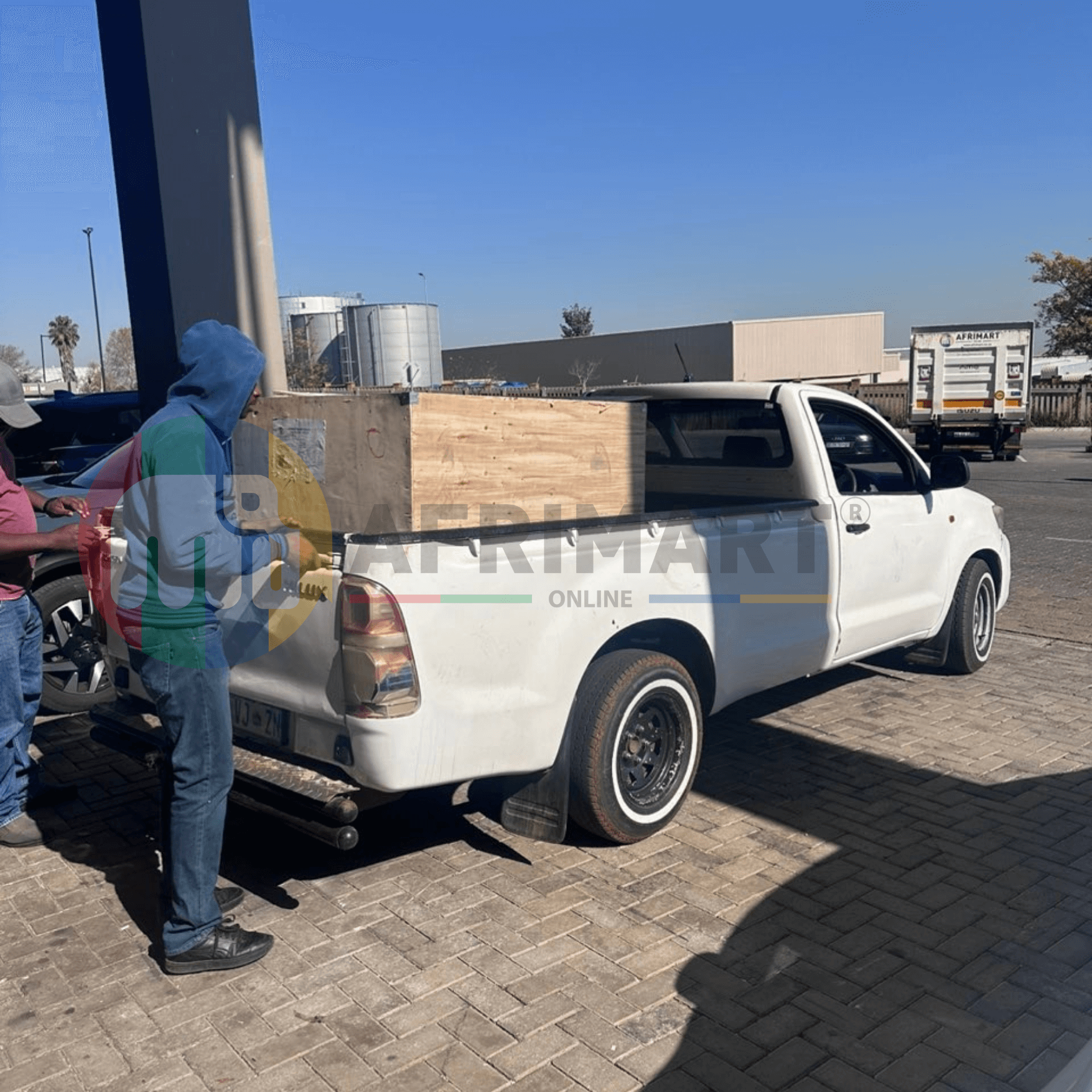
Order Collection
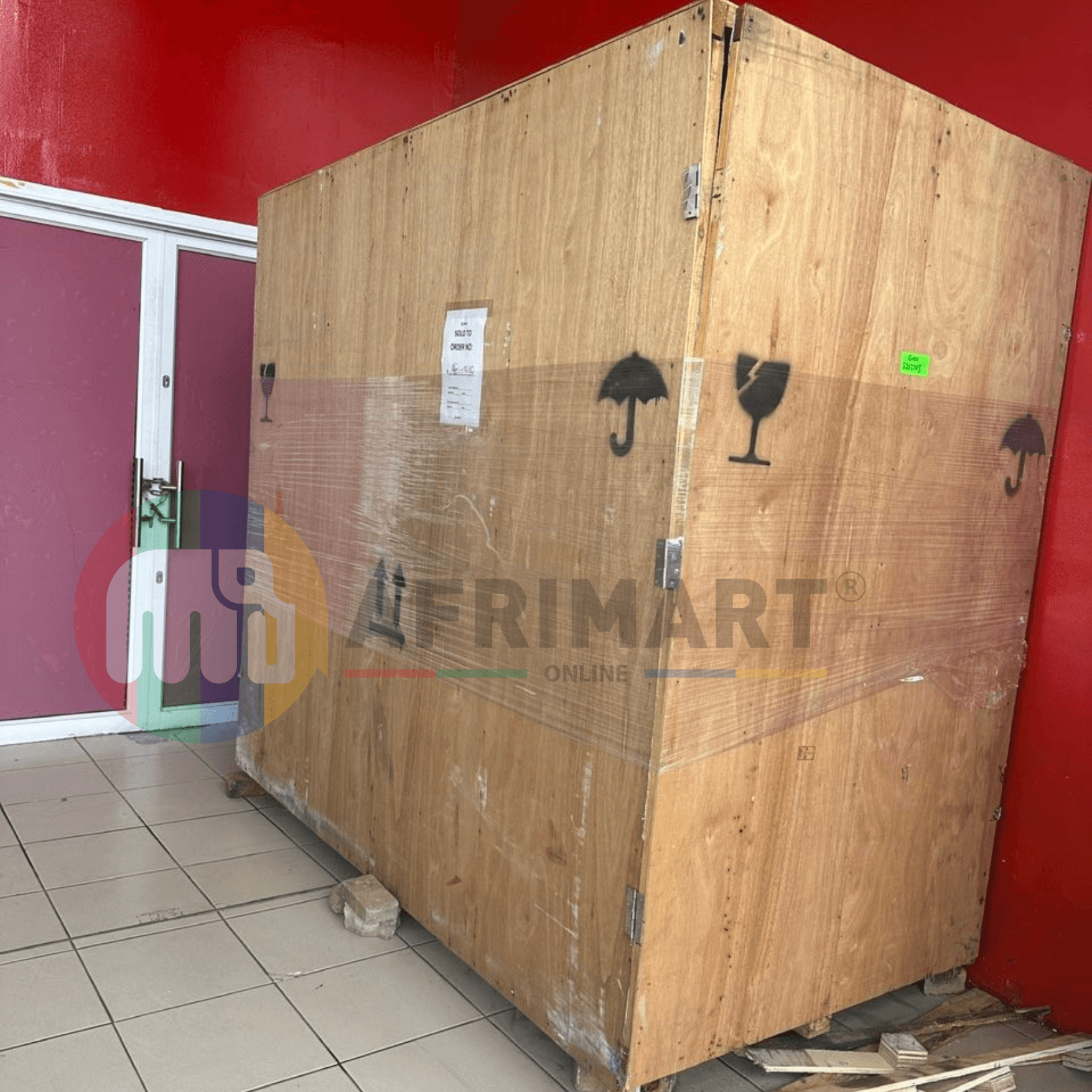
Portable Water Drilling Rig
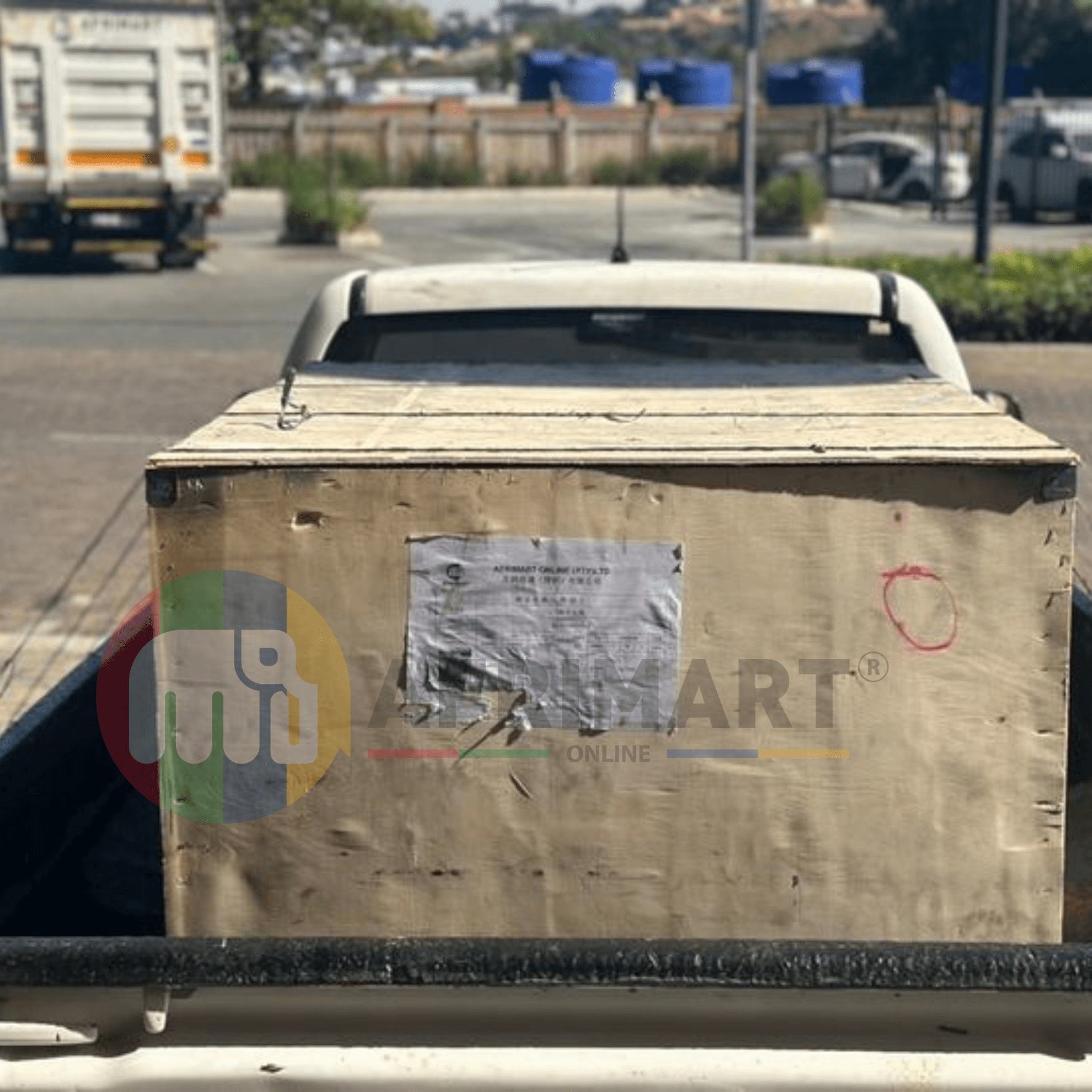
Order Usefully Collected
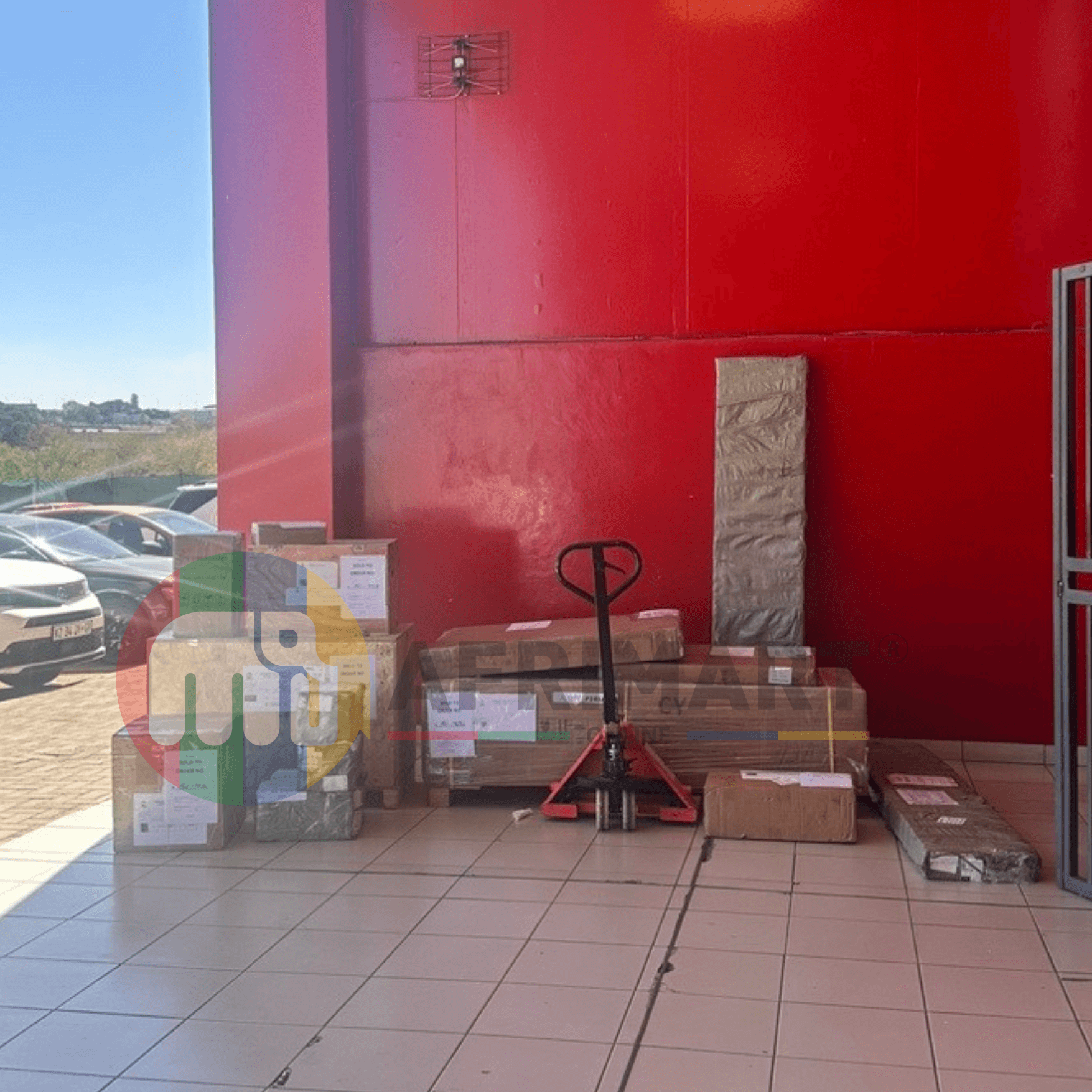
Batch of Orders
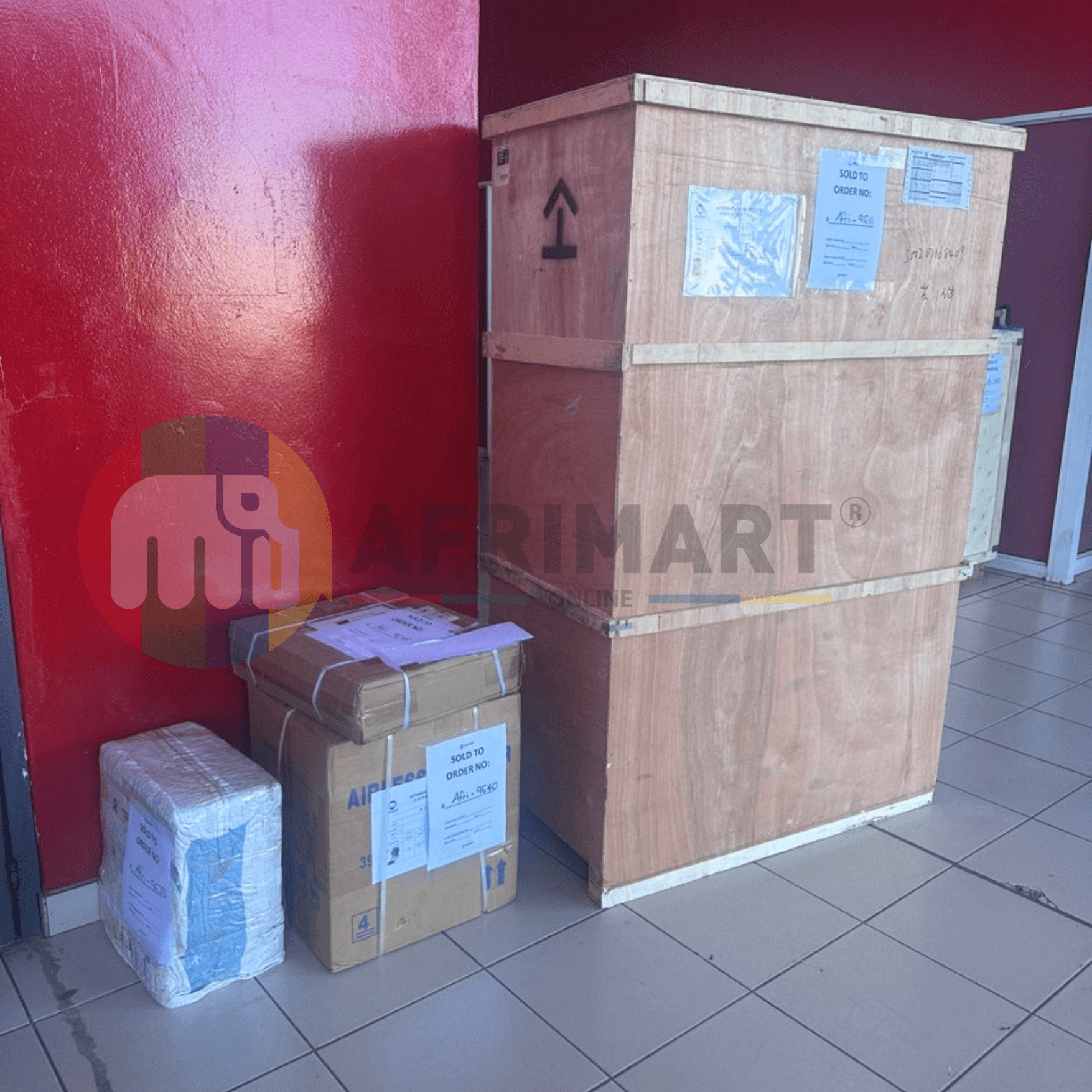
Agriculture Processing Machines
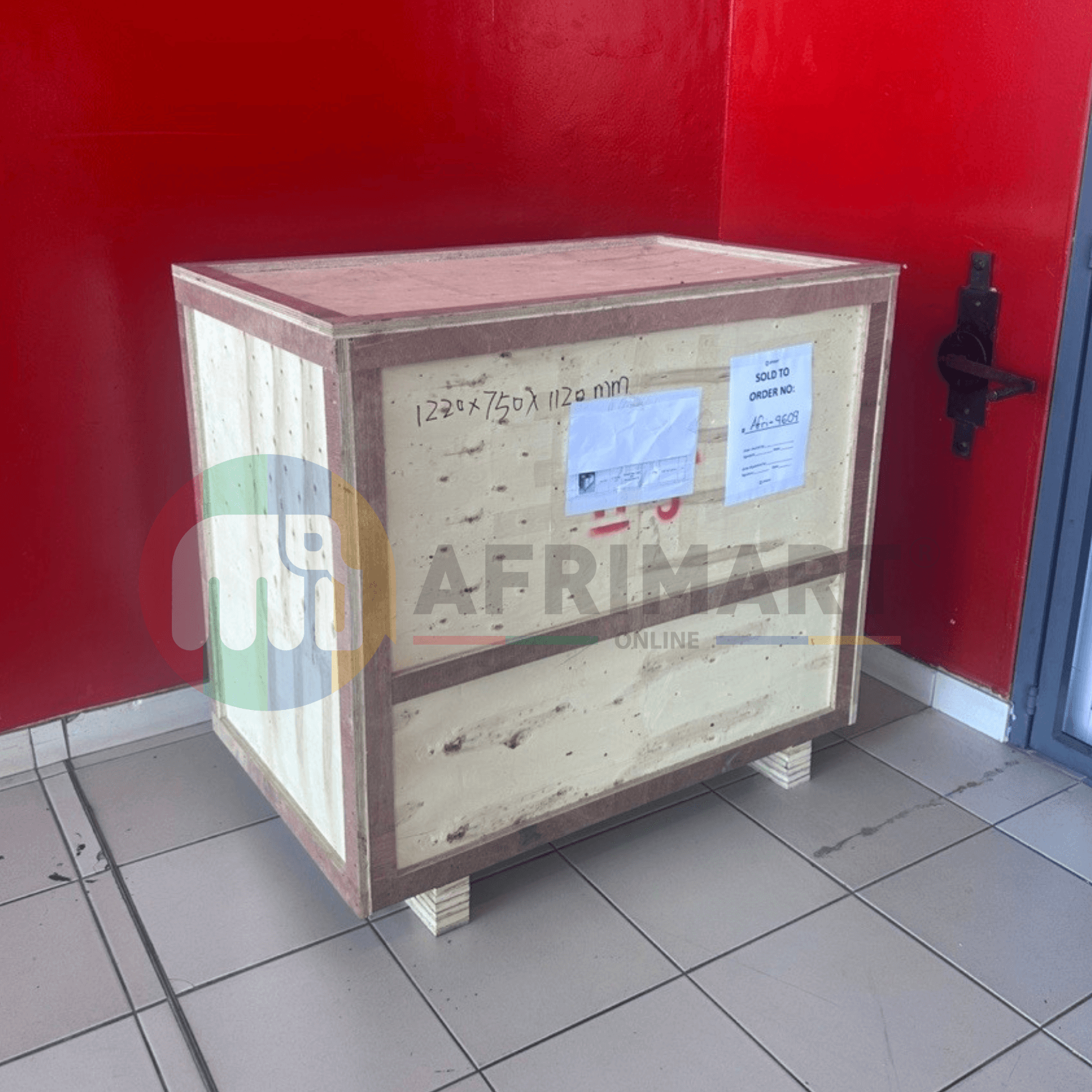
Meat Grinder Machine
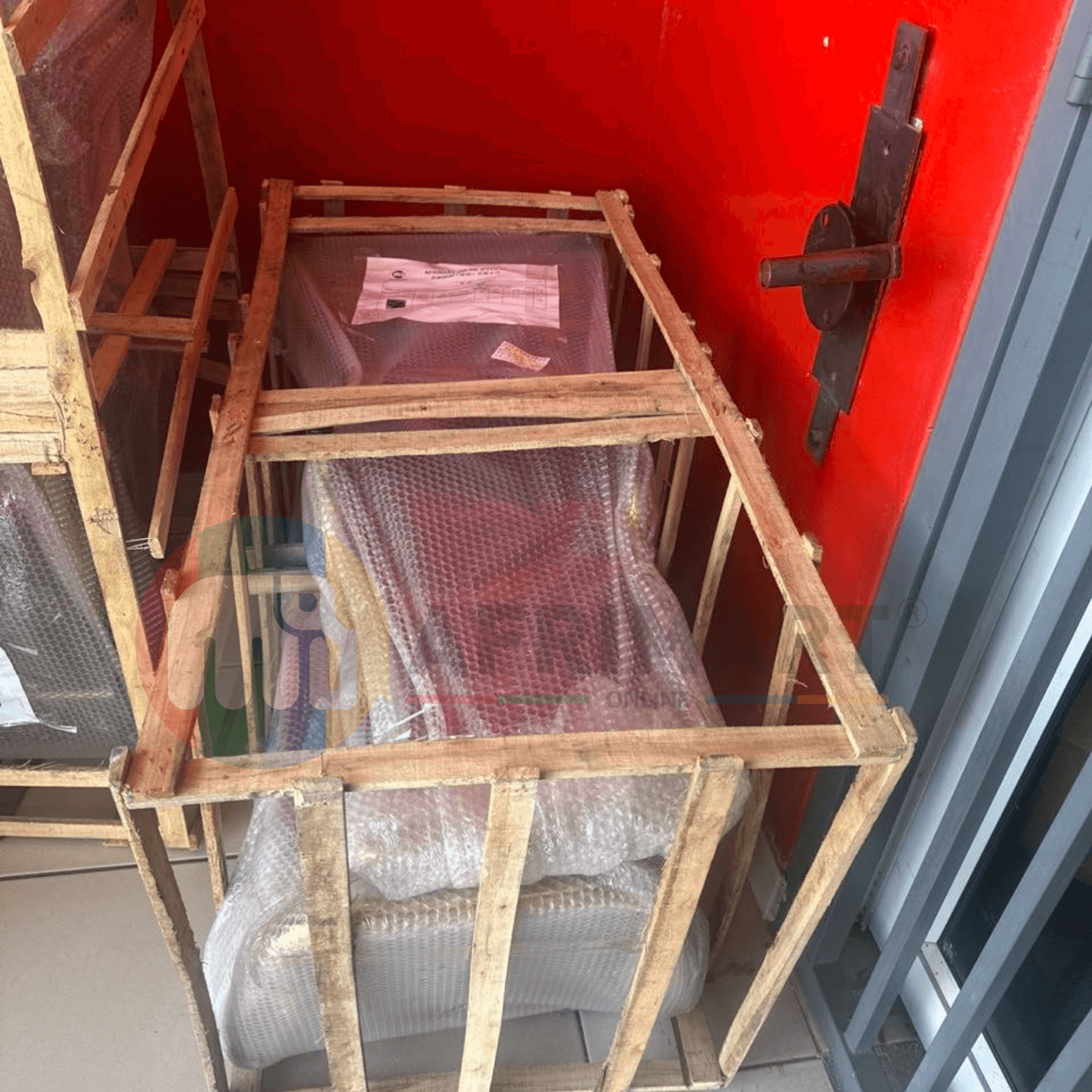
Water Pump Equipment
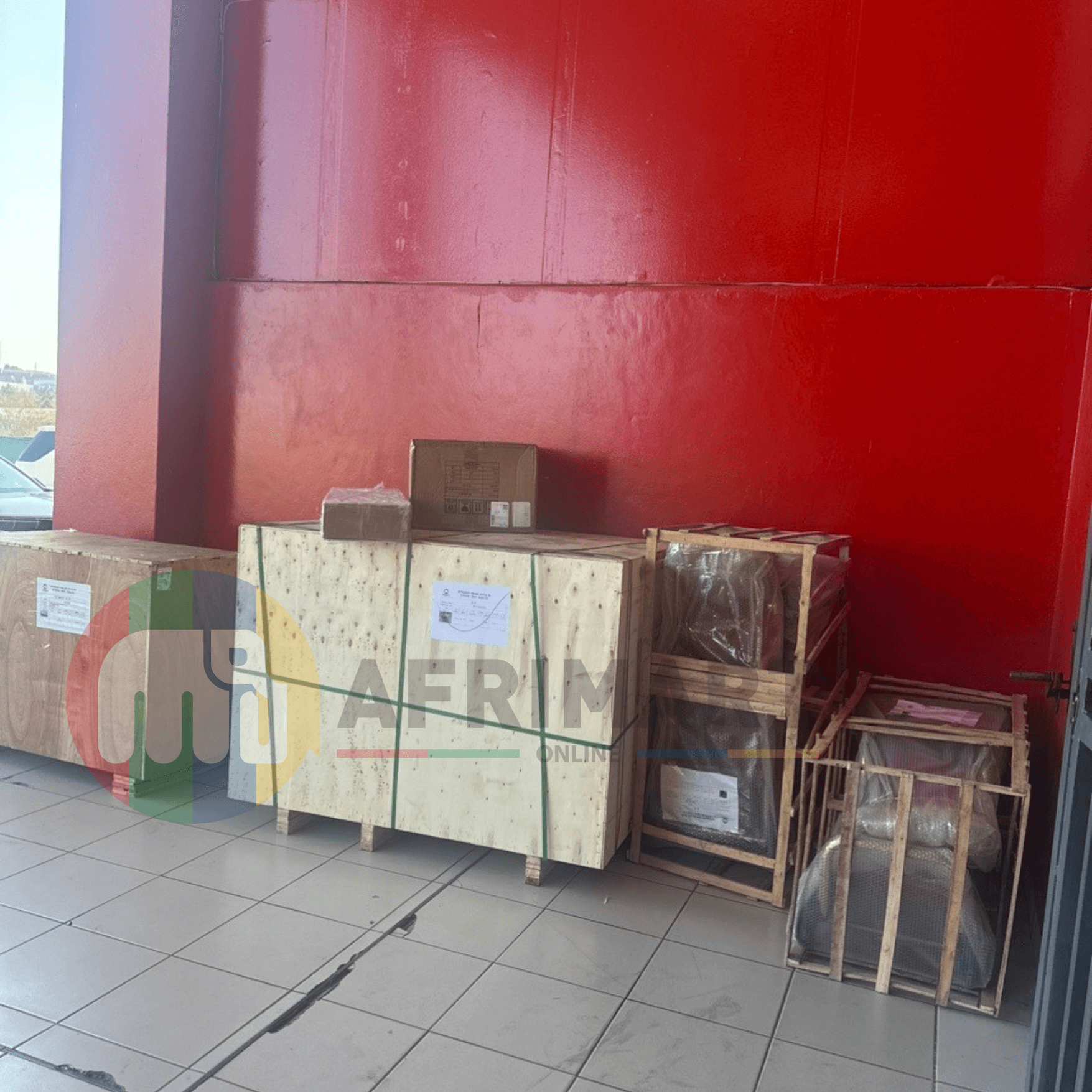
Packaging Machine and accessories
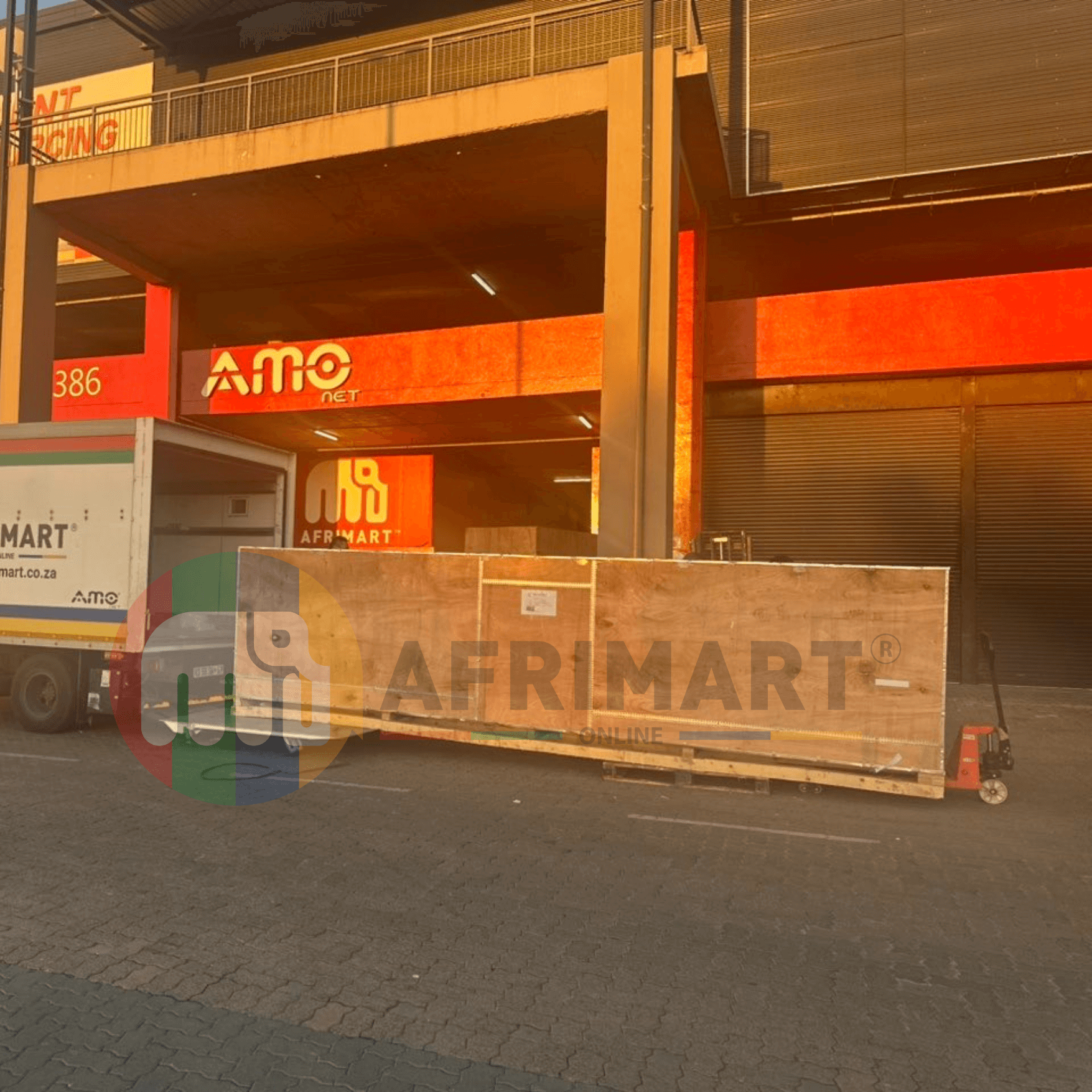
Fabrics Manufacturing Equipment
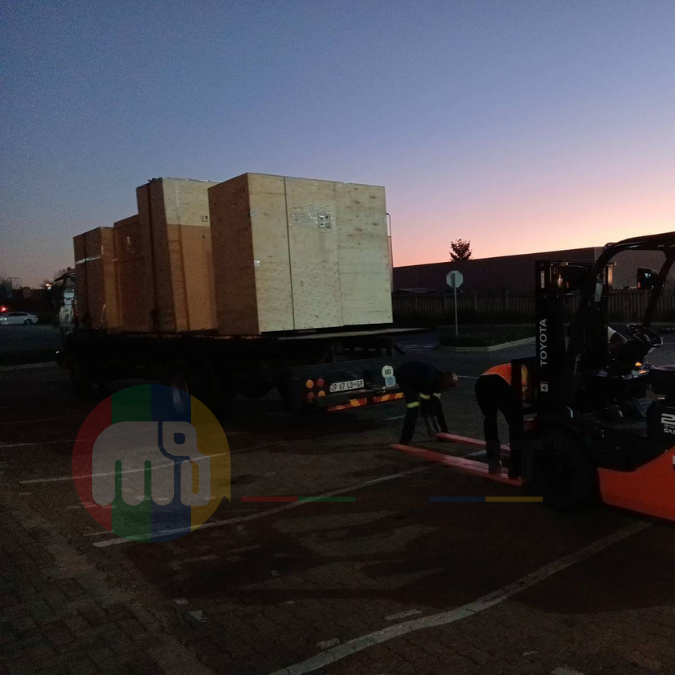
Mining Equipments
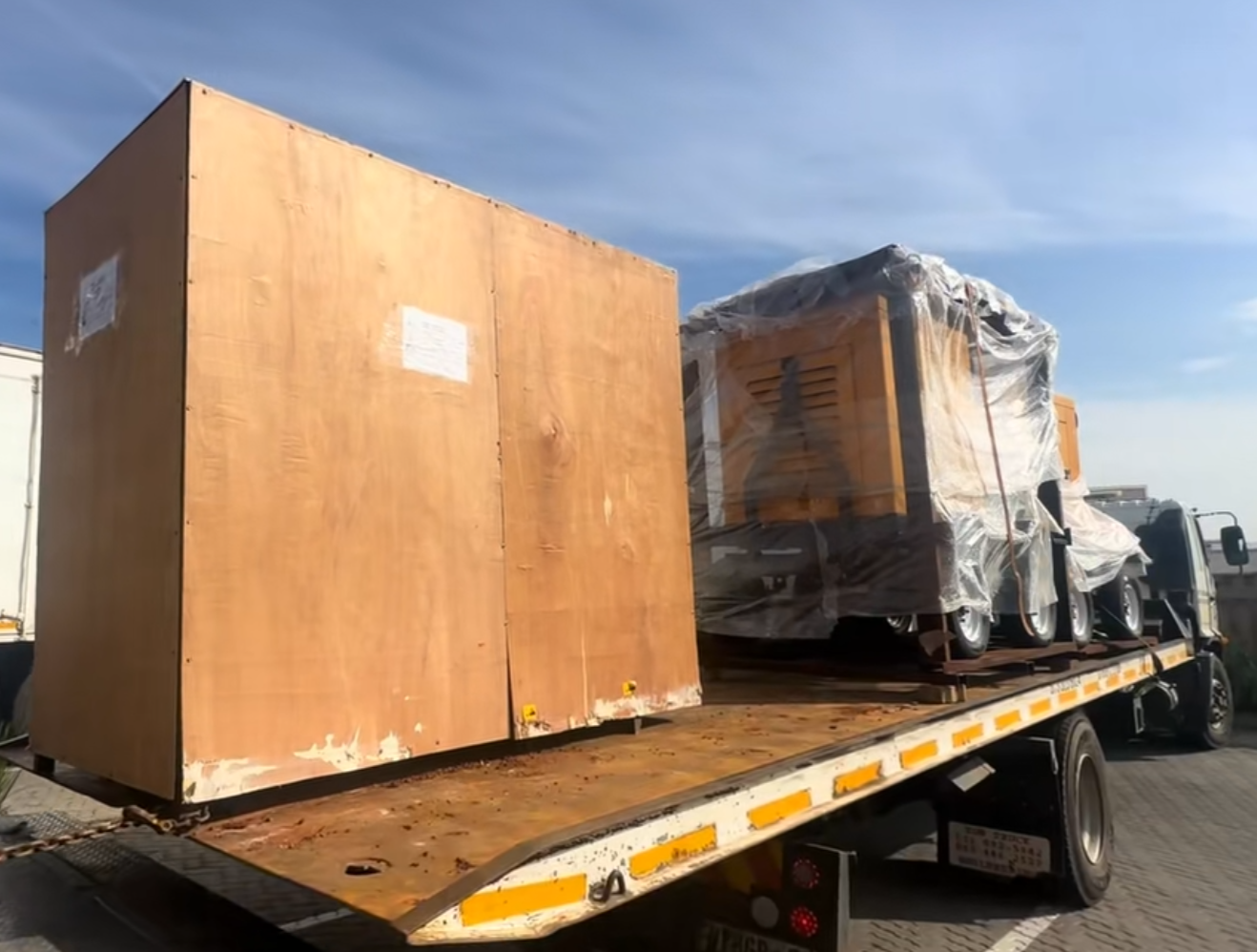
Food Processing Machine
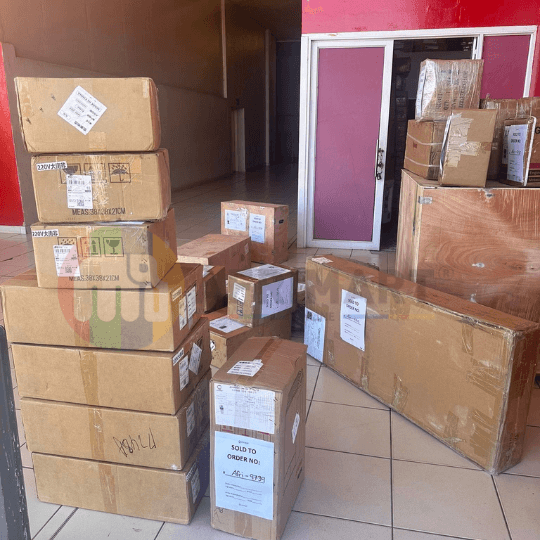
Batch of Orders
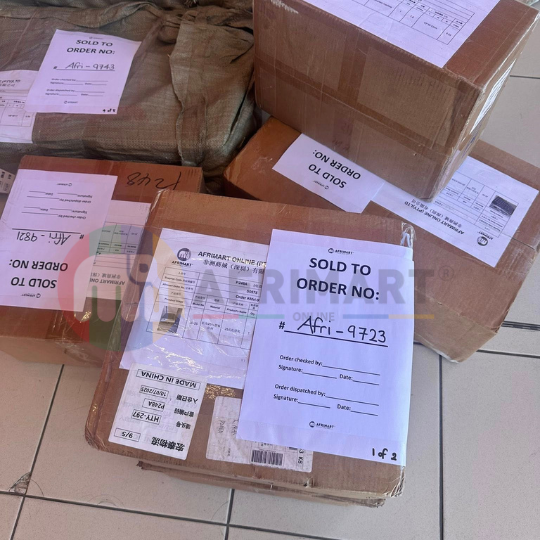
Batch of Orders
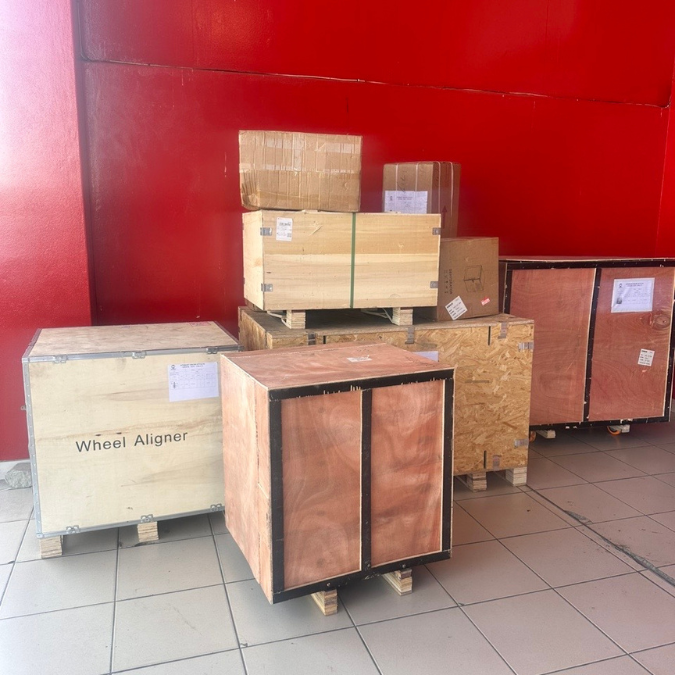
Latest Orders Labelled
wheel alignment machines
new arrivals
Pre Orders Offloading
Latest Arrivals
Latest Arrivals
Latest Arrivals
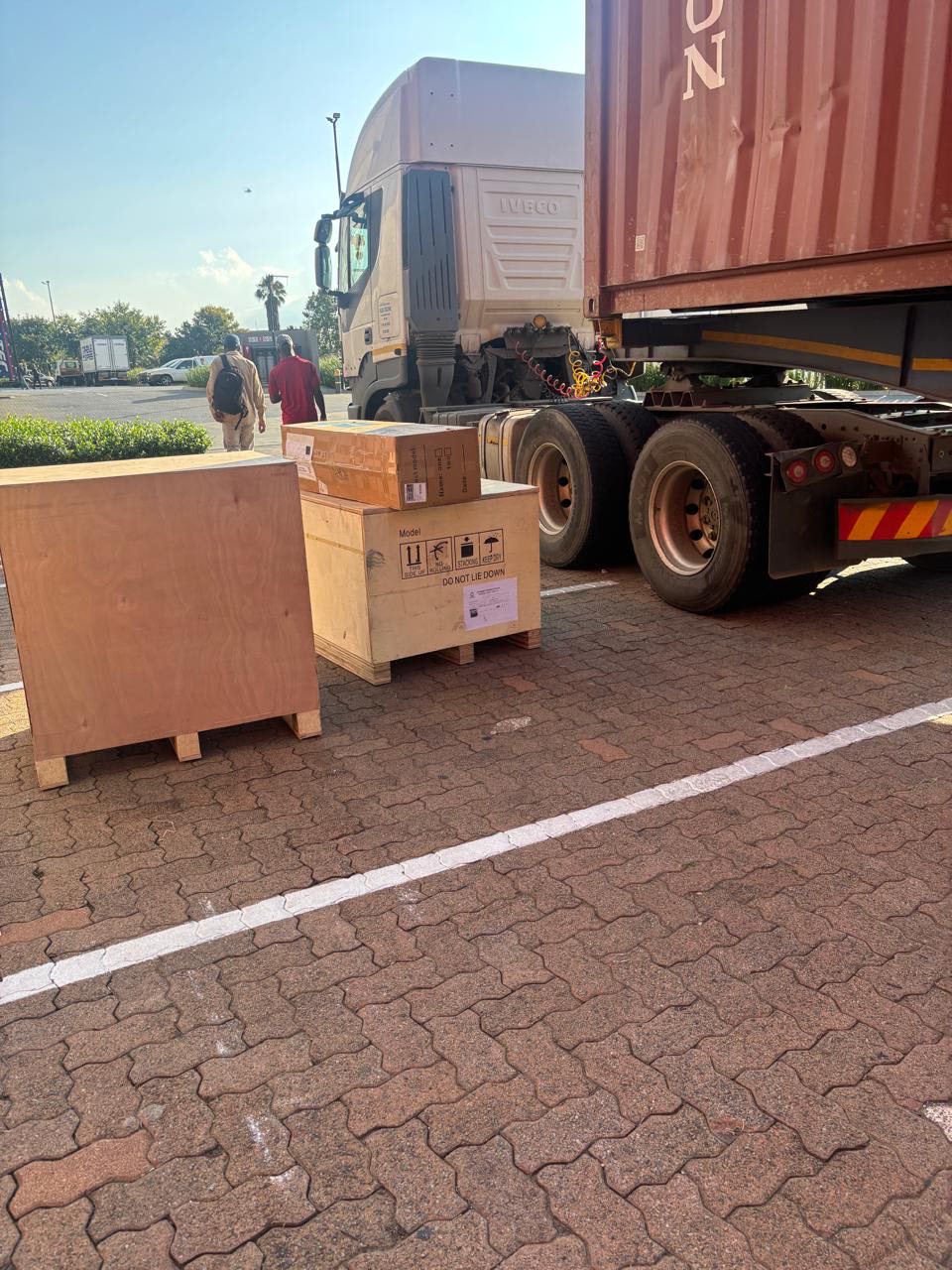
26 January 2026
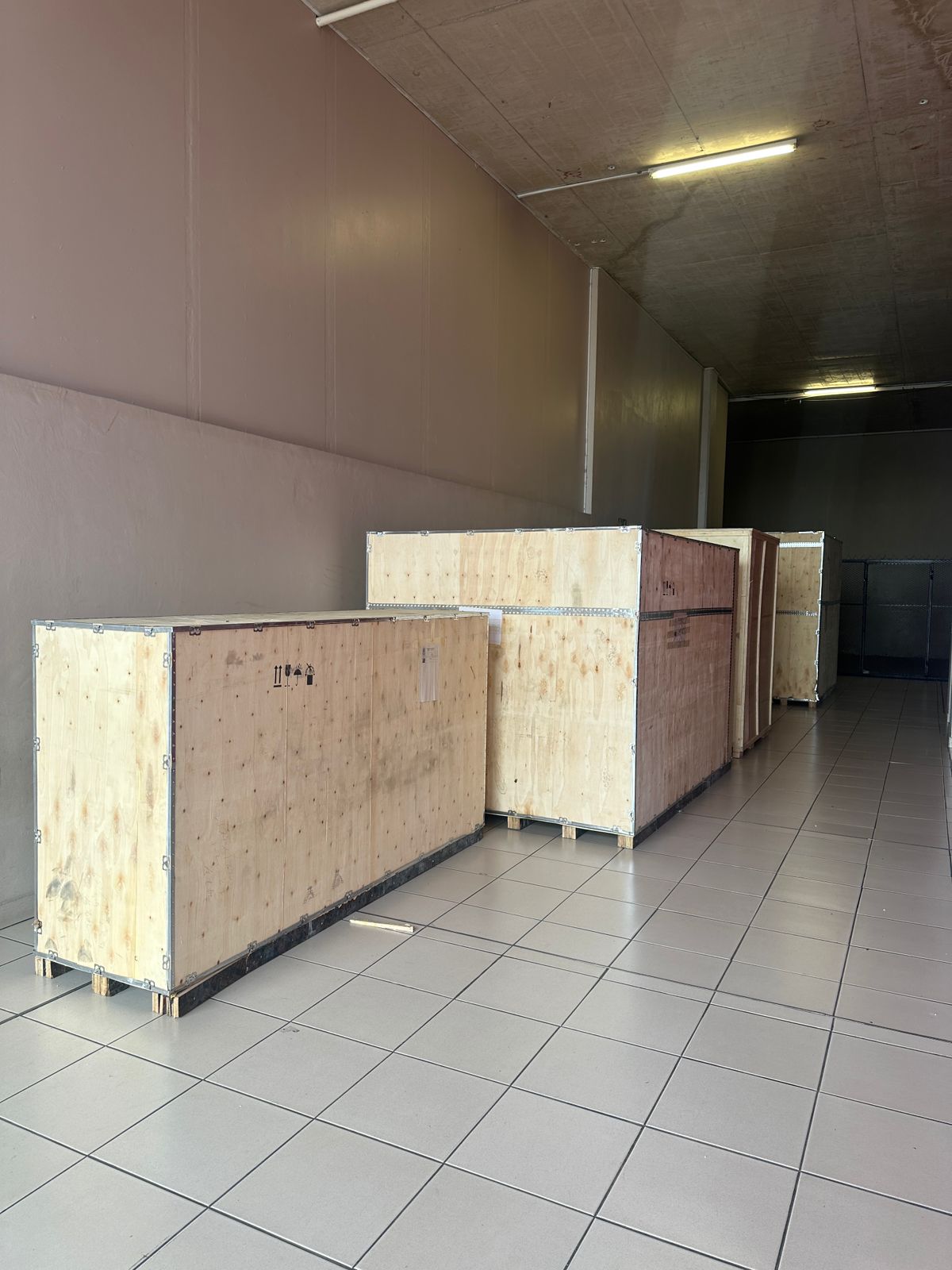
Toilet paper making machine
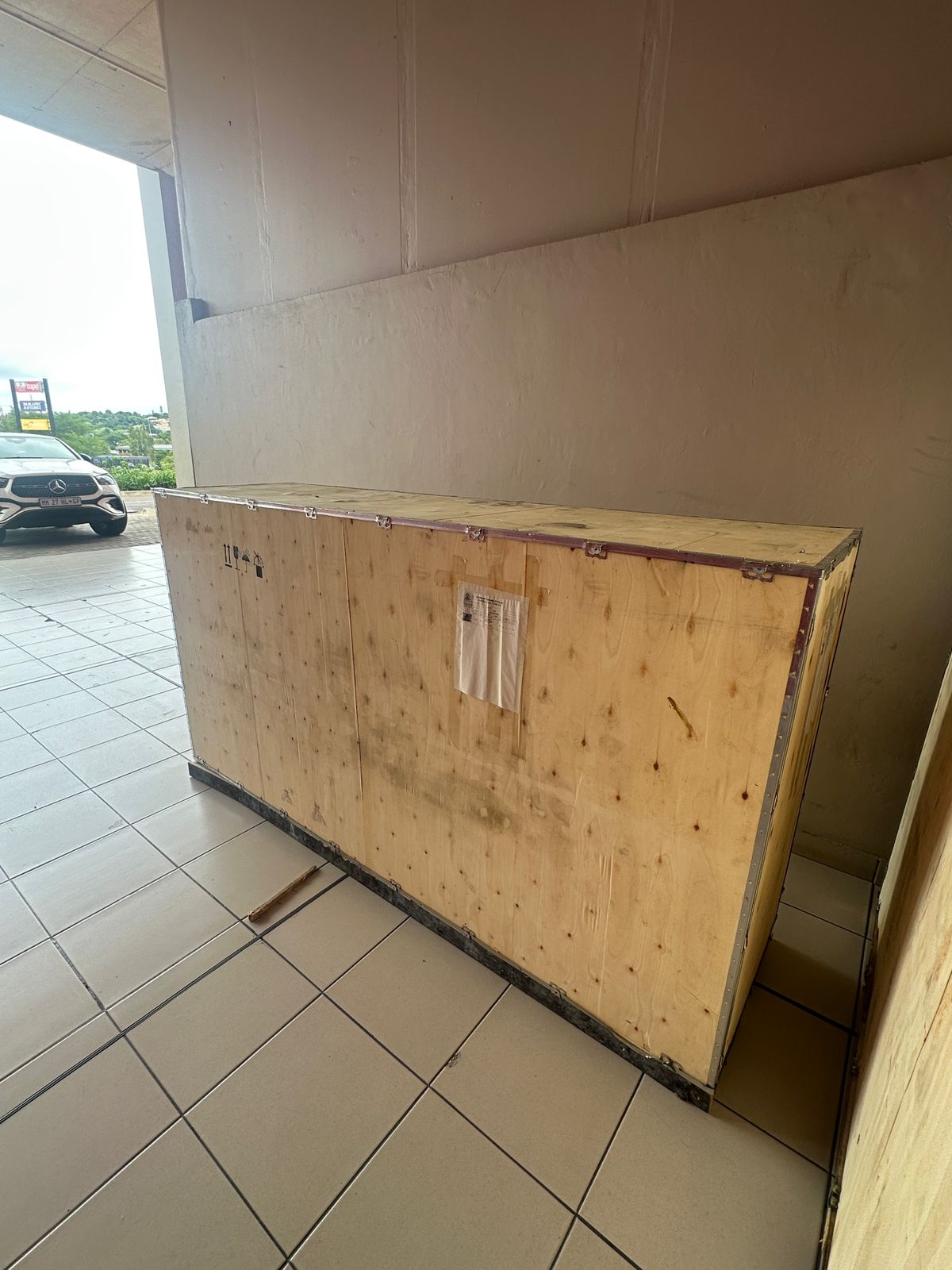
Toilet paper making machine
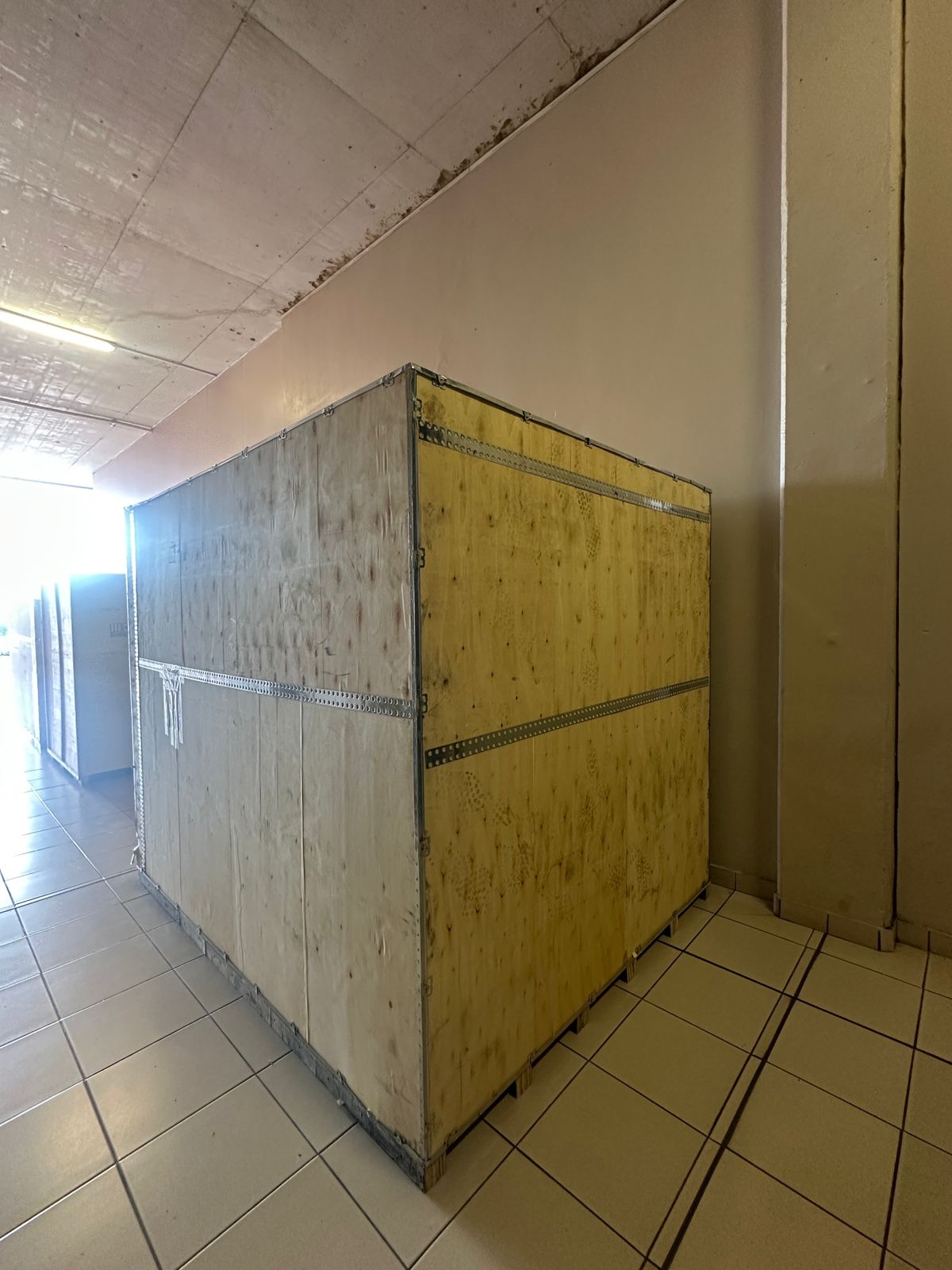
Toilet paper Rewinding Machine
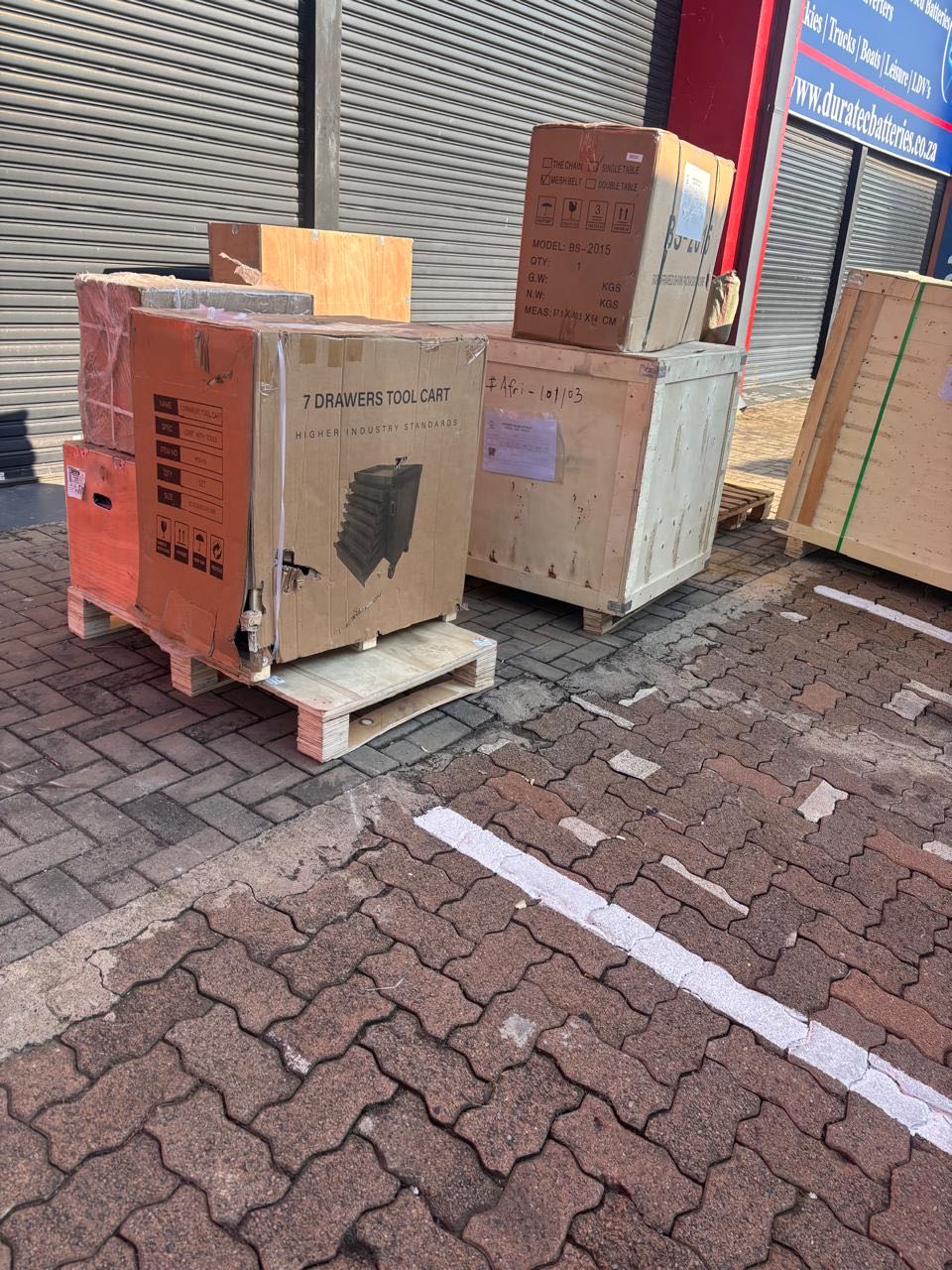
latest arrivals
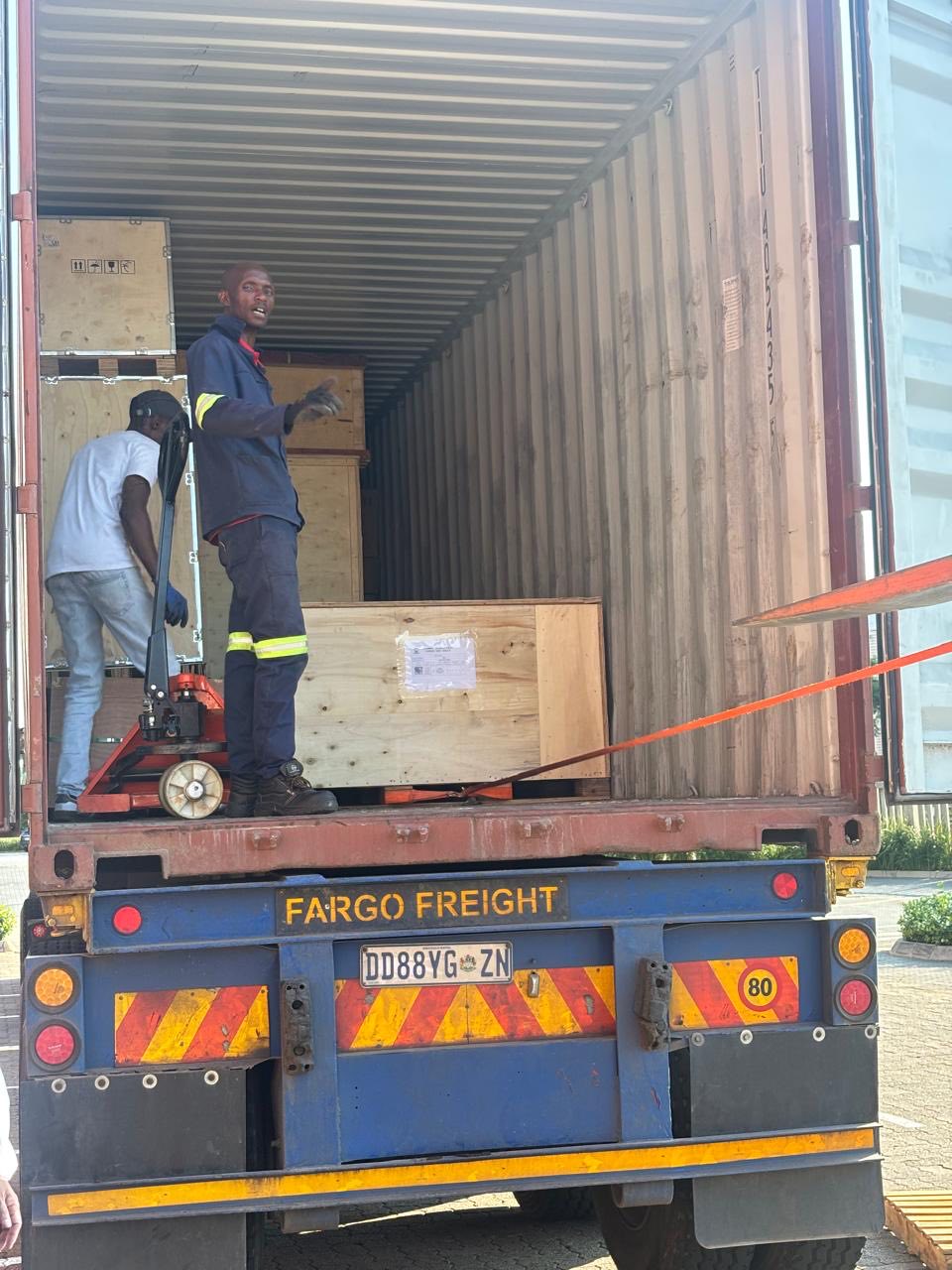
offloading
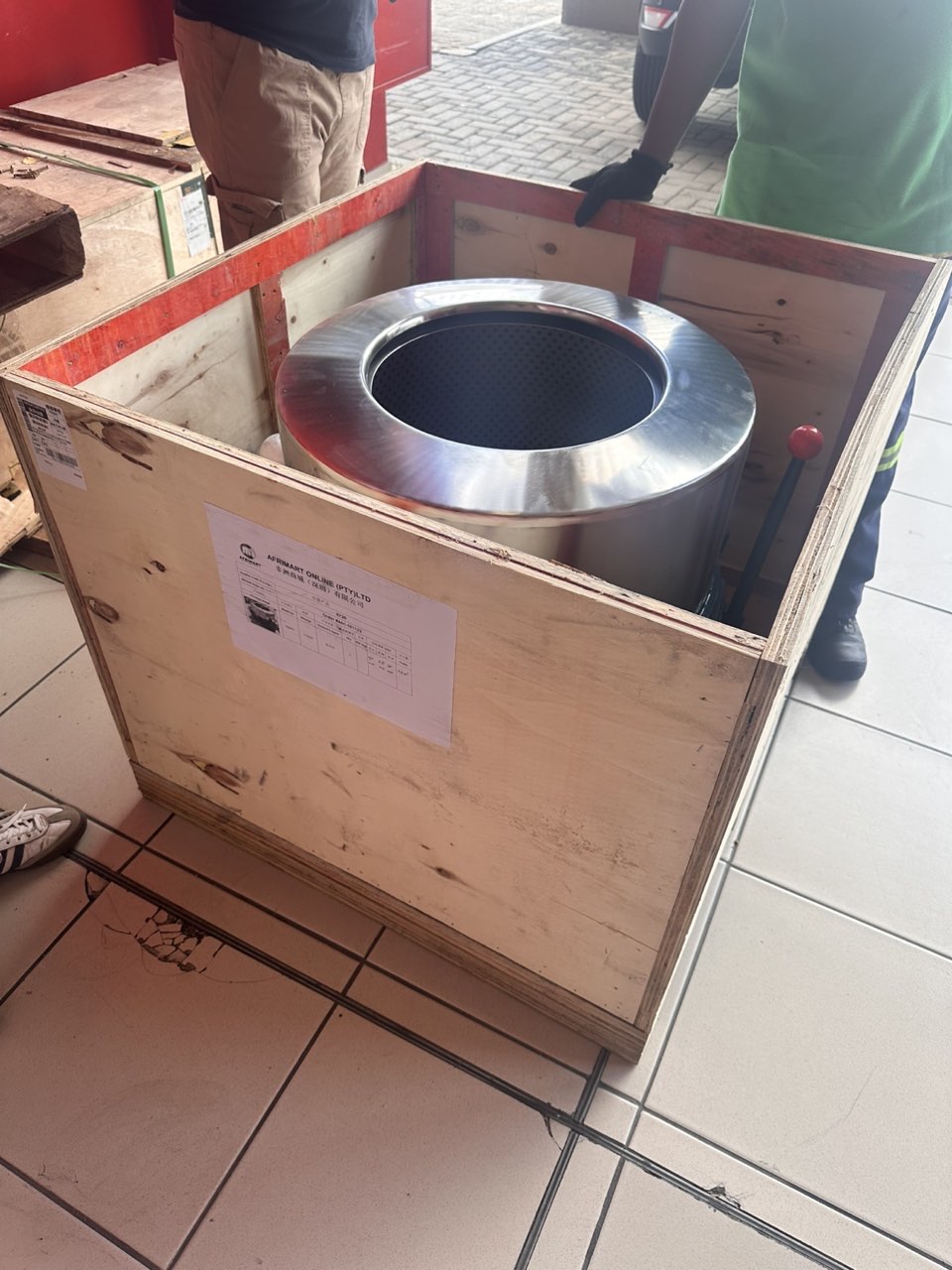
order success
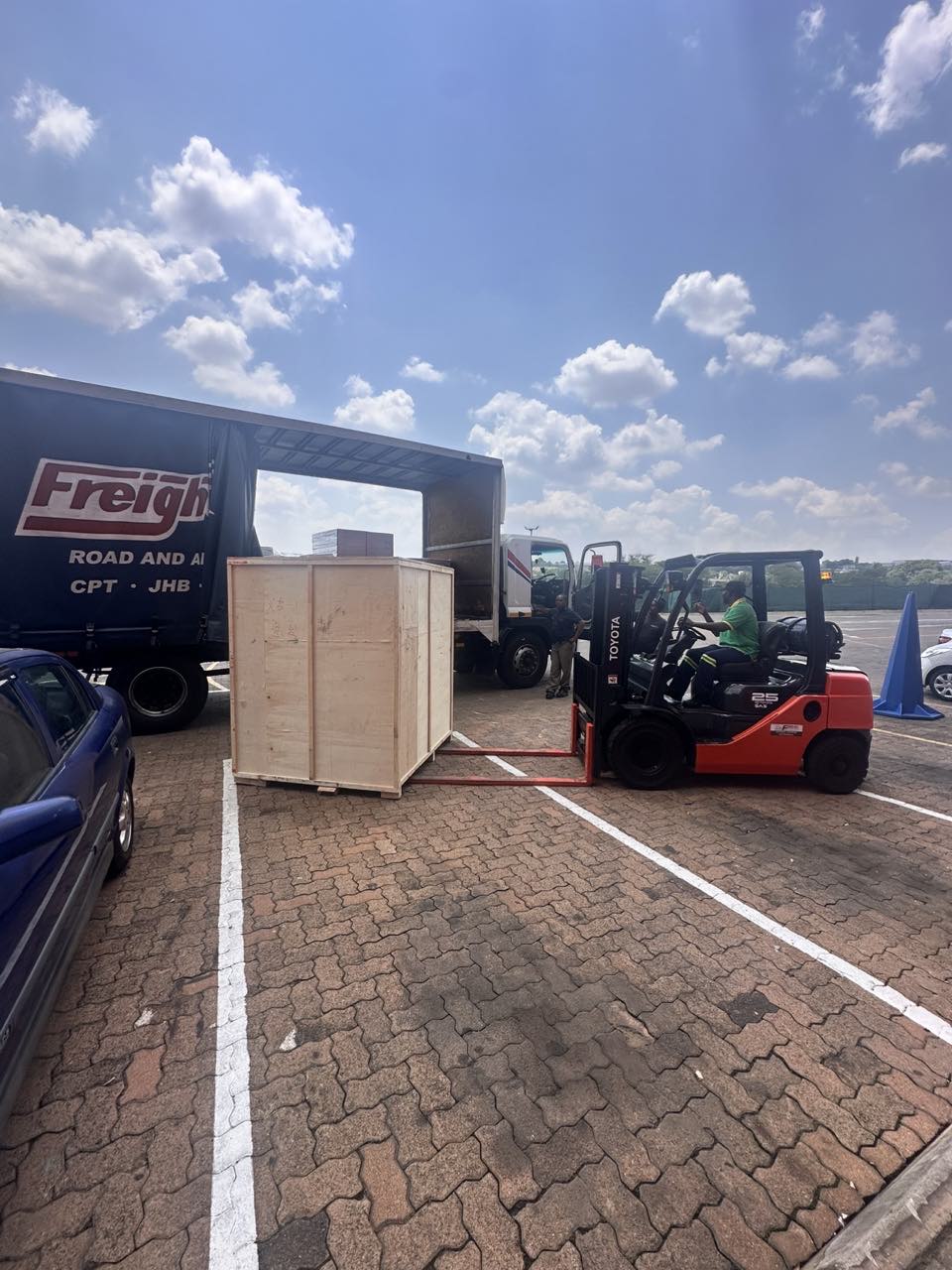
order collection
order offloading