B21, China Town Mall, Midrand

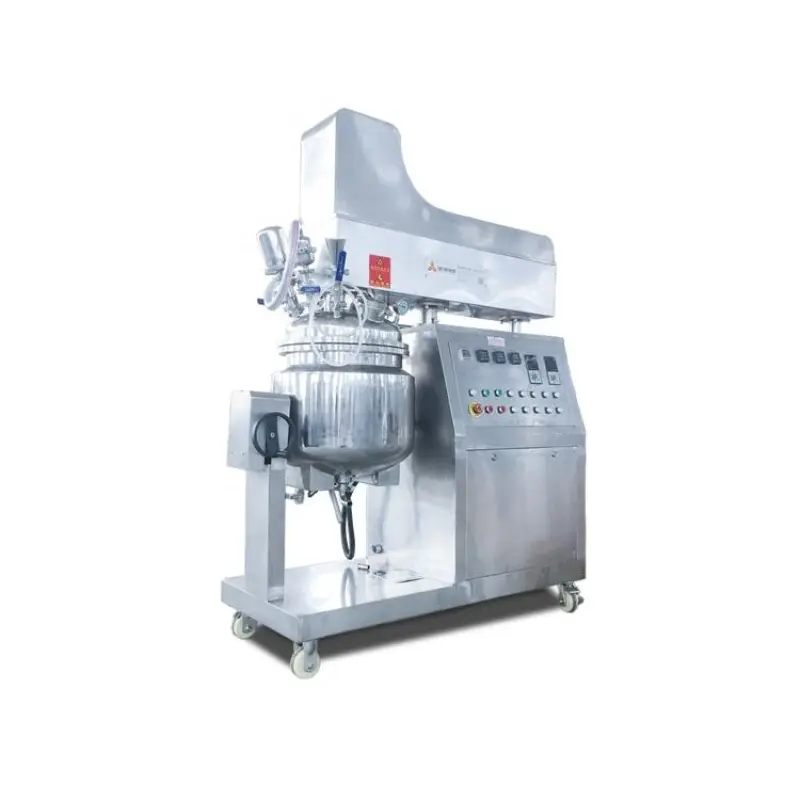
Cosmetic Making Machine - Homogenizer for High Viscosity Products
Asset finance available
Do you want funding for this equipment?
Afrimart can connect you with trusted funding partners who specialise in asset finance for businesses like yours. Compare options and apply in minutes — final approval is subject to provider review.
Check funding options
Secure & no obligation

- Section : Machinery
- Category : Chemical Machinery
- SKU : 1600213105444

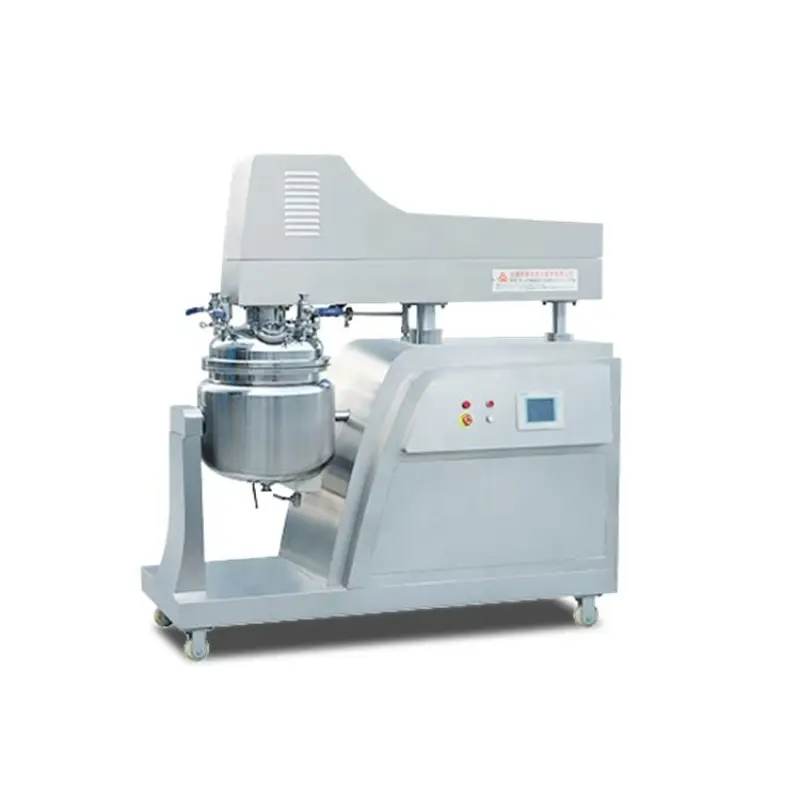
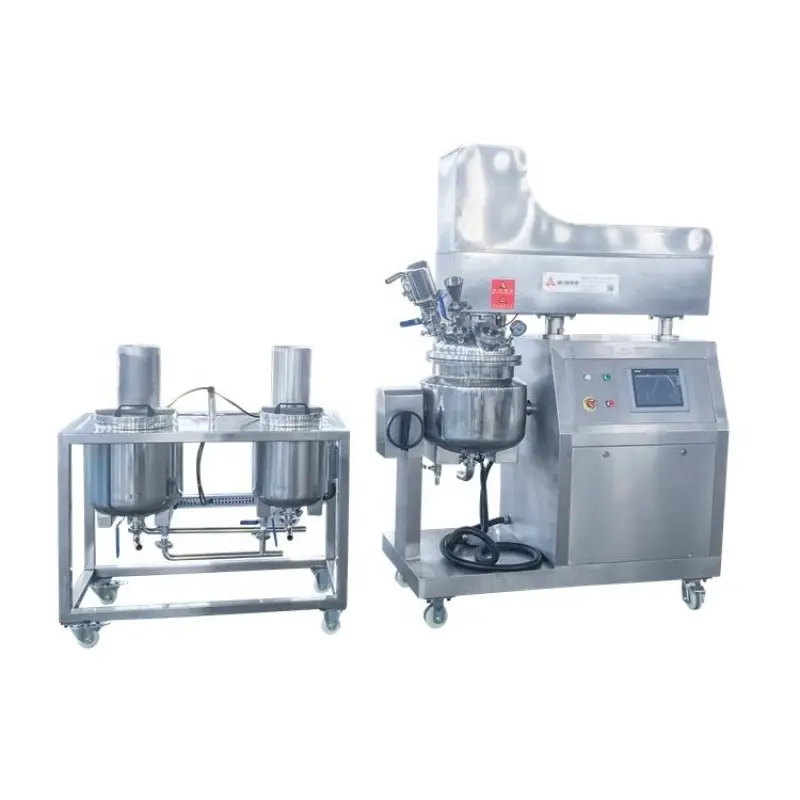
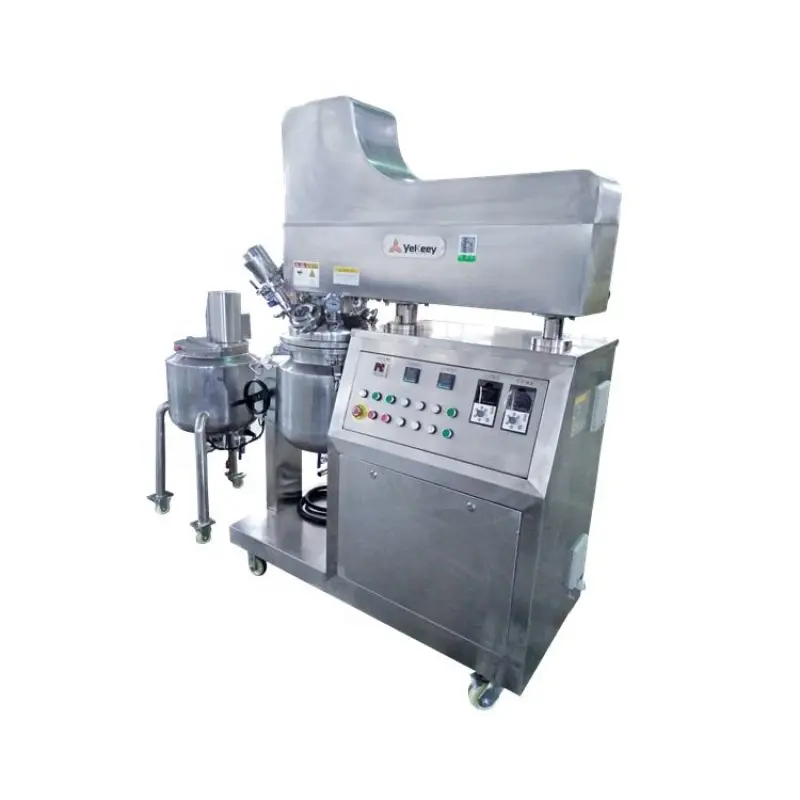
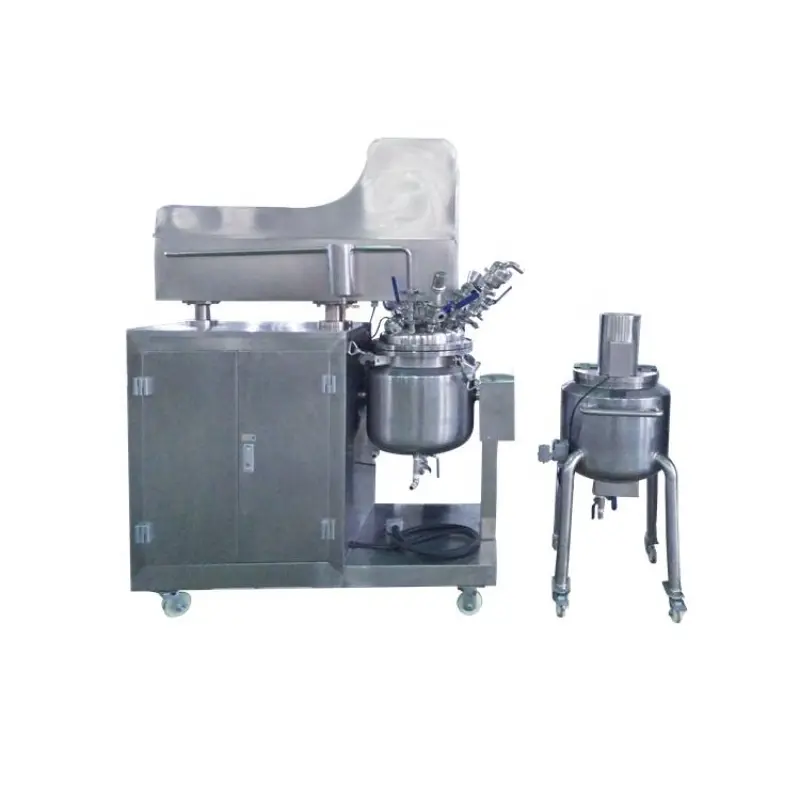
Cosmetic Making Machine - Homogenizer for High Viscosity Products
The Cosmetic Making Machine is designed for creating high-quality cosmetic products with precise mixing and emulsification capabilities. This advanced homogenizer is ideal for manufacturing plant applications, especially for processing high-viscosity fluids like creams, lotions, and pastes. Built with premium materials and state-of-the-art features, it delivers efficient and consistent results.
Key Features
- Homogenizer Functionality: Designed for smooth and uniform mixing of high-viscosity fluids.
- 50L Barrel Volume: Allows large batch production, with a maximum loading capacity of 40L.
- Variable Spindle Speed: Range of 1 to 2800 rpm for flexible processing based on product requirements.
- Heating and Vacuum Mixing: Includes heating and vacuum capabilities for superior emulsification and consistency.
- Premium Materials: Constructed with durable SUS304 and SUS316L stainless steel, ensuring long-lasting performance.
- Efficient Power Usage: Powered by an 11 kW motor, operating with 220V/380V voltage.
- Automatic Operation: Simplifies the production process, making it user-friendly and efficient.
- Ideal for Cosmetics: Specially designed for creating high-viscosity products such as creams, gels, and other cosmetic formulations.
- Safety and Quality Assurance: Machine comes with a comprehensive test report and video outgoing inspection.
This cosmetic making machine provides manufacturers with the ability to efficiently produce high-quality products in large quantities, all while ensuring consistency and performance.
Specification
| Model No. | Design Volume (L) | Max. Useful Volume (L) | Min. Useful Volume (L) | Dimensions (L*W*H)MM |
| ZJR-30 | 30 | 25 | 10 | 1400*600*1900(2400) |
| ZJR-50 | 50 | 40 | 15 | 1400*600*1950(2500) |
| ZJR-100 | 100 | 80 | 30 | 1750*650*2150(2850) |
| ZJR-150 | 150 | 120 | 45 | 1900*780*2380(3000) |
Product Info Gallery


- Shipping Timeframes: All orders are processed within 2-5 business days (excluding weekends and holidays). After your order has been processed, the estimated delivery time is before 04 Aug, 2026, depending on customs, Please note that due to high demand, some items may experience longer shipping times, which will be communicated at order confirmation email.
- Order Processing Time: Please allow 2-5 business days for us to process your order before it is shipped . Orders placed after 16:00 on Fridays, or during weekends and public holidays, will begin processing on the next business day. Processing times may be extended during peak seasons or sales events.
- Manufacturing Time: Some products needs manufacturing time, the manufacturing process will take approximately 10-30 business days depending on the product. This timeframe may vary depending on the complexity of the product and current demand. but this will be communicated with you during order confirmation.
- Returns and Exchanges: We offer a 30-day return policy for most items. If you are not completely satisfied with your purchase, you may return it within 30 days of receipt for a refund or exchange. Items must be unused, in their original packaging, and accompanied by proof of purchase. Return shipping costs are the responsibility of the customer, unless the item was damaged or defective upon arrival.
1. What types of cosmetic products can this homogenizer process?
The machine is designed for high‑viscosity cosmetic formulations such as creams, lotions, gels, ointments and pastes. It handles emulsification, dispersion and uniform mixing required for skincare and personal care products.
2. What are the available model sizes and batch volumes?
Models include multiple sizes (typical examples: 30 L, 50 L, 100 L and 150 L design volumes). Useful (working) capacities vary by model—for example the 50 L design model has a maximum useful volume of 40 L and a minimum useful volume around 15 L. Contact the supplier for the exact working volumes for each model.
3. What is the spindle speed range and why does it matter?
The spindle speed is variable from 1 to 2,800 rpm. This wide range lets you control shear and mixing intensity to optimize emulsification, particle size reduction and texturizing for different formulations and viscosities.
4. Does the machine provide heating and vacuum capabilities?
Yes — the unit includes integrated heating and vacuum mixing functions. Heating aids ingredient melting and emulsification; vacuum removes trapped air to improve product stability and surface appearance.
5. What materials is the machine constructed from?
Wetted and structural components are made from stainless steel SUS304 and SUS316L, providing corrosion resistance, hygienic surfaces and suitability for cosmetic manufacturing.
6. What are the power requirements and motor specification?
The homogenizer is powered by an 11 kW motor and supports 220V/380V operation. Confirm the exact electrical configuration (phase, frequency and local wiring) with the supplier or your electrical engineer before installation.
7. Is the machine automatic and easy to operate?
Yes — the unit features automatic operation to simplify production. Controls allow you to set speed, heating and vacuum parameters. Detailed user manuals and operator training are normally provided or available from the manufacturer.
8. What safety and quality inspections are provided?
Each machine is supplied with a comprehensive test report and outgoing video inspection to verify performance and build quality prior to shipment. Additional safety features and guardings depend on the model and customer requirements.
9. Can this homogenizer meet cosmetic industry regulatory standards?
The machine’s stainless construction and hygienic design are suitable for cosmetic production, but specific regulatory certifications (CE, GMP, etc.) are not listed in the basic description. Ask the supplier for certificates and documentation needed for your market and quality system.
10. How do I clean and sanitize the unit?
The SUS304/SUS316L surfaces are compatible with standard cosmetic cleaning and sanitization procedures. Some models support CIP (clean‑in‑place) or removable parts for manual cleaning; confirm the exact cleaning method and recommended cleaning agents with the supplier and the machine manual.
11. What maintenance and spare parts support is available?
Routine maintenance includes checking seals, bearings, drive components and electrical connections. The manufacturer typically supplies spare parts (seals, gaskets, blades, motors). Ask your supplier about spare parts kits, recommended maintenance intervals and on‑site service options.
12. Can the machine be customized for my formulation or production line?
Yes — many parameters (vessel size, agitation tools, heating/cooling systems, instrumentation and control options) can be customized. Contact the manufacturer with your formulation details, target batch sizes and integration requirements to discuss modifications.
13. Do you offer sample trials or test runs before purchase?
Most manufacturers offer sample testing or pilot runs to demonstrate performance with your formulation. Request a lab trial, video of the test run or delivery of a sample batch prior to commitment.
14. What are typical lead times, delivery and installation options?
Lead times vary by model, customization and order volume. Standard models will have shorter lead times; customized builds take longer. Transportation, installation and commissioning are usually arranged with the manufacturer or distributor—ask for an estimated delivery schedule and scope of installation services.
15. What warranty and after‑sales support can I expect?
Warranty terms and after‑sales support vary by supplier. Most vendors provide a standard warranty period and options for extended support, spare parts supply and service contracts. Confirm the warranty length, coverage details and response times with the vendor before purchase.
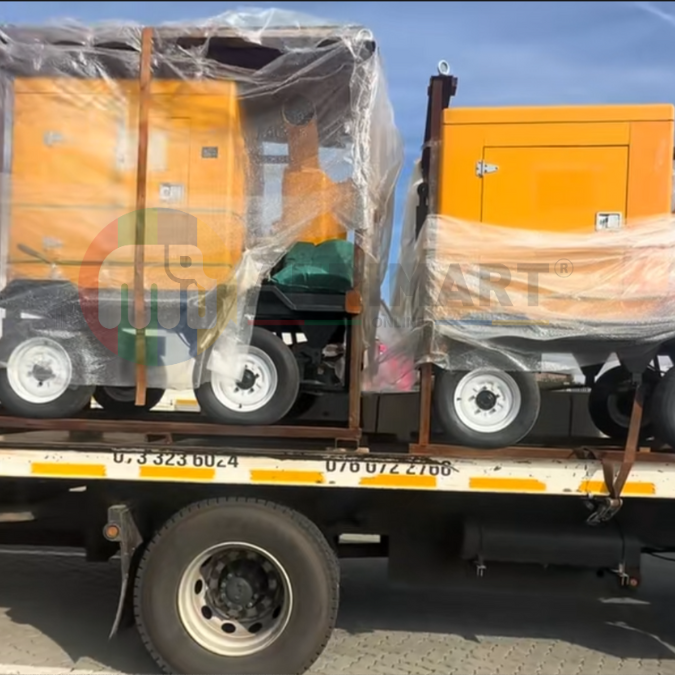
Latest Order Arrivals
Discover our latest orders
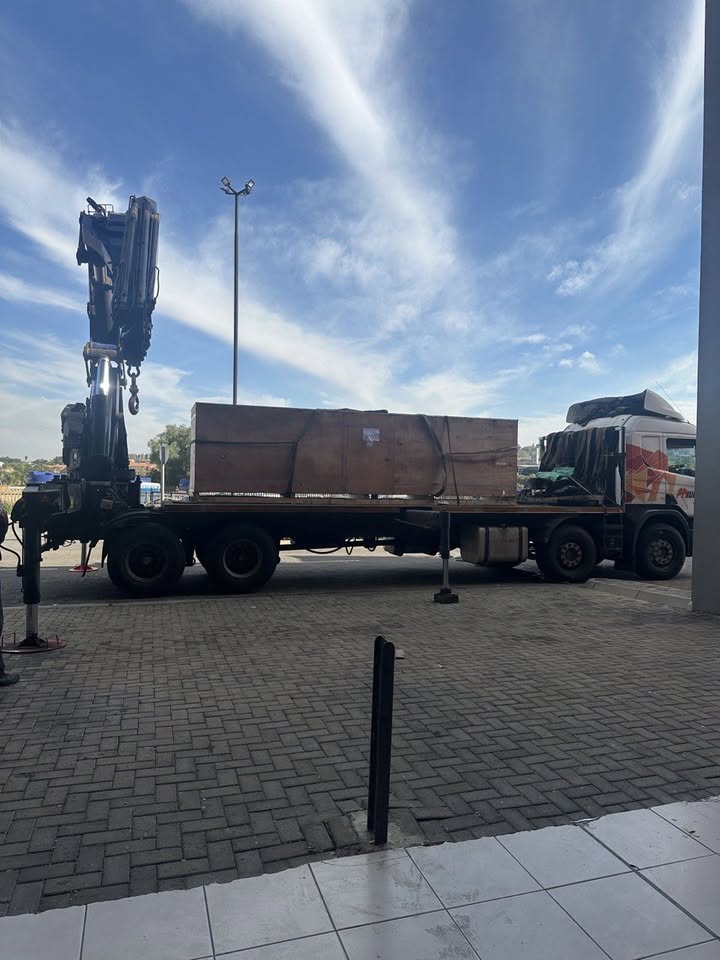
12 Heads Embroidery Machine
Toilet Paper Machine Machine
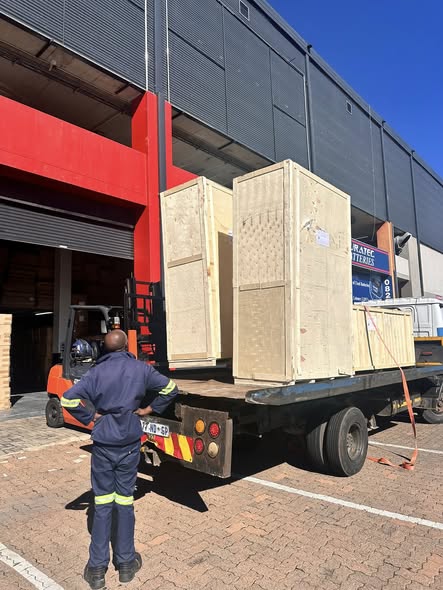
Order Collection
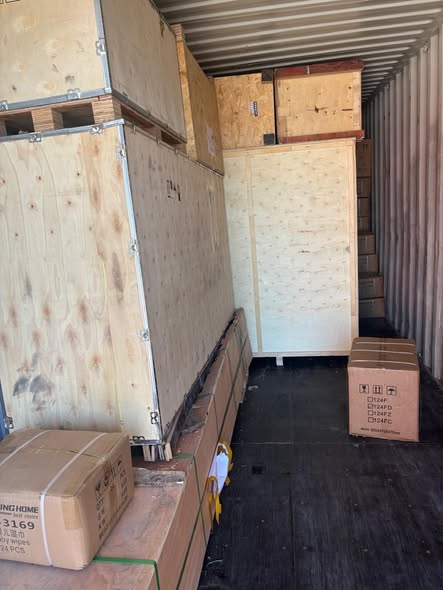
Cross Border Clients
Order cros border countries Collected
Industrial Machine Cllection
Agriculture Processing Machines
Ready for collection
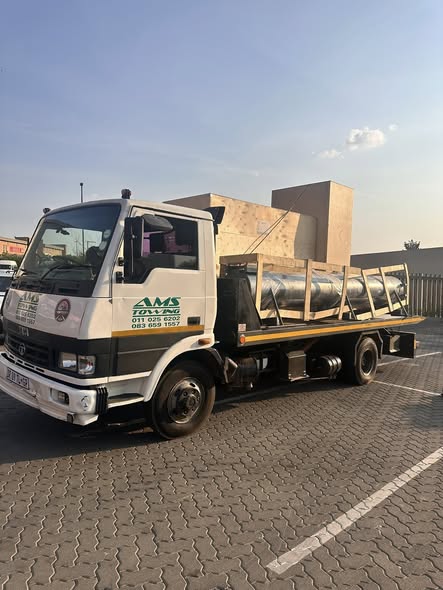
Water Pump Equipment
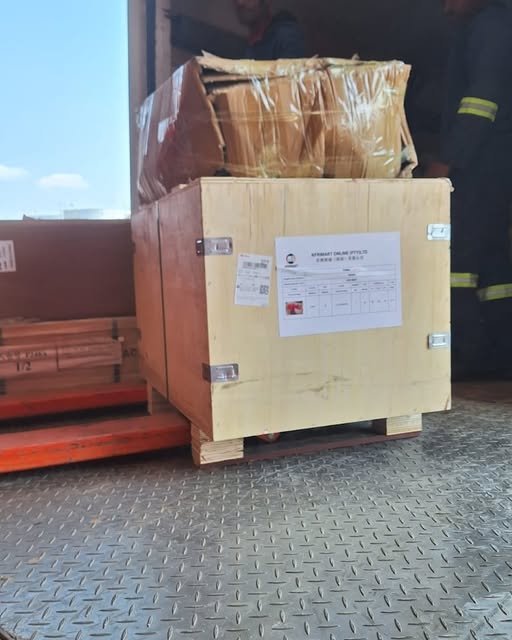
Packaging Machine and accessories
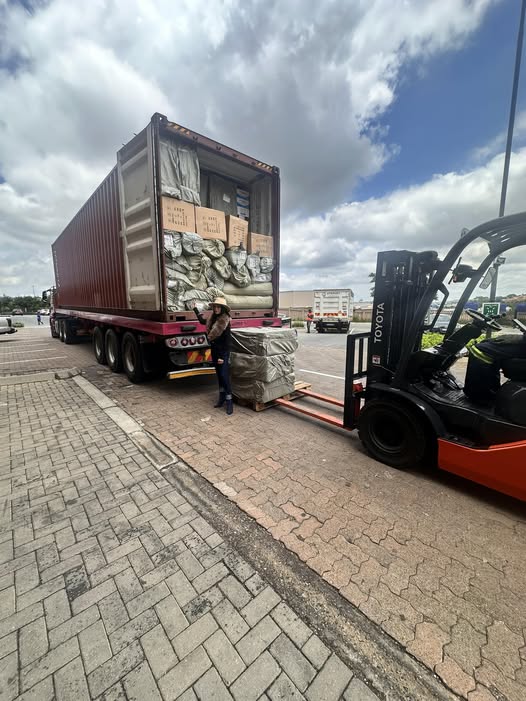
Fabrics Manufacturing Equipment
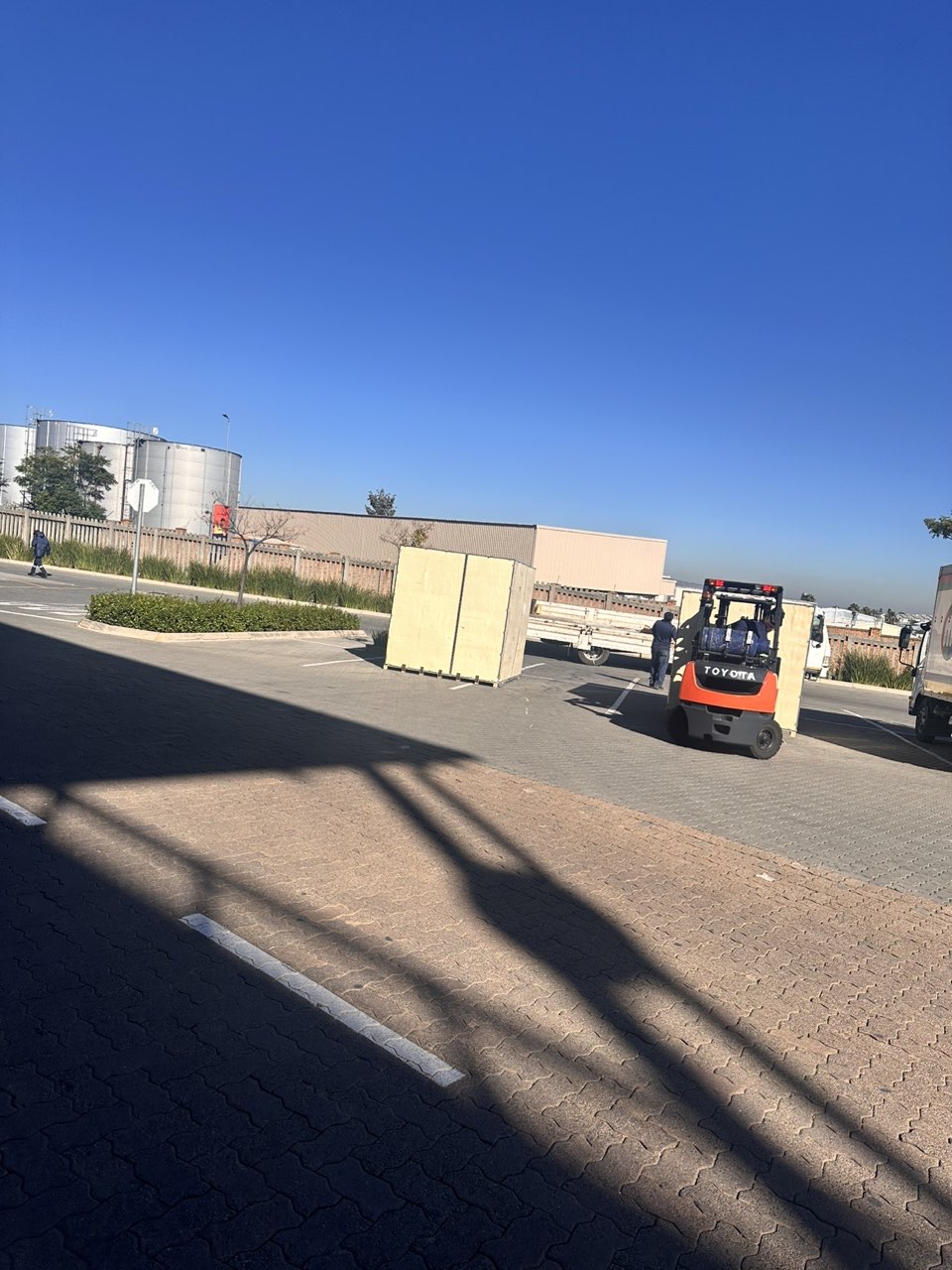
Mining Equipments
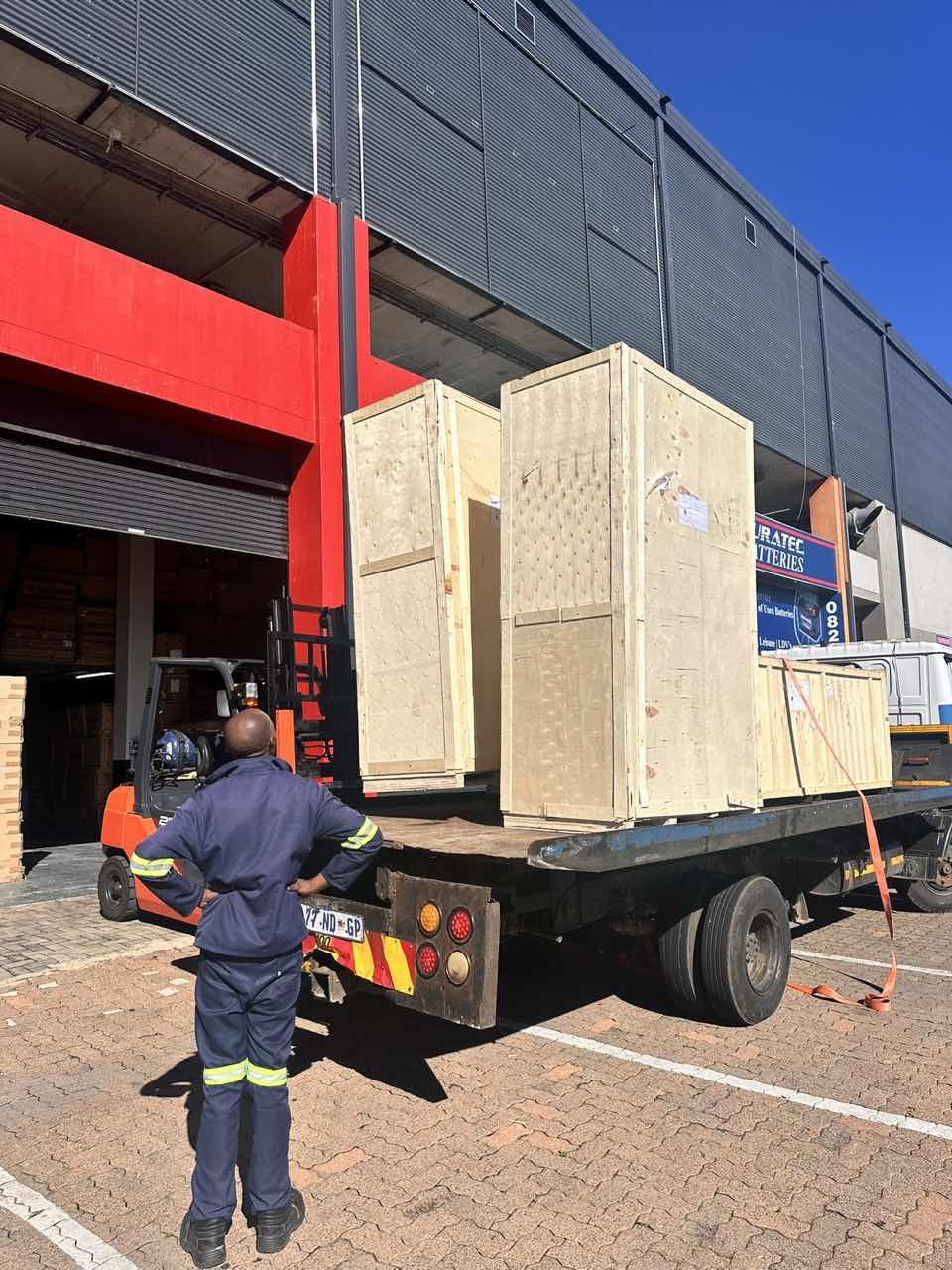
Food Processing Machine
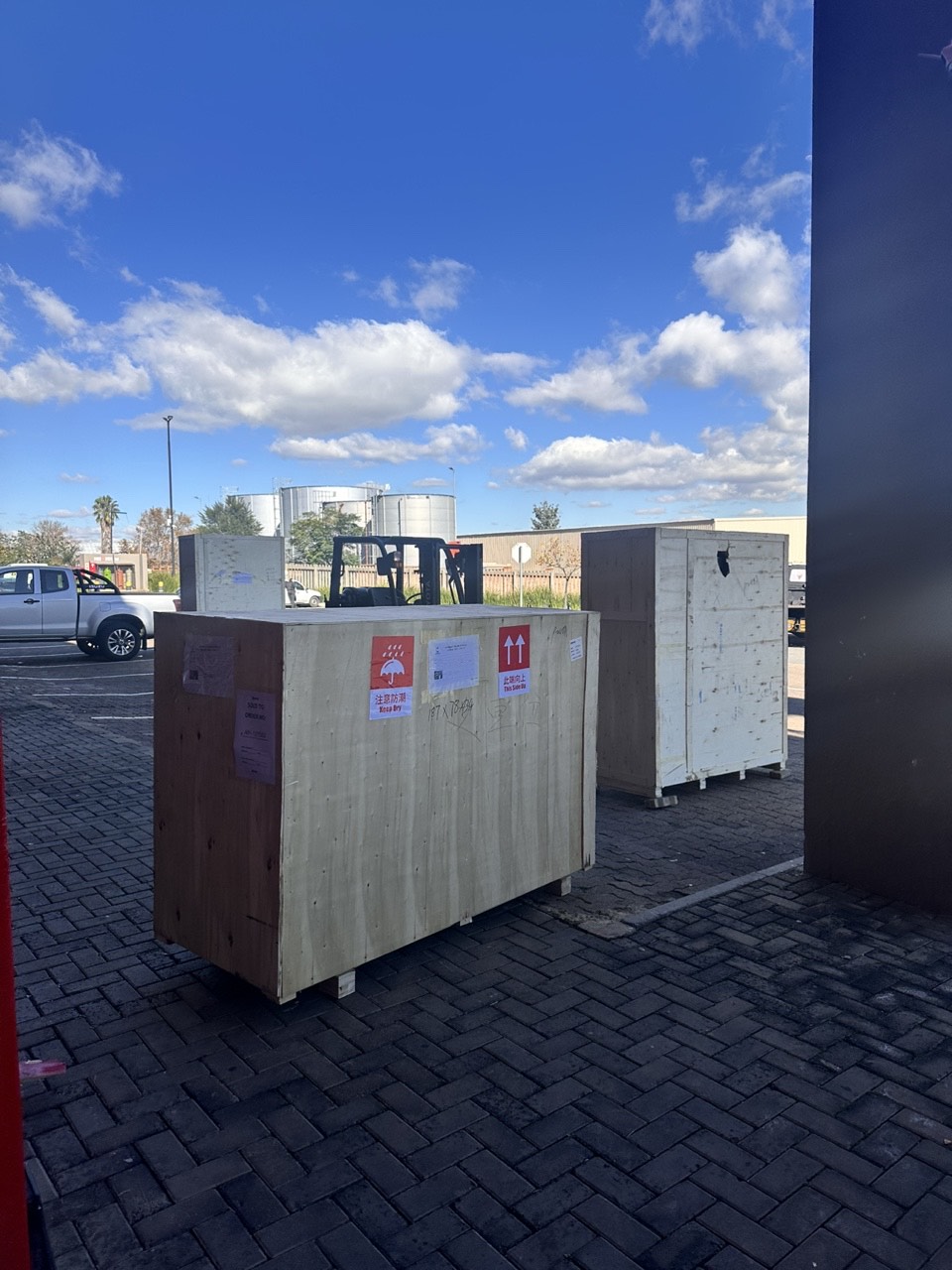
Batch of Orders
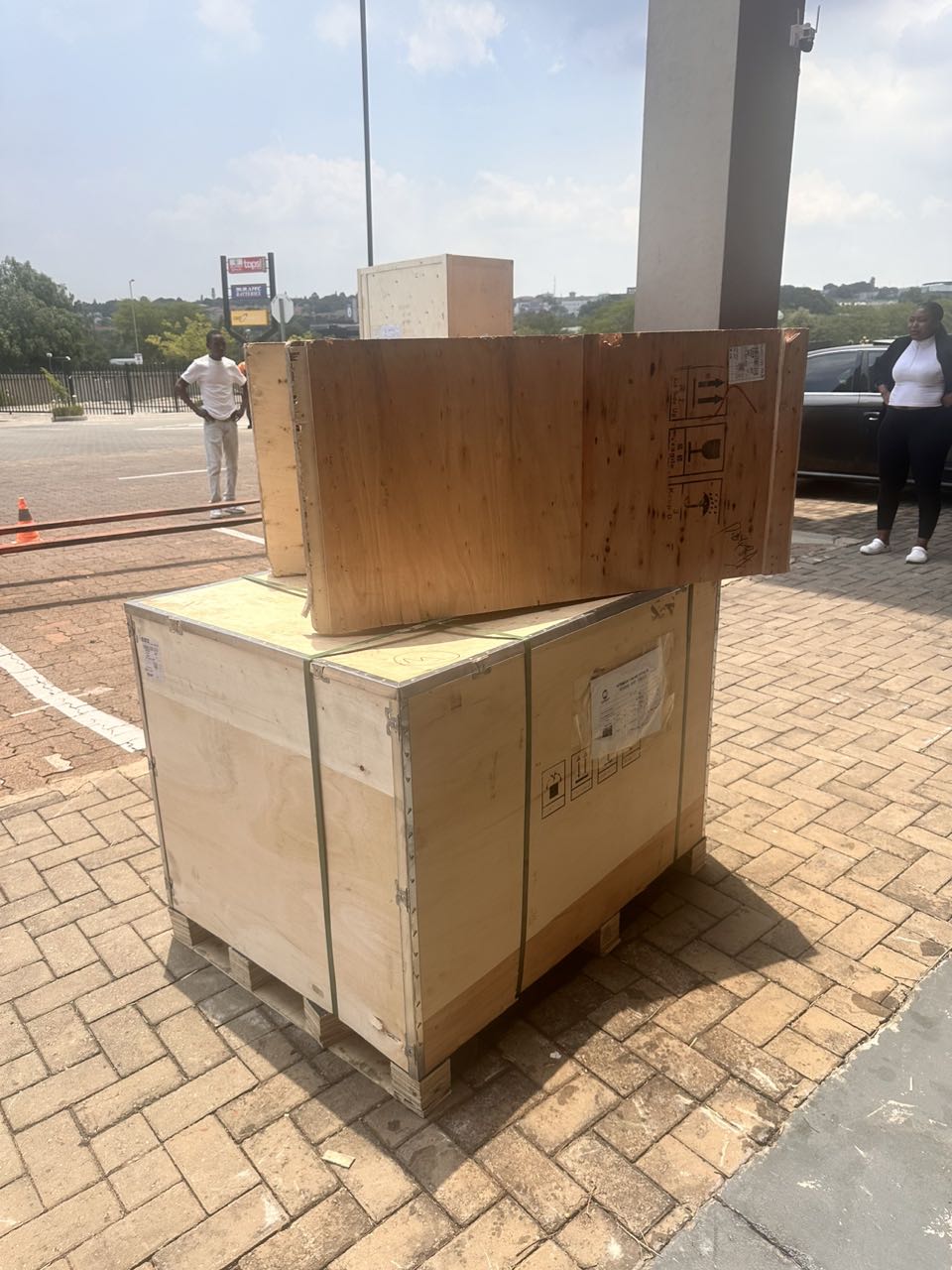
Batch of Orders
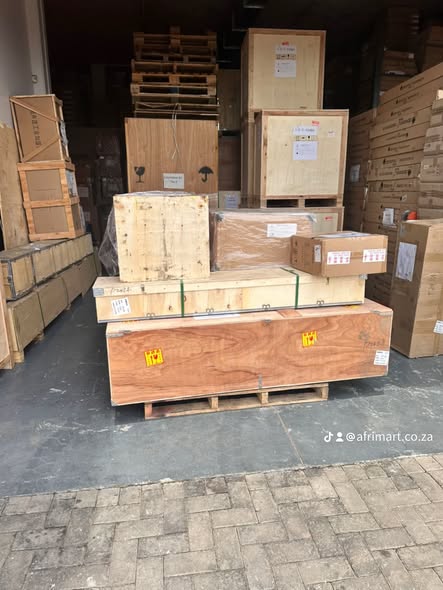
Latest Orders Labelled
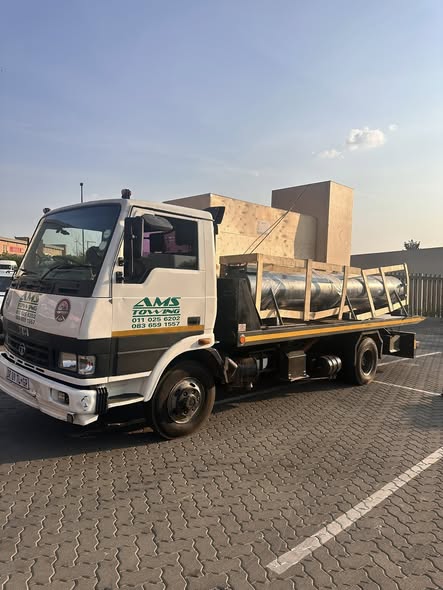
wheel alignment machines
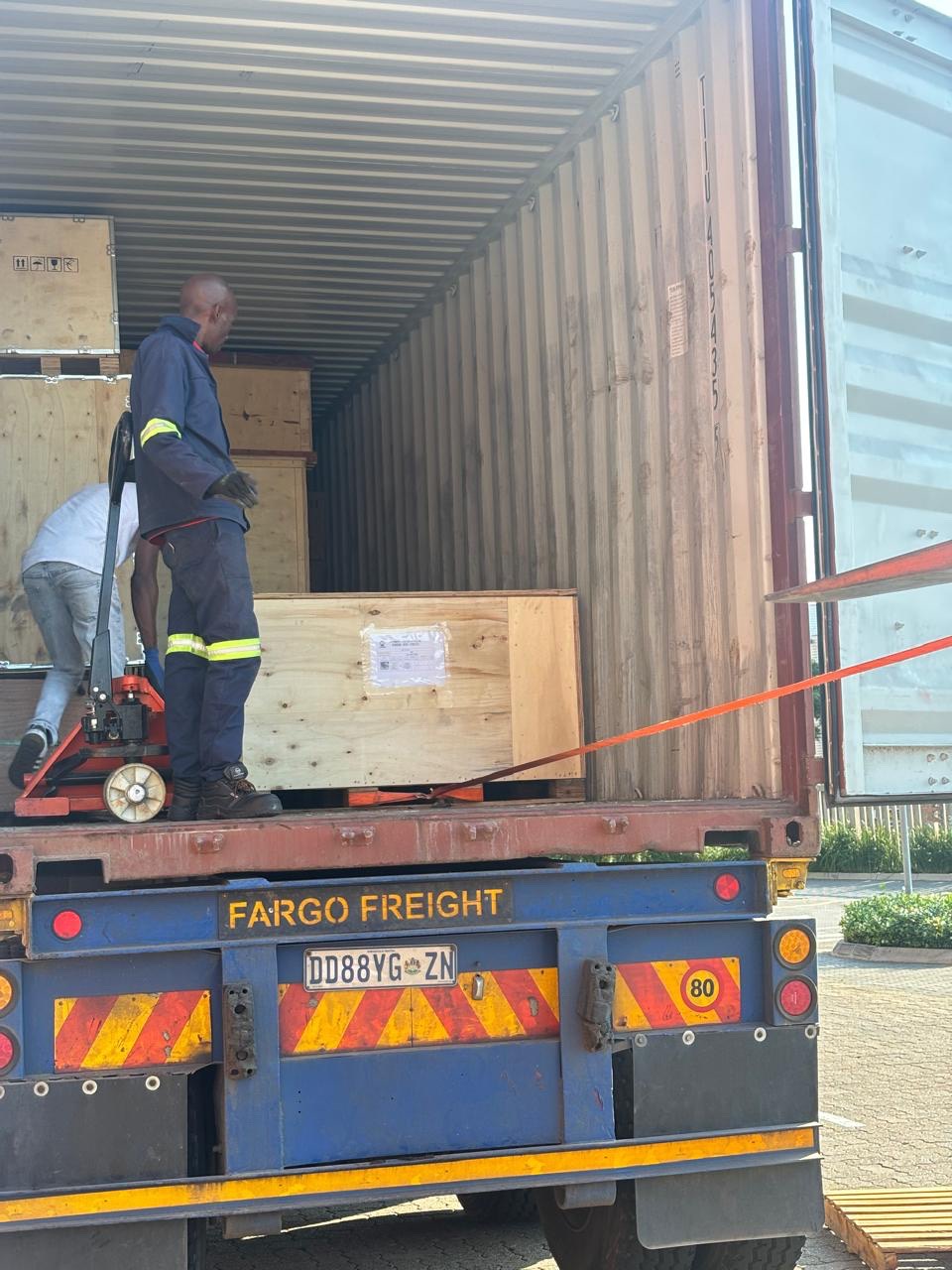
new arrivals
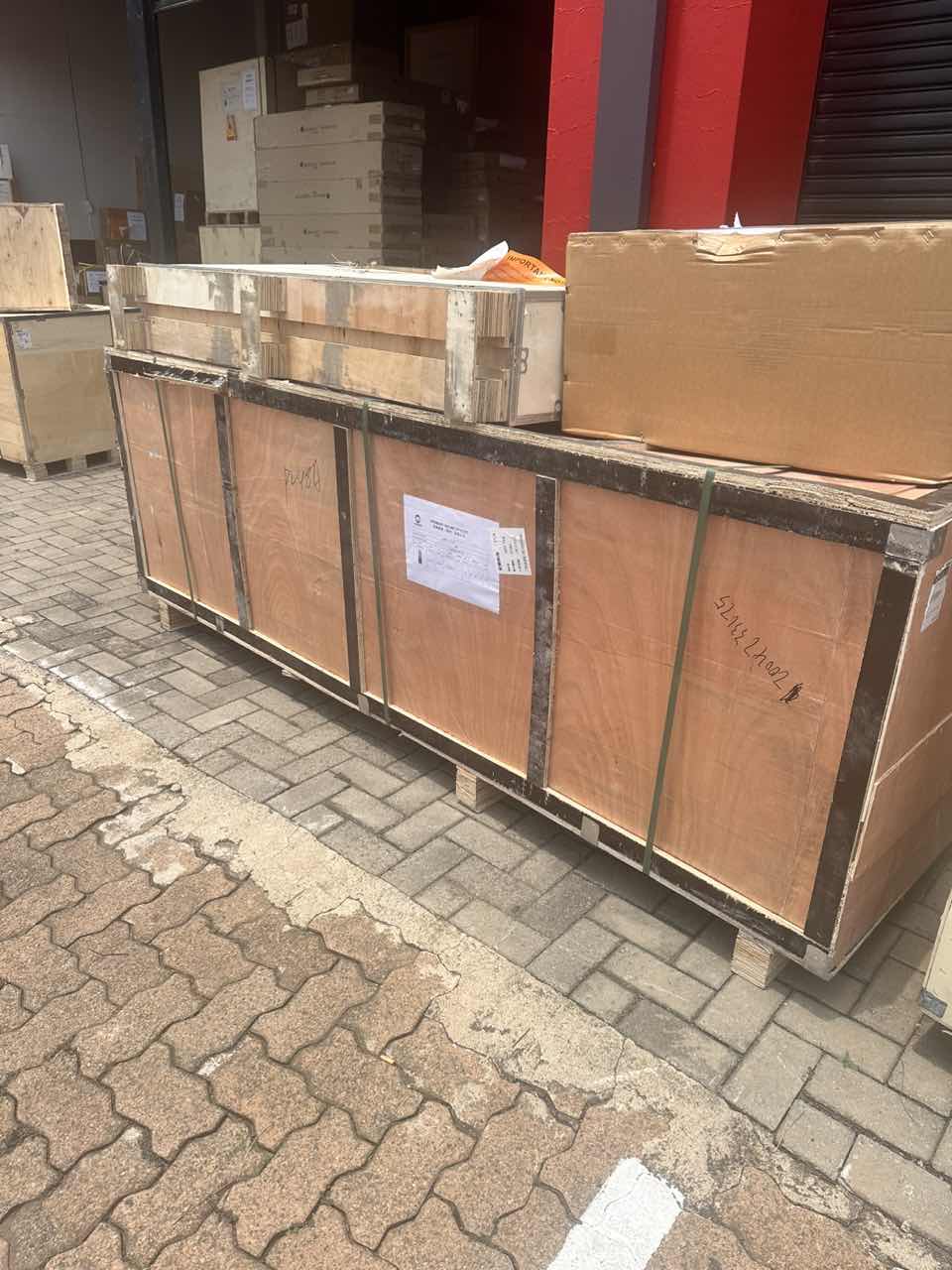
Pre Orders Offloading
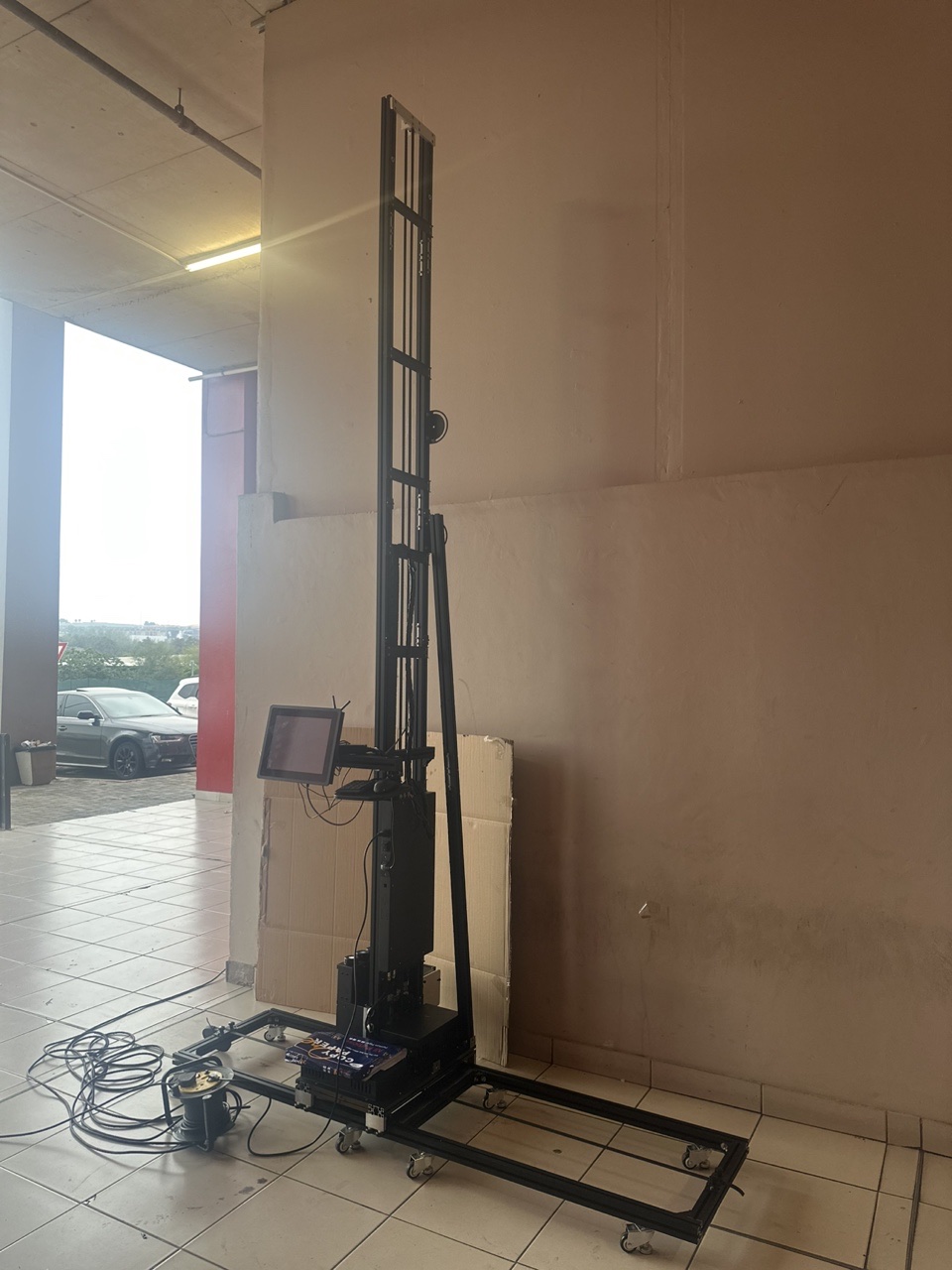
Latest Arrivals
Latest Arrivals
Latest Arrivals
Loading
Toilet paper making machine
Toilet paper making machine
Toilet paper Rewinding Machine
latest arrivals
offloading
order success
order collection
order offloading