B21, China Town Mall, Midrand


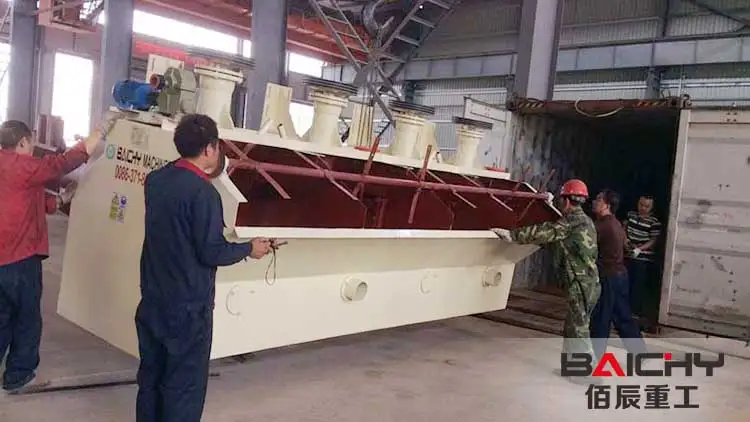
Copper Ore Processing Machine Flotation Machine For Mineral Processing Plant High Efficient Gold Mining Machine,
Asset finance available
Do you want funding for this equipment?
Afrimart can connect you with trusted funding partners who specialise in asset finance for businesses like yours. Compare options and apply in minutes — final approval is subject to provider review.
Check funding options
Secure & no obligation

- Section : Machinery
- Category : Mining Machinery
- SKU : 1600798721271

- High Efficient Gold Mining Machine, Copper Ore Processing Machine, Flotation Machine For Mineral Processing Plant

Flotation machine can be used for many ore beneficiation . It is subject to coarse separation, swept separation, fine separation and flotation, so the useful ore are reclaimed.
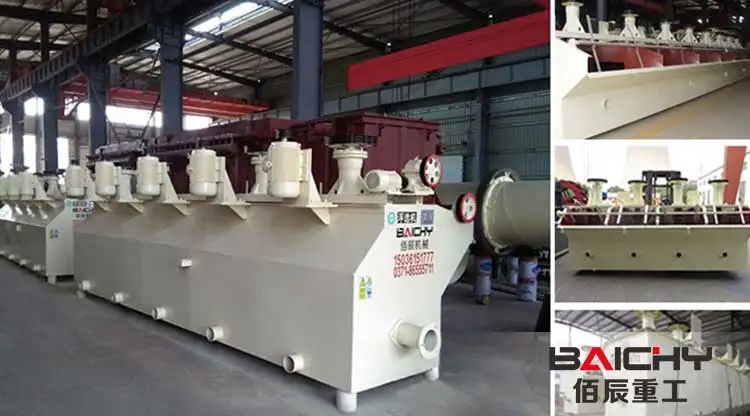
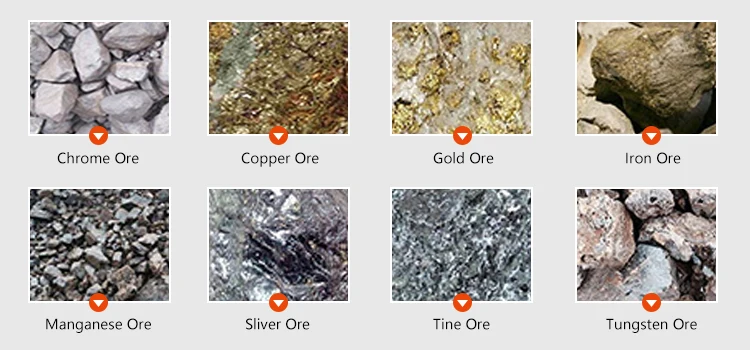
Application: Metal ore such as gold, silver, copper, Lead (Pb), Zinc (Zn), Tin, Nickel (Ni) and so on, non-metal mineral, raw body and materials of chemical industry.
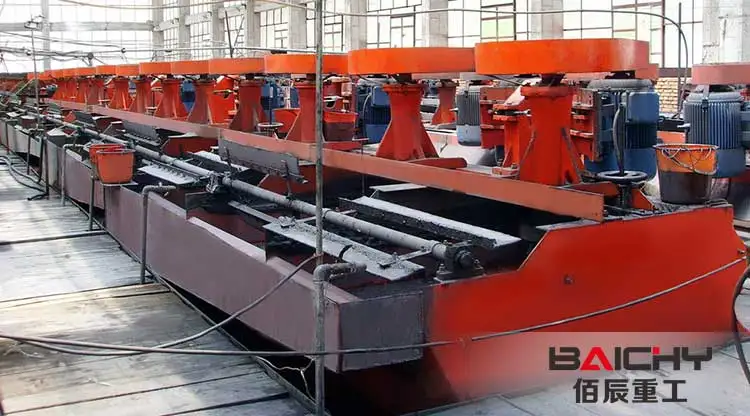
The flotation machine is mainly used for sorting non-ferrous metals such as copper, zinc, lead nickel and gold, and can also be used for rough selection and selection of ferrous and non-metal. The motor is driven by the motors V-belt drive to rotate the impeller, which generates centrifugal force to form a negative pressure On the one hand, it absorbs sufficient air to mix with the slurry. On the one hand, it mixes the slurry with the drug, and refines the foam to make the mineral bond foam Mineralized foam is formed on the slurry surface. Adjust the height of the shutter and control the liquid level so that the useful foam is scraped off by the scraper

Working principle
When the flotation machine works, the motor drives the impeller to revolve, so the centrifugal effect and negative pressure are produced. On one hand, ample air is absorbed and mixed with mineral slurry, on the other hand, the mixed mineral slurry is mingled with additive, meanwhile, the foams are thinning, the mineral is bounded with foams, and floats up to the surface of mineral slurry and the mineralized foam is formed. The liquid surface can be adjusted with the height of adjustment flashboard, so that the useful foams are scraped with squeegee.

| Model | SF0.37 | SF0.7 | SF1.2 | SF2.8 | SF4 | |
| Volume (m³) | 0.37 | 0.7 | 1.2 | 2.8 | 4 | |
| Impeller diameter(mm) | 300 | 350 | 450 | 550 | 650 | |
| Capacity (m³/min) | 0.2-0.4 | 0.3-0.9 | 0.6-1.2 | 1.5-3.5 | 0.5-4 | |
| Impeller Speed(r/min) | 352 | 400 | 312 | 268 | 238 | |
| Impeller motor | Model | Y90L-4 | Y100L2-4 | Y132M2-6 | Y160L-6 | Y180L-6 |
| Power (Kw) | 1.5 | 3 | 5.5 | 11 | 15 | |
| Scraper motor | Model | Y90S-4 | Y90L-4 | |||
| Power (Kw) | 1.1 | 1.5 |
Features
1.Simple structure, strong agitation ability, and low energy consumption.
2.The impeller is equipped with holey cylinder air alloter.
3.The air scattering is uniform and the mixing effect of air and slurry is good.
4.U-shaped tank, little sedimentation of sand.
5.Solid particles can be fully suspended, high flotation index.
6.Long service life of vulnerable parts.
- Shipping Timeframes: All orders are processed within 2-5 business days (excluding weekends and holidays). After your order has been processed, the estimated delivery time is before 03 Aug, 2026, depending on customs, Please note that due to high demand, some items may experience longer shipping times, which will be communicated at order confirmation email.
- Order Processing Time: Please allow 2-5 business days for us to process your order before it is shipped . Orders placed after 16:00 on Fridays, or during weekends and public holidays, will begin processing on the next business day. Processing times may be extended during peak seasons or sales events.
- Manufacturing Time: Some products needs manufacturing time, the manufacturing process will take approximately 10-30 business days depending on the product. This timeframe may vary depending on the complexity of the product and current demand. but this will be communicated with you during order confirmation.
- Returns and Exchanges: We offer a 30-day return policy for most items. If you are not completely satisfied with your purchase, you may return it within 30 days of receipt for a refund or exchange. Items must be unused, in their original packaging, and accompanied by proof of purchase. Return shipping costs are the responsibility of the customer, unless the item was damaged or defective upon arrival.
1. What types of minerals can the flotation machine process?
The flotation machine can process various types of minerals including gold, silver, copper, lead, zinc, tin, nickel, and non-metallic minerals.
2. How does the flotation machine work?
The flotation machine works by using a motor to drive an impeller, which creates centrifugal force and negative pressure. This allows for air to be absorbed and mixed with mineral slurry, forming mineralized foam that floats to the surface for collection.
3. What are the key features of this flotation machine?
Key features include simple structure, strong agitation ability, low energy consumption, uniform air scattering, good mixing effect, U-shaped tank design, and a long service life of vulnerable parts.
4. What is the capacity range of the flotation machine?
The capacity of the flotation machine ranges from 0.2 to 4 m³/min, depending on the model.
5. What are the different models available?
The available models include SF0.37, SF0.7, SF1.2, SF2.8, and SF4, each with varying volumes, impeller diameters, and capacities.
6. Can the flotation machine be used for ferrous metals?
Yes, the flotation machine can also be used for rough selection and selection of ferrous metals in addition to non-ferrous metals.
7. What is the power requirement for the impeller motor?
The power requirement for the impeller motor varies by model, ranging from 1.5 kW for the SF0.37 model up to 15 kW for the SF4 model.
8. Is the flotation machine energy efficient?
Yes, the flotation machine is designed with low energy consumption in mind, making it an efficient option for mineral processing.
9. What is the role of the scraper in the flotation machine?
The scraper is used to collect the mineralized foam that floats to the surface, ensuring that the useful minerals are efficiently separated from the slurry.
10. What maintenance is required for the flotation machine?
Regular maintenance includes checking the impeller, motor, and scraper for wear, as well as ensuring that the air supply and slurry levels are properly maintained.
11. Can the flotation machine handle large volumes of slurry?
Yes, depending on the model, the flotation machine can handle large volumes of slurry, with capacities up to 4 m³/min.
12. What are the dimensions of the impeller across different models?
The impeller diameter ranges from 300 mm for the SF0.37 model to 650 mm for the SF4 model.
13. Is installation of the flotation machine complicated?
Installation is straightforward, but it is recommended to follow the manufacturer's guidelines to ensure optimal performance.
14. What is the lifespan of the flotation machine's parts?
The flotation machine is designed for durability, with a long service life for its vulnerable parts, depending on operational conditions.
15. How does the flotation machine improve mineral recovery?
The flotation machine improves mineral recovery by efficiently mixing air and slurry, leading to better mineral attachment to the bubbles and increased flotation index.
Latest Order Arrivals
Discover our latest orders
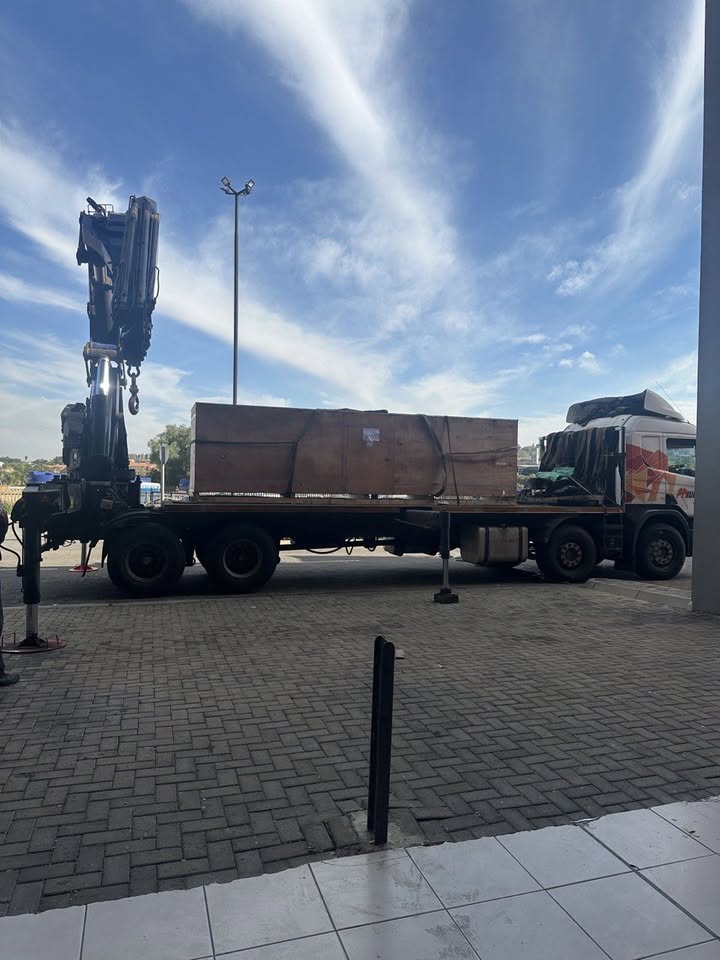
12 Heads Embroidery Machine
Toilet Paper Machine Machine
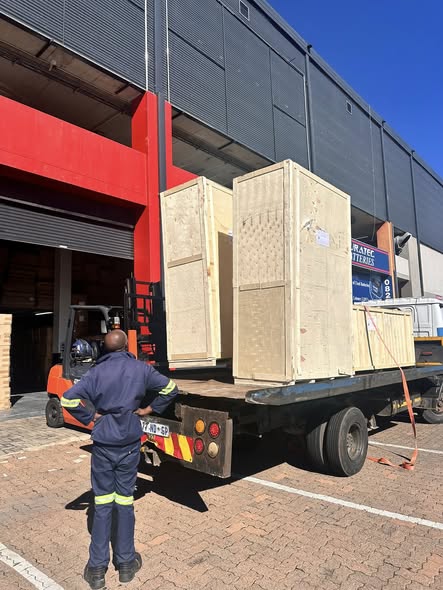
Order Collection
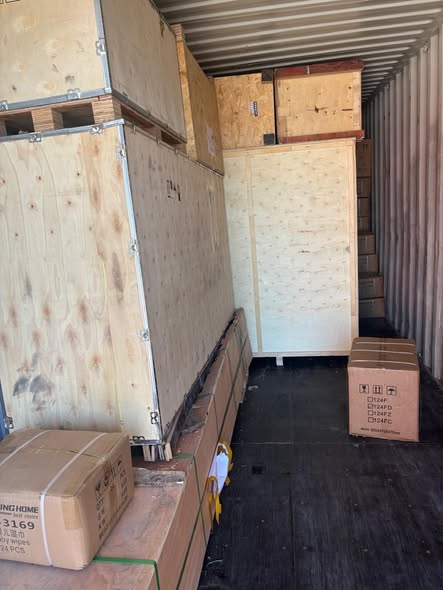
Cross Border Clients
Order cros border countries Collected
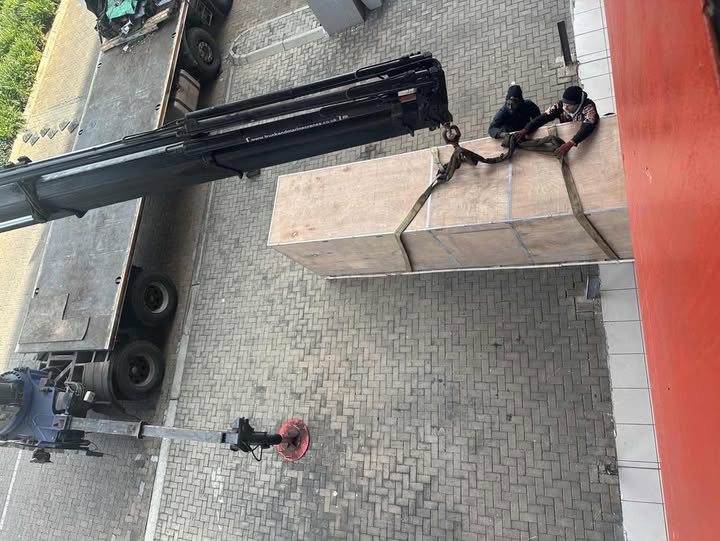
Industrial Machine Cllection
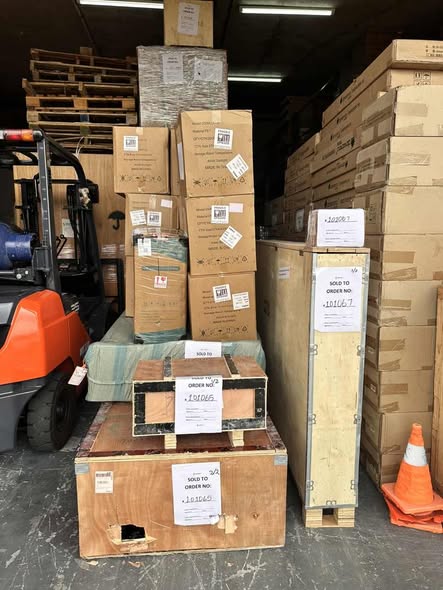
Agriculture Processing Machines
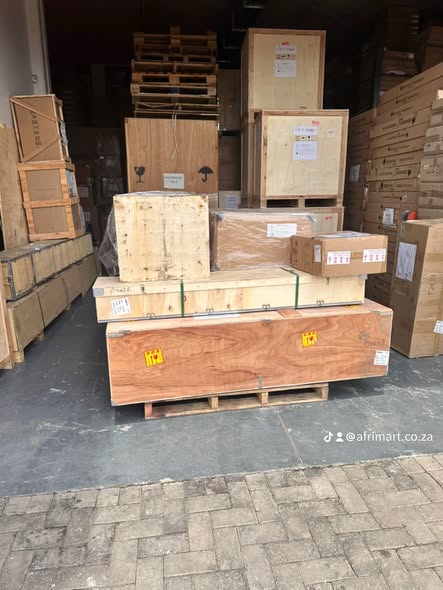
Ready for collection
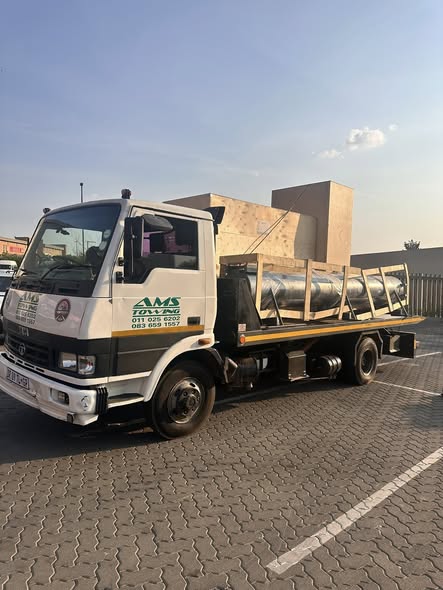
Water Pump Equipment
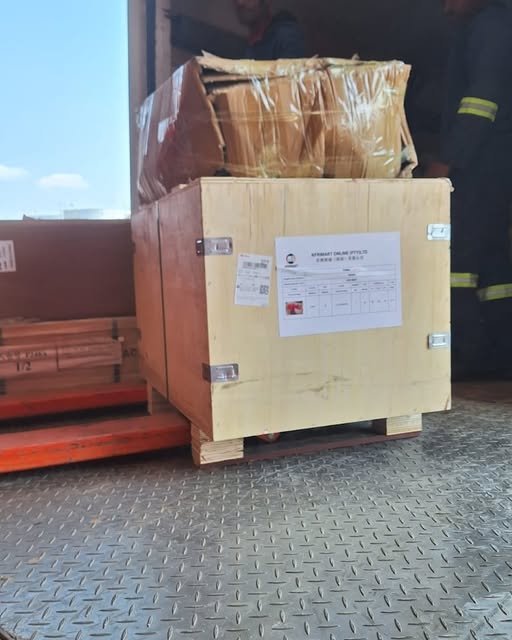
Packaging Machine and accessories
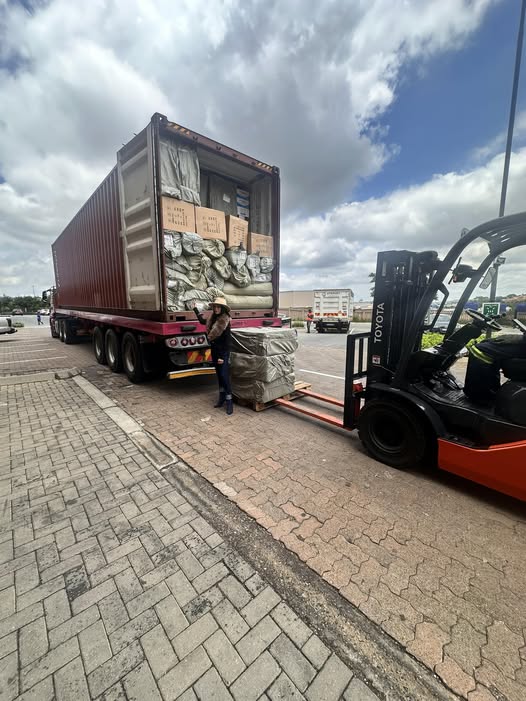
Fabrics Manufacturing Equipment
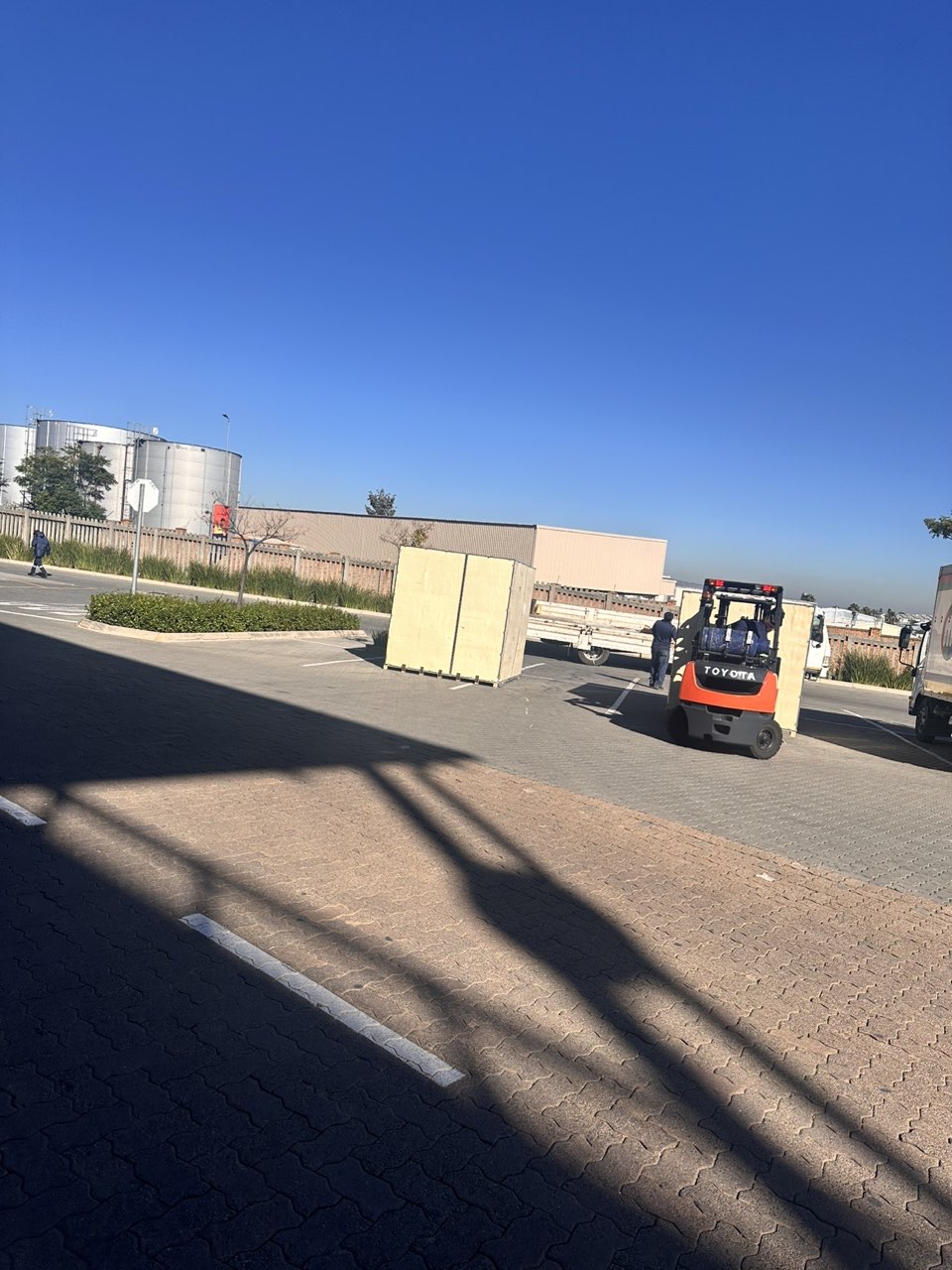
Mining Equipments
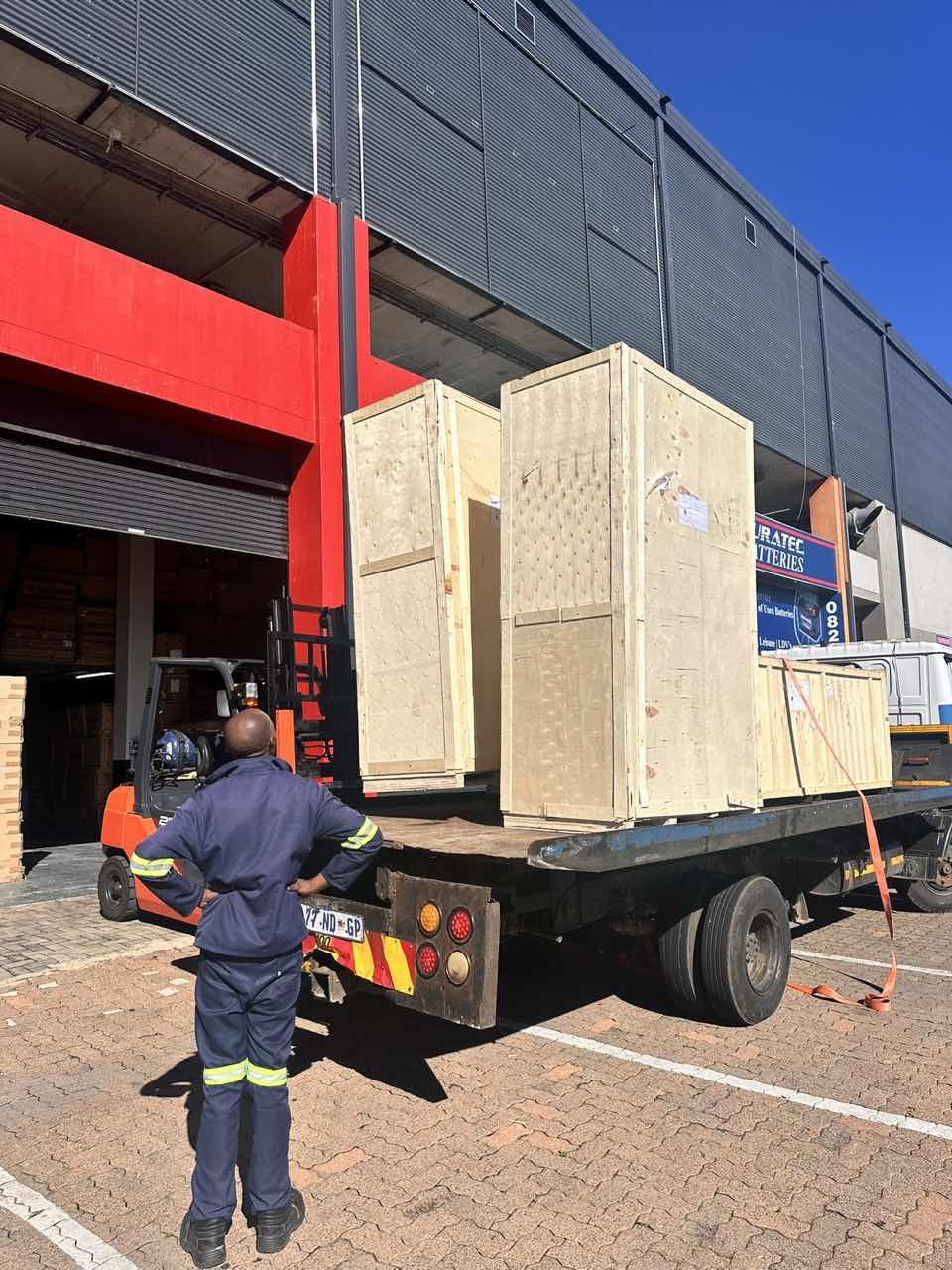
Food Processing Machine
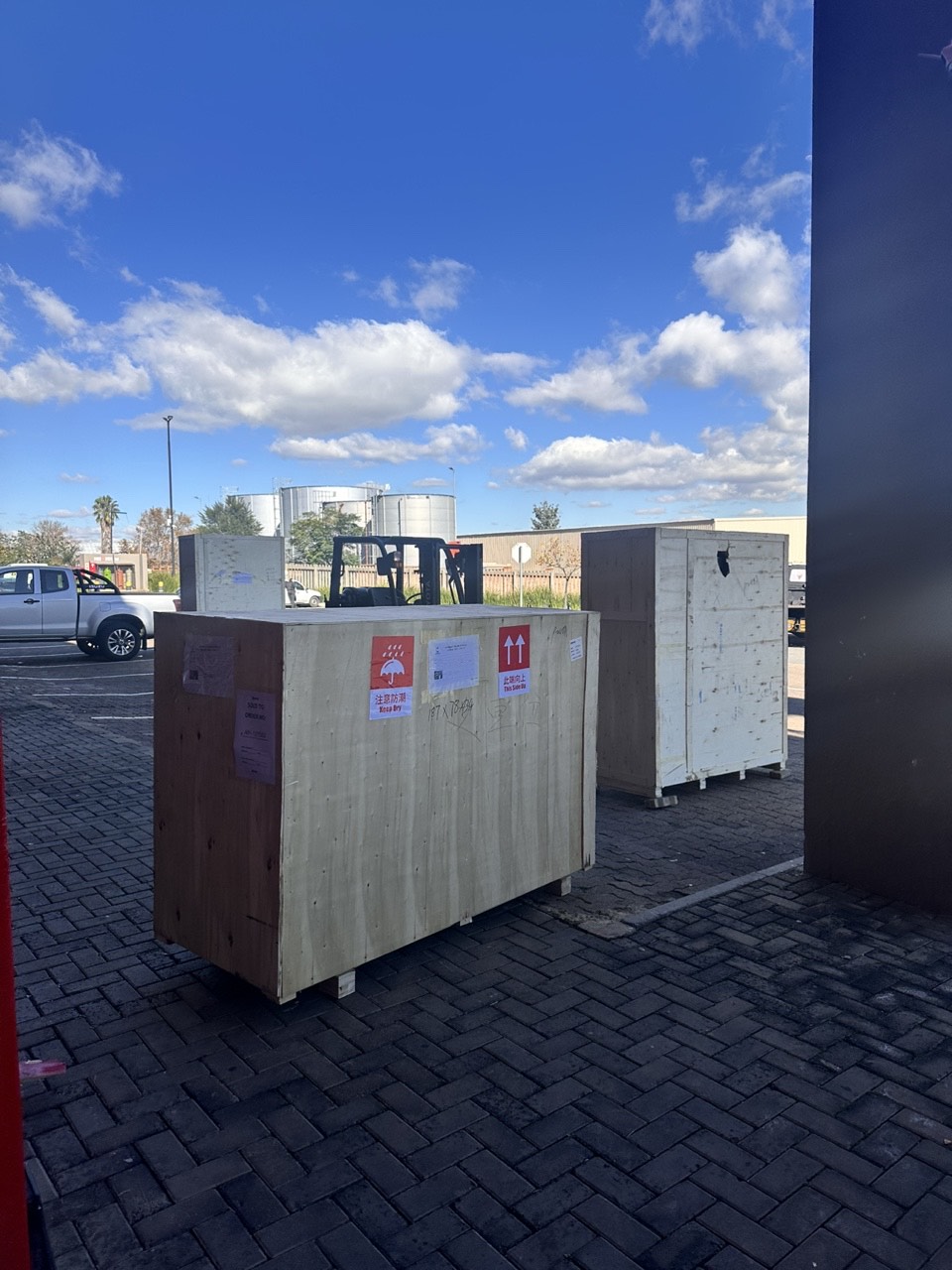
Batch of Orders
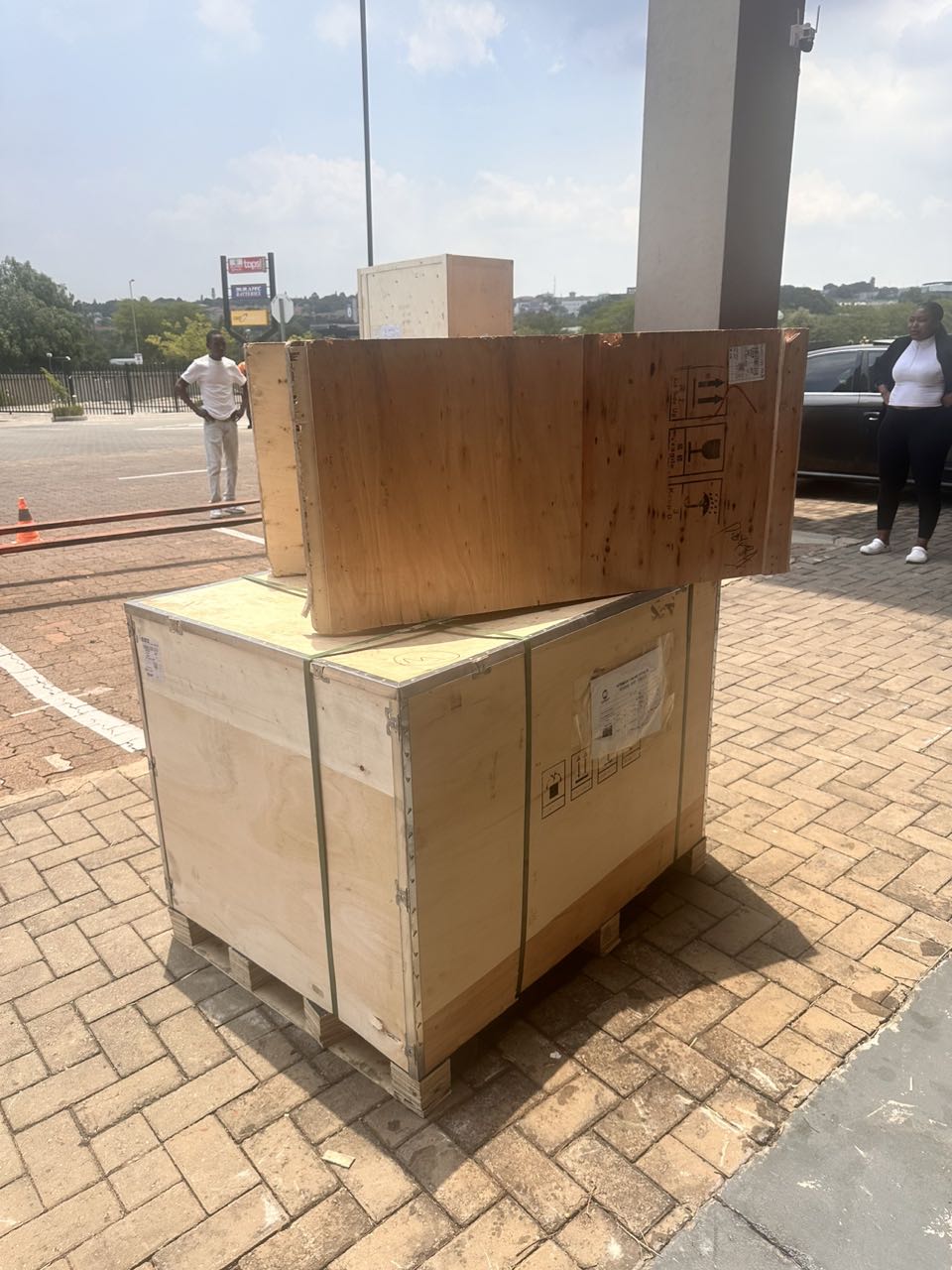
Batch of Orders
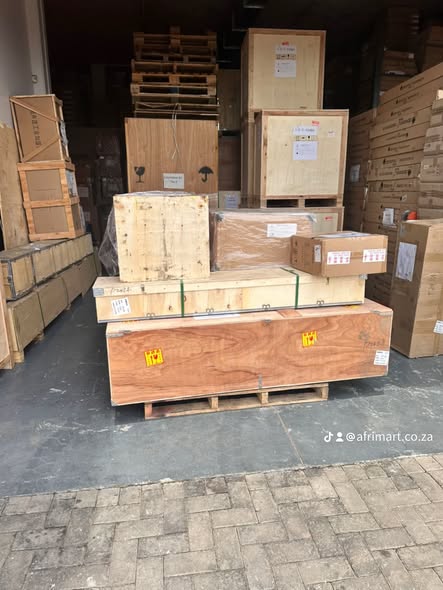
Latest Orders Labelled
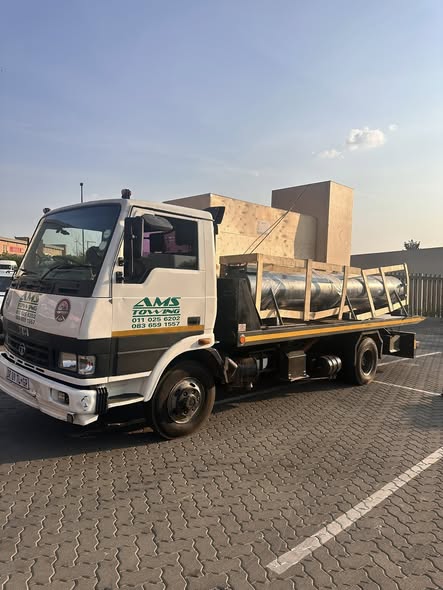
wheel alignment machines
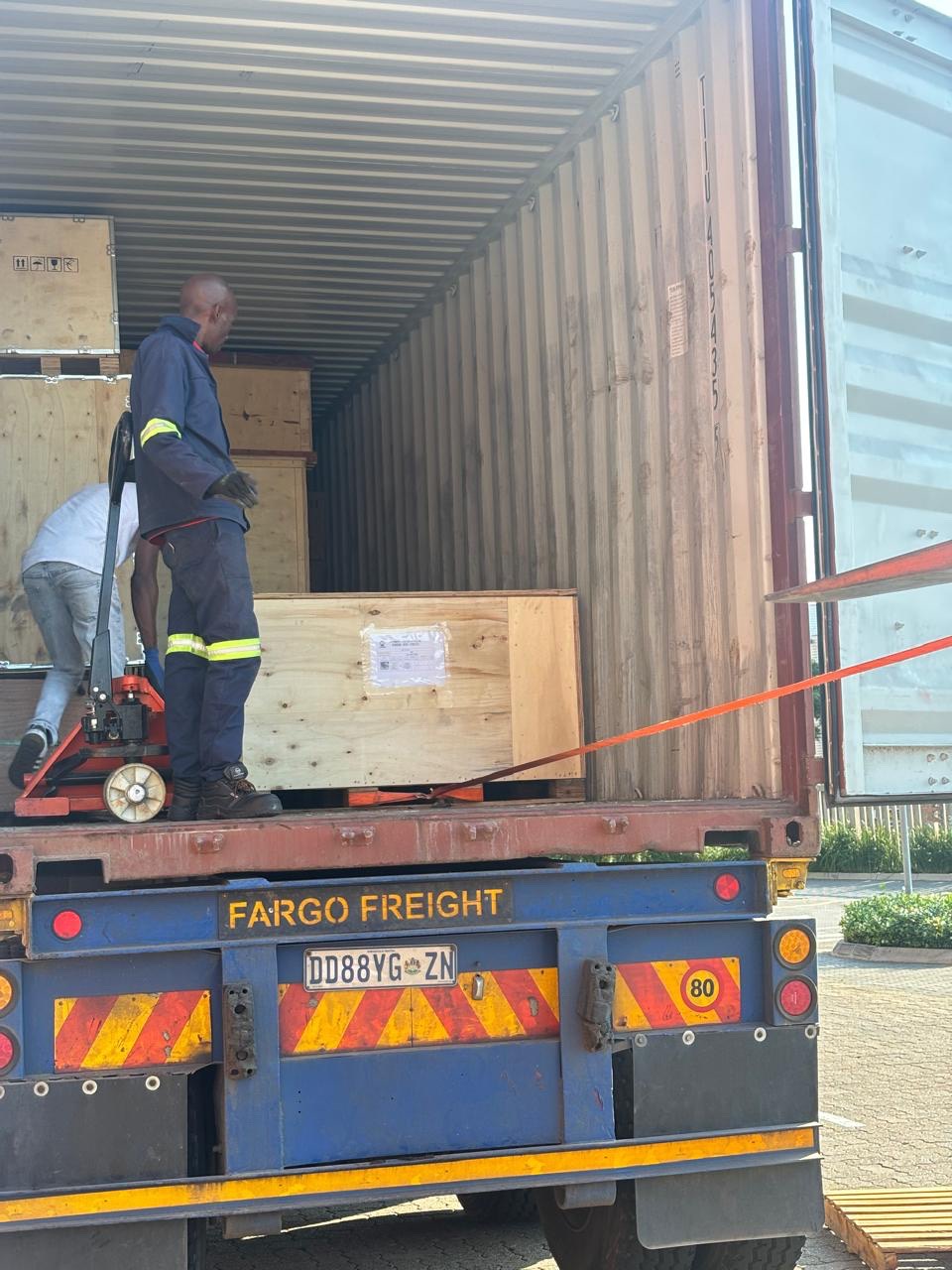
new arrivals
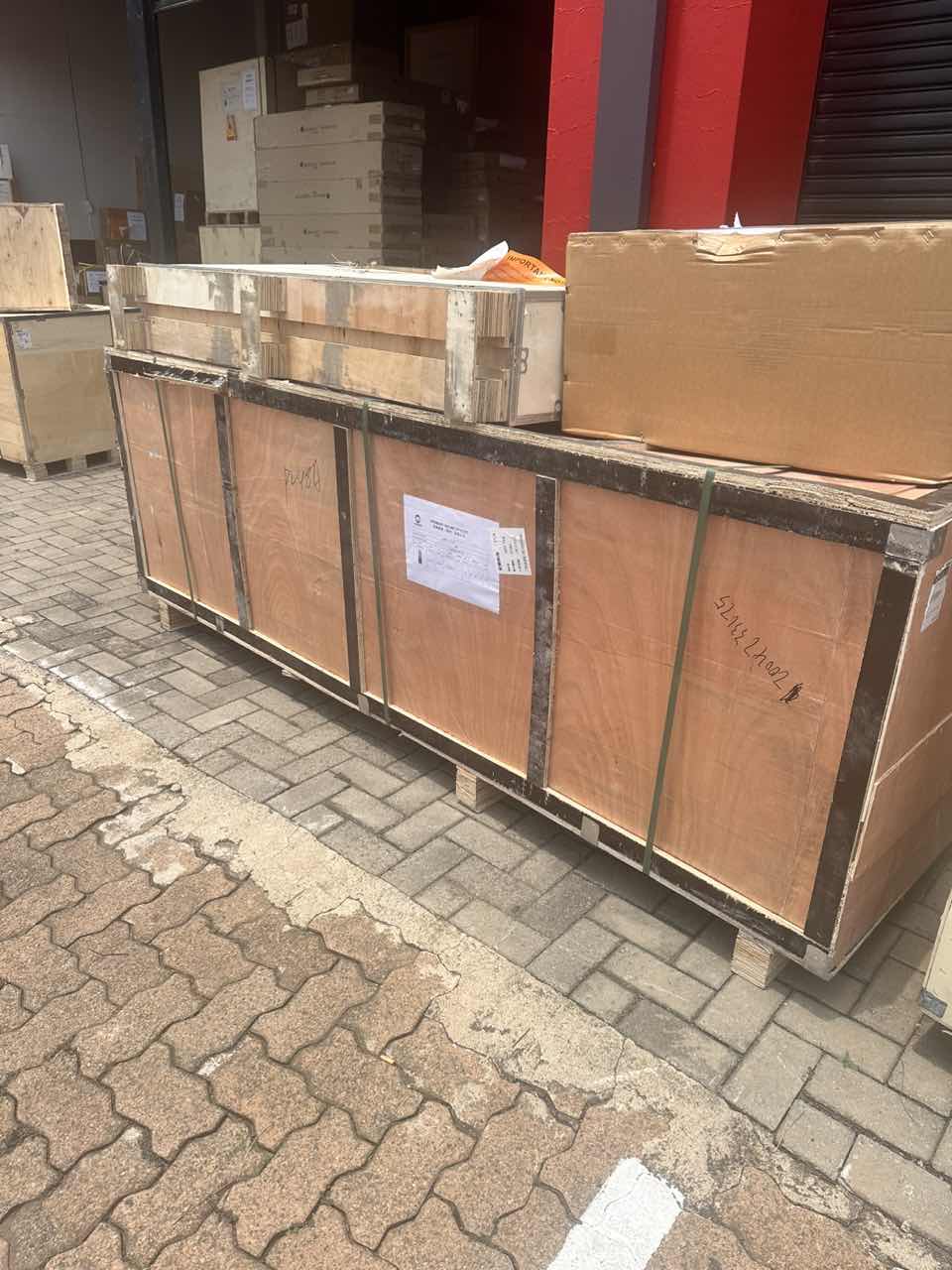
Pre Orders Offloading
Latest Arrivals
Latest Arrivals
Latest Arrivals
Loading
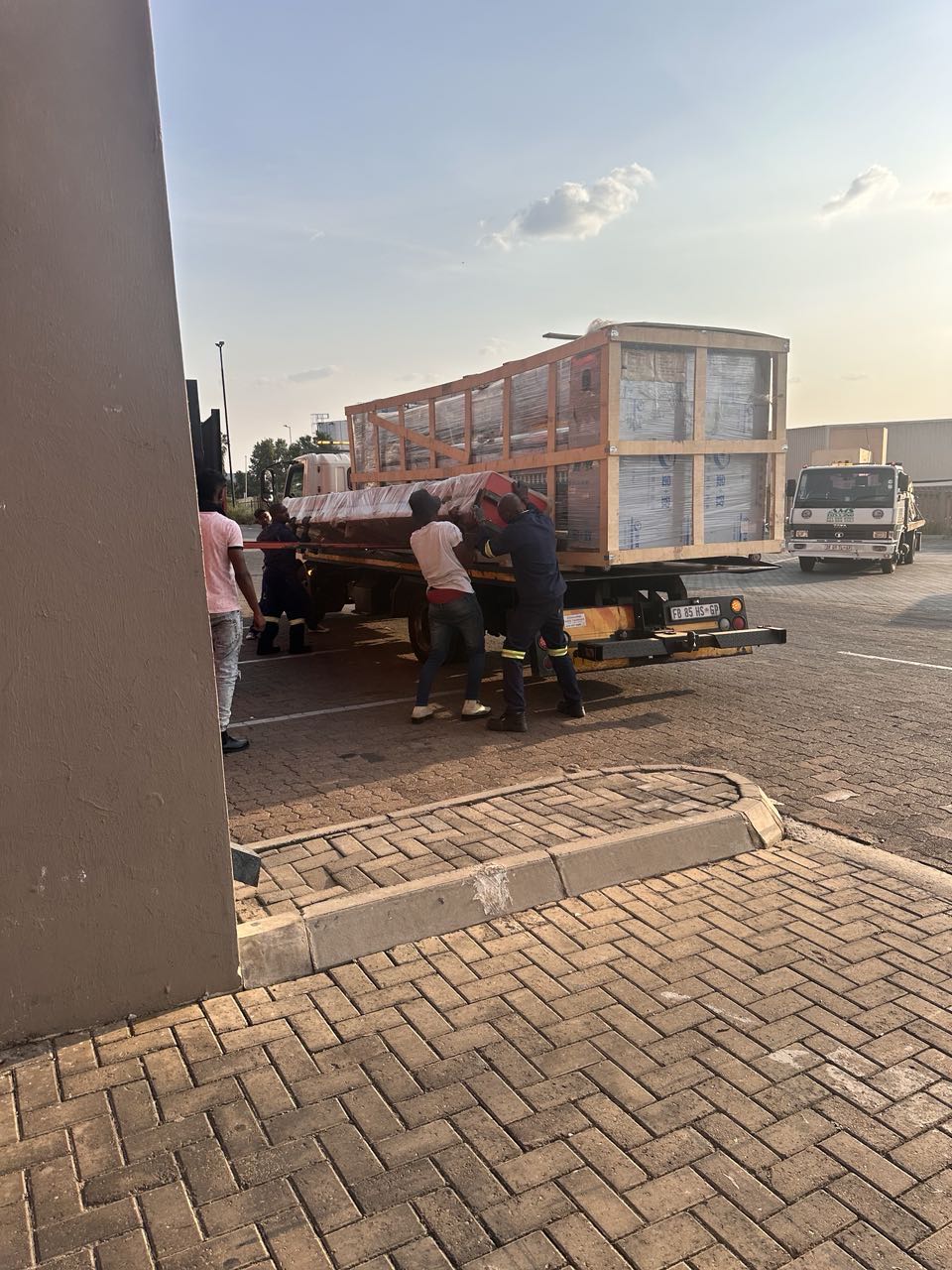
Toilet paper making machine
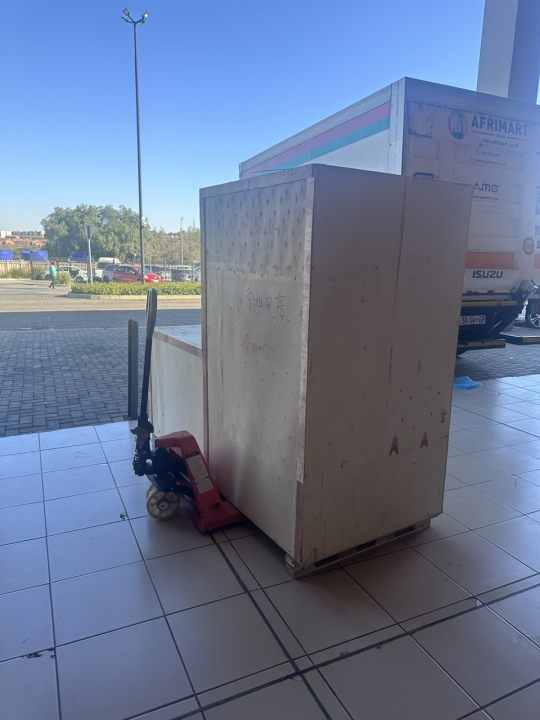
Toilet paper making machine
Toilet paper Rewinding Machine
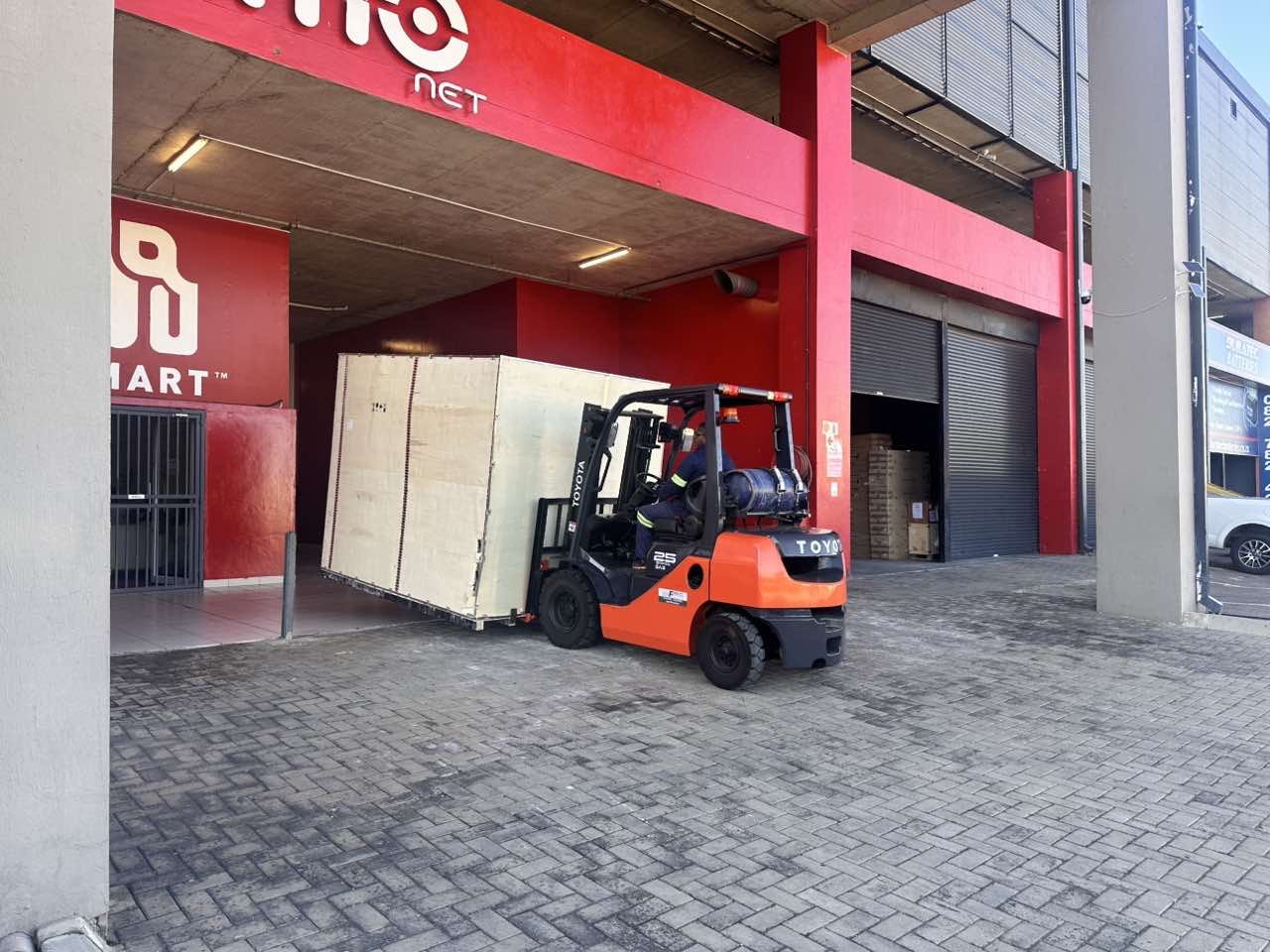
latest arrivals
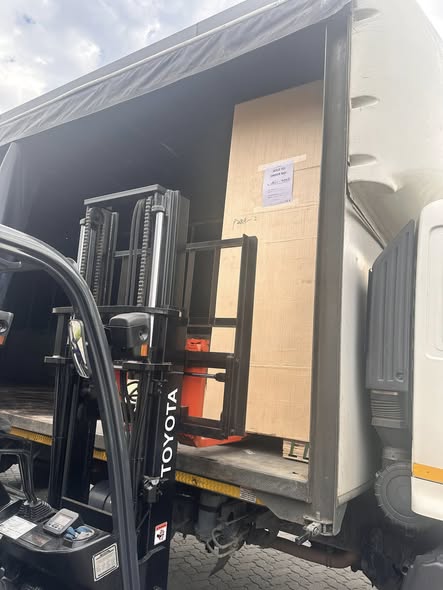
offloading
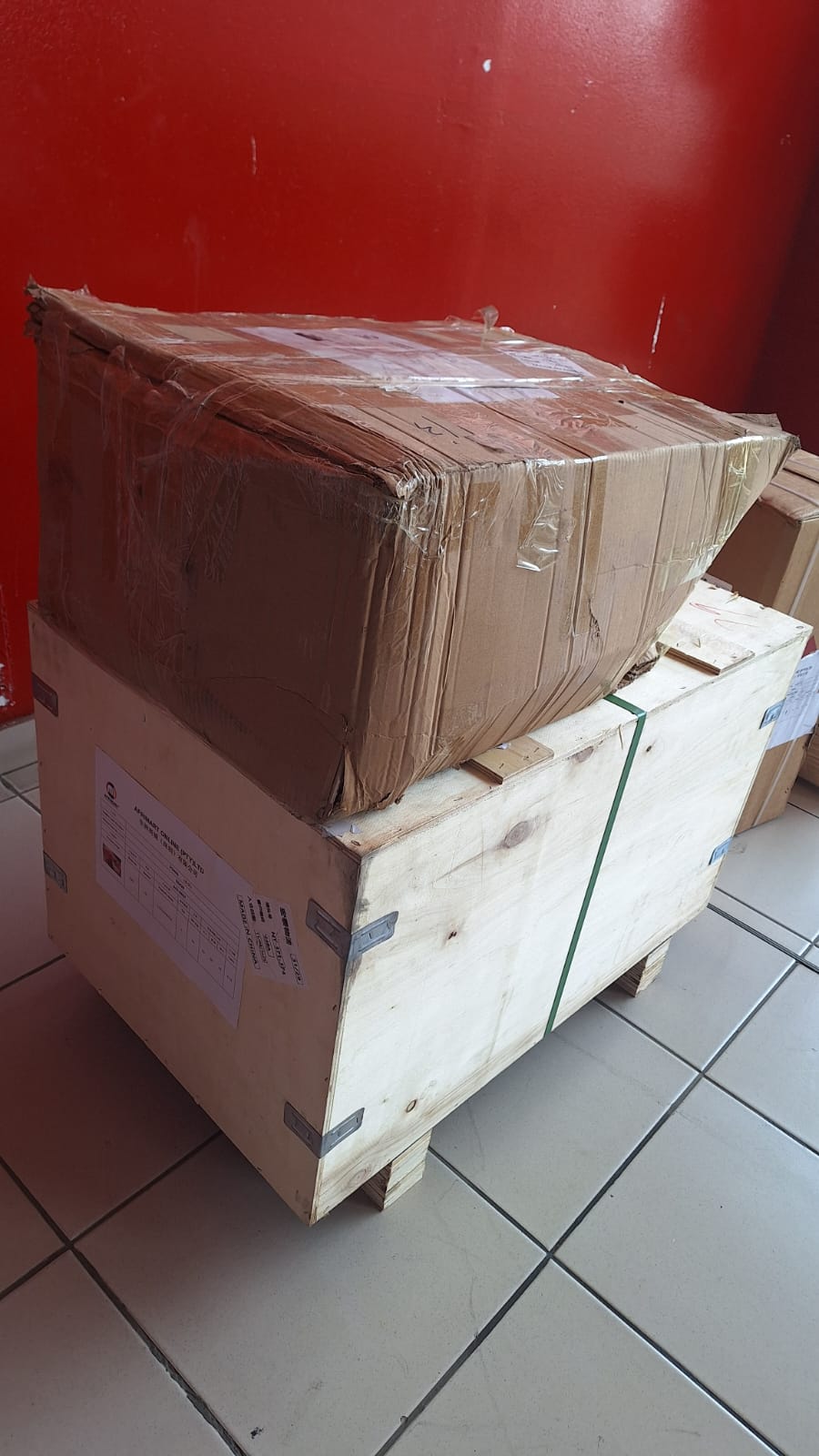
order success
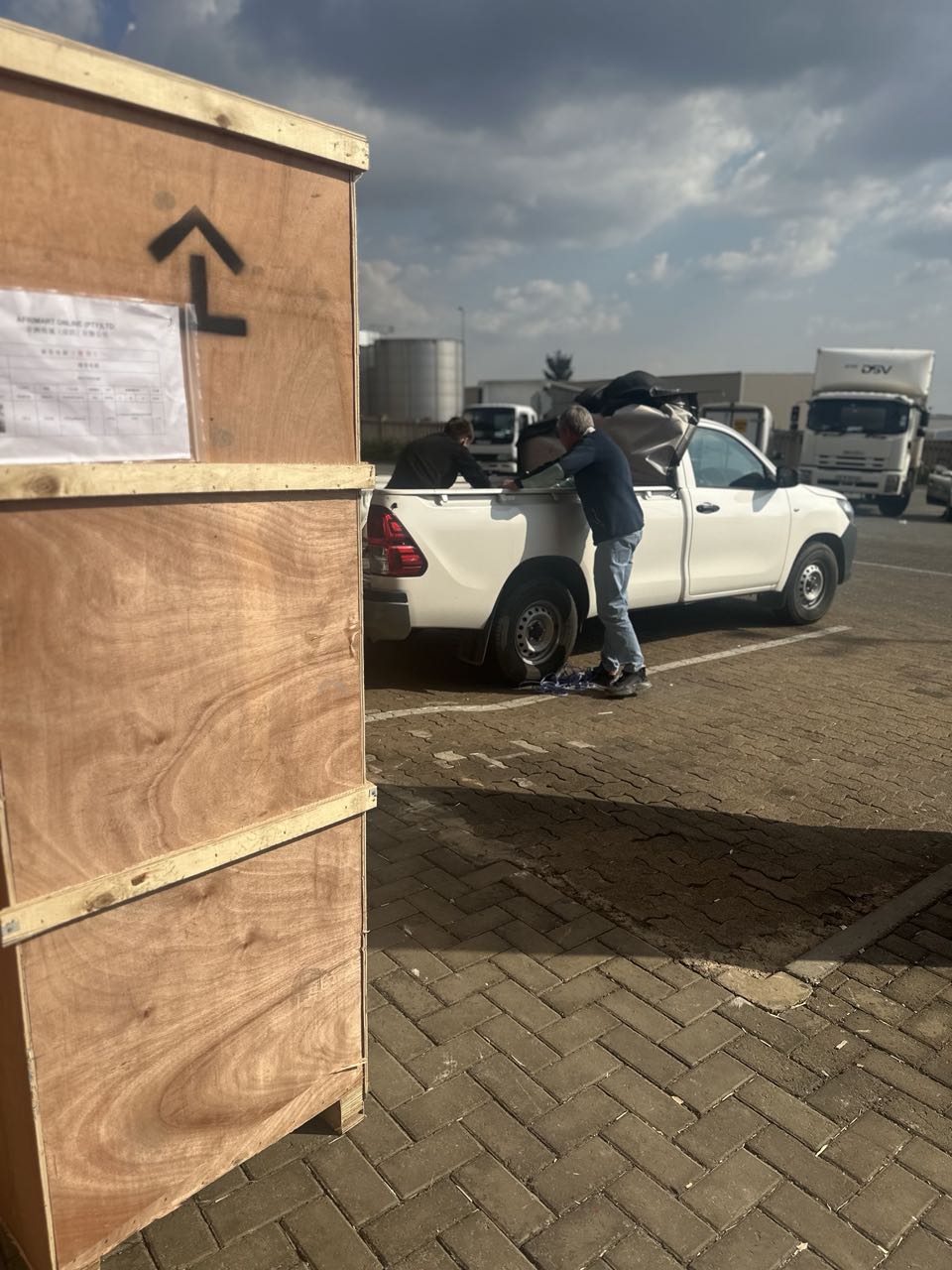
order collection
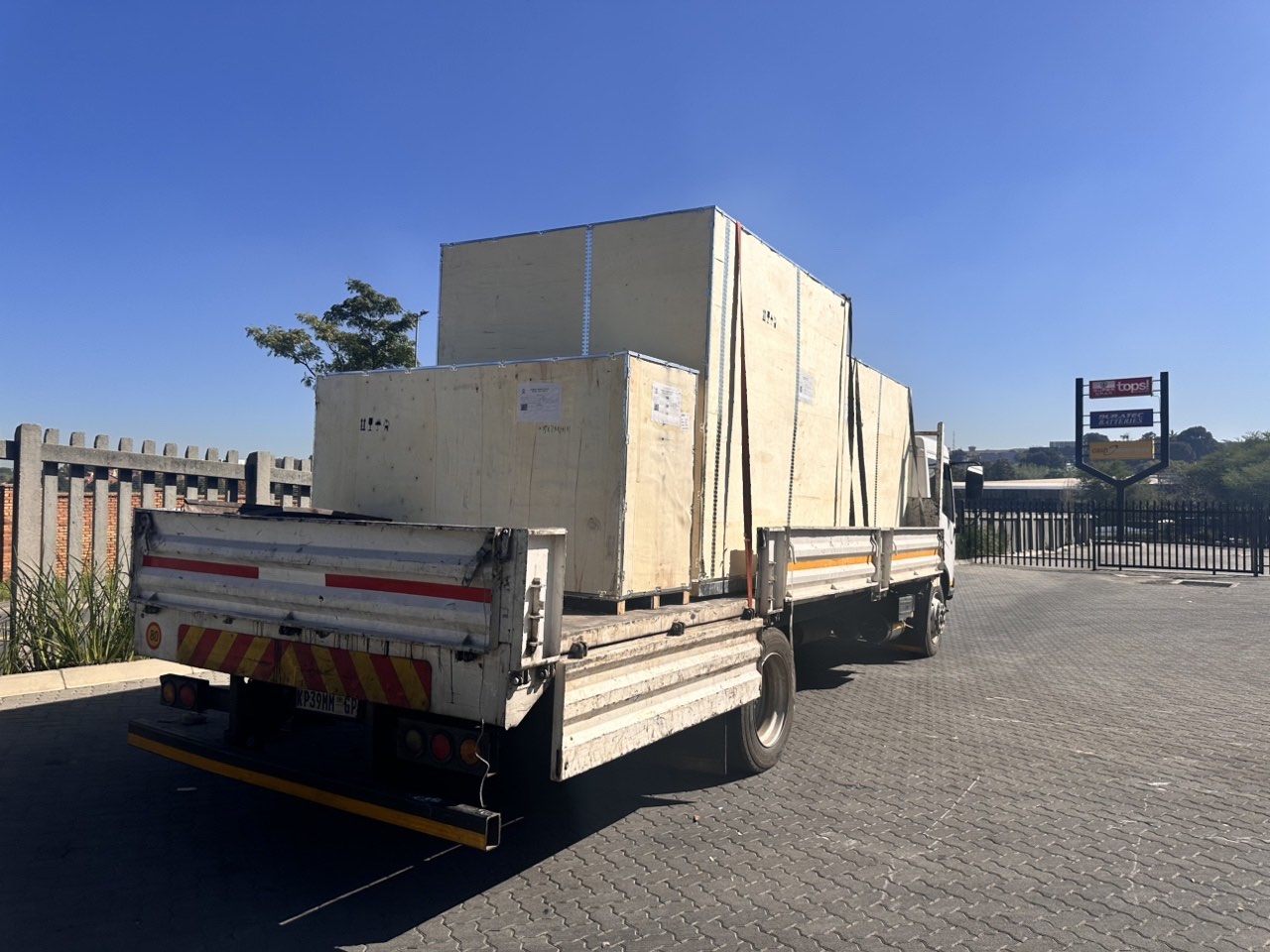
order offloading