B21, China Town Mall, Midrand


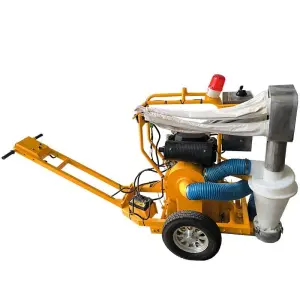
Concrete Floor High-Pressure Asphalt Crack Heat Lance Road Machinery
Asset finance available
Do you want funding for this equipment?
Afrimart can connect you with trusted funding partners who specialise in asset finance for businesses like yours. Compare options and apply in minutes — final approval is subject to provider review.
Check funding options
Secure & no obligation

- Section : Machinery
- Category : Road Machinery
- SKU : 1601042309697

Asphalt Concrete Floor High-Pressure Asphalt Crack Heat Lance
The Asphalt Concrete Floor High-Pressure Asphalt Crack Heat Lance is an essential road machinery tool used for enhancing the quality of asphalt joint repairs. This equipment efficiently removes moisture from the joint, ensuring strong adhesion between the joint walls and the filling material. The result is a longer-lasting bond and significantly improved construction quality. This heat lance is particularly beneficial for areas with frequent rain or in colder climates, allowing construction to proceed shortly after rain without waiting for the road to dry completely.
Key Features:
- Moisture Removal: Removes moisture from the joint walls, allowing for faster and more effective bonding of joint filler materials.
- Quick Drying: The hot air spraying creates high-pressure and high-temperature gas, effectively removing dust and moisture within the joint, forming a clean and dry bonding surface.
- Improved Adhesion: Helps soften the asphalt, increasing its bond strength and ensuring that joint fillers adhere strongly to the road surface.
- Dust & Waterproofing: The heat lance prevents dust accumulation and enhances the waterproofing effect, extending the longevity and durability of the repair.
Specifications:
| Parameter | Details |
|---|---|
| Engine | Honda GX270 |
| Power | 9 HP |
| Flame Temperature | 1520°C |
| Heating Fuel | Liquid Gas |
| Outline Size | 1200 x 770 x 1130 mm |
Applications:
- Asphalt Joint Repairs: Essential for treating cracks and joints in asphalt roads, especially in wet or cold conditions.
- Road Maintenance: Ideal for road workers needing to perform asphalt repairs quickly and efficiently in areas that are prone to moisture.
- Improving Construction Quality: Ensures long-lasting and strong repairs by drying and cleaning the joint before filling.
Why Choose This Asphalt Crack Heat Lance:
- Faster Construction: Allows for immediate construction without waiting for the surface to dry completely, saving time and increasing project efficiency.
- High Performance: The Honda GX270 engine provides powerful performance to handle demanding road repair tasks.
- Durability & Reliability: Designed for high-pressure hot air spraying, it ensures reliable operation and longevity in tough working conditions.
- Versatile & Efficient: Useful for both dehumidifying the joint wall and improving the adhesion of the asphalt filler, delivering effective results in challenging environments.
This Asphalt Crack Heat Lance is a must-have tool for road repair crews looking for high-quality, time-saving equipment to handle asphalt joint maintenance in various weather conditions.

- Shipping Timeframes: All orders are processed within 2-5 business days (excluding weekends and holidays). After your order has been processed, the estimated delivery time is before 03 Aug, 2026, depending on customs, Please note that due to high demand, some items may experience longer shipping times, which will be communicated at order confirmation email.
- Order Processing Time: Please allow 2-5 business days for us to process your order before it is shipped . Orders placed after 16:00 on Fridays, or during weekends and public holidays, will begin processing on the next business day. Processing times may be extended during peak seasons or sales events.
- Manufacturing Time: Some products needs manufacturing time, the manufacturing process will take approximately 10-30 business days depending on the product. This timeframe may vary depending on the complexity of the product and current demand. but this will be communicated with you during order confirmation.
- Returns and Exchanges: We offer a 30-day return policy for most items. If you are not completely satisfied with your purchase, you may return it within 30 days of receipt for a refund or exchange. Items must be unused, in their original packaging, and accompanied by proof of purchase. Return shipping costs are the responsibility of the customer, unless the item was damaged or defective upon arrival.
1. What is the primary function of the Concrete Floor High-Pressure Asphalt Crack Heat Lance?
The primary function of the heat lance is to enhance the quality of asphalt joint repairs by removing moisture from the joint walls, ensuring strong adhesion between the joint walls and the filling material.
2. How does the heat lance improve adhesion in asphalt repairs?
The heat lance helps soften the asphalt, increasing its bond strength, which ensures that joint fillers adhere strongly to the road surface.
3. What type of engine does the heat lance use?
The heat lance is powered by a Honda GX270 engine, providing 9 HP of performance for demanding road repair tasks.
4. Can this equipment be used in wet or cold conditions?
Yes, the heat lance is particularly beneficial in wet or cold conditions, allowing construction to proceed shortly after rain without waiting for the road to dry completely.
5. What is the flame temperature produced by the heat lance?
The heat lance produces a flame temperature of 1520°C.
6. What are the dimensions of the heat lance?
The outline size of the heat lance is 1200 x 770 x 1130 mm.
7. How does the heat lance enhance the waterproofing effect?
The heat lance prevents dust accumulation and improves the waterproofing effect, which extends the longevity and durability of the asphalt repairs.
8. Is the heat lance suitable for road maintenance?
Yes, the heat lance is ideal for road maintenance, allowing road workers to perform asphalt repairs quickly and efficiently in moisture-prone areas.
9. What type of fuel does the heat lance require?
The heat lance uses liquid gas as its heating fuel.
10. How does the heat lance contribute to faster construction?
By allowing immediate construction without waiting for the surface to dry completely, the heat lance saves time and increases project efficiency.
11. What makes this heat lance a reliable tool for road repair crews?
Its design for high-pressure hot air spraying ensures reliable operation and longevity in tough working conditions, making it a dependable tool for road repair crews.
12. Can the heat lance be used for both dehumidifying and improving adhesion?
Yes, the heat lance is versatile and efficient, useful for both dehumidifying the joint wall and improving the adhesion of the asphalt filler.
13. What are the key features of the Asphalt Crack Heat Lance?
Key features include moisture removal, quick drying, improved adhesion, and dust & waterproofing capabilities.
14. Is the heat lance easy to operate for beginners?
While the heat lance is designed for efficiency, it is recommended that users have some experience with road machinery to ensure safe and effective operation.
15. What types of repairs is the heat lance most effective for?
The heat lance is most effective for treating cracks and joints in asphalt roads, especially in wet or cold conditions.
Latest Order Arrivals
Discover our latest orders
12 Heads Embroidery Machine
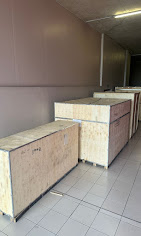
Toilet Paper Machine Machine
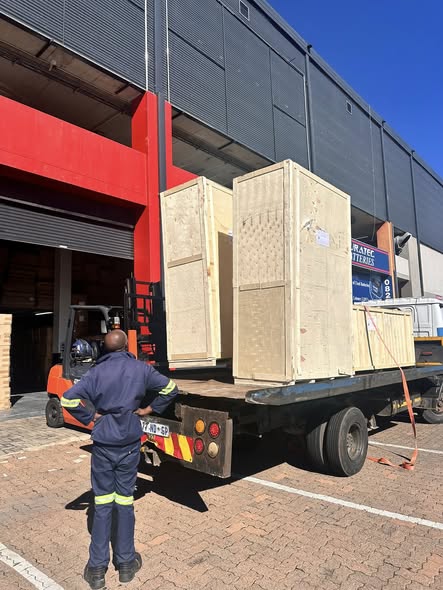
Order Collection
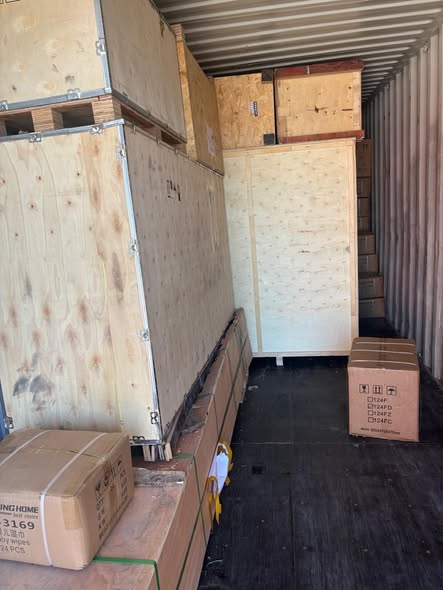
Cross Border Clients
Order cros border countries Collected
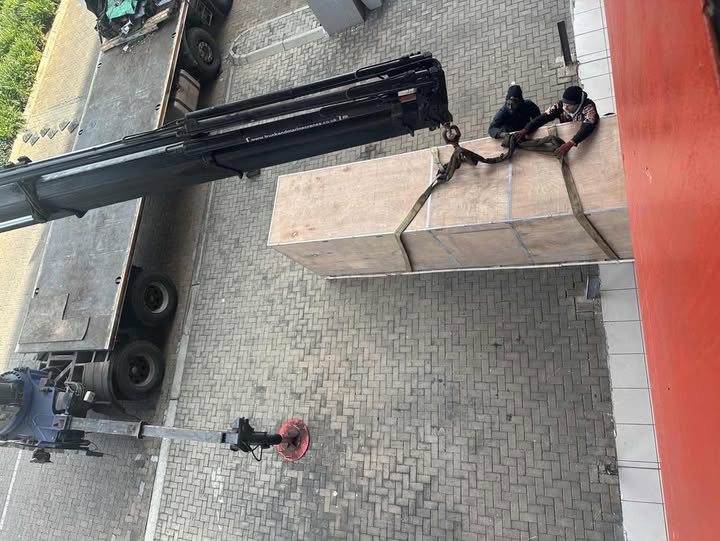
Industrial Machine Cllection
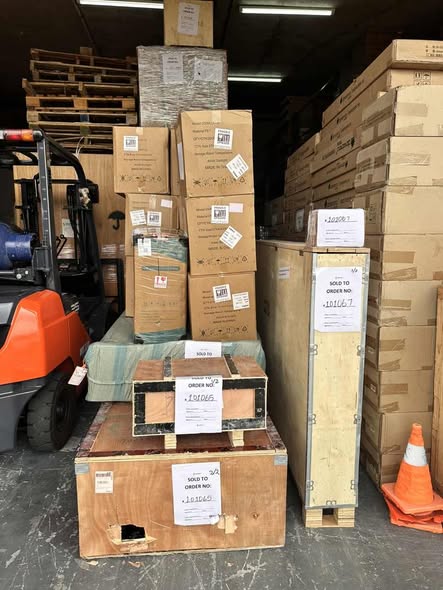
Agriculture Processing Machines
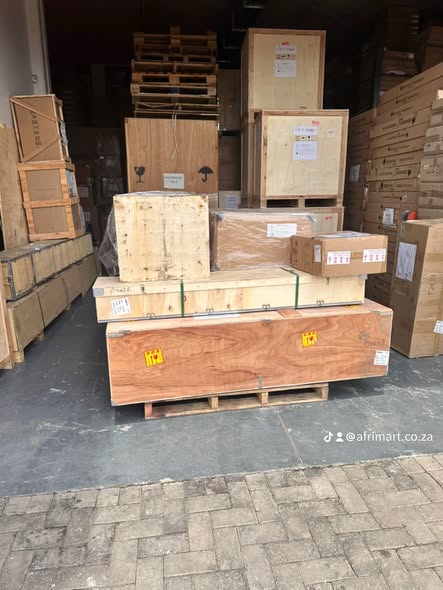
Ready for collection
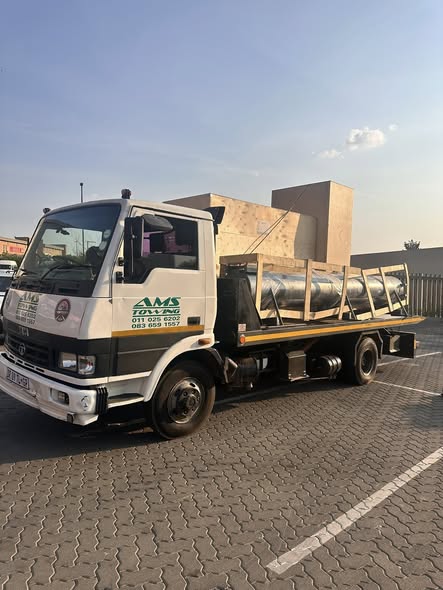
Water Pump Equipment
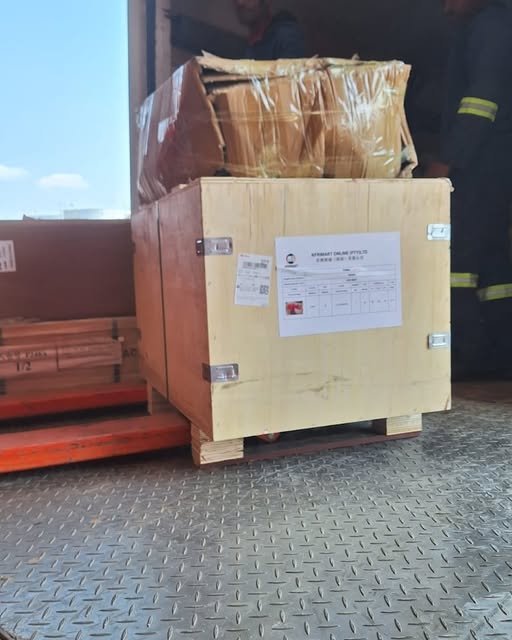
Packaging Machine and accessories
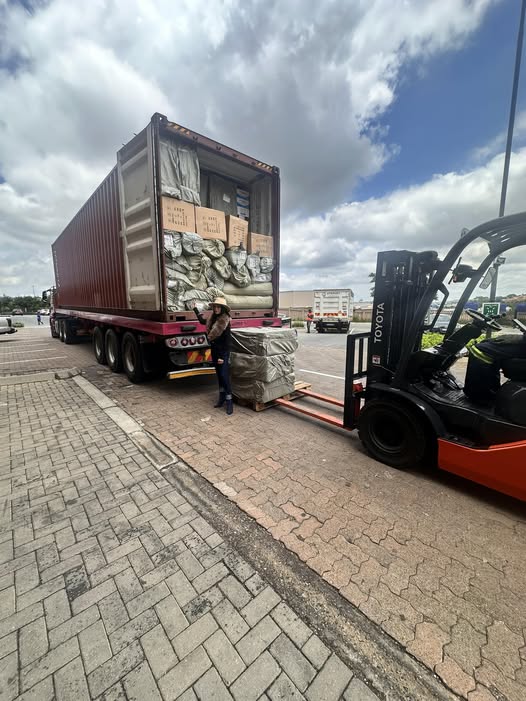
Fabrics Manufacturing Equipment
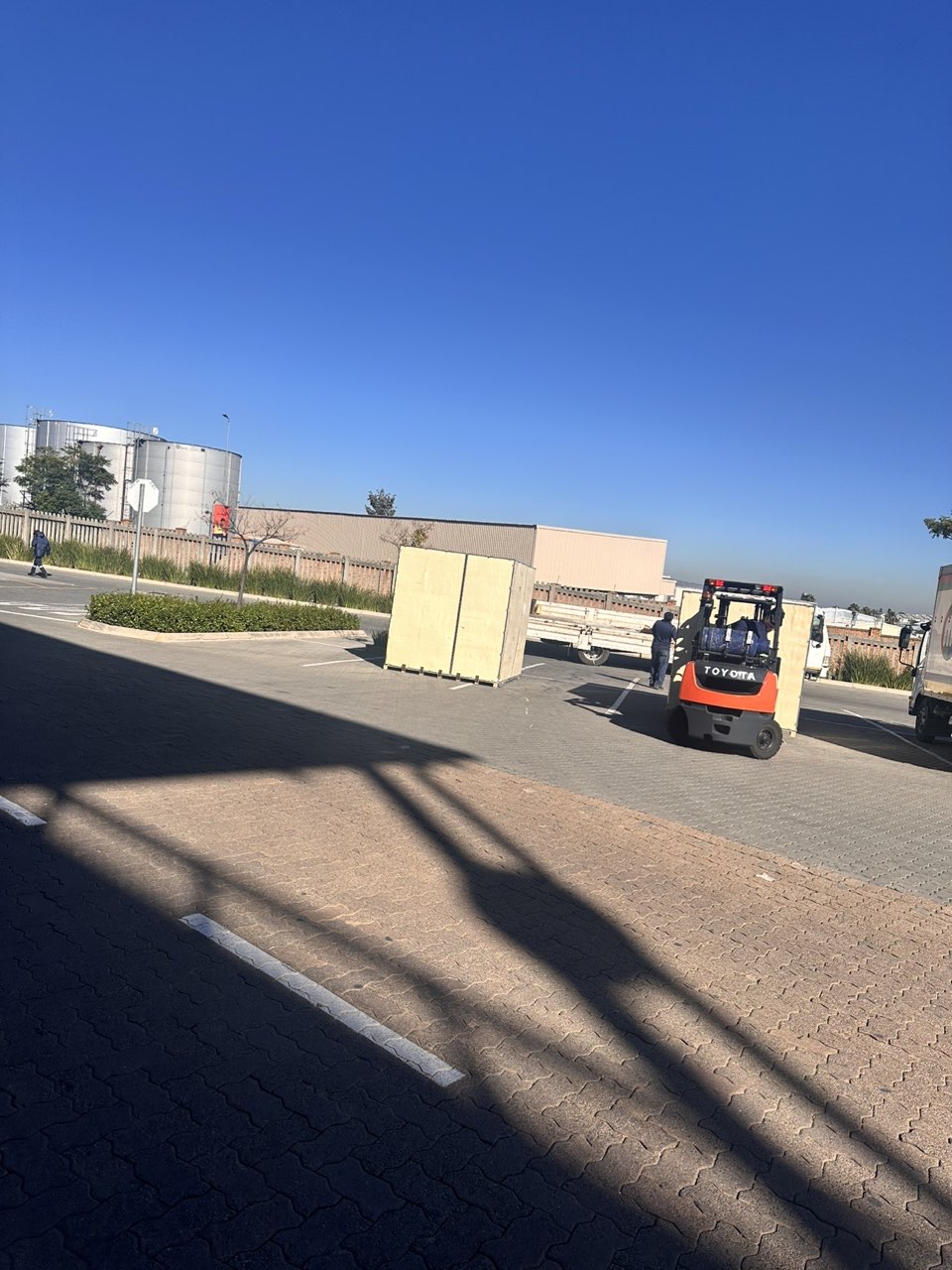
Mining Equipments
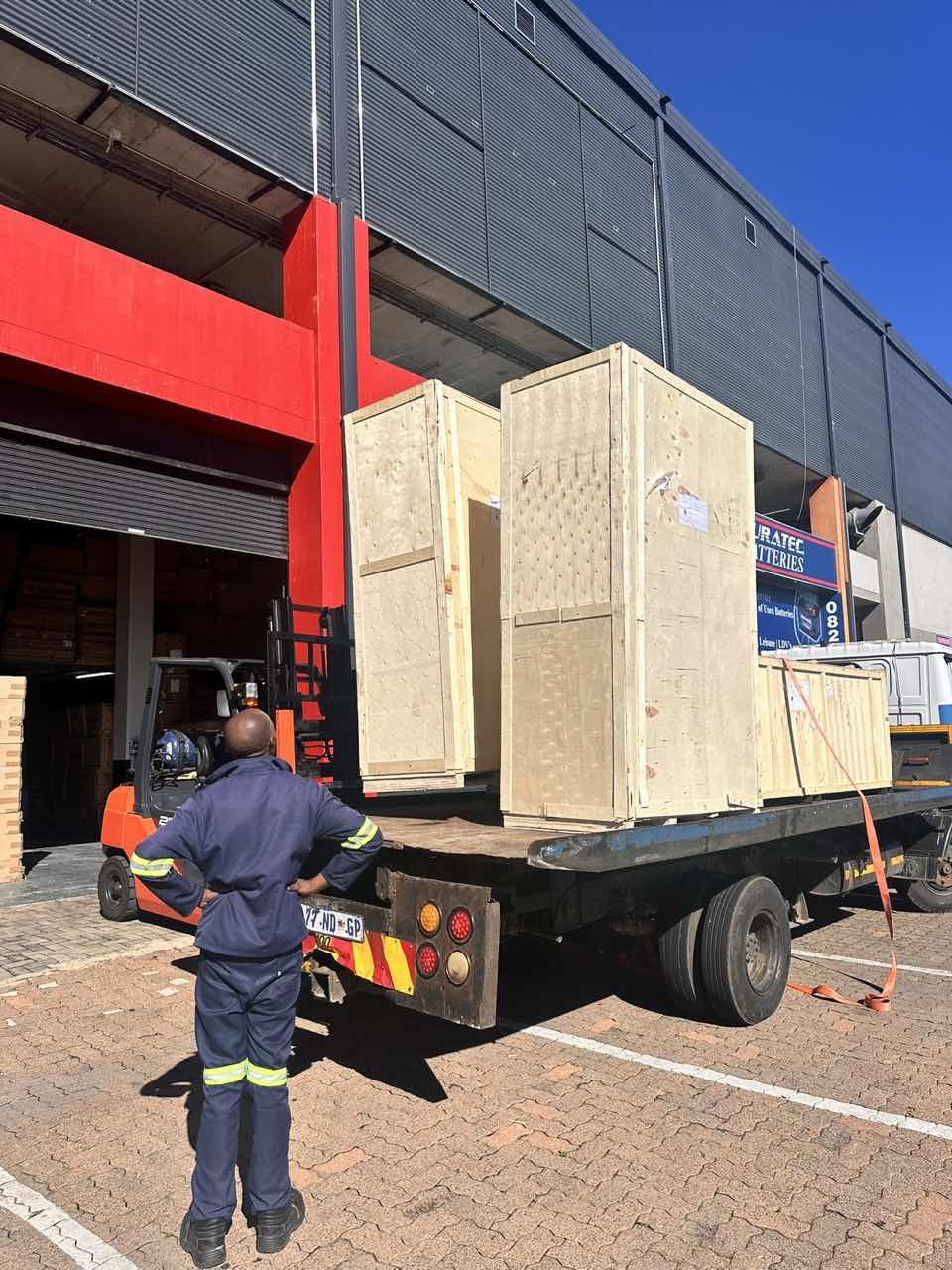
Food Processing Machine
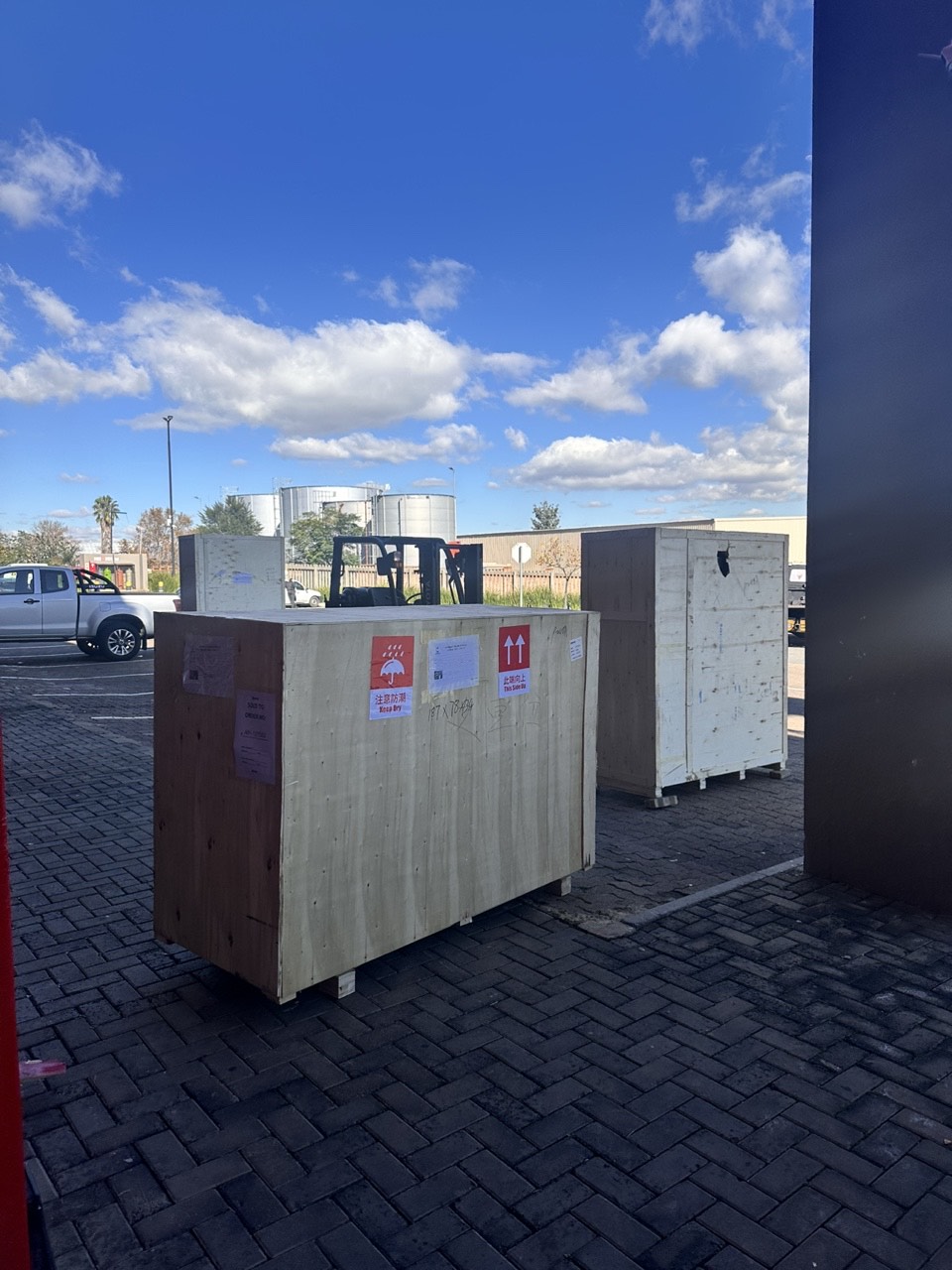
Batch of Orders
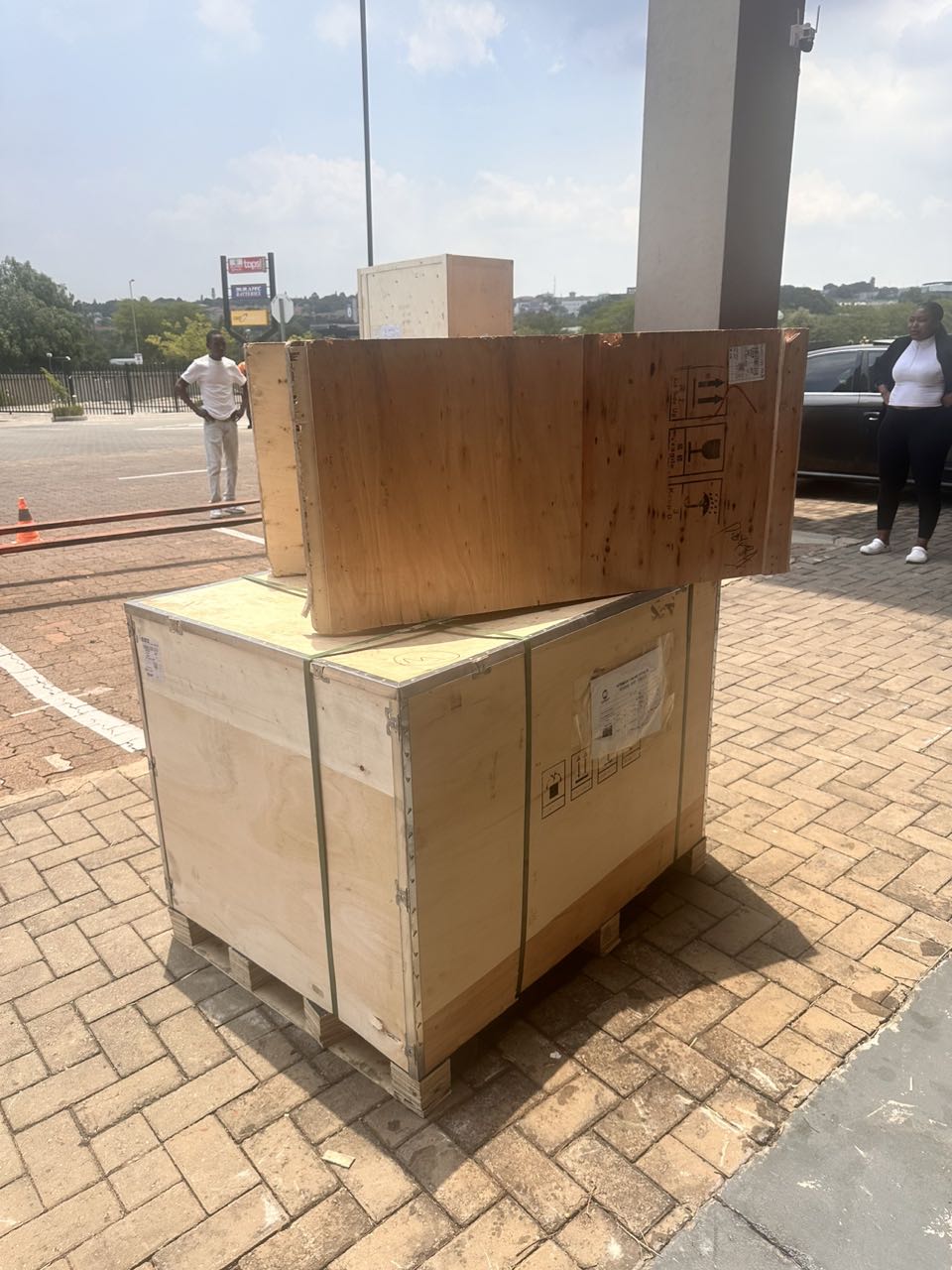
Batch of Orders
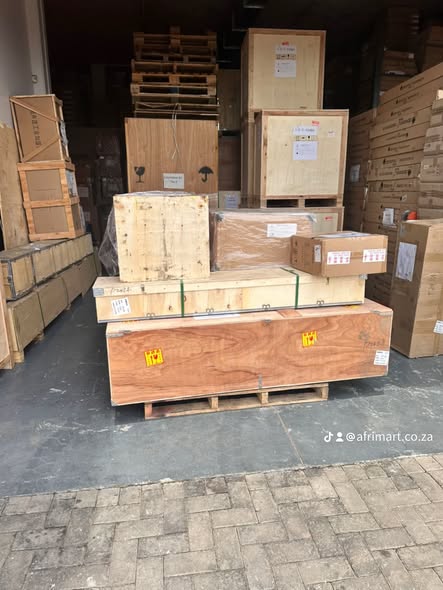
Latest Orders Labelled
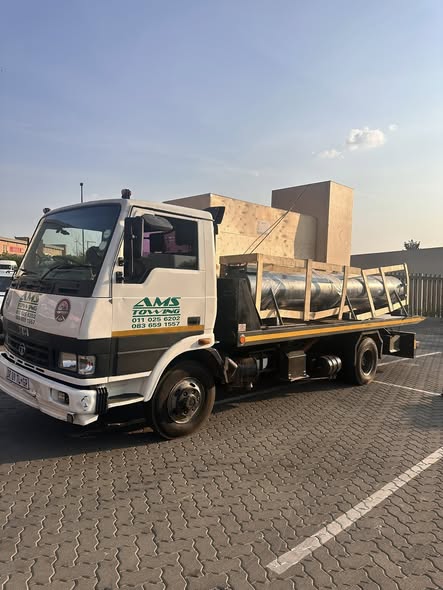
wheel alignment machines
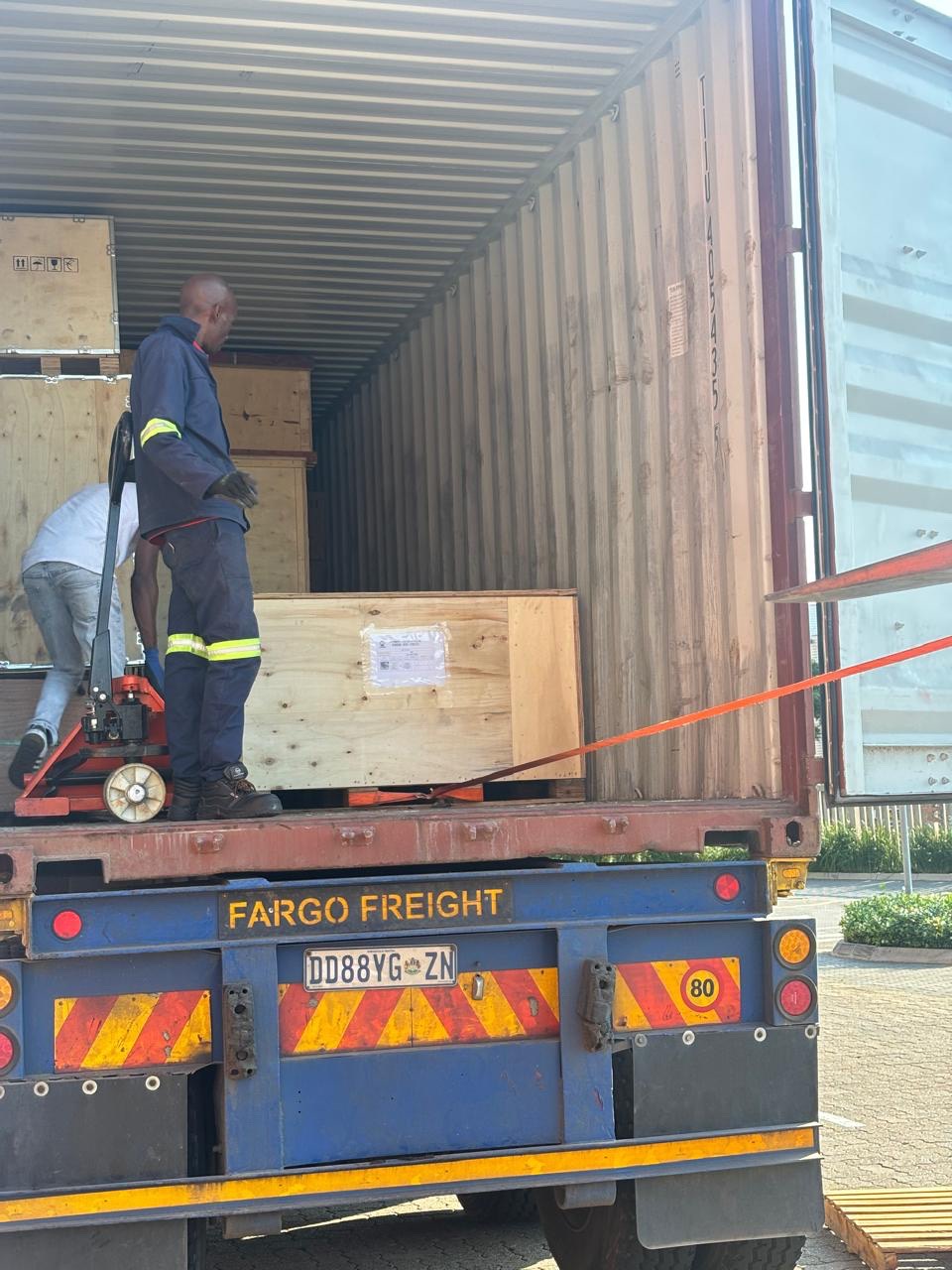
new arrivals
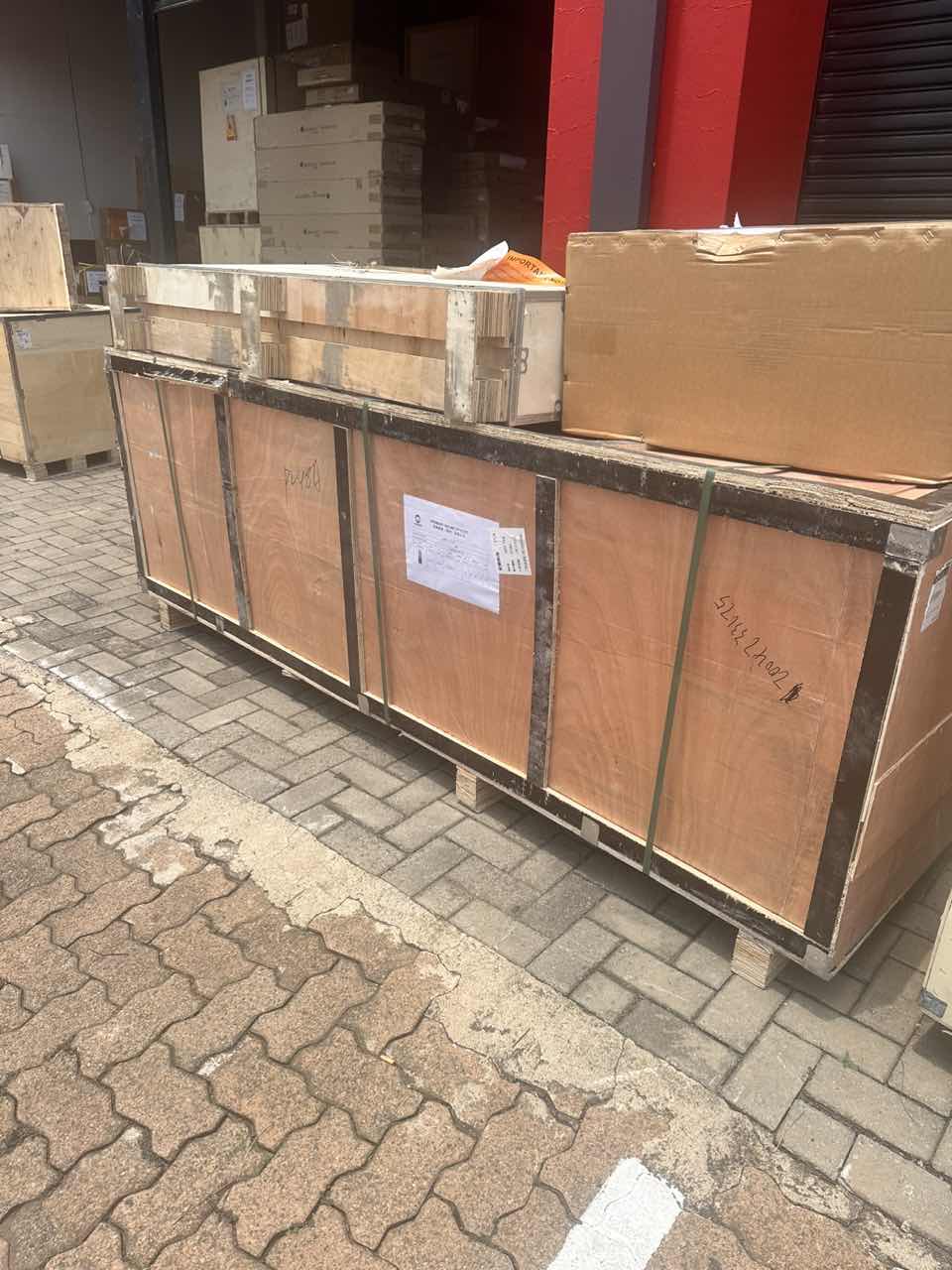
Pre Orders Offloading
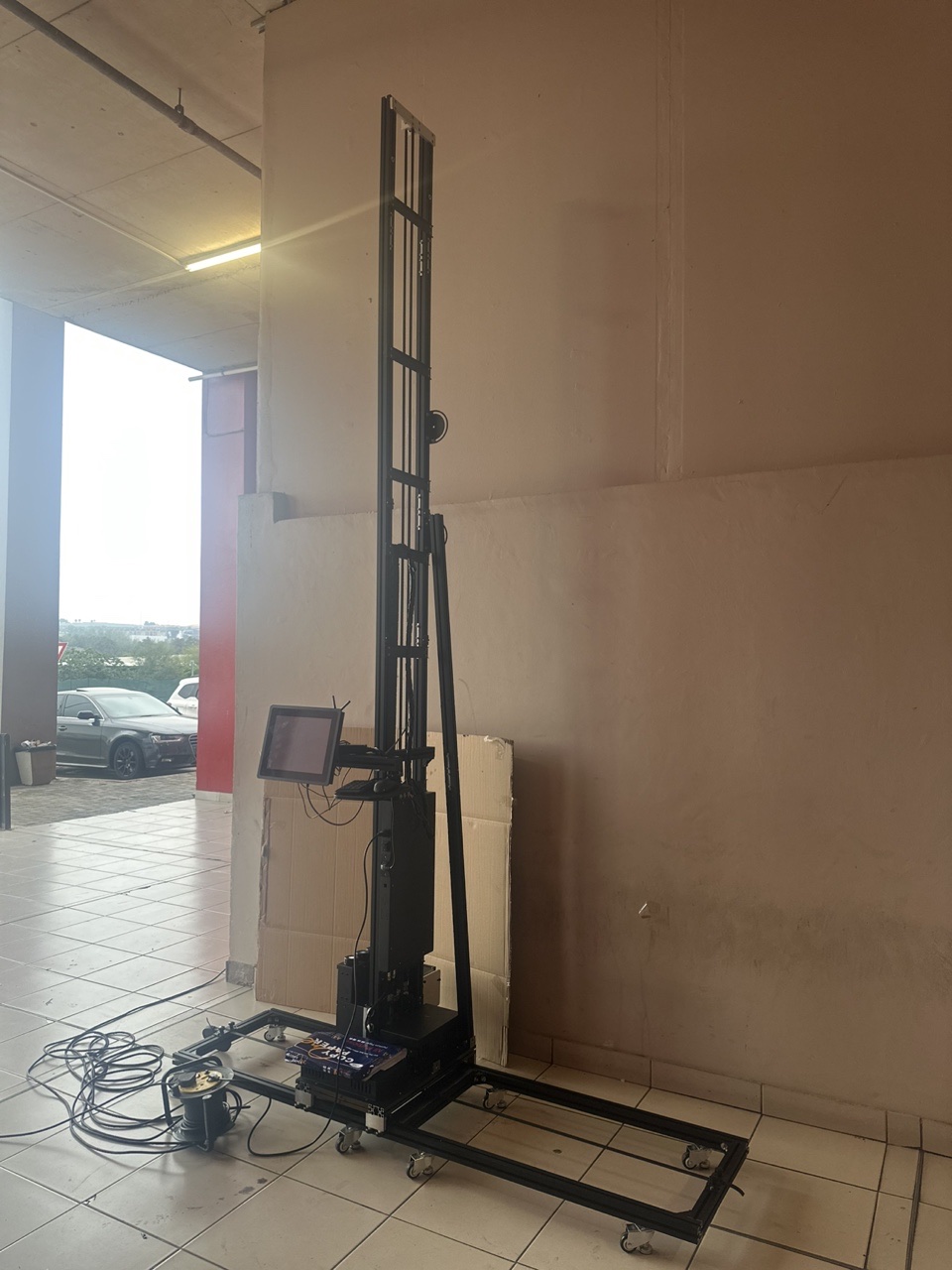
Latest Arrivals
Latest Arrivals

Latest Arrivals
Loading
Toilet paper making machine
Toilet paper making machine
Toilet paper Rewinding Machine
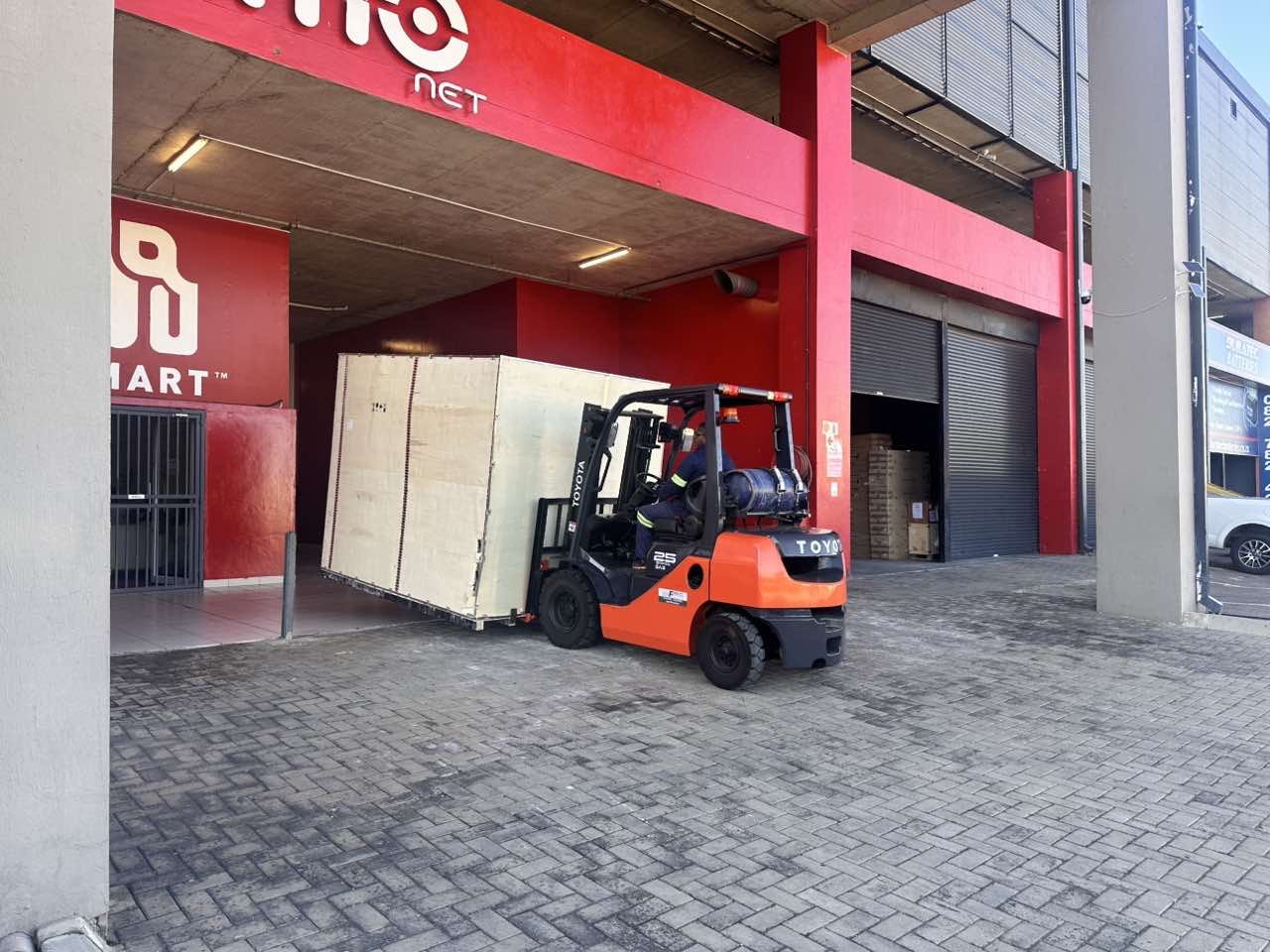
latest arrivals
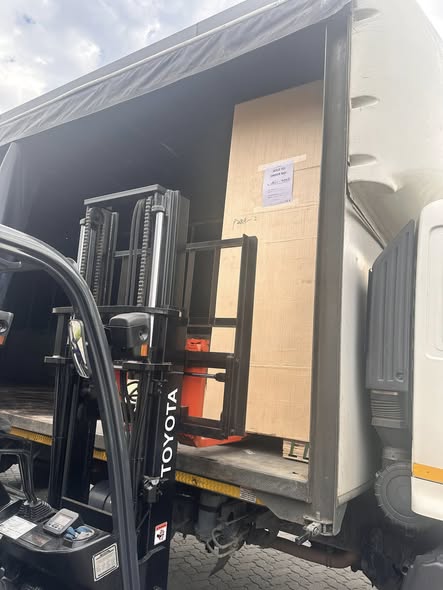
offloading
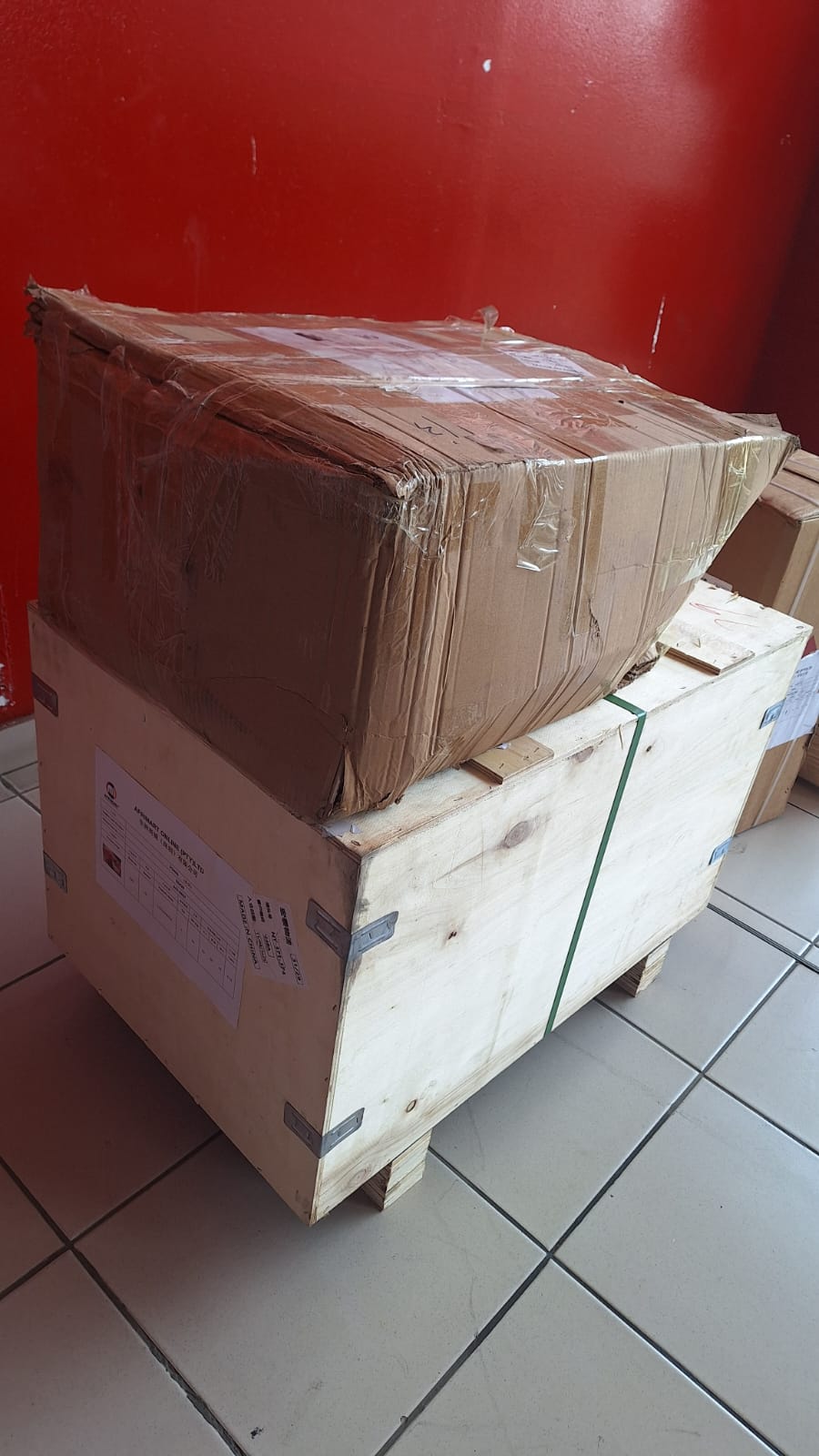
order success
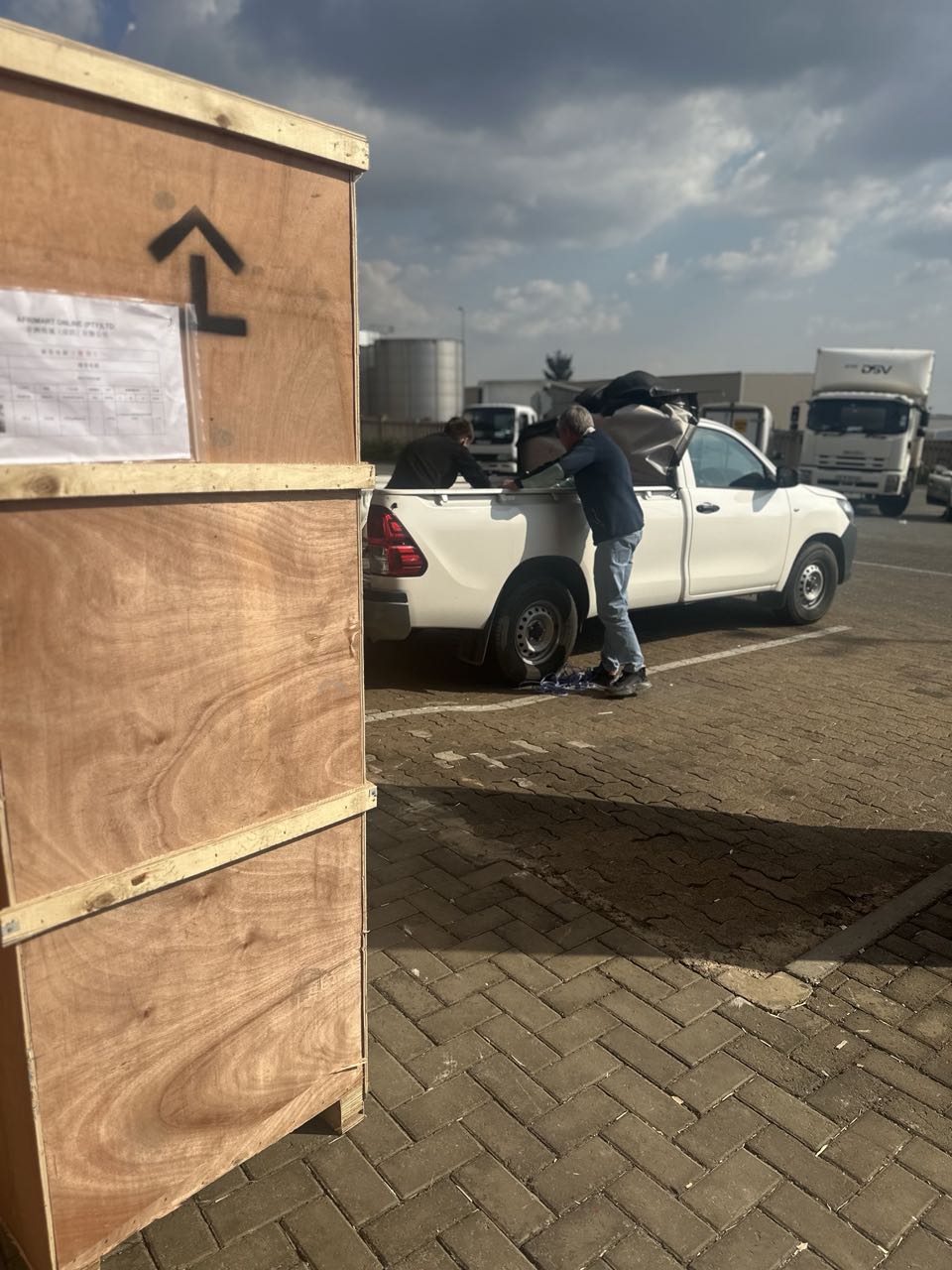
order collection
order offloading