B21, China Town Mall, Midrand

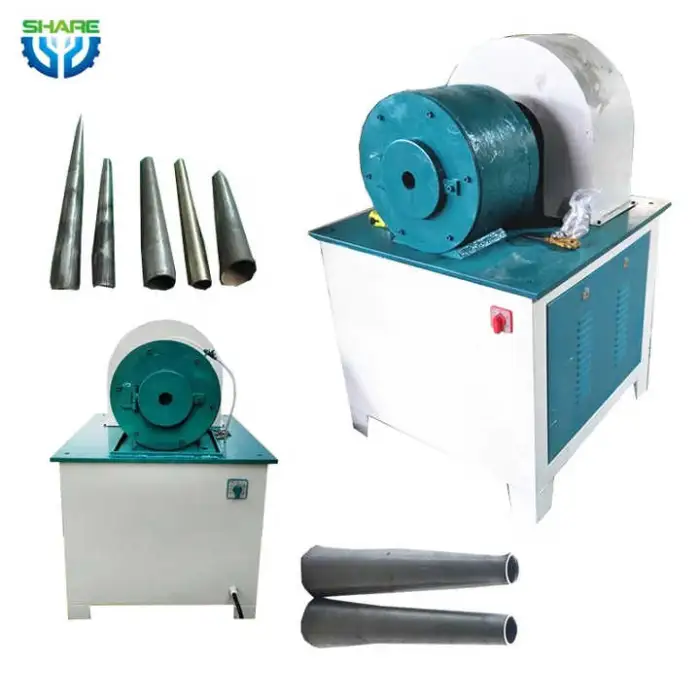
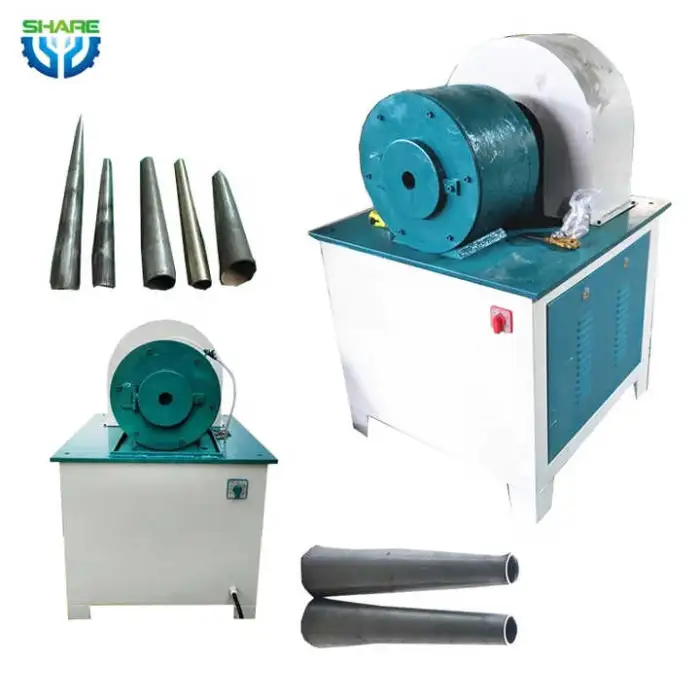
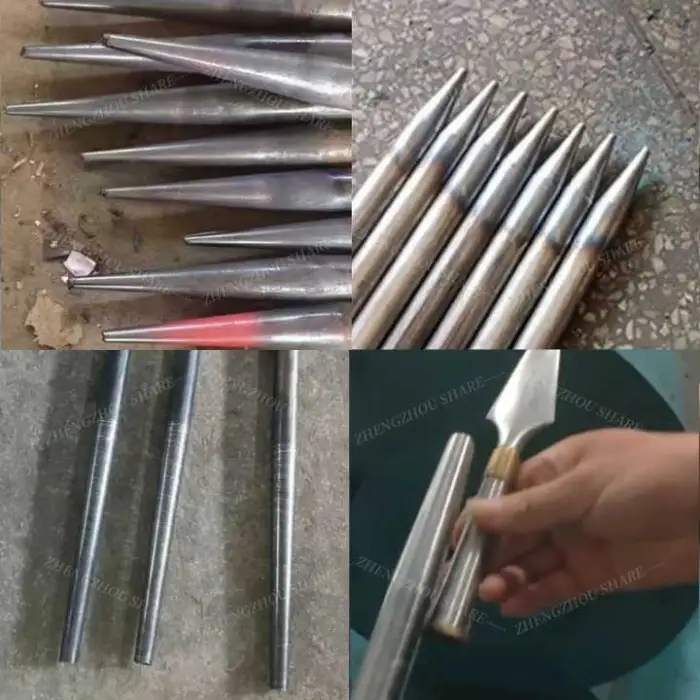
CNC High-Precision Pipe End Forming Machine Metal Steel Taper Pipe Machine for Pipe Reduce
Asset finance available
Do you want funding for this equipment?
Afrimart can connect you with trusted funding partners who specialise in asset finance for businesses like yours. Compare options and apply in minutes — final approval is subject to provider review.
Check funding options
Secure & no obligation
- Section : Machinery
- Category : CNC industrial Machinery
- SKU : 1601399618351

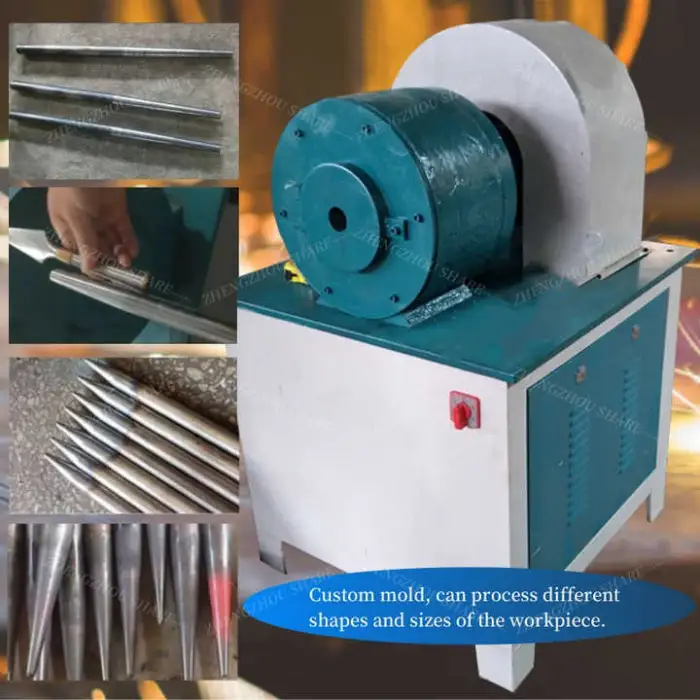
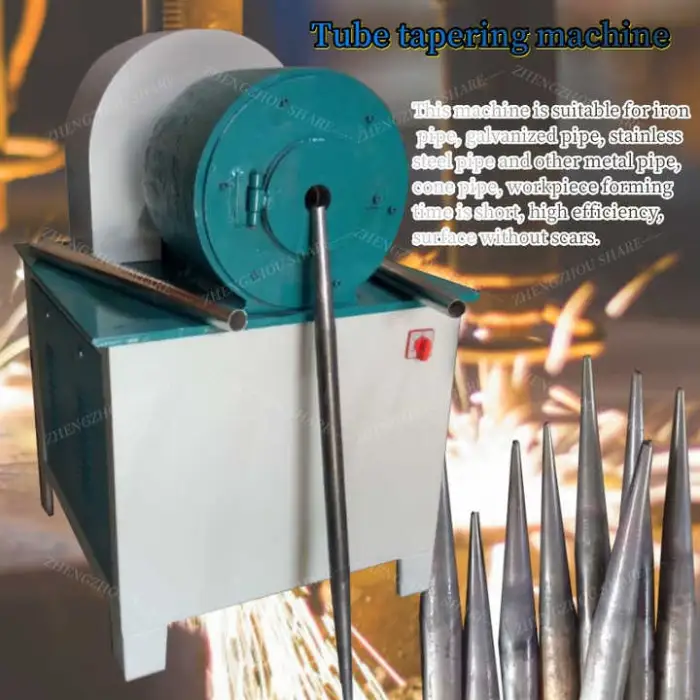
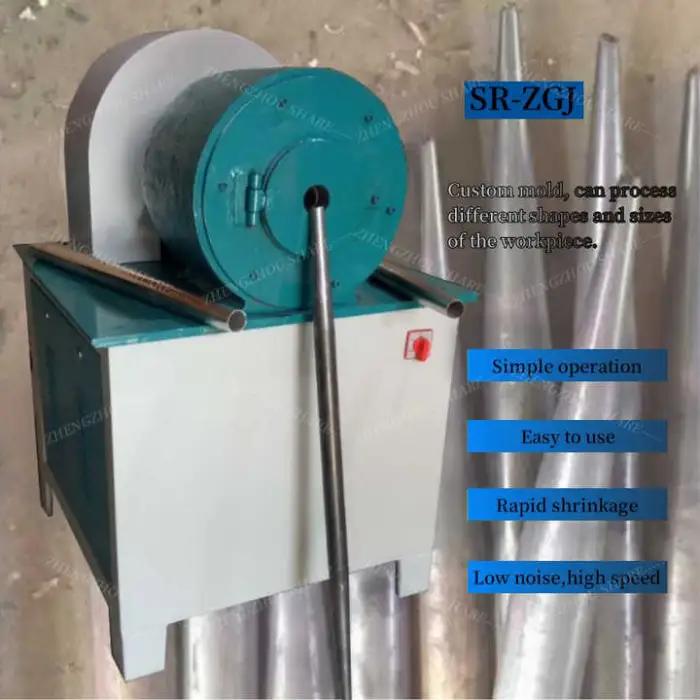
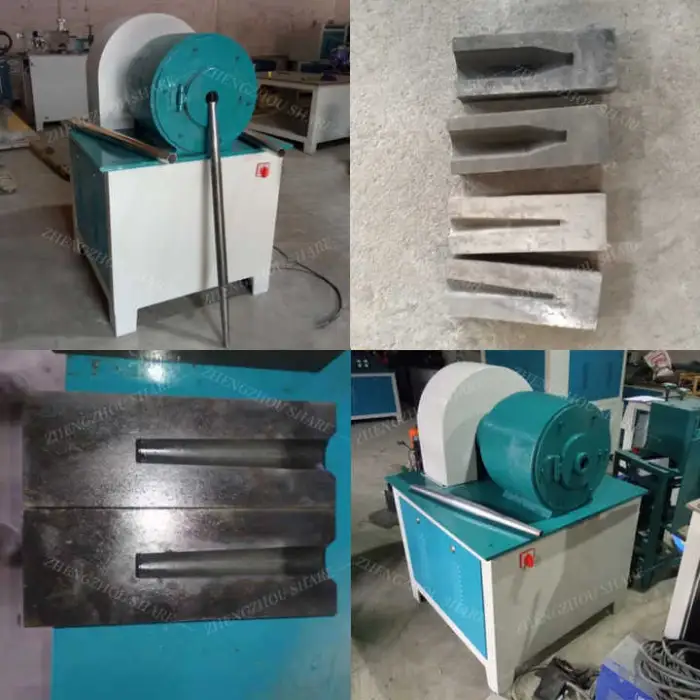
CNC High-Precision Pipe End Forming Machine Metal Steel Taper Pipe Machine for Pipe Reduce
The CNC High-Precision Pipe End Forming Machine is a top-quality machine designed for tapering metal pipes. This machine works with various materials, including brass, copper, stainless steel, and aluminum. It is perfect for reducing pipe ends and offers high safety and precision in every operation.
Specifications
| Attribute | Details |
|---|---|
| Max. Shrinking Capacity (Diameter) | 50 mm |
| Max. Tube Contracting Length | 5 mm |
| Power | 2.2 kW |
| Weight | 300 kg |
| Max. Shrinking Capacity (Thickness) | 2 mm |
| Material Processed | Brass, Copper, Alloy, Stainless Steel, Aluminum, Aluminum Alloy |
| Type | Semi-automatic |
| Voltage | 380V |
Key Features
- High safety level for user protection.
- Semi-automatic operation for ease of use.
- Suitable for various metal materials.
- Compact design with a weight of 300 kg.
- Powerful 2.2 kW motor for efficient performance.
Applications
- Manufacturing of decorative metal pipes.
- Pipe end forming for construction purposes.
- Pipe tapering in automotive industries.
- Use in plumbing and HVAC systems.
- Ideal for custom metalwork projects.
Product Info Gallery
- Shipping Timeframes: All orders are processed within 2-5 business days (excluding weekends and holidays). After your order has been processed, the estimated delivery time is before 19 Jul, 2026, depending on customs, Please note that due to high demand, some items may experience longer shipping times, which will be communicated at order confirmation email.
- Order Processing Time: Please allow 2-5 business days for us to process your order before it is shipped . Orders placed after 16:00 on Fridays, or during weekends and public holidays, will begin processing on the next business day. Processing times may be extended during peak seasons or sales events.
- Manufacturing Time: Some products needs manufacturing time, the manufacturing process will take approximately 10-30 business days depending on the product. This timeframe may vary depending on the complexity of the product and current demand. but this will be communicated with you during order confirmation.
- Returns and Exchanges: We offer a 30-day return policy for most items. If you are not completely satisfied with your purchase, you may return it within 30 days of receipt for a refund or exchange. Items must be unused, in their original packaging, and accompanied by proof of purchase. Return shipping costs are the responsibility of the customer, unless the item was damaged or defective upon arrival.
1. What materials can the CNC High-Precision Pipe End Forming Machine process?
It can process brass, copper, alloy, stainless steel, aluminum and aluminum alloys.
2. What are the machine's maximum shrinking/forming capacities?
Maximum shrinking (diameter) is 50 mm, maximum contracting (thickness) 2 mm, and maximum tube contracting length is 5 mm.
3. What are the power and electrical requirements?
The machine uses a 2.2 kW motor and requires a 380V (three-phase) electrical supply.
4. Is the machine fully automatic or semi-automatic and what does the operator do?
The machine is semi-automatic. The operator typically loads and unloads parts, starts/monitors cycles and performs simple setup or adjustments; the CNC control handles the forming routine.
5. What does 'CNC' mean for this pipe end forming machine?
CNC indicates programmable numerical control for repeatable, adjustable forming cycles and parameters. Exact controller model and interface options should be confirmed with the supplier.
6. What safety features does the machine include?
The machine is designed with a high safety level for user protection. Typical features include guarded work areas, emergency stop, and safety interlocks/sensors — confirm exact features with the vendor.
7. How precise are the formed pipe ends?
The machine provides high precision forming suitable for demanding applications. Actual tolerances depend on material, wall thickness and tooling; request supplier test data or sample parts for exact figures.
8. What is the typical cycle time or production rate?
Cycle time depends on material, part geometry and tooling. In general, forming steps are fast (often a few seconds per operation); contact the supplier with part details for estimated throughput.
9. Does the machine require specialized tooling or dies?
Yes — forming dies/tooling are required and are usually specific to the part geometry. The supplier can provide standard tooling or custom-made dies and can advise on changeover procedures.
10. What are the installation and site requirements?
The machine weighs approximately 300 kg, requires a stable foundation or workbench, a 380V three-phase electrical supply, adequate floor space and access for lifting equipment (forklift or hoist) during installation.
11. What maintenance is recommended to keep the machine running reliably?
Routine maintenance includes daily cleaning, lubrication of moving parts, inspection of tooling and fasteners, periodic checking of electrical connections and scheduled preventive service per the supplier's manual.
12. Can the machine handle thicker wall materials or larger diameters than specified?
The stated maximums are 50 mm diameter and 2 mm thickness for shrinking. For larger diameters or thicker walls, consult the manufacturer — they may offer modified models or custom solutions.
13. What typical applications is this machine suited for?
Common uses include decorative metal pipe manufacturing, pipe end forming for construction, tapering in automotive components, plumbing and HVAC fittings, and custom metalwork projects.
14. Are spare parts, tooling replacement and after-sales support available?
Spare parts and tooling are normally available from the supplier, and many vendors offer after-sales support, training and commissioning. Ask your supplier for details on spare parts availability, lead times and support packages.
15. How do I order or request customization (different sizes, automation, tooling)?
Contact the vendor or sales representative with your part drawings, material specs and production requirements. They can quote custom tooling, different capacity models, automated feeding options and pricing.
Latest Order Arrivals
Discover our latest orders

12 Heads Embroidery Machine

Toilet Paper Machine Machine

Order Collection

Cross Border Clients

Order cros border countries Collected

Industrial Machine Cllection

Agriculture Processing Machines

Ready for collection

Water Pump Equipment

Packaging Machine and accessories

Fabrics Manufacturing Equipment

Mining Equipments

Food Processing Machine

Batch of Orders

Batch of Orders

Latest Orders Labelled

wheel alignment machines

new arrivals

Pre Orders Offloading

Latest Arrivals

Latest Arrivals

Latest Arrivals

Loading

Toilet paper making machine

Toilet paper making machine

Toilet paper Rewinding Machine

latest arrivals

offloading

order success

order collection

order offloading