B21, China Town Mall, Midrand

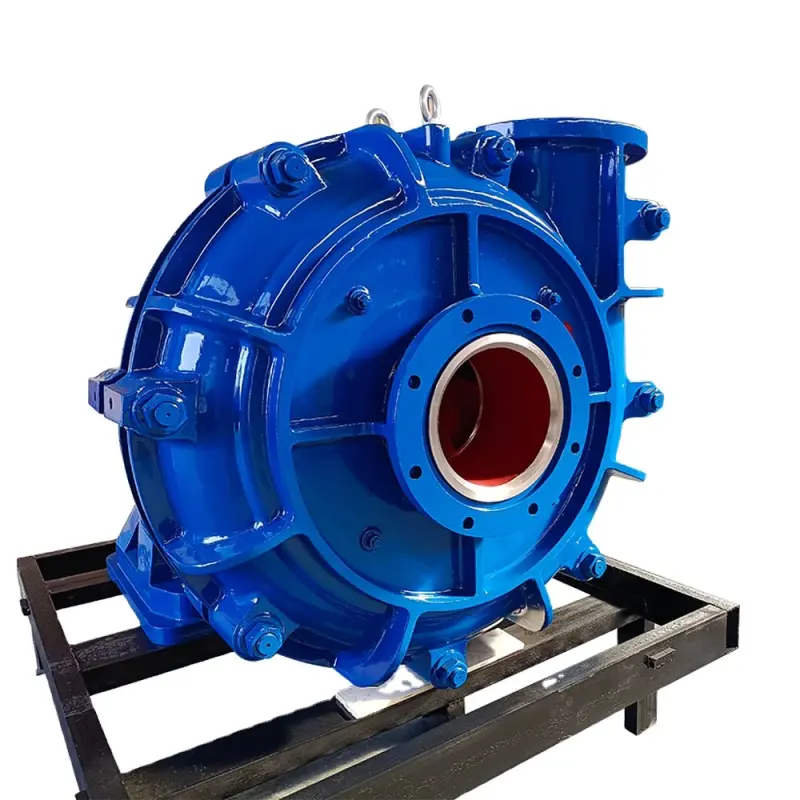
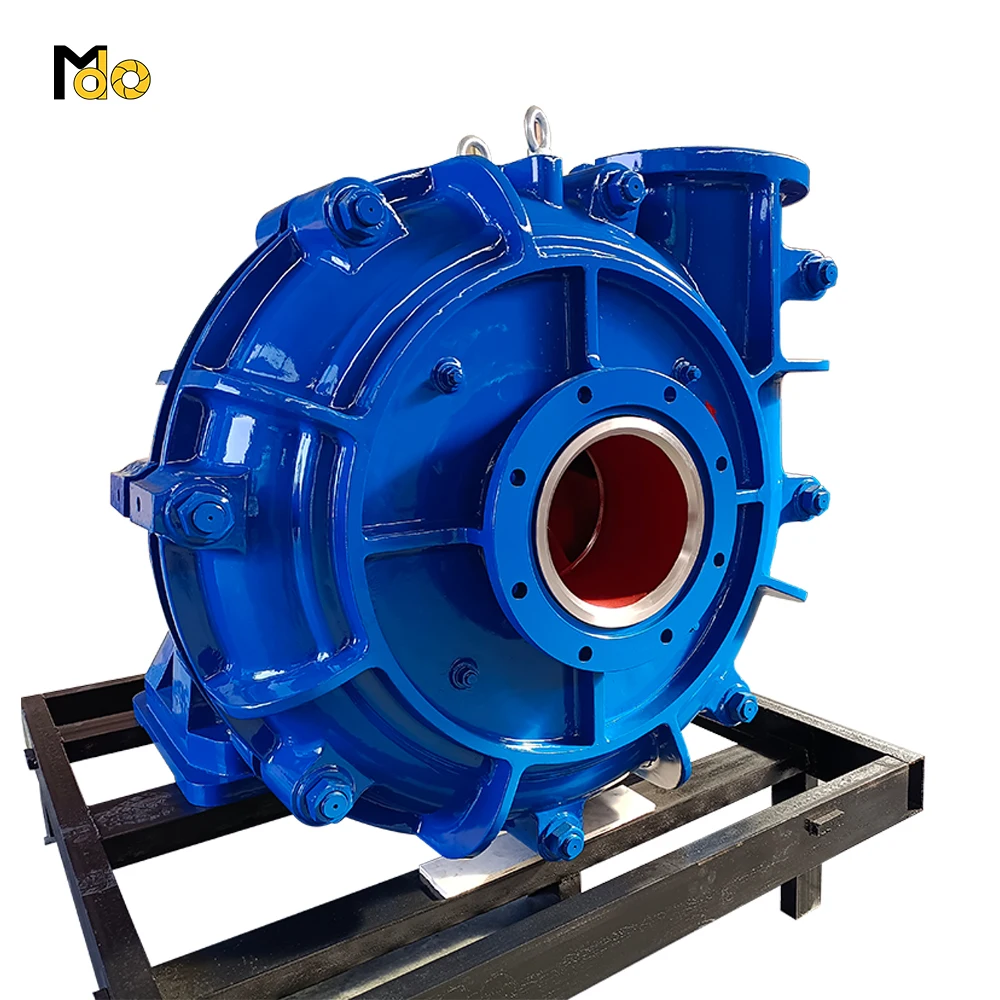
Centrifugal Slurry Pump Sand Mining Machinery Slurry Pump (MAH 2X1 5B)

- Section : Machinery
- Category : Metal & Metallurgy Machinery
- SKU : 1600695558419

Product Description

MAH slurry pump
- Shipping Timeframes: All orders are processed within 2-5 business days (excluding weekends and holidays). After your order has been processed, the estimated delivery time is before 01 Jul, 2026, depending on customs, Please note that due to high demand, some items may experience longer shipping times, which will be communicated at order confirmation email.
- Order Processing Time: Please allow 2-5 business days for us to process your order before it is shipped . Orders placed after 16:00 on Fridays, or during weekends and public holidays, will begin processing on the next business day. Processing times may be extended during peak seasons or sales events.
- Manufacturing Time: Some products needs manufacturing time, the manufacturing process will take approximately 10-30 business days depending on the product. This timeframe may vary depending on the complexity of the product and current demand. but this will be communicated with you during order confirmation.
- Returns and Exchanges: We offer a 30-day return policy for most items. If you are not completely satisfied with your purchase, you may return it within 30 days of receipt for a refund or exchange. Items must be unused, in their original packaging, and accompanied by proof of purchase. Return shipping costs are the responsibility of the customer, unless the item was damaged or defective upon arrival.
1. What is the MAH 2X1.5B centrifugal slurry pump?
The MAH 2X1.5B is a heavy‑duty horizontal centrifugal slurry pump designed for abrasive slurries. The designation 2X1.5B typically refers to a 2" suction and 1.5" discharge size in the MAH product line used in sand mining and similar industries.
2. What applications is this slurry pump used for?
Typical applications include sand and gravel pumping, dredging, tailings transport, mine dewatering, mineral processing, coal preparation, and other abrasive slurry transfer duties.
3. What are the main construction features of the MAH slurry pump?
It is a single‑stage, cantilevered horizontal pump with replaceable wear parts (liner, impeller, throatbush), robust shaft and bearings, and options for metal or rubber wet ends to resist abrasion and corrosion.
4. What materials are available for the wet end (liners and impeller)?
Common wet‑end materials are high‑chrome white iron (HCWI) for excellent abrasion resistance and natural or synthetic rubber linings for handling finer, more abrasive slurries. Other alloy options may be available on request.
5. What sealing options are offered for the pump?
Sealing options typically include gland packing, expeller (self‑acting) seals, and single or double mechanical seals with appropriate seal flush arrangements depending on application requirements.
6. How do I select the correct pump model and size for my job?
Select based on required flow and head, slurry density and viscosity, maximum particle size, and abrasiveness. Provide these parameters to the manufacturer or distributor so they can match a pump curve, materials and impeller trim to your application.
7. What maximum particle size and solids concentration can this pump handle?
Maximum particle size and allowable solids concentration depend on impeller geometry, clearances and wet‑end materials. For small 2x1.5 class pumps typical max particle sizes are in the low millimeter range; confirm exact limits with the manufacturer using your slurry specification.
8. Is the MAH 2X1.5B self‑priming?
No. This type of horizontal centrifugal slurry pump is not self‑priming. It normally requires a flooded suction or an external priming device to ensure proper operation.
9. What basic installation recommendations should I follow?
Install on a rigid foundation, align pump and driver accurately, keep suction pipe short with minimal fittings and no air leaks, provide proper inlet submergence, and include an isolation valve, non‑return valve on the discharge, and gauges for monitoring.
10. What routine maintenance is required?
Regularly inspect wear parts (impeller, liners, throatbush), monitor vibration and bearing temperatures, check seals and gland packing, keep lubrication at recommended intervals, and maintain a spare parts inventory for quick replacement.
11. What spare parts should I keep on hand?
Keep common wear parts: impellers, front and rear liners, throatbushes, shaft sleeves, bearings, mechanical seals or packings, and fasteners. The exact list depends on your duty cycle and lead time for parts.
12. How can I troubleshoot common problems like cavitation or excessive wear?
Cavitation: check NPSH available, reduce suction lift, increase inlet submergence. Excessive wear: verify material selection, correct pump selection (impeller and speed), control solids size and concentration, and maintain proper clearances. For persistent issues consult factory support.
13. What operating temperature and pH ranges are supported?
Operating temperature and pH capability depend on selected materials. Rubber‑lined pumps are typically limited to moderate temperatures (often up to ~80–90°C) while metal‑lined pumps can handle higher temperatures. Chemical compatibility depends on liner/impeller material — consult the manufacturer with your slurry chemistry.
14. Where can I get pump curves, detailed specifications and CAD drawings?
Contact the pump manufacturer or authorized distributor with the model number (MAH 2X1.5B) and your application details. They can provide pump performance curves, dimensional drawings, material options and installation manuals.
15. What information do I need to order the correct pump or replacement parts?
Provide the full model (MAH 2X1.5B), required duty point (flow and head), slurry properties (density, max particle size, concentration, pH, temperature), desired materials, seal type, motor power and voltage, rotation direction, and any preferred accessories.
Latest Order Arrivals
Discover our latest orders
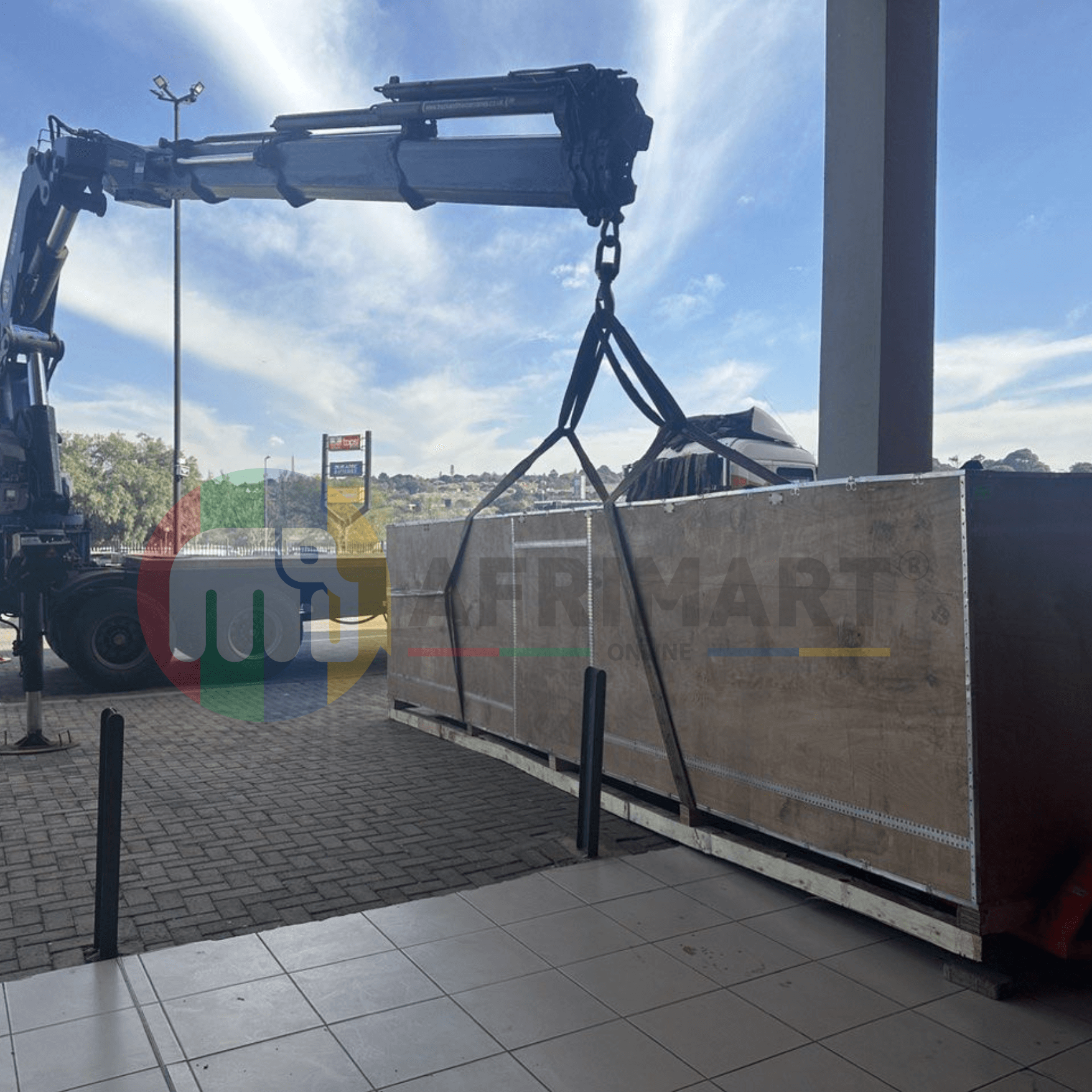
12 Heads Embroidery Machine
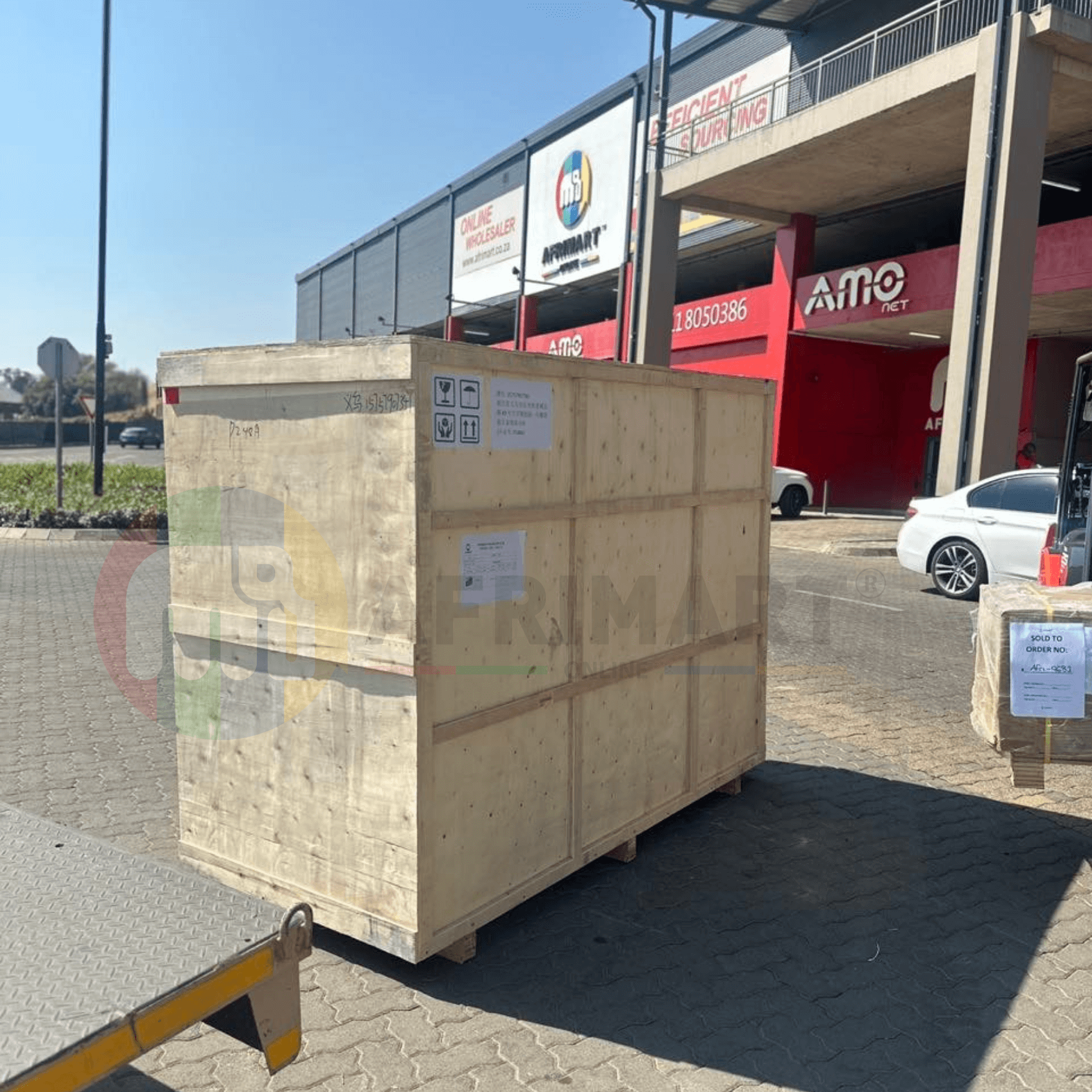
Dewatering Pump Machine
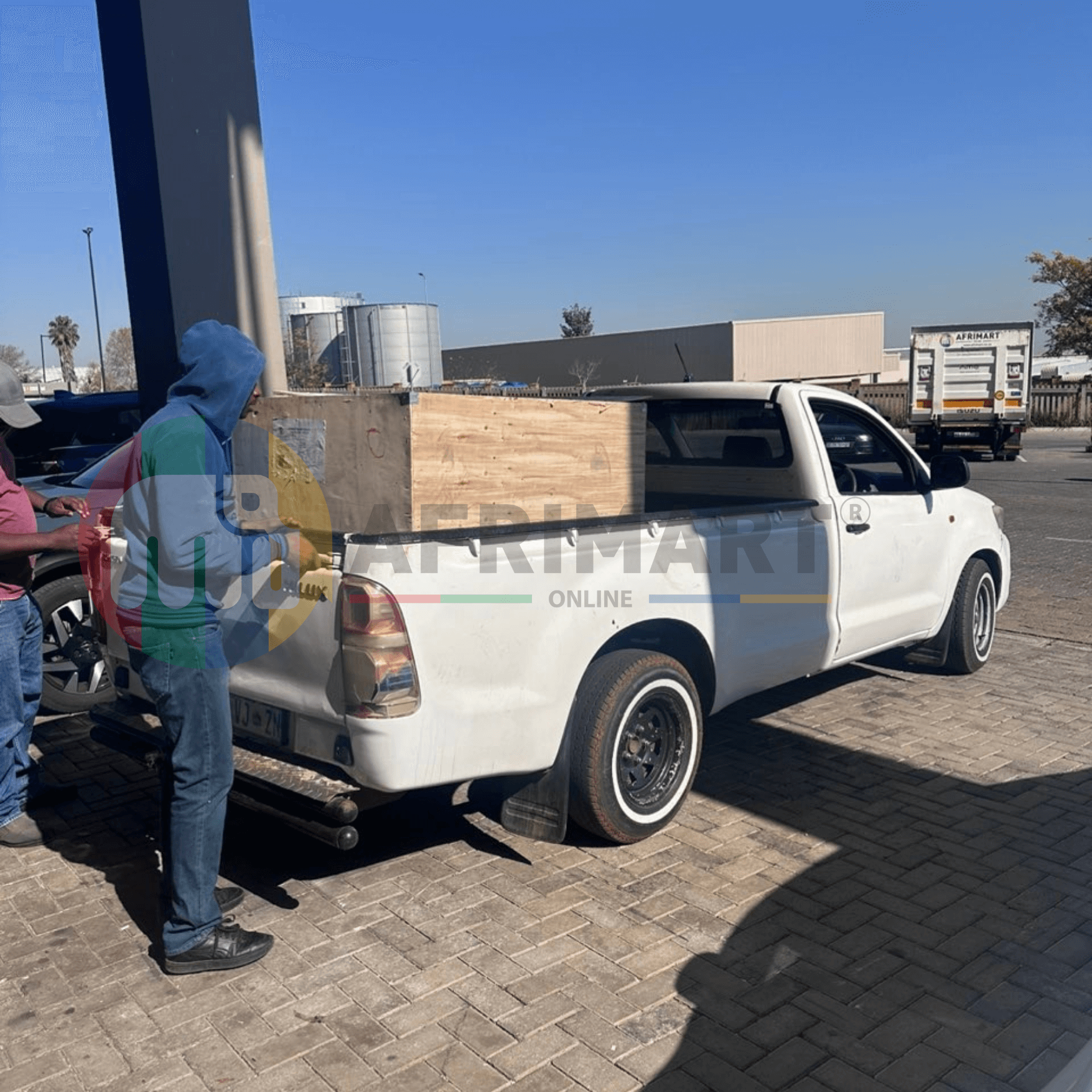
Order Collection
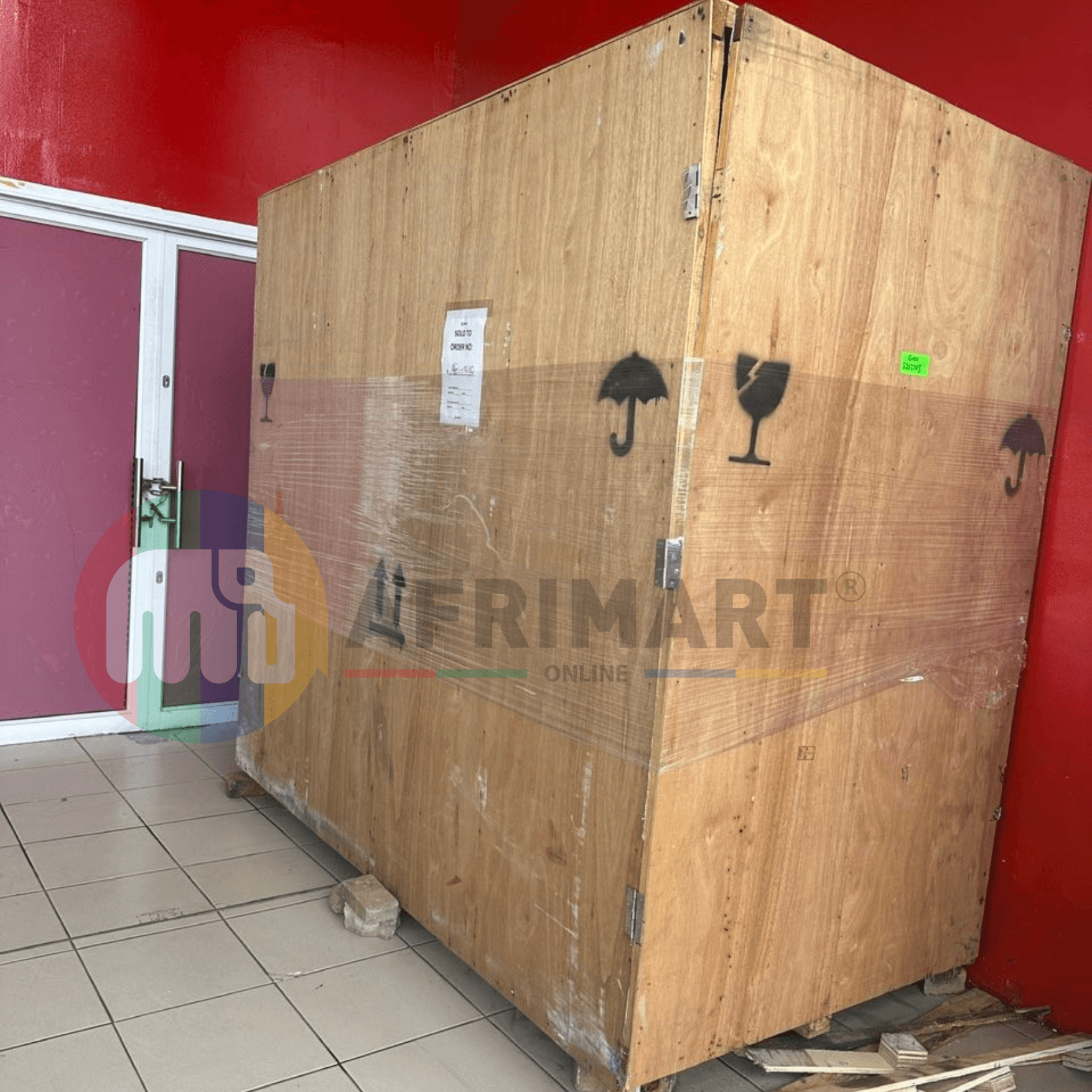
Portable Water Drilling Rig
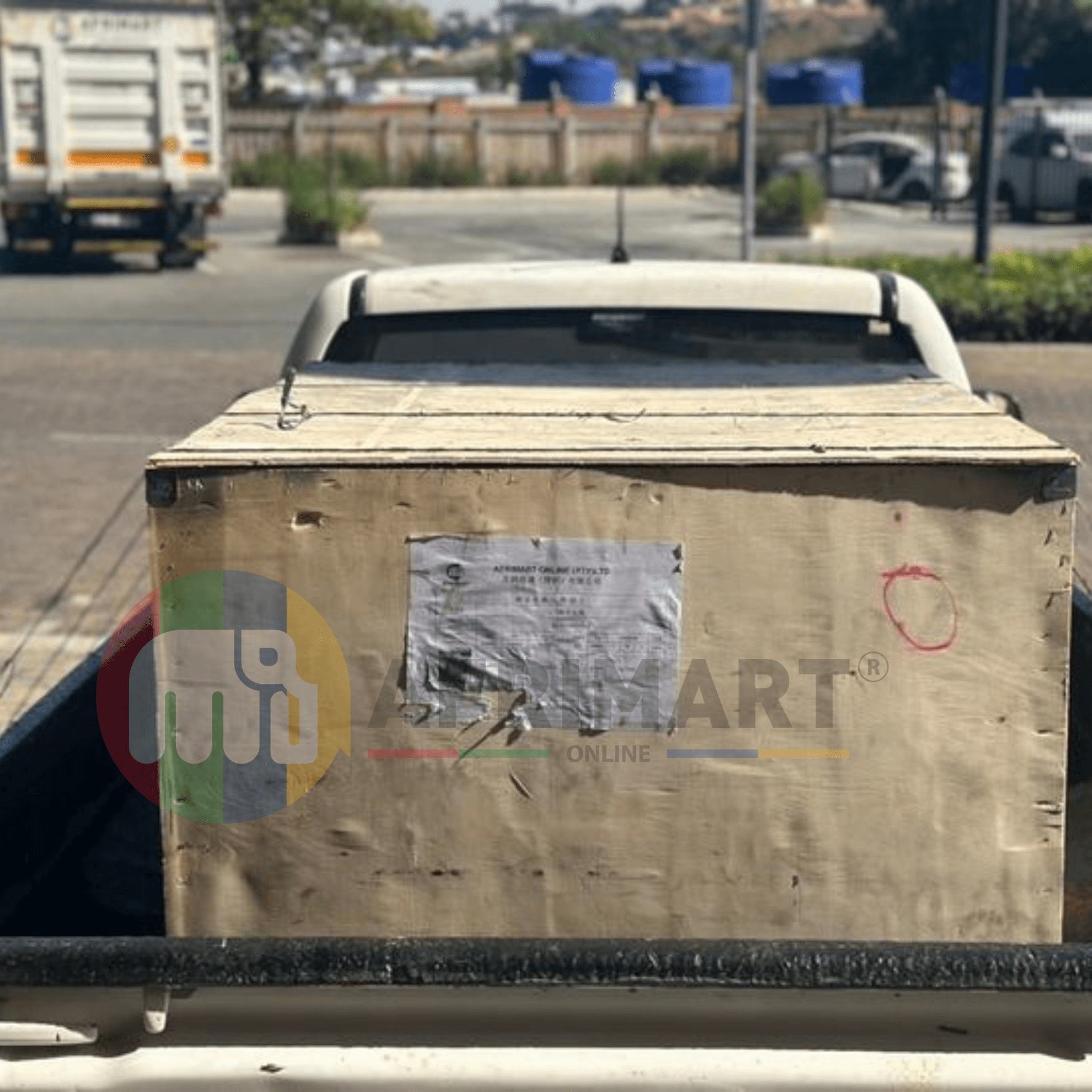
Order Usefully Collected
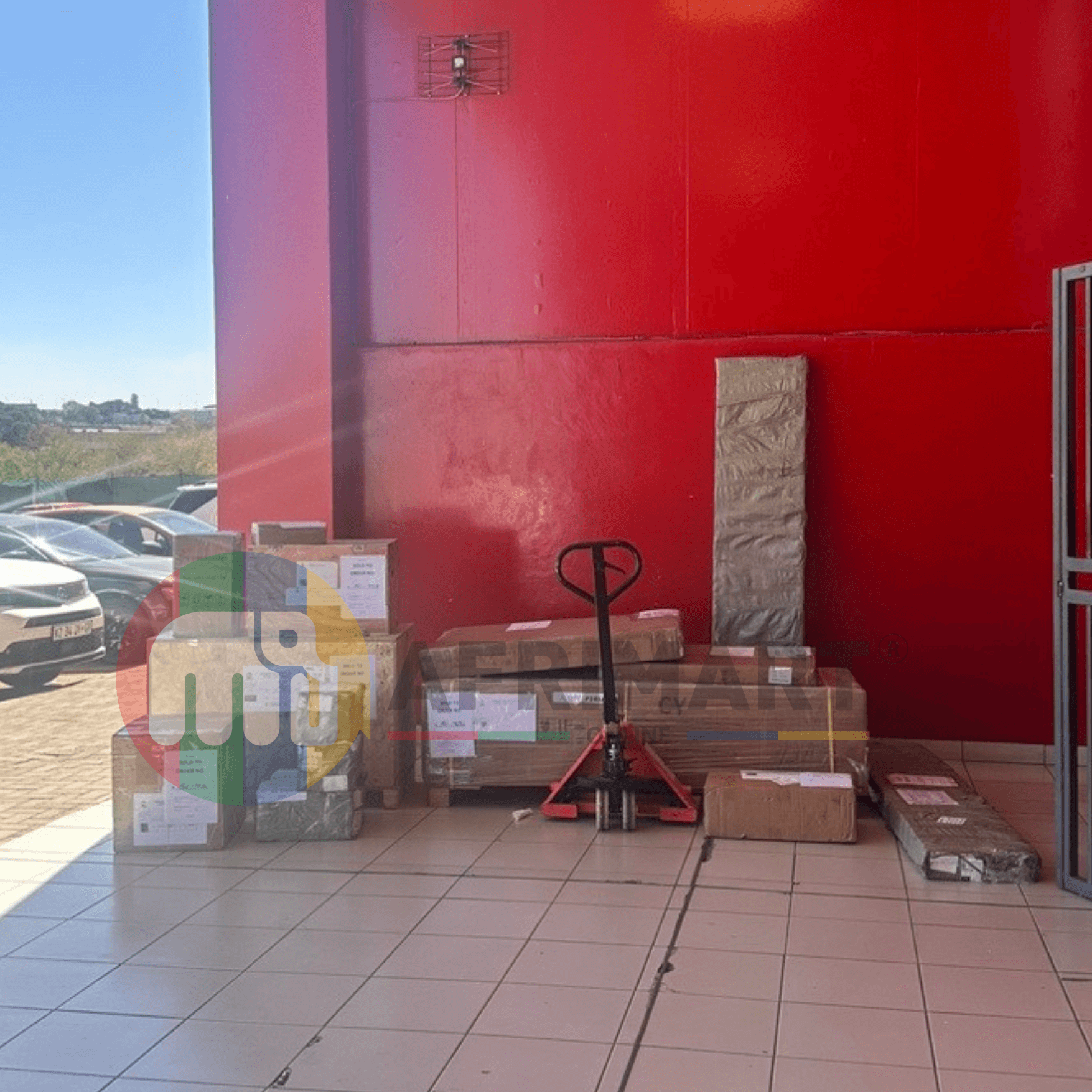
Batch of Orders
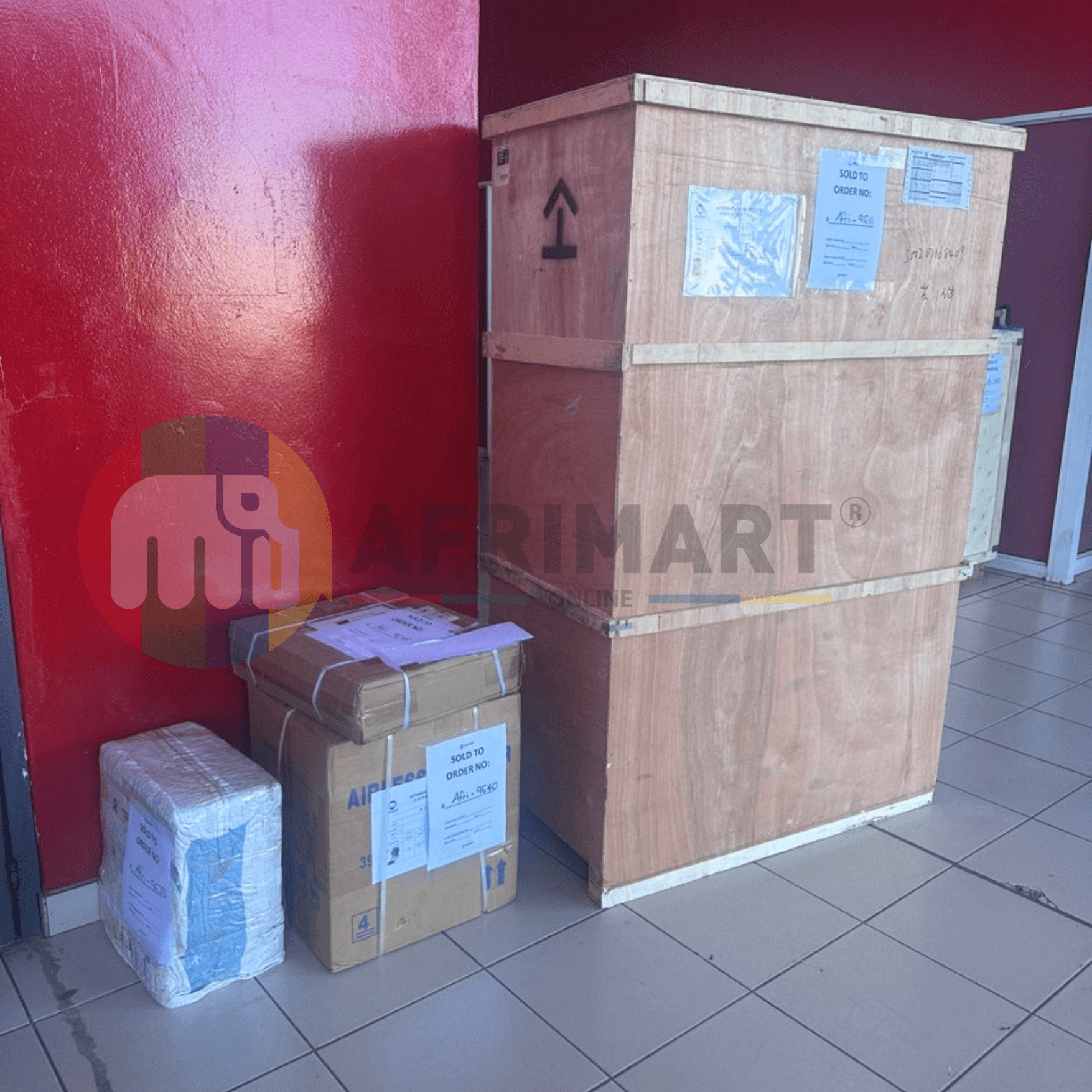
Agriculture Processing Machines
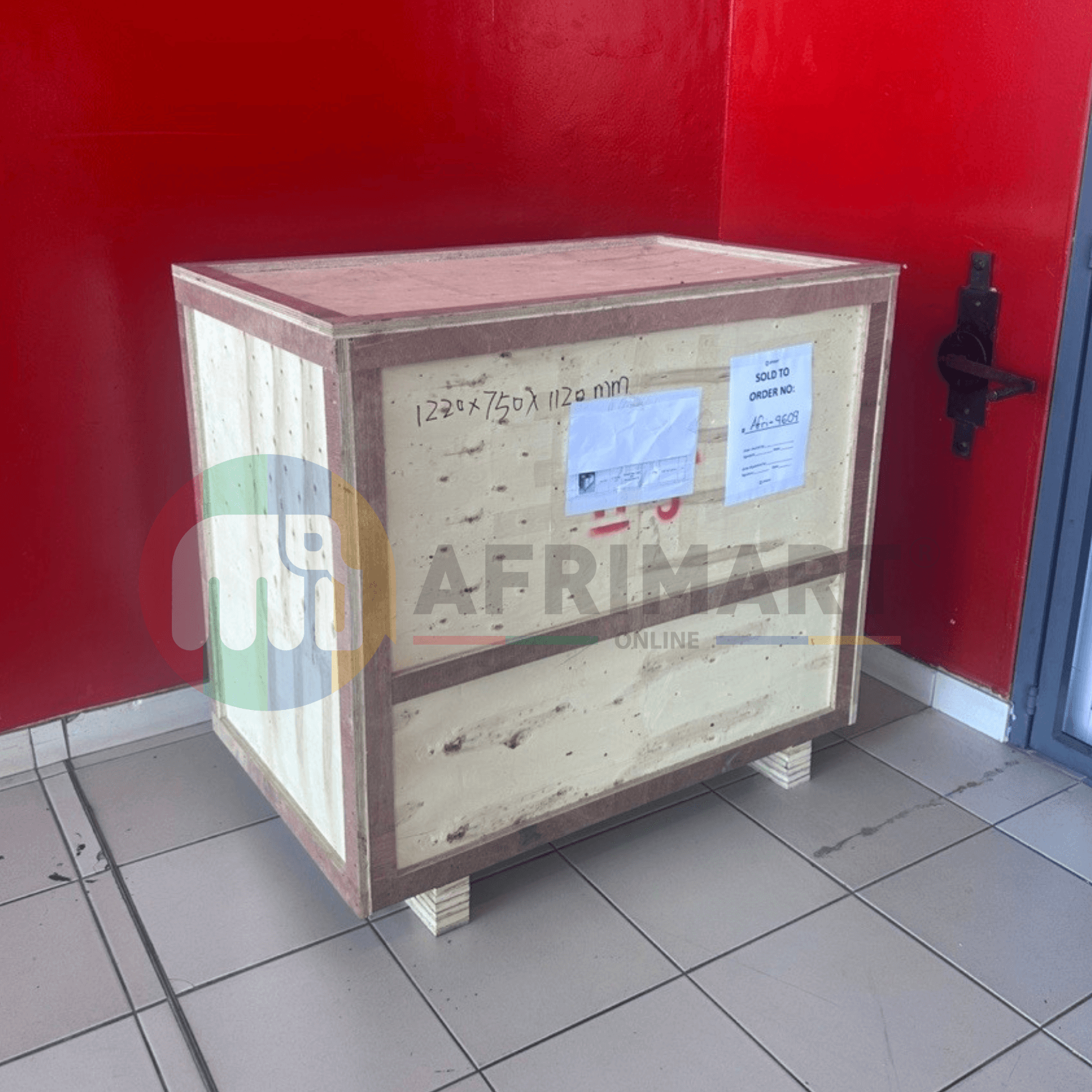
Meat Grinder Machine
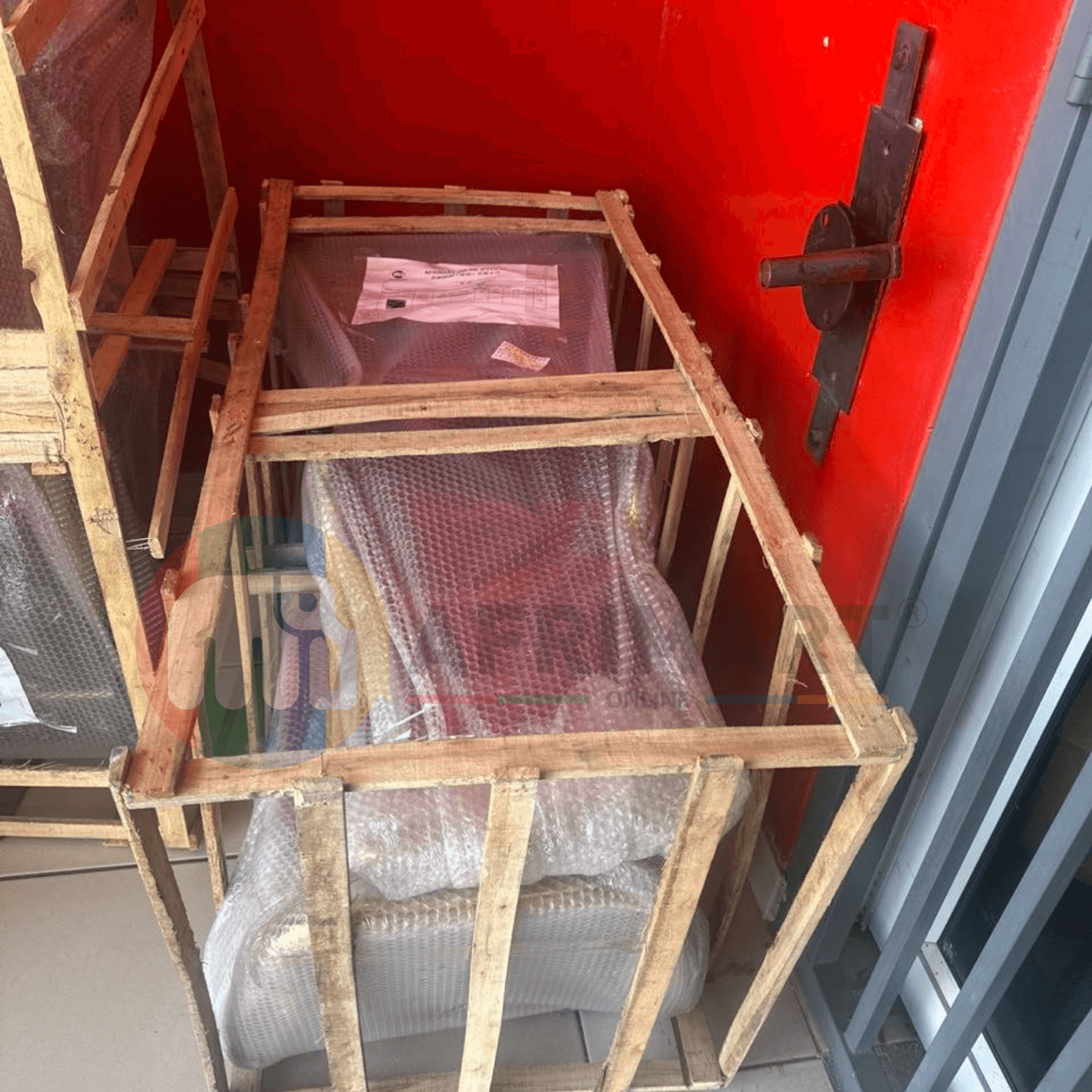
Water Pump Equipment
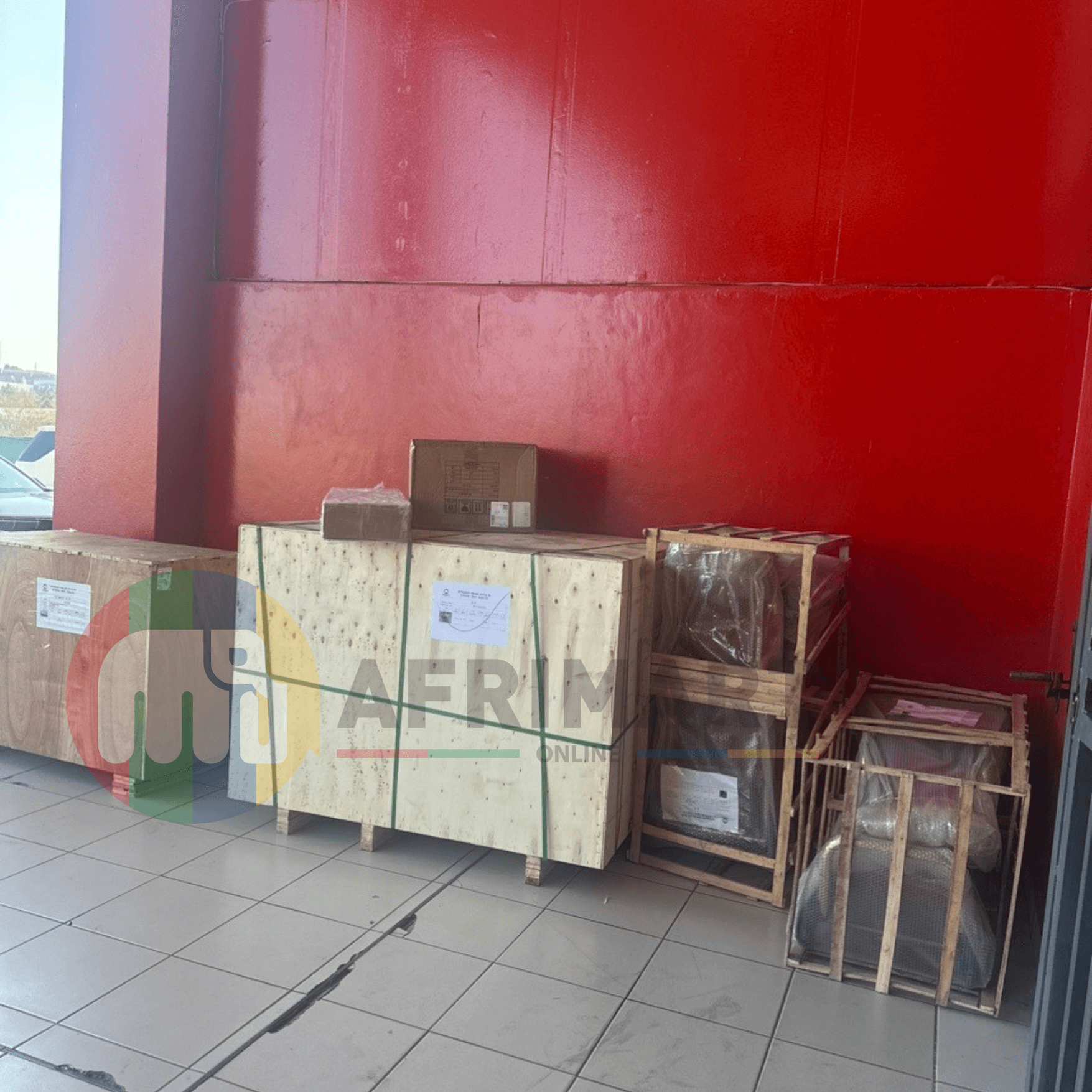
Packaging Machine and accessories
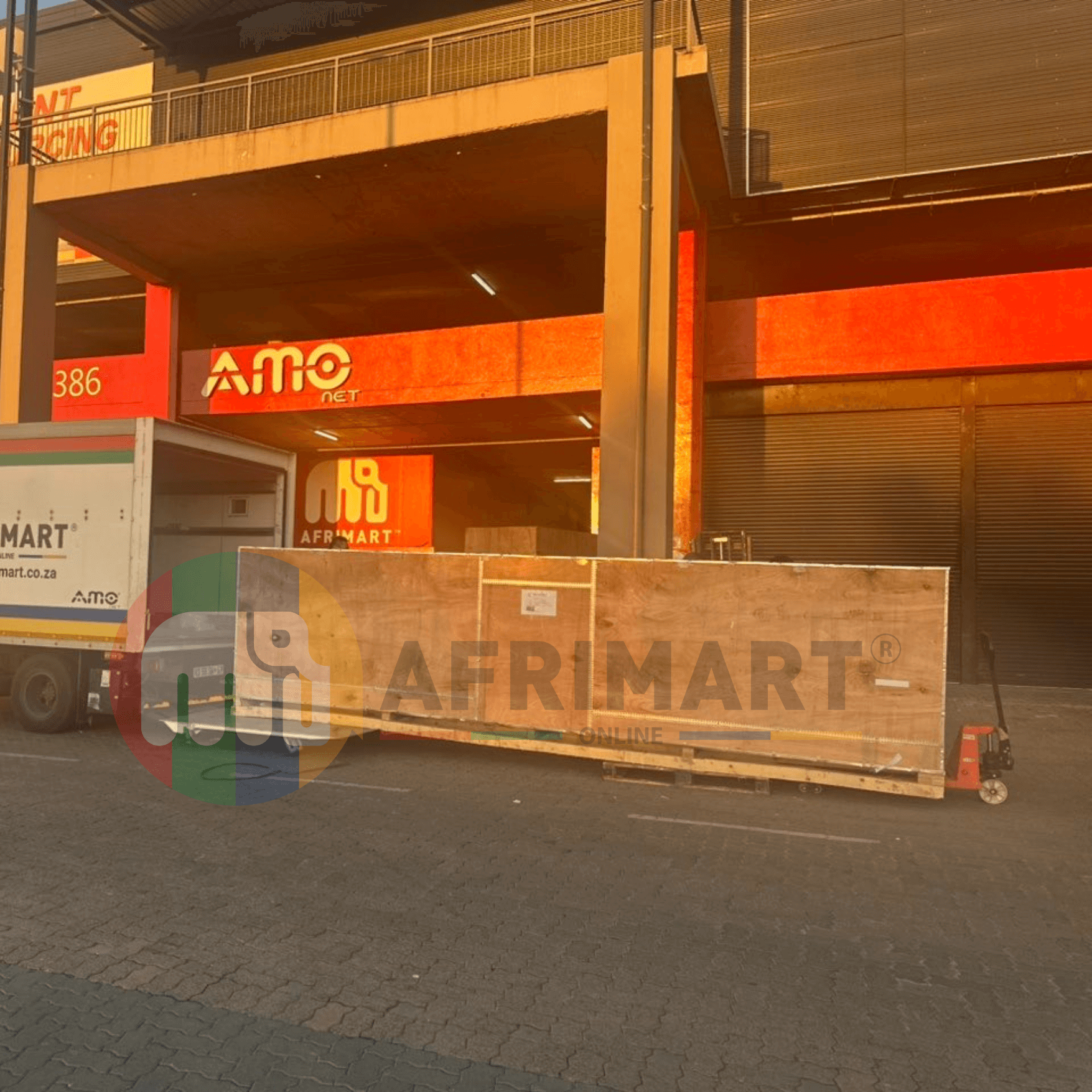
Fabrics Manufacturing Equipment
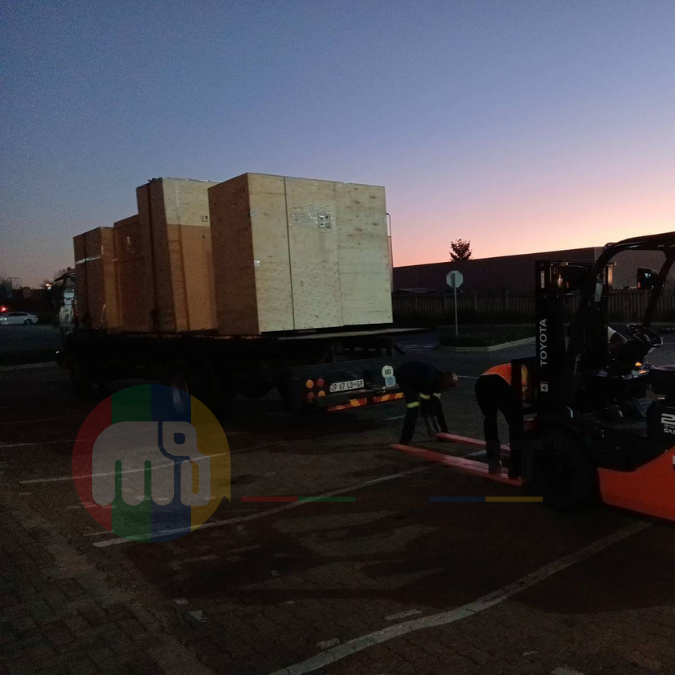
Mining Equipments
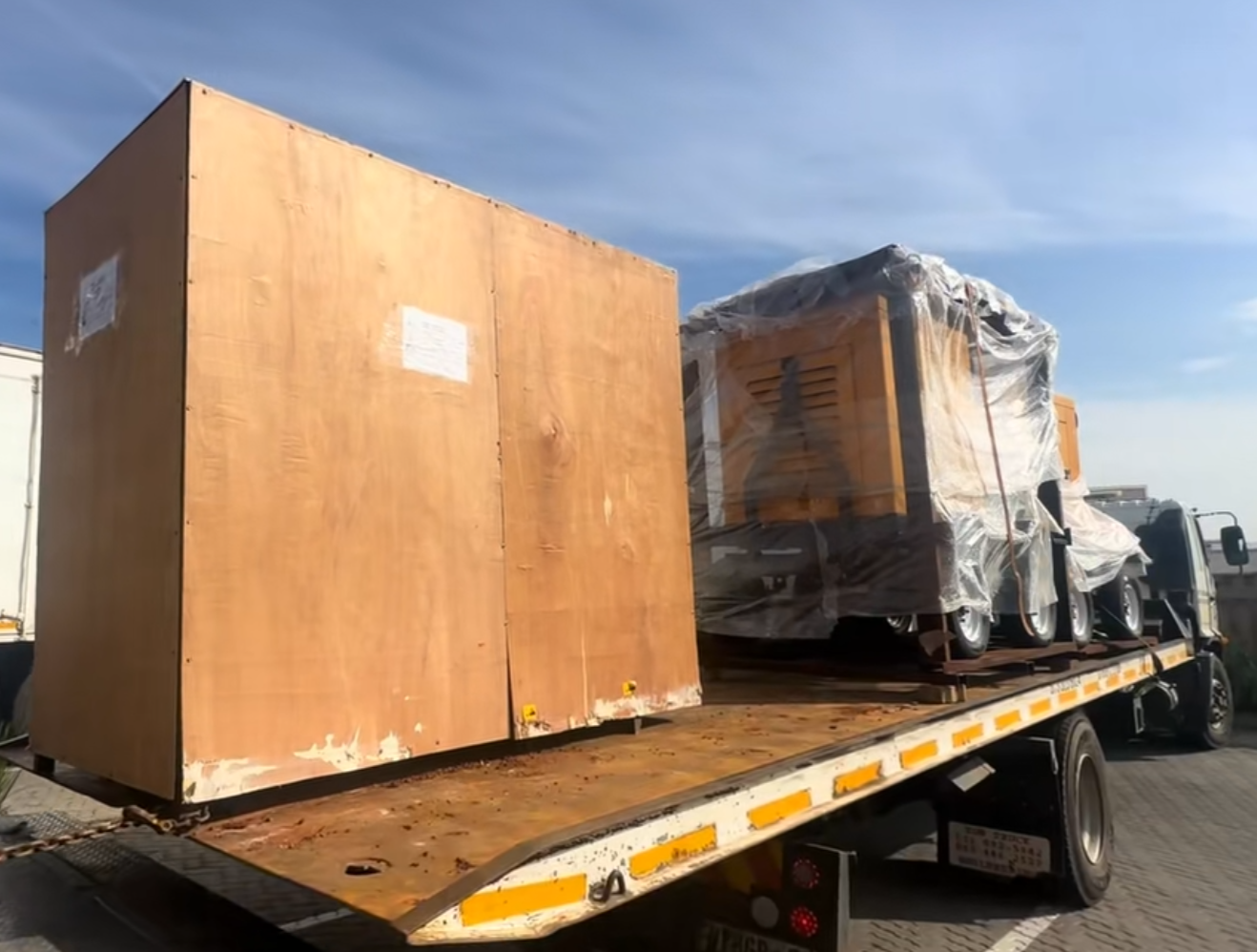
Food Processing Machine
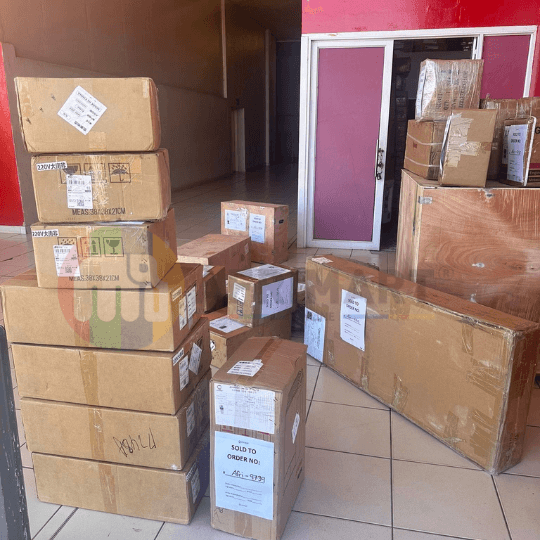
Batch of Orders
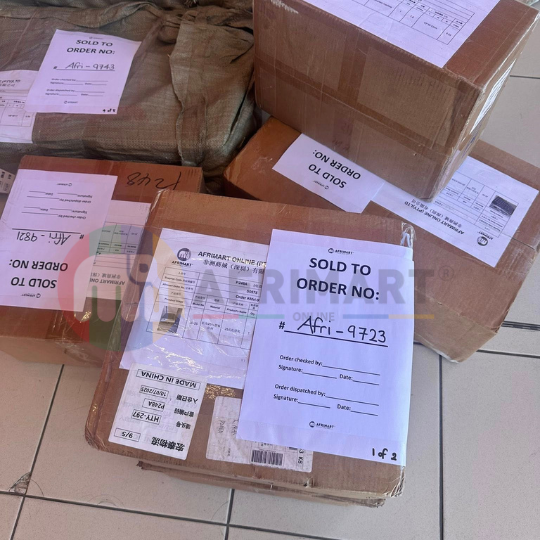
Batch of Orders
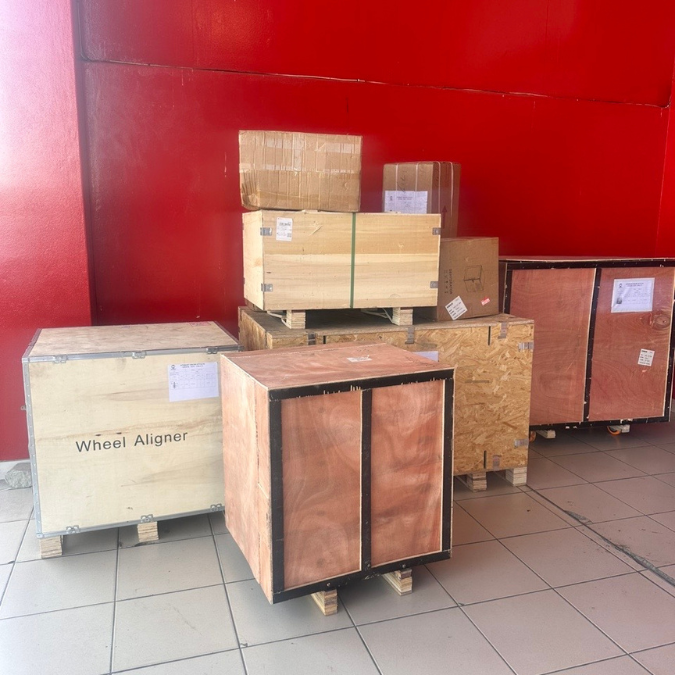
Latest Orders Labelled
wheel alignment machines
new arrivals
Pre Orders Offloading
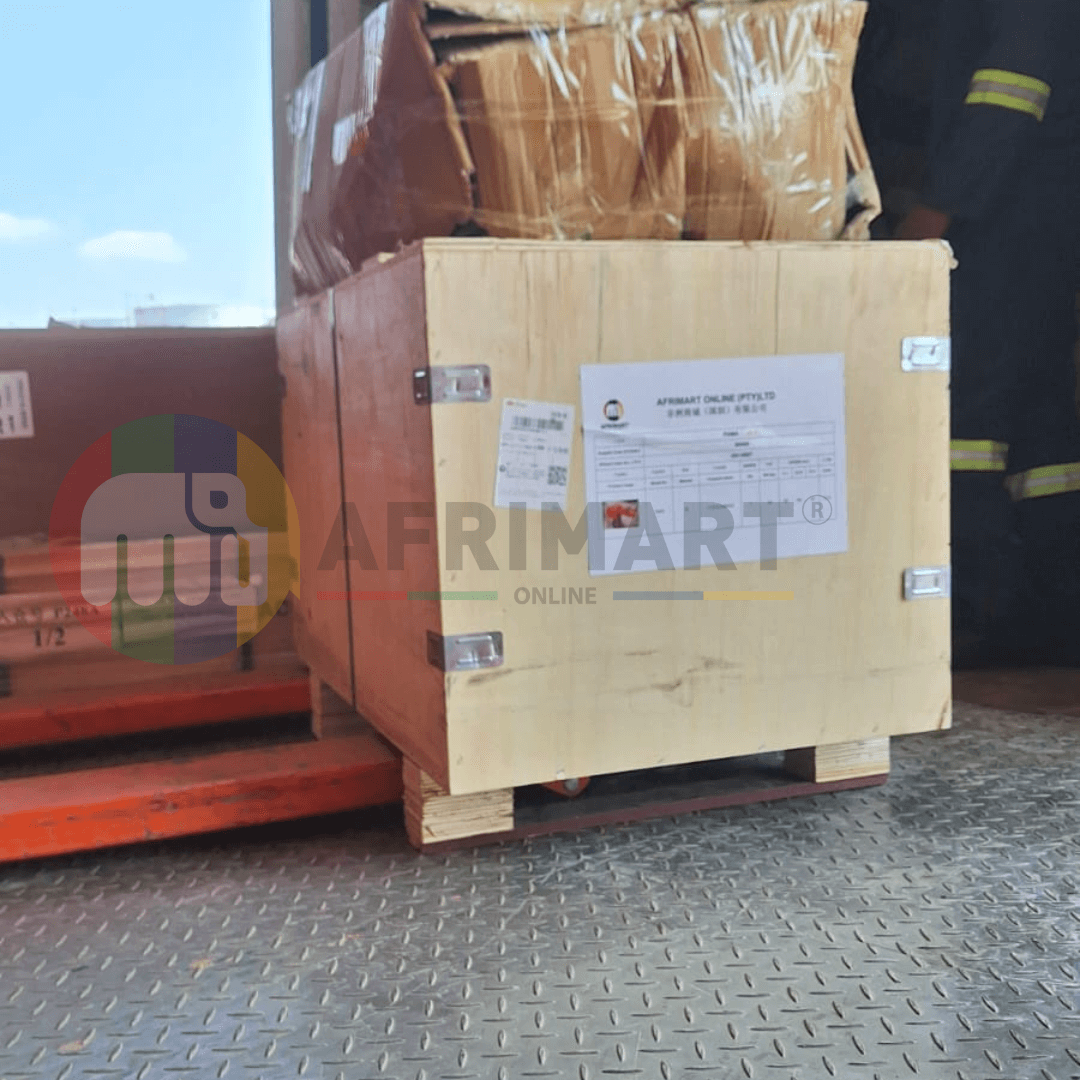
Latest Arrivals
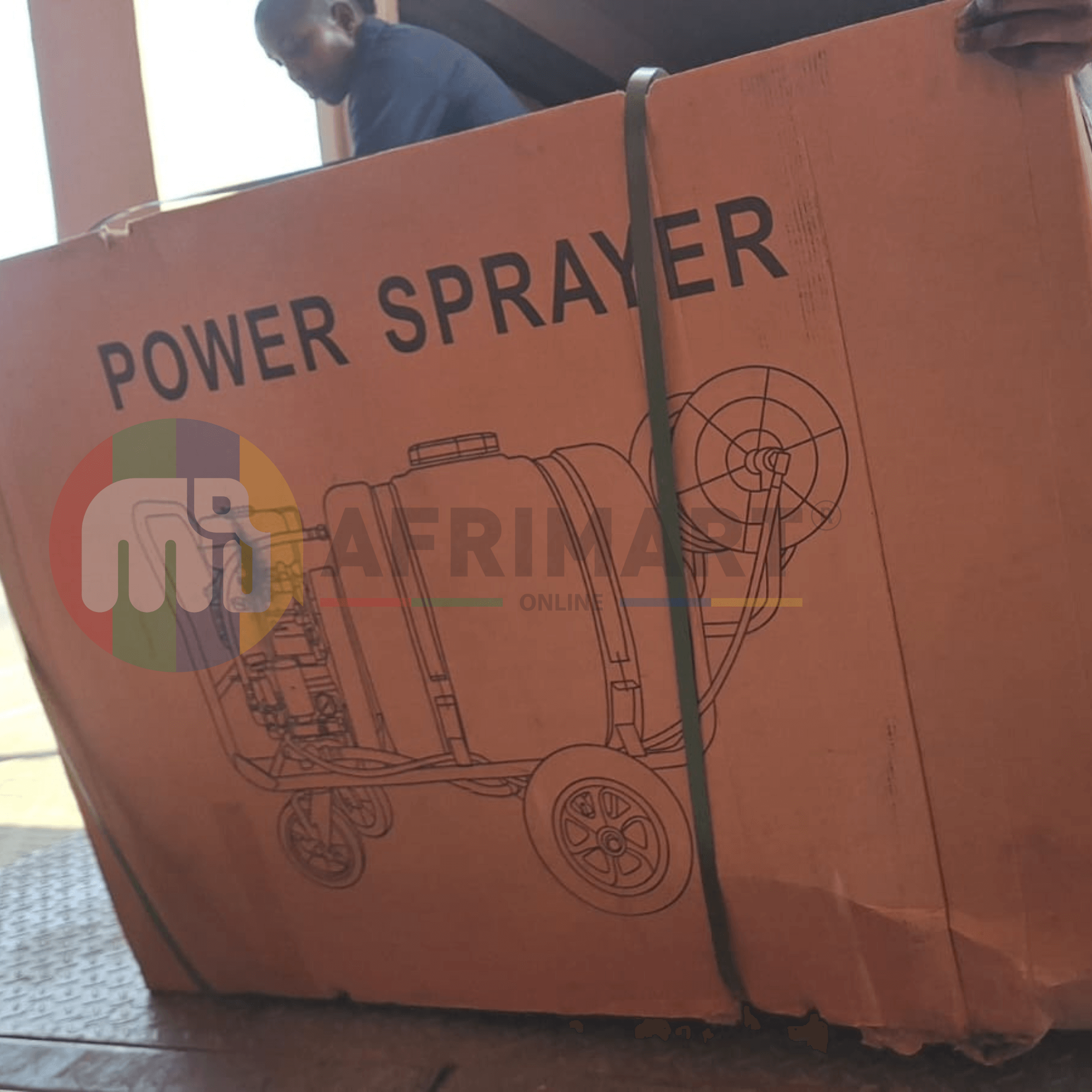
Latest Arrivals
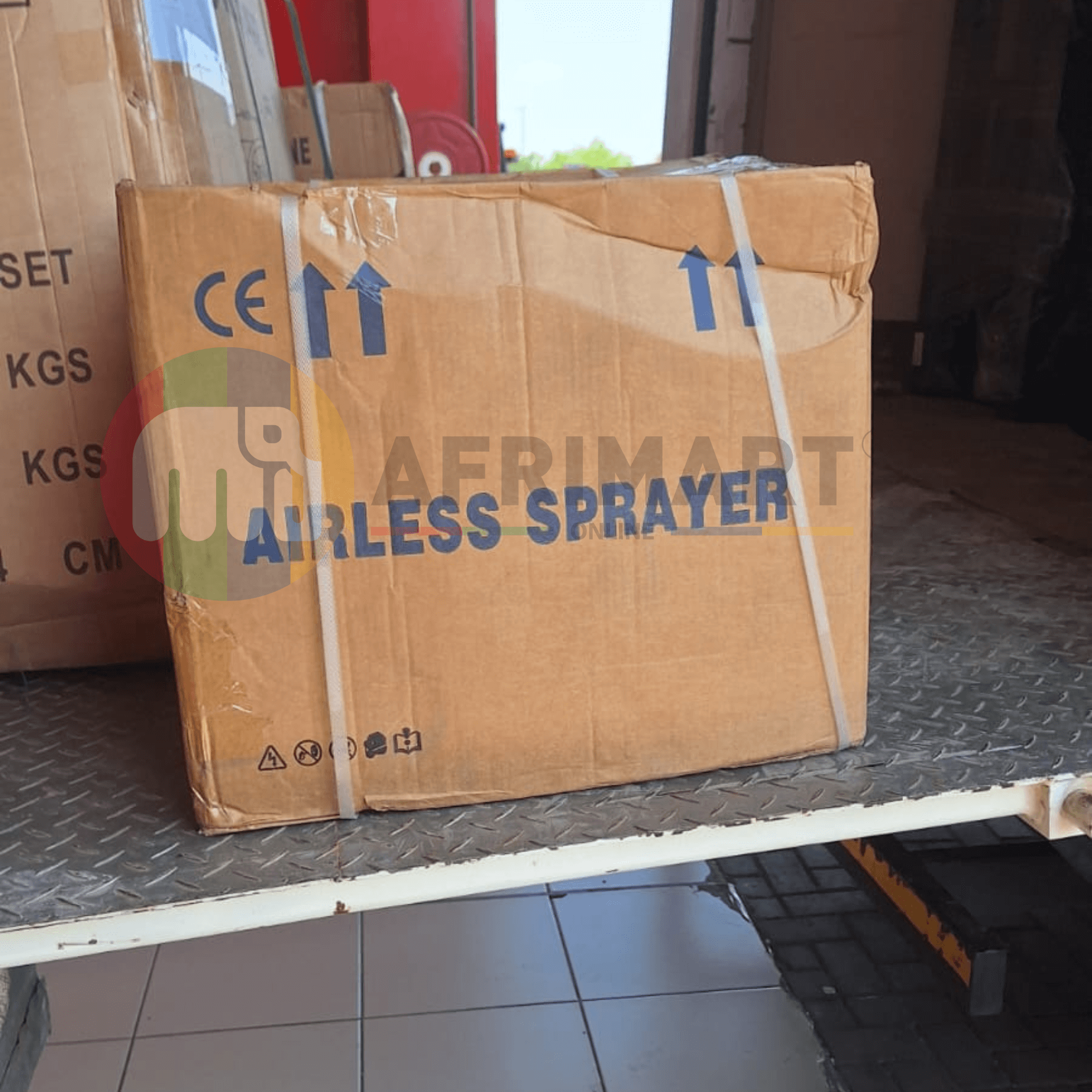
Latest Arrivals
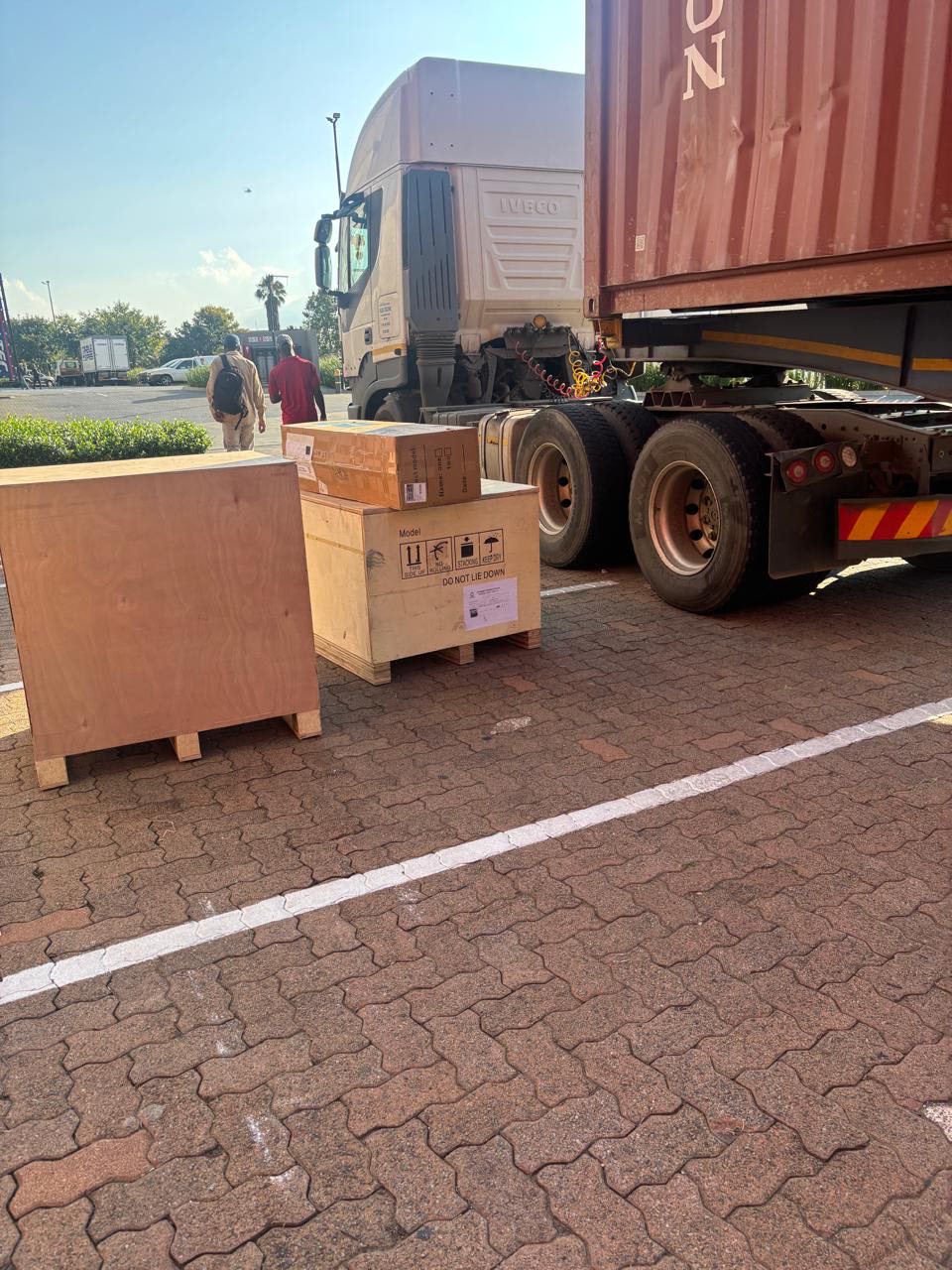
26 January 2026
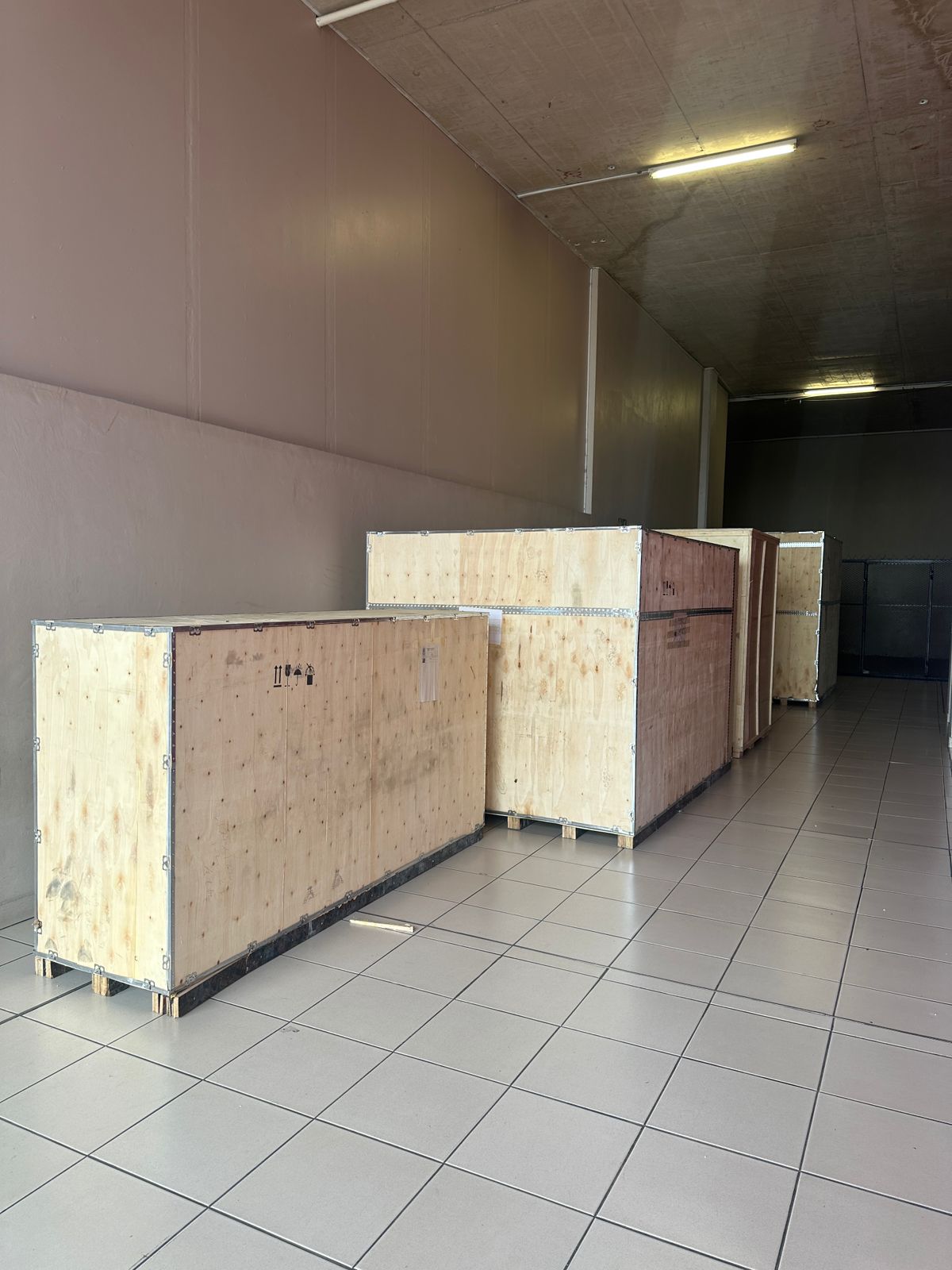
Toilet paper making machine
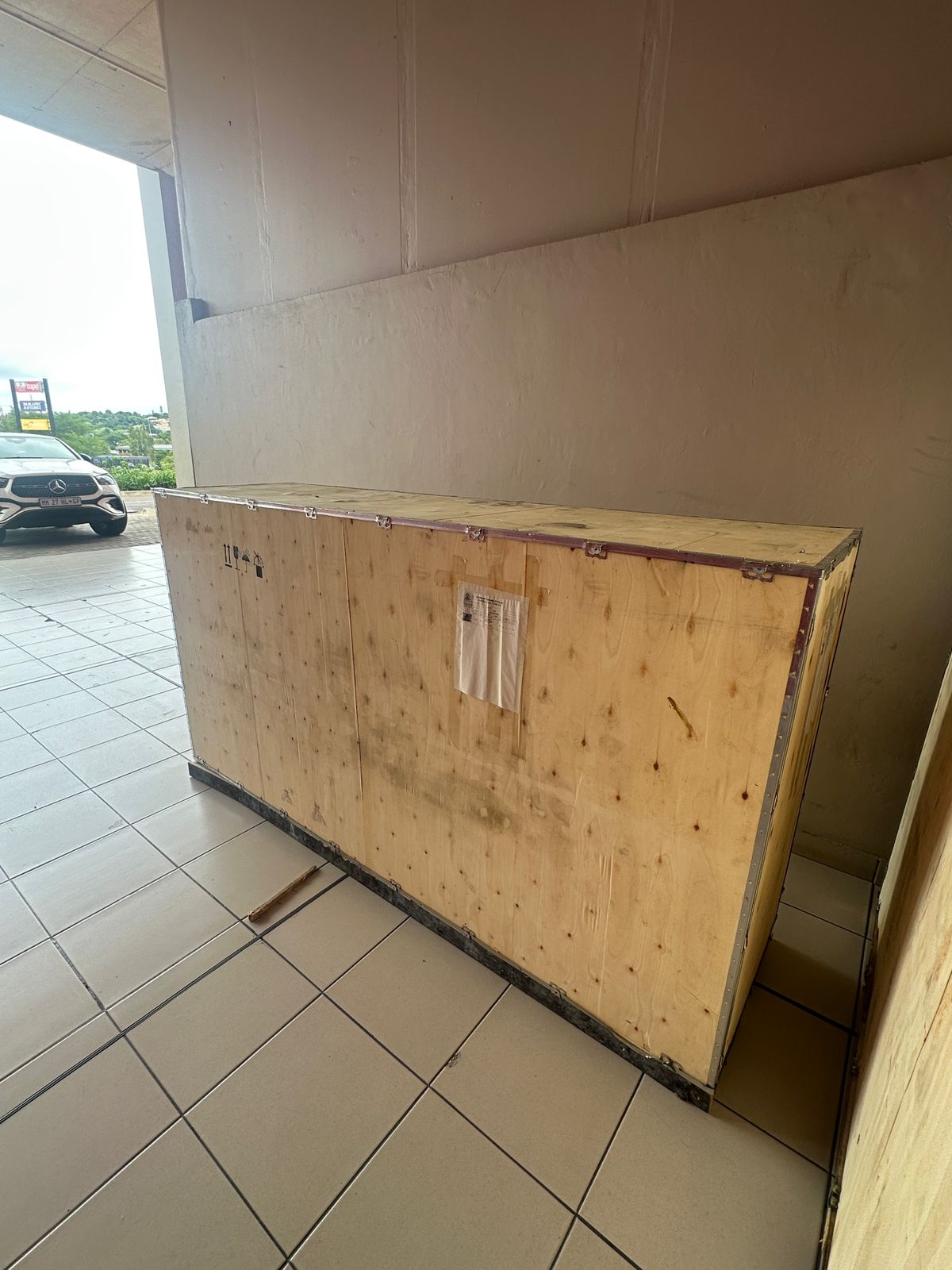
Toilet paper making machine
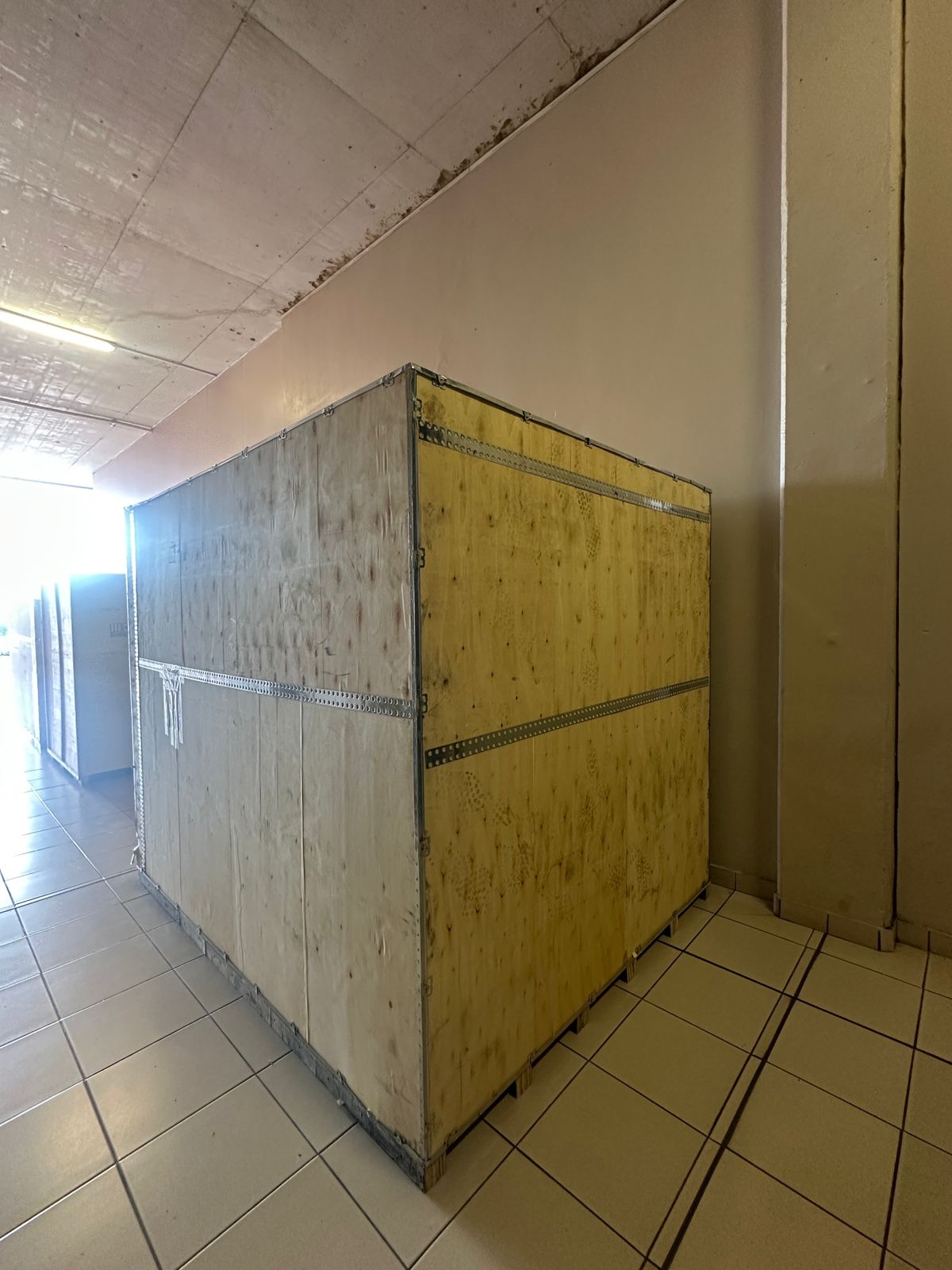
Toilet paper Rewinding Machine
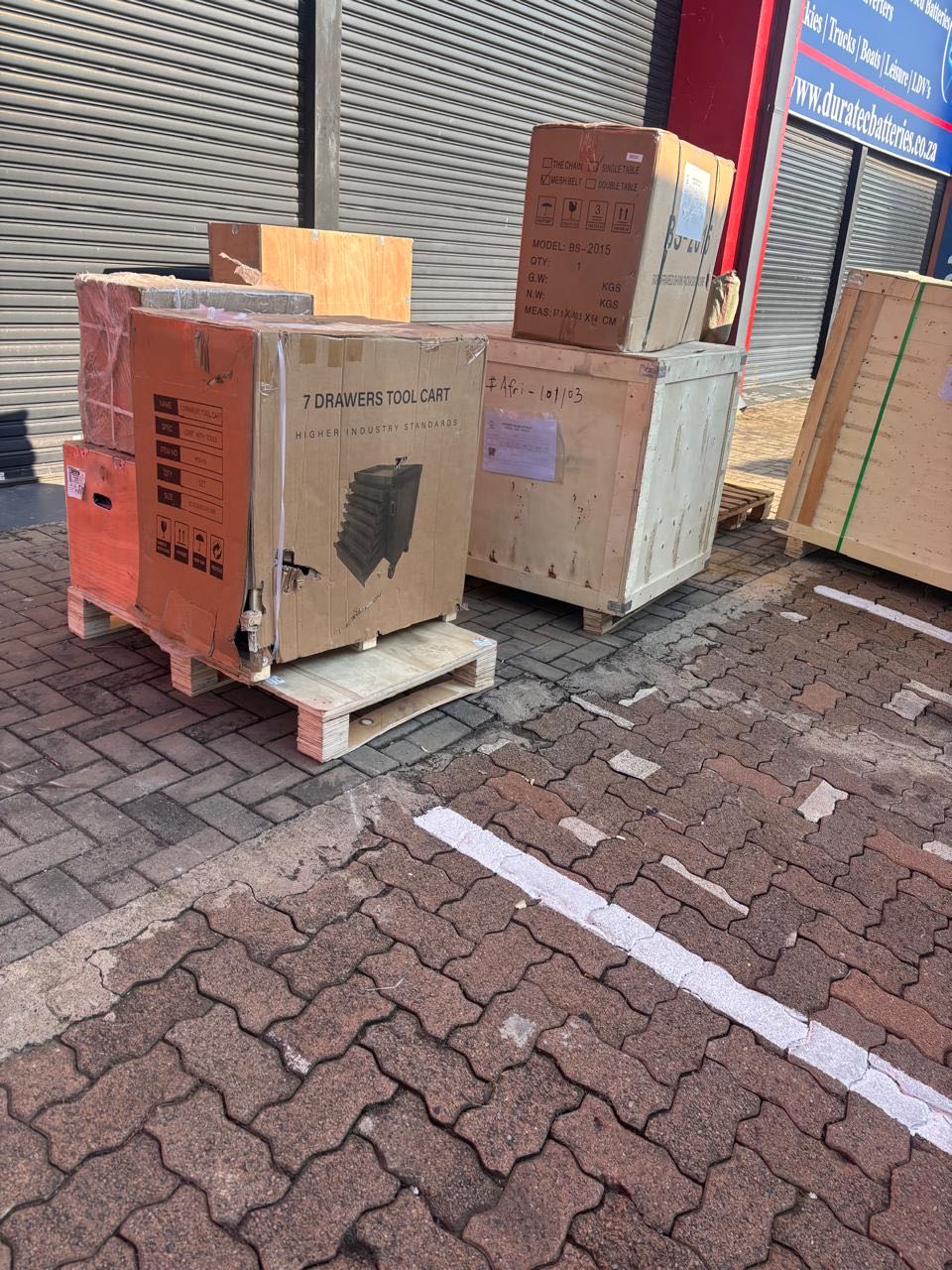
latest arrivals
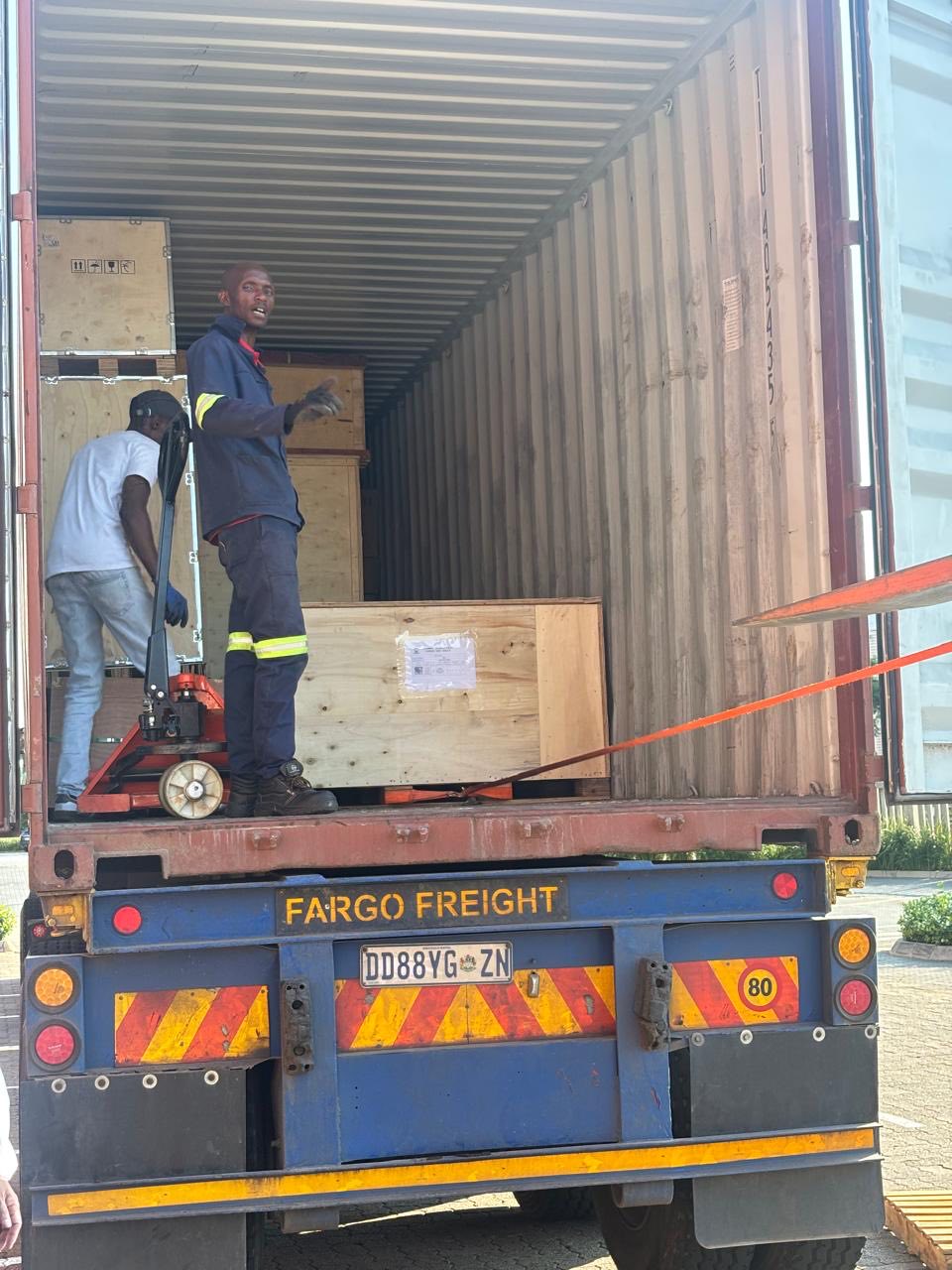
offloading
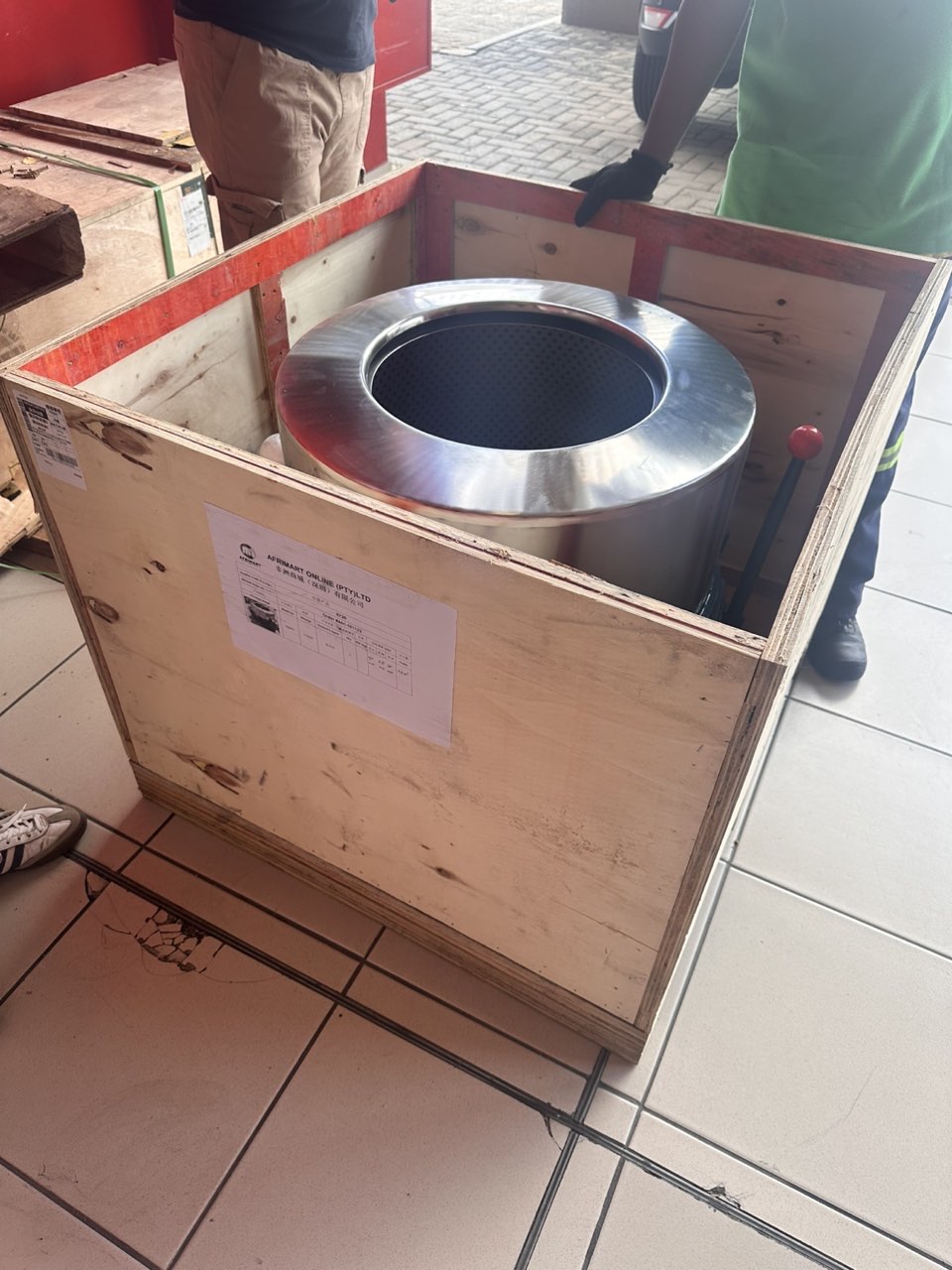
order success
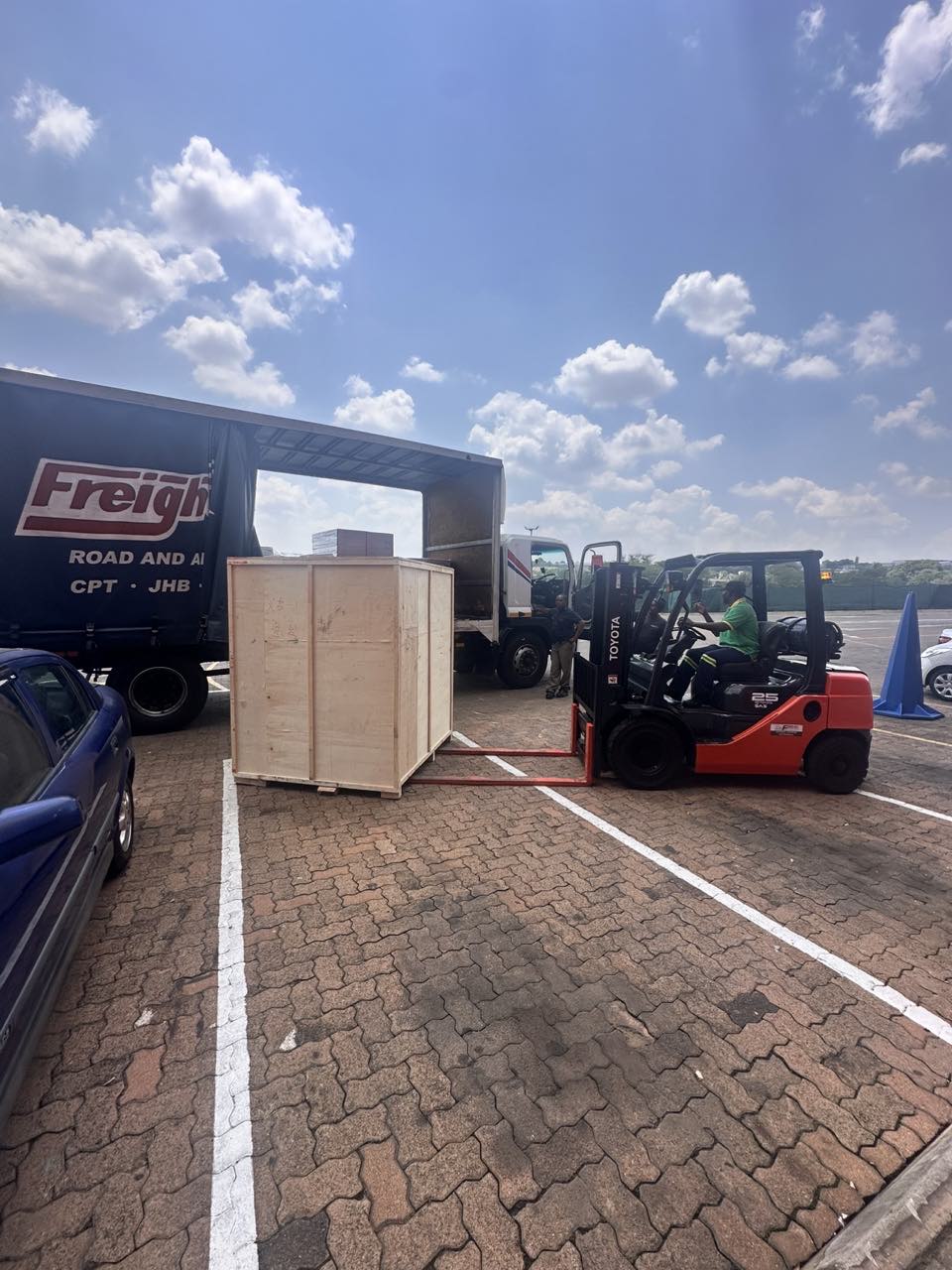
order collection
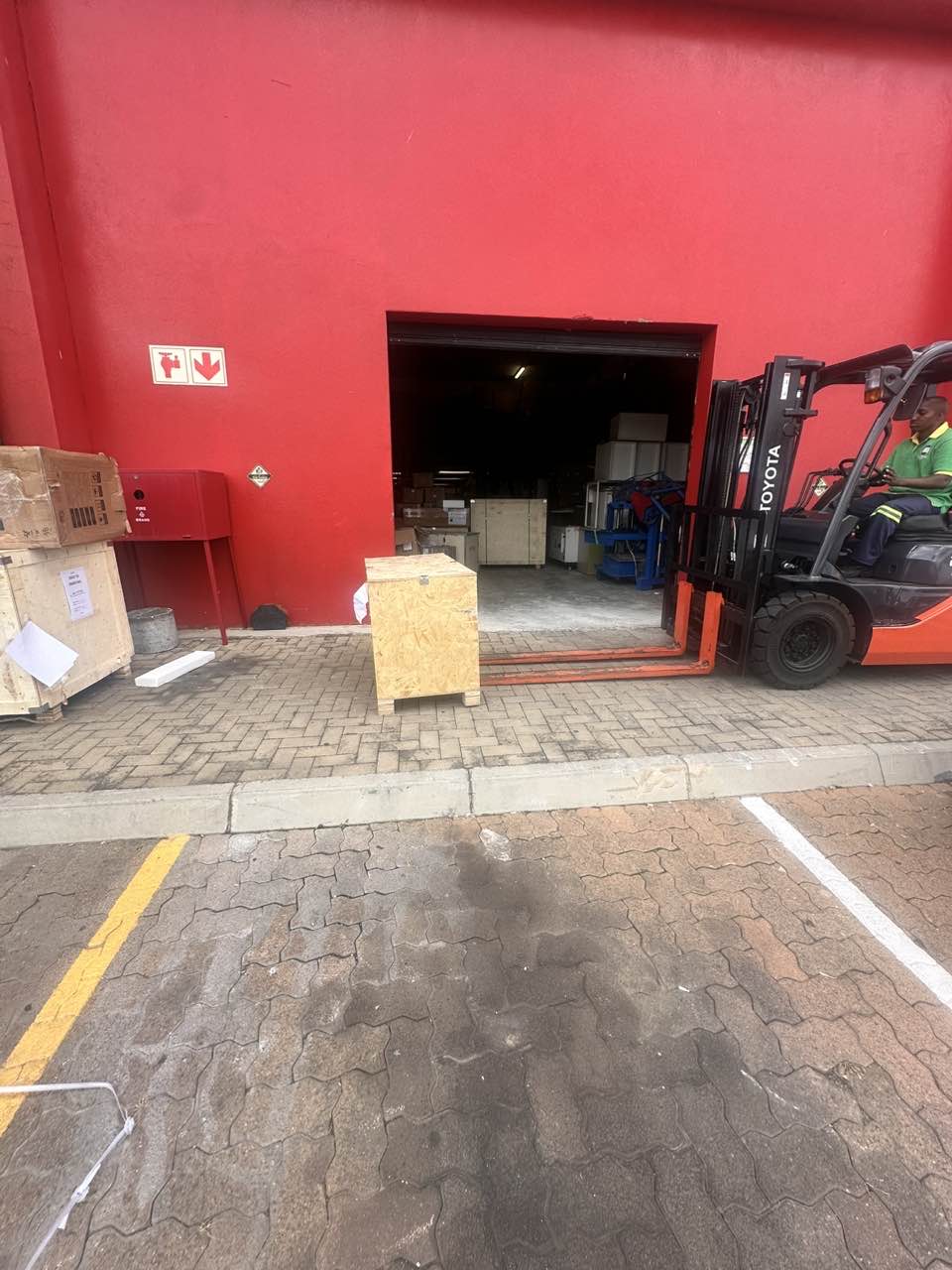
order offloading