B21, China Town Mall, Midrand



Bottle Rinsing Machine
The Bottle Rinsing Machine is an essential tool for any production line. It cleans bottles quickly and efficiently, saving time and ensuring high hygiene standards. This machine is perfect for businesses that need to prepare bottles for filling. With its easy-to-use design, you can keep your operations running smoothly.
Specifications
| Attribute | Details |
|---|---|
| Dimensions | 45 x 30 x 60 cm |
| Weight | 25 kg |
| Power Supply | 220V, 50Hz |
| Water Consumption | 2 liters per minute |
| Cleaning Speed | 300 bottles per hour |
Key Features
- Fast and efficient bottle rinsing.
- Compact design for easy placement.
- Simple operation with minimal training required.
- Durable materials for long-lasting use.
- Adjustable settings for different bottle sizes.
Applications
- Beverage production facilities.
- Cosmetic and personal care industries.
- Pharmaceutical companies.
- Food and sauce bottling lines.
- Home brewing setups.
Product Info Gallery

- Shipping Timeframes: All orders are processed within 2-5 business days (excluding weekends and holidays). After your order has been processed, the estimated delivery time is before 04 Aug, 2026, depending on customs, Please note that due to high demand, some items may experience longer shipping times, which will be communicated at order confirmation email.
- Order Processing Time: Please allow 2-5 business days for us to process your order before it is shipped . Orders placed after 16:00 on Fridays, or during weekends and public holidays, will begin processing on the next business day. Processing times may be extended during peak seasons or sales events.
- Manufacturing Time: Some products needs manufacturing time, the manufacturing process will take approximately 10-30 business days depending on the product. This timeframe may vary depending on the complexity of the product and current demand. but this will be communicated with you during order confirmation.
- Returns and Exchanges: We offer a 30-day return policy for most items. If you are not completely satisfied with your purchase, you may return it within 30 days of receipt for a refund or exchange. Items must be unused, in their original packaging, and accompanied by proof of purchase. Return shipping costs are the responsibility of the customer, unless the item was damaged or defective upon arrival.
1. What is the rinsing capacity of the Bottle Rinsing Machine?
The machine cleans up to 300 bottles per hour under standard operating conditions. Actual throughput may vary with bottle size, operator handling and setup.
2. What bottle sizes and shapes does the machine support?
The machine has adjustable settings to accommodate different bottle sizes and common shapes. For exact size ranges and compatibility with unusual or very small/large bottles, please consult the manufacturer or product datasheet.
3. What are the machine's dimensions and weight?
Outside dimensions are 45 x 30 x 60 cm and the unit weighs 25 kg.
4. What are the electrical requirements?
Power supply requirement is 220 V, 50 Hz. Ensure a properly grounded outlet and an appropriate circuit as required by local electrical codes.
5. How much water does the machine use?
Water consumption is approximately 2 liters per minute. Actual usage depends on cycle settings and bottle sizes.
6. Can I use sanitizing or detergent solutions with the machine?
The machine is designed for rinsing and can typically be used with approved rinsing agents and sanitizers. Always check chemical compatibility with the manufacturer and follow recommended concentrations and safety guidance.
7. How easy is the machine to operate and how much training is required?
The Bottle Rinsing Machine features a simple, easy-to-use design that requires minimal training. Basic training should cover setup, loading/unloading bottles, selecting settings, and routine safety procedures.
8. What are the installation requirements?
You will need a 220 V, 50 Hz power source, a potable water connection and a drain for waste water. Place the unit on a stable, level surface with adequate workspace around it. Specific installation instructions are provided in the user manual.
9. What routine maintenance is required?
Routine maintenance includes cleaning and descaling nozzles, checking hoses and seals for wear, inspecting pump performance, and following the maintenance schedule in the manual. Frequency depends on usage and water quality.
10. Is the machine suitable for glass and plastic bottles?
Yes — the machine is suitable for common glass and plastic bottles. For very fragile glass, thin-walled plastic, or nonstandard containers, verify compatibility with the supplier.
11. Are spare parts and technical support available?
Spare parts and technical support are typically available from the manufacturer or authorized dealers. Contact your supplier for parts lists, lead times and service options.
12. Can the machine be integrated into an existing production line?
Yes. Its compact design makes it easy to place on a production line or workbench. For mechanical or conveyor integration, review interface requirements with the manufacturer or your systems integrator.
13. What safety features does the machine have?
Basic safety includes stable mounting, guarded moving parts and standard electrical safety. Refer to the product manual for detailed safety instructions, required PPE and lockout/tagout procedures.
14. What if I need higher throughput or faster cleaning?
To increase throughput consider optimizing bottle handling (automated feeding), using smaller bottle sizes, ensuring regular maintenance for peak performance, or discussing higher-capacity models or customization with the supplier.
Latest Order Arrivals
Discover our latest orders
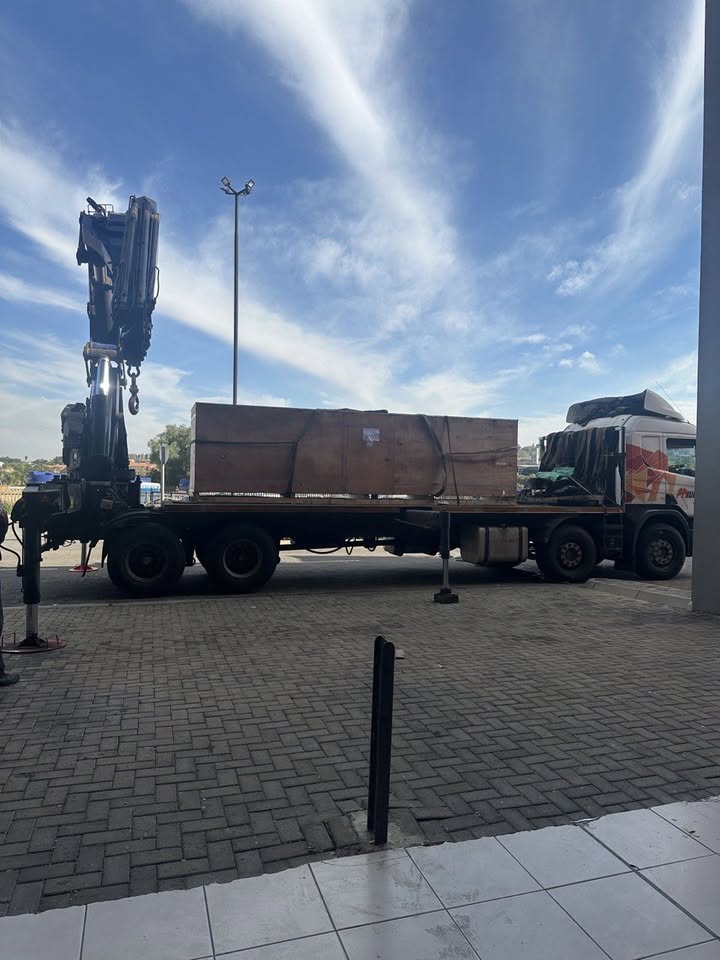
12 Heads Embroidery Machine
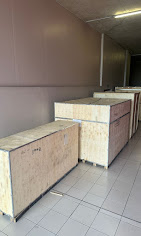
Toilet Paper Machine Machine
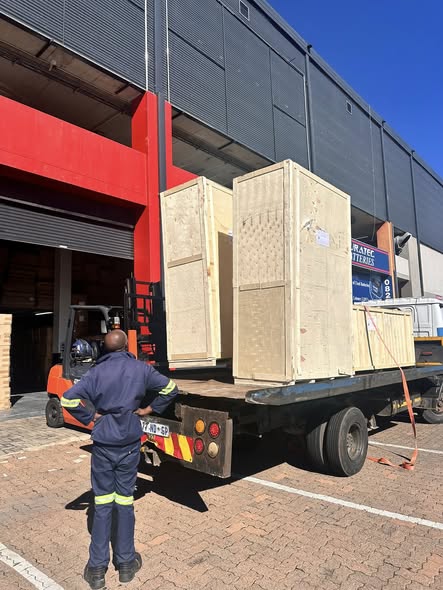
Order Collection
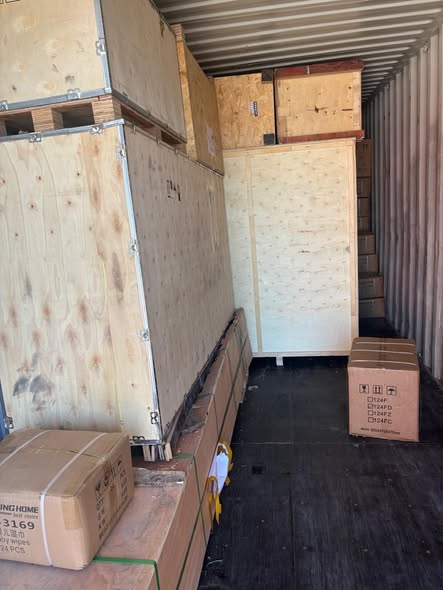
Cross Border Clients
Order cros border countries Collected
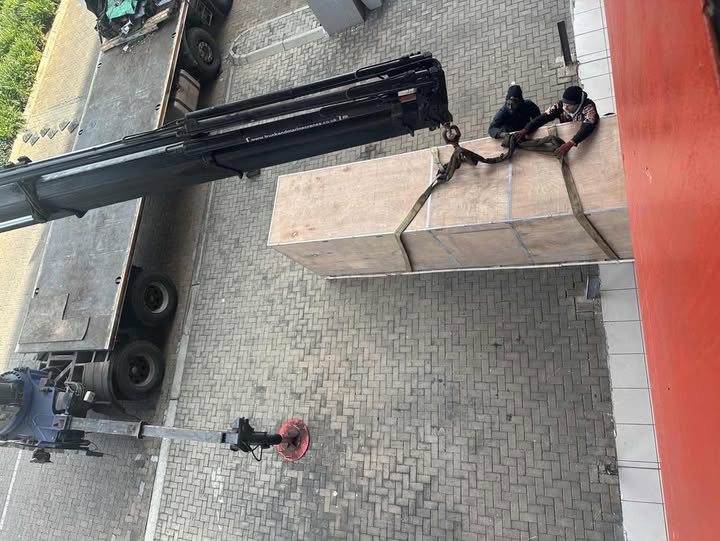
Industrial Machine Cllection
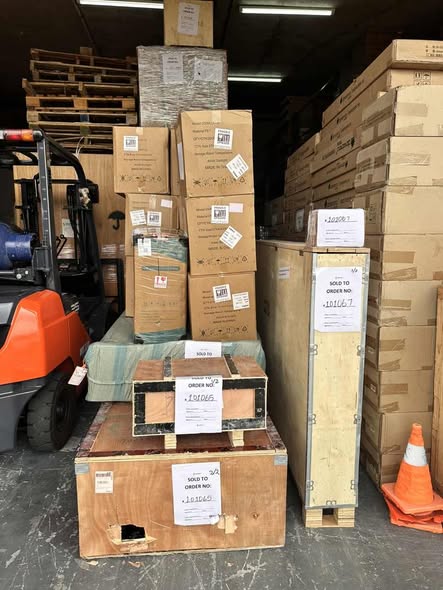
Agriculture Processing Machines
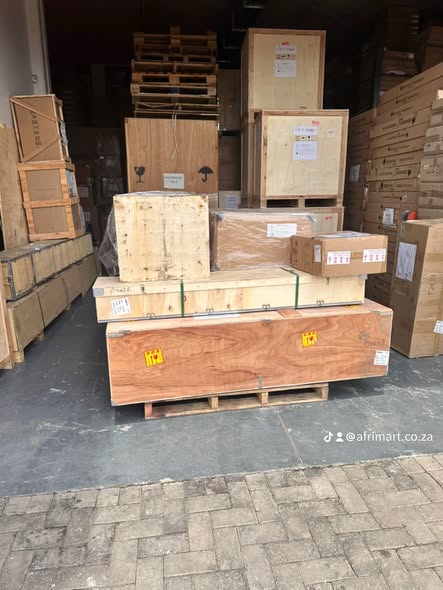
Ready for collection
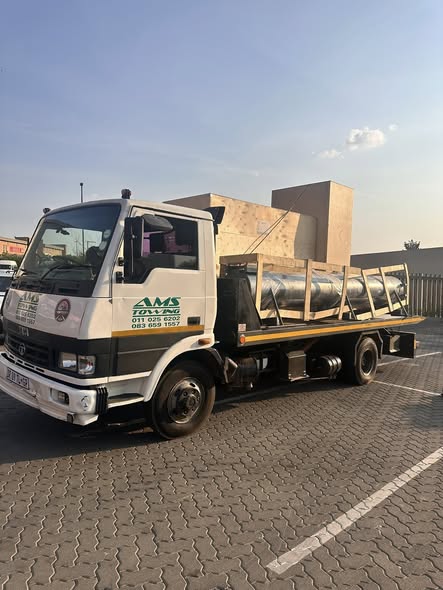
Water Pump Equipment
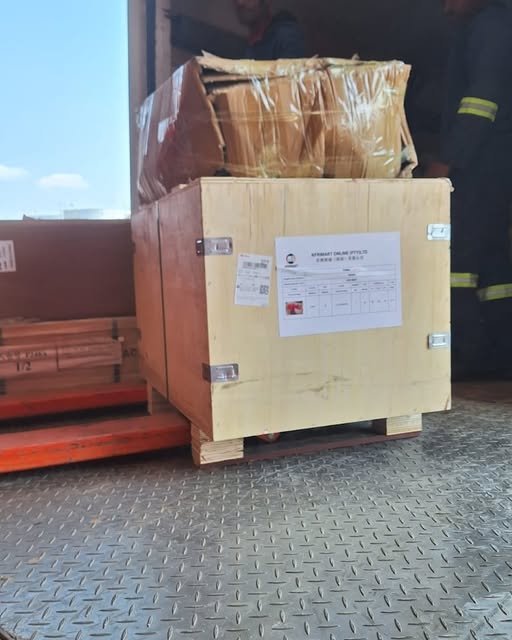
Packaging Machine and accessories
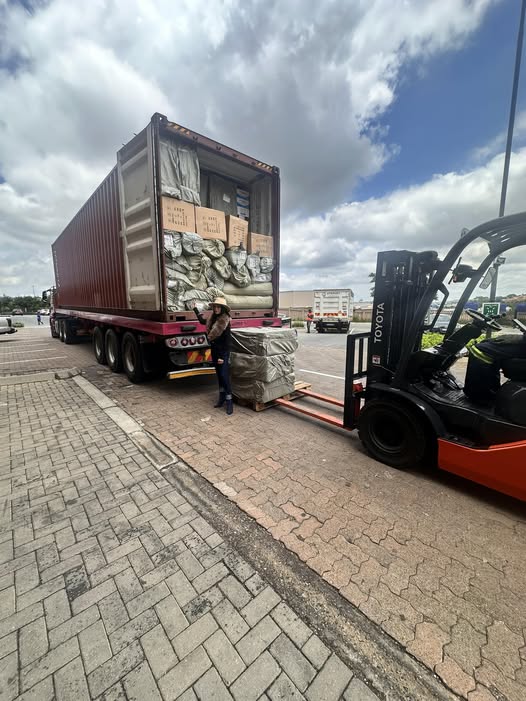
Fabrics Manufacturing Equipment
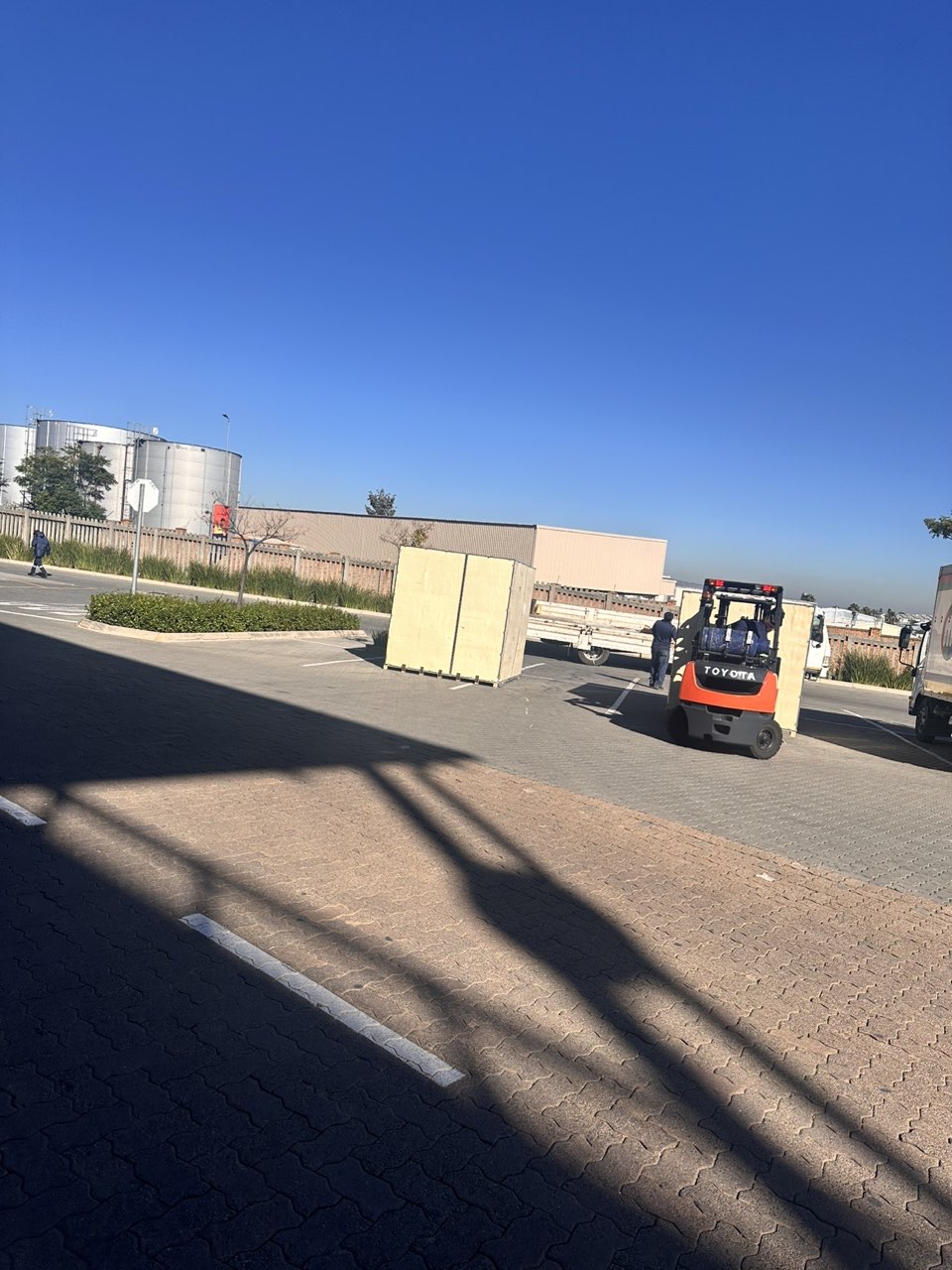
Mining Equipments
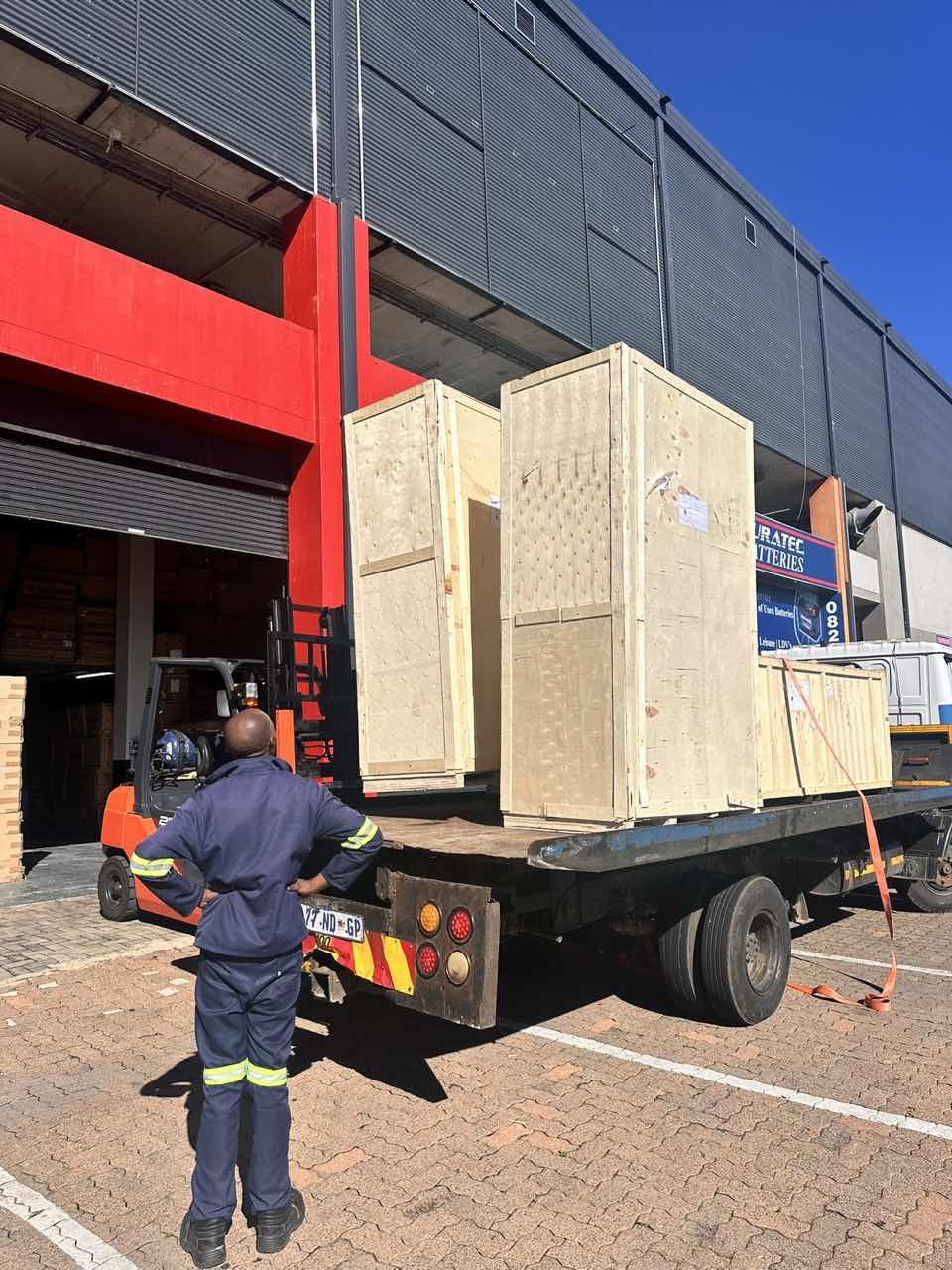
Food Processing Machine
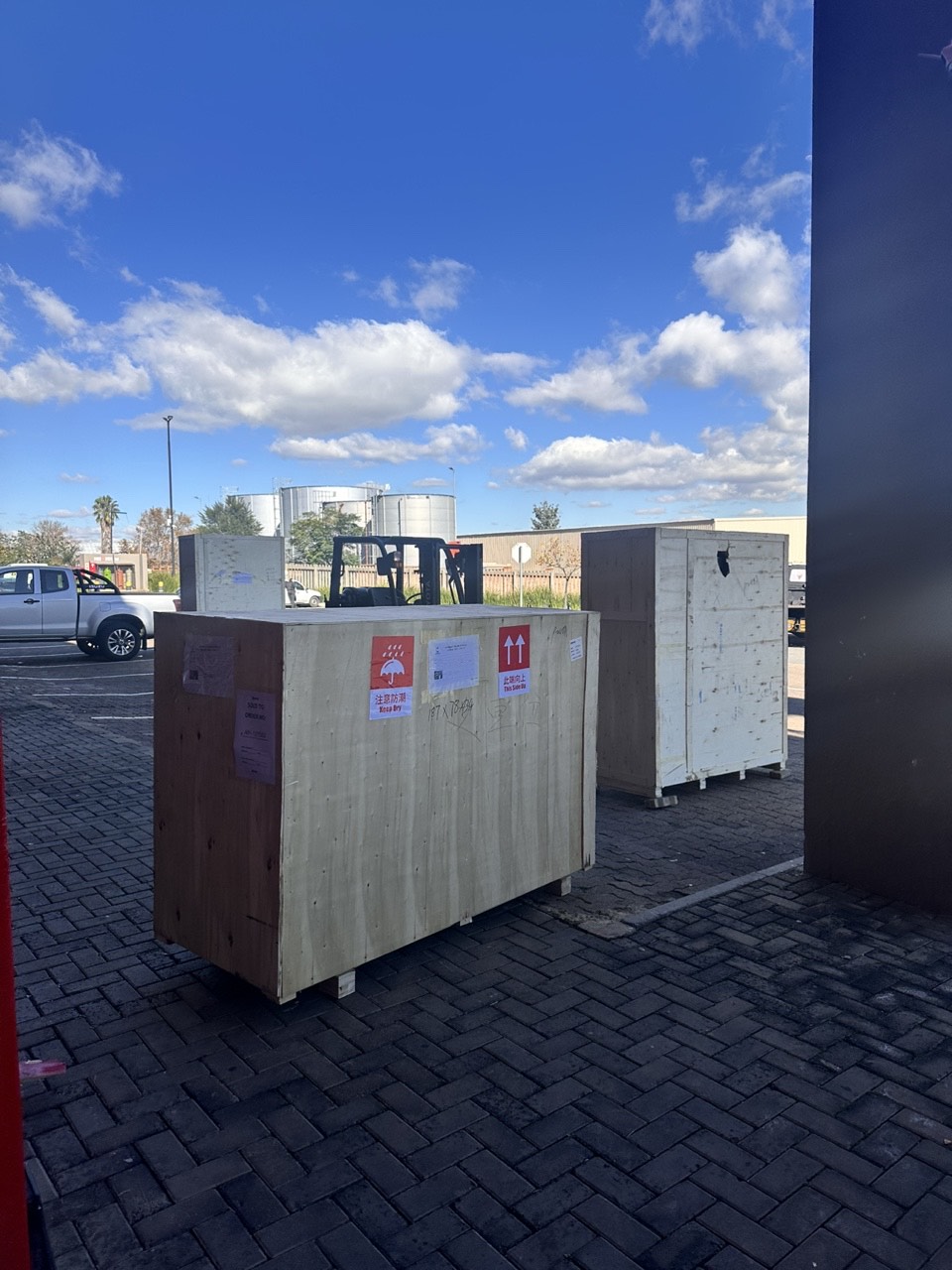
Batch of Orders
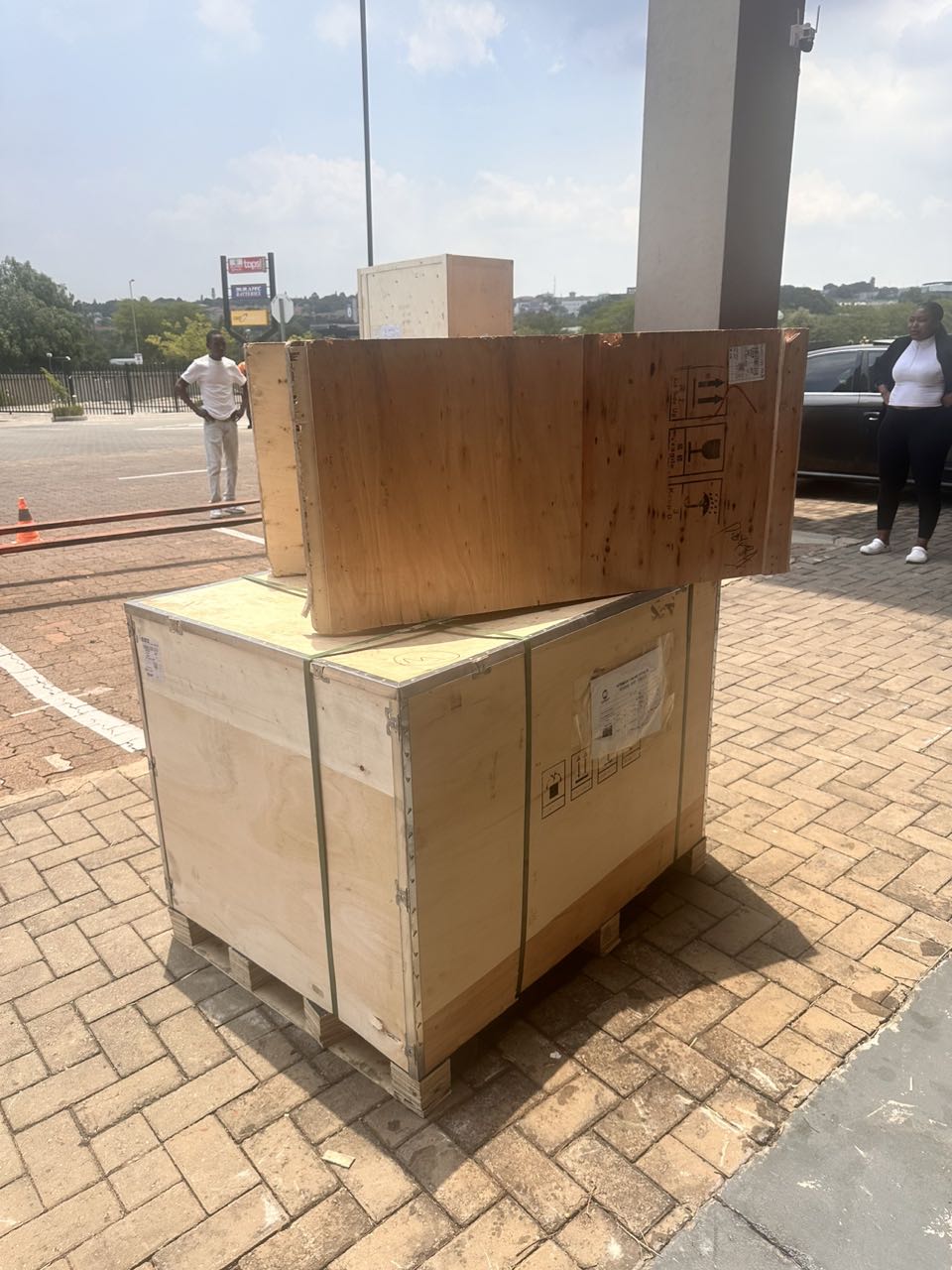
Batch of Orders
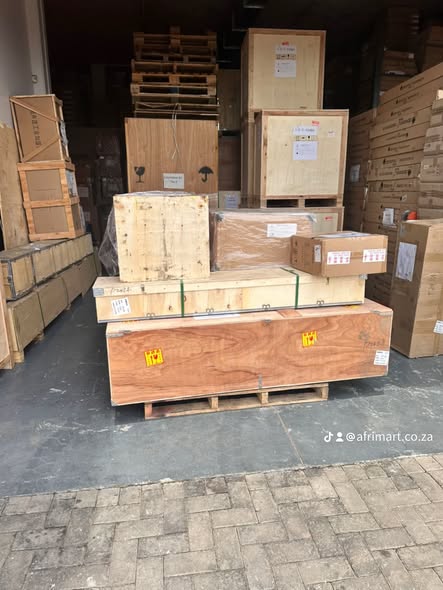
Latest Orders Labelled
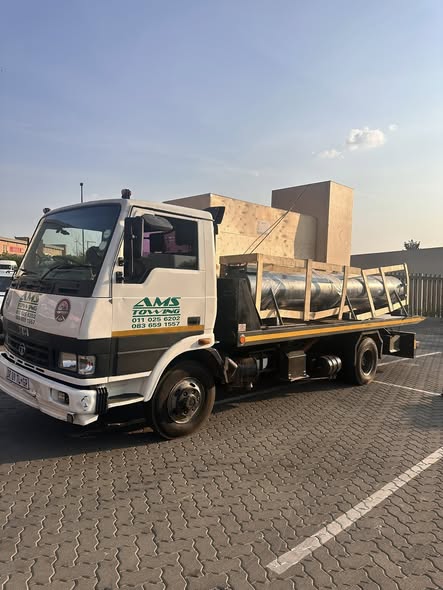
wheel alignment machines
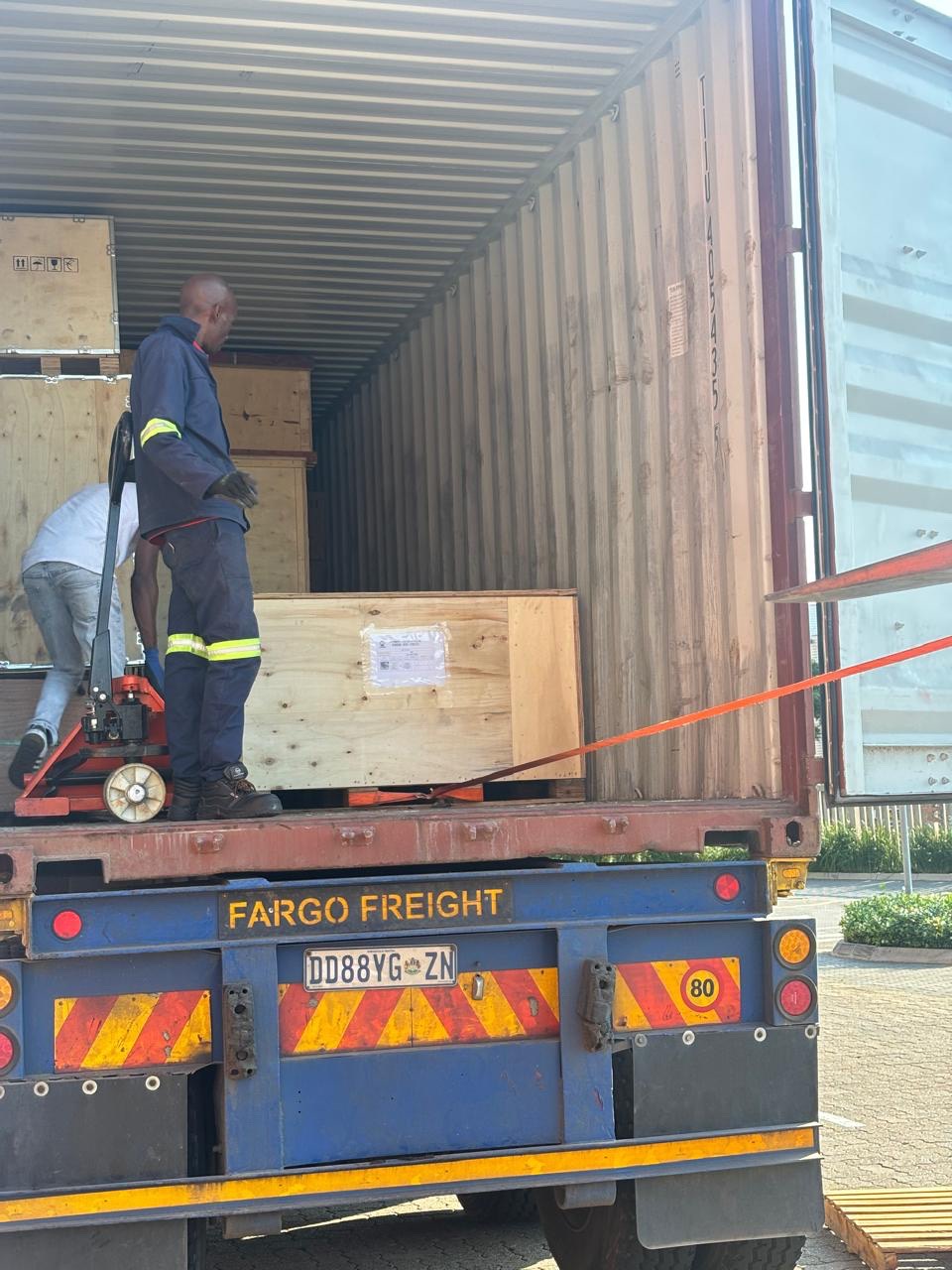
new arrivals
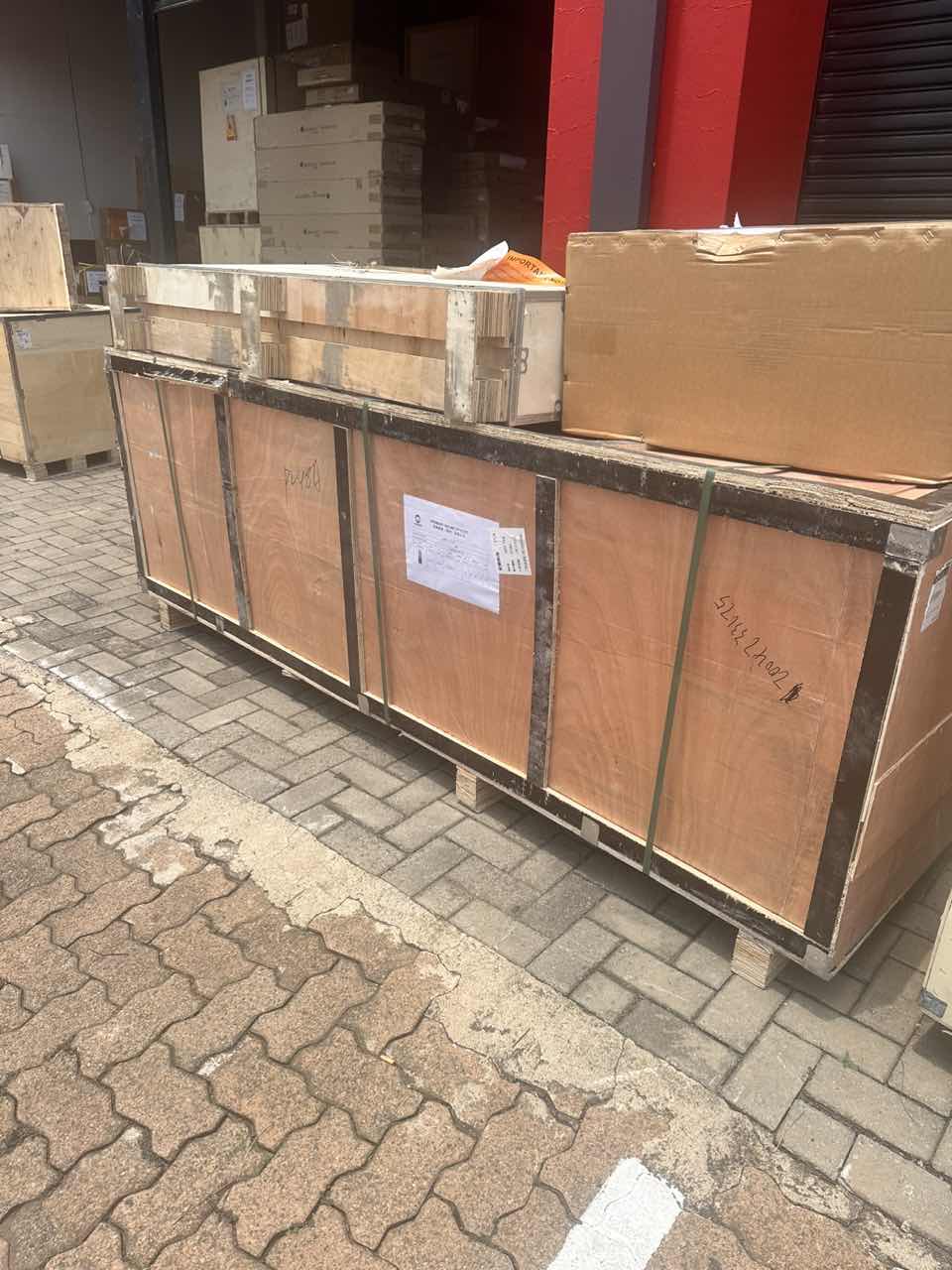
Pre Orders Offloading
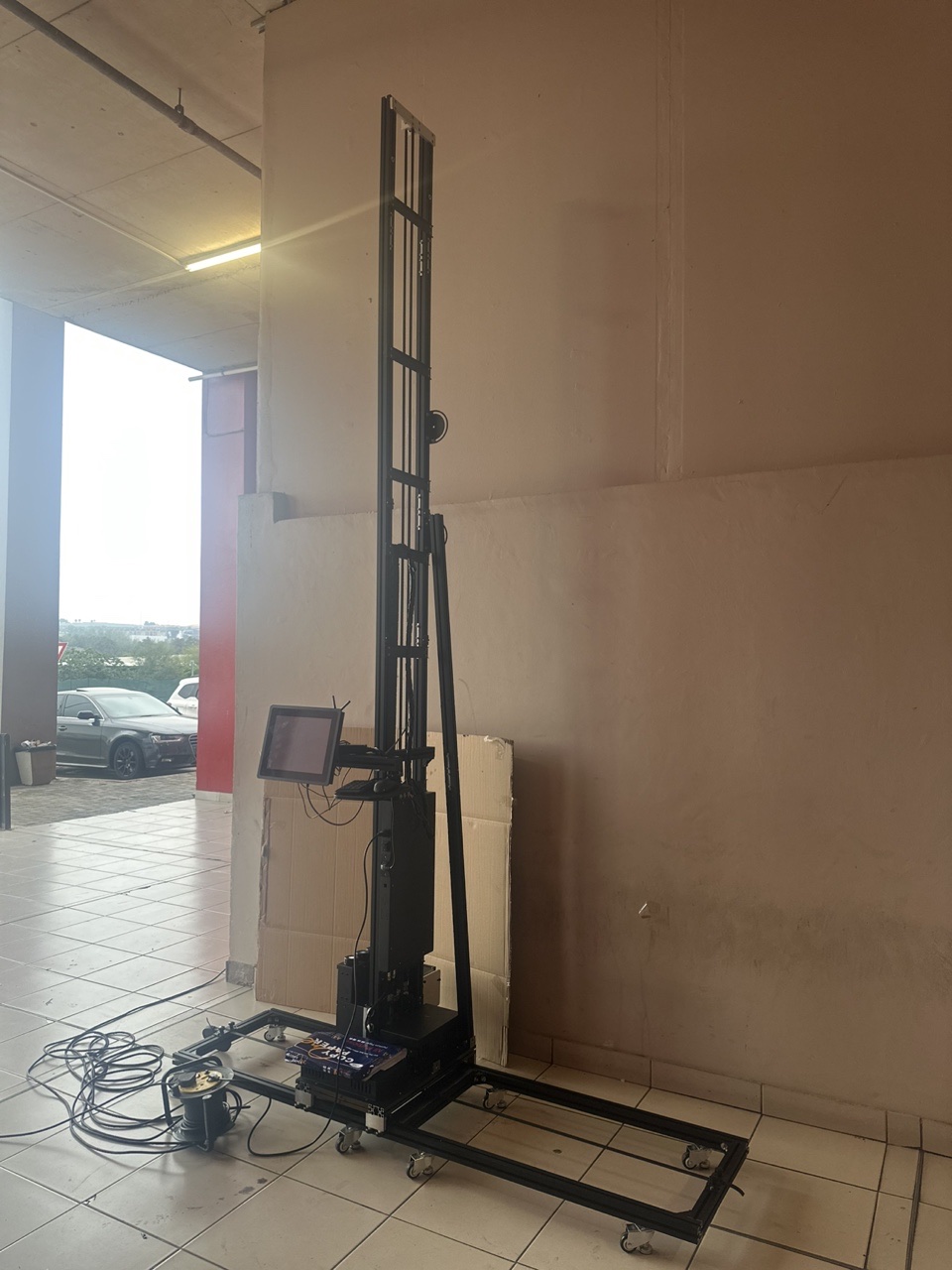
Latest Arrivals
Latest Arrivals
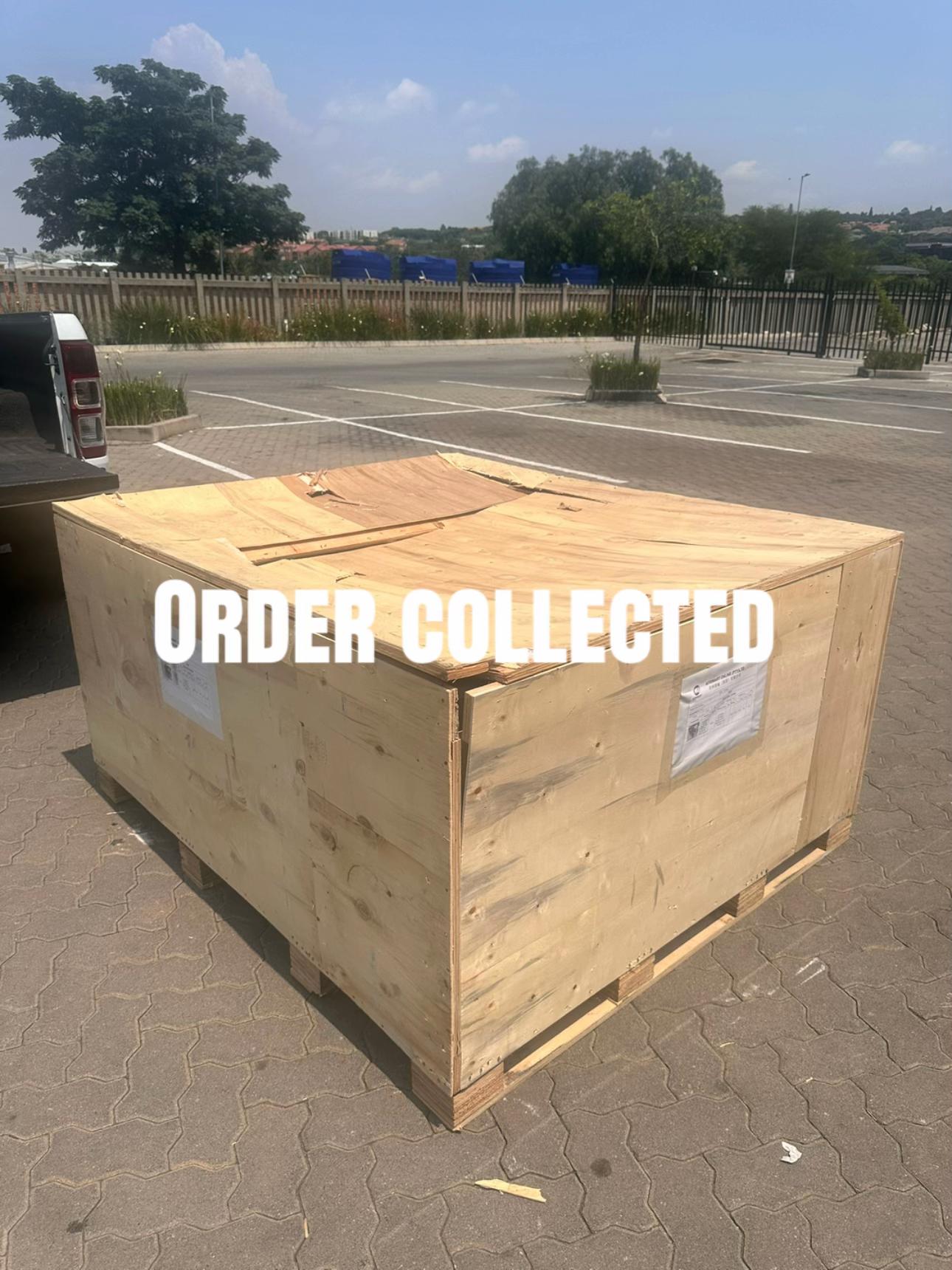
Latest Arrivals
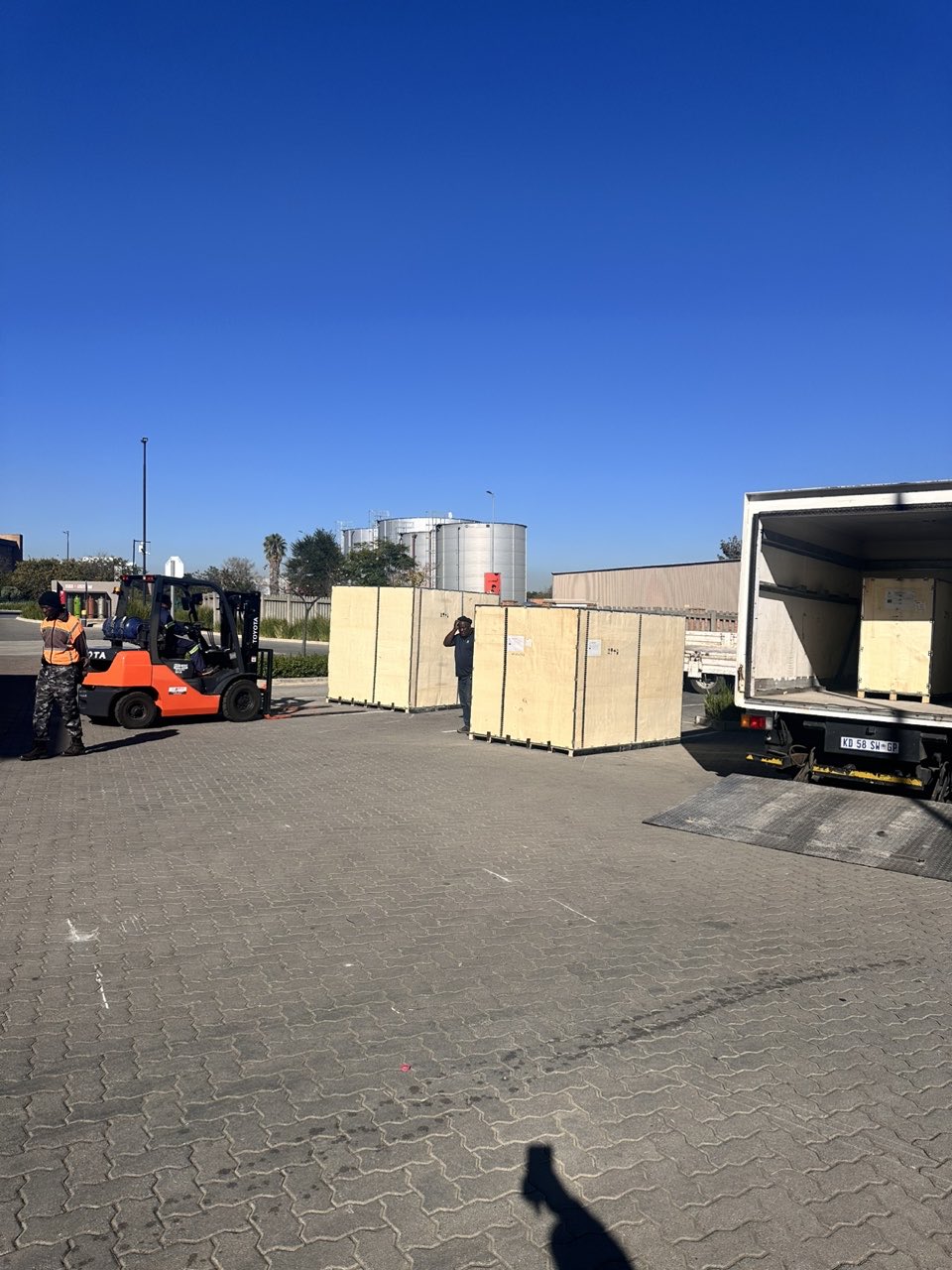
Loading
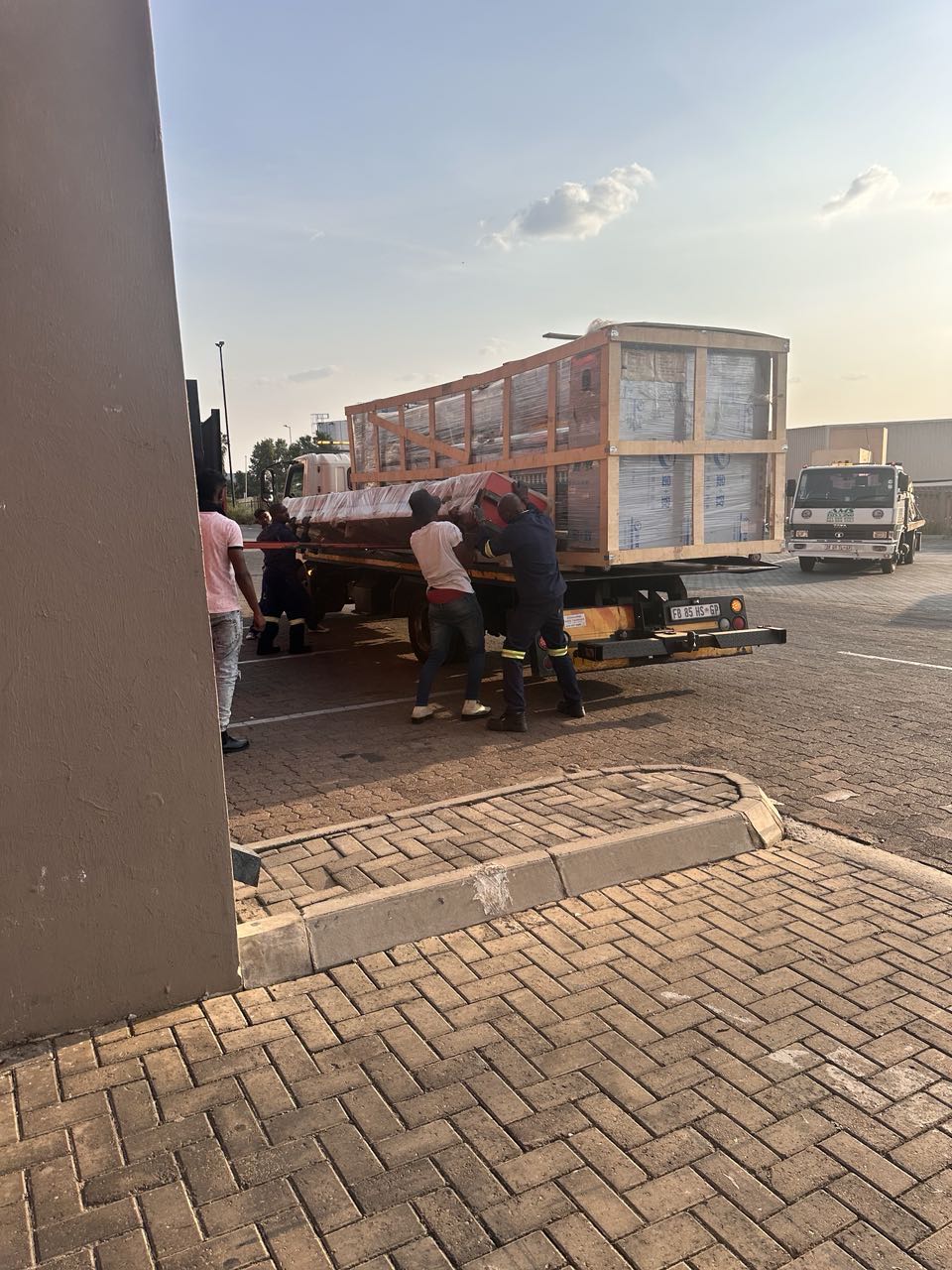
Toilet paper making machine
Toilet paper making machine
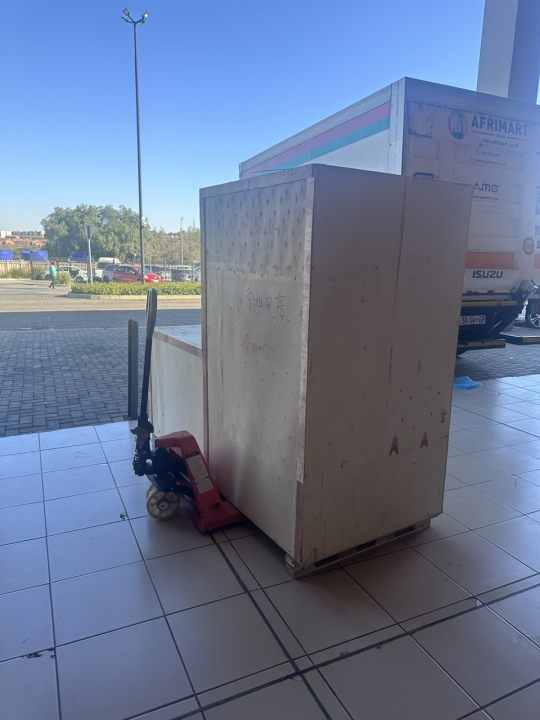
Toilet paper Rewinding Machine
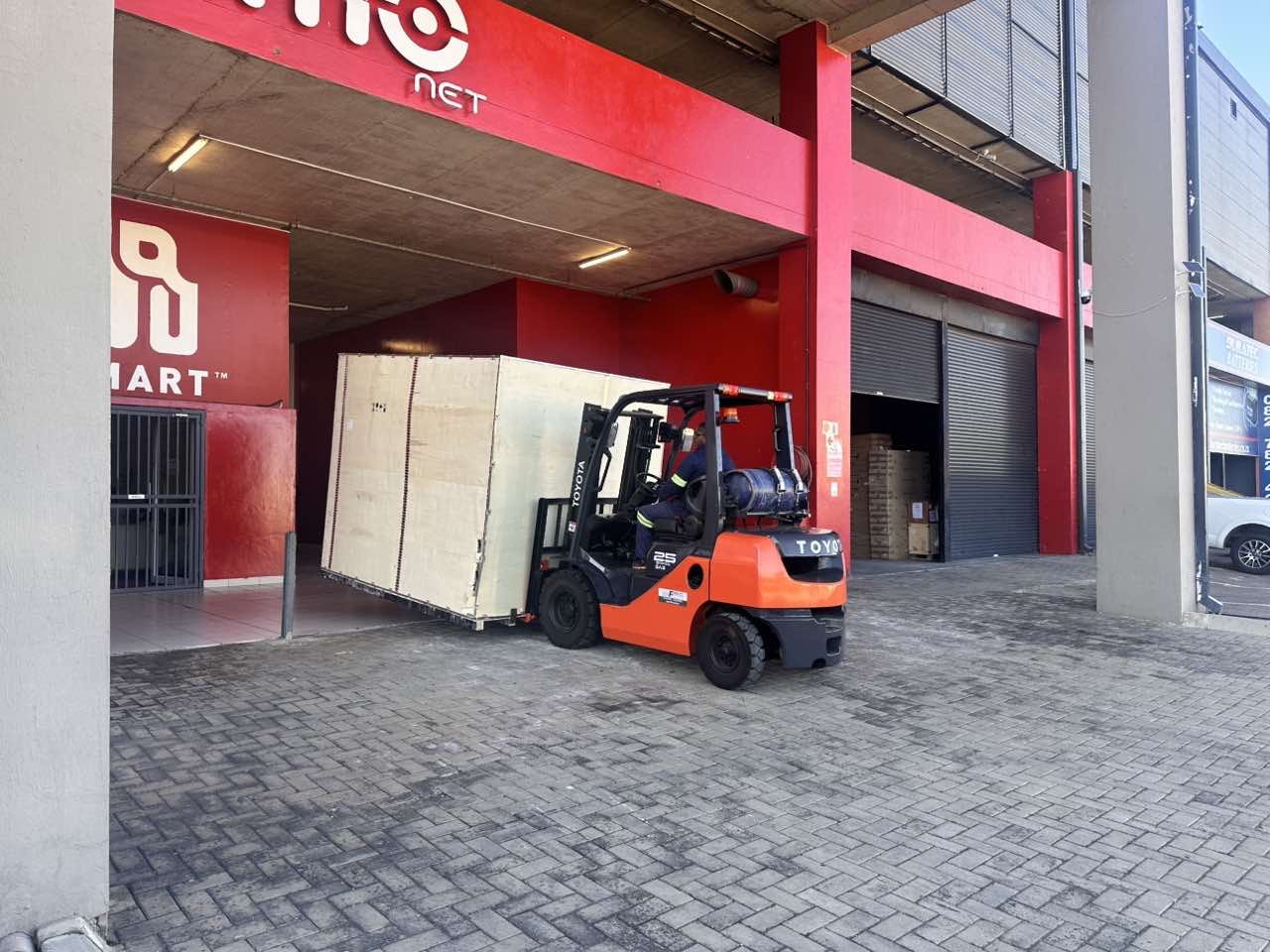
latest arrivals
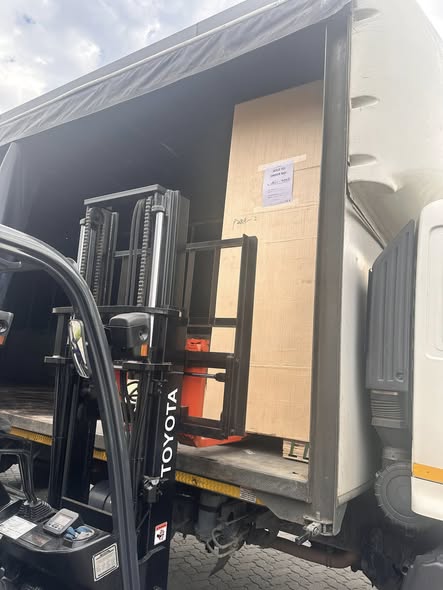
offloading
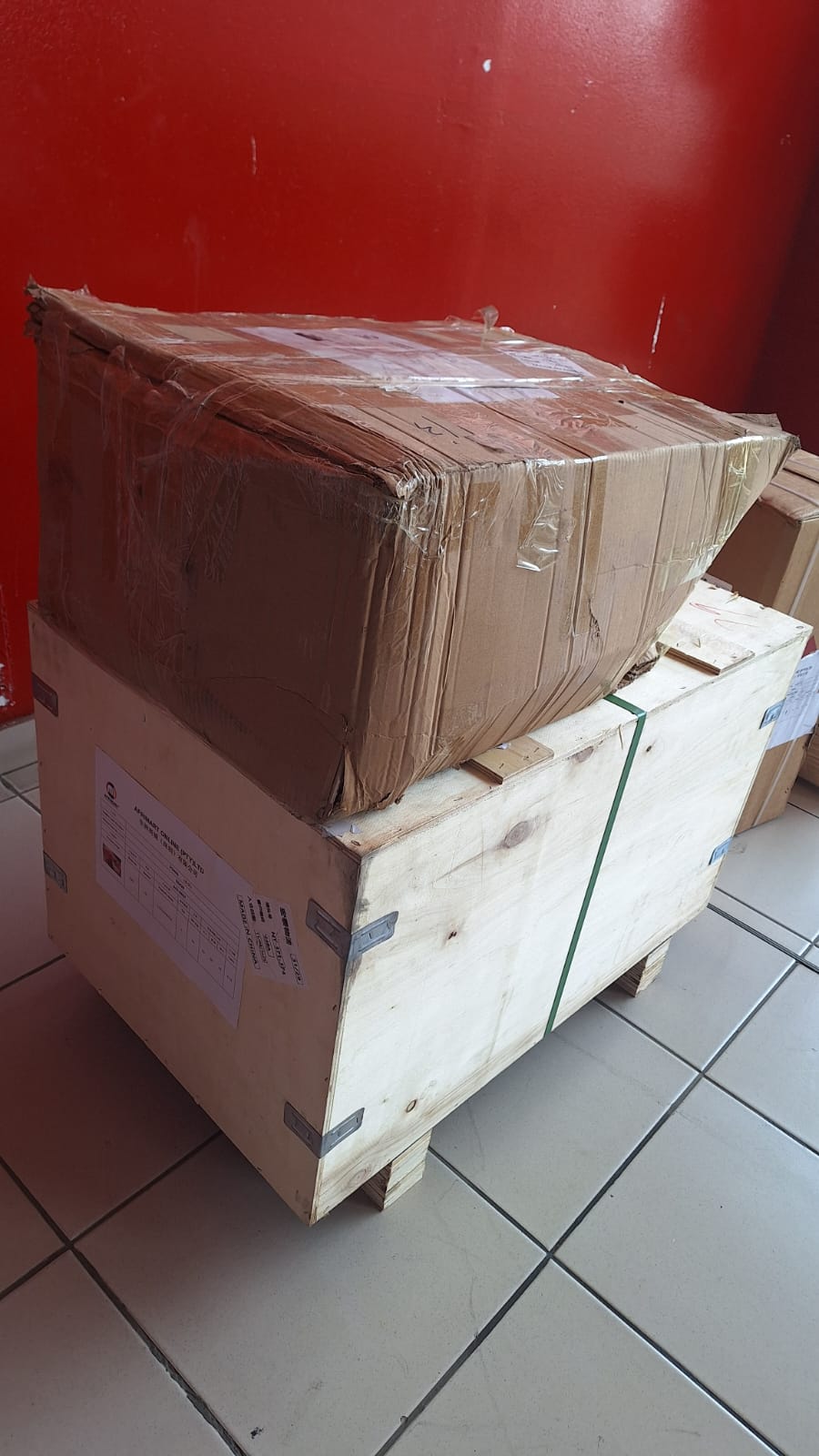
order success
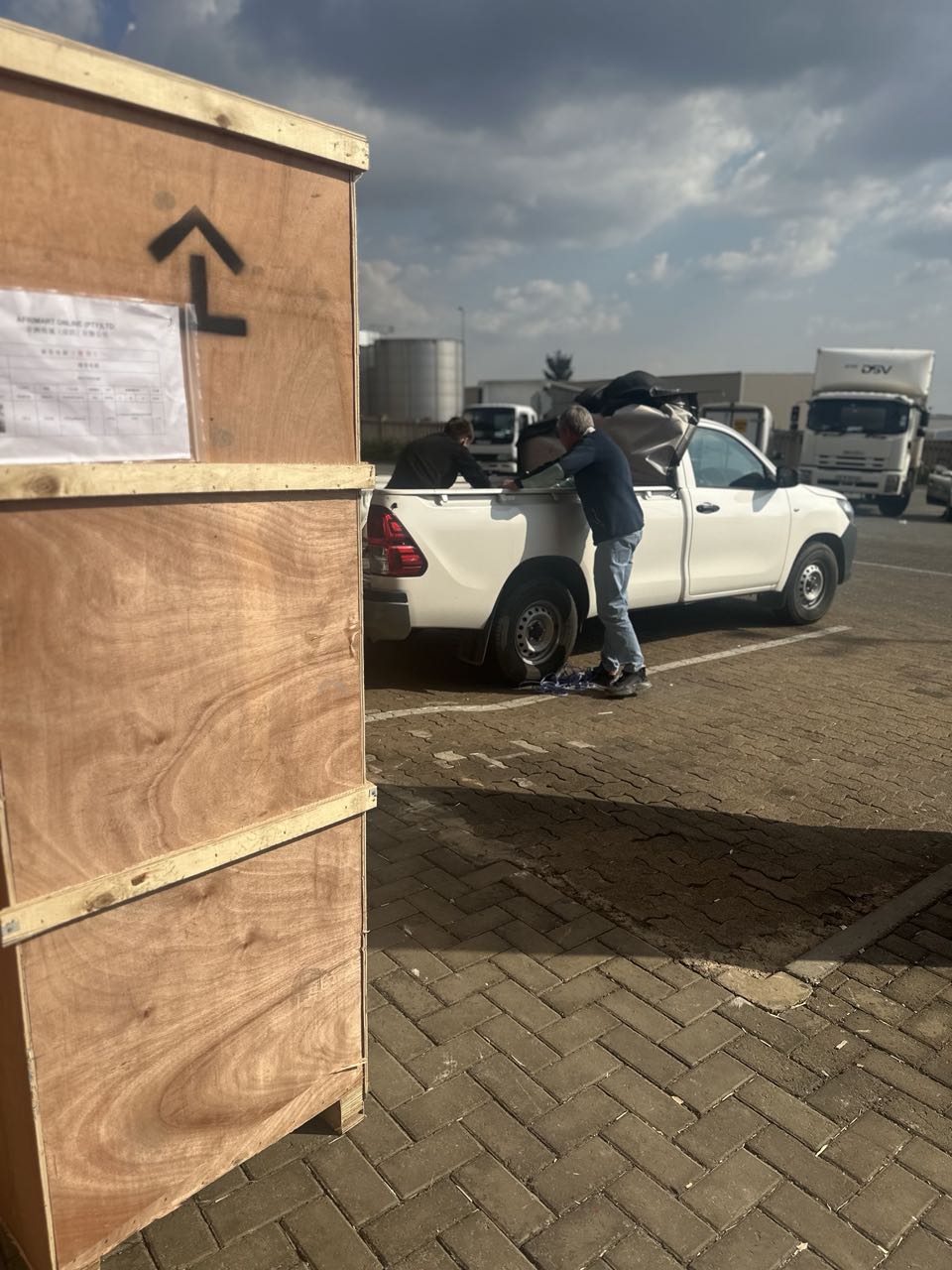
order collection
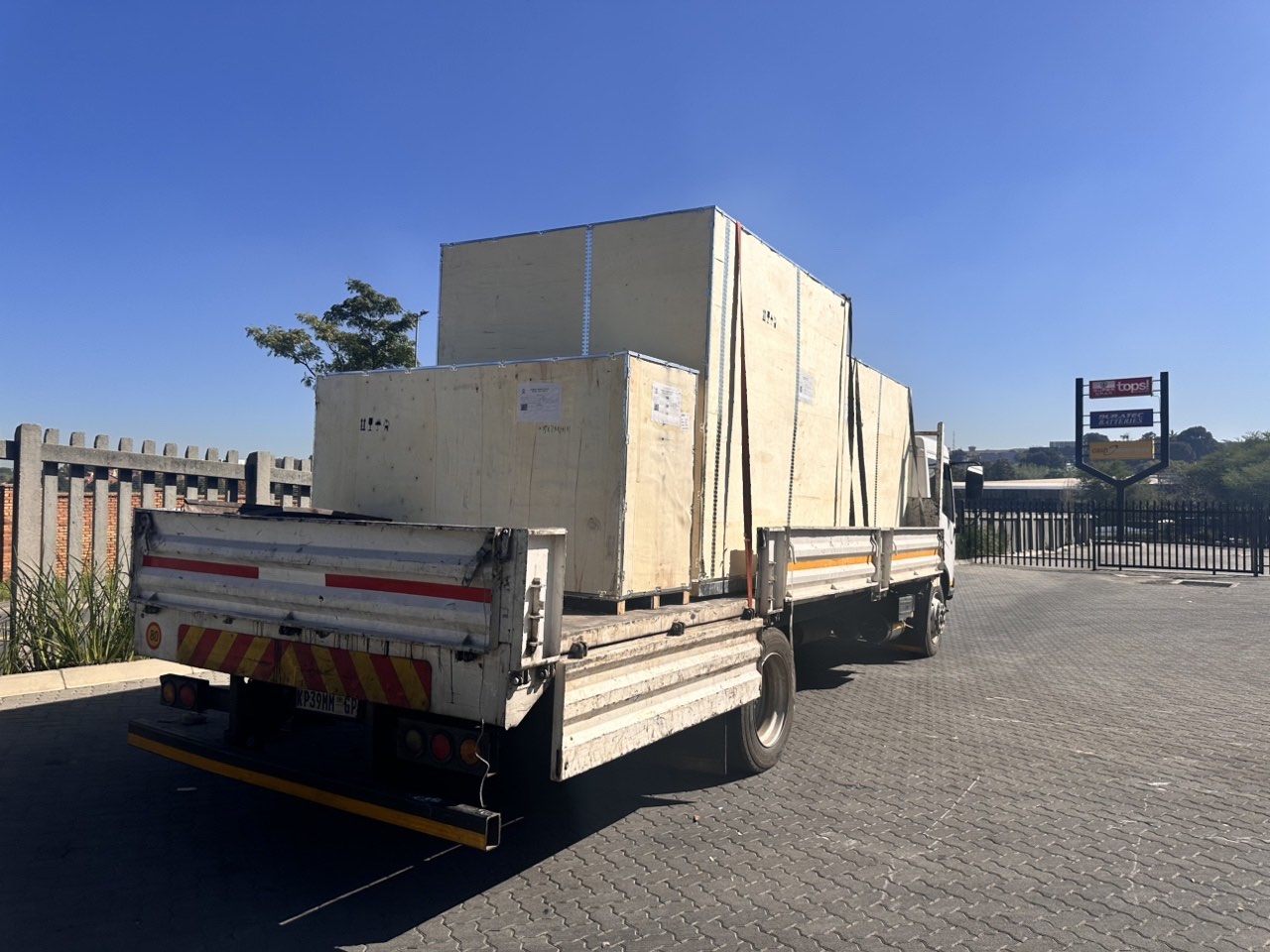
order offloading