B21, China Town Mall, Midrand


BOT1A Reliable Melting Point Device for Laboratory Use
Asset finance available
Do you want funding for this equipment?
Afrimart can connect you with trusted funding partners who specialise in asset finance for businesses like yours. Compare options and apply in minutes — final approval is subject to provider review.
Check funding options
Secure & no obligation

- Section : Medical Supplies
- Category : Testing Instrument
- SKU : 1601076436559

BOT1A Reliable Melting Point Device for Laboratory Use
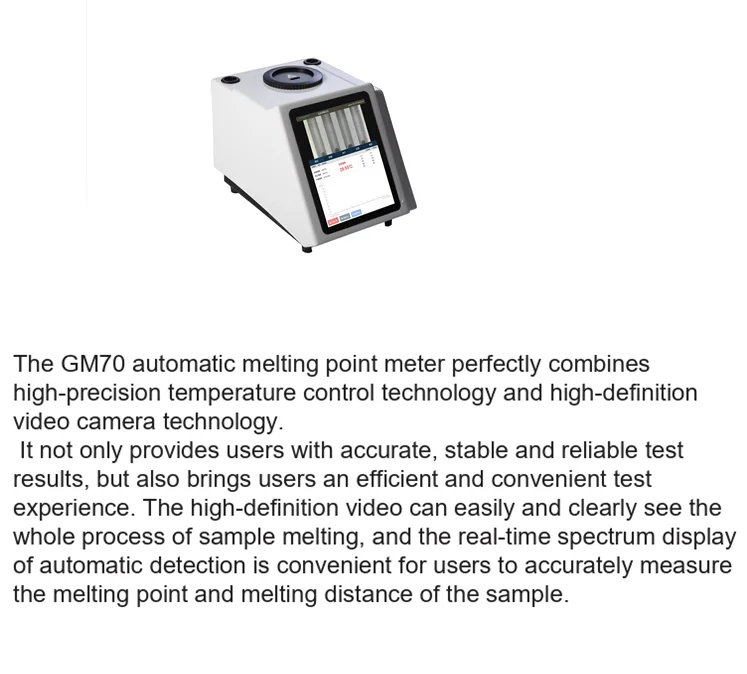
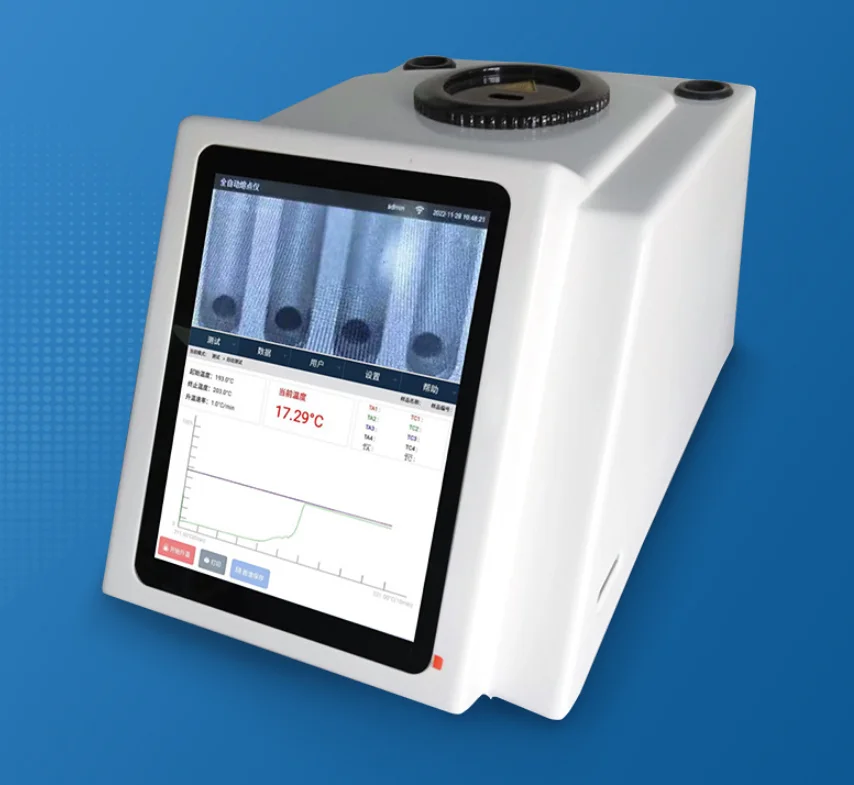
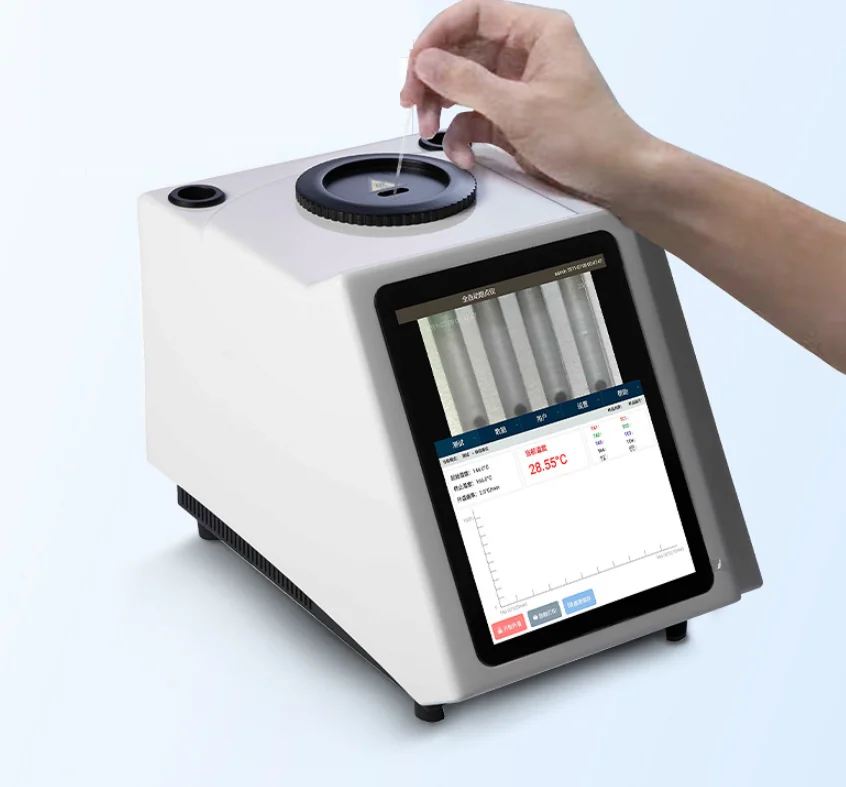
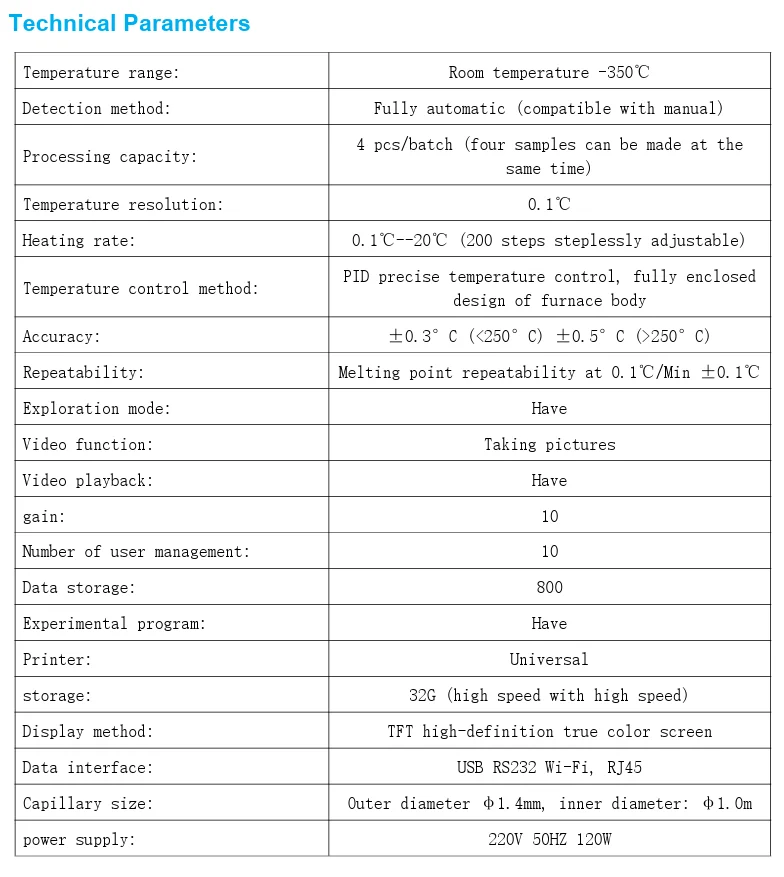
The BOT1A Melting Point Device is designed for accurate and reliable measurement of melting points in laboratory settings. Ideal for research and quality control, this device offers precise temperature control and a high processing capacity. With an advanced detection method and easy-to-use interface, it ensures consistent results, making it a valuable tool for any laboratory that requires melting point analysis.
Key Features:
- Wide Temperature Range: Operates from room temperature to -360℃, allowing for a broad range of samples.
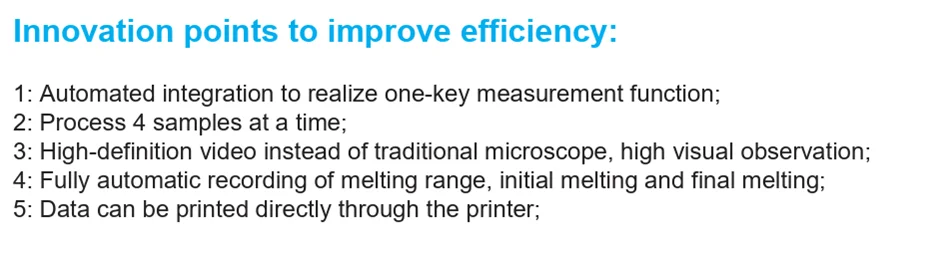
- Automatic Detection: Automatically detects the melting point, ensuring precise and reliable results with minimal user intervention.
- High Processing Capacity: Can process up to 4 samples per batch for increased efficiency.
- Precise Temperature Resolution: Offers a resolution of 0.01℃ for highly accurate melting point measurements.
- Adjustable Heating Rate: Heating rate can be adjusted from 0.1℃ to 20℃ (200 gears, steplessly adjustable), providing flexibility for different sample types.
- Data Storage: Equipped with 32GB of data storage to keep track of results and data.
- Multiple Interfaces: Includes USB, RS232, and WIFI interfaces for easy data transfer and integration with other systems.
- Universal Printer: Includes a universal printer for convenient result printing.
The BOT1A Reliable Melting Point Device is a precise, easy-to-use solution for any laboratory needing accurate and efficient melting point analysis. Its advanced features and customizable settings make it a top choice for researchers and professionals.
Product Info Gallery
- Shipping Timeframes: All orders are processed within 2-5 business days (excluding weekends and holidays). After your order has been processed, the estimated delivery time is before 24 Jun, 2026, depending on customs, Please note that due to high demand, some items may experience longer shipping times, which will be communicated at order confirmation email.
- Order Processing Time: Please allow 2-5 business days for us to process your order before it is shipped . Orders placed after 16:00 on Fridays, or during weekends and public holidays, will begin processing on the next business day. Processing times may be extended during peak seasons or sales events.
- Manufacturing Time: Some products needs manufacturing time, the manufacturing process will take approximately 10-30 business days depending on the product. This timeframe may vary depending on the complexity of the product and current demand. but this will be communicated with you during order confirmation.
- Returns and Exchanges: We offer a 30-day return policy for most items. If you are not completely satisfied with your purchase, you may return it within 30 days of receipt for a refund or exchange. Items must be unused, in their original packaging, and accompanied by proof of purchase. Return shipping costs are the responsibility of the customer, unless the item was damaged or defective upon arrival.
1. What is the operating temperature range of the BOT1A?
The product description states an operating range from room temperature to -360℃; this appears to be a typographical error. Please confirm the exact upper limit with the manufacturer or user manual (commonly such devices operate up to around 360℃).
2. How many samples can the BOT1A process at once?
The BOT1A can process up to 4 samples per batch to increase throughput and efficiency.
3. Does the BOT1A detect melting points automatically?
Yes — the device features automatic detection to determine melting points with minimal user intervention for consistent results.
4. What temperature resolution and precision does the device offer?
The BOT1A offers a temperature resolution of 0.01℃ for high-precision melting point measurements. For guaranteed accuracy specifications and tolerances, refer to the manufacturer calibration certificate or technical manual.
5. Can I adjust the heating rate, and what range is available?
Yes — the heating rate is adjustable from 0.1℃ to 20℃ and uses 200 gears with stepless adjustment to suit different sample types and testing protocols.
6. How is data stored and how much capacity is available?
The device includes 32 GB of internal data storage for results and records; details on file structure and retention should be confirmed in the user manual.
7. What connectivity options are available for data transfer and integration?
The BOT1A includes USB, RS232, and Wi‑Fi interfaces to enable data transfer and integration with laboratory information systems; supported protocols and drivers should be checked in the documentation.
8. Is a printer provided with the unit?
Yes — a universal printer is included for convenient on‑site printing of results.
9. What sample types and sample holders does the BOT1A support?
The device is intended for typical melting point samples used in research and quality control (e.g., organic compounds and pharmaceuticals). Consult the user manual for supported sample holders or capillary tube specifications and maximum sample dimensions.
10. How often should the BOT1A be calibrated and how is calibration performed?
Calibration frequency depends on usage and quality requirements; a common practice is to verify with certified melting point standards before critical runs and at regular intervals (for example monthly). Follow the manufacturer’s calibration procedure or use an accredited calibration service for traceable results.
11. What maintenance and cleaning are required for reliable operation?
Routine maintenance typically includes keeping the sample chamber and optical/detection windows clean, checking for damaged components, and following the user manual’s recommended service schedule; avoid harsh solvents on electronic parts and power off before cleaning.
12. Which data formats does the BOT1A export (e.g., CSV, PDF)?
The device supports data export via USB, RS232, or Wi‑Fi; exact export formats (CSV, PDF, proprietary formats) depend on the bundled software and should be verified in the product documentation.
13. What are the power and installation requirements?
Power supply and installation requirements (voltage, frequency, physical dimensions, ambient conditions) are specified in the product manual — consult those documents or contact the supplier for site‑specific setup information.
14. What safety features and precautions should users be aware of?
Standard laboratory safety applies: beware of hot surfaces, use appropriate PPE (gloves, eye protection), ensure adequate ventilation for volatile samples, and follow the manual’s safety instructions and emergency procedures.
15. What warranty, technical support, and training options are available?
Warranty terms, technical support, and training availability vary by vendor; contact the supplier or check the sales documentation for warranty length, service contracts, and any available operator training or installation support.
Latest Order Arrivals
Discover our latest orders

12 Heads Embroidery Machine

Toilet Paper Machine Machine

Order Collection

Cross Border Clients

Order cros border countries Collected

Industrial Machine Cllection

Agriculture Processing Machines

Ready for collection

Water Pump Equipment

Packaging Machine and accessories

Fabrics Manufacturing Equipment

Mining Equipments

Food Processing Machine

Batch of Orders

Batch of Orders

Latest Orders Labelled

wheel alignment machines

new arrivals

Pre Orders Offloading

Latest Arrivals

Latest Arrivals

Latest Arrivals

Loading

Toilet paper making machine

Toilet paper making machine

Toilet paper Rewinding Machine

latest arrivals

offloading

order success

order collection

order offloading

