B21, China Town Mall, Midrand

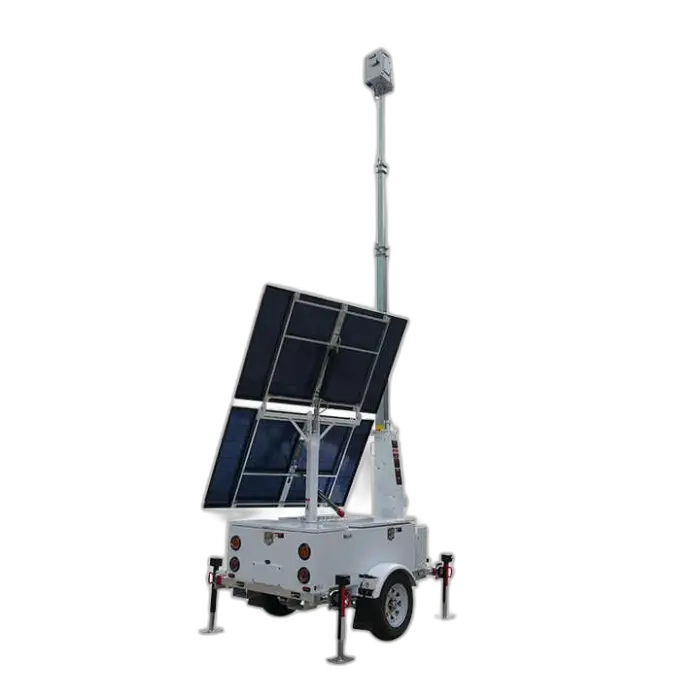
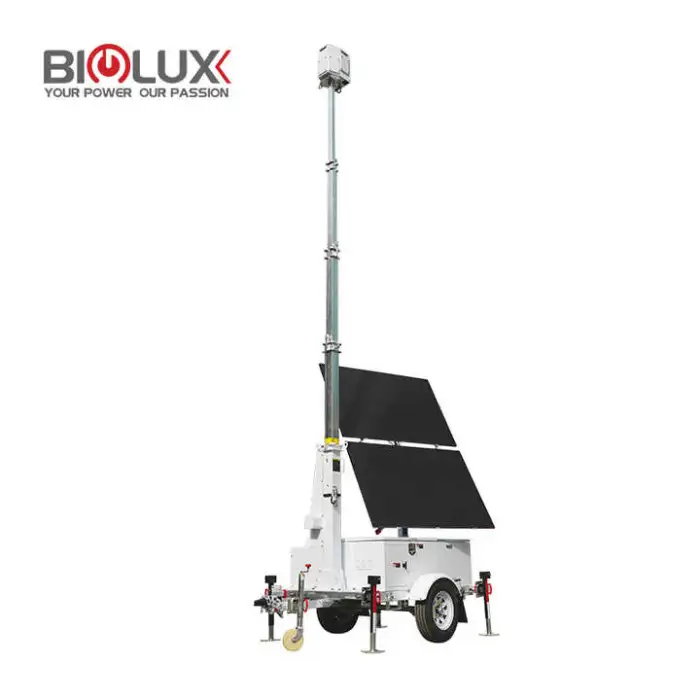
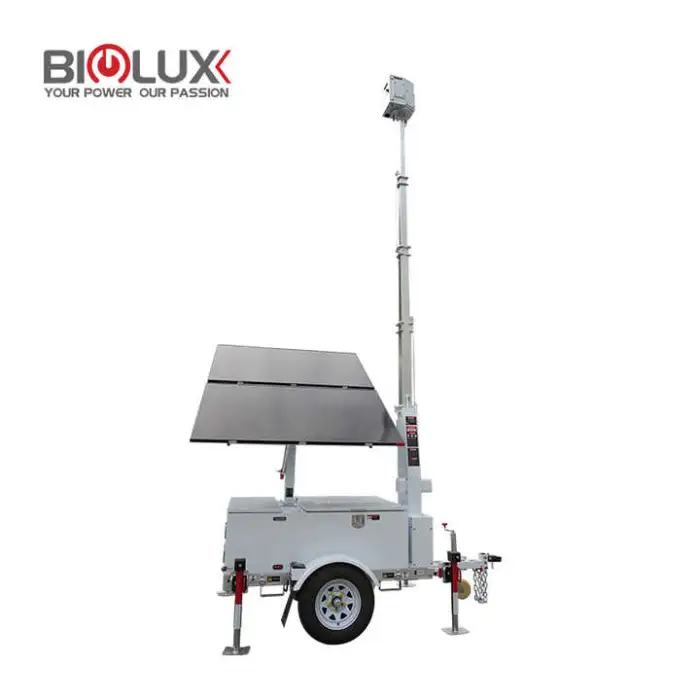
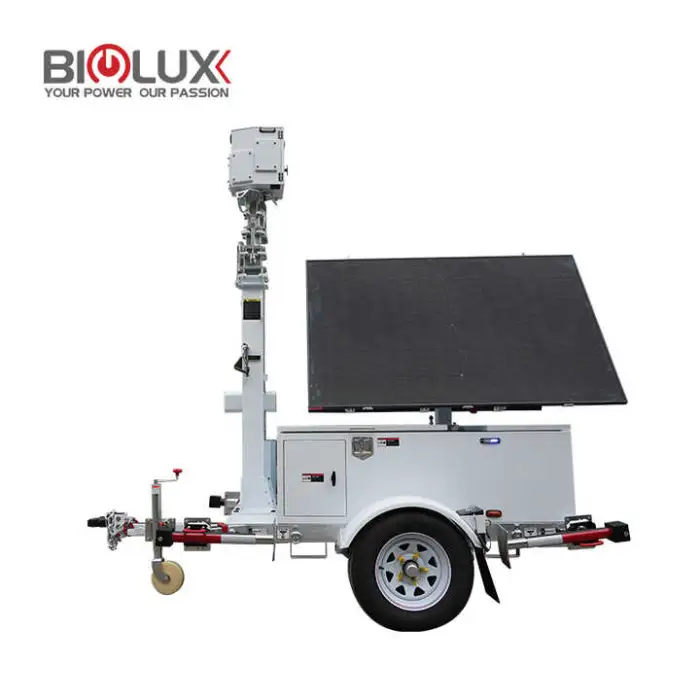
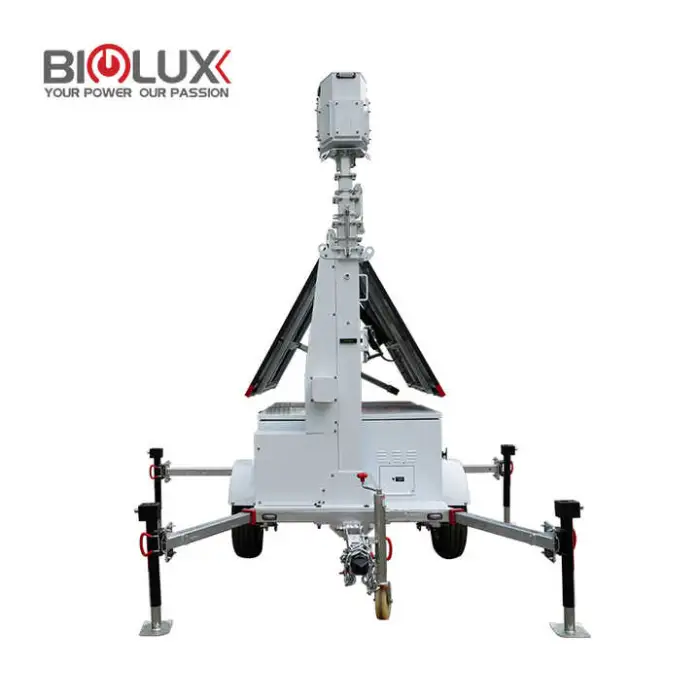
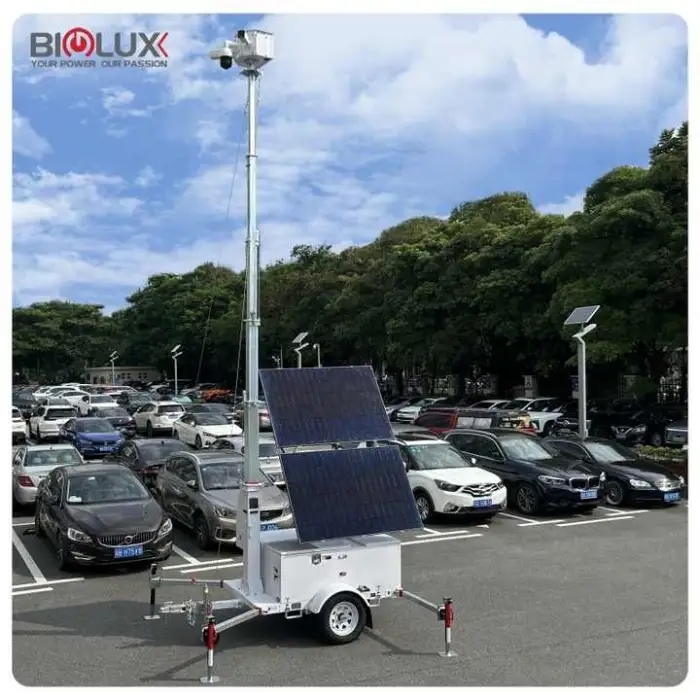
Biglux 2025 960w Solar Panels Mobile Solar Surveillance Trailer - Ideal for Remote Areas, No Maintenance Needed
Asset finance available
Do you want funding for this equipment?
Afrimart can connect you with trusted funding partners who specialise in asset finance for businesses like yours. Compare options and apply in minutes — final approval is subject to provider review.
Check funding options
Secure & no obligation

- Section : Electrical & Tools
- Category : Solar Light
- SKU : 1600747910149

Biglux 2025 960w Solar Panels Mobile Solar Surveillance Trailer
The Biglux 2025 960w Solar Panels Mobile Solar Surveillance Trailer is designed for easy use in remote areas. This trailer needs no maintenance and provides reliable solar power. It is perfect for monitoring and security in festivals, construction sites, and more. With a strong design and powerful features, this trailer is your go-to solution for mobile surveillance needs.
Specifications
| Attribute | Details |
|---|---|
| Model Number | HS4602G |
| Input Voltage | DC24V |
| Waterproof Rating | IP65 |
| Solar Panel | 2*600w |
| Battery | 4*200Ah, DC12V, 9600Wh |
| Controller | 40A MPPT, 95% Efficiency |
| Mast Type | Aluminum Alloy, Round Telescopic, 7 m, 4 Sections |
| Lifting Winch | Manual Winch Lifting, 40kg Load, 117kph Windproof |
| Trailer Type | US/EU/AU Standard, Ball Hitch, Single Axle, Manual Outrigger |
| Color | Customizable |
Key Features
- Two 600w solar panels for efficient energy generation
- Robust aluminum alloy mast that extends up to 7 meters
- Manual winch for easy lifting and lowering
- IP65 waterproof rating for all-weather performance
- High-efficiency 40A MPPT controller
- Customizable color options to suit your needs
Applications
- Remote area security monitoring
- Outdoor festivals and events
- Construction site surveillance
- Wildlife monitoring and research
- Emergency response operations
Product Info Gallery

- Shipping Timeframes: All orders are processed within 2-5 business days (excluding weekends and holidays). After your order has been processed, the estimated delivery time is before 30 Jun, 2026, depending on customs, Please note that due to high demand, some items may experience longer shipping times, which will be communicated at order confirmation email.
- Order Processing Time: Please allow 2-5 business days for us to process your order before it is shipped . Orders placed after 16:00 on Fridays, or during weekends and public holidays, will begin processing on the next business day. Processing times may be extended during peak seasons or sales events.
- Manufacturing Time: Some products needs manufacturing time, the manufacturing process will take approximately 10-30 business days depending on the product. This timeframe may vary depending on the complexity of the product and current demand. but this will be communicated with you during order confirmation.
- Returns and Exchanges: We offer a 30-day return policy for most items. If you are not completely satisfied with your purchase, you may return it within 30 days of receipt for a refund or exchange. Items must be unused, in their original packaging, and accompanied by proof of purchase. Return shipping costs are the responsibility of the customer, unless the item was damaged or defective upon arrival.
1. What is the total solar array power — is it 960W or 1200W?
The spec sheet lists two 600W panels (2x600W = 1200W gross panel rating). However the MPPT controller is rated DC24V/40A, which corresponds to a maximum harvest of about 960W. Confirm with the manufacturer which panel configuration and controller settings are shipped for your unit.
2. How much energy storage does the trailer provide and how is it configured?
The trailer includes 4 × 200Ah, 12V batteries for a stated total capacity of 9,600Wh. (4 × 200Ah × 12V = 9,600Wh). The exact internal wiring (series/parallel) to achieve system voltage is implemented by the manufacturer.
3. How long will the trailer power my surveillance system?
Runtime depends on your system load. Example estimates: a small setup drawing ~50W (NVR + cameras + modem) could run ~192 hours (9,600Wh ÷ 50W) without solar. A heavier load (200W) would run ~48 hours. With sunlight, the solar array and MPPT will extend runtime or maintain full operation.
4. How long does it take to recharge the batteries from solar?
With the controller's peak input (~960W), a full recharge from empty would take roughly 10–14 hours of peak sun (9,600Wh ÷ ~960W, plus system/MPPT inefficiencies). Actual charge time varies with weather, panel configuration, and state of charge.
5. Does the trailer require regular maintenance?
The product is marketed as 'no maintenance needed' for normal operation, but routine checks are recommended: inspect mounting hardware, wiring, battery condition, outriggers, and clean solar panels if heavily soiled to ensure optimal performance.
6. What does the IP65 waterproof rating protect against?
IP65 means the unit is dust-tight and protected against low-pressure water jets from any direction. It is suitable for outdoor use, but sealed enclosures should still be checked periodically to ensure gaskets and closures remain intact.
7. How tall is the mast and how is it extended?
The telescopic aluminum alloy mast extends to 7 meters and has 4 sections. It is raised and lowered using a manual winch (manual winch lifting).
8. What is the wind rating for the mast and lifting system?
The winch/mast assembly is rated windproof to 117 kph (~73 mph). Always lower the mast in extreme weather conditions and follow site-specific safety procedures.
9. What payload can the mast support at full extension?
The manual winch has a rated lifting load of 40 kg. Do not exceed this payload rating — include the weight of cameras, housings, and any accessories when calculating total mass at the mast top.
10. Is the trailer easy to tow and which hitch standards are supported?
The trailer is built to US/EU/AU standards and uses a ball hitch with a single axle design. Confirm the exact hitch size and towing weight with the supplier to ensure compatibility with your vehicle and local regulations.
11. Can I power standard surveillance cameras directly from the trailer batteries?
The system is a DC-based setup (system input listed as DC24V). Many cameras run on 12V or PoE — you may need a DC–DC converter or inverter and PoE injector/switch depending on your camera requirements. Confirm power outputs provided or request optional inverters/PoE equipment.
12. How long does deployment and setup take on site?
Typical deployment (position trailer, stabilise outriggers, extend mast and connect equipment) can be completed by one or two people in roughly 10–30 minutes depending on experience and site conditions.
13. Are color and other features customizable?
Yes — the trailer color is listed as customizable. Other custom options (camera mounts, enclosures, telematics/GPS, battery chemistry, and additional accessories) may be available — contact the manufacturer or dealer for configurable options.
14. What should I do to secure the trailer against theft or tampering?
Recommended measures include wheel locks, trailer coupler locks, physical security cages/locks for camera and electronics enclosures, GPS/telemetry tracking, and site-level security measures. Ask the supplier about optional anti-theft packages.
15. What certifications, warranty, and operating temperature range does the trailer have?
The specification sheet provided does not list certifications, warranty length, or detailed operating temperature ranges. Request official documentation from the manufacturer/distributor for warranty details, CE/UL/other certifications, and environmental operating limits before purchase.
Latest Order Arrivals
Discover our latest orders
12 Heads Embroidery Machine
Dewatering Pump Machine
Order Collection
Portable Water Drilling Rig
Order Usefully Collected
Batch of Orders
Agriculture Processing Machines
Meat Grinder Machine
Water Pump Equipment
Packaging Machine and accessories
Fabrics Manufacturing Equipment
Mining Equipments
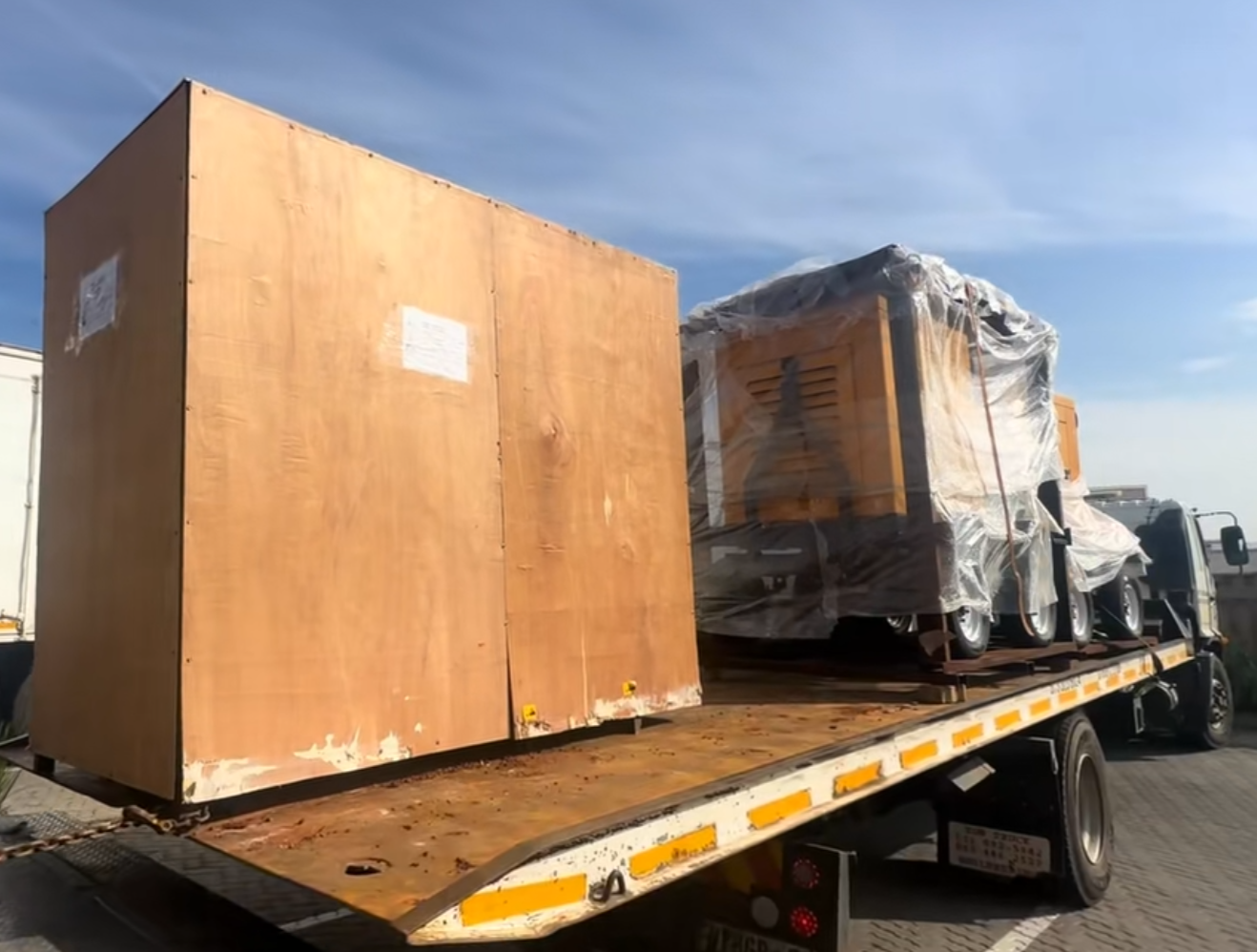
Food Processing Machine
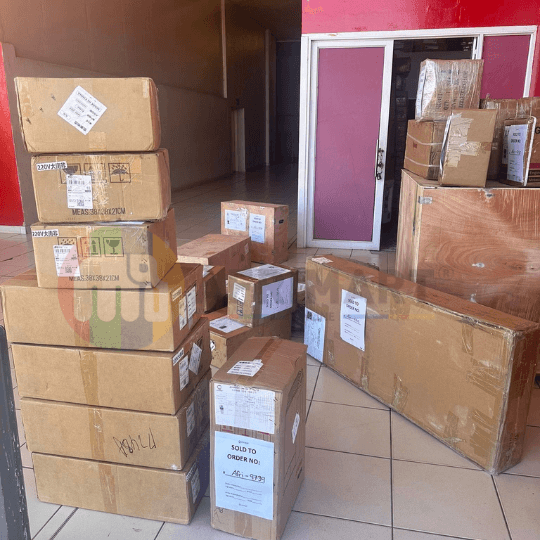
Batch of Orders
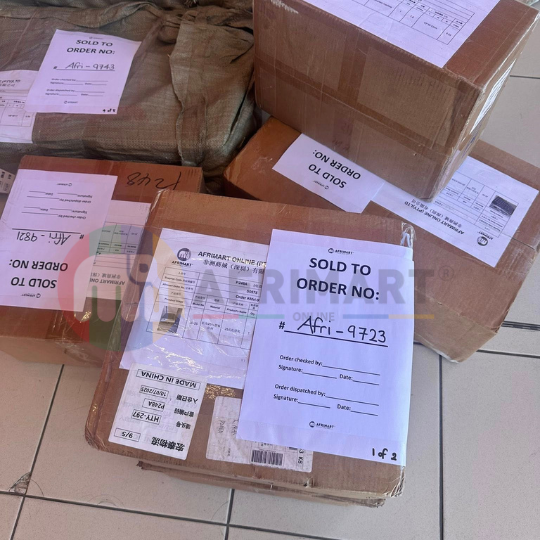
Batch of Orders
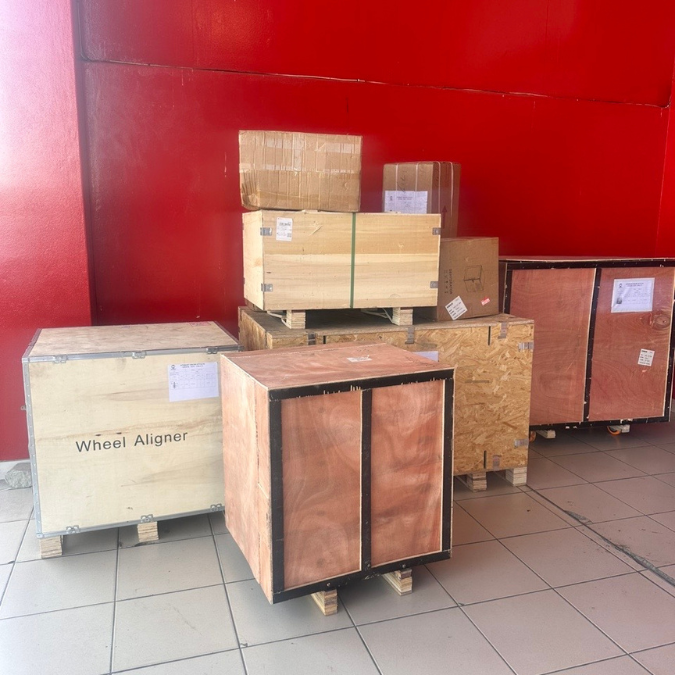
Latest Orders Labelled
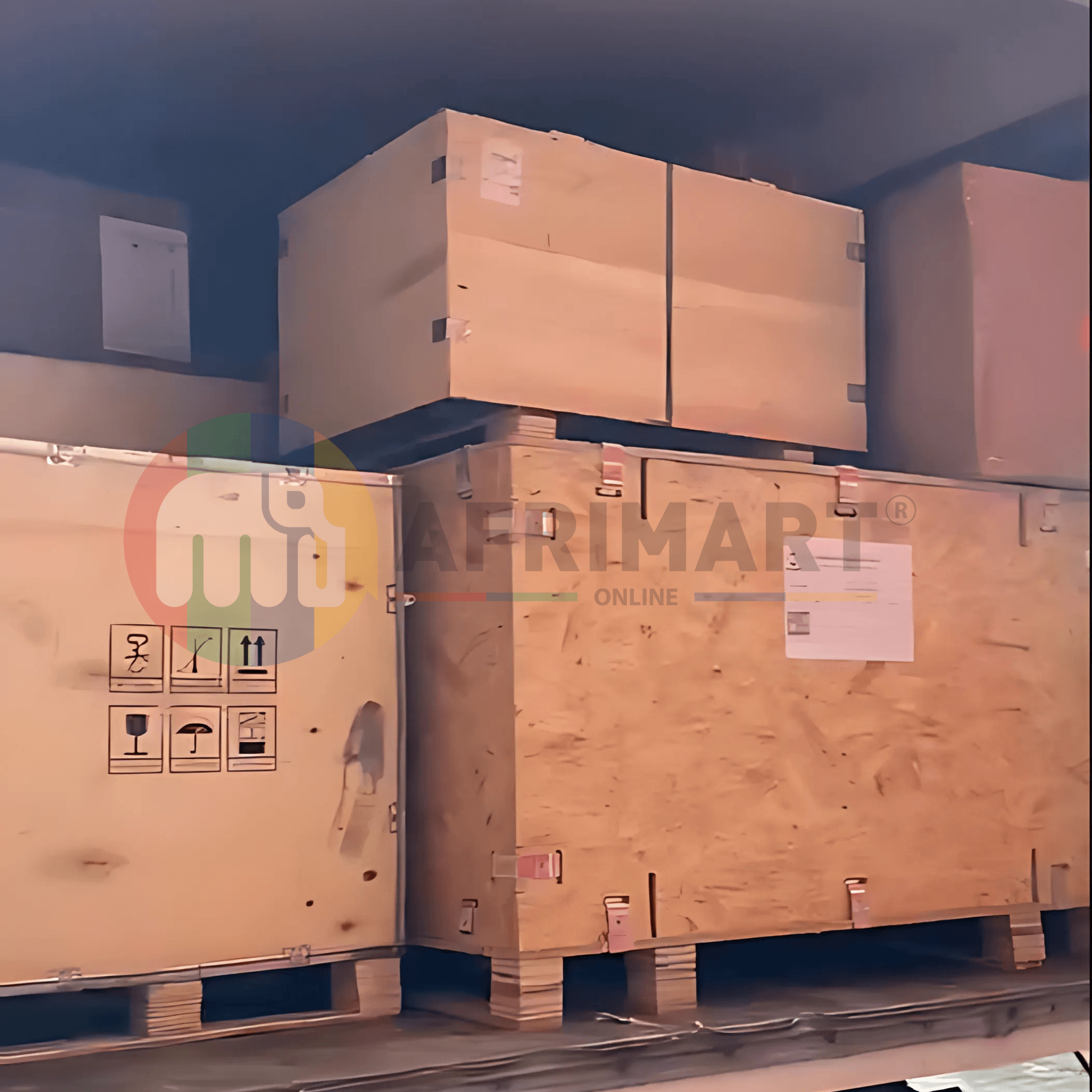
wheel alignment machines
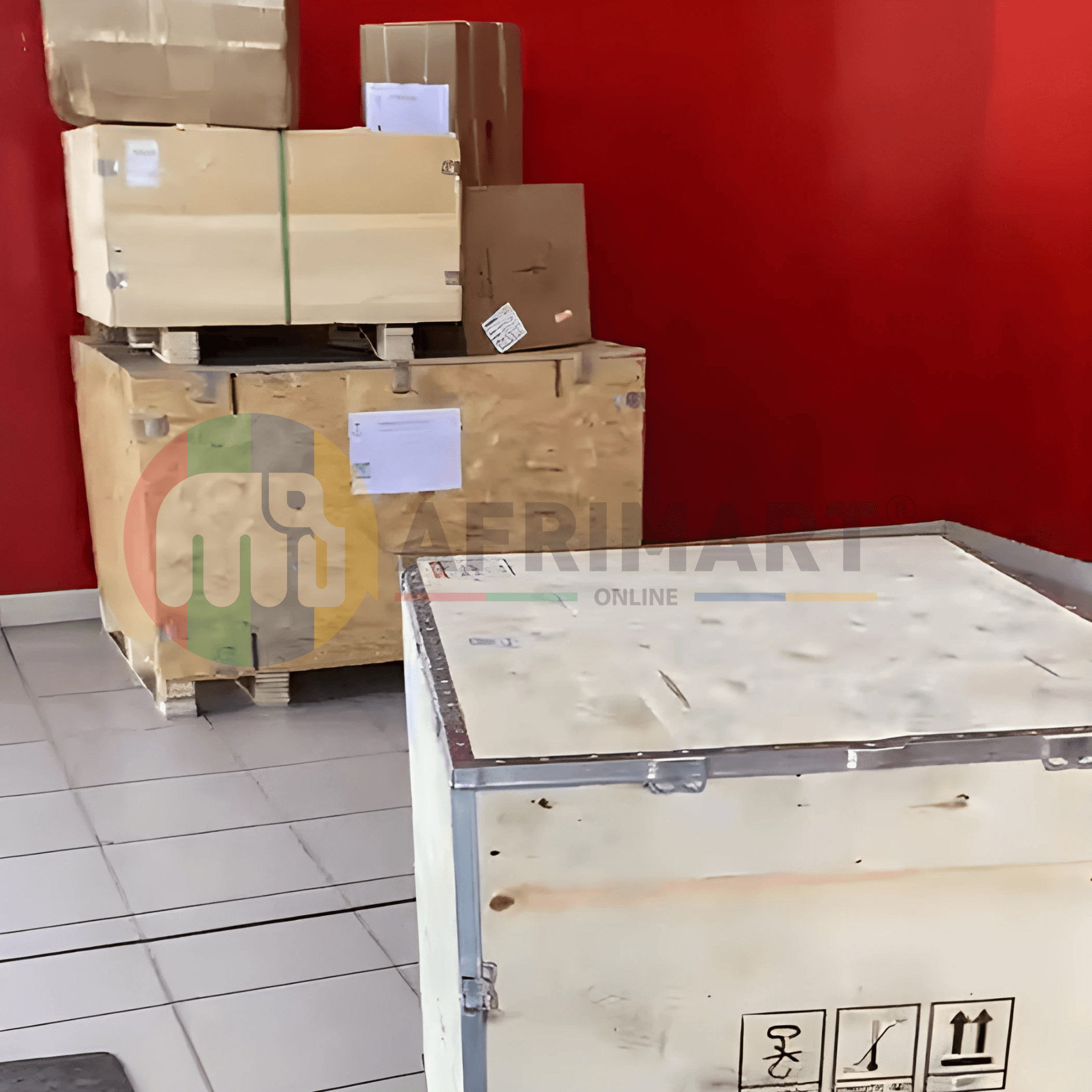
new arrivals
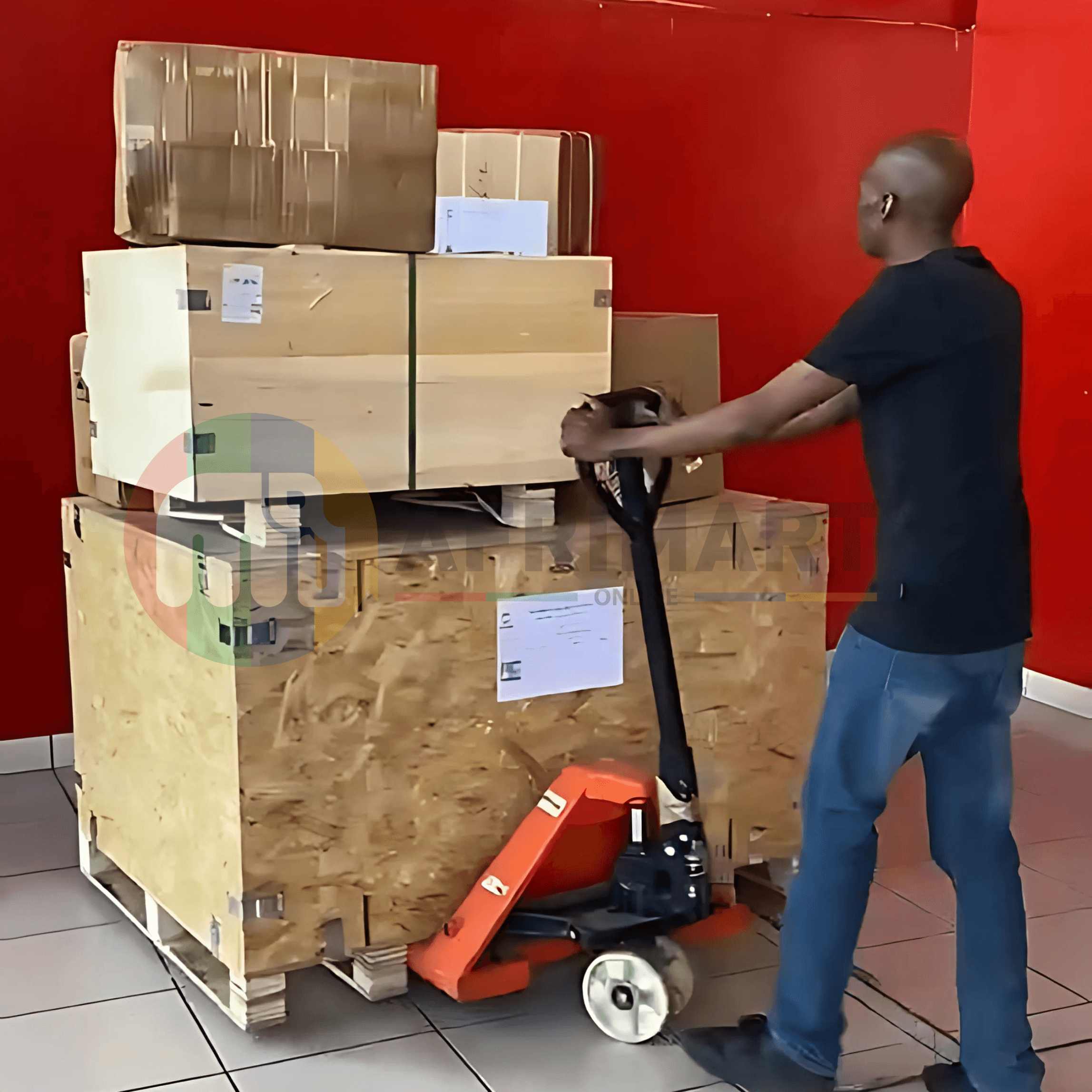
Pre Orders Offloading
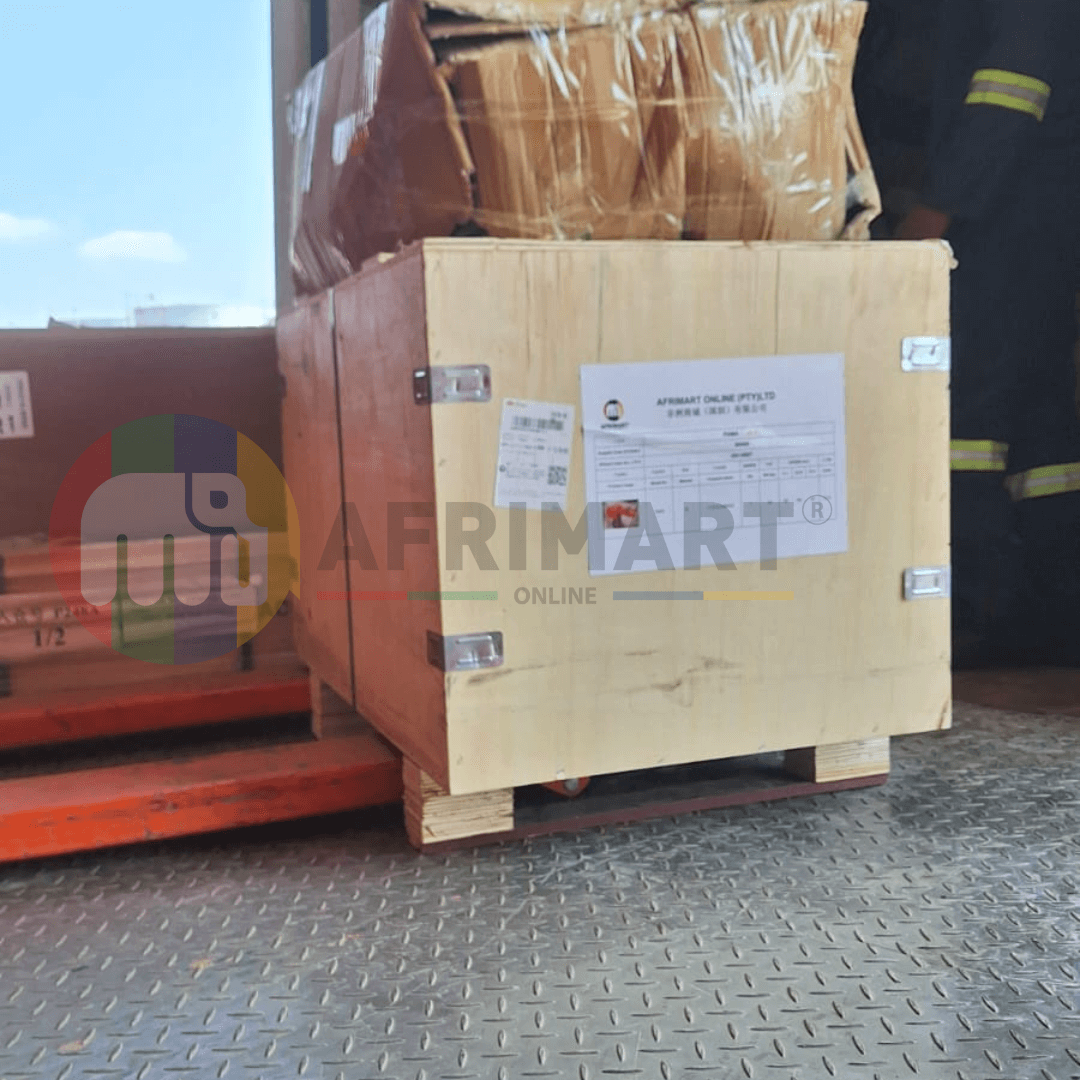
Latest Arrivals
Latest Arrivals
Latest Arrivals
26 January 2026
Toilet paper making machine
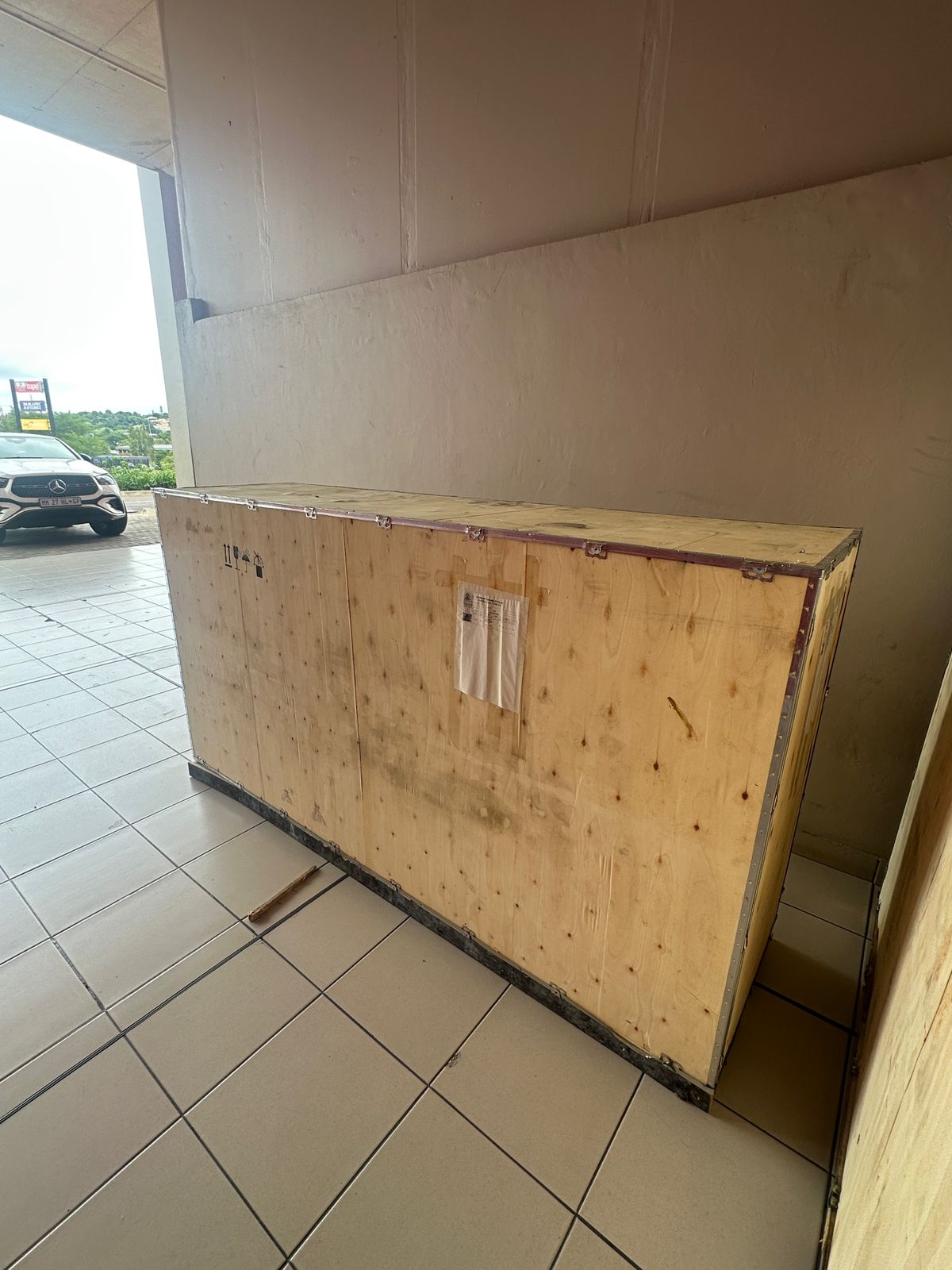
Toilet paper making machine
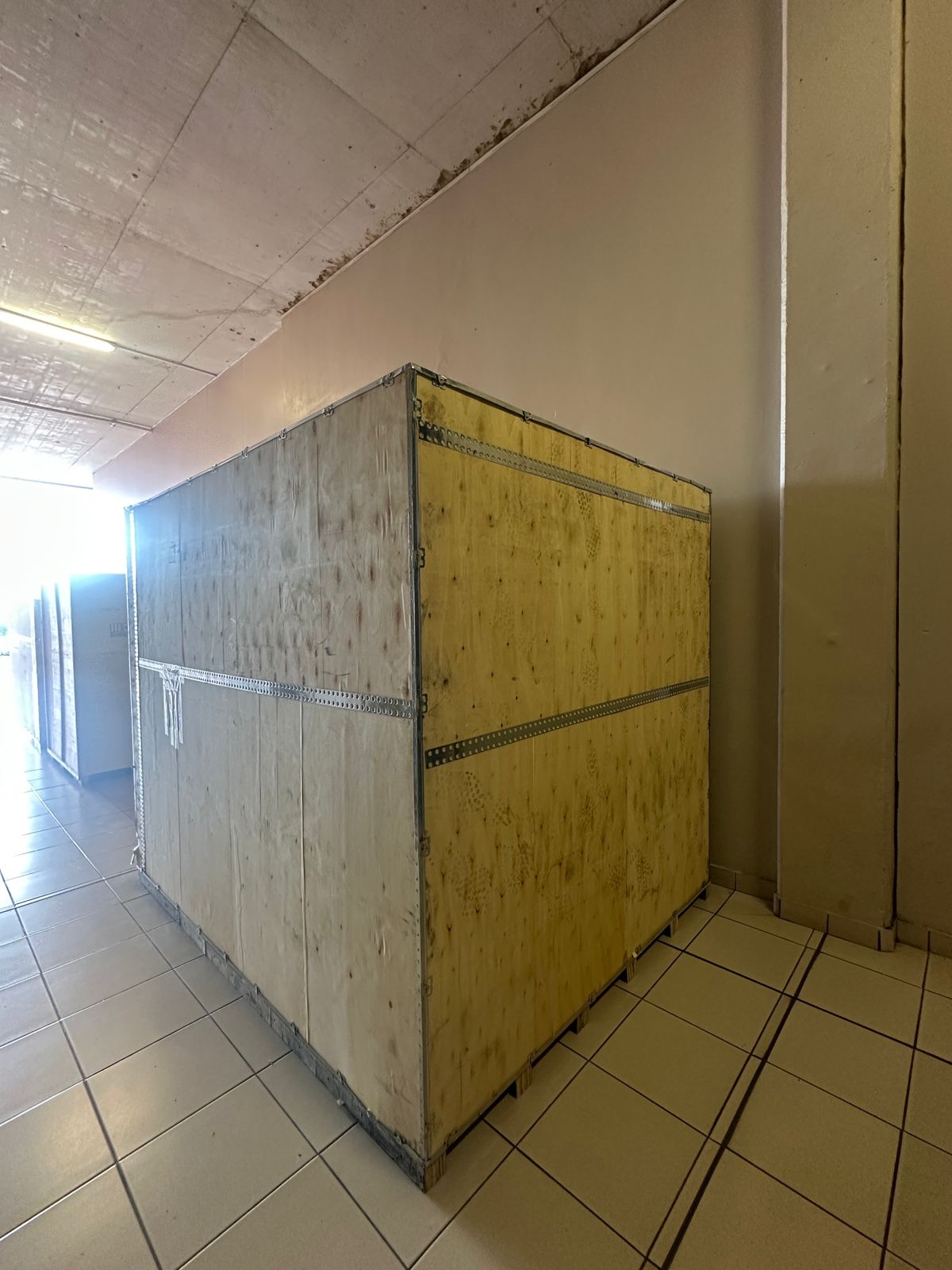
Toilet paper Rewinding Machine
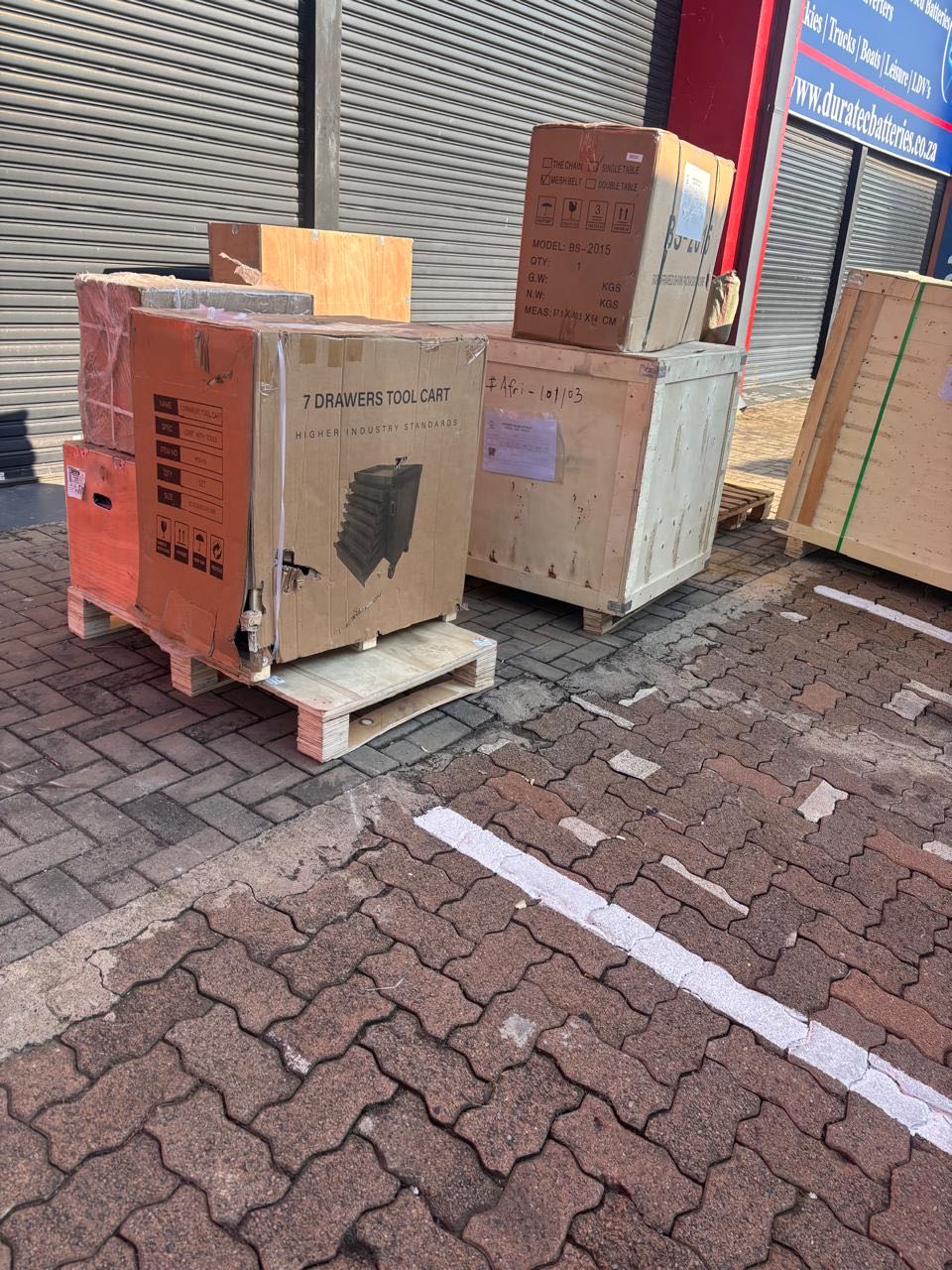
latest arrivals
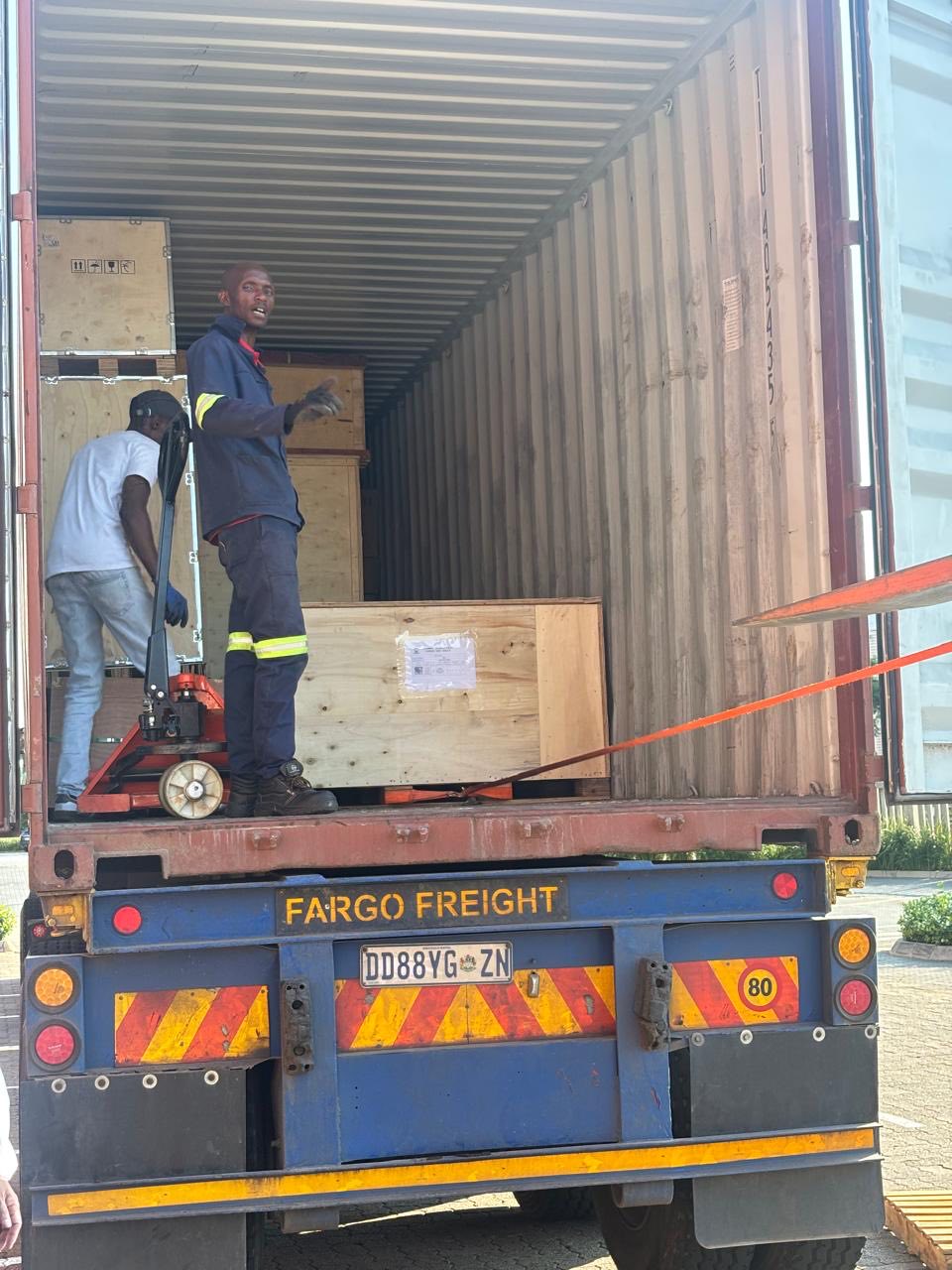
offloading
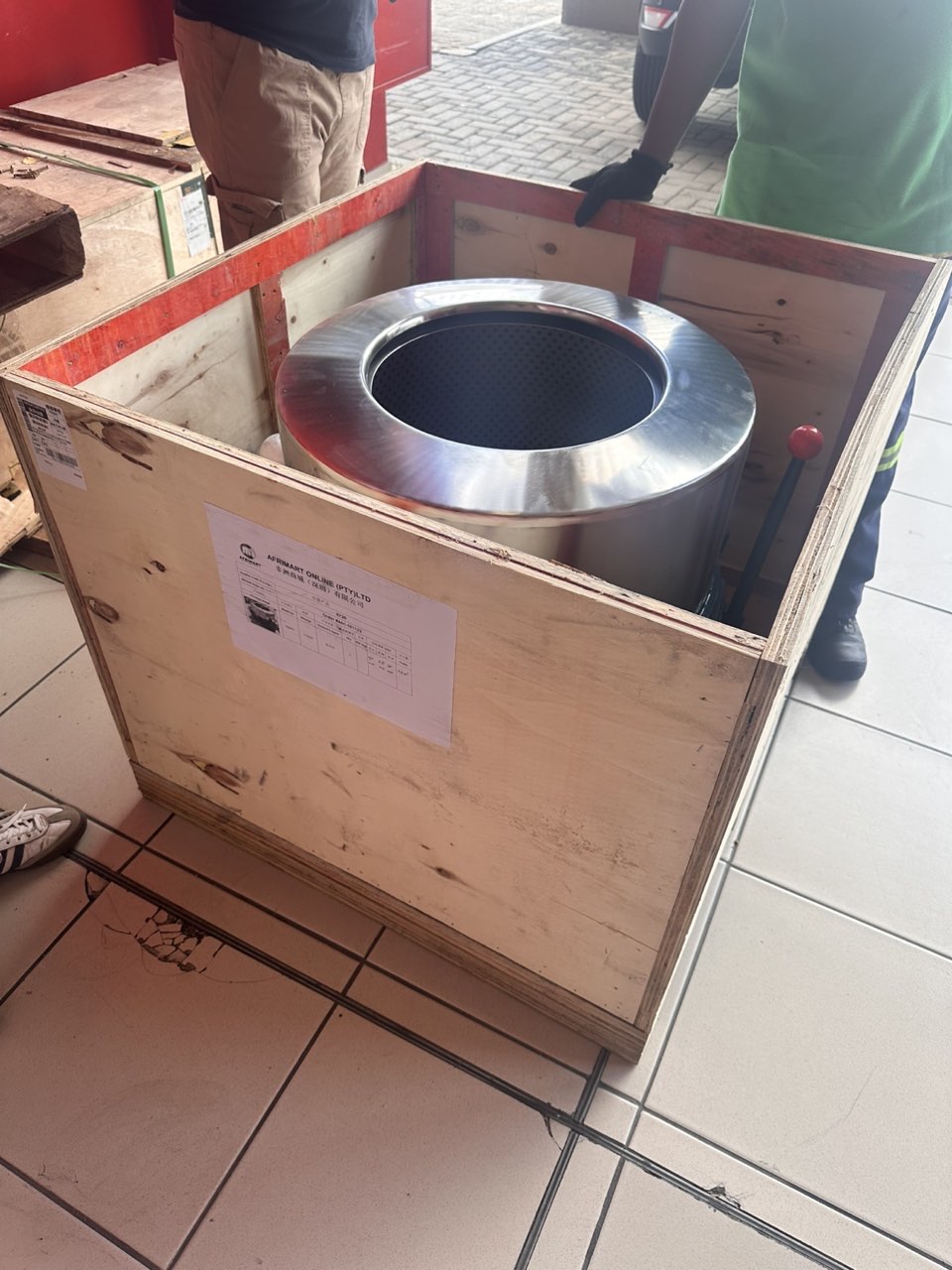
order success
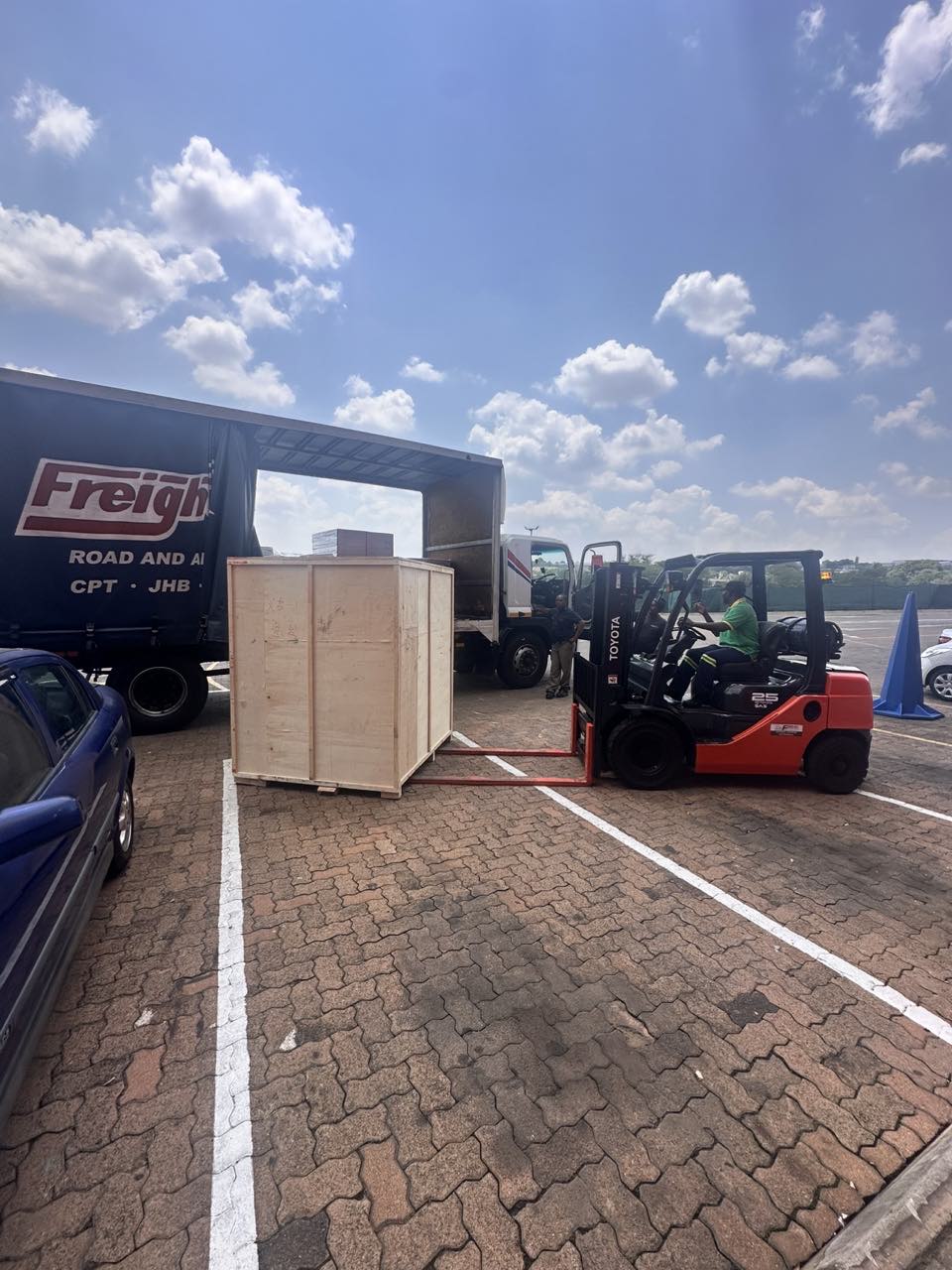
order collection
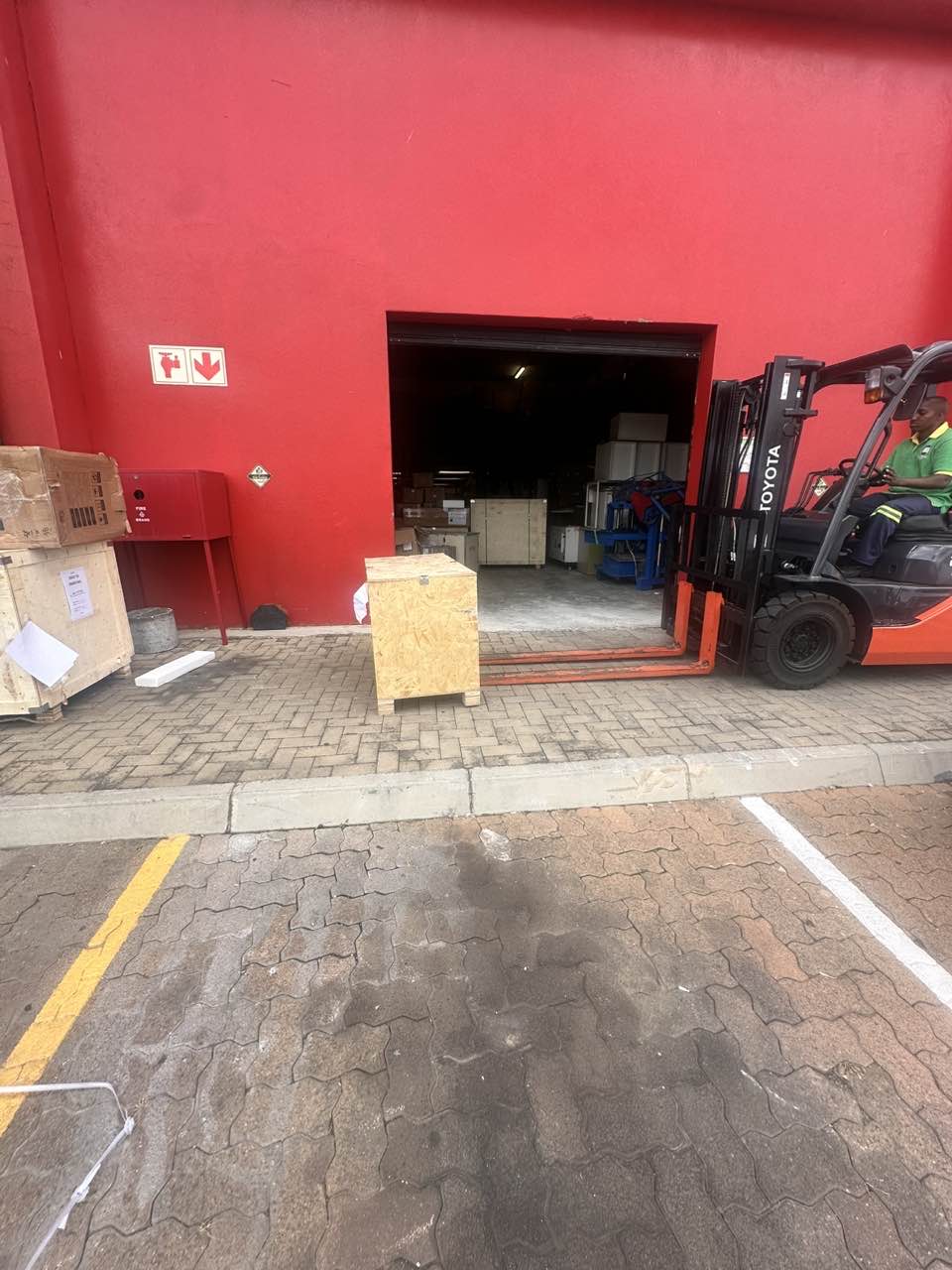
order offloading