B21, China Town Mall, Midrand

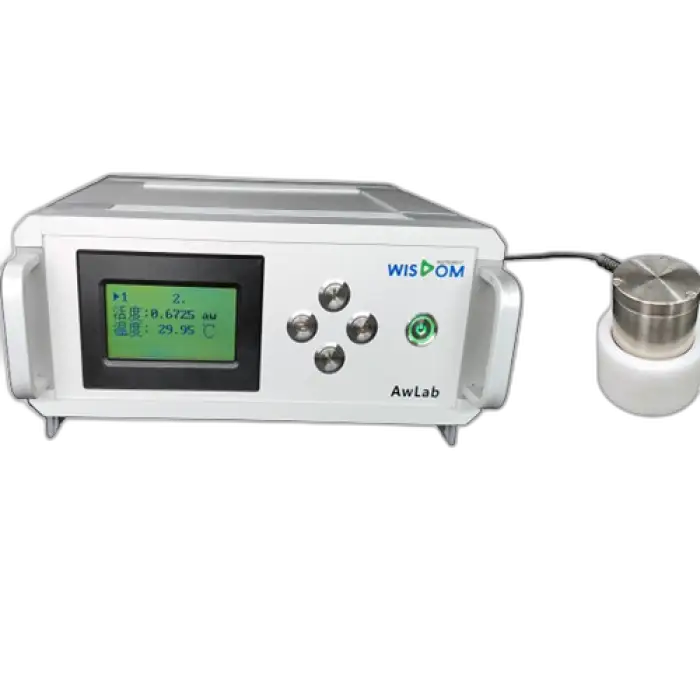
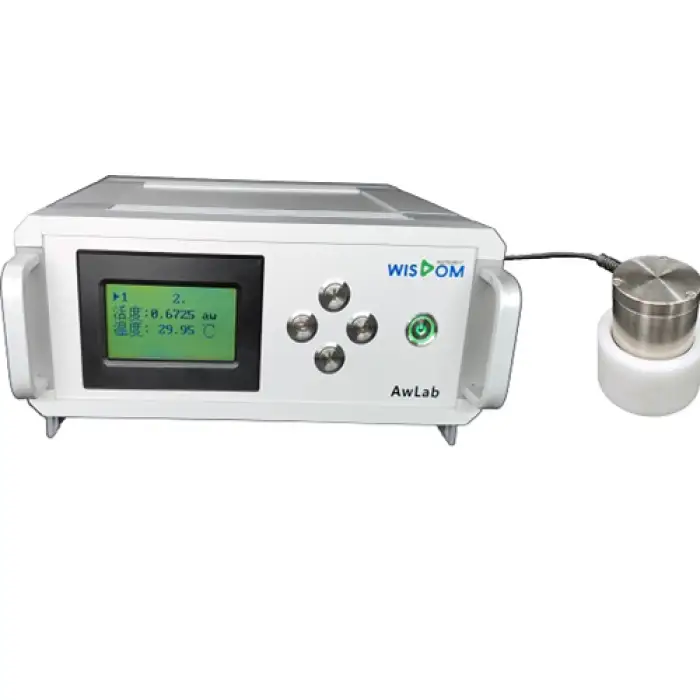
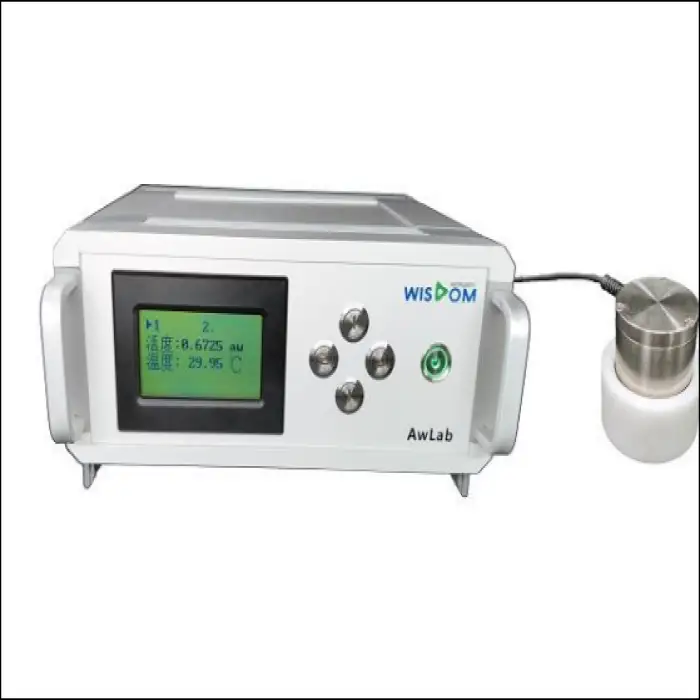
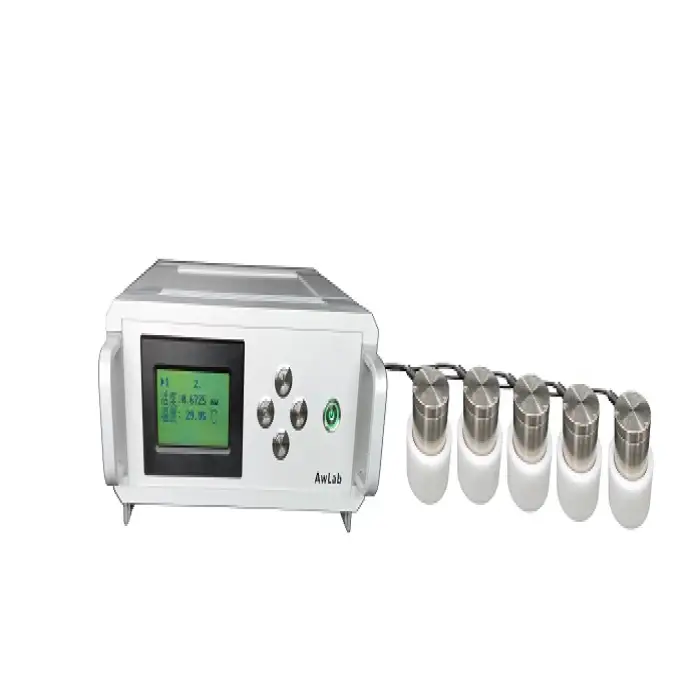
Aw Food Water Activity Meter Food and Water Coffee Digital Smart Water Activity test Meter Measurement
Asset finance available
Do you want funding for this equipment?
Afrimart can connect you with trusted funding partners who specialise in asset finance for businesses like yours. Compare options and apply in minutes — final approval is subject to provider review.
Check funding options
Secure & no obligation

- Section : Sports & Entertainment
- Category : Cars and Transportation
- SKU : 62111133723

Aw Food Water Activity Meter - Digital Smart Measurement Tool
The Aw Food Water Activity Meter is a high-quality digital tool designed to measure the water activity in food and beverages, including coffee. This smart meter helps ensure product quality and safety by providing accurate readings. With its easy-to-read LCD display and quick measurement time, it is perfect for both professionals and enthusiasts alike.
Specifications
| Attribute | Details |
|---|---|
| Product Name | Water Activity Meter |
| Working Temperature | -10℃ to 40℃ |
| Working Humidity | 0% to 95% RH |
| Display | LCD Display |
| Measurement Time | 5 to 40 minutes |
| Measurement Points | 1 to 4 |
| Temperature Coefficient | ≤ 0.0005/℃ |
| Activity Repeatability | ≤ 0.008 |
| Gross Weight | 5 kg |
| Certification | GS |
| Selling Units | Single item |
| Single Package Size | 30 x 40 x 24 cm |
Key Features
- Accurate water activity measurements for food and beverages.
- Easy-to-read LCD display for quick results.
- Fast measurement time ranging from 5 to 40 minutes.
- Multiple measurement points for comprehensive analysis.
- Robust design suitable for various working conditions.
Applications
- Quality control in food processing and storage.
- Testing water activity in coffee and other beverages.
- Research and development in food science.
- Ensuring product safety and shelf stability.
- Used in laboratories and commercial kitchens.
Product Info Gallery
- Shipping Timeframes: All orders are processed within 2-5 business days (excluding weekends and holidays). After your order has been processed, the estimated delivery time is before 04 Aug, 2026, depending on customs, Please note that due to high demand, some items may experience longer shipping times, which will be communicated at order confirmation email.
- Order Processing Time: Please allow 2-5 business days for us to process your order before it is shipped . Orders placed after 16:00 on Fridays, or during weekends and public holidays, will begin processing on the next business day. Processing times may be extended during peak seasons or sales events.
- Manufacturing Time: Some products needs manufacturing time, the manufacturing process will take approximately 10-30 business days depending on the product. This timeframe may vary depending on the complexity of the product and current demand. but this will be communicated with you during order confirmation.
- Returns and Exchanges: We offer a 30-day return policy for most items. If you are not completely satisfied with your purchase, you may return it within 30 days of receipt for a refund or exchange. Items must be unused, in their original packaging, and accompanied by proof of purchase. Return shipping costs are the responsibility of the customer, unless the item was damaged or defective upon arrival.
1. What is a water activity (aw) meter and why is it important?
A water activity (aw) meter measures the free (unbound) water in a product that supports microbial growth and chemical reactions. Monitoring aw helps predict shelf life, ensure food safety, control quality, and meet regulatory requirements for foods and beverages including coffee.
2. What types of products can the Aw Food Water Activity Meter test?
This meter is designed for a wide range of foods and beverages, including dry goods, confectionery, dairy, meat products, and coffee (both ground and brewed). It’s suitable for R&D, QC, laboratories, and commercial kitchens.
3. How long does a measurement take?
Typical measurement time ranges from 5 to 40 minutes. Final time depends on the sample type, sample preparation, and how long it takes the sample to reach equilibrium in the measurement chamber.
4. What does 'Measurement Points 1 to 4' mean?
The specification indicates the instrument supports 1 to 4 measurement positions or points. Depending on configuration, you can measure a single sample or up to four samples (sequentially or concurrently if the hardware supports multiple positions) for more comprehensive analysis.
5. How accurate and repeatable are the readings?
The meter lists an activity repeatability of ≤ 0.008 and a temperature coefficient ≤ 0.0005/°C. This means the device provides consistent aw readings with small variation between repeated measurements and minimal drift with temperature changes.
6. What are the operating environmental limits for the device?
Working temperature range: -10°C to 40°C. Working humidity range: 0% to 95% RH. For best performance, use the meter within these conditions and avoid rapid temperature or humidity fluctuations during measurements.
7. How should I prepare coffee samples for accurate aw measurement?
For solids (e.g., roasted beans or ground coffee) homogenize the sample to obtain a representative portion and avoid large particle-size variation. For brewed coffee, allow the sample to settle to a stable temperature. Use appropriate sample cups and allow the sample to equilibrate in the measurement chamber per the instrument’s instructions.
8. Does the meter require calibration and how is it calibrated?
Yes—regular calibration is recommended. Water activity meters are commonly calibrated with traceable standard salt solutions or reference standards that have known aw values. Follow the manufacturer’s calibration procedure and schedule to maintain accuracy.
9. Is the device certified?
The product specification lists GS certification. GS (Geprüfte Sicherheit) is a recognized safety mark indicating the product has been tested for safety requirements under applicable standards.
10. What maintenance and cleaning are required?
Keep the measurement chamber and sample cups clean and dry between uses. Wipe external surfaces with a soft, damp cloth—avoid using solvents or excess liquid that could enter electronics. Replace seals or gaskets if worn and follow any maintenance schedule in the user manual.
11. Is software or data export available for results?
The product description does not specify software or connectivity features. Check the user manual or contact the seller for details about data logging, USB/serial ports, or PC software compatibility.
12. What are the physical dimensions and weight of the package?
Single package size is 30 x 40 x 24 cm and the gross weight is 5 kg.
13. Can this meter be used in a production environment for quality control?
Yes. The device is designed for quality control in food processing and storage, research and development, and lab or commercial kitchen environments. Ensure it is used within specified temperature and humidity ranges and follow calibration and maintenance procedures for reliable QC data.
14. What should I do if a reading seems inconsistent or out of range?
First verify sample preparation and that the sample has equilibrated. Ensure the device has been calibrated recently and that ambient conditions are within operating limits. Clean the chamber and sample cups, then repeat the measurement. If problems persist, contact technical support or the supplier.
15. Is there warranty or after-sales support?
Warranty and after-sales support are not specified in the product description. Contact the vendor or check the product documentation for warranty terms, support channels, and service options.
Latest Order Arrivals
Discover our latest orders
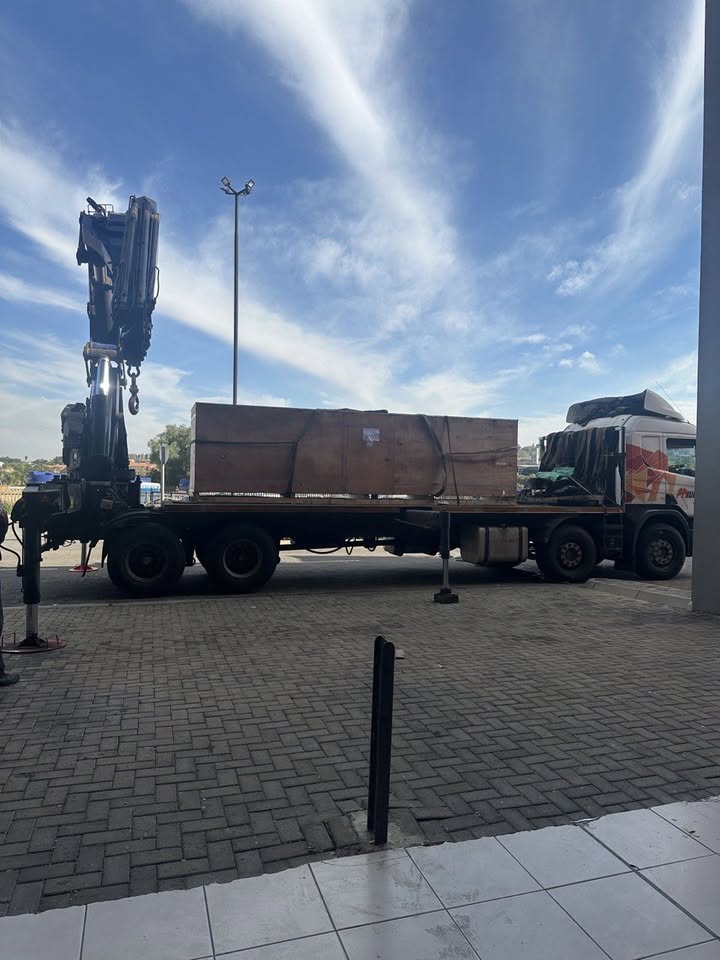
12 Heads Embroidery Machine
Toilet Paper Machine Machine
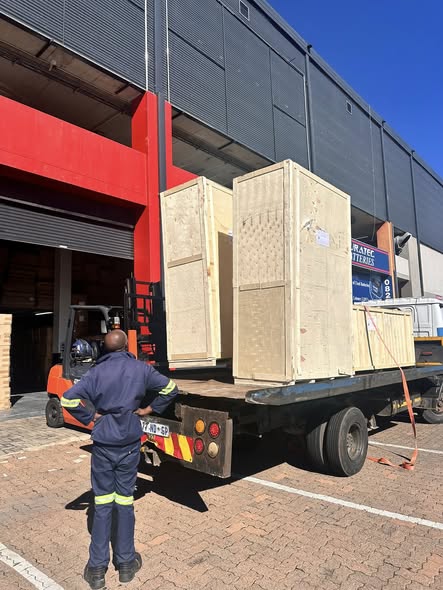
Order Collection
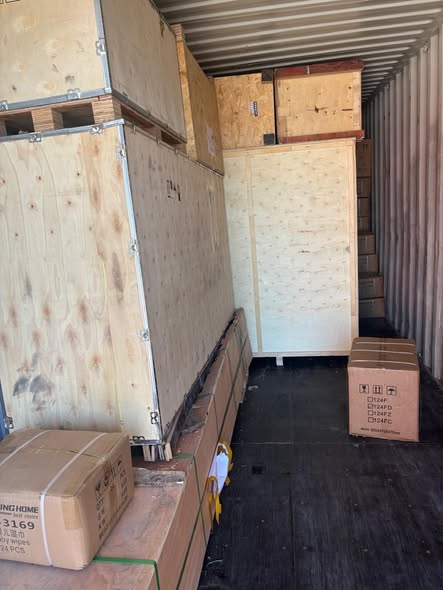
Cross Border Clients
Order cros border countries Collected
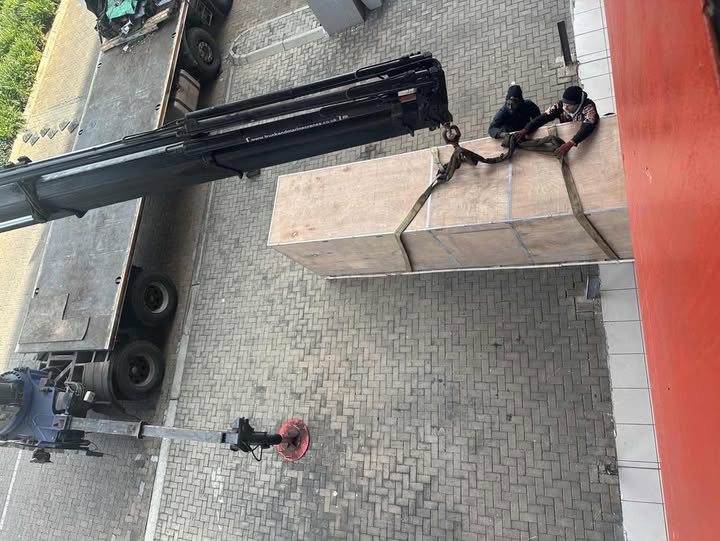
Industrial Machine Cllection
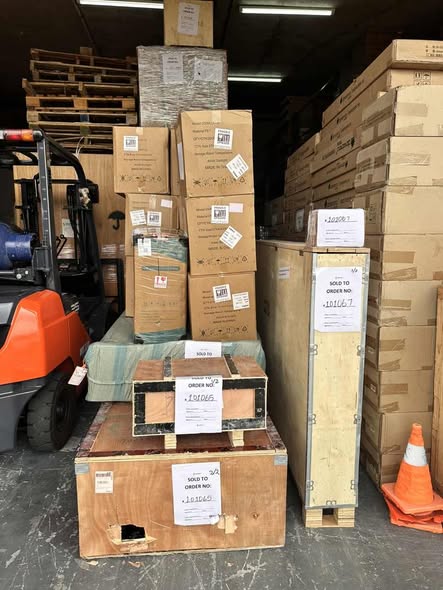
Agriculture Processing Machines
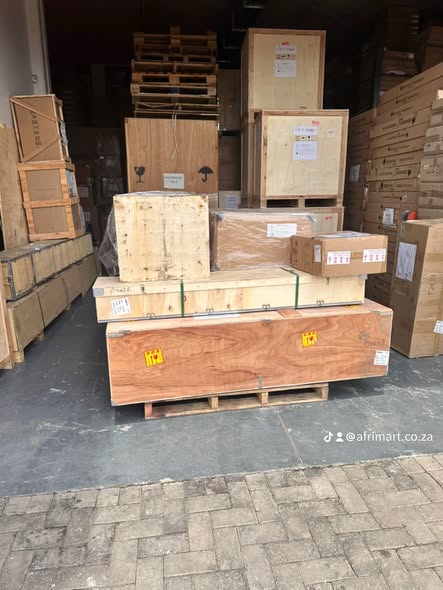
Ready for collection
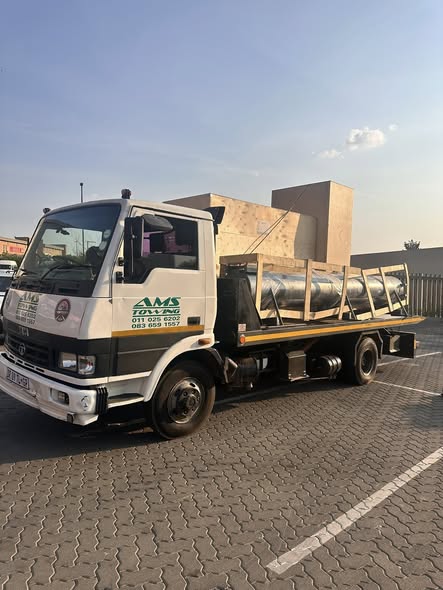
Water Pump Equipment
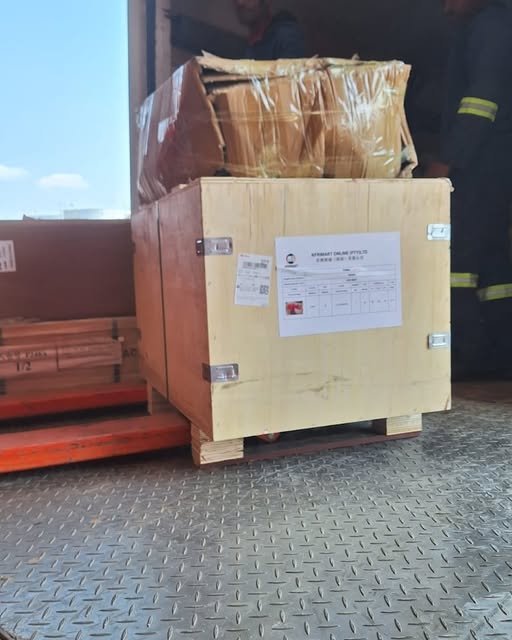
Packaging Machine and accessories
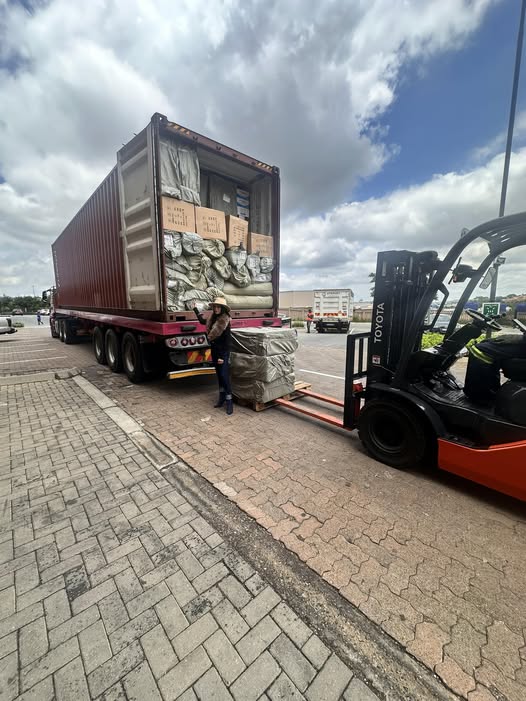
Fabrics Manufacturing Equipment
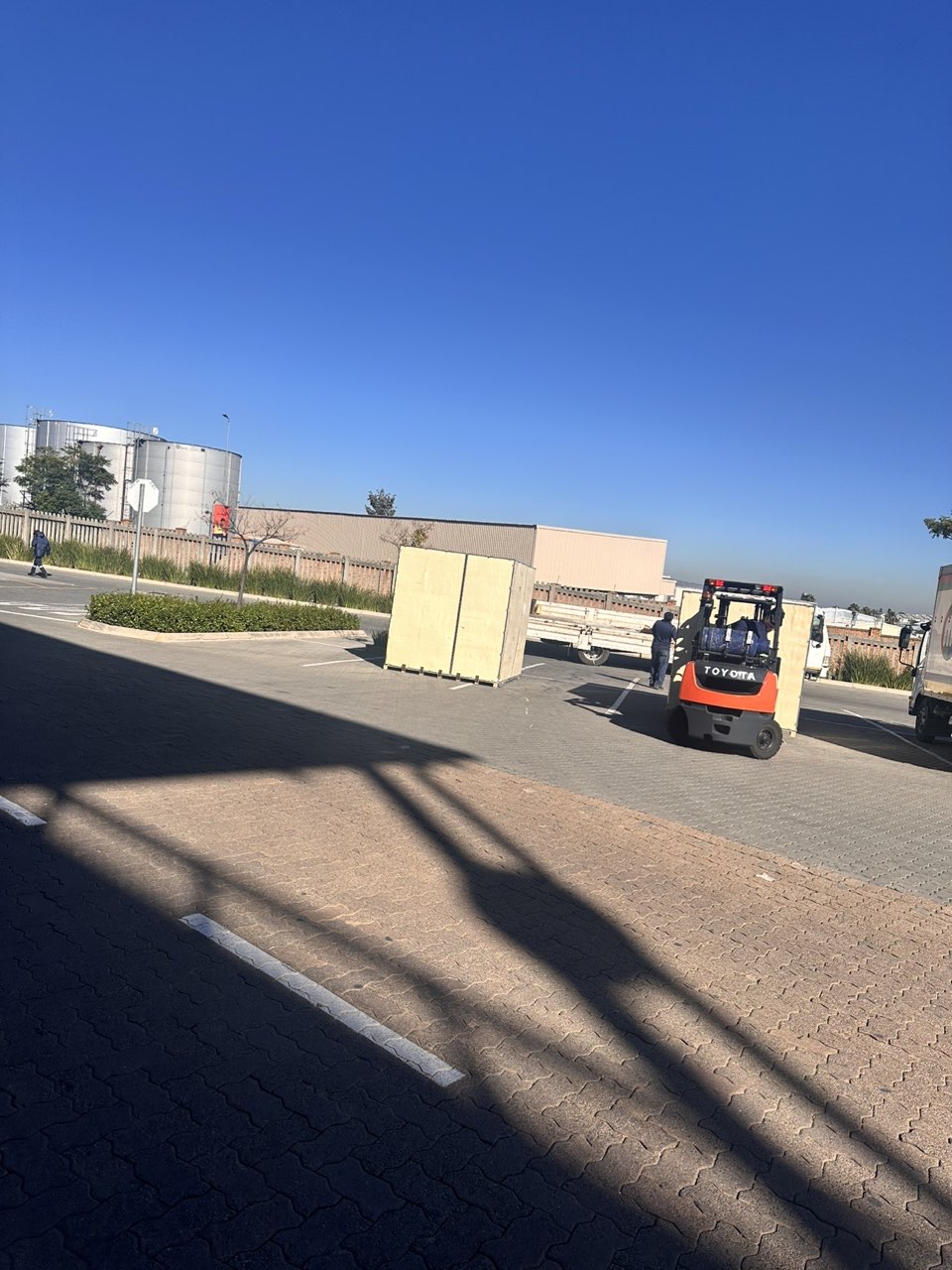
Mining Equipments
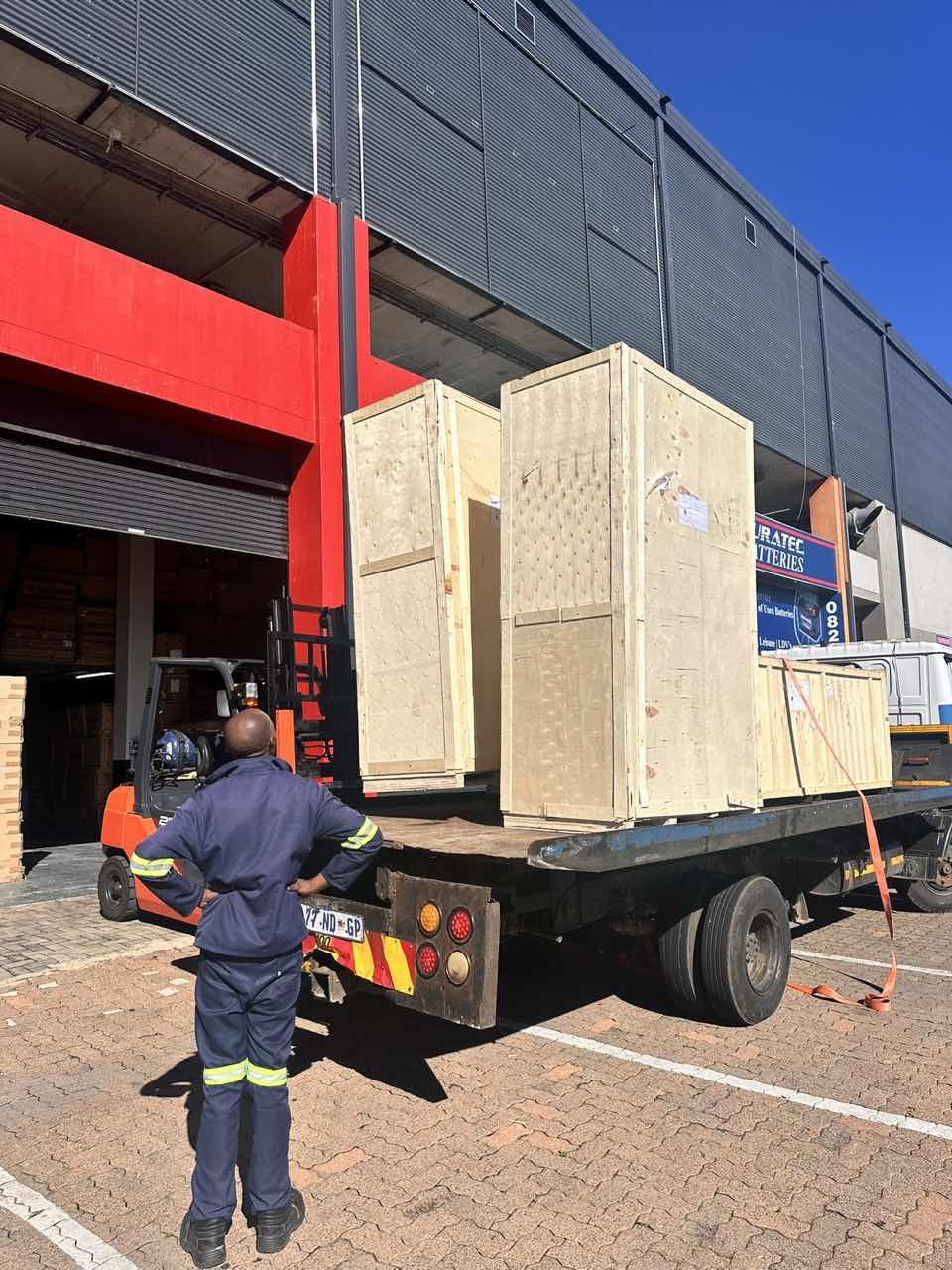
Food Processing Machine
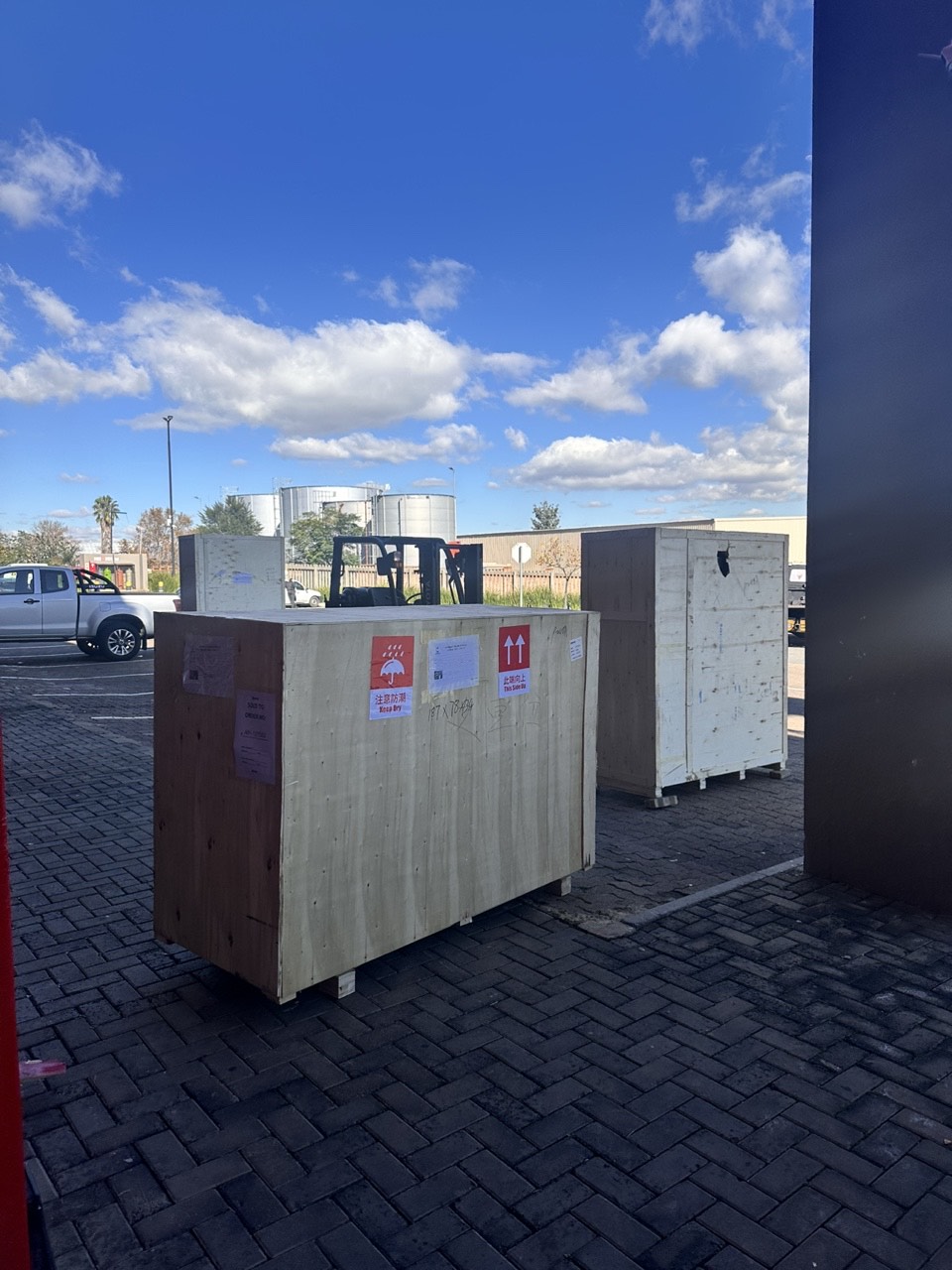
Batch of Orders
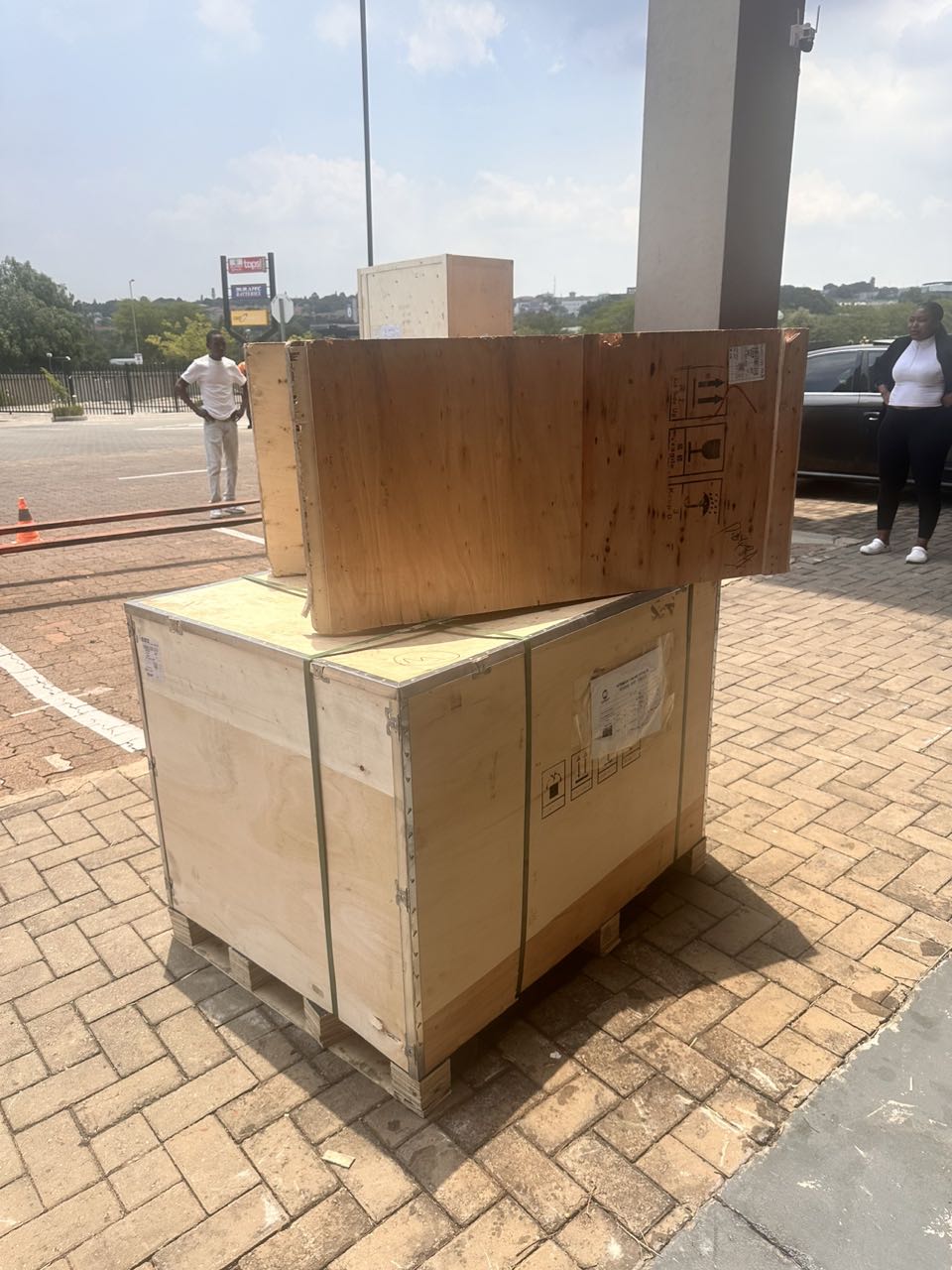
Batch of Orders
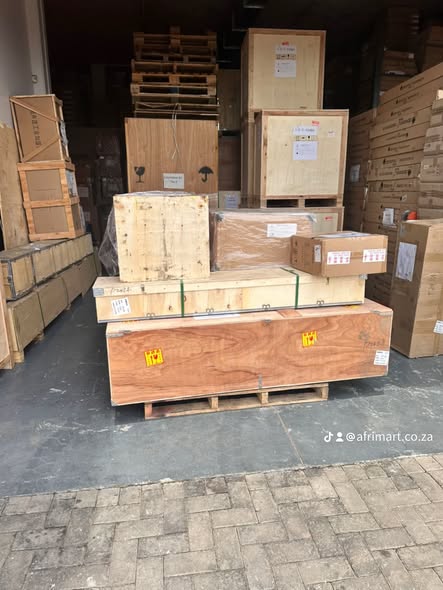
Latest Orders Labelled
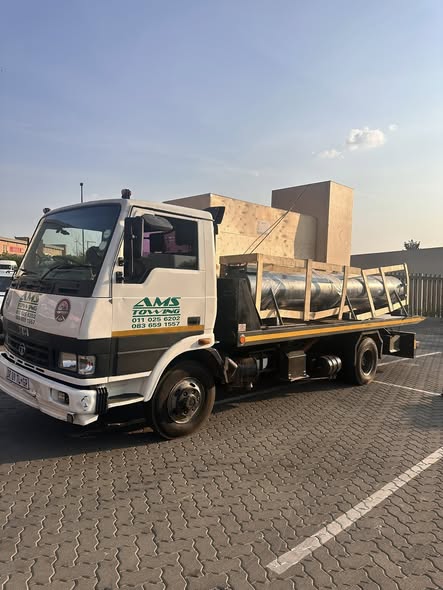
wheel alignment machines
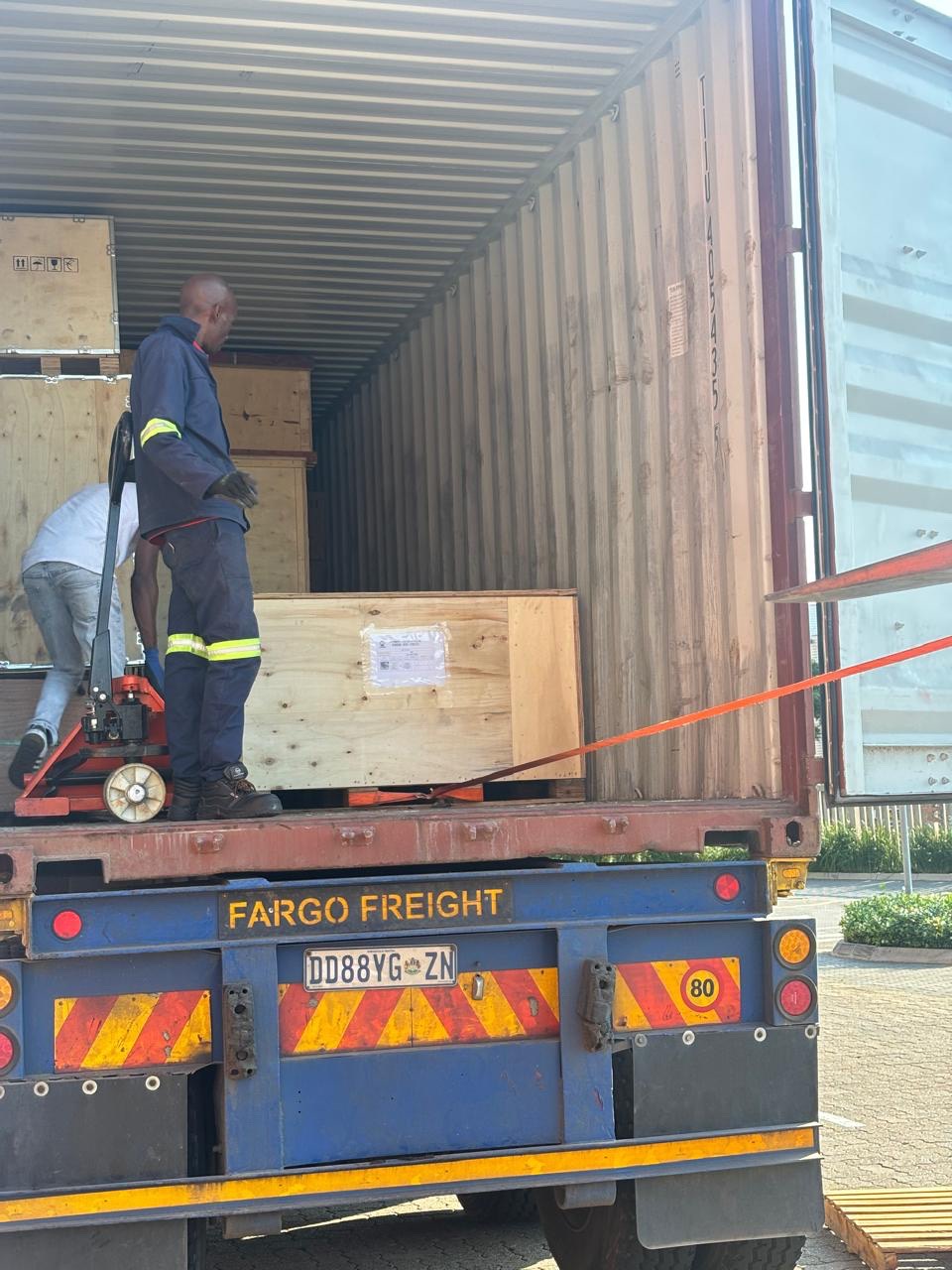
new arrivals
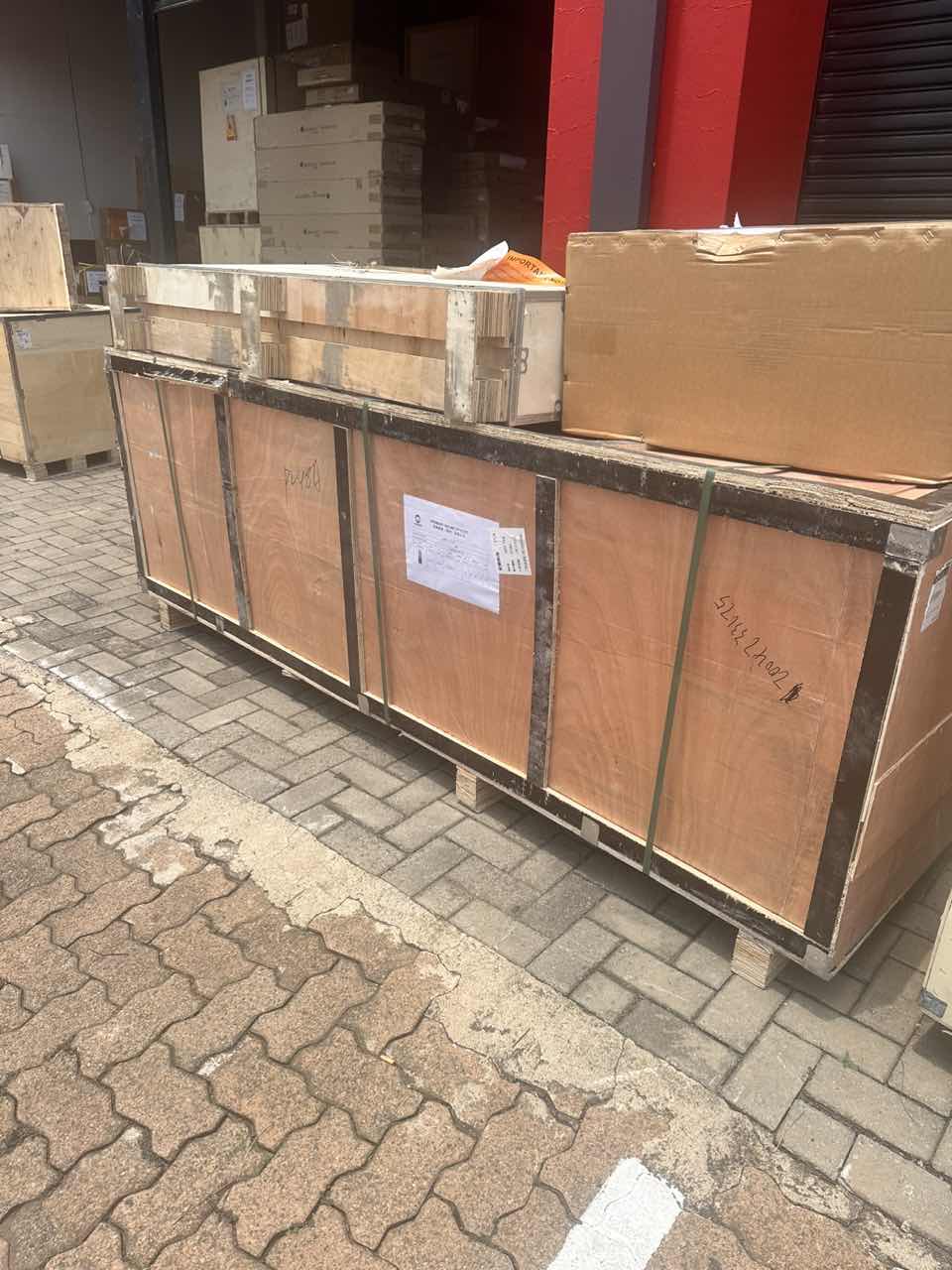
Pre Orders Offloading
Latest Arrivals
Latest Arrivals
Latest Arrivals
Loading
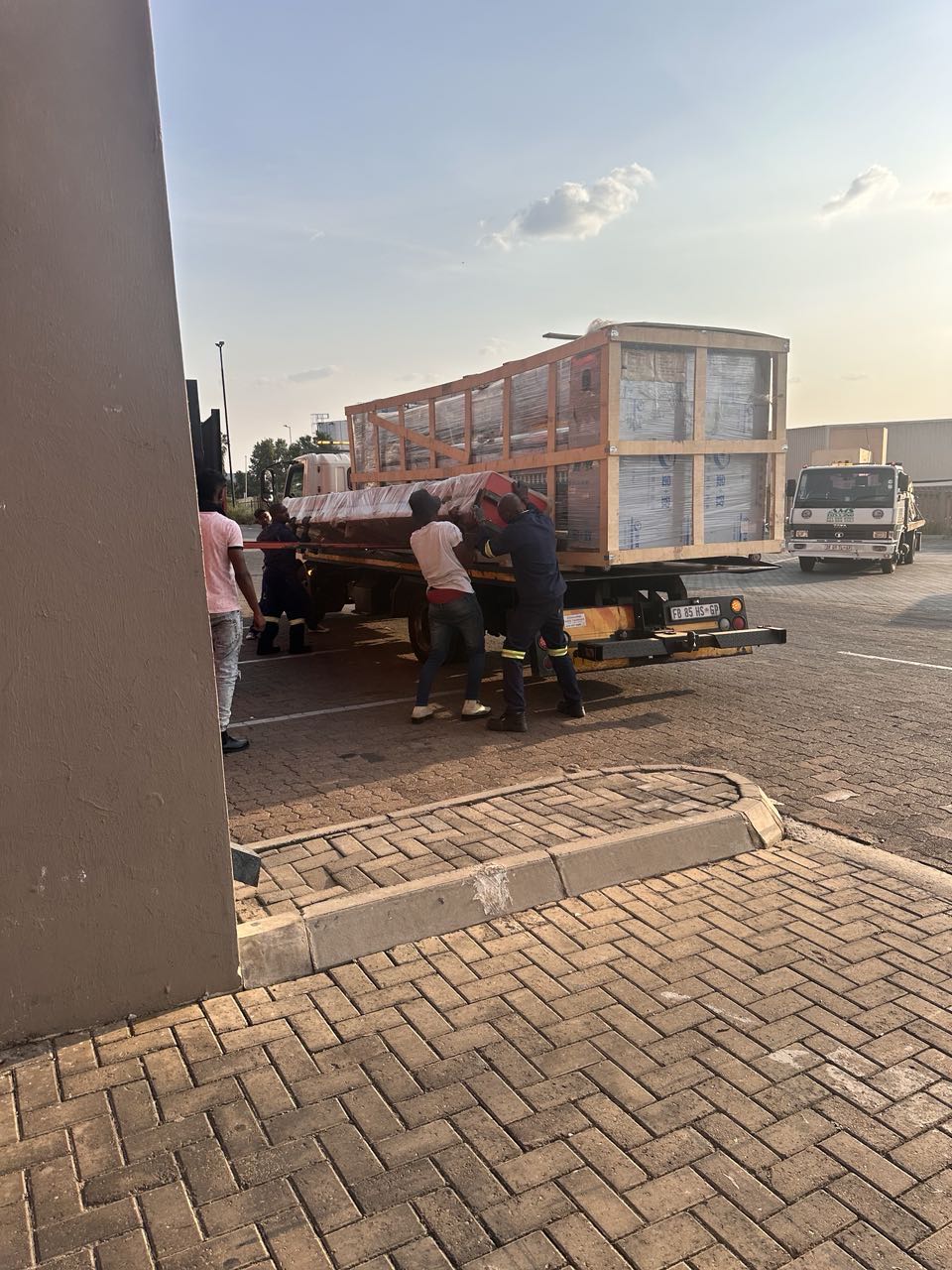
Toilet paper making machine
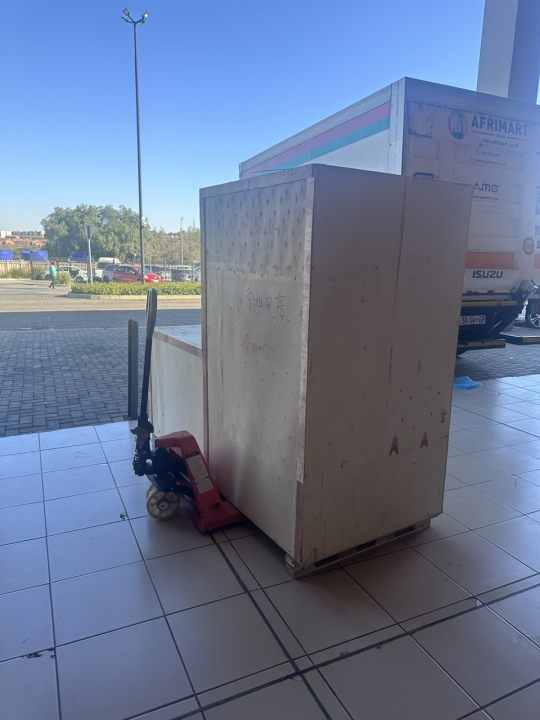
Toilet paper making machine
Toilet paper Rewinding Machine
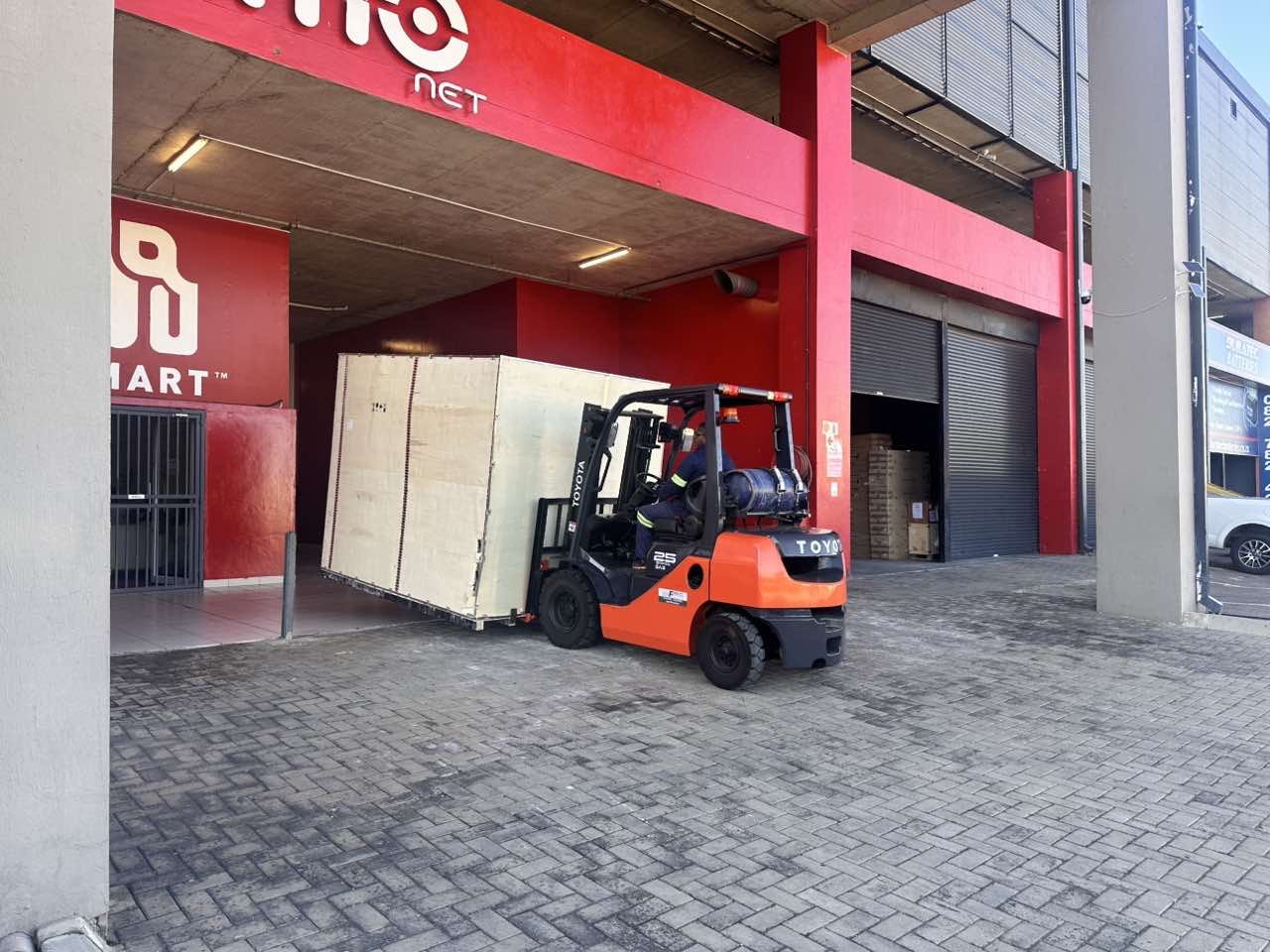
latest arrivals
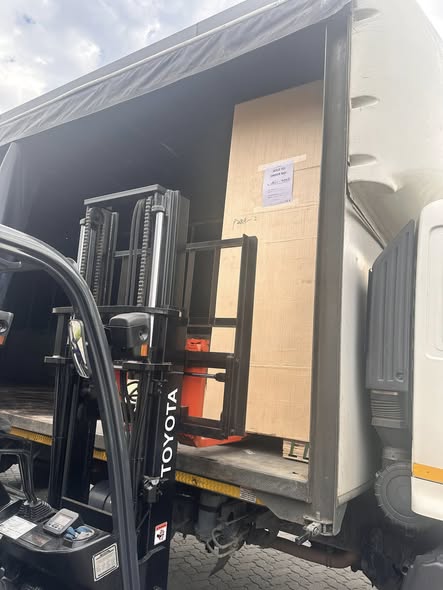
offloading
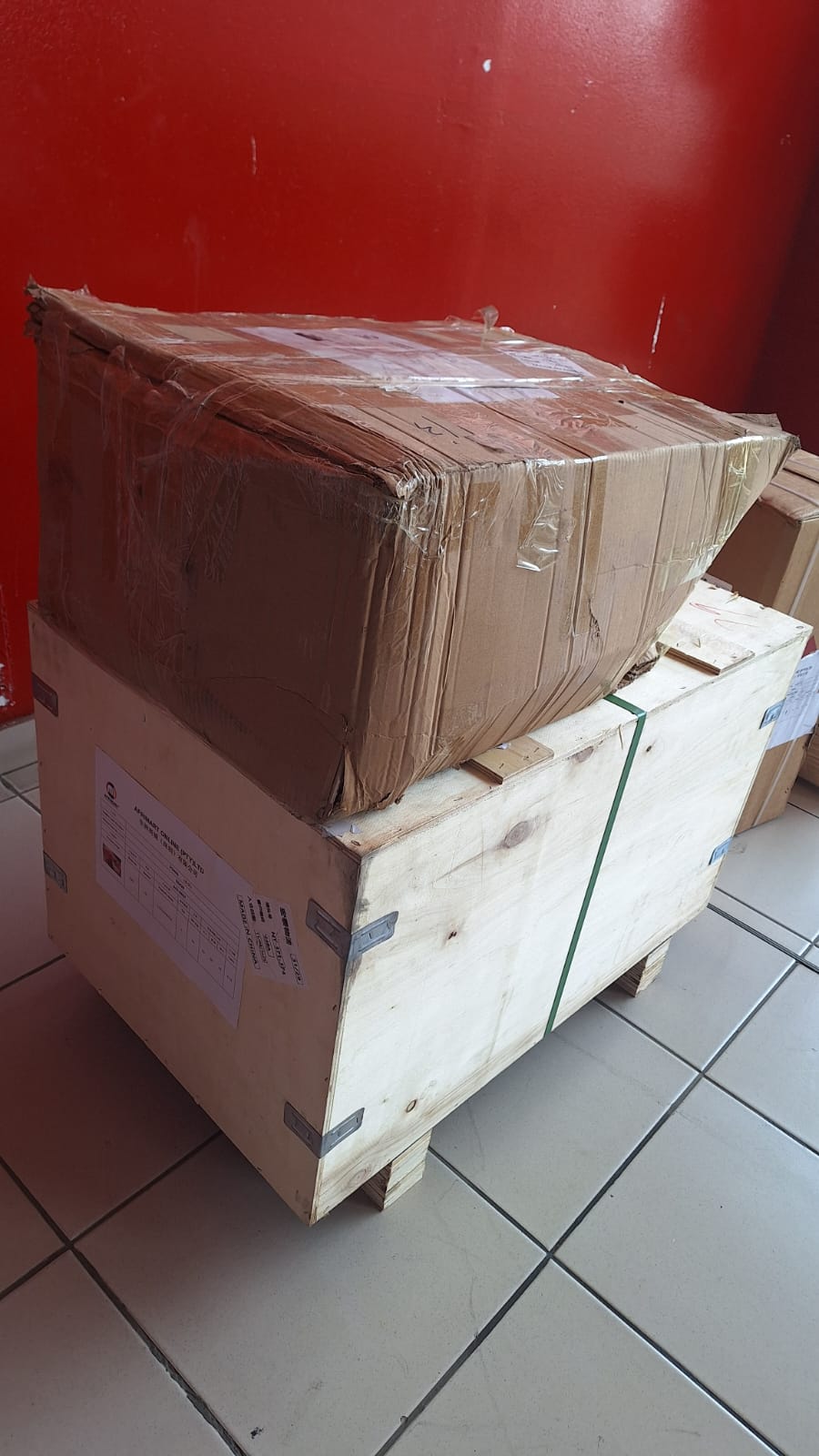
order success
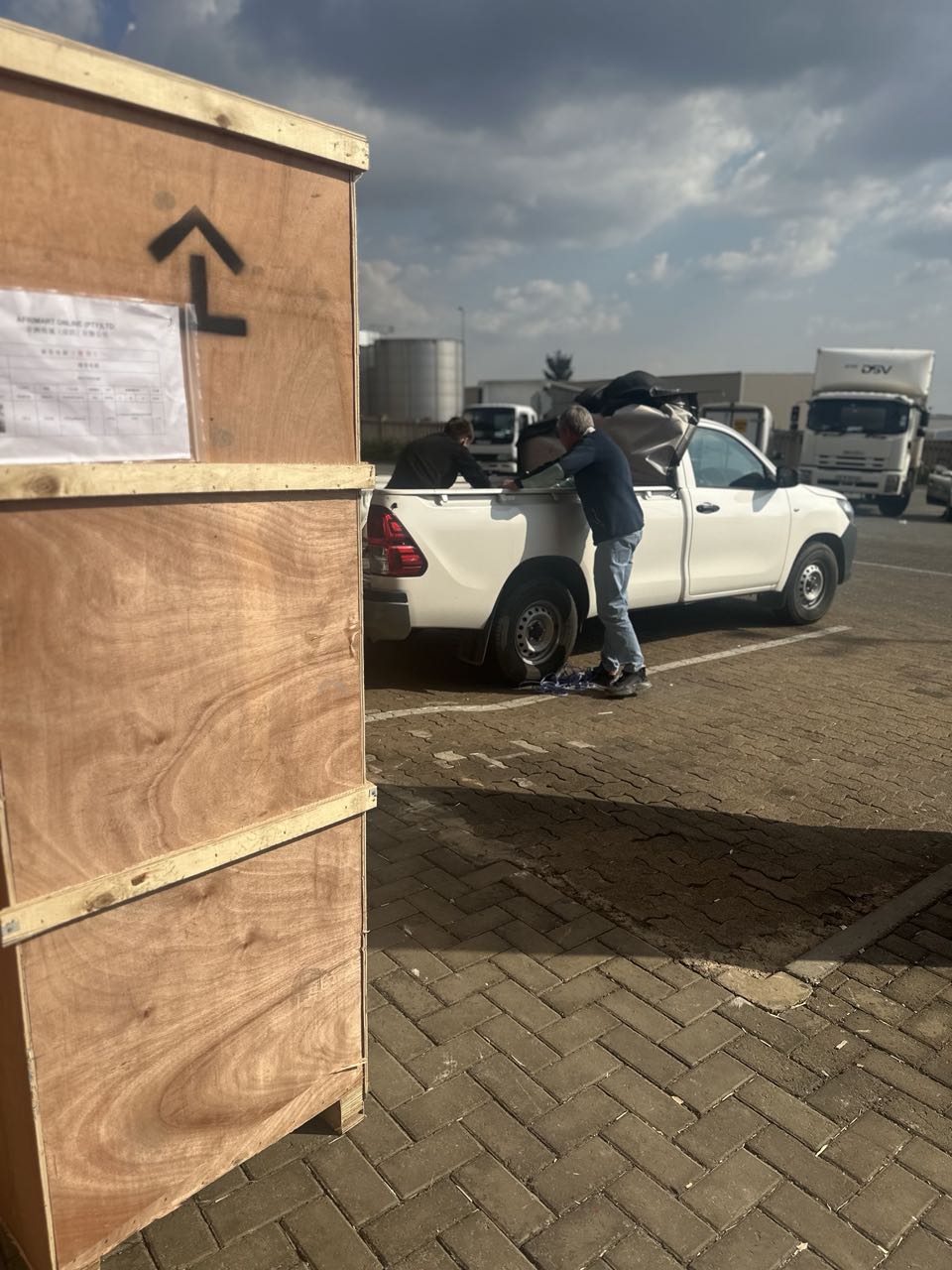
order collection
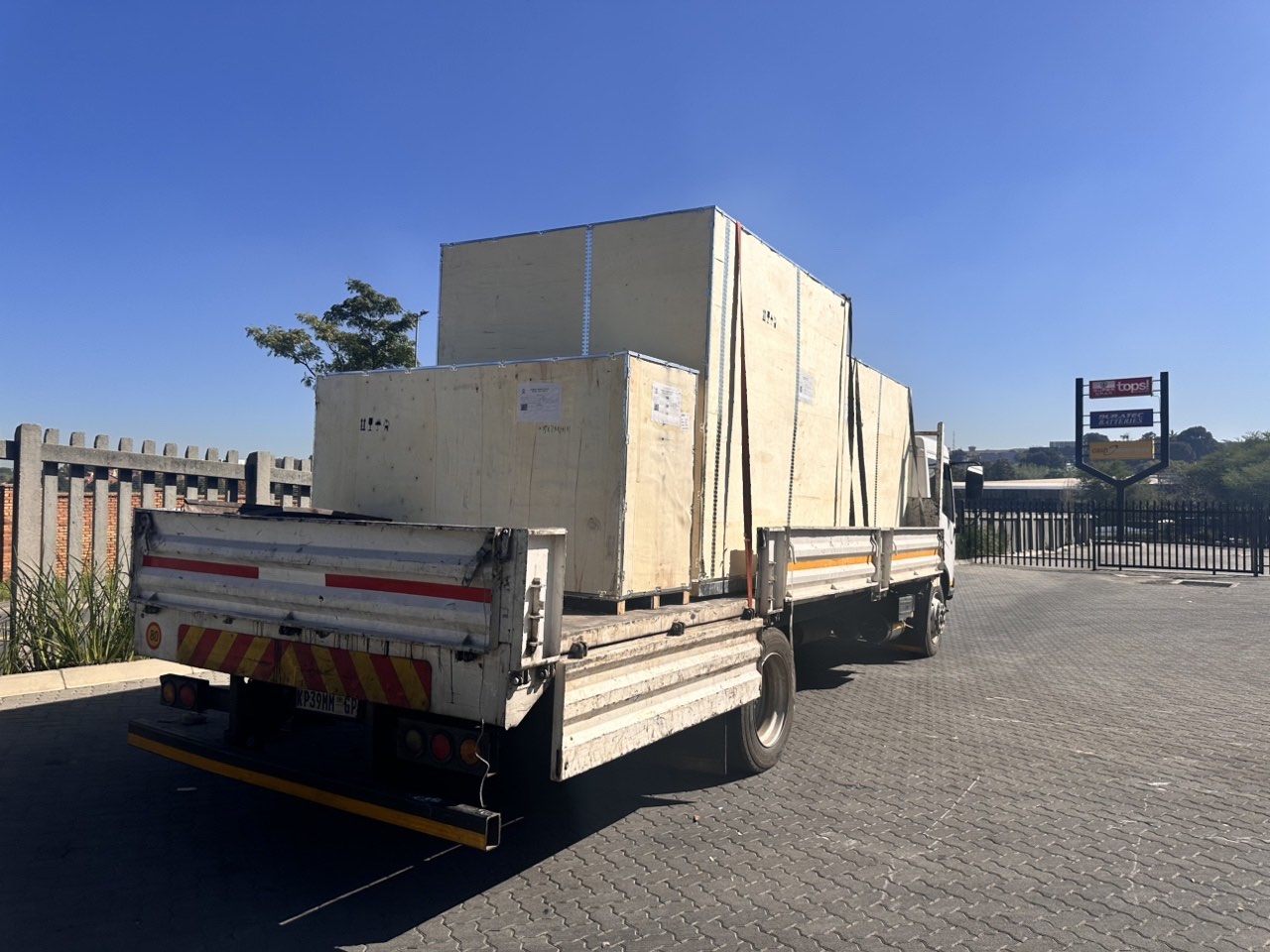
order offloading