B21, China Town Mall, Midrand

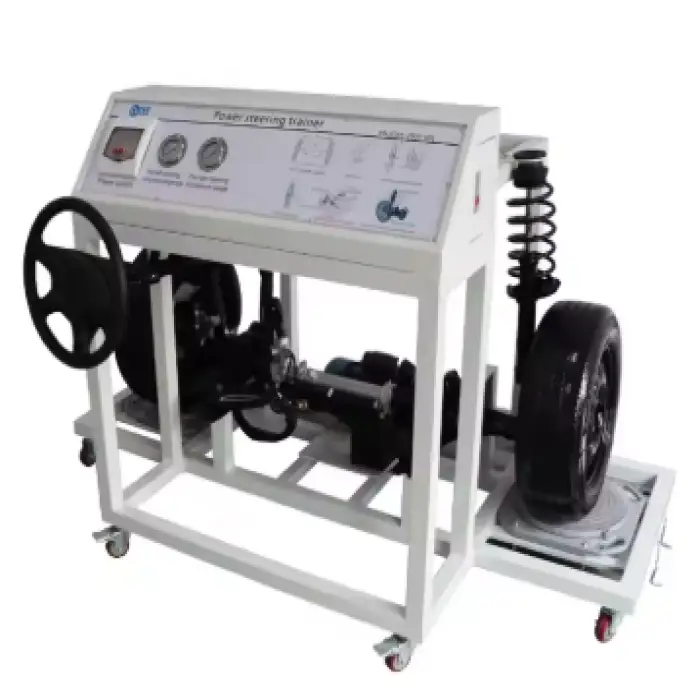
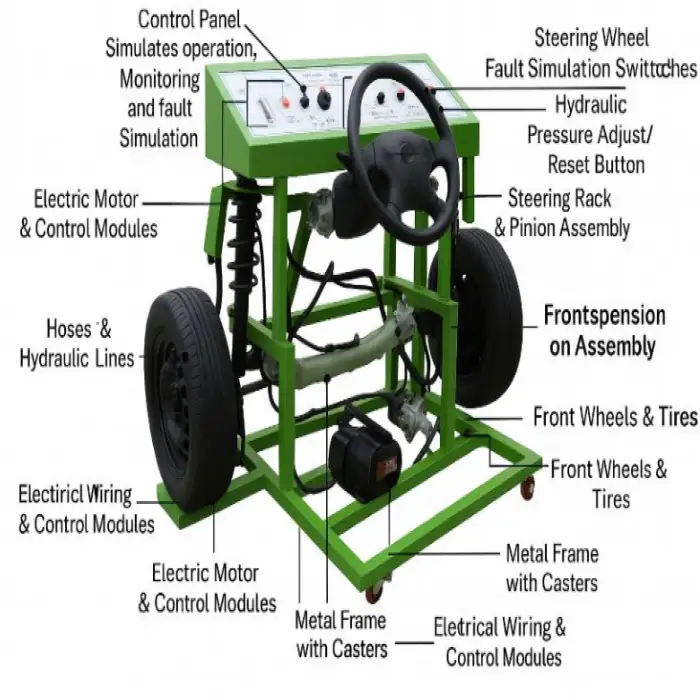
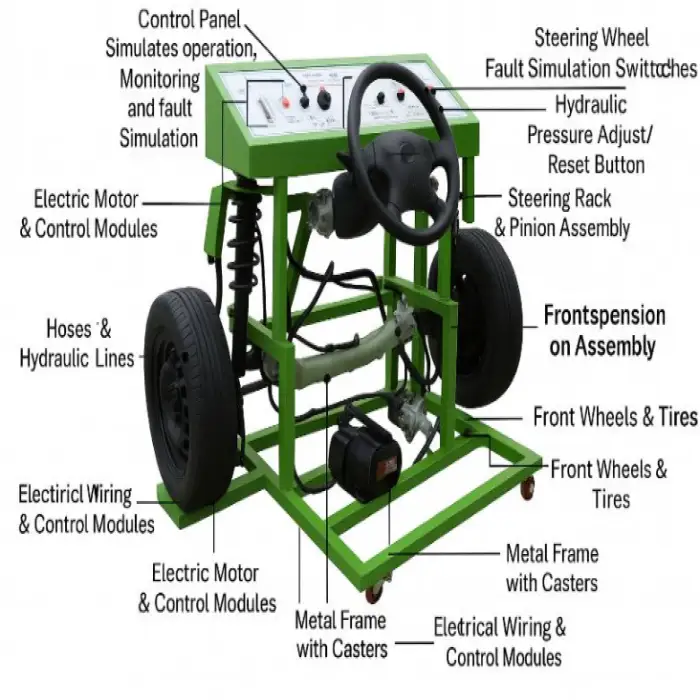
Automotive Power Steering Training Platform Trainer Automotive Training Kit Education Training Equipment School Equipment
Asset finance available
Do you want funding for this equipment?
Afrimart can connect you with trusted funding partners who specialise in asset finance for businesses like yours. Compare options and apply in minutes — final approval is subject to provider review.
Check funding options
Secure & no obligation

- Section : Electrical & Tools
- Category : Tools & Hardware
- SKU : 1596471747

Automotive Power Steering Training Platform Trainer Automotive Training Kit Education Training Equipment School Equipment
The Automotive Power Steering Training Platform Trainer is a comprehensive educational tool designed for automotive training. This kit helps students understand the workings of power steering and suspension systems. With its realistic setup, learners can see how different components interact in real-time.
Specifications
| Attribute | Details |
|---|---|
| Model Number | GTAT-2007 |
| Dimensions | 2000x1050x1250mm (L x W x H) |
| Power Supply | AC220V/50Hz |
| Motor Power | 1.5kW |
| Steering Gear | Rack and pinion type |
| Front Suspension Structure | McPherson independent suspension |
Key Features
- Fully demonstrates the working principles of the steering system.
- Includes a mobile stand for easy maneuverability.
- Equipped with both hydraulic and electric steering options.
- Facilitates adjustment and measurement of front wheel toe-in.
- Incorporates real automotive components for hands-on learning.
Applications
- Used in automotive training schools and colleges.
- Ideal for workshops focusing on power steering systems.
- Perfect for practical demonstrations and hands-on practice.
- Helps students learn about steering and suspension mechanics.
- Supports various car model training, including Volkswagen Jetta and Honda FIT.
The Automotive Power Steering Training Platform Trainer is essential for anyone looking to enhance their understanding of vehicle systems. It is a must-have for automotive education and training programs.
Product Info Gallery
- Shipping Timeframes: All orders are processed within 2-5 business days (excluding weekends and holidays). After your order has been processed, the estimated delivery time is before 04 Aug, 2026, depending on customs, Please note that due to high demand, some items may experience longer shipping times, which will be communicated at order confirmation email.
- Order Processing Time: Please allow 2-5 business days for us to process your order before it is shipped . Orders placed after 16:00 on Fridays, or during weekends and public holidays, will begin processing on the next business day. Processing times may be extended during peak seasons or sales events.
- Manufacturing Time: Some products needs manufacturing time, the manufacturing process will take approximately 10-30 business days depending on the product. This timeframe may vary depending on the complexity of the product and current demand. but this will be communicated with you during order confirmation.
- Returns and Exchanges: We offer a 30-day return policy for most items. If you are not completely satisfied with your purchase, you may return it within 30 days of receipt for a refund or exchange. Items must be unused, in their original packaging, and accompanied by proof of purchase. Return shipping costs are the responsibility of the customer, unless the item was damaged or defective upon arrival.
1. What is the Automotive Power Steering Training Platform Trainer?
The Automotive Power Steering Training Platform Trainer (Model GTAT-2007) is an educational kit that demonstrates the working principles of power steering and front suspension systems using real automotive components for hands-on learning.
2. What are the key specifications of the trainer?
Model GTAT-2007; dimensions 2000 x 1050 x 1250 mm (L x W x H); power supply AC 220V/50Hz; motor power 1.5 kW; steering gear: rack and pinion; front suspension: McPherson independent suspension.
3. Which steering and suspension systems does the trainer demonstrate?
It demonstrates rack-and-pinion steering and McPherson independent front suspension, showing how steering inputs, steering gear, and suspension geometry interact in real time.
4. Does the unit support both hydraulic and electric power steering?
Yes. The platform is equipped to demonstrate both hydraulic and electric steering options, allowing comparisons between the two systems in classroom exercises.
5. What hands-on activities and measurements can students perform?
Students can observe steering linkage movement, test hydraulic and electric steering responses, measure and adjust front wheel toe-in, and inspect how suspension geometry affects steering behavior.
6. Is the trainer portable or fixed?
The trainer includes a mobile stand for easy maneuverability, so it can be moved around workshops and classrooms as needed.
7. Which vehicle models does this trainer support for simulated training?
The platform supports practical demonstrations relevant to various car models and specifically lists compatibility with models such as the Volkswagen Jetta and Honda FIT for comparative study.
8. What power and installation requirements should my workshop meet?
The unit requires a standard AC 220V/50Hz supply and a 1.5 kW motor circuit. Ensure your facility has the appropriate electrical supply, a flat level floor, and sufficient space for the unit's dimensions (2000 x 1050 x 1250 mm) plus clearance for operator access.
9. What safety considerations are there when using the trainer?
Follow general workshop safety: use eye and hand protection, keep loose clothing away from moving parts, disconnect power before maintenance, and ensure students are supervised. Consult the supplier for included safety features and any recommended safeguards or interlocks.
10. What components are included with the trainer?
The platform contains realistic front suspension and steering components (rack-and-pinion steering, McPherson suspension), the motorized drive, fixtures for toe-in adjustment and measurement, and a mobile stand. Contact the supplier for a detailed parts and accessories list.
11. How much assembly is required on delivery?
Some assembly and setup are typically required after delivery (mounting, electrical connection, calibration). Exact assembly steps vary by supplier; request installation instructions or on-site setup service from the vendor if needed.
12. What maintenance or calibration does the trainer need?
Regular maintenance includes keeping moving parts lubricated, checking hydraulic lines (if fitted) for leaks, verifying electrical connections, and calibrating measurement fixtures periodically. Follow the manufacturer's maintenance schedule and procedures.
13. Are spare parts and consumables available?
Spare parts for the real components used in the trainer are generally available through the supplier or authorized dealers. Contact the manufacturer or vendor for a list of replaceable parts and recommended consumables.
14. Is training material or curriculum included?
Many suppliers provide instructional materials, lab manuals, or suggested exercises to accompany the trainer. Confirm with the vendor whether documentation, lesson plans, or teacher guides are included or available for purchase.
15. What warranty and technical support are offered?
Warranty terms and technical support vary by manufacturer and seller. Ask the supplier for specific warranty coverage, duration, and available support options such as phone support, spare parts supply, and on-site service or training.
Latest Order Arrivals
Discover our latest orders
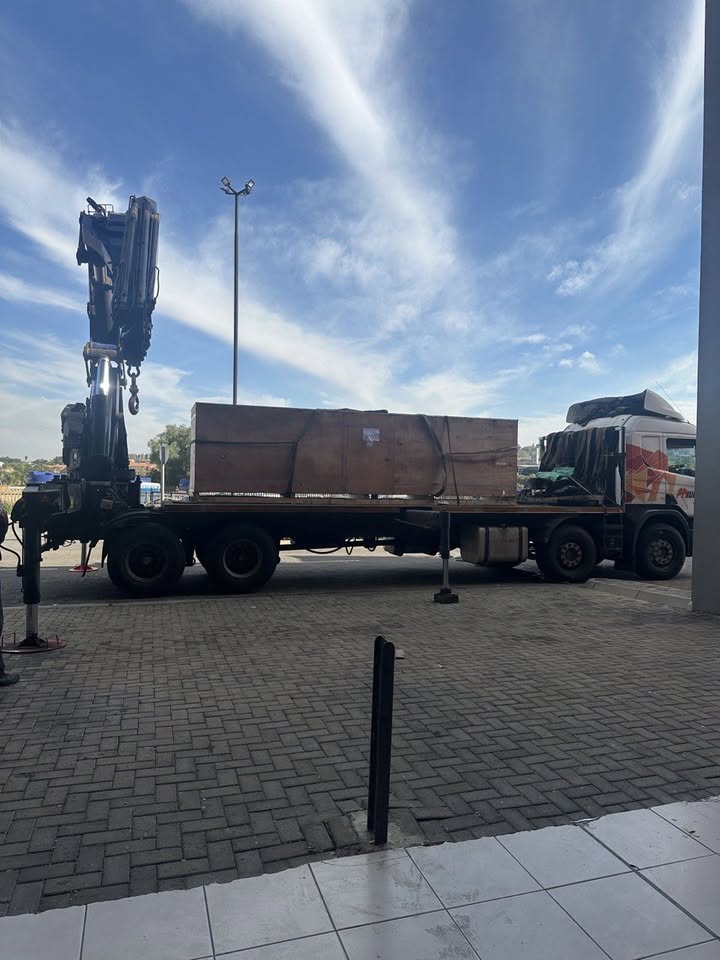
12 Heads Embroidery Machine
Toilet Paper Machine Machine
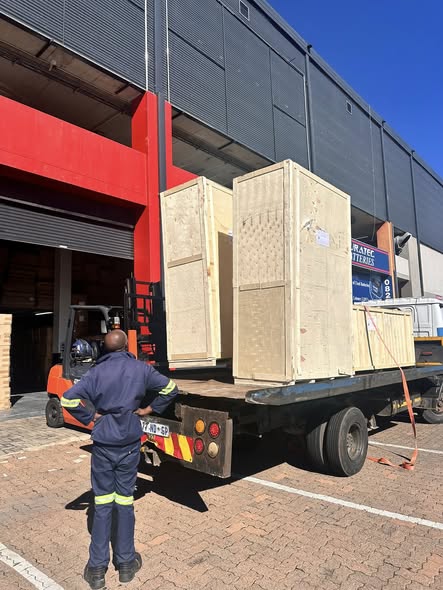
Order Collection
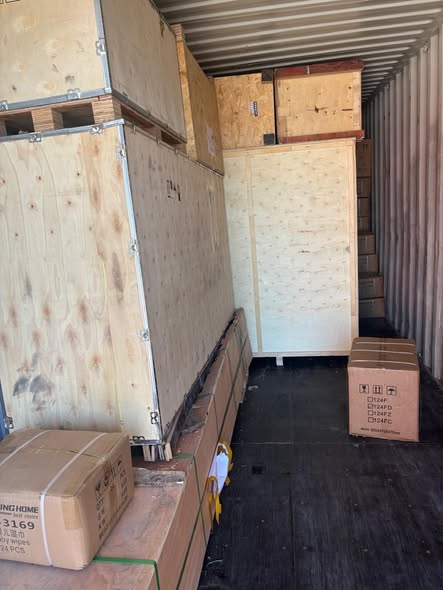
Cross Border Clients
Order cros border countries Collected
Industrial Machine Cllection
Agriculture Processing Machines
Ready for collection
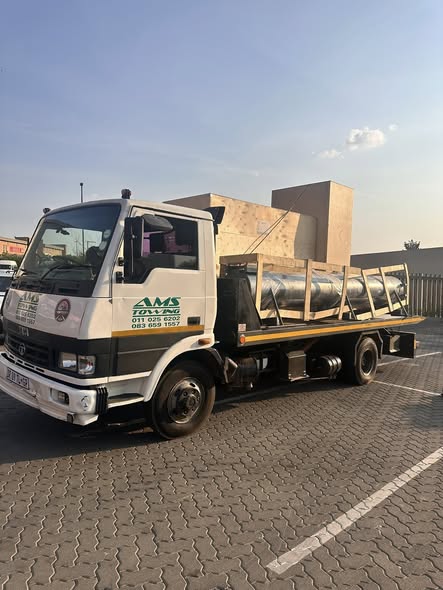
Water Pump Equipment
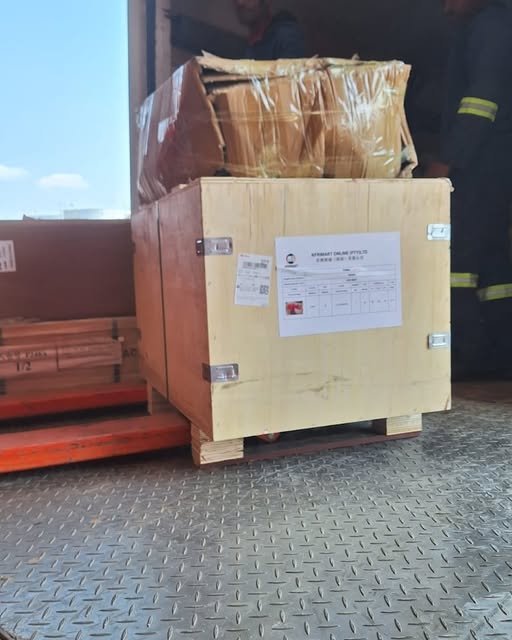
Packaging Machine and accessories
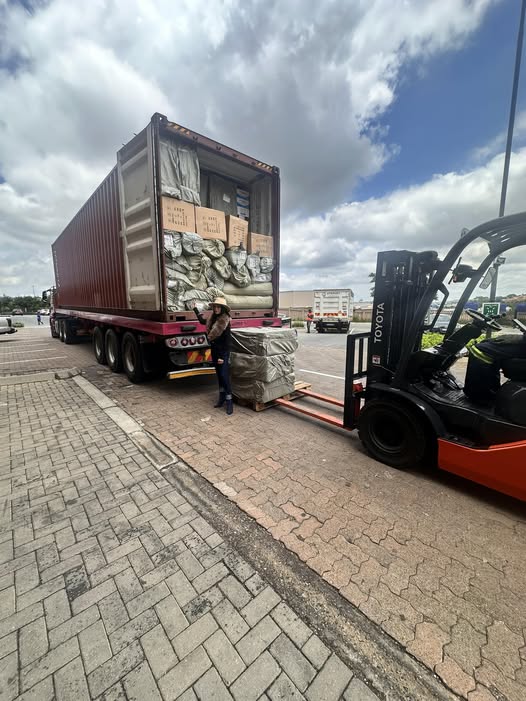
Fabrics Manufacturing Equipment
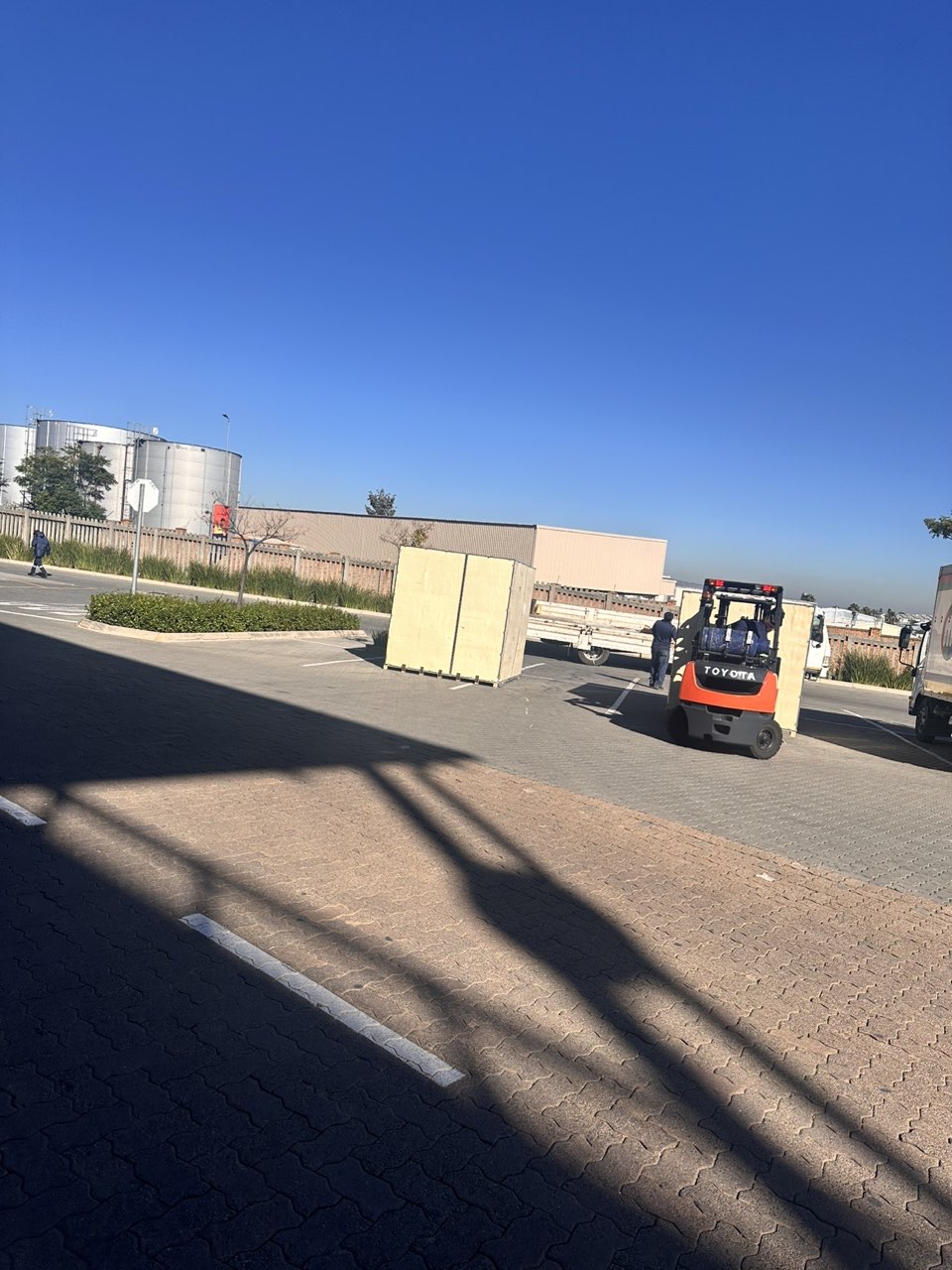
Mining Equipments
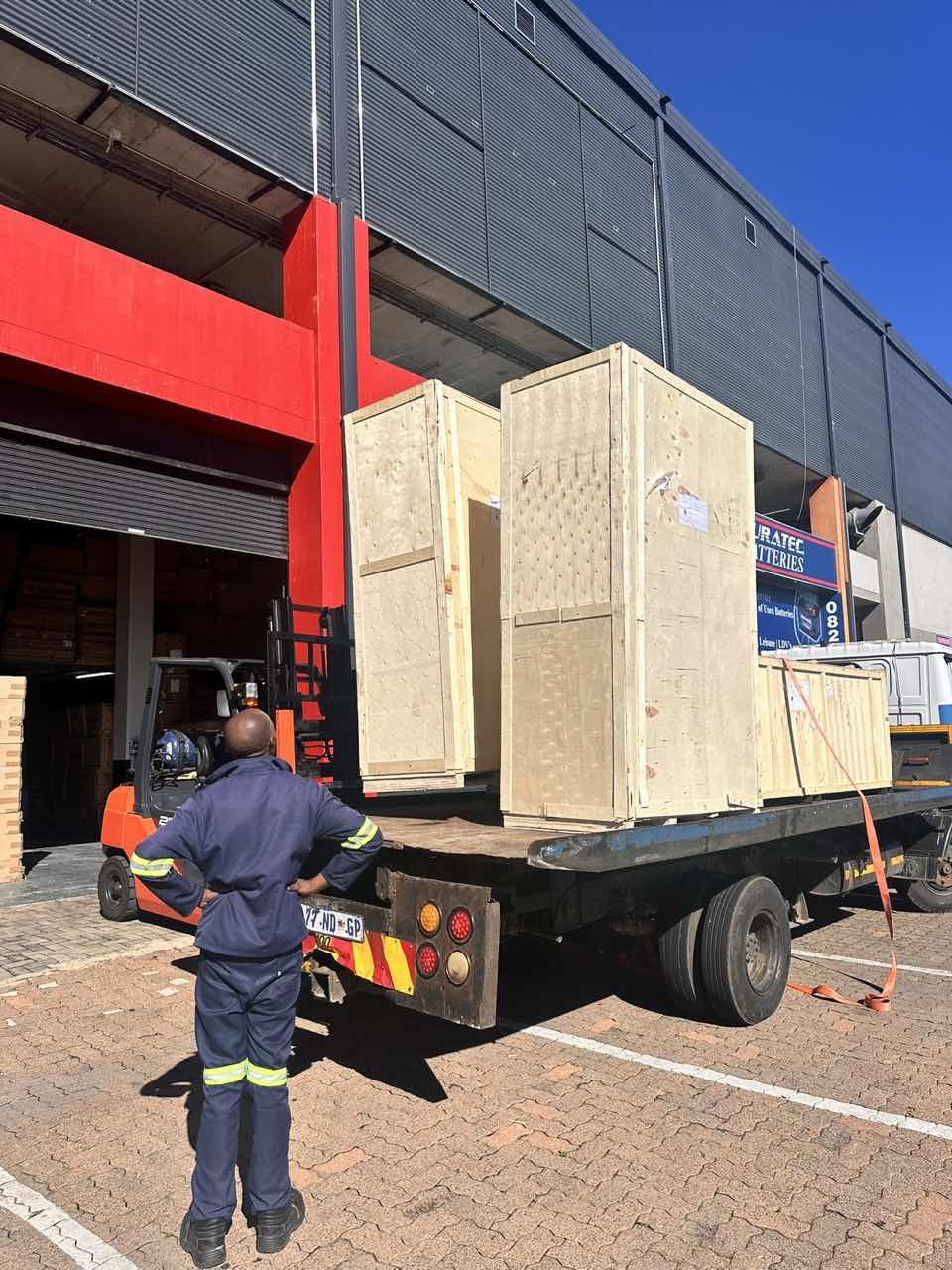
Food Processing Machine
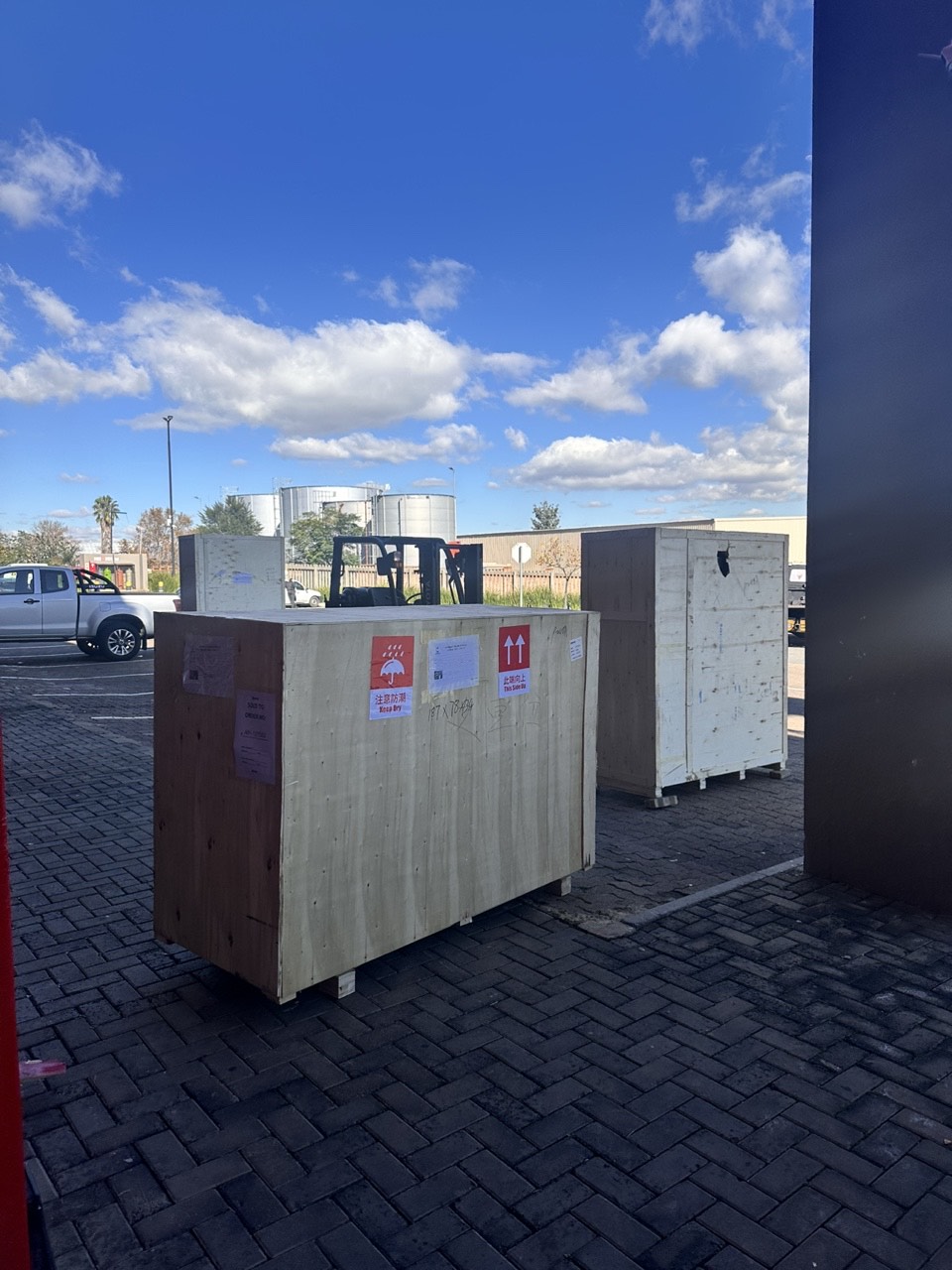
Batch of Orders
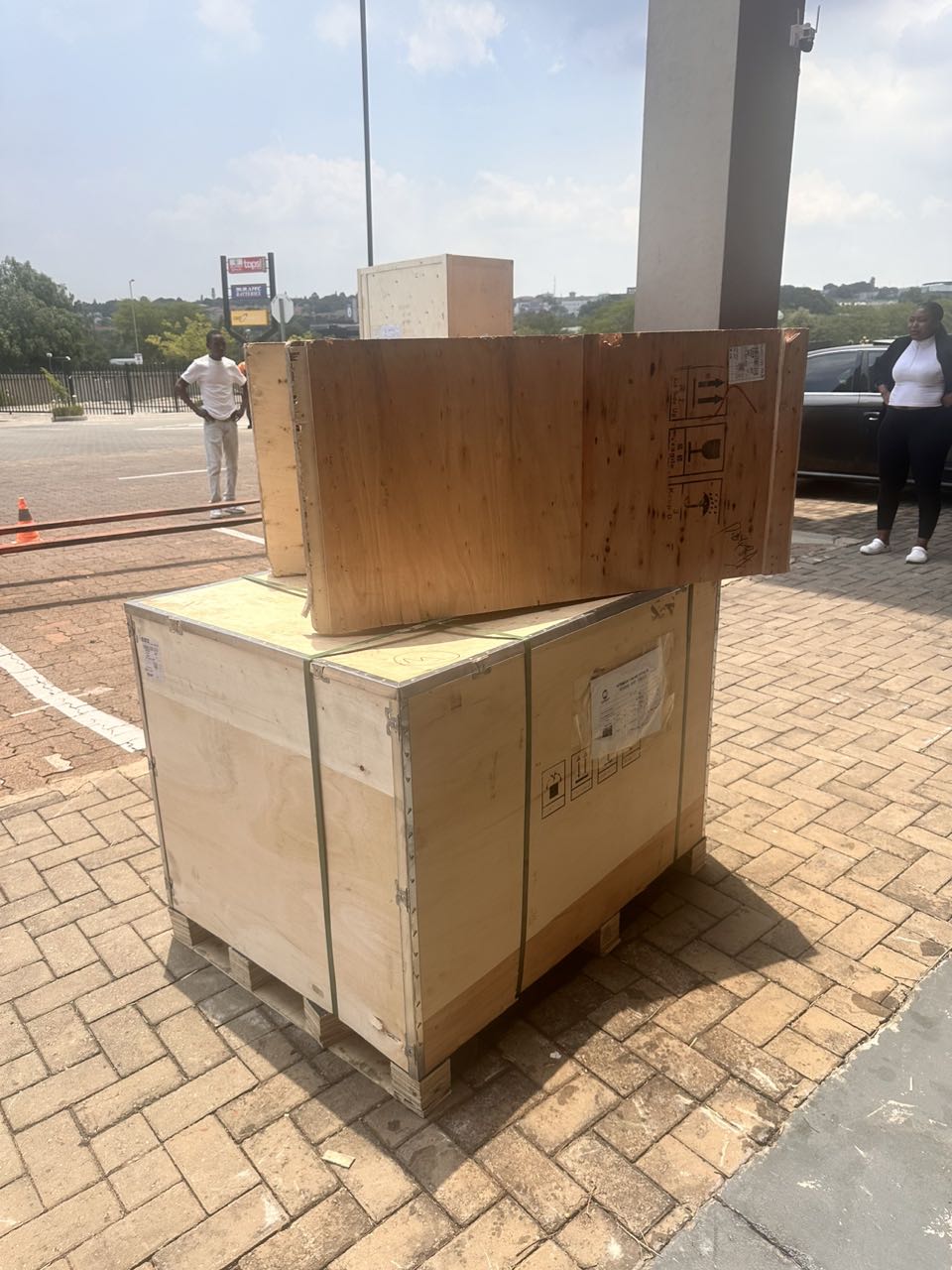
Batch of Orders
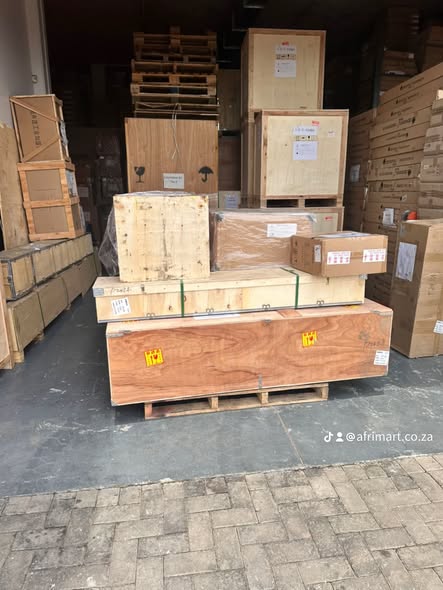
Latest Orders Labelled
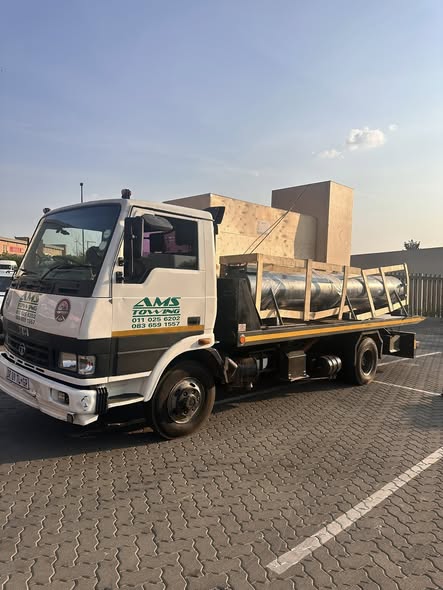
wheel alignment machines
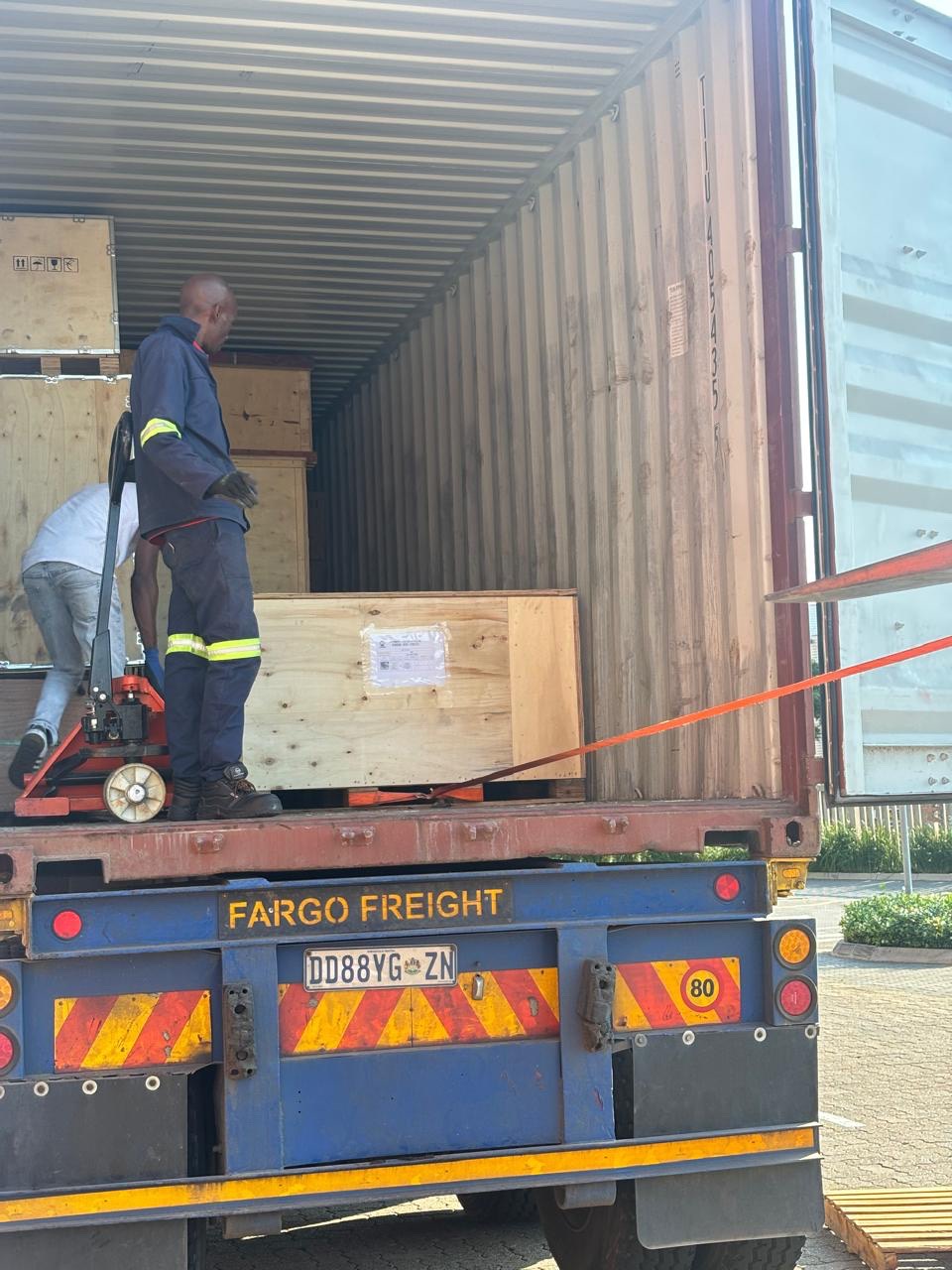
new arrivals
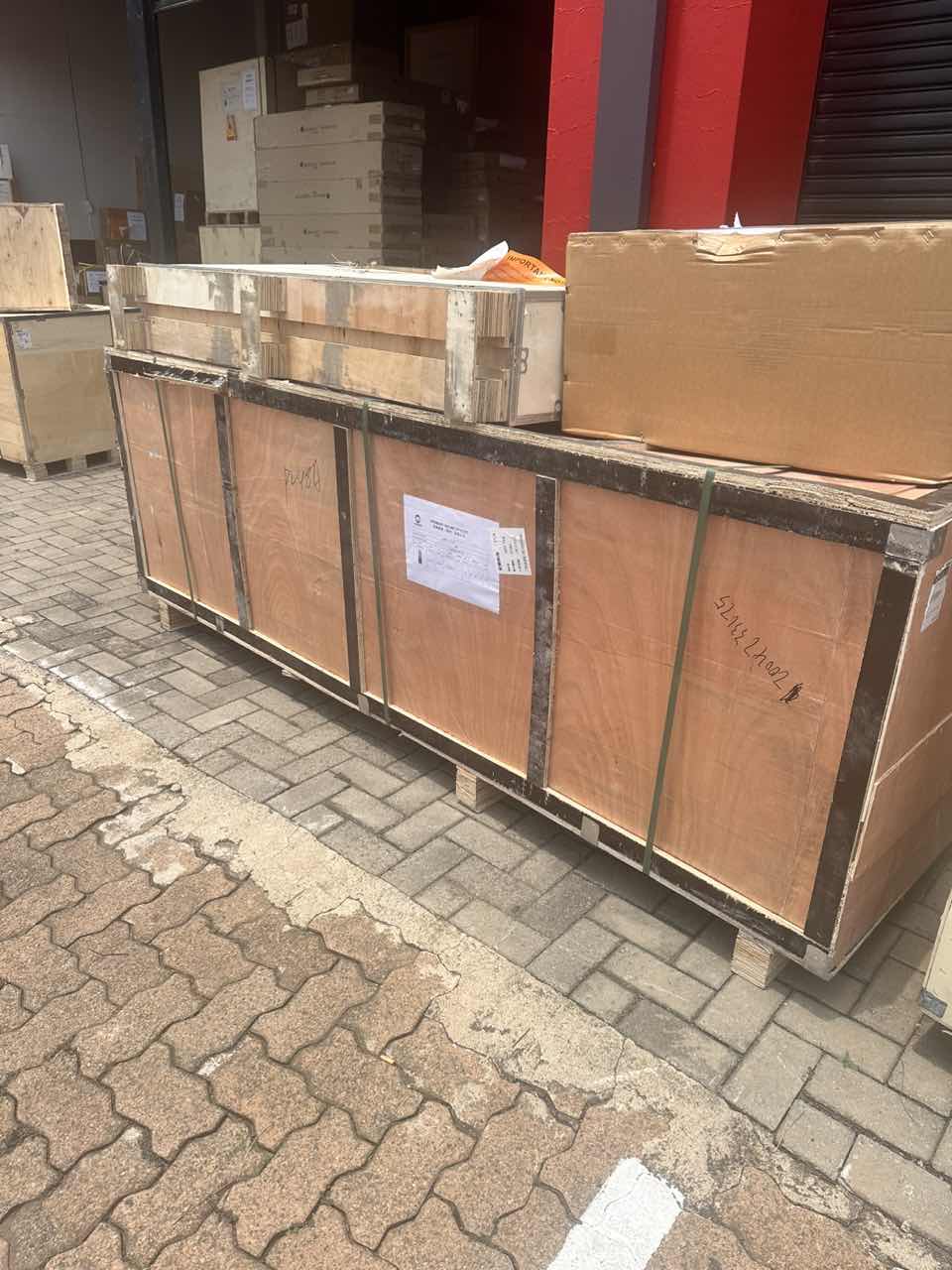
Pre Orders Offloading
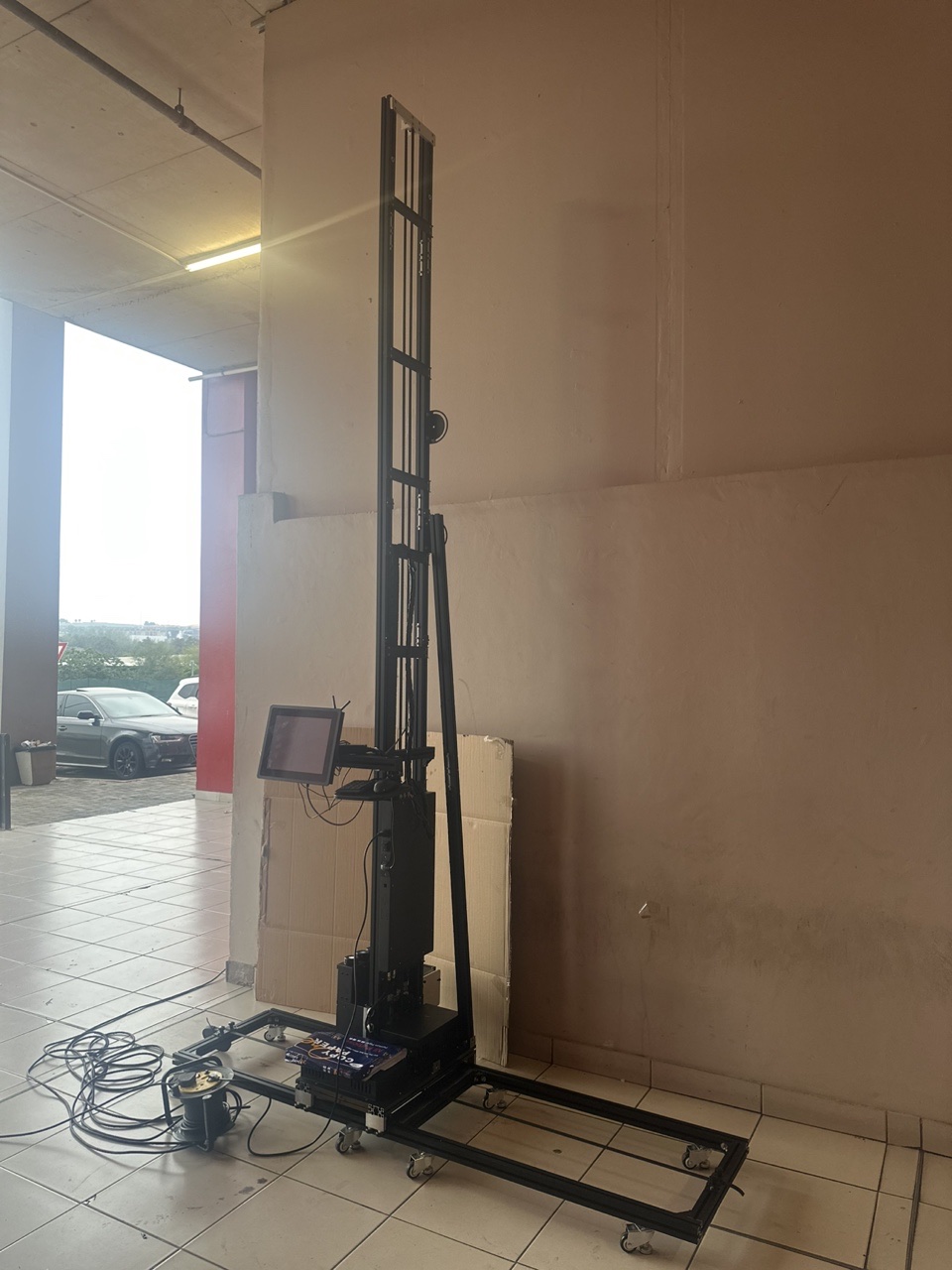
Latest Arrivals
Latest Arrivals
Latest Arrivals
Loading
Toilet paper making machine
Toilet paper making machine
Toilet paper Rewinding Machine
latest arrivals
offloading
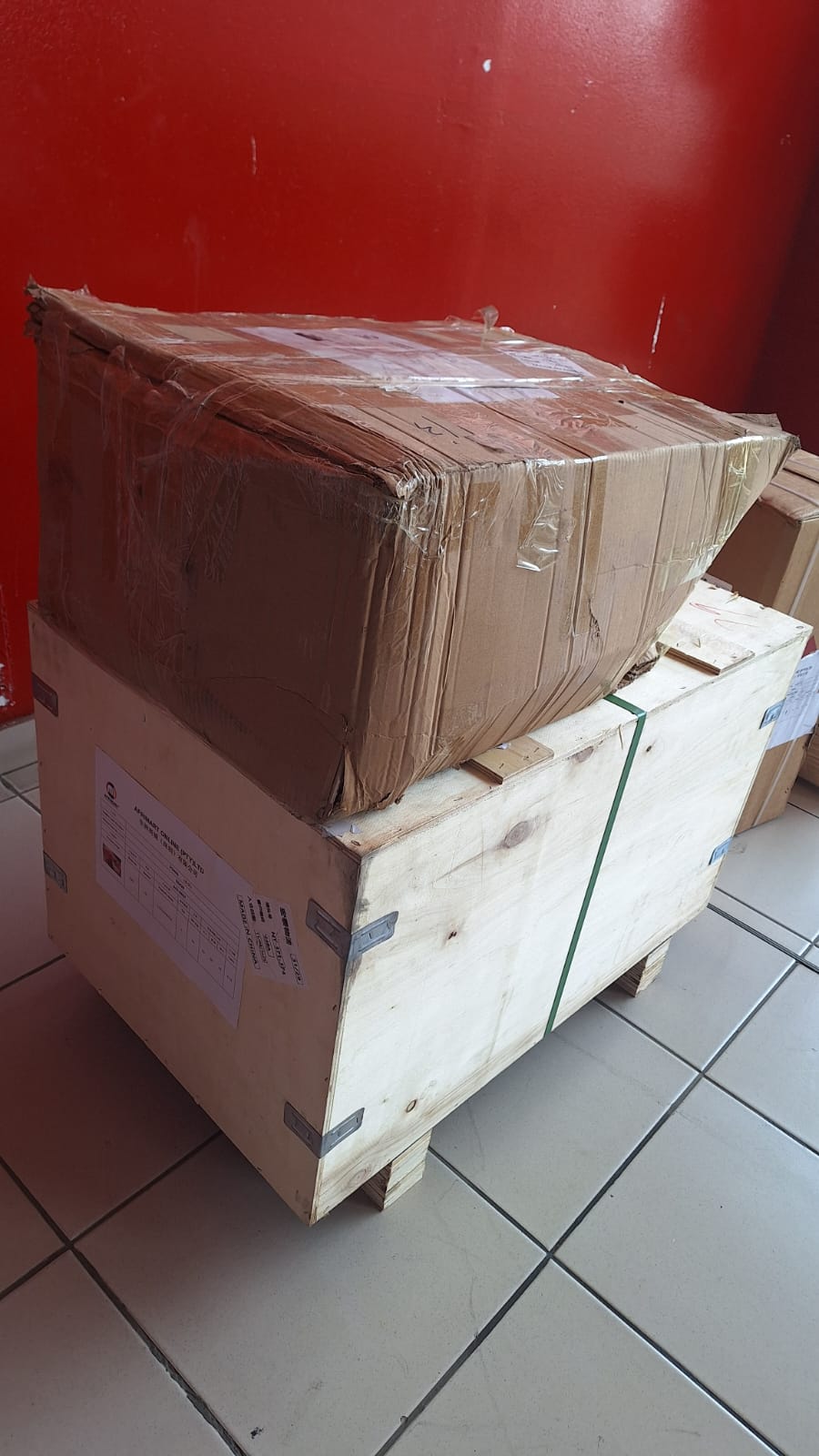
order success
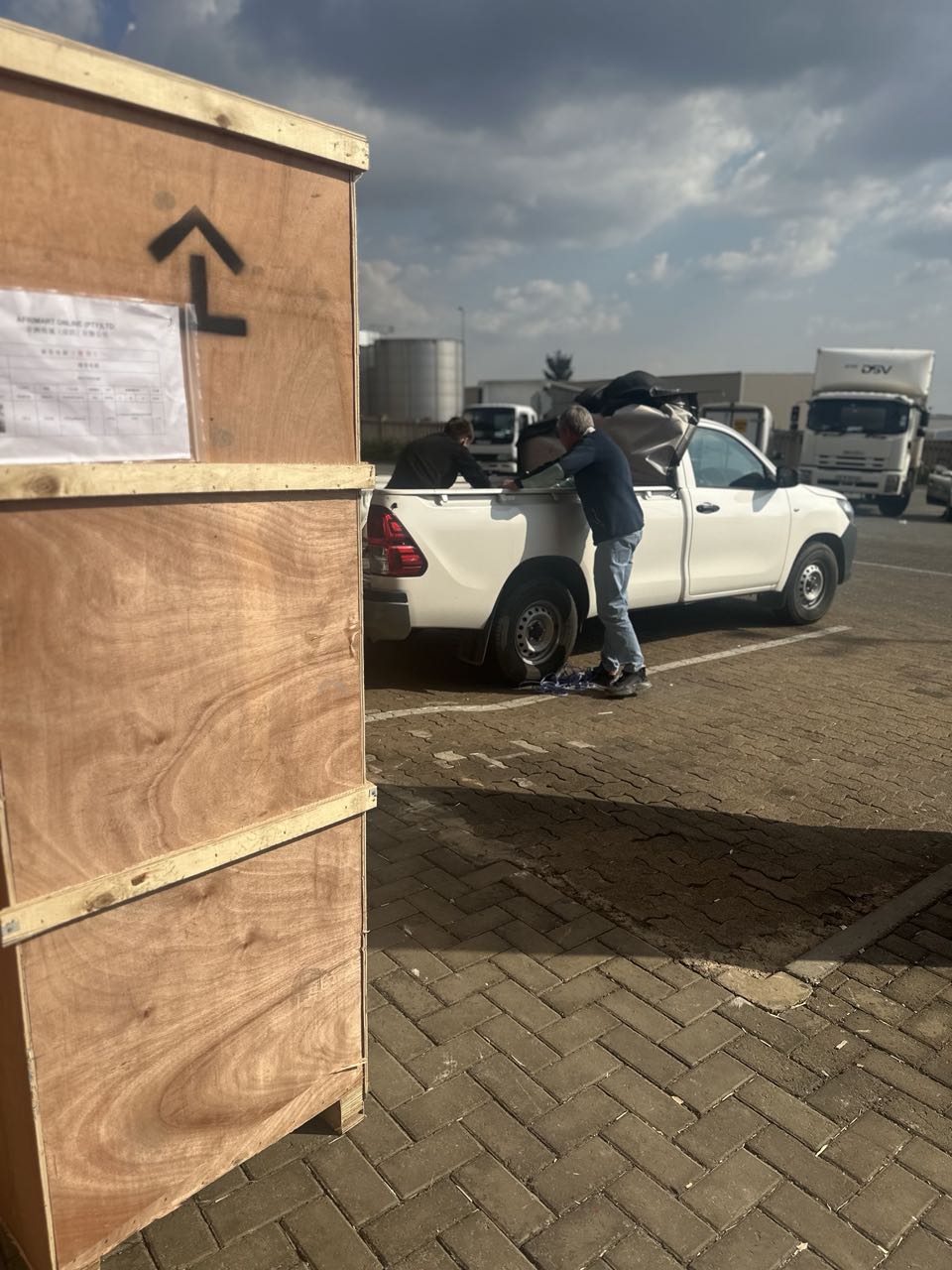
order collection
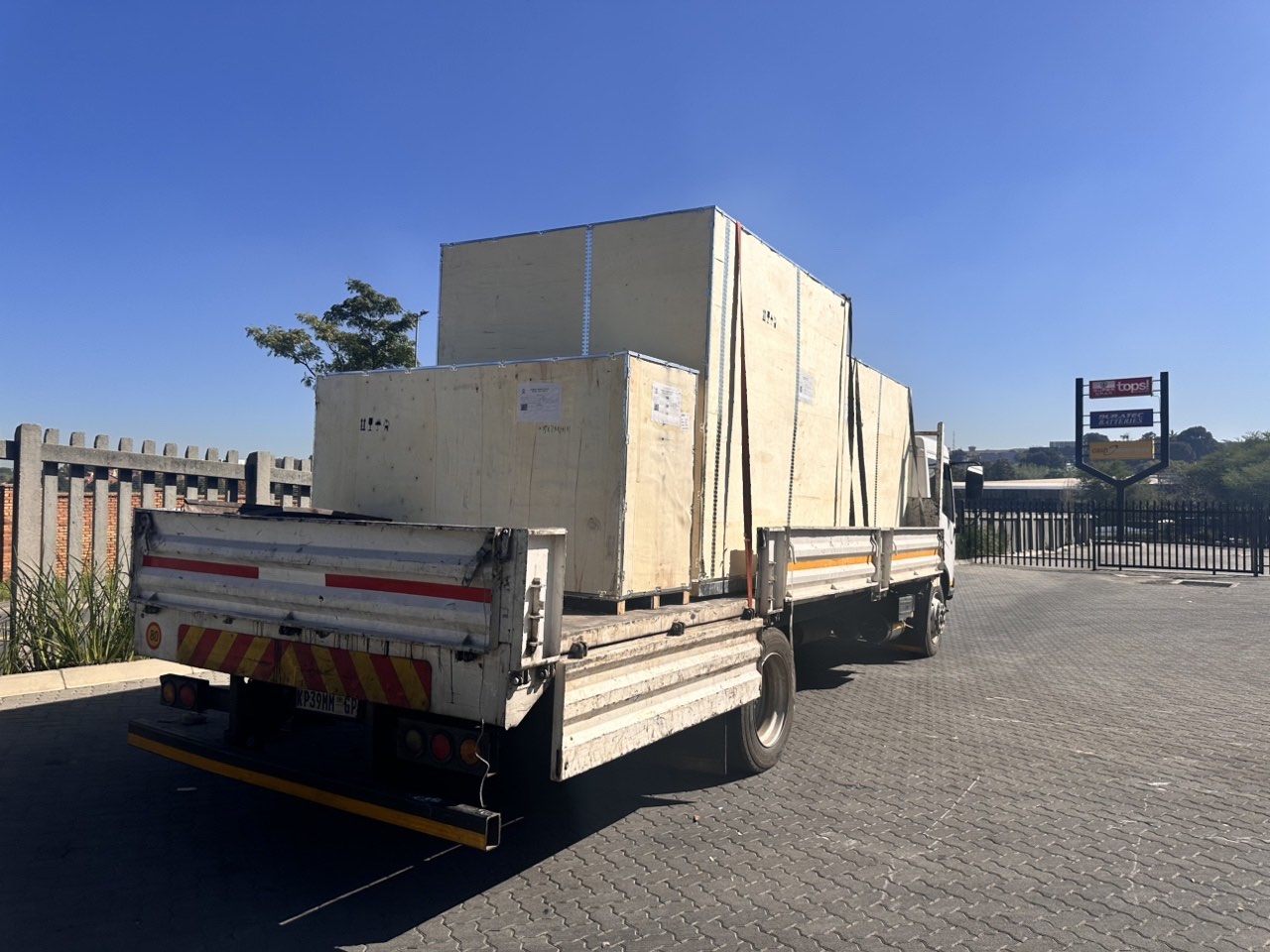
order offloading