B21, China Town Mall, Midrand

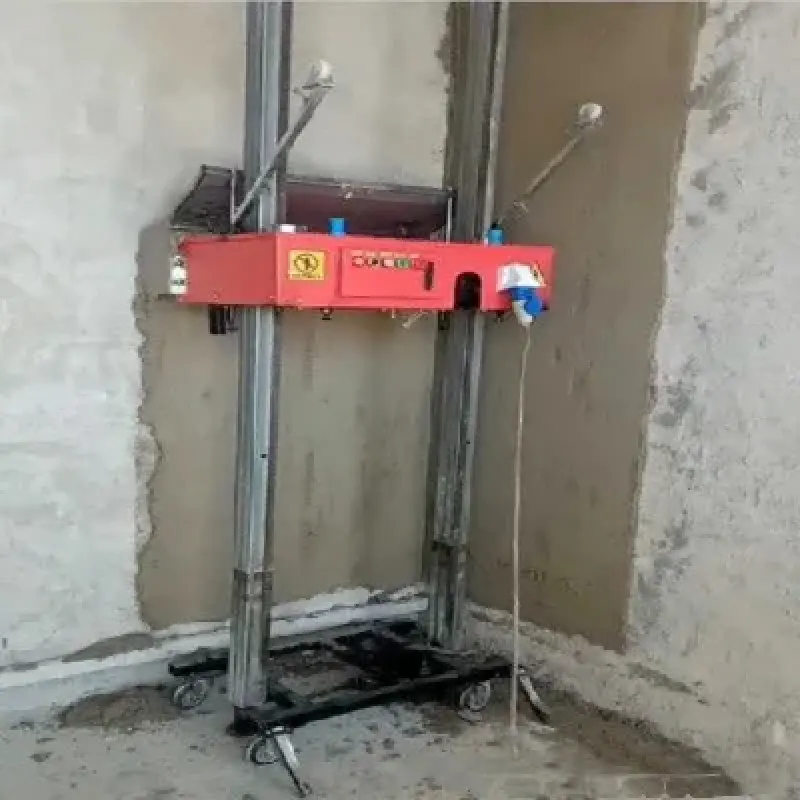
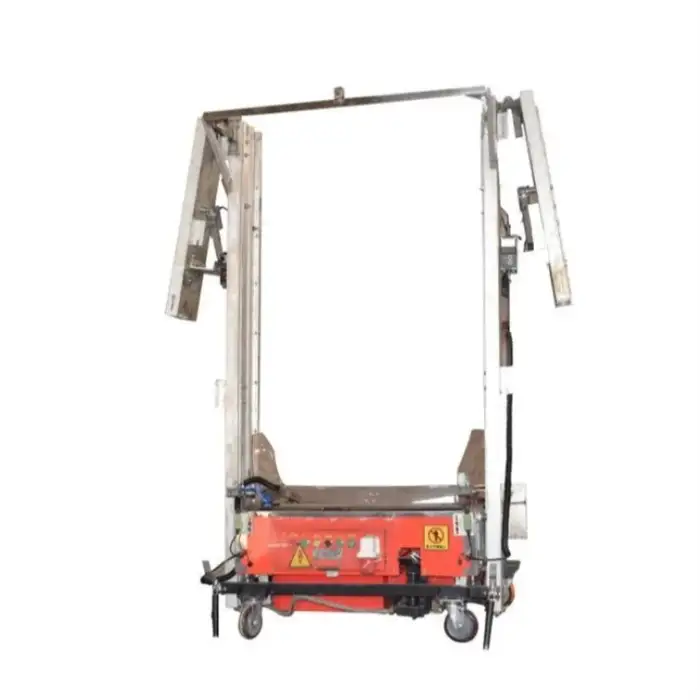
Automatic Wall Cement Rendering Plastering Machine: Innovative Concrete Machinery 800MM
- Section : Machinery
- Category : Construction Machinery
- SKU : 1600551403192

Product Description
This machine is a plastering equipment for indoor vertical walls of residential buildings and office buildings. Walls that can be wiped are: cement wall, brick-concrete wall, hollow wall, light brick wall, non-burning brick wall, etc. The applicable ash includes: white sand ash, stone powder, cement ash, foamed mortar, dry powder mortar, gypsum, etc. It can be used for plastering thickness below 3cm and plastering height below 5m.

Features
The new plaster machine can be applied to the top. Without leaving one millimeter, both yin and yang angles can be constructed in place. Moreover, the positioning is firm and fast. The use of two branches combined with traditional dotting solves the problems of slow laser positioning, difficult positioning and large errors. The use of a vibrator and an enlarged wiper board solves the problem of empty drums and cracks that are prone to manual wiper walls. This machine has the advantages of simple operation,
beautiful appearance, stable operation, strong and durable, easy to move, fast positioning, etc. Improve the utilization rate of materials and project progress

| Render Machine | |||
| Model | 800 plaster machine | Model | 1000 plaster machine |
| Plastering height | Below 4 meters | Plastering height | Below 5 meters |
| Weight | 270 kg | Weight | 290 kg |
| Plastering thickness | 2~30 mm | Plastering thickness | 2~30 mm |
| Power | 1.5 KW | Power | 1.5 KW |
| Plastering efficiency | 500 CBM/8H | Plastering efficiency | 550 CBM/8H |
| Voltage | 220 v/380 v optional | Voltage | 220 v/380 v optional |


- Shipping Timeframes: All orders are processed within 2-5 business days (excluding weekends and holidays). After your order has been processed, the estimated delivery time is before 21 Jun, 2026, depending on customs, Please note that due to high demand, some items may experience longer shipping times, which will be communicated at order confirmation email.
- Order Processing Time: Please allow 2-5 business days for us to process your order before it is shipped . Orders placed after 16:00 on Fridays, or during weekends and public holidays, will begin processing on the next business day. Processing times may be extended during peak seasons or sales events.
- Manufacturing Time: Some products needs manufacturing time, the manufacturing process will take approximately 10-30 business days depending on the product. This timeframe may vary depending on the complexity of the product and current demand. but this will be communicated with you during order confirmation.
- Returns and Exchanges: We offer a 30-day return policy for most items. If you are not completely satisfied with your purchase, you may return it within 30 days of receipt for a refund or exchange. Items must be unused, in their original packaging, and accompanied by proof of purchase. Return shipping costs are the responsibility of the customer, unless the item was damaged or defective upon arrival.
1. What types of walls can the Automatic Wall Cement Rendering Plastering Machine work on?
It is designed for indoor vertical walls including cement walls, brick-concrete walls, hollow walls, light brick walls and non-burning brick walls.
2. Which plaster/ash materials are compatible with this machine?
Compatible materials include white sand ash, stone powder, cement ash, foamed mortar, dry powder mortar and gypsum. Use well-mixed, lump-free materials suitable for machine spraying.
3. What are the maximum plastering thickness and height capabilities?
Plastering thickness: 2–30 mm (up to 30 mm / 3 cm). Maximum plastering height depends on the model: Model 800 — below 4 m; Model 1000 — below 5 m. For higher walls use scaffolding/extension systems as appropriate.
4. What is the difference between Model 800 and Model 1000?
Key differences: Model 800: weight 270 kg, plastering height below 4 m, efficiency about 500 CBM/8H. Model 1000: weight 290 kg, plastering height below 5 m, efficiency about 550 CBM/8H. Both share the same power rating and voltage options.
5. What are the power and voltage requirements?
Both models use a 1.5 kW motor. Voltage is selectable: 220 V or 380 V depending on your site electrical supply.
6. What is the machine's plastering efficiency?
Approximate productivity is: Model 800 — 500 cubic meters per 8 hours; Model 1000 — 550 cubic meters per 8 hours. Actual output depends on material, crew skill and site conditions.
7. How does the machine handle corners and edging (internal/external angles)?
The machine is designed to finish both internal (yin) and external (yang) corners accurately without leaving gaps. A dual-branch positioning system combined with traditional dotting provides fast, firm, and accurate corner positioning.
8. How does the machine prevent hollow spots and cracking often seen with manual wiping?
It uses a vibrator and an enlarged wiper board to compact the plaster and ensure an even, dense finish, reducing hollow drums and crack-prone areas common with manual wiping.
9. What safety precautions should operators follow?
Operators should wear PPE (gloves, goggles, dust mask), ensure proper electrical grounding, keep hands and loose clothing away from moving parts, disconnect power before maintenance, and follow site electrical safety rules. Only trained personnel should operate the machine.
10. How do I clean and maintain the machine after use?
Flush the pump, hoses and mixer with clean water immediately after finishing to prevent material hardening. Remove and clean the wiper board and nozzles. Inspect seals, hoses and the vibrator for wear. Perform routine lubrication and electrical checks as recommended by the supplier.
11. What regular maintenance schedule is recommended?
Daily: clean machine and inspect hoses/nozzles. Weekly: check fasteners, belts, seals and vibrator function. Monthly: inspect motor, bearings and electrical connections. Replace worn parts promptly to maintain performance.
12. What accessories or spare parts are typically needed or available?
Common accessories/spares include spray/nozzle assemblies, wiper boards, hoses, seals, vibrator unit, mixer paddles, motors/controllers and electrical components. Availability depends on the supplier—order spares in advance for continuous work.
13. Is operator training required and is training available?
Yes—operator training is strongly recommended to achieve safe, efficient operation and optimal finish. Many suppliers offer on-site or remote training; confirm availability when purchasing.
14. Can the machine be used outdoors or on uneven/curved surfaces?
The machine is primarily intended for indoor vertical walls. Minor unevenness can be managed, but curved or highly irregular surfaces and outdoor exposed works may require specialized equipment or adaptations. Consult the supplier for specific use cases.
15. What warranty, after-sales support or delivery information is available?
Warranty and after-sales support vary by manufacturer/supplier. Typical offerings include limited warranties on major components and paid support/spare parts supply. Contact the seller or authorized distributor for exact warranty terms, lead time, shipping and local service options.
Latest Order Arrivals
Discover our latest orders
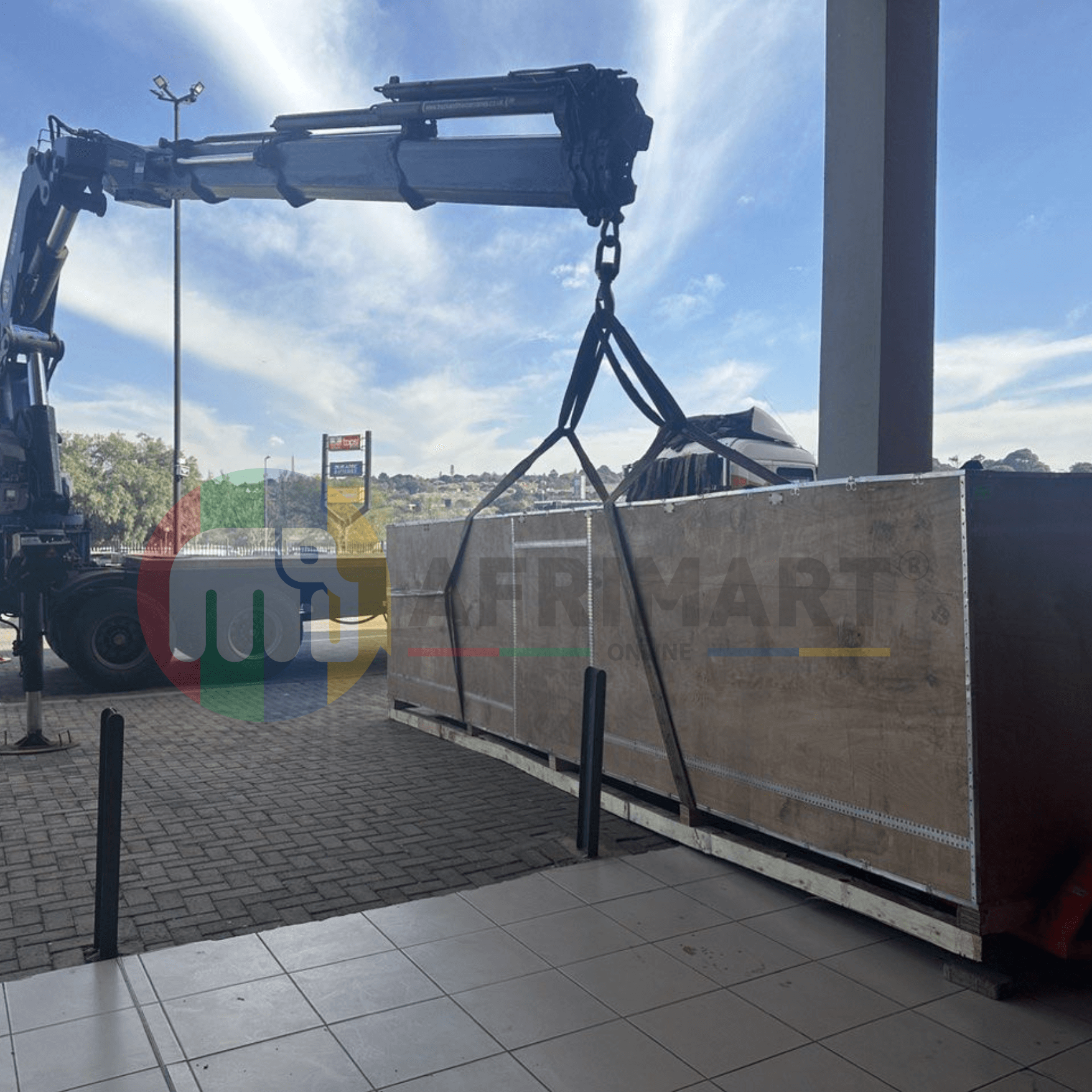
12 Heads Embroidery Machine
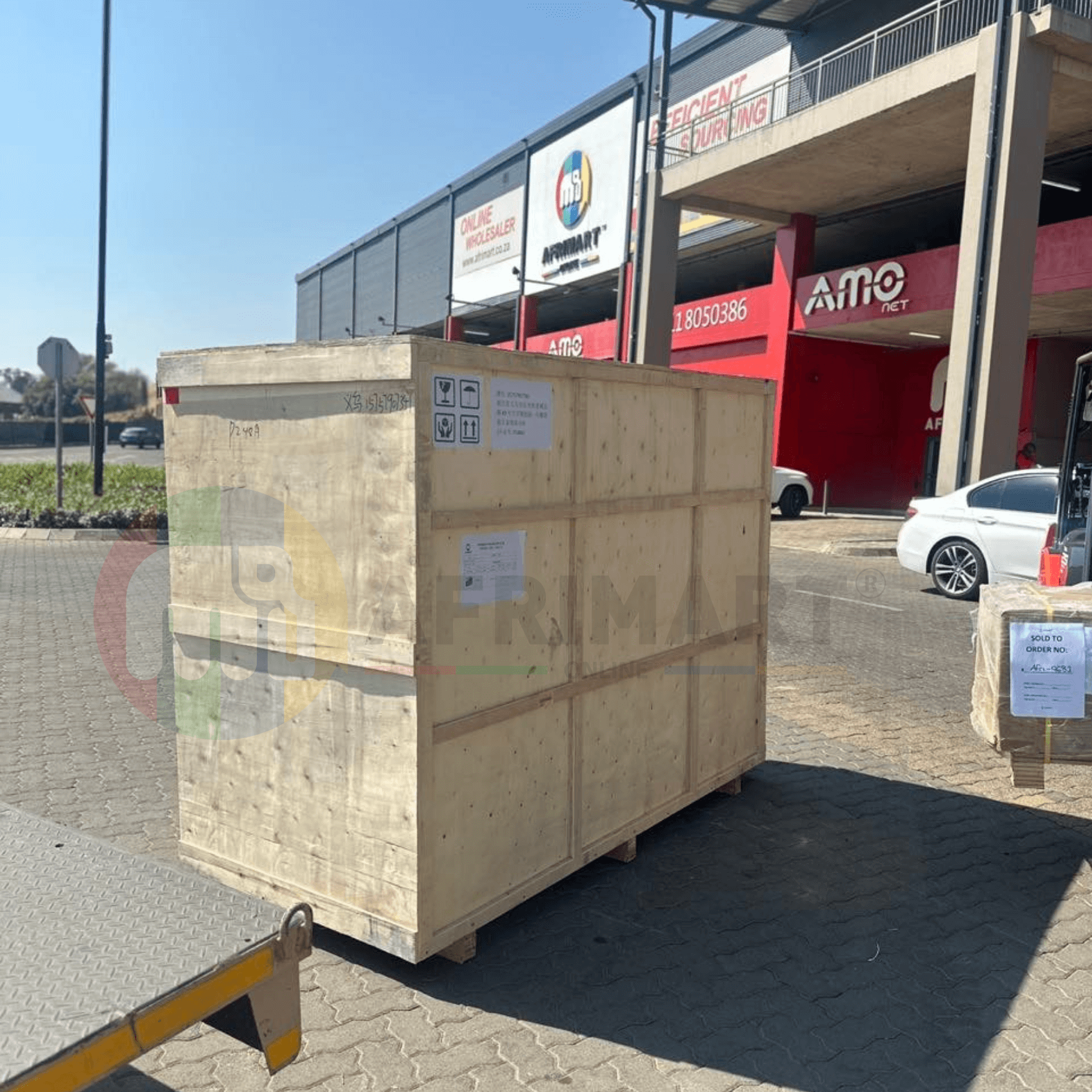
Dewatering Pump Machine
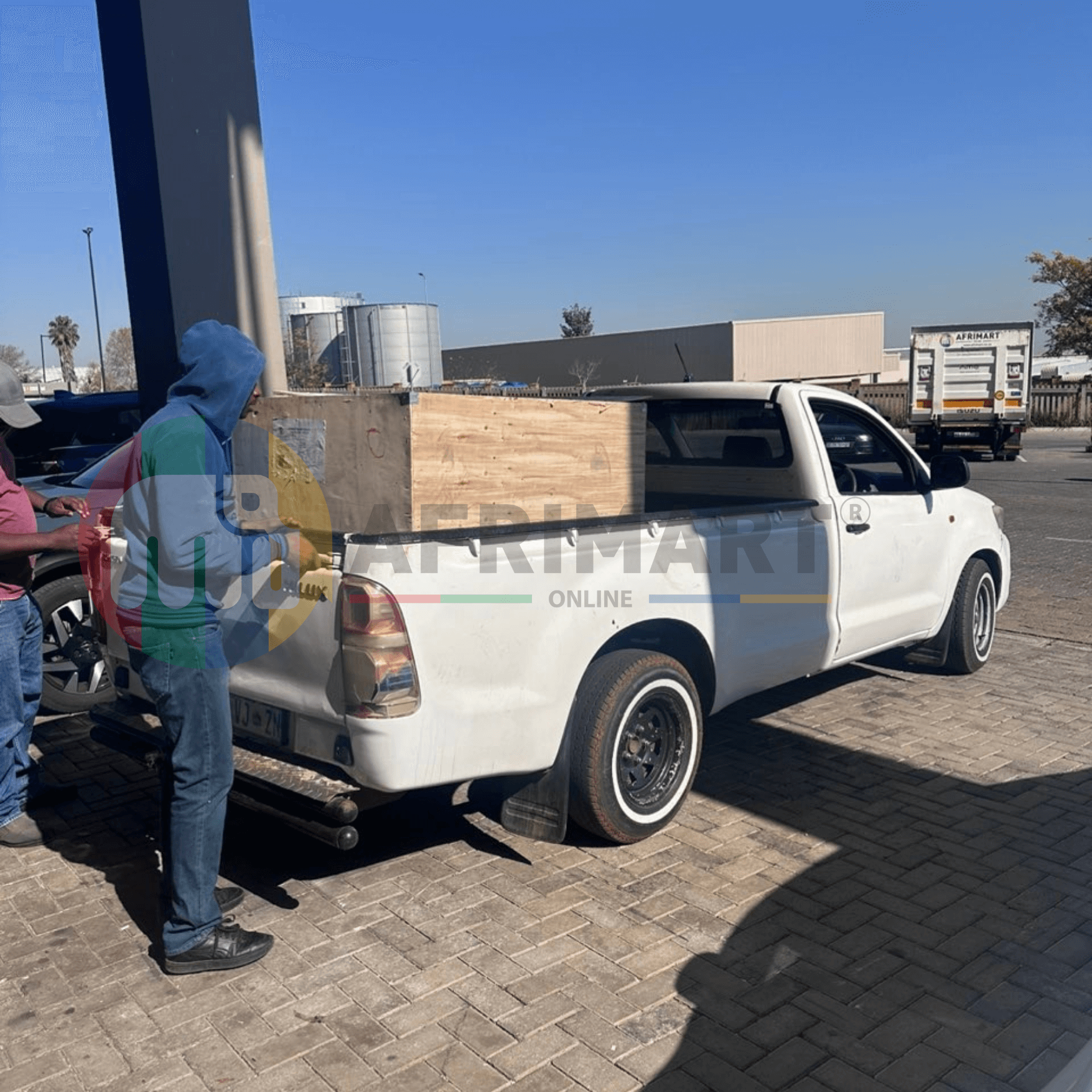
Order Collection
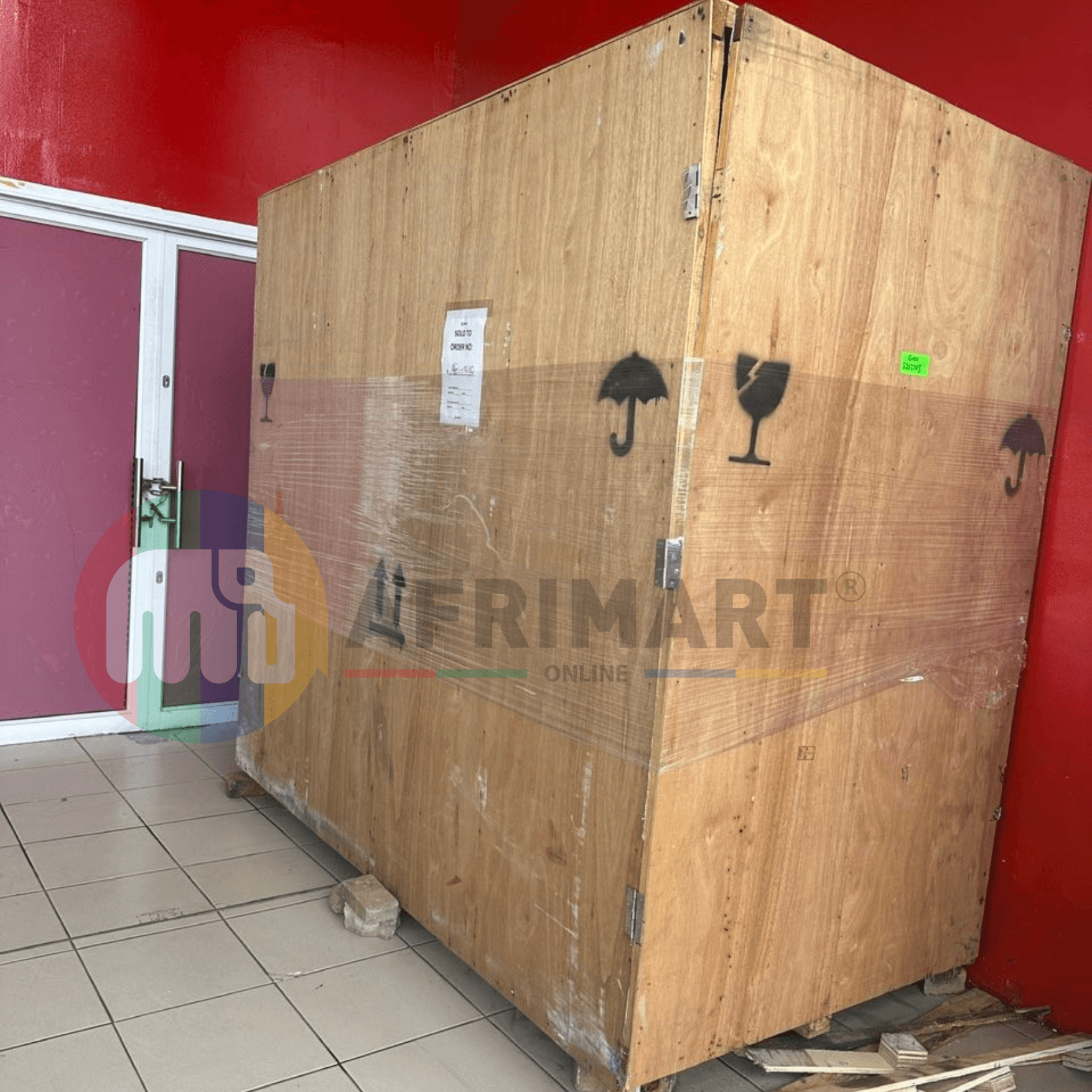
Portable Water Drilling Rig
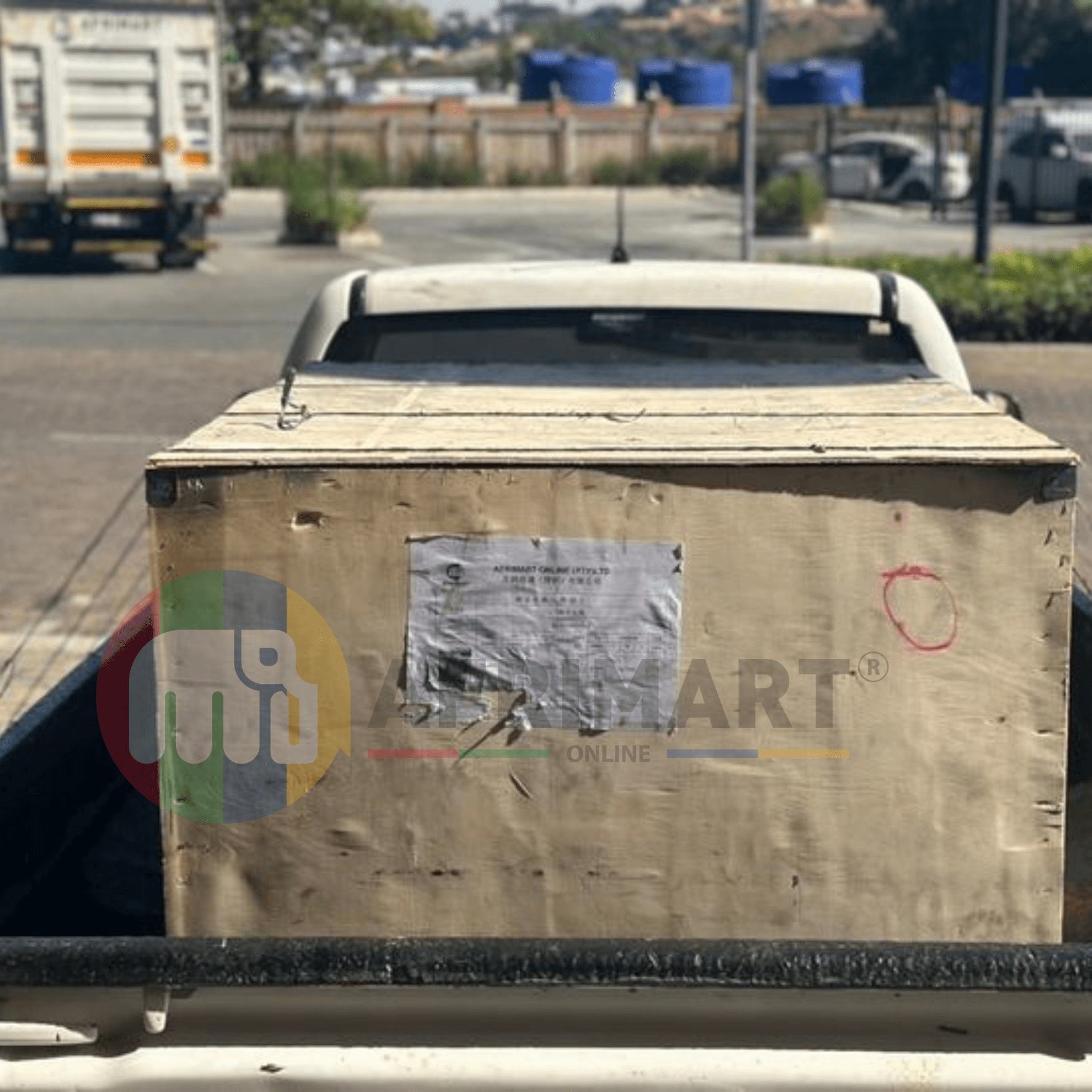
Order Usefully Collected
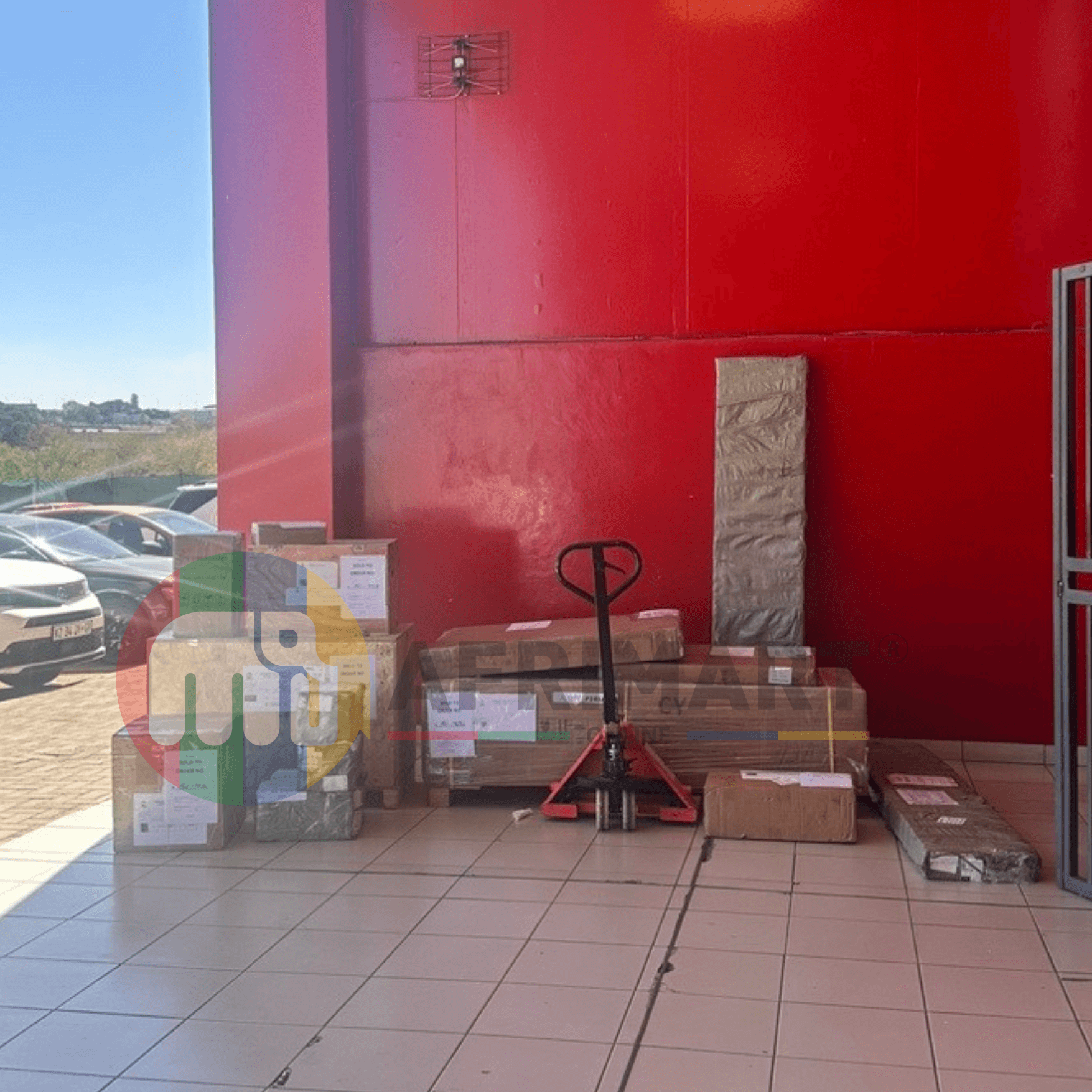
Batch of Orders
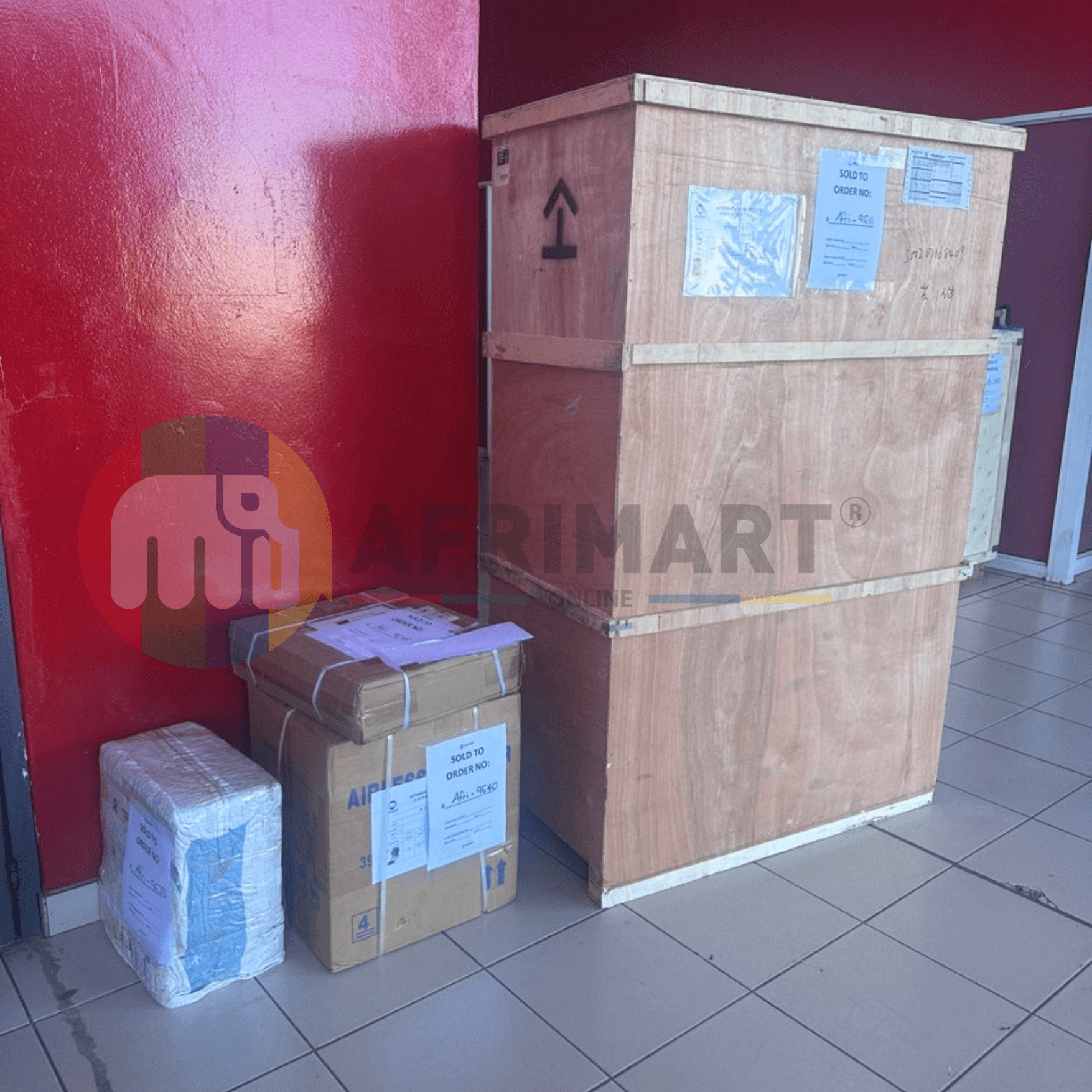
Agriculture Processing Machines
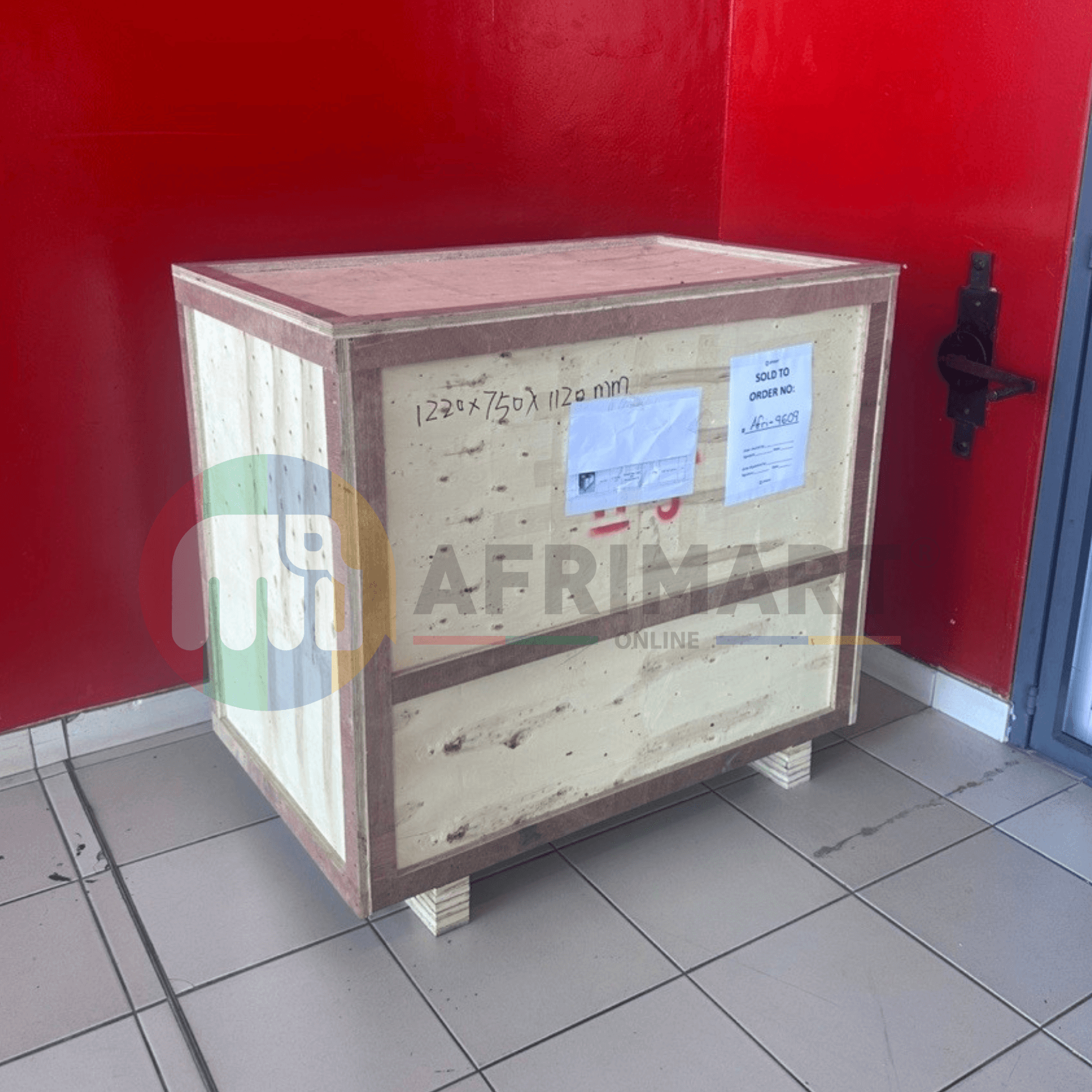
Meat Grinder Machine
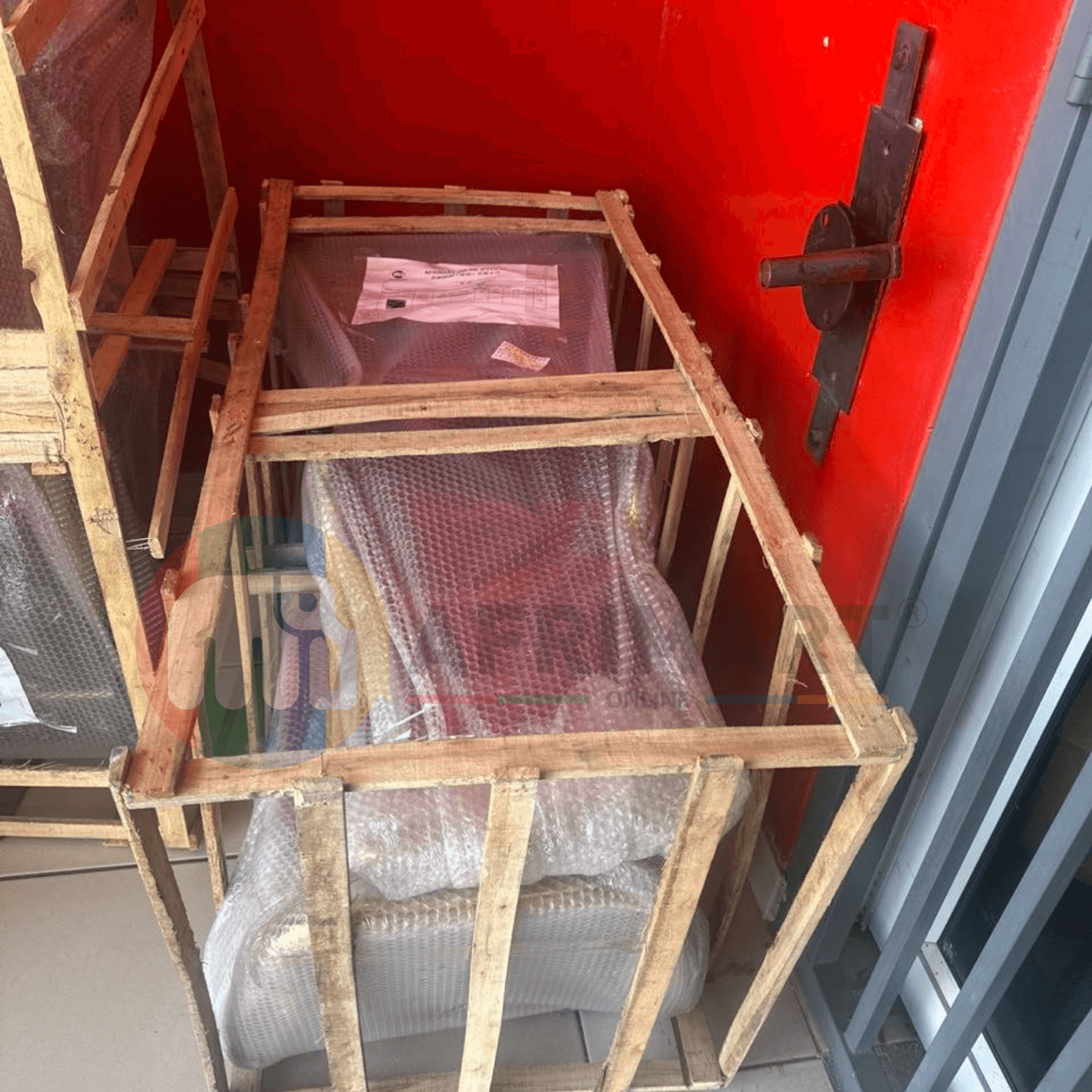
Water Pump Equipment
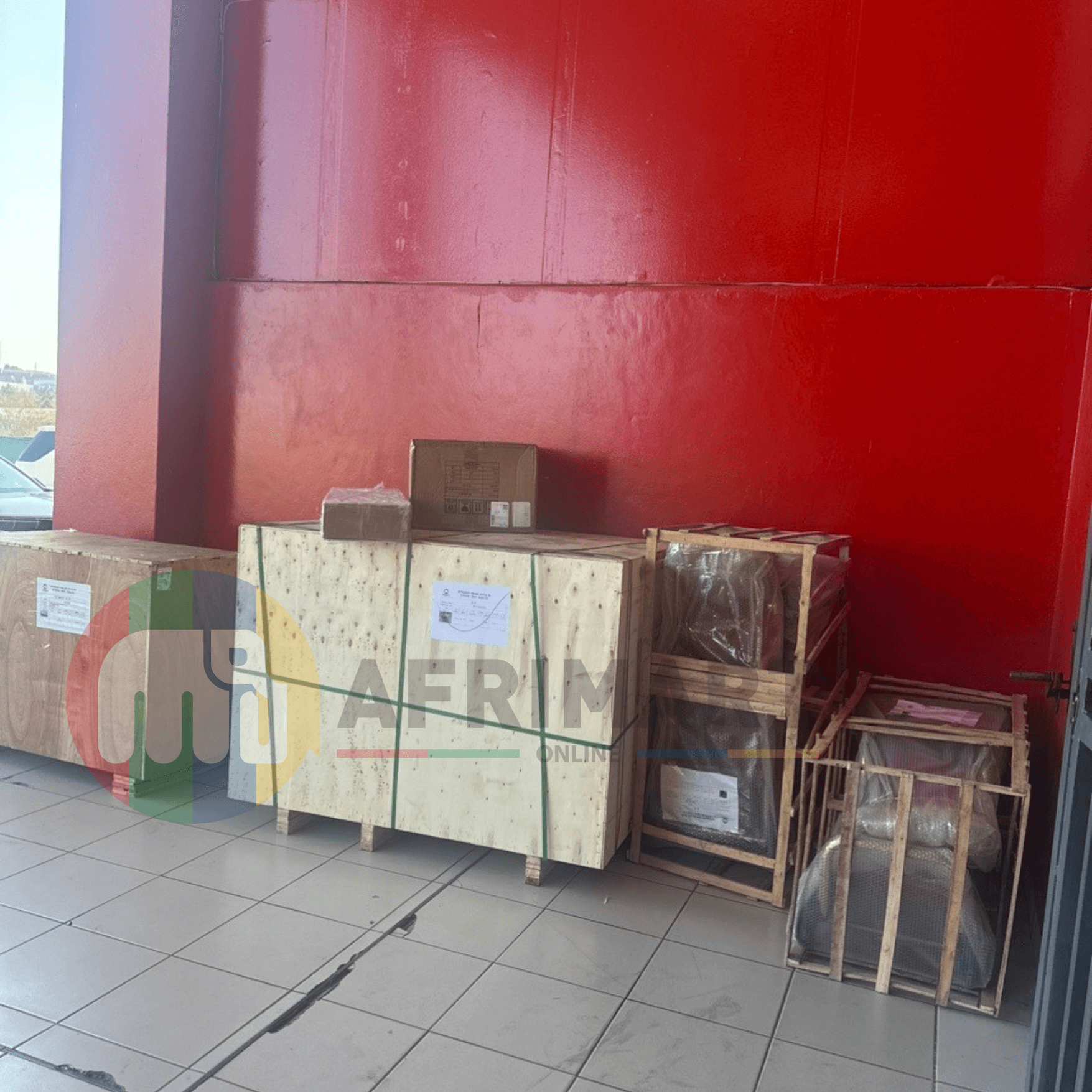
Packaging Machine and accessories
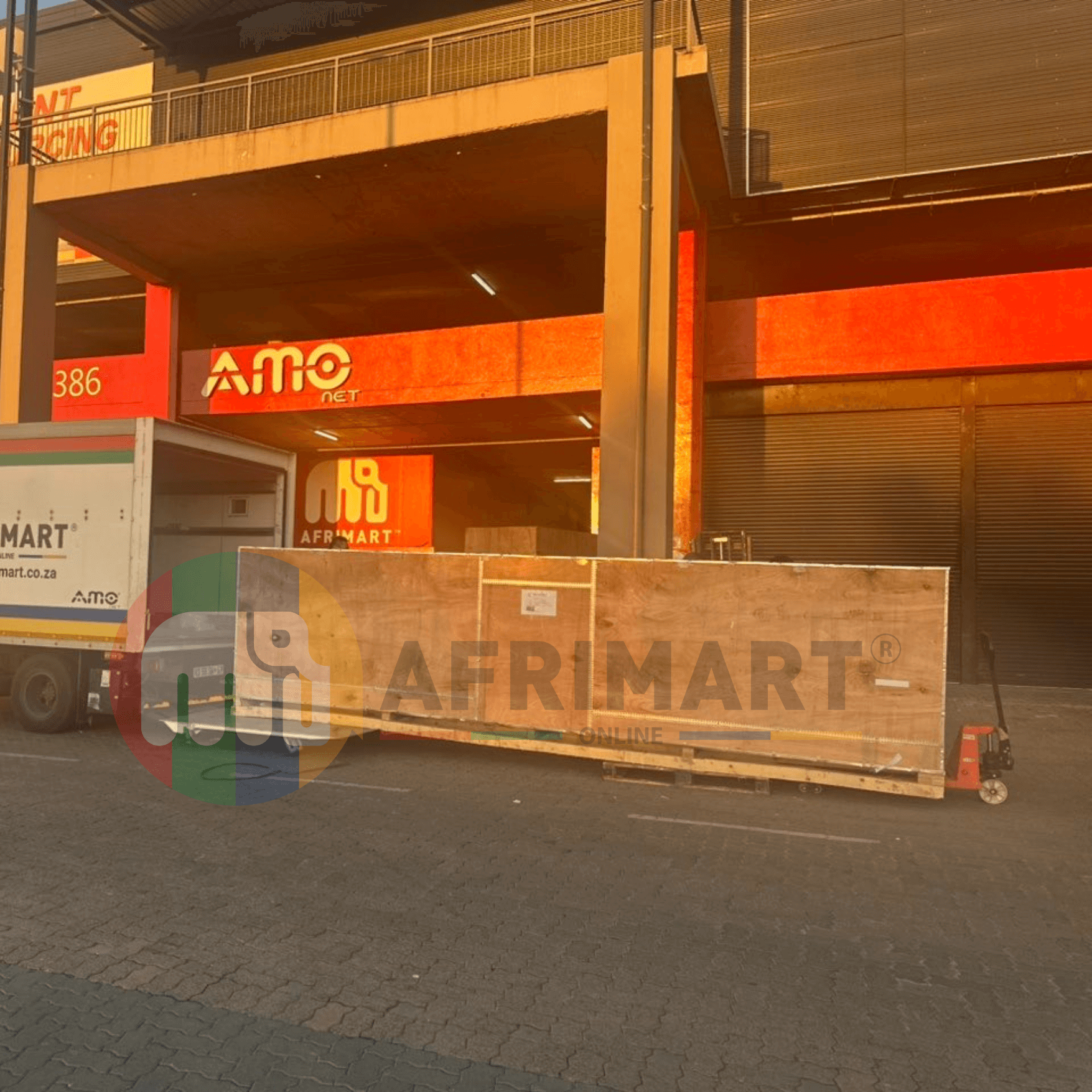
Fabrics Manufacturing Equipment
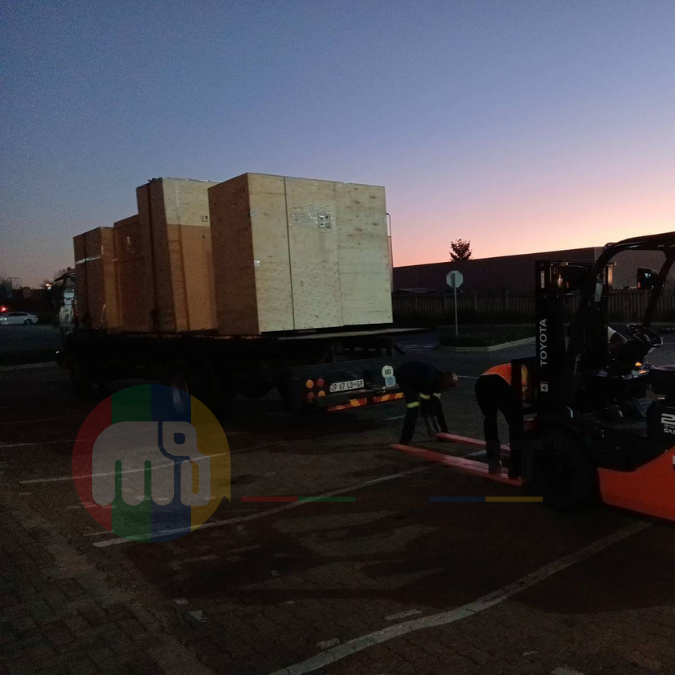
Mining Equipments
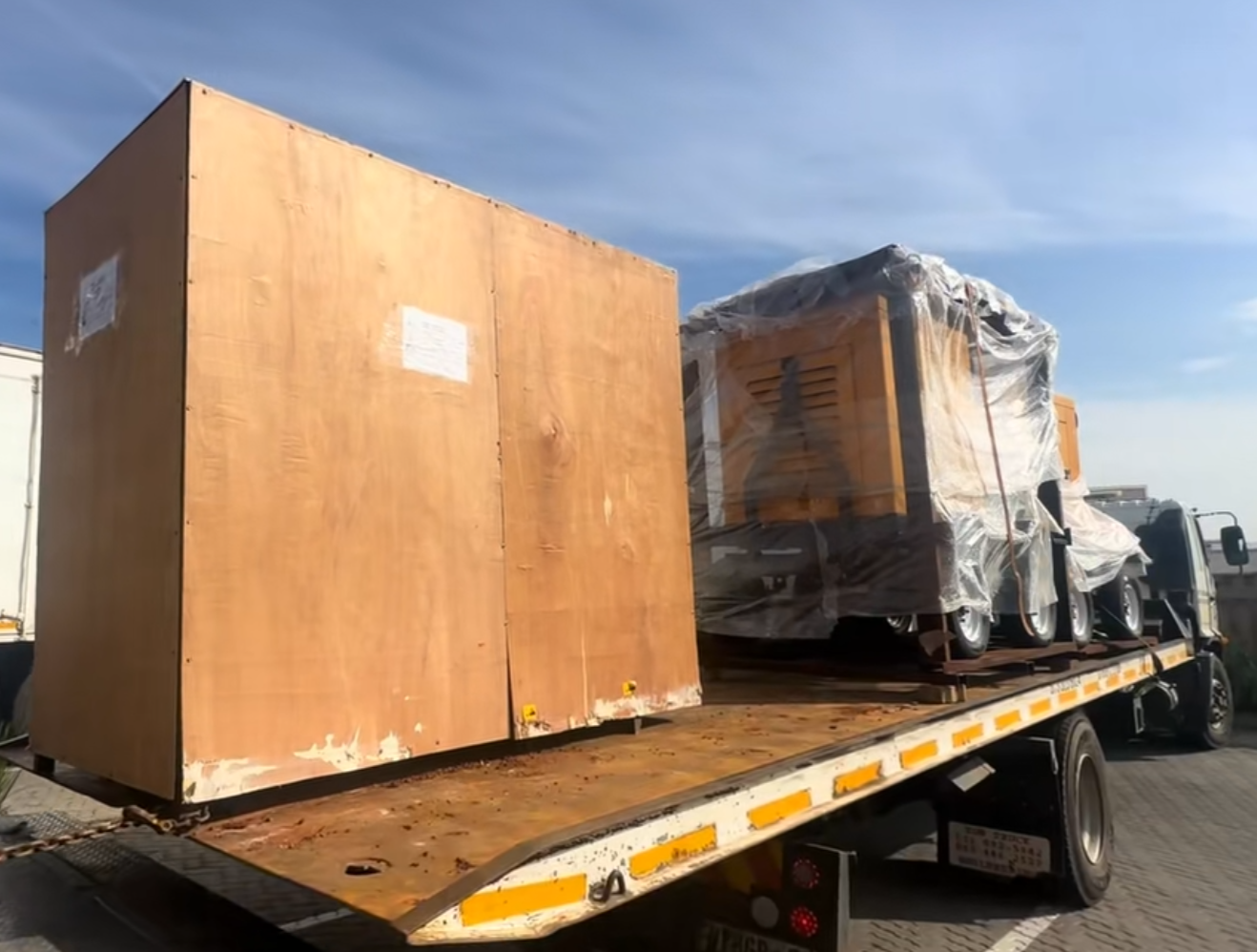
Food Processing Machine
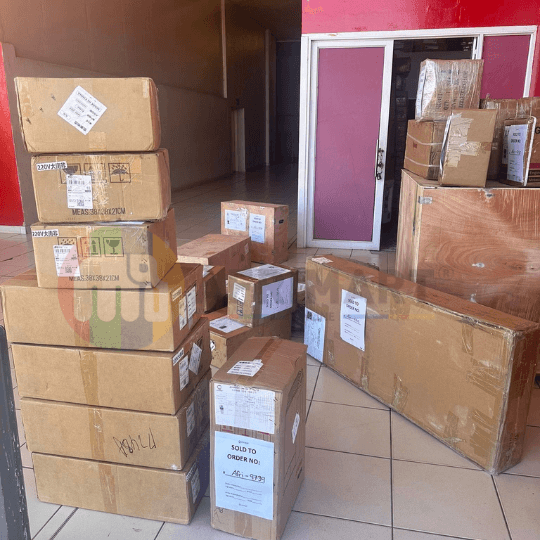
Batch of Orders
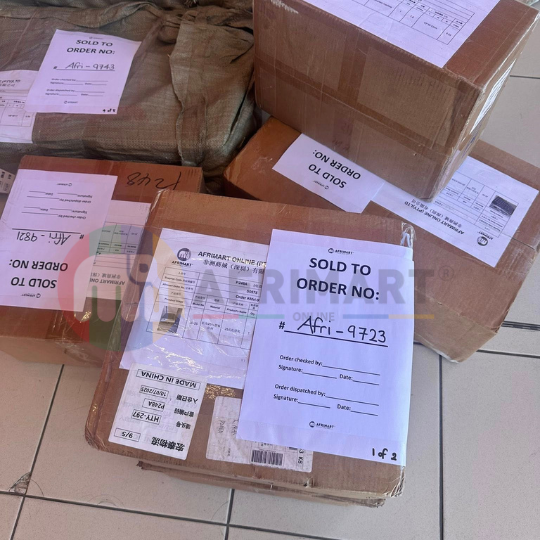
Batch of Orders
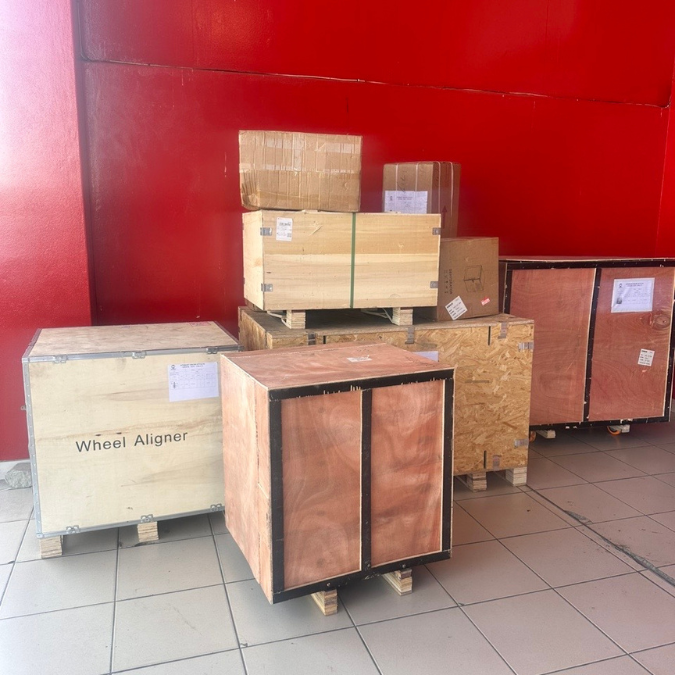
Latest Orders Labelled
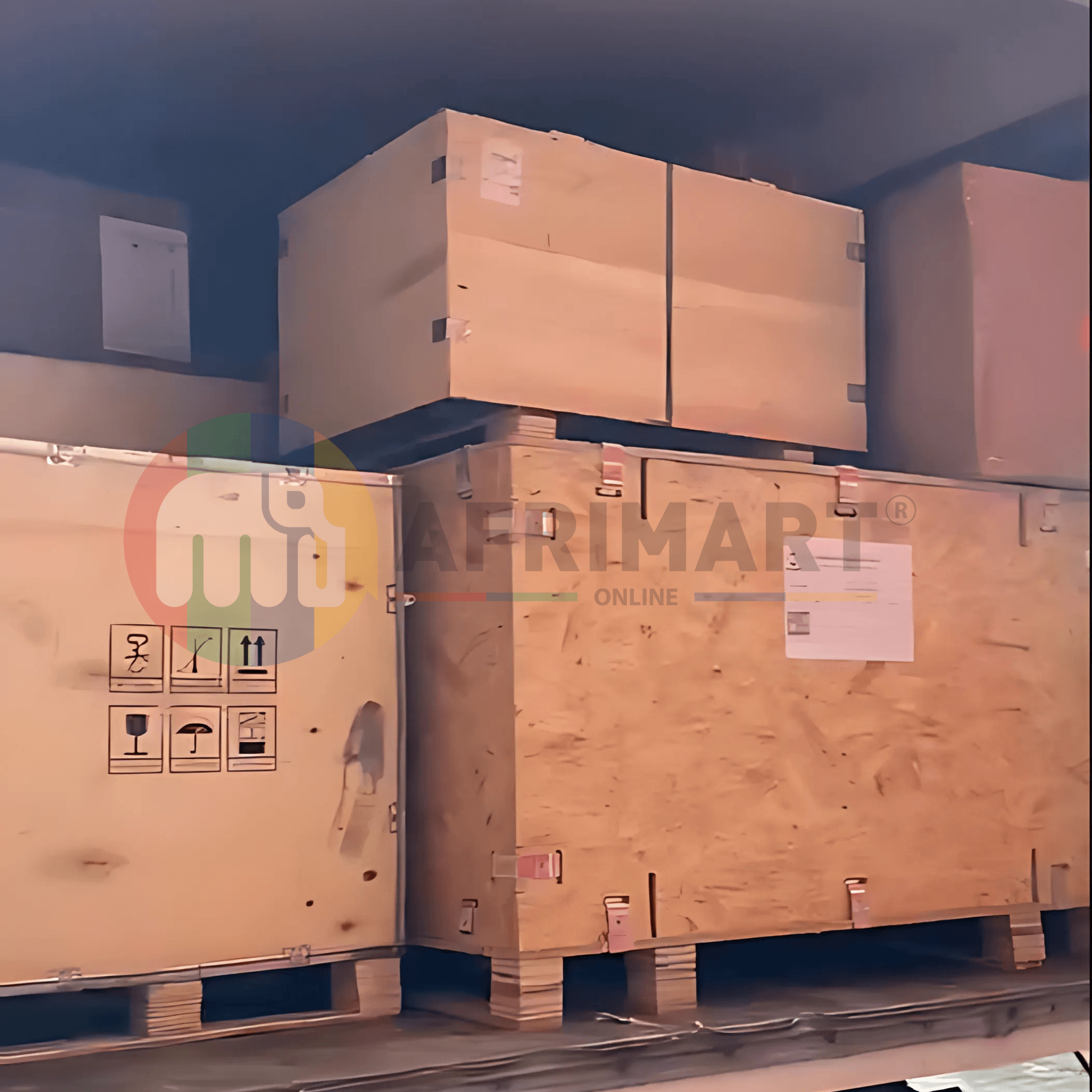
wheel alignment machines
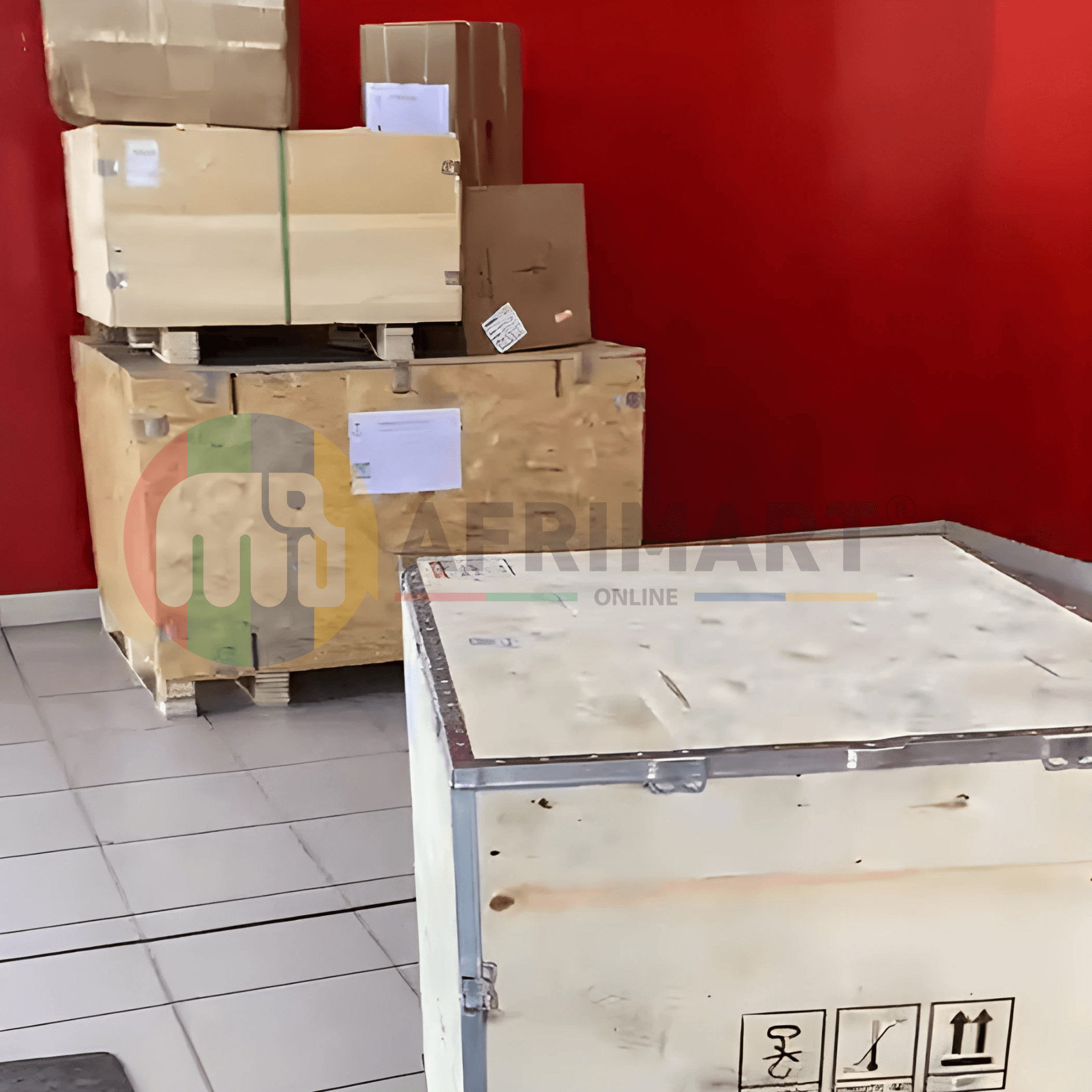
new arrivals
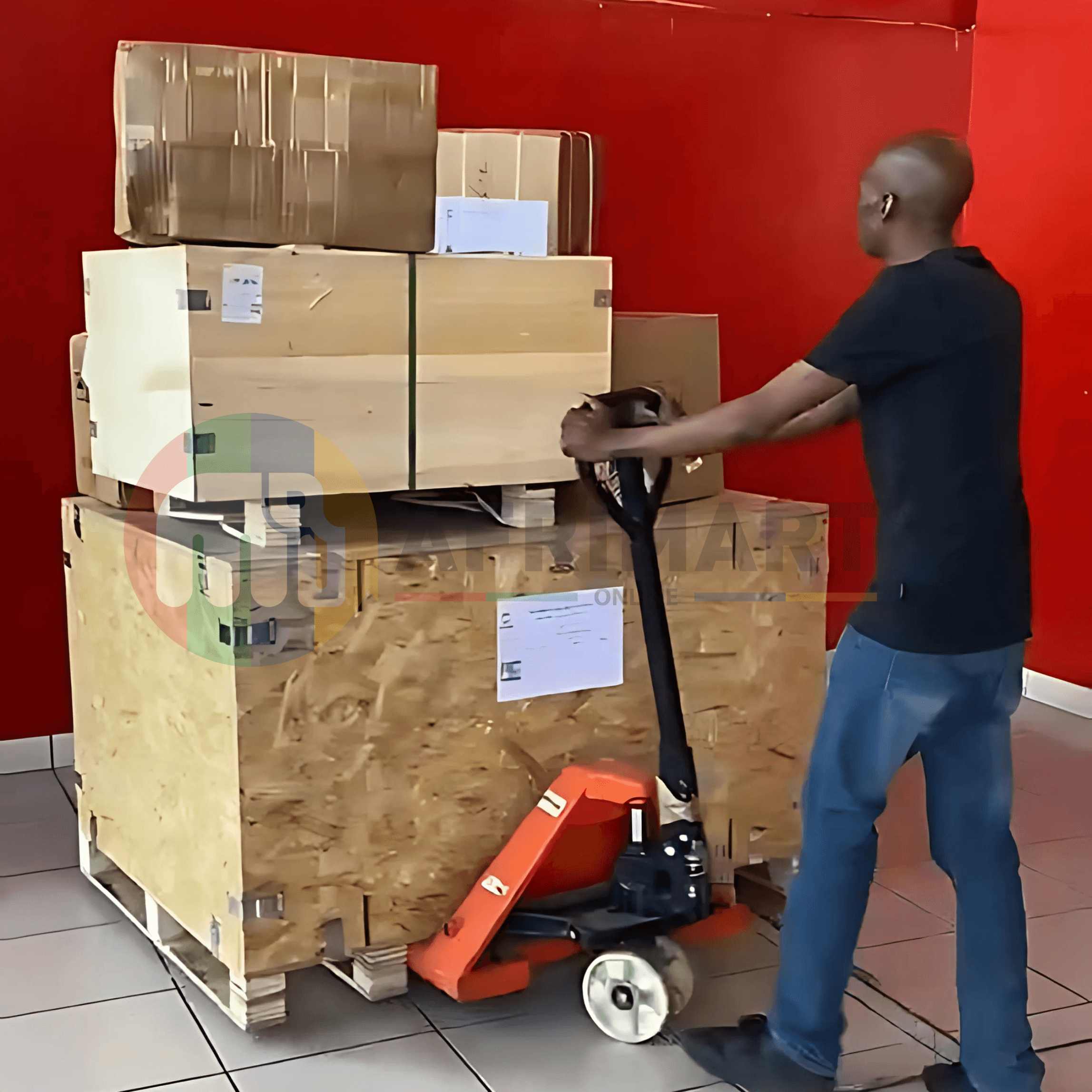
Pre Orders Offloading
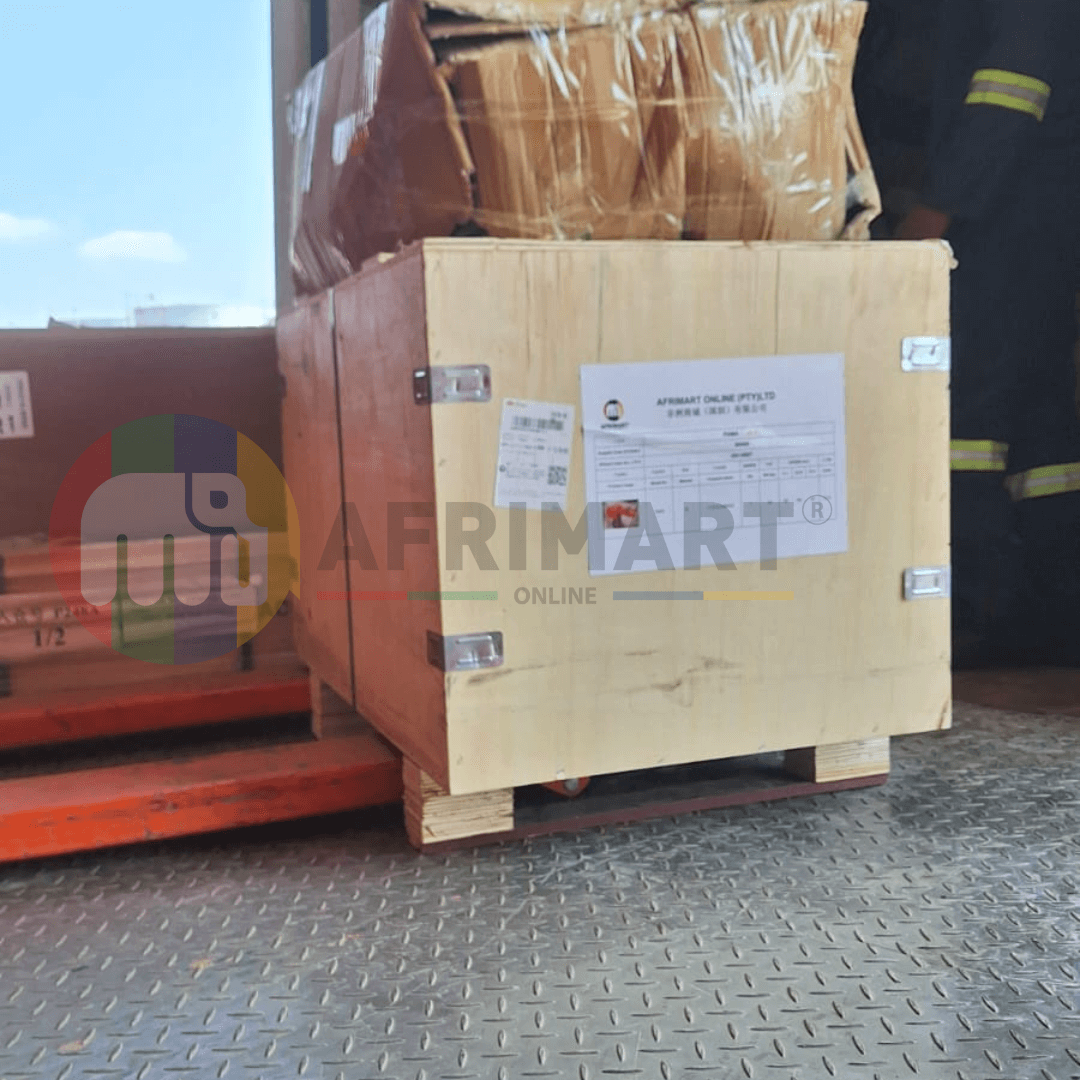
Latest Arrivals
Latest Arrivals
Latest Arrivals
26 January 2026
Toilet paper making machine
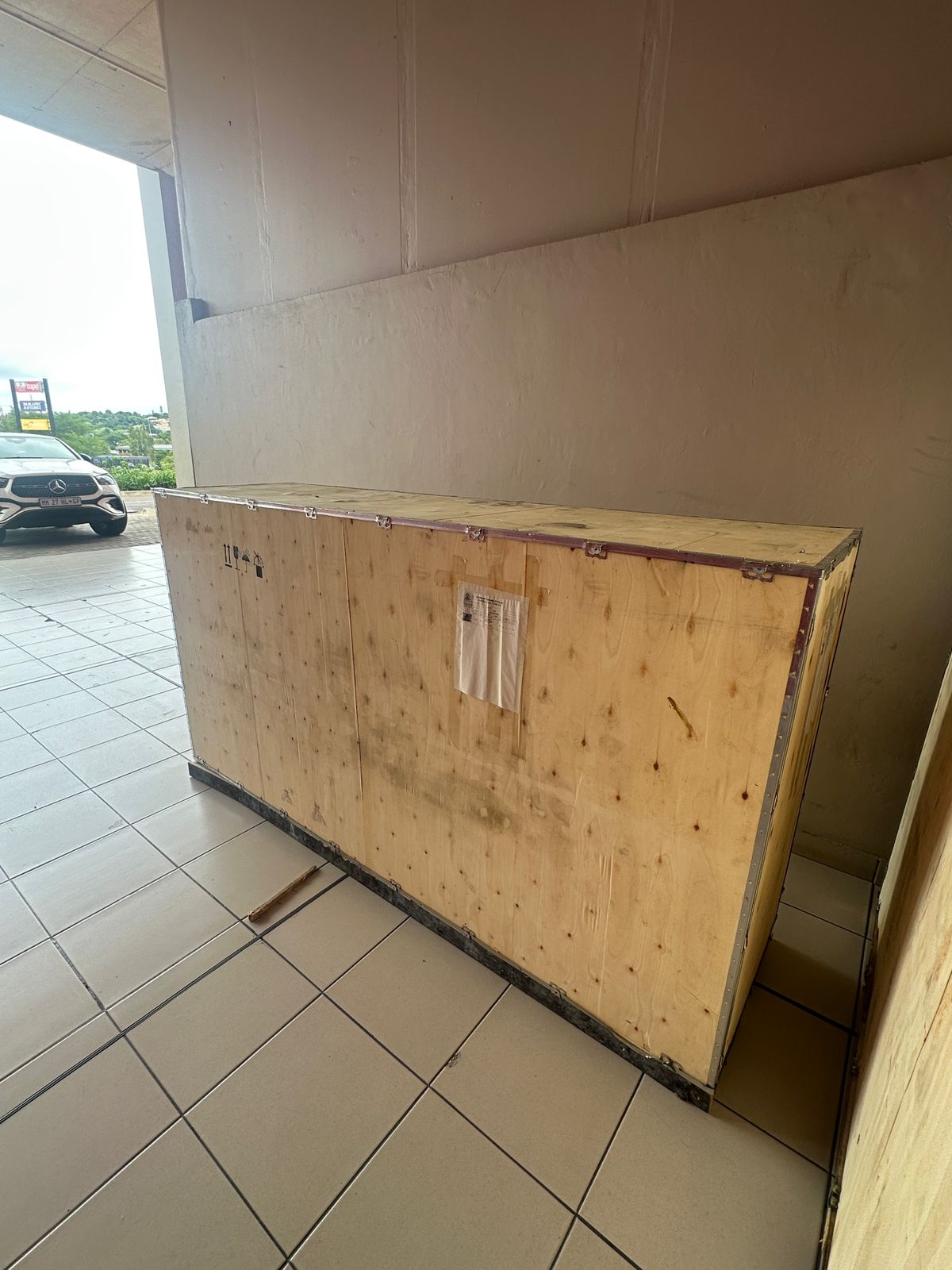
Toilet paper making machine
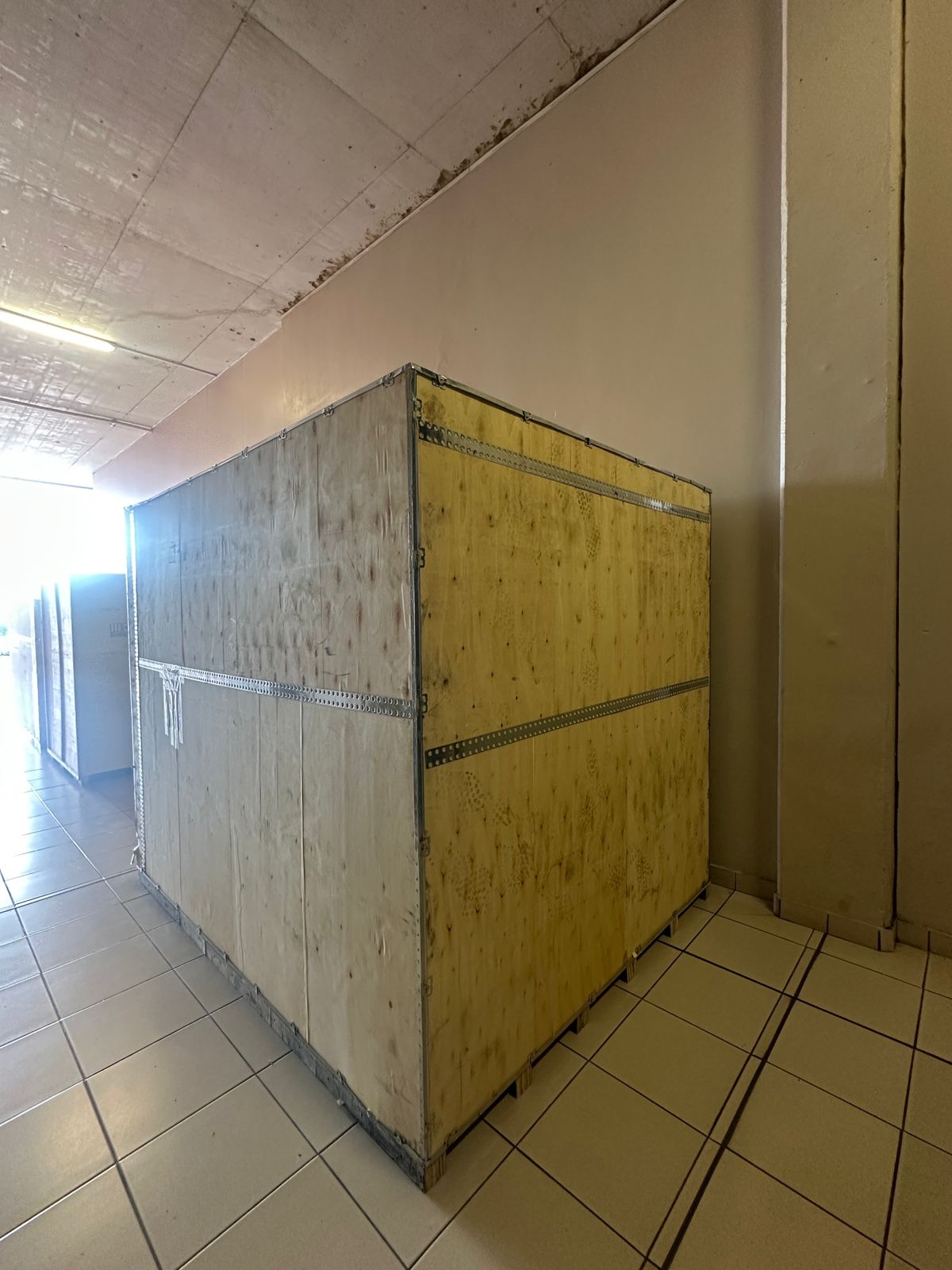
Toilet paper Rewinding Machine
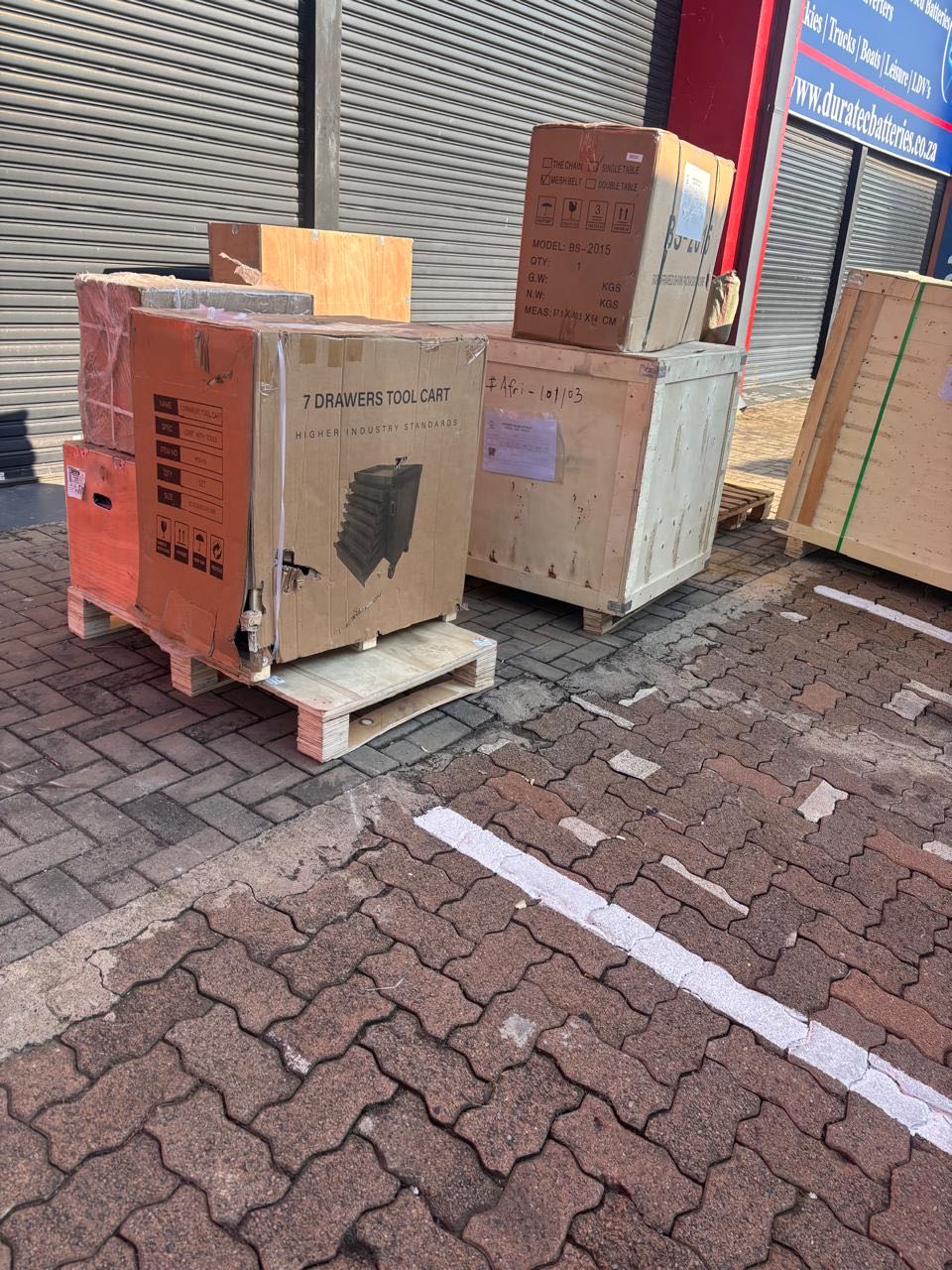
latest arrivals
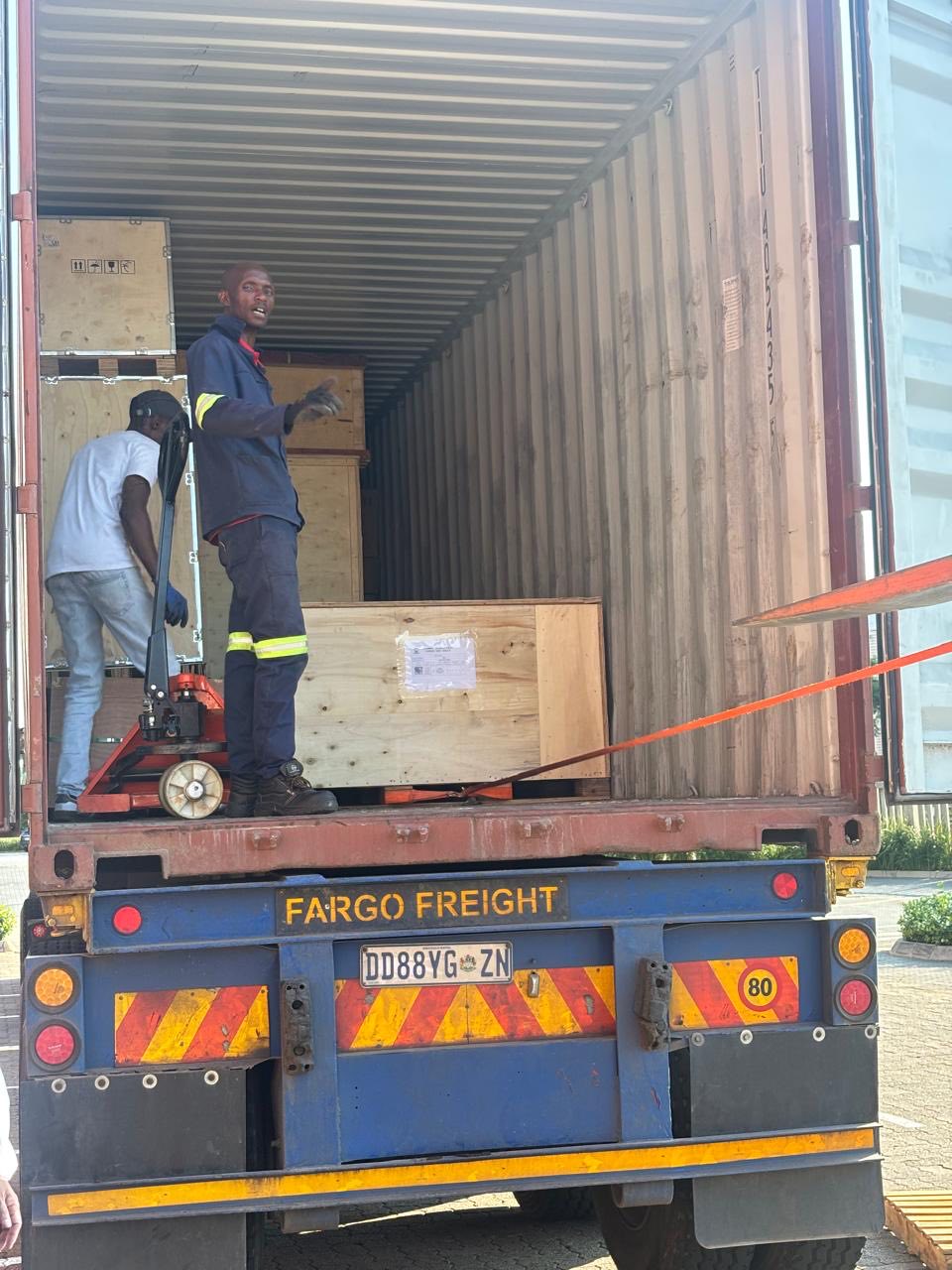
offloading
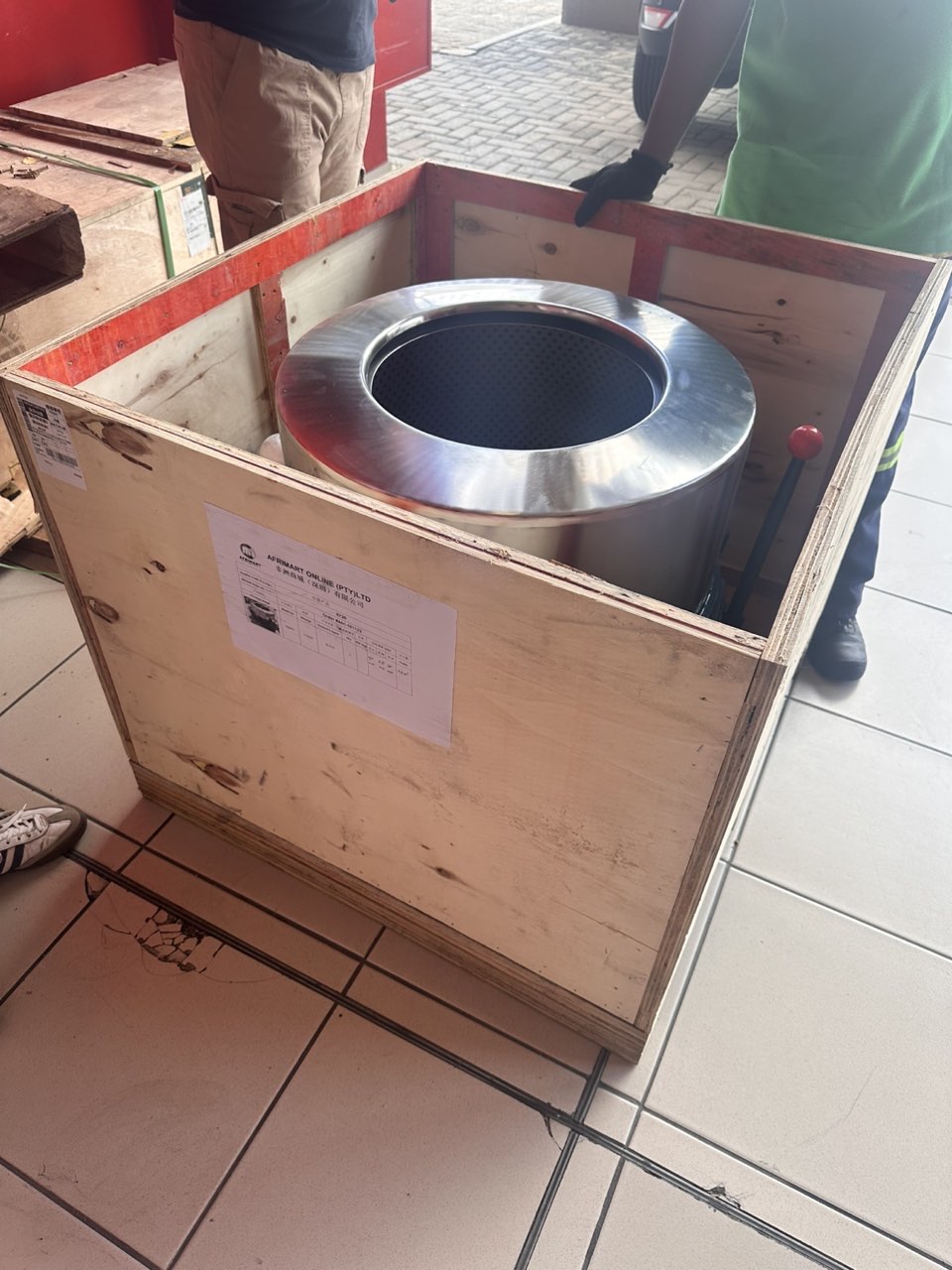
order success
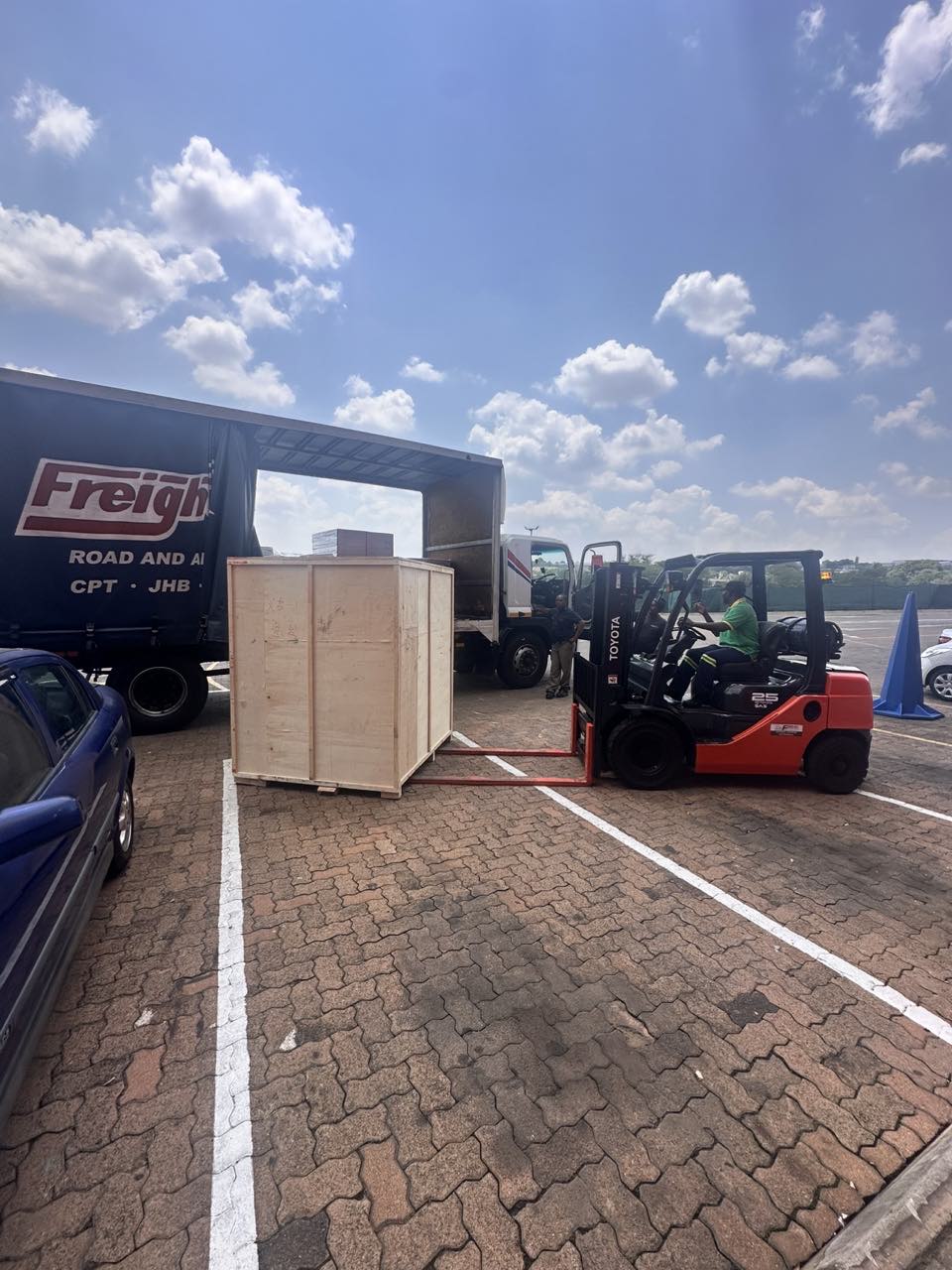
order collection
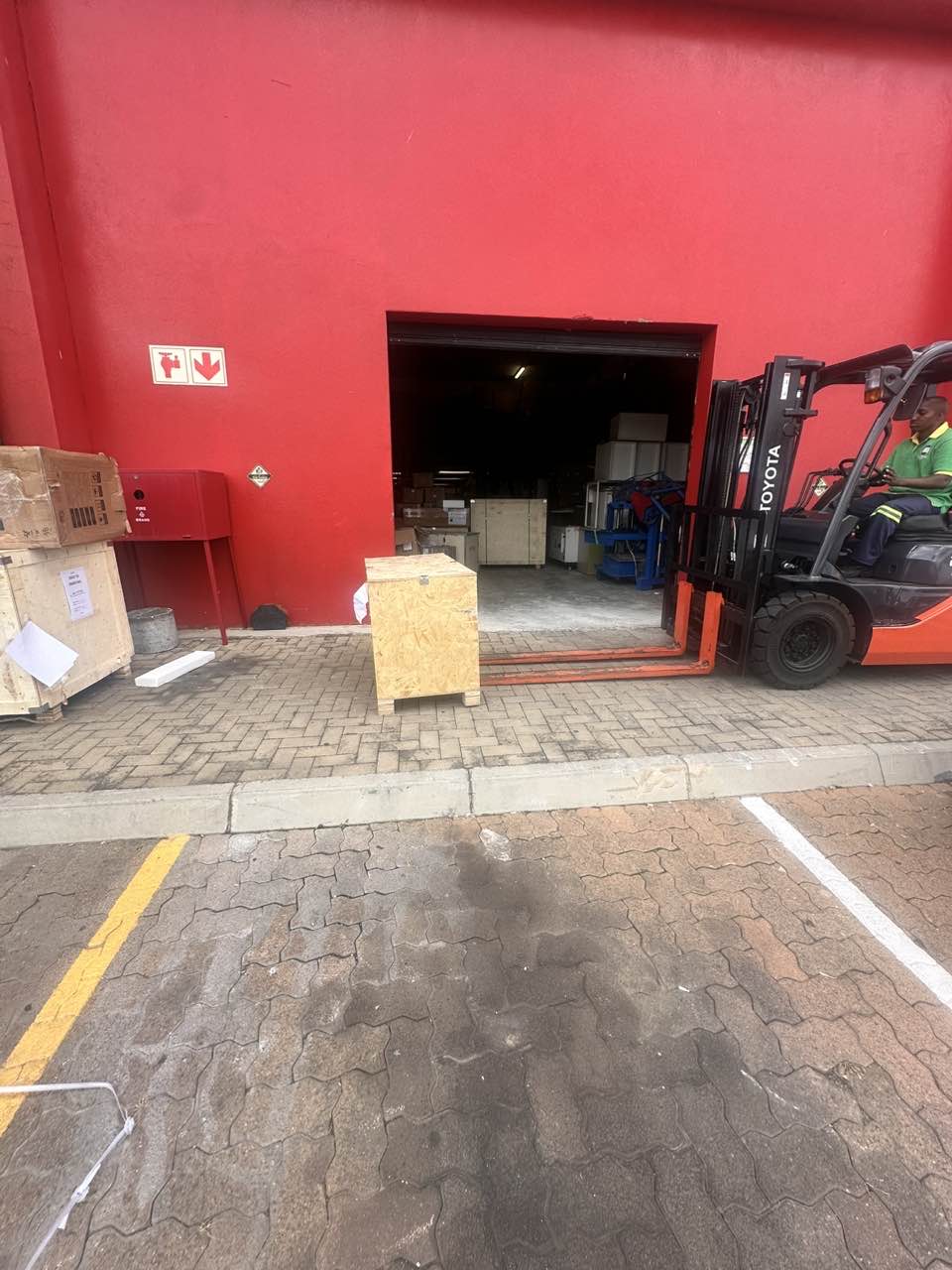
order offloading