B21, China Town Mall, Midrand


Automatic single column robot case palletizer machine
Asset finance available
Do you want funding for this equipment?
Afrimart can connect you with trusted funding partners who specialise in asset finance for businesses like yours. Compare options and apply in minutes — final approval is subject to provider review.
Check funding options
Secure & no obligation

- Section : Machinery
- Category : Packaging Machines
- SKU : 1600791601345

Products Description
New Automatic single column robot case palletizer machine in produce line palletizer machine automatic


| Horizontal conveying motor power | 0.75kw |
| Climbing transmission | 0.75kw |
| Bags vibration and finishing device | 0.75kw |
| Grasping device | 0.75kw |
| Grabbing power | 0.75kw |
| Host rotation power | 1.5kw |
| Y-axis rotation power | 3kw |
| Lifting device | 3kw |


- Shipping Timeframes: All orders are processed within 2-5 business days (excluding weekends and holidays). After your order has been processed, the estimated delivery time is before 03 Aug, 2026, depending on customs, Please note that due to high demand, some items may experience longer shipping times, which will be communicated at order confirmation email.
- Order Processing Time: Please allow 2-5 business days for us to process your order before it is shipped . Orders placed after 16:00 on Fridays, or during weekends and public holidays, will begin processing on the next business day. Processing times may be extended during peak seasons or sales events.
- Manufacturing Time: Some products needs manufacturing time, the manufacturing process will take approximately 10-30 business days depending on the product. This timeframe may vary depending on the complexity of the product and current demand. but this will be communicated with you during order confirmation.
- Returns and Exchanges: We offer a 30-day return policy for most items. If you are not completely satisfied with your purchase, you may return it within 30 days of receipt for a refund or exchange. Items must be unused, in their original packaging, and accompanied by proof of purchase. Return shipping costs are the responsibility of the customer, unless the item was damaged or defective upon arrival.
1. What is the main function of the Automatic single column robot case palletizer machine?
The main function of the Automatic single column robot case palletizer machine is to efficiently stack and organize cases onto pallets in a production line, enhancing productivity and reducing manual labor.
2. What is the motor power requirement for the horizontal conveying system?
The horizontal conveying motor requires 0.75kw of power.
3. How does the climbing transmission work in this palletizer machine?
The climbing transmission, powered by a 0.75kw motor, elevates cases to the desired height for palletizing, ensuring smooth and efficient operation.
4. What type of bags or products can this palletizer handle?
The palletizer can handle various types of bags and cases typically used in production lines, making it versatile for different products.
5. What is the role of the grasping device in the palletizer?
The grasping device, also powered by 0.75kw, is designed to securely pick up and place cases onto pallets, ensuring stability and precision during the palletizing process.
6. What is the maximum weight the grabbing power can handle?
The grabbing power of the device is capable of handling standard case weights, but specific limits depend on the design and material of the cases being used.
7. Can the host rotation speed be adjusted?
Yes, the host rotation power is 1.5kw, and it can typically be adjusted to accommodate different case sizes and palletizing requirements.
8. What does the Y-axis rotation power indicate?
The Y-axis rotation power of 3kw indicates the machine's ability to rotate cases in a vertical plane, allowing for precise placement on the pallet.
9. How does the lifting device function in the palletizer?
The lifting device, powered by a 3kw motor, elevates the cases to the appropriate height for stacking, ensuring that the palletizing process is efficient and reliable.
10. Is this palletizer machine suitable for high-speed production lines?
Yes, the Automatic single column robot case palletizer machine is designed for high-speed production lines, significantly improving efficiency compared to manual stacking.
11. What are the maintenance requirements for this machine?
Regular maintenance includes checking motor functions, lubricating moving parts, and ensuring that sensors and grasping devices are clean and operational.
12. Is operator training required for using the palletizer?
Yes, operator training is recommended to ensure safe and effective operation of the palletizer, including understanding its controls and maintenance procedures.
13. What safety features are included in this palletizer machine?
Safety features may include emergency stop buttons, safety guards, and sensors to prevent collisions, ensuring safe operation in a busy production environment.
14. Can the palletizer be integrated with existing production lines?
Yes, the Automatic single column robot case palletizer machine is designed for easy integration with existing production lines, enhancing overall efficiency without major modifications.
15. What is the warranty period for this palletizer machine?
The warranty period typically varies by manufacturer, but it usually covers parts and labor for a specified time frame after purchase, often around one year.
Latest Order Arrivals
Discover our latest orders
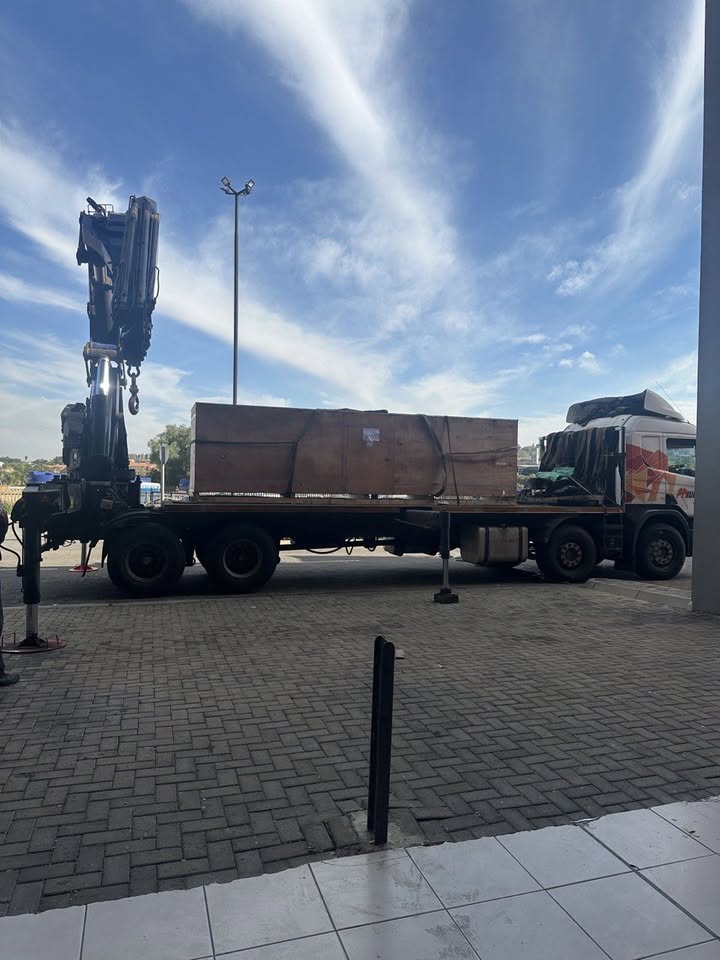
12 Heads Embroidery Machine
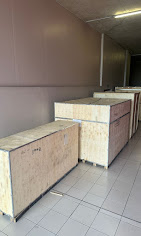
Toilet Paper Machine Machine
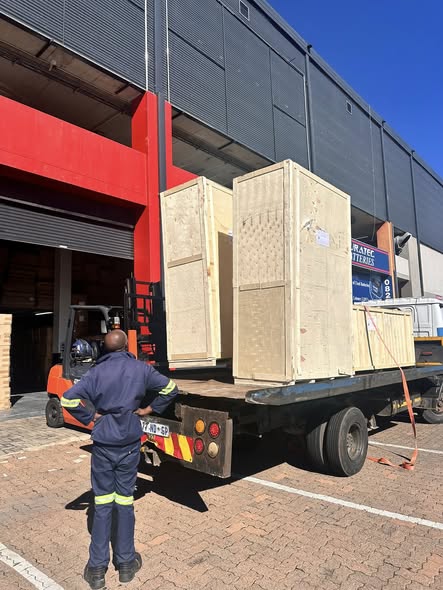
Order Collection
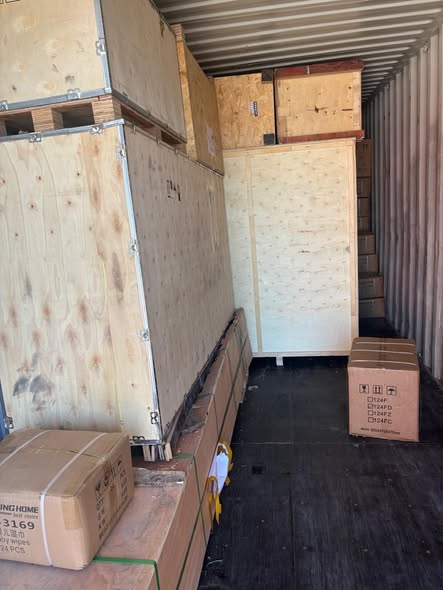
Cross Border Clients
Order cros border countries Collected
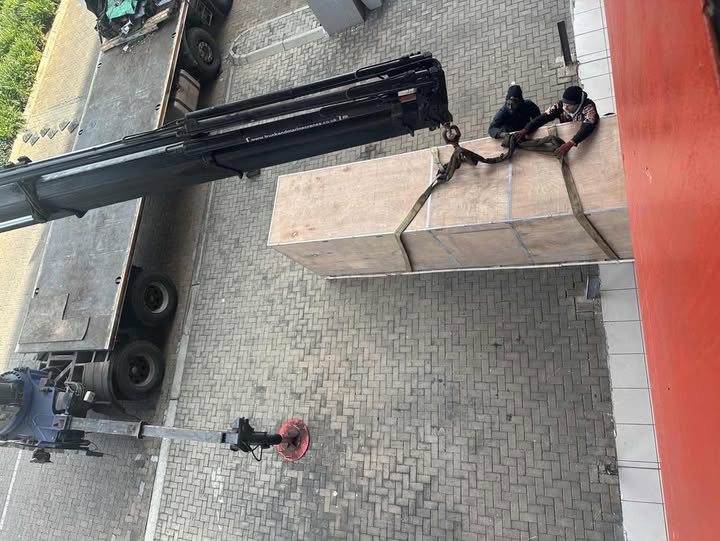
Industrial Machine Cllection
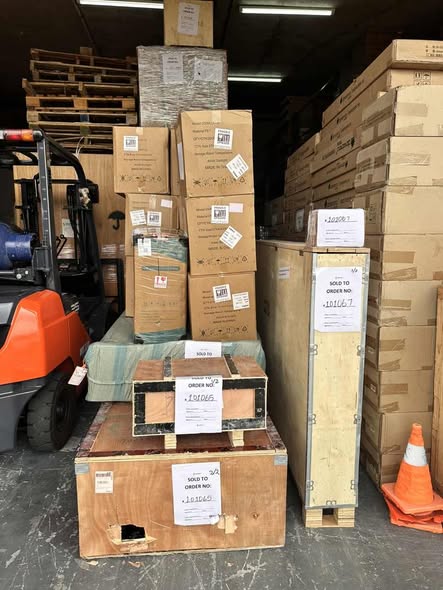
Agriculture Processing Machines
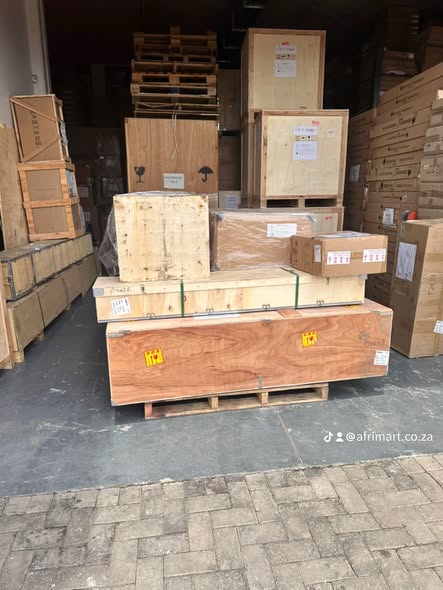
Ready for collection
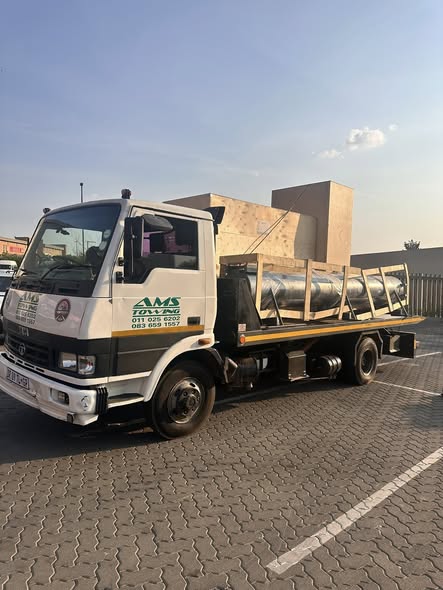
Water Pump Equipment
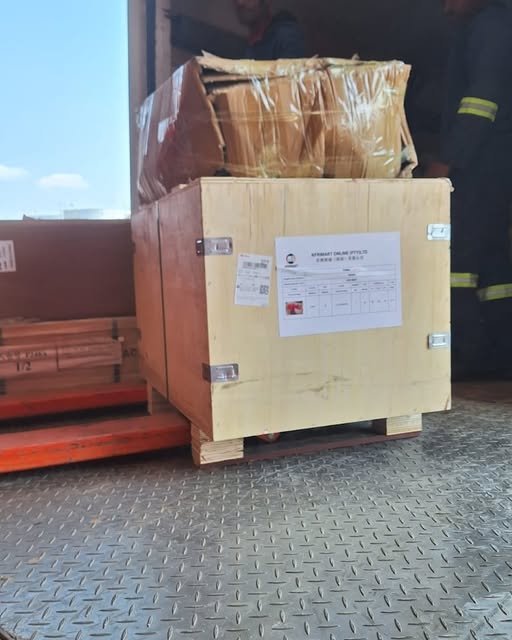
Packaging Machine and accessories
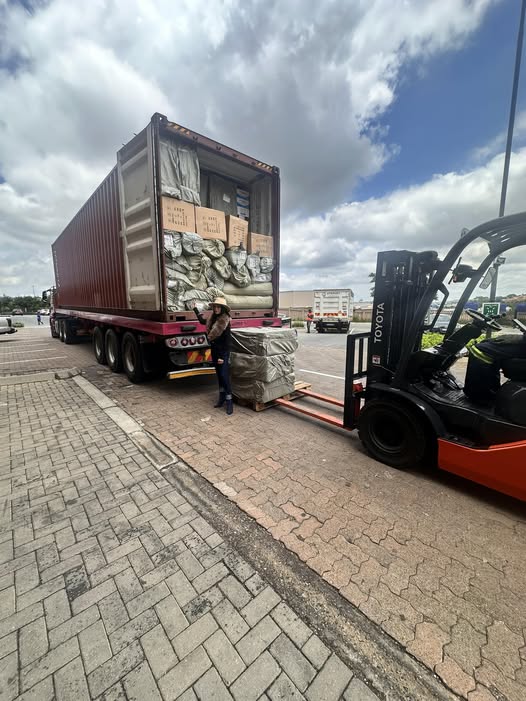
Fabrics Manufacturing Equipment
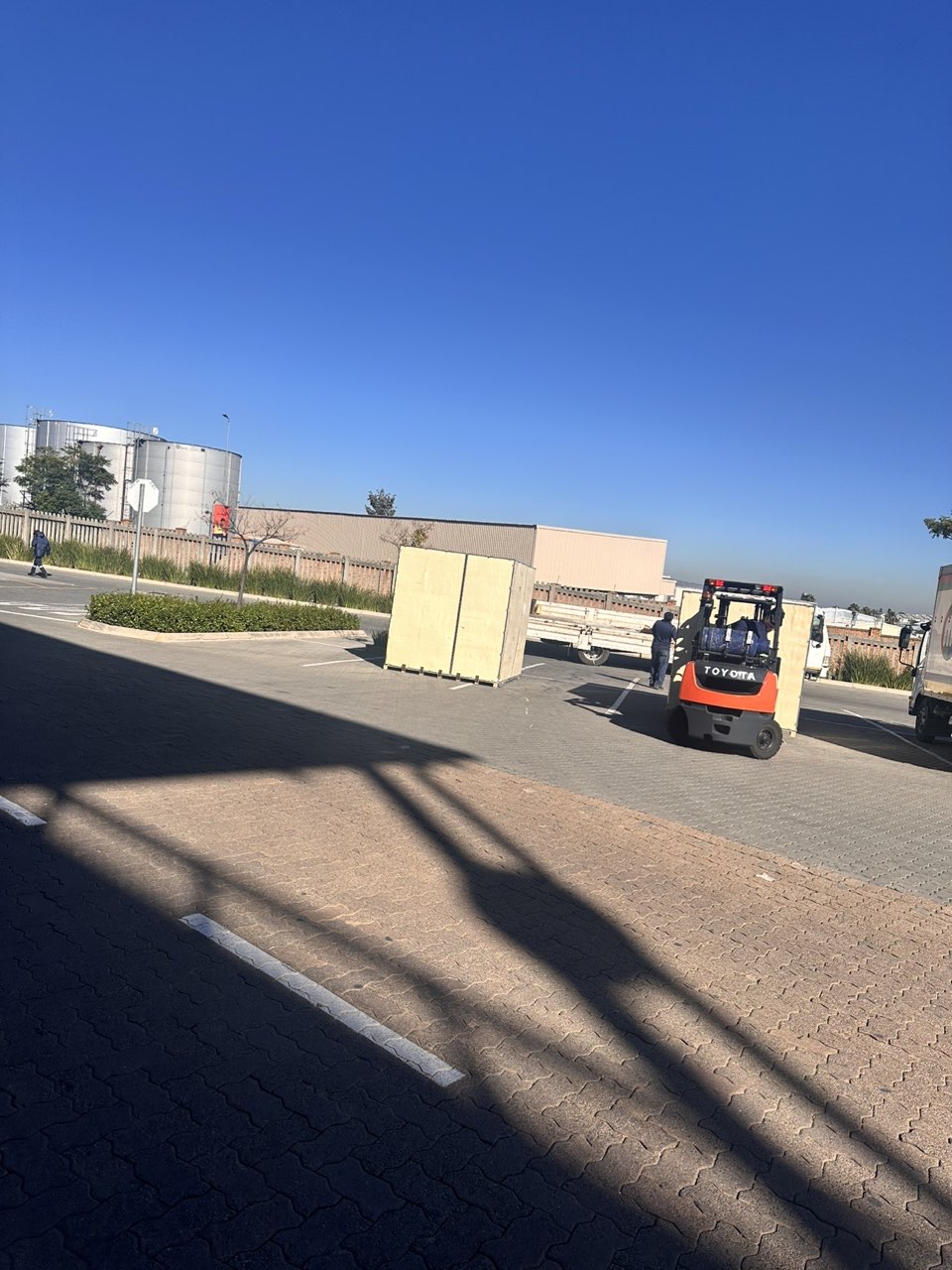
Mining Equipments
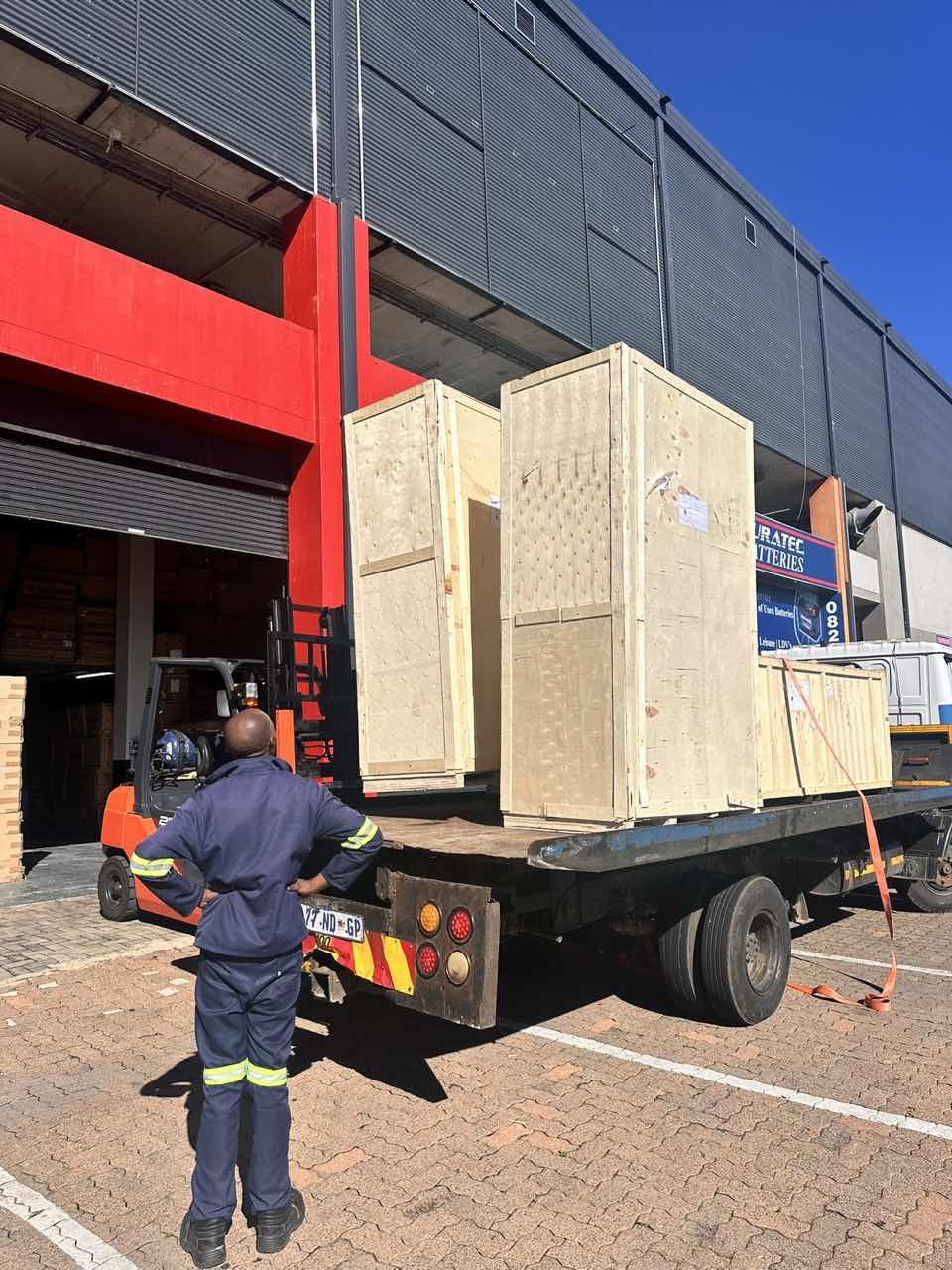
Food Processing Machine
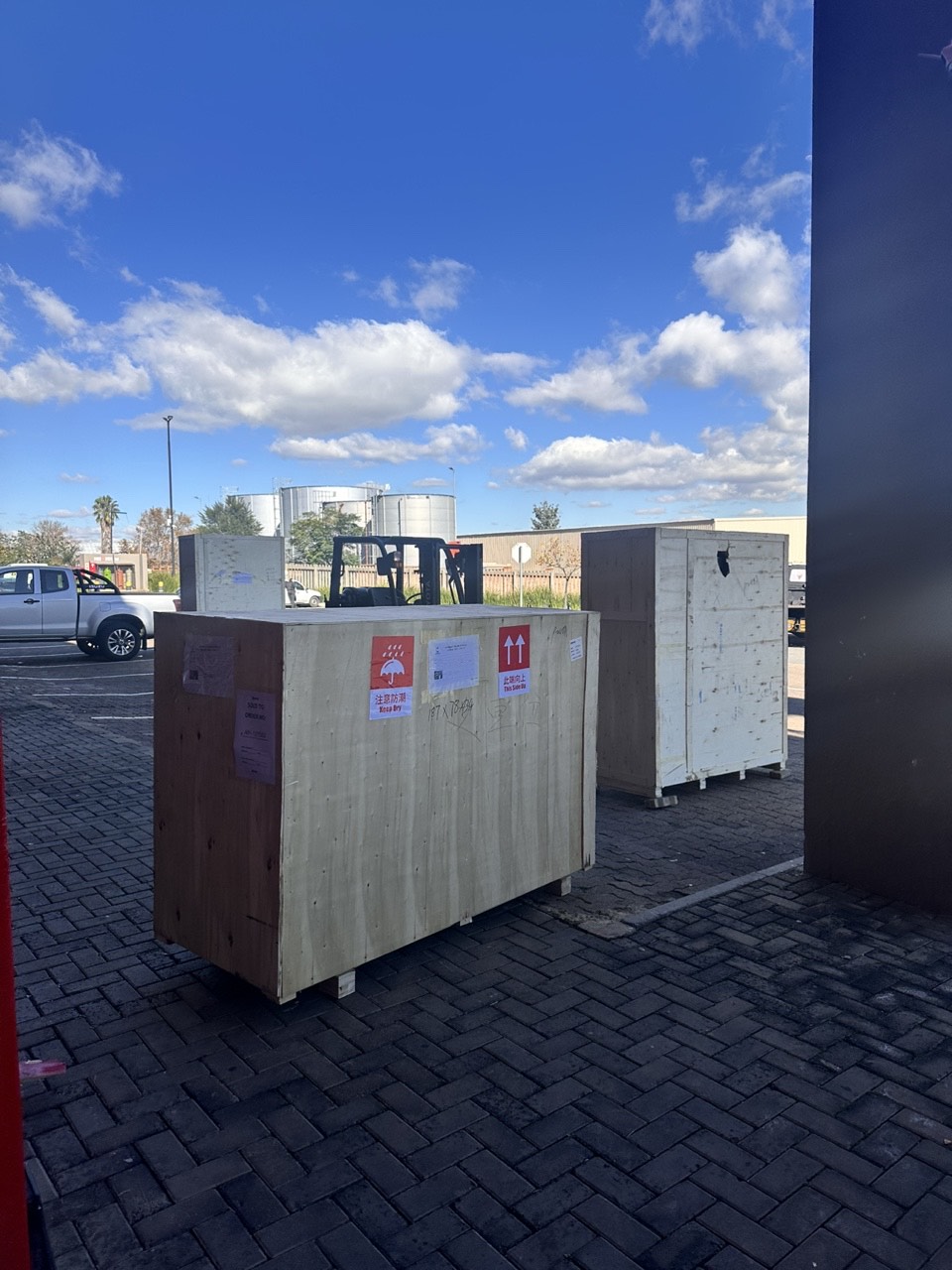
Batch of Orders
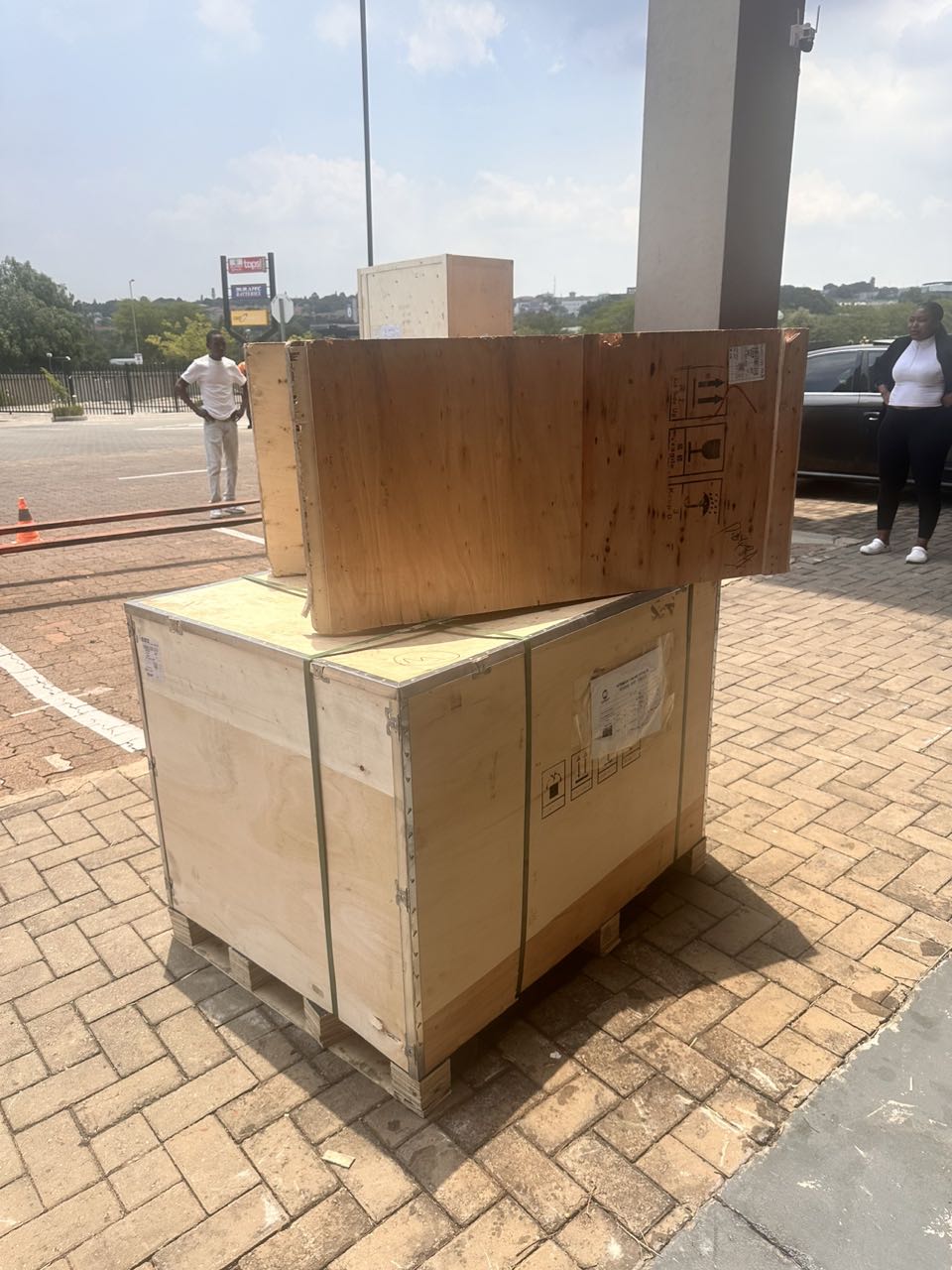
Batch of Orders
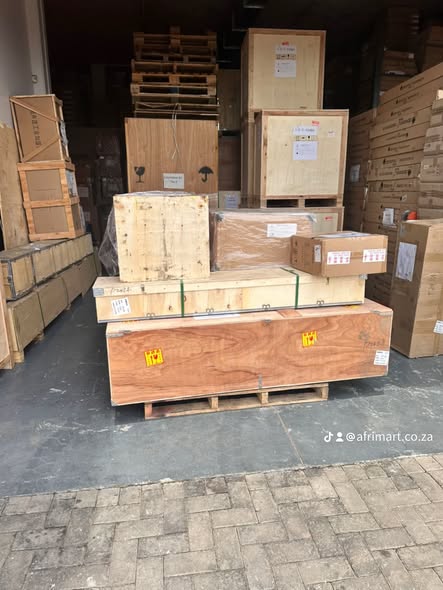
Latest Orders Labelled
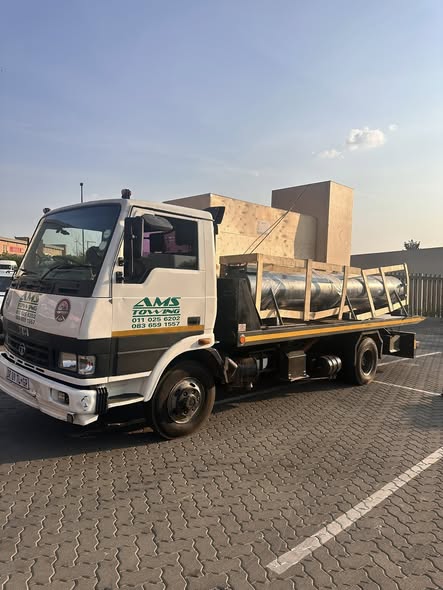
wheel alignment machines
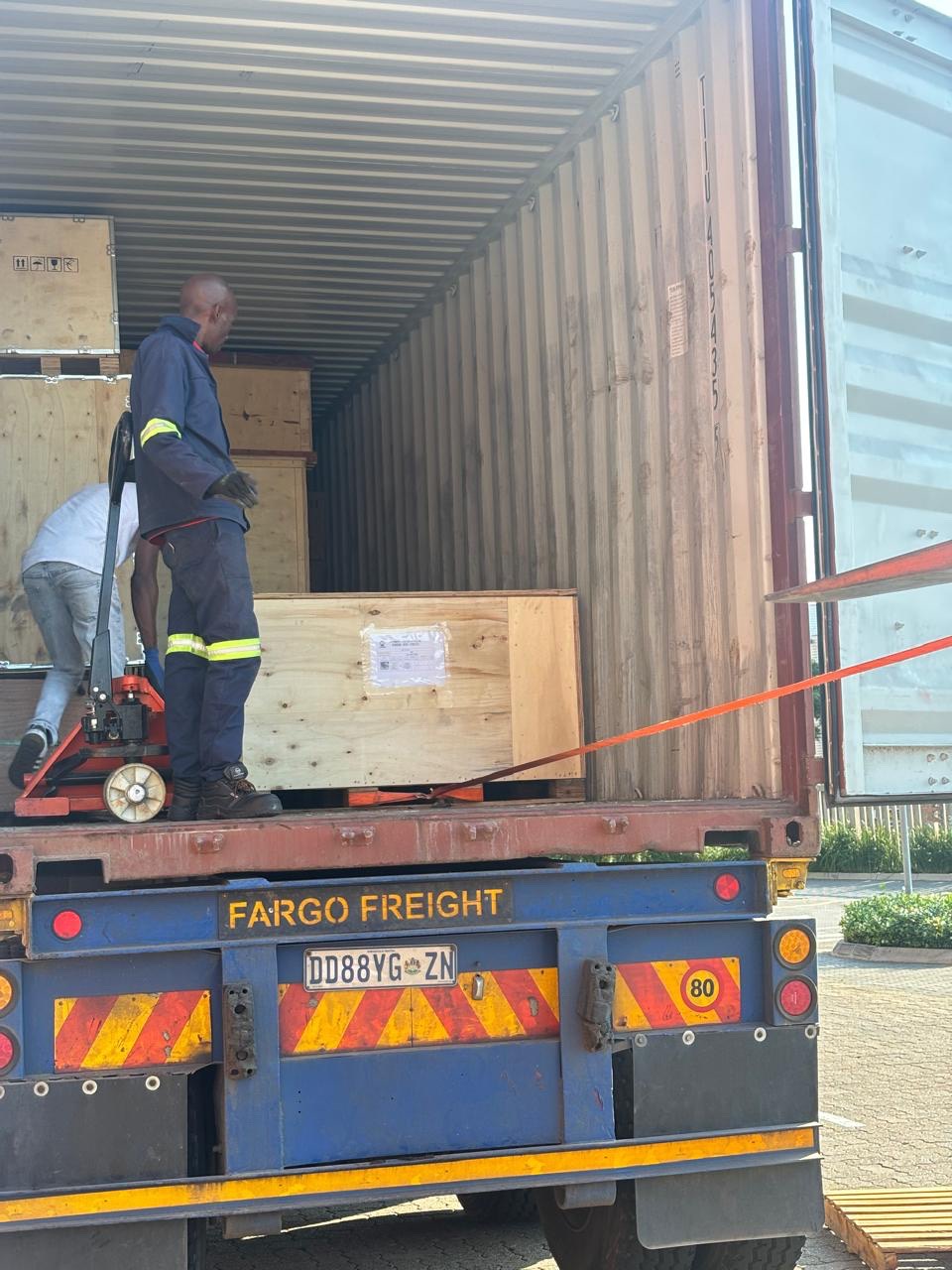
new arrivals
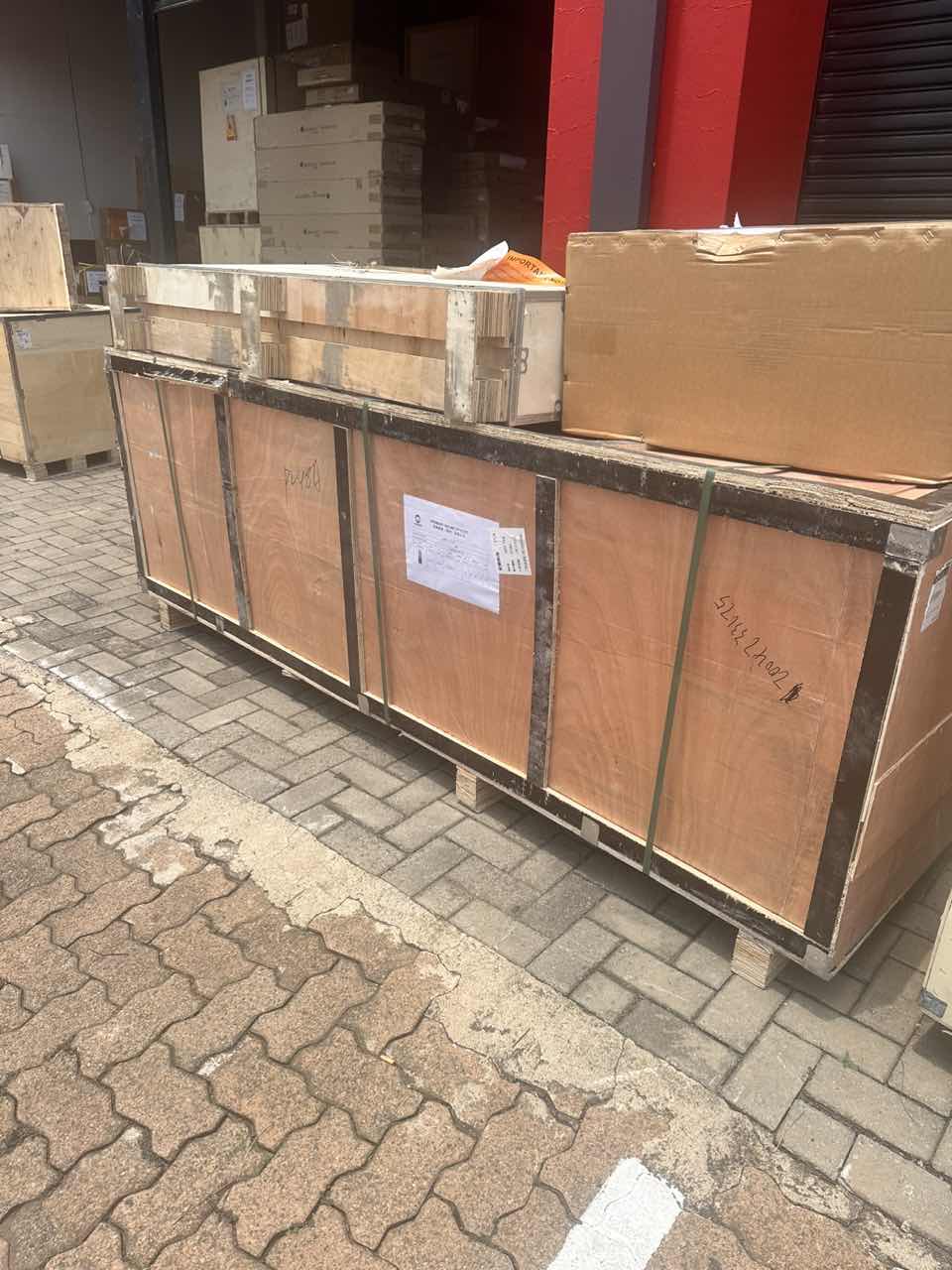
Pre Orders Offloading
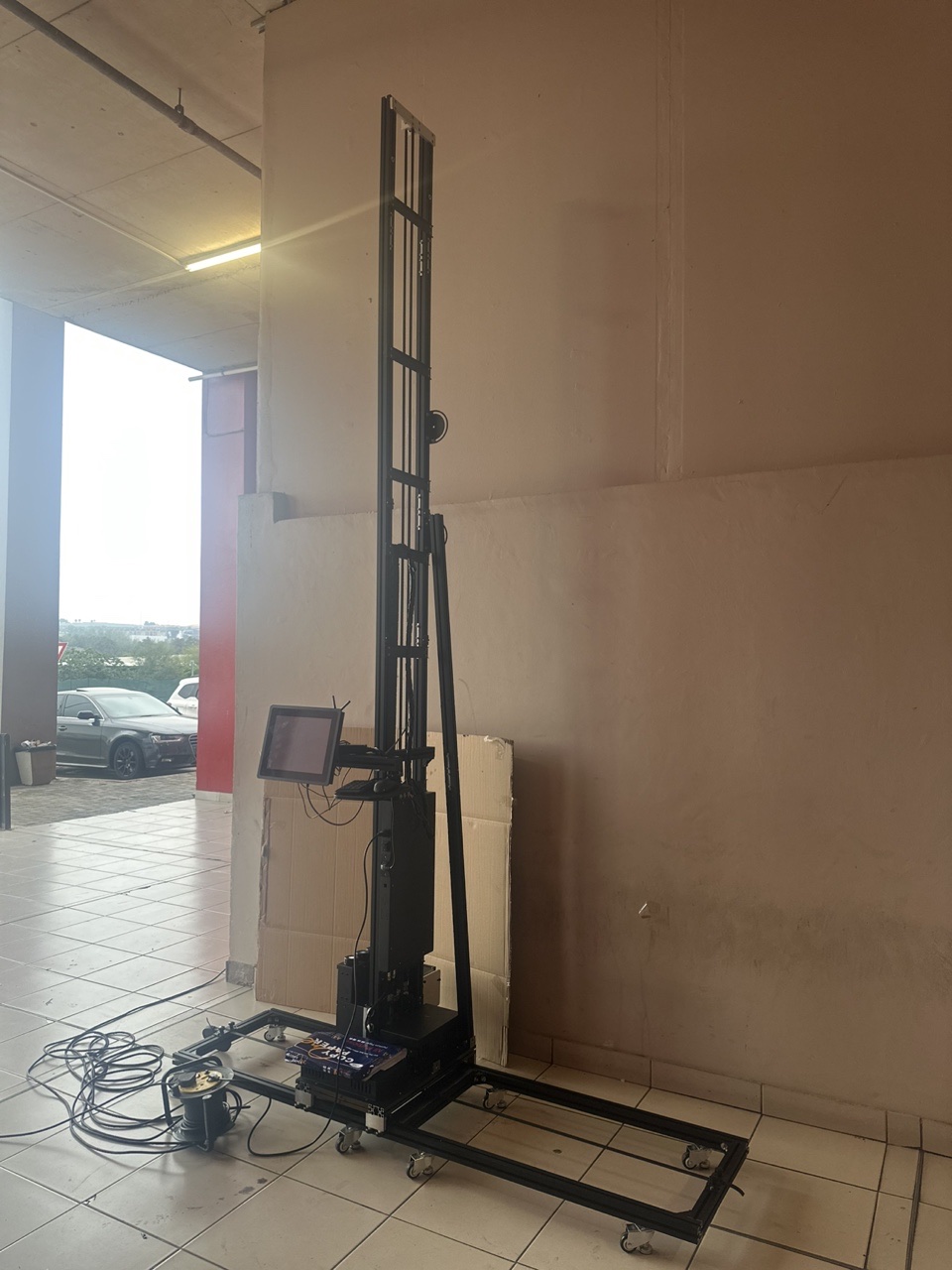
Latest Arrivals
Latest Arrivals
Latest Arrivals
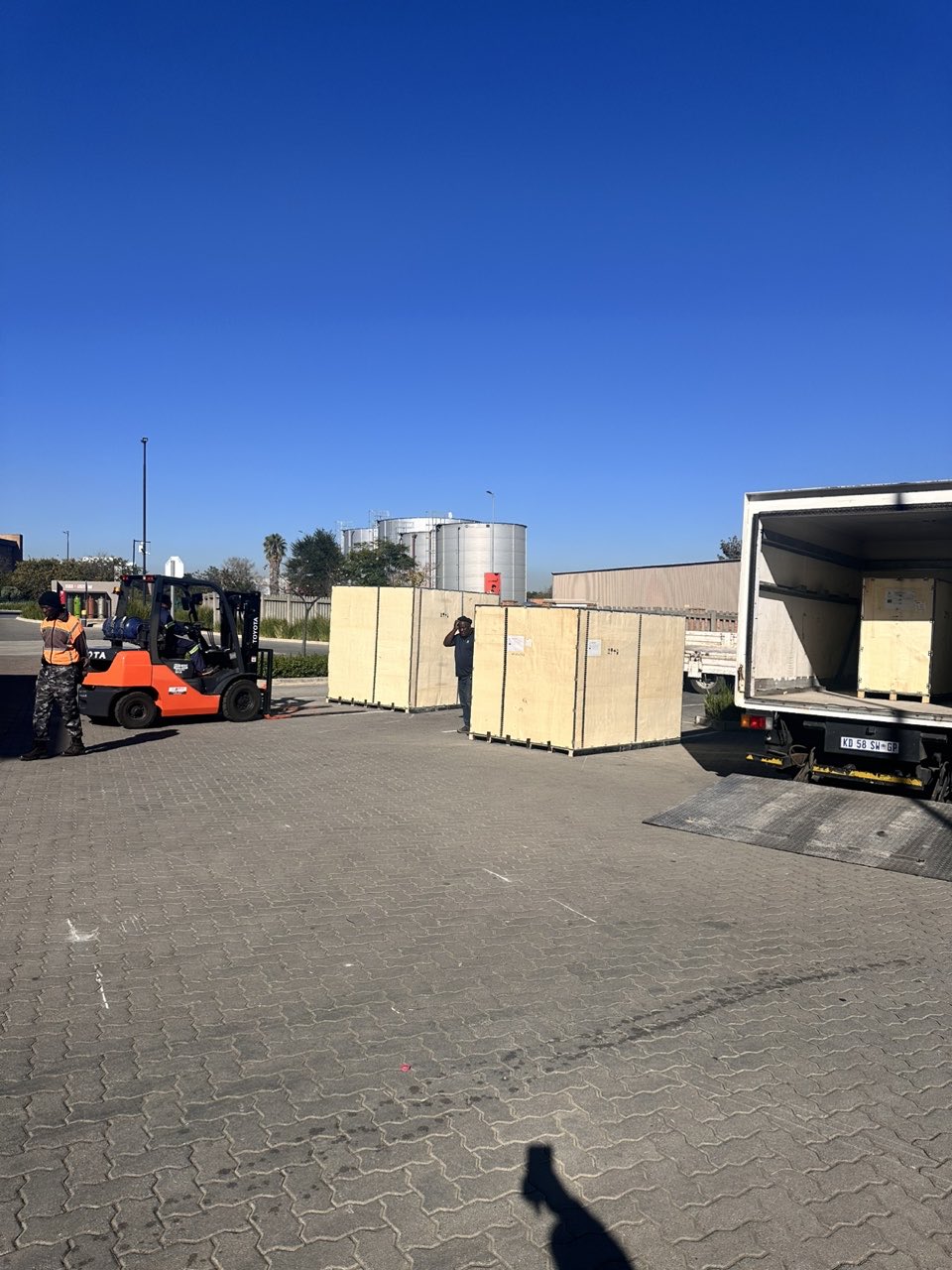
Loading
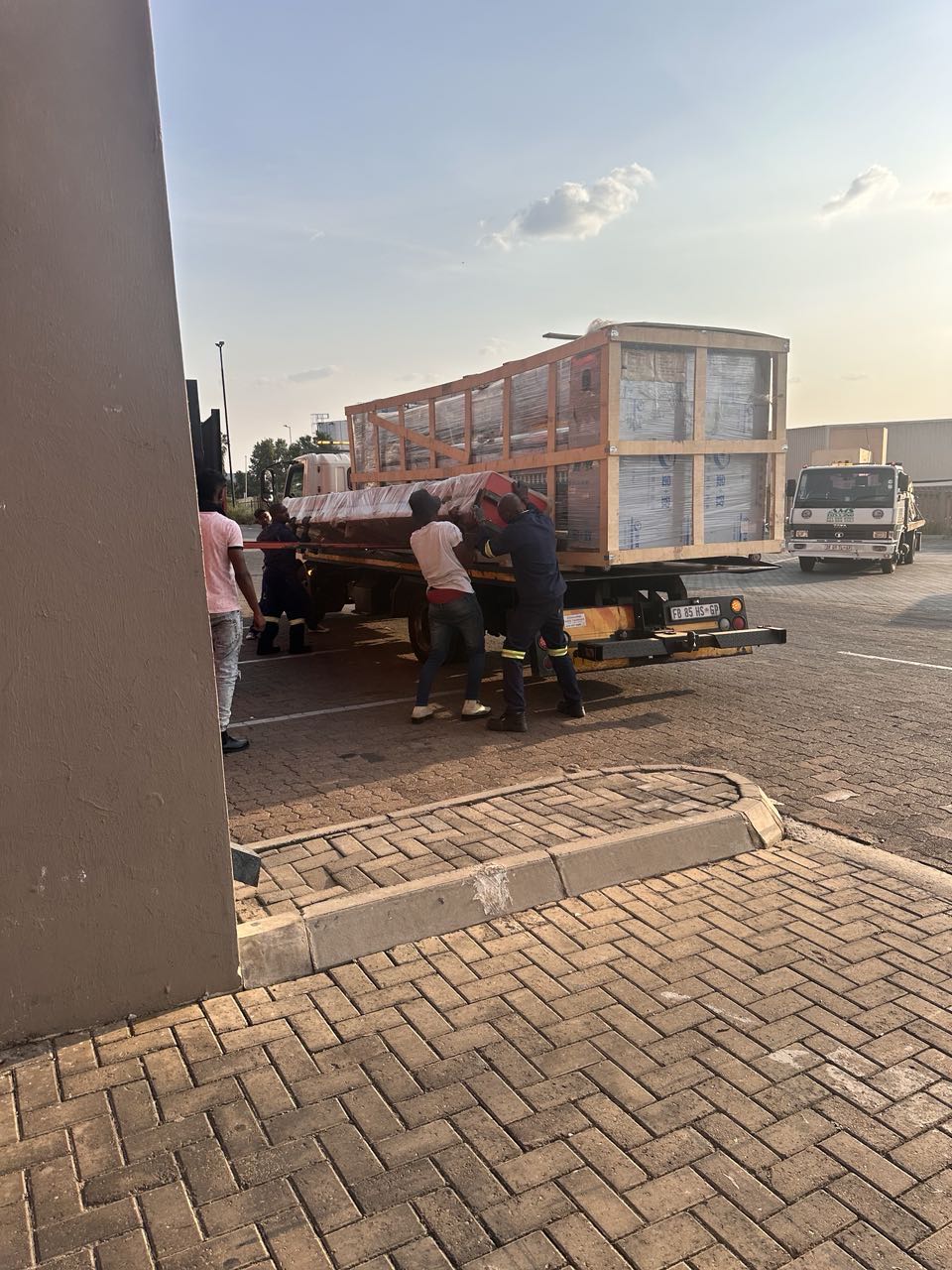
Toilet paper making machine
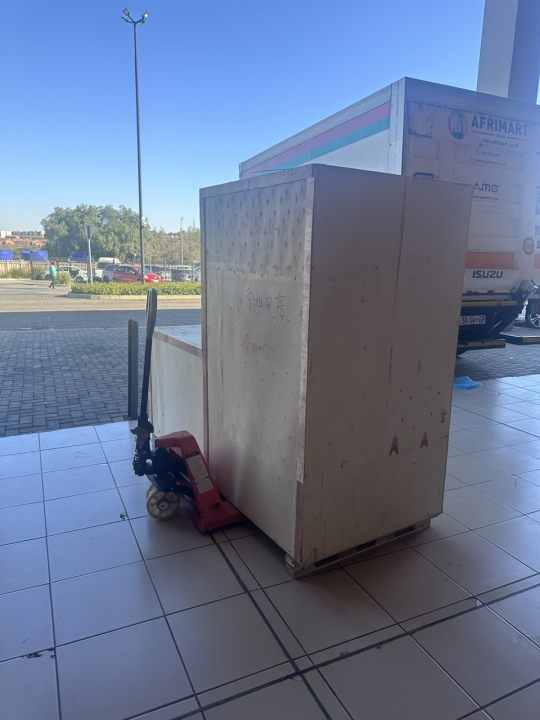
Toilet paper making machine
Toilet paper Rewinding Machine
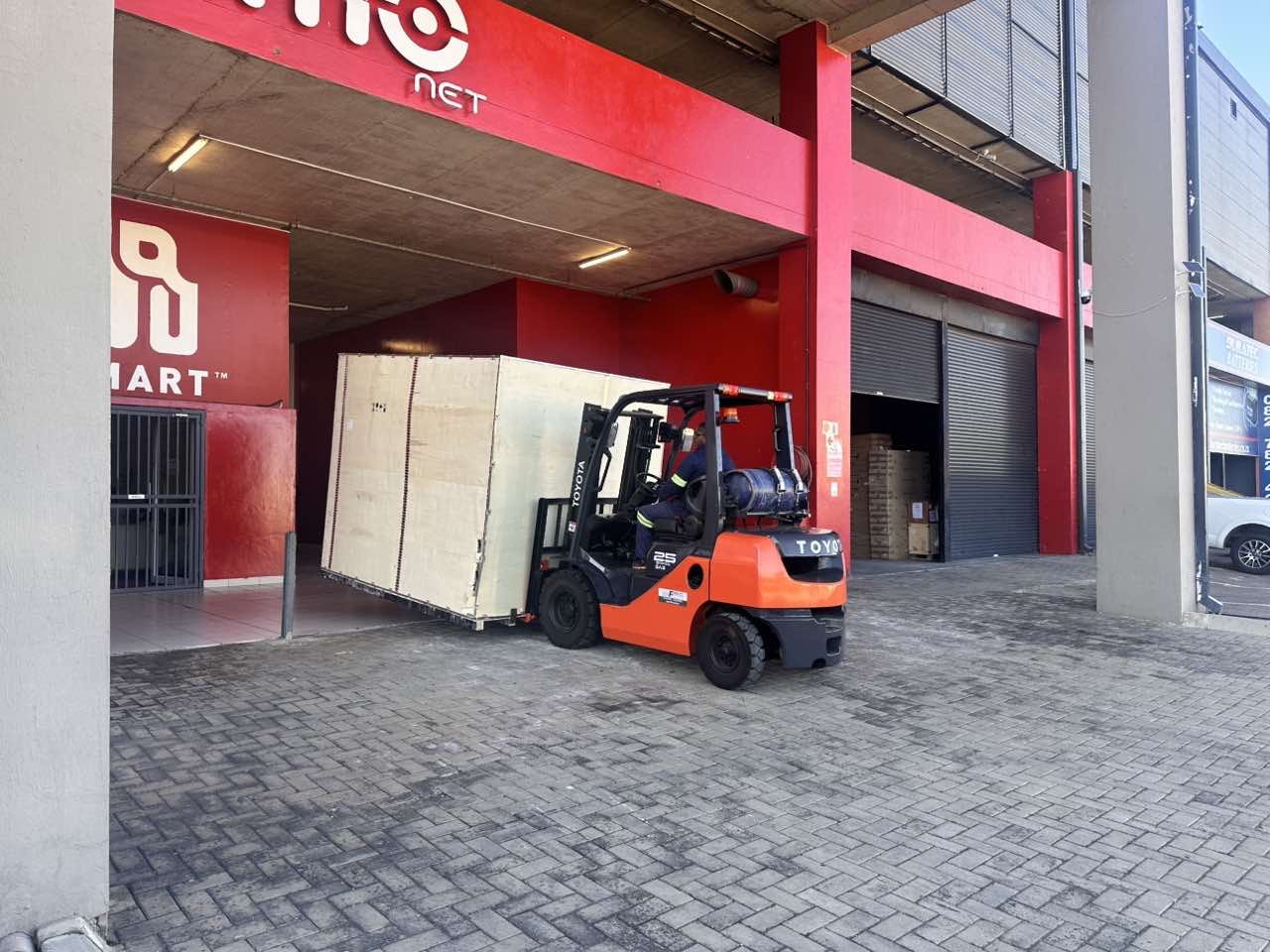
latest arrivals
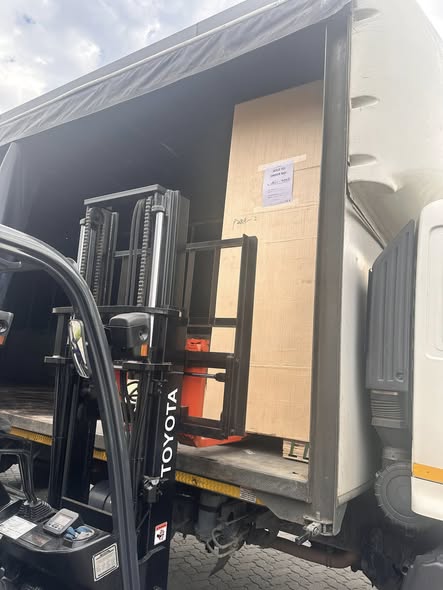
offloading
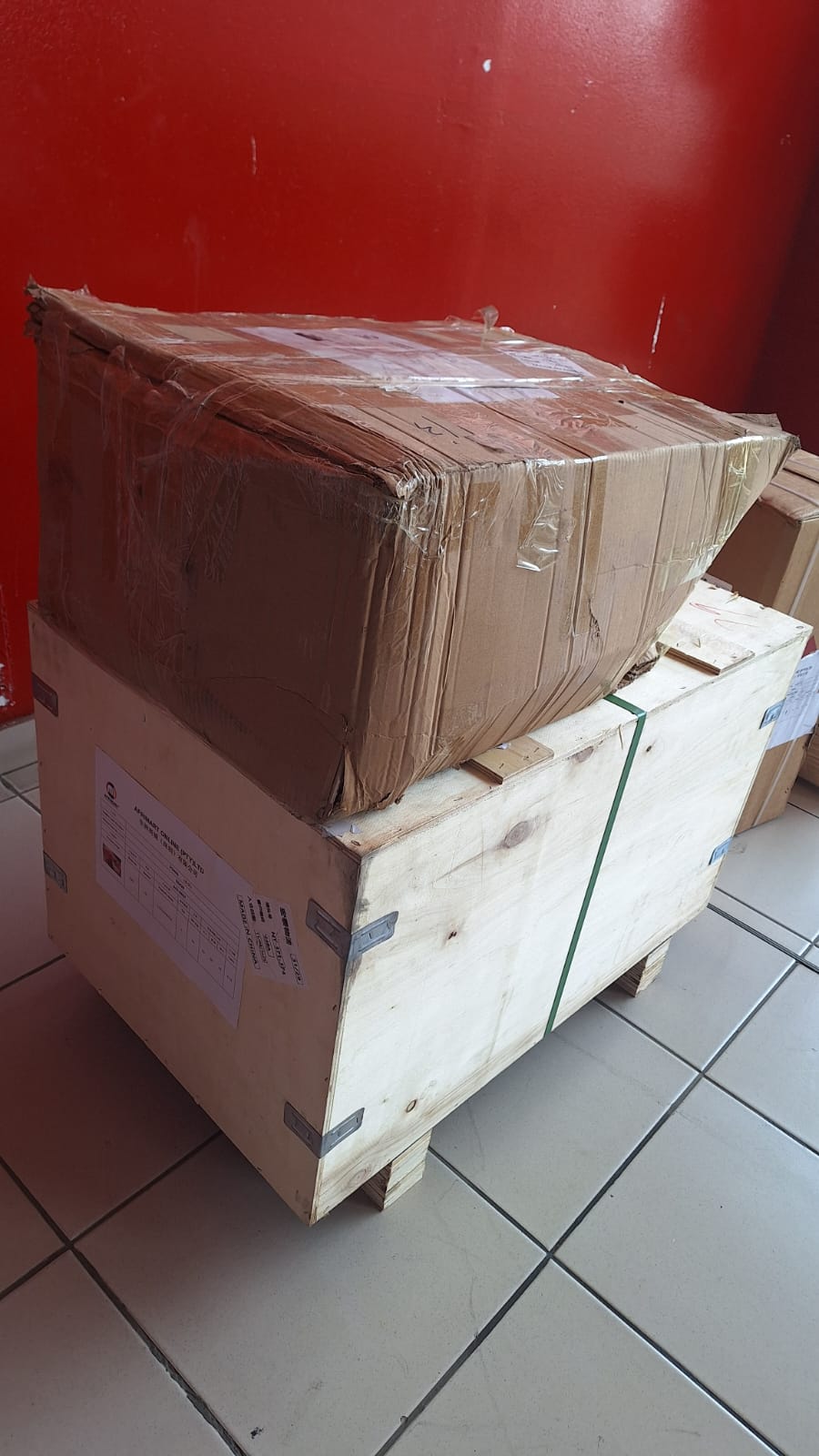
order success
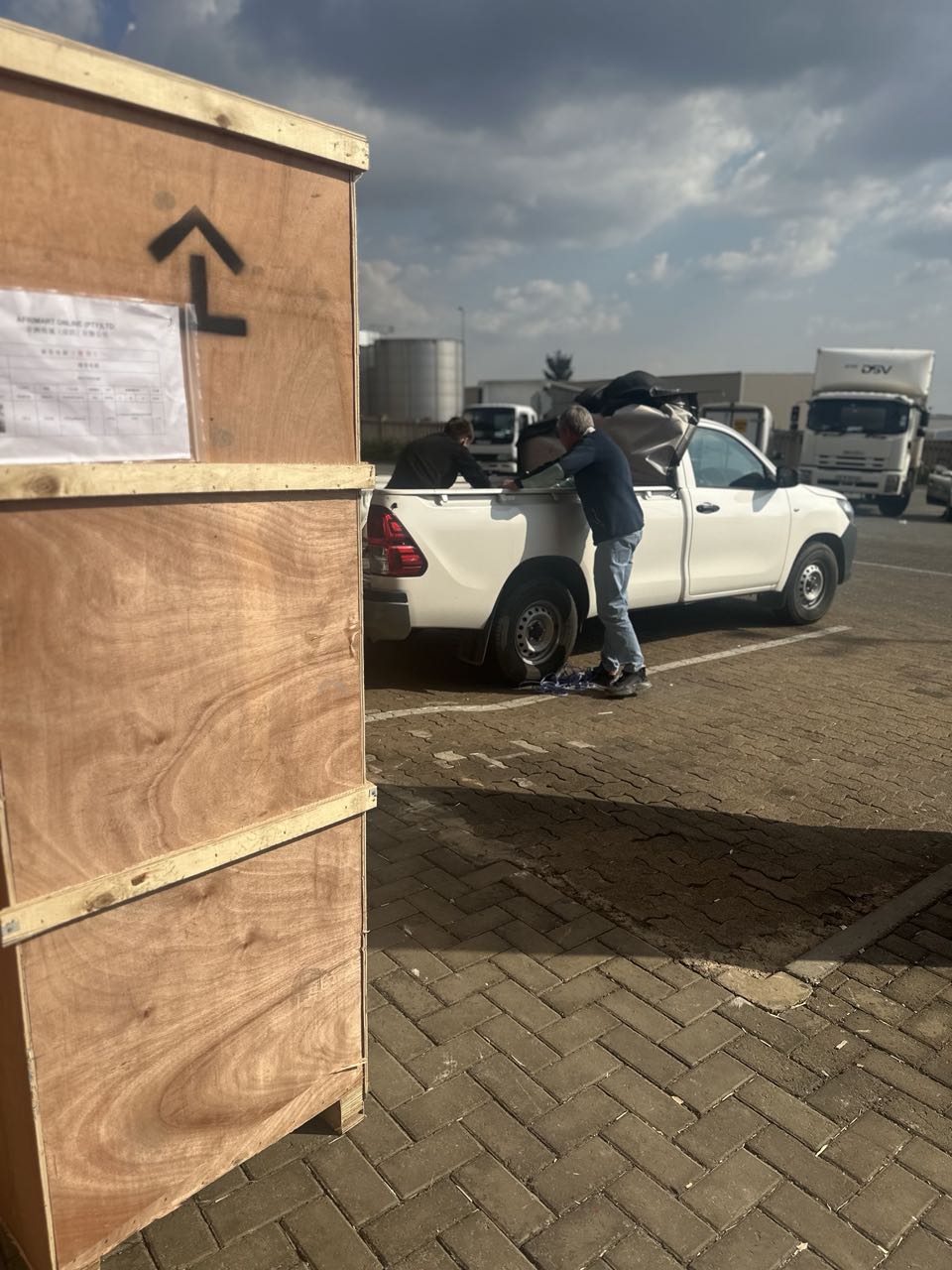
order collection
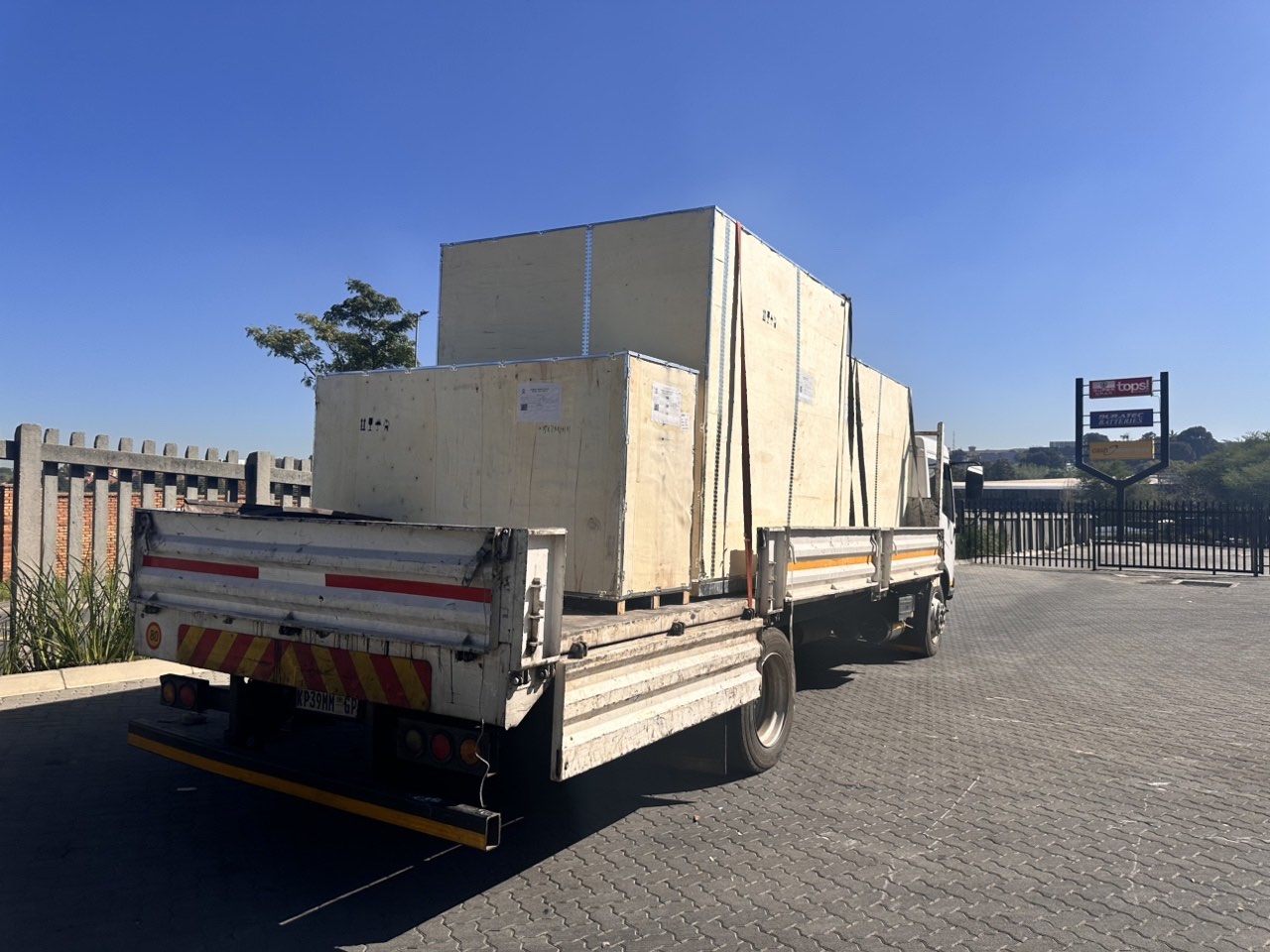
order offloading