B21, China Town Mall, Midrand


Automatic Paper Bags Production Machine
Asset finance available
Do you want funding for this equipment?
Afrimart can connect you with trusted funding partners who specialise in asset finance for businesses like yours. Compare options and apply in minutes — final approval is subject to provider review.
Check funding options
Secure & no obligation
- Section : Machinery
- Category : Packaging Machines
- SKU : 60601897691

Automatic Paper Bags Production Machine
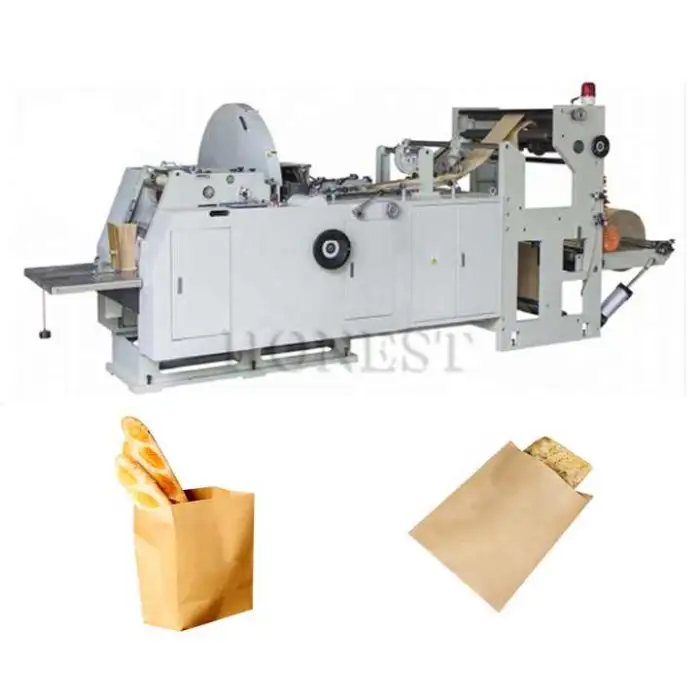
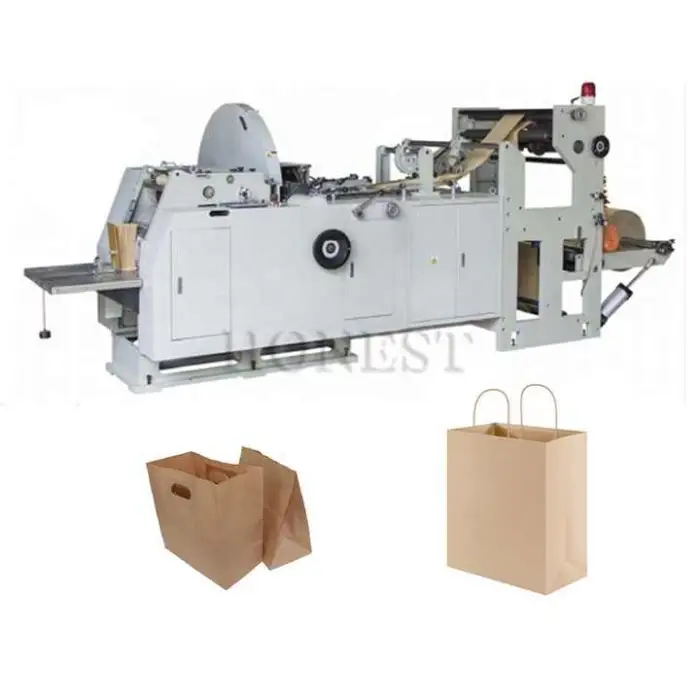
The Automatic Paper Bags Production Machine is a powerful tool for making paper bags quickly and easily. It is designed to help businesses save time and increase efficiency. With a maximum speed of 300 bags per minute, this machine is perfect for producing fruit bags and other types of paper bags. It is user-friendly, making it suitable for operators of all skill levels.
Specifications
| Attribute | Details |
|---|---|
| Voltage | 380V/50Hz |
| Bag Type | Fruit Bag |
| Max Speed | 300 pcs/min |
| Weight | 3000 KG |
| Dimensions | 4580 x 1650 x 1850 mm |
| Power | 6 kW |
Key Features
- Easy to operate with simple controls
- High efficiency with a speed of 300 bags per minute
- Robust design for long-lasting performance
- Includes video outgoing inspection for quality assurance
- Core components include a reliable motor
Applications
- Production of fruit bags for grocery stores
- Manufacturing various types of paper bags for retail
- Used in packaging industries for eco-friendly solutions
- Ideal for businesses looking to upgrade their bag-making process
- Perfect for small and large scale production needs
Product Info Gallery


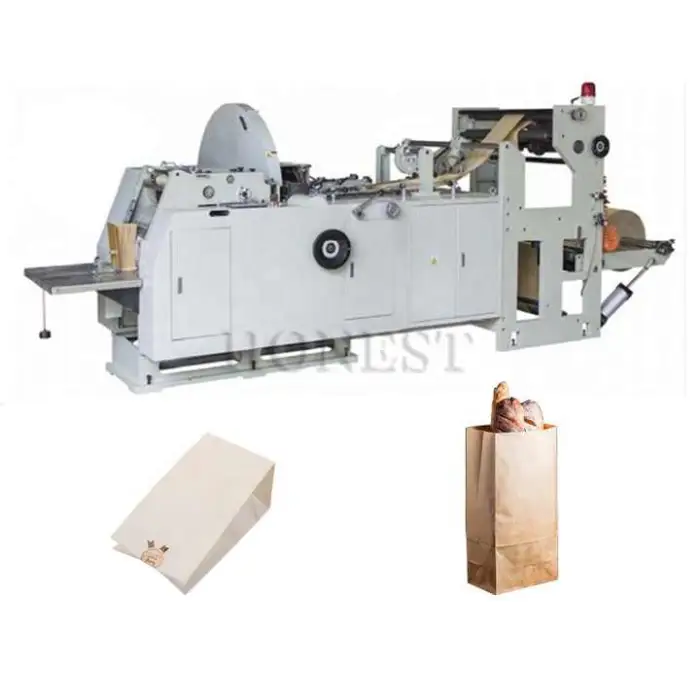
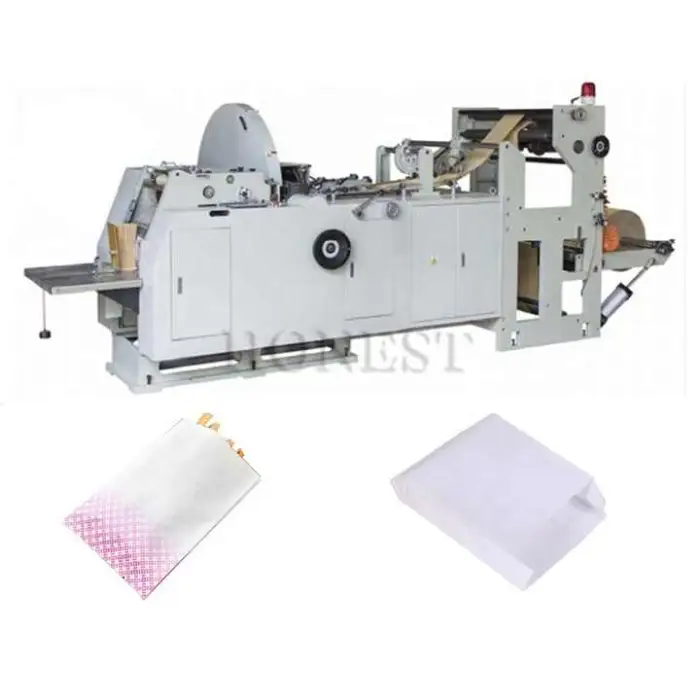
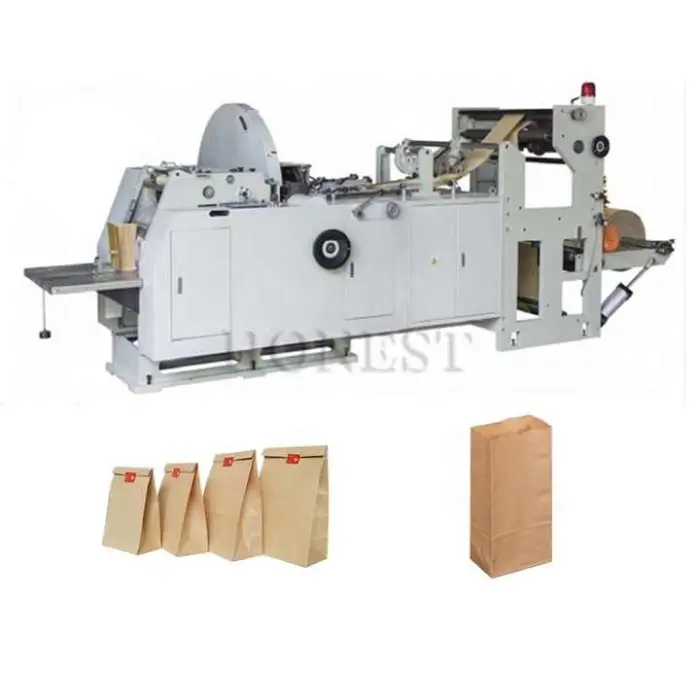
- Shipping Timeframes: All orders are processed within 2-5 business days (excluding weekends and holidays). After your order has been processed, the estimated delivery time is before 04 Aug, 2026, depending on customs, Please note that due to high demand, some items may experience longer shipping times, which will be communicated at order confirmation email.
- Order Processing Time: Please allow 2-5 business days for us to process your order before it is shipped . Orders placed after 16:00 on Fridays, or during weekends and public holidays, will begin processing on the next business day. Processing times may be extended during peak seasons or sales events.
- Manufacturing Time: Some products needs manufacturing time, the manufacturing process will take approximately 10-30 business days depending on the product. This timeframe may vary depending on the complexity of the product and current demand. but this will be communicated with you during order confirmation.
- Returns and Exchanges: We offer a 30-day return policy for most items. If you are not completely satisfied with your purchase, you may return it within 30 days of receipt for a refund or exchange. Items must be unused, in their original packaging, and accompanied by proof of purchase. Return shipping costs are the responsibility of the customer, unless the item was damaged or defective upon arrival.
1. What types of paper bags can the Automatic Paper Bags Production Machine produce?
The machine is designed primarily for fruit bags but can manufacture various types of plain paper bags used in retail and packaging. For specialized styles (e.g., handle bags, gusseted bottoms, or printed bags) confirm compatibility or required optional attachments with the supplier.
2. What is the machine's maximum production speed?
Maximum speed is 300 pieces per minute. Actual output depends on bag size, paper weight, and production settings—smaller simple bags reach top speed more easily than large or complex bags.
3. What are the electrical requirements and power consumption?
Rated voltage is 380V/50Hz (three-phase). Rated power consumption is 6 kW. Installation should be completed by a qualified electrician with appropriate protection, grounding, and circuit sizing per local code and supplier guidance.
4. What are the machine dimensions and how much floor space is needed?
Machine footprint is 4580 x 1650 x 1850 mm (L x W x H). Allow additional clearance around the machine for material feeding, operator access and maintenance—discuss factory layout and space requirements with your supplier or installation team.
5. How heavy is the machine and what are installation requirements?
Net weight is approximately 3000 kg. Installation typically requires a level, reinforced floor and appropriate lifting equipment. The supplier or installer should handle placement, leveling and commissioning.
6. Which paper types and weights are compatible?
The machine works with standard paper rolls used for retail and fruit bags. Suitable paper grammage varies by bag style; many bag makers use papers in a broad range (for example, light to medium weights). Check with your supplier for recommended paper types and exact gsm ranges for your bag specifications.
7. Can the machine add handles or print logos on bags?
This model focuses on high-speed bag forming (fruit and retail bags). Handle application or inline printing may require optional modules or a separate integrated unit—confirm available options with the manufacturer or authorized dealer.
8. How long does it take to change over to a different bag size?
Changeover time depends on the difference between sizes and operator experience. The machine is described as user-friendly with simple controls to reduce changeover time, but exact setup times vary—ask the supplier for typical changeover times for your common bag sizes.
9. What quality-control features are included?
The machine includes a video outgoing inspection system for quality assurance. This camera-based inspection detects defects and helps ensure only conforming bags leave the machine; additional rejection, logging or integration options should be confirmed with the supplier.
10. What routine maintenance is required?
Typical maintenance includes daily cleaning of paper dust and adhesive residue, routine lubrication of moving parts, periodic checking and tensioning of belts, inspection and replacement of cutting blades and sensors as needed. Follow the manufacturer's maintenance schedule and keep recommended spare parts on hand.
11. How many operators are needed to run the machine?
Operator needs depend on production layout, but one trained operator can typically run the machine with occasional assistance for material loading and quality checks. For continuous high-volume runs you may schedule additional staff for roll changes and downstream packing.
12. Are spare parts and technical support available?
Core components are robust and reliable, but supply of spare parts, consumables and technical support varies by manufacturer and distributor. Confirm availability, lead times, and recommended spare parts list (e.g., blades, belts, sensors, motors) with your supplier before purchase.
13. What safety features does the machine have?
The machine is designed with operator friendliness and safety in mind. Typical features include guarded moving parts, emergency stop buttons, and safety interlocks. Verify specific safety standards met and request documentation from the manufacturer to ensure compliance with local regulations.
14. Is installation, commissioning and operator training provided?
Many suppliers offer installation, commissioning and operator training as part of the sale or as an add-on service. Confirm with the vendor whether on-site start-up and training are included, or available at extra cost.
15. What warranty and after-sales service are offered?
Warranty terms and after-sales service packages vary by manufacturer and distributor. Ask the supplier for the specific warranty period, scope of coverage, service response times, and options for extended support or maintenance contracts.
Latest Order Arrivals
Discover our latest orders
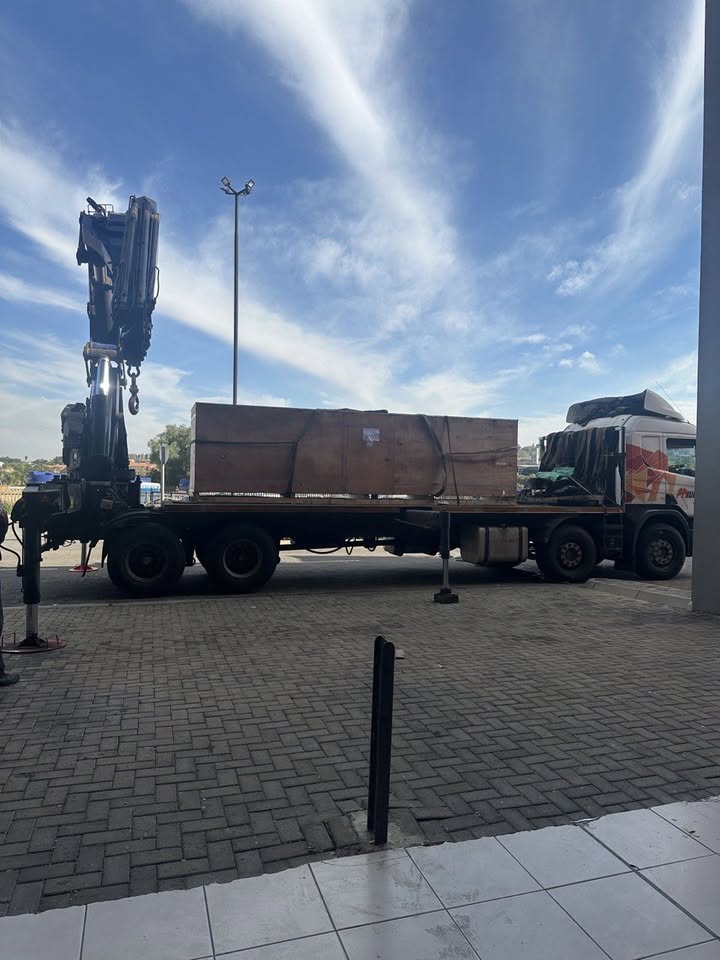
12 Heads Embroidery Machine
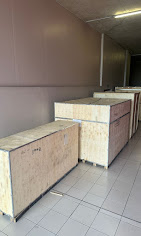
Toilet Paper Machine Machine
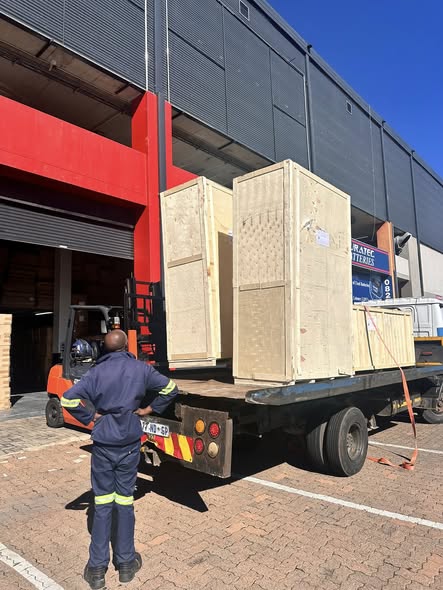
Order Collection
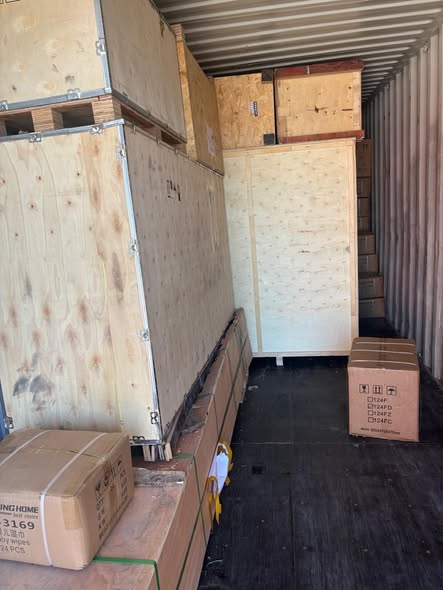
Cross Border Clients
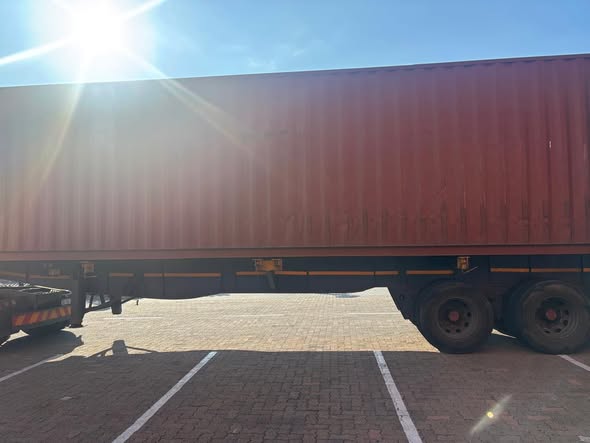
Order cros border countries Collected
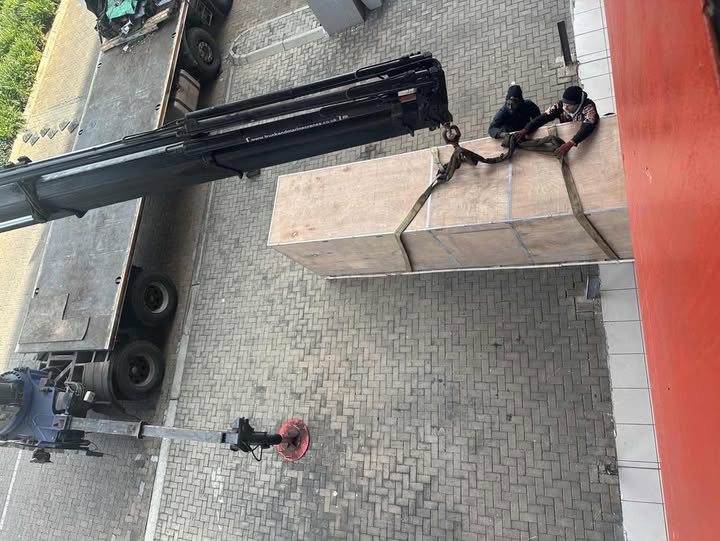
Industrial Machine Cllection
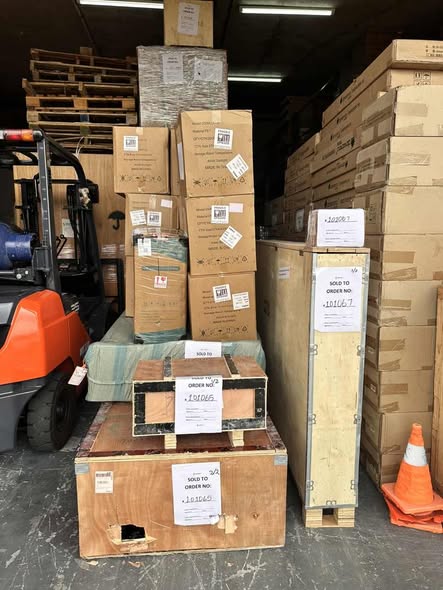
Agriculture Processing Machines
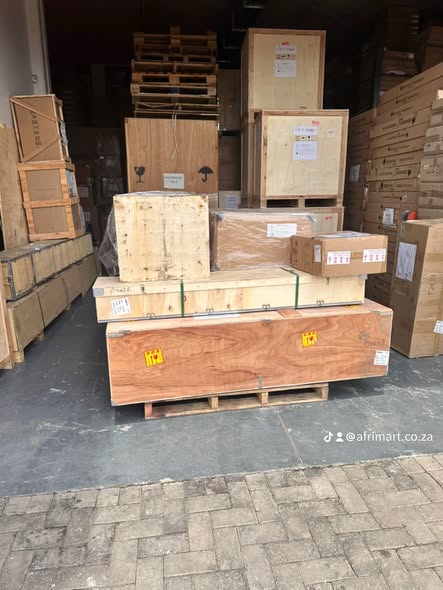
Ready for collection
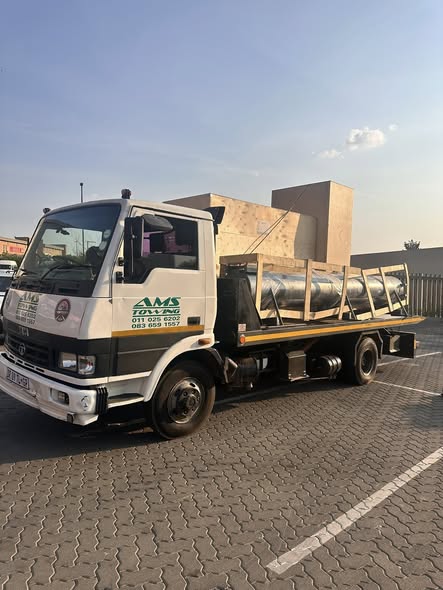
Water Pump Equipment
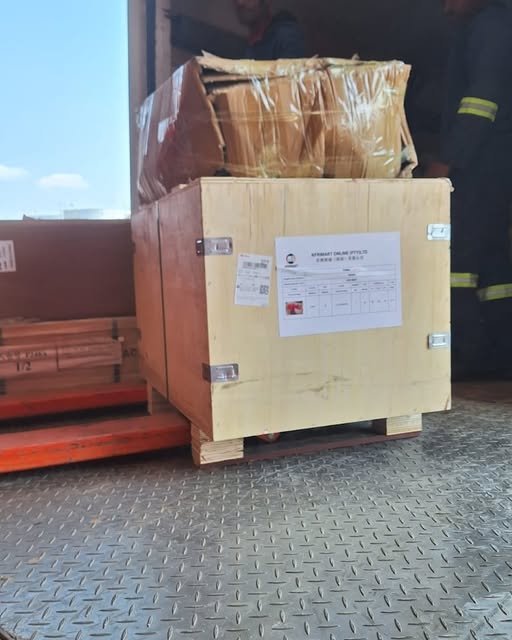
Packaging Machine and accessories
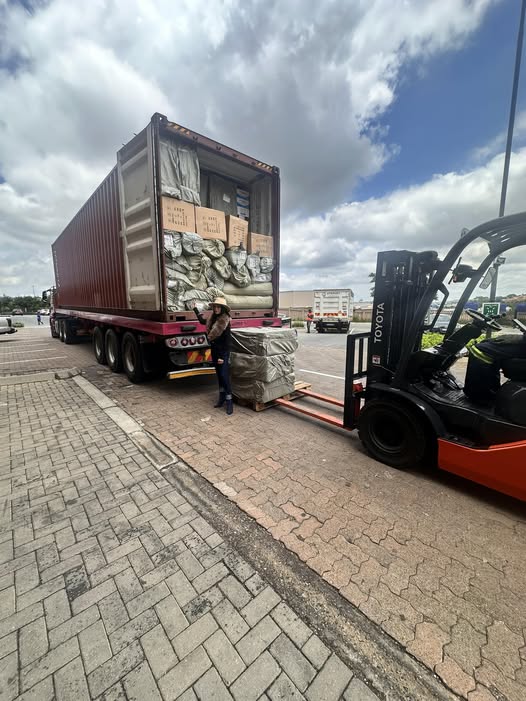
Fabrics Manufacturing Equipment
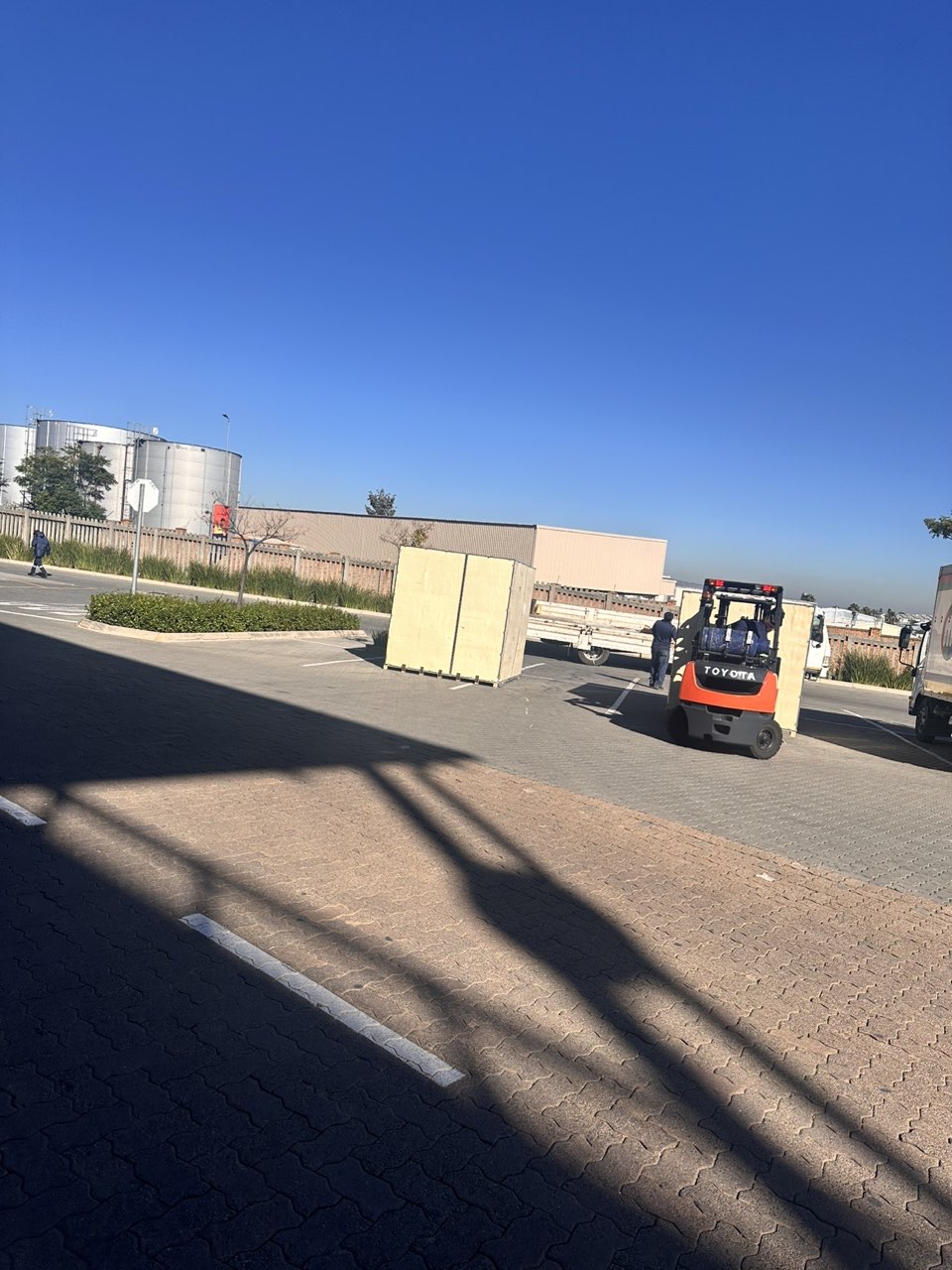
Mining Equipments
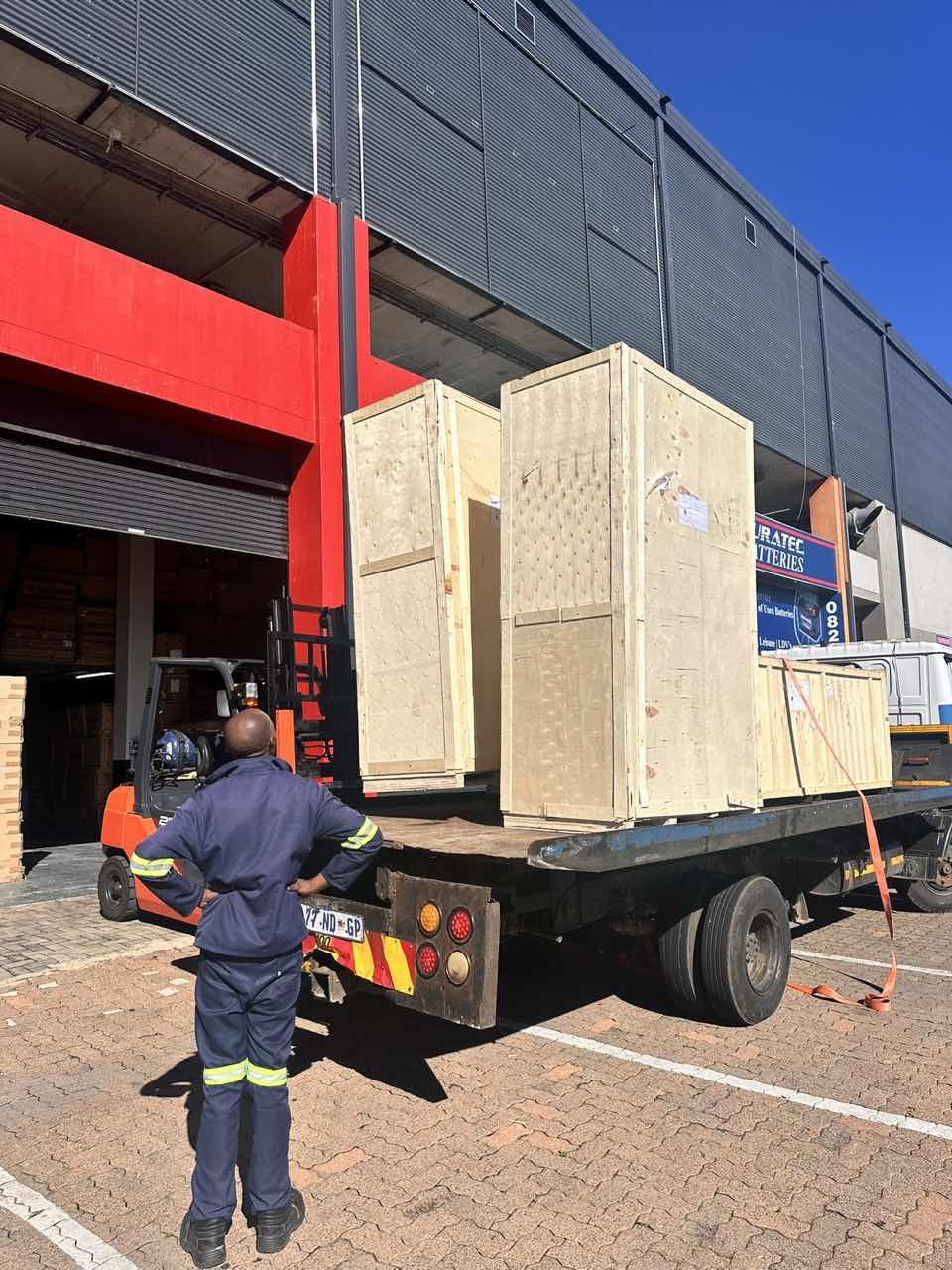
Food Processing Machine
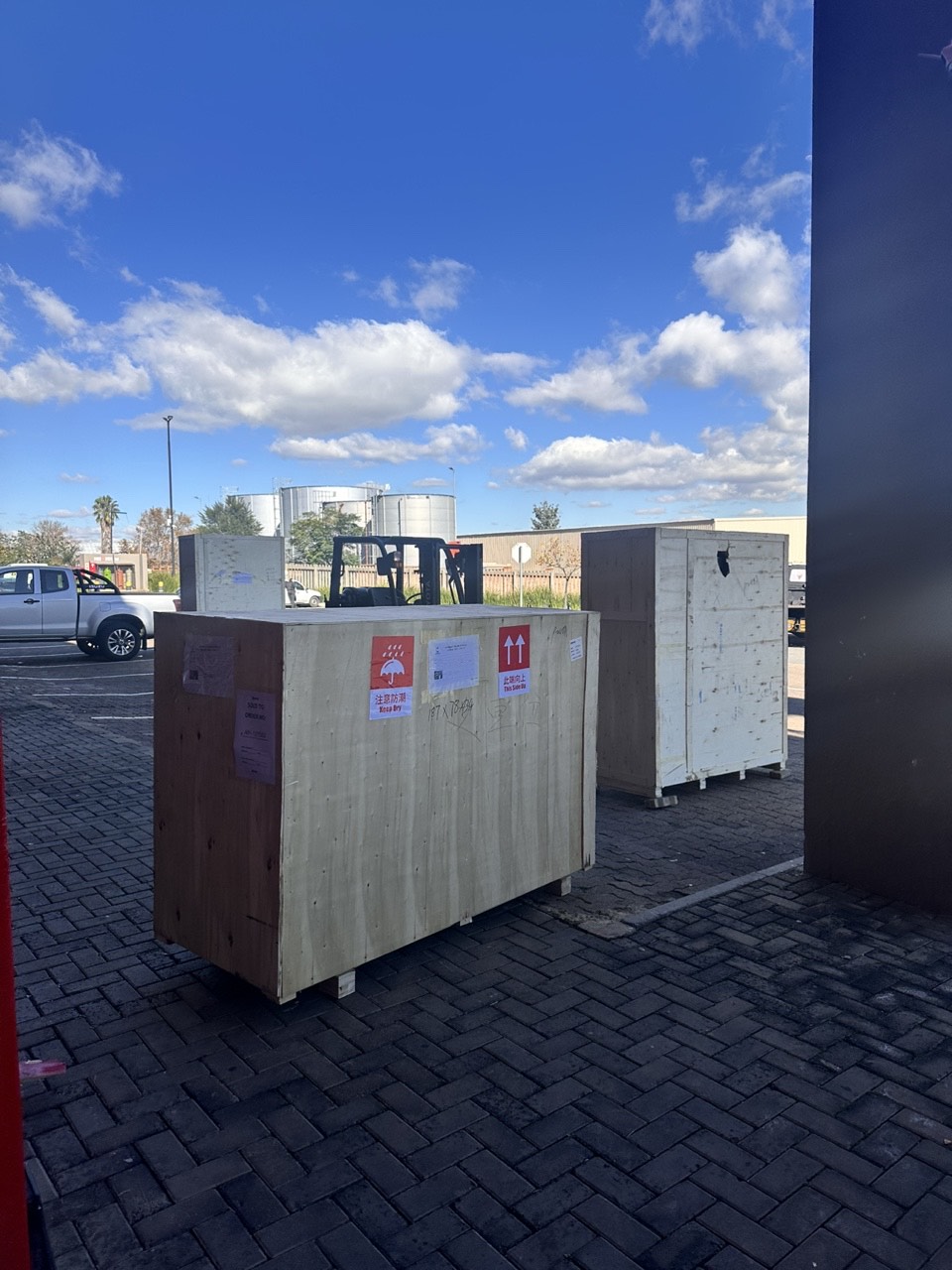
Batch of Orders
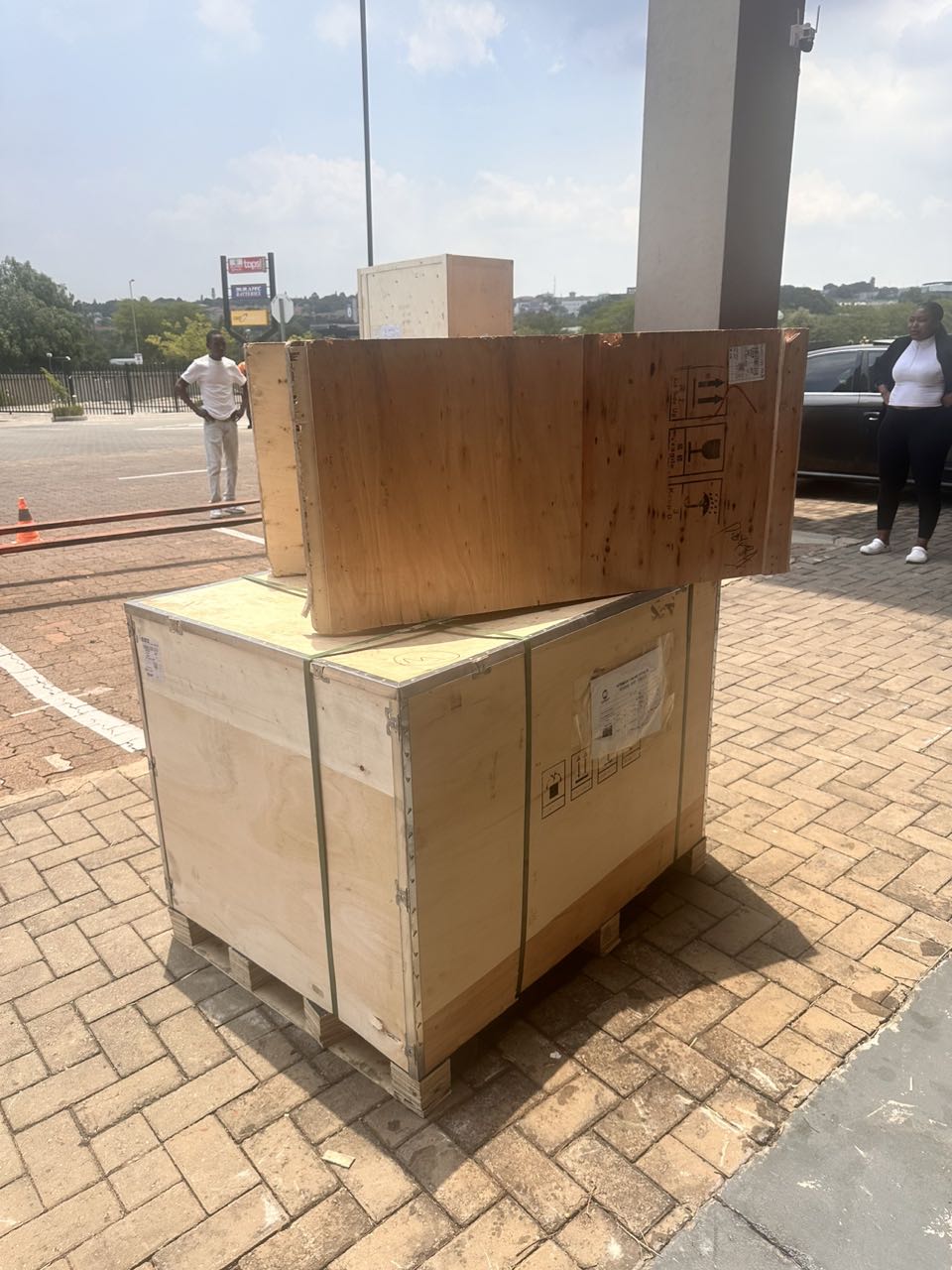
Batch of Orders
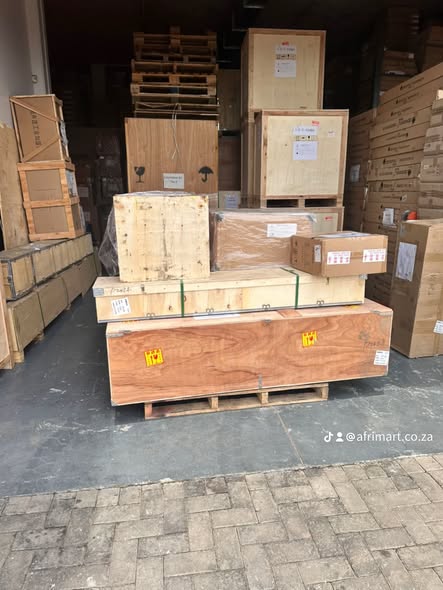
Latest Orders Labelled
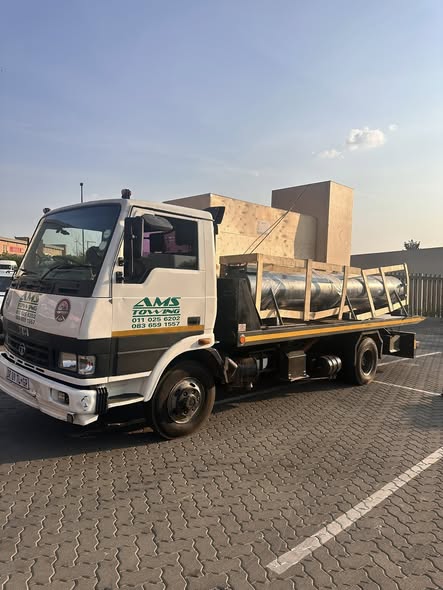
wheel alignment machines
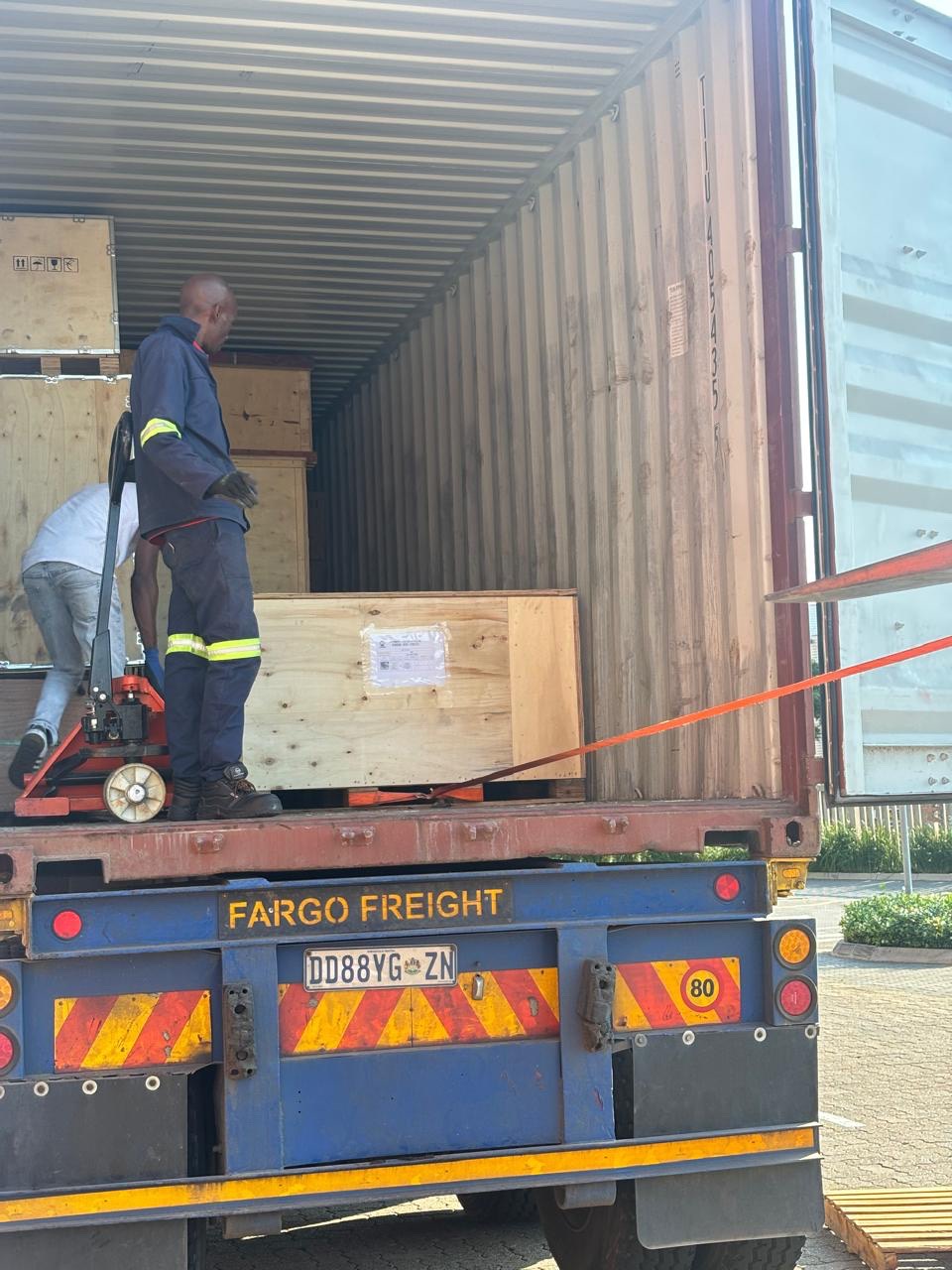
new arrivals
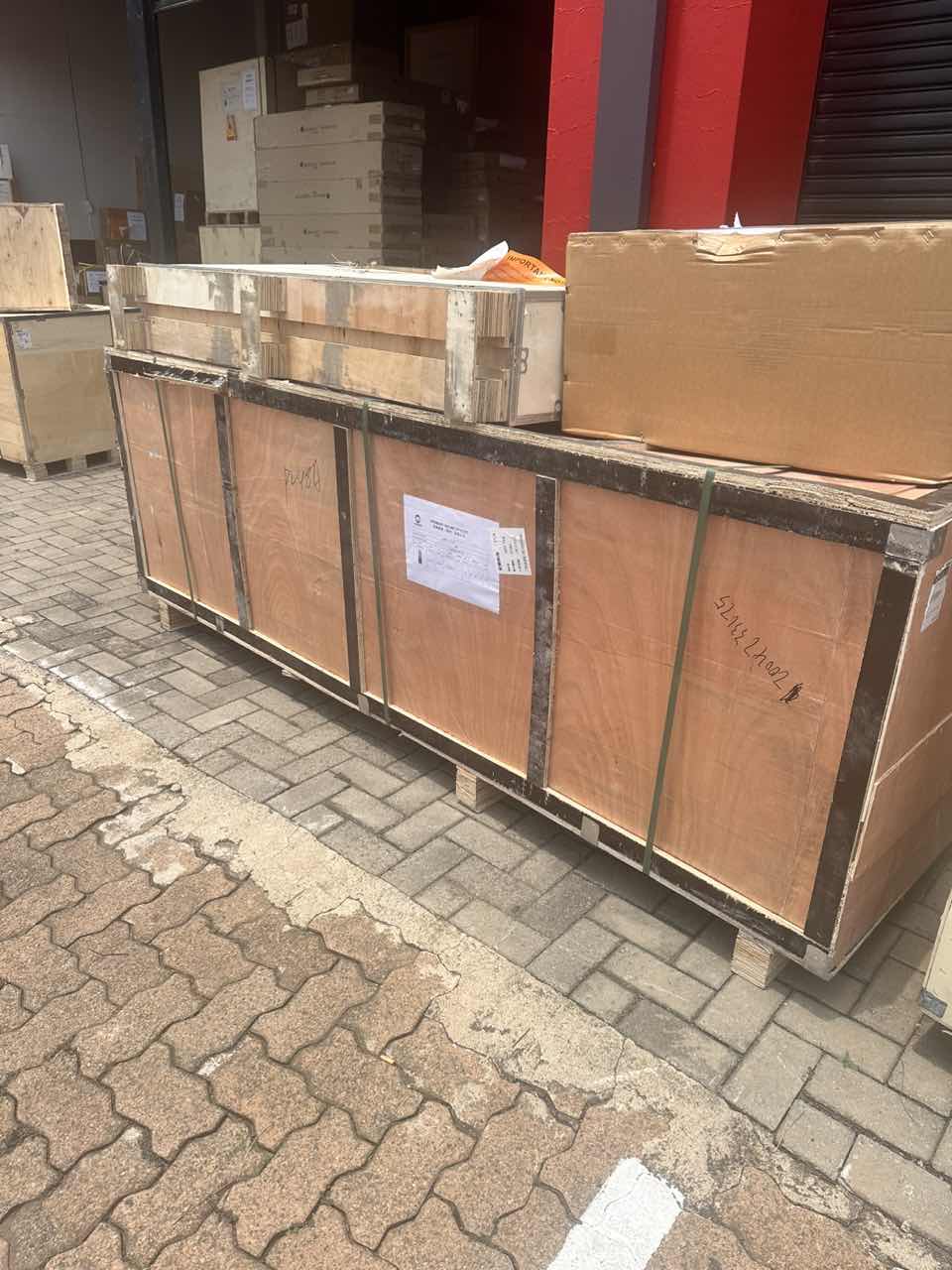
Pre Orders Offloading
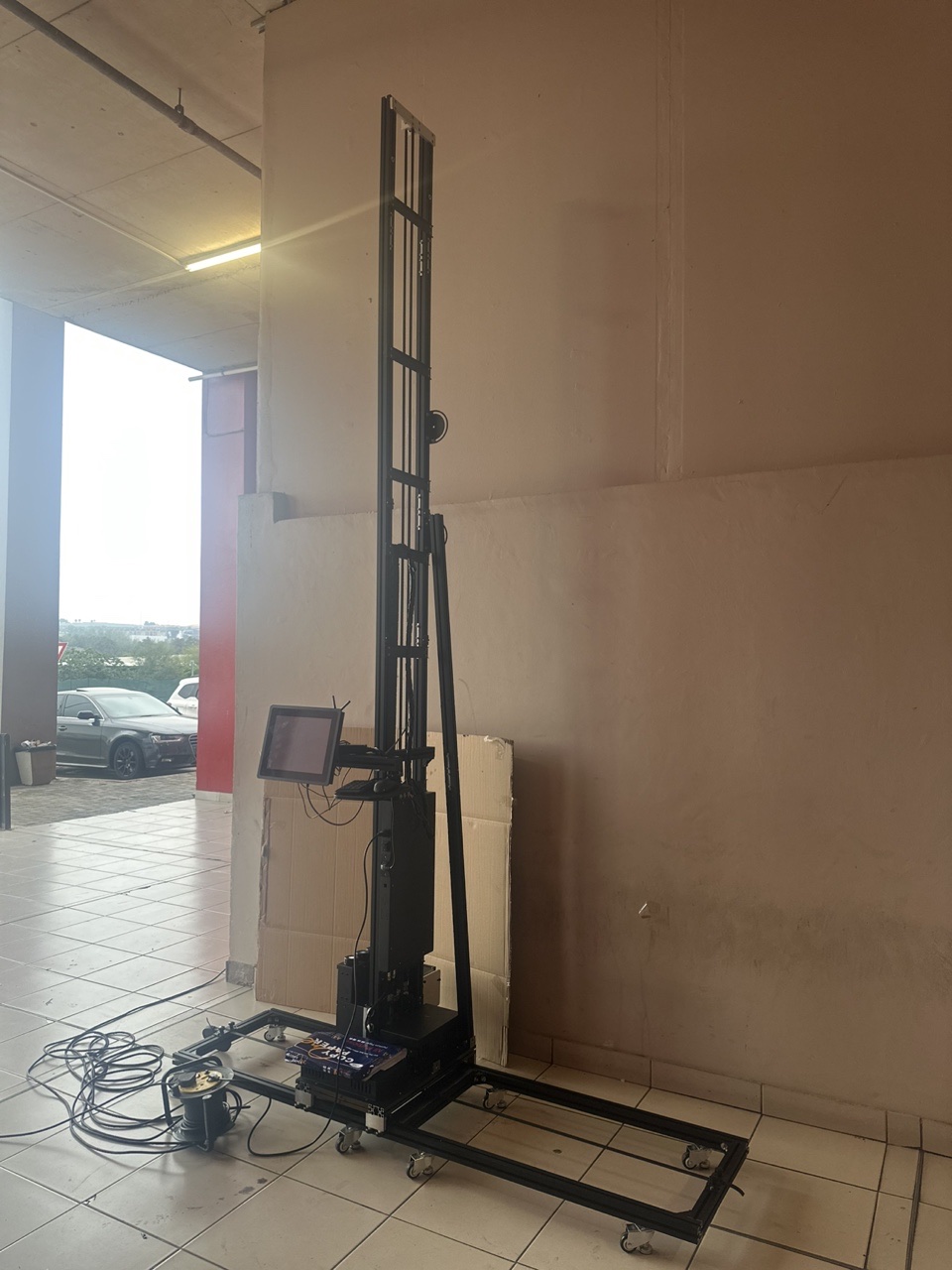
Latest Arrivals
Latest Arrivals
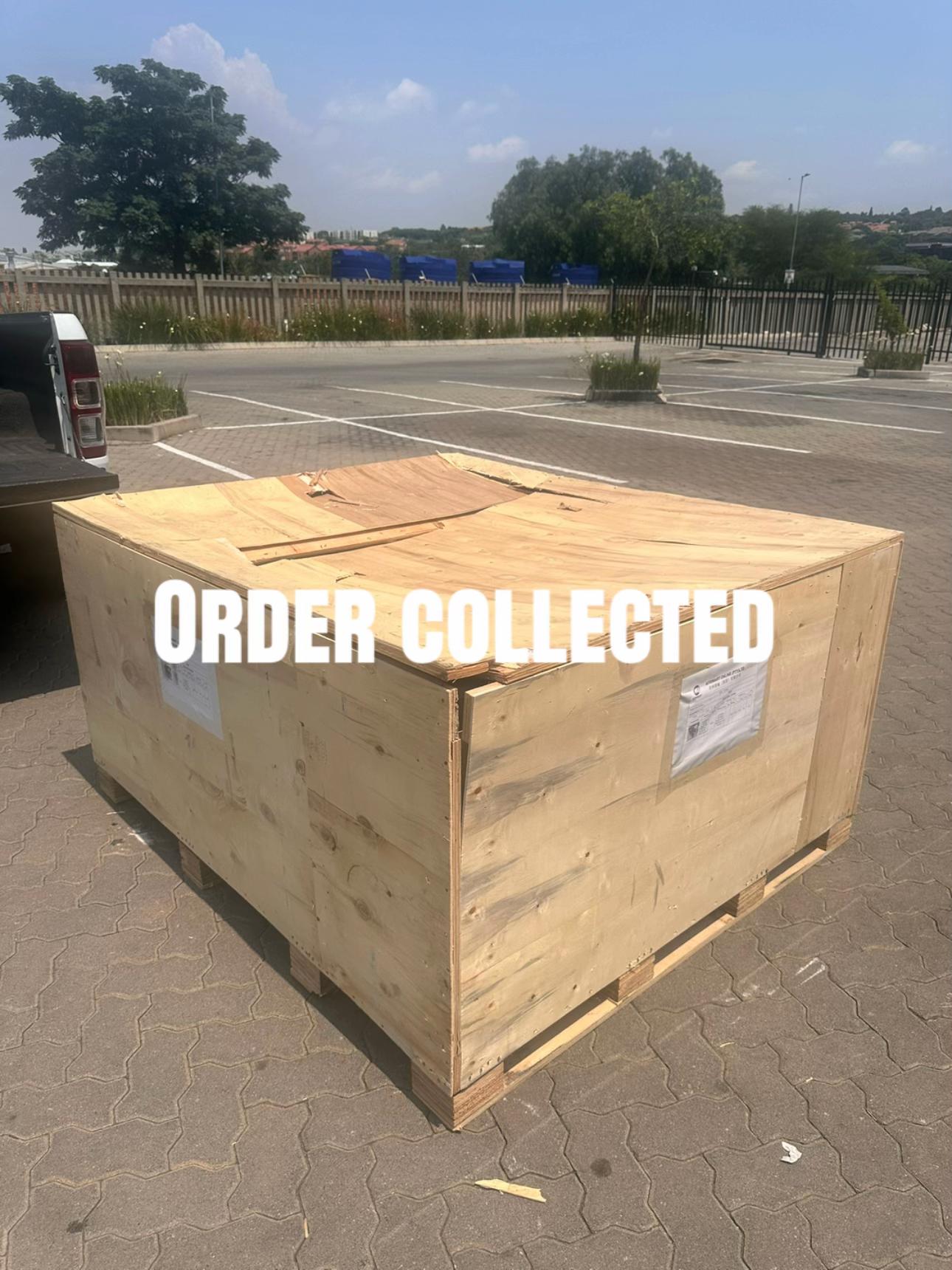
Latest Arrivals
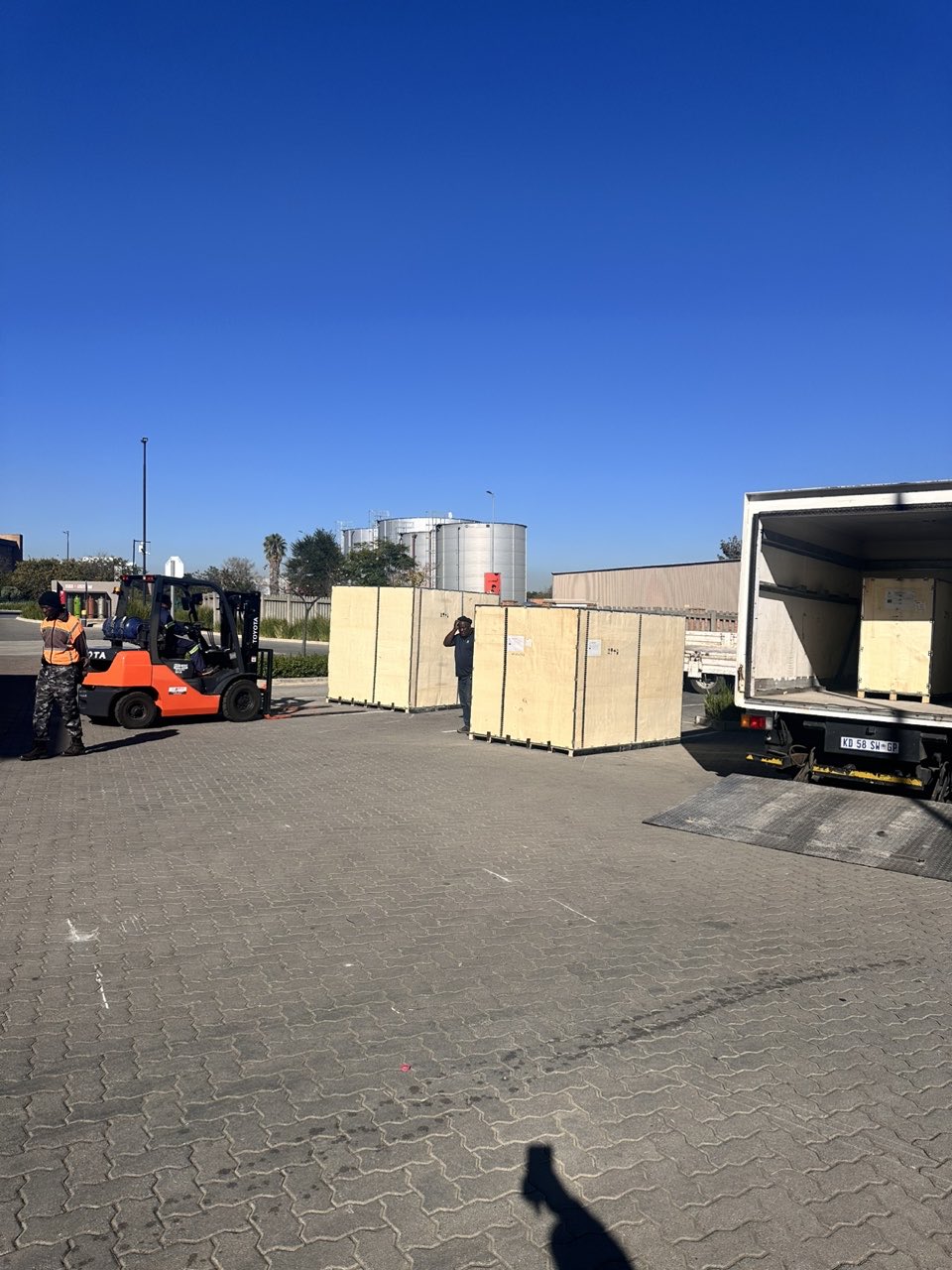
Loading
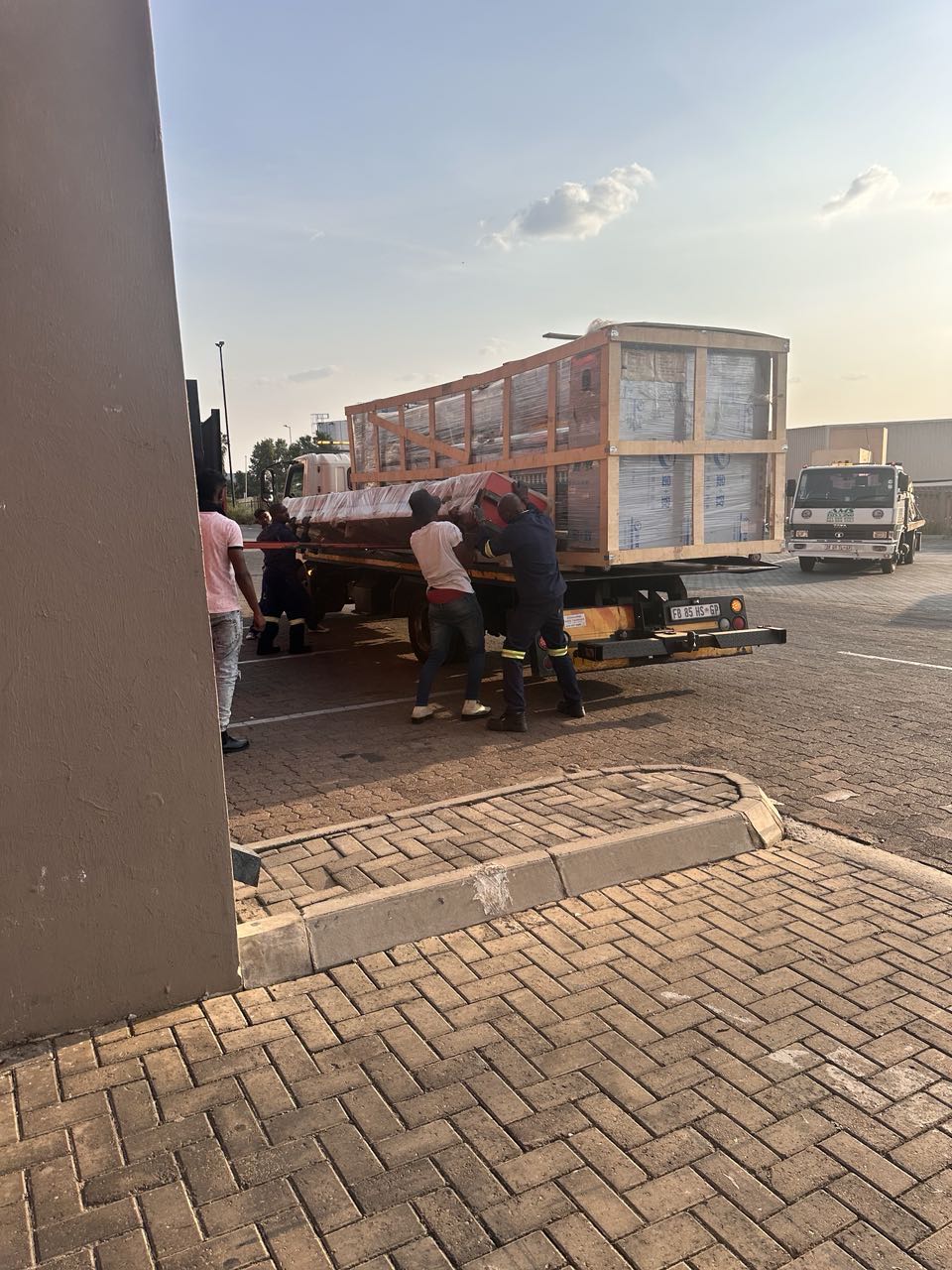
Toilet paper making machine
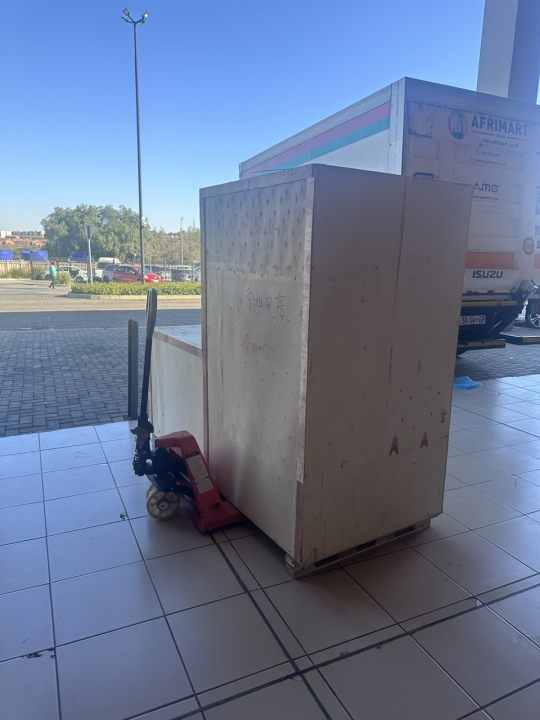
Toilet paper making machine
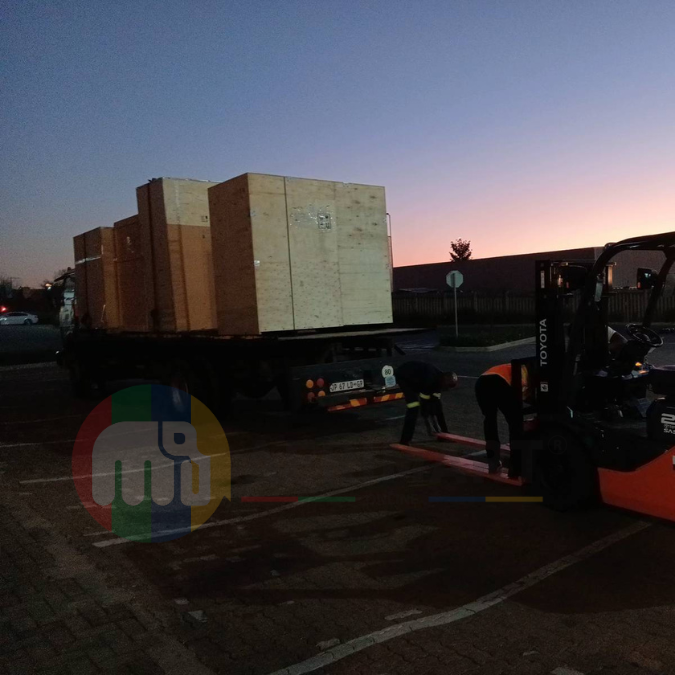
Toilet paper Rewinding Machine
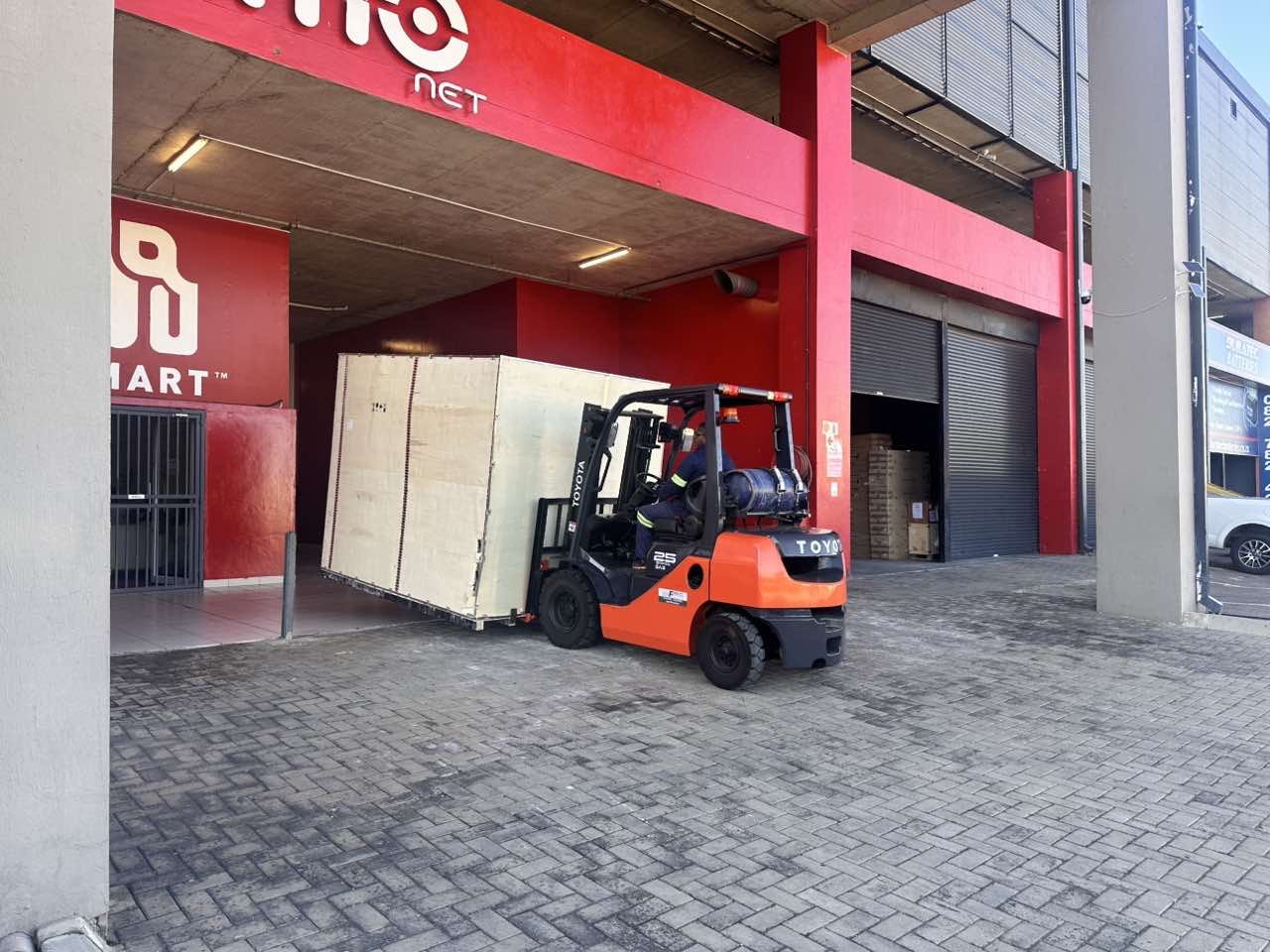
latest arrivals
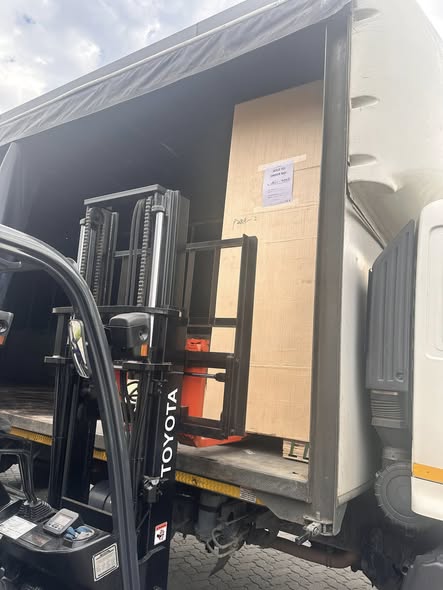
offloading
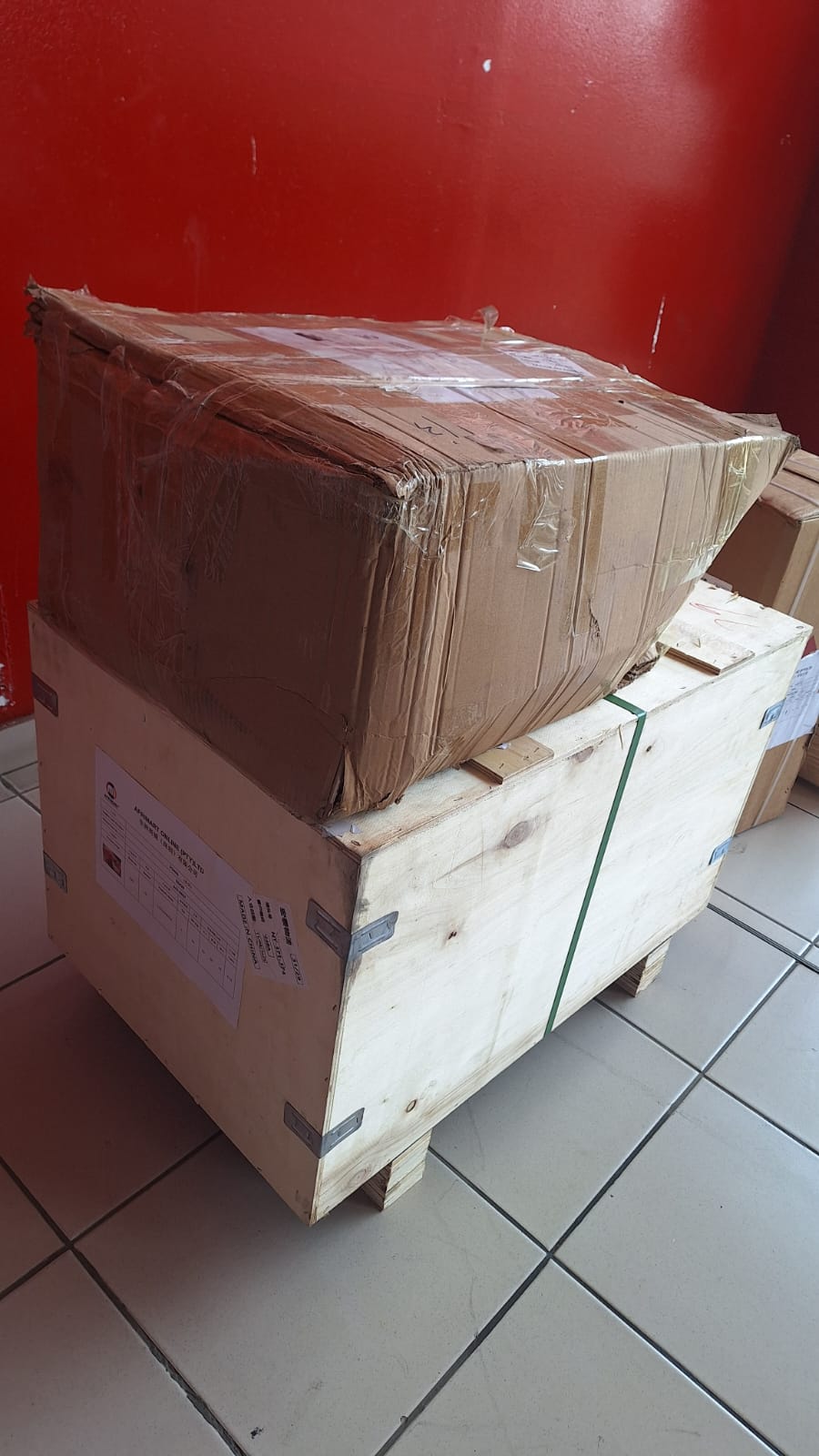
order success
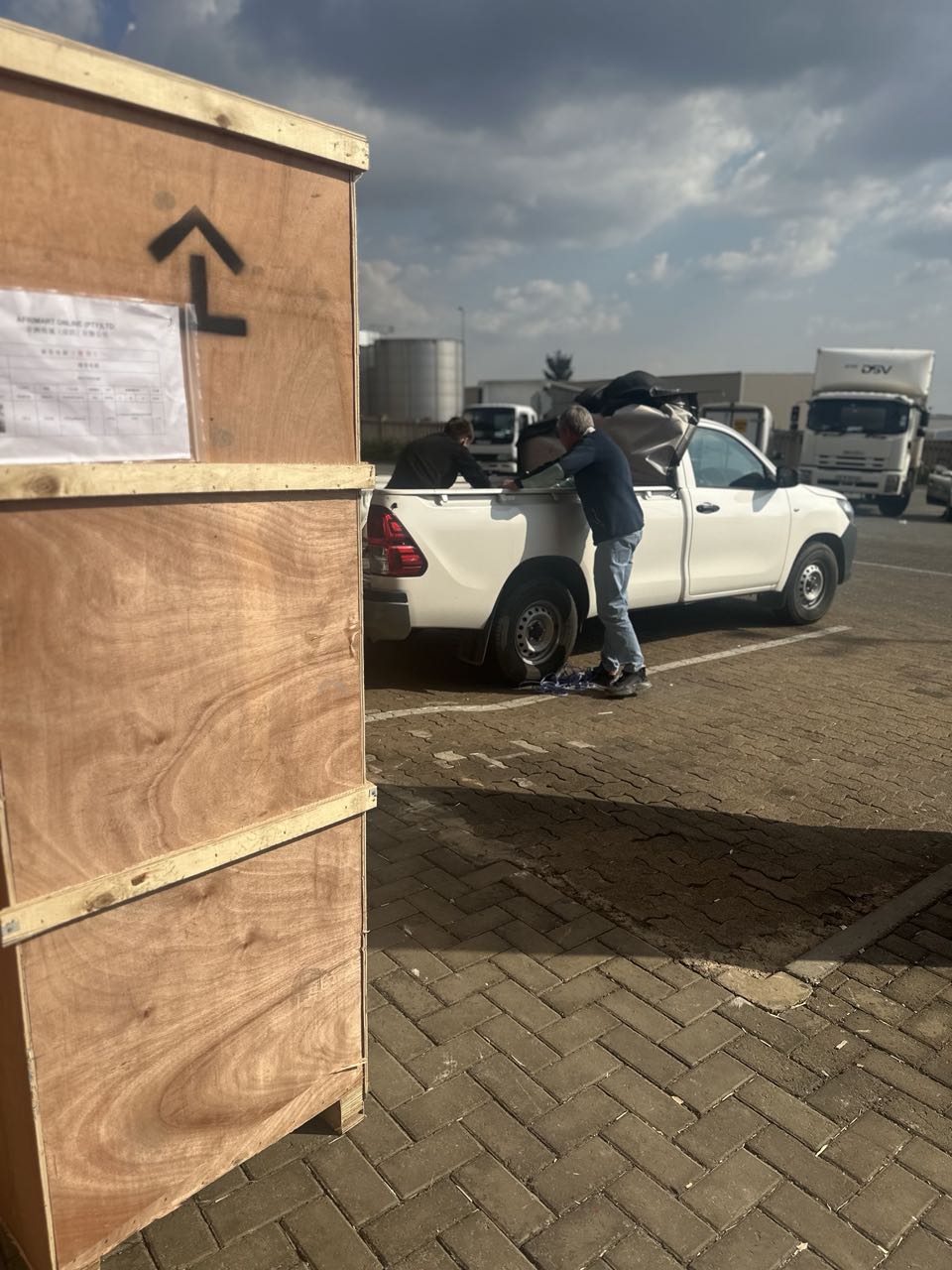
order collection
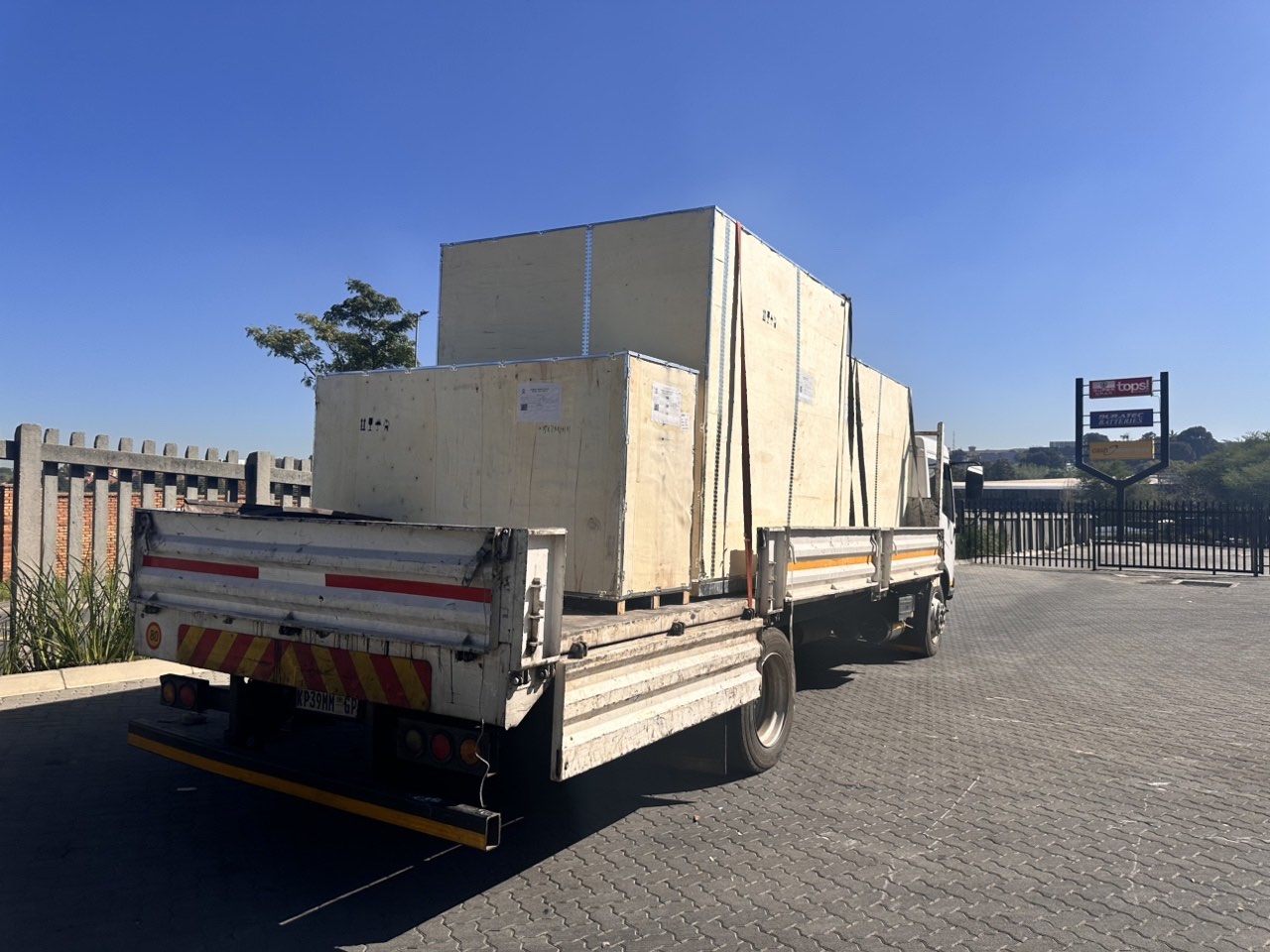
order offloading