B21, China Town Mall, Midrand


Automatic Mandrel Stainless Pipe Tube Bending Machine
Asset finance available
Do you want funding for this equipment?
Afrimart can connect you with trusted funding partners who specialise in asset finance for businesses like yours. Compare options and apply in minutes — final approval is subject to provider review.
Check funding options
Secure & no obligation

- Section : Machinery
- Category : Machine Tool Equipment
- SKU : 1600991138298

Automatic Mandrel Stainless Pipe Tube Bending Machine
The Automatic Mandrel Stainless Pipe Tube Bending Machine is perfect for all your bending needs. This machine makes it easy to create precise bends in various materials. Whether you’re working on pipes for tools or hardware, this machine is a reliable choice.
Key Features
Versatile Material Processing: The machine can bend different materials like alloy, brass, copper, carbon steel, stainless steel, and aluminum. This versatility helps you tackle various projects with ease.
High Bending Angle: It allows for a maximum bending angle of 190 degrees. You can achieve tight bends that are perfect for many applications.
Precision Bending: With a bending precision of 0.1 degrees, you can trust that your bends will be accurate. This feature is crucial for high-quality work.
Automatic Operation: The machine runs automatically, making it user-friendly. This saves you time and effort, allowing you to focus on other tasks.
Powerful Performance: Operating at 3.5 kW, this machine provides strong and efficient performance. You can complete projects faster without sacrificing quality.
Heavy-Duty Weight: Weighing 2800 kg, this machine is built to last. Its sturdy construction ensures durability for long-term use.
Max Bending Diameter: The machine can handle a maximum bending diameter of 38 mm with a thickness of 2 mm. This capability expands the range of projects you can tackle.
Max Bending Radius: It offers a maximum bending radius of 180 mm, allowing for smooth and consistent bends.
Max Feed Length: With a maximum feed length of 2500 mm, you can work on longer pieces with ease.
Multi-Usage: This machine is ideal for creating molds, tools, hardware, hydraulic parts, and more. It’s perfect for various industries.
In conclusion, the Automatic Mandrel Stainless Pipe Tube Bending Machine by CJ is an essential tool for anyone needing precise and versatile bending capabilities. Its powerful performance, automatic operation, and precision features make it a valuable addition to any workshop. Whether for professional use or serious hobbyists, this machine will help you achieve excellent results in your projects.
Product Info Gallery
| Model |
25
| 38 | 50 |
| Maxibending diameter*thickness | 25*1.6mm | 38*2 mm | 50*3 mm |
| Max bending radius | R80 mm | R180 mm | R250mm |
| Max angle of bend | 190° | ||
| Max feed length | 2500mm | 3000mm |
| Precision | ±0.1° | ±0.1° | ±0.1° |
| ±0.1° | ±0.1° | ±0.1° | |
| ±0.1 mm | ±0.1 mm | ±0.1 mm | |
| Round tube(Push round) | ≥6D | ||
| Rectangular tube(Push round) | ≥8D | ≥7D | ≥8D |
| Round tube(bending) | 1.5D-4D | 1.5D-5D | |
| Rectangular tube(bending) | 2.5D-4D | 2D-5D | |
| Weight | 1500 kg | 3600 kg | 4500kg |
| Overall size(L*W*H) | 4100*800*1400mm | 4910*1200*1600mm | 5500*1500*1750mm |

- Shipping Timeframes: All orders are processed within 2-5 business days (excluding weekends and holidays). After your order has been processed, the estimated delivery time is before 03 Aug, 2026, depending on customs, Please note that due to high demand, some items may experience longer shipping times, which will be communicated at order confirmation email.
- Order Processing Time: Please allow 2-5 business days for us to process your order before it is shipped . Orders placed after 16:00 on Fridays, or during weekends and public holidays, will begin processing on the next business day. Processing times may be extended during peak seasons or sales events.
- Manufacturing Time: Some products needs manufacturing time, the manufacturing process will take approximately 10-30 business days depending on the product. This timeframe may vary depending on the complexity of the product and current demand. but this will be communicated with you during order confirmation.
- Returns and Exchanges: We offer a 30-day return policy for most items. If you are not completely satisfied with your purchase, you may return it within 30 days of receipt for a refund or exchange. Items must be unused, in their original packaging, and accompanied by proof of purchase. Return shipping costs are the responsibility of the customer, unless the item was damaged or defective upon arrival.
1. What materials can the Automatic Mandrel Stainless Pipe Tube Bending Machine process?
The machine can bend a wide range of materials including stainless steel, carbon steel, aluminum, brass, copper and various alloys, making it suitable for many industrial and workshop applications.
2. What are the maximum tube diameter and wall thickness this machine can handle?
Depending on the model, the machine can handle up to 38 mm diameter with 2 mm wall thickness (and other model options include 25×1.6 mm and 50×3 mm capacities). Contact the supplier for confirmation of the exact model suited to your parts.
3. What is the maximum bending angle and how precise are the bends?
The machine supports a maximum bending angle of 190° and delivers bending precision of ±0.1° for very accurate, repeatable bends.
4. What bending radii can the machine achieve?
Available maximum bending radii depend on model: typical values shown are R80 mm, R180 mm and R250 mm across different machine variants, allowing for tight to generous radii as required.
5. How long a tube can I feed into the machine?
Maximum feed length varies by model — common options include 2500 mm and 3000 mm — enabling work on relatively long pieces without additional manual handling.
6. Is this a fully automatic machine and how does automation help?
Yes — it is an automatic mandrel bending machine. Automation reduces operator input, increases throughput, and ensures repeatability of complex bend programs, saving time and improving consistency.
7. What power does the machine require?
The machine is rated at 3.5 kW, providing the torque and performance needed for robust bending operations.
8. What are the typical applications for this tube bending machine?
Typical uses include manufacturing molds, tools, hardware, hydraulic components, piping for instruments, tubular frames, and other precision bent tube parts in automotive, furniture, HVAC and industrial sectors.
9. Can the machine bend both round and rectangular tubes, and what are the recommended D-ratios?
Yes. For round tubes the applicable push/pull ranges and D-ratios vary by model (examples given: round tube (pushed) ≥6D; round tube (bending) ranges from 1.5D–5D). Rectangular tube D-ratios shown include ≥8D and bending ranges 2D–5D. Exact capabilities depend on the model and tooling.
10. What does 'mandrel' mean and why is it important for bending stainless tube?
A mandrel is an internal support inserted into the tube during bending to prevent wall collapse, wrinkling and ovality. Mandrel bending is essential for thin-walled or ductile materials (like stainless steel) to maintain part quality and dimensional accuracy.
11. What tooling and mandrel options are provided or available?
The machine uses bend dies and mandrels sized to the tube diameter and wall thickness. Tooling sets are often offered to match the selected model and tube sizes; for specific dies, mandrel types and spare tooling lists please request the tooling catalog or consult the supplier.
12. What are the machine weight and footprint requirements?
Weight varies by model (examples: 1500 kg, 3600 kg, 4500 kg). Overall sizes shown for models include 4100×800×1400 mm, 4910×1200×1600 mm and 5500×1500×1750 mm. Ensure your floor loading capacity and workshop space match the selected model dimensions and weight.
13. What routine maintenance is required to keep the machine running well?
Regular maintenance includes lubrication of moving parts, inspection and replacement of mandrels and dies as they wear, checking hydraulic/electrical systems, cleaning chips and debris, and following the manufacturer’s recommended preventive maintenance schedule.
14. What safety features should I expect or verify before operation?
Typical safety measures include emergency stop(s), protective guards or light curtains around moving parts, proper grounding and lockout/tagout procedures. Confirm the exact safety package and certifications with the supplier to meet local regulations.
15. How do I get pricing, lead time, spare parts or technical support?
Contact the machine supplier or manufacturer for current pricing, lead times, available spare parts, tooling options and training or technical support. Provide your desired model, tube sizes and production requirements so they can recommend the best configuration.
Latest Order Arrivals
Discover our latest orders
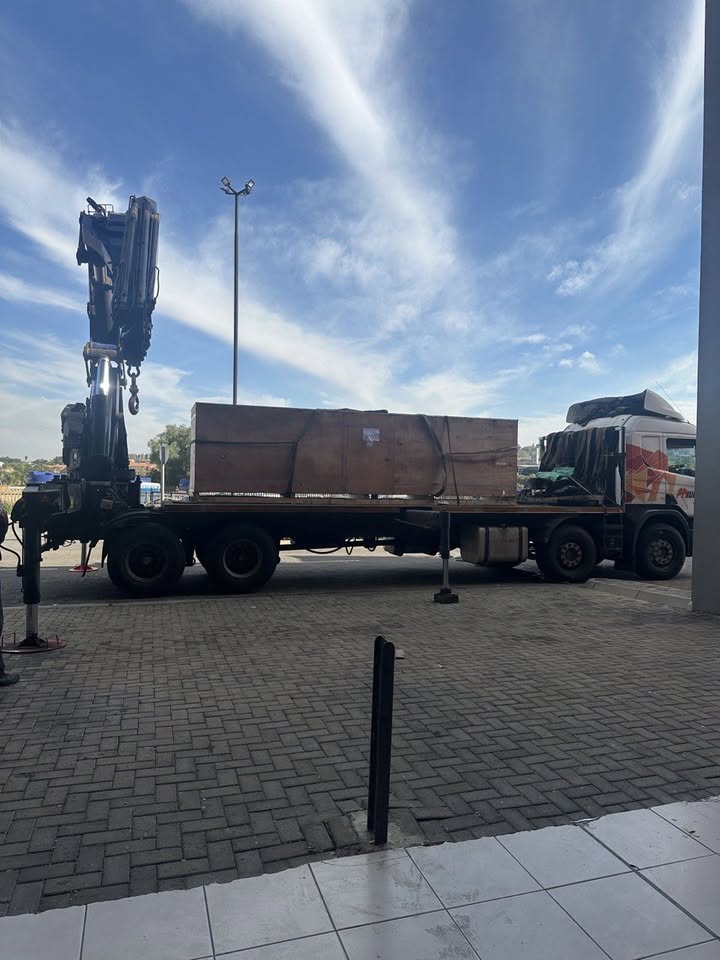
12 Heads Embroidery Machine
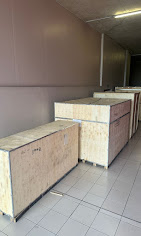
Toilet Paper Machine Machine
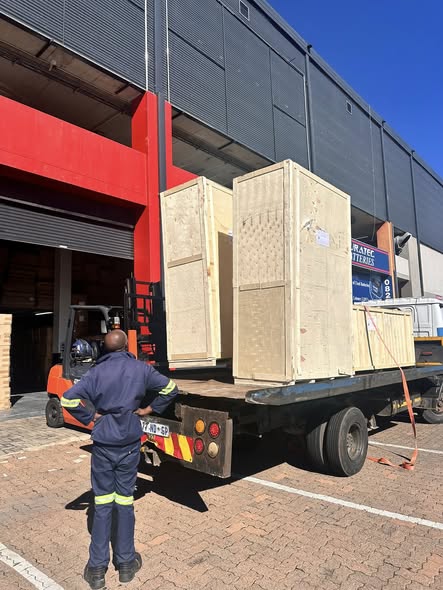
Order Collection
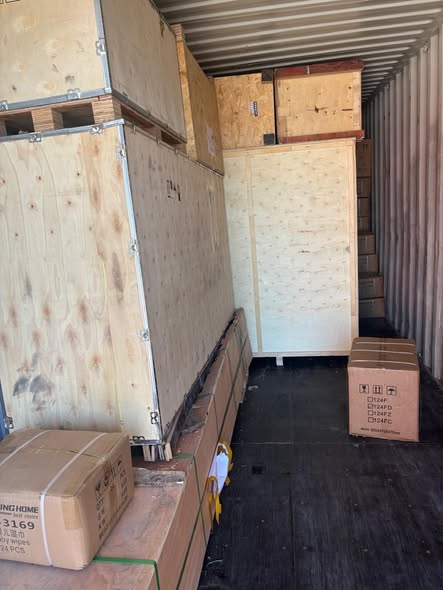
Cross Border Clients
Order cros border countries Collected
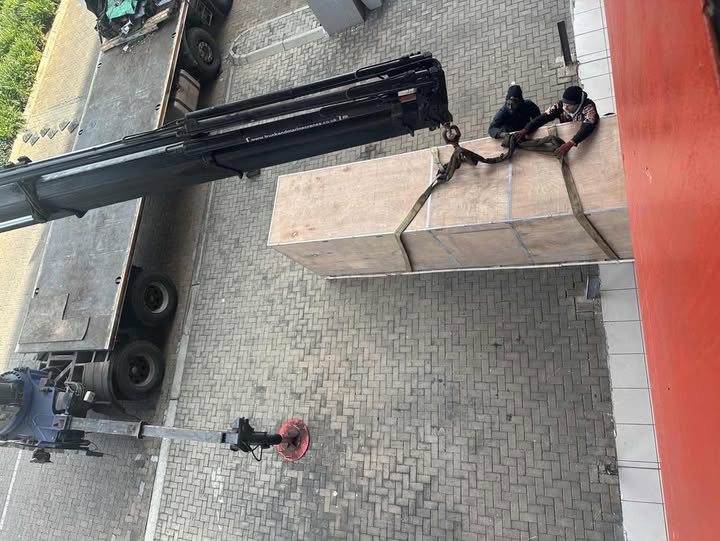
Industrial Machine Cllection
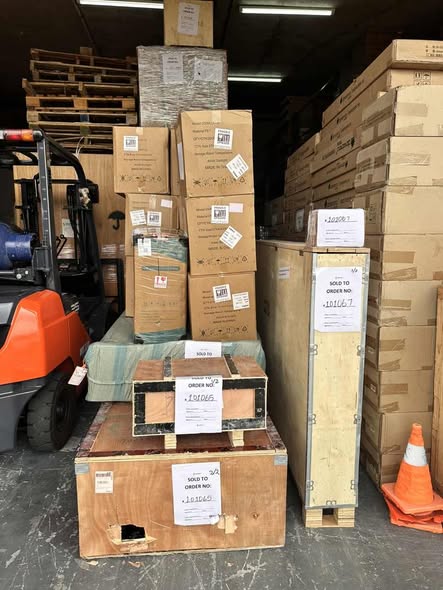
Agriculture Processing Machines
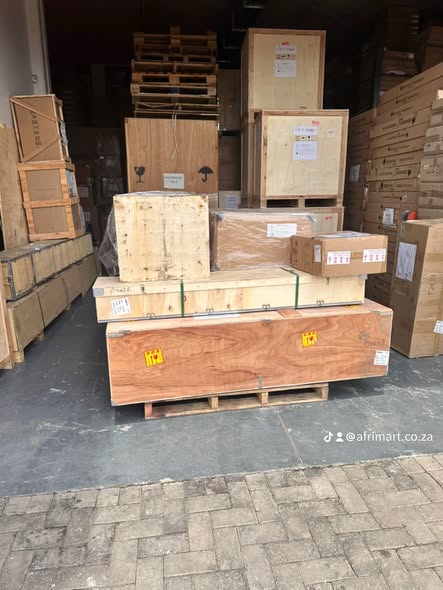
Ready for collection
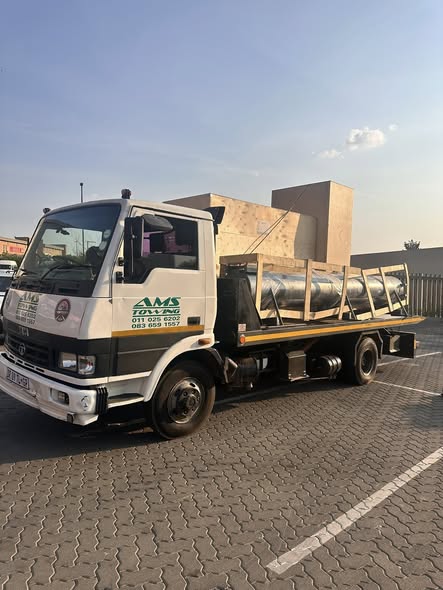
Water Pump Equipment
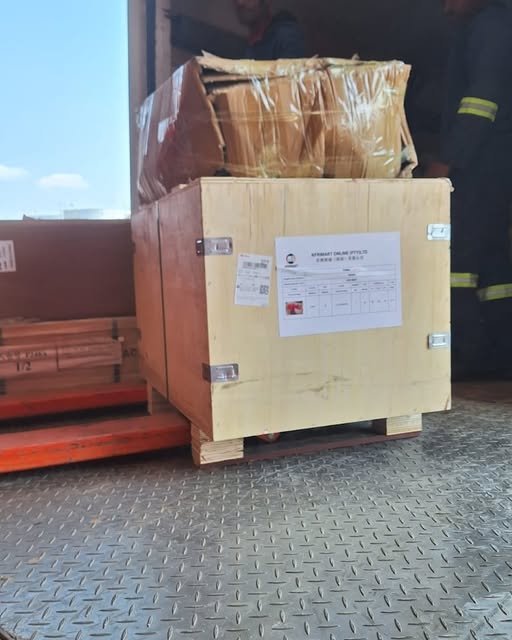
Packaging Machine and accessories
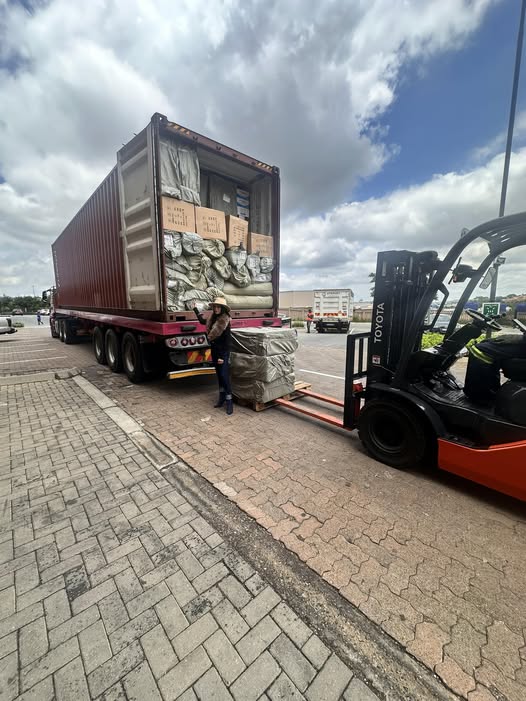
Fabrics Manufacturing Equipment
Mining Equipments
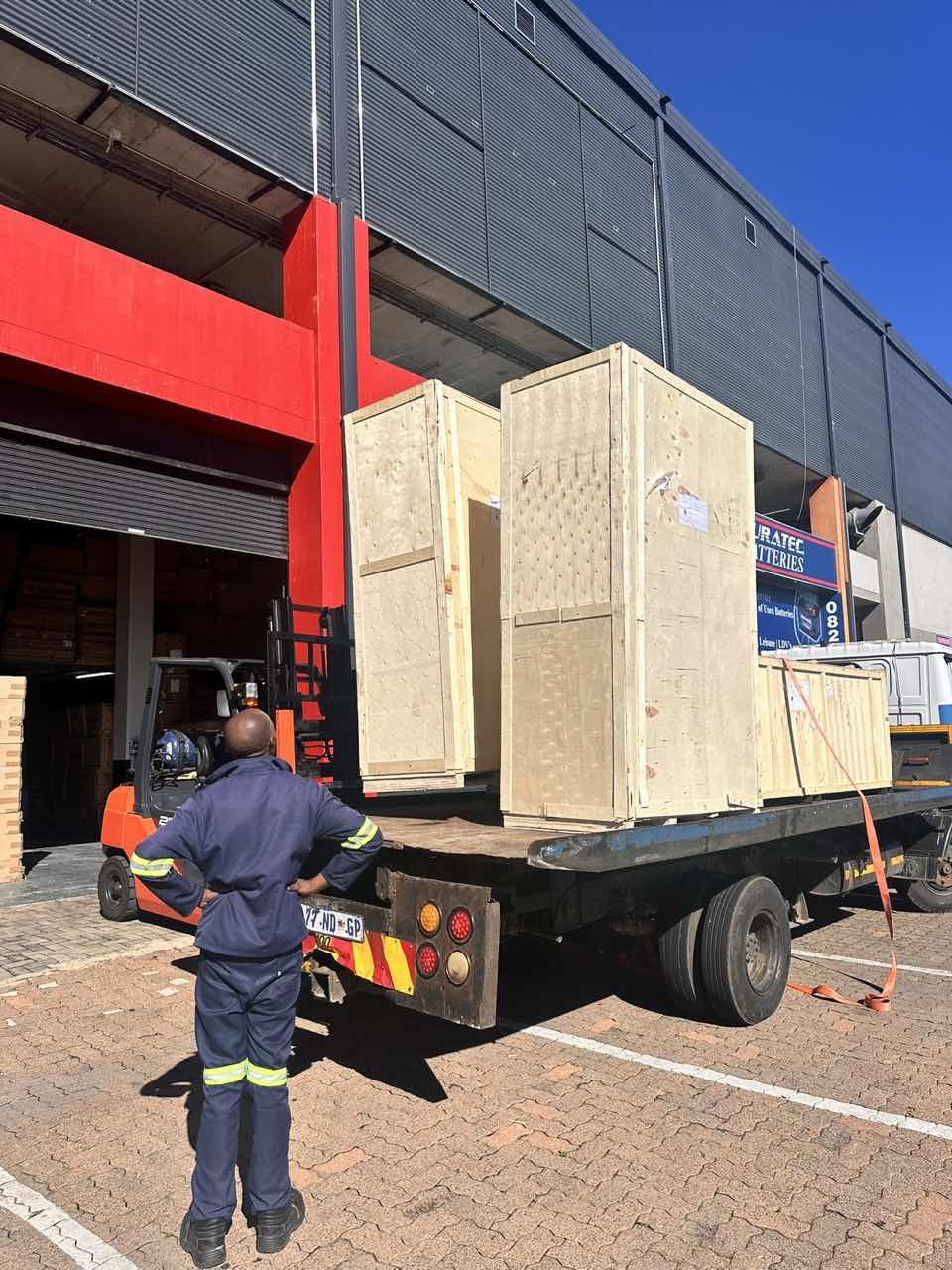
Food Processing Machine
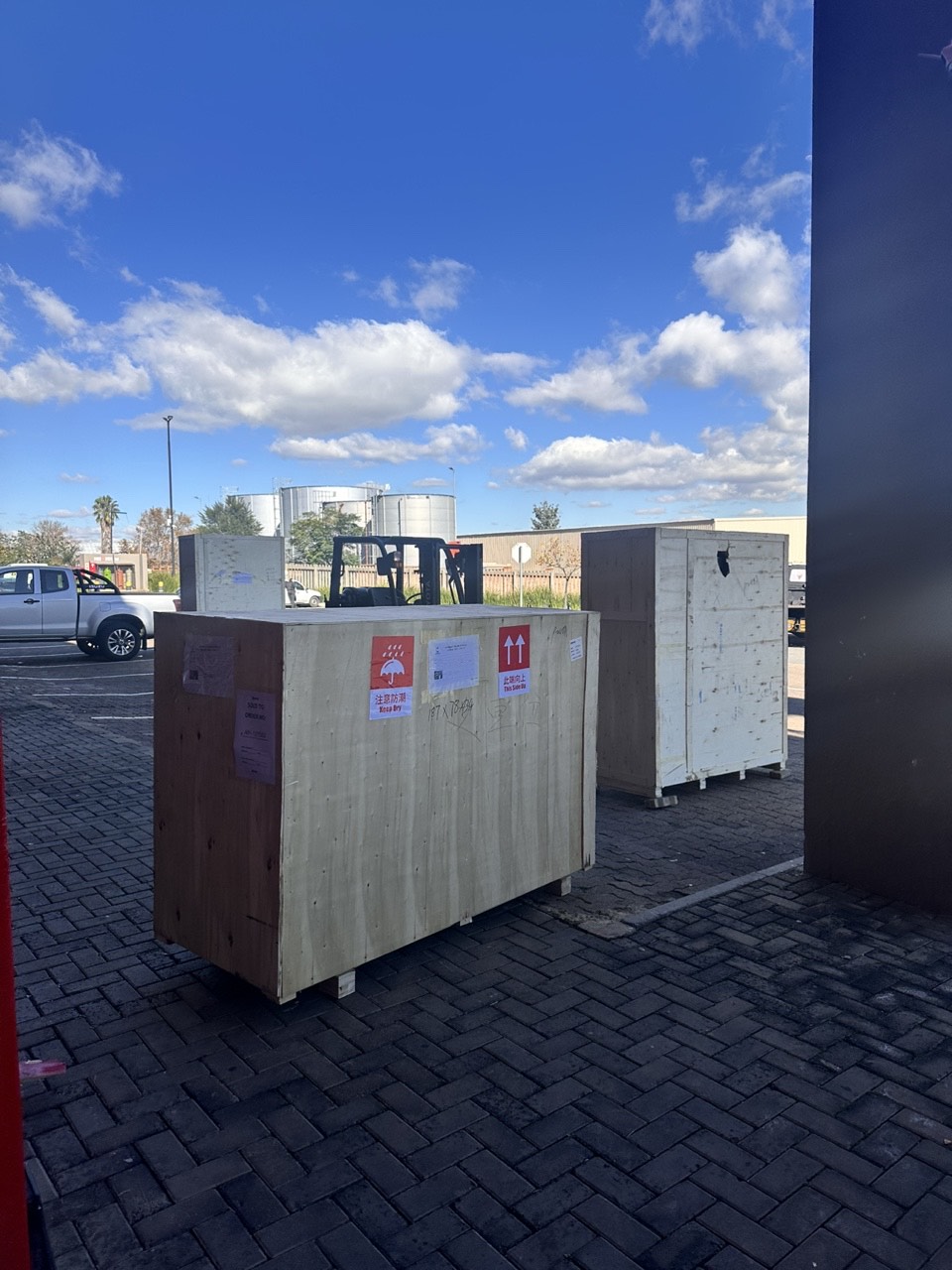
Batch of Orders
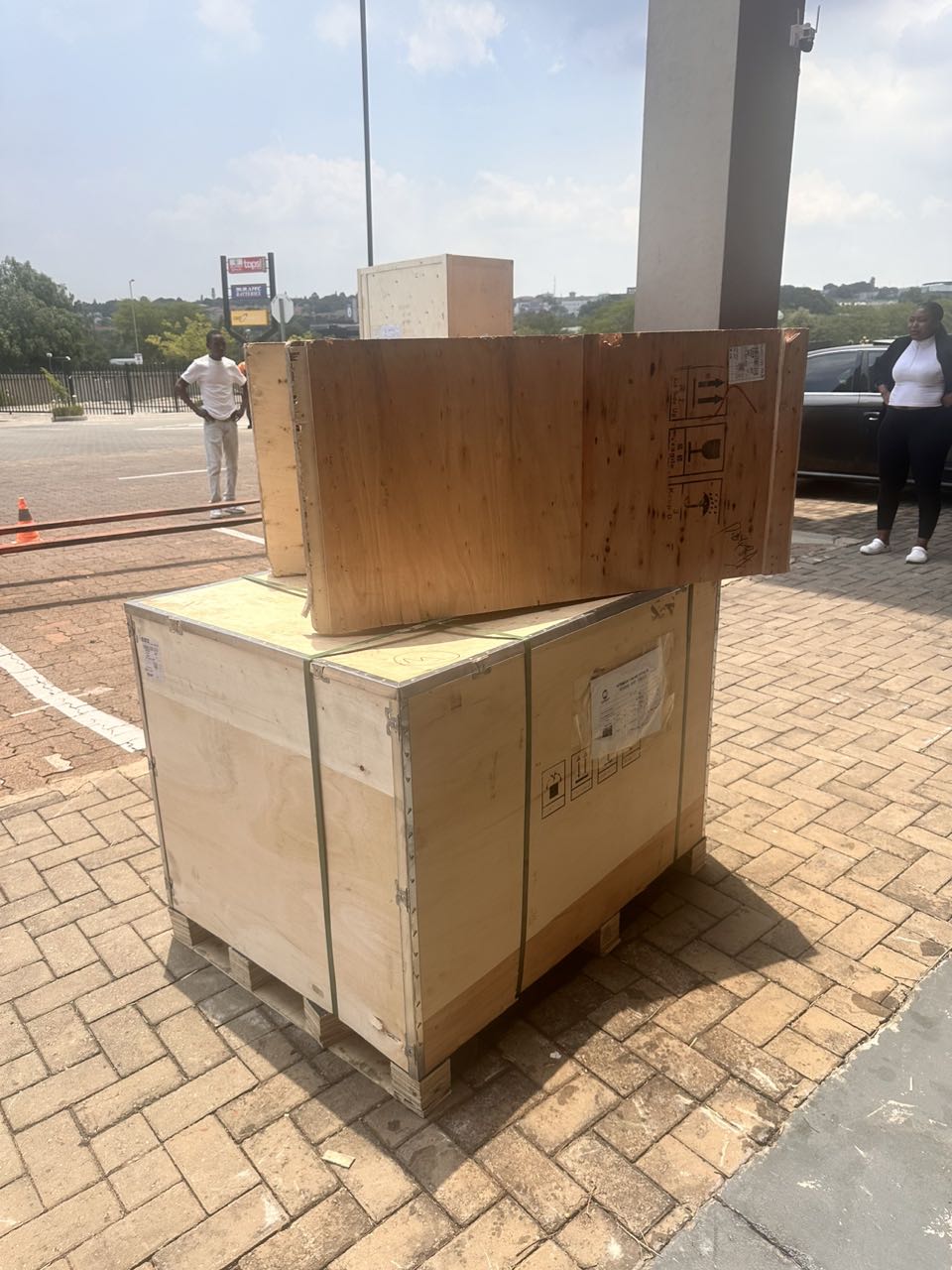
Batch of Orders
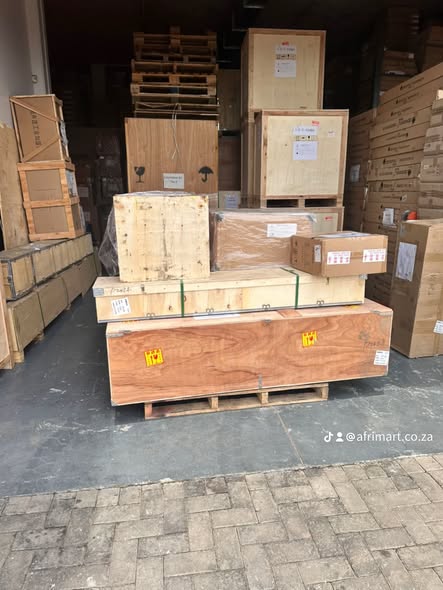
Latest Orders Labelled
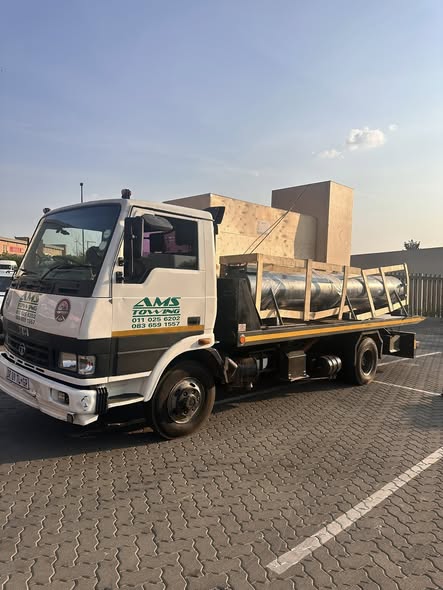
wheel alignment machines
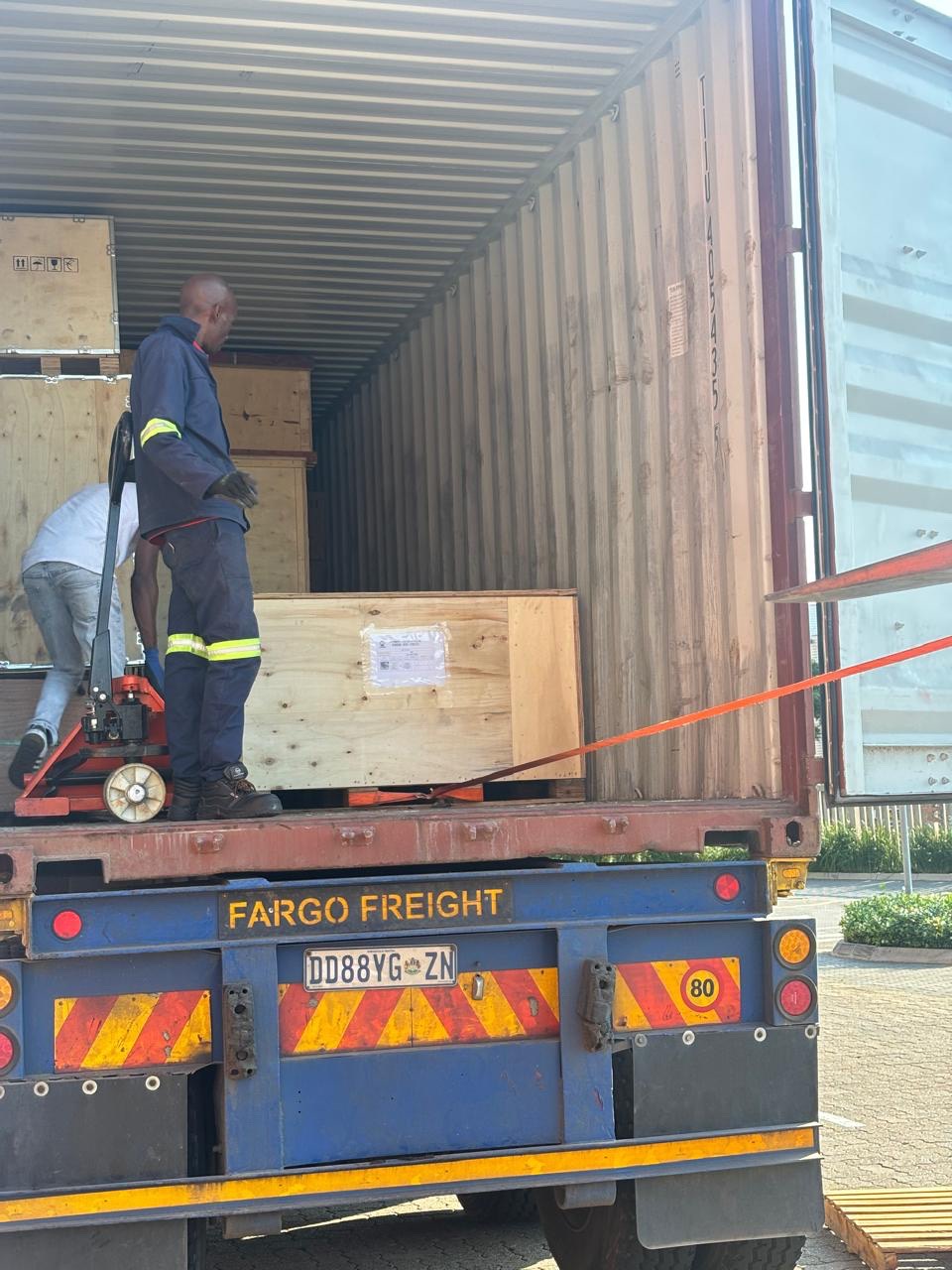
new arrivals
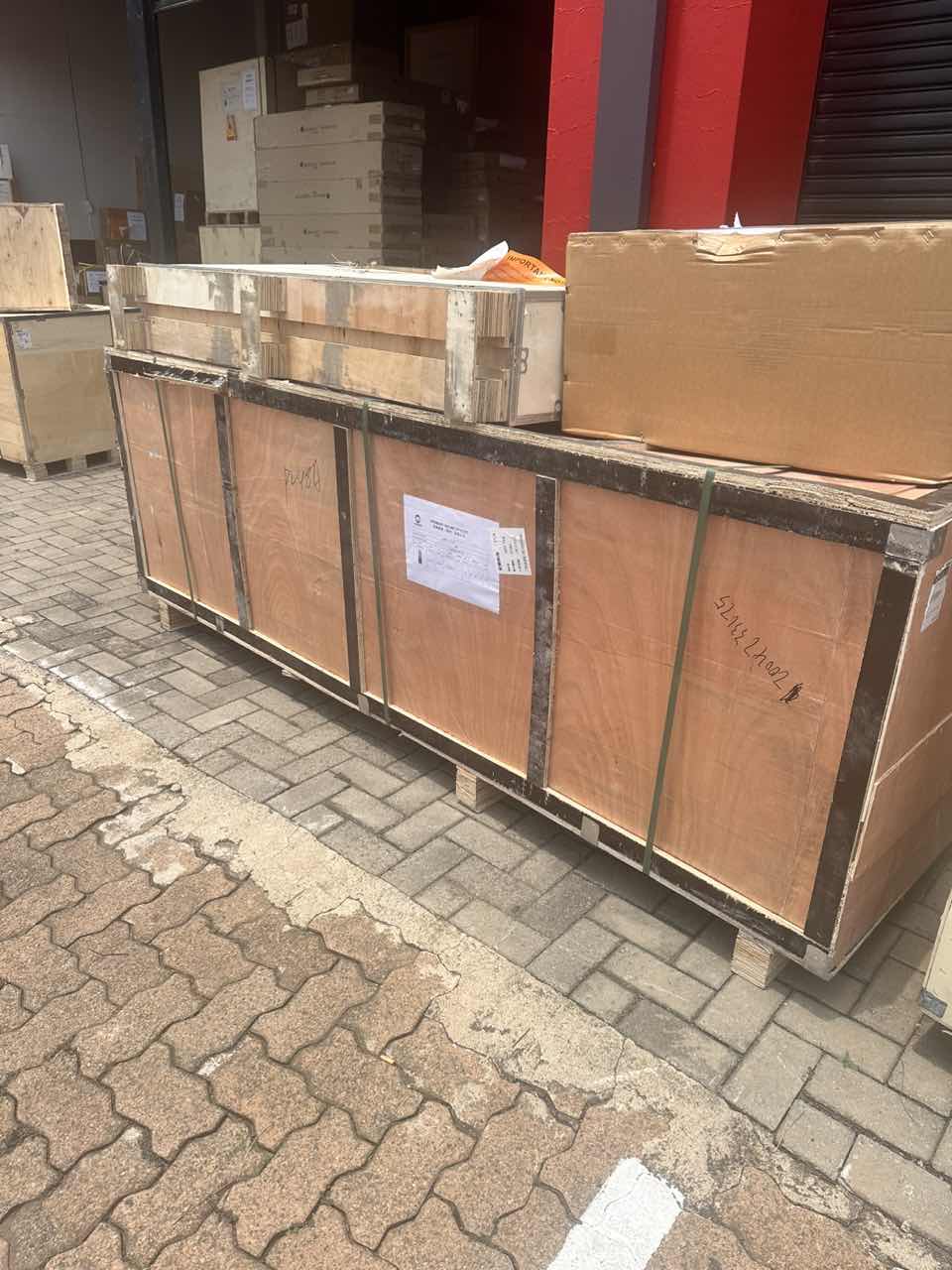
Pre Orders Offloading
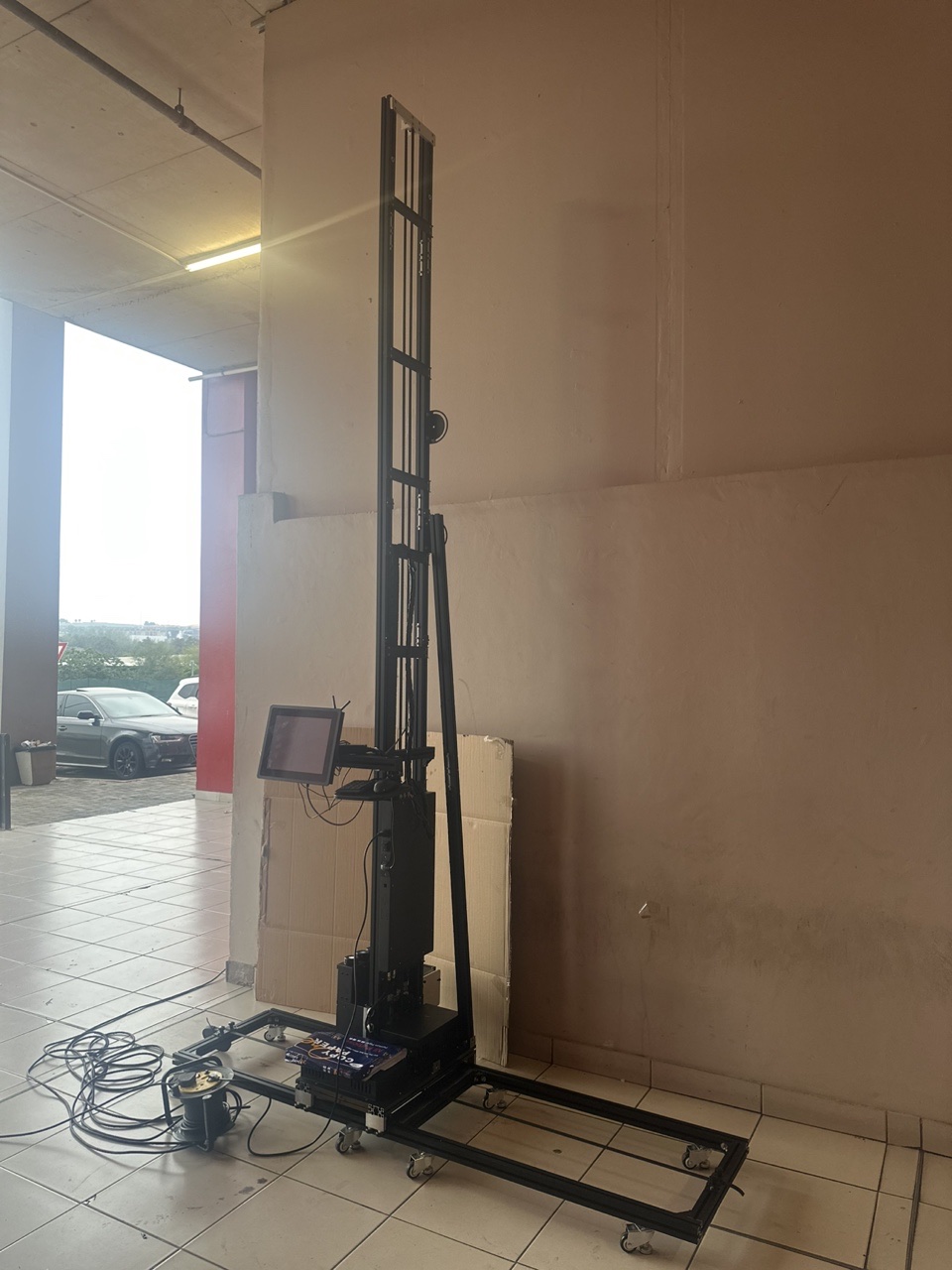
Latest Arrivals
Latest Arrivals
Latest Arrivals
Loading
Toilet paper making machine
Toilet paper making machine
Toilet paper Rewinding Machine
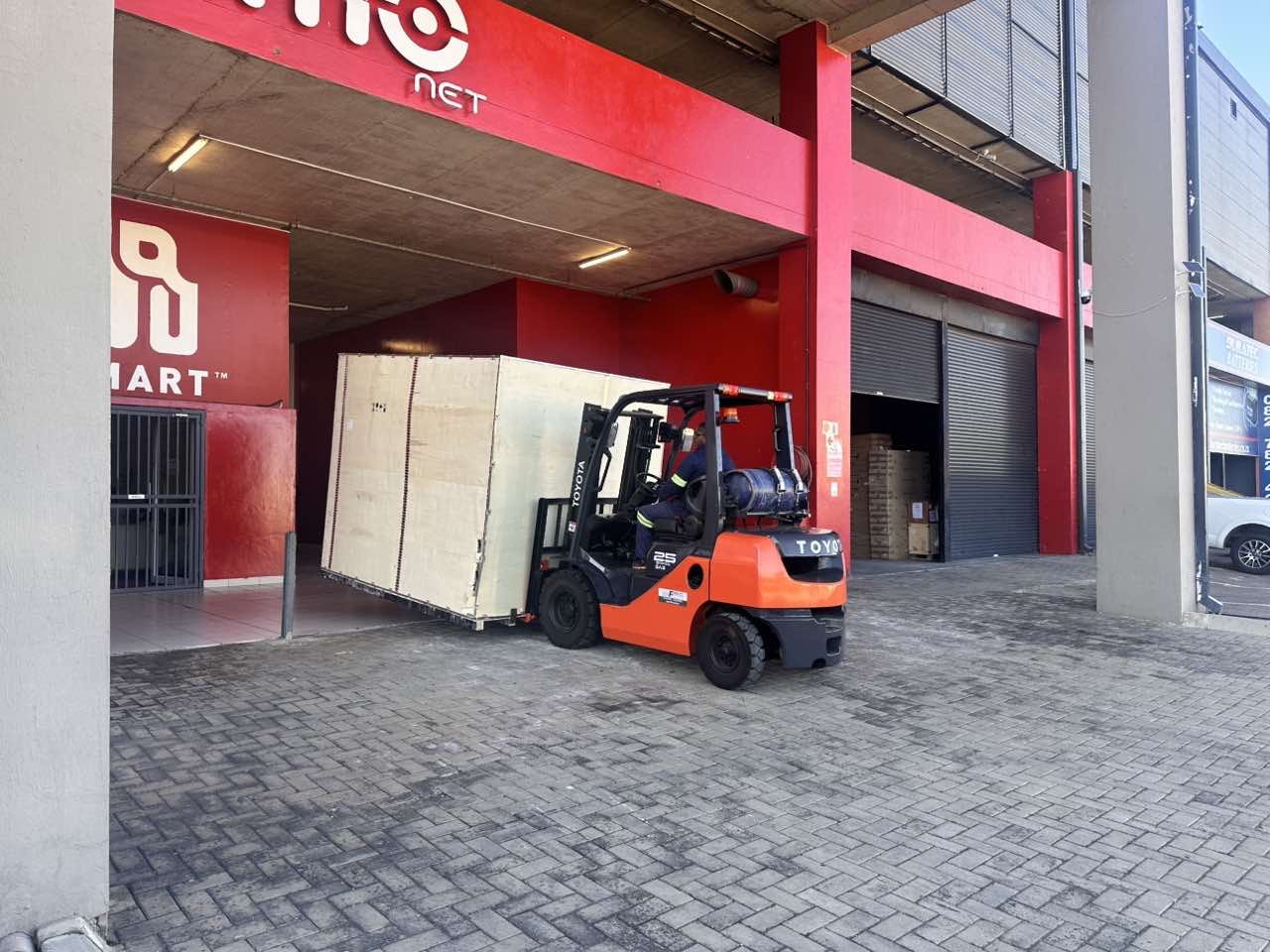
latest arrivals
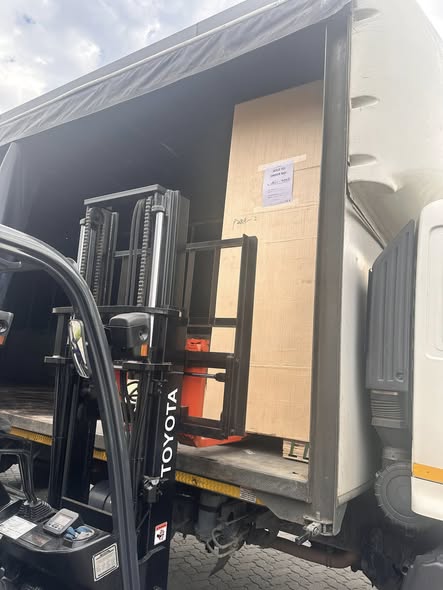
offloading
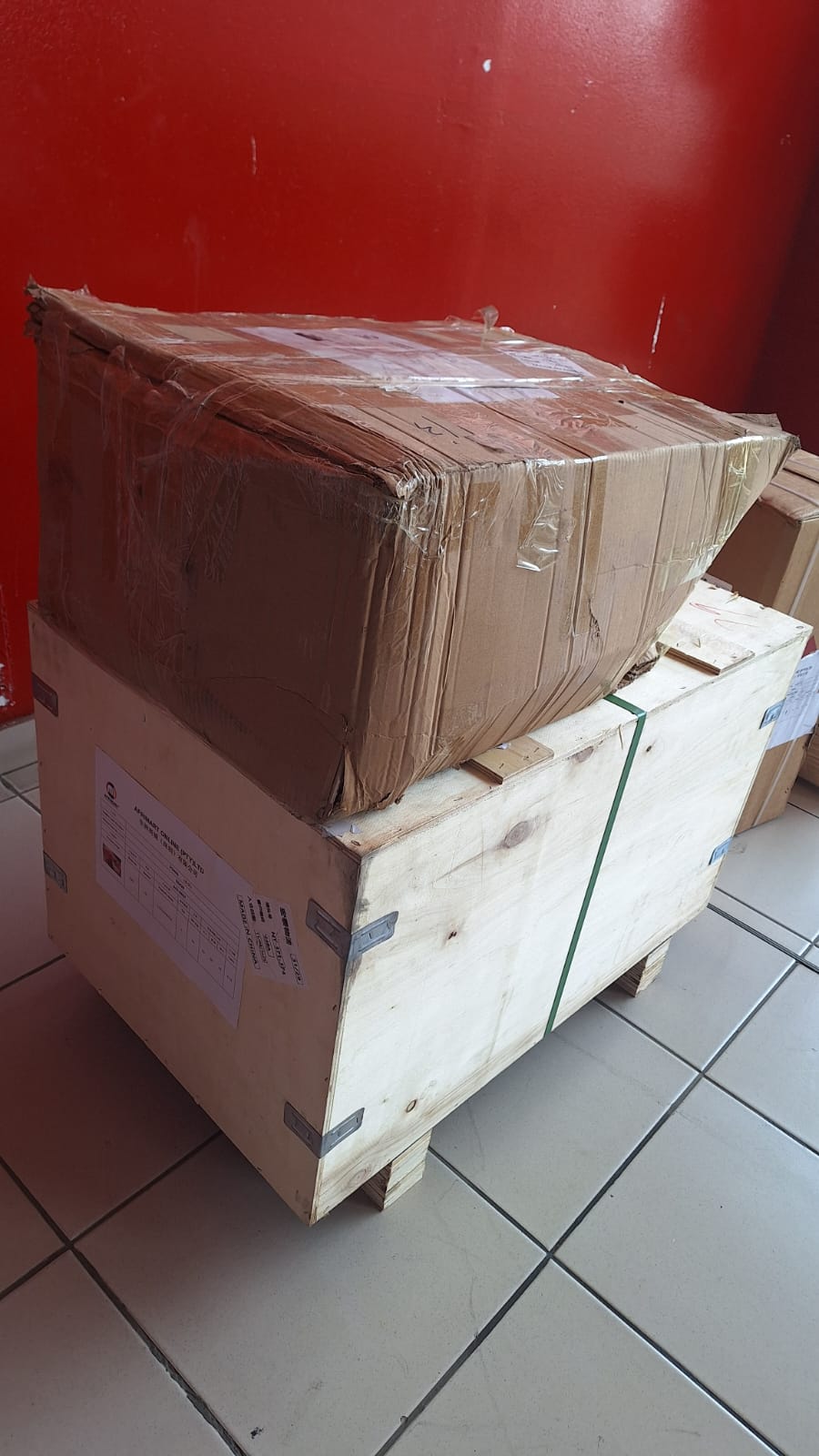
order success
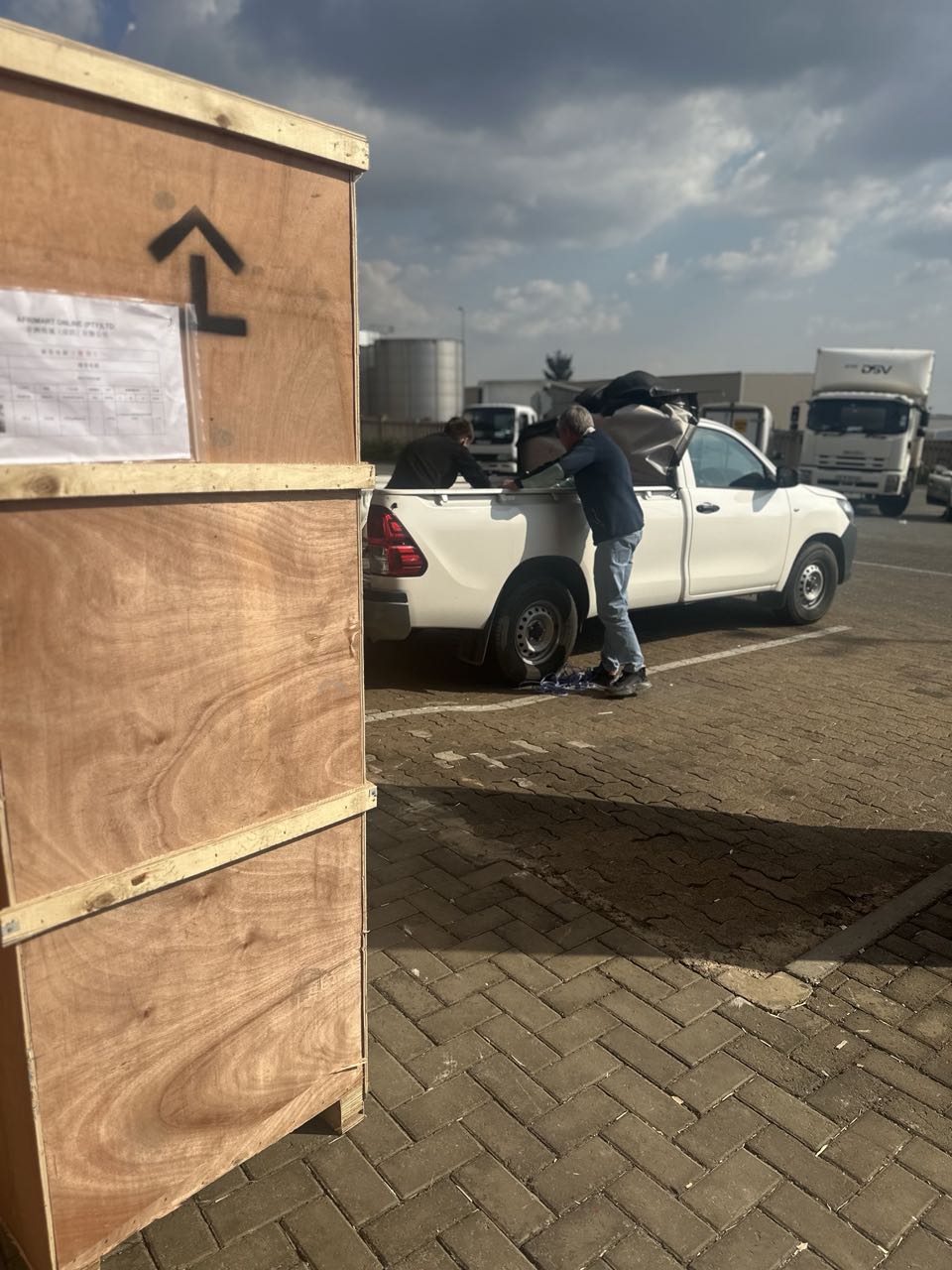
order collection
order offloading