B21, China Town Mall, Midrand

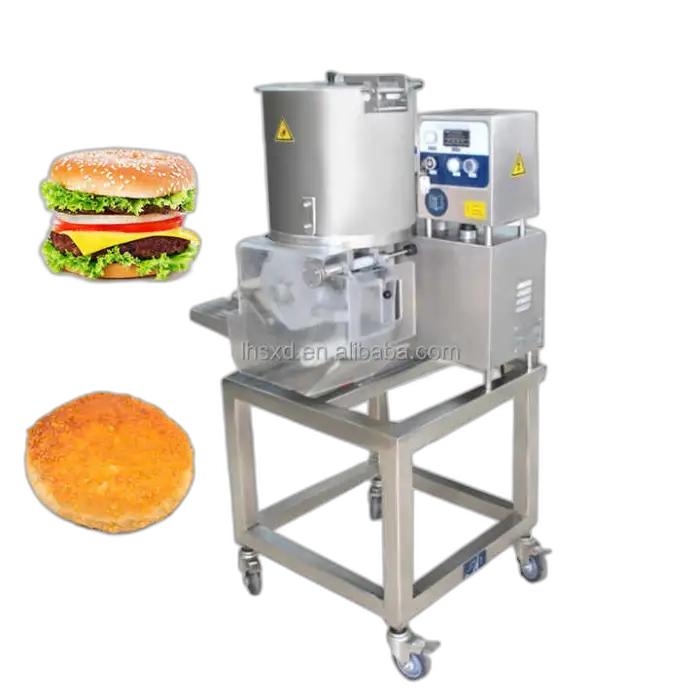
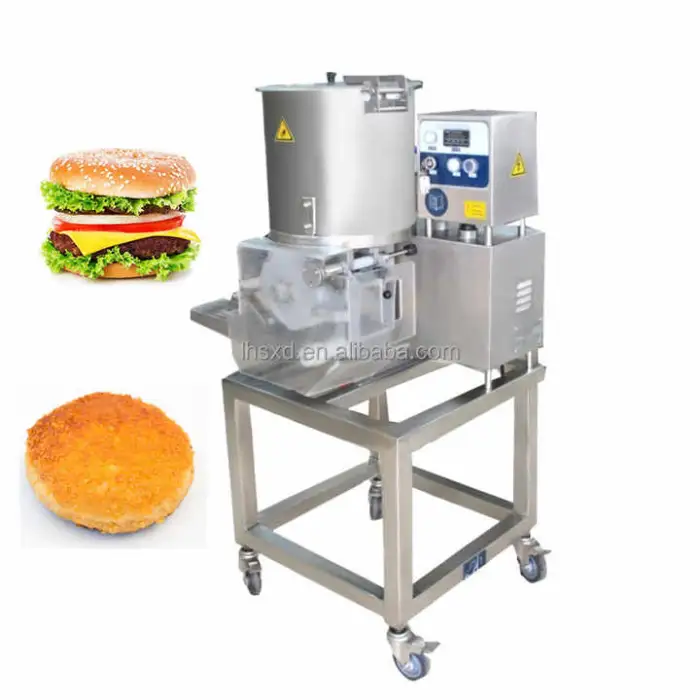
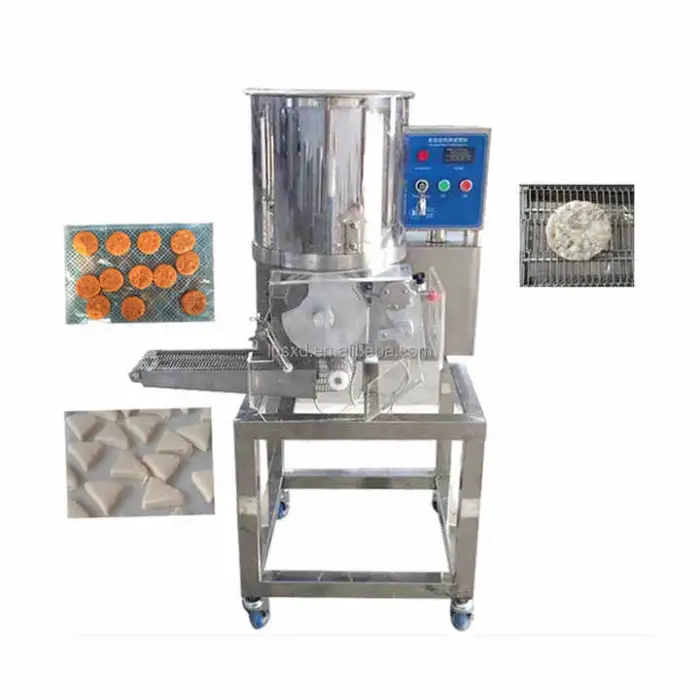
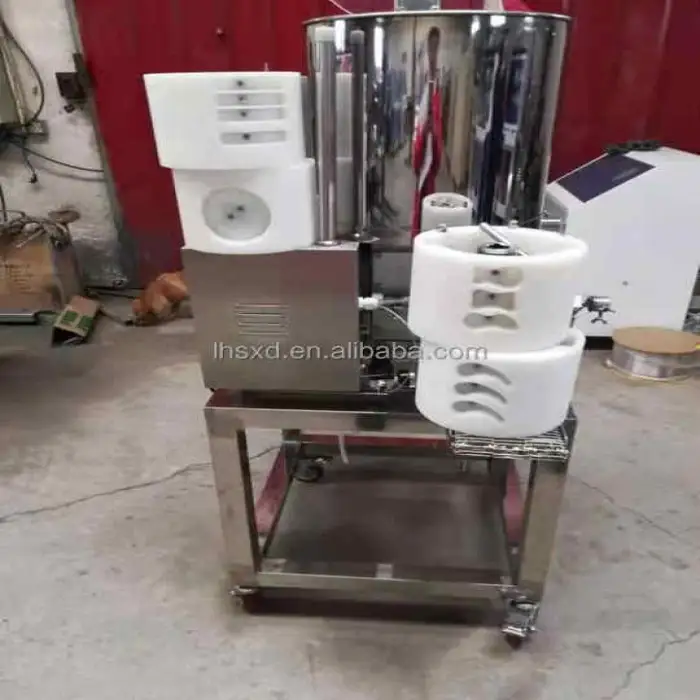
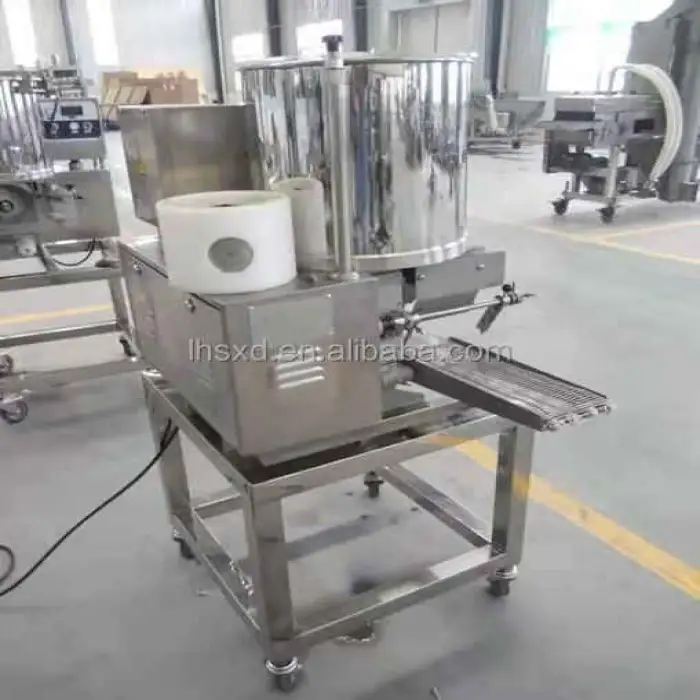
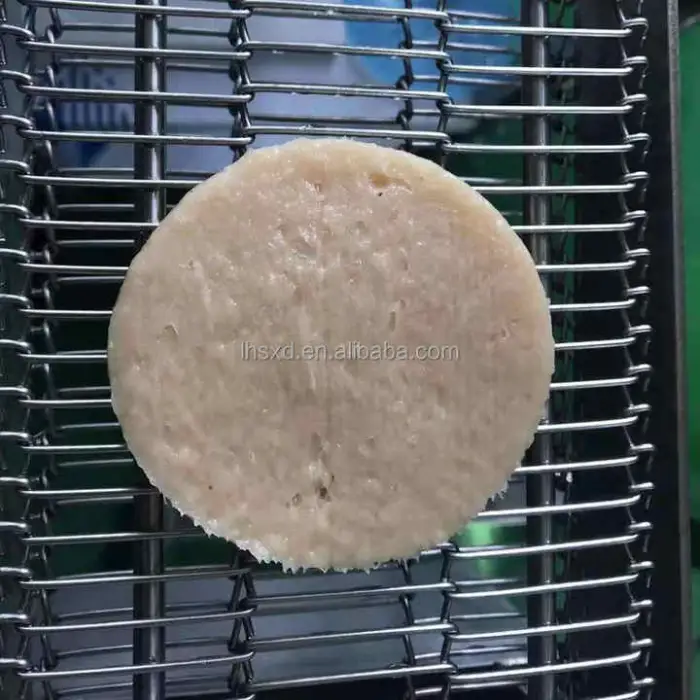
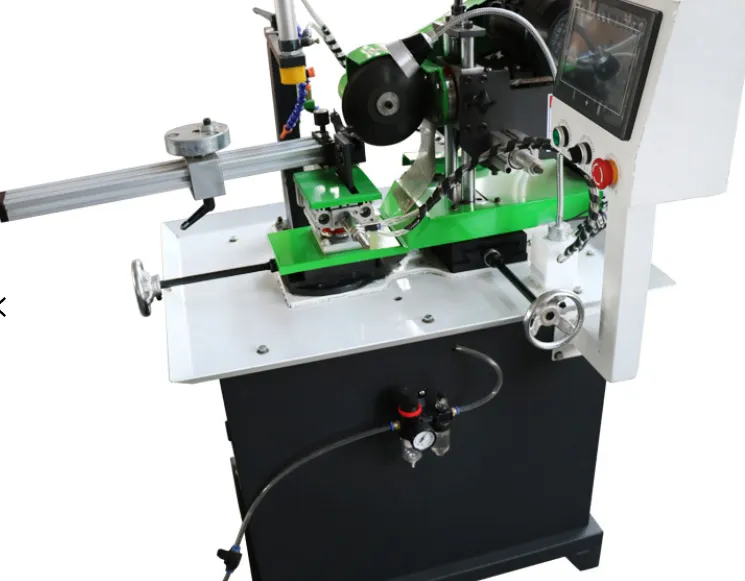
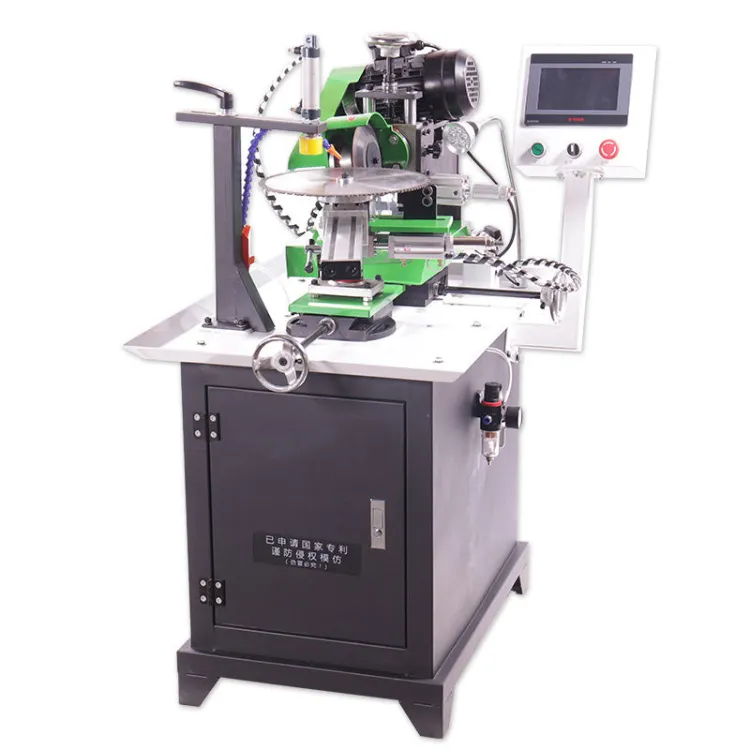
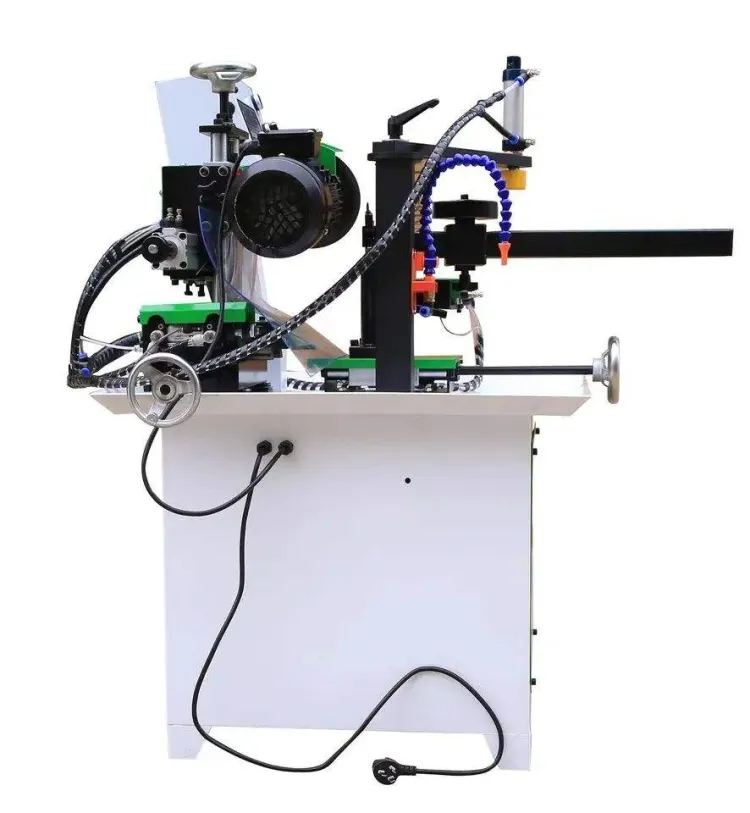
Automatic Jamaican Patty Making Machine / Hamburger Patty Former / Burger Maker Forming Equipment
Asset finance available
Do you want funding for this equipment?
Afrimart can connect you with trusted funding partners who specialise in asset finance for businesses like yours. Compare options and apply in minutes — final approval is subject to provider review.
Check funding options
Secure & no obligation

- Section : Machinery
- Category : Food & Beverage Machinery
- SKU : 1600335289471

Automatic Jamaican Patty Making Machine / Hamburger Patty Former / Burger Maker Forming Equipment
The Automatic Jamaican Patty Making Machine is perfect for creating delicious and uniform patties quickly and efficiently. This machine is designed for high performance with a production capacity of up to 70 patties per minute. Made from durable stainless steel, it ensures longevity and easy maintenance. Enjoy the benefits of an automatic patty maker that minimizes noise and maximizes productivity.
Specifications
| Attribute | Details |
|---|---|
| Type | Meat Patty Forming Machine |
| Automatic Grade | Automatic |
| Production Capacity | 70 pcs/min |
| Power | 0.55 kW |
| Voltage | 110V/220V/380V |
| Weight | 100 KG |
| Dimensions (L*W*H) | 860*600*1400 mm |
| Material | Stainless Steel |
| Bin Capacity | 30 L |
| Belt Width | 130 mm |
Key Features
- Low noise level for a quiet working environment.
- High performance for quick and consistent patty production.
- Made from durable stainless steel for easy cleaning.
- Automatic operation for minimal manual effort.
- Compact design that fits in various kitchen spaces.
Applications
- Fast food restaurants for quick burger preparation.
- Catering services for large events and parties.
- Food trucks and mobile kitchens for on-the-go meals.
- Commercial kitchens for efficient meal production.
- Home use for creating homemade patties easily.
Upgrade your cooking process with the Automatic Jamaican Patty Making Machine today. Enjoy the ease of making perfect patties every time!
Product Info Gallery
- Shipping Timeframes: All orders are processed within 2-5 business days (excluding weekends and holidays). After your order has been processed, the estimated delivery time is before 23 Jun, 2026, depending on customs, Please note that due to high demand, some items may experience longer shipping times, which will be communicated at order confirmation email.
- Order Processing Time: Please allow 2-5 business days for us to process your order before it is shipped . Orders placed after 16:00 on Fridays, or during weekends and public holidays, will begin processing on the next business day. Processing times may be extended during peak seasons or sales events.
- Manufacturing Time: Some products needs manufacturing time, the manufacturing process will take approximately 10-30 business days depending on the product. This timeframe may vary depending on the complexity of the product and current demand. but this will be communicated with you during order confirmation.
- Returns and Exchanges: We offer a 30-day return policy for most items. If you are not completely satisfied with your purchase, you may return it within 30 days of receipt for a refund or exchange. Items must be unused, in their original packaging, and accompanied by proof of purchase. Return shipping costs are the responsibility of the customer, unless the item was damaged or defective upon arrival.
1. What types of patties can the Automatic Jamaican Patty Making Machine produce?
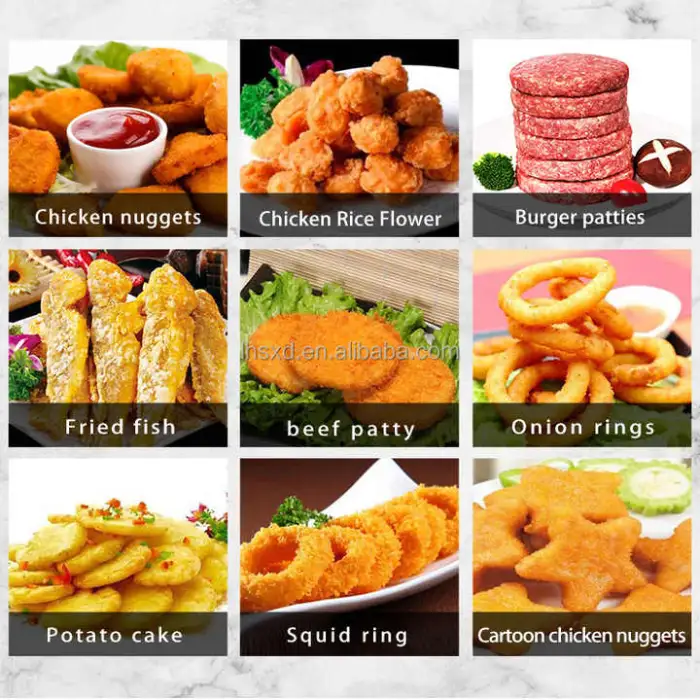
The machine is designed primarily to form meat patties such as hamburger and other ground-meat patties. It can also form a variety of shaped patties from minced mixtures. For pastry-encased Jamaican patties (dough + filling + sealing), additional dough-forming/sealing equipment may be required—check with the supplier for integrated solutions or custom tooling.
2. What is the production capacity?
The rated production capacity is up to 70 pieces per minute (about 4,200 pieces per hour). Actual output depends on patty size, thickness, product consistency, and operator setup.
3. What are the machine's power and voltage requirements?
Power consumption is 0.55 kW. Available voltage configurations are 110V, 220V, and 380V. Confirm the correct voltage version when ordering and ensure appropriate electrical supply and grounding at installation.
4. What are the machine dimensions, weight, and footprint requirements?
Dimensions: 860 mm (L) x 600 mm (W) x 1400 mm (H). Weight: approximately 100 kg. Plan for additional clearance around the unit for operation, loading, cleaning, and maintenance.
5. What materials is the machine made from?
The exterior and food-contact parts are made from stainless steel for durability and easier cleaning. Confirm the specific stainless-steel grade and any food-safety certifications with the supplier if required for regulatory compliance.
6. How do I change patty size and thickness?
Patty dimensions are adjusted by changing forming plates/molds and by adjusting settings on the machine. The conveyor/belt width is 130 mm, which limits maximum patty width. Contact the manufacturer or supplier for available mold sizes and customization options.
7. What is the hopper/bin capacity and how long will it run between refills?
The bin capacity is 30 liters. Run time between refills depends on the density of the mixture and production speed—for example, at maximum speed heavier mixtures will require more frequent refills. Monitor hopper levels during continuous production.
8. Is the machine noisy during operation?
The machine is designed for low noise operation to suit busy kitchens and food-service environments. Exact decibel (dB) ratings are not specified here—contact the supplier if you need measured noise-level data for compliance or planning.
9. How do I clean and sanitize the machine?
Always disconnect power before cleaning. Remove detachable forming plates, conveyor components, and other removable parts and wash with warm water and food-safe detergent. Wipe non-removable stainless surfaces; avoid directing high-pressure water at electrical components and motor housings. Sanitize food-contact surfaces after cleaning using an approved food-safe sanitizer.
10. What maintenance is required to keep the machine running reliably?
Routine maintenance includes daily cleaning of food-contact areas, periodic inspection of belts and fasteners, lubrication of bearings per the manufacturer's schedule, and replacing wear parts (belts, seals, forming plates) as needed. Keep a regular maintenance log and follow the supplier's recommended service intervals.
11. Is the machine suitable for use in food trucks, commercial kitchens, and home kitchens?
Yes—the compact design and automatic operation make it suitable for a range of environments including fast-food restaurants, catering, food trucks, commercial kitchens, and some home applications. Ensure you have the appropriate power supply, space, and ventilation for your setting.
12. How easy is the machine to operate? Is training required?
The machine is automatic and designed for minimal manual effort. Basic operator training is recommended to learn loading procedures, adjusting mold settings, basic troubleshooting, cleaning, and safety procedures. The supplier can often provide training materials or on-site training.
13. Can the machine handle different fillings or mixtures (e.g., lean meat, mixed vegetables, or high-fat blends)?
It can form a wide range of ground mixtures, but product properties (moisture, fat content, particle size) affect forming quality. Very wet or sticky mixes may need recipe adjustments or additives to achieve consistent patties. Test small batches to optimize mixture and machine settings.
14. Are spare parts and service available?
Common spare parts typically include forming plates, belts, motors, and seals. Availability of spare parts and service plans varies by supplier—confirm lead times and recommended spare parts inventory when purchasing.
15. What about certifications, warranty, and customization options?
Certifications (e.g., CE, NSF) and warranty terms are determined by the manufacturer and distributor—verify these details before purchase. Many suppliers offer customization such as different mold sizes, voltage options, or integration with upstream/downstream equipment—ask for a quote for custom requirements.
Latest Order Arrivals
Discover our latest orders
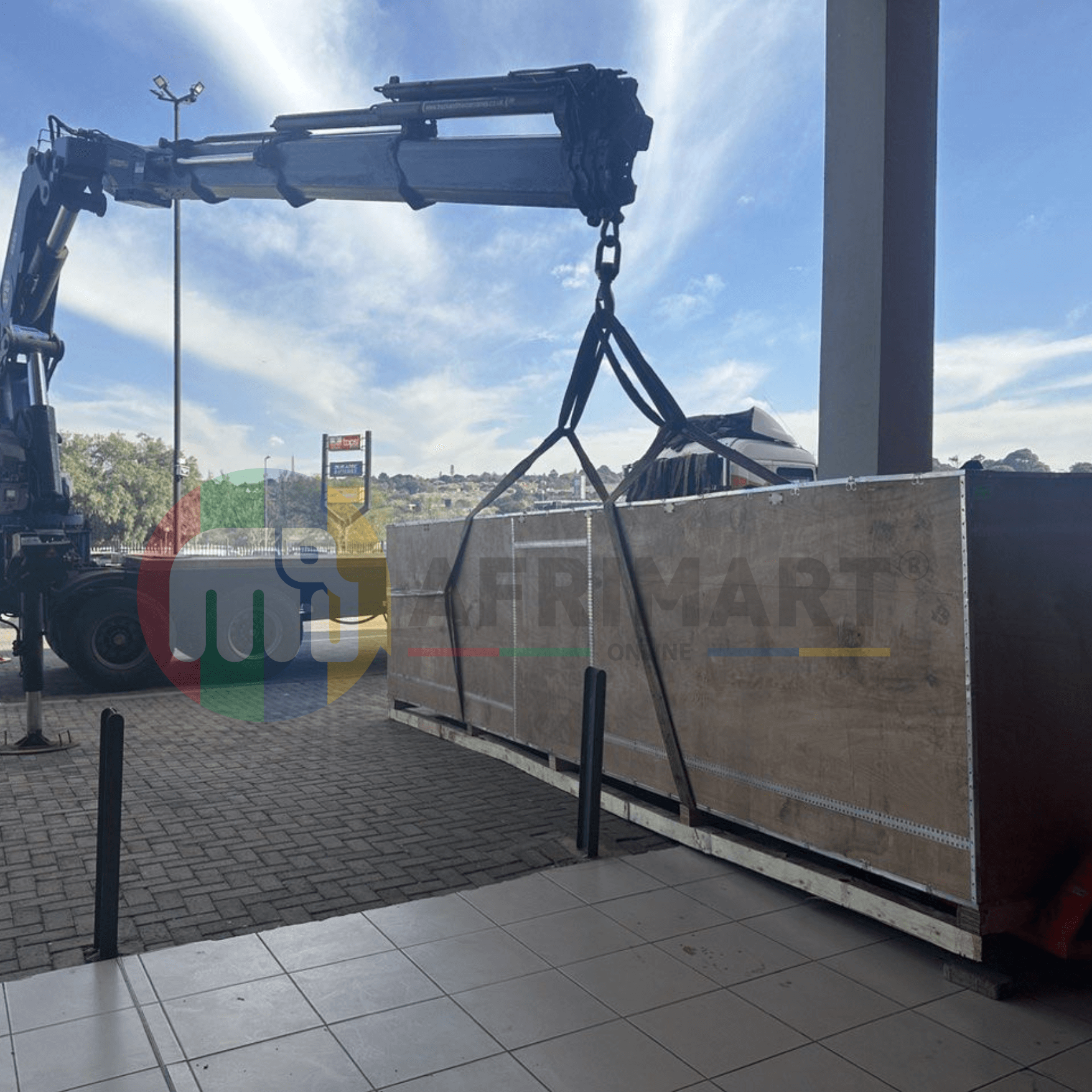
12 Heads Embroidery Machine
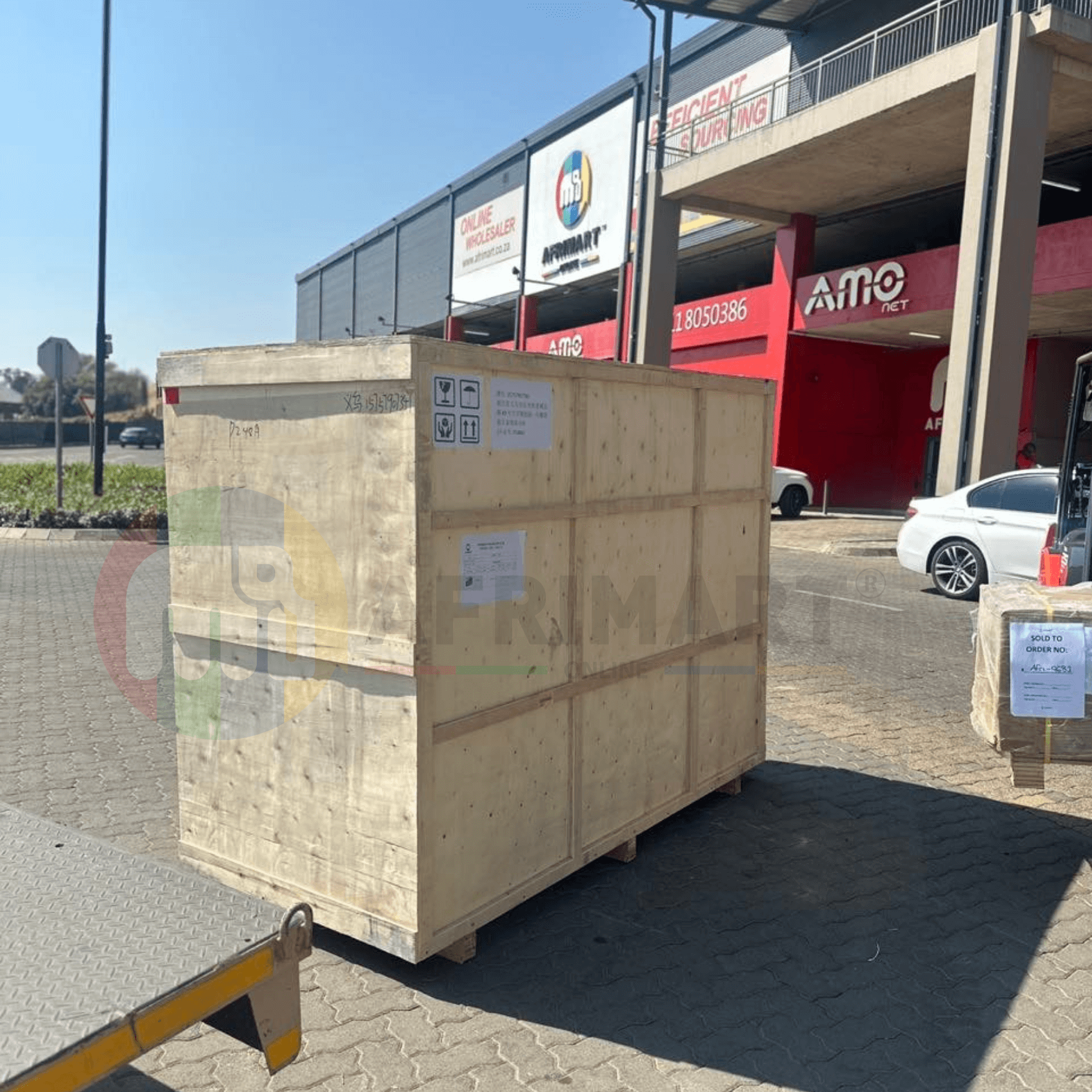
Dewatering Pump Machine
Order Collection
Portable Water Drilling Rig
Order Usefully Collected
Batch of Orders
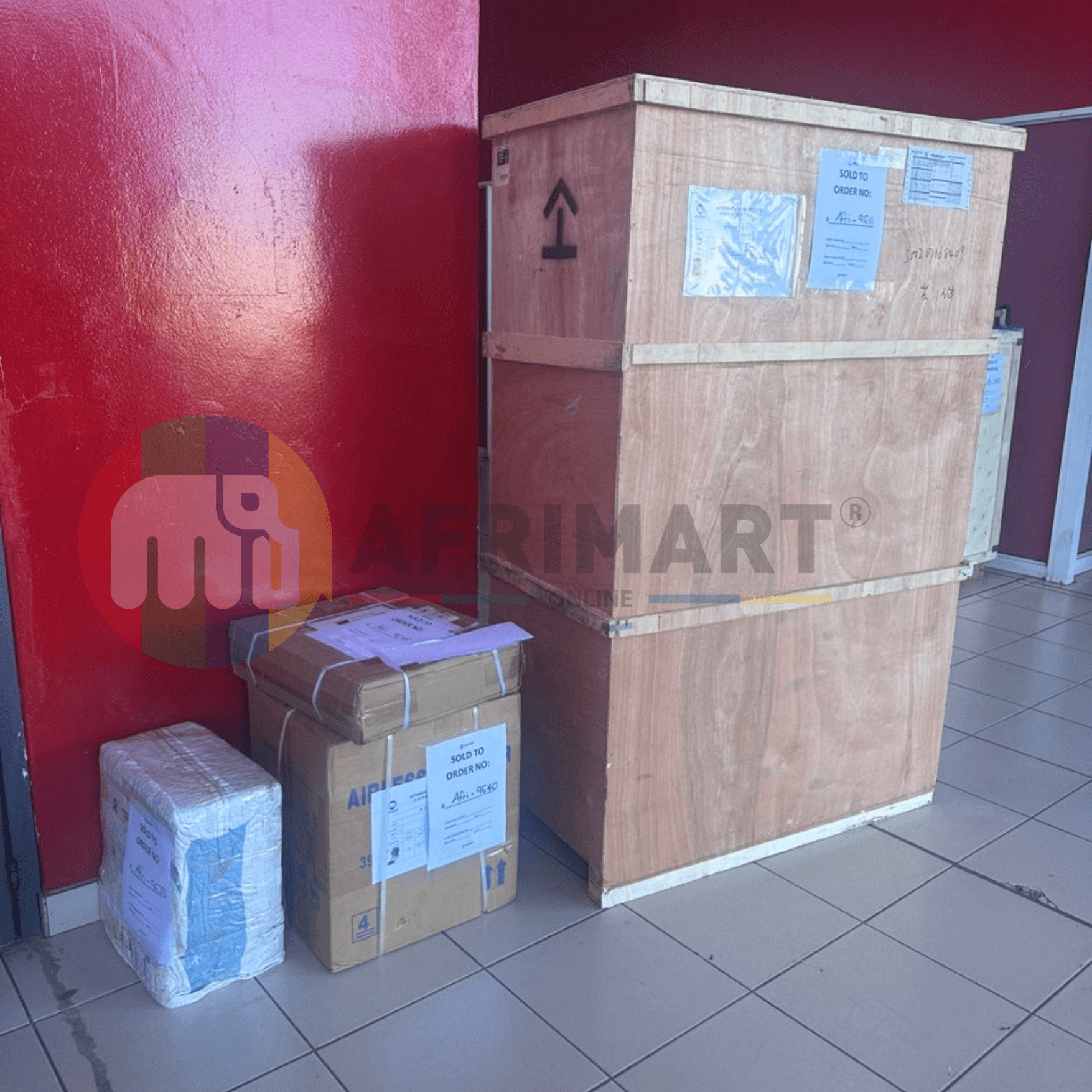
Agriculture Processing Machines
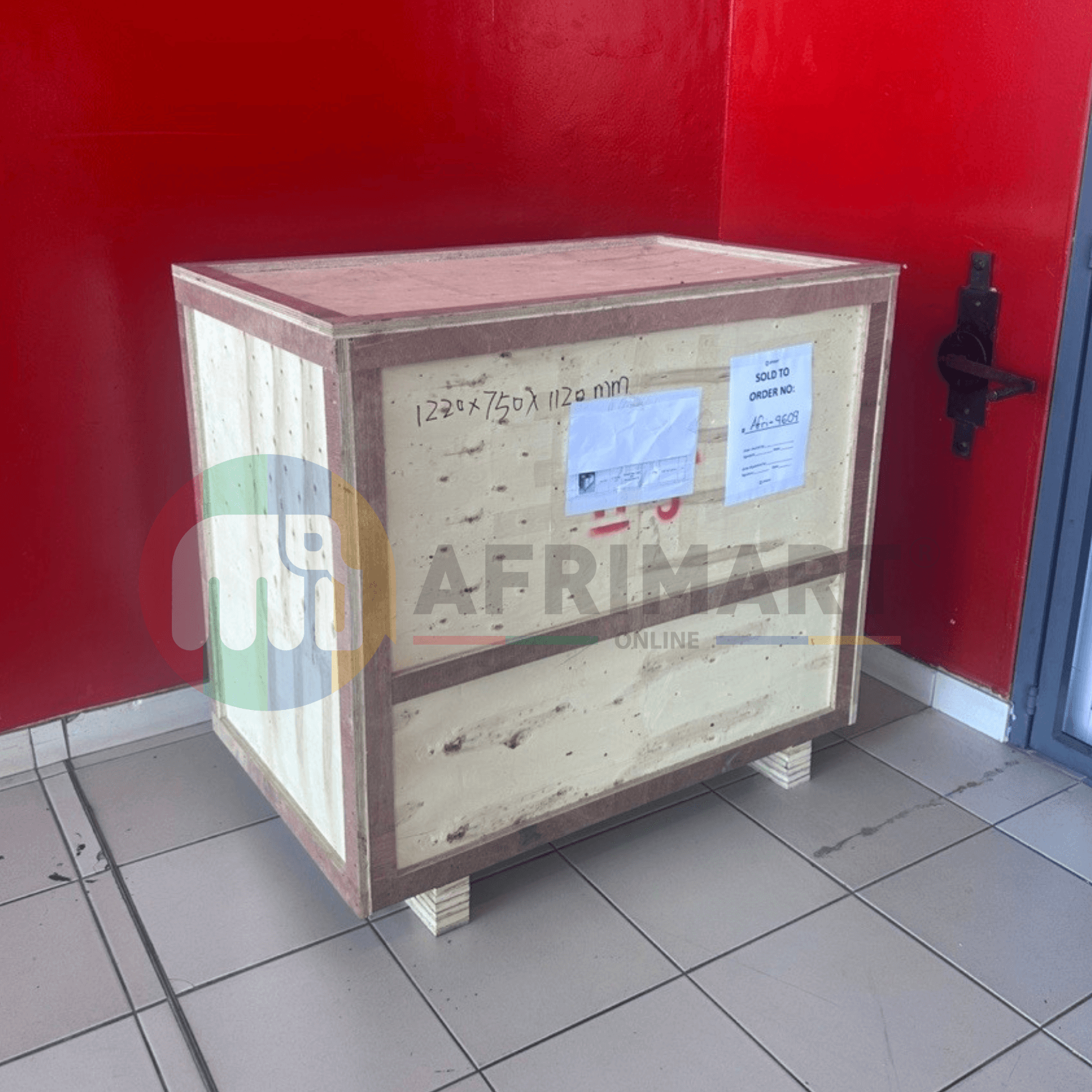
Meat Grinder Machine
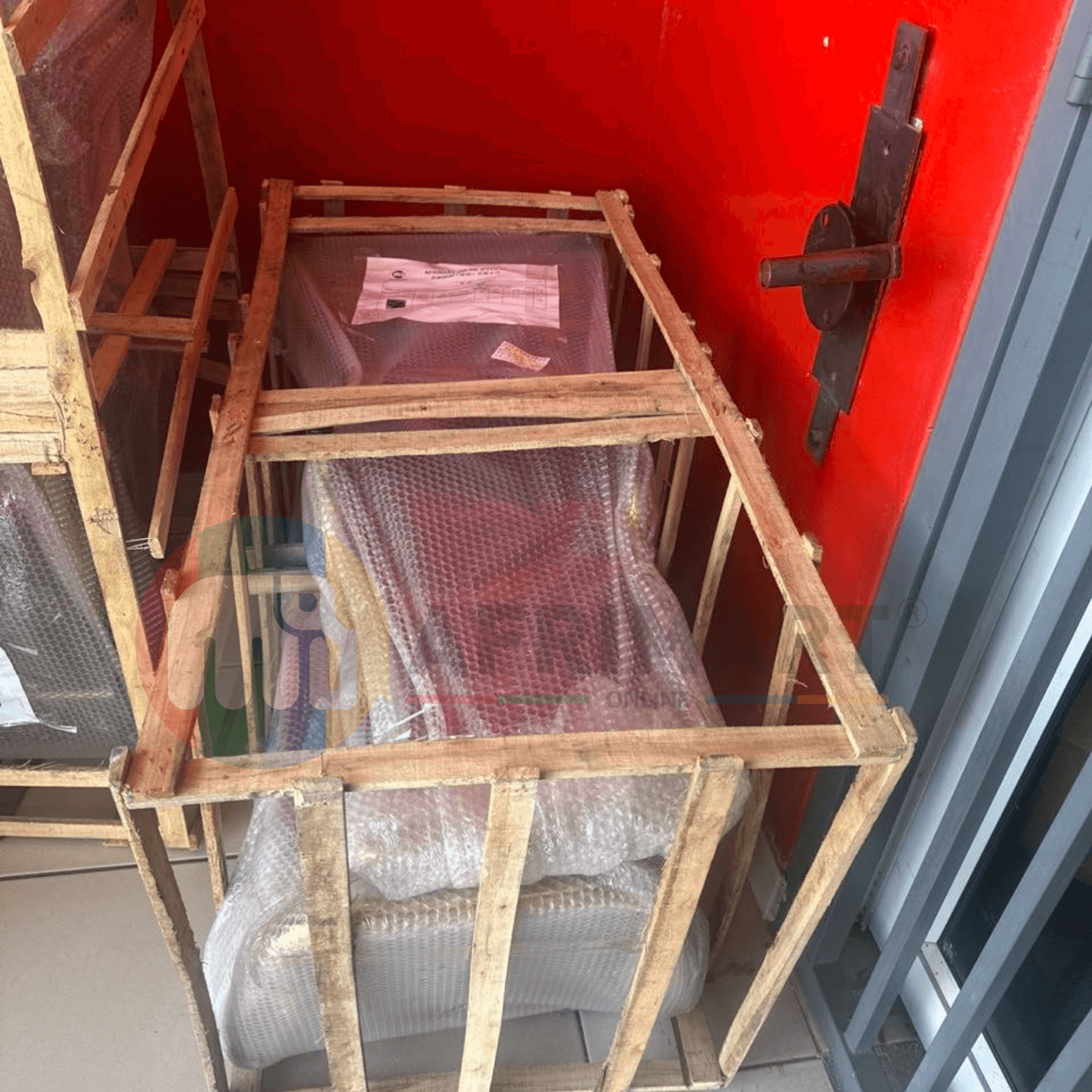
Water Pump Equipment
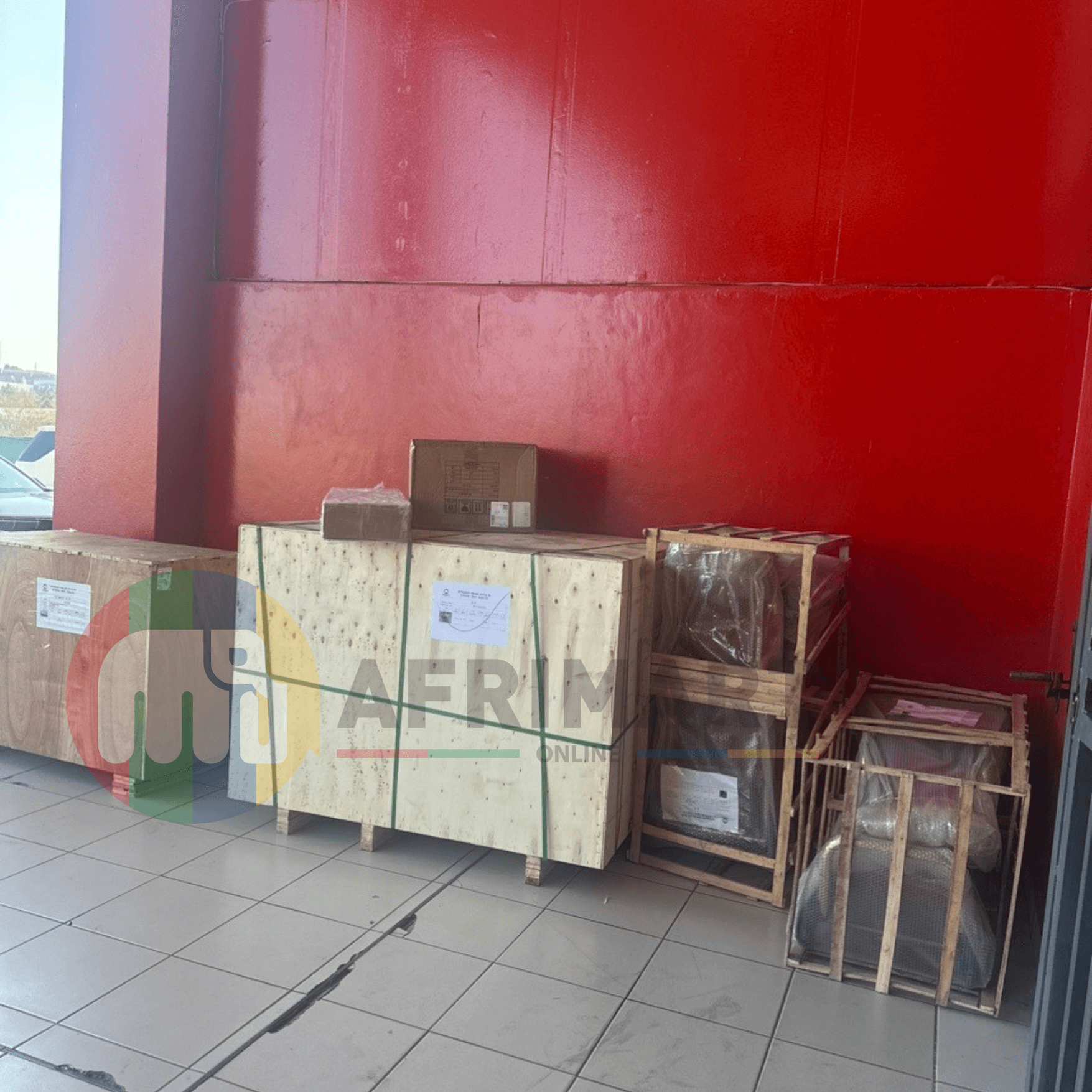
Packaging Machine and accessories
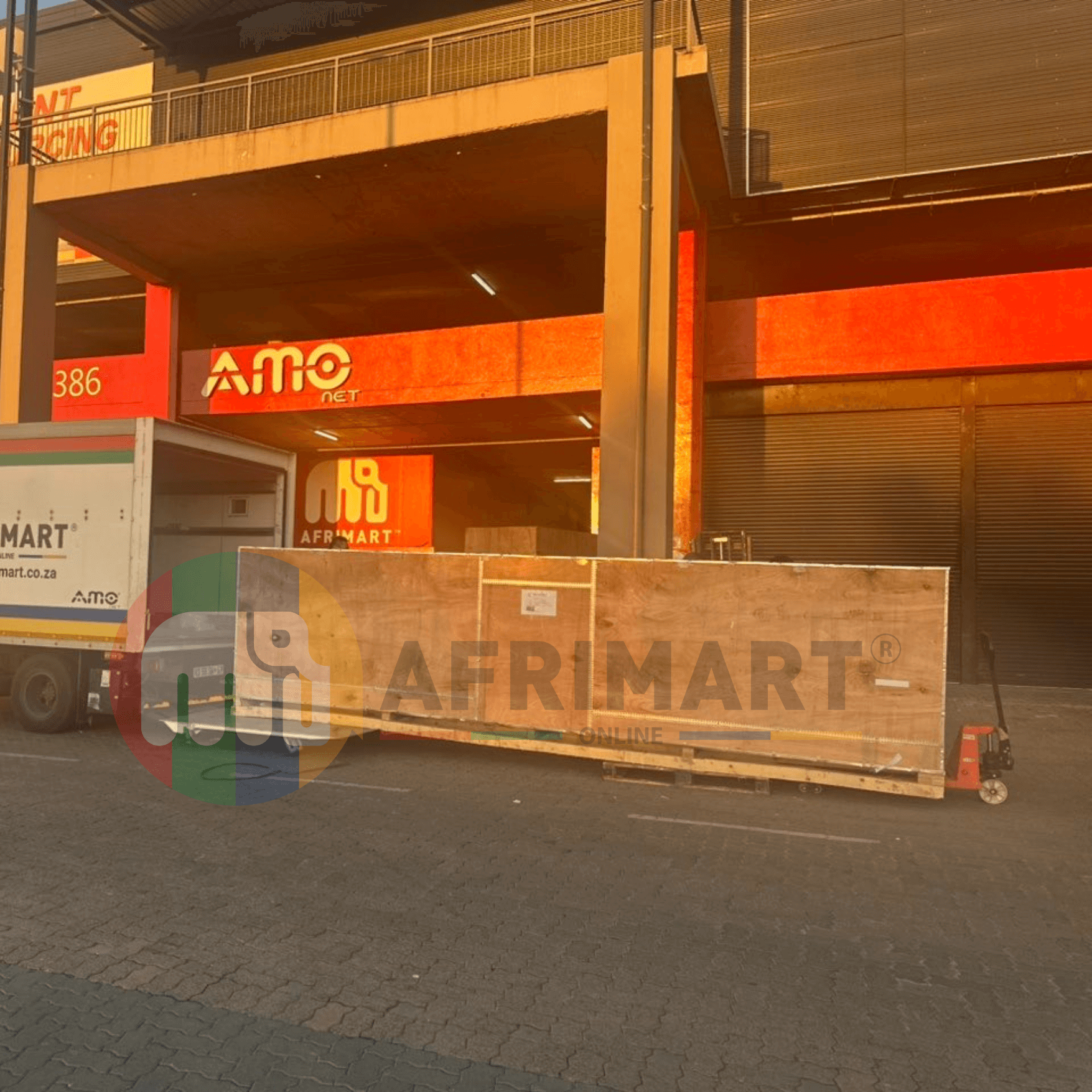
Fabrics Manufacturing Equipment
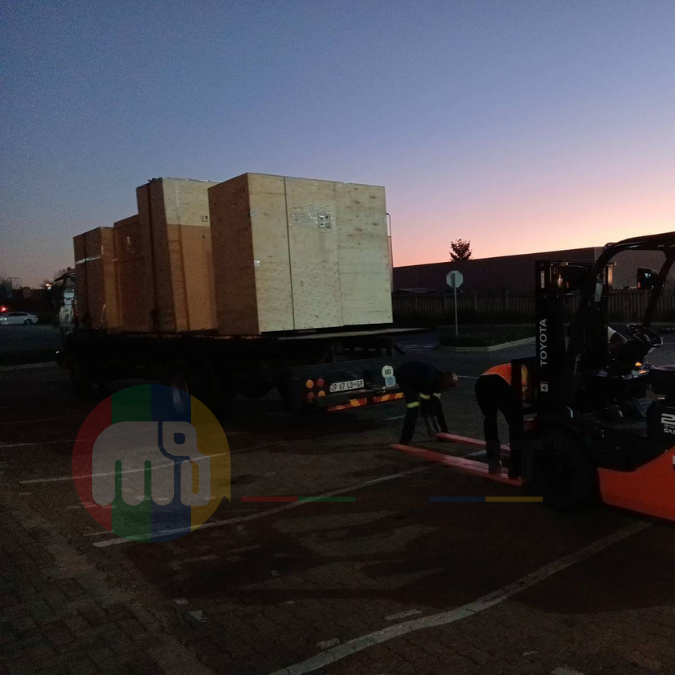
Mining Equipments
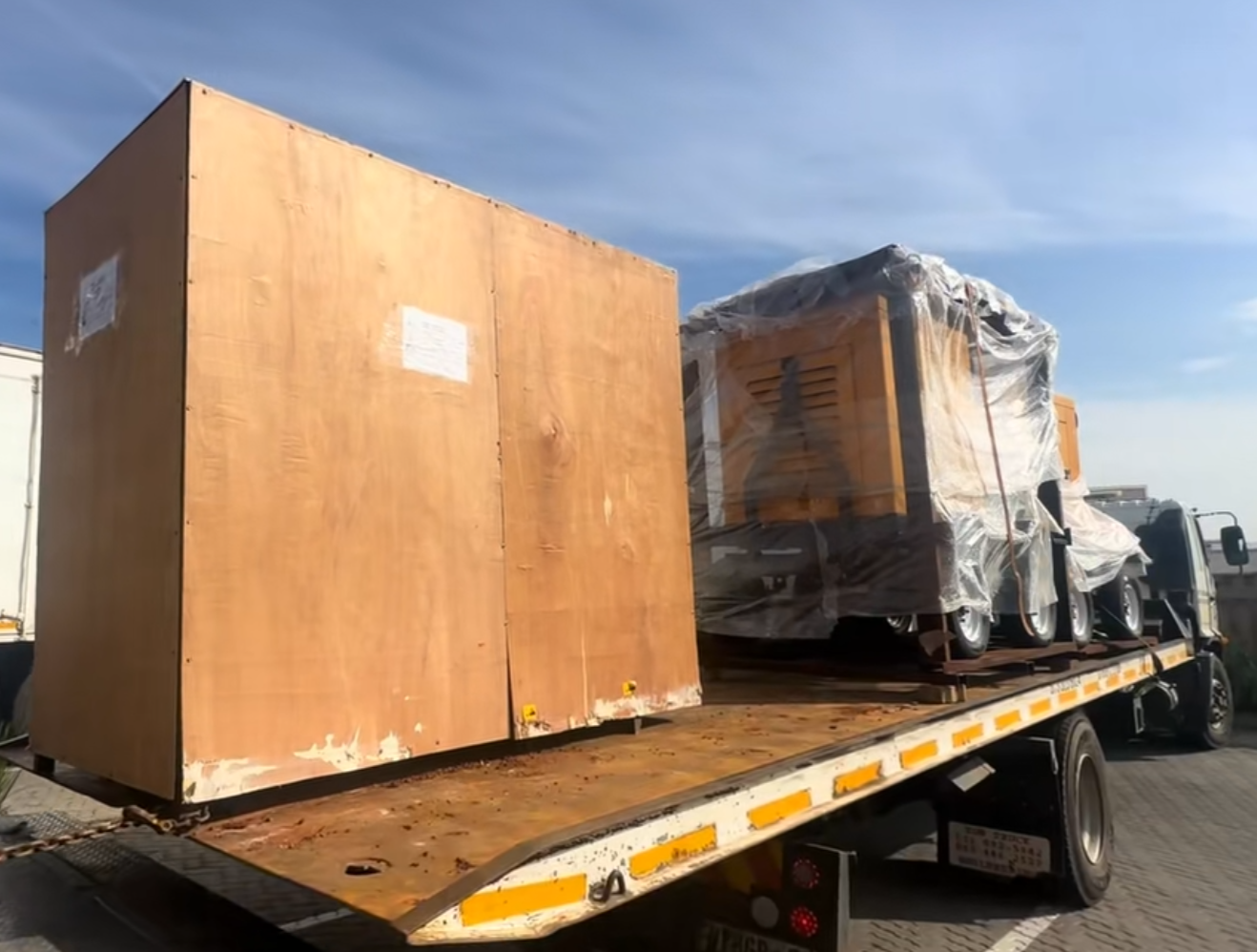
Food Processing Machine
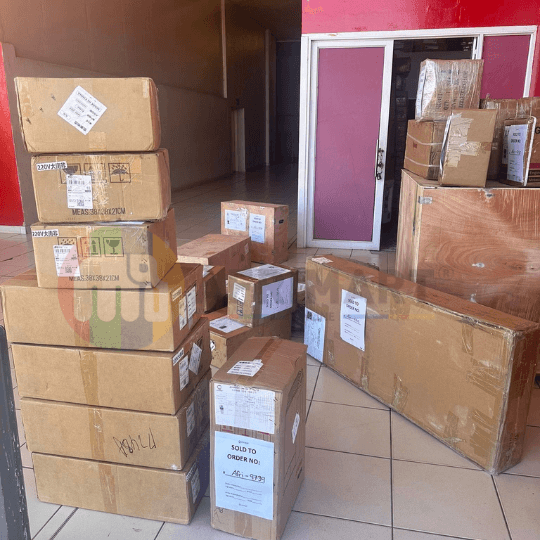
Batch of Orders
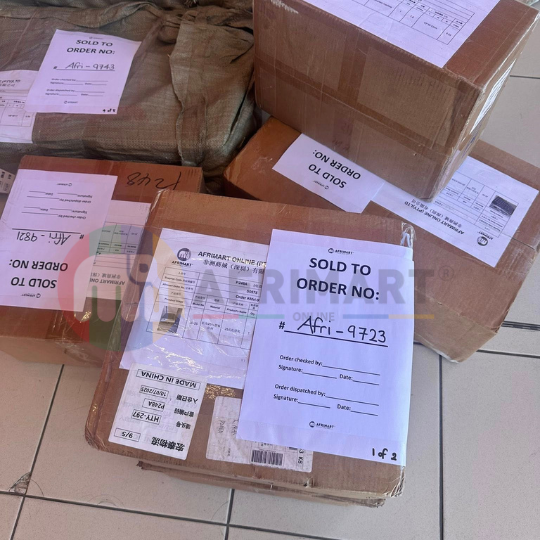
Batch of Orders
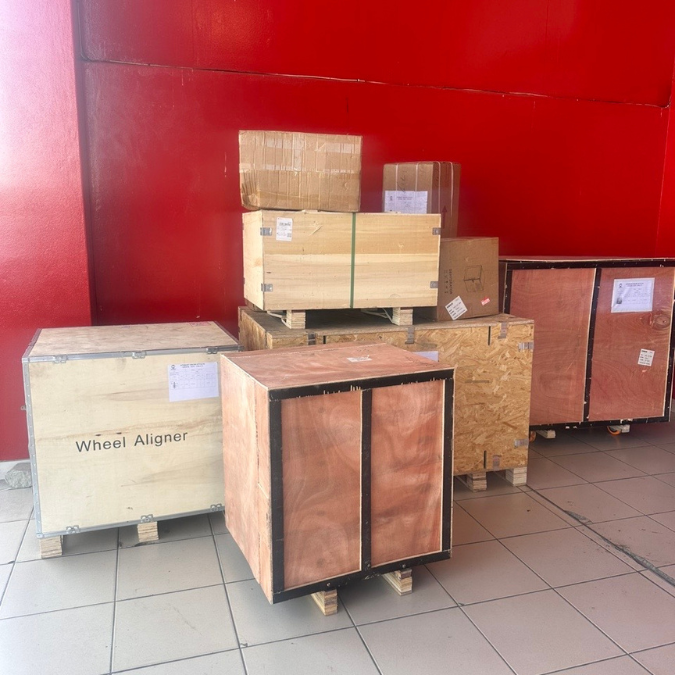
Latest Orders Labelled
wheel alignment machines
new arrivals
Pre Orders Offloading
Latest Arrivals
Latest Arrivals
Latest Arrivals
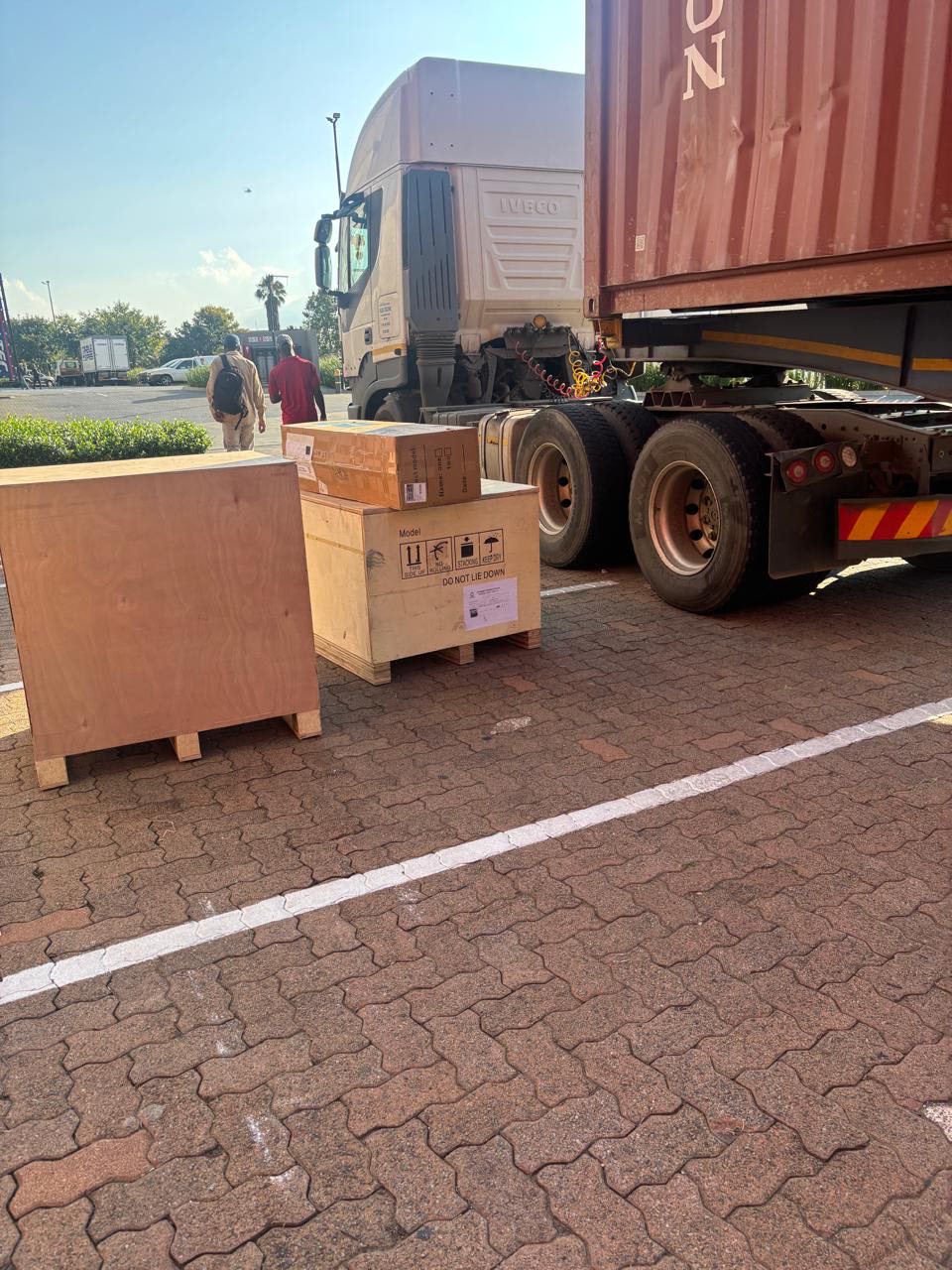
26 January 2026
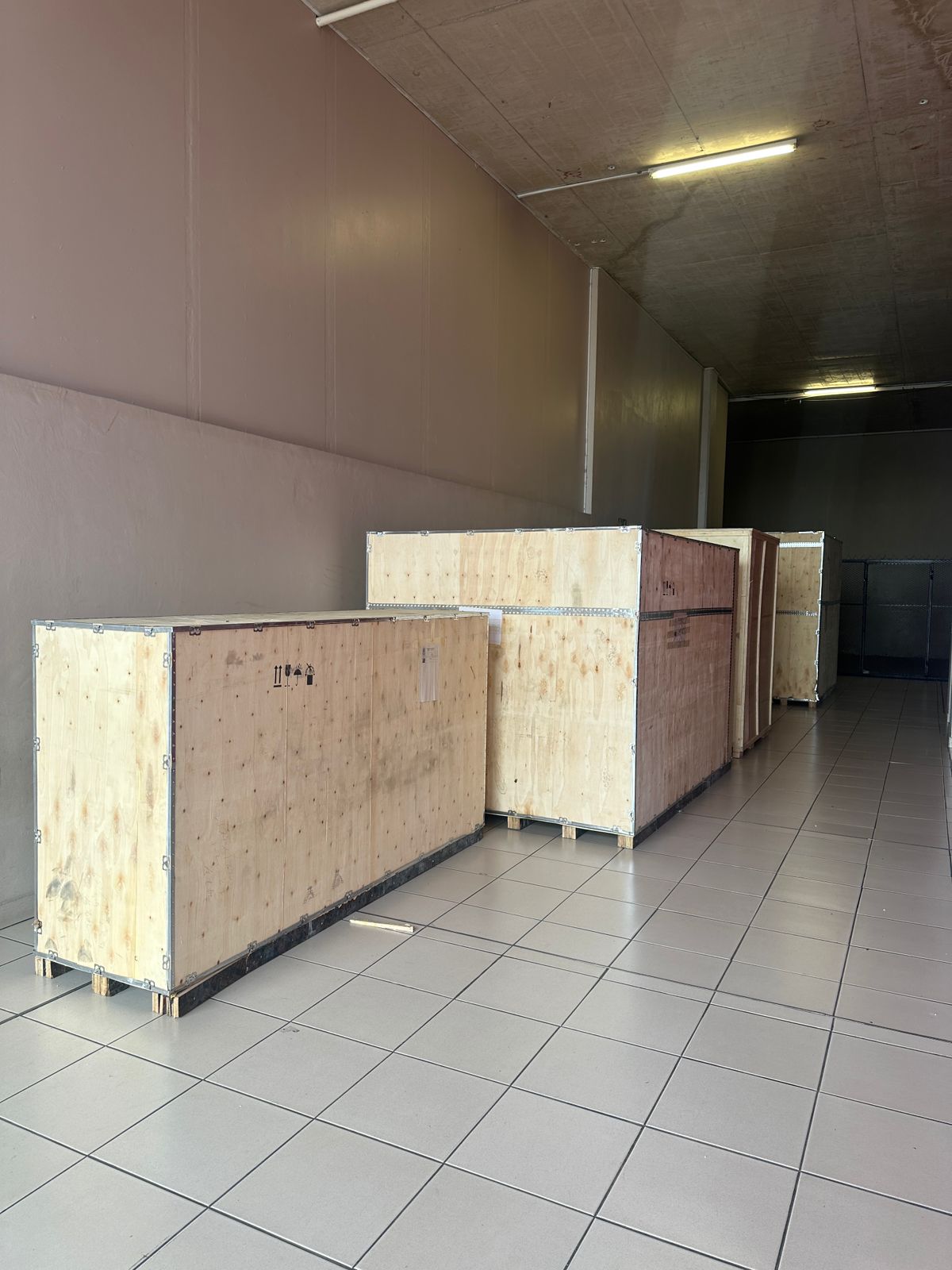
Toilet paper making machine
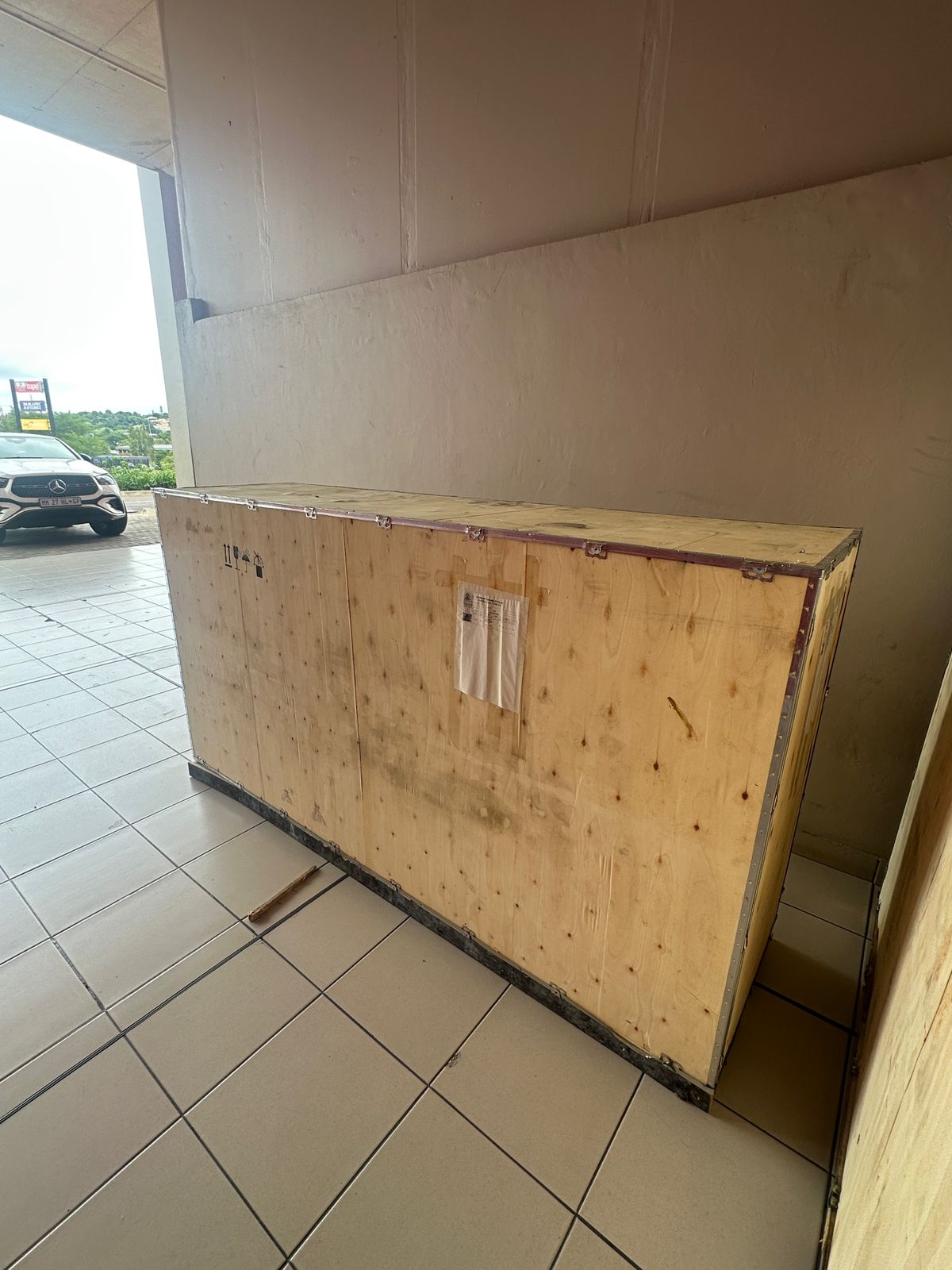
Toilet paper making machine
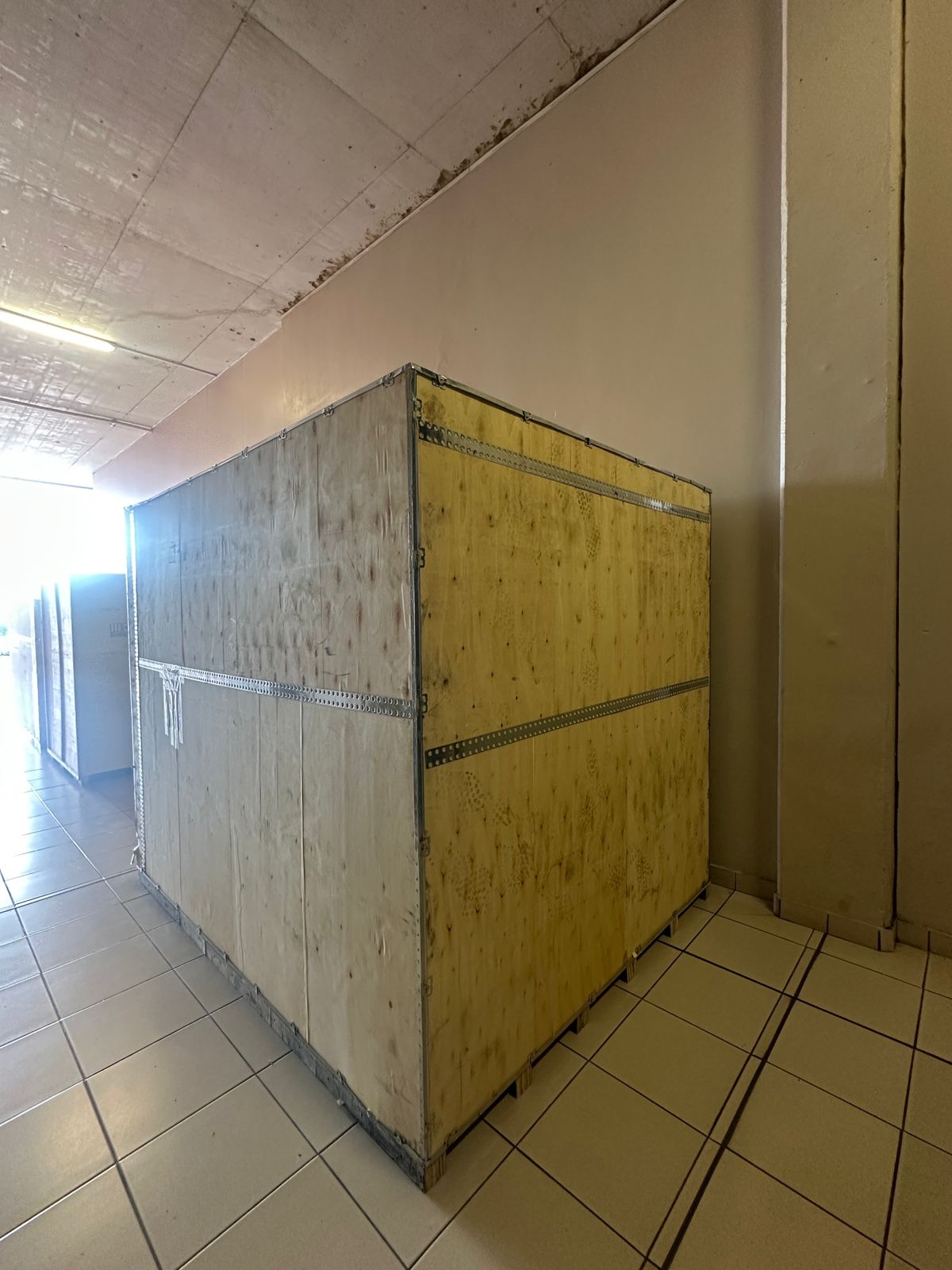
Toilet paper Rewinding Machine
latest arrivals
offloading
order success
order collection
order offloading