B21, China Town Mall, Midrand

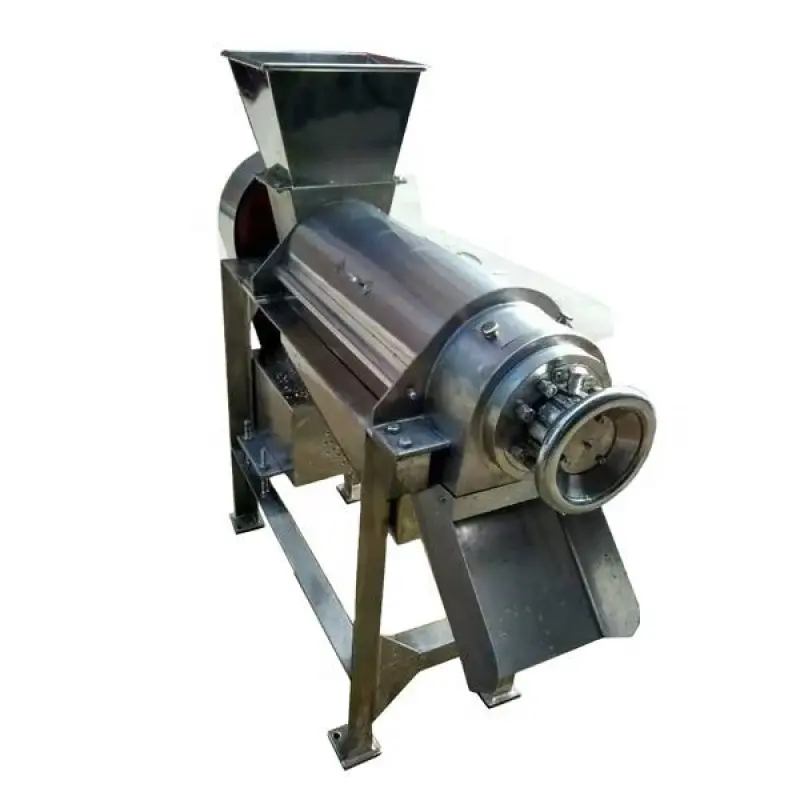
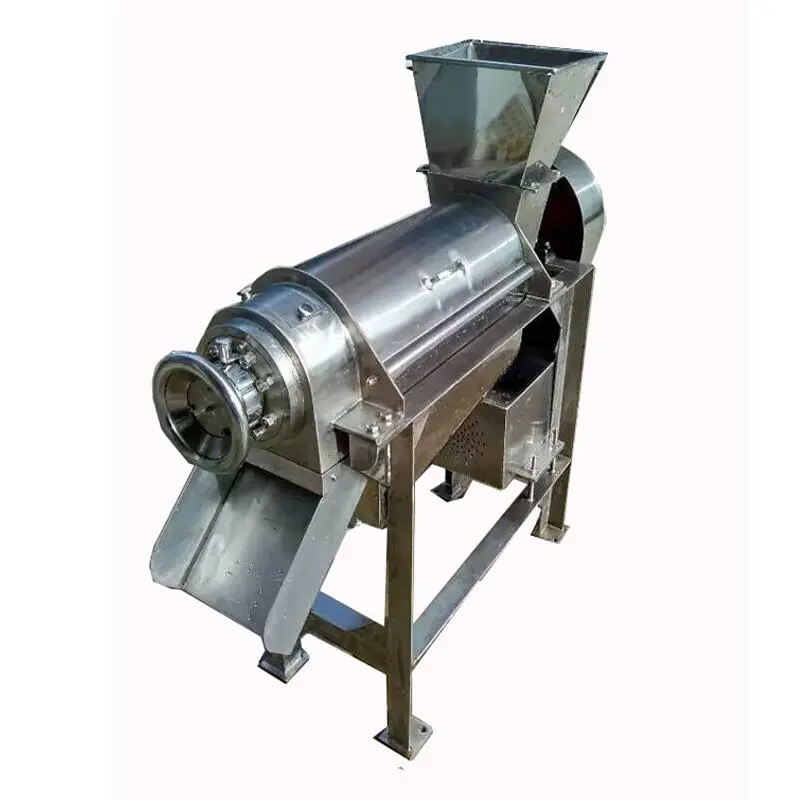
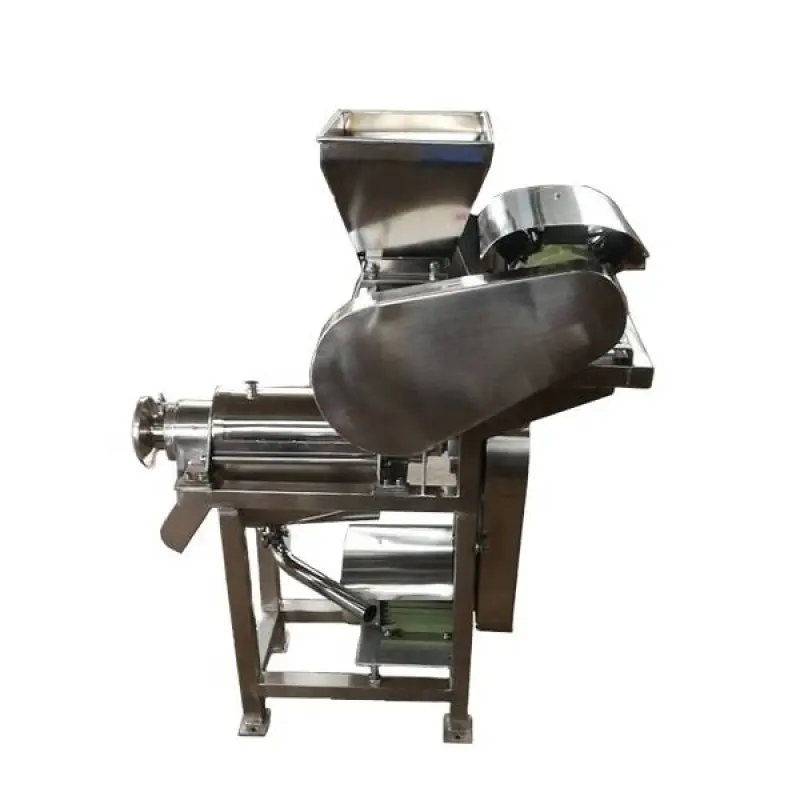
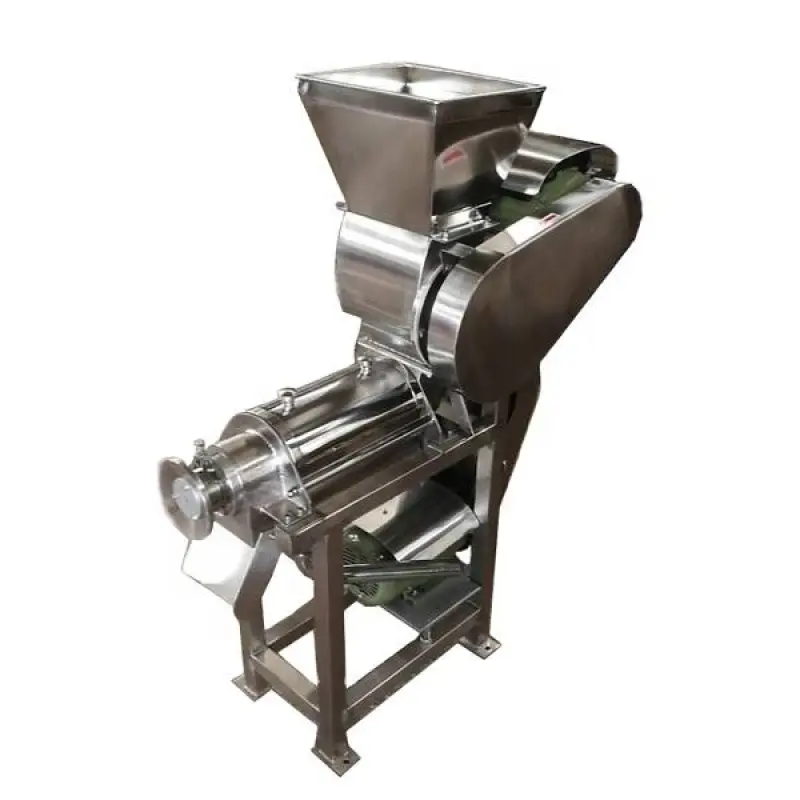
Automatic Fruit And Vegetable Juice Extractor Squeezing Machine (Orange/Lemon/ Spinach/Ginger/Garlic)
Asset finance available
Do you want funding for this equipment?
Afrimart can connect you with trusted funding partners who specialise in asset finance for businesses like yours. Compare options and apply in minutes — final approval is subject to provider review.
Check funding options
Secure & no obligation

- Section : Machinery
- Category : Juice Extractors
- SKU : 60435458584

Automatic Fruit And Vegetable Juice Extractor Squeezing Machine (Orange/Lemon/ Spinach/Ginger/Garlic)
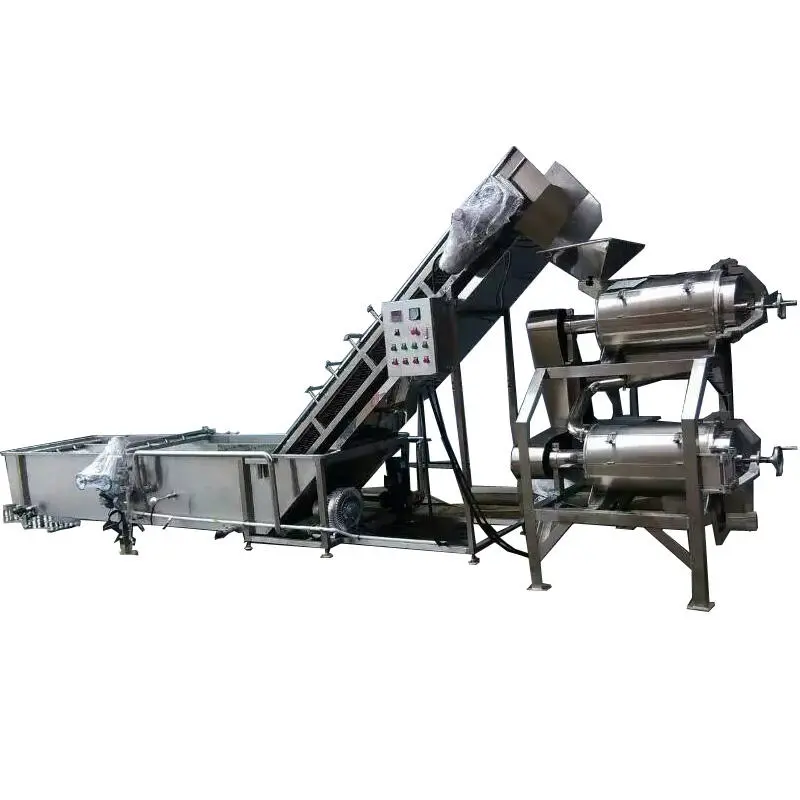
Juice Production Line include fruit vegetable washing machine, fruit vegetable air drying machine, loading conveyor and kinds of fruit vegetable juice machine. We also have juice filter system, juice sterilizing machine, and juice filling line.

Screw Juice Machine
This machine is used to extract juice from kinds of fruit vegetable and grass.
The machine is made in full food grade 304 stainless steel

Fruit Vegetable Juice Machine With Crusher
This machine can be used to crush kinds of fruit and vegetable and extract juice.
It is made in full food grade 304 stainless steel

Pulper With Crusher
This machine is used to extract juice from of berry, cherry, grapes.

Dual Chanel Pulper Machine
It is used to make juice from kinds of fruit, like mango, tangerine, apricot.

- Shipping Timeframes: All orders are processed within 2-5 business days (excluding weekends and holidays). After your order has been processed, the estimated delivery time is before 28 Jun, 2026, depending on customs, Please note that due to high demand, some items may experience longer shipping times, which will be communicated at order confirmation email.
- Order Processing Time: Please allow 2-5 business days for us to process your order before it is shipped . Orders placed after 16:00 on Fridays, or during weekends and public holidays, will begin processing on the next business day. Processing times may be extended during peak seasons or sales events.
- Manufacturing Time: Some products needs manufacturing time, the manufacturing process will take approximately 10-30 business days depending on the product. This timeframe may vary depending on the complexity of the product and current demand. but this will be communicated with you during order confirmation.
- Returns and Exchanges: We offer a 30-day return policy for most items. If you are not completely satisfied with your purchase, you may return it within 30 days of receipt for a refund or exchange. Items must be unused, in their original packaging, and accompanied by proof of purchase. Return shipping costs are the responsibility of the customer, unless the item was damaged or defective upon arrival.
1. What is the Automatic Fruit And Vegetable Juice Extractor Squeezing Machine?
A modular juice production system that washes, dries, conveys and extracts juice from fruits, vegetables and grasses (e.g., orange, lemon, spinach, ginger, garlic). The line can include crushers, screw extractors, pulpers, filters, sterilizers and filling equipment, all built in food-grade 304 stainless steel.
2. Which raw materials can this machine/process handle?
Citrus (orange, lemon), soft fruits (grape, cherry, berry), fibrous vegetables and greens (spinach), roots and condiments (ginger, garlic) and many other fruits/vegetables. Specific pulpers and crushers are available for different textures.
3. What components are included in a typical juice production line?
Typical components: fruit/vegetable washing machine, air-drying unit, loading conveyor, crusher or pulper, screw juice extractor, juice filter system, juice sterilizer (pasteurizer/HTST options), and juice filling line. Configurations are modular and customizable.
4. What materials and construction standards does the machine use?
All product-contact parts are made from food-grade 304 stainless steel. Non-contact structural parts use appropriate corrosion-resistant materials. Welds and finishes meet food industry hygiene standards.
5. What production capacities are available?
Capacities are model-dependent and configurable. Small pilot systems up to fully industrial lines are available. Output can range from tens to thousands of liters per hour depending on the selected equipment and product—contact sales with your target throughput for specific model recommendations.
6. How much juice yield can I expect?
Yield depends on the fruit/vegetable, ripeness, and machine settings. Screw extractors and pulpers are designed to maximize extraction, but exact yields vary (e.g., citrus yields differ from leafy greens). We recommend sending samples for yield testing to provide precise figures.
7. How does the system manage pulp and solids?
The line uses pulpers and crushers to separate solids, and a variety of filtration options (mesh screens, decanters, filter presses) to control pulp level. Dual-channel pulpers and adjustable filters allow customization of final pulp content.
8. Is sterilization/pasteurization included and how does it affect shelf life?
Yes—juice sterilizing/pasteurizing units (e.g., HTST/pasteurizers) can be integrated. Proper thermal treatment and aseptic filling extend shelf life, but exact shelf-life depends on product formulation, sterilization parameters and packaging.
9. How easy is cleaning and maintenance? Is CIP available?
Machines are designed for sanitary cleaning. CIP (clean-in-place) systems can be integrated for automatic cleaning of pipes and vessels. Routine daily cleaning and periodic inspection of wear parts (seals, screens, blades) are recommended.
10. What power and electrical specifications are required?
Electrical specifications depend on the chosen configuration. Standard options include common industrial voltages and phases (e.g., 220/380/415 V, 50/60 Hz). Specify your local electrical supply when ordering so we can configure the correct motor and control panels.
11. What are the footprint and installation requirements?
Footprint varies by line configuration. Equipment is modular, so layouts are customized to available space, workflow and utilities. We provide layout drawings and assist with installation, commissioning and operator training.
12. Does the machine meet food safety and industry certifications?
Machines are manufactured to hygienic food industry standards. Certification packages such as CE, ISO and documentation supporting HACCP compliance can be provided upon request—confirm required certificates at the time of inquiry.
13. Are spare parts, technical support and warranty provided?
Yes—spare parts and after-sales technical support are available. Standard warranty periods vary by supplier (often around 12 months); confirm exact warranty, service contracts and spare-parts lead times when ordering.
14. Can the system process hard or fibrous items such as ginger and garlic?
Yes. Crushers and reinforced pulpers are available for hard or fibrous materials like ginger and garlic. Pre-cutting or slicing may be recommended to improve extraction and reduce wear on components.
15. How much does a juice production line cost and what is the lead time?
Cost depends on capacity, configuration and optional systems (CIP, sterilizer, filler, automation). Lead times vary by model and order size—typically from a few weeks for small units to multiple months for custom industrial lines. Contact sales with your requirements for a detailed quotation and lead-time estimate.
Latest Order Arrivals
Discover our latest orders
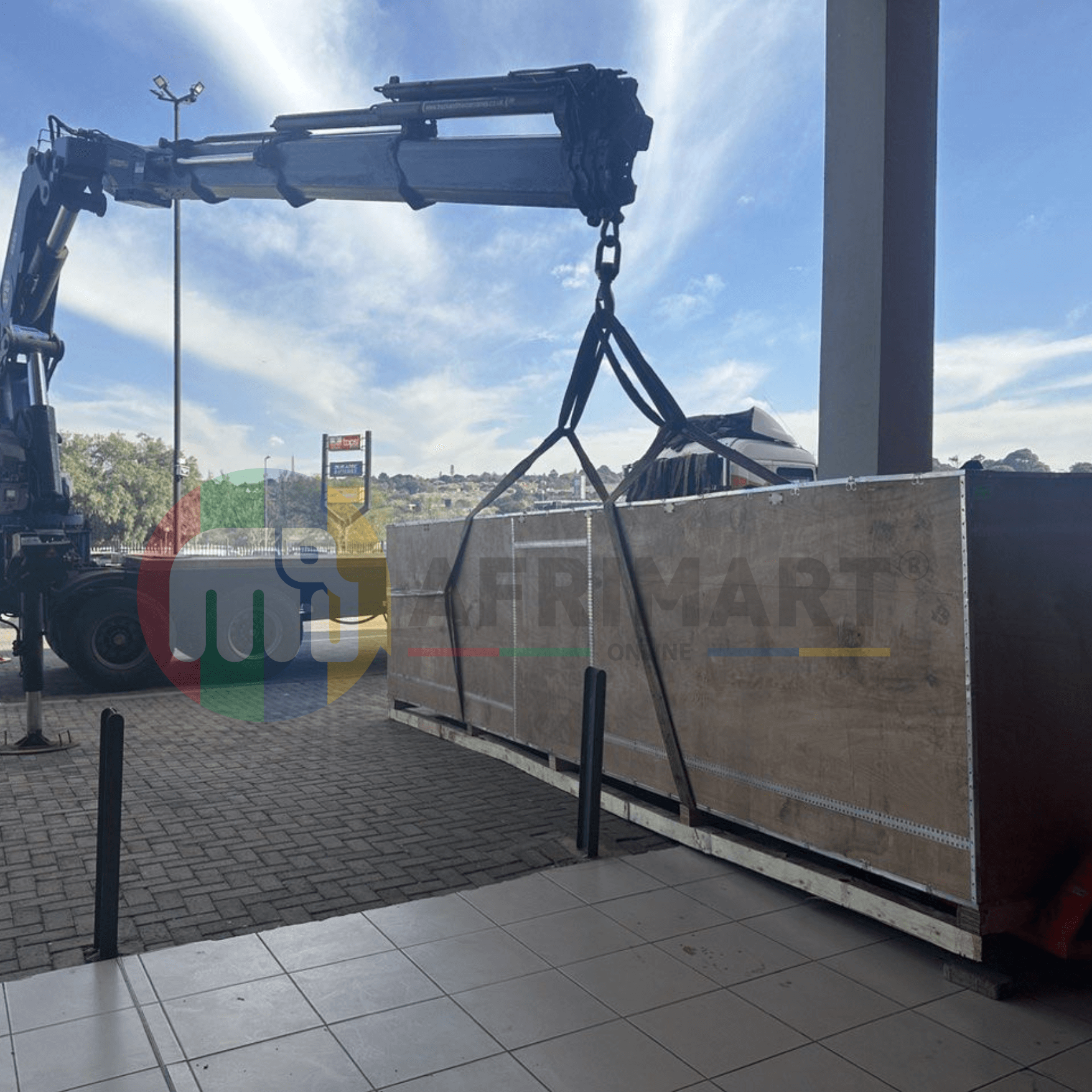
12 Heads Embroidery Machine
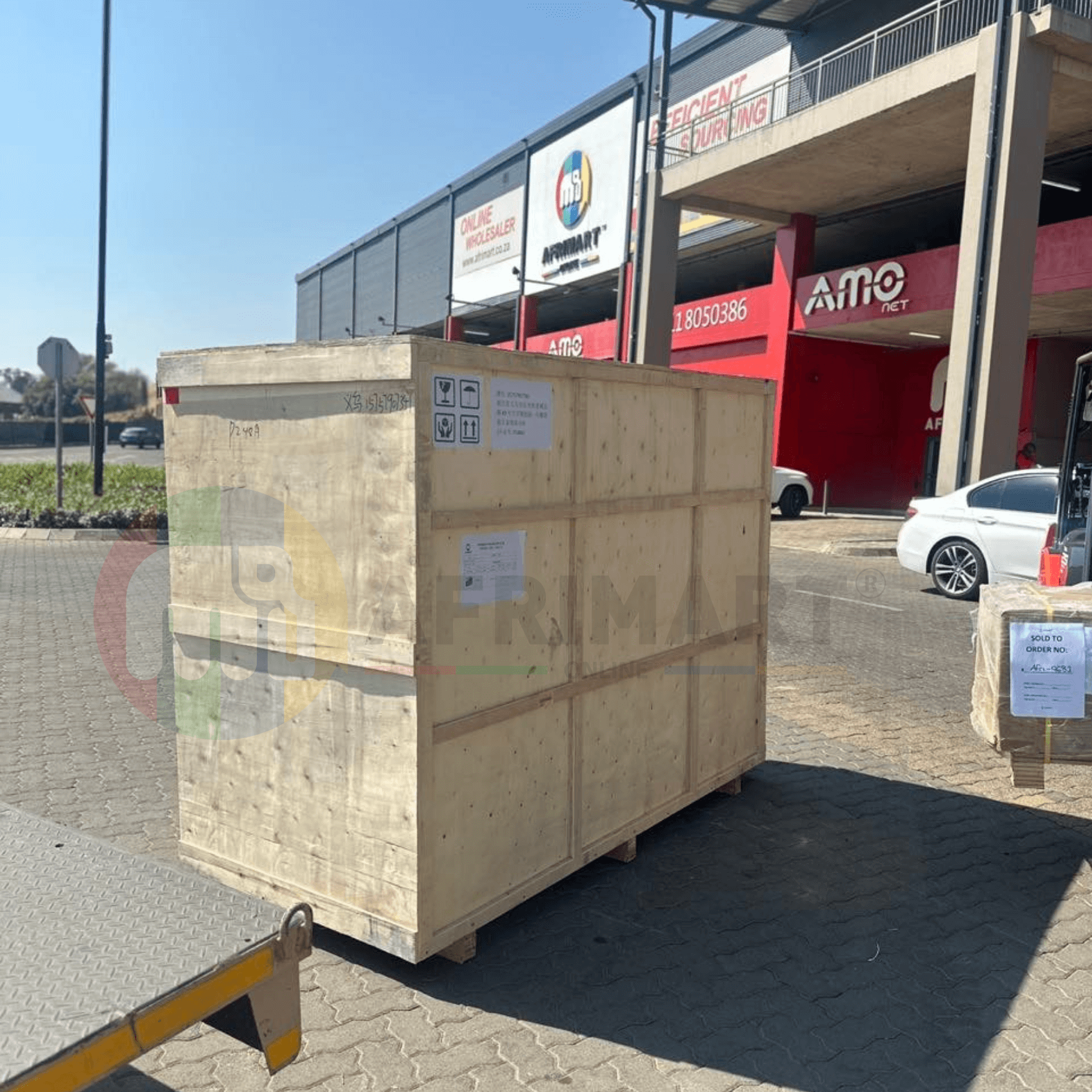
Dewatering Pump Machine
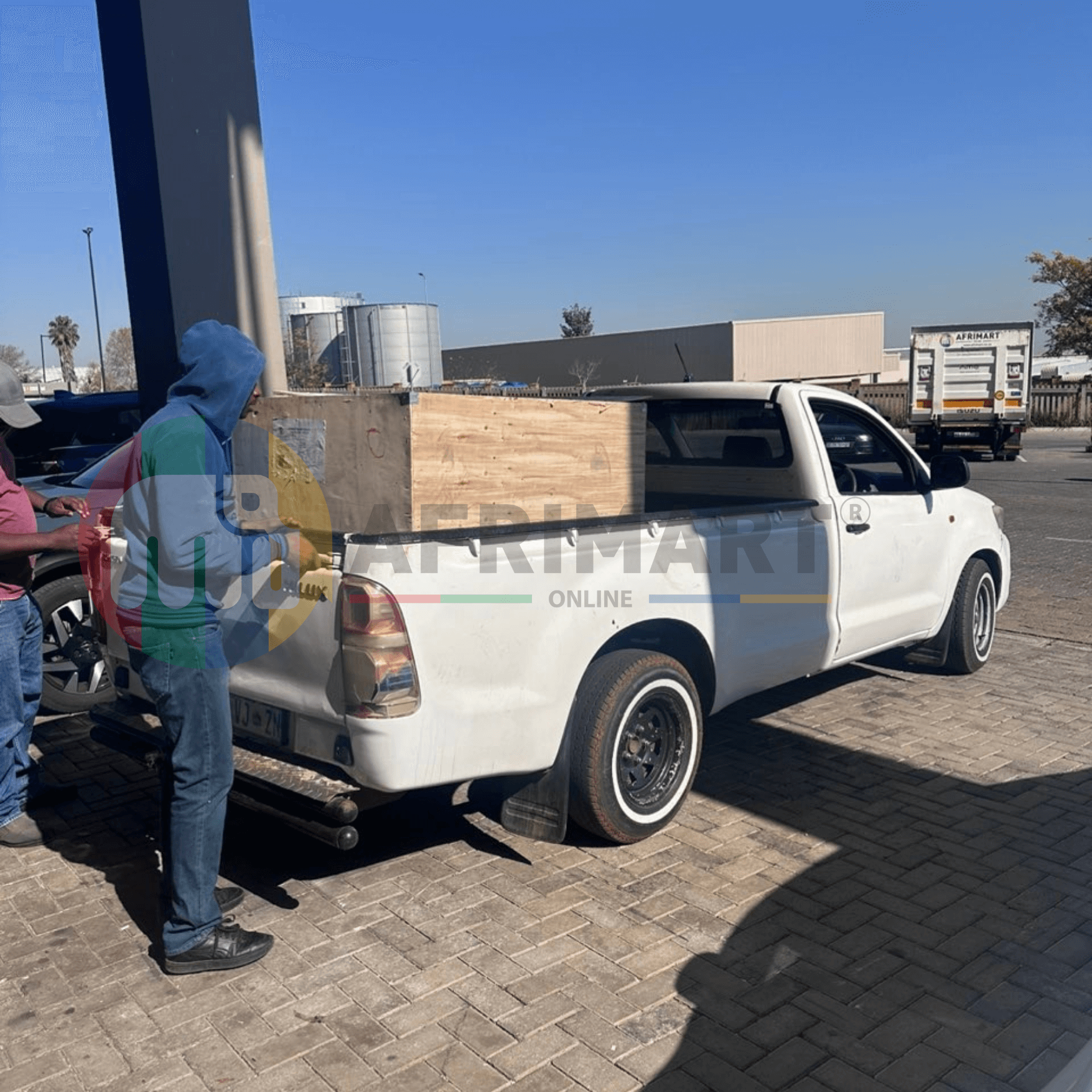
Order Collection
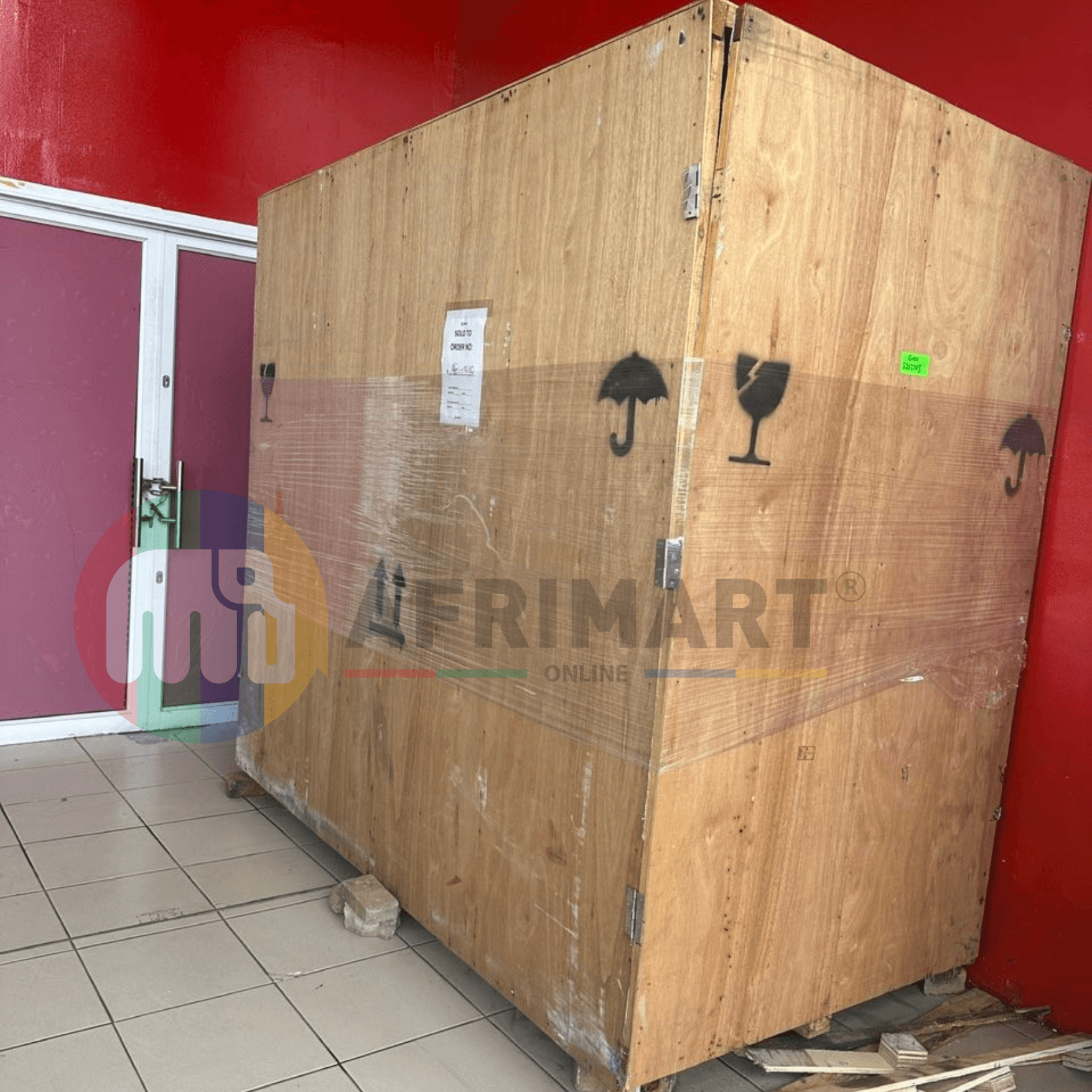
Portable Water Drilling Rig
Order Usefully Collected
Batch of Orders
Agriculture Processing Machines
Meat Grinder Machine
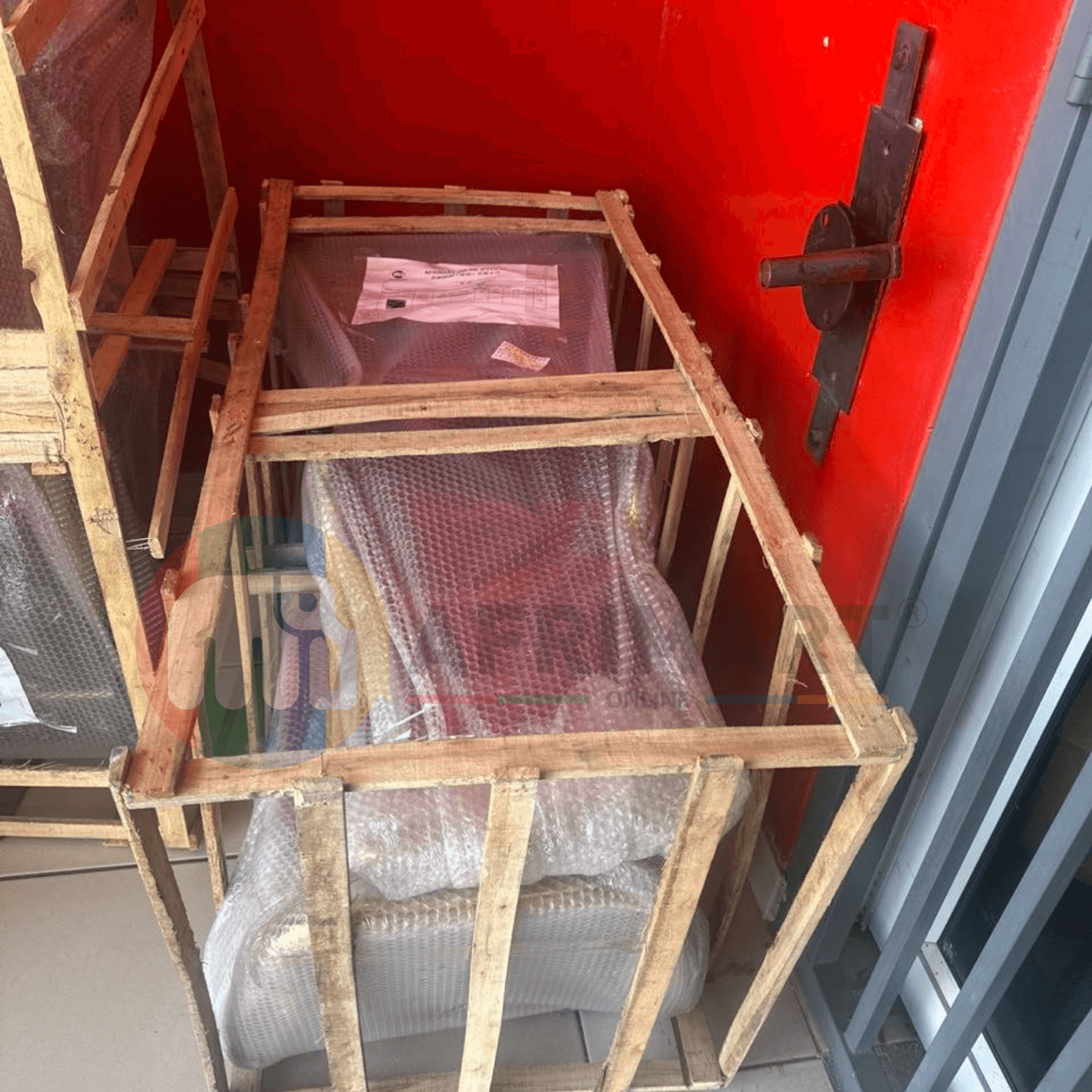
Water Pump Equipment
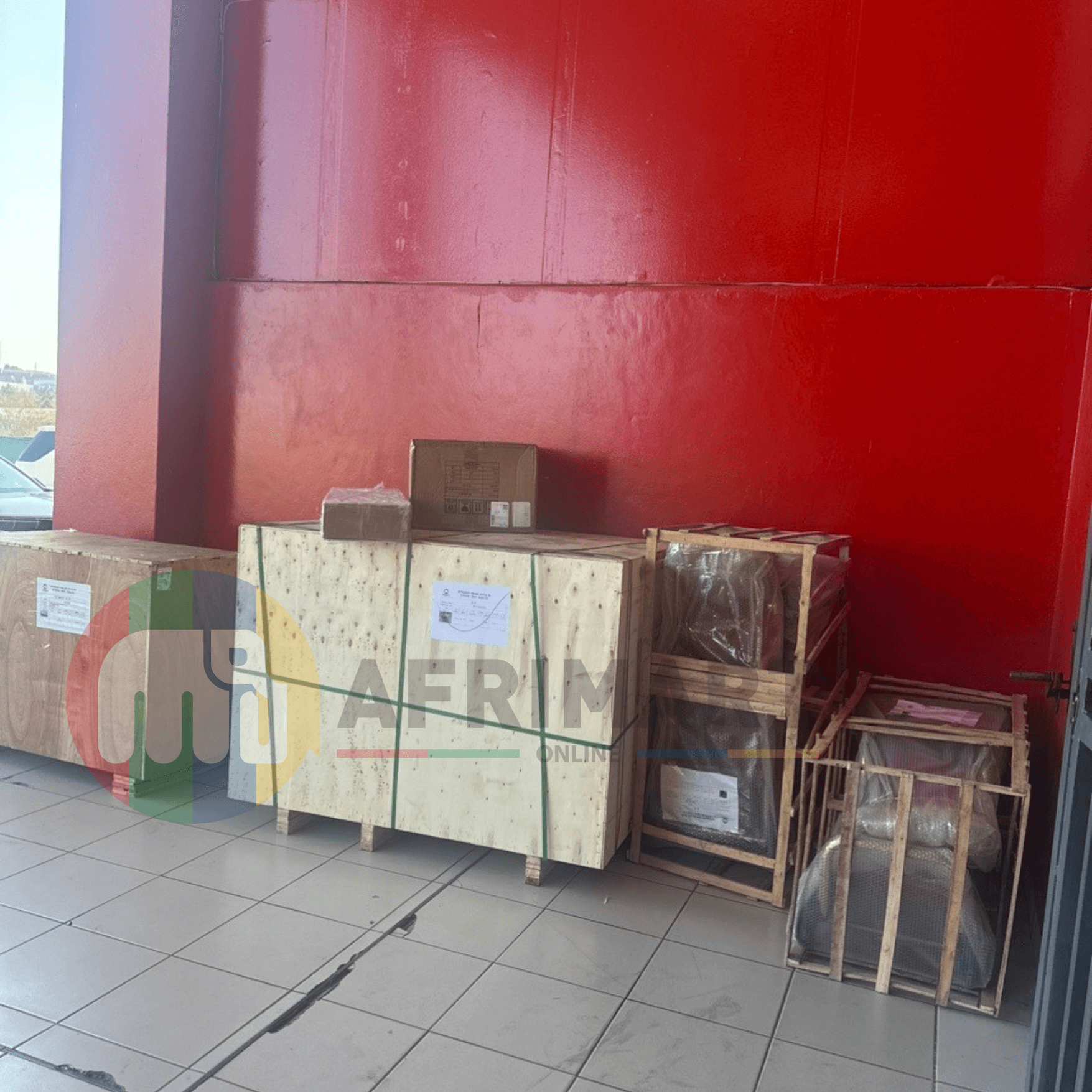
Packaging Machine and accessories
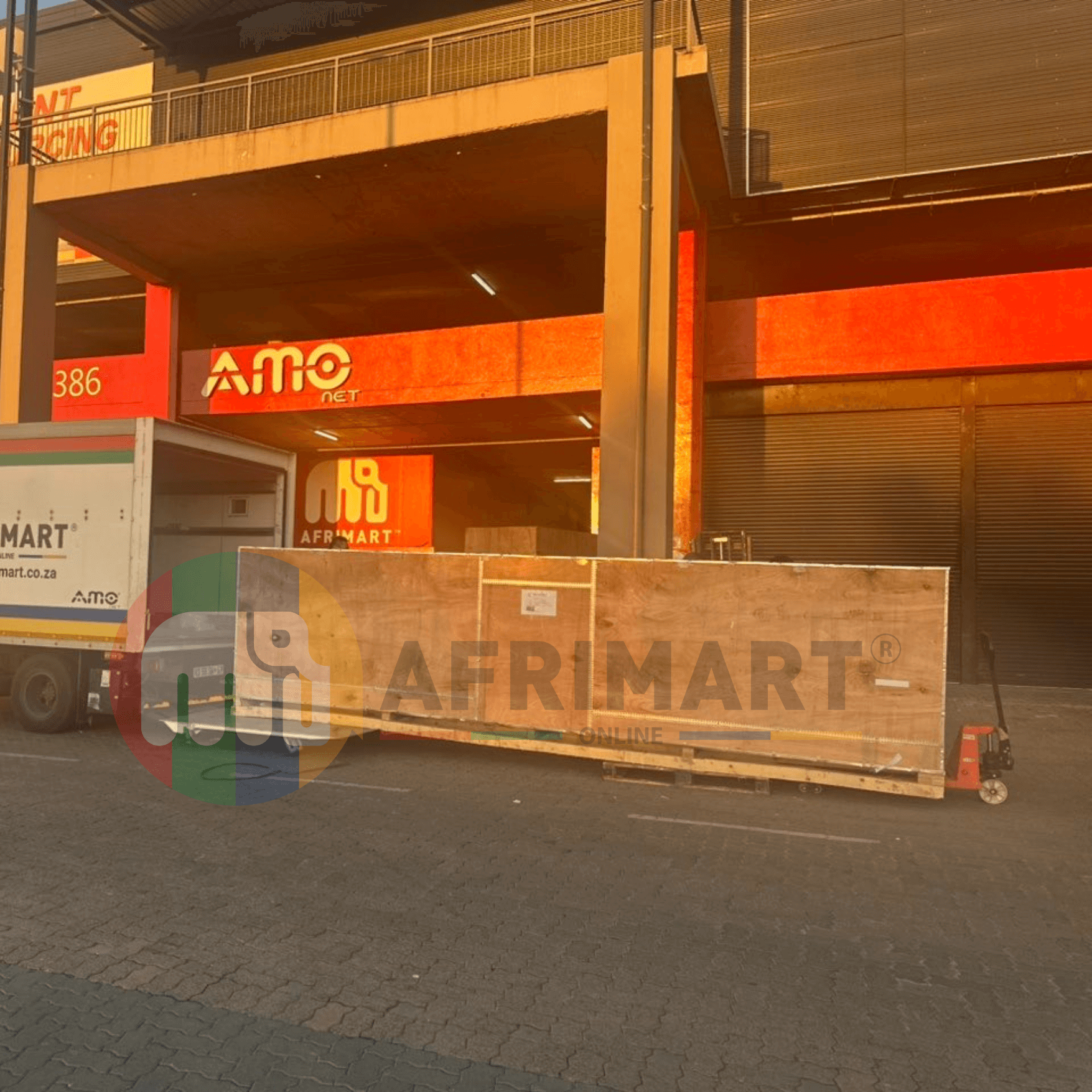
Fabrics Manufacturing Equipment
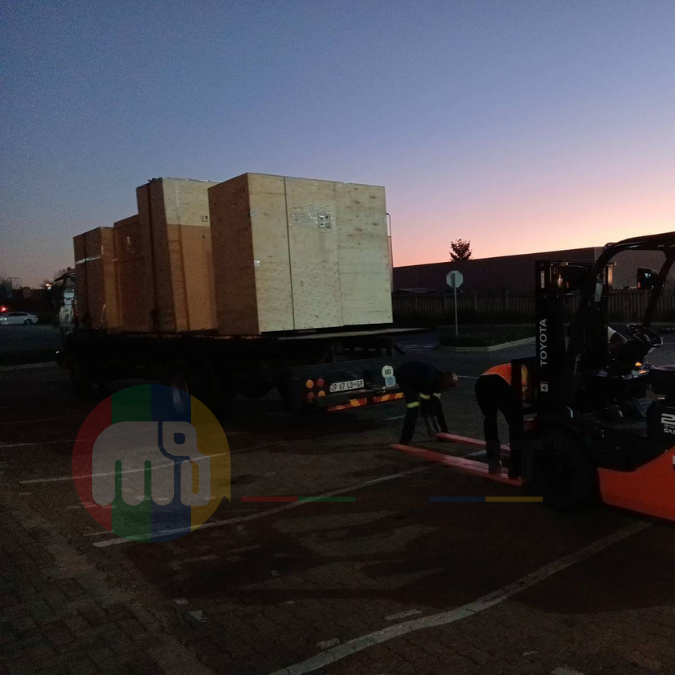
Mining Equipments
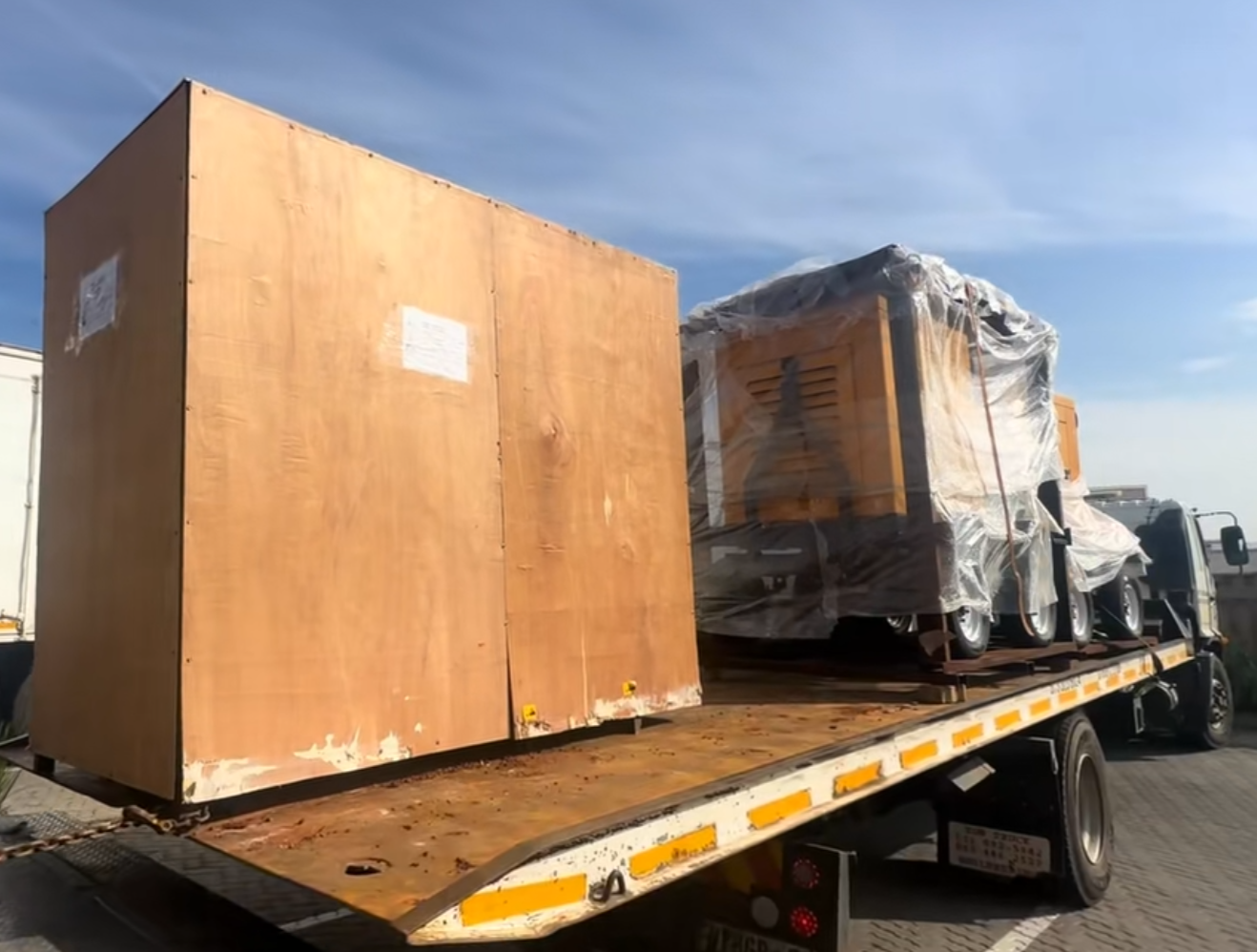
Food Processing Machine
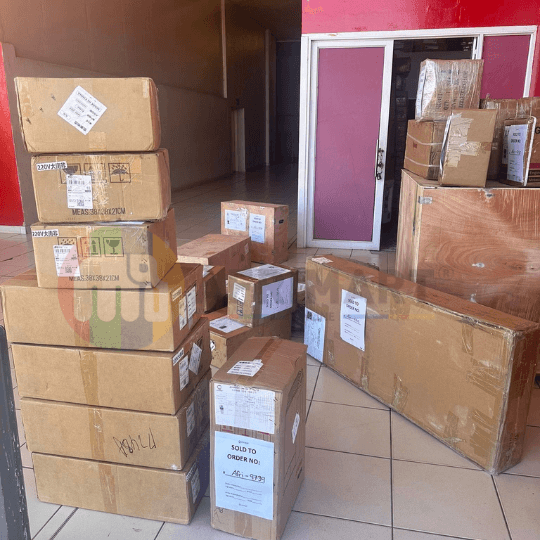
Batch of Orders
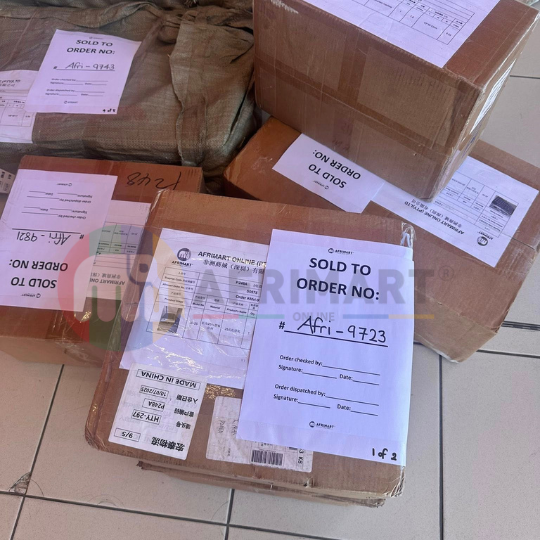
Batch of Orders
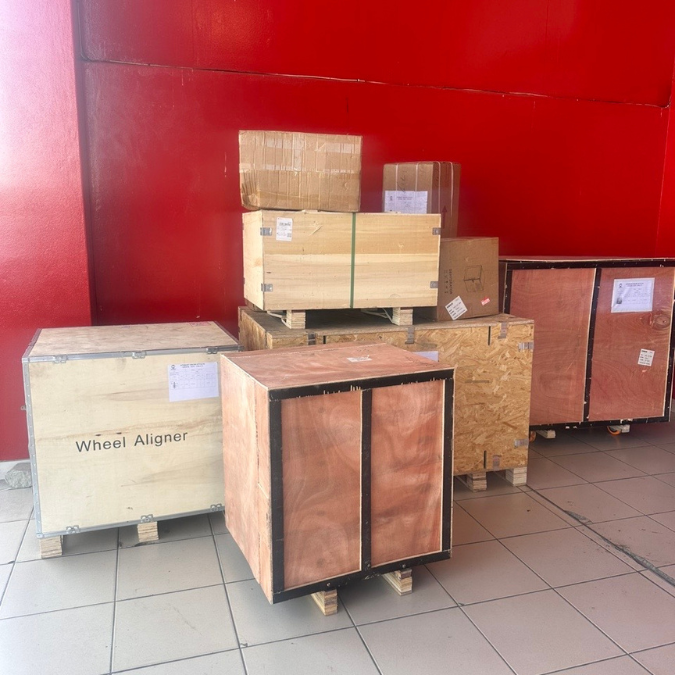
Latest Orders Labelled
wheel alignment machines
new arrivals
Pre Orders Offloading
Latest Arrivals
Latest Arrivals
Latest Arrivals
26 January 2026
Toilet paper making machine
Toilet paper making machine
Toilet paper Rewinding Machine
latest arrivals
offloading
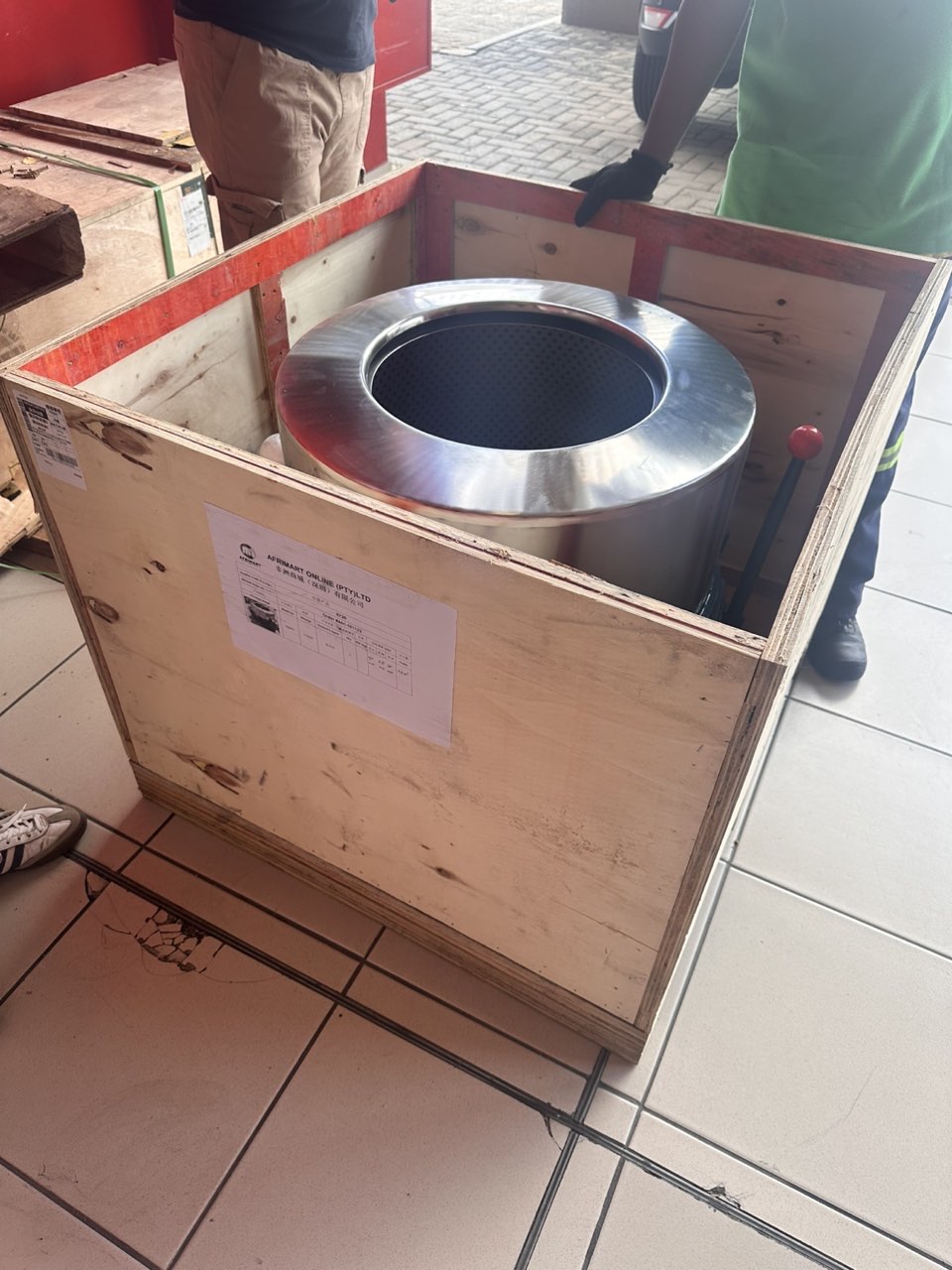
order success
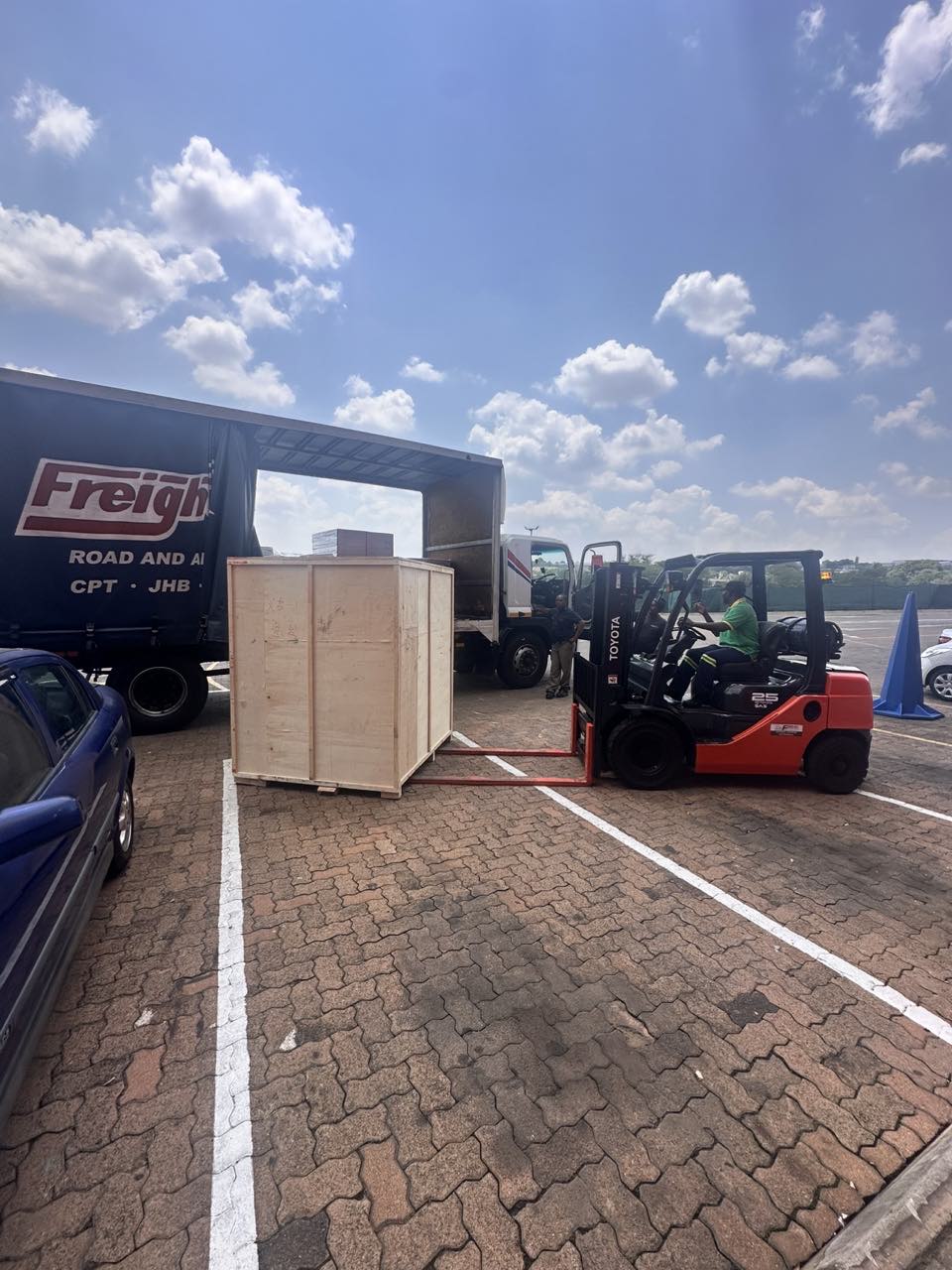
order collection
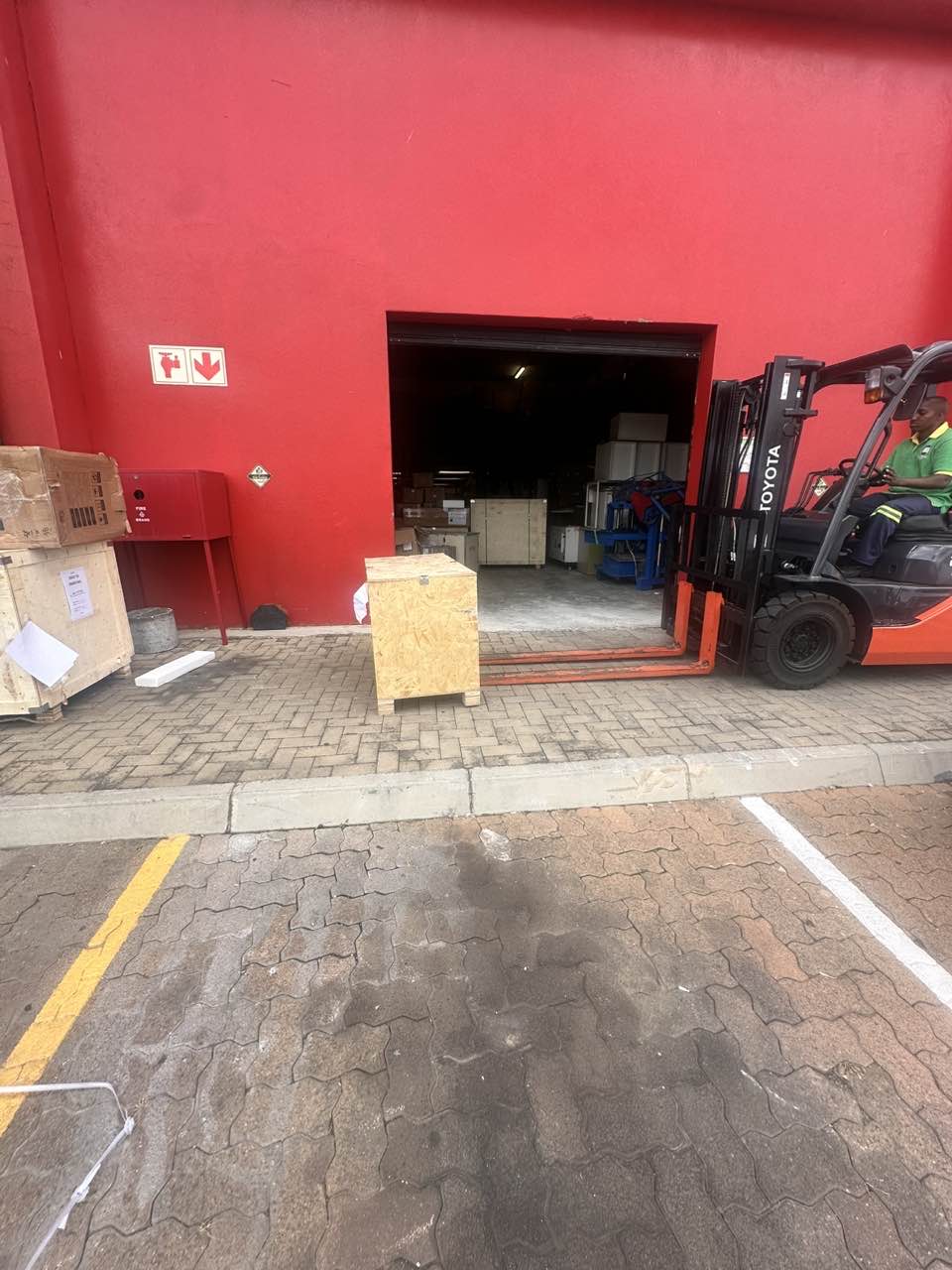
order offloading