B21, China Town Mall, Midrand

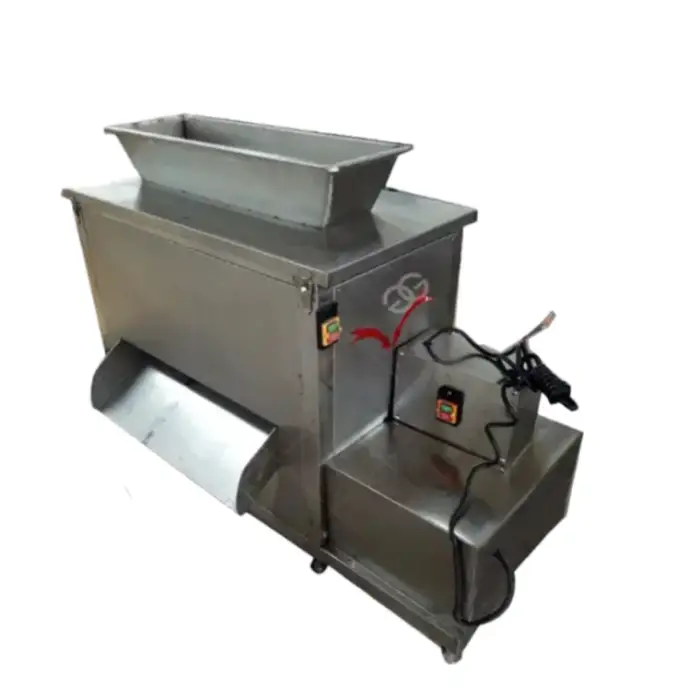
Automatic Catfish Slicer Cutting Machine Fish Fillet Machine
Asset finance available
Do you want funding for this equipment?
Afrimart can connect you with trusted funding partners who specialise in asset finance for businesses like yours. Compare options and apply in minutes — final approval is subject to provider review.
Check funding options
Secure & no obligation

- Section : Appliances
- Category : Electric Slicers
- SKU : 60213135404

Automatic Catfish Slicer Cutting Machine – Fish Fillet Machine
The Automatic Catfish Slicer Cutting Machine is designed to make fish filleting fast, easy, and efficient. This advanced machine is perfect for restaurants, fish markets, and food processing plants that need to prepare large quantities of fish quickly and accurately. With its automatic features, sharp cutting blades, and easy-to-use design, this machine ensures that every fish is sliced to perfection with minimal effort.
Key Features
Automatic Operation
This machine is fully automatic, meaning it does all the hard work for you. Once the catfish is placed in the machine, it will automatically slice the fish into fillets with consistent results every time. This reduces manual labor and speeds up the fish processing process.
Precision Cutting
The slicer is equipped with high-quality, sharp blades that cut through catfish efficiently. The machine ensures that each fillet is uniform and smooth, offering professional results in every batch.
Adjustable Thickness
You can adjust the thickness of the fish fillets to suit your needs. Whether you prefer thicker fillets for certain dishes or thinner slices for delicate recipes, the machine allows you to customize the thickness with ease.
High-Quality Materials
Made with durable materials, the Automatic Catfish Slicer is built to last. Its stainless steel construction makes it resistant to rust and easy to clean, ensuring long-term performance in a commercial kitchen or processing environment.
Easy to Use
The machine is designed with simplicity in mind. It has a user-friendly control panel that makes operation easy, even for those who are not familiar with complex machinery. Once set up, the slicer requires minimal input from the user.
High Capacity
This fish fillet machine is designed for high-volume use. It can process a large number of catfish in a short amount of time, making it perfect for busy kitchens and fish processing businesses.
Safety Features
The slicer is designed with safety in mind, featuring protective guards and an emergency shut-off switch. This ensures that users can operate the machine safely, reducing the risk of accidents.
Versatile
While it is designed for catfish, this machine can also be used to slice other types of fish, making it a versatile tool for different types of food preparation. This flexibility makes it ideal for various seafood businesses.
Easy to Clean
Cleaning the slicer is quick and simple. Its parts are easily removable for cleaning, ensuring the machine remains hygienic and ready for the next use. The smooth surfaces help reduce food buildup, making maintenance easier.
Conclusion
The Automatic Catfish Slicer Cutting Machine is the perfect solution for high-efficiency fish filleting. With its automatic operation, precise cutting blades, and easy-to-use design, this machine ensures consistent and professional results every time. Whether you're working in a restaurant kitchen, fish market, or food processing plant, this slicer helps save time, reduce manual labor, and improve the quality of your fish fillets. Its durable construction and safety features make it a reliable choice for any seafood business.
Product Info Gallery

| Model | GGQY-300 | GG-QY600 |
| Capacity | 200-400kg/h | 400-600kg/h |
| Power | 2.2kw/220v | 2.2kw/380v |
| Weight | 70kg | 100kg |
| Dimension | 520*350*800mm | 710*660*1010mm
|
\
- Shipping Timeframes: All orders are processed within 2-5 business days (excluding weekends and holidays). After your order has been processed, the estimated delivery time is before 13 Aug, 2026, depending on customs, Please note that due to high demand, some items may experience longer shipping times, which will be communicated at order confirmation email.
- Order Processing Time: Please allow 2-5 business days for us to process your order before it is shipped . Orders placed after 16:00 on Fridays, or during weekends and public holidays, will begin processing on the next business day. Processing times may be extended during peak seasons or sales events.
- Manufacturing Time: Some products needs manufacturing time, the manufacturing process will take approximately 10-30 business days depending on the product. This timeframe may vary depending on the complexity of the product and current demand. but this will be communicated with you during order confirmation.
- Returns and Exchanges: We offer a 30-day return policy for most items. If you are not completely satisfied with your purchase, you may return it within 30 days of receipt for a refund or exchange. Items must be unused, in their original packaging, and accompanied by proof of purchase. Return shipping costs are the responsibility of the customer, unless the item was damaged or defective upon arrival.
1. What are the available models and their capacities?
There are two models: GGQY-300 with a capacity of approximately 200–400 kg/h, and GG-QY600 with a capacity of approximately 400–600 kg/h.
2. What are the power and electrical requirements?
Both models use a 2.2 kW motor. The GGQY-300 is typically supplied for 220 V single-phase, while the GG-QY600 is typically supplied for 380 V three-phase. Confirm the exact voltage configuration with your supplier before ordering.
3. What are the machine dimensions and weight?
GGQY-300: 520 × 350 × 800 mm, weight ~70 kg. GG-QY600: 710 × 660 × 1010 mm, weight ~100 kg.
4. Can this machine slice fish other than catfish?
Yes. While optimized for catfish, the machine can slice other similarly sized and textured fish. Extremely small, very soft, or unusually shaped fish may require testing or adjustments.
5. How do I adjust fillet thickness?
Fillet thickness is adjustable via the control panel or mechanical adjustment on the slicer (depending on configuration). Settings allow you to choose thicker fillets for steaks or thinner slices for delicate dishes; consult the user manual for step-by-step adjustment instructions.
6. How do I clean and sanitize the machine?
Always disconnect power before cleaning. Remove removable components (blades, trays, guards) and wash with warm water and food-safe detergent, then sanitize. Wipe down stainless steel surfaces and allow components to fully dry before reassembly. Follow local food-safety guidelines.
7. What safety features are included?
The machine includes protective guards, interlocks on removable panels, and an emergency stop switch. Operators should follow all safety procedures in the manual and wear appropriate PPE.
8. How often do blades need to be replaced or sharpened?
Blade life depends on throughput and fish handling (bones, grit). With commercial use, expect periodic sharpening or replacement; inspect blades daily for nicks or dulling. Keep spare blades on hand and follow supplier recommendations for sharpening intervals.
9. What routine maintenance is required?
Routine maintenance includes inspection and cleaning after each shift, lubrication of moving parts per the manual, checking belt tension, confirming guards and fasteners are secure, and replacing worn parts. Schedule deeper servicing at regular intervals based on usage.
10. How many operators are needed to run the machine?
Typically one trained operator can run the machine; a second person may be helpful for feeding fish, packing fillets, or quality control during high-volume operation.
11. Is installation or setup required on site?
Yes. Light assembly and leveling are usually required. For 380 V three-phase power on the larger model, professional electrical hookup by a qualified electrician is recommended. The supplier can often provide installation guidance or service.
12. Is the machine easy to transport and store?
The machine is relatively compact for commercial equipment but heavy (70–100 kg). Use appropriate lifting equipment for transport and avoid exposure to extreme weather. Store in a clean, dry area when not in use.
13. Do you provide spare parts and technical support?
Suppliers typically offer spare parts (blades, belts, guards) and technical support. Contact your vendor for part lists, availability, and lead times. It's recommended to keep critical spares on hand to minimize downtime.
14. Are there certifications or food-safety compliances for the machine?
The machine is constructed of stainless steel for hygiene. Certifications (CE, ISO, HACCP compatibility, etc.) vary by manufacturer and model; confirm specific certifications with the supplier before purchase.
15. What should I do if the machine jams or malfunctions during operation?
Immediately hit the emergency stop, disconnect power, and follow the troubleshooting steps in the manual. Inspect for blockages, damaged blades, or misaligned parts. If the issue persists, contact technical support and do not attempt repair beyond what's described in the manual unless you are trained to do so.
Latest Order Arrivals
Discover our latest orders
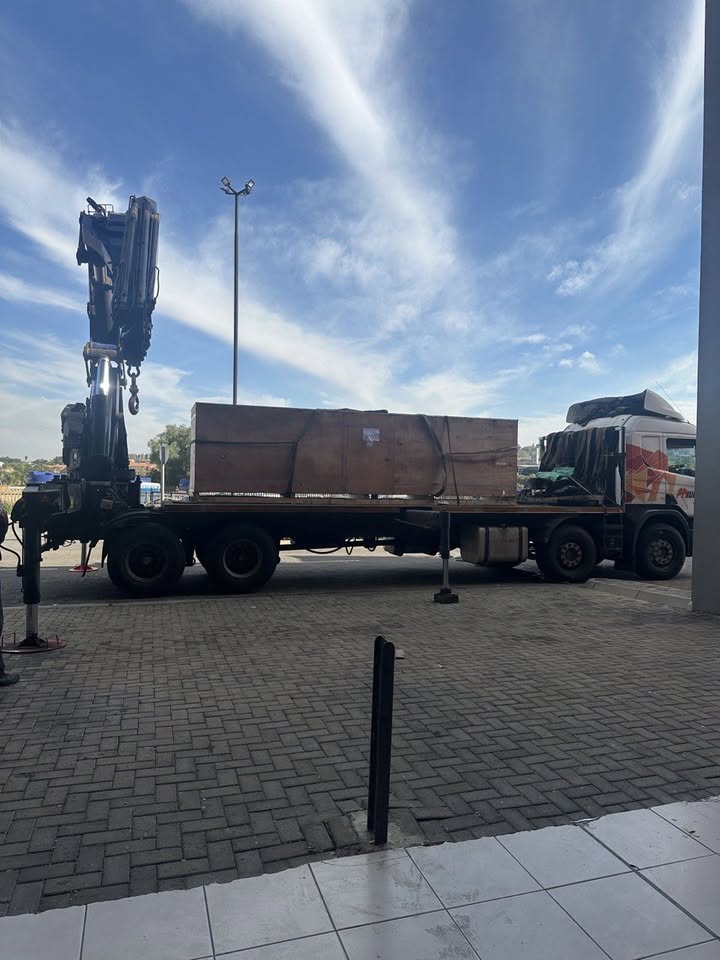
12 Heads Embroidery Machine
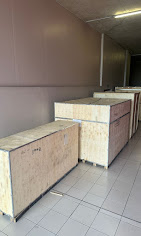
Toilet Paper Machine Machine
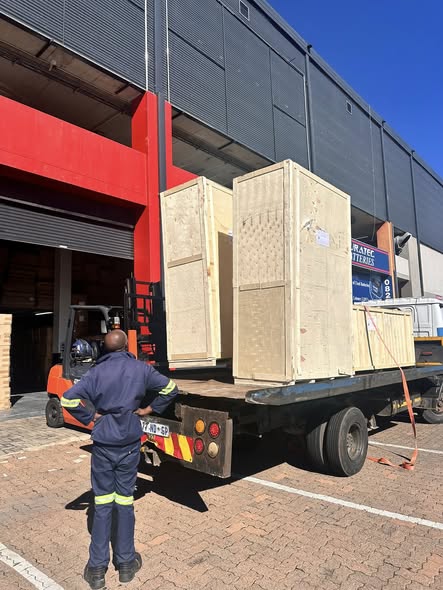
Order Collection
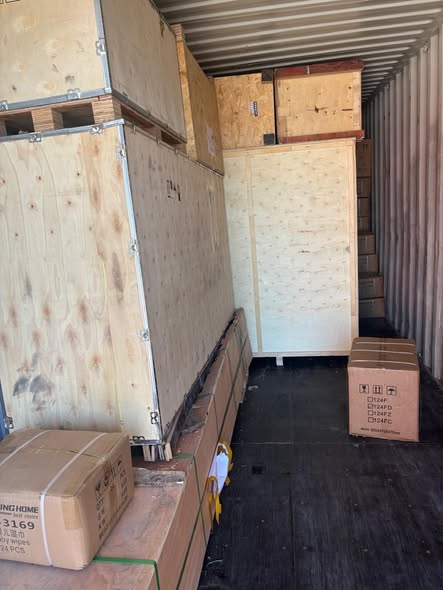
Cross Border Clients
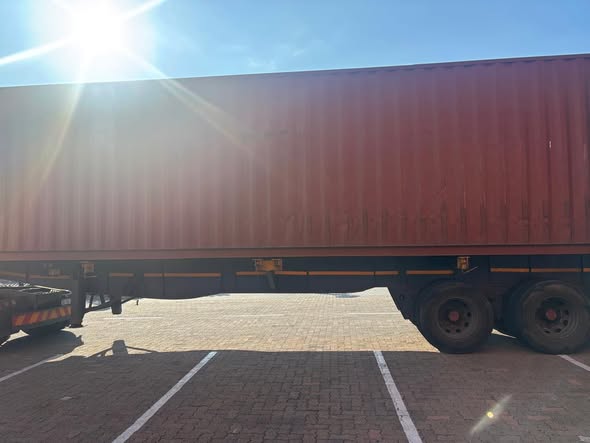
Order cros border countries Collected
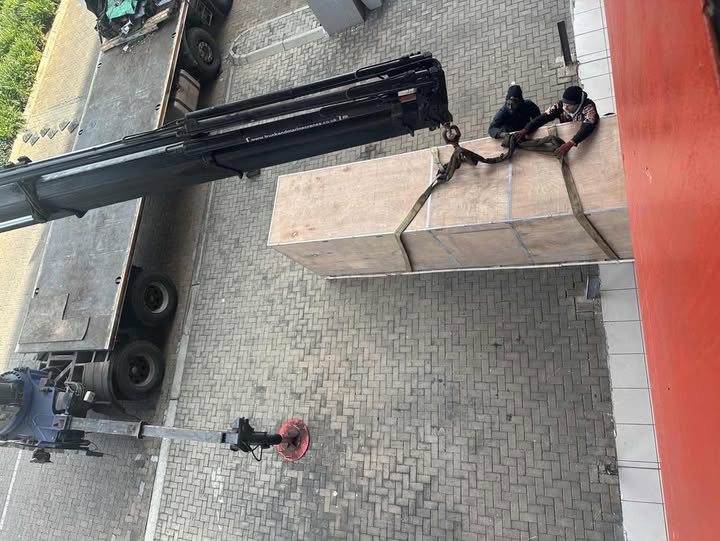
Industrial Machine Cllection
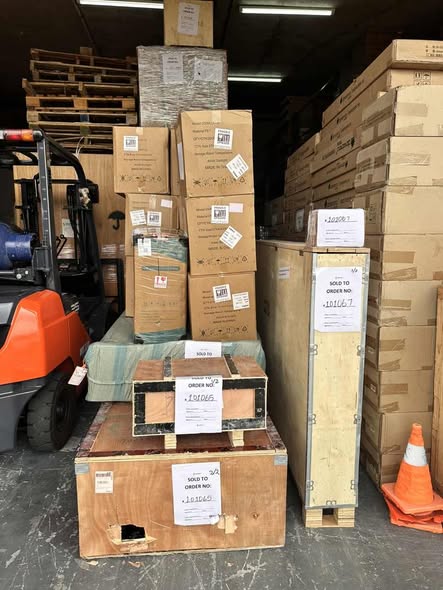
Agriculture Processing Machines
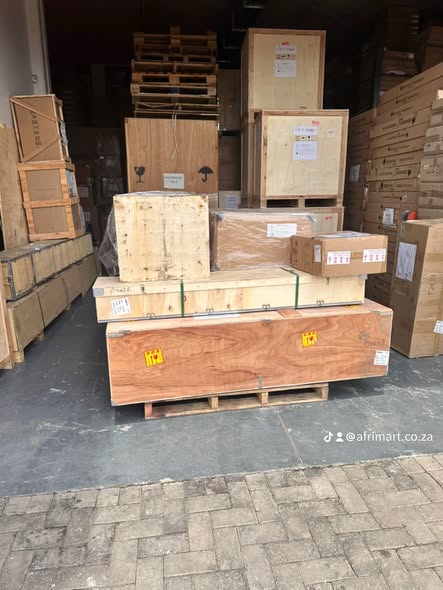
Ready for collection
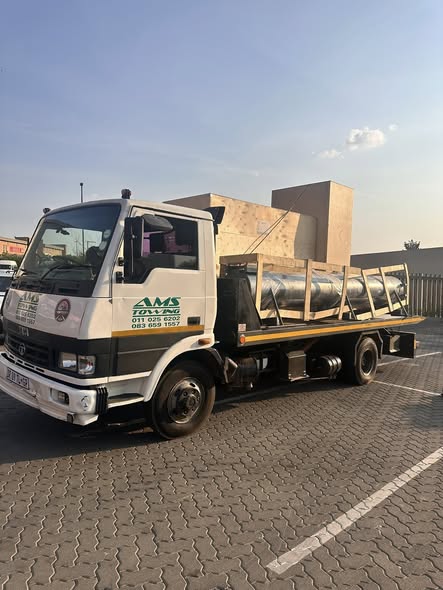
Water Pump Equipment
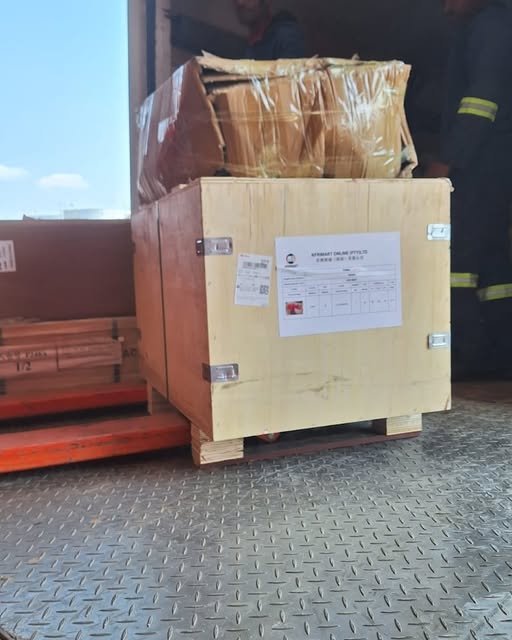
Packaging Machine and accessories
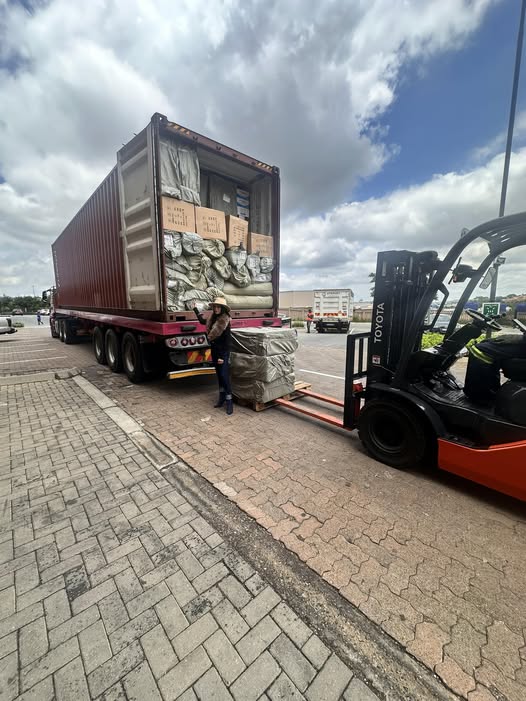
Fabrics Manufacturing Equipment
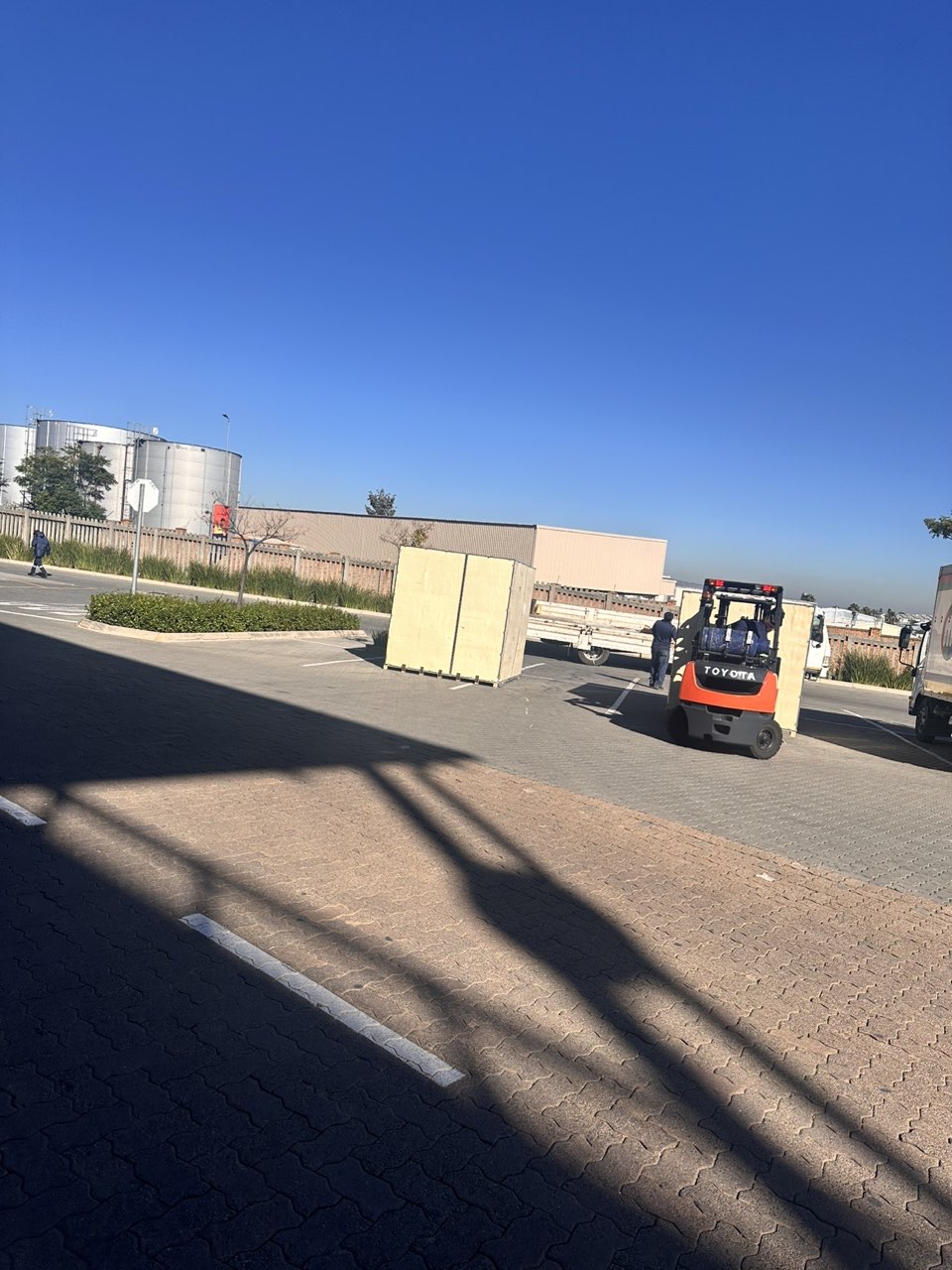
Mining Equipments
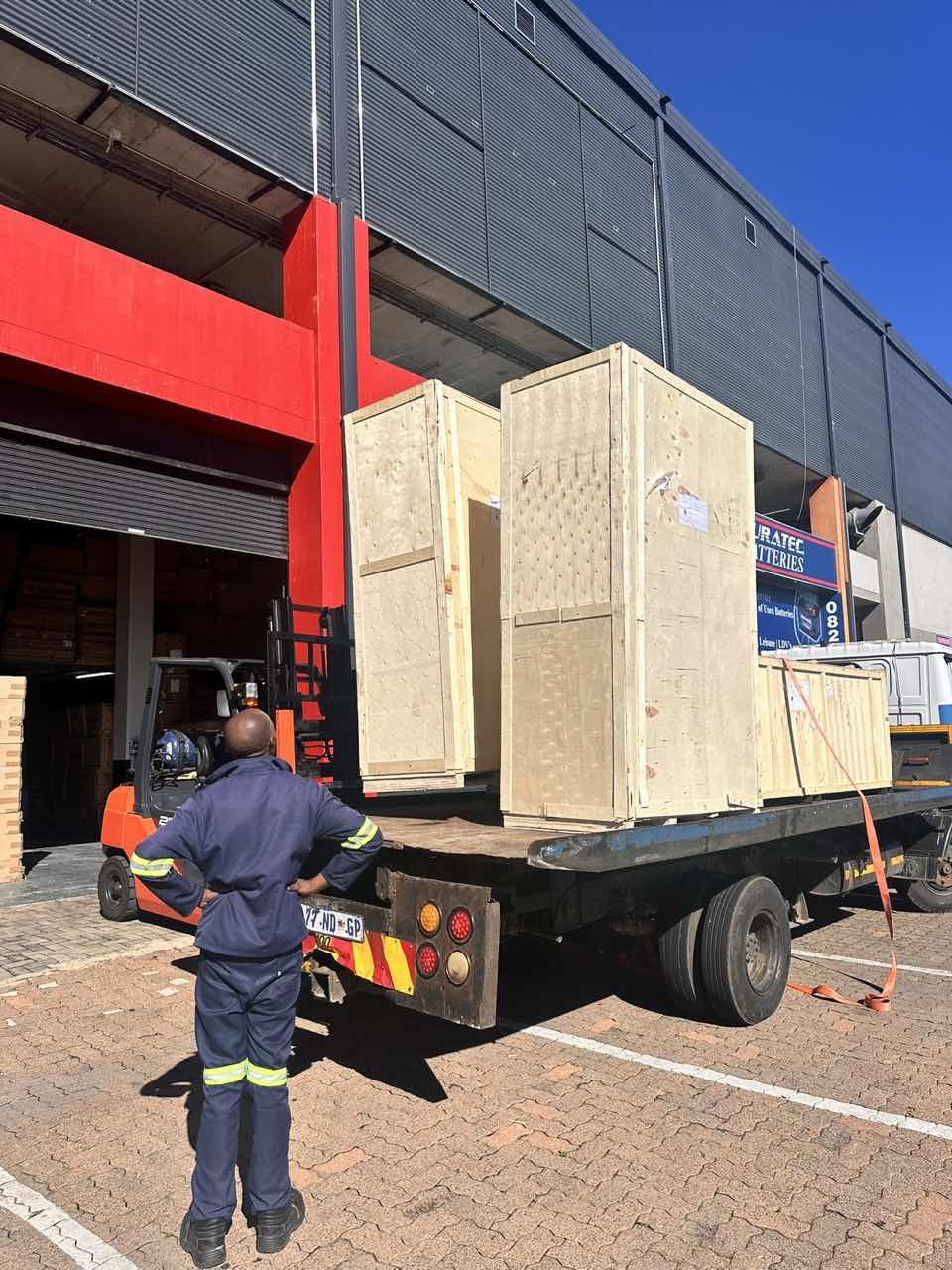
Food Processing Machine
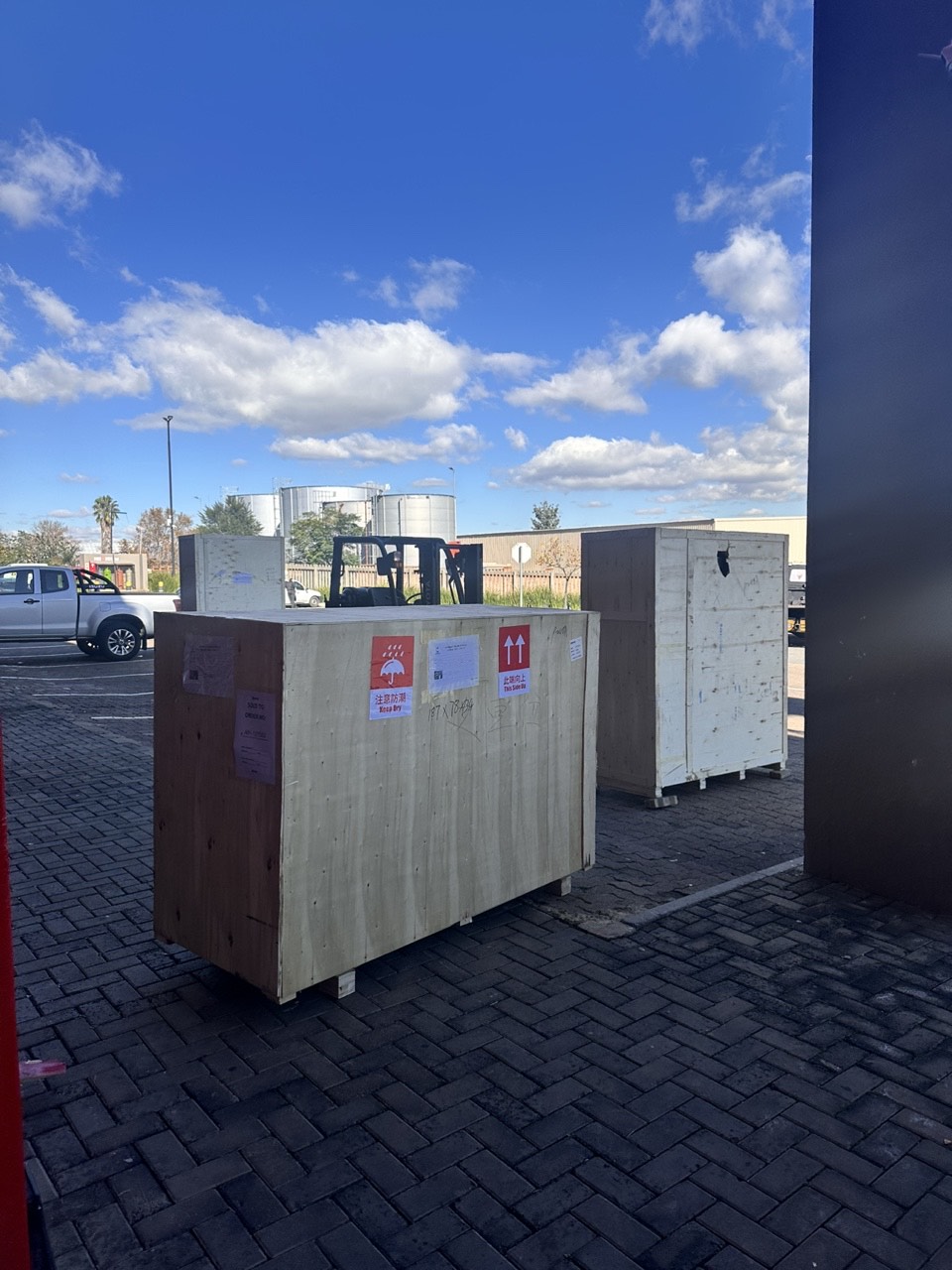
Batch of Orders
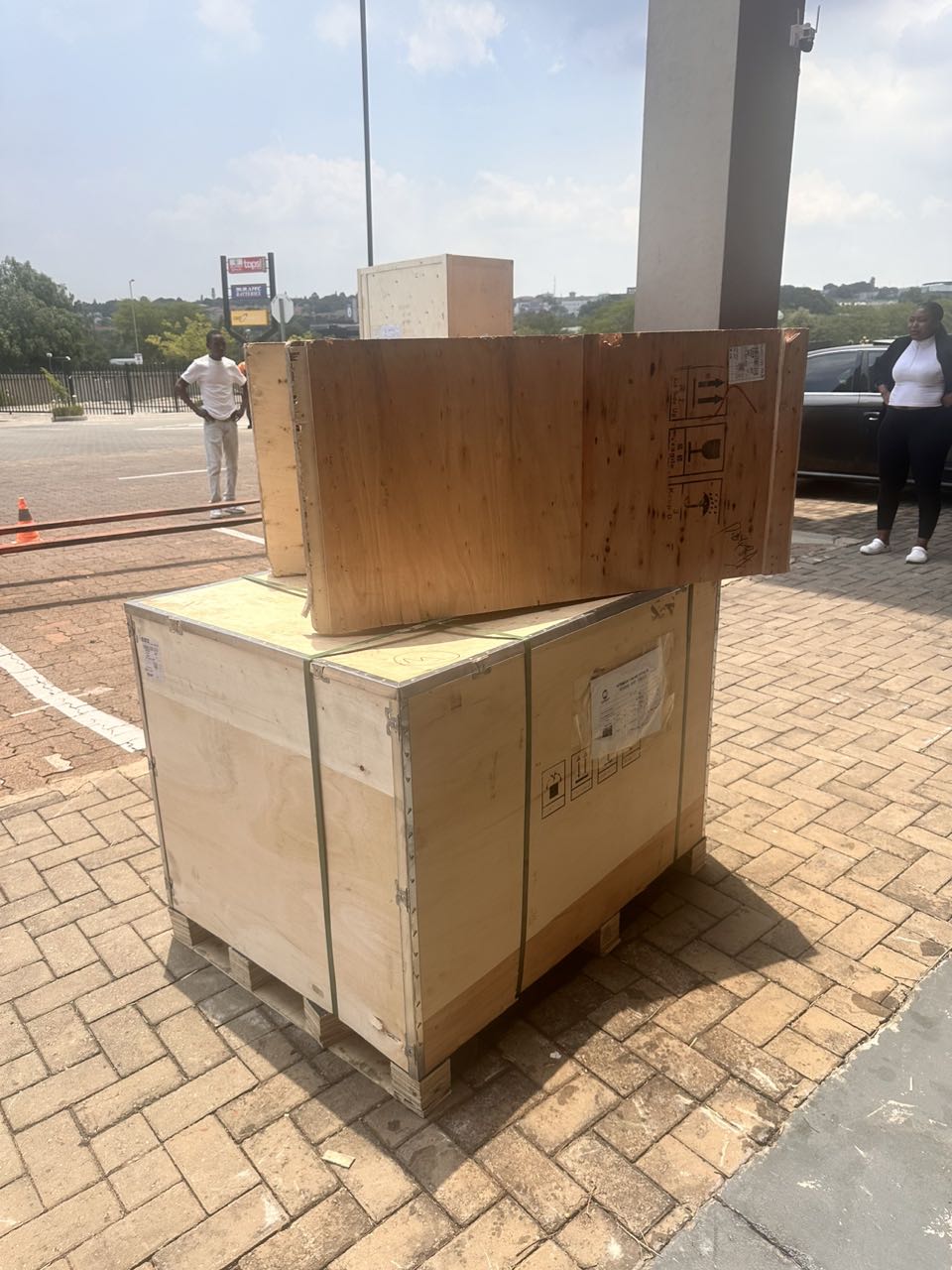
Batch of Orders
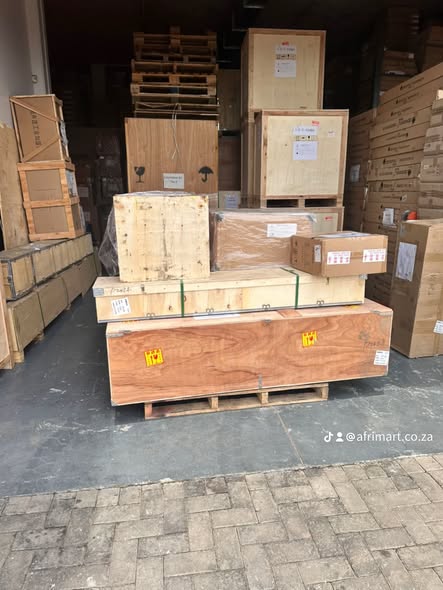
Latest Orders Labelled
wheel alignment machines
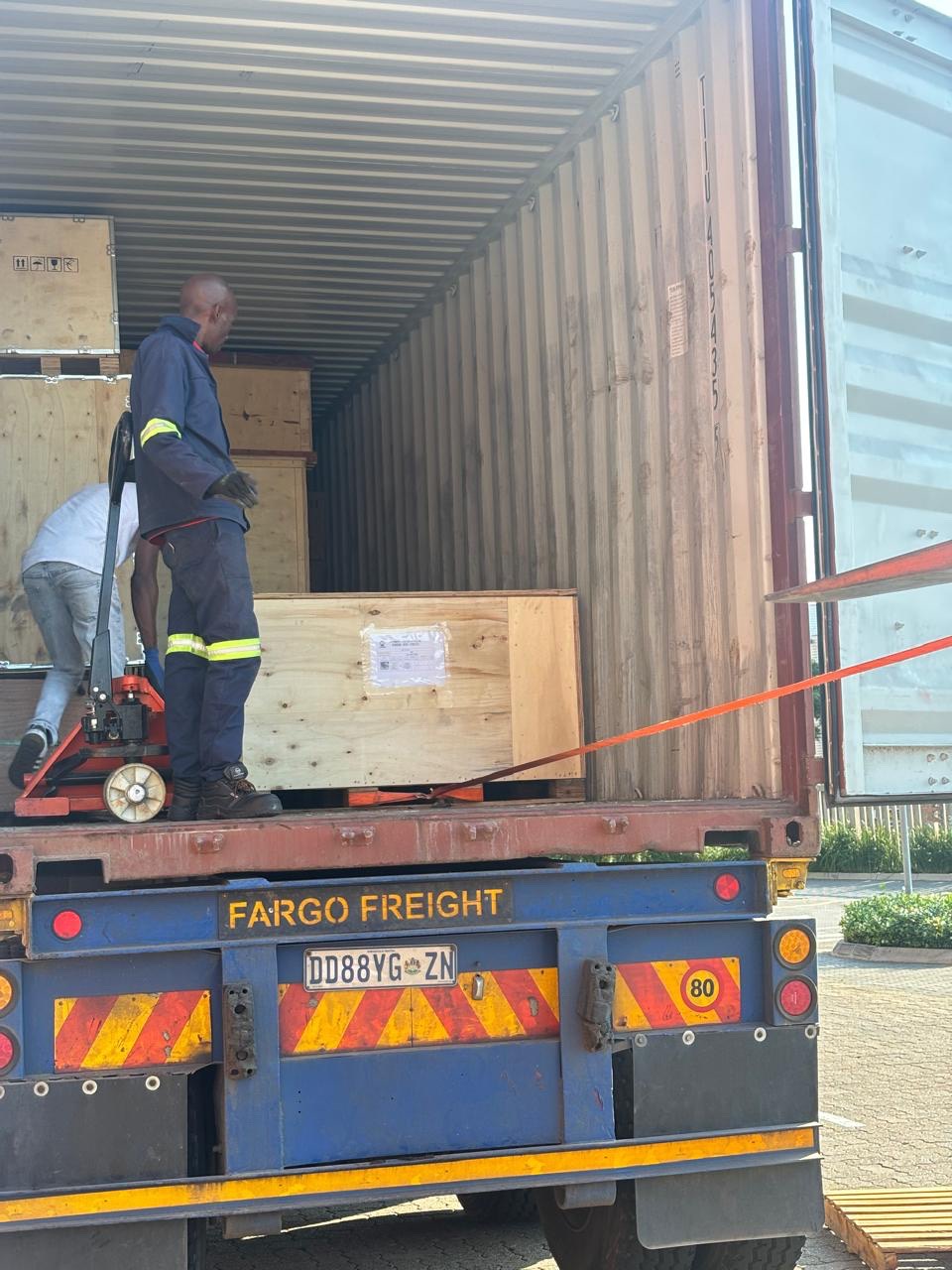
new arrivals
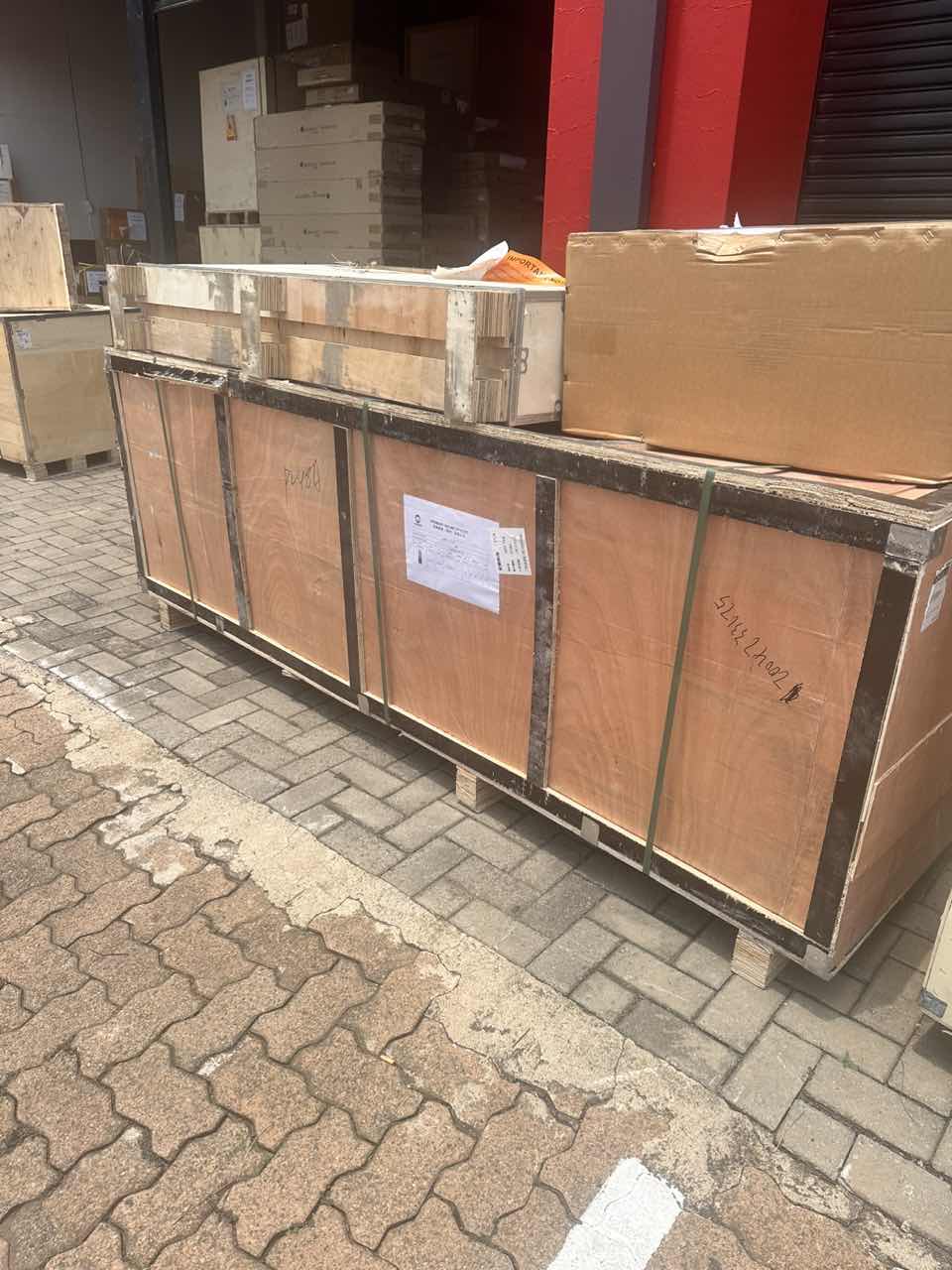
Pre Orders Offloading
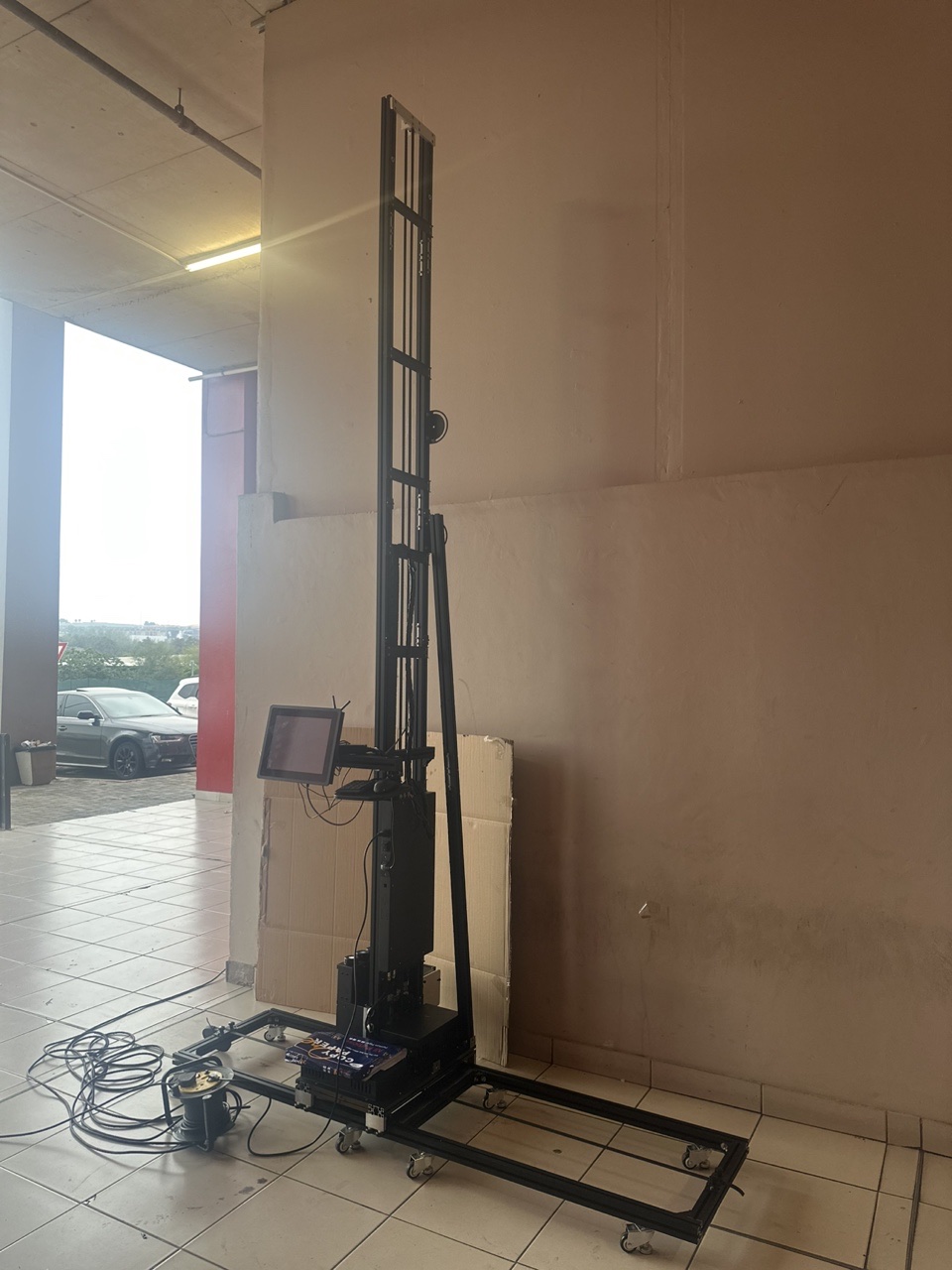
Latest Arrivals
Latest Arrivals
Latest Arrivals
Loading
Toilet paper making machine
Toilet paper making machine
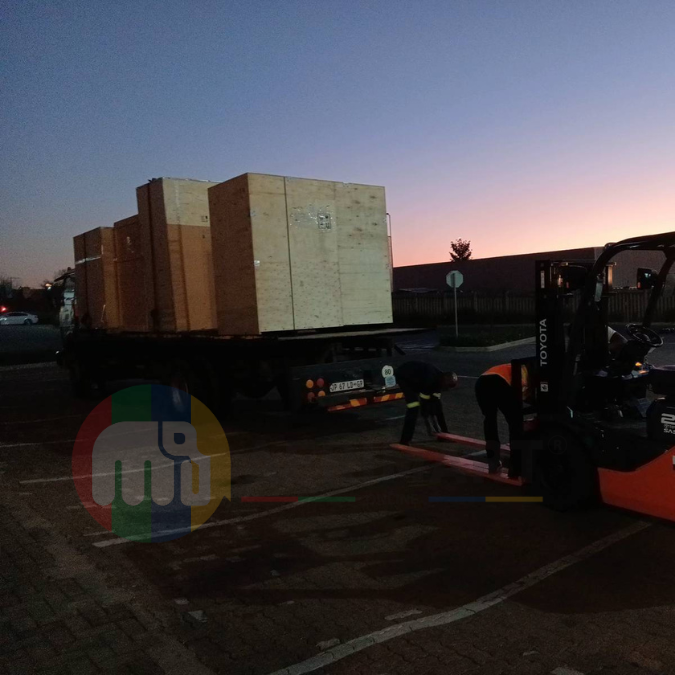
Toilet paper Rewinding Machine
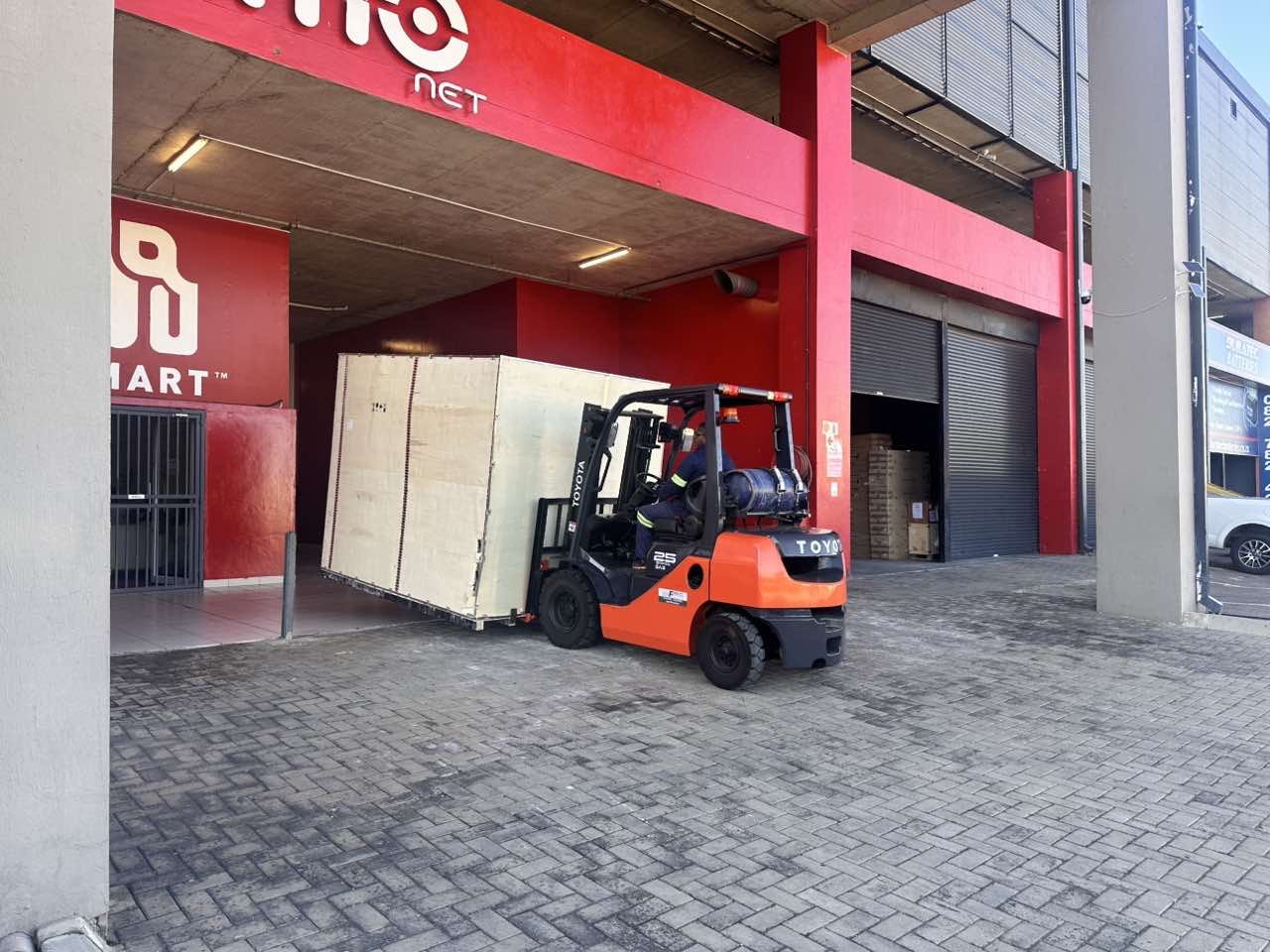
latest arrivals
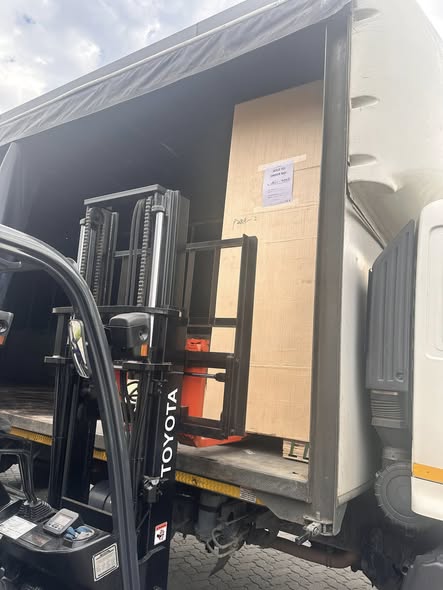
offloading
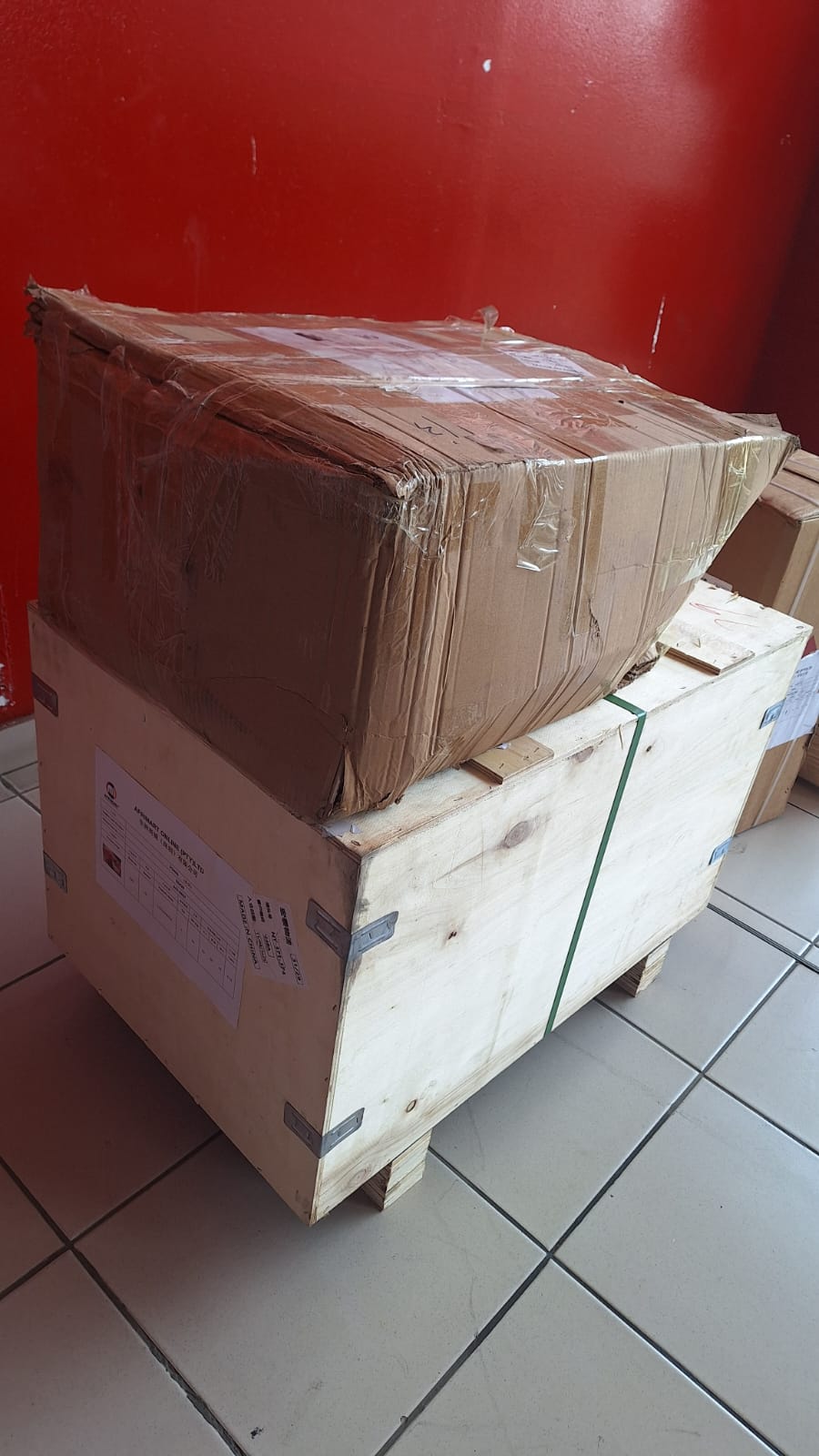
order success
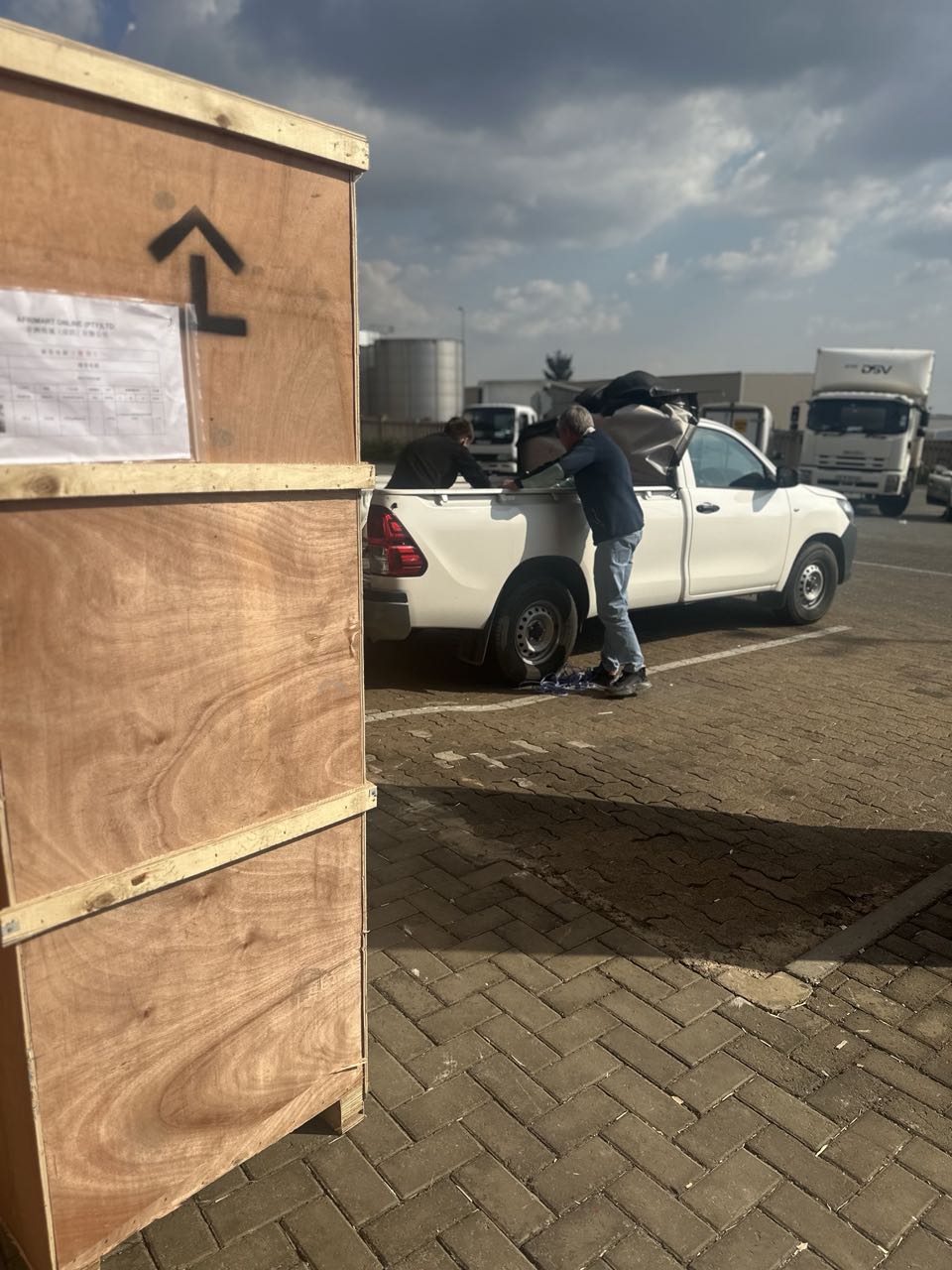
order collection
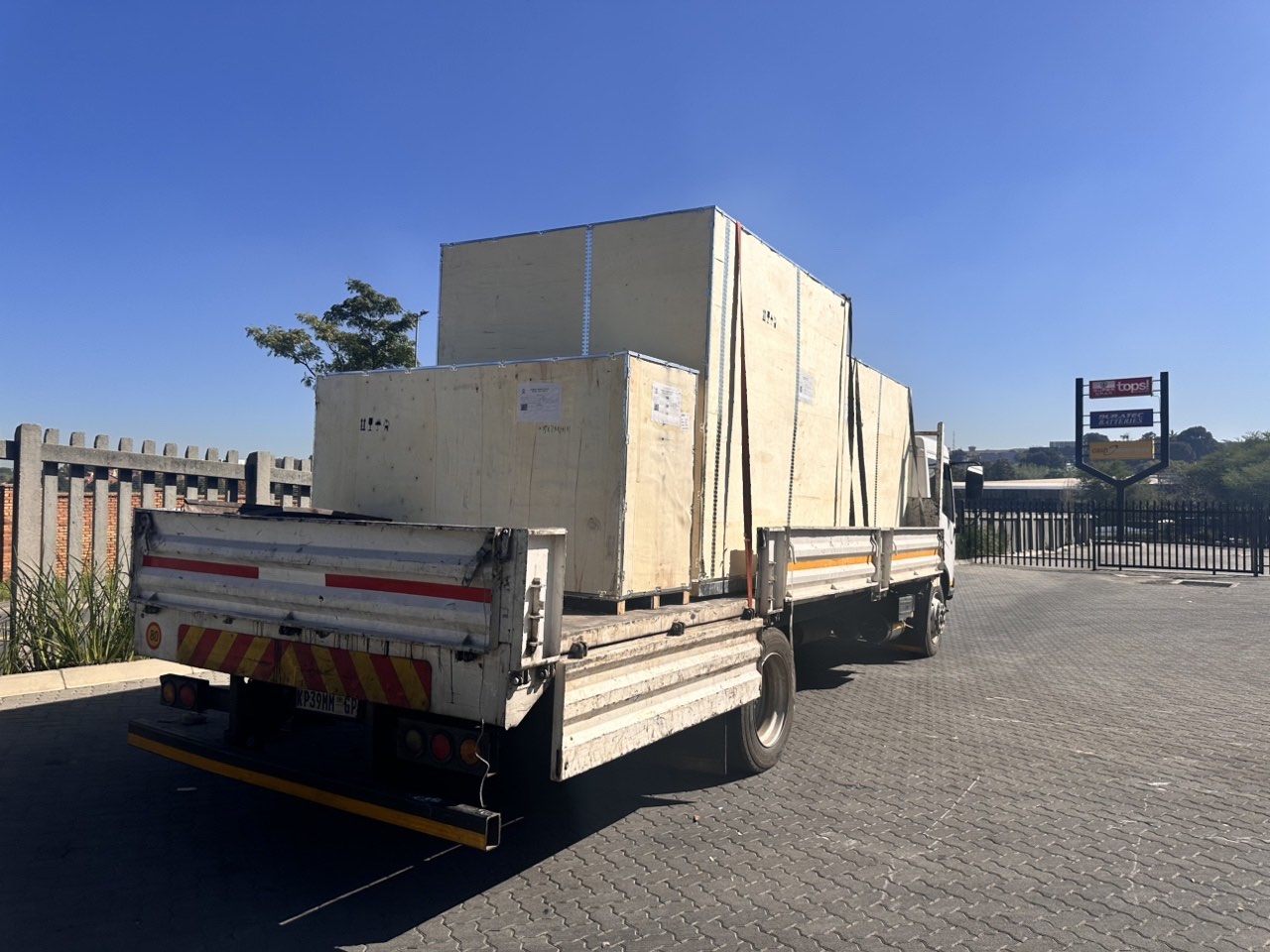
order offloading