B21, China Town Mall, Midrand

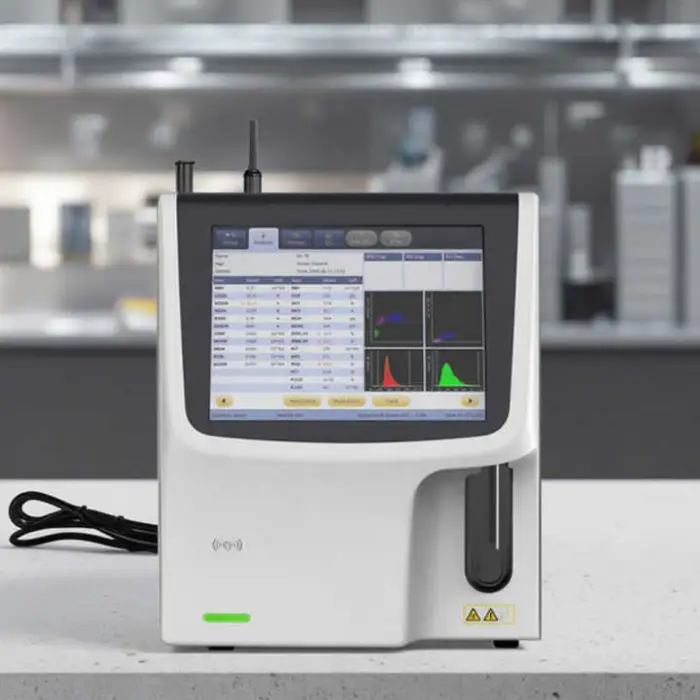
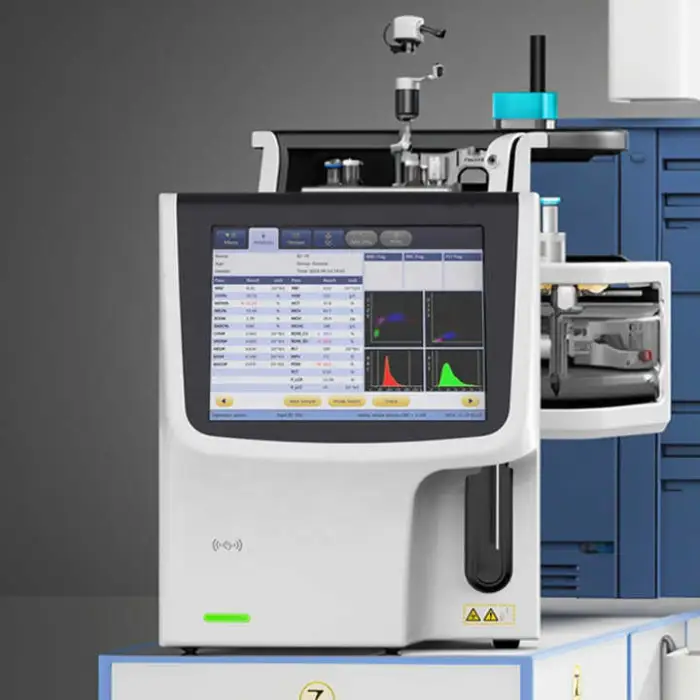
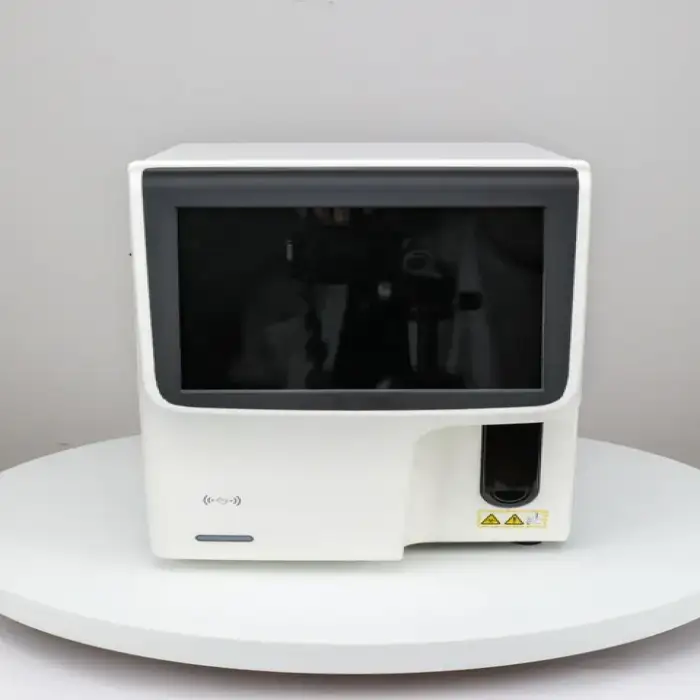
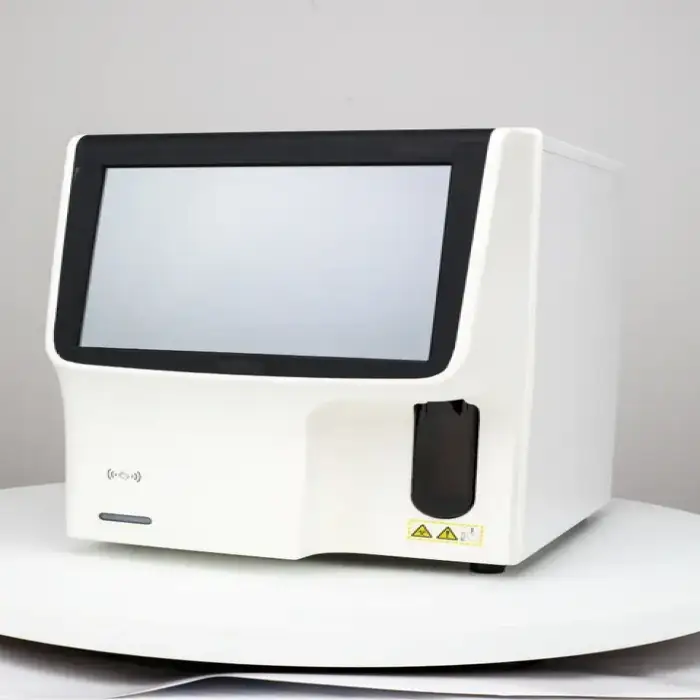
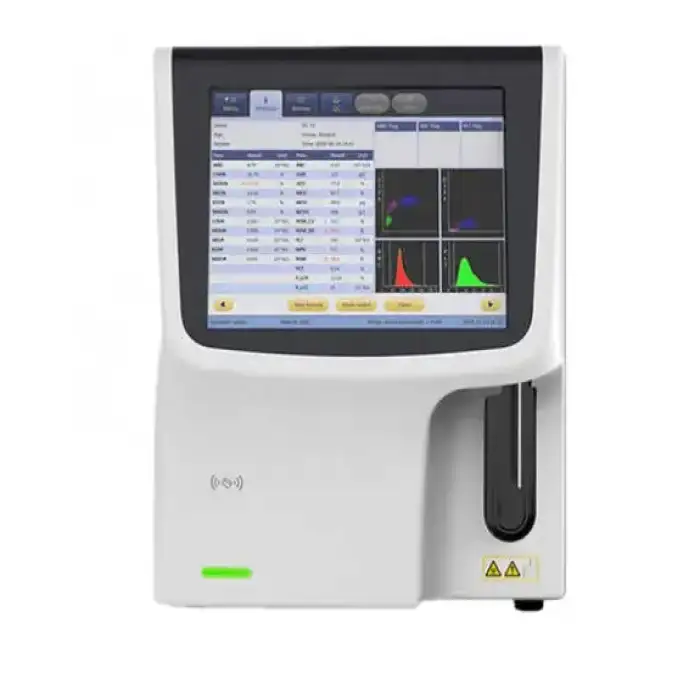
Auto 5 Part 3 Part Hematology Clinical Analytical Blood Test Machine CBC Hematology Analyzer for Human Veterinary
Asset finance available
Do you want funding for this equipment?
Afrimart can connect you with trusted funding partners who specialise in asset finance for businesses like yours. Compare options and apply in minutes — final approval is subject to provider review.
Check funding options
Secure & no obligation

- Section : Medical Supplies
- Category : Professional Medical Devices
- SKU : 1600607421928

Auto 5 Part 3 Part Hematology Clinical Analytical Blood Test Machine CBC Hematology Analyzer for Human Veterinary
The Auto 5 Part 3 Part Hematology Clinical Analytical Blood Test Machine is a must-have for any medical or veterinary laboratory. This advanced CBC Hematology Analyzer delivers accurate and reliable results for blood analysis. With its user-friendly design, it is suitable for both human and veterinary applications. The device offers online technical support, ensuring you have assistance whenever you need it.
Specifications
| Attribute | Details |
|---|---|
| Instrument Classification | Class II |
| Type | Blood Analysis System |
| Brand Name | Antonmed |
| OEM | Accept OEM |
| Certification | CE/ISO |
| Application | Professional testing |
| Selling Units | Single item |
| Single Package Size | 50X50X50 cm |
| Single Gross Weight | 16.000 KG |
Key Features
- 5-part differential analysis for detailed blood testing.
- Easy to use with a clear display for quick results.
- Online technical support available for assistance.
- Suitable for both human and veterinary use.
- Complies with CE/ISO certification standards.
Applications
- Clinical laboratories for human blood testing.
- Veterinary clinics for animal health analysis.
- Research facilities for hematological studies.
- Emergency medical services for quick blood assessments.
Product Info Gallery


- Shipping Timeframes: All orders are processed within 2-5 business days (excluding weekends and holidays). After your order has been processed, the estimated delivery time is before 30 Jun, 2026, depending on customs, Please note that due to high demand, some items may experience longer shipping times, which will be communicated at order confirmation email.
- Order Processing Time: Please allow 2-5 business days for us to process your order before it is shipped . Orders placed after 16:00 on Fridays, or during weekends and public holidays, will begin processing on the next business day. Processing times may be extended during peak seasons or sales events.
- Manufacturing Time: Some products needs manufacturing time, the manufacturing process will take approximately 10-30 business days depending on the product. This timeframe may vary depending on the complexity of the product and current demand. but this will be communicated with you during order confirmation.
- Returns and Exchanges: We offer a 30-day return policy for most items. If you are not completely satisfied with your purchase, you may return it within 30 days of receipt for a refund or exchange. Items must be unused, in their original packaging, and accompanied by proof of purchase. Return shipping costs are the responsibility of the customer, unless the item was damaged or defective upon arrival.
1. What is the Auto 5 Part 3 Part Hematology Analyzer?
It is an automated clinical hematology analyzer designed to perform complete blood counts (CBC) with 3-part or 5-part differential options. The unit is intended for professional use in clinical and veterinary laboratories and delivers rapid, routine hematology parameters with a clear user display and online technical support.
2. What does '3-part' and '5-part' differential mean?
A 3-part differential classifies white blood cells into three groups (typically neutrophils, lymphocytes and mid cells), while a 5-part differential provides a more detailed breakdown into five types (neutrophils, lymphocytes, monocytes, eosinophils and basophils). The choice depends on the level of diagnostic detail required.
3. Can this analyzer be used for both human and veterinary samples?
Yes — the product description states suitability for both human and veterinary applications. Operators should follow local regulatory requirements for human diagnostics and validate performance for each animal species before clinical use.
4. What certifications and regulatory classifications does the device have?
According to the description, the analyzer complies with CE and ISO certification standards and is classified as a Class II instrument. Always verify current certification documents with the supplier.
5. What sample types does the analyzer accept?
The analyzer is designed for blood samples used in routine CBC testing. Most hematology analyzers use EDTA-anticoagulated whole blood; check the user manual or supplier documentation for approved sample types, volumes and handling instructions.
6. How accurate and reliable are the test results?
The analyzer is described as delivering accurate and reliable results and conforms to CE/ISO standards. As with any clinical instrument, accuracy depends on following calibration, quality control procedures and using approved reagents and consumables.
7. What consumables, reagents and controls are required?
The analyzer requires reagents, calibrators and quality control materials typical for CBC testing. Exact reagent part numbers and compatible controls should be provided by the manufacturer or supplier; confirm whether OEM or validated third‑party consumables are recommended.
8. Does the product include technical support and training?
Online technical support is available according to the description. For onsite training, installation assistance or extended service agreements, contact the supplier to confirm available options.
9. What maintenance and calibration are needed?
Routine maintenance (daily/weekly cleaning, reagent replacement, and periodic calibration) and running quality controls are standard practice. Specific maintenance schedules and calibration procedures are provided in the user manual; contact technical support for service guidance.
10. What is the physical size and weight of the packaged unit?
The single package dimensions are listed as 50 x 50 x 50 cm with a gross weight of 16.0 kg. Actual instrument dimensions and net weight should be confirmed with the vendor.
11. Is the device customizable or available as OEM?
The description lists 'OEM' and 'Accept OEM,' indicating that original equipment manufacturer (OEM) or private‑labeling options may be available. Discuss customization, branding or OEM requirements with the supplier.
12. How do I export or integrate test results with a laboratory information system (LIS)?
The product description mentions a clear display but does not list specific connectivity options. Many modern analyzers offer interfaces such as USB, LAN or serial connections and LIS protocols. Check the model's technical specifications or ask the supplier for available data export/integration options.
13. What warranty and after‑sales service are provided?
Warranty and service terms are not specified in the brief description. Ask the seller for details about warranty length, what is covered, available service contracts and response times for repair or replacement.
14. Is the analyzer suitable for emergency or point‑of‑care use?
The description notes applicability to emergency medical services for quick blood assessments. Whether it is suitable for point‑of‑care (POC) deployment depends on factors such as portability, power requirements and regulatory approvals for POC use; confirm these details with the vendor.
15. How do I order the analyzer and get support for installation?
Contact the manufacturer or authorized distributor (brand listed as Antonmed in the description) to place an order. Ask about delivery, installation, validation, operator training and online technical support options before purchase.
Latest Order Arrivals
Discover our latest orders
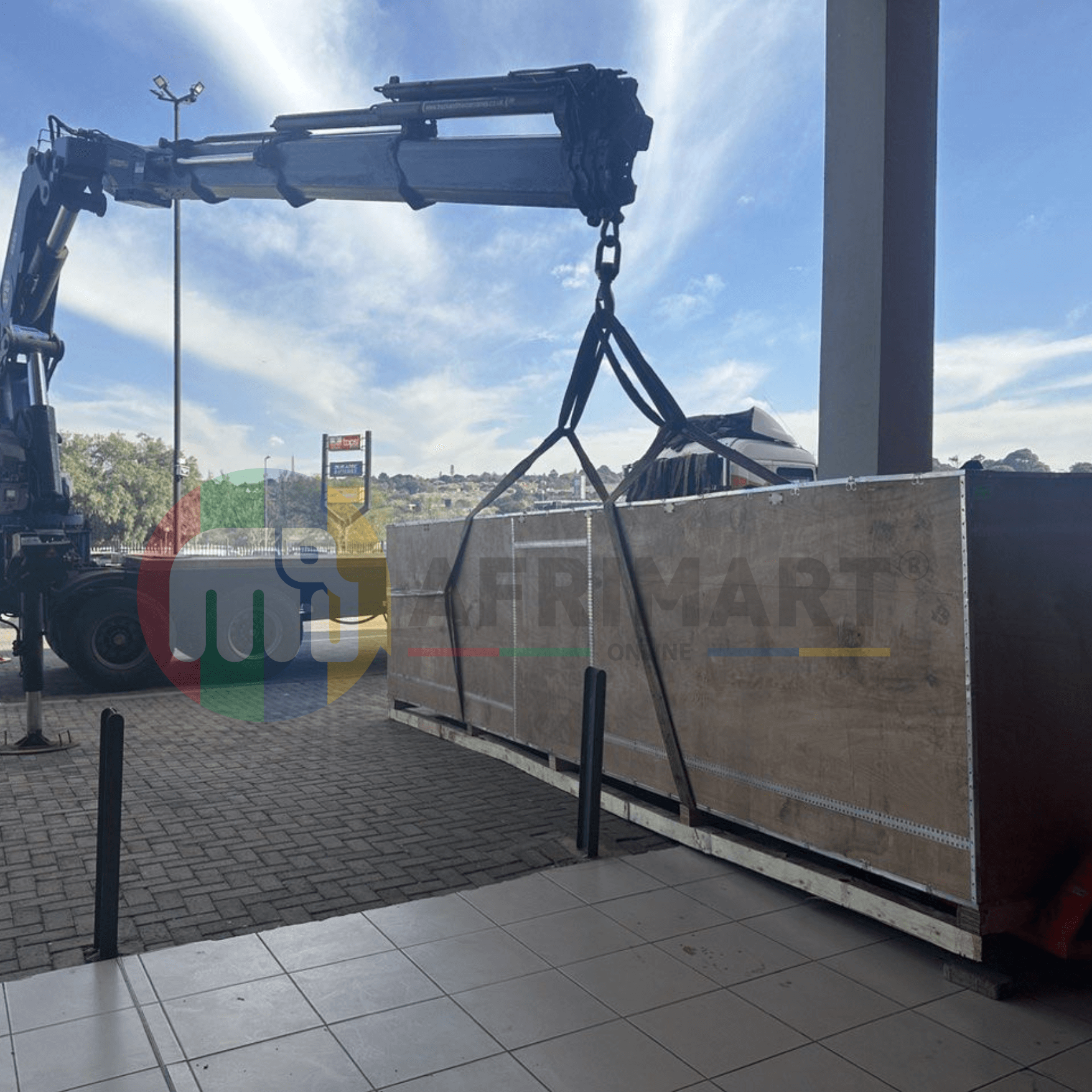
12 Heads Embroidery Machine
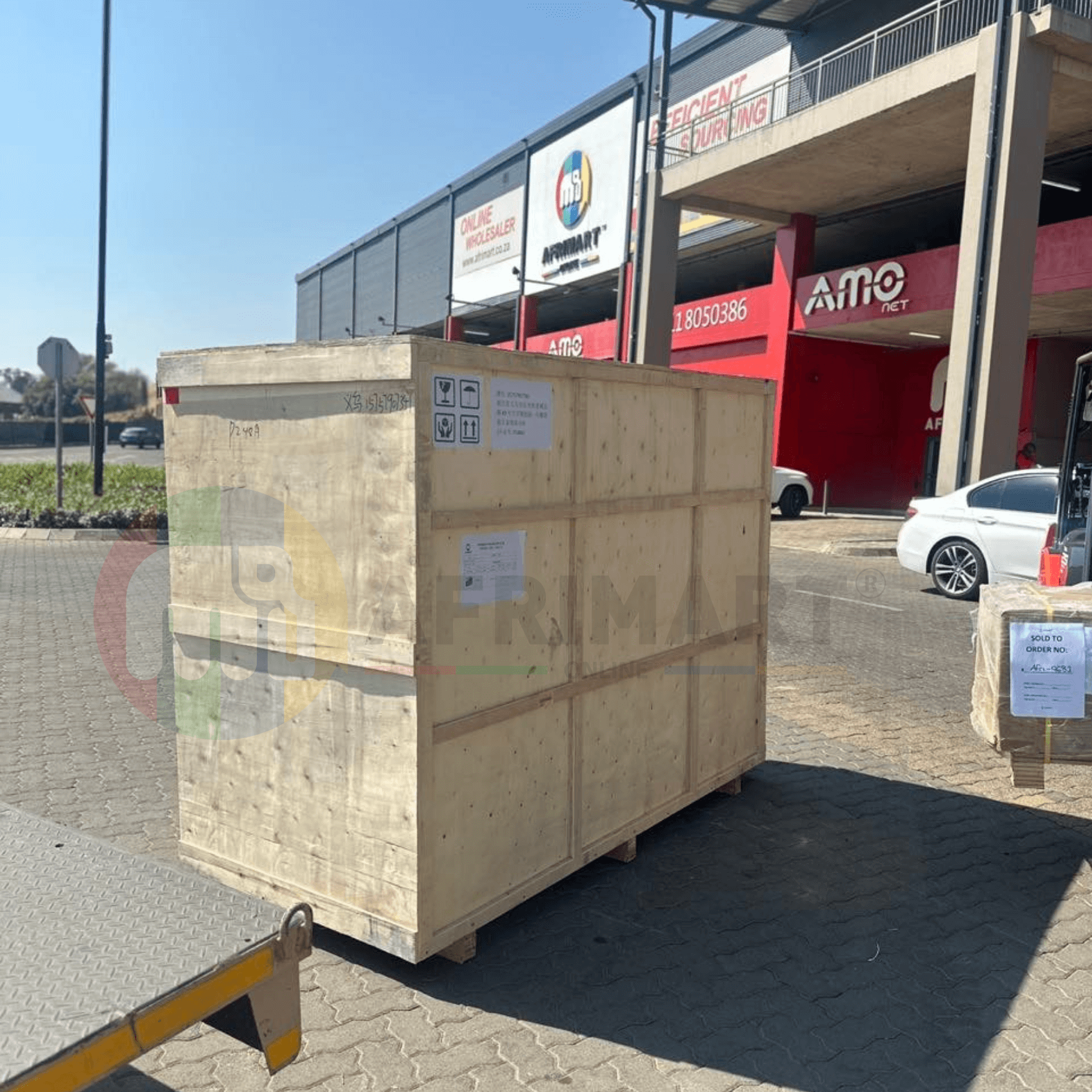
Dewatering Pump Machine
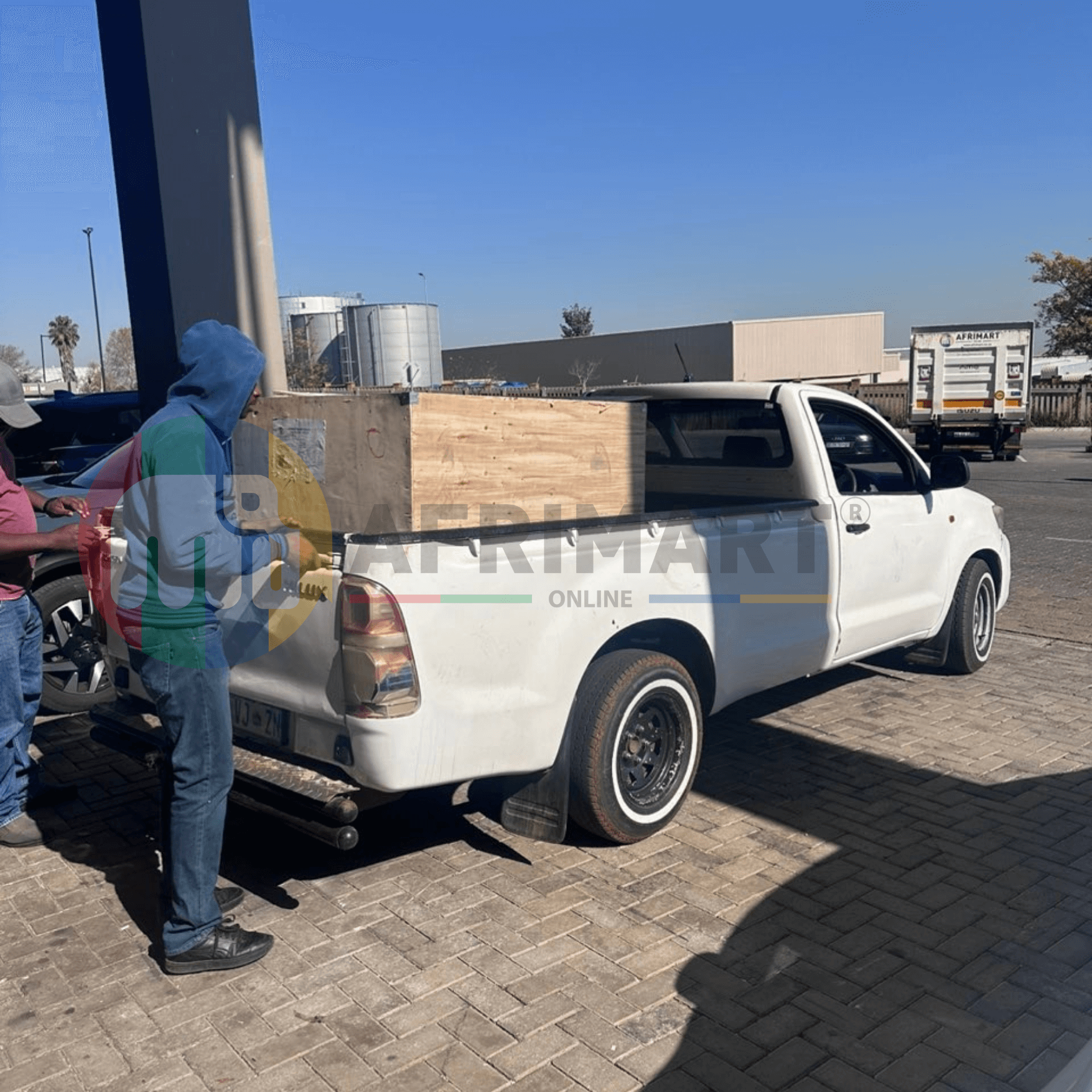
Order Collection
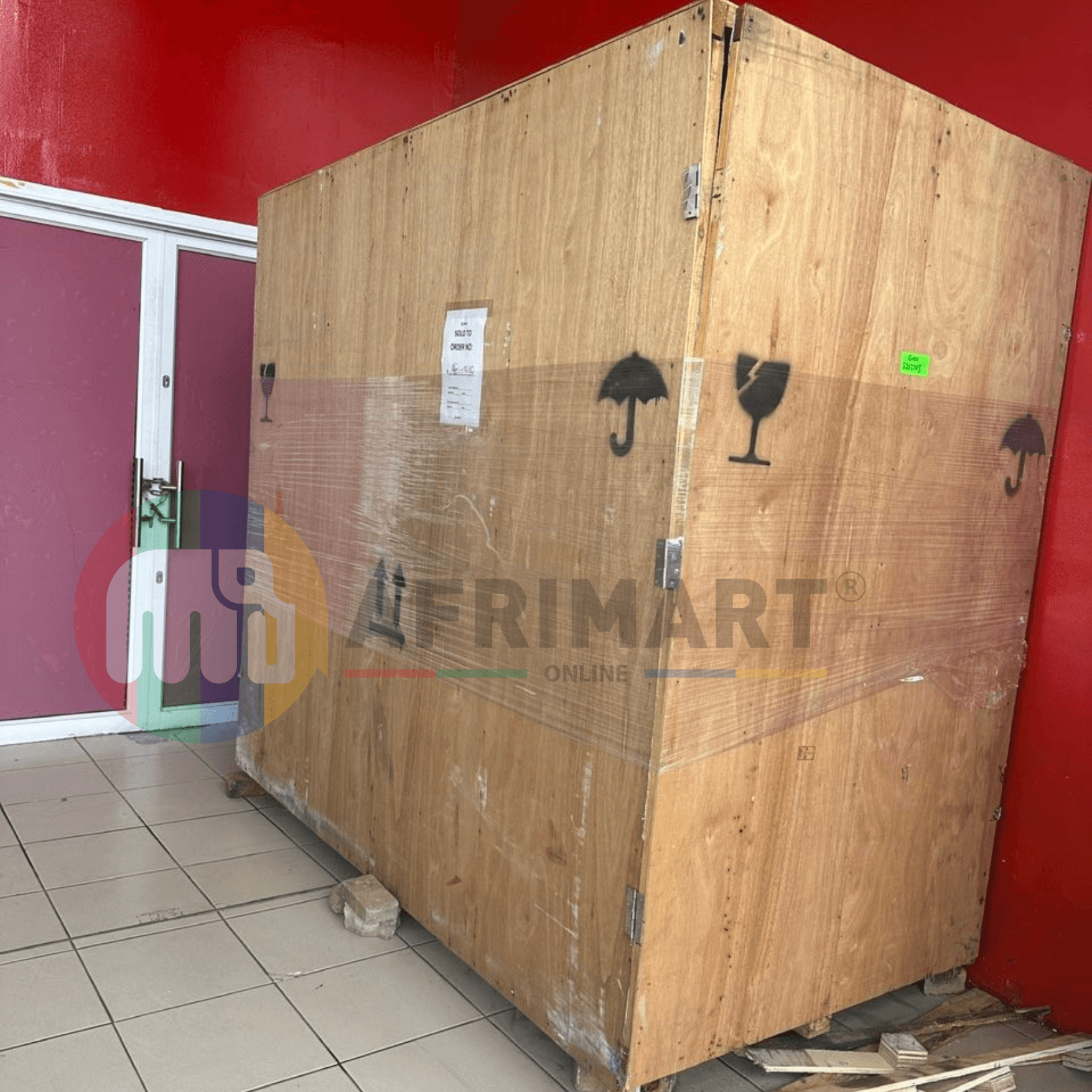
Portable Water Drilling Rig
Order Usefully Collected
Batch of Orders
Agriculture Processing Machines
Meat Grinder Machine
Water Pump Equipment
Packaging Machine and accessories
Fabrics Manufacturing Equipment
Mining Equipments
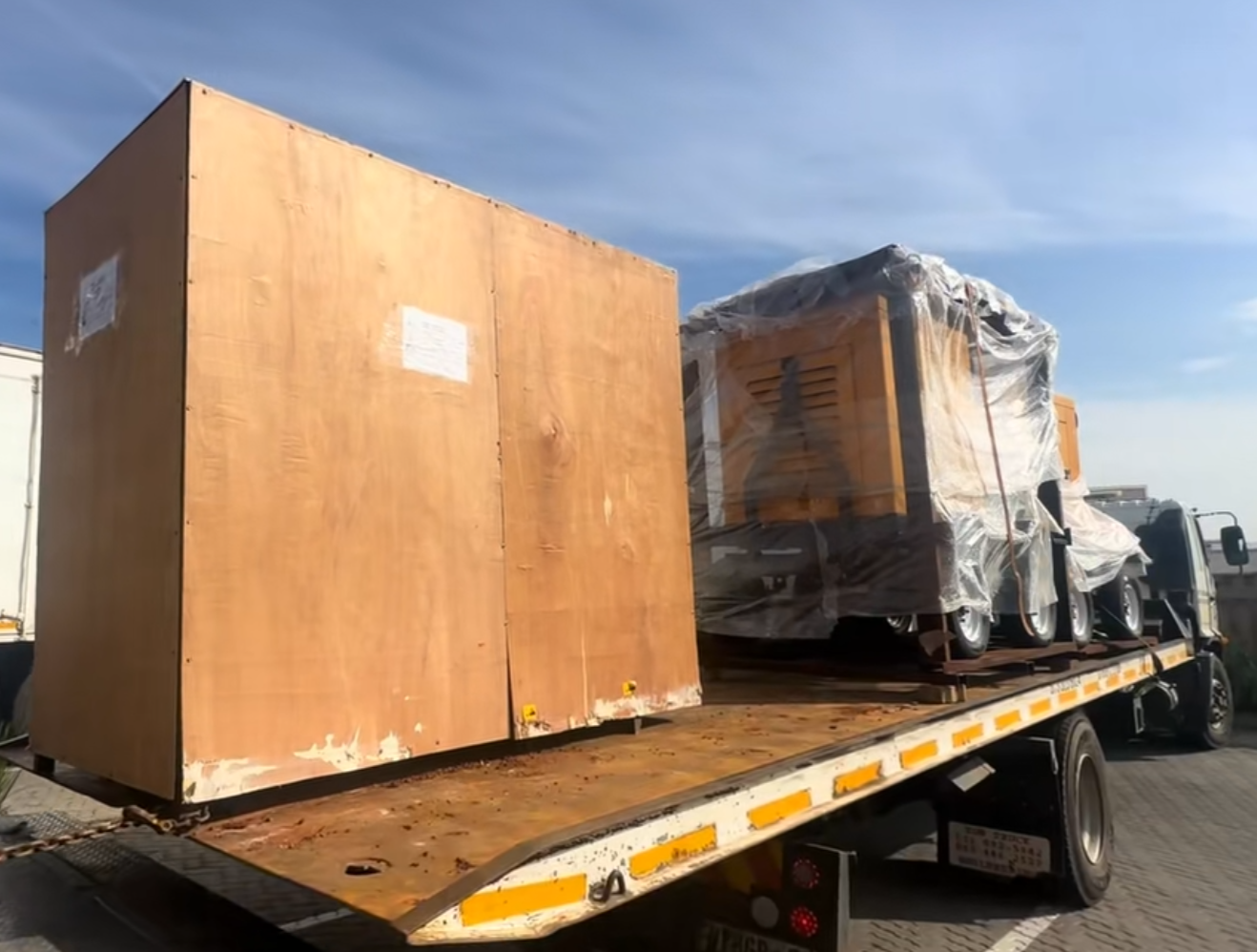
Food Processing Machine
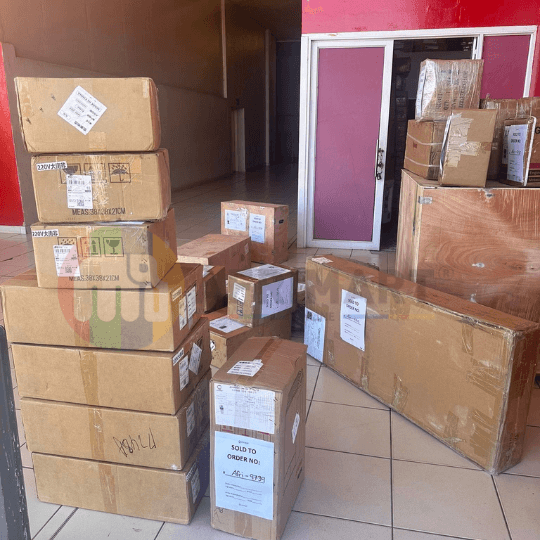
Batch of Orders
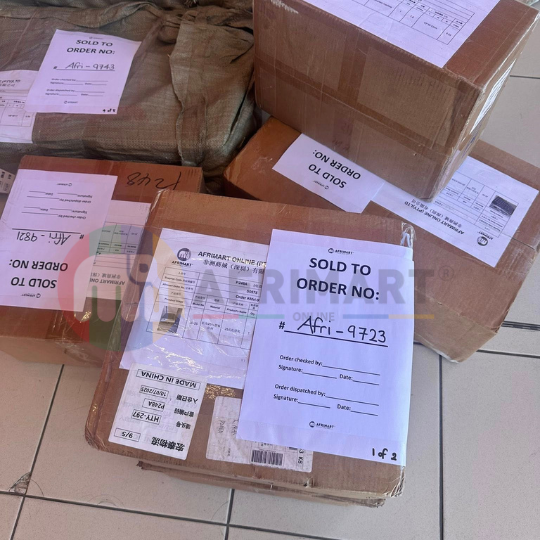
Batch of Orders
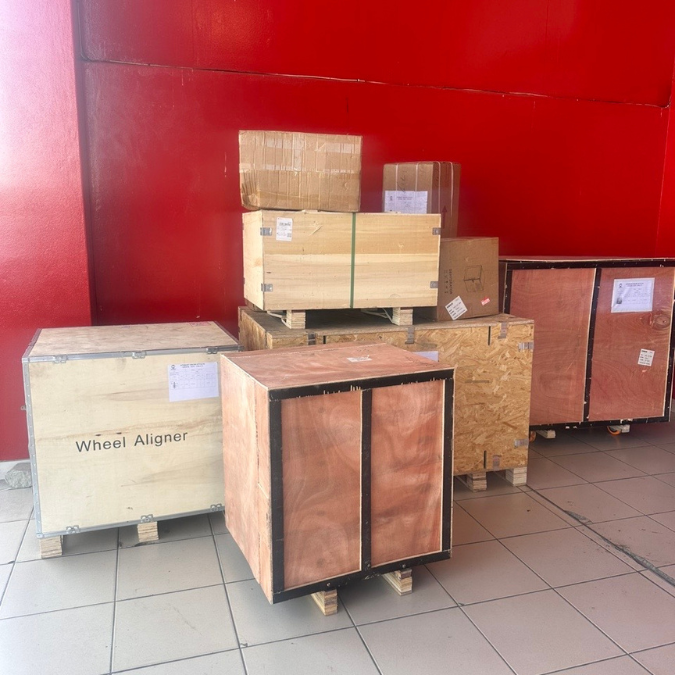
Latest Orders Labelled
wheel alignment machines
new arrivals
Pre Orders Offloading
Latest Arrivals
Latest Arrivals
Latest Arrivals
26 January 2026
Toilet paper making machine
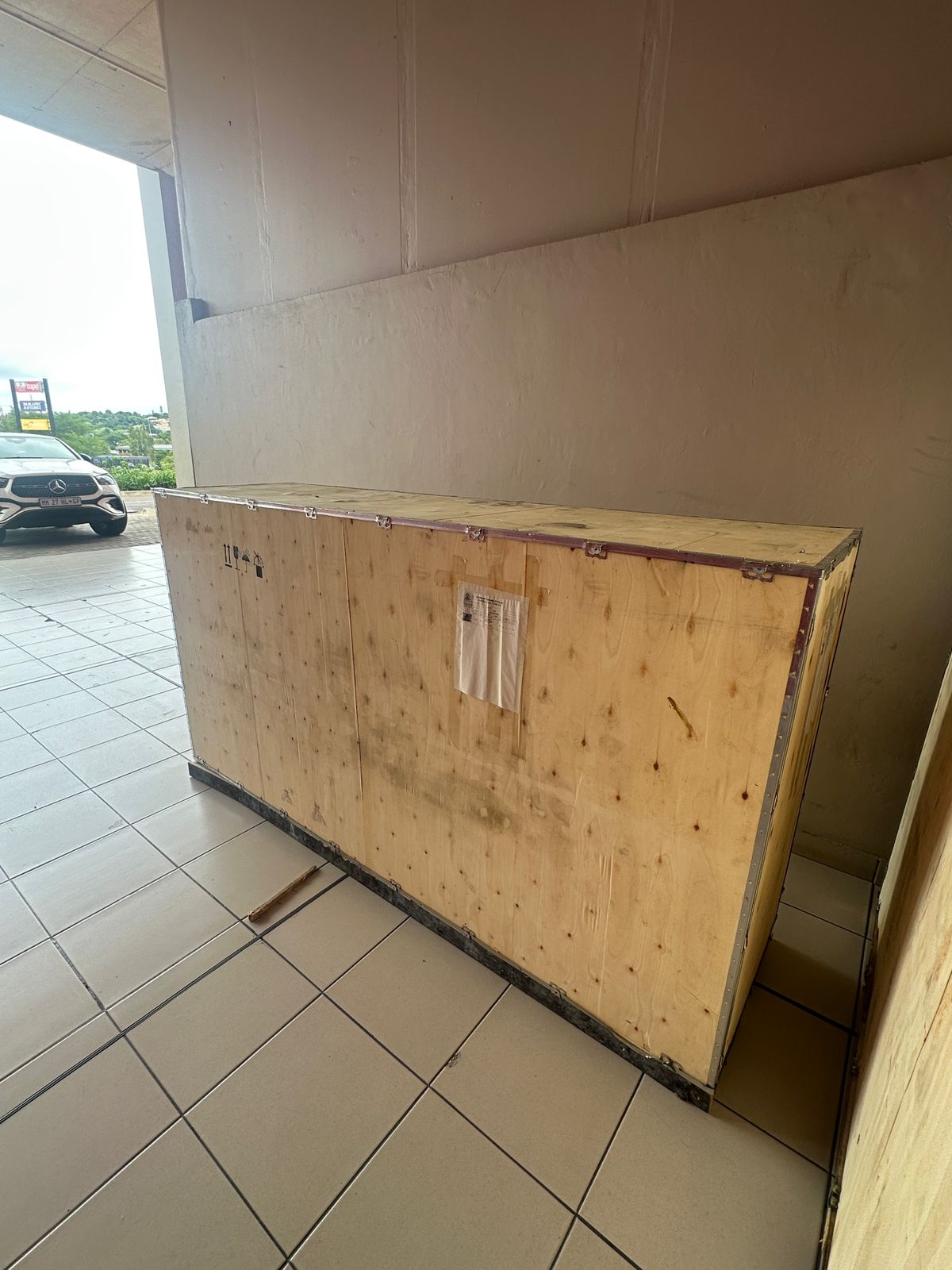
Toilet paper making machine
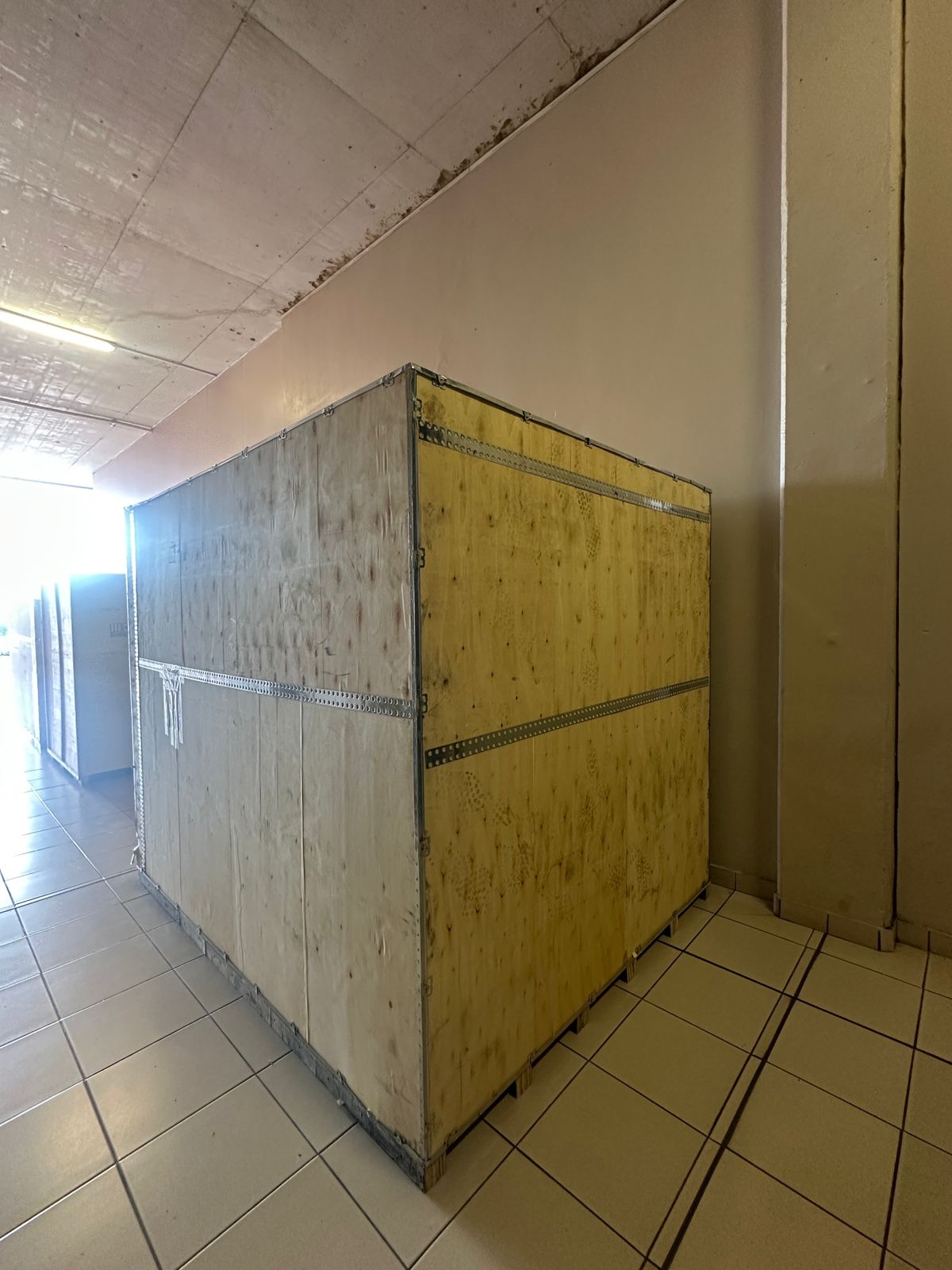
Toilet paper Rewinding Machine
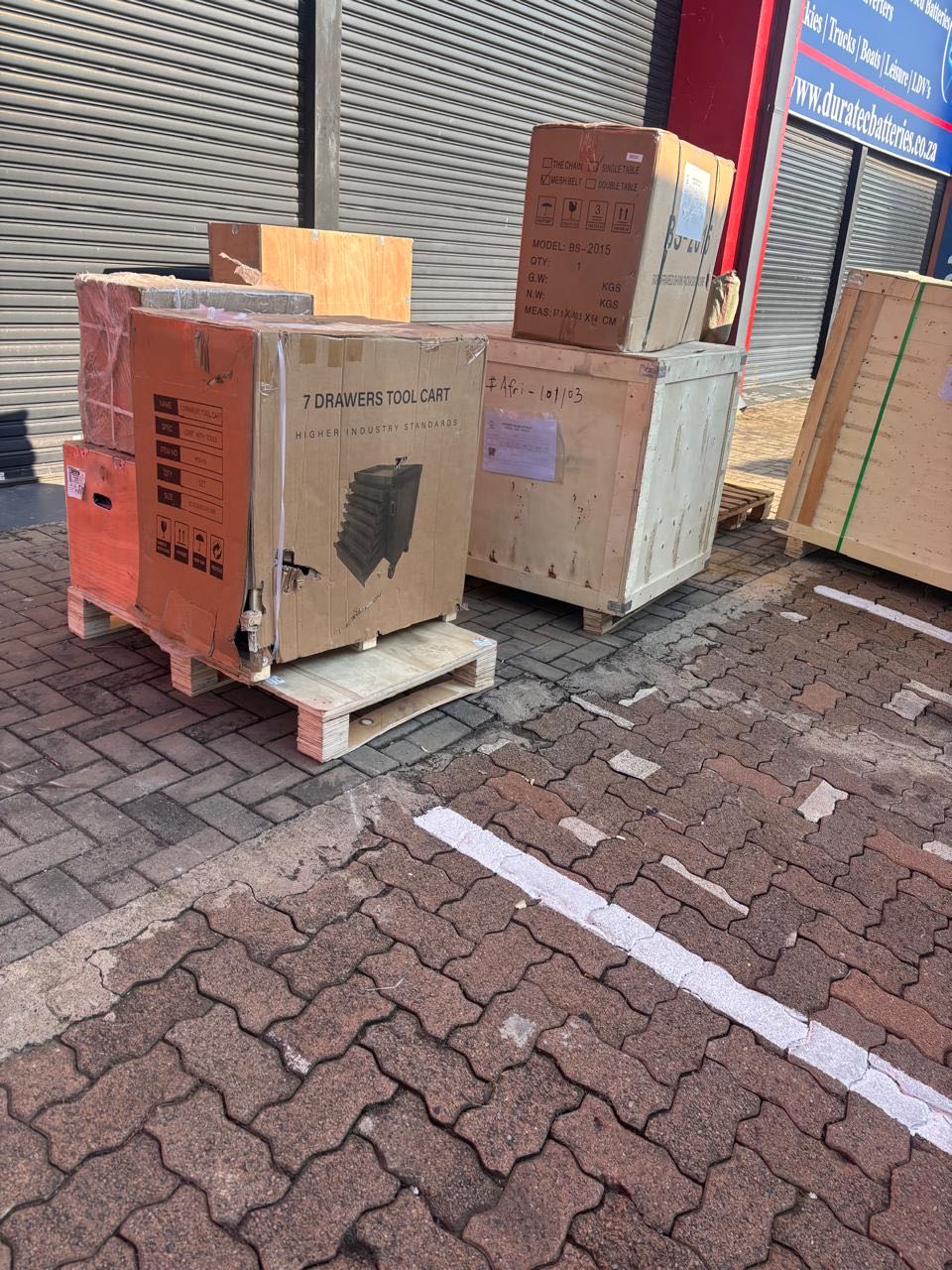
latest arrivals
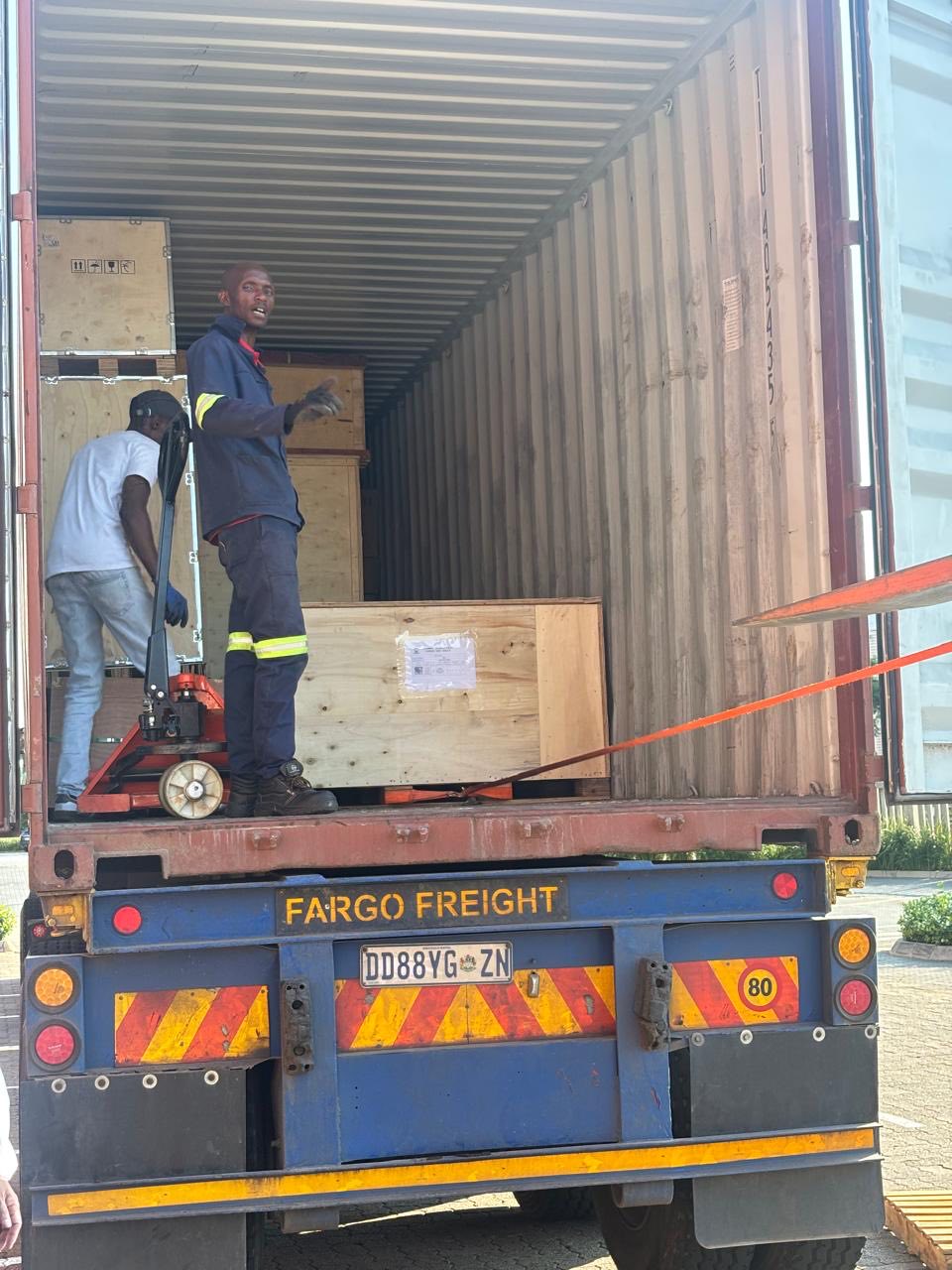
offloading
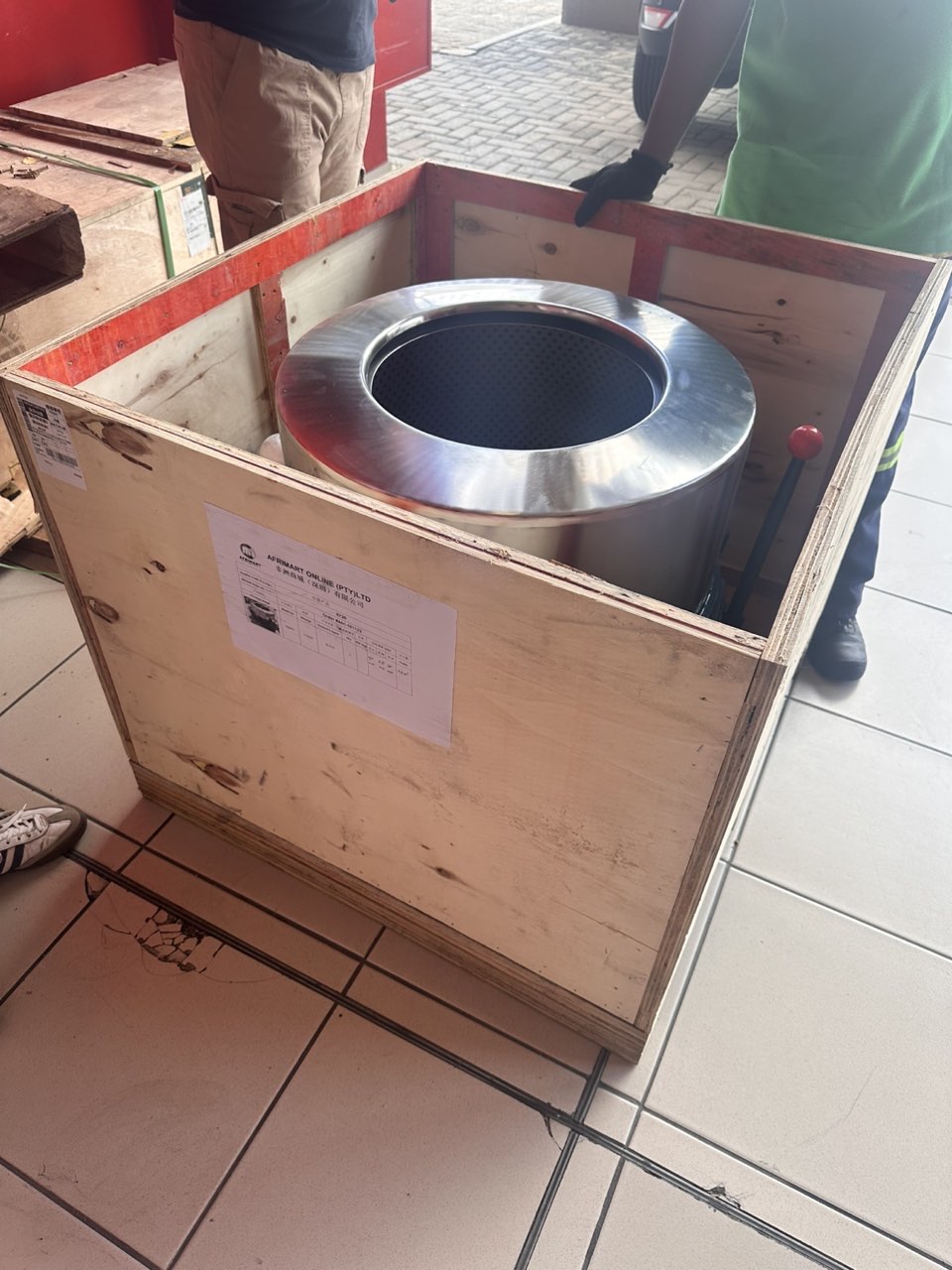
order success
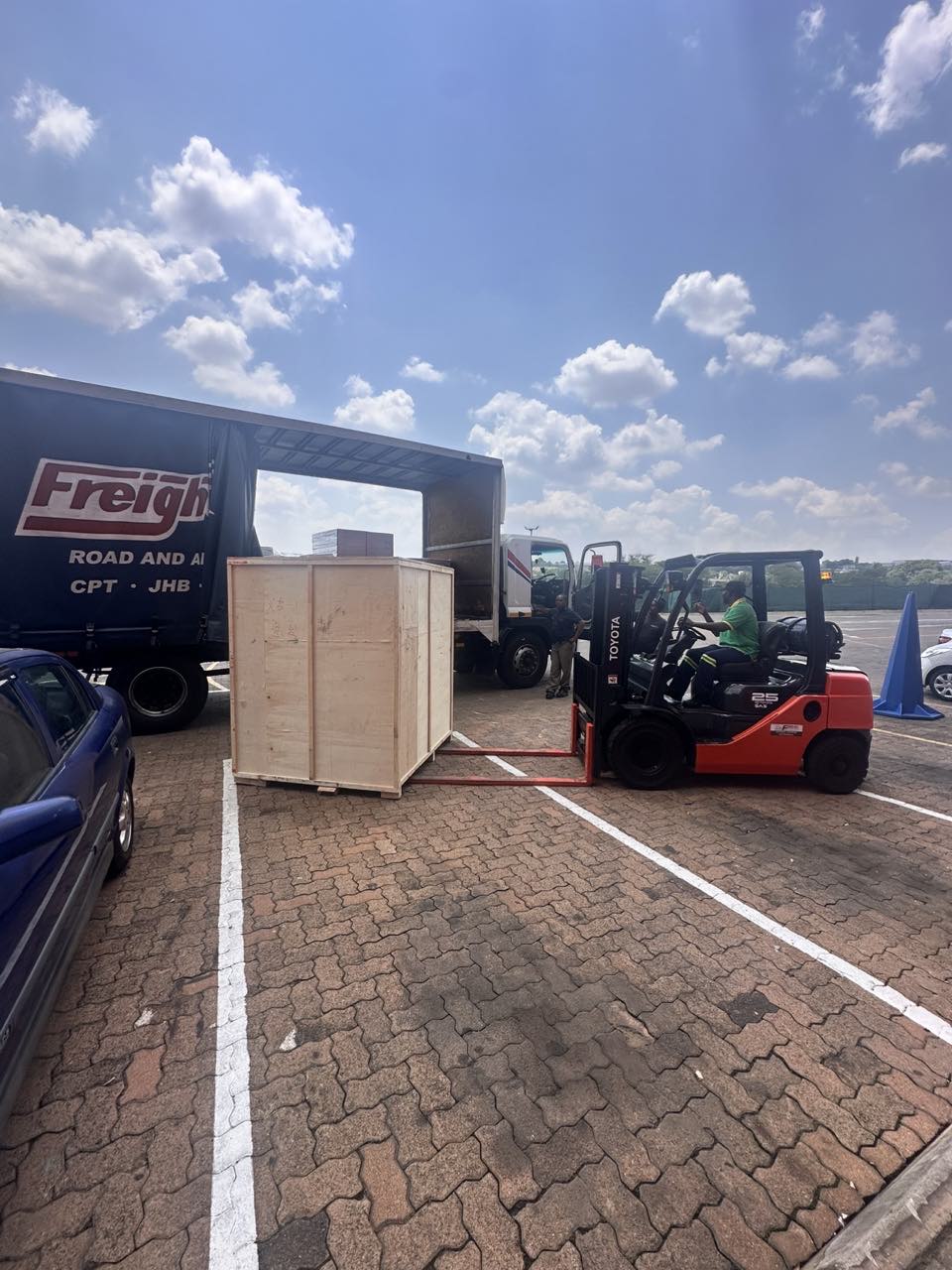
order collection
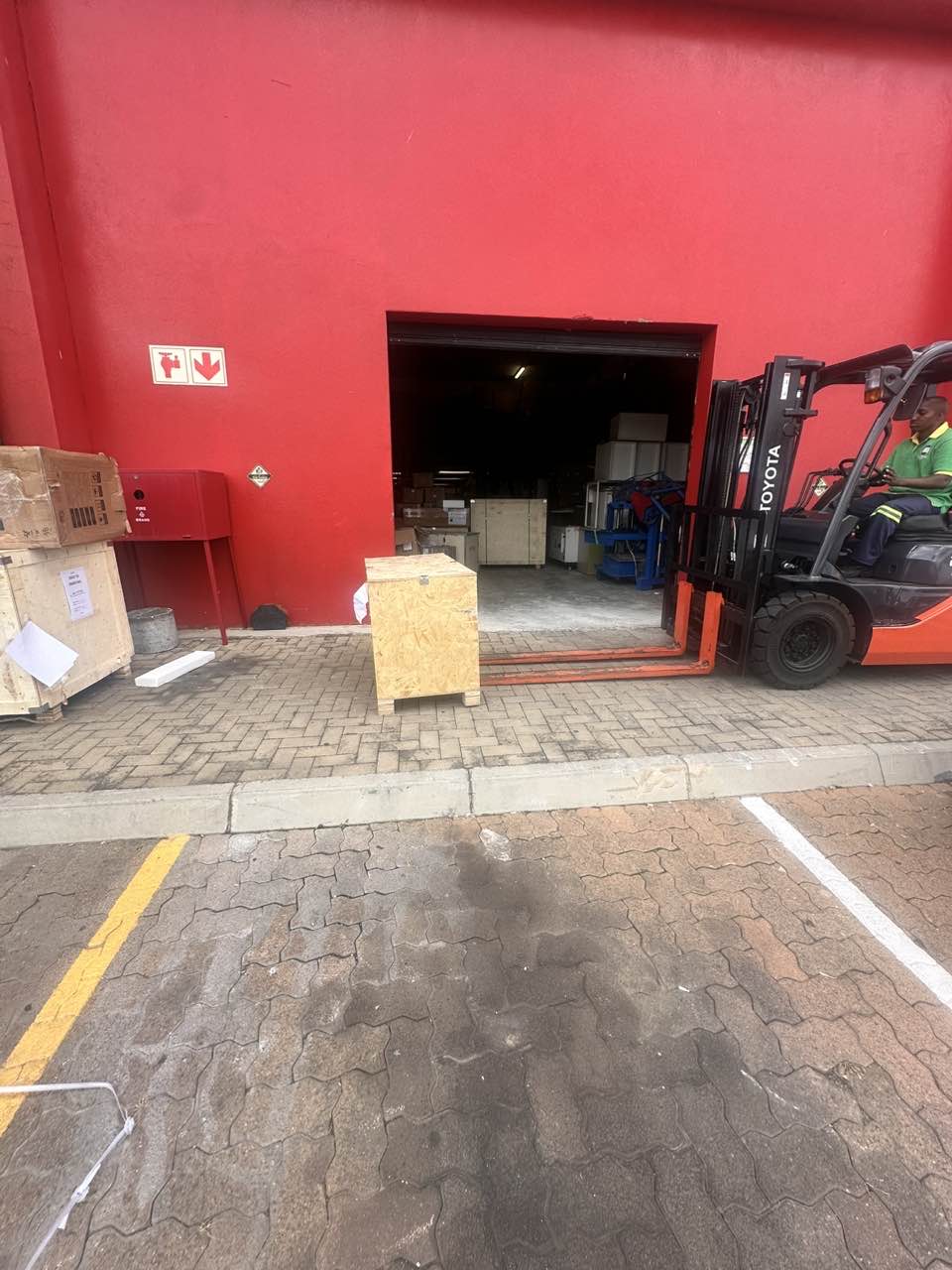
order offloading