B21, China Town Mall, Midrand

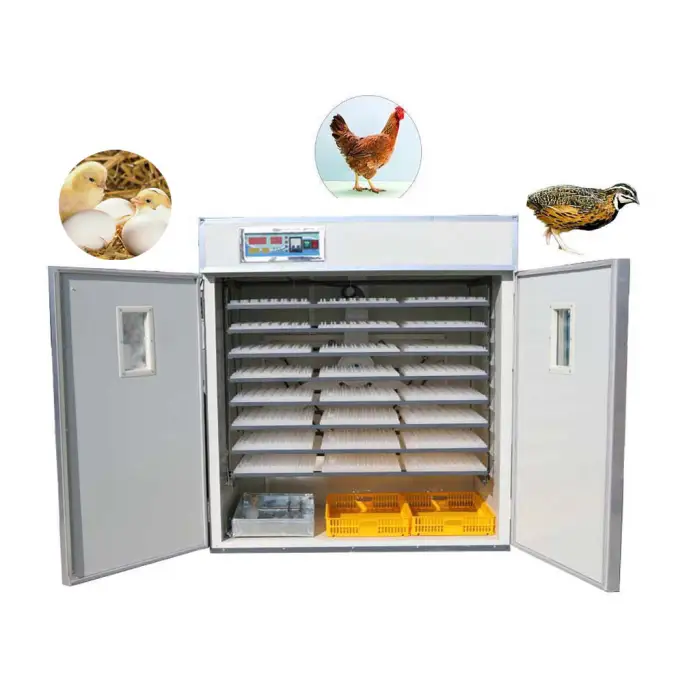
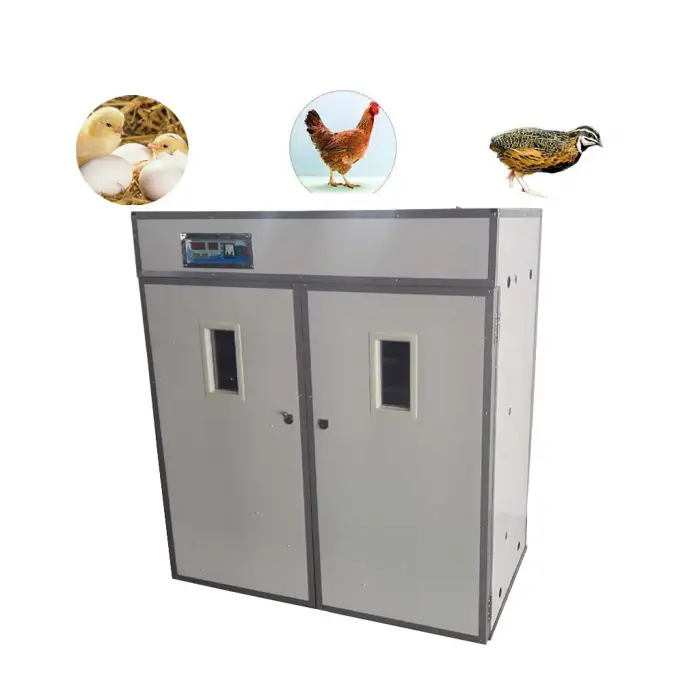
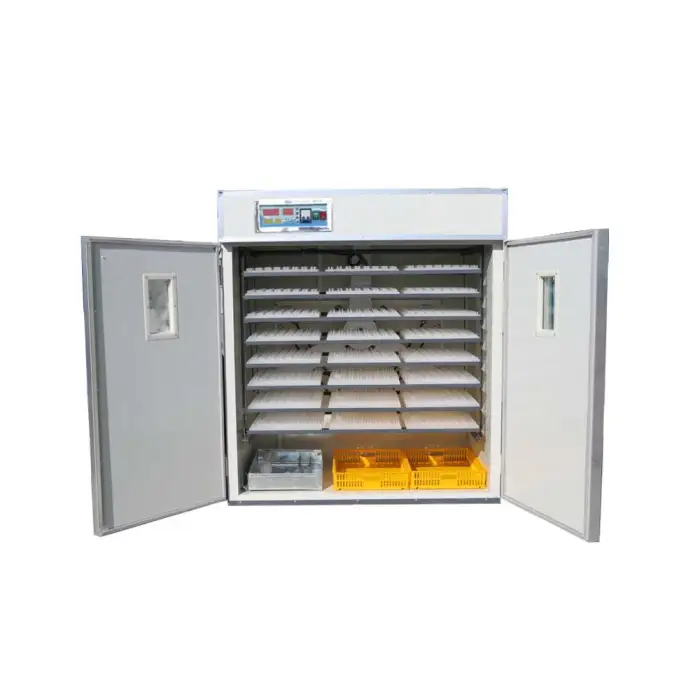
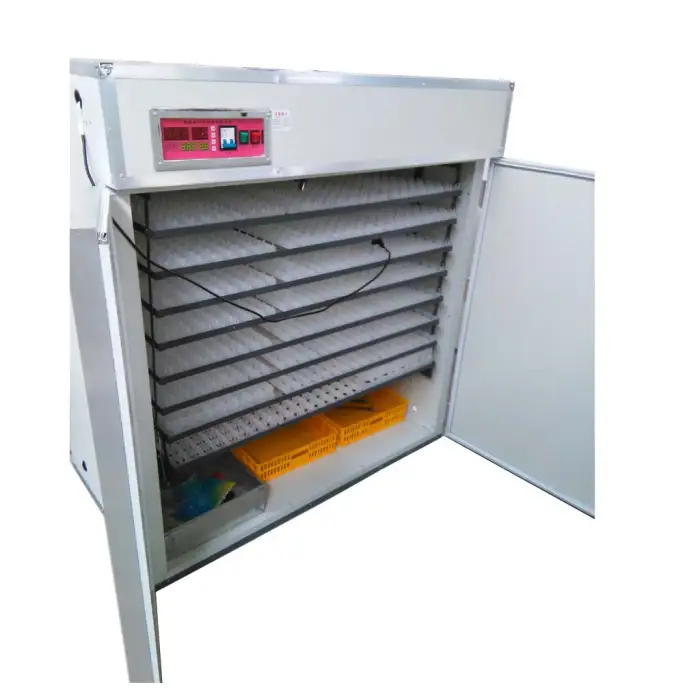
Around 2000 Capacity Chicken Egg Incubator HJ-I12 Quail Duck Incubator Egg Hatching Machine

- Section : Machinery
- Category : Agriculture Machinery
- SKU : 60706562275

Around 2000 Capacity Chicken Egg Incubator HJ-I12 Quail Duck Incubator Egg Hatching Machine
The Around 2000 Capacity Chicken Egg Incubator HJ-I12 is a powerful and efficient egg hatching machine. It can handle a large number of eggs, making it perfect for farms, home use, or retail. This incubator is designed to hatch various types of birds, including chickens, ducks, geese, turkeys, and quails. With its fully automatic egg turning feature, it provides a hassle-free hatching experience.
Specifications
| Attribute | Details |
|---|---|
| Capacity (pcs) | 2112 chicken eggs, 1512 duck eggs, 768 geese eggs, 5304 quail eggs |
| Weight | 78 kg |
| Voltage | 180V-240V |
| Dimension (l*w*h) | 1.40m x 0.90m x 1.55m |
| Material | Colorful Steel Plate |
| Condition | New |
| After-sales Service | Online support |
| Core Components | Motor, Gear |
Key Features
- High capacity for hatching various bird eggs
- Fully automatic egg turning for easy use
- Durable and colorful steel plate construction
- Online support for after-sales service
- Efficient design for high productivity
Applications
- Ideal for farms looking to hatch large quantities of eggs
- Perfect for home use by bird enthusiasts
- Great for retail businesses that sell poultry
- Useful for educational purposes in schools
- Can be used in research facilities for breeding studies
Product Info Gallery
- Shipping Timeframes: All orders are processed within 2-5 business days (excluding weekends and holidays). After your order has been processed, the estimated delivery time is before 05 Aug, 2026, depending on customs, Please note that due to high demand, some items may experience longer shipping times, which will be communicated at order confirmation email.
- Order Processing Time: Please allow 2-5 business days for us to process your order before it is shipped . Orders placed after 16:00 on Fridays, or during weekends and public holidays, will begin processing on the next business day. Processing times may be extended during peak seasons or sales events.
- Manufacturing Time: Some products needs manufacturing time, the manufacturing process will take approximately 10-30 business days depending on the product. This timeframe may vary depending on the complexity of the product and current demand. but this will be communicated with you during order confirmation.
- Returns and Exchanges: We offer a 30-day return policy for most items. If you are not completely satisfied with your purchase, you may return it within 30 days of receipt for a refund or exchange. Items must be unused, in their original packaging, and accompanied by proof of purchase. Return shipping costs are the responsibility of the customer, unless the item was damaged or defective upon arrival.
1. What is the egg capacity of the HJ-I12 incubator?
Capacity varies by species: 2112 chicken eggs, 1512 duck eggs, 768 geese eggs, and 5304 quail eggs.
2. Which bird species can this incubator hatch?
It is designed to hatch chickens, ducks, geese, turkeys and quails.
3. What are the physical dimensions and weight of the machine?
Dimensions are 1.40 m (L) x 0.90 m (W) x 1.55 m (H). Weight is approximately 78 kg.
4. What are the electrical requirements?
Rated voltage is 180–240 V. Check local mains frequency and confirm with the supplier before installation.
5. Does the HJ-I12 have automatic egg turning?
Yes — it features fully automatic egg turning to simplify the hatching process.
6. Does the incubator control temperature and humidity automatically?
The product description does not list specific temperature or humidity controls. Many commercial incubators include thermostatic and humidity control systems; please consult the user manual or contact the seller for exact control features and settings on this model.
7. How should I prepare and space the machine for installation?
Place the unit on a stable, level surface in a well-ventilated, dust-free area with access to the specified power supply. Allow clearance around the unit for airflow and maintenance. Confirm floor loading capacity given the 78 kg weight and full-egg load.
8. What maintenance and cleaning are required?
Before cleaning, disconnect power and remove eggs. Clean trays and interior with a mild disinfectant suitable for poultry equipment. Avoid direct water contact with motor/gear components. Perform periodic checks on the motor, gears, seals and any fans; lubricate moving parts per the manual and replace worn parts promptly.
9. Are spare parts and after-sales support available?
Online after-sales support is provided. Core components identified include motor and gear. Contact the seller or manufacturer for spare parts availability, part numbers and warranty details.
10. What typical incubation periods should I plan for each species?
Typical biological incubation periods are: chickens ~21 days, quail ~17–18 days, ducks ~28 days, geese ~28–30 days, and turkeys ~28 days. Actual timing depends on species, strain and incubation conditions — consult the manual or hatchery guidelines.
11. What hatch rate can I expect with this incubator?
Hatch rate depends on egg quality, fertility, handling, and incubation conditions. The manufacturer does not guarantee a specific hatch rate; under ideal conditions commercial incubators often achieve high hatch rates. For realistic expectations, run tests and follow best practices.
12. Is assembly or professional installation required?
Some setup is typically required (positioning, electrical connection, initial calibration). The level of assembly varies by supplier. Ask the seller if the unit is shipped fully assembled and whether on-site installation or commissioning is provided.
13. Can the incubator be connected to backup power?
Maintaining power during critical incubation stages is important. The unit may be used with a suitable uninterruptible power supply (UPS) or generator, but confirm compatibility and power ratings with the manufacturer to avoid damage.
14. How are eggs arranged or how many trays are included?
The product lists total capacity by species but does not specify tray count or layout. Tray configuration may vary; request tray layout drawings or photos from the supplier to confirm how eggs are arranged.
15. What safety precautions should I follow when using the HJ-I12?
Use the correct voltage and grounded outlet, keep the unit dry and away from direct water exposure, avoid overloading, secure the unit on a stable surface, and follow all user manual instructions. Disconnect power before performing maintenance.
Latest Order Arrivals
Discover our latest orders
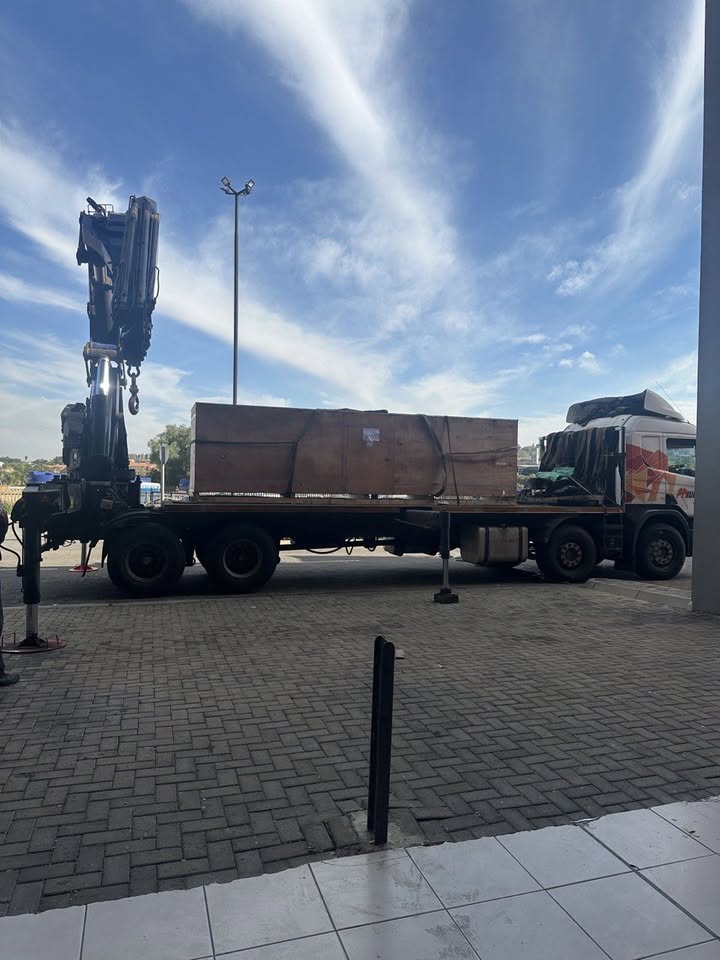
12 Heads Embroidery Machine
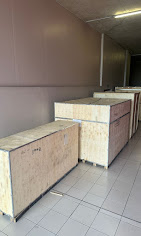
Toilet Paper Machine Machine
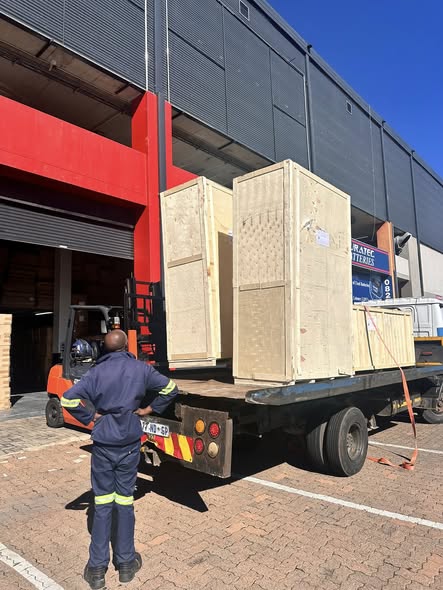
Order Collection
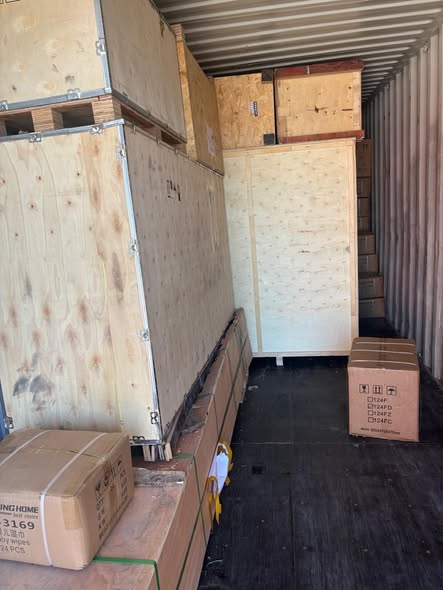
Cross Border Clients
Order cros border countries Collected
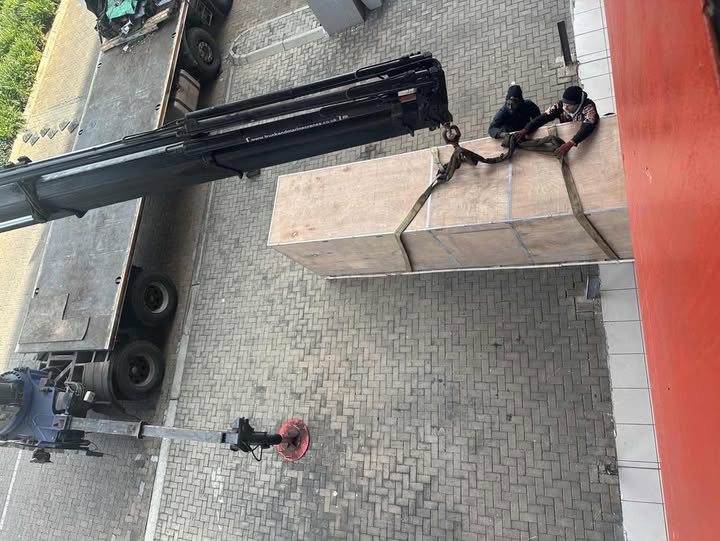
Industrial Machine Cllection
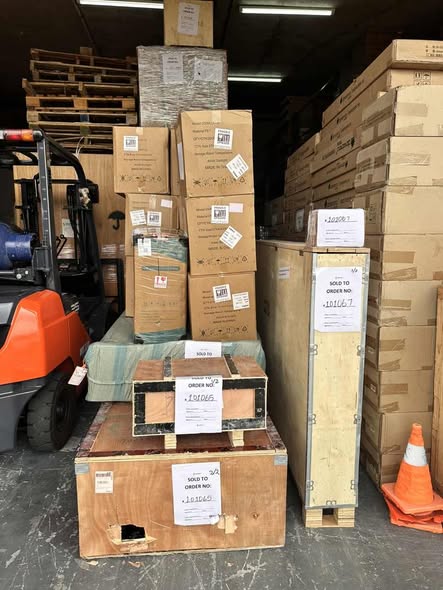
Agriculture Processing Machines
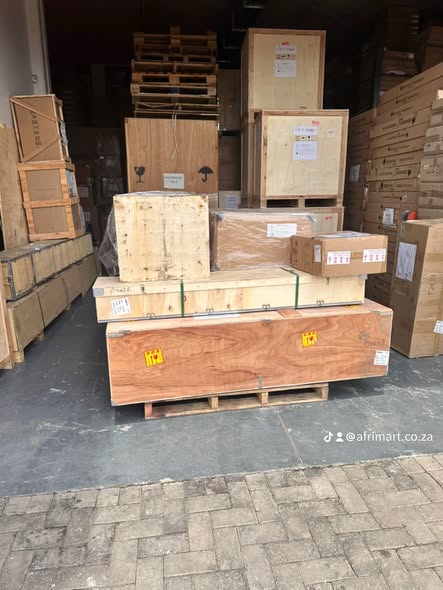
Ready for collection
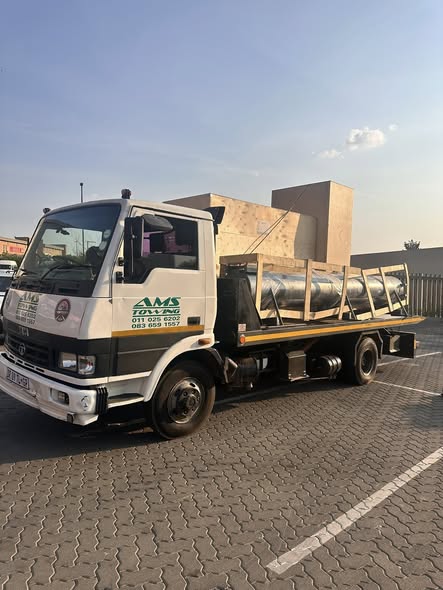
Water Pump Equipment
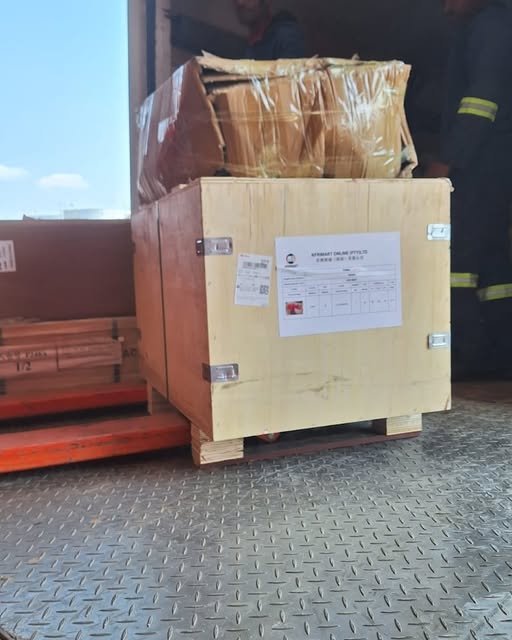
Packaging Machine and accessories
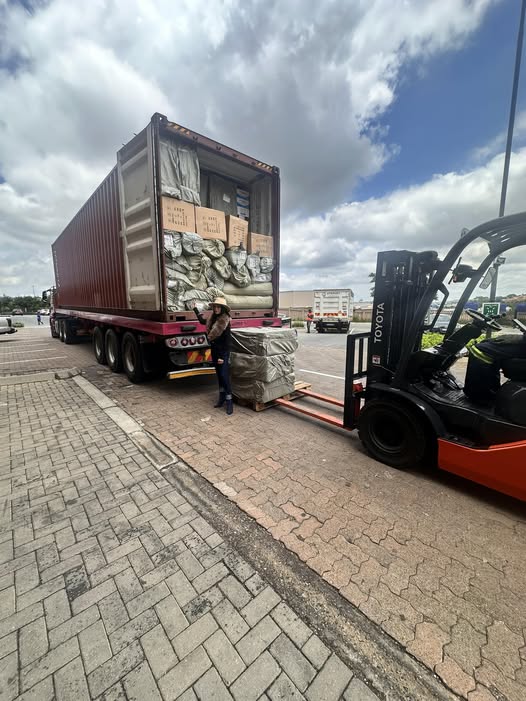
Fabrics Manufacturing Equipment
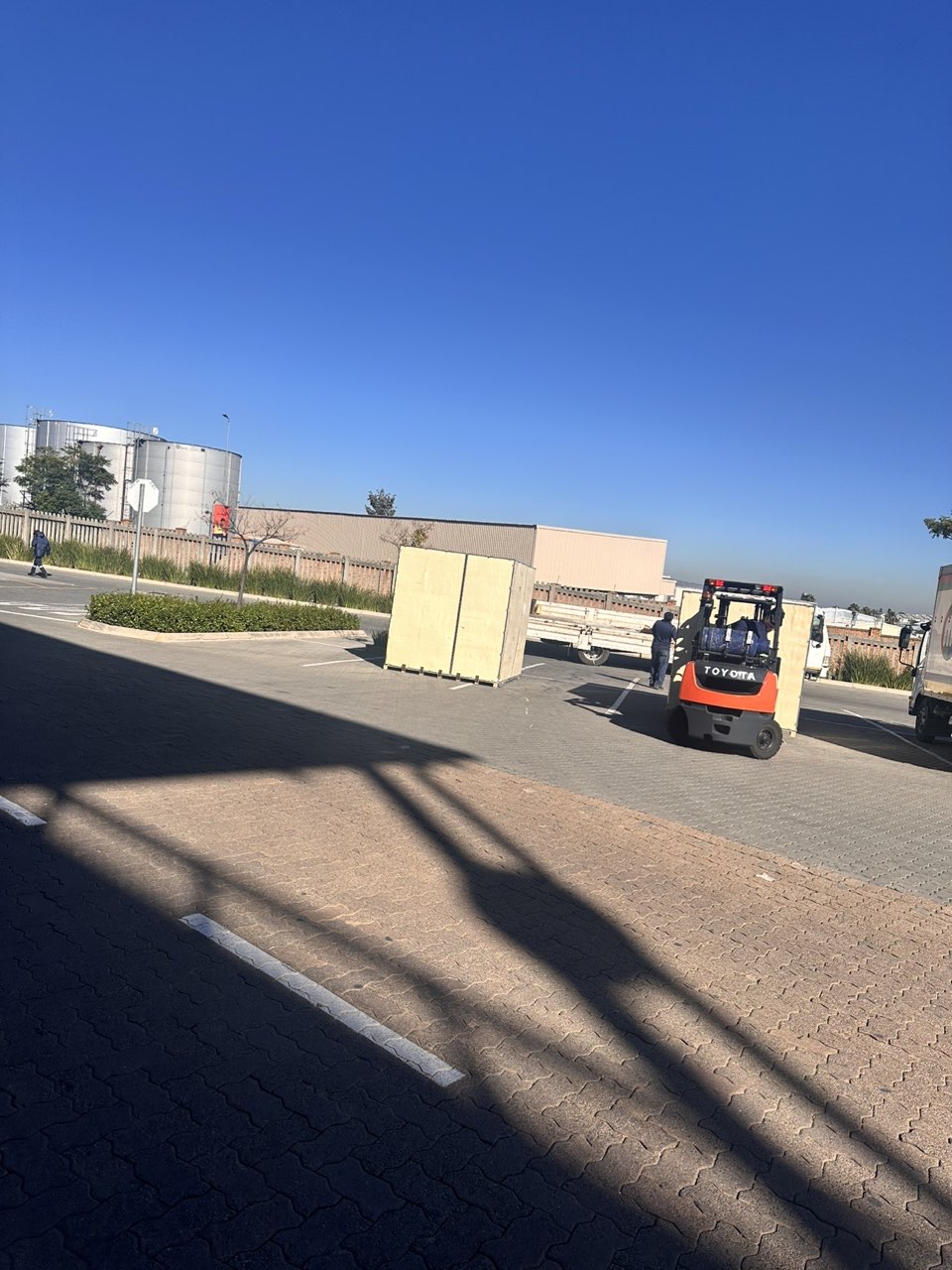
Mining Equipments
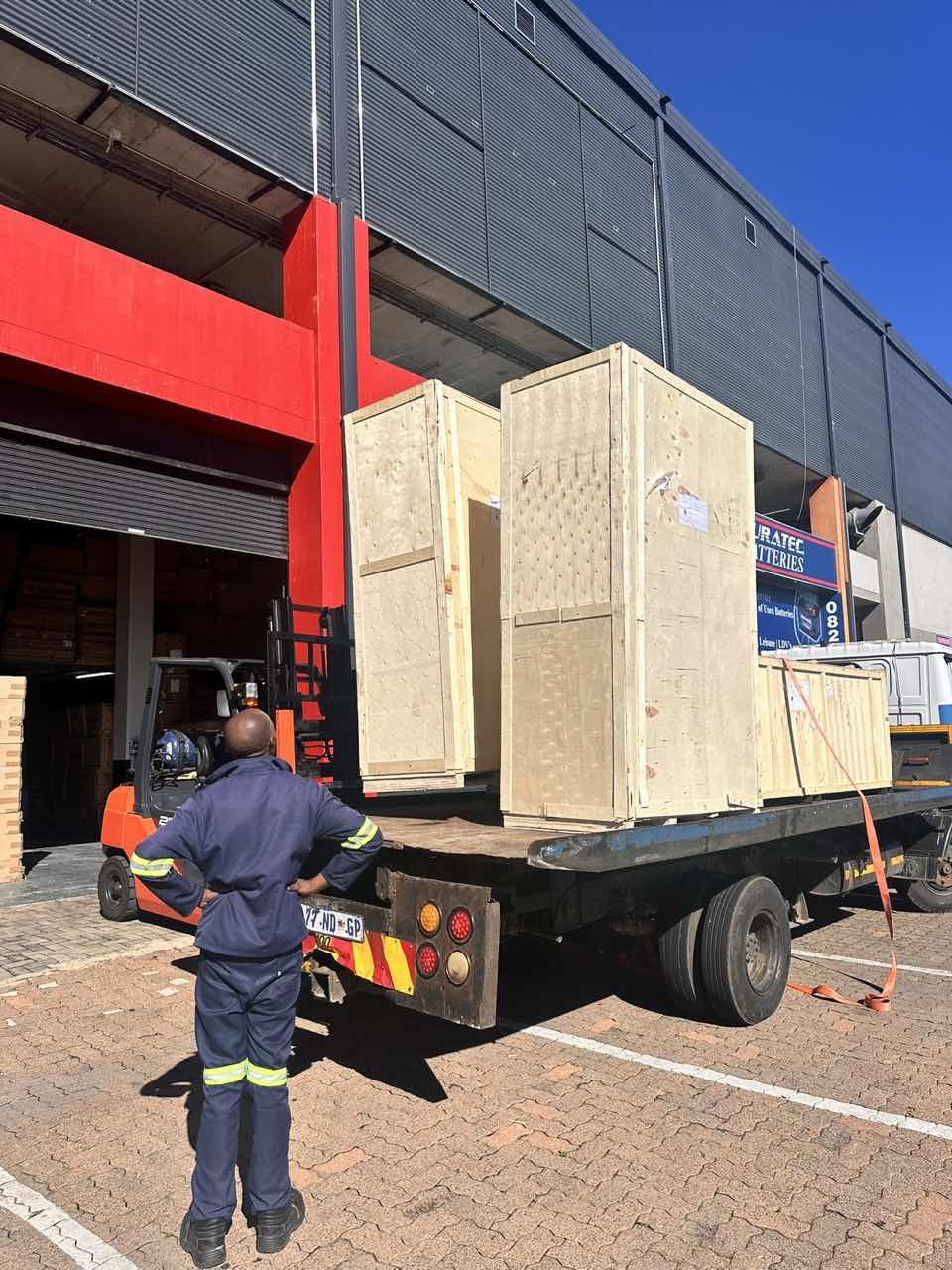
Food Processing Machine
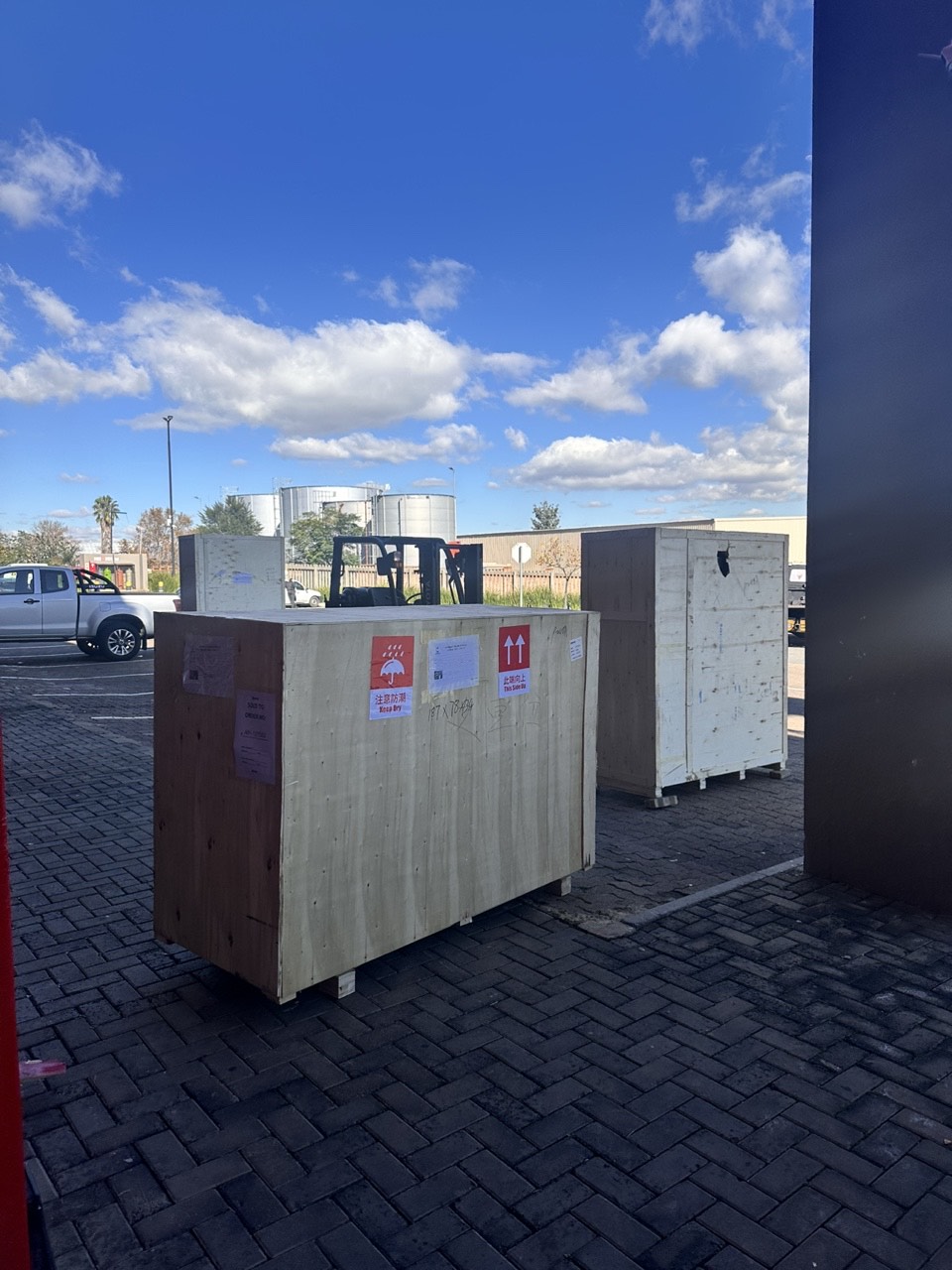
Batch of Orders
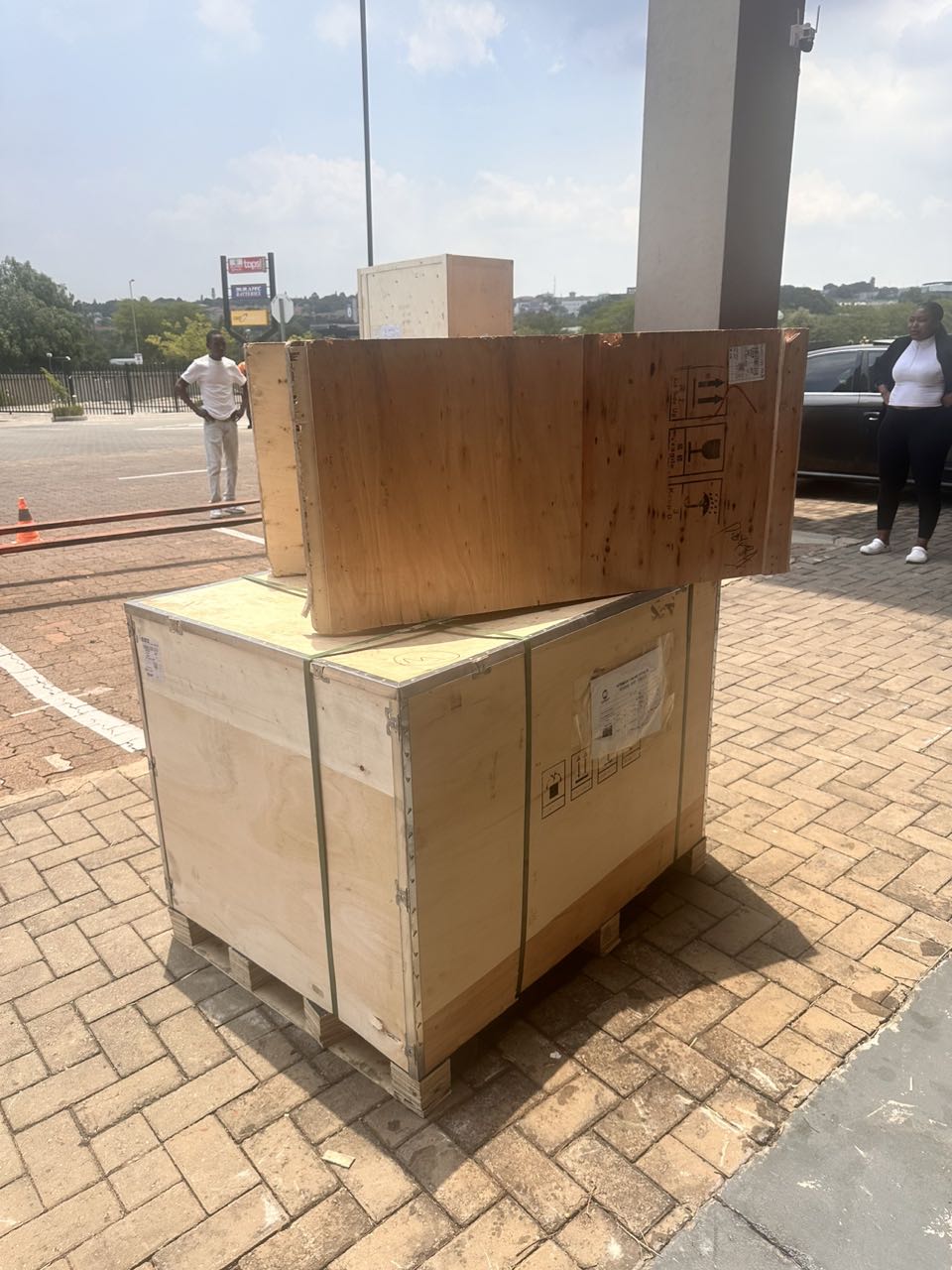
Batch of Orders
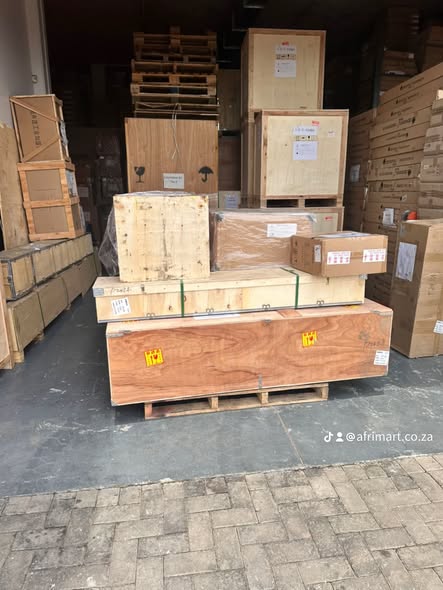
Latest Orders Labelled
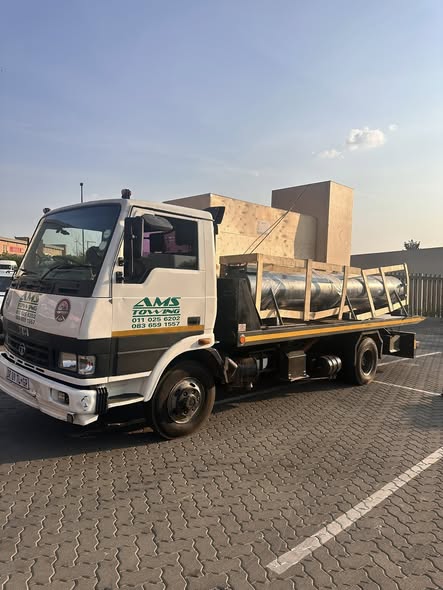
wheel alignment machines
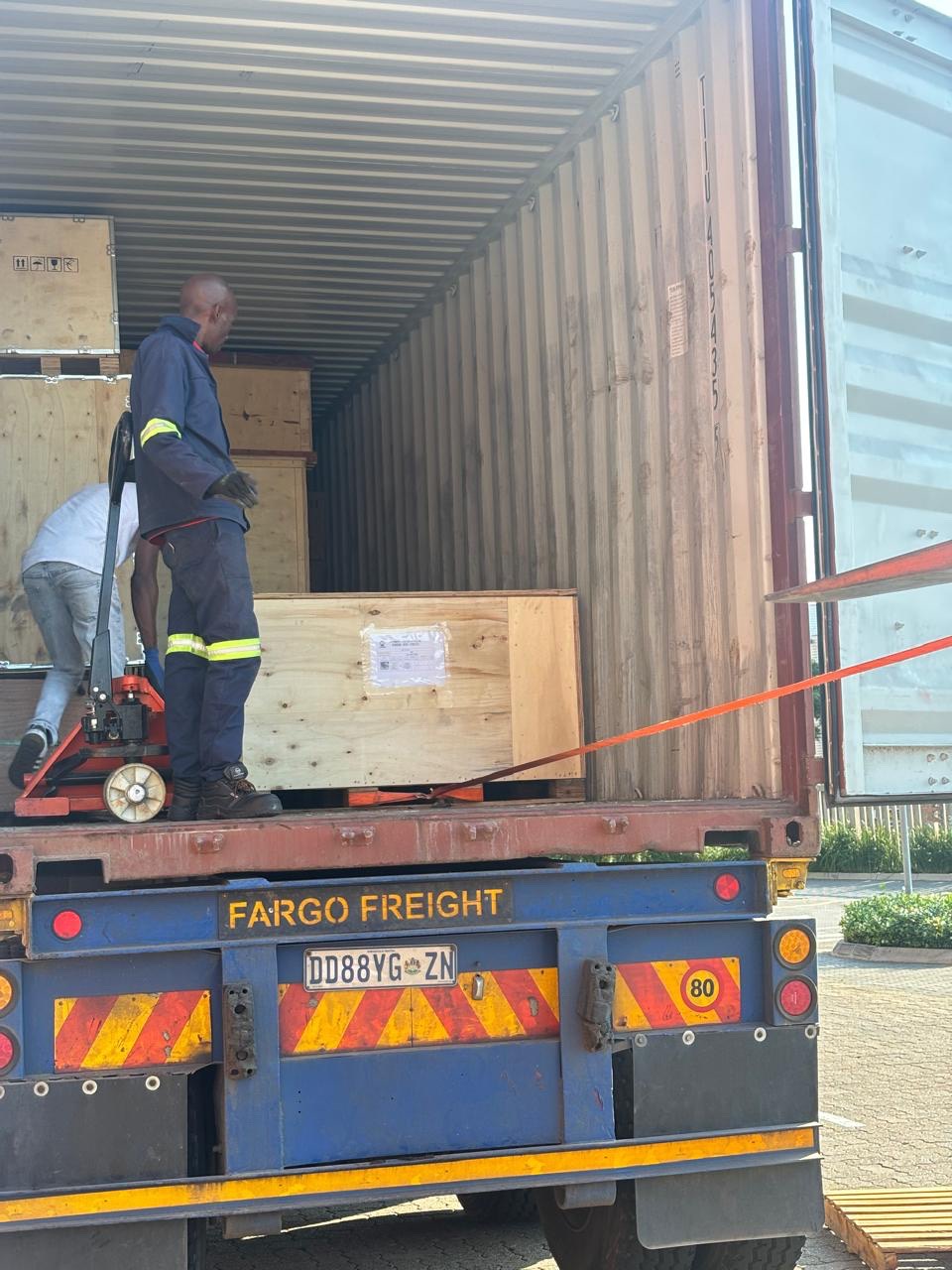
new arrivals
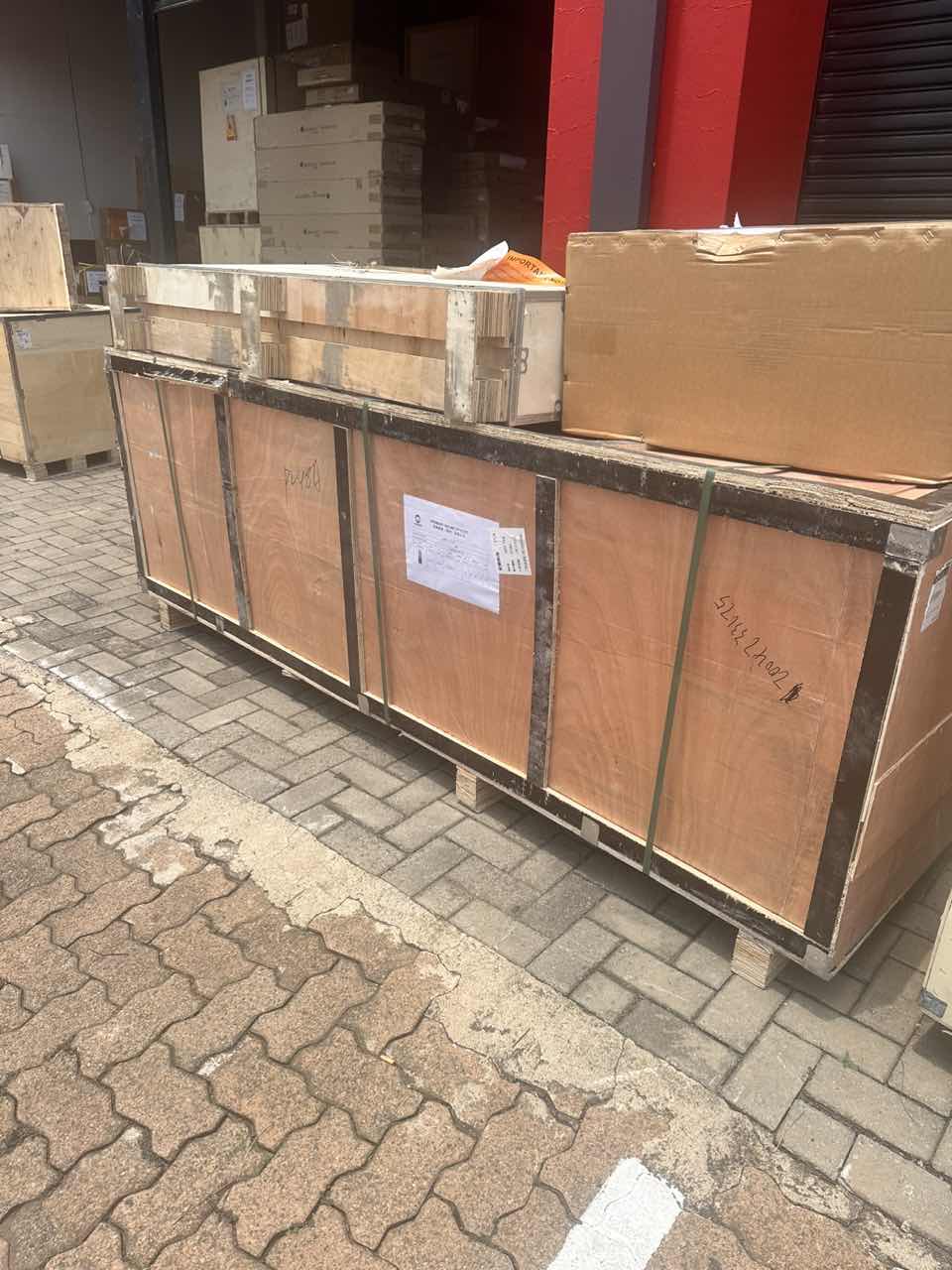
Pre Orders Offloading
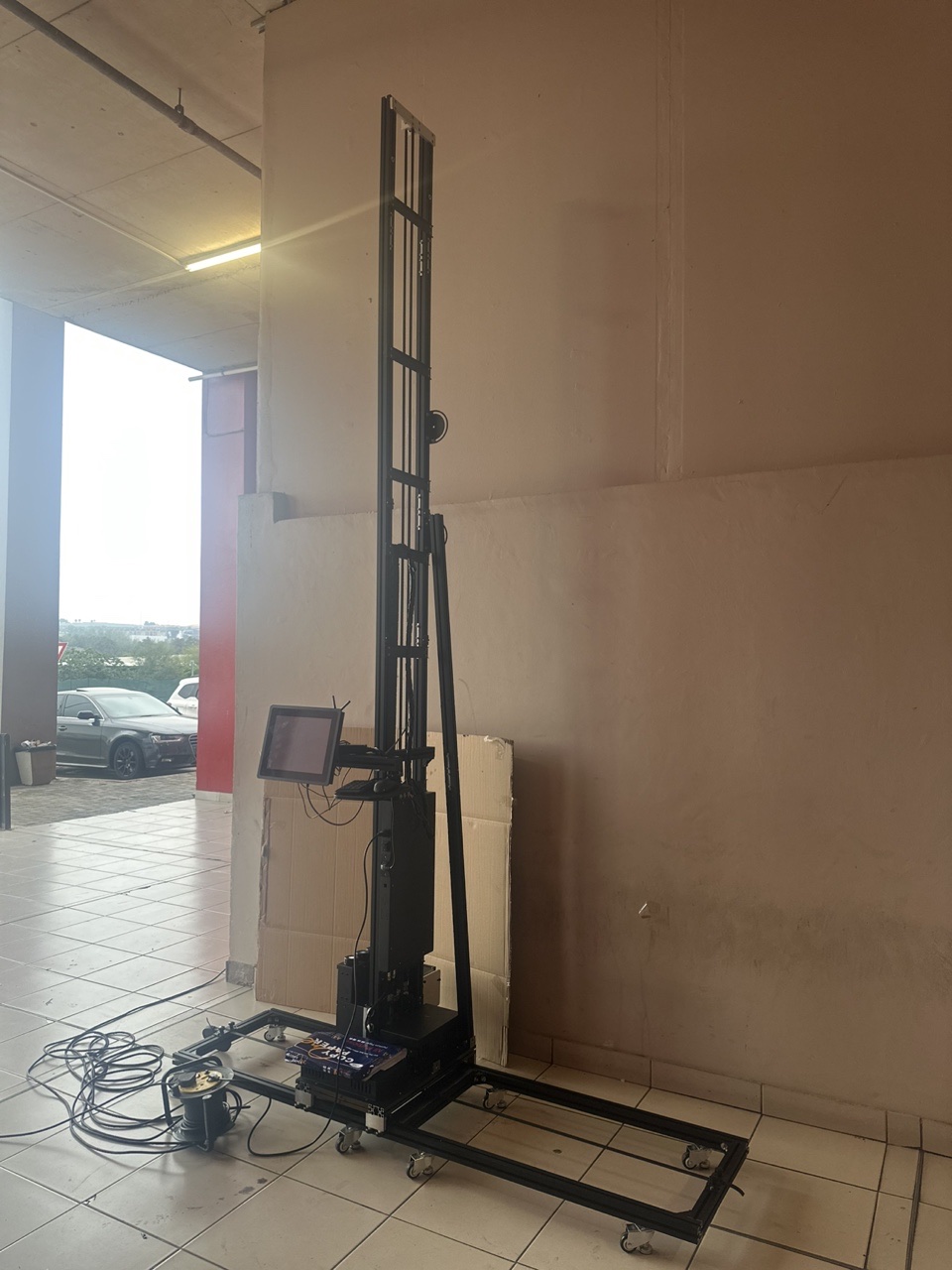
Latest Arrivals
Latest Arrivals

Latest Arrivals
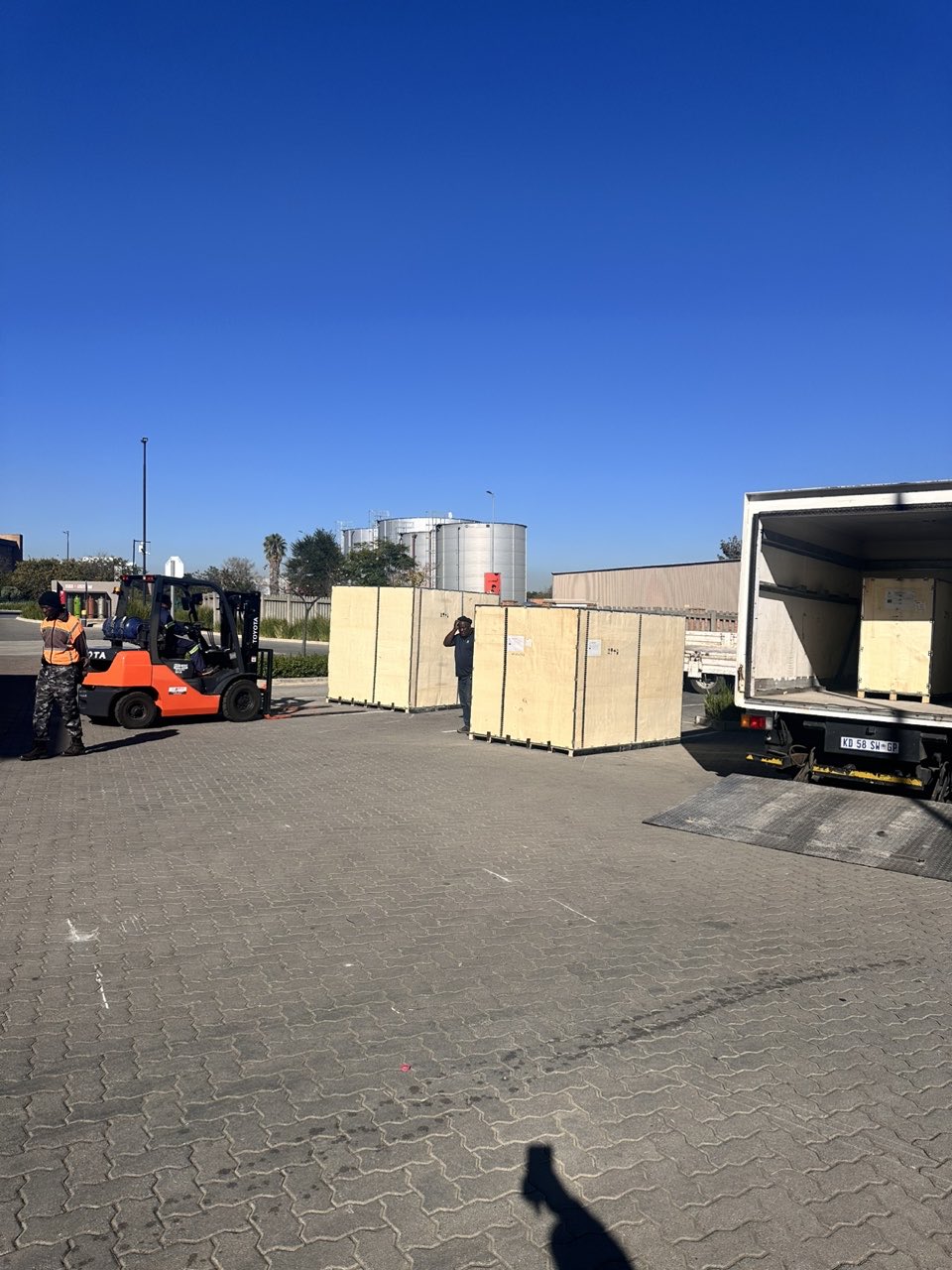
Loading
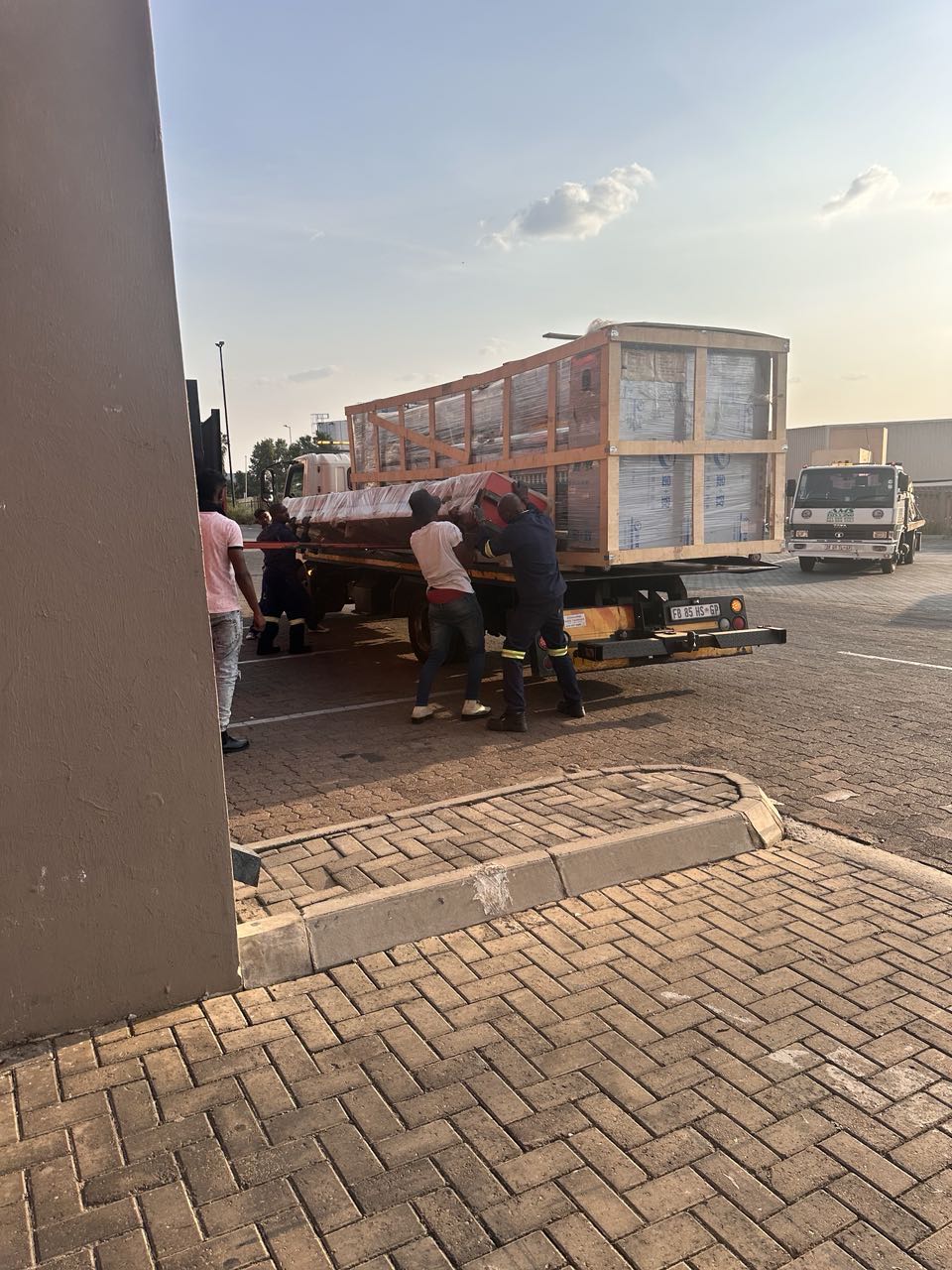
Toilet paper making machine
Toilet paper making machine
Toilet paper Rewinding Machine
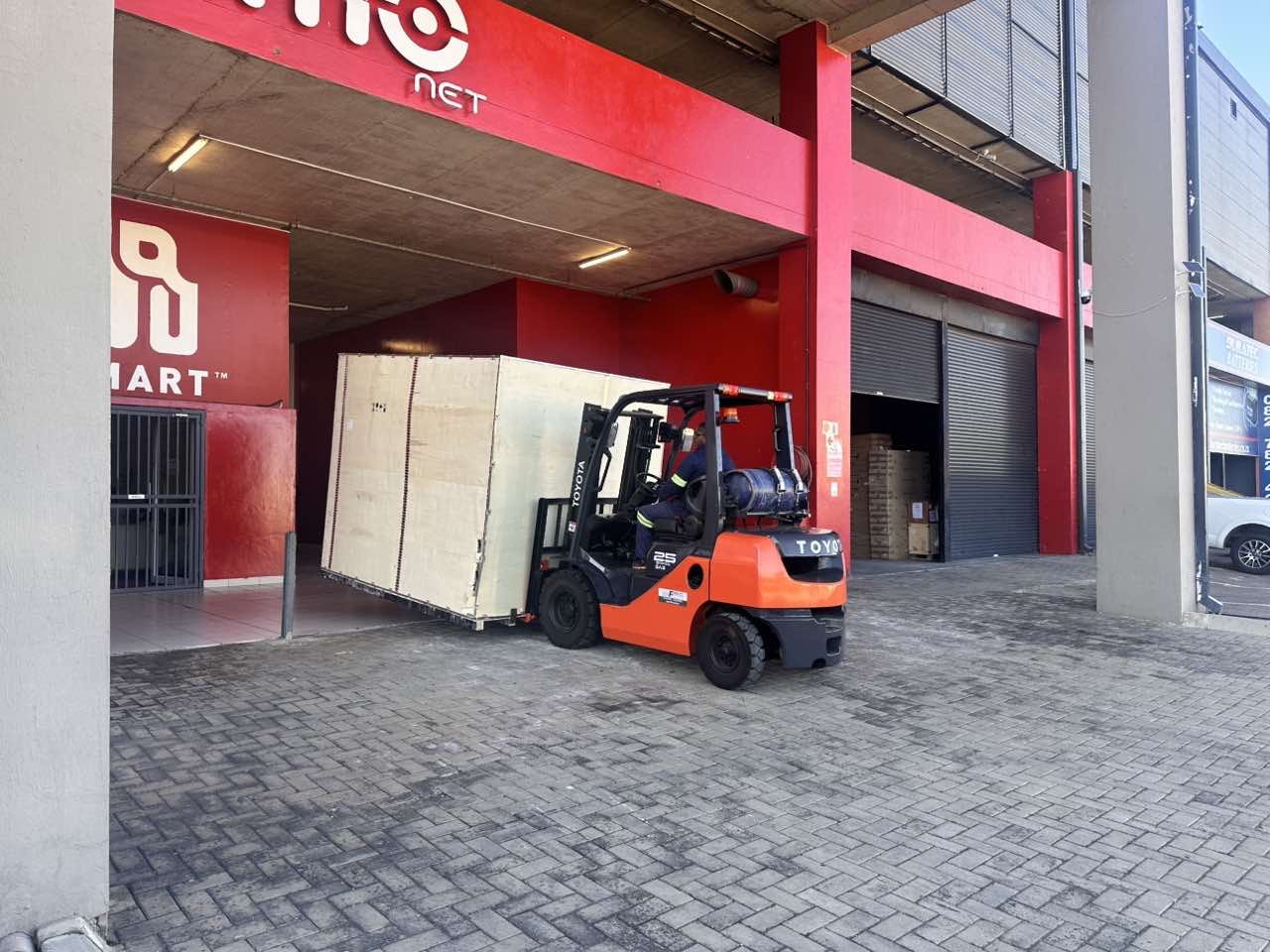
latest arrivals
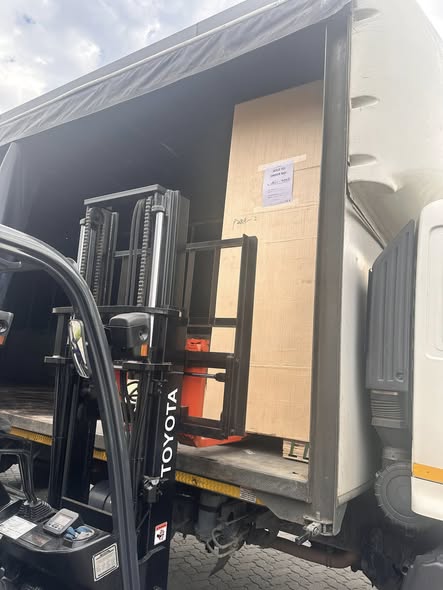
offloading
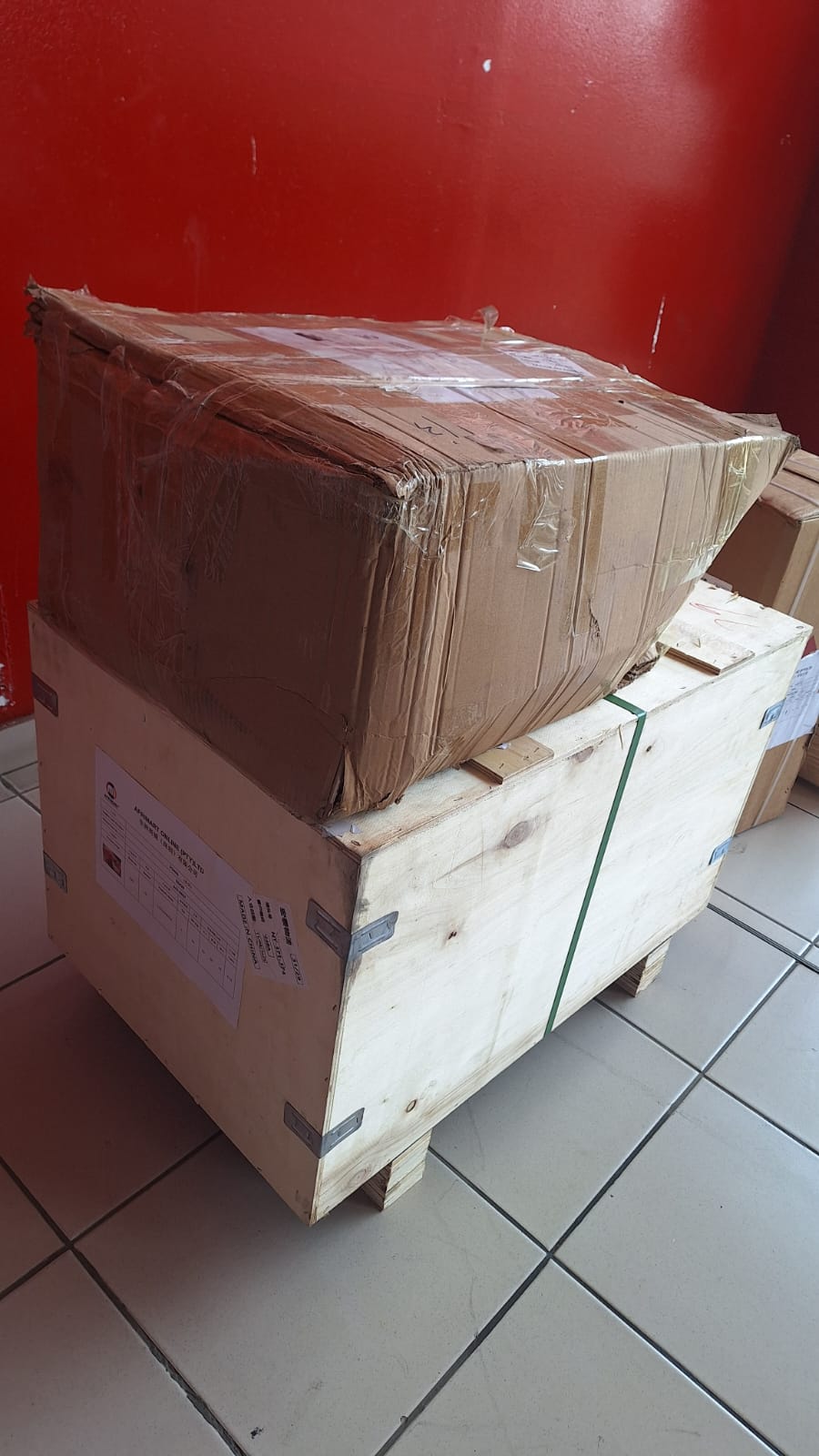
order success
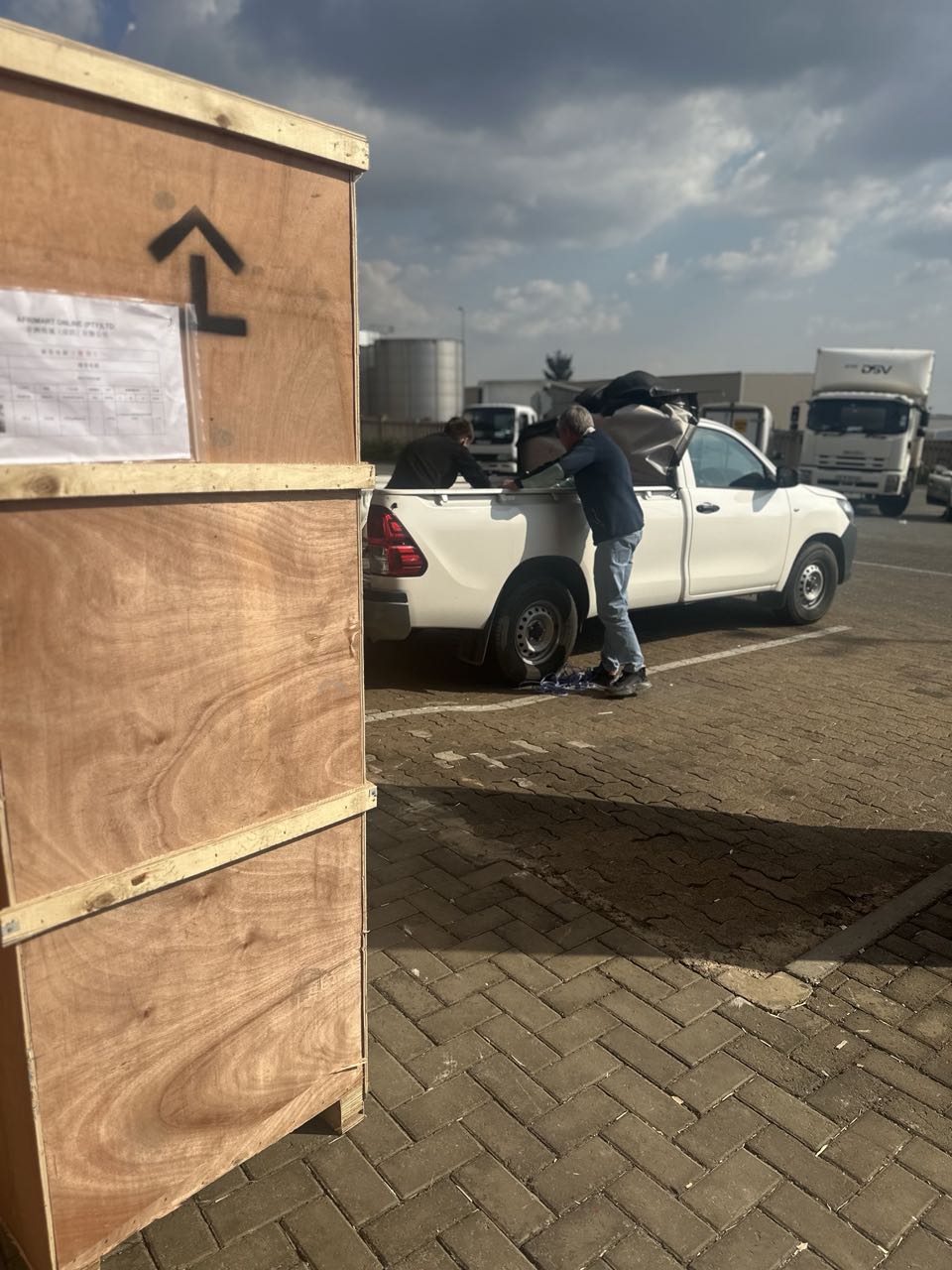
order collection
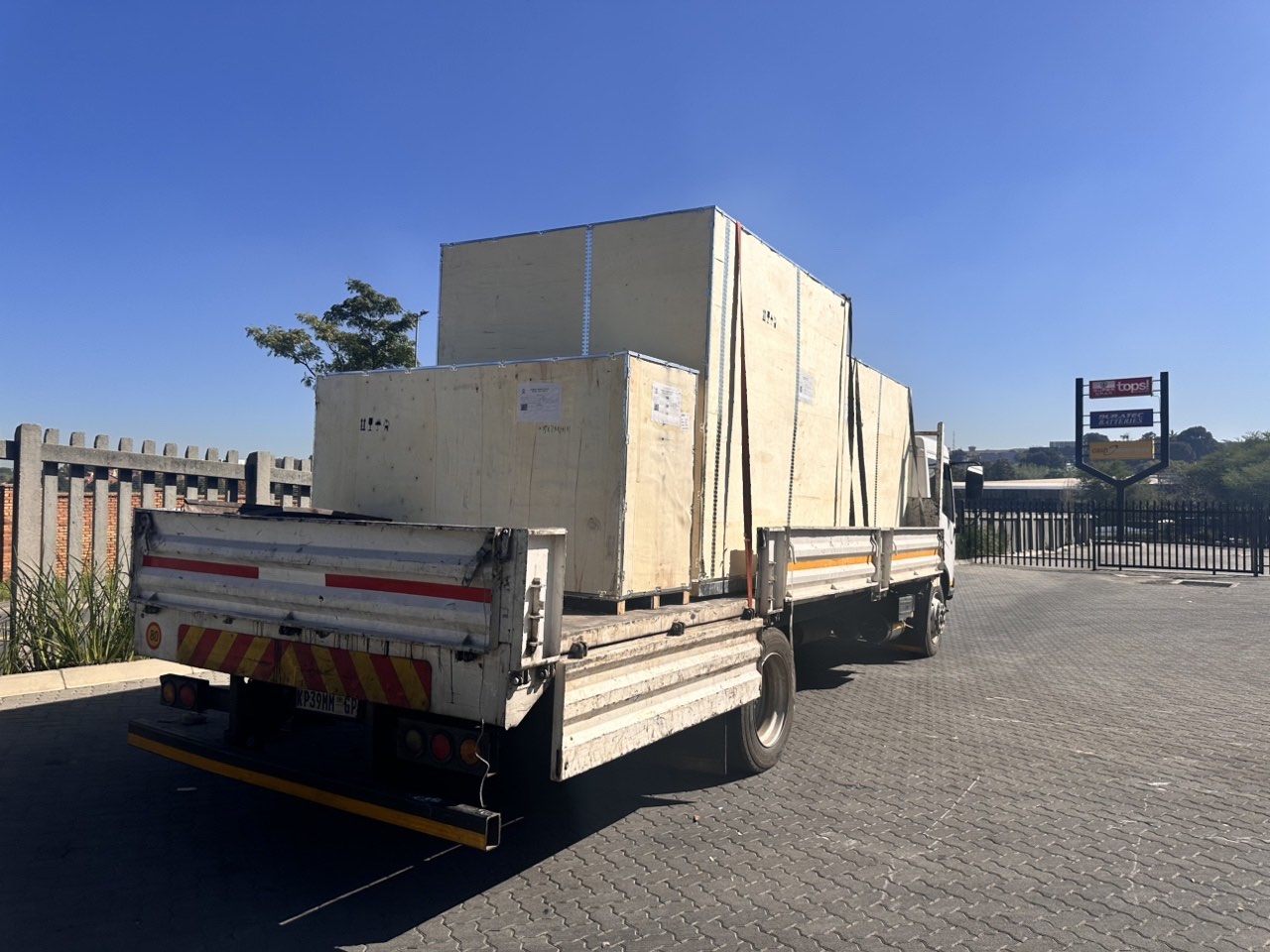
order offloading