B21, China Town Mall, Midrand

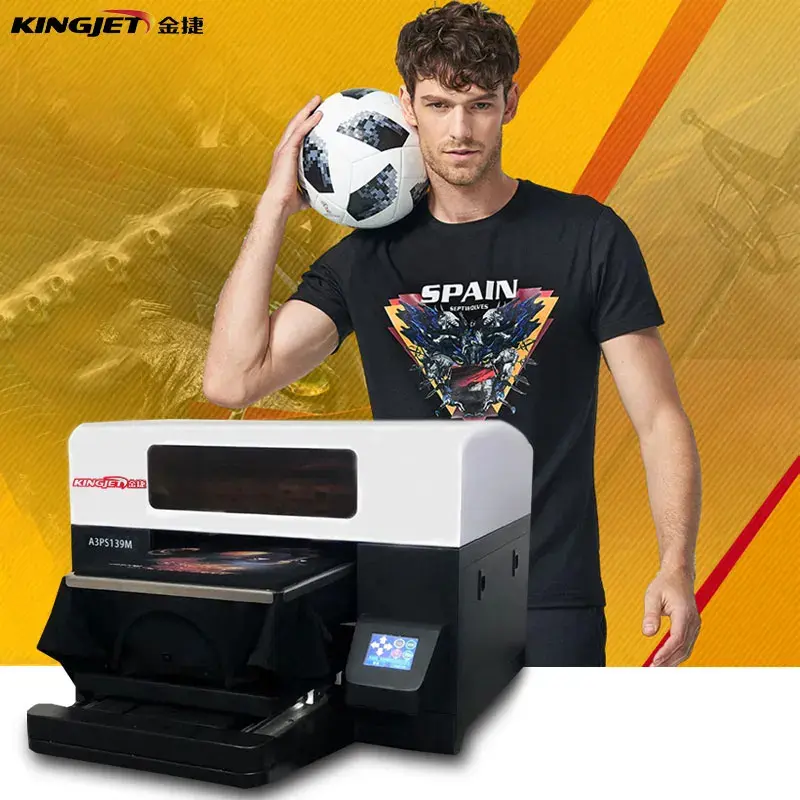
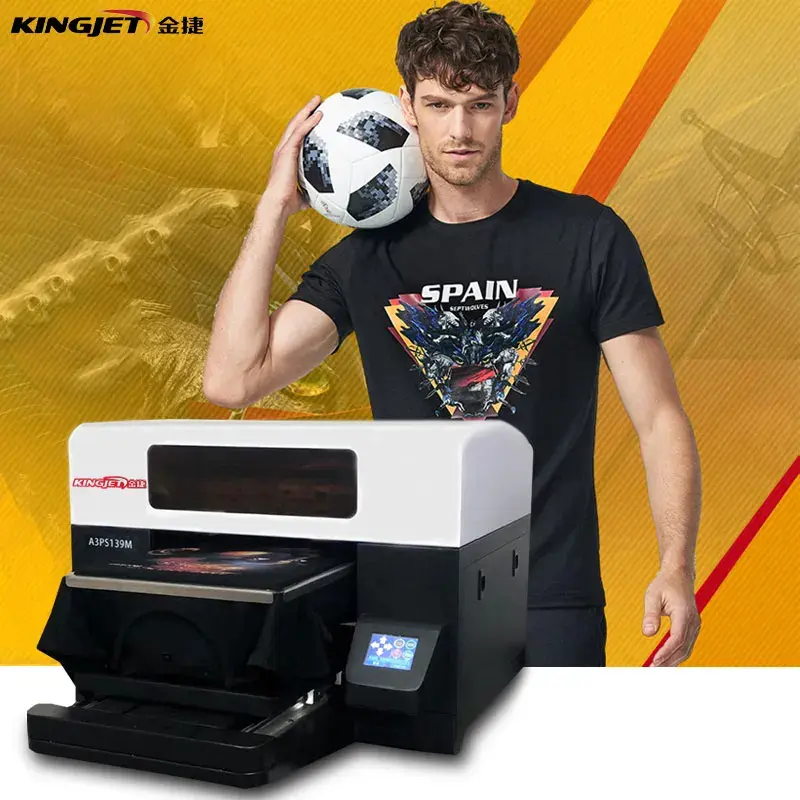
A3 DTG printer Textile Fabric Clothes T-shirt Printing Machine
Asset finance available
Do you want funding for this equipment?
Afrimart can connect you with trusted funding partners who specialise in asset finance for businesses like yours. Compare options and apply in minutes — final approval is subject to provider review.
Check funding options
Secure & no obligation

- Section : Consumer Electronics
- Category : Digital Printers
- SKU : 62415917376

Product Description


| Item name | Dtg printer /dtg printer t-shirt/direct to garment printer | |||
| Model | Kingjet A3SP139M | |||
| Print head | with EP 139 printhead | |||
| Printing Ink | Textile Pigment Ink | |||
| Print area | 320mm*420mm | |||
| Print resolution | 5760*1440dpi | |||
| Printing Speed | A4 size: 3min, A3 size: 6min | |||
| Print Material | Cloth/cotton/tshirts/hoodie | |||
| Color type | CMYK+WW | |||
| Interface type | USB | |||
| Power | 100w | |||
| Operation environment | 10-35 ℃, 20-80 RH | |||
| Print software | Ripprint | |||
| Ink supply system | Closed circulating ink system, white ink circulation system, white ink stirred system | |||
| Operation system | Win XP/7/8/10 | |||
| Requirement | Temperature: 20-28 degree, Humidity: 40% - 60% | |||
| Machine Dimension | 850*600*460mm | |||
| Packing size | 950*700*550mm | |||
| Net weight/Gross weight | 43KG/63KG | |||
| Input Power | AC110v/AC220v, 50/60Hz | |||
| Application for | Individual T-shirts printing, with white ink, it can print on both dark T-shirts and light T-shirts. |
- Shipping Timeframes: All orders are processed within 2-5 business days (excluding weekends and holidays). After your order has been processed, the estimated delivery time is before 16 Aug, 2026, depending on customs, Please note that due to high demand, some items may experience longer shipping times, which will be communicated at order confirmation email.
- Order Processing Time: Please allow 2-5 business days for us to process your order before it is shipped . Orders placed after 16:00 on Fridays, or during weekends and public holidays, will begin processing on the next business day. Processing times may be extended during peak seasons or sales events.
- Manufacturing Time: Some products needs manufacturing time, the manufacturing process will take approximately 10-30 business days depending on the product. This timeframe may vary depending on the complexity of the product and current demand. but this will be communicated with you during order confirmation.
- Returns and Exchanges: We offer a 30-day return policy for most items. If you are not completely satisfied with your purchase, you may return it within 30 days of receipt for a refund or exchange. Items must be unused, in their original packaging, and accompanied by proof of purchase. Return shipping costs are the responsibility of the customer, unless the item was damaged or defective upon arrival.
1. What is the full product name and model?
A3 DTG printer Textile Fabric Clothes T-shirt Printing Machine, model Kingjet A3SP139M.
2. What print head and ink does the machine use?
It uses an EP 139 printhead and textile pigment inks (CMYK + white).
3. What is the maximum printable area and resolution?
Maximum print area is 320 mm × 420 mm, with a maximum resolution up to 5760 × 1440 dpi.
4. How fast does the printer print?
Typical speeds are approximately 3 minutes for A4 prints and 6 minutes for A3 prints (actual speed varies by image complexity and RIP settings).
5. Which materials can I print on?
Designed for cotton and cotton-rich fabrics including T-shirts and hoodies. With correct pretreatment and settings it can handle some fabric blends; results are best on natural fibers.
6. Can it print on dark garments?
Yes. The printer includes white ink (white ink circulation and stirring systems) and supports white underbase printing for dark garments.
7. What software and file formats are supported?
The printer uses Ripprint RIP software and is compatible with common raster image formats (PNG, JPG, TIFF, etc.).
8. What are the power and interface requirements?
Input power: AC110V/AC220V, 50/60Hz. Rated power approx. 100 W. Interface type: USB.
9. What are the recommended operating environment conditions?
Operating temperature range 10–35 °C (recommended 20–28 °C) and relative humidity 20–80% (recommended 40–60% for best white ink stability).
10. What ink supply and white-ink protection systems are included?
Closed circulating ink system with a white ink circulation system and white ink stirring system to reduce clogging and pigment settling.
11. Is garment pretreatment required?
Yes — for dark garments a pretreatment solution is usually required to ensure good white underbase adhesion, ink washfastness, and vibrancy.
12. How is the print cured/dried after printing?
Prints typically require heat curing — a heat press or conveyor dryer is recommended to fix pigment inks and ensure wash resistance. Cure time and temperature depend on ink and pretreatment used.
13. What are the printer's physical dimensions and weight?
Machine dimensions: 850 × 600 × 460 mm. Packing size: 950 × 700 × 550 mm. Net weight: 43 kg. Gross weight: 63 kg.
14. How many garments can I print per hour?
Estimated throughput is about 20 A4 prints per hour (3 min each) or about 10 A3 prints per hour (6 min each); actual output depends on workflow, drying/curing time, and image complexity.
15. What consumables and maintenance are required?
Consumables include textile pigment inks (CMYK+White), pretreatment solution, maintenance/cleaning fluids, and replacement parts like maintenance pads or capping station components. Regular maintenance: routine printhead cleaning, white-ink circulation checks, and following the manufacturer's cleaning schedule to prevent clogging.
Latest Order Arrivals
Discover our latest orders
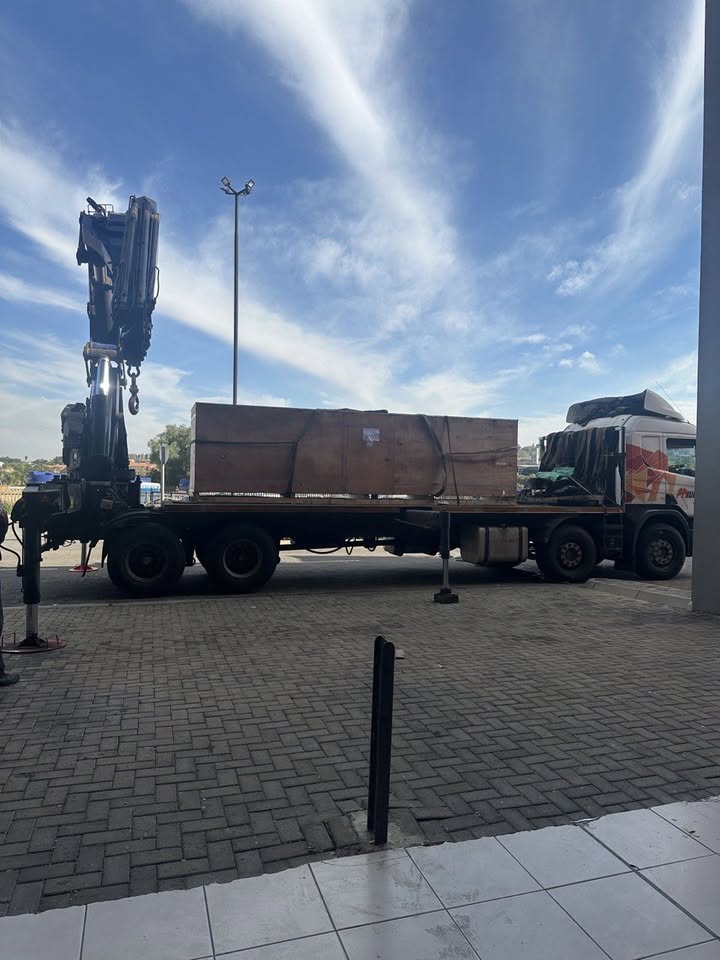
12 Heads Embroidery Machine
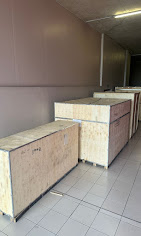
Toilet Paper Machine Machine
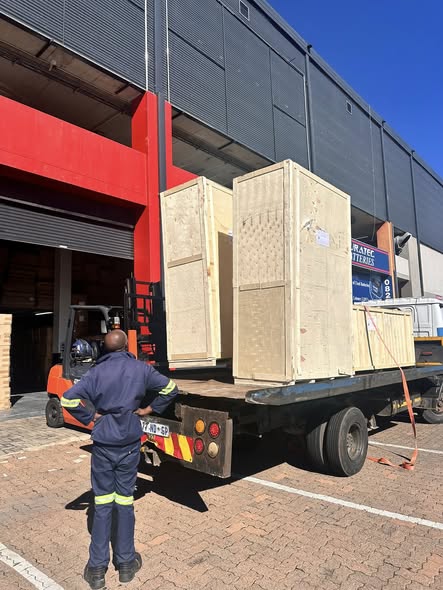
Order Collection
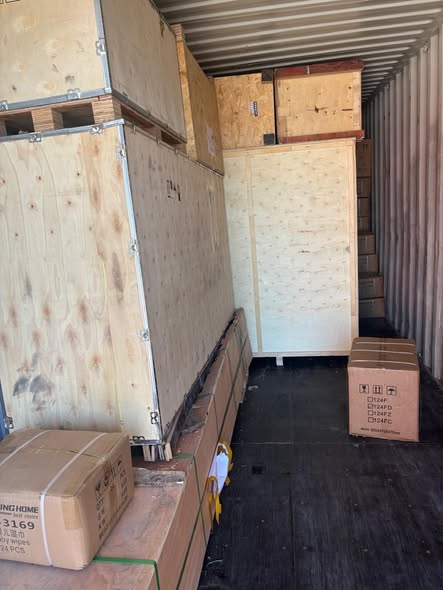
Cross Border Clients
Order cros border countries Collected
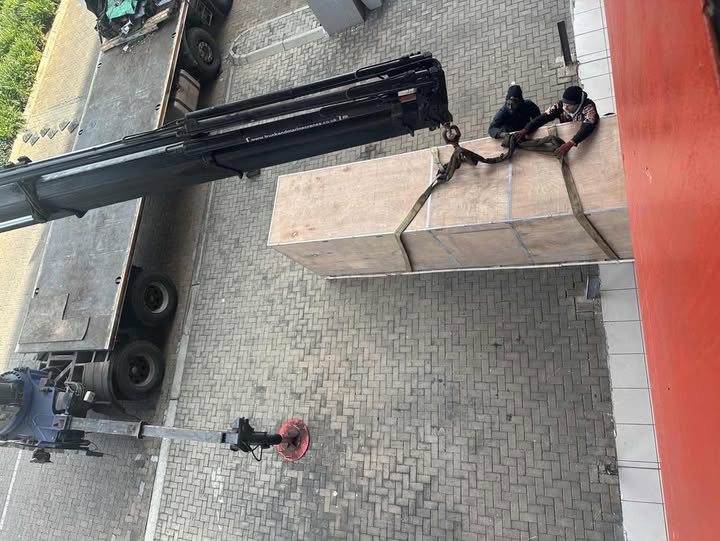
Industrial Machine Cllection
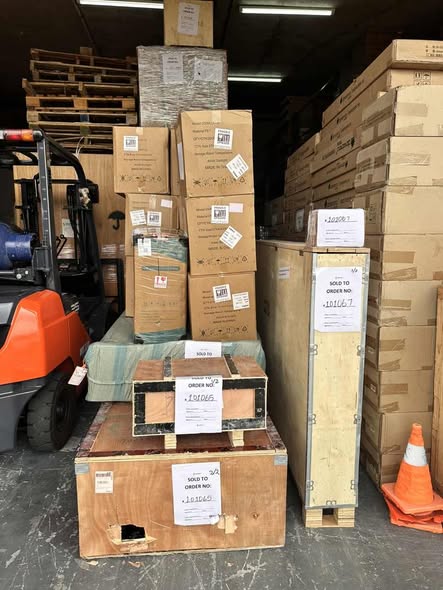
Agriculture Processing Machines
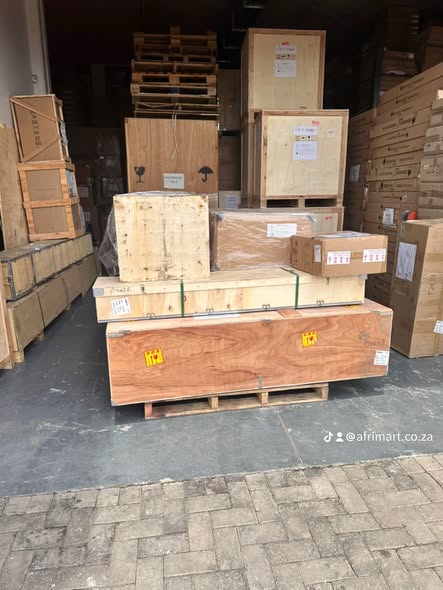
Ready for collection
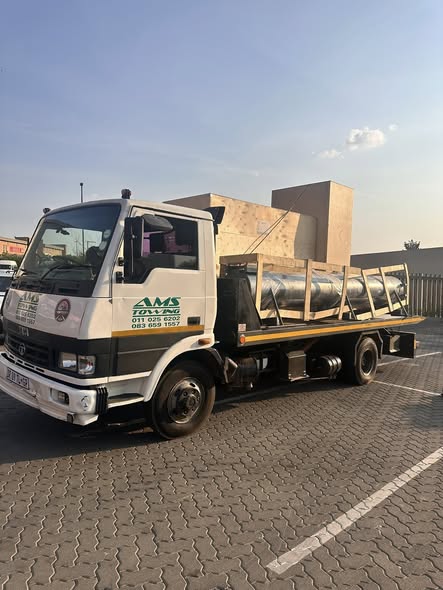
Water Pump Equipment
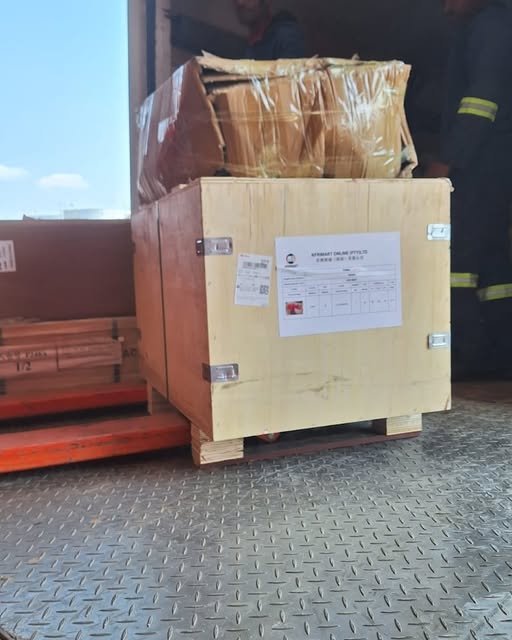
Packaging Machine and accessories
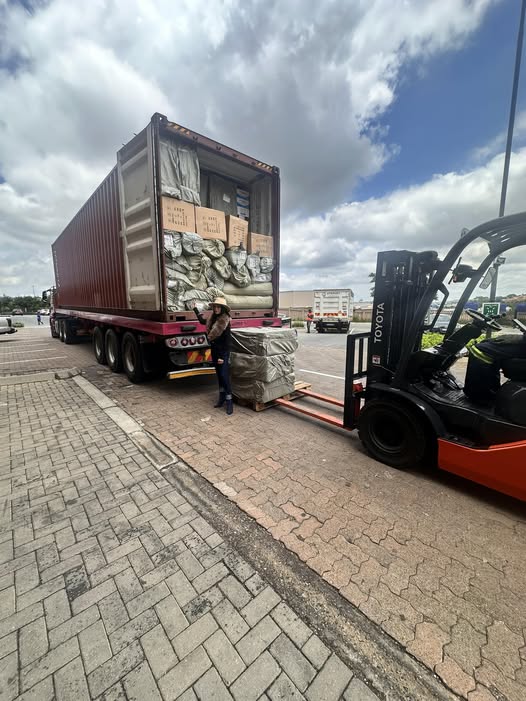
Fabrics Manufacturing Equipment
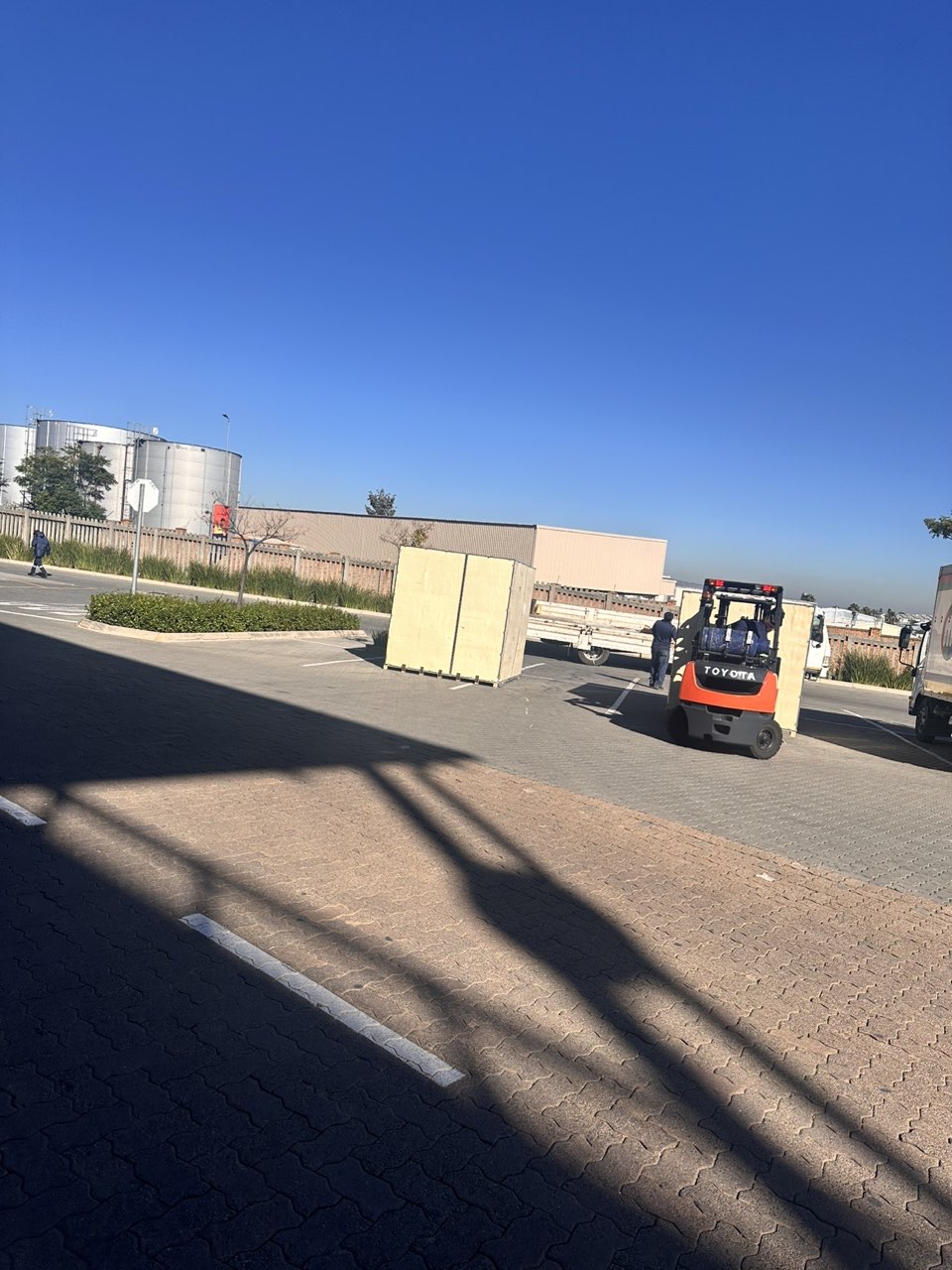
Mining Equipments
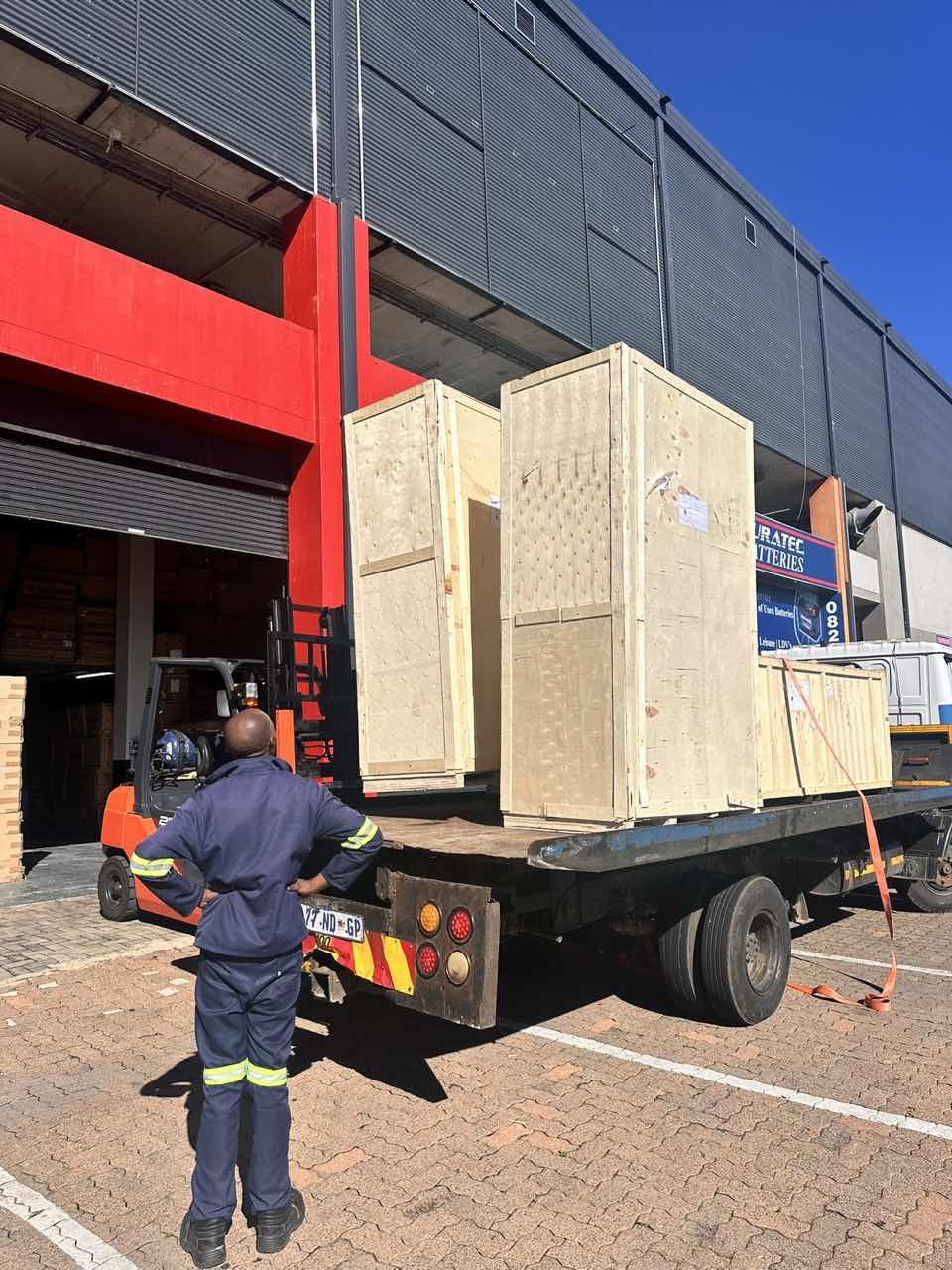
Food Processing Machine
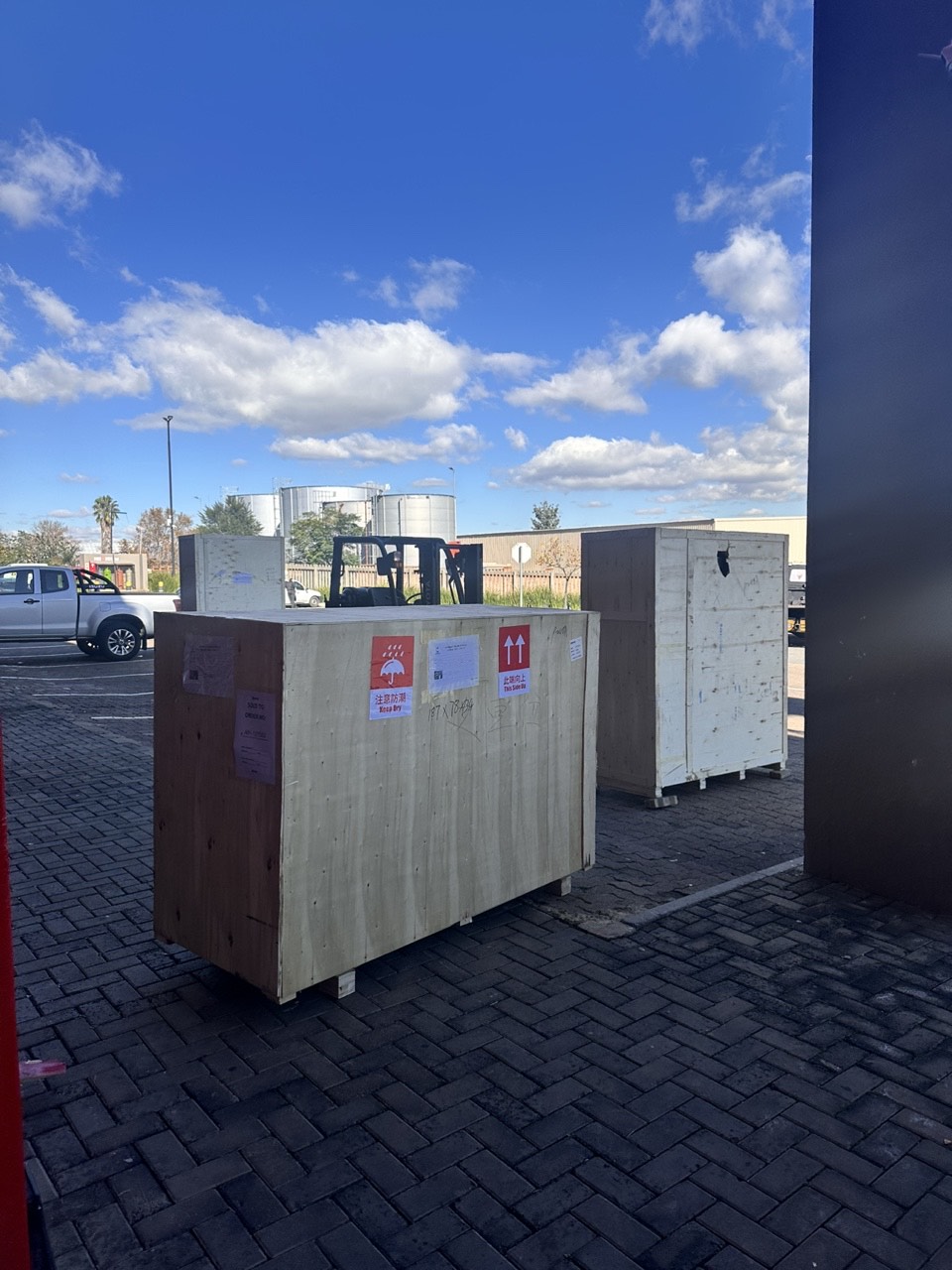
Batch of Orders
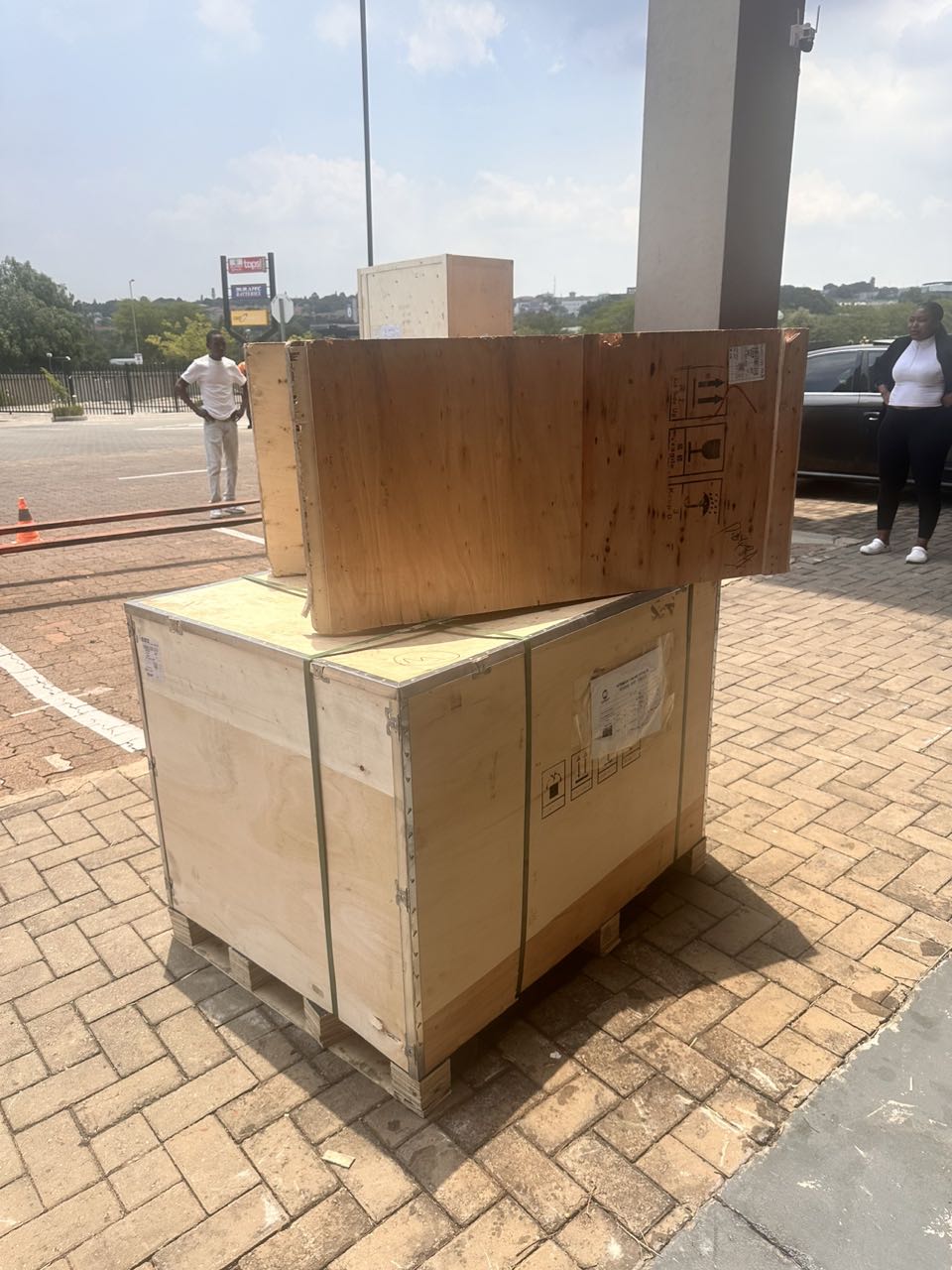
Batch of Orders
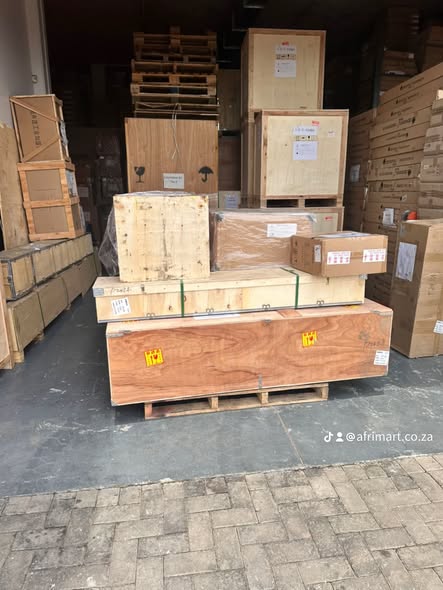
Latest Orders Labelled
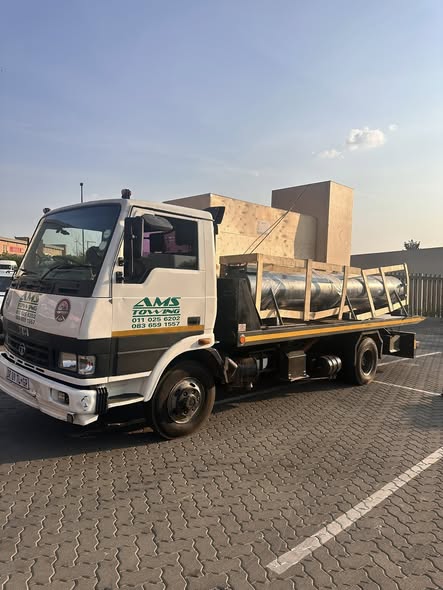
wheel alignment machines
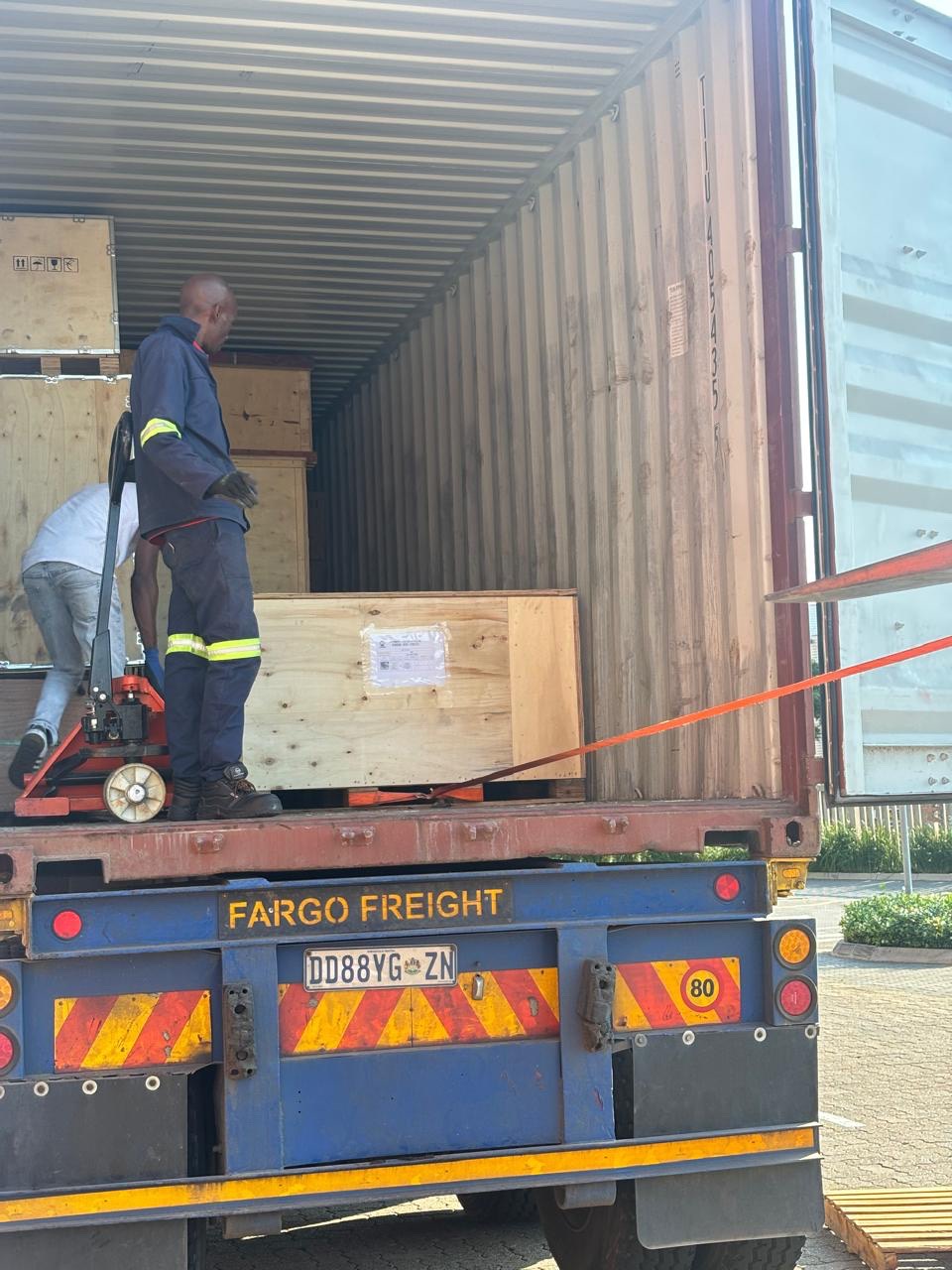
new arrivals
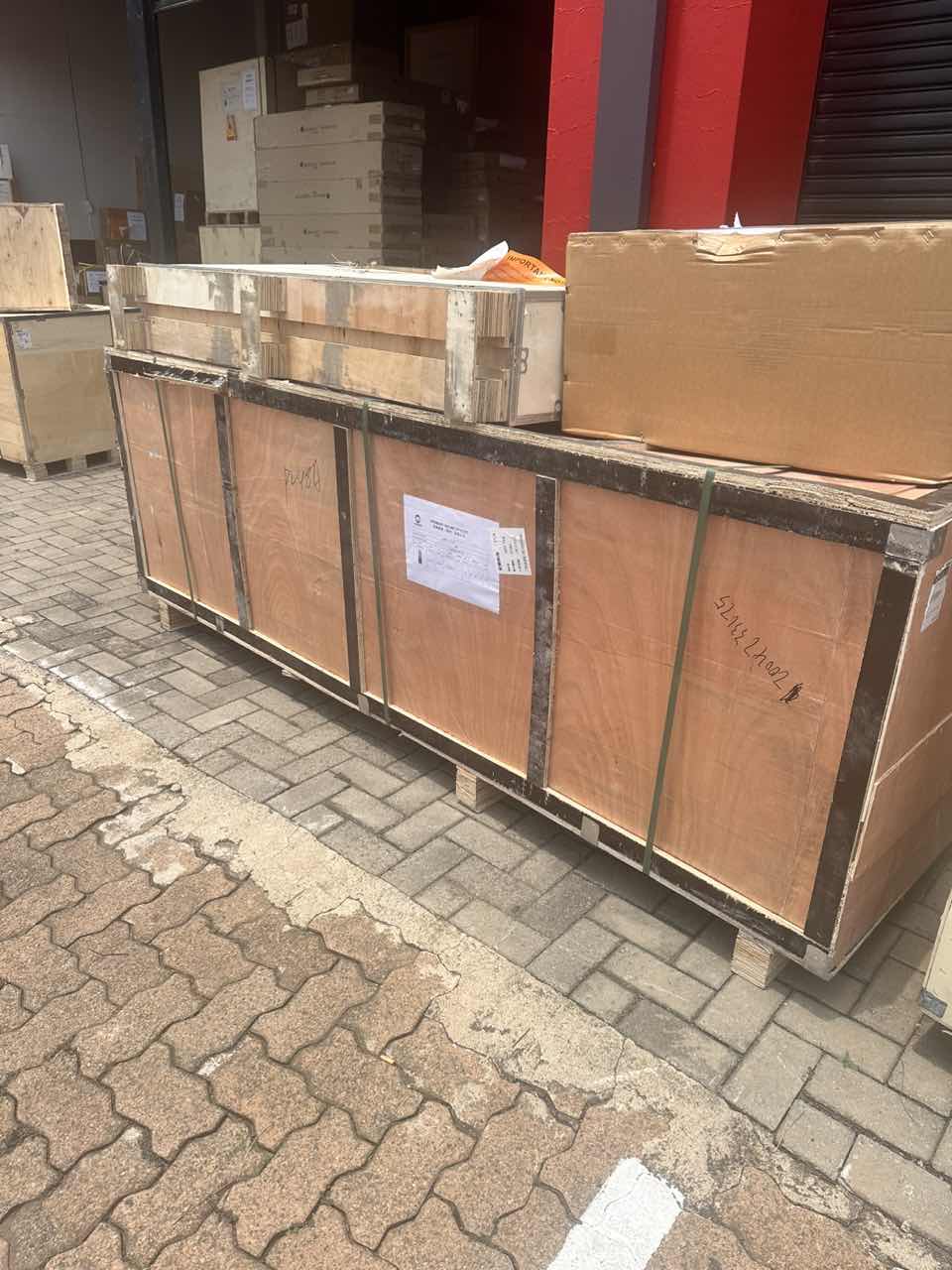
Pre Orders Offloading
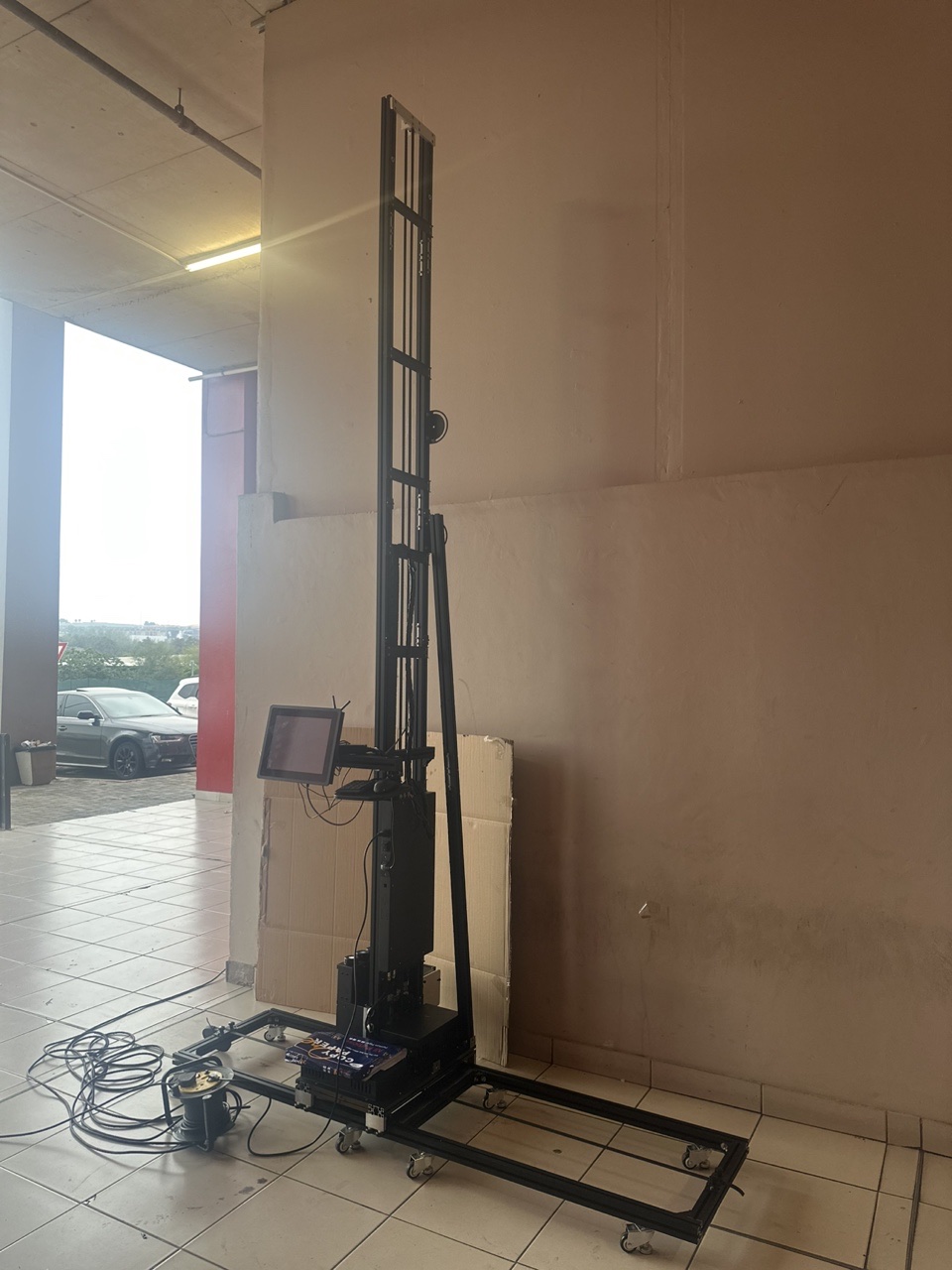
Latest Arrivals
Latest Arrivals
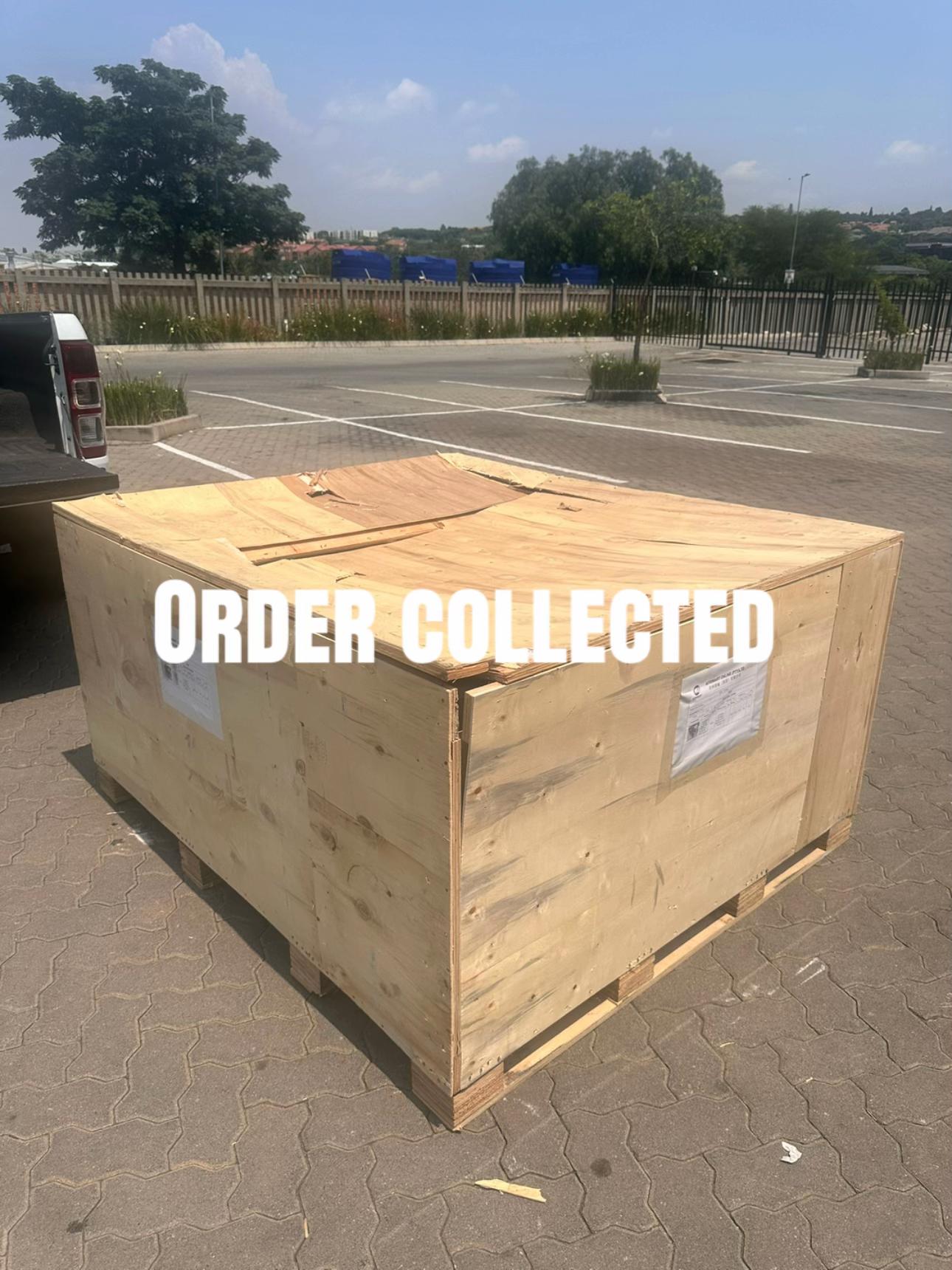
Latest Arrivals
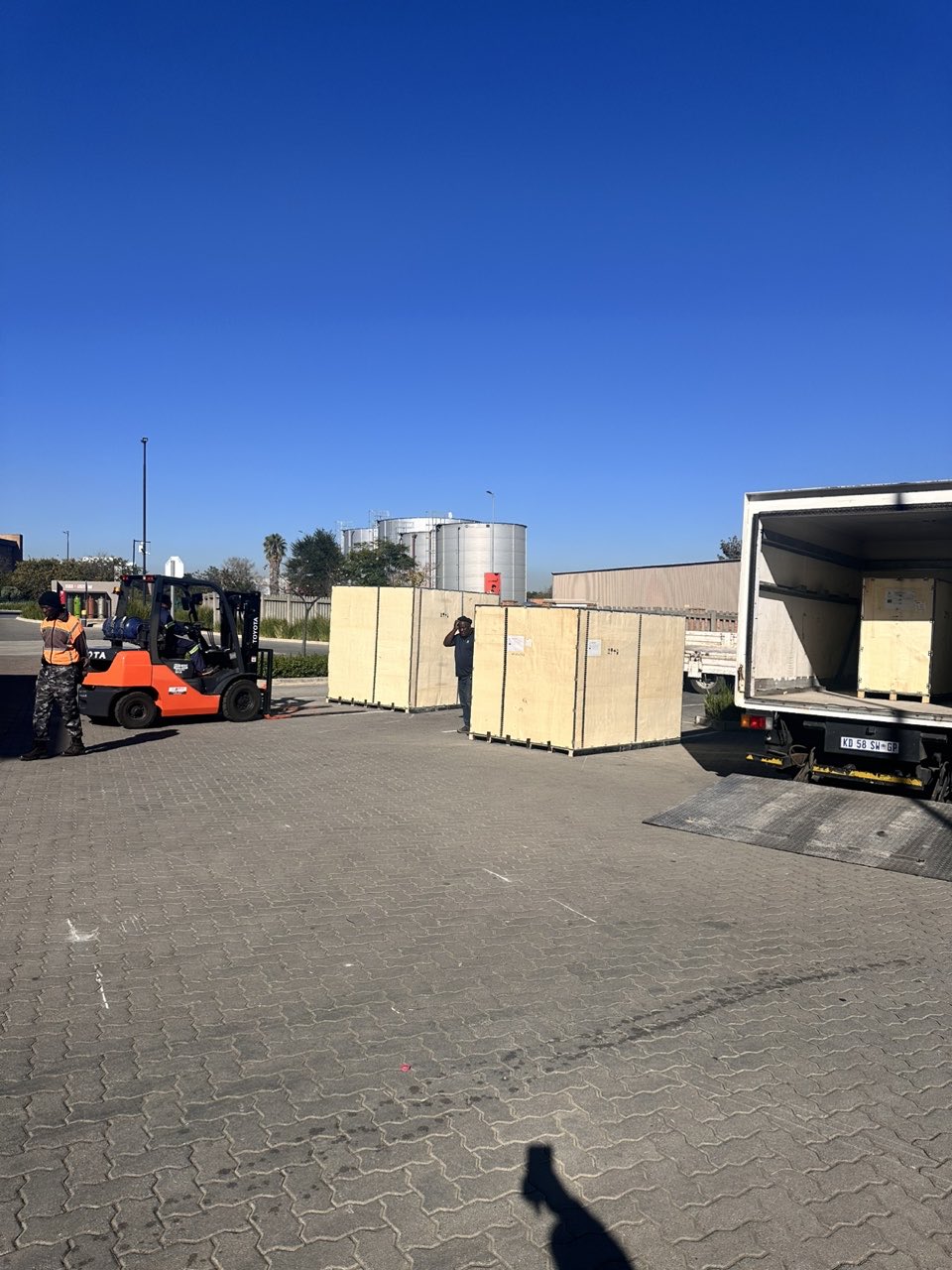
Loading
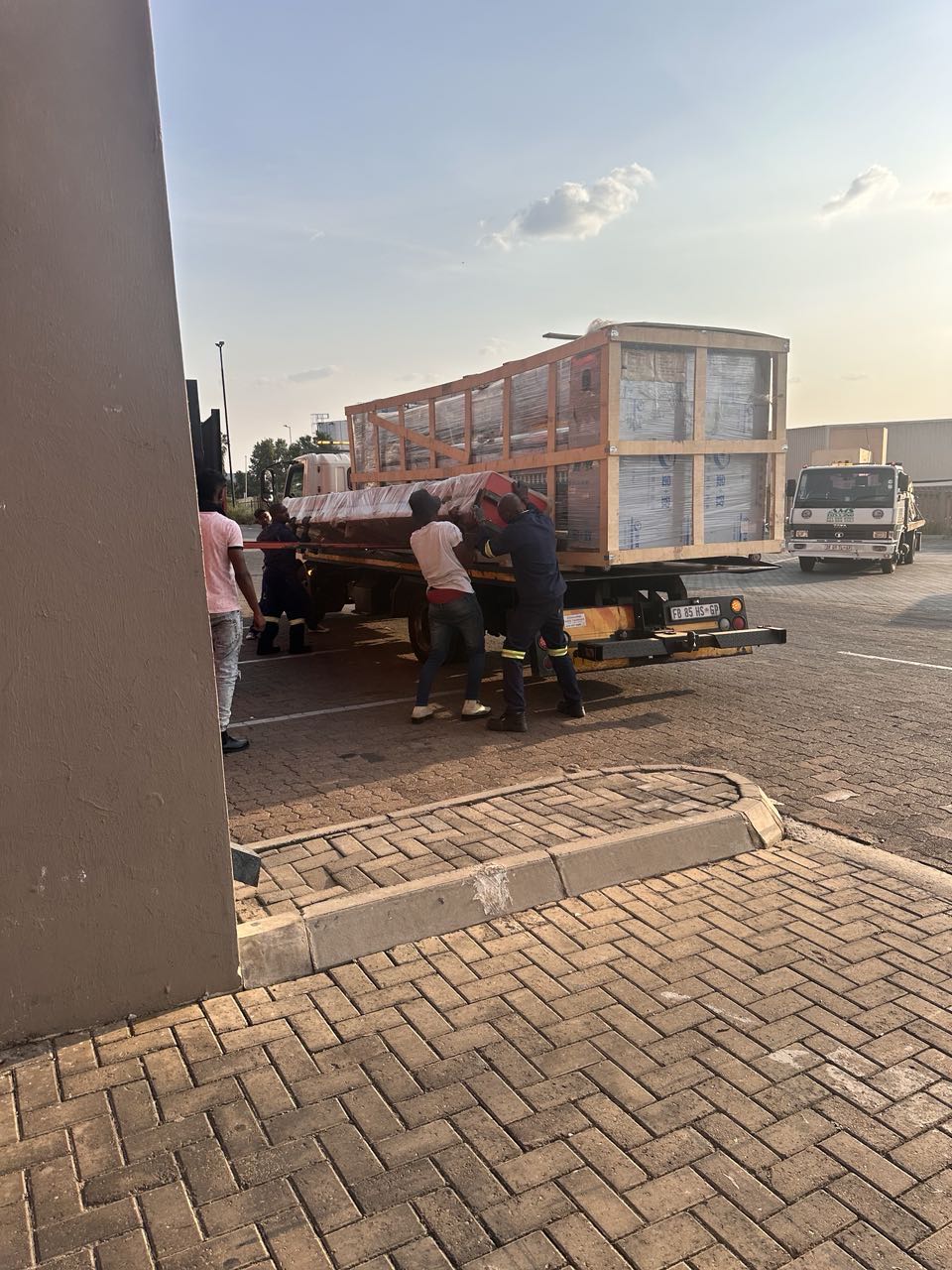
Toilet paper making machine
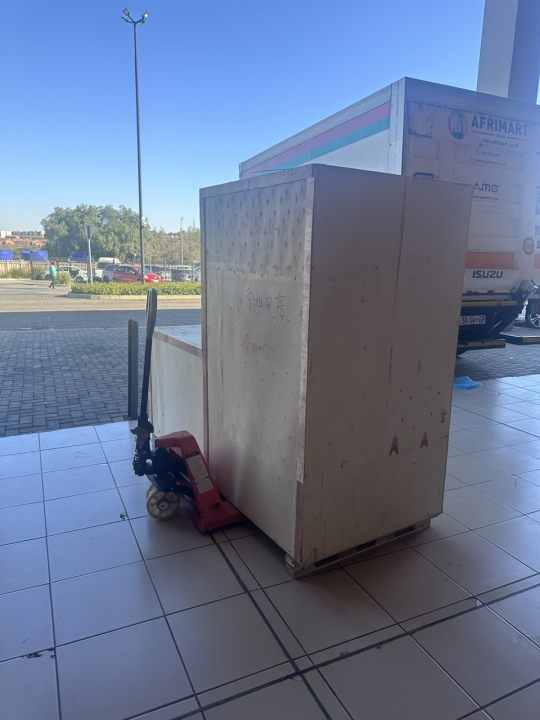
Toilet paper making machine
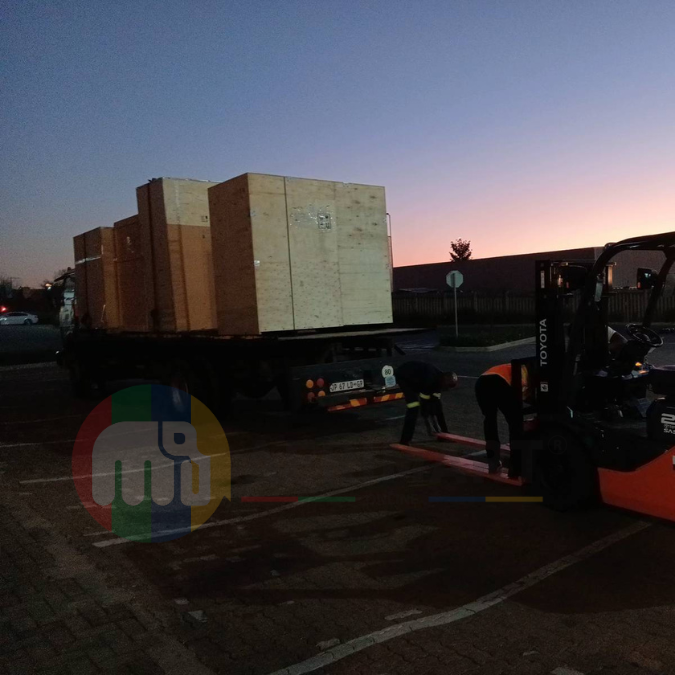
Toilet paper Rewinding Machine
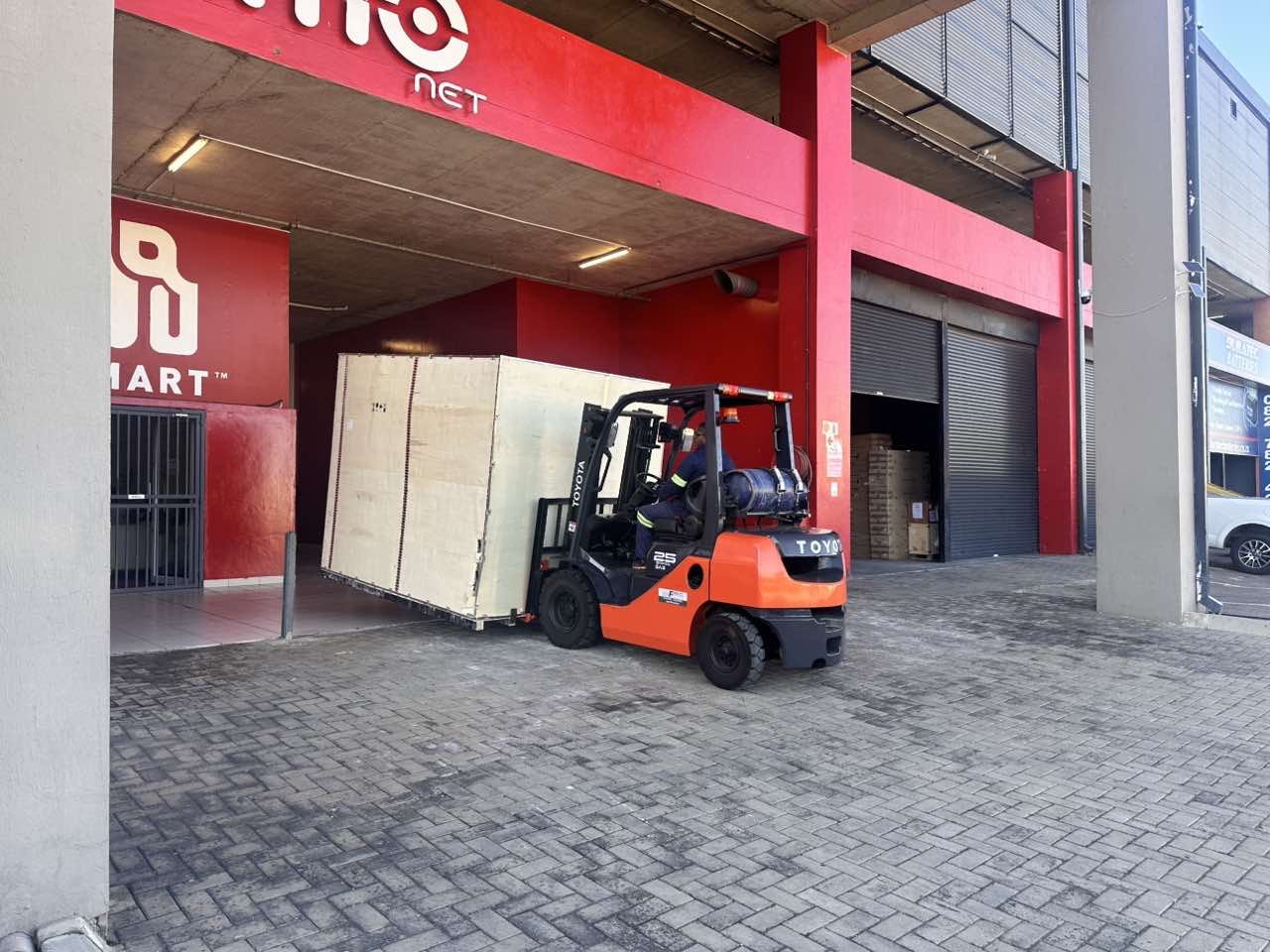
latest arrivals
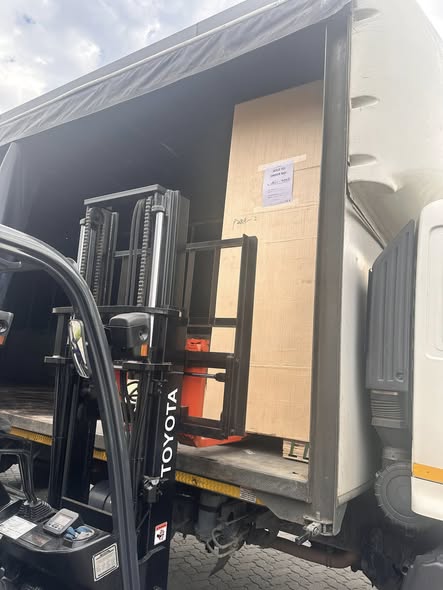
offloading
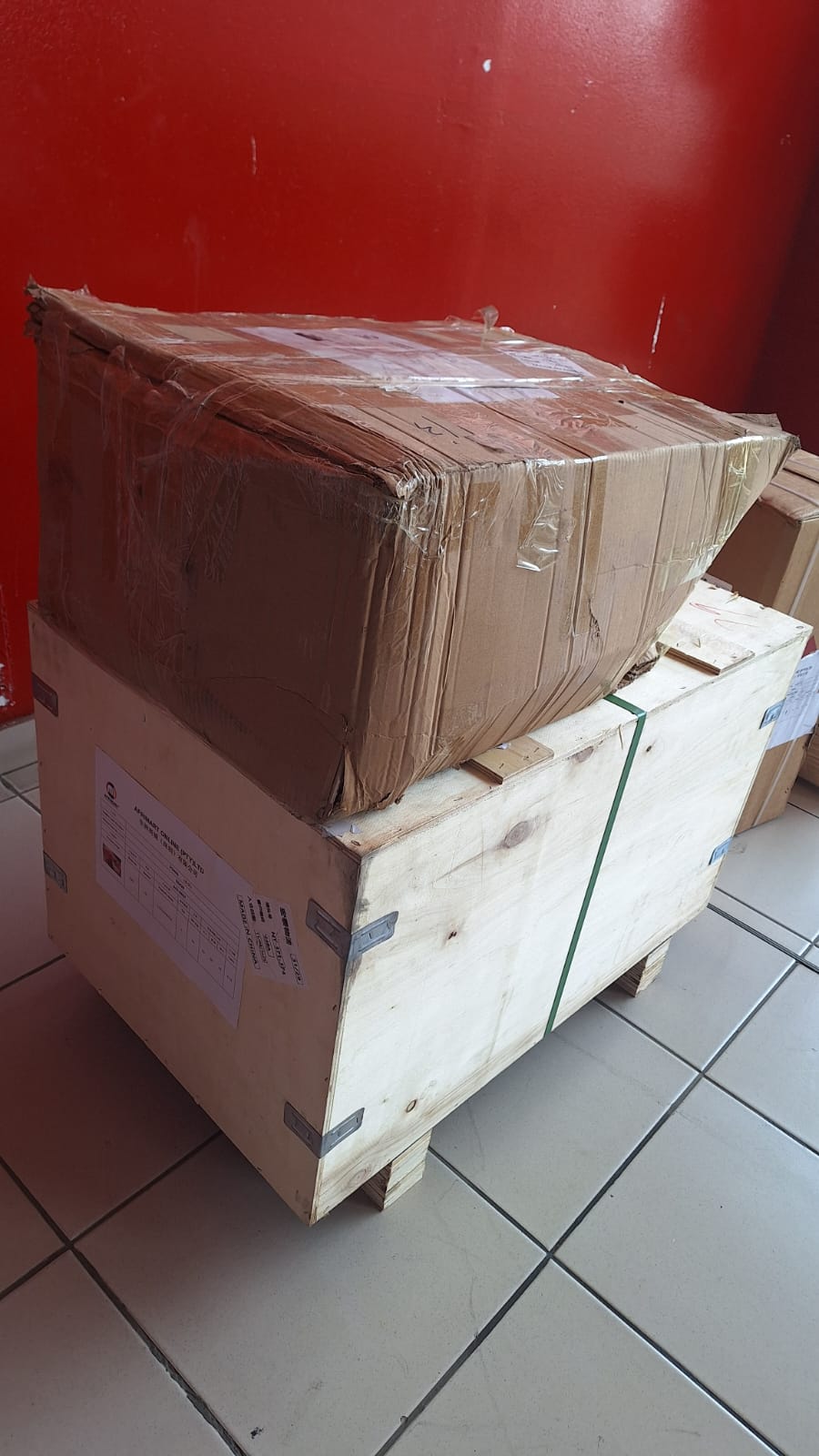
order success
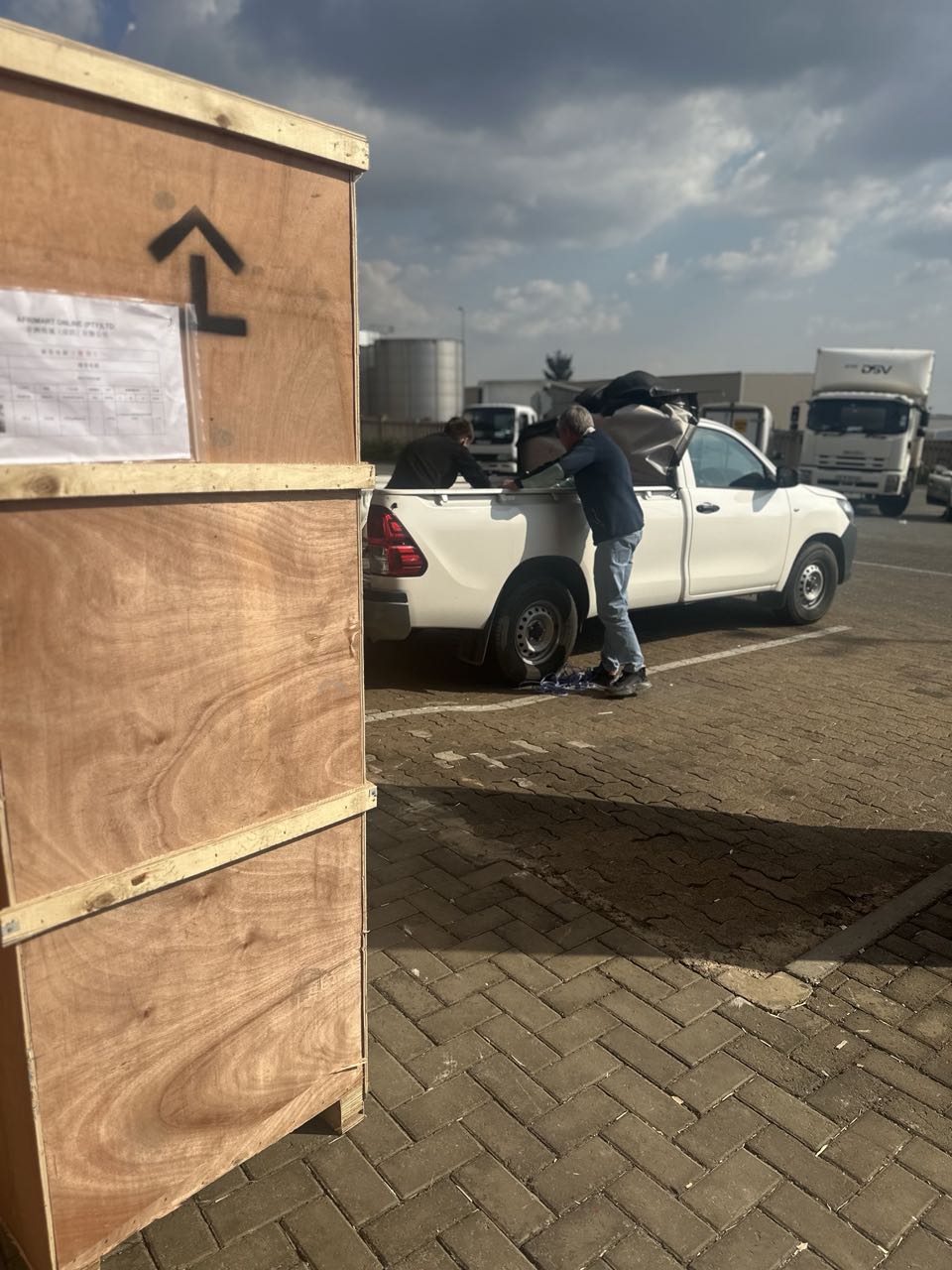
order collection
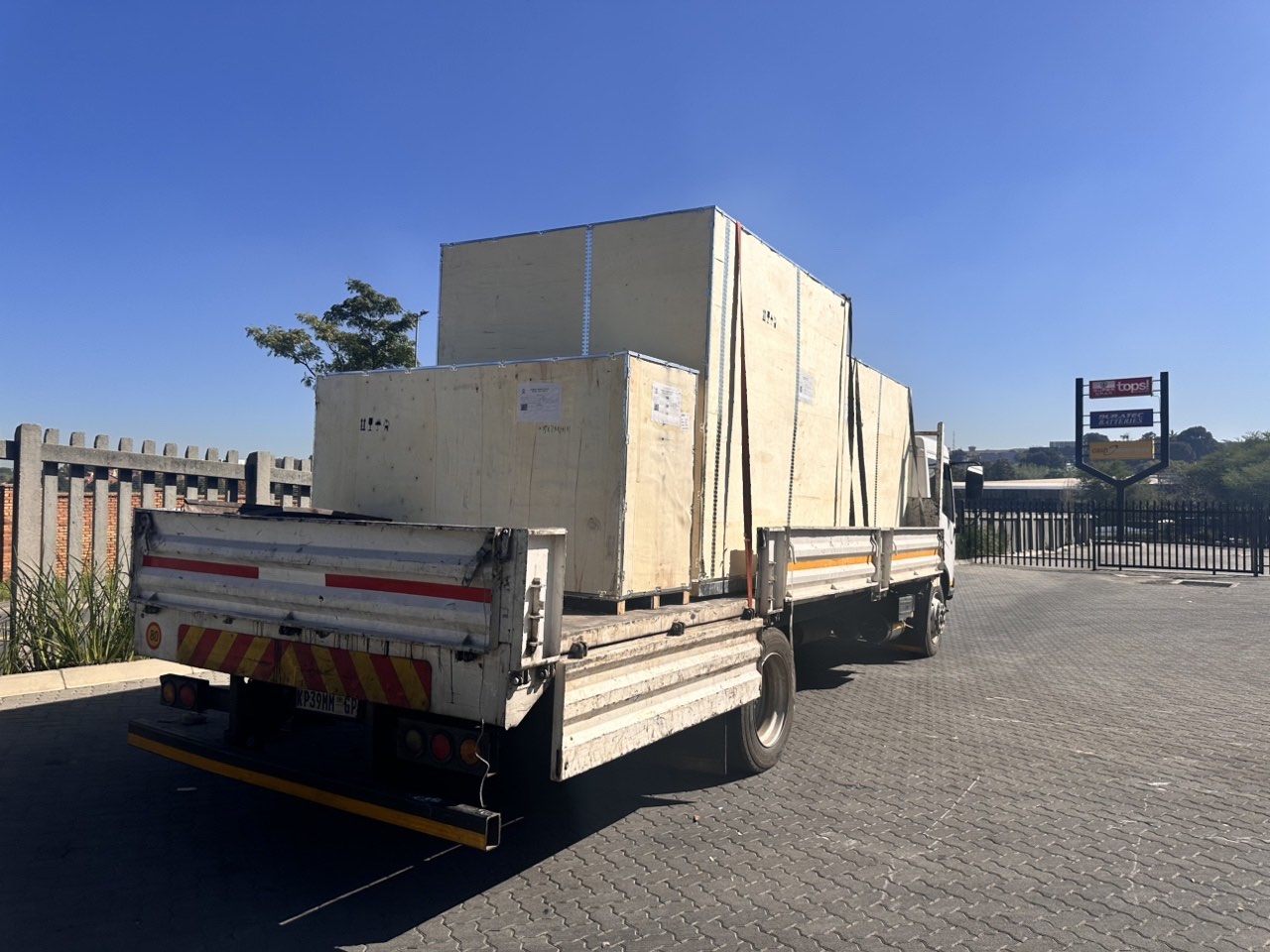
order offloading